
Kastamonu
- Black Sea Region
About Kastamonu
Kastamonu lies in the west of the Black Sea Region. The provincial centre is ringed by the İsfendiyar (Küre) Mountains to the north and the east–west Ilgaz Mountains to the south. It borders Sinop, Çorum, Çankırı, Bartın and Karabük. Although Kastamonu may look like a coastal province, the city centre lies inland; the districts of Cide, Doğanyurt, İnebolu, Bozkurt, Abana and Çatalzeytin are on the sea.
Kastamonu's famous dishes and desserts
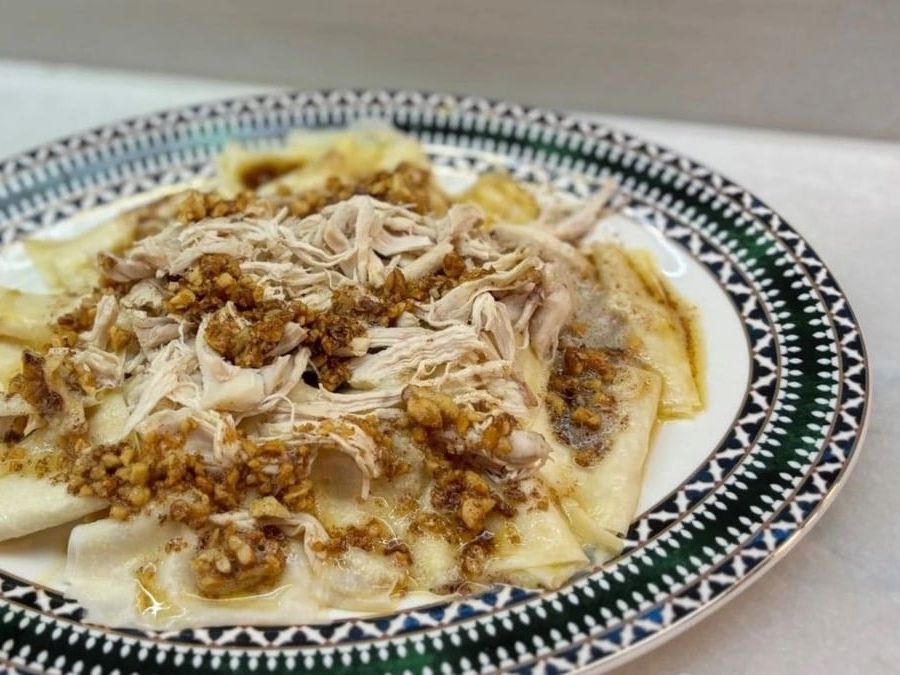
Banduma
A Kastamonu dish made by topping cooked yufka or bazlama flatbread with shredded chicken and walnuts.
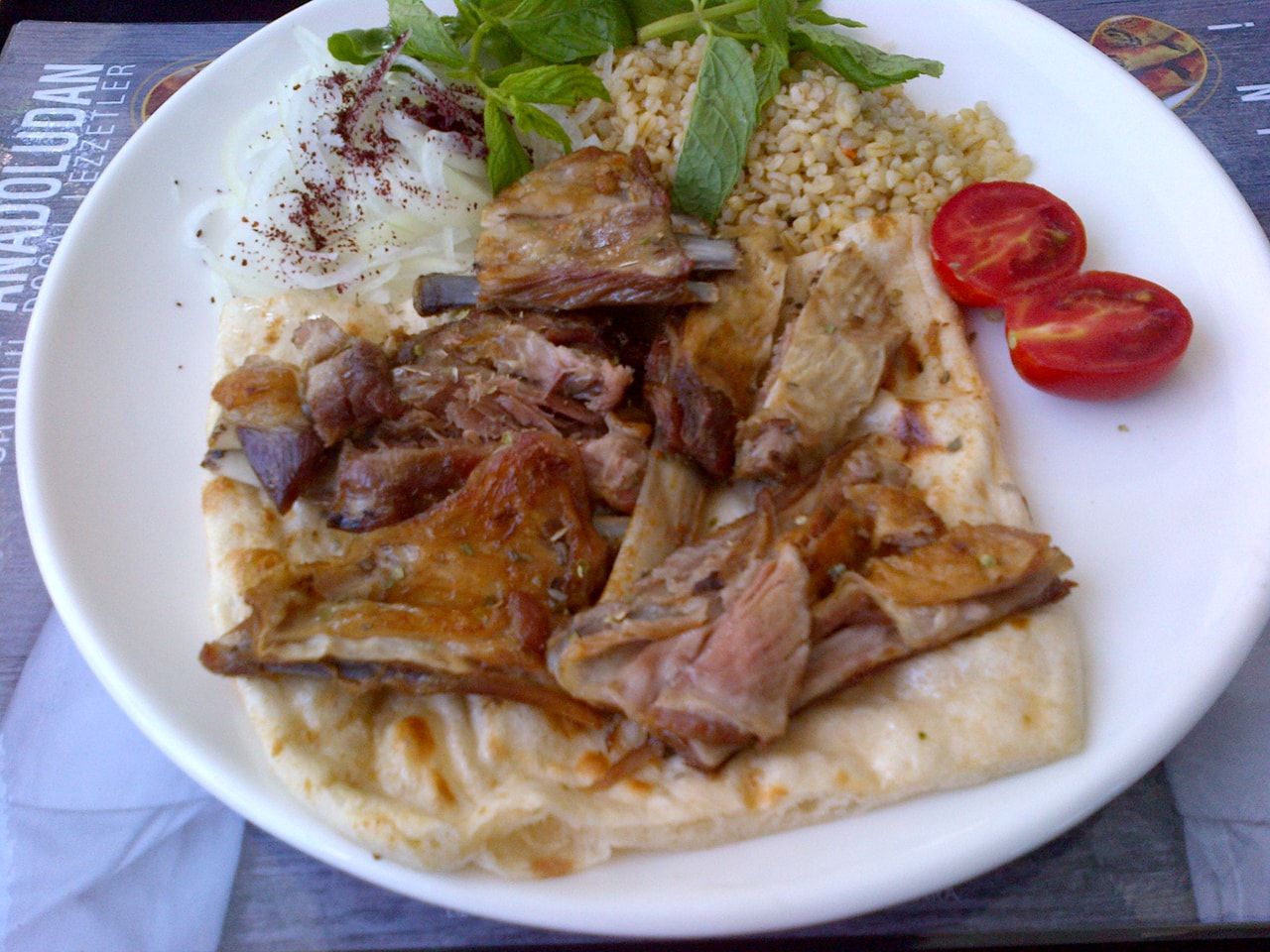
Biryan kuyu kebabı
A whole lamb or sheep is cooked for a long time over wood embers in a pit dug in the ground.
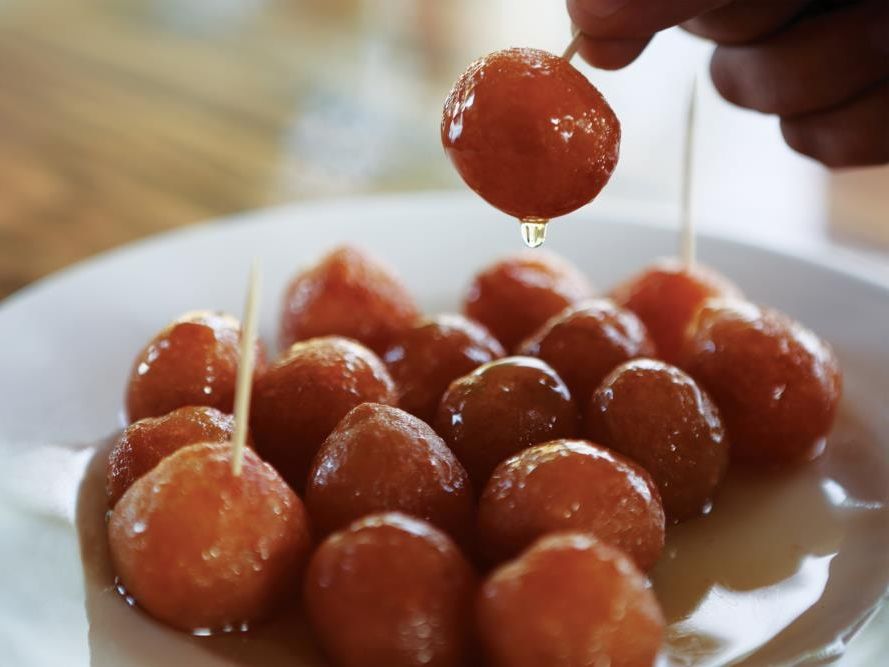
Cırık tatlısı
A dessert made by frying a runny batter and soaking it in syrup; in Devrekani it is fried twice.
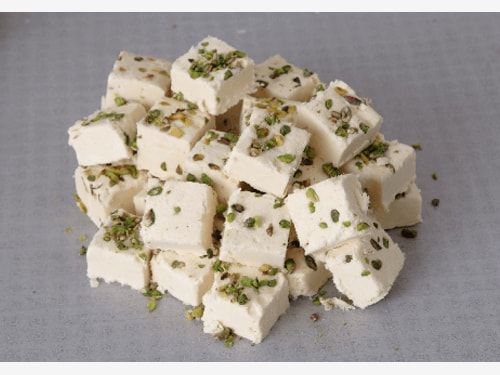
Çekme helva
A helva in which sugar and flour are pulled and stretched into fine threads.
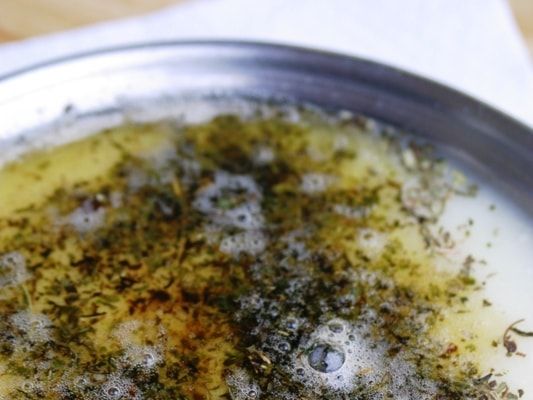
Ecevit çorbası
A soup cooked with rice, yoghurt, egg and flour and flavoured with mint sizzled in butter; it is associated with the Küre district.
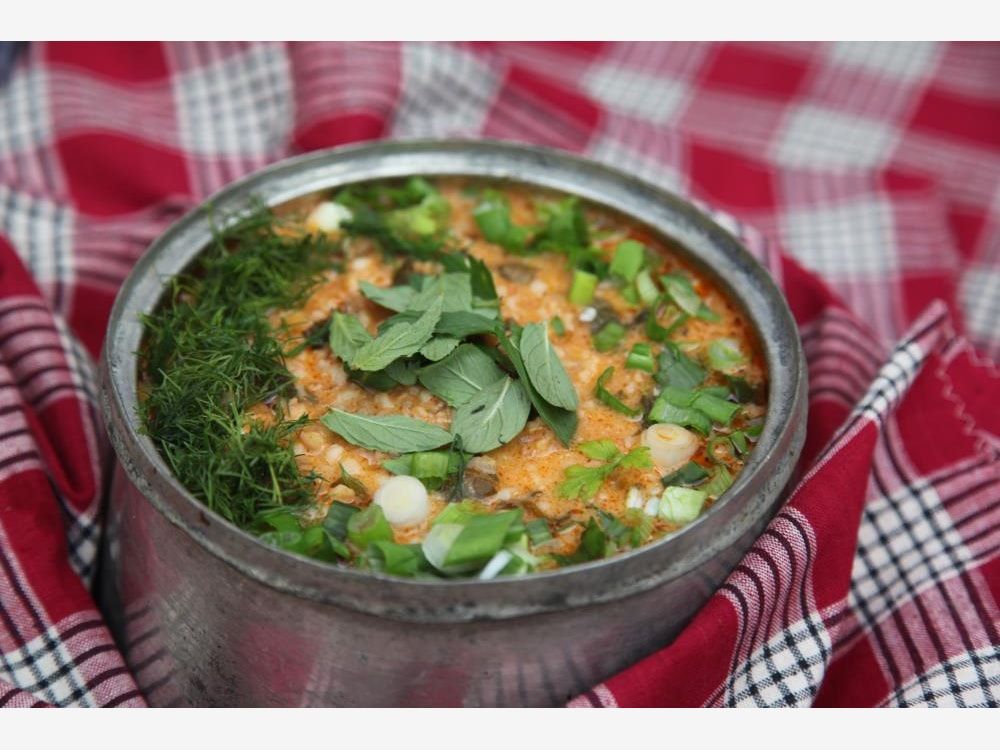
Ekşili pilav
A pilaf cooked with bulgur or siyez (einkorn) wheat, soured with tangy ayran or yoghurt and topped with sizzling butter.
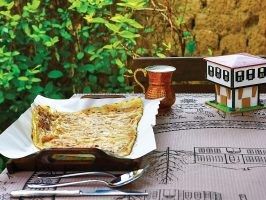
Etli ekmek
In Kastamonu, etli ekmek is made by placing a minced-meat filling on half of a thinly rolled sheet of dough and folding the dough over. Both sides are cooked on a sac griddle.
Source: kastamonu.bel.tr


Places to visit in Kastamonu
İsmail Bey Külliyesi (İsmail Bey Complex)
The İsmail Bey Complex is a large group of buildings and one of Kastamonu’s oldest historic monuments. Impressive for its architecture, it stands in the neighbourhood that bears the same name.
Built in 1443–1461, it has an imaret (soup kitchen), a mosque, a primary school, a bath, a han, a library and a kitchen. The mosque, imaret and madrasa of the complex form a courtyard. One of the places most worth seeing in Kastamonu, the İsmail Bey Complex is visited constantly every year by tourists coming to the city.
Zımbıllı Tepe Höyüğü (Zımbıllı Tepe Mound)
Zımbıllı Tepe Mound, one of the historic sights of Kastamonu’s Taşköprü district, began to be used as a settlement in 64 BC.
This ancient settlement was first founded by the Romans, and archaeological excavations are still going on. With new historic remains coming to light all the time, Zımbıllı Tepe Mound could be one of your routes in Kastamonu.
The Kastamonu Archaeological Museum and the Liva Paşa Mansion Ethnography Museum should also be on your list. You can easily visit all three places in a day.
Kastamonu Arkeoloji Müzesi (Kastamonu Archaeological Museum)
The Kastamonu Museum, opened in a building first used as a museum in 1952, displays glass, terracotta, statues and grave stelae of the Hellenistic, Roman and Byzantine periods found in and around Kastamonu. Bearing traces of many civilisations such as the Hittites, Phrygians, Hellenes, Byzantines and Romans, the Kastamonu Archaeological Museum is on Cumhuriyet Avenue in the central district.
In the museum, which holds archaeological finds from around Kastamonu and Çankırı, the items Atatürk used during his visit to Kastamonu are also on display. Terracottas, sarcophagi, figurines, gravestones, statues and glass are just a few of the pieces in the collection. Because it is central and easy to reach, the Kastamonu Archaeological Museum could be one of the first places you visit in the city.
On your Kastamonu trip we also recommend including the Liva Paşa Mansion Ethnography Museum.
Liva Paşa Konağı Etnografya Müzesi (Liva Paşa Mansion Ethnography Museum)
The building of the Liva Paşa Mansion Ethnography Museum in the centre of Kastamonu was built in the 1870s.
One of the finest examples of civil architecture, the mansion was expropriated in 1979 and opened as a museum in 1997. The Liva Paşa Mansion Ethnography Museum has a rich collection.
Kastamonu’s handicrafts, shoemaking, rope making, weaving and printing are presented in separate rooms. The museum also has a bridal room, a sitting room, a guest room and a day room.
The Liva Paşa Mansion Ethnography Museum is just one of the places we recommend seeing on your Kastamonu trip. Don’t miss the chance to see ethnographic collections in a historic mansion.
Kuyluç Mağarası (Kuyluç Cave)
Kuyluç Cave in Kastamonu is within the Şenpazar district. Also known as Dağlı Kuyluca, it is visited by tourists for its natural formation.
The mouth of the cave is even wider than the mouth of the Çukurpınar sinkhole, Türkiye’s deepest point. The two streams at its entrance are a lovely sight. While visiting Kuyluç Cave on your Kastamonu holiday, you can also visit the area’s other caves, Sarpunalınca Cave and Ilgarini Cave, and its other beauties, the Ilıca Waterfall, the Çatak Canyon and the Horma Canyon.
Sarpunalınca Mağarası (Sarpunalınca Cave)
Sarpunalınca Cave
Sarpunalınca Cave, in Kastamonu’s Küre district, is within the boundaries of Şenlik village.
Still an active cave, Sarpunalınca is still forming stalactites and stalagmites, although it is not very rich in formations. Its exit mouth will draw you in: it will certainly cast its spell on you.
This cave is one of the places you must see on your Kastamonu holiday, and when you go, the cave mouth also offers the chance to camp. After Sarpunalınca Cave you can head for the Çatak Canyon, Ilgarini Cave, the Horma Canyon, Kastamonu Castle, the Valla Canyon and the Ilıca Waterfall.
Çatak Kanyonu (Çatak Canyon)
With Ilgarini Cave, the Horma Canyon, Kastamonu Castle, the Valla Canyon and its sea, sand and sun, Kastamonu is among the places that attract tourists most. And there is one more spot that stands out among its natural beauties: the Çatak Canyon.
The Çatak Canyon is the world’s 4th-largest canyon. Seeing its wild and mysterious face takes a little effort, but you can reach the viewpoint 900 metres up from the walking trail and witness its unique view. On a trip with all your gear, every step will offer its own appeal.
Pınarbaşı Ilvarini (Ilgarini) Mağarası (Ilgarini Cave)
Formed over a period of 160–220 million years, Ilgarini Cave is in Kastamonu, within the Pınarbaşı district.
An important tourist site, Ilgarini Cave is the world’s 4th-largest cave. Its stalactites and stalagmites are 1 million years old, and it lies 1,250 metres above sea level. Ilgarini Cave is not just a place to see on your Kastamonu trip; it is one of the places you must go to in your lifetime. Your journey into the depths of the cave will open the doors to a different world.
The cave in Kastamonu’s Pınarbaşı district is important as the world’s 4th-largest cave among those formed in the Tertiary and Quaternary.
The stalactites and stalagmites in the 850-metre-long cave are a beautiful sight. Inside the cave are the remains of Roman and Byzantine tombs and a chapel.
Join the atmosphere of Ilgarini Cave, visited by about 2,000 tourists a year. Afterwards you can add the Horma Canyon, Kastamonu Castle, the Valla Canyon and the Ilıca Waterfall to your list.
Horma Kanyonu (Horma Canyon)
The Horma Canyon, one of Kastamonu’s unique places, is a little-known natural area, but the number of visitors discovering it has risen in recent years. Enchanting those who see it and intriguing those who haven’t, the Horma Canyon is in Ilıca village in the Pınarbaşı district.
Made up of waterfalls and deep pools, the canyon’s natural pool at its exit, reminiscent of Ölüdeniz, will be one of the details that catch your eye most. A thrilling place for nature lovers, it is also quite dangerous.
In some places rock blocks will not let you through, and you will have to swim on. At other points you will meet formations that look like aqueduct arches. If you love nature or love excitement in nature, you should definitely visit the Horma Canyon. Afterwards you can add Kastamonu Castle, the Valla Canyon and the Ilıca Waterfall to your list.
Kastamonu Kalesi (Kastamonu Castle)
Kastamonu Castle, which with its grandeur and history is the first to greet, welcome and see off those who come to Kastamonu, adds beauty to our homeland.
One of Kastamonu’s most important historic legacies, the castle was built in the 12th century under the Komnenos dynasty in response to Turkish raids on the region.
While its lower structure has the features of late medieval Byzantine architecture, the part that survives today was thoroughly repaired in the beylik period. Most recently it was restored and repaired by Kastamonu Municipality in 2005.
Because the castle stands on a hill overlooking Kastamonu, it can easily be seen from the city centre. You can drive part of the way up and then reach the castle on foot by a gently sloping path. Along the path there are shops selling all kinds of souvenirs, where you can buy a “Kastamonu keepsake” for your loved ones.
Valla Kanyonu (Valla Canyon)
The Valla Canyon in Kastamonu’s Pınarbaşı district is 26 kilometres from the district centre.
Formed where the Devrekani stream meets the Kanlıçay, the Valla Canyon is kilometres long and is the hardest canyon in Türkiye to traverse.
It has a wild beauty, and perhaps that is part of its appeal. Its steep cliffs are home to vultures, eagles, falcons, sparrowhawks and a few wild animals. If you plan to visit the Valla Canyon, never set off without proper gear; otherwise it really is a hard canyon to cross. You will feel your first big thrill the moment you take the first step.
İnebolu Abaş Tepesi (Abaş Hill, İnebolu)
Abaş Hill in Kastamonu’s İnebolu district was formerly known as Abraş.
Offering the finest views of İnebolu, Abaş Hill holds many remains. In particular, the marble pieces with column capitals and carved figures seen in the Avara neighbourhood are worth seeing and photographing. There are also stories about Abaş Hill.
If seeing the wonderful harmony of lush green and blue is one of your must-haves, Abaş Hill in İnebolu will satisfy that passion beautifully. On this trip you can also visit Geriş Hill in İnebolu, close by. These two hills are waiting to win a big place in your heart.
İnebolu Geriş Tepesi (Geriş Hill, İnebolu)
Geriş Hill, in Kastamonu’s İnebolu district, lies south of the town and is a favourite of trekking enthusiasts.
The hill, 495 metres high, holds the remains of a castle. There are also the remains of a monastery on Geriş Hill, though it is not known when it was built. The monastery has columns, cisterns and inscriptions that are well worth seeing.
This area, suitable for trekking, is often visited by nature lovers. With every shade of green, natural beauty after natural beauty and clean air you can breathe in deeply, Geriş Hill in İnebolu welcomes visitors in every season.
Gideros Koyu (Gideros Bay)
Gideros Bay, which fits into its setting like a picture of paradise, is 15 kilometres from Cide and reveals itself as you get closer.
It is within Kastamonu province and offers a place to stop along the 170-kilometre coastline.
The first structure the bay shows you on your way is the Gideros Castle that shares its name, along with charming places to rest. Gideros Bay was used as a shipyard and a shelter in antiquity too. As soon as you see it you will want to spend a few days here, and the guesthouses here will gladly open their doors to you. Its name comes from the Genoese, and there is plenty to do. Fishing, swimming, eating salad and fish, you will greatly enjoy your holiday.
Ilıca Şelalesi (Ilıca Waterfall)
The Ilıca Waterfall, where you will witness a different beauty at every step, will take your breath away with its fantastic appearance.
The waterfall pours its water into a place known locally as the Dev Kazanı (“Giant’s Cauldron”). The plants and trees around this part will win your admiration, and hearing every drop of the rhythmically flowing water will be a pleasure. A natural wonder, the Ilıca Waterfall gives Kastamonu’s Pınarbaşı district a fairy-tale air.
When you touch the water with your hand, you will shiver for a moment. This sudden reflex will surprise you, and your admiration for nature will double. You will want to photograph every minute you spend here and won’t want to put your camera down. The Ilıca Waterfall, which will make you feel emotions you have never felt before, is a place full of surprises. Just set out to discover it, and it will share all its beauty with you.
Mahmut Bey Camii (Mahmut Bey Mosque)
The Mahmut Bey Mosque in Kastamonu’s Kasaba village is one of the finest examples of wooden architecture.
The mosque was built in 1366 AD at the wish of Mahmut Bey, the bey of this area. Built entirely of wood, some of its columns still stand in their original form.
Another feature of this mosque is that it was built without nails, using a pull-joint system. The minaret of this astonishing building was added later. Its old carved and inlaid door was stolen in 1997 but was later found and moved to the Kastamonu Museum. Kasaba village, far from the city and little known, holds every colour of nature and has kept this special mosque hidden. Be one of the first to discover the little-known Mahmut Bey Mosque; when you see this historic mosque you will realise it was worth the trip.
Küre Dağları Milli Parkı (Küre Mountains National Park)
Much of the protected Küre Mountains has been declared a national park, which lies between Kastamonu and Bartın.
An unspoilt area, the national park is one of the most worthwhile places to see, with its wildlife, its microclimate, its deep valleys and canyons, its rivers and its waterfalls. It also has a geography rarely found in the world, which made it attractive and led to its declaration as a national park. The Küre Mountains National Park has one more distinction: it is one of Türkiye’s 9 hot spots. It has so many places worth describing that they must be seen and experienced rather than read about. You can join tours to the national park, whose plant and bird species add a special beauty to its nature.
Kastamonu Yaylaları (Kastamonu’s Highland Pastures)
The highland pastures within Kastamonu province are: in Araç, the Dereyayla area; in Daday, Oluklu Yayla; in Pınarbaşı, Suğla Yaylası; in Küre, Ayrancı Yaylası; in Tosya, Kösen Çayırı Yaylası; and in Bozkurt, Gürcü Yaylası, Karacaoğlan Yaylası, Sarıcaörük Yaylası and Asarbaşı Yaylası.
Kastamonu’s beaches and bays
Kastamonu’s beaches and bays
The beaches and bays for swimming on Kastamonu’s Black Sea coast are those in Cide, Doğanyurt, İnebolu, Bozkurt, Abana and Çatalzeytin.
Kastamonu has the longest coastline on the Black Sea, and its beaches and bays, green on one side and blue on the other, are uniquely beautiful.
Kastamonu Pompeipolis Antik Kenti (Ancient City of Pompeiopolis)
Dated to 64 BC, the ancient city of Pompeiopolis in Taşköprü, Kastamonu, is a Roman-period site where excavations are continuing.
The city is notable for being as beautiful as Ephesus.
Kastamonu’s historic baths
Kastamonu’s historic baths, built between the 14th and 16th centuries, are: Çifte Hamam, Kale Hamamı, Frenkşah Hamamı, Araba Pazarı Hamamı, Yeni Hamam, Saray Hamamı, Bey Hamamı, Dede Sultan Hamamı and Ferhat Paşa Hamamı.
Kastamonu Memleket Kütüphanesi (Kastamonu Memleket Library)
Built in 1924, the historic building was used as a library after it was built and later by various public institutions.
The Memleket Library now welcomes visitors as a painting and photography museum in Kastamonu.
Kastamonu El Sanatları Merkezi (Kastamonu Handicrafts Centre)
The centre, opened to visitors in Kastamonu in 2001, displays examples of wooden handicrafts.
Kastamonu’s historic mansions
The old mansions you can visit on your Kastamonu trip are: the Sirkeli, Sepetçioğlu, Konyalı, Osmanlı, Livapaşa, Eflanili, Kırkodalı, Yücebıyıklar, Ellezler and Mazlumcuoğlu mansions.
Source: http://www.gezilebilecekyerler.com/kastamonuda-gezilecek-yerler/
Culture and arts in Kastamonu
LOCAL HANDICRAFTS OF KASTAMONU
Weaving, needle lace and sheet-edge knotting
In Kastamonu, people usually wove, dyed and made ready for use most of what they needed every day: clothes, mattress, bed and quilt covers, sheets, carpets, kilims and so on. The rest of their needs they bought from the tradespeople of the bazaar.
Besides these, the bazaars sold cotton and silk cloth from places advanced in weaving, such as Damascus, Aleppo, Bursa, Tosya, Tokat and India. Goods from outside were more expensive than local weaves, and the city’s notables and senior officials preferred imported cloth.
According to the historian Halil İnalcık, Kastamonu was among the important weaving centres of Anatolia between the 15th and 18th centuries. Local needs were largely met, and the rest of the cloth produced was exported from the ports of İnebolu, Sinop and Samsun. The Balkapanı Han (Pembe Han), built in the reign of Sultan Bayezid II, is thought to have been a place where mainly cotton was bought and sold. Along with cotton cloth, silk fabrics from Tabriz and Aleppo reached Crimea by way of Kastamonu.
Woollen goods such as felt, broadcloth (çuha), mohair cloth (sof), wool carpets, kilims and clothing were mostly made for local needs and not exported. Raw materials came from the mohair market set up in Kastamonu. From the time of the Candaroğulları, mohair-cloth weaving (sofçuluk) was one of Kastamonu’s most important livelihoods, and the sof weavers are known to have lived mostly just below the castle. Even so, Kastamonu was never as well known for it as Ankara.
The Kurşunlu Han built by İsmail Bey was used in places by cotton merchants as a warehouse. Cotton usually came to Kastamonu from Adana and Aydın.
During the War of Independence, the women of Kastamonu gathered together to knit the undershirts, socks and sweaters our soldiers needed and sent them to the front.
Weaving has been one of Kastamonu’s largest sources of income throughout history. In the early years of the Republic, in the 1930s, almost every house had a loom, and the women of the family, bride and mother-in-law alike, always did weaving at home, adding a good income to the family budget. There are said to have been 35,000 looms.
Today looms have been set up again by various associations and individuals, and various weaves are also made at the Handicrafts Centre attached to the Governorship of Kastamonu.
Hand-loom weaving, plain and coloured, of bed sheets, aprons, women’s work aprons, headscarves, towels and undershirts can still be found in the central district and in Cide, Doğanyurt, Tosya, Azdavay, Seydiler, Araç, Pınarbaşı and Devrekani. In Tosya, along with interlining cloth (tela), inner sashes, bath mitts and three-strip sashes are made from mohair.
Kastamonu and its surroundings show variety and richness in traditional crafts. Although constant migration to the cities, technological change and fast, cheap production have steadily reduced handicrafts in recent years, traditional crafts are still alive in and around Kastamonu. Here are a few of them:
The most widespread income-earning craft of Kastamonu and its districts is çarşaf bağı (sheet-edge knotting): decorative knots tied in cotton thread, without tools, using only the women’s fingertips and nails, along the two long edges or all four edges of locally woven “sarı kıvrak” bed sheets.
Linen weaving is found in the Cide, Şenpazar, Küre, Azdavay and Pınarbaşı districts. Plain and coloured weaves of bed sheets and böze cloth (for women’s work aprons, headscarves, towels and shifts) are found, though not often. Tela (interlining) made in our Tosya district survives to meet the needs of the clothing sector. Plain white mohair inner sashes, coloured three-strip sashes and bath mitts from Tosya are sought after throughout Türkiye.
In the central district and in Daday and Devrekani, tablecloths called “sini bezi” are made by dipping wooden blocks of various sizes, carved or raised by hand in linden wood with plant and geometric motifs, into a specially prepared single-colour dye and printing them on plain white calico.
Many crafts are disappearing because of modern developments, and oya lace is one of them. This research was begun to record the knowledge and experience of the craftswomen who made needle oya for a living in Kastamonu while they are still alive. Forty-two oya makers aged 45 to 80, living in the Topçuoğlu, İsfendiyarbey, Aşağıimaret, Kırkçeşme, Hisarardı, Beyçelebi and Aycılar neighbourhoods of central Kastamonu, were reached. After the interviews, their work was examined and samples were taken.
Needle oya is a knotted lace made with silk thread and a needle on handkerchiefs, printed scarves and shift collars, or made first and then sewn on.
In Kastamonu, keepsake needle oya is traditionally kept in boxes and chests and handed down from generation to generation. A piece of oya that an 80-year-old lacemaker inherited from her grandmother’s mother is at least 150–200 years old. Oya making is thought to have existed in Kastamonu since even earlier, and needlework lace is said to have passed from Anatolia to Greece in the 12th century and from there to Europe (Özben, 1948:4). According to living sources, in the late Ottoman period women whose men had gone to war made a living by selling oya to Europe through merchants. Today a few people still keep this craft alive.
Adornment is something women care about. Because producing the silk and making the oya were entirely their own work, oya let them adorn themselves more cheaply; at the same time, by bringing out their artistry, it gave them status in society. It also gave women economic independence.
Coppersmithing
Kastamonu, 68 km south of Küre, which has the richest copper deposits in the central Black Sea Region, was another of the most important cultural and trading cities where copper mined at Küre was worked. For lack of written records, we cannot yet say for certain whether the coppersmiths and cauldron makers produced goods from the Middle Ages onwards. But in all likelihood some of the copper from the Küre deposits, known to have been worked since the beylik period, must have been processed in Kastamonu’s workshops.
In the second half of the 16th century, copper from the Küre mines met the needs of cauldron makers in the cities of the central Black Sea and Central Anatolia, as well as the copper needs of cities in north-western Iran and Mesopotamia. A decree sent to the kadıs (judges) of Kastamonu and Küre in 1568 says, in summary:
“… It is reported that 400–500 merchants have come from the direction of Iran and bought large quantities of copper; not a single dirham of copper is to be given to anyone…” It is clear that the coppersmiths and cauldron makers of Kastamonu were producing very actively and even met the needs of tradesmen in neighbouring provinces. A decree written to the kadı of Kastamonu in 1568 says, in summary:
“… The coppersmiths of Sivas, Tokat and Amasya are not to be prevented when they wish to buy copperware in Kastamonu, but care is to be taken that no copperware is taken out of the country…”
An order sent to the bey of Kastamonu in 1573 says, in summary:
“… The cauldrons and other equipment needed for the gunpowder works built in Erzurum are to be prepared and sent at once…”
Another decree sent to the kadı of Kastamonu in 1578 says, in summary:
“… 1,000 kantars (56,408 tonnes) of copper are to be sent from the Küre mine for use with the cauldrons to be made for the gunpowder to be processed in Baghdad…”
The trade of the coppersmiths and cauldron makers was Kastamonu’s largest industry. Most of the copper ore from Küre was smelted in Kastamonu’s smelting houses (kalhane). The cheap, plentiful, high-quality raw material the city’s smelting houses supplied played a large part in making coppersmithing and cauldron making such a lively and profitable trade in Kastamonu.
A document from 1783 tells us that Kastamonu’s cauldron makers used copper from the Küre mines:
“… Copper from the Küre copper mines has long been sold to the cauldron makers and merchants of Kastamonu at nine kuruş a batman, but disputes arose when copper from Tokat and elsewhere began to be sold. Therefore copper from elsewhere is not to be allowed to be sold…”
The most important feature that set Kastamonu’s smelting houses apart from those in other cities is that they were still working actively until about 40 years ago. One of them stood below the Yakup Ağa Mosque, built on one of the highest hills in the city. For hundreds of years the copper ore has been smelted in the smelting houses by the same technique, melted with charcoal in a furnace with the help of bellows and then poured into moulds.
The moulds come in very different shapes and sizes. The two-part moulds are made of brick. Some of the one-piece iron moulds are 10 cm in diameter, and the open moulds produce 2.5-kilo ingots. Another iron mould, 45×30 cm and 5 cm deep, produces copper ingots of between 35 and 45 kilos. The ingots taken from the moulds are heated in the furnace and then beaten by a team of seven into sheets of different weights. Hammering the ingots into sheets is done just as craftsmen are shown hammering copper ingots into sheets in the miniatures of the Surname-i Hümayun and the Surname-i Vehbi. Although this process has now died out in Kastamonu, in Anatolia copper ingots are still hammered into sheets only at Kavaklıdere in Muğla. Many of Kastamonu’s coppersmiths and cauldron makers also worked in workshops in Istanbul, and written sources give quite detailed information about this. Various objects and kitchen vessels made by Kastamonu craftsmen in workshops in Anatolia and Istanbul clearly show the Kastamonu style. Between 1934 and 1936, 50 masters, 35 journeymen and 48 apprentices worked in coppersmiths’ shops in Kastamonu. In 1942 there were 22 workshops in the Coppersmiths’ Bazaar, but today only 3 are still producing. For hundreds of years, lidded dishes, bath bowls, güğüm jugs and ewers have been the characteristic vessels of Kastamonu’s workshops.
Ahmet Ortaakarsu, the living master of Kastamonu coppersmithing, takes part in festivals organised by the Ministry of Culture and Tourism and regularly wins prizes.
Woodcarving
Since ancient times, the first handicrafts appeared above all for covering and protection. Because handicrafts reflect the feelings, artistic tastes and cultural features of the society that creates them, they spread over time and became traditional.
Today great masters of woodcarving are still at work in Kastamonu.
Tablecloth printing
This is one of the important products particular to the area, made in central Kastamonu and in the Daday and Devrekani districts.
It is made by dipping wooden blocks of various sizes, carved or raised by hand in linden wood with plant and geometric motifs, into a specially prepared single-colour dye and printing them on plain white calico.
The black-on-white “sini bezi” has been used as a tray cloth, tablecloth, table cover and women’s headscarf. In recent years sini bezi, Kastamonu’s most popular souvenir, has been adapted in various ways and is seen used as skirts, curtains and covers.
Pocket knives and knife making
The hand-made pocket knives of various sizes made in the centre of our Tosya district, with one plain edge and one saw-toothed edge, are known locally as the “Tosya çakısı” (Tosya knife). Because one edge is saw-toothed, the Tosya knife is very useful to farmers for small jobs in the vineyard and in farming.
The old knife makers of Tosya, pictures and names…
ALİ BAYRAK HACI HAFIZ HASAN ÇELİK İSMAİL YANIK ŞERİF ORUÇ
The handle of the knife is first cut from water-buffalo horn and then shaped with an iron rasp. The blades are made specially of chrome steel, so they do not rust and are very sharp. Kitchen knives of various sizes with chrome-steel blades and bone or hardwood handles are also sought after.
Basket making
Baskets made in Kastamonu are woven from willow or hazel branches; those made in the Daday and Araç districts are woven from hazel branches.
Known as Kastamonu baskets, these are made by weaving fine willow branches by hand into various shapes after preparing them with special treatments.
There is another kind, made by cutting fresh hazel branches into thin, narrow strips with special tools and weaving them by hand into various shapes according to their use; depending on their use, they are known locally as the lidded market basket, the egg basket and the straw fence basket.
Undershirt weaving (fanila)
What is a fanila?
The fanila is one of Kastamonu’s local hand-woven crafts. The most important thing known about its past is that during the War of Independence the army’s underwear was supplied by Kastamonu fanilas. Once worn only as underwear, fanilas are now worn as both underwear and outerwear.
The most important feature of the Kastamonu fanila is that it is made only from 100% cotton yarn, so it can be worn in all four seasons: it is preferred for keeping the body warm in winter and for absorbing sweat in summer. Its stitching and lace are done by housewives.
Rope making
Throughout history, making rope from hemp has been one of the most important livelihoods in Kastamonu, and a large share of the people and tradesmen made their living from it. The han known today as the Urgan Hanı (Rope Han) in Kastamonu was begun by Reis-ül Küttap Hacı Mustafa Efendi and completed in the mid-18th century (1748) by his son Aşir Efendi. The hemp hans and shops are said to have opened early every morning with prayers. The Yanık Han was used mostly as a hemp han.
Hemp was grown widely, especially on the Taşköprü plain, so in the Seljuk, Candaroğulları and Ottoman periods the need for hawsers and rope was met from the region. Istanbul’s need for hemp, rope and hawsers, above all for the navy, shows how widespread rope making was. Rope was among the products most exported from the ports of Sinop and İnebolu.
Today, with the decline in hemp production and the spread of ready-made nylon cord and rope on the market, rope making has lost its former importance in and around Kastamonu.
Source: http://www.kastamonur.com/kastamonu-el-sanatlar/
History of Kastamonu
Kastamonu is considered one of the oldest settlements in Anatolia. The Kaskians are named among its first inhabitants. The region was ruled in turn by the Hittites, Phrygia and Lydia, the Persians and the Kingdom of Macedonia.
The Romans did away with the Kingdom of Pontus in the 1st century BC, and the region was attached to Byzantium in 395. Then came the period of the Çobanoğulları (1227–1309) and Candaroğulları (1309–1461) beyliks.
Kastamonu joined the Ottoman State in 1461, when Mehmed the Conqueror was returning from his Trabzon campaign. During the National Struggle it played an important role on the İstiklal Yolu (Independence Road), along which food, ammunition and weapons were carried from İnebolu to Ankara.
Getting to Kastamonu
I am item content. Click edit button to change this text. Lorem ipsum dolor sit amet, consectetur adipiscing elit. Ut elit tellus, luctus nec ullamcorper mattis, pulvinar dapibus leo.
Districts of Kastamonu
- Abana
- Ağlı
- Araç
- Azdavay
- Bozkurt
Economy of Kastamonu
Forestry dominates Kastamonu’s economy. Sixty-seven per cent of the province is covered by forest and scrub, where trees such as beech, fir, pine, hornbeam, chestnut and linden grow.
Twenty-nine per cent of its land is cultivated. Taşköprü garlic is famous throughout Türkiye. The Kastamonu Sugar Factory, founded in 1963, brought new life to the provincial economy.
The region was also known for mining in the past. In the Candaroğulları period, copper and iron mines were worked and their output sold through the port of Sinop. Copper from the Küre mines was used to make cannon.


Comments
Loading comments…