
Ordu
- Black Sea Region
About Ordu
Ordu, in the Black Sea region, is Türkiye's 30th most populous city, with a population of 728,949. Also the 3rd largest city in its region, Ordu province borders Giresun, Samsun, Sivas and Tokat. The city's history is known to go back to around 15,000 BC. Excavations have also uncovered Hittite and Phrygian remains.
As for the origin of the city's name: after a city called Kytoro was founded near today's Eskipazar, a settlement named Bayramlı was founded where Eskipazar stands. When that town lost its importance, a new administrative centre, Bucak, was founded, and in the 1869s the name Bucak was changed to “Ordu”, which it has kept to this day.
Ordu's famous dishes and desserts
Ordu province has many famous dishes, drinks, pastries and desserts of its own. But the local flavours that first come to mind when people think of Ordu are kabak kavurması (sautéed squash), soslu patlıcan (aubergine in sauce), sakarca kayganası and fırın fasulye (baked beans). Other famous dishes:
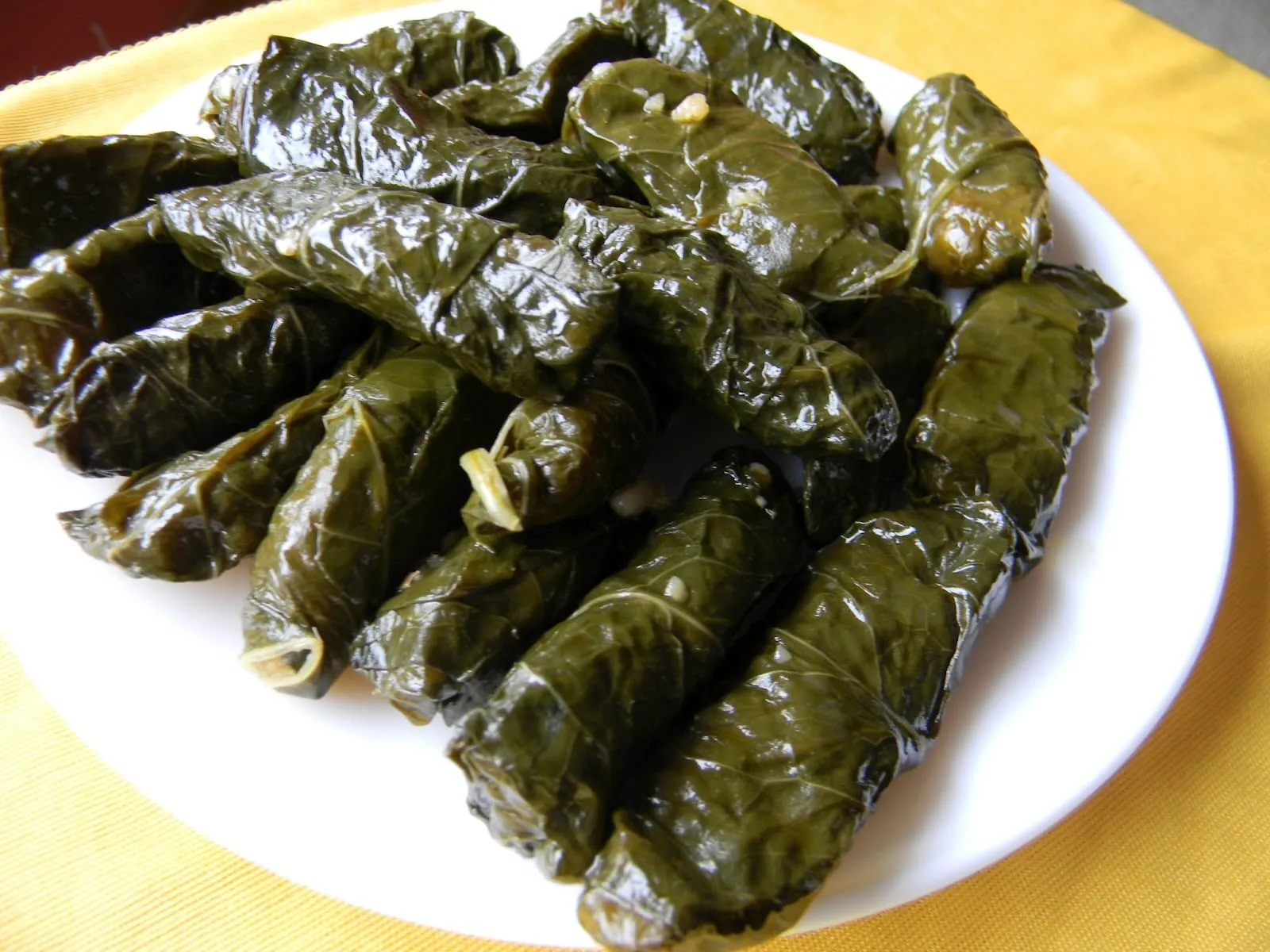
- Mısır Yarmalı Aş Sarması (leaves stuffed with cracked corn)
- Kabak Kavurması (sautéed squash)
- Sakarca Kayganası (sakarca greens omelette)
- Kabak Kayganası (squash omelette)
- Pezik (Pazı) Mücveri (chard fritters)
- Soslu Patlıcan (aubergine in sauce)
- Taze Bezelye Kayganası (fresh pea omelette)
- Sakarca Kayganası
- Keşkek (Gendeme)
- Pancar Diblesi (chopped collard greens)
- Fasulye Diblesi (chopped green beans)
- Galdirik Kavurması (sautéed galdirik greens)
- Fırın Fasulyesi (baked beans)
- Etli Pancar Sarması (collard leaves stuffed with meat)
- Pancar Döşemesi
- Pancar Çorbası (collard greens soup)
- Mısır Çorbası (corn soup)
- Kabak Çorbası (squash soup)
- Isırgan Çorbası (nettle soup)
- İçli Tava (stuffed anchovy pan)
- Hamsi Buğulama (steamed anchovies)
- Hamsi Köftesi (anchovy patties)
- Su Böreği
- Yufka Böreği
- Ev Makarnası (homemade pasta)
- Kabak Tatlısı (pumpkin dessert)
- Aşure
- Un Helvası (flour halva)
Source: http://www.nenedirvikipedi.com/yemek-tarifleri/ordu-ilinin-meshur-yoresel-yemekleri-10319.html
Places to visit in Ordu
Ordu, one of the Black Sea cities worth seeing, awaits travellers to discover its natural beauty and historic treasures…
Ordu, the gateway to the eastern Black Sea, is a city with a bright future in tourism thanks to its natural beauty, its vegetation, its shores where blue and green embrace, and its endless, lovely summer pastures in the uplands. If you are planning a trip to Ordu, we suggest a look at our list of places to visit…
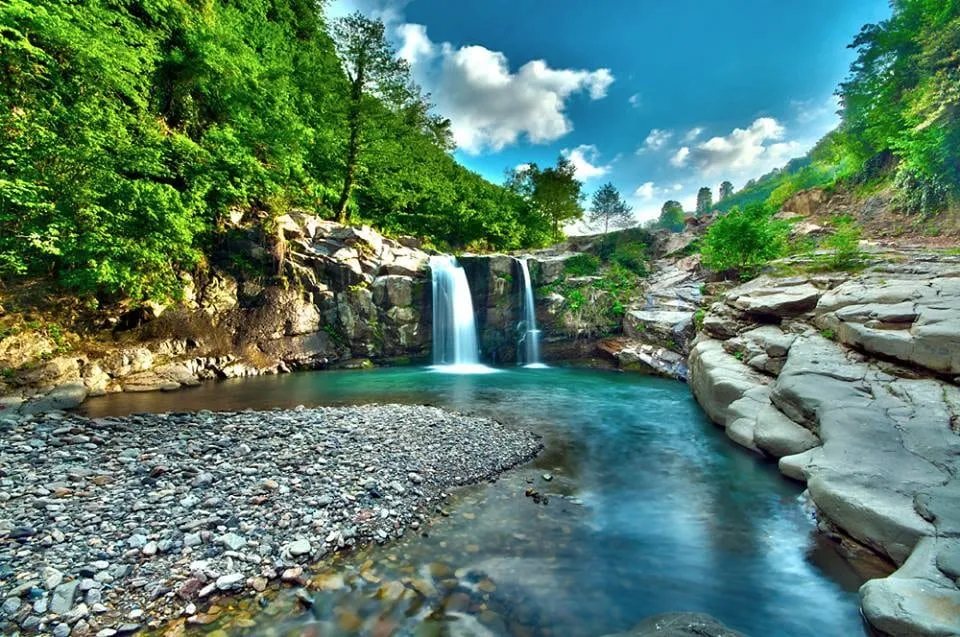
Natural beauty: Like many cities in the Black Sea region, Ordu has admirable natural beauty. National parks, valleys, lakes, rivers and islands are unique parts of it. Among the natural sights you can explore in Ordu, we particularly recommend Asarkaya National Park, the Turnasuyu Valley, the Çambaşı Plateau, the Melet River, Ulugöl and Hoynat Island.
Museums: If you want to learn about the city's past and witness its history on your Ordu trip, you can visit Ordu's museums and cultural centres. The Ordu Museum, the Paşaoğlu Mansion and Ethnography Museum and the Taşbaşı Cultural Centre are the museums we recommend.
Castles: Ordu's castles are another regular stop for travellers. Don't leave Ordu without seeing Bolaman Castle, Ünye Castle, Gölköy Castle and Kurul Castle, castles with unique views of nature.
Beaches: Ordu has beaches where you can enjoy the deep-blue waters and clean sands of the Black Sea. In summer, Çaka Beach, Mavi Dünya Beach and Efirli Beach are among the most popular.
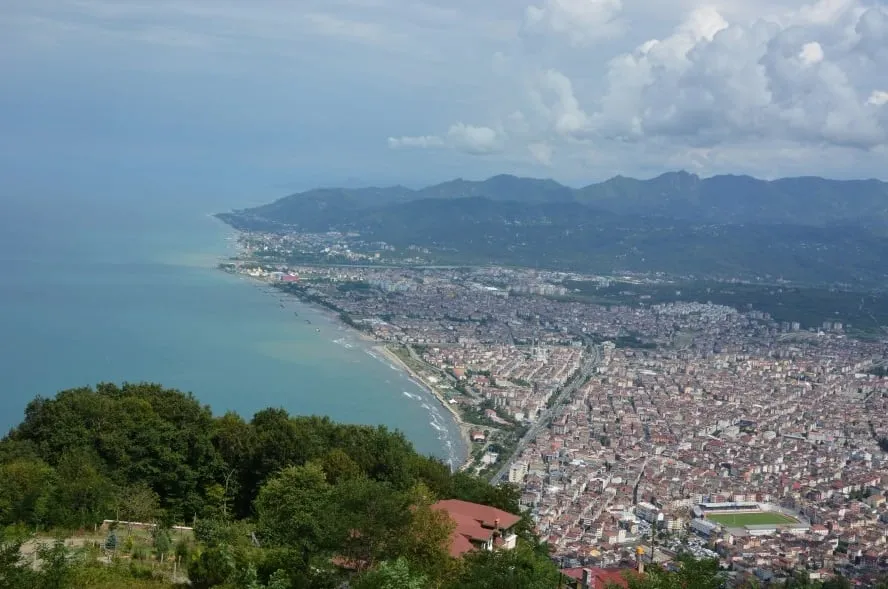
If you want to watch the cityscape of Ordu from a high hill, we strongly recommend going up Boztepe. You can enjoy the view of Ordu from the viewing terraces on Boztepe. Ordu's summer pastures and hazelnut orchards are also among the places we recommend in the city.
Places to visit in Ordu – historic sites
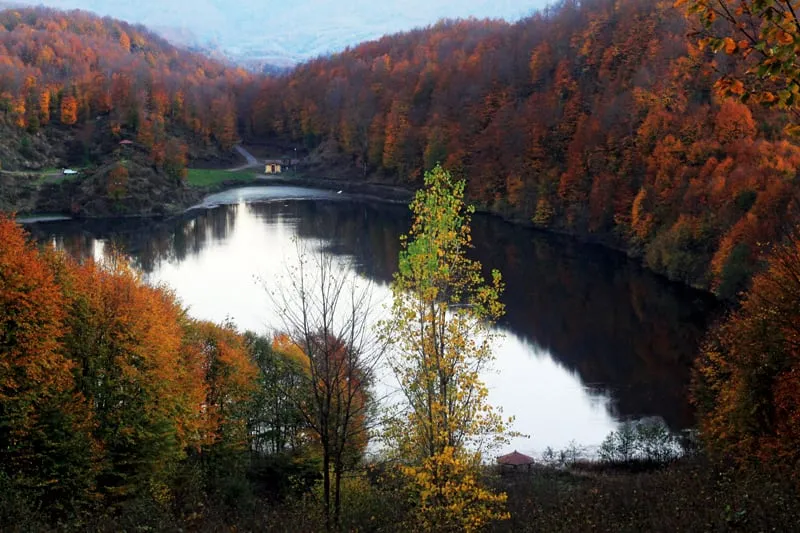
Gaga Lake
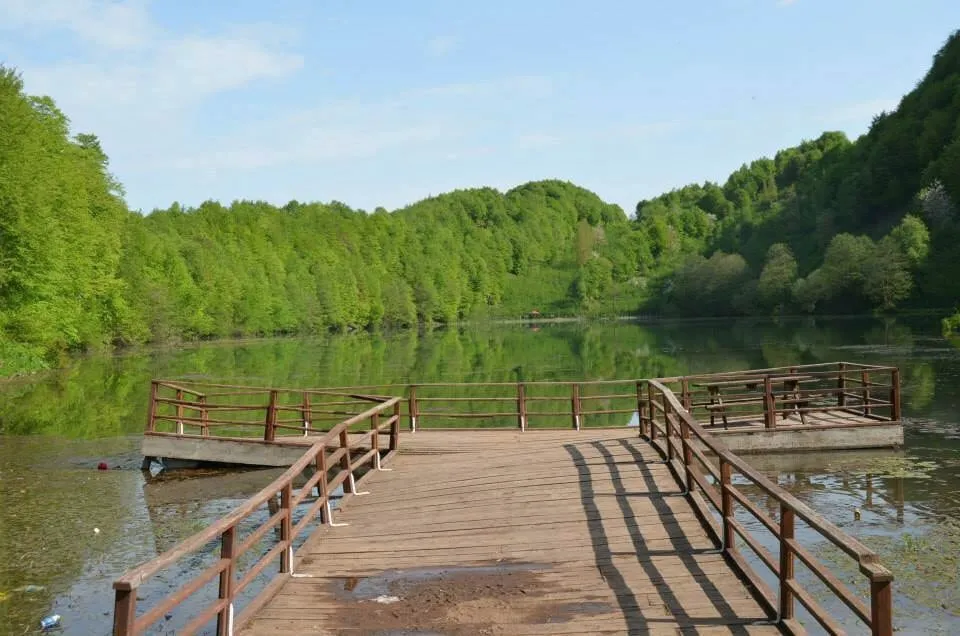
Gaga Lake, in Ordu's Fatsa district, is one of the few natural lakes of the western Black Sea and casts a spell over everyone who sees its green surroundings.
Between the villages of Meşebükü and Yassıtaş, the lake is at kilometre 8 of the Fatsa–Aybastı road. Gaga Lake is deeper than the other lakes in the area: within a few steps the depth reaches 4.5 metres. No stream flows into the lake, and it holds carp, crayfish and local fish. You can add Gaga Lake, one of Fatsa's natural beauties, to your list and take short walks to explore around it.
Gölköy Castle
Gölköy Castle has an important place in Ordu's tourism. Dated to the 3rd and 4th centuries BC, the castle is visited by thousands of tourists every year.
The castle is also called Tayfun Pasha Castle, because it was heroically defended by soldiers under the command of the martyr Tayfun Pasha. What's more, it is the only place in Ordu that could not be occupied. The castle began to lose its importance in the 18th century. Four kilometres from the district centre, Gölköy Castle was used throughout history for watching, shelter and defence.
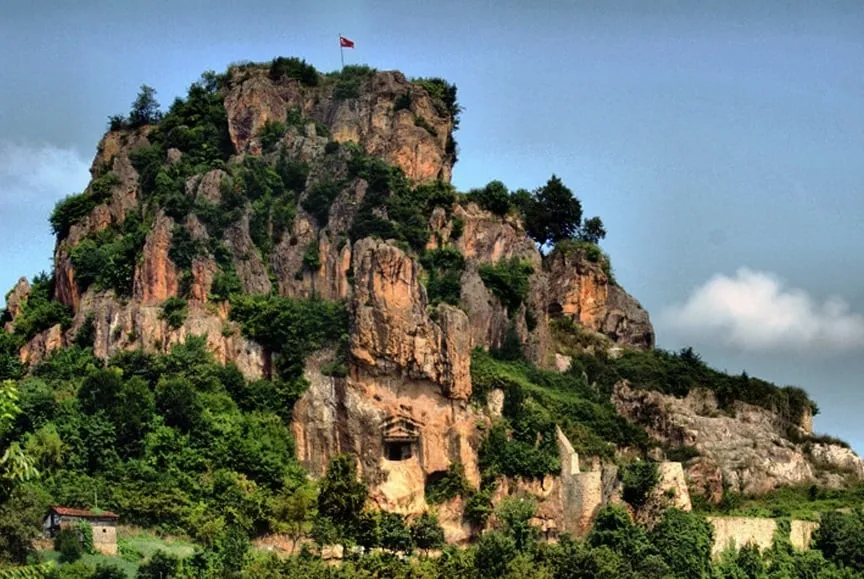
Ünye Castle
Ünye Castle sits on one of the highest hills in the Ünye district.
The castle stands at an altitude of 200 metres, and its construction goes back to 200–250 BC. According to the available information, the hill on which it stands was a volcano in ancient times, and the castle was built on it after its activity ended. The first to build the castle was the Pontic ruler Mithridates II, of Persian origin.
Inside Ünye Castle there are rock tombs, royal tombs, caves, wells, tunnels and the remains of old walls.
Only one of the city's important historic treasures, Ünye Castle is a must-see… You can reach it by dolmuş (shared minibus) and taxi.
Hoynat Island
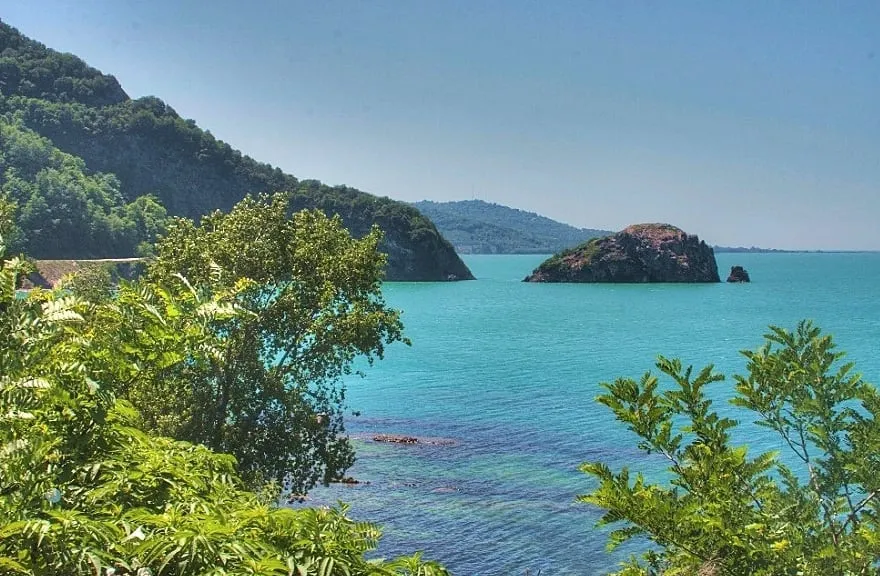
Hoynat Island, which adds beauty to the landscape of Perşembe in Ordu and is not known to many people, is easy to reach. But because it is not well promoted, few people other than locals visit it.
Within the boundaries of the village of Ramazan, Hoynat Island is home to many gulls and cormorants, so it has been declared an “Important Bird Area” by Doğa Derneği (the Nature Association of Türkiye) and placed under protection. The main reason for its protection is that it is the only place where endangered cormorants nest.
Used long ago by sailors as a shelter and store, the area has one of the finest views in Ordu.
Ulugöl, Ordu
Ulugöl, among the spots in Gölköy, Ordu, that create a restful atmosphere, offers its guests green and blue at their truest.
Lying between the villages of Haruniye and Süleymaniye, Ulugöl is about 17 kilometres from the district centre. Ulugöl has the features of a crater lake and is also the largest lake in the province. It is surrounded by oak and hornbeam forests.
Picnics are allowed in this natural setting, and it can also be used as a campsite. It also has facilities such as toilets and water. The busiest time in the area is the Ulugöl Festival in July.
You can go to Ulugöl for the day or, if you like, camp for a few days.
Taşbaşı Cultural Centre
The Taşbaşı Cultural Centre is in the centre of Ordu, in a building dated to 1853.
The building was built by Greeks (Rum) as a church. It was used as a church at first and served as a prison from 1937 to 1977, which is why locals call it the mapushane (lock-up). In 1983 it was acquired by the Ministry of Culture and, after restoration, began to be used as a cultural centre.
The restoration stayed faithful to the original architecture; only the bell tower has changed.
Asarkaya National Park
Ordu, one of the Black Sea cities, lets you picnic and spend peaceful hours in nature at Asarkaya National Park in the Ünye district.
Asarkaya National Park is a place to go with your family or friends and have a fun time. Walking around and exploring the park is a bonus. Rich in greenery and with opportunities for sport, Asarkaya National Park tops the list of natural sights we recommend including in your Ünye trip.
Paşaoğlu Mansion and Ethnography Museum
The Paşaoğlu Mansion, one of Ordu's historic buildings, is in the Selimiye neighbourhood of the city centre.
One of the city's most visited places, it was built in 1896 by Paşaoğlu Hüseyin Efendi. The mansion stands on an area of 625 square metres and opened as an ethnography museum in 1987.
The first floor of the Paşaoğlu Mansion Ethnography Museum displays weapons, jewellery and women's and men's clothing. The second floor has the hall (sofa), the Paşa Nine (Grandmother Pasha) room, the day room, the guest room and the bedroom. The museum can be one of your first stops in Ordu. With its eye-catching architecture, the mansion is ready to welcome you with its rich collection.
Bolaman Castle, the Turnasuyu Valley, the Melet River and the Ordu Museum can make up your other stops in the city.
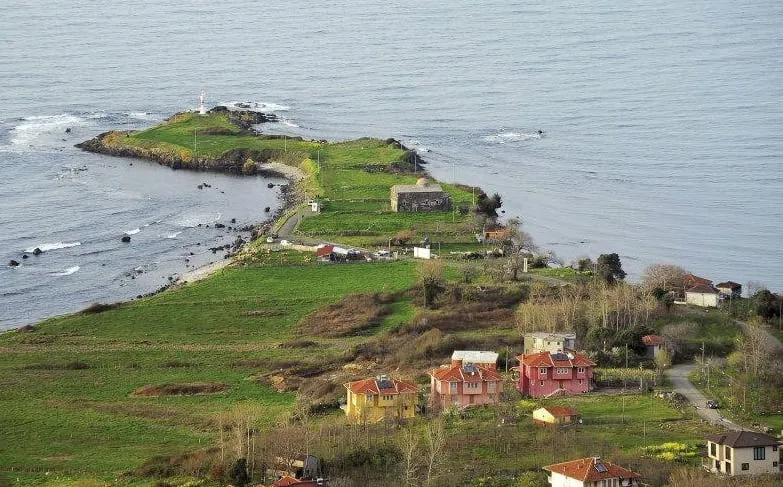
Cape Yason (Yason Burnu)
Cape Yason, in Perşembe, Ordu, is a peninsula. A natural beauty, it has become a focus of interest for Turkish and foreign tourists in recent years. But because it is not a designated tourism area, no investment can be made.
Even so, Cape Yason, whose visitor numbers rise every year, is 100 kilometres from Samsun Çarşamba Airport, 20 kilometres from Perşembe and 35 kilometres from Ordu. Easy to reach, Cape Yason also has an interesting story: it is said that the Argonauts, led by Jason, searched for the Golden Fleece on this peninsula. The natural beauty of Cape Yason and the historic remains around it will give you a pleasant, curiosity-filled trip. 300 metres to the west is Yalancı Yason (False Yason), and every point of its shore looks like a pearl.
You too can set out to explore Cape Yason, a favourite especially for water sports and divers. After touring this peninsula, the highlight of your Ordu trip, you can head for Kadılar Yokuşu, the Turnasuyu Valley and Bolaman Castle.
Bolaman Castle
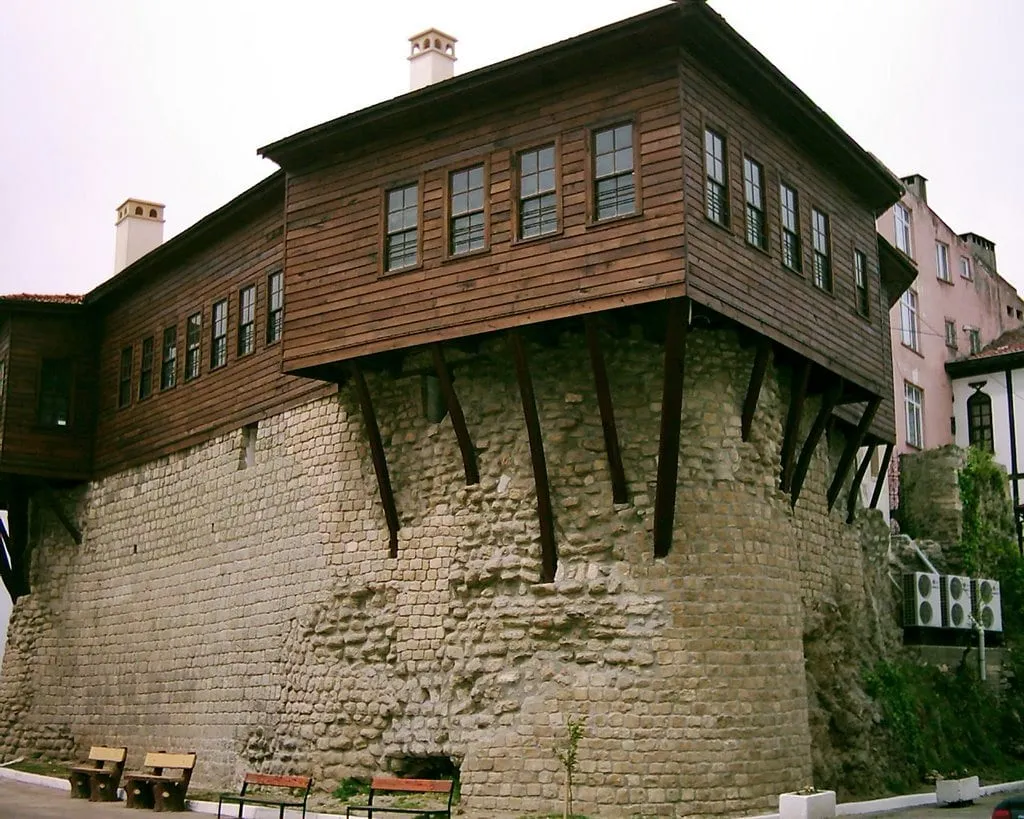
With Kadılar Yokuşu, Cape Yason, the Turnasuyu Valley and the Melet River, Ordu offers history and natural beauty together. It is also an old place of settlement.
If you find yourself in Ordu, you will have plenty to see in this city. You can of course add Bolaman Castle to the list. Bolaman Castle in Fatsa is one of the historic remains that have survived to the present day. It has kept its original character until now and served as a watchtower. Its construction date is unknown, but it is thought to have been built in the period of the Pontic Greek empire. Bolaman Castle is 65 metres long and has a 19th-century wooden Ottoman mansion on top of it. Don't end your trip without visiting this castle, a building that never grows old in the pages of Ordu's history.
Kadılar Yokuşu
Kadılar Yokuşu (the Judges' Slope), a historic street in Ordu's Ünye district, is known as the place where many kadis (judges) of the Ottoman State were raised. It takes its name from this. The slope is in the town centre and is one of the places in the area you must see and walk around. Historic Ünye houses line the slope. Kadis are said to have come to Ünye on holiday and had mansion-style houses built for themselves. If you ever find yourself in Ordu, you should definitely stroll up Kadılar Yokuşu. Of course Ordu's beauties don't end with this street: the Turnasuyu Valley, Cape Yason, Bolaman Castle, the Melet River and the Ordu Museum are among the city's places to visit.
Turnasuyu Valley
Ordu hides one of the finest walking areas close to its centre.
The Turnasuyu Valley wins over those who come to explore it with its unspoilt beauty.
Presenting shades of countless colours in a visual show, the valley is a place where those who want to explore can spend as long as they like. And don't forget to visit Kadılar Yokuşu and the Melet River in Ordu too.
It has earned a place among walking routes and has a trail 60 kilometres long.
If you want to enjoy discovery simply by walking, amid the language of colours, the lovely sounds of nature and the wonderful music of the stream, the Turnasuyu Valley is ready to give you even more than you hope for. Just let yourself go into the arms of this more-than-wonderful nature.
Melet River
The Melet River is one of the rivers within Türkiye's borders and is in Ordu's Mesudiye district.
It is formed by the small streams of the mountains surrounding the area. An example of the beauty of nature, the Melet River was known in Antiquity as the Melanthios.
There are historic monuments where the river flows north: the Konacık rock tombs and Kaleköy Castle… Add it to your travel guide to see different beauties and historic monuments here, and taste pide and fish too. The Melet River, flowing through greenery, loves to be visited. There is a lot to see along this river, which has a particular appeal thanks to its historic treasures. Afterwards you can head for Kadılar Yokuşu, Bolaman Castle and the Turnasuyu Valley.
Ordu Museum
The Ordu Museum, opened to visitors in 1987, is a three-storey mansion. Ethnographic items are displayed on its first floor, and the other floors have been arranged to preserve the old mansion layout.
Çambaşı Plateau, Ordu
The Çambaşı Plateau is 60 km from the centre of Ordu.
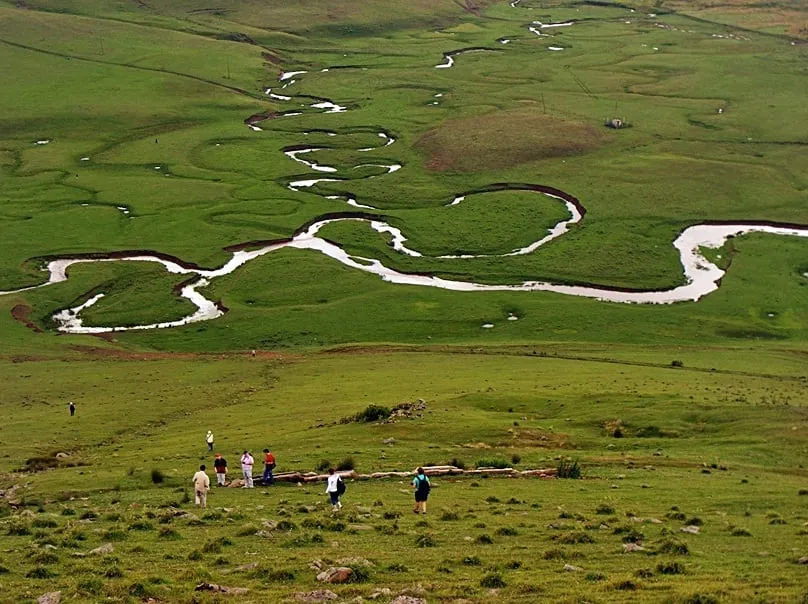
Declared a highland tourism centre by the Ministry of Tourism in 1991, Çambaşı, with its 72 herders' camps (oba), is the largest summer pasture in our country. A few days here are all you need to renew yourself and reconnect with life with all your energy. With its 72 camps, the plateau has cold, healing waters and appeals to those who want to get away from the bustle of the city, rest and find peace.
Some people come to the Çambaşı Plateau from surrounding provinces and districts especially to eat fresh meat. We recommend seeing the Çambaşı Plateau, which has restaurants and hotels, and treating yourself to a feast there.
Source: http://www.gezilebilecekyerler.com/orduda-gezilecek-yerler/
Culture and arts in Ordu
BIRTH:
In our region births now take place in hospitals. Home births with the help of a midwife, as in the past, have almost ended. For 40 days after the birth the mother is not given any work. On the 40th day the mother and child go on a visit called kırk uçurma. When the newborn starts teething, a dish called "diş buğdayı" (tooth wheat) is prepared and offered to neighbours and relatives.
CIRCUMCISION:
In our region circumcision is usually done when boys are at an odd-numbered age (1, 3, 5, 7, 9). Dressed in circumcision outfits, the boys are driven around in a convoy of cars before the circumcision. A circumcision bed is prepared at home. The Quran is recited for the boy and refreshments are offered to guests. At circumcision celebrations held in halls there is also entertainment. The boy is given various presents, and money or gold is pinned on him as a gift.
MARRIAGE:
Both on the coast and in most of our districts and towns, arranged marriage is one of our customs that is being forgotten. The henna night, held at the bride's house the night before the wedding, which takes place at the groom's house or in halls in the city centre, keeps its traditional form. In our province, especially in villages, on henna nights the groom's family takes henna to the bride's family, and the bride's family takes various trousseau items and gifts, called bohça, to the groom's family. On henna nights there is a henna ceremony and a ceremony of making the bride cry (gelin ağlatma), during which local folk songs are sung.
The wedding itself consists of several parts: led by the wedding steward (düğün kahyası) and another appointed person, guests are welcomed with a band of drum, clarinet and kemençe; rifles and pistols are fired at the chimneys and eaves of the wedding house; guests are served food, above all keşkek; local dances are danced; people go to fetch the bride; there is a welcome at the bride's house, where chest and door tips are given; the road is blocked to collect tips; and a sacrificial animal is slaughtered.
Military service and working away from home:
Throughout our province, young men who have reached military age visit their older relatives to kiss their hands and say goodbye. At the send-off ceremony people dance to drum and zurna, and the farewell is made with friends and relatives.
Hıdrellez:
6 May is Hıdrellez, the festival of culture and spring. Our people keep Hıdrellez alive from generation to generation, from 7 to 70, by displaying the customs and traditions connected with this day. Hıdrellez, believed to be a day of abundance and plenty, when wishes are granted and Hızır and İlyas meet, has a very important place in our society. People go to springs, the seashore, groves and similar places to celebrate in various ways.
Mayıs Yedisi (Seventh of May):
“Mayıs Yedisi”, celebrated every year on the twentieth of May, is known as the day Hızır and İlyas meet each other at the point where the sea water touches the land after the waves break. Mayıs Yedisi gathers around the same beliefs and customs as Hıdrellez, but there is a difference in days arising from the Gregorian and Hijri calendars. On this day there is a strong belief that passing through seven waves is extremely beneficial and will free you from that year's illnesses and troubles.
LOCAL DISHES:
Hamsili pilav (anchovy pilaf), karalahana çorbası (collard greens soup), karalahana sarması (stuffed collard leaves) and Ünye pilaf, hamsi tava (fried anchovies), hamsi buğulaması (steamed anchovies), içli hamsi (stuffed anchovies), pancar sarması (stuffed beet leaves), mısır çorbası (corn soup), Circassian chicken, tirmit (mushrooms), yumurtalı sakarca (sakarca greens with eggs) and yağlı.
LOCAL DRESS:
Women's costume:
Underneath, a shirt of white woven linen is worn. The shirt has a stand-up collar and long sleeves. It is open at the front to the waist and fastened with silver buttons. On each side of the front there are stitched decorative pleats. Below, baggy trousers (don) with a high crotch are worn. The legs of the don are pulled up to the knee so that about a hand's width shows below the dress, and tucked into the socks. Patterned knee-high socks called "Yargan Garası" or "Alaçorap" are worn with çarık sandals. Over the shirt a fistan dress is worn, gathered or loosely pleated at the waist. Over the fistan an işlik is worn, made of the same fabric as the fistan but in a different colour, reaching to just below the bust. A striped woollen sash is wound around the waist; this rectangular sash, folded diagonally, takes the shape of two offset triangles. A white çember headscarf edged with sequins is put on the head, folded into a triangle, passed under the chin and tied at the top. Over it a second white çember edged with beaded oya is worn: first folded into a triangle, then folded narrower, placed on top of the head with the point at the back, and tied at the back. Gold coins strung on a red ribbon are worn around the neck.
Men's costume:
First an undershirt is put on, open at the front to the waist and fastened with a single button. Over it goes a mintan called entari: white, with a slightly stand-up collar, buttoned at the front. Below, a zıpka is worn, made of şayak, a cloth woven from black sheep's wool. The zıpka has a drawstring waist and is loose, narrowing towards the ankles. The hem of the entari is tucked in and the drawstring at the waist is tied tightly. The trouser legs are tucked into knee-high woollen socks called "yargan karası" or "alaçordup", with çarık sandals worn over the socks. A black leather belt with a silver şapşak (a flat dangling silver ornament) on each side is worn at the waist, with a pistol on the right and a dagger on the left, and a yağlık (yağdanlık) hung at the back. Over the entari a waistcoat of the same fabric as the zıpka is worn, reaching to the waist, and over that an aba coat of the same fabric, with a Haydari collar and long sleeves. A beaded purse is put in the breast pocket and left hanging out. Over the aba a hamail (shoulder strap) is worn diagonally from the right shoulder to under the left arm. The headgear is also of the zıpka fabric, lined with red cloth.
FOLK DANCES AND FOLKLORE:
Since its founding, Ordu province has generally been a stopping and resting place for many peoples, so the peoples who came to Ordu have had a great influence on its folklore. Although Ordu's folklore therefore does not come one hundred per cent from its own sources, it cannot be denied that it has a folkloric character born of the mingling of these peoples.
Ordu province has a folklore shaped by the horon, Caucasian dances and the halay, so its folk songs, like its dances, have the mild air of a quick tempo. People from Trabzon and around brought the "HORON", those from Batumi and around the "CAUCASIAN" dances and those from Central Anatolia the "HALAY", developing and blending them in both dance and music, and so styles of dance particular to Ordu emerged, for example "METELİK" and "ORDU KARŞILAMASI". These two dances are neither horon nor Caucasian, but if you look closely you will see figures from both in them. That is why "Metelik" and "Ordu Karşılaması" are dances that belong to Ordu.
The dances widely performed in Ordu can be summed up as follows.
1- Horons:
a) Gürcü Horonu b) Dik Horon c) Mısırlıoğlu Horonu d) Sallama
2- Karşılama-type dances (line dances):
a) Ordu Karşılaması b) Ordu'nun Sokakları c) Su Sızıyor Sızıyor d) Miralay
3- Pıtık dances danced everywhere
a) Horons - Mısıroğlu Horonu - Tulum Horonu - Sallama - Nalcı Horonu - Melet Horonu
b) Karşılama-type dances (line dances) - Lazutlar - Miralay - Bahçelerde Pırasa
c) Dances in halay style - Tamzara - Temurağa
d) Religious dances - Semahs
WHAT ORDU PROVINCE IS FAMOUS FOR:
Türkiye's hazelnut and honey store, Boztepe, the Çamlık picnic area, Cape Yason and its church, the Keyfalan Plateau
WHERE DOES THE PROVINCE'S NAME COME FROM?
Its old name is "Kotyora". The people changed this name over time.
Source: https://www.topragizbiz.com/threads/ordu-yoresel-gelenek-ve-gorenekleri-adetleri.466/
History of Ordu
The city of Ordu was known by the Greek name Kotyora. It was ruled in turn by the Kaska, the Persians, the Kingdom of Pontus, the Romans, Byzantium, the Danishmendids, the Empire of Trebizond, the Seljuks, the Hacıemiroğulları and the Ottomans.
In the second half of the 16th century it was a kaza (sub-district) of the Trabzon Eyalet. In 1920 it was attached to the Giresun sanjak, in 1921 it became the centre of its own sanjak, and in 1924 it became the administrative centre of Ordu province.
Getting to Ordu
Many coach companies run services to Ordu. You can also fly to Ordu-Giresun Airport, opened in 2015: direct flights from Istanbul take about 1 hour 35 minutes, and connecting flights about 3 hours.
Districts of Ordu
- Akkuş
- Aybastı
- Çamaş
- Çatalpınar
- Çaybaşı
- Fatsa
- Gölköy
- Gülyalı
- Gürgentepe
- İkizce
- Kabadüz (Karadüz)
- Kabataş
- Korgan
- Kumru
- Merkez (central district)
- Mesudiye
- Perşembe
- Ulubey
- Ünye
Economy of Ordu
Hazelnuts are the foundation of Ordu's economy. The province produces 51% of Türkiye's hazelnuts and 25% of the world's; about 70% of the population depends on hazelnuts for income.
When hazelnut prices fell, farmers turned to alternatives such as kiwi and soya. Livestock farming and beekeeping are also practised; beekeeping has eased the economic burden of hazelnut farming.


Comments
Loading comments…