
Rize
- Black Sea Region
About Rize
One of the oldest centres on the Black Sea. Rize's population was 329,779 in 2014; according to TÜİK's 2025 figures it is 346,947. With its historic castles, bridges and highland pastures, Rize is a city of natural riches that is well worth a visit.
Rize is in the Eastern Black Sea region of Türkiye. It stands out as the only city that meets Türkiye's need for tea. Accordingly, tea growing is Rize's most important livelihood. In Rize, tea means hard work and patient waiting.
Rize's famous dishes and desserts
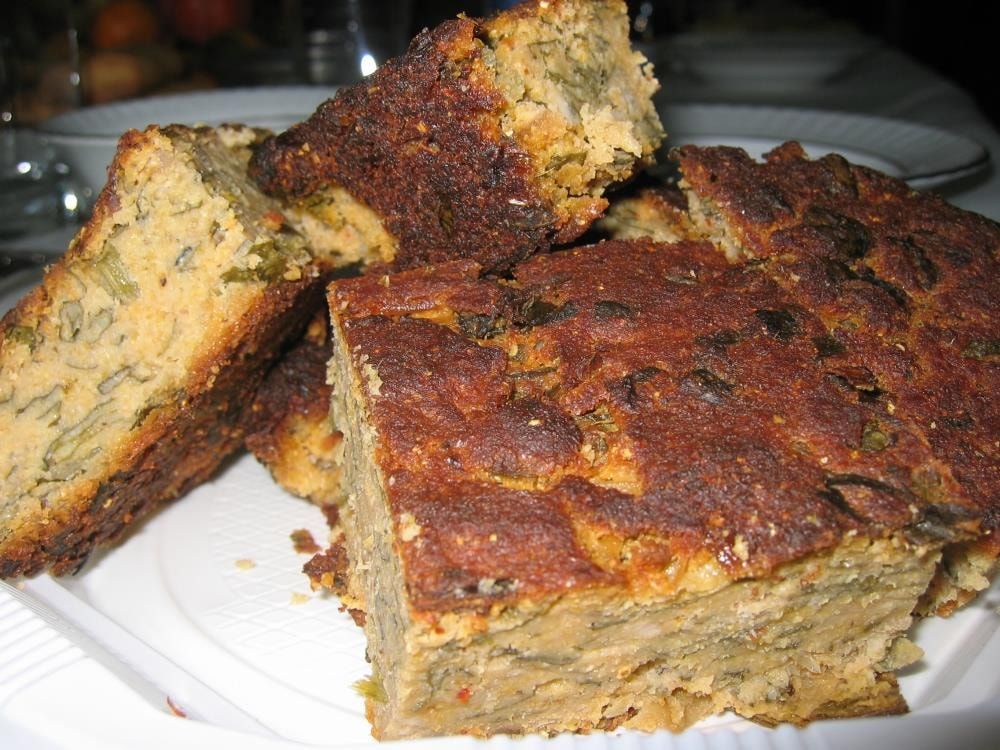
Hamsikoli
A bread made by mixing anchovies and cornmeal with greens and baking them.
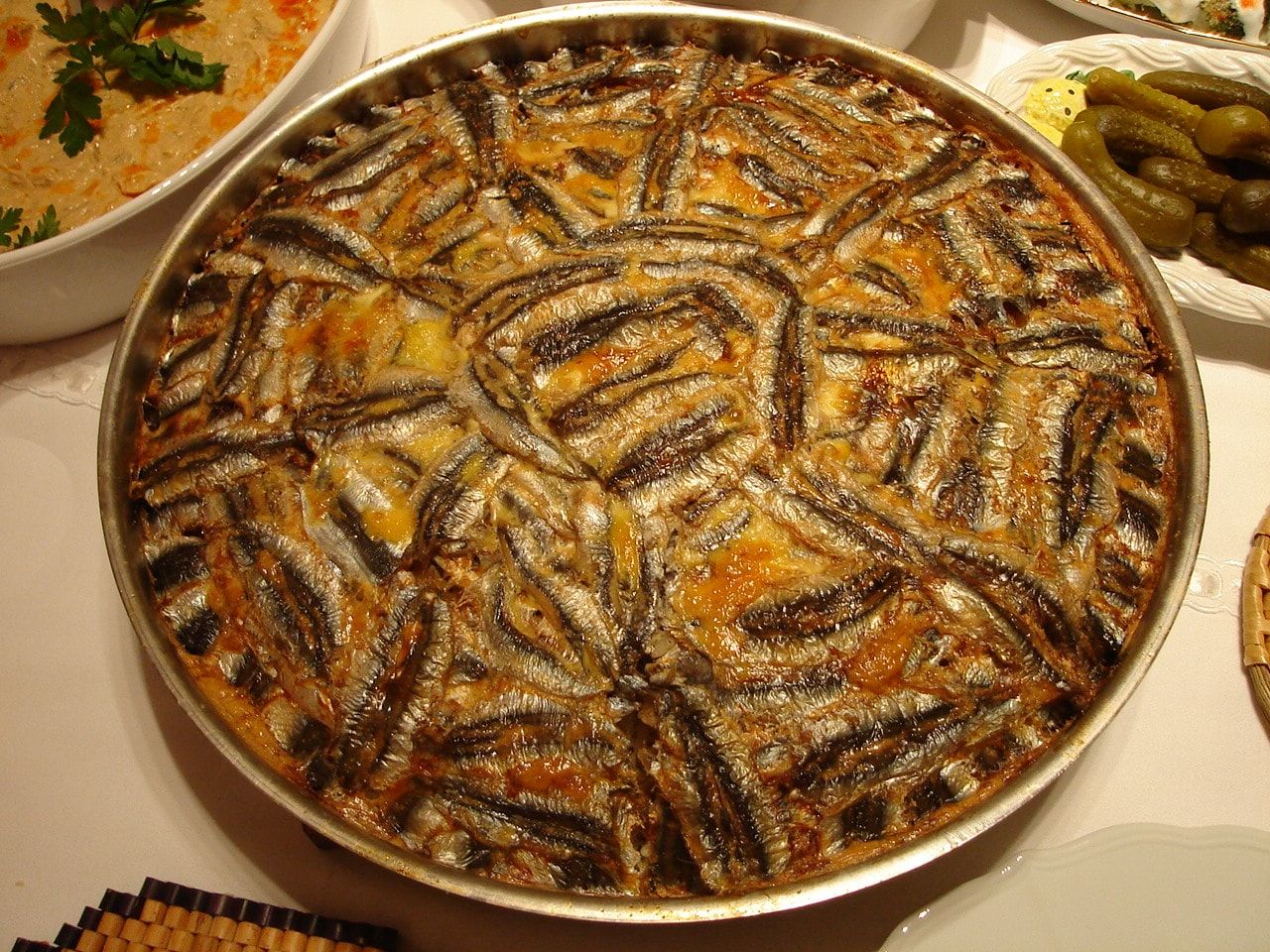
Hamsili pilav (anchovy pilaf)
Made by covering buttered pilaf with anchovies and baking it in the oven; a dish shared by Trabzon and Rize.
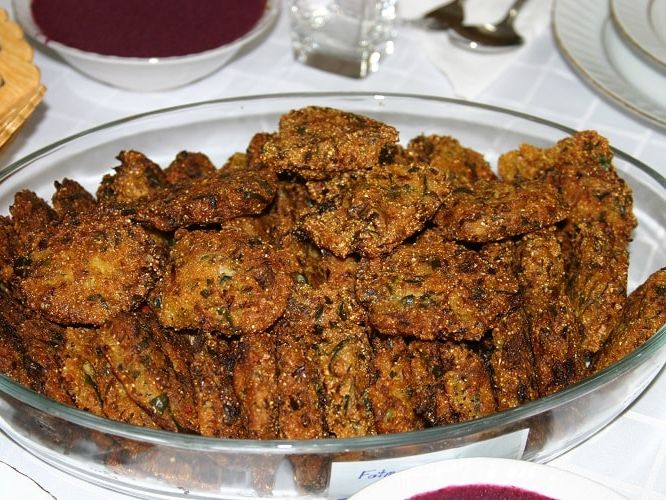
Hamsi çığırtması
A dish in which anchovies are cooked in a pan with eggs and vegetables.
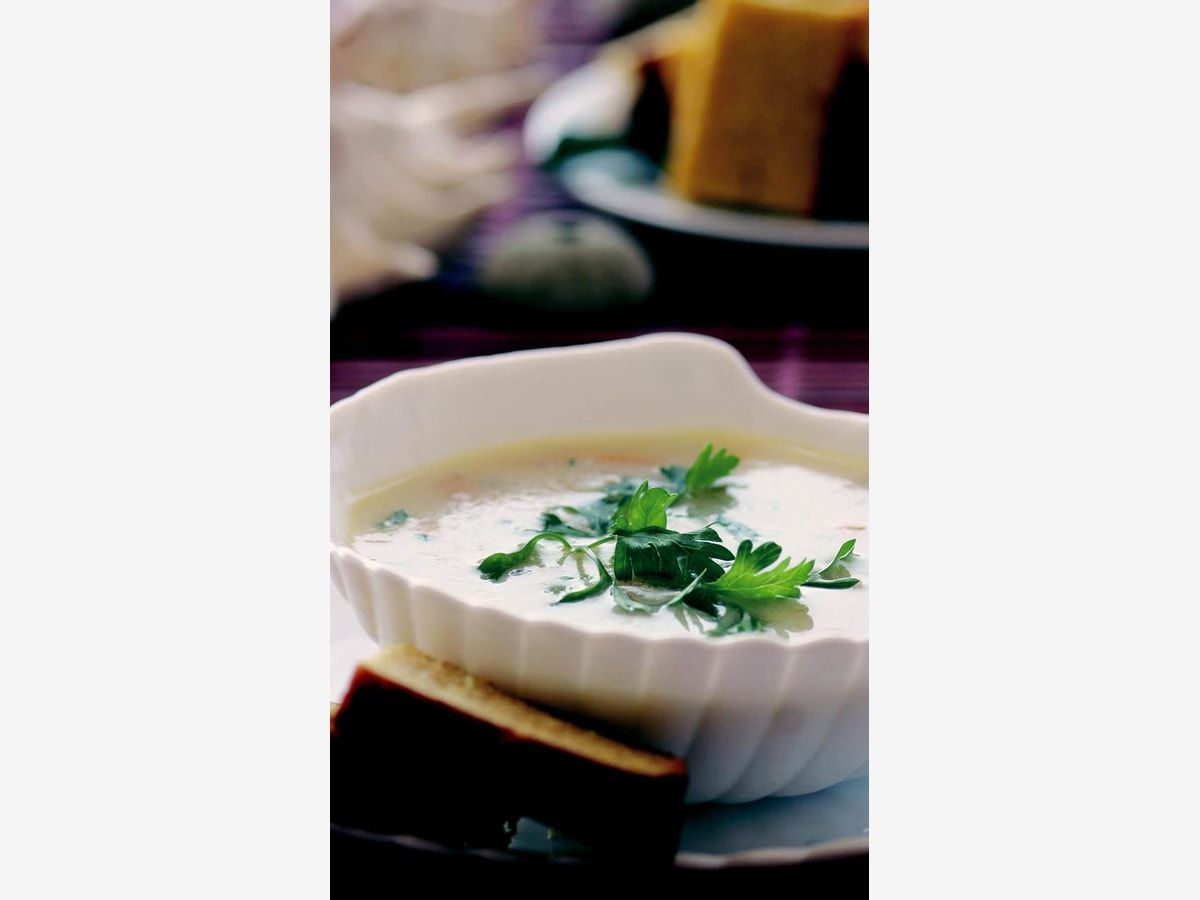
Hamsi çorbası (anchovy soup)
A fish soup made with anchovies.
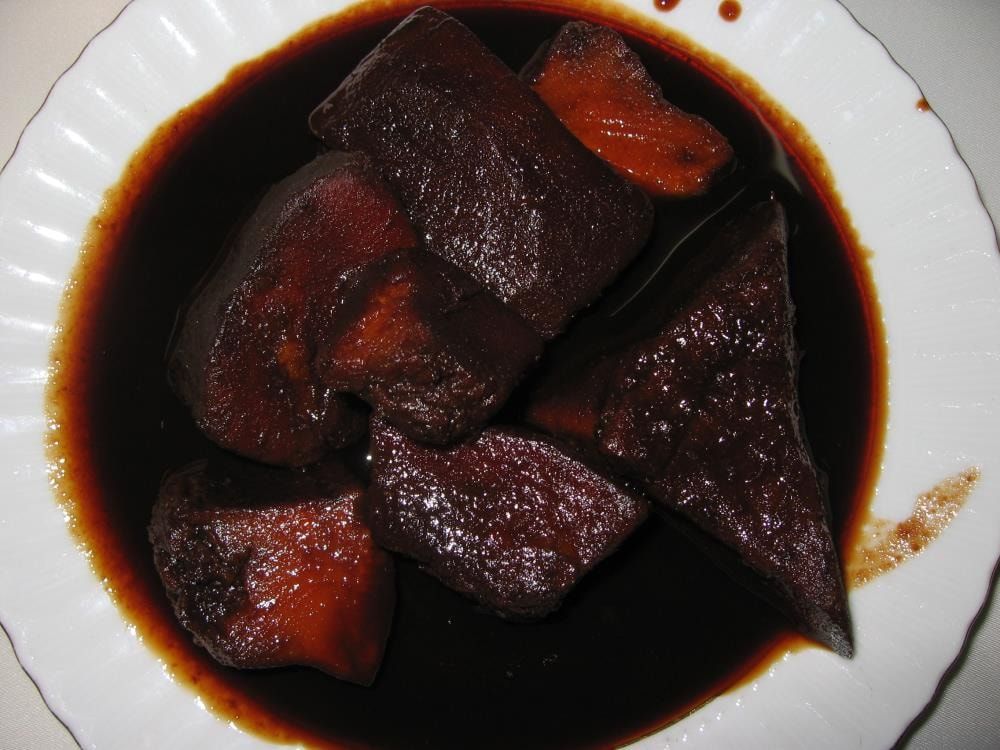
Pekmezli kabak
A slightly tart dessert in which squash is cooked with pekmez (grape molasses).
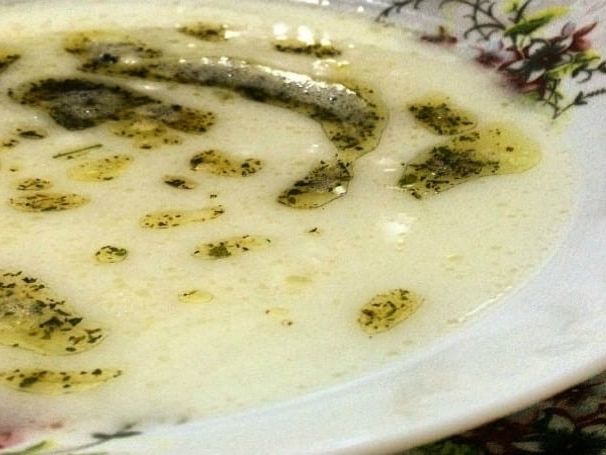
Korkoto çorbası
A soup made with corn, similar to yoghurt or ayran soup, cooked with butter and, if you like, tomato paste.

Çumur
The inside of a cornbread is mixed with çökelek (dry curd cheese) and baked again; it is eaten with butter.

Enişte lokumu
A rolled biscuit served to guests at weddings and also included in the bundle sent to the groom after the wedding. Rize enişte lokumu is registered with a geographical indication.
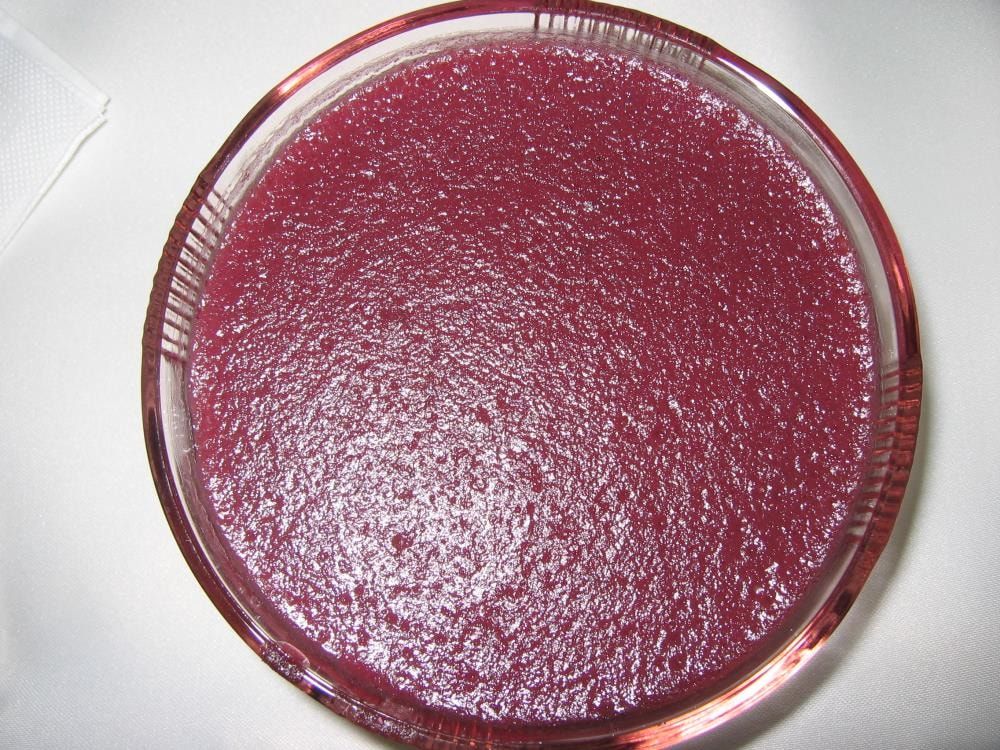
Pepeçura
A pudding-like dessert made with fragrant Isabella grapes, cornmeal and starch. Rize pepeçurası is registered with a geographical indication.
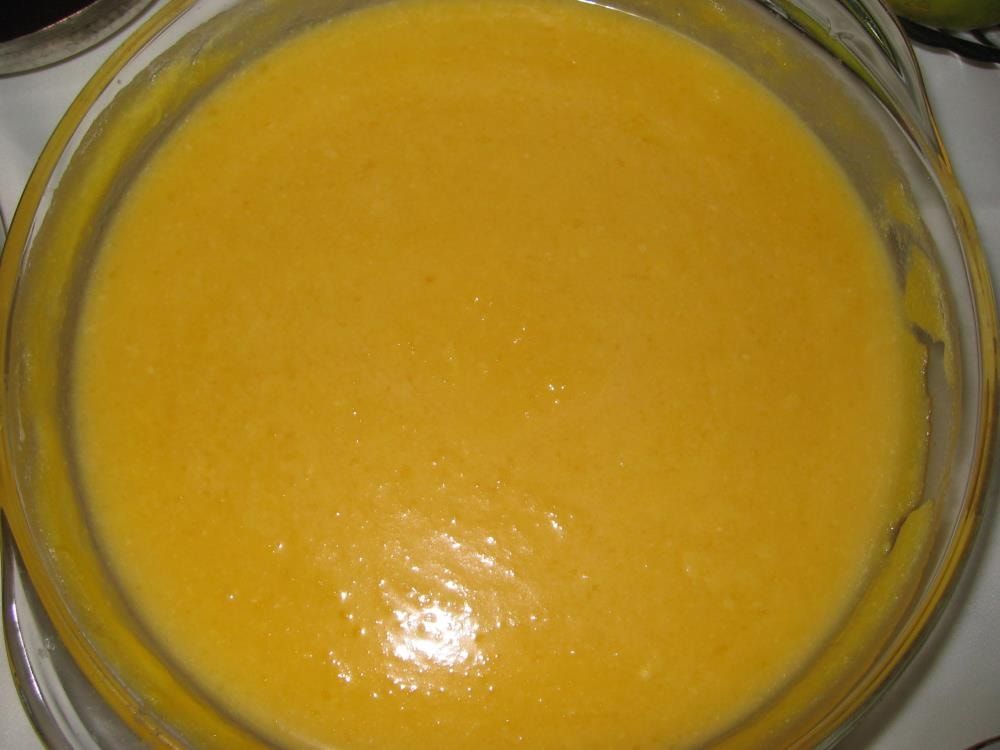
Kabak sütlacı (squash pudding)
A quick dessert made with squash, similar to rice pudding.
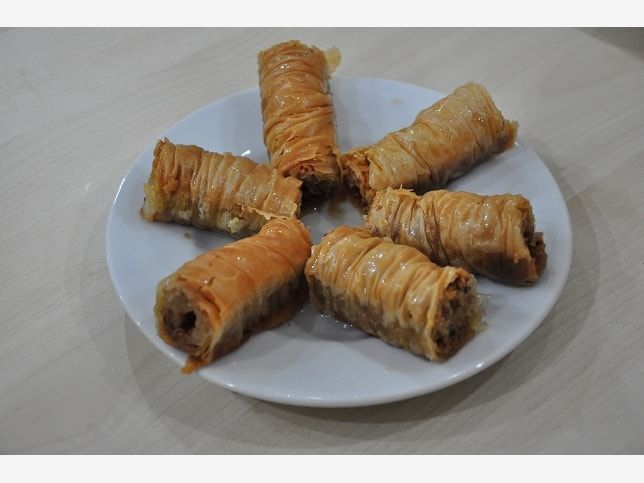
Kocakarı gerdanı
A syrup-soaked dessert filled with plenty of hazelnuts; it is made for religious-holiday tables.


Places to visit in Rize
In Rize, one of the first destinations in Türkiye for alternative tourism and especially highland tourism, you will see shades of green you have never seen and be enchanted by its unique nature.
Rize is one of the most important and developed tourist areas on the Black Sea. Rize, visited by tens of thousands of people from all over the country, especially in spring and summer, has beauties like nowhere else. If you have decided to discover them too, don't forget to look at our list of places to visit in Rize.
Bridges: In Rize there are dozens of bridges built over streams amid magnificent nature. Most of these bridges, mostly built of stone, are at least 100 years old. The arched bridges on the Fırtına stream are the most famous. The Mikron, Şenyuva, Köprüköy, Çağlayan and Güneyce bridges are also among the bridges you can see.
Castles: In Rize the historic buildings too stand in the heart of nature. Rize's castles, set among magnificent valleys, are among these historic buildings. Rize Castle, Ciha Castle, Zil Castle, Bozuk Kale and Yukarı Kale are the historic stops we recommend you see on your Rize trip.
Mosques: The Şimşirli village mosque, İslampaşa Mosque, the Büyük Gülbahar Sultan Mosque and the Küçük Gülbahar Hatun Mosque are at the top of the historic mosques you can visit in Rize.
Highland pastures (yaylas): The first images Rize brings to mind are, of course, its yaylas with their lush nature and unique beauty. Highland tourism is very developed in Rize; there are dozens of yaylas here. The world-famous Ayder yayla is one of the first places to see in Rize. Besides Ayder, the Çağrankaya, Ovit, Hazindak, Gito, Polakcur, Çeymakçur, Avusor, Kavrun, Samistal, Kale, Sal, Pokut, Palovit, Elevit and Anzer yaylas are among the ones you can visit in Rize.
Rize houses: When you go up to Rize's yaylas you will come across dozens of Rize houses. The historic Rize houses, also known as Hemşin houses, are stone and timber houses built in mansion style. The finest examples of Hemşin houses are on the Ayder yayla.
Kaçkar Mountains National Park: Another of Rize's world-famous natural beauties is the Kaçkar Mountains National Park. Home to plant and animal species found nowhere else in the world, the Kaçkar Mountains National Park lies within the boundaries of the Ayder yayla.
Museums: If you want to see Rize's history more closely, you can also visit the city's museums. The Rize Museum and the Rize Atatürk Museum (Mataracı Mehmet Efendi House) are among the Rize museums you can see.
Places to visit in Rize: historic sites
Gelintülü Waterfall
Gelintülü Waterfall flows amid the colourful nature of the Ayder yayla. You can never get enough of watching it, especially in spring and summer.
Gelintülü Waterfall, which drops its water from the foothills of the Kaçkar Mountains into the Kavrun stream, is one of nature's most unique formations. Because its water looks like a bridal veil as it falls, it is called Gelintülü (Bridal Veil) Waterfall.
The waterfall is also one of the longest in Türkiye. Gelintülü Waterfall, with a beauty that amazes everyone who sees it, is about 90 kilometres from the city centre. Being within the boundaries of the Ayder yayla also makes the waterfall easy to reach.
If you find yourself on the Ayder yayla or are planning an enjoyable holiday, you should definitely include Gelintülü Waterfall on your list.
Rize Museum

The Rize Museum gives extensive information about both the city's history and the area's culture and traditions. It is in the district centre.
The Rize Museum, one of the first places to see on a Rize trip, is in a building in the city centre called the "Sarı Ev" (Yellow House). The house the museum is in served as the Atatürk House in 1984. In later years it was acquired by the Ministry of Culture and, after restoration, opened as a museum in 1998.
The Rize Museum has more than 70 archaeological pieces, nearly 600 coins and over 1,000 ethnographic items. In the Rize Museum, with its rich collection, you can also see manuscripts.
Anzer yayla

The Anzer yayla, 35 kilometres from İkizdere in Rize, is one of the most important parts of its landscape, with nature made beautiful by endemic flowers.
The Anzer yayla covers a wide area, bounded by Aşağı Anzer (Çiçekliköy) and Yukarı Anzer (Ballıköy). It is also where the famous Anzer honey is produced. For this reason it attracts Turkish and foreign tourists…
Because of both its nature and its famous Anzer honey, the Anzer yayla was declared a tourism area in 1991.
The Anzer yayla, rich in fauna and flora, is suitable for paragliding, summit climbs and trekking. So the Anzer yayla, which appeals not only to those who want to spend time in nature but also to those who like adrenaline-filled sports, is a must on any Rize holiday.
Büyük Gülbahar Sultan Mosque

The Büyük Gülbahar Sultan Mosque, in central Rize within the neighbourhood of the same name, is one of the city's old places of worship, but because it has been repaired constantly it looks very new and sound. This is because the mosque has been demolished and rebuilt many times.
The year the Büyük Gülbahar Sultan Mosque was built is unknown. The minaret is reached from the porch and stands on the west side. The whole mosque is rectangular in plan. The Büyük Gülbahar Sultan Mosque, which has lost its original architecture, is open for worship today.
Mikron Bridge

Mikron Bridge, one of the historic bridges in the Fırtına valley, is very close to the village of Aşağışimşirli in Çamlıhemşin.
Dated to the 19th century, the bridge was built in the Ottoman period and has much the same architectural features as the other bridges in the area. Built of rubble and cut stone, Mikron Bridge is 30 metres long and stands 12 metres above the stream.
The bridge has survived thanks to its sturdiness, and its present form is from a repair by the Highways Directorate in 1999.
Şenyuva Bridge

Şenyuva Bridge, one of the historic monuments of Çamlıhemşin in Rize and still in use, is the oldest bridge in the area.
The bridge, formerly called Çinçiva, has a single arch. It crosses the Fırtına stream and runs east–west. According to the local people, the bridge's inscription was lost in a flood in 1946. The local people also say that the date on the inscription was 1699. The bridge stands 15–20 metres above the stream and is 40 metres long in all.
This old historic structure, hidden in the green nature of Çamlıhemşin, could be one of the highlights of your Black Sea tour.
Şimşirli village mosque

The Şimşirli village mosque in İkizdere, Rize, is one of the area's historic places of worship.
Construction of the Şimşirli village mosque began in 1853. It was built in 1857 by Ahmet Usta. The mosque was built using the stacked-timber technique. It is square in plan and stands on sloping ground. Its position on uneven ground meant high stone retaining walls had to be used.
There is also a madrasa near the Şimşirli village mosque. The madrasa was built in the same year as the mosque.
Rize Castle

Because Rize Castle is in the city centre, it is easy to reach. The castle is divided into an inner castle and a lower castle, but the lower castle has almost disappeared today.
The inner castle was used for a time by the Genoese. At one point it fell into ruin and was then renewed in the time of the Byzantine emperor Justinian. Today it is one of the places visited by tourists who come to this lovely Black Sea city. The castle attracts great interest both for its grand structure and for being in the centre of Rize.
İslampaşa Mosque
We will tell you about İslampaşa Mosque, one of the historic treasures of Rize, among the cities that reflect the air, water and nature of the Black Sea.
Because İslampaşa Mosque is in the city centre, it is easy to reach. It is in the İslampaşa neighbourhood, which shares its name.
Built in 1571, the mosque is also called the Kurşunlu (Lead-roofed) Mosque. Its patron was İskender Cafer Pasha.
İslampaşa Mosque was built of rubble stone, is rectangular in plan, and is one of Rize's most easily reached historic and religious sites.
Ciha Castle
Rize is a city that reflects its own history and nature in every corner. This unique city, where you will feel you are in a world ruled only by green, has little-known spots as well as well-known ones.
On this page we will tell you about Ciha Castle, waiting to be discovered by tourists. The castle is within the boundaries of Pazar district and is known to have been built by the Genoese. Ciha Castle is surrounded by trees. Work is under way to open the castle, about which little is known, to tourism. Include Ciha Castle in your Rize trip and you could be one of the first to discover it.
Çağrankaya yayla
Rize, one of the paradise cities of the Black Sea, is among the places many Turkish and foreign tourists visit during the year.
The Çağrankaya yayla in İkizdere, Rize, draws attention with its natural beauty. The Çağrankaya yayla is a summer settlement. It is not used in winter because of heavy snowfall. The yayla can be reached from Küçükçayır, Çayeli, Güneysu and İkizdere. When mist settles on the Çağrankaya yayla in particular, it offers a magnificent view. If you are planning to explore Rize, you should definitely visit the Çağrankaya yayla. Calling you from afar, the Çağrankaya yayla will appeal to both your eyes and your soul… On your Rize trip you can also visit the Hazindak and Gito yaylas and the Fırtına stream.
Ovit yayla
The Ovit yayla, with 40–50 houses, is a very important spot for tourism. It welcomes many Turkish and foreign tourists during the year, and with the festival it holds every year it both entertains the public and hosts special guests.
Famous artists liven up the festivals. The Ovit yayla, one of the loveliest yaylas on the Black Sea, has lost none of its beauty, like the Gito and Hazindak yaylas. Ovit belongs to İkizdere in Rize. It is among the most worth-seeing places on the Black Sea. On your Rize trip you should definitely come to Ovit, explore, and take plenty of photos to immortalise every moment. The Ovit yayla festival is held every year, and if you time your trip for those days you may also see this high-altitude area reach new heights of fun.
Hazindak yayla
The Hazindak yayla, with only 20–30 houses, is in Çamlıhemşin, Rize, and you will have no trouble getting there.
You reach this area via the Ayder yayla: from the village of Şenyuva you go to the Pokut yayla and from there walk the 1–2 hour footpath from Amlekit.
This yayla takes its name from Mount Hazin. It is just one of the places where you will take your best photos and discover new beauties. The Hazindak yayla, which has kept its naturalness, is a favourite of those who love exploring and want to lose themselves in nature… Visiting the Hazindak yayla on your Rize trip will give you unforgettable moments. Of course you can also include the enchanting views of the Çağrankaya, Gito and Ovit yaylas in your trip.
Palovit Waterfall
One of the natural beauties Türkiye has scattered across its cities is Palovit Waterfall. Palovit Waterfall in Çamlıhemşin, Rize, is the area's highest-flow waterfall.
Among the greens it spreads into its bed like a fine white veil. Palovit Waterfall, an important part of the Black Sea's unique nature, is very easy to reach. Coming from Çat, pass Zil Castle and turn off at the fork. At the fork you should choose to walk, because the road is not suitable for vehicles. You can walk to the waterfall and enjoy the views along the way to the full. Don't forget to cool off at Palovit Waterfall. The Palovit, Gito and Hazindak yaylas in the area could be added to your list.
Gito yayla
Every year Rize offers its visitors all its greenery, its yaylas and its oxygen-rich air. On your trip to Rize, one of the Black Sea's indispensable cities, there will be many yaylas to see: Polakcur, Çeymakçur, Ovit, Çağrankaya, Hazindak, Avusor…
But most of its yaylas are little known. Just like the Gito yayla… The Gito yayla is one of the spots newly opened to tourism. Known to very few people, this yayla will offer you its most striking views at every step. It is a home of the clouds; the mists here are so thick you would think clouds had come down from the sky to earth. With a white blanket at your feet, the Gito yayla shows green and blue in a whole new light.
On your Çamlıhemşin trip you could be one of the first to discover the Gito yayla. Seeing magnificent nature rule the place will carry you to a fantastic world.
Fırtına stream
The Fırtına stream is one of the first choices of adrenaline and nature lovers. The Fırtına stream, which pours exuberantly into the Black Sea about 2 kilometres from Ardeşen, is 57 kilometres long.
It attracts Turkish and foreign tourists, is an area water-sports enthusiasts always add to their route, and has some of the best courses for rafting. Being suitable for water sports all year round is another of the Fırtına stream's charms. But it should be avoided on very rainy days. You can start the course about a kilometre past Çamlıhemşin, and must finish it before the Fırtına flows into the Black Sea. After rafting in Rize's green nature and endless clean air, Zil Castle and the Polakcur and Çeymakçur yaylas will be waiting for you to explore.
Hemşin houses
The houses, usually built as mansions, are made of worked stone, with 3 storeys and timber upper parts. In some mansions stone carving is used on the lower floors, and on the upper floors some mansions are built with the dolma taş technique, filling stone between the timbers.
In some houses the barn section is of stone and the upper floors are made of timber using the boğaz geçme (notched joint) technique. The mansions have, in the kitchen, arched hearths of dressed stone for the fire and chimneys to carry the smoke outside; a courtyard where the household sits and eats; a store called the maran where the household's food is kept; and a head room arranged for receiving guests, with a fireplace, bathroom and toilet in these rooms.
In the timber construction techniques, apart from the doors and hinges, no nails at all were used; timber-house masters applied the finest techniques of carving meticulously to doors, windows and corner joints.
The masters who built Hemşin houses bore full responsibility, from choosing the site and materials to finishing and handing over the house. Hemşin houses, which must be protected, have very important cultural value today and for the future.
Arched bridges
Along the Fırtına stream, from Köprüköy onwards, there are 10 arched bridges of various sizes; although their construction dates have not been fixed exactly, they reflect a history of 150 years and have managed to stand as if defying the storms of the area. Built of dressed stone, these bridges have a special place architecturally in stone technique.
Şenyuva Bridge: formerly the Cinciva Bridge, it is one of the area's common stone bridges. It crosses the Fırtına stream with a single arch. The village elders record that an inscription dated AH 1111 / AD 1699 was lost in a flood in 1946. If this is true, the structure is one of the oldest bridges in the area.
Other monuments in Çamlıhemşin are the Şenköy Mosque (1900), the Aşağı Çamlıca village mosque and the Köprüköy Bridge (19th century).
Zil Castle
It stands 15 km south of the centre of Çamlıhemşin in Rize, at a point overlooking the Fırtına valley, 750 m above sea level and 40 km inland from the coast. This castle, on top of a rock overlooking the stream bed, was built to control the surroundings. Who built the castle is unknown.
Prof. A. Bryer, who researched the area's history, could find no information about the castle and believes it may have been built by a local lord who controlled the passes between the mountains. According to Prof. Dr Semavi Eyice, local lordship in the area continued under the Ottoman Empire, and he suggests the castle was used until the 1840s, until the rebel Tuzcuoğulları clashed with Hazinedaroğlu Süleyman Ağa, governor of Trabzon, and the state's forces.
The castle is built of local rubble stone on the highest part of an irregular rock mass, with no regular plan. No decoration that would help date it has been found. The castle's entrance on the north is reached by a path on the west slope. Inside the gate, which has a barrel-vaulted passage, the castle is built in stepped terraces on the north part of the hill. These terraces are separated by walls of no great height. At the south end of the hill, two adjoining spaces form the main castle block. These irregular sections are thought to have been the guards' quarters.
Beam marks in the walls show that these spaces had timber floors. Next to this space there is a smaller, regular rectangular space running west–east. It has been thought to be the castle's chapel, but no evidence has been found to confirm this. Nor is there the apse a chapel should have. Only opposite the entrance, on the west, is there a recessed cell with a niche inside.
The south end of the castle looks like an inner castle surrounded by a wall. The rectangular tower projecting outwards to its west is thought to be the keep. This tower too has no regular plan. But it commands the whole castle and its surroundings. The keep, with walls 1.5–2 m thick, has four more timber-floored storeys besides the ground floor. The castle was lit through arrow slits. The tower is also roofed as a terrace.
Besides the inner castle, outer and middle walls surround the castle. The vertical pipe channels in the castle walls are thought to belong to cisterns that have not survived.
Palakçur yayla
The Palakçur yayla, forming the north-east corner of the study area, is set on a valley slope at 2,100 m and consists of three quarters. It is used by the villages of Ardeşen-Beyazkaya, Hala and Civik. It is 5.5 km from Ayder and 25.5 km from the district centre. It lies outside the national park boundary. From late July the population rises to as many as 85 people. People start going up to the yayla from 30 May, and by the third week of October it has emptied completely. There are 23 intact and 14 ruined (hearth-only) houses, all of timber with stone lower parts.
The yayla, which has no electricity, got a road 15 years ago. There is no water inside the houses. Gas canisters and wood are burned in the houses, but dried dung is also used.
Çeymakçur yayla
From Çamlıhemşin you reach the Çeymakçur yayla on the Ayder road. Just after the Ayder yayla, at the end of the open ground called Galer'in Düzü, where traditional bull wrestling is held, the road forks in two.
Following the left fork brings you to the yayla. This yayla is mostly settled by the village of Hala. Right next to Çeymakçur is the Palakçur yayla. They have much the same features. Today 3 houses on the yayla are open.
Avusor yayla
A yayla used by the Laz in the area. On the way from Ayder to Kavrun, taking the first turn left puts you on the Avusor yayla road. The lower part of the Avusor yayla is made up mostly of stone houses, along with timber ones. There are about 50 houses.
The houses of the upper yayla are generally shorter than a person because of the danger of avalanches. These houses, covered with dung especially against the cold, number about 50. The Avusor yayla is the lower settlement of Kemerli Kaçkar mountain and is also famous for Lake Avusor, to which it gives its name.
Kavrun yayla
The Kavrun yayla, at 2,240 m, is the largest yayla in Rize province. Because it is at the foot of Mount Kaçkar and is the nearest yayla reached by a road, it also ranks first in highland tourism.
It is one of the three tourism centres in Rize province. On our yayla, which has 240 houses, the population varies in the summer season. In August it ranges between 2,500 and 5,000.
Our festival, which begins in early August and ends in the first week of September, is held on our yayla. This local festival is called "VARTEVOR". The Upper Kavrun yayla, which hosts many Turkish and foreign tourists at Vartevor time, is also the nearest passage to the other yaylas.
Geologists say the Kavrun yayla was a valley covered with glaciers five thousand years ago. The large and small glaciers at the foot of Mount Kaçkar are said to have come down as far as the Ayder yayla.
Samistal yayla
Altitude: 2,450 m
Getting there: you can reach it both via Ayder and from the Palovit yayla.
If you are going by car, the Ayder route is recommended. You will get there sooner. The second route is to drive as far as Palovit and then walk for about 2 hours. By car and on foot: by car from Ayder; on foot over the pass from Palovit.
Features
One of the main features of the Samistal yayla is that its houses are very old and that the stones used to build them are slab-shaped and in large blocks. There is no accommodation or restaurant. There is a grocer and a coffeehouse.
Kale yayla
It is the last village of Çamlıhemşin district in Rize, 40 km away, at an altitude of around 2,800. Kale village, where the Fırtına stream rises, is a historic village founded at the foot of Mount Tatos, part of the Kaçkars. With its position giving passage to İspir in Erzurum and Yusufeli in Artvin, it was in the past one of the points where pack caravans passed.
Its name, Kale-i Bala, was changed to Hisarcık in the Republican years, and after being known by that name for many years it was changed back to Kale village, its present name. The village is scattered and made up of several hamlets and quarters. Varoş and Kala are used as hamlets, while Meyele, Faikli, Çiçekli, Orta Sırt and Baş Çayır are used as yaylas. In these parts used as yaylas, especially Orta Sırt and Baş Çayır, there are yayla houses of people from neighbouring villages. Because of this yayla role there has been mutual cultural exchange, so the weight of Hemşin culture is also seen in the village. Historical research has found, however, that Kale village does not carry Hemşin culture and language.
Looking at the structure of the houses in the village, we see black stone walls topped with earth roofs. The houses consist of one part with the tandır and hearth and a second part called the maran. The maran was used as a bedroom and pantry and, after vartivor, also as the place where hay was stored.
Besides these black-stone, earth-roofed houses, there were also houses made of stacked "keran". Keran was the word for straight trees 10–15 m long and of considerable thickness. These buildings, museum pieces today, have given way to houses with briquette walls and sheet-metal roofs. What astonishes tourists about the buildings is how the stones over the doors and windows and the huge planks could be shaped like this in primitive conditions. That must be why almost every tourist group photographs these old houses.
Besides earth roofs you can also see roofs covered with "harturma". Harturma was the name for thin grooved boards made by skilfully splitting specially chosen pine logs.
In the past farming and livestock were carried on in the village. Wheat, barley and so on were sown and reaped in the fields, but later, probably because of climate change, these grains stopped growing properly or stopped being sown. In livestock, every house kept 10–15 cattle, and some houses fed sheep and goats in their hundreds. Today yayla life is only a hobby and of very minor economic return.
Although no one lives in the village, set at the foot of the mountain, in winter today, in the past Kale village was lively in winter too. Because of its geography and economy, the villagers looked for ways to make a better living and found the answer in working away from home, so there was heavy emigration from the village. At first they bought land on the coast and began to gather in various villages and quarters of Pazar. From there they moved to the big cities, began working in various jobs and trades, or set up their own businesses.
With working away from home, our villagers who opened up to the big cities saw a great increase in literacy thanks to favourable economic and social conditions. The few literate people once pointed out are now many, and people known by their professions have come to represent the village.
As a detail, it should also be mentioned that those who moved from Kale village to Pazar live in places in Pazar such as Abdoğlu (write their new names), Hüdisa, Kuvakçe and Duduvat.
In the light of this general information, if we go into more detail and look at the village's cultural structure, the following picture emerges. Those living in the village have lived as several clans. In order of size these are the İslams (themselves divided into several branches), the Kadıoğulları (also divided into several branches), the Azizoğulları (Eyizler), the Köses, the Tonyalıs and so on. As these clans grew they split up and began to form different clan groups, for example the İslams, the Alikas, the Ayazes and so on. This has brought with it the breakup of family structures. At the same time Kale village, closed in the past, has become one of the villages experiencing intense cultural transfer as a result of this opening up and interaction. Kinship by marriage has developed with families of various cultures. (In the past Kale girls married Kale men, and Kale men married Kale girls or Hemşin people.)
There is much to write about the village's physical layout and picnic spots. First let us speak of Kale-i Bala, which gives the village its name. It was built at a point in the village overlooking the valley. Various dates are given for its construction. The castle, said to have been a watchtower with 16 towers, is in ruins today, and its walls vary between 0.5 and 1.5 metres thick. Because it was built on uneven ground, its walls vary in height.
The mosque, thought to be as old as the castle but restored several times, is also one of its old buildings. Near the castle there are graves said to be a martyrs' cemetery. But the graves have been dug up in the hope of treasure. After its historic fabric, Kale village also has a great many picnic spots. On the mountain tops there are crater lakes large and small. By name they are Kumlu, Yıldızlı, Şoroğ and Üç Göller. The ridge above the Çiçekli yayla, which everyone who comes to Kale especially wants to visit, is also a place photographers want to see, because the whole village and neighbouring villages can be seen from it.
The natural mineral water "Acı Su" is both the first picnic spot that comes to mind for Kale people who catch the sun and a place where those with eczema and similar illnesses seek healing and bathe. But no proper bathing facility has yet been built, and people can bathe only in suitable spots.
Hüsam water is a water with a special property. This very cold water flows even in winter. That it keeps flowing in the season when the streams freeze is an interesting feature. We will write about Kale village's other cultural features, traditions and customs in another section.
Sal yayla
If you follow the ridge from the Pokut yayla you reach the Sal yayla. The two yaylas are close, 15 minutes' walk apart. Crossing the ridge, you can see the Pilunçut coffeehouse far below, as if waiting for muleteers who will never come again. On the Sal yayla there is a flat area surrounded by houses. This flat area very probably gave the yayla its name.
Around this flat area there are Hemşin houses large and small, in keeping with traditional architecture. All the houses on Sal are timber, and those built in recent years are also timber, even if they don't fit in very well architecturally. Sal, like the Pokut yayla, is famous for its lack of water. Because it is built on a ridge, having no river or stream close by is a disadvantage.
The springs rise far below the yayla, so they are of little use to it. That is why the few springs on the yayla are not enough for the crowds in August.
When you climb the area just above the houses, you can see "the highest", from the Altıparmak range to Kemerli and Büyük Kaçkar. On clear days you can also see the Caucasus Mountains and the Black Sea from the Sal yayla. What sets the Sal yayla apart from other yaylas is that it is used by only one village.
The yayla, used by the village of Çinçiva in Çamlıhemşin, starts to fill up especially from early July. Some yayla-goers stay on the yayla until October. Another advantage of Sal for its summer residents is that it is only 45 minutes by road from their village.
Palovit yayla
The Palovit yayla is reached by going down from the pass after the Trovit yayla. The Palovit yayla is 4 hours by road from Çamlıhemşin, and directly opposite it is the Meleskur yayla.
These two yaylas are separated by the stream coming from the Apevanak yayla. The Palovit yayla is on the side of the footpath to Samistal. It is the yayla directly opposite the pass. Although the Palovit yayla is within Çamlıhemşin's boundaries, it is used by Hemşin district, known as "back Hemşin".
The Palovit and Meleskur yaylas are important yaylas that still keep the status of "yayla" because livestock farming still goes on there, and because they are crossing points. Although the architecture on the Palovit and Meleskur yaylas carries examples of traditional stonework, it is slowly losing its old character. The road built up to these two yaylas has had a big effect on this.
The Palovit yayla is used by the villages of Çilingir, Arsavos and Sefalı in Çayeli and Çaneva and Ortaköy in Hemşin.
Amlakit yayla
On the way from Kotençur to the Amlakit yayla you pass Poşğut Düzü, the yayla-goers' traditional horon (dance) ground. Following the path, you reach the Amlakit yayla, set up just where the forest ends and divided in two by the Palovit stream.
Amlakit is famous for its exuberantly celebrated Vartavor festival. Amlakit is on the way to Meğo, known as the honey stores of the Palovit valley. As you pass into this valley you enter the most dangerous parts of Palovit.
The vegetation can sometimes hinder people's passage. The road built to the Amlakit yayla five years ago has let more people come to the yayla, but it has taken a course that damages the valley's ecological balance.
The Amlakit yayla is still used by the villages of Aşağı Vice, Hala and Habak.
Elevit yayla
Elevit, where you can see typical yayla houses, is at 1,800 metres. Local people, most of whom have moved to big cities, come to the area for two or three months in the summer season. From Elevit, where accommodation is available, you can make a three-hour walk to the Haçevanak yayla. The Elevit yayla, which went through a big building phase after a fire in the 1980s, actually has two parts. The bigger one is the main vanak (the place where the yayla houses are), with the most houses; the area known as Tafteni comes second. Tafteni is also a stop for those crossing to the Haçevanak yayla.
Although Elevit is known as a yayla, it is in fact a village, since it has a muhtar (headman). Its new name is Yaylaköy, but this new name is rarely used. The Elevit yayla is used by the villages of Küşüve, Mollaveyis, Omokta and Golunavb in Çamlıhemşin; it has modern houses as well as traditional ones, a shop called Yok Yok, greets visitors with "Altitude: 1800, Population: Unknown", and is always lively in summer. In Elevit the festivities are held every year after 15 August. In the past this was the time for haymaking (Vartivor). But over time, with migration to the cities, this tradition has given way more to festivities. Festivities in Elevit mean, above all, the horon. Because the daytime is taken up with yayla walks, picnics and football matches, the horon is usually in the evening. The horon has no time limit. In Elevit the horon goes on until the young people tire, until they break the floorboards of the horon house and until they run out of the songs they throw at their sweethearts; every year Elevit people want to come back. That's what Elevit festivities are like…
When talking about Elevit, it would be wrong to dismiss the horon in two sentences. Because the share of people who come here just to dance the horon is said to be 90%. There are even those who come for the day, dance the evening horon and then go back to their village or to town (the districts). The horon festivities identified with Elevit also demand professionalism. Not everyone can dance the horon here; it draws attention. You need to know a few things. We wouldn't be wrong to compare it to a stage where the performer appears after rehearsal. In the horon you must also be ready for the atma türkü (improvised verses) that may come at unexpected moments. Because the embarrassment of not being able to answer may make you leave the dance :). As long as the verses sung are not hurtful, it doesn't matter much who you sing them to. Married or single, here people sing verses back and forth like brothers and friends and dance the horon arm in arm. Relatively many have the thrill of a horon with their sweetheart. In this way the horons take on even more meaning.
Kaçkar Mountains National Park
The Kaçkar Mountains National Park in Rize is a protected area of 51,500 hectares, most of it within the boundaries of the Ayder yayla in Çamlıhemşin, Rize, declared a national park in 1994.
The national park is important for plant and animal species found nowhere else in the world.
In the Kaçkar Mountains National Park, along with lakes, meadows, forests and glacial valleys, wildlife such as foxes, bears, wild boar, martens, jackals, Caucasian black grouse, deer and wild goats are rare beauties you can see in the park.
Ayder yayla hot springs
The hot spring on the Ayder yayla, known and used by local people for years, became a health centre in 2005.
Hot-spring lovers from all over the country visit the Ayder yayla to enjoy the hot spring and find health on this natural wonder.
Source: http://www.gezilebilecekyerler.com/rizede-gezilecek-yerler/
Culture and arts in Rize
Rize's folklore is rich. Mani (quatrains) known locally as atma or kesme türkü, proverbs, idioms and riddles are widespread.
The horon and the karşılama are the leading folk dances. On the coast the dances are accompanied by the kemençe (Black Sea fiddle), and inland by the tulum (bagpipe). In the Güneysu area the harmonica is played, and in some Laz and Hemşin villages, though rarely, the boxwood kaval.
Dress also varies by area. On the coast the peştamal (wrap), a waistcoat called the fermene and a linen kamis (shirt) are worn. Hemşin women's dress is notable for the foga, an apron called the koknoç, and the şar and puşi (headscarf pair). Men's dress includes a hood called the kukula and shoes called çapula.
History of Rize
The Colchians are named among Rize's early inhabitants. In 1204 the city came under the Empire of Trebizond, and in 1470 it was conquered by Mehmed the Conqueror.
In the 19th century the Tuzcuoğulları family ruled the area as local lords, and the Tuzcuoğlu Revolt broke out in 1832. After a blood feud with the Memişoğulları of Trabzon, the leading members of the Tuzcuoğulları were exiled to cities such as Ruse and Varna.
After Batumi was ceded to Russia, Rize became the centre of the sanjak of Lazistan, part of Trabzon Vilayet; in the Republican period it became a provincial centre. After about two years of Russian occupation in the First World War, tea growing spread and the city grew rapidly. The city's population rose from about 14,000 in 1927 to 117,321 in 2020.
Getting to Rize
Getting to Rize is quite easy. For those who want to go by road, there are road connections from everywhere in Türkiye. You can easily drive there, and you can also reach Rize on the services of many bus companies. Rize has no railway. If you want to fly, Rize-Artvin Airport, built on land reclaimed from the sea between Rize and Artvin, opened on 14 May 2022; Trabzon Airport is another option. If you are going to Rize in summer, you can take the Istanbul–Samsun–Trabzon ferry to get to Rize.
Some road distances to Rize:
- Istanbul/Rize: 1,158 km
- Ankara/Rize: 840 km
- Trabzon/Rize: 70 km
- Antalya/Rize: 1,312 km
Districts of Rize
- Ardeşen
- Çamlıhemşin
- Çayeli
- Derepazarı
- Fındıklı
- Güneysu
- Hemşin
- İkizdere
- İyidere
- Kalkandere
- Merkez (central district)
- Pazar
Economy of Rize
Rize's economy rests largely on the tea sector. The leading company in tea processing and packaging is Çaykur. According to the source, Çaykur has 17,000 employees and a 65% market share in packaged tea.
In recent years kiwi growing has also begun to receive attention. The share of fishing in the economy is steadily shrinking.
In places such as Kendirli, people's livelihood depends entirely on tea; they make a living by picking tea and working seasonally in tea factories. Rize is also the rainiest region in Türkiye, which increases the risk of floods and landslides.


Comments
Loading comments…