
Tokat
- Black Sea Region
About Tokat
Although Tokat is a Black Sea province, some of its districts lie within the Central Anatolia region. Tokat has a population of 118,738 and is bordered by Sivas to the south, Ordu to the north-east, Amasya to the west and districts of Samsun to the north. Because Tokat is in the Black Sea region, the city has a Black Sea climate.
Tokat, a city with deep historical roots, is known to have been founded by the Toygarcılar, and has been known by the names Komana, Kacun and Sobaro. Its location was also ruled in the times of the Hittites, Assyrians, Cimmerians, Persians and Macedonians. It is one of the cities in Türkiye with the most tombs (türbe). The Yeşilırmak, one of Türkiye's major rivers, also flows through Tokat.
Tokat is famous for the green vine leaves used for sarma and dolma, and onions, watermelons, melons, sugar beet, tobacco, potatoes, beans, tomatoes and maize are also grown here. Livestock farming dominates on the plains. Tokat is home to several factories, among them the Tokat Cigarette Factory, the Dimes fruit juice factory, the Samaş bentonite factory, a timber mill and a feed mill. There is also a sugar factory.
Because of its long history, its role as host to many civilisations and its standing as one of humanity's earliest places of settlement, Tokat is rich in sights. Tokat Castle in the city centre and the castles of Zile, Niksar and Turhal in its districts are regular stops for Turkish and foreign visitors. The city centre is home to the Latifoğlu Mansion House Museum, where Mustafa Kemal Atatürk stayed for a time during the years of the National Struggle; the historic Tokat Clock Tower, built to mark the 25th anniversary of Abdulhamid II's accession; and the historic Gök Medrese. In the district of Niksar stands the Yağıbasan Madrasa, known as the first madrasa built in Anatolia; there is the Tokat Great Mosque (Ulu Camii), first repaired in 1678, and another mosque of the same name in Niksar; and the district of Pazar has the historic Pazar Caravanserai and Ballıca Cave.
Tokat's famous dishes and desserts
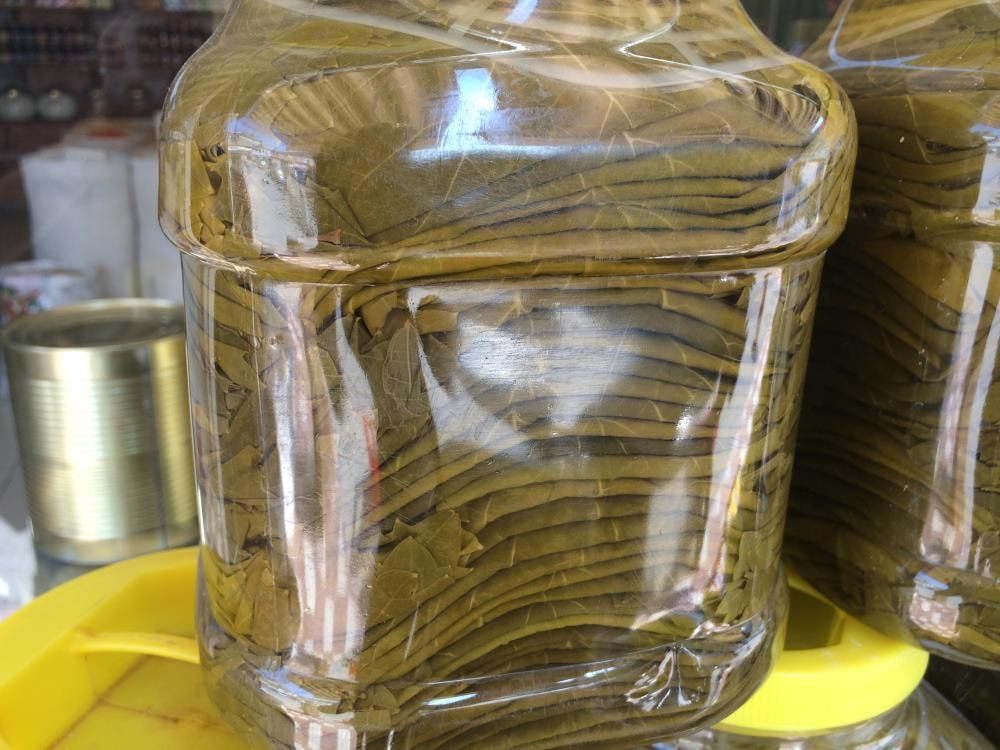
Tokat yaprağı (Tokat vine leaves)
Leaves of the Narince grape are preserved by fermenting them in brine; within the province they are produced mostly in Erbaa. Tokat Narince brined vine leaves and Erbaa Narince vine leaves are registered with geographical indications.
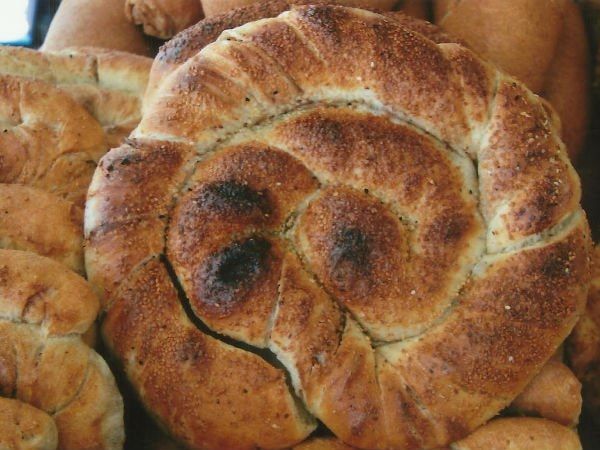
Tokat pağacı
A baked dough with walnuts mixed in, a little firmer than bread; it is eaten with butter and honey.
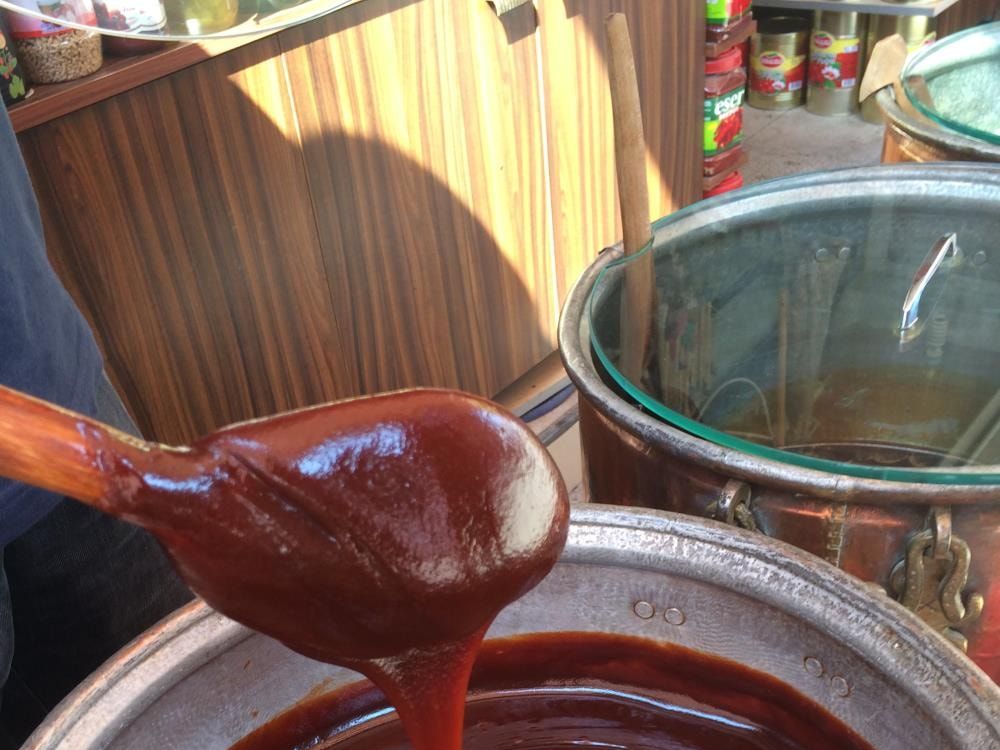
Kuşburnu (rose hip)
Rose hips, gathered in abundance around Tokat, are made into a molasses (pekmez) and a marmalade.
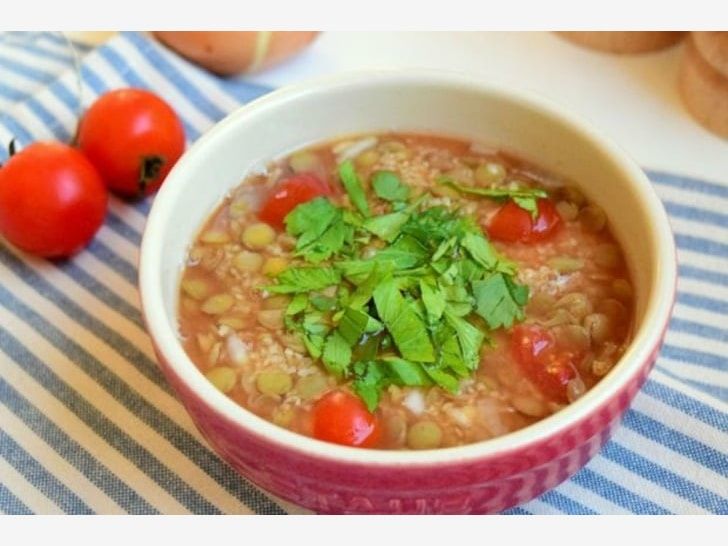
Bat
A cold dish made without cooking, by mixing soaked bulgur with Tokat broad beans, tomato paste and plenty of water.
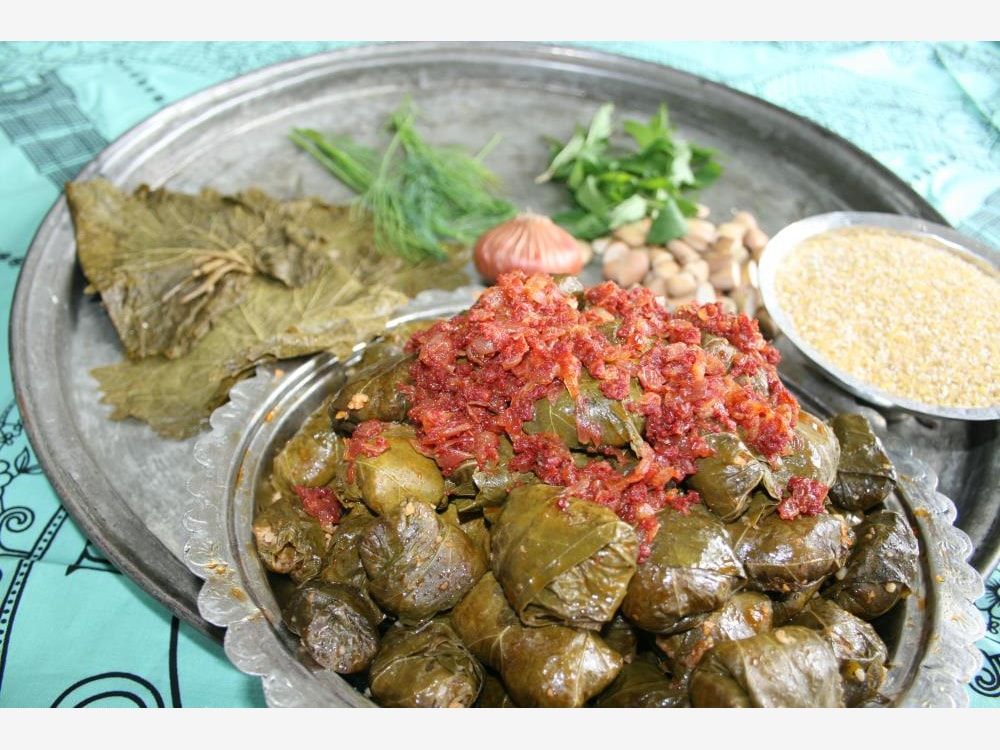
Bakla dolması (stuffed vine leaves with broad beans)
A filling made with shelled broad beans is wrapped in leaves and cooked on a layer of meat on the bone arranged in the bottom of the pot.
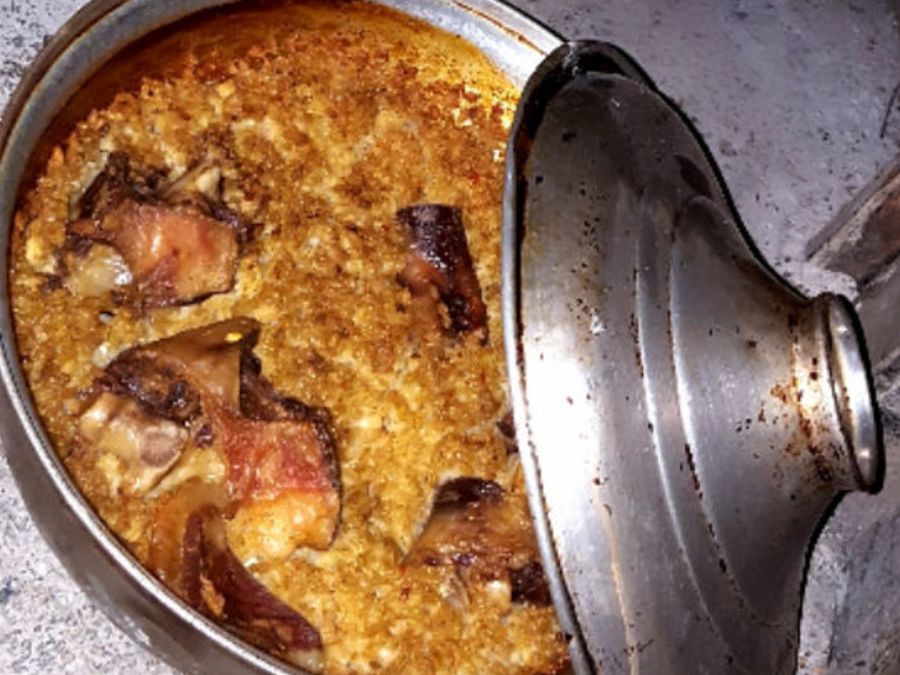
Tokat keşkeği
A keşkek slow-cooked with pounded wheat and meat; it has a special place in Tokat's cuisine.
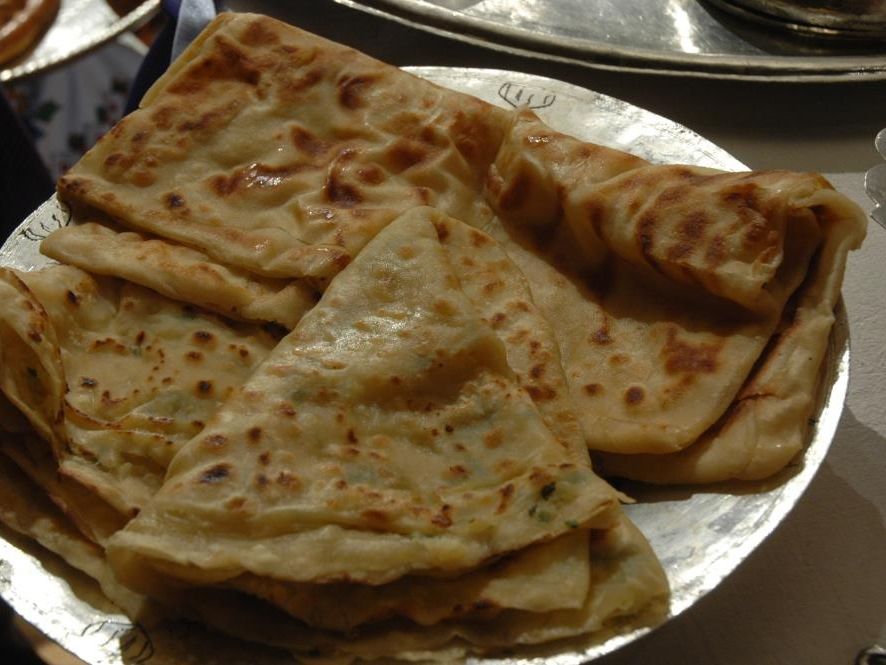
Tokat çökeliklisi
A gözleme cooked on a griddle (sac) and filled with the cheese known locally as çökelik.
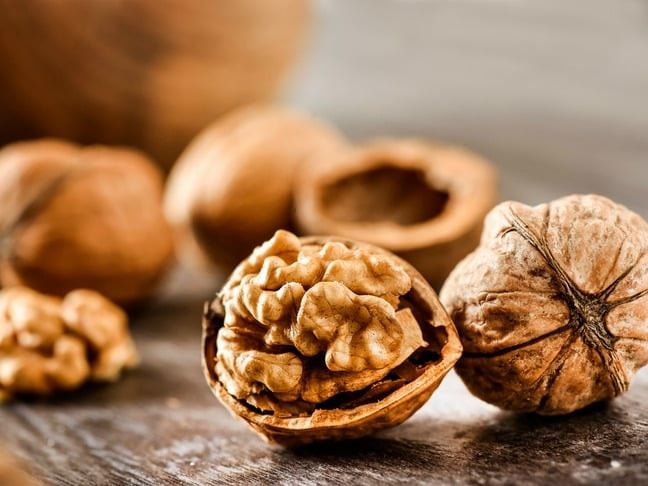
Niksar cevizi (Niksar walnuts)
Niksar's climate and irrigation water are the main things that set this walnut apart. Niksar walnuts are registered with a geographical indication.
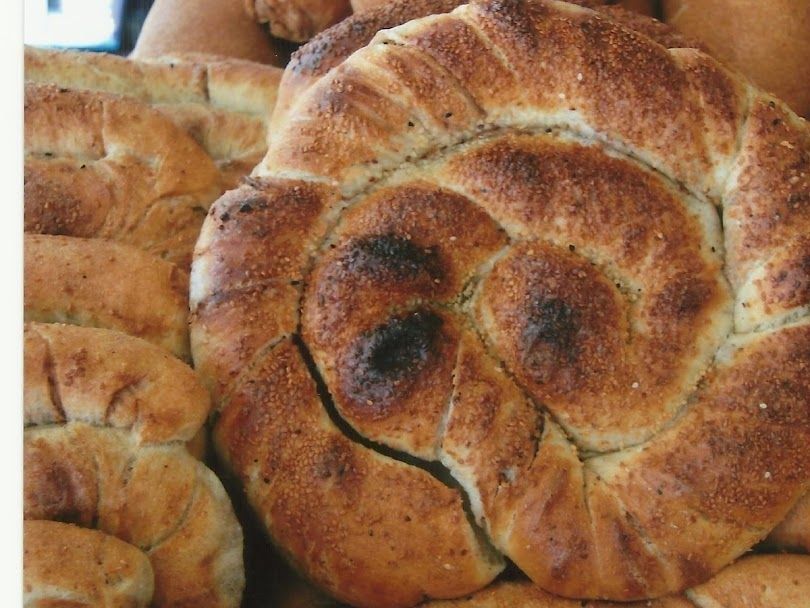
Niksar çöreği
Yeast dough is rolled out, brushed with melted butter, sprinkled with coarsely crushed walnuts, rolled up and baked; in Niksar it is made on special occasions and for guests.
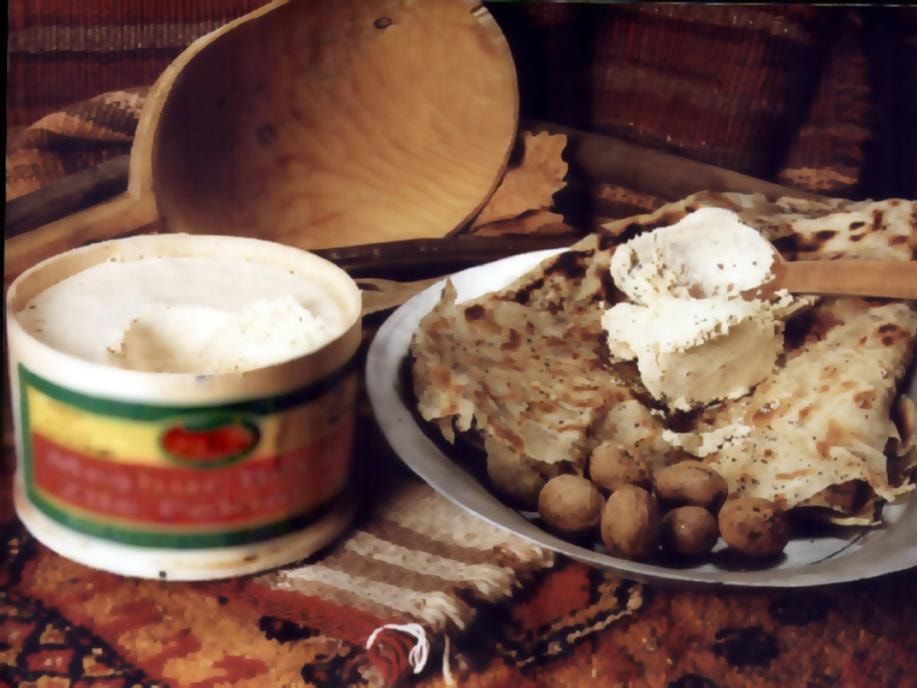
Zile pekmezi (Zile grape molasses)
A white grape molasses produced in Zile by a method of its own.
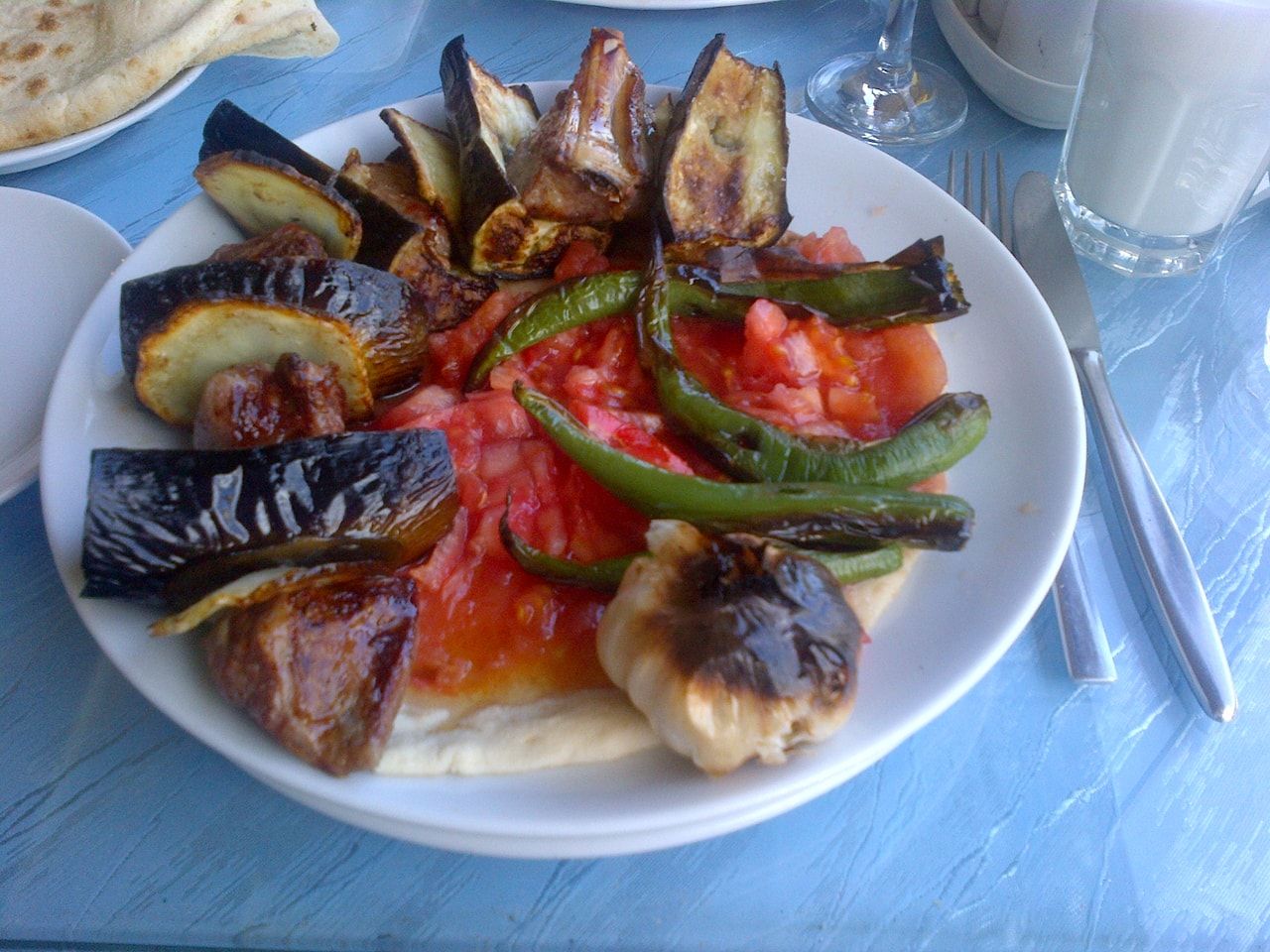
Tokat kebabı
Aubergine and lamb on the bone or meatballs are cooked together with a tomato sauce.
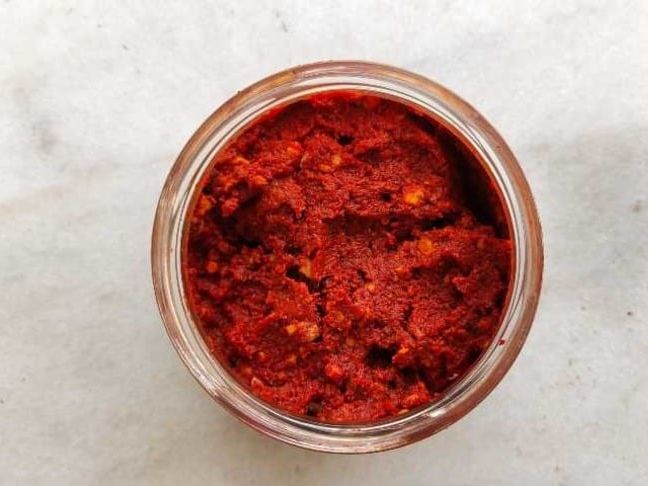
Tokat çemeni
A spread made with plenty of garlic and çemen (fenugreek paste), to which minced meat was once also added.


Places to visit in Tokat
Host to many civilisations, Tokat is a city well worth seeing for its historic monuments and its natural landscape.
On this page about places to visit and historic sights in Tokat, we cover everything from the city's most visited spots to beauties hardly anyone knows about.
Tokat Castle is one of the first places you can visit. Little is known about it, but the first people to settle in the castle are thought to have been Christians of Comana Pontica. Tokat Castle has one special feature: the rocks it stands on are natural, and only the rooms inside the castle were made by human hands. Research suggests it was built in the 5th or 6th century. After the Eastern Roman Empire, the castle came under the protection of the Great Seljuk State.
Ballıca Cave, important for tourism, should certainly be on your list too. Ballıca Cave takes you on a large and mysterious journey and is known to be good for people with asthma. Because of this known healing effect, asthma patients even come from other cities. You can reach Ballıca Cave most easily from the district of Pazar. It is in the village of Ballıca in that district, just 26 km from the centre of Tokat. The stalactites and stalagmites inside offer visitors a spellbinding sight. The pool hall, the great dripstone hall, the muddy hall, the fossil hall, the hall of columns and the mushroom hall all stand out for their beauty. Every corner gives visitors a different pleasure, and you lose all track of time.
The Selemen Plateau can also make a fine journey of discovery. Lying between Reşadiye and the borders of Ordu, this summer pasture is where Sultan Selim I (Yavuz Sultan Selim Han) camped with his army on the way to the Battle of Chaldiran. It is also where local people set up a market, especially in summer.
You can also add the Boğalı Plateau to your list of places to visit in Tokat. Stretching between Tokat and Erbaa, its greenery and oxygen-rich air will be a pleasure.
Tokat has more places to visit than can be counted. Boğalı Plateau, Batmantaş Plateau and Dumanlı Plateau are ready to welcome you with all their charms.
Tokat Castle
Tokat, with a rich history that has hardly been explored, starts a long trip with the ancient castle at its centre.
Tokat Castle stands on a high hill in the city centre. There is no firm information about when or by whom it was built. It is thought to have been built in the 5th or 6th century.
Tokat Castle was clearly carved into a natural mass of rock. Its walls and rock-cut rooms are still solid today.
Ballıca Cave, Zile Castle and Niksar Castle can be among the best routes on your Tokat trip.
Tokat Mevlevi Lodge (Mevlevihane)
The Mevlevi Lodge in the Soğukpınar neighbourhood of central Tokat was built in the 17th century by Sülün Muslu Pasha.
Located on Bey Sokağı, the Tokat Mevlevi Lodge is architecturally very striking. This historic building, covering an area of 3,000 square metres, is mentioned in Evliya Çelebi's Book of Travels (Seyahatname). The lodge has a ground floor, an entrance floor and an upper floor.
There are five rooms in total on the ground floor, where various services were usually carried out. The entrance floor is reached by an outside staircase and holds the semahane, the hall where the sema ceremony is performed.
The Tokat Mevlevi Lodge has now been restored and turned into a museum. On display are carpets and kilims from Tokat and the surrounding provinces, handwritten Qurans, finds from the excavations at the Yağıbasan Madrasa and model whirling dervishes re-enacting the sema ceremony.
Niksar Castle
The castle in Tokat's Niksar district has come down to us in good condition, even though little is known about it, and it is one of the region's most important historic sites.
Niksar Castle stands on a high hill between the Maduru and Çanakçı streams. There is no information on when it was built, but it is thought that additions were made in the Danishmendid, Byzantine and Seljuk periods.
One of the few things known about the castle is that, having been damaged by earthquakes and wars, it was repaired again and again in the Byzantine and Turkish periods. So it is fair to say that it bears traces of every era.
Zile Castle
Zile Castle, with a fine view over the Zile Plain, is well documented thanks to its inscriptions.
The castle is thought to have been built in the 1st century AD. Its inscription shows that it was repaired in 1336 (AH 737), in the time of Eretna Bey's Alaeddin Bey, and that new additions were made during the repair.
Zile Castle is also where, in history, Caesar came to Zile and said “Veni, vidi, vici” (I came, I saw, I conquered).
One of the castles that has survived in very good condition, Zile Castle was built of rubble and cut stone. Its walls are reinforced with round towers. The castle contains architectural remains dated to the Roman and Byzantine periods.
Zile Castle awaits new visitors in excellent condition. Be sure to put it on your Tokat travel list.
Almus Dam Lake
Almus Dam Lake in Tokat is one of the city's most impressive spots, where you can enjoy nature at its best, picnic and do water sports.
Especially in spring and summer, Almus Dam Lake is an important picnic area where people from surrounding districts spend the whole day. The area around the lake is rich in both fauna and flora. It is home to foxes, gazelles, pigeons, martens, wild goats, bears, wild boar, quail, blackbirds and turtle doves, and to beech, pine, oak, linden and cedar trees that create a lush green area.
Built on the Yeşilırmak and covering 4,000 hectares, Almus Dam Lake also has camping areas. If you like, you can camp for a few days in this beautiful countryside.
Sebastopolis Ancient City
The ancient city of Sebastopolis, a witness to Tokat's long history, is known to people who live in the province but not very well known outside it. Its remains are remarkably rich, yet it has had little promotion.
Sebastopolis is 69 kilometres from the city centre, in the district of Sulusaray. There is no firm information on the year the settlement was founded, but some sources say it was founded in the 1st century BC.
The city's plan resembles that of Pergamon, and its most important remains include a temple, a bath house and a lion statue. As a word, Sebastopolis means lofty, majestic and great. Some sources, however, refer to it as Heraclepolis.
Because of the many artefacts recovered from the ancient city, the Sebastopolis Open-Air Stone Works Museum and the Sebastopolis Mosaic House Museum were opened, and the finds were moved there and opened to visitors.
Sulusaray Hot Springs
Sulusaray Hot Springs, about 3 kilometres from Tokat's Sulusaray district, are visited constantly by local people and those from surrounding districts. The springs, in the village of Ilıcak, have both a Central Anatolian and a Black Sea climate.
They are known to be good for rheumatism, skin conditions and neuralgia. The waters of Sulusaray Hot Springs contain sulphate, sodium chloride and bicarbonate. The first studies of the thermal waters were carried out in 1933. If you want to choose a spa area for a holiday soon, you can add Sulusaray Hot Springs to your route.
There are hotels where you can stay at Sulusaray Hot Springs, as well as places to camp.
Kaz Gölü (Goose Lake)

Kaz Gölü is one of Tokat's most unusual and enchanting spots. Simply walking around or sitting facing the lake is enough here.
On a boat trip on reed-covered Kaz Gölü you will be accompanied by ruddy shelducks, white storks, magpies, moorhens, little grebes, wheatears and many other bird species. Yes, you can tour among the reeds by boat here, as much as you like.
Kaz Gölü was made a Wildlife Protection Area by the Ministry of Forestry. The lake has two birdwatching towers and a visitor centre. So everything has been thought of for you and blends in with nature.
We recommend staying at Kaz Gölü until sunset, because the sunset looks wonderful from here.
Mahperi Hatun Caravanserai
Mahperi Hatun Caravanserai, which has its own place in Tokat's remarkable history, dates from 1238–1239.
Built by Mahperi Hatun, wife of Sultan Alaeddin Keykubad I, the caravanserai is in the district of Pazar. It is built of cut stone, and its entrance portal in particular is very impressive. The caravanserai is rectangular, and its entrance portal is also rectangular in plan.
Although the outer walls of Mahperi Hatun Caravanserai keep their original form today, its roof has collapsed completely. Recently restored, the historic building now serves as a restaurant. This magnificent piece of architecture should definitely be visited.
Tokat Atatürk House
The house in central Tokat where Atatürk stayed with his wife Latife Hanım in 1924 has been arranged and opened as a museum.
The house where Atatürk stayed in Tokat, which he visited many times, actually belonged to Mustafa Vasfi Süsoy, member of parliament for Tokat.
The house was expropriated by the Ministry of Culture and Tourism and opened as a museum in 2007. It is now known as the Atatürk House and Ethnography Museum. Visited by people from many of the province's districts and by many tourists coming to the city, the museum displays local objects.
Selemen Plateau

The Selemen Plateau, where you can enjoy both Tokat's nature and a historical memory in one place, lies on the border between Reşadiye and Ordu.
Amid its natural beauty, the Selemen Plateau hosts a large market. The traditional pasture market is held because in 1514, during the Chaldiran campaign, Sultan Selim I came here with his army, camped on the plateau and performed Friday prayers here. Since then the traditional market has been set up on the Selemen Plateau from spring until the first snow falls.
People from surrounding provinces and districts sell their produce at the market. In very old times, it is said, needs were met at the market by barter. You can go to the Selemen Plateau and enjoy both the market and the countryside.
Ali Pasha Hamam
Ali Pasha Hamam is easy to reach because it is in the centre of Tokat. It stands just east of the Ali Pasha Mosque, which bears the same name.
Dated to 1572, Ali Pasha Hamam was renovated and reopened by the General Directorate of Foundations in 1866.
The hamam's architecture shows that cut stone was used in its construction. An example of Ottoman bath architecture, it has separate, adjoining women's and men's sections. The women's section consists of a warm room, a hot room and a changing room, and the men's section was built in the same way. Only the hot room of the men's section has a cross-shaped plan, with a dome over the central heated platform (göbek taşı).
If you find yourself in Tokat, Ali Pasha Hamam is a historic place you must go and see, and it is still in use.
Pervane Hamam

Tokat, in the central Black Sea region, is one of our cities that should be visited and explored for its caves, its summer pastures and its historic sites.
On this page we tell you about the Pervane Hamam in Tokat.
One of the city's historic buildings, Pervane Hamam has stood since 1275. It is thought to have been built by Muinüddin Pervane, one of the Seljuk viziers.
The hamam has separate women's and men's sections, divided symmetrically. However, after restoration work by the municipality in 1951 it lost all its original features. Even so, it is worth seeing for its history.
Pervane Hamam is in the Kabe-i Mescit neighbourhood of central Tokat.
Ballıca Cave

Ballıca Cave, counted among the world's most magnificent caves, truly opens the door to an unknown world once you step inside, and it is one of the first places to see on a trip to Tokat. Many tourists even go to Tokat just to visit this cave.
Eight halls of Ballıca Cave are open to visitors. What other parts the cave has is still a mystery. As you walk through it, huge stalactites, stalagmites and onion-shaped stalactites will leave you amazed. Ballıca Cave is easy to reach. It is in the district of Pazar, 26 kilometres from the city centre, and takes its name from the village where it lies, Ballıca.
Among the pool hall, the great dripstone hall, the muddy hall, the fossil hall, the bat hall, the collapse hall, the hall of columns, the mushroom hall and the new hall, you will lose all sense of time.
Akbelen Plateau
Akbelen Plateau, one of Tokat's natural beauties and recently declared a tourism area, is at kilometre 18 of the Niksar road.
Three kilometres from the main road, the plateau also has a long history. It has been home to many civilisations and has managed to keep its natural beauty to this day. Amid its greenery, it offers visitors wonderful picnic spots. There are also trout farms in the area.
The people of Akbelen make their living from livestock and farming. Sour cherries, sugar beet, onions, walnuts and tomatoes are the main crops. If you find yourself in Tokat, we recommend a visit to Akbelen Plateau. The area's natural beauty offers many places to explore.
Tokat Museum
Tokat Museum, opened in 2007, displays 36,253 artefacts.
Source: http://www.gezilebilecekyerler.com/tokatta-gezilecek-yerler/
Culture and arts in Tokat
The standout historic buildings in Tokat's city centre are the Mahmut Pasha Mosque, built in the 17th century, the Yağıbasan Madrasa, the Gök Medrese, the Tokat Great Mosque and the Clock Tower. The Clock Tower was built to commemorate the 25th anniversary of Abdulhamid II's accession.
Mustafa Kemal Atatürk stayed for a time at the Latifoğlu Mansion during the years of the National Struggle; the mansion is now a house museum.
“Yandım Tokat Yandım”, “Hey Onbeşli” and “Mendilim Allanıyor” are among the folk dances and songs closely associated with the region. The Topçam oil wrestling contest is held every year. Kaz Gölü is home to 108 bird species.
History of Tokat
The site of today's Tokat has been known through history by names such as Komana, Kah-Cun, Dar Ün-Nusret and Sobaru. The region was ruled in turn by the Hittites, Assyrians, Hurrians and Cimmerians, then by the Persians, the Macedonians, Cappadocia and Pontus.
In 65 BC it passed to the Romans, and later to Byzantium. The oldest traces of Tokat Castle date from the 5th or 6th century. After the victory at Manzikert, the castle passed to the Danishmendids in 1071 and to the Anatolian Seljuks in 1150.
John Chrysostom (Ioannis Chrysostomos), known as “Golden Mouth”, died near Tokat while going into exile from Constantinople.
Getting to Tokat
Tokat can be reached by road from almost every province in Türkiye. There are also direct flights from Istanbul, Ankara and İzmir. It can also be reached by rail from some cities. For those travelling by car, the distances are: Amasya–Tokat 115 km, Sivas–Tokat 107 km, Çorum–Tokat 182 km, Ordu–Tokat 218 km, Samsun–Tokat 241 km, Ankara–Tokat 385 km, Istanbul–Tokat 796 km and İzmir–Tokat 980 km.
Districts of Tokat
- Almus
- Artova
- Başçiftlik
- Erbaa
- Merkez (central district)
- Niksar
- Pazar
- Reşadiye
- Sulusaray
- Turhal
- Yeşilyurt
- Zile
Economy of Tokat
The people of Tokat live from farming, livestock and trade. Tomatoes, peppers, sour cherries, cherries, potatoes, grapes and sugar beet make up the largest share of production. The numbers of sheep, goats and cattle and of beehives are also significant.
About 5% of the population works in industry. Dimes fruit juice, Olca tomato paste, Eser tomato paste, Samaş bentonite and the Turhal sugar factory are among the leading plants.


Comments
Loading comments…