
Trabzon
- Black Sea Region
About Trabzon
Trabzon, known as the pearl of the Black Sea, is a city that takes your breath away with its unique nature. The city, famous for its rain in every season, is surrounded by thousands of different kinds of plants. Because it has rich forest cover, its most prominent livelihood is farming. Because it has a harsh climate, it is not open to other kinds of economic activity. Some areas make their living from farming and others from livestock. Fishing above all is among the important livelihoods. Thanks to hazelnuts, tea and fresh fruit and vegetables, imports and exports also take place during the year. Trabzon, which brings together different resources in terms of its geological formation, displays the miraculous features of nature. In the city, very rich in valleys, slopes, rivers and lakes, the Black Sea climate prevails, so in winter the coasts and nearby areas are rainy, while the middle and high areas have snow. In summer, humidity rises along with the rain.
Trabzon's famous dishes and desserts
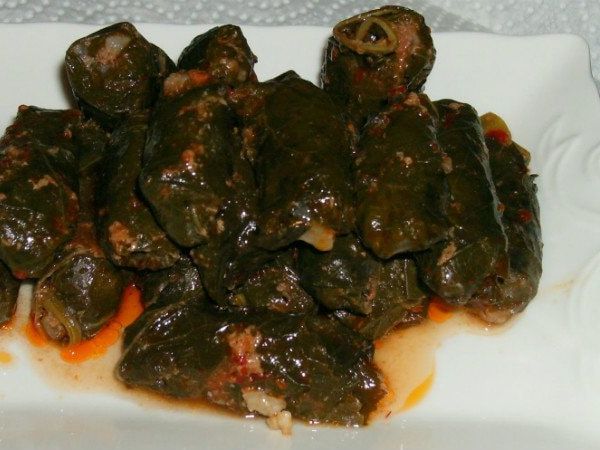
Pancar
In the Black Sea region, stuffed collard greens (karalahana) are called pancar; a filling is rolled in collard leaves and cooked.
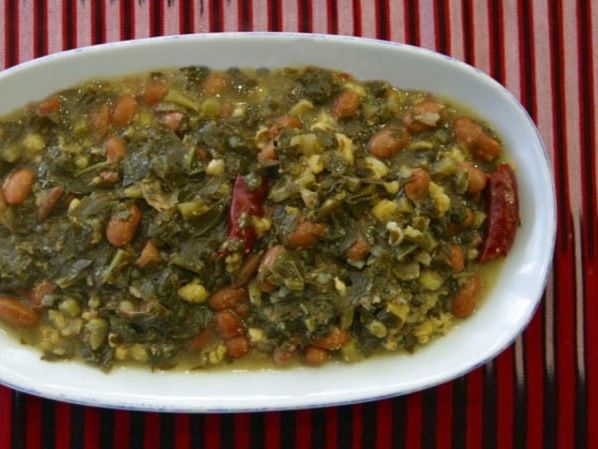
Guliya
A dish made with collard greens and suet; borlotti beans and potatoes are also added.
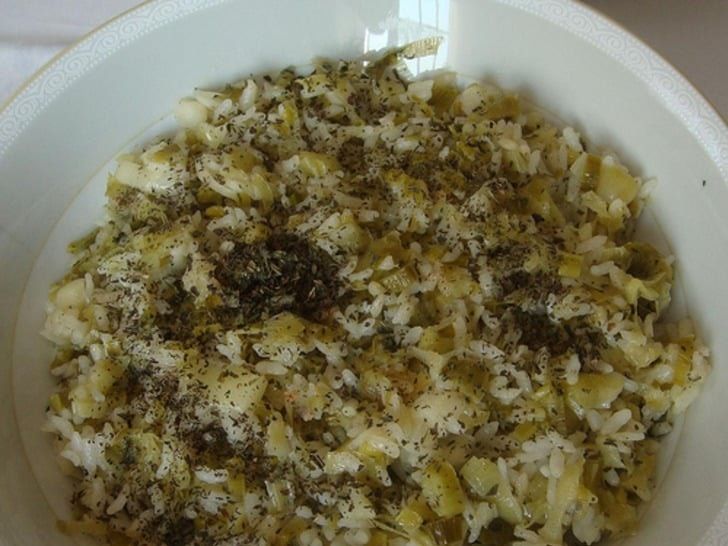
Sarambula
It is made with chard, leeks, cracked corn and rice, with hamsi (anchovies) added if you like.
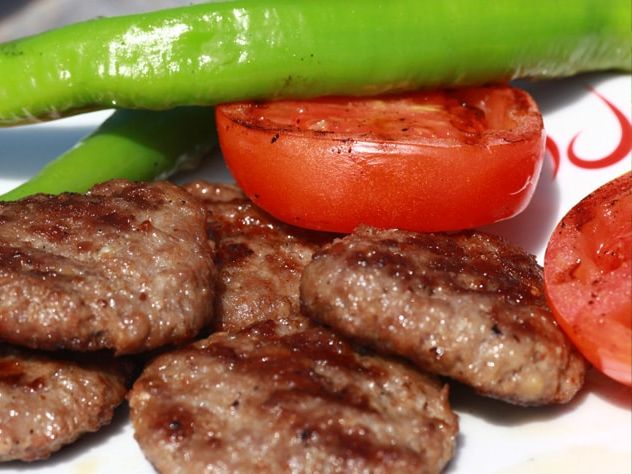
Akçaabat köftesi
Akçaabat's meatballs, known for their garlic; usually made with veal, salt and breadcrumbs, and cooked over embers. They are served with toasted bread, piyaz (bean salad) and ayran.
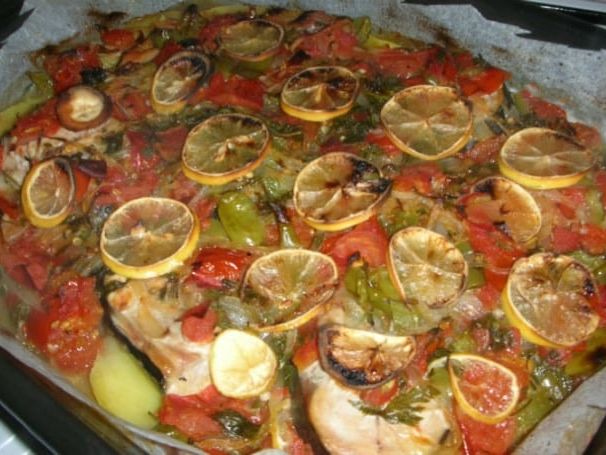
Kefal ekşilisi
Mullet cut into rounds is baked in a tray with onion, tomato, pepper and parsley.
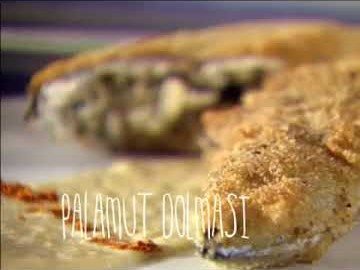
Palamut dolması with walnuts and currants, serving still from the recipe video
Palamut dolması
The bonito is hollowed out and stuffed with its own flesh, fried with walnuts, currants, allspice and pine nuts.
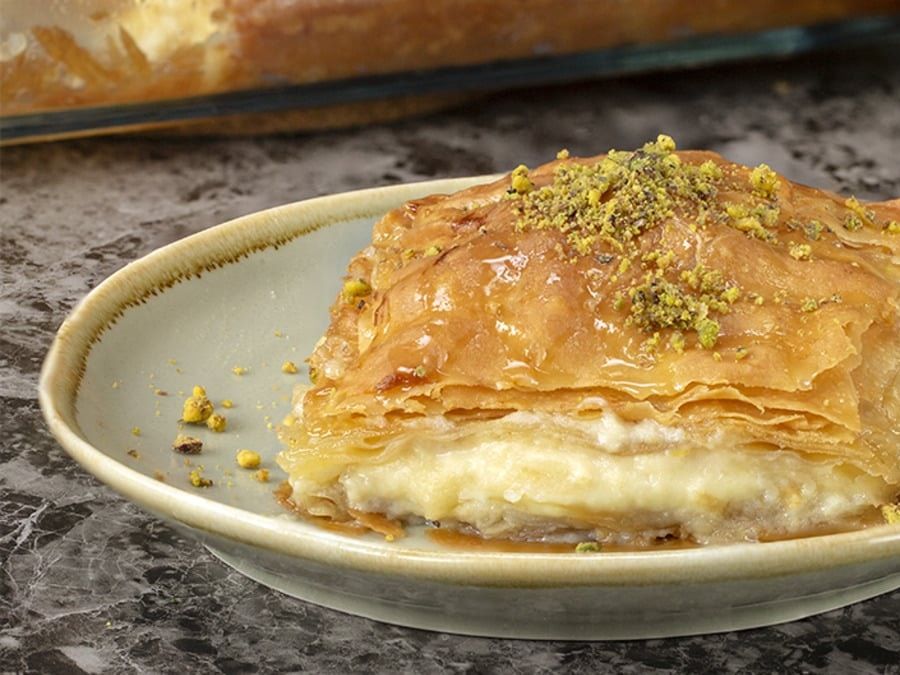
Laz böreği
Although it is called börek, it is a dessert: it is baked with custard between thin sheets of yufka.
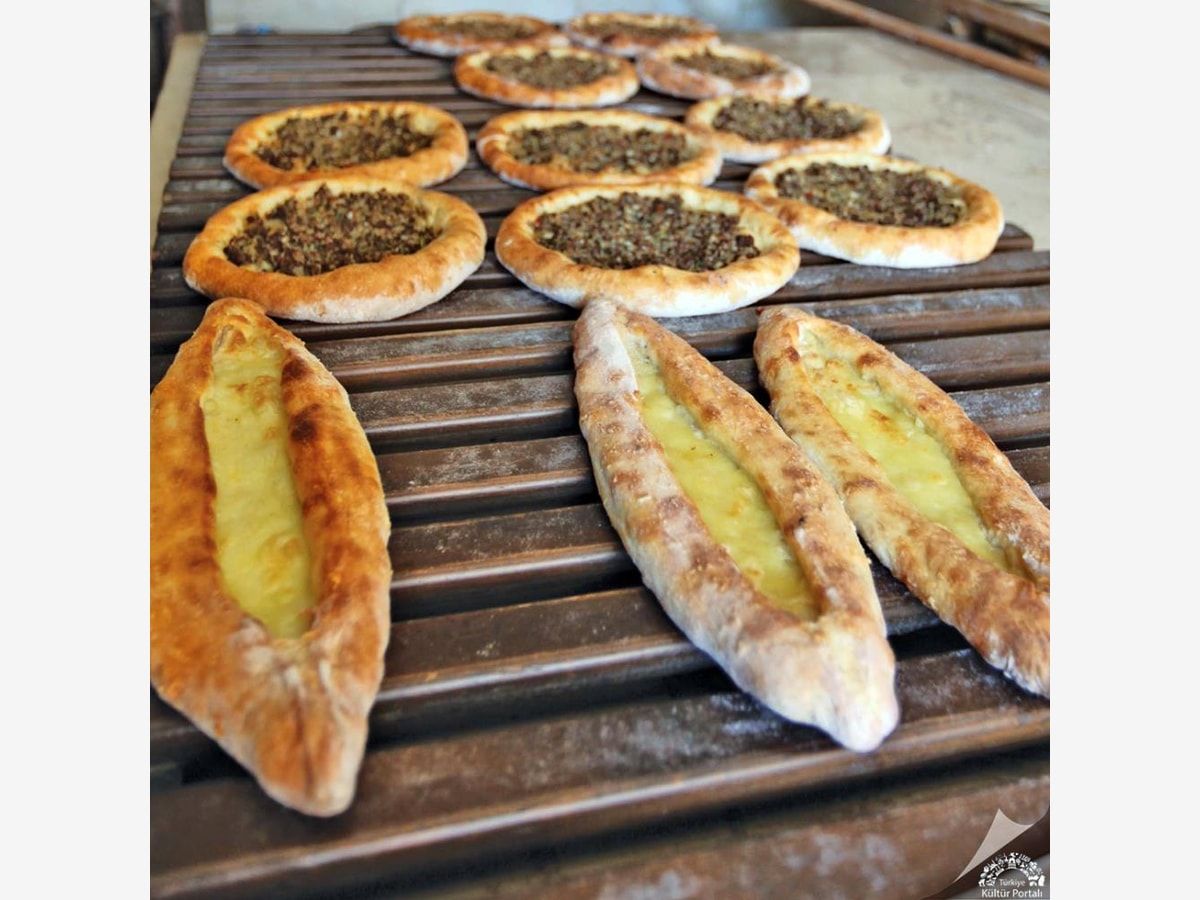
Peynirli Trabzon pidesi
Village cheese and butter are put on a yeast dough, and an egg is cracked on top if you like.

Golia
Collard greens are cooked with yellow beans, corn, pepper, onion and minced meat.
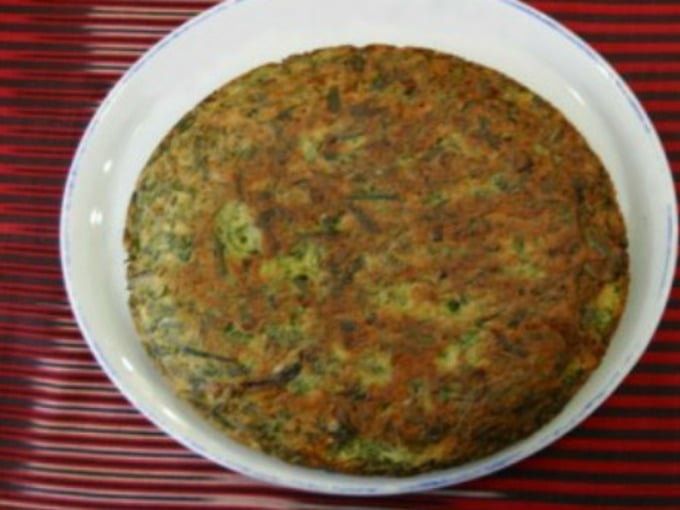
Tomara Kızartması
The stalks of tomara, which resembles chard, are fried with egg, cornmeal and butter.
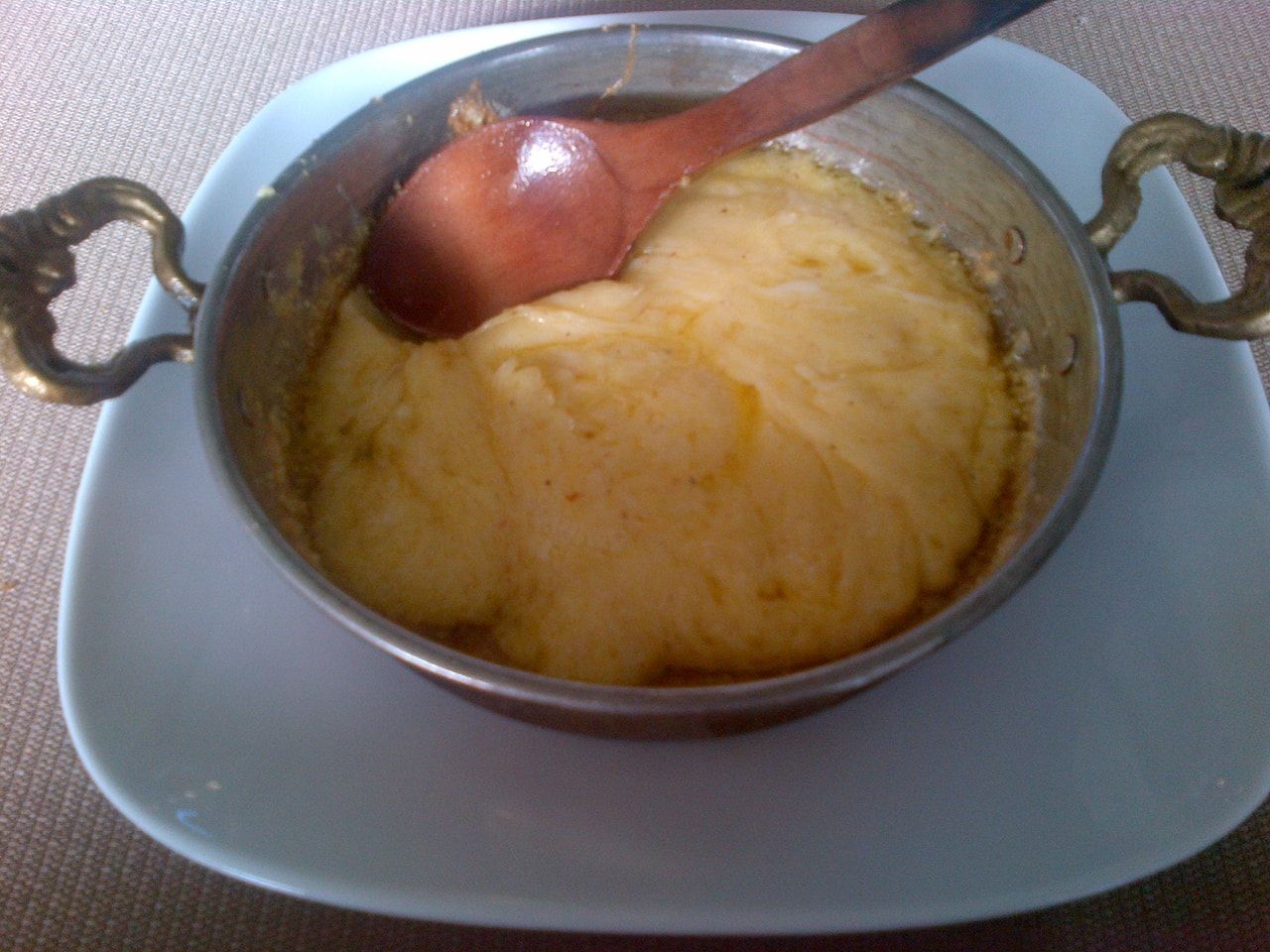
Kuymak
It is made with cornmeal, butter and local cheese. It is eaten at breakfast, and also comes to the table as a main dish at lunch or dinner.
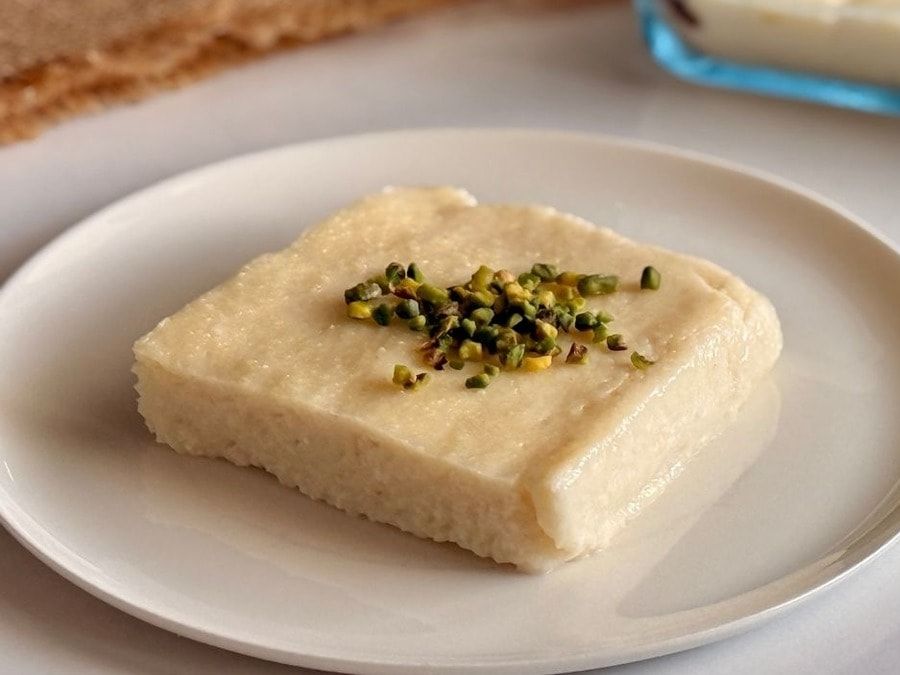
Laz helvası
A dessert cooked with semolina and vanilla to the consistency of a milk pudding.
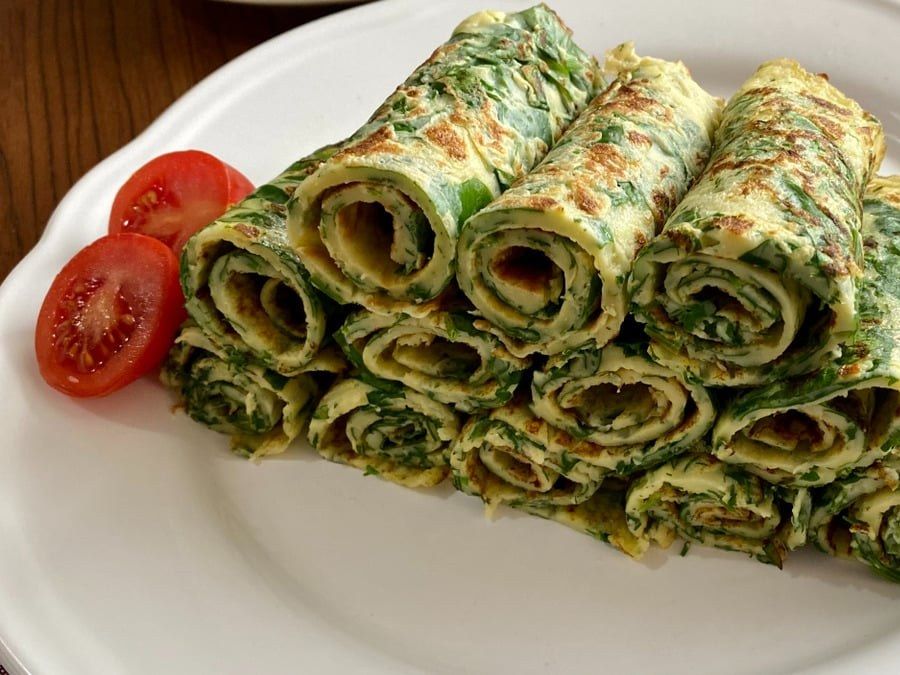
Pazılı kaygana served with parsley and dill
Pazılı kaygana
In Trabzon cooking, pazılı kaygana is made by adding finely chopped chard to a batter and cooking it in a pan. Besides the recipe made with cornmeal and dried and fresh mint, there is also a version made with parsley and dill.
Source: Yemek.com
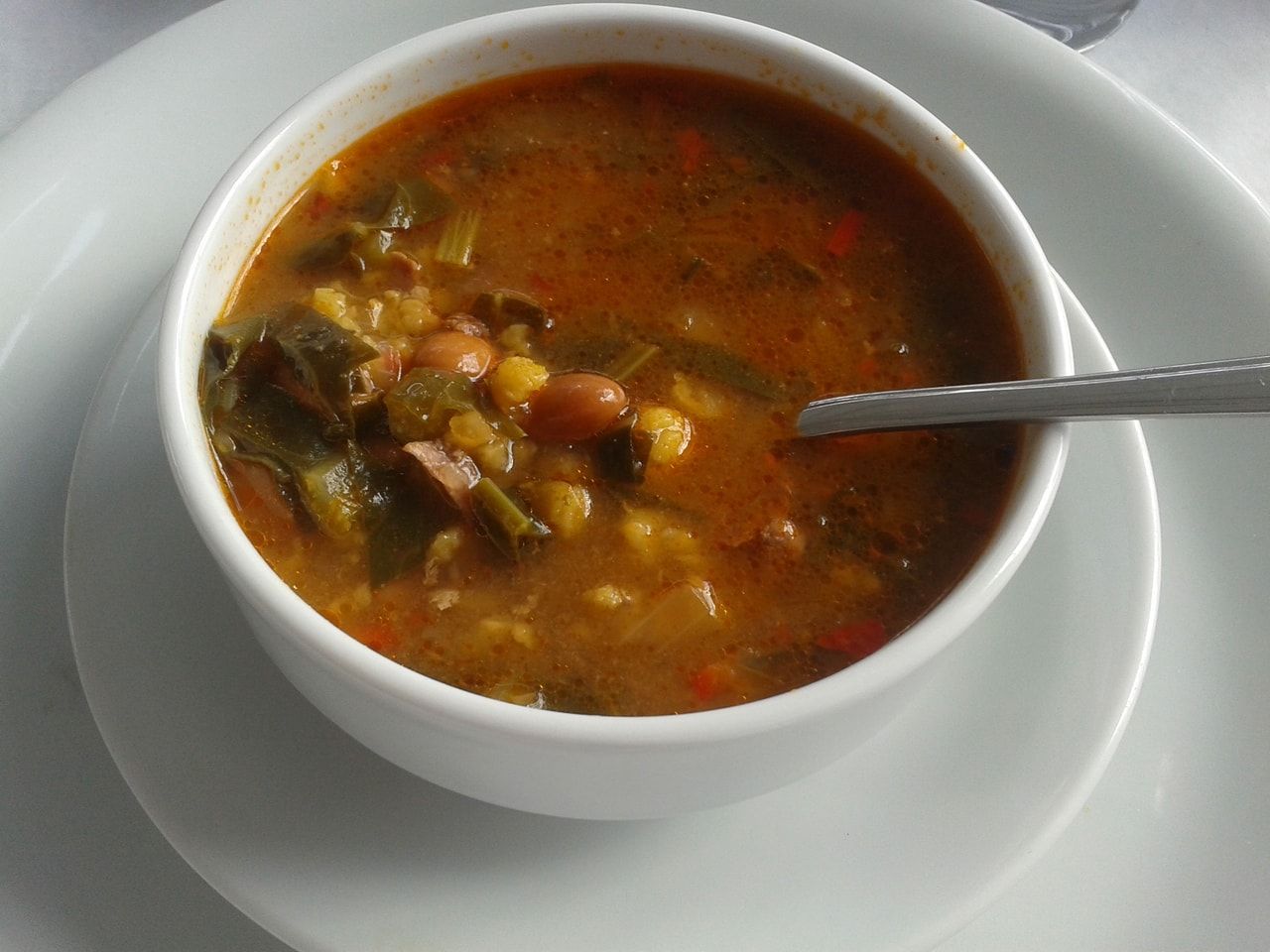
Karalahana çorbası
A soup made with finely chopped collard greens, cornmeal, borlotti beans and dried chilli.

Hurmalı tart
A tart made with Trabzon persimmons.
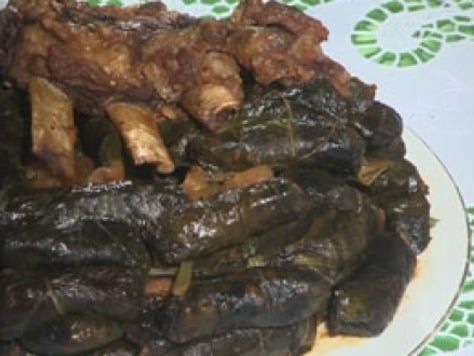
Gongoş dolması
Also called gongoş sarması; collard greens are filled with cracked corn and veal, and it is a different dolma from pancar.
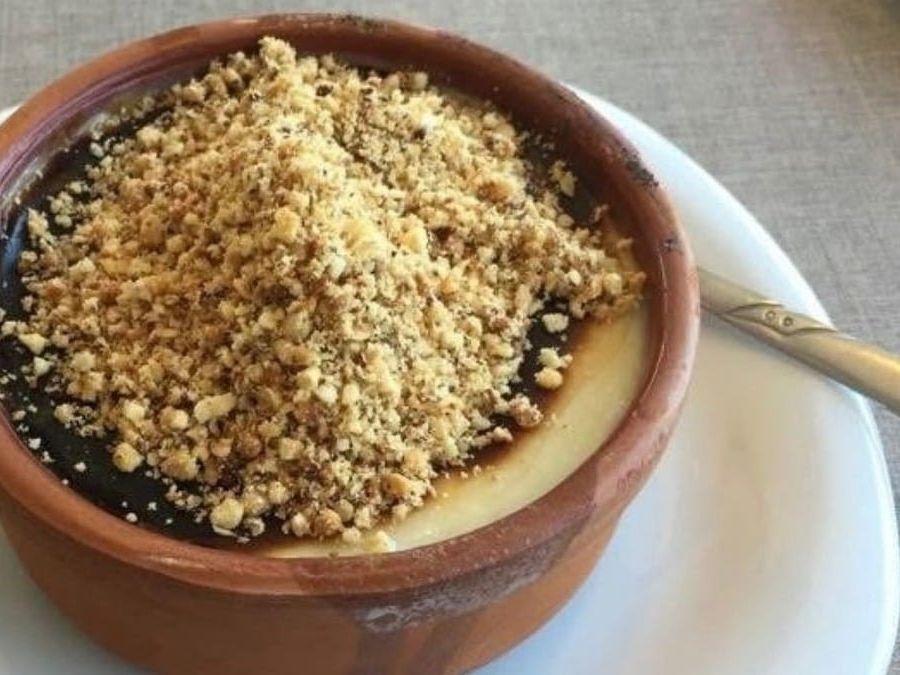
Hamsiköy sütlacı
It is made with milk, rice and sugar; it takes its name from Hamsiköy, the shared name of five villages among green pastures at the foot of Zigana Mountain. Hamsiköy Sütlacı is registered with a geographical indication.
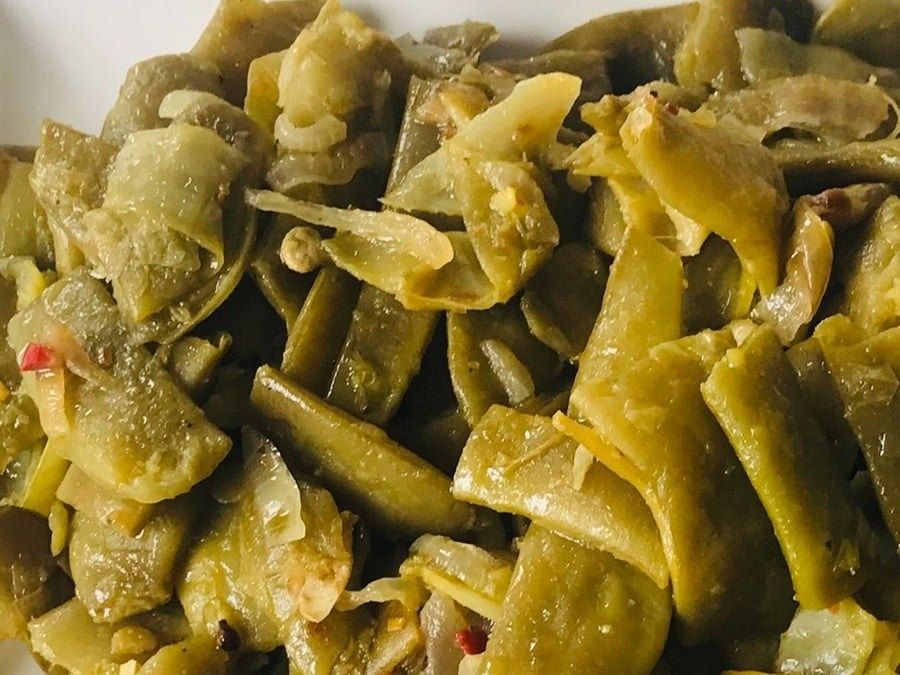
Fasulye turşusu kavurması
Pickled beans are fried with a wild onion called zaguda locally; it is eaten with cornbread.
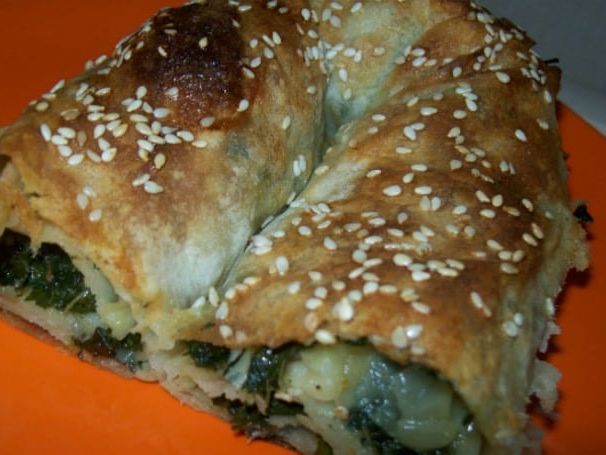
Hodan böreği
A börek made with borage, onion and black pepper.
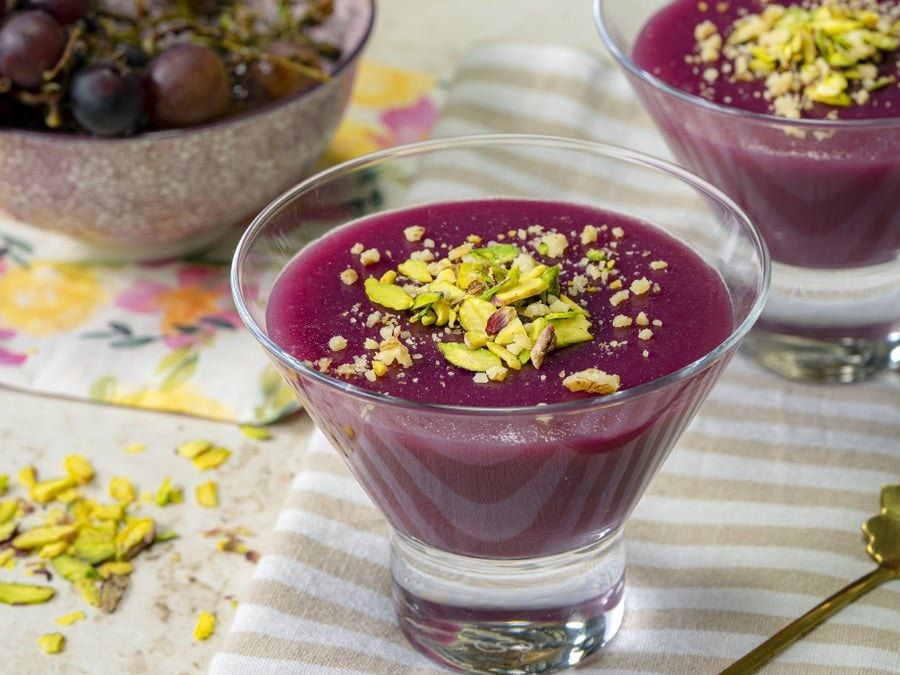
Pepeçura
A dessert with the consistency of a milk pudding, cooked with black grape juice and cornmeal and decorated with hazelnuts or pistachios.
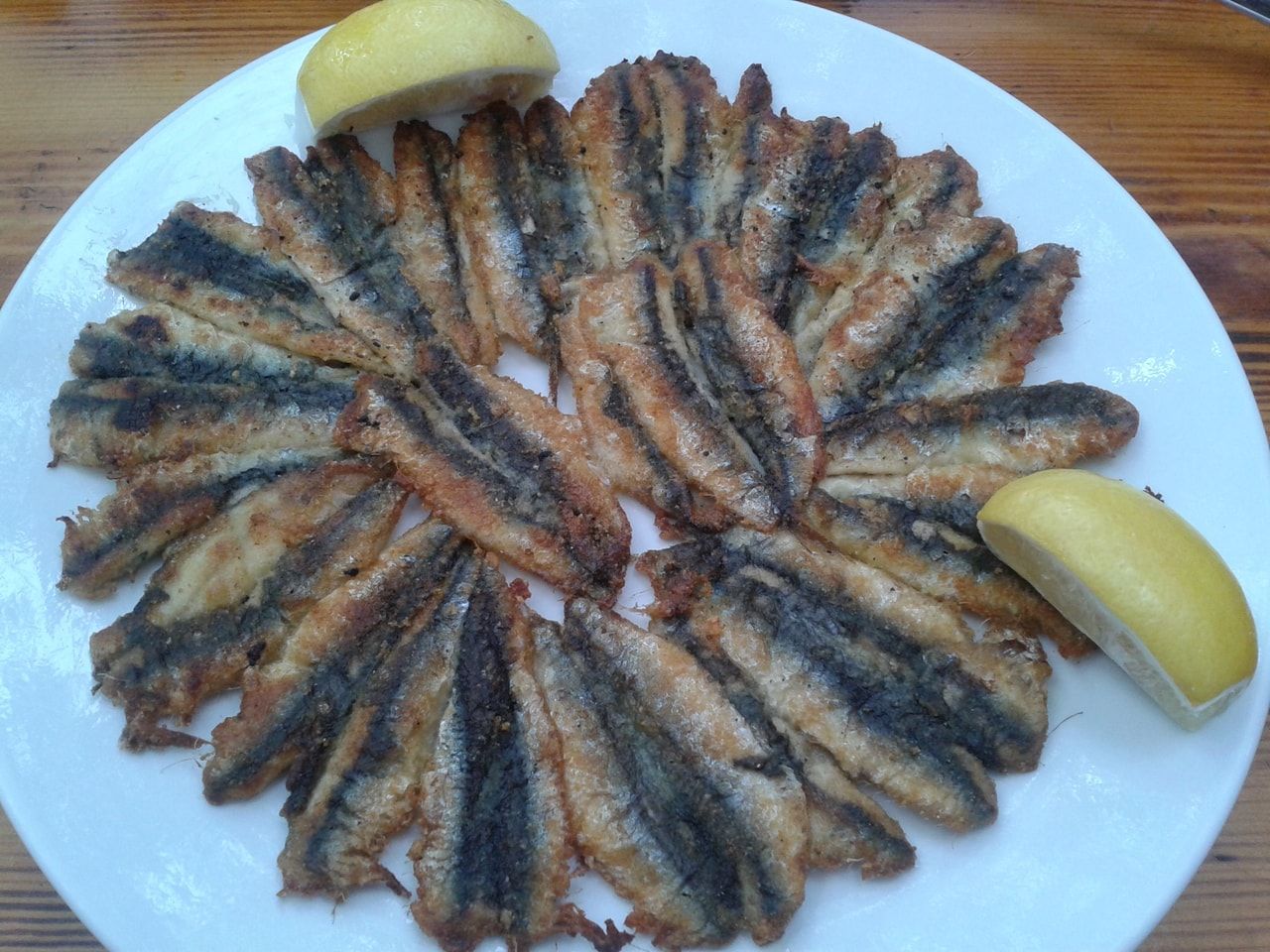
Hamsi yemekleri
Hamsi (anchovy) is one of Trabzon's best-known products; it is served as a main dish in many restaurants in the city.


Kukuca
Pumpkin is mashed with corn, sugar and milk are added, and it is eaten hot.
Places to visit in Trabzon
Trabzon, which holds a treasure in every corner with its unique natural beauty, is a city worth seeing in the Black Sea region.
Trabzon is one of the first places that come to mind when the Black Sea is mentioned. With its Black Sea traditions, cultural values, unique nature and historical heritage, Trabzon is a city you must visit in our country. If you too are planning a trip to Trabzon, take a look at our article on places to visit in Trabzon…
Trabzon Castle: Trabzon Castle and its walls, which have been preserved to the present day, make up the city's old buildings. The oldest part of today's walls goes back to the Roman period. The castle, which stretches from the seashore to the hills behind the city, is in the city centre.
Churches and monasteries: The world-famous Sümela Monastery is the most magnificent building in the city, and indeed in the Central Black Sea. Sumela Monastery, built on a steep rock face at the foot of Karadağ in Altındere village in Trabzon's Maçka district, is popularly known as Meryem Ana (Mother Mary). Standing 300 metres above the valley, the building, by this location, continued the tradition of founding monasteries outside cities, in forests, in caves and by water. Besides Sümela Monastery, the other monasteries and churches you can visit in Trabzon include the Vazelon Monastery, the Kızlar Monastery, the Kaymaklı Monastery, the Peristera Monastery and the Church of St Eugenius.
Museums: Those who want to learn about the history, traditions and culture of Trabzon and the region can visit Trabzon's museums. The Trabzon Museum, Trabzon Hagia Sophia (a mosque since 2013), the Cevdet Sunay Museum, the Traditional Life Exhibition and the Atatürk Pavilion are among these museums.
Yaylas: Trabzon is among the leading cities for yayla (highland pasture) tourism in the Black Sea region. These natural wonders are visited especially in the summer months. Erikbeli Yayla, Lapazan Yayla, Haçka Obası Yayla, Garester Yayla, Şolma Yayla, Sultan Murat Yayla, Şekersu Yayla and Haldizen Yayla are among the yaylas worth seeing in Trabzon.
Trabzon holds a treasure in every corner with its unique natural beauty. If you've set out to discover Trabzon's nature, don't leave Trabzon without seeing Çal Cave, Lake Sera and the Altındere Valley, as well as Akçaabat, Sürmene, Maçka and Çaykara.
Places to visit in Trabzon: historic sites
Church of St Eugenius
The Church of St Eugenius, east of the Tabakhane stream in Trabzon, takes its name from Saint Eugenius, Trabzon's patron saint.
The church, thought to have been built in the 13th or 14th century and which has survived intact to the present day, was converted into a mosque after the conquest of Istanbul. Today it serves as the Yeni Cuma Mosque.
Although its architecture changed significantly after it became a mosque, its exterior in particular keeps its original character. The inscriptions inside the mosque were written by the calligrapher Hafız Hasan Rıfat.
After Sümela Monastery and the mysterious Vazelon and Peristera monasteries, you can head for the Church of St Eugenius.
Vazelon Monastery
The Vazelon Monastery, which has its place in Trabzon's deep-rooted history, is as magnificent a building as the Sümela and Peristera monasteries.
Vazelon, in the Maçka district about 40 kilometres from the provincial centre, is without doubt one of the city's most worth-seeing places. Not much is known about this imposing place of worship. This makes the monastery all the more mysterious. Some sources say that Sümela Monastery was built with income from the Vazelon Monastery. If this is true, Vazelon could also be said to be the richest place of worship.
Other sources write that the monastery was attacked many times in the past. Indeed, there is a report that some 400 monks were killed in an attack in AD 490.
Altındere Valley

The Altındere Valley in Maçka, Trabzon, a vast green area with waterfalls running through it, will be a unique place of discovery for you in the city's oxygen-rich air.
The Altındere Valley is very easy to reach and has a gravel road. Inside the valley there is a footpath. The Altındere Valley is 48 kilometres from the provincial centre and 18 kilometres from Maçka. It was declared a National Park in 1987. It is also very close to the world-famous Sümela Monastery. The valley's geography is very well suited to trekking, climbing, fishing, nature study and camping.
With more than 350,000 visitors a year, it has become an important point for tourism. We suggest spreading your enjoyment of the valley over several days by camping in the Altındere Valley National Park or staying in the accommodation there.
Gülbahar Hatun Mosque

The Gülbahar Hatun Mosque, part of a large külliye (mosque complex) when it was built and today notable for how well it has survived, is one of Trabzon's historic buildings.
With its tremendous architecture and deep-rooted past, the Gülbahar Hatun Mosque is one of the stops for tourists coming to the city. The mosque is also called the Büyük İmaret Mosque or the Hatuniye Mosque. It is south of Atapark, in the neighbourhood of the same name.
It is also one of the two important parts that remain of the külliye. The külliye's medrese and school were demolished, and only the mosque and the tomb remain. The Gülbahar Hatun Mosque was built in 1514 by Sultan Selim I (Yavuz). It takes its name from Selim I's sister. The mosque's last congregation area is covered with five domes. Its minbar and mihrab are of marble, and the minbar in particular has simple workmanship. You can include the Gülbahar Hatun Mosque in the days you spend visiting Trabzon's famous sights.
Erikbeli Yayla

Most of Erikbeli Yayla, which can be reached both from Tonya in Trabzon and from Kürtün in Gümüşhane, lies within Trabzon's borders. It is 24 kilometres from Tonya and 20 kilometres from the Kürtün district.
Although there are no infrastructure services at Erikbeli Yayla, you can camp with the camping gear you bring. Foods such as milk, meat, eggs and bread are available on the yayla. The road to Erikbeli Yayla is gravel, and you can easily get there by minibuses leaving from the Kürtün district.
Erikbeli Yayla, also ideally placed for hiking between yaylas, is one of the places to see in Trabzon.
Lapazan Yayla
Lapazan Yayla, at an altitude of 2,200 metres, is reached by the road to Gürgenağaç village in Trabzon's Maçka district. The yayla has a dirt road, and going by geared vehicle is recommended.
There are no infrastructure services at Lapazan Yayla. Most tourists coming to Trabzon visit the yayla on a day trip, or bring their camping gear and camp.
On your Trabzon trip you can stay at Lapazan Yayla for a few hours or, if you like, a few days.
Haçka Obası Yayla

Haçka Obası Yayla, one of Trabzon's green spaces, is about 12 kilometres from the Düzköy district.
It lies south of the district, 40 kilometres from the provincial centre. Although the access road is dirt, you can reach the yayla easily. What sets Haçka Obası Yayla apart from other yaylas is that it has infrastructure services such as electricity, fountains and a post office. There is also a greengrocer, a butcher and a guesthouse on the yayla.
Şerah village (Uzungöl)
Uzungöl is one of Trabzon's most enchanting spots. This area, just 19 km from the Çaykara district, holds every shade of green.
If you've researched Uzungöl hotel prices and made your booking at one of the Uzungöl hotels, you should definitely stop by Şerah village, very close to this area. Şerah village, where you'll see old wooden houses among the greenery, is one of the loveliest spots in the area. It also has an important place for tourism. What's more, it is worth seeing in every season of the year.
On your Uzungöl holiday you can stop at Şerah village and discover new places. The village is about 1 km from Uzungöl.
Garester Yayla
Uzungöl is one of the most alluring spots on the Black Sea. With its yaylas and other natural beauties it offers a peaceful holiday. You can have a restful holiday staying in Uzungöl's hotels. We think you can take the first step by researching Uzungöl hotel prices and making a booking.
Garester Yayla, one of Uzungöl's lovely yaylas, is an area full of greenery that you can include in your holiday. It lies south of Uzungöl, and when you climb up to the yayla you can watch the irresistible view of Uzungöl. They call this yayla the end of the world. Garester Yayla really makes you think you've reached the last point on earth. A good Uzungöl holiday is completed with a visit to Garester Yayla.
Şolma Yayla
Şolma Yayla, among Trabzon's most attractive places, is one of the most worth-seeing with the beauty it offers its surroundings. On the way to Şolma Yayla, 22 kilometres from Maçka, you'll witness the loveliest parts of nature at every step.
You can go in your own car, or in the summer months reach Şolma by minibus. There is electricity, water and telephone in the area. On your Trabzon holiday you can visit Şolma Yayla, where you'll feel yourself part of nature. There's no end to the places to see and discover in this lovely Black Sea city. Sultan Murat Yayla, Çal Cave, the Peristera Monastery and the other historical and natural beauties can each be part of a trip you'll never forget.
Sultan Murat Yayla
Sultan Murat Yayla is one of Trabzon's unforgettable yaylas. Sultan Murat Yayla, where you'll see every shade of green, is within the boundaries of Çaykara. You can reach the yayla from Çaykara by a 25-kilometre dirt road.
They say that in 1635, on his return from the Iranian campaign, Murad IV performed the Friday prayer here on this yayla with his army and camped here. That is why this yayla came to be called Sultan Murat. There is also a cemetery of Ottoman soldiers on Sultan Murat Yayla. The cemetery holds the graves of an officer and 70 soldiers. You'll find electricity, toilets and drinking water on the yayla. While discovering new places on your Trabzon trip, with the memorable Black Sea air, you can add Sultan Murat Yayla to your points of discovery. Of course, you can also add Haldizen Yayla, Şolma Yayla, Sümela Monastery and Trabzon Castle to your list and enjoy times full of historical and natural beauty.
Çal Cave
Çal Cave, within the boundaries of Trabzon's Düzköy district, is one of the city's important tourist spots. It is in the municipality of Çalköy, which bears the same name, and a small stream runs inside the cave.
Çal Cave is one of the places that always makes the list of those visiting Trabzon. There is a comfortable movement of air inside the cave, and it was opened to tourism in 2000. Trabzon's tourist spots also include Lake Sera, the Kızlar Monastery, Uzungöl and Sümela Monastery.
Every step you take inside the cave will show you different formations under dim lights. You'll simply give yourself up to the cave's atmosphere and forget the outside world for a moment. Çal Cave is more than ready to be one of the most impressive points of your trip.
Lake Sera
Lake Sera, a lake dammed by a landslide, is among the beauties of Trabzon's Akçaabat district. Lake Sera, formed in the Derecik Valley, will be one of the most unforgettable parts of your Trabzon holiday.
The lake, with a natural charm among the greenery, is 4 kilometres long. Lake Sera, taking on different colours in every season, displays its irresistible view. With its vegetation and the chirping of birds it is something else again. Lake Sera is definitely among the places you must see. It is described as the most important tourist area after Uzungöl and Sümela in particular. After visiting Lake Sera, you can set off to see the Kızlar Monastery, Çal Cave, Şekersu Yayla and Sümela Monastery.
Kızlar Monastery
The Kızlar Monastery, opened to tourism like Trabzon's Sümela Monastery, Çal Cave, Lake Sera, Peristera Monastery and Kaymaklı Monastery, attracts great interest.
The Kızlar Monastery, which until recently was of little importance for tourism, was restored by the municipality and, after the necessary work, opened to tourism. It is one of the most magnificent historic ruins and is on Boztepe. The monastery, built in the 14th century by Alexios III, the Pontic Greek king, was last used in 1923. Inside the monastery are the Rock Church, cells, students' rooms, a retreat room, a funerary chapel, a bell tower and guest rooms. The Kızlar Monastery, which you must include in your Trabzon trip, will carry you off to another time among its ruins.
Kaymaklı Monastery
There's no end to describing both the natural beauty and the historical treasures of Trabzon, one of the Black Sea's unique cities. Şekersu Yayla, Haldizen Yayla, Sümela Monastery, Peristera Monastery…
Everywhere here smells of history, and everywhere offers a piece of natural beauty. The Kaymaklı Monastery, in Boztepe's Değirmendere Valley, is one of the city's historic remains. This monastery was built in 1424, by the Armenians, in memory of Jesus. Although the monastery has come down to us in a ruined state, it is still worth seeing. On your Trabzon holiday, while enjoying the unique nature, you should definitely visit the historic sites too.
Şekersu Yayla
Trabzon, with all its natural beauties and its charming districts, is one of the first-choice cities for those who want a Black Sea holiday.
Şekersu Yayla in Çaykara is one of the loveliest and most essential parts of these natural beauties. The yayla, whose old name is Sakarsu, neighbours the villages of Karaçam and Yaylaönü at the foot of the Soğanlı Mountains. At Şekersu, which is both a village and a yayla, you can see every shade of every colour. The yayla, closed to settlement in winter because of the climate, should be visited in the summer months. Because it is 37 kilometres from the district centre, you'll have no trouble getting there. You should definitely set out to discover Şekersu Yayla, in wonderful Black Sea air.
Then, by adding Lake Sera, Haldizen Yayla, the Kaymaklı Monastery, the Peristera Monastery and Sümela Monastery to your list, you can take the chance to see both the natural and the historical beauties of the city.
Trabzon Museum
The mansion built by the banker Kostaki Teophylaktos in Trabzon serves today as a museum. The architect of the mansion, built in the early 1900s, is unknown. All that is known is that the materials were brought from Italy.
It is known that Mustafa Kemal Atatürk stayed in this mansion as a guest with his wife Latife Hanım and a delegation.
The building, later expropriated, was used as the Government House and Inspectorate building. Then, after serving as a girls' vocational high school, it began to be used as a museum in 2001. The Trabzon Museum in this historic mansion displays ethnographic and archaeological works. You can visit this museum on your Trabzon trip. You can also add Sümela Monastery, Haldizen Yayla and the Peristera Monastery to your list.
Haldizen Yayla
The road to a holiday far from everything and all the crowds surely passes through Trabzon. Its unique nature, its essential clean air, its historic buildings… Trabzon has too many attractions to count.
Uzungöl in particular is just one of its places worth living in. Among its natural beauties there is one spot that captivates everyone who sees it: Haldizen Yayla…
Haldizen Yayla, also known as Demirkapı Yayla, is one of the Black Sea's most striking spots. You really must witness its magnificent harmony with Uzungöl. It is also very easy to reach. The yayla, 16 kilometres from Uzungöl's Şerah village, is reached by a forest road. Haldizen Yayla, made up of three neighbourhoods, offers the scent of mountain flowers in its clean air. You must go and experience this unique spot in Trabzon. After your peaceful and enjoyable moments, you can visit Trabzon Castle, Şekersu Yayla, Sultan Murat Yayla, the Peristera Monastery, the Kaymaklı Monastery, the Trabzon Museum and Sümela Monastery, and see the incredible beauty created by historical and natural features together.
Trabzon Castle
Trabzon Castle, in the centre of Trabzon, attracts great interest for its structure as much as for its history. Trabzon Castle is also among the historic remains that have survived intact to the present day.
Trabzon Castle is one of the most visited spots in Trabzon, one of the cities you must see for its clean air, natural beauty and historic buildings. The castle, which extends from the seashore to the hills behind the city, consists of three parts: Yukarı Hisar (Upper Citadel), Orta Hisar (Middle Citadel) and Aşağı Hisar (Lower Citadel)… Yukarı Hisar, which protects the inner castle, is also the acropolis of this spot. Some inscriptions found between the walls are now in the Trabzon Museum. Orta Hisar was built by Emperor Alexios between 1297 and 1330 and is a continuation of the inner castle. There are many hamams and mosques. In the Aşağı Hisar section there are works such as the İskender Paşa Fountains, the Church of St Andrew, the Pazarkapı Mosque and the Tophane Hamam.
On your Trabzon trip, which shows the Black Sea at its best, you should definitely visit Trabzon Castle. Then you can add the Peristera Monastery, Sümela Monastery and the Trabzon Hagia Sophia Mosque to your list.
Peristera Monastery
The Peristera Monastery, looking down on the green nature of the Black Sea, is in Trabzon.
This monastery, at least as striking as Sümela Monastery, was built on top of a 300-metre rock mass. In a very eye-catching setting and architecturally impressive, the Peristera Monastery recalls the Meteora monasteries in Greece.
A 4th-century work, it also held important strategic points along the Zigana road. Although the Turks call it the Hızır İlyas Monastery, its full name is Agios Georgios ta Peristera. It suffered a fire in 1906 and was restored by Sultan Abdülhamid. Among the scents of the forest and in the company of unique streams, visit the little-known Peristera Monastery and be one of the first to discover it. We also suggest adding the Kızlar Monastery, the Trabzon Museum, Şolma Yayla, Şekersu Yayla and Haldizen Yayla to your list.
Trabzon Hagia Sophia
The building, used as a mosque since 2013, had opened as a museum in 1964. It is a monastery church built between 1250 and 1260 by King Manuel I.
Sümela Monastery
Sümela Monastery in Maçka, Trabzon, notable for its history and architecture, was built over a large area. The monastery's sections include students' rooms, a kitchen, a guesthouse, a holy spring (ayazma) and a library. The narrow, long stairs needed to reach the monastery entrance are another striking detail. Part of the aqueduct at the entrance has collapsed.
Although there is no definite information, it is thought to have been built between AD 375 and 395. There is a story told by the Pontic Greeks about the church, which reflects the style of the Cappadocian churches. Two monks from Athens named Barnabas and Sophronios, who were brothers, have the same dream one night. In their dream they saw the site of Sümela as the place where, of the three Panagia icons made by Saint Luke, the icon showing Mary holding Jesus in her arms was to be found. Each without the other's knowledge, they both went to Sümela, but met there. Then, when they told each other about this strange dream, they laid the foundations of the church there. The monastery, which everyone who comes to Trabzon definitely wants to visit, is a very attractive place for those who want a holiday close to nature. Enjoy the greenery and visit this historic place with its mystical scents. During your holiday you can also discover the Peristera Monastery, Sultan Murat Yayla, Çal Cave, the Kızlar Monastery, Lake Sera, the Kaymaklı Monastery, Haldizen Yayla and Şekersu Yayla.
Source: http://www.gezilebilecekyerler.com/trabzonda-gezilecek-yerler/
Culture and arts in Trabzon
Culture plays an important role in the life of the people of Trabzon. From the past to the present, Muslim and Christian communities, sharing the same atmosphere side by side as a whole, created a significant cultural richness. Folklore is still very much alive in our province and region.
The folk dance known as the "Horon" in and around Trabzon is danced today, as in the past, by men, women, old and young at celebrations, festivities, weddings and harvest days.
The horon is danced to an instrument called the "kemençe" (Black Sea fiddle), and can also be danced to the davul, zurna and kaval; it is plain to see that with the kemençe the dancers catch a more spirited, lively mood and dance a nimble horon.
We can even see horon dancers and people who make and keep alive the special costumes worn by folk dancers or horon troupes, and who still wear those clothes on special occasions. The men wear, besides upper garments such as shirts, jackets and waistcoats, woven woollen trousers gathered at the knee (zıpka) and black boots.
They wear amulets and amulet cases decorated with silver work and various ornaments. Inside these pieces of jewellery they keep religious phrases believed to protect against "the evil eye and harm". The women wear colourful dresses with waistcoats and tie headscarves with a great variety of motifs on their heads.
Trabzon carries on the educational and cultural richness of the Ottoman period with Karadeniz Technical University (KTÜ) and other educational institutions.
KTÜ first opened in 1963 with its faculty of engineering, and today most students have fields of study in many areas and subjects, including oceanography.
The first Turkish newspaper, "Trabzon", was printed here in 1866, and significant periodical progress was made in this field (newspapers, magazines and so on).
Because of the interest the people of Trabzon have shown in amateur and professional theatre and folk theatre, the State Theatre opened in Trabzon in 1987.
Our traditional cuisine is very broad, focused on hamsi (anchovy) and fish, and the many kinds of fish play an important role in our local food culture. Among our other dishes, cabbage soup, kuymak (made from a mixture of cheese, cornmeal and butter) and pide, a kind of bread, are also important flavours.
Trabzonspor has made an important contribution to the promotion of our region and province and to its success in sport. It has achieved national and international success in football in Anatolia outside Istanbul. The first football team was founded in Trabzon in 1921, and the city of Trabzon is home to 5 professional clubs, led by Trabzonspor, and over 100 amateur clubs.
Trabzon has an important position in traditional handicrafts, and hand-made souvenirs can be found. In Trabzon, which had copper mines in the Ottoman period, various handicraft products made from this metal, such as cauldrons, bowls, pans and pots, can be found in our province.
The metalwork made in the 19th century and hammered copper and the products made from it are used as raw material in many fields, in knife making and the jewellery sector, and there are also handicrafts still being produced, such as amulet case making and tea scissors.
In our region, which has dense, thick forests, our people favour wood in building. In woodwork, too, many small wooden handicrafts are produced for the furniture industry and small crafts, such as churns, cheese containers (külek), baskets and spoons.
Textiles, one of the oldest handicrafts of our region, produce various fabrics, saddlebags, bags and so on from raw materials such as wool and linen on hand looms. Twine (ropes) used for loads and braided ropes are also woven on simple hand looms. Unfortunately, the colourful hand weavings made in the villages have been replaced by synthetic work and materials.
Our customs and traditions
TRABZON FOLKLORE RESEARCH
A society can earn the title of "Nation" through values such as unity of homeland, language, history and purpose. As is well known, folklore is a science that collects, researches, classifies and analyses the people's material and spiritual culture, bound to their traditions, with its own methods, and evaluates folk culture. We will take our place in the world of tomorrow with a bridge linking the past to the future, and we will rise to the level of contemporary civilisation by these steps. That is why our folklore will be the greatest heritage we leave our children.
To make a great musical work from a small melody, to create compositions from a motif of needlework or handicraft, to pioneer a new model, to make fashion from a piece of clothing, to produce a new architectural style from an old mansion: in short, to create. To see district, provincial and even national borders as if they were cultural borders, and as a result to differentiate the costumes, dances and music of neighbouring provinces and districts, to strive to find new dances, costumes and music for every province and even every district, in short the effort to corrupt and destroy culture, is regrettable in the name of science. Let us not forget that culture and science were created not by a single person but by human society, based on the labour of millions. People are not born with ready skills; they learn and teach. Every generation adds something new to humanity's common treasury of experience, and experience keeps growing.
The "CULTURE" we have today was created by the efforts of peoples and generations. So that the descriptions in my work could be presented in a way the reader will understand better, the figures, technical drawings and photographs were made by me. Let us not forget, too, that time has woven a story on the loom with tens of thousands of threads. Each thread has its own colour. Every people has added its own line to the pattern of world culture, and from these a many-coloured fabric has been made.
FACTORS AFFECTING TRABZON'S CULTURE
We can group the factors that make up Eastern Black Sea culture in two:
Natural conditions
Historical factors
1. NATURAL CONDITIONS
The natural environment a society lives in greatly affects the character of its people. People who grow up in mountainous areas are more agile, brave and enterprising in adapting to their surroundings. These hard, harsh natural conditions push them to work and strive more. The landforms of the Eastern Black Sea Region are mountainous, with steep slopes. There is very little arable land. That is why land is very valuable to the people of the Black Sea. Extraordinary effort is made to get the most out of the land. For the local people, a great struggle is unavoidable. Where the mountains and steep slopes end lies the Black Sea, with its fierce waves that change from day to day. To take from the sea what the land does not give, the local people have to fight these fierce, merciless waves. They must be brave and combative, because the natural conditions they live in demand it. The very strong spirit of unity and solidarity among the local people formed as a result of these conditions.
2. HISTORICAL FACTORS
Handicrafts
In and around Trabzon, traditional handicrafts such as making hasır (woven-wire) bracelets,
stone and woodwork, weaving, coppersmithing, knife making and quilt making continue, if not with their former splendour.
One of the features that distinguishes humans from animals is that humans are historical beings. An animal adapts to life through its instincts; so it has no need to inherit or learn the knowledge and cultural heritage that existed before it. But humans are constantly surpassing and renewing themselves. This progress draws its support and strength from the historical cultural heritage. In this respect, the richer and more advanced a society's historical experiences and findings, the higher its chances of rising.
Source: http://www.trabzonkulturturizm.gov.tr
History of Trabzon
Trabzon with its magnificent history:
with 4,000 years of history,
having lived through the Roman and Byzantine periods,
conquered by Sultan Mehmed the Conqueror,
governed by Sultan Selim I (Yavuz),
birthplace of Süleyman the Magnificent,
the city visited three times by the founder of our Republic, the Great Leader Mustafa Kemal Atatürk.
The city centre rises in irregular terraces from the sea in the north up to Boztepe in the south. The Değirmendere, Kuzgundere (or Tabakhane) and Zağnos streams divide the settlement from south to north with deep gorges. On the area between the Tabakhane and Zağnos streams, shaped like an irregular high table, the city's oldest known settlement remains have been found. This is why the view that the name Trabzon comes from the ancient Greek word "trapezos", meaning table or trapezium shape, has gained weight. The name Trabzon first appears, as Trapezos, in the ancient source "Anabasis", written by the Greek commander Xenophon, which describes events of the 4th century BC.
The Milesians, of Ionian origin, came to the Black Sea in the 7th century BC after western Anatolia and founded colony cities on its shores. Trabzon is counted among these colonies, whose centre was Sinop, and many researchers point to this period as the city's first foundation. Yet native peoples such as the Colchians, Drilae and Macrones had lived around Trabzon since much earlier.
In the same century the Black Sea region suffered raids by the Cimmerians from the Caucasus and, after them, the Scythians. But whether these raids came before or after the founding of the colonies is debated. In the 6th century BC Trabzon came under Persian rule and stayed within the satrapy called Pontic Cappadocia.
Alexander the Great, king of Macedonia, ended Persian rule over all Anatolia in 334 BC. In the confusion after Alexander's sudden death, Mithridates, son of Ariantes II, satrap of Pontus, founded the Pontic State on the Black Sea with the support of the local people. In 280 BC Trabzon was within the borders of the Pontic State, whose centre was Amasya.
In the 1st century BC the Romans, growing powerful in the west, began to occupy Anatolia too. When the Roman king Pompey routed the Pontic King Mithridates V in the Kelkit valley, the Kingdom of Pontus broke up. So Trabzon came under Roman rule in 66 BC. In Rome, the imperial period began with Augustus in 27 BC. As a result of Augustus's administrative arrangements, Trabzon was part of the client state called Pontus Polemoniacus, and in the time of Emperor Tiberius (AD 14–37) it stayed within the province of Cappadocia, another administrative division. In the time of Emperor Nero (54–68) it was given the privilege of being a free city. In this period Trabzon appears in historians' books described as "famous" and "rich". In the time of Vespasian (69–79), who gave importance to the defence of the Roman Empire's eastern frontier, Trabzon was included in the province of Cappadocia–Galatia.
In the time of the famous Roman Emperor Hadrian (117–138), important building work was carried out in Trabzon as throughout the empire: many religious and military buildings, roads, aqueducts and an artificial harbour, whose remains could be seen until recently, were built. After Hadrian, Trabzon's golden age came to an end, and in 244 it lost the right to mint coins. The coins of Trabzon minted in the Roman period carried busts of Roman emperors on the obverse, but on the reverse they showed the city's own mythological figures, continuing from the Pontic period, and used Greek inscriptions.
In 276 Trabzon was attacked by the Goths, who raided the whole Eastern Black Sea region, and the whole city was burned and destroyed in this attack. A Latin inscription in the Trabzon Museum tells us that, in the last period of the Roman Empire, at the start of the 4th century, during the Tetrarchy of Diocletian, Maximian, Constantius and Galerius, building work was again carried out in Trabzon.
When the Roman Empire split in two in 395, Trabzon remained within the borders of the Eastern Roman / Byzantine Empire, whose centre was Istanbul. The Byzantine Emperor Justinian (527–564) began a new phase of building in Trabzon by having the city walls restored. In the time of Heraclius (610–641) the empire began to be divided into military districts, and Trabzon became the centre of the Theme of Chaldia, founded in the time of Theophilos (829–842).
The Muslim Arabs reached the Eastern Black Sea and Trabzon in the raids they made into Anatolia from the early 8th century.
When the Byzantine Empire fell into the hands of the Latins who came with the Fourth Crusade in 1204, Alexios and David, grandsons of Emperor Andronikos I Komnenos who had fled Istanbul, founded the independent Komnenos Kingdom in Trabzon in 1204 with the help of the Georgian Queen Tamar. The Komnenos Kingdom, which kept its political existence by forming marriage ties with the Anatolian Seljuks and paying tribute, had its most brilliant period under Manuel I Komnenos (1238–1265). Manuel I, who also grew economically strong thanks to the silver mines in Gümüşhane, carried the title "most fortunate" on his coins.
After Bayezid I took the Samsun area in 1398, the Komnenos Kingdom of Trabzon was forced to pay annual tribute to the Ottoman State. David Komnenos, during his reign (1458–1461), stopped paying tribute, asked through Uzun Hasan, Sultan of the Akkoyunlu State, for what had been paid before to be returned, and proposed an alliance against the Ottomans to the great powers of Europe. At this, Ottoman forces led by Sultan Mehmed the Conqueror besieged the region, took Trabzon in 1461 and ended the rule of the Komnenoi.
In the Ottoman period Trabzon was first governed as an eyalet and sanjak by princes and governors. The first sanjak bey was Hızır Bey. In 1470 the sanjak was given to the young Prince Abdullah; Abdullah lived in Trabzon with his mother Şirin Hatun until 1479. Selim I (Yavuz), while a prince (1491–1512), was also sanjak bey in Trabzon, and his son Sultan Süleyman, who would later take the title Kanuni (the Lawgiver), was born here.
In the 16th century Trabzon was merged with the Lazistan sanjak, whose centre was Batumi, turned into an eyalet, and became the centre of this new administrative unit. In 1867 a great fire broke out in Trabzon, many public buildings burned at that time, and the city was later rearranged. In 1868 it became a vilayet, and besides the central sanjak, the sanjaks of Lazistan, Gümüşhane and Canik were also attached to it.
During the First World War, the Russians attack Trabzon (14 April 1916). Strike forces made up of people from Trabzon (militia) wage guerrilla war during this attack. At this time, ammunition arriving at Trabzon harbour with the support of the battleship Hamidiye, to be sent to the front, is unloaded with great enthusiasm by the young people of Trabzon and carried to Maçka.
Successful battles are fought against the Russians at Sultan Murat Yayla in Çaykara (10 June 1916), and in the Baltacı stream valley in Of and the Yanbolu stream valley in Arsin, but under the conditions of those years the enemy cannot be prevented from entering Trabzon, and the Russians enter Trabzon on 14 April 1916. During the one year, ten months and ten days the Russians stayed in Trabzon, the Greeks and Armenians in particular inflicted great torture on the local people and killed countless people.
In 1917 the "Bolshevik Revolution" takes place in Russia and the Tsarist regime falls. At this, great panic begins in the Russian army. This also leads to the Russians withdrawing from Trabzon. Meanwhile, Turkish irregular bands, moving from west to east and gathering on Karadağ, come down to Akçaabat and march on Trabzon in three columns under the command of Captain Kahraman Bey, entering Trabzon on 24 February 1918.
The Great Leader Atatürk comes to Trabzon three times in the Republican period, in 1924, 1930 and 1937; the day of his first visit, 15 September 1924, is adopted by the people of Trabzon as "ATATÜRK DAY", and this is reported to him by telegram.
THE CONQUEST (26 OCTOBER 1461)
After Sultan Mehmed the Conqueror took Istanbul in 1453, destroyed the Byzantine Empire and created the Ottoman Empire, the conquest of Trabzon was necessary to secure the eastern borders, and after the necessary preparations the fleet and the land army set out for Trabzon. In 1461 Trabzon, capital of the Komnenos Kingdom, besieged by the army commanded by the Conqueror himself, could not hold out long against the siege and surrendered, and so came under Turkish rule.
The Conqueror, having taken Trabzon and added it to the Ottoman Empire, stayed in the city for a few days and then left, appointing Kazım Bey, the sanjak bey of Gelibolu, as governor of Trabzon. Trabzon, governed for a while as an independent sanjak, also earned the title "city of princes" after Selim I (Yavuz), son of Bayezid II, was appointed its sanjak bey.
With the appointment of Selim I as governor in 1487, building work in the city also gathered pace, and in 1515 the Hatuniye Mosque and its külliye were built in the name of his mother, Gülbahar Hatun. Süleyman the Magnificent, called "Suleiman the Magnificent" in the West, who brought the Ottoman Empire to its peak in almost every respect, was born in Trabzon in 1495. After Süleyman, who spent his childhood in Trabzon until the age of 15 and received his first education here, became sultan, Trabzon was merged with Batumi and made the centre of an eyalet.
TRABZON DURING THE FIRST WORLD WAR
Trabzon is one of the provinces that took the heaviest blows of the First World War. Russia declared war on the Ottoman Empire and from 1 November 1914 began crossing the eastern border and advancing into Turkish territory. Facing the Russian armies, which aimed to take the Eastern Black Sea coast and seize Anatolia, Türkiye joined the war on Germany's side on 3 November and declared Holy War on 14 November.
With Russian warships bombarding the Black Sea ports, Trabzon was caught in a ring of fire. Indeed, on 17 November 1914 a Russian fleet of twenty-three vessels bombarded Trabzon, causing great destruction and loss of life.
The bombardments followed one after another. Trabzon was largely destroyed by Russian bombardment on 8 and 11 February 1915, and more than 1,000 people died. From 23 January 1916 the Russians intensified their coastal attacks. As a result of these attacks, supported by 17 warships, our units had to withdraw. At this time our warship Yavuz came to Trabzon. It brought 32 heavy machine guns, a battery, mountain guns, some military supplies and two aircraft for use on the Caucasus front. When the 3rd Army Commander Kamil Pasha, unable to get the help he asked for from Istanbul, pulled his units back towards Ilıca, the Russians occupied Erzurum on 16 February 1916.
THE OCCUPATION OF TRABZON:
The Russian forces, with the support of their fleet, occupied Rize on 24 February 1916. Against the Russians, who had reached the Of border, our military units and forces made up of local people put up a defence full of heroism at the Baltacı stream.
When the people of Trabzon, who had resisted the Russian army for 22 days and 22 hours, withdrew as the enemy's attacks from sea and land intensified and no support came from anywhere, the Of district fell to the enemy on 15 March 1916.
Then Sürmene was occupied and the enemy reached the gates of Trabzon. On 18 April 1916 a delegation of Trabzon Greeks informed General Lyakhov, commander of the occupation forces, that the Turks had evacuated the city on 15–16 April, and invited him into the city. Amid the crude frenzy and welcoming ceremonies of the minorities, the occupation forces entered along Erzurum Avenue to Belediye Square and took over the city. Trabzon's painful days of captivity and exile began. The Muslim people who could not leave and stayed in the city and villages suffered great torture.
The local Greeks and Armenians in particular set about what amounted to massacre and plunder. Valuables and works of culture and art were carried off to Russia by the chestful. No place was left unentered and unplundered. The brave men of Trabzon, fighting the enemy heroically, cleared out the treacherous Greek and Armenian bands.
THE LIBERATION OF TRABZON:
When the Bolshevik revolution took place in Russia in 1917, great panic began in the Russian army. The Treaty of Erzincan was made on 18 December 1917 with the Russians, who were forced to withdraw. When the Armenians did not abide by this treaty and began massacres against the Turks, Army Commander Vehip Pasha was ordered to advance. Our army, receiving the general order to move on 11 February 1918, advanced in one column on the Caucasus, while in another column the 37th Division under Colonel Hamdi Bey (Pirselimoğlu) of Trabzon, reinforced from Giresun by the 123rd Regiment, set off for Trabzon. Our units, advancing and clearing the bands in the region, retook Vakfıkebir on 14 February 1918 and Akçaabat on 18 February 1918. Clearing the surroundings of enemies in a few days, our units entered Trabzon on 24 February 1918.
The ordeal of captivity and exile of Trabzon and its people, which lasted nearly 2 years, came to an end. With the Treaty of Brest-Litovsk, the Ottoman State freed its eastern lands from occupation. But Trabzon could not enjoy the joy of liberation. For poverty and misery awaited the people returning from exile in a Trabzon that had been reduced to ruins. Despite this, prayer was banned in the old churches that had been converted into mosques by the Turks centuries earlier, and the buildings were given to the Greeks. Using Turkish printing presses, a Russian-language newspaper called "Trapezuntsky Voyenny Listok" (Trabzon Military Gazette) was published. This newspaper was published in Russian for four months between 1916 and 1917. The worst event of this period was the Russians' destruction of the provincial archive.
Source: http://www.trabzon.gov.tr/tarihcaografya
Getting to Trabzon
There are transport options from many parts of Türkiye for reaching Trabzon, which has some of the leading beauty in the world and in Türkiye. If you are coming from the Black Sea Region, there are bus services to Trabzon from every city. By bus you can get to the city without it taking too long. But if you are coming from other regions of Türkiye, you can choose the plane as the quickest way. There are many flights from all cities landing at Trabzon International Airport. Because tourism here has increased a great deal in recent years, Trabzon International Airport is also very busy. It will be well worth booking your ticket in advance for the date you plan for your Trabzon trip. If you are travelling in your own car, you can easily come to Trabzon by the route you plan from your city.
Districts of Trabzon
- Akçaabat
- Araklı
- Arsin
- Beşikdüzü
- Çarşıbaşı
- Çaykara
- Dernekpazarı
- Düzköy
- Hayrat
- Köprübaşı
- Maçka
- Merkez (central district)
- Of
- Sürmene
- Şalpazarı
- Tonya
- Vakfıkebir
- Yomra
Economy of Trabzon
For many centuries Trabzon was an important trading port on the Black Sea. In the Byzantine and Genoese periods, trade between Europe and Asia passed through the city, and some of the Silk Road caravans stopped here. Customs revenue was also among the state's important earnings.
In the first half of the nineteenth century Trabzon was the main port for trade with Iran. The opening of the Suez Canal seriously weakened this position. The port was equipped with cranes by a British firm in 1901, and today's Port of Trabzon entered service in 1954.
In farming, hazelnuts and tea are mentioned among the city's main products. Collard greens, corn, hamsi and tea also form the basis of the local cuisine; in other words, table and economy are intertwined here. In industry, the Visera Hydroelectric Power Station came into operation in 1929 and a cement factory in 1967.
In the last decades of the nineteenth century many young people and families went to Crimea and southern Ukraine to find land and work, and some went to Istanbul. Those who went to Istanbul worked in jobs such as baking, pastry making and tailoring.
Sport in Trabzon
When it comes to sport in Trabzon, the first thing that comes to mind is undoubtedly football. And football means Trabzonspor, which has won a place in the hearts of everyone from seven to seventy. Because of its successes in our country and in Europe from past to present, it has played an important role in promoting our province and our country. The city of Trabzon, which has also made undeniable progress and achieved success in other sports, has trained players who have made their mark in various branches at home and abroad, and is an important sporting city that has played a role in producing important coaches and world-renowned sportspeople.
One of the most important developments in sport in Trabzon is the holding of the European Youth Summer Games in our city and our province's being declared the host city of the 2011 European Youth Olympics. This will give our province better sports complexes and, with the investment to be made in our province and region, make it better known.
Source: http://www.trabzonkulturturizm.gov.tr/TR,57710/spor.html


Comments
Loading comments…