
Zonguldak
- Black Sea Region
About Zonguldak
With this Zonguldak travel guide we will introduce Zonguldak, the Black Sea city famous for its hard-coal mines. Zonguldak Province has 8 districts in all: Alaplı, Çaycuma, Devrek, Ereğli, Gökçebey, Kilimli, Kozlu and Merkez (the central district). Zonguldak's first name, used in antiquity, was Sandrake. When the Turks settled in the region, the name “zongalık”, meaning “marsh” or “reed bed”, came into use for Zonguldak. “Zongalık” is thought to have turned into “Zonguldak” over time, giving the province its name.
Zonguldak, whose history goes back to around 2500 BC, has been home to many civilisations, such as the Hattians, Hittites, Persians, Seljuks, Genoese and Ottomans. Ports were founded in Zonguldak from the 7th century BC; the first coal in the region was found in 1829, and coal mines began to open in 1848.
Zonguldak's famous dishes and desserts
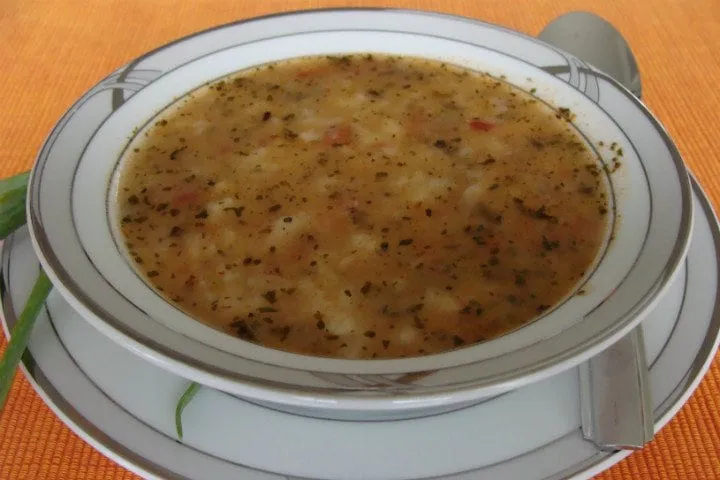
Uğmaç çorbası
Uğmaç soup, known in various regions by similar but slightly different names such as ovmaç and oğmaç, is one of the most famous soups of Zonguldak cuisine.
Made with ingredients every home has, such as flour, milk and water, it is a must on the table, especially on cold days. Add some mint and it is perfect.
For the most special tables: Tirit
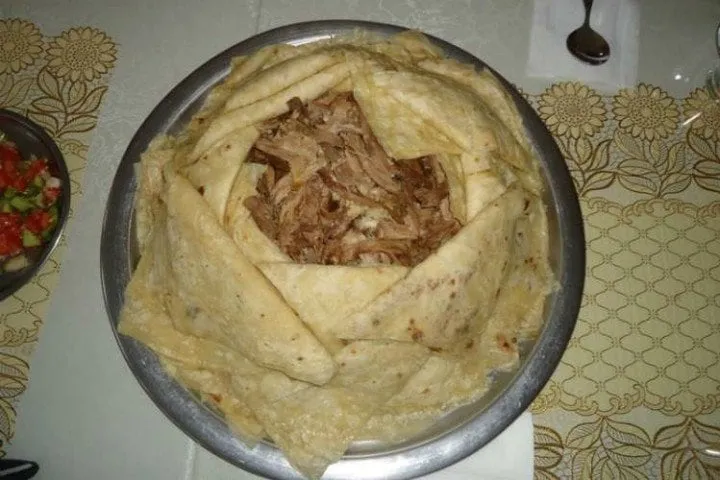
On special occasions Zonguldak tables are especially delicious. Tirit, often made at Kurban Bayramı (the Feast of the Sacrifice), brings together yufka and meat to make both a visual feast and a treat for the palate. Just looking at it tells you how good it is.
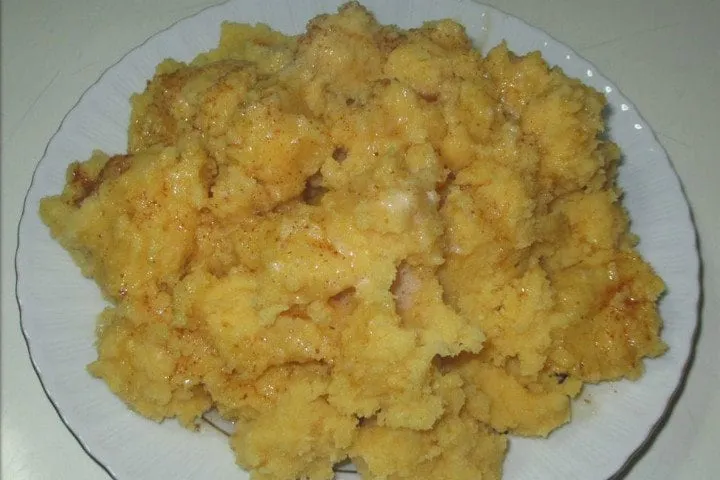
A favourite of everyone who tries it: Malay
Malay, one of the city's most famous local dishes, is made with cornmeal, an ingredient used widely on the Black Sea.
Sugar or crushed walnuts can be added to the cornmeal batter to make sweet malay, or butter, kaymak (clotted cream), onion and goose liver to make savoury malay. With yogurt on the side, malay is irresistible and every version is a legend of its own.
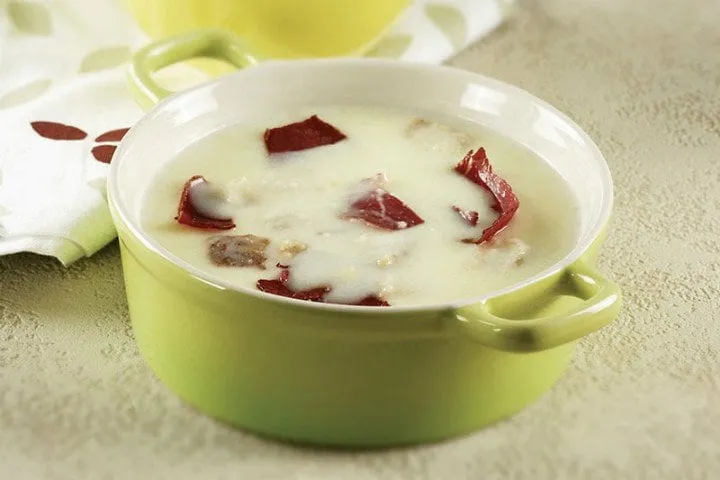
Leaves no room for the main course: Pumpum çorbası
Pumpum is one of the soups made often around Zonguldak and Bartın. Its recipe is based on cornmeal, a staple of Black Sea cuisine.
Meat products such as pastırma, minced meat or sucuk also go in. It is more than a soup: filling and tasty enough to leave no room for the main course. All that's left for us is to tuck in.
To eat all year round: Kabuklu fasulye
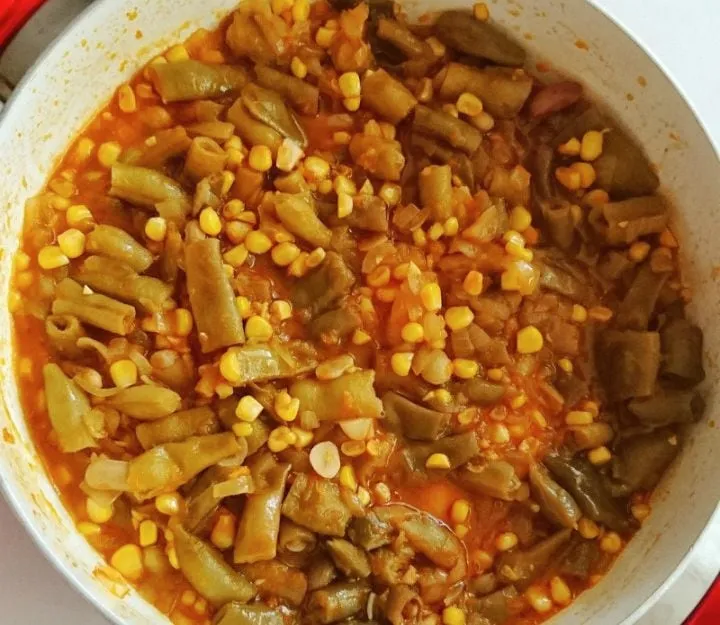
Fresh green beans that appear in summer are carefully dried so they can be eaten in winter too, then become a delicious dish for all four seasons. In the dish known as kabuklu fasulye (beans in their pods), the beans are joined by corn kernels. This dish is waiting to be tried in Zonguldak.
A dish worthy of festivals: Tenekede tavuk
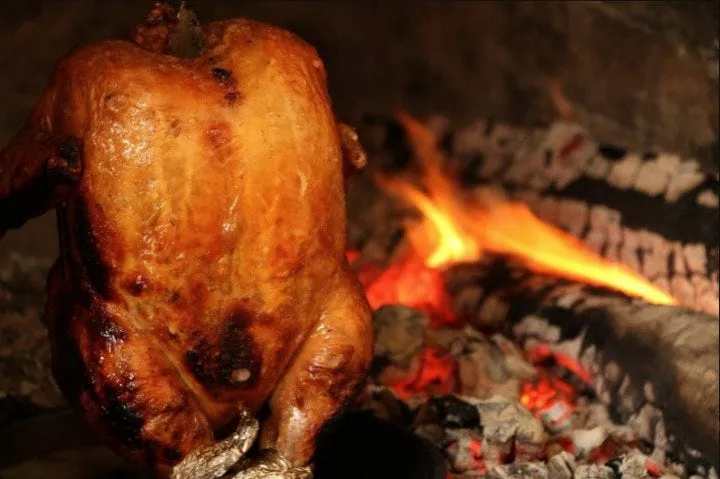
Yes, we are talking about a whole chicken cooked in a tin, and yes, we are serious. As soon as you taste tenekede tavuk (chicken in a tin), one of the finest and most special recipes of Zonguldak cuisine, you will understand what we mean.
It is such a dish that festivals are even held in its name, because it fully deserves them.
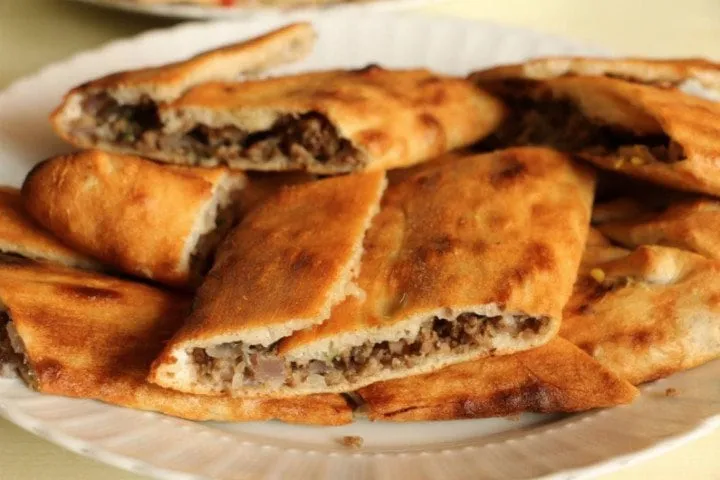
You can't leave without stopping in Ereğli: Ereğli pidesi
Pide, one of the most loved dishes of Turkish cuisine, is top of the must-try list in Zonguldak Ereğli.
Usually made as closed pide, these delicious pides delight everyone with their generous minced-meat filling. With a fragrant glass of ayran (yogurt drink) on the side, what more could you want?
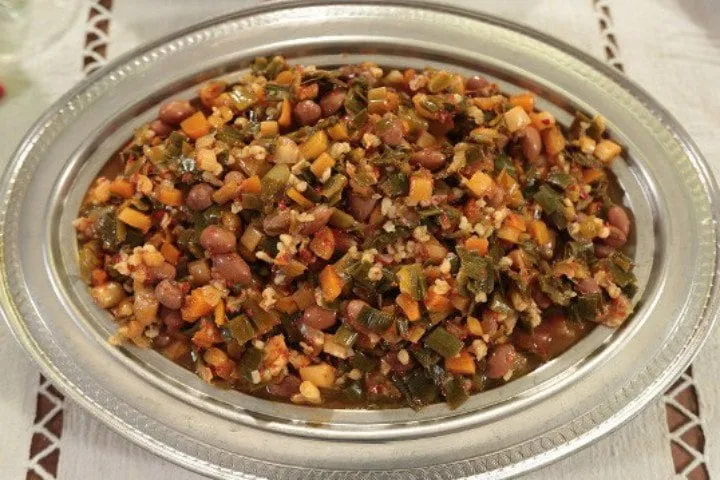
It will make you love leeks: Pırasalı mancar
Pırasalı mancar, born of filling, nourishing ingredients such as leeks, borlotti beans and bulgur, can satisfy even those who are never full without meat with a single plate.
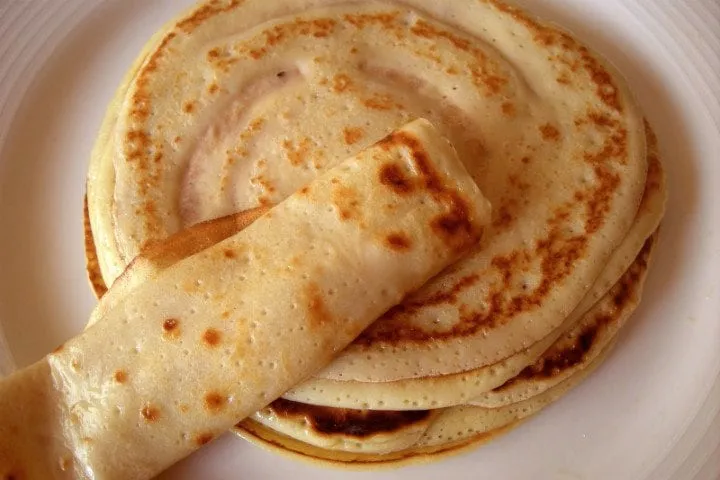
Better than akıtma, tastier than a crêpe: Cizleme
We know cizleme looks very familiar to you. Call it akıtma or call it a crêpe; around here we call it cizleme.
We never forget to use yeast and a little sugar in the batter, and if we can, we always try the one cooked on a sac (griddle), because you won't find that flavour anywhere else.
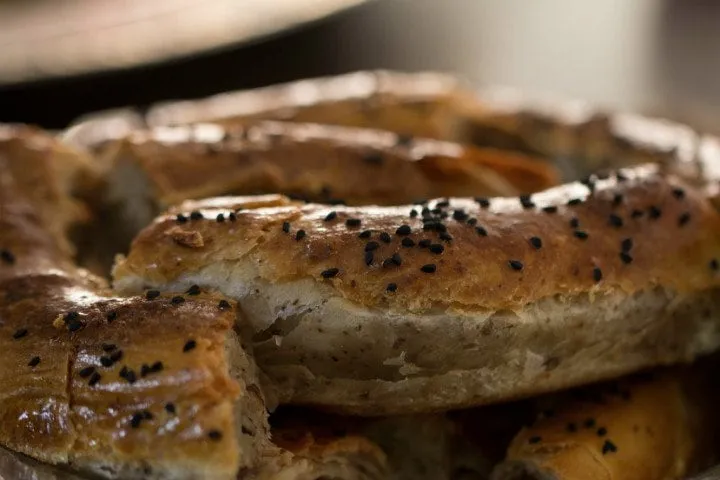
It leaves its mark on your palate: Cevizli kömeç
Walnuts, one of the most used ingredients in Zonguldak cuisine, are at work in this recipe too.
A dough prepared carefully with great effort and left to rest for a long time is filled with walnuts, topped with nigella seeds and baked until golden red like a pomegranate. Its taste lingers on the palate for a long time.
This börek isn't what you think: Kabaklı börek
When you think of börek, you might picture cheese, potato or minced-meat böreks. But Zonguldak's kabaklı börek will make you forget all you know, because the sweetness of pumpkin is hidden inside.
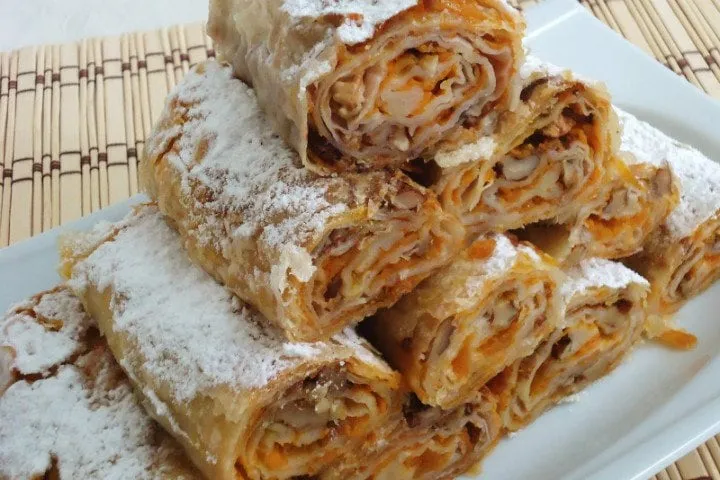
Sheets of yufka filled with crushed walnuts, sugar and pumpkin are rolled up and baked, then drizzled with syrup and sprinkled with icing sugar: don't even ask. Just looking at it is enough to make you hungry.
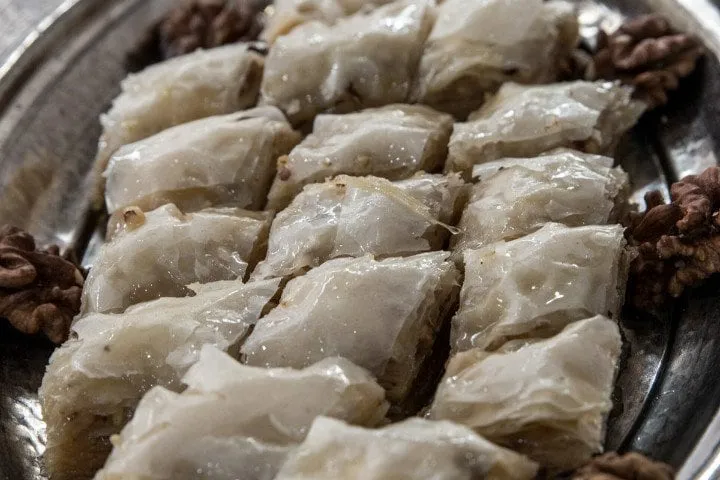
Sit down and gaze at it: Beyaz baklava
Baklava already has a special place for all of us. But when it comes to Zonguldak's famous beyaz baklava (white baklava), our love for baklava goes up another level.
Filled generously with our beloved walnuts, these baklavas come out of the oven before their tops brown. They look and taste wonderful.
A small note: Of course, Zonguldak's rich cuisine is not just these dishes. So if you find yourself in the city, don't leave without trying local specialities such as cevizli dolma (walnut dolma), çöpele with its superb combination of potato and yogurt, beddam mancar made with all kinds of wild greens, kara lahana sarması (stuffed black cabbage) and sütlü armut (pears in milk). The strawberry jams made in Zonguldak are also very good, just so you know. :)
Source: https://yemek.com/zonguldak-yemekleri/sayfa/12
Places to visit in Zonguldak
Zonguldak, one of the most beautiful cities on the Black Sea, is worth seeing for its unique natural beauty and historic sights.
Zonguldak is one of the most developed and beautiful cities of the Western Black Sea. Zonguldak has great potential for tourism, and once you start discovering its natural and historic beauty, you will fall for it and start planning to come back.
Halil Paşa Mansion: The historic Halil Paşa Mansion, home of the Ereğli Museum Directorate, is one of Zonguldak's important historic buildings worth seeing. Built towards the end of the 19th century, it is open today as a museum, displaying archaeological finds from the Greek, Roman, Byzantine, Abbasid, Umayyad, Artuqid, Seljuk and Ottoman periods.
Köprülü Mosque: The Köprülü Mosque, in the bazaar in the centre of Zonguldak, is one of the historic buildings left from the Ottoman period. Built by the grand vizier Köprülü Mehmet Paşa, it is one of the city's buildings worth seeing.
Caves: Zonguldak is one of the Black Sea cities where cave tourism has developed, and among the most popular in the region in this respect. Zonguldak is home to the Cehennemağzı (Mouth of Hell) Caves, among our country's most important caves and the subject of mythology. The Gökgöl Cave, Cumayanı Cave, Çayır Köyü Water Cave, Kızılelma Cave and İnağzı Cave are other popular caves in Zonguldak.
Beaches: Zonguldak has some of the most beautiful beaches on the Black Sea. If you are in Zonguldak, especially in summer, we suggest you visit these beaches and shores and enjoy the deep blue, clean sea. Filyos, Göbü, Karakum, Kapuz, Türkali, Sazköy, Ilıksu, Kireçlik, Uzunkum and Hisarkarası are Zonguldak's best-known beaches.
Natural beauty and picnic areas: A unique natural beauty that must be on your list of places to visit in Zonguldak is the Çitdere Nature Protection Area. One of the things that makes this forest special is the kinds of Strandzha oak that you can see only here. The Çitdere Nature Protection Area is in the Yenice district. Zonguldak also has many picnic areas where you can spend time in nature. The Gülüç Dam Lake, Kızılcapınar Dam Lake, Ulutan Dam Lake, Çobanoğlu Pond and Güneşli Waterfalls are the most popular.
Places to visit in Zonguldak: historic sites
Kızılcapınar Dam Lake

The surroundings of this artificial lake on the Kızlar stream have superb natural scenery, so it is also used as a picnic area.
Halil Paşa Mansion

The Halil Paşa Mansion, which also houses the Karadeniz Ereğli Museum with more than three thousand archaeological objects on display, was built in the 19th century by Halil Paşa, sanjak bey under Abdülhamid II. It has many historic objects from the Roman, Byzantine, Seljuk and Ottoman periods.
The mansion has 3 floors and was built on a plan with a central hall (sofa). It was built towards the end of the 19th century by Halil Paşa Karamanoğlu, one of the city's leading figures.
The Halil Paşa Mansion served for a time as a middle school and high school. In 1988 it was acquired by the Ministry of Culture and underwent extensive restoration. Since all work was completed in 1998, the mansion has been the home of the Ereğli Museum Directorate.
Still serving as a museum today, the Halil Paşa Mansion holds objects dated to the Greek, Roman and Byzantine periods brought to light by archaeological excavations in the city. Grave stelae, figured marble capitals, various metal objects, glass vessels, jewellery and oil lamps are among the historic pieces you can see.
The first floor of the museum has archaeological objects and the second floor ethnographic objects. Local clocks, prayer beads, weights and measures, local costumes, weapons and weaving tools are displayed in the ethnographic section.
The Halil Paşa Mansion in Zonguldak is on Yalı Street in the Orhanlar neighbourhood.
Köprülü Mosque
Built in Zonguldak by the grand vizier Köprülü Mehmet Paşa in 1661, this mosque is in the Zonguldak bazaar. Its dome is covered with tiles, and its plan is square.
Gökgöl Cave

The cave near the Erçek stream, with its stalactites and mysterious atmosphere, is Zonguldak's second-longest cave, 3,350 metres long. The Gökgöl Cave is one of the sights that drive Zonguldak's tourism. Its stalactites, stalagmites and galleries, which create a mystical atmosphere, are truly worth seeing and offer a fantastical world.
The cave, 5 kilometres from the city, east of the Erçek stream, is easy to reach, right on the Zonguldak–Çaycuma road.
The Gökgöl Cave is the city's second-longest cave. Of its total length of 3,350 metres, only 875 metres is open to tourism. The cave also has flag dripstones and soda-straw stalactites and is still an active cave.
On your Zonguldak trip you must see the formations inside the Gökgöl Cave. And don't forget to visit the Cehennemağzı Caves, which also drive the city's tourism.
Kozlu Hot Spring
The hot spring, visited by many patients, is in the Ilıksı neighbourhood. Kozlu's bitter, lukewarm water is said to be good for the stomach and intestines.
Filyos ancient city

This ancient city, also known as Tieion, was founded in the area of the Filyos River. It has 3,000 years of history and was restored in 2003. Adorned with a sea view, it is an ideal ancient city to visit.
Sofular Cave

It takes its name from its closeness to the village of Sofular. It formed in prehistoric times. Inside the cave is a large, magnificent chamber called the salon. Sadly, the stalactites hanging from the ceiling to the floor have been damaged over time. Zonguldak also has other caves you must see, such as the Cumayanı Cave and the Çayır Köyü Water Cave.
Conquest Plane Trees (Fetih Çınarları)
This protected area consists of 8 plane trees planted on the orders of the Ottoman sultan Fatih Sultan Mehmet (Mehmed II) right after the conquest of Istanbul. This natural beauty in Karadeniz Ereğlisi is an ideal place to rest.
Çitdere Nature Protection Area

The species living in the area, such as red deer, lynx and roe deer, and its various plants and trees make it unique, which is why it has been protected. Many scientists and tourists come to the area.
Cehennemağzı Caves

The Cehennemağzı (Mouth of Hell) Cave, which we know from mythology as Hades' land of the dead, is also known as the place Hercules entered to find the golden fleece and where he successfully completed his task.
In mythology it is known as Hades' land of the dead. It is also said to be where Heracles (Hercules), the god of strength, carried out his 12th labour on earth. Hercules entered the Cehennemağzı Caves to find the golden fleece and completed his task. The name Ereğli also comes from Heracleia. The Cehennemağzı Caves, with this mythological value, consist of three caves. The Ayazma Cave inside has wonderful acoustics, and concerts are held in it. The Cehennemağzı Caves are a must on your Zonguldak trip. And don't forget to visit the Çayır Köyü Water Cave, also among the city's tourist sights.
Cumayanı Cave
The Cumayanı Cave, first studied in 1976, is very close to Zonguldak's Cumayanı neighbourhood, about 1 kilometre away.
The first studies of the cave were carried out by Chris Baue, Dündar Çetin and Arda Çalı. Study of the cave continued in 1976 and 1978, this time by different archaeologists…
The cave has three entrances and a total length of 10 kilometres. Though one of our country's important caves, it is not very famous. Still, it has a fair number of visitors during the year. You can take boat trips through the galleries and chambers of the Cumayanı Cave, but we recommend not visiting in very rainy periods.
Çayır Köyü Water Cave
The famous Water Cave in the village of Çayır, in Zonguldak's Çaycuma district, is a magnificent natural beauty.
Because of the structure of its stalactites and stalagmites, the cave is one of the world's important caves in its category.
The 1,300-metre cave has an underground river wide enough to tour by boat. Trout are raised in the pools formed at the mouth of the cave; according to one story, these trout are good for certain illnesses.
There is also a picnic area in front of the cave, which is why the area is also known as the Çayır Köyü picnic area.
The Çayır Köyü Water Cave, 12 km from the district centre, is one of Çaycuma's must-see natural beauties.
Source: http://www.gezilebilecekyerler.com/zonguldakta-gezilecek-yerler/
Culture and arts in Zonguldak
Zonguldak's cultural identity has been shaped by mining. The Zonguldak Mining Museum, opened in 2016, documents the history of mining and runs education programmes.
On the nature side, the Gökgöl Cave stands out: of its total length of 3,350 metres, about 875 metres is open to visitors, and it is Türkiye's tenth-longest cave.
The early Christian caves around Karadeniz Ereğli are also historic places to visit.
History of Zonguldak
The city's name appears as “Songuldayık” in an Ottoman register of 1519. Archaeological finds show settlement since about 2500 BC, first by Hattian and then Hittite communities. The region later became Pontic, Roman and Eastern Roman territory.
Christianity is said to have spread early in the region, and the apostle Andrew is said to have held the first services in the Holy Worship Caves. The Seljuks ruled the region from 1084, followed by the Genoese and the Candaroğulları; Fatih Sultan Mehmed's (Mehmed II's) capture of Amasra in 1460 brought the region fully under the Ottomans.
Coal was found in 1829, under Mahmud II. The first mines were opened in 1848 by Belgian and French companies.
In 1919 French forces occupied Zonguldak and Karadeniz Ereğli. Local Müdafaa-i Hukuk (Defence of Rights) groups resisted, and the French left the region on 21 June 1920.
Getting to Zonguldak
Zonguldak Province, in the Western Black Sea, can be reached from anywhere in Türkiye. For those wondering “How do I get to Zonguldak?”, we will explain the options for reaching the city.
For those thinking of driving to Zonguldak:
- Istanbul–Zonguldak is 331 kilometres
- İzmir–Zonguldak is 664 kilometres
- Ankara–Zonguldak is 275 kilometres.
For those thinking of going by bus, about 25 intercity bus companies run services to Zonguldak every other day from almost every city in Türkiye.
Zonguldak can also be reached by air. Zonguldak Airport, opened in 2007, is in Zonguldak's Çaycuma district. There are flights to Zonguldak from many cities in Türkiye.
Flight times between Zonguldak and some provinces are:
- Adana–Zonguldak: 1 hour
- Ankara–Zonguldak: 50 min
- Antalya–Zonguldak: 1 hour
- Bodrum–Zonguldak: 1 hour 10 min
- Gaziantep–Zonguldak: 1 hour 20 min
- Istanbul–Zonguldak: 50 min
- İzmir–Zonguldak: 1 hour
Districts of Zonguldak
- Alaplı
- Çaycuma
- Devrek
- Gökçebey
- Karadenizereğli
- Merkez (central district)
Economy of Zonguldak
Zonguldak's economy is identified with hard coal. Records from 1843 show steamship coal from Ereğli and Amasra being sold in Istanbul; in 1848 the boundaries of the coal basin were first set between Ereğli and Amasra.
Over time the mines were run by bodies such as the Ottoman treasury, the Ministry of the Navy, İş Bankası and Etibank; since 1984 they have been run by the Turkish Hard Coal Enterprise (TTK), the region's main industrial organisation.
The Filyos Valley Project envisages iron and steel plants and a port; the idea is said to have been first put forward under Abdülhamid II, and in March 2008 land was allocated to 21 companies that applied. Farming, livestock, energy and stone and clay products also contribute to the economy.


Comments
Loading comments…