
Adıyaman
- Southeastern Anatolia Region
About Adıyaman
Adıyaman, known for a past that reaches back to prehistoric times and the monuments left behind, lies in the Middle Euphrates section of Türkiye's Southeastern Anatolia Region. Traces from the Neolithic and Chalcolithic ages have been found in the city, and its historic fabric runs from the Hittites to the Kingdom of Commagene and then from the Seljuks to the Ottomans. The province has 9 districts including the central one. Adıyaman borders Malatya to the north, Kahramanmaraş to the west, Gaziantep to the southwest, Şanlıurfa to the southeast and Diyarbakır to the east.
Adıyaman, with thousands of years of history, has monuments from the Hellenistic and Roman periods. The most important of these remains is on Mount Nemrut (Nemrut Dağı), near the village of Karadut, which has become world famous. This temple-tomb monument from the Late Hellenistic period is regarded as one of the most valuable cultural treasures on earth. The monument and its surroundings were added to UNESCO's World Cultural Heritage list in 1987 and declared a national park in 1988. Because winters in the city are harsh, tourists who want to see the park and its remains in particular flock here between May and September.
With its variety of plants and rich landscape, and the many animal species fed by this variety, it has been like a paradise on earth, offering much to people and society since the earliest stages of history. Mosques from the Umayyad, Abbasid, Seljuk and Ottoman periods give the city its enchanting character. There are also holy places of other faiths, such as the Mor Petrus Church, whose historic fabric is unspoilt and which is still in use today. The Adıyaman Museum, which displays more than 30,000 distinctive objects from every age from the Paleolithic to the present, adds another dimension to the city. The Oturakçı Pazarı (Oturakçı Market), where goods typical of the Adıyaman area, especially handicrafts and carpets, are bought and sold, is one of the places you must see.
Yeni Kale (New Castle) in the Kahta district, which belonged to the Kingdom of Commagene, and Gerger Castle in the Gerger district, one of the oldest settlements, were built on single masses of bedrock in an architecture that can leave visitors amazed. Inside are places of worship, cisterns, storerooms, dungeons, secret water channels and other facilities. Adıyaman is home to Nemrut, one of the world's eight masterpieces, and to the Atatürk Dam, regarded as the world's sixth modern wonder. The Atatürk Dam is Türkiye's largest dam and the city's largest body of fresh water. Beyond its history, Mount Nemrut is said to be the best place to watch both the sunrise and the sunset. The province is also home to the legendary Euphrates (Fırat), the river of paradise. Together with the structures built on bedrock, the rock tombs in the city show that burying the dead was an art of its own in these lands. With all this, you can see for yourself that a different history is written in every inch of Adıyaman's soil. Arsameia, known in history as the place where East and West meet and where earth and sky make peace, can still give today's world a serious message of peace. Satisfying travellers in every way with both its history and its geography, Adıyaman is a city you must visit.
Adıyaman's famous dishes and desserts

Meyir çorbası (meyir soup)
Meyir is a soup made with yogurt in Adıyaman. One version is made with aubergine and bulgur. In Kâhta, the yogurt-drink soup with aubergine is known as Balcanı Dev.
Source: Yemek.com · Recipe verification
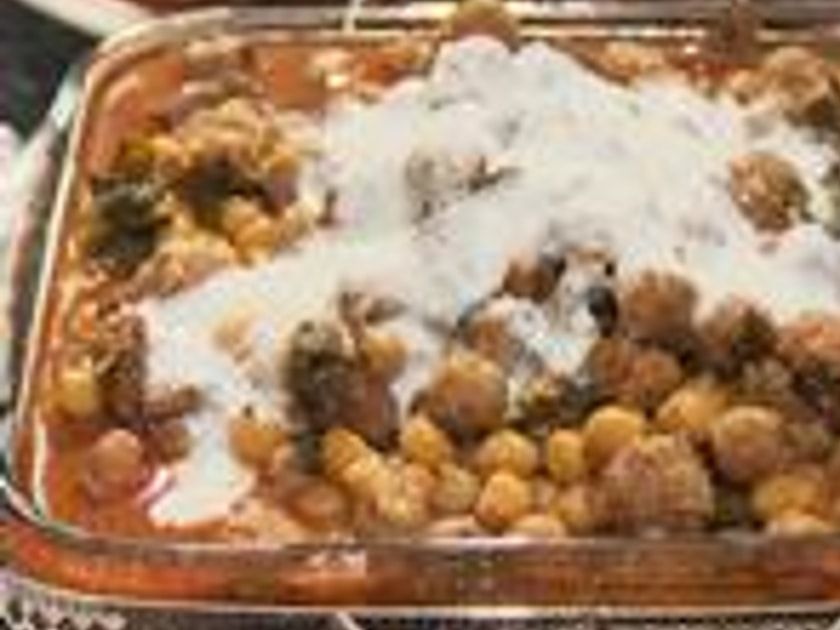
Yarpuzlu köfte
Bulgur dumplings are flavoured with wild mint, called yarpuz in the region. They come to the table as a stew with meat and chickpeas.
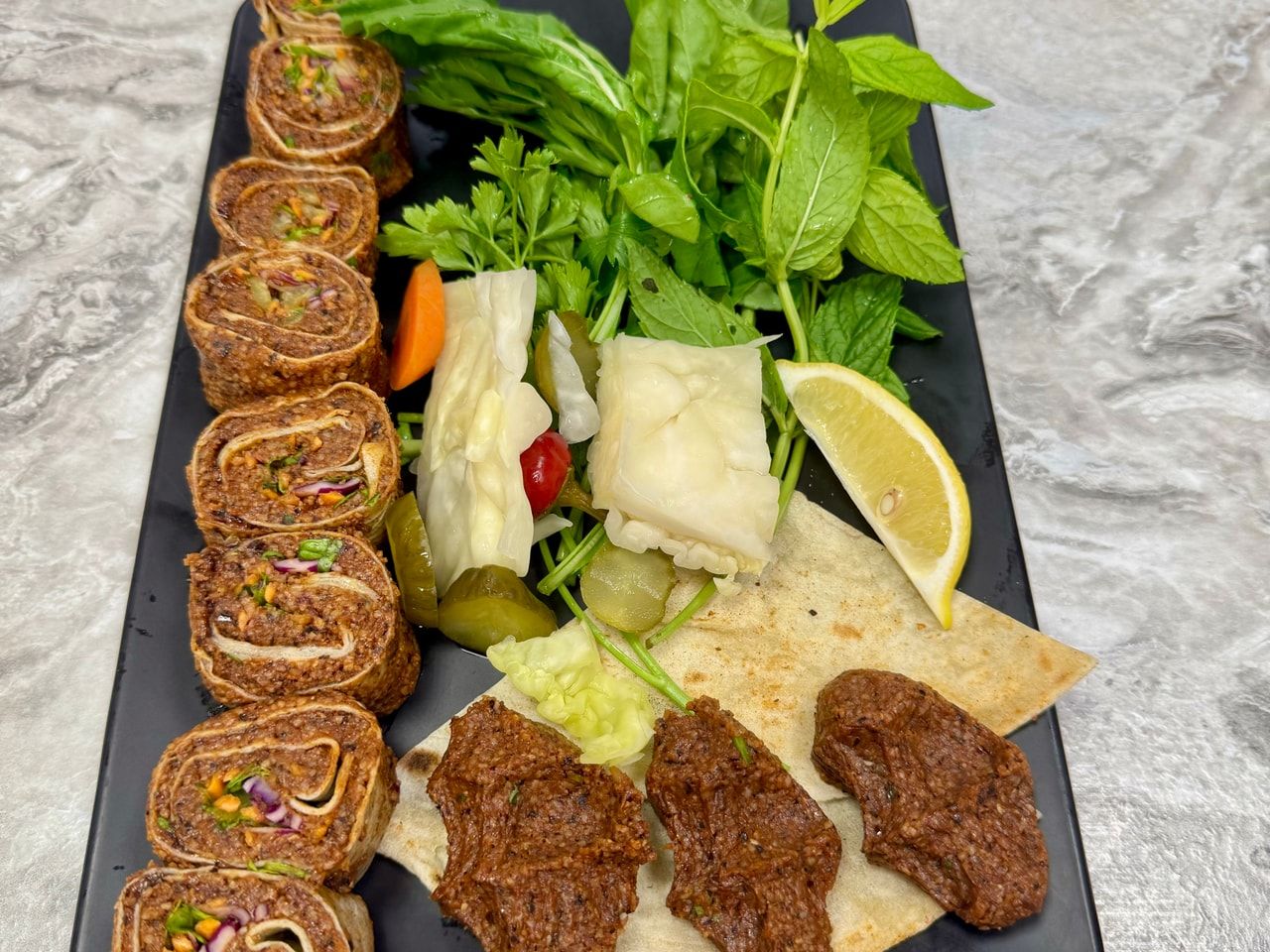
Çiğ köfte
This much-loved dish of the Southeast is part of convivial gatherings in Adıyaman. In recent years it has mostly been made without meat; it is eaten as a portion or wrapped in a lettuce leaf.
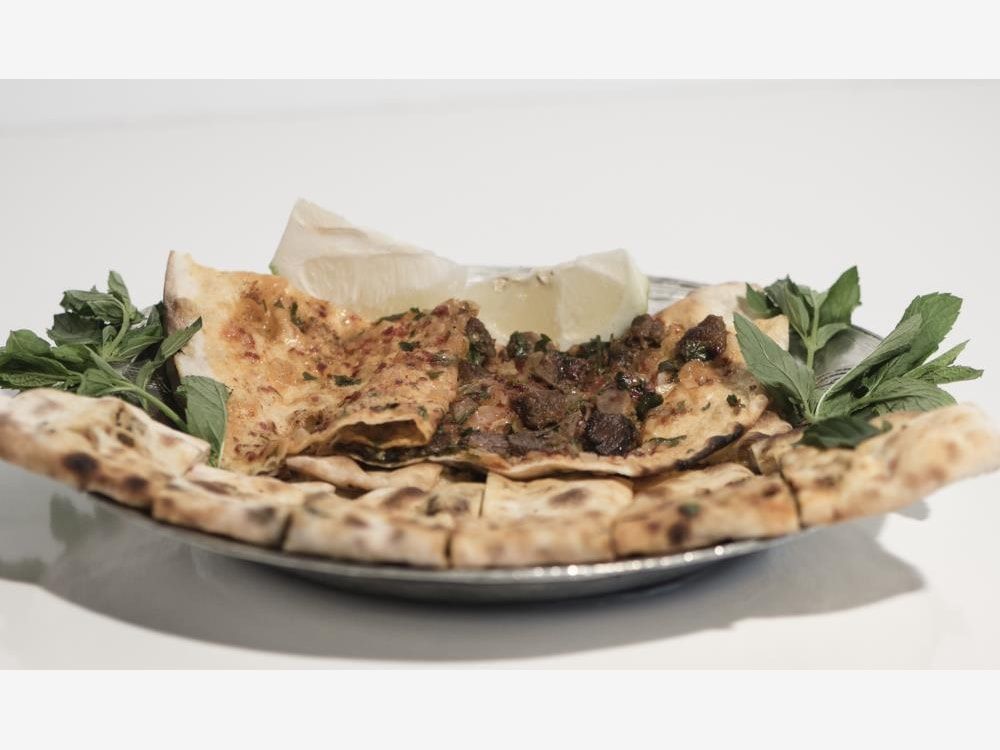
Kavurmalı hıtap
Kavurma (preserved fried meat), onion, parsley and pepper are finely chopped with a zırh (a curved chopping knife). The filling goes into unleavened dough and is baked in a stone oven. It is one of the most sought-after local pastries in winter.
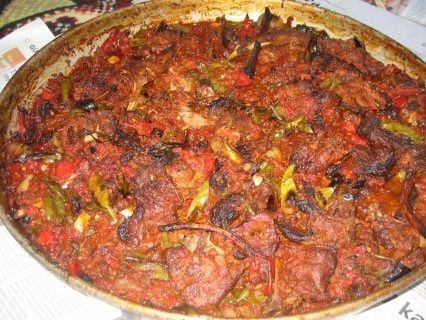
Adıyaman (Besni) tavası
Meat is baked in a copper pan with aubergine, tomato and pepper. It is mainly a summer dish, and in Besni it is named after the district.
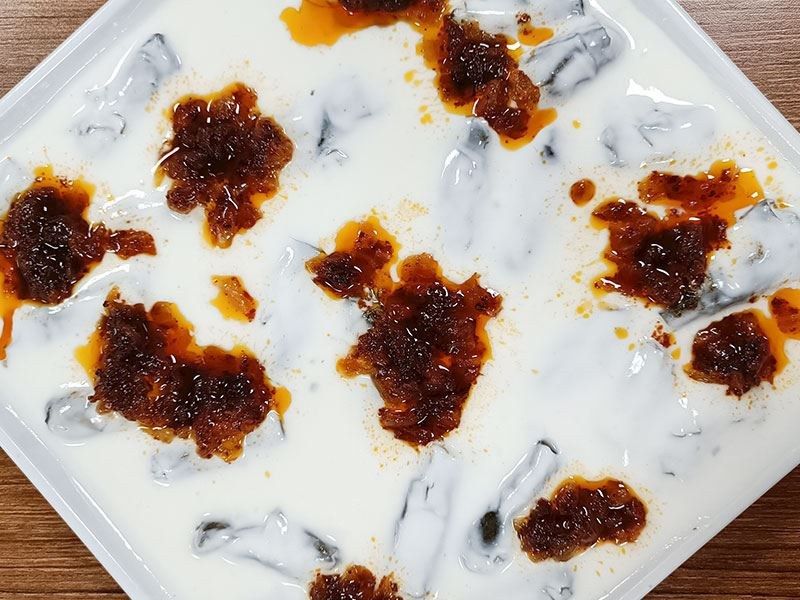
Tevenk sarması
In Adıyaman, tevenk sarması is made by wrapping cracked wheat or fine köfte bulgur in brined vine leaves. It is served with yogurt and a sauce of onion fried in butter.
Source: lezzet.com.tr · Recipe verification
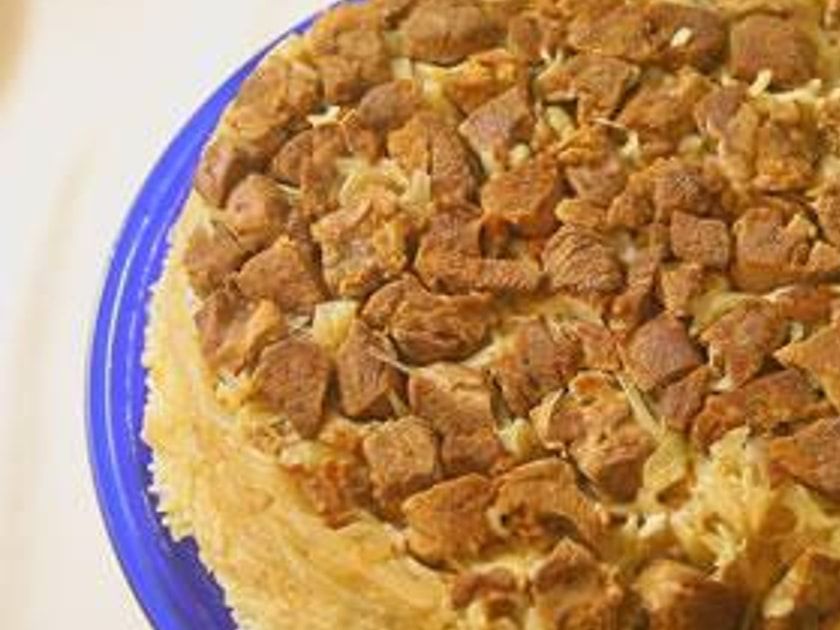
Buhara pilavı (Bukhara pilaf)
A spiced pilaf made with fried lamb and chickpeas. It is not a side dish but the main dish of the table.
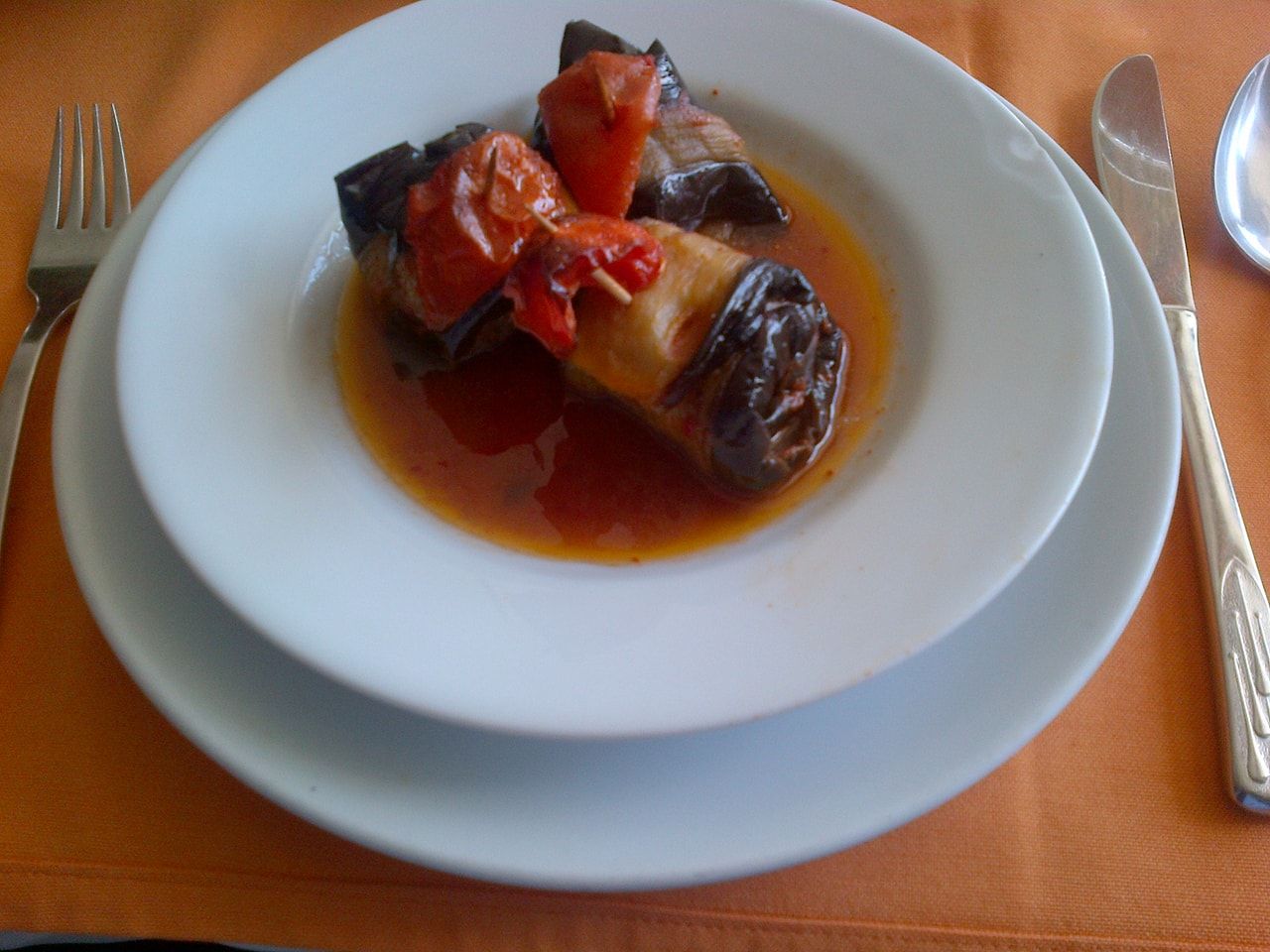
Adıyaman köftesi
Roasted aubergines are wrapped around minced meat and baked in the oven.
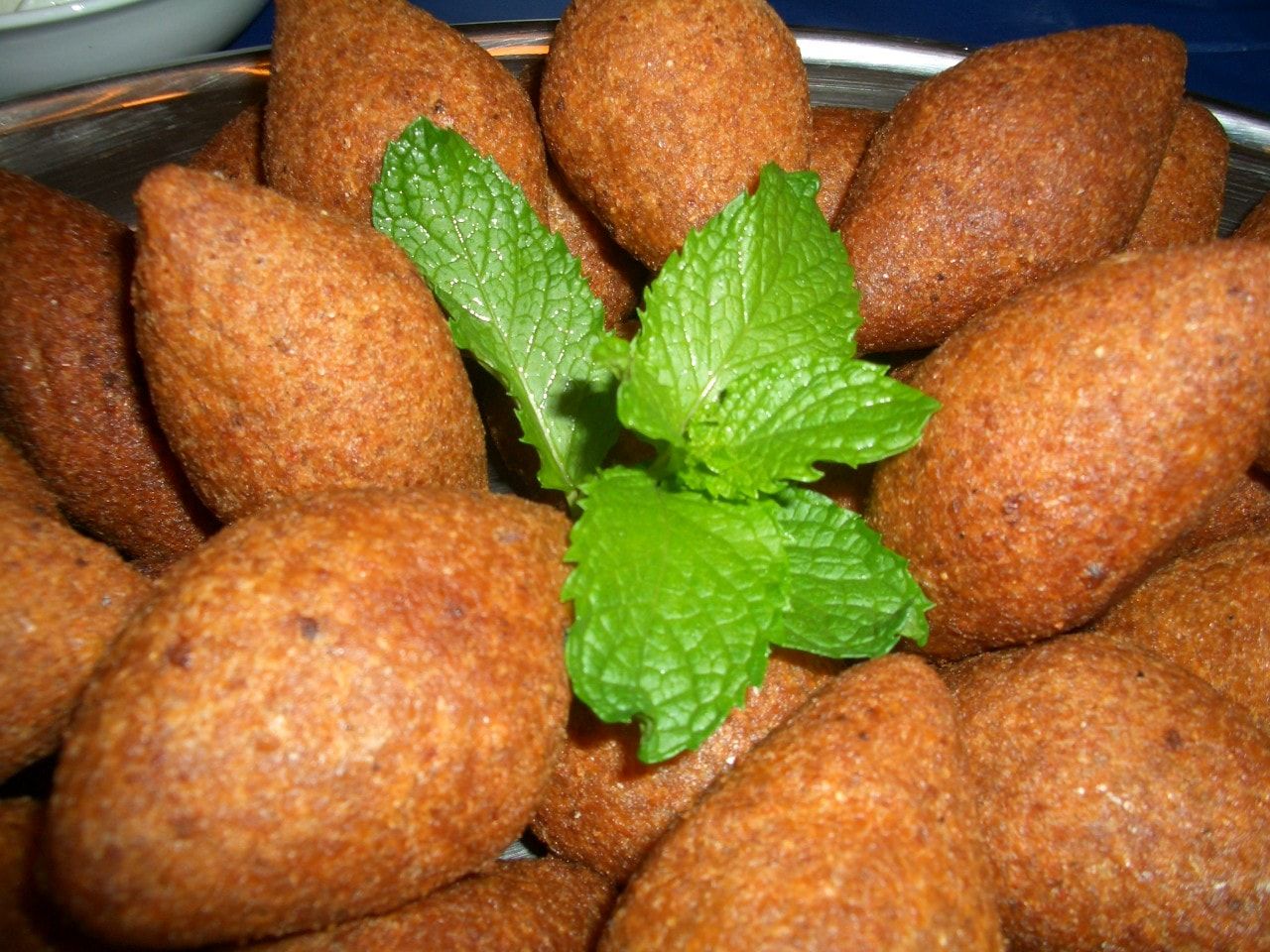
İçli köfte
An outer shell of bulgur and semolina is filled with minced meat, onion and parsley.
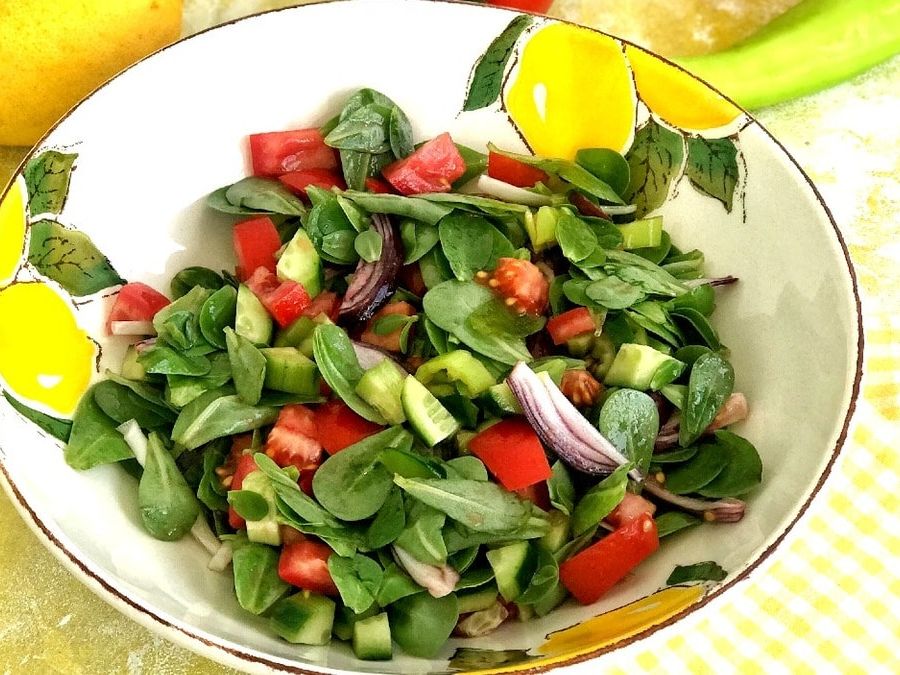
Pirpirim salatası (purslane salad)
Pirpirim is the local name for purslane. Its salad, made with lemon, is refreshing next to heavy meat dishes.
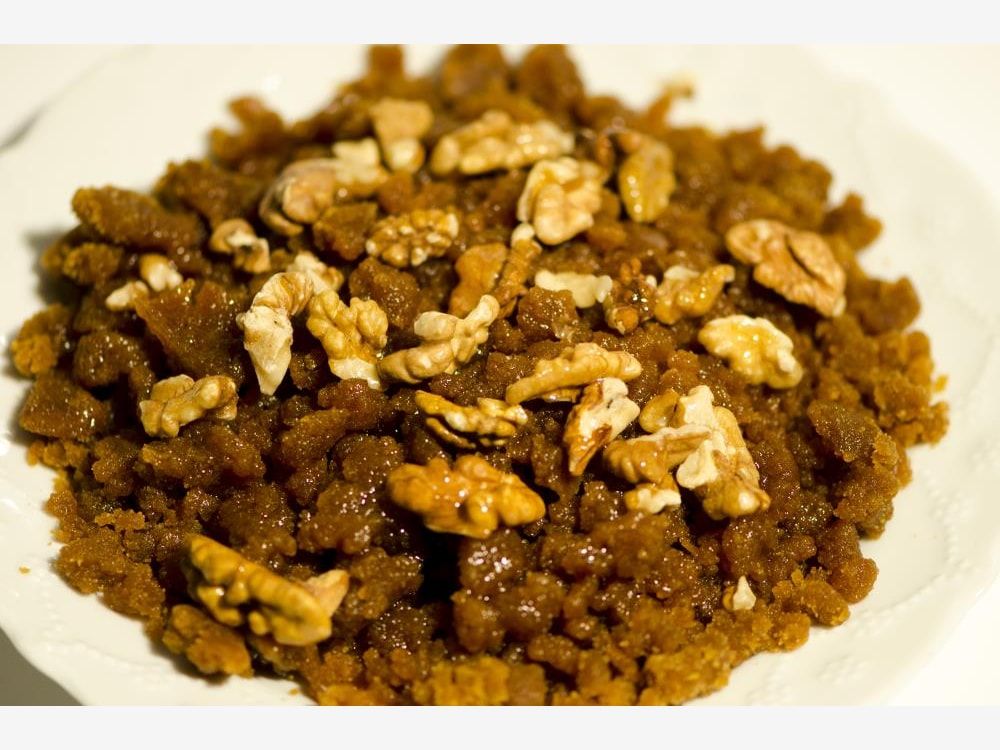
Tene helvası
Made with starch, pekmez (grape molasses) and butter, and finished with walnuts on top.

Topak helva
A sweet made with flour, sesame, pekmez (grape molasses) and butter, shaped into small balls.
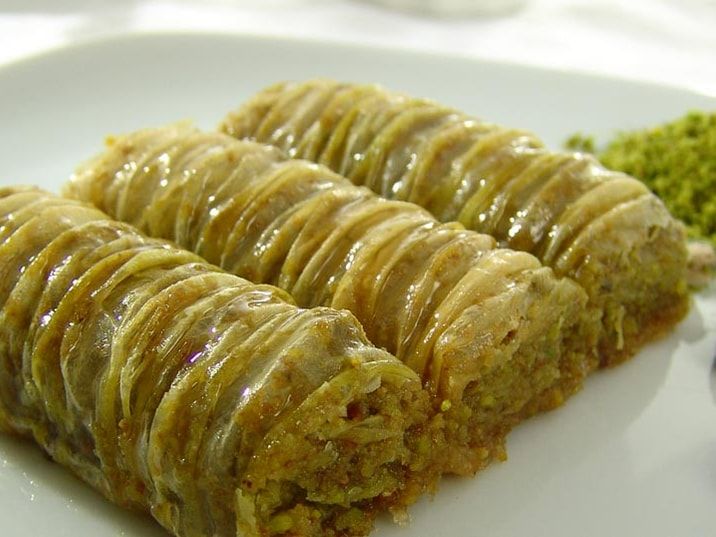
Burma tatlısı
Thin dough is rolled around pistachios or walnuts, twisted and soaked in syrup.
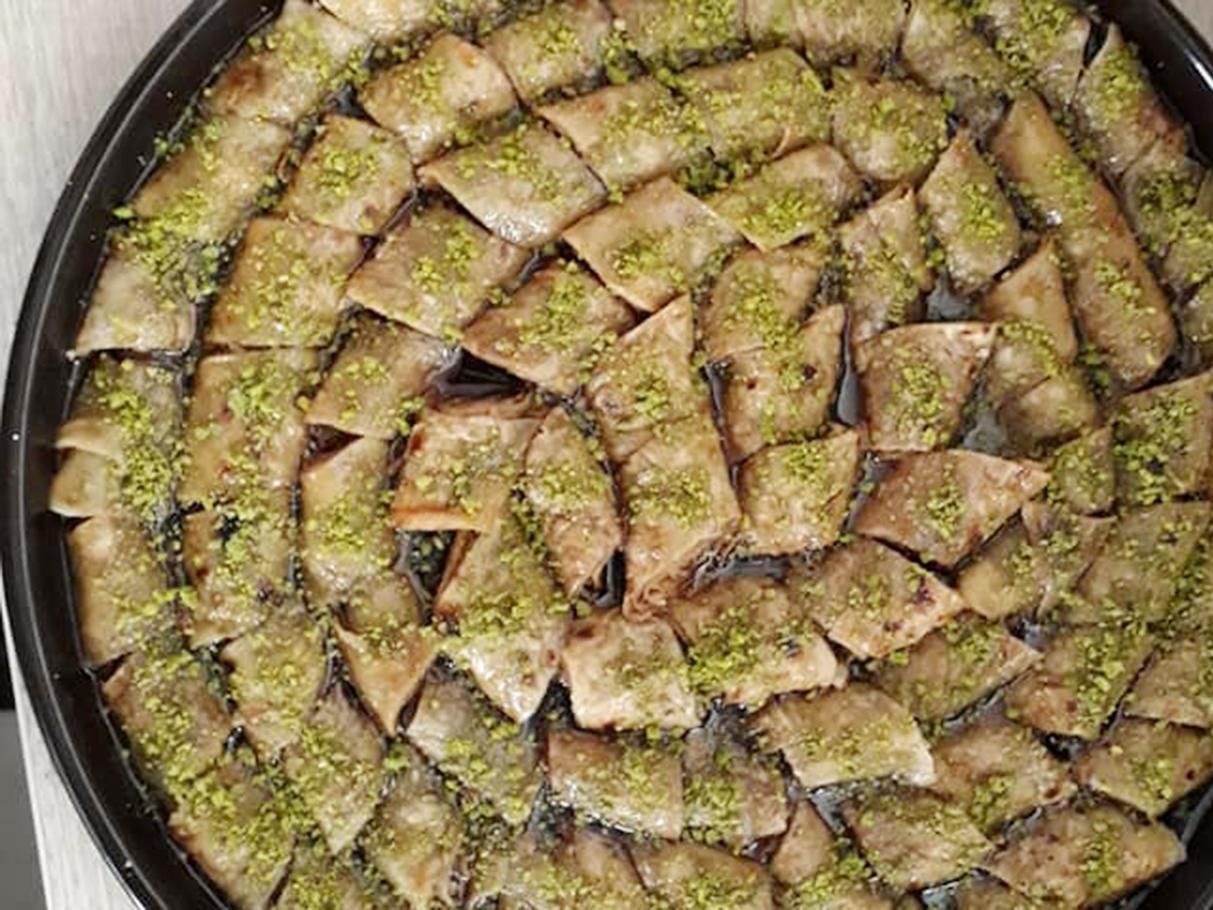
Şıllık tatlısı
Thin crêpes made with flour and milk are finished with a butter and pekmez syrup. Pistachios or walnuts can go between them.


Places to visit in Adıyaman
Mount Nemrut, Adıyaman
Mount Nemrut, home to many statues, has been made a national park. Besides the statues, Mount Nemrut has historic sites such as Karakuş Hill and the Cendere Bridge, and also the Tumulus. The Tumulus is 50 metres high and 150 metres in diameter, and was formed by piling up crushed stone. To the east and west of the Tumulus stand statues up to 10 metres tall. Watching the sunrise on Mount Nemrut, a UNESCO World Heritage Site, is a special pleasure. If you want to go to Mount Nemrut to watch the sunrise, remember that it will be cold.
You have two options for getting to Mount Nemrut: by private car, or by joining an organised tour. If you want to see the statues and the Tumulus on Mount Nemrut you will need to walk a little, because vehicles can only go up to a certain height.
Cendere Bridge, Adıyaman
It was built over the Cendere stream, also known as the Chabinas. The Cendere Bridge, built in the Roman period (193–211), was built by the 16th Roman Legion for the family of Septimius Severus. Four columns were erected on the bridge, for him, his wife and their two sons. The columns on the south side were for him and his wife, and those on the north for their sons Caracalla and Geta. Today there are 3 columns. The other was torn down by Severus's elder son Caracalla, because after killing his younger brother Geta in the struggle for the throne he wanted to destroy everything that belonged to Geta.
The Cendere Bridge is 117.5 metres long, 17.85 metres high and 7.80 metres wide. The bridge has a single arch. It was built from 92 stones, each weighing 10 tonnes. No cement was used in its construction. The bridge and columns were given some flexibility against earthquakes. There are inscriptions on the Cendere Bridge that give information about it. The bridge was restored in 1951 and in 1997.
Adıyaman Museum
The museum in Adıyaman came about in a slightly unusual way. In 1978, excavations carried out under the Lower Euphrates project uncovered many artefacts. These historic objects were gathered in what was then the Provincial Public Library, and so museum work began. It moved to its current building in 1982. The Adıyaman Museum displays both archaeological and ethnographic objects, with many historic pieces from the Hellenistic, Roman and Byzantine periods to the Ottoman and Seljuk periods.
Famous dishes of Adıyaman
Because of Adıyaman's geography, meat dishes stand out. Above all there is çiğ köfte, along with other kinds of köfte such as içli köfte (stuffed bulgur dumplings), mercimekli köfte (lentil köfte) and ekşili köfte (basalla). Other famous local dishes are:
- Cılbır
- Pestil
- Yapıştırma
- Adıyaman Hıtabı
- Adıyaman Tavası
- Adıyaman Kebabı
- Şilki (Şillik) Tatlısı
- Fish and grills in the Kahta district
Oturakçı Market, Adıyaman
Handicrafts are well developed in Adıyaman. Carpets, cicim and kilims (flat-woven rugs) typical of Adıyaman are some of these crafts. At the Oturakçı Pazarı you can find many things, such as Nemrut statues, Nemrut guidebooks, souvenirs, Besni grapes, amulets and pestil (dried fruit leather).
Culture and arts in Adıyaman
Adıyaman's culture carries the legacy of communities that have lived together on the banks of the Euphrates for centuries. The türküs (folk songs), manis (folk quatrains) and folk dances performed at weddings and gatherings are the liveliest part of this legacy.
Among handicrafts, carpet, kilim and cicim weaving stand out. Besni's grapes, pekmez (grape molasses) and pestil (fruit leather) are still part of daily life in the local markets. The legends told around the castles of Hısn-ı Mansur and Samsat also live on in the city's memory.
History of Adıyaman
The lands of Adıyaman have been settled since very ancient times. Finds in the Palanlı Cave point to prehistoric human traces in the region, and the area around Samsat has a long history of settlement.
In the Iron Age, Assyrian records name this region Kummuh. Assyria made it a province in 708 BC under Sargon II. The name Commagene is thought to derive from this ancient name.
The region's most brilliant period was the Kingdom of Commagene. The kingdom became independent around 163 BC as the Seleucids weakened, and its capital was Samosata near the Euphrates, today's Samsat. Antiochus I, who reigned from 70 to 38 BC, built the great sanctuary on Mount Nemrut. Rome put a definitive end to the kingdom in AD 72 under Vespasian.
The first core of today's city is Perre. After Commagene it came under Roman and Byzantine rule; once taken by the Arabs it was known as Hısn-ı Mansur and became a contested fortress town on the Abbasid–Byzantine frontier.
After Manzikert (Malazgirt), Turkish rule took hold in the region. In the following centuries the settlement passed to Nur ad-Din Zengi and the Mamluks, and joined the Ottoman lands in 1516–1517 under Yavuz Sultan Selim (Selim I). Adıyaman, which had been part of Malatya, became a separate province in 1954.
Getting to Adıyaman
Adıyaman can be reached from different parts of Türkiye by road, air, rail and ferry. Those who prefer to fly for speed need to use the scheduled flights from Ankara and Istanbul. Buses and shuttles run from the airport to the city centre.
For those travelling by road, Adıyaman can be reached on 5 different routes: via Gaziantep, Şanlıurfa, Malatya, Kahramanmaraş and Diyarbakır.
For rail travel, the train station in the Gölbaşı district, 63 kilometres from Adıyaman, is used. Rail services run in the Elazığ–Adana and Adana–Elazığ directions.
Another way to reach Adıyaman is by ferry. Adıyaman is linked to Şanlıurfa and Diyarbakır by road; the road that links the city to Diyarbakır connects, via the ferry from Güzelsu village in the Gerger district, to the Siverek district and from there to Diyarbakır.
Districts of Adıyaman
- Besni
- Çelikhan
- Gerger
- Gölbaşı
- Kahta
- Samsat
- Sincik
- Tut
Economy of Adıyaman
Adıyaman's economy is built on farming, industry and energy. In farming, tobacco has long been an important source of income; the problems growers face with legal regulations and prices often come up in the province's news.
Besni is known for its grapes and pekmez (grape molasses). Viticulture is still an important occupation in the province's villages that look out over the Euphrates.
The leading industry is textiles. Clothing and weaving businesses operate in the industrial zone in the provincial centre. After the 2023 earthquakes, textiles and tobacco were named as priority sectors in discussions about rebuilding.
Oil is also produced in the province. Tourism drawn by Mount Nemrut adds a seasonal contribution to the economy.
Sport in Adıyaman
Water sports take place on the Atatürk Dam, on the Euphrates between Adıyaman and Şanlıurfa. Besides these, some sports activities are run under the Provincial Directorate of Youth and Sports. They are:
- Football
- Basketball
- Volleyball
- Handball
- Swimming
- Wrestling
- Judo
- Karate
- Shooting and hunting
- Athletics
- Billiards
- Cycling
- Chess
- Sailing
- Underwater sports
- Bodybuilding
For each of the sports listed above, a provincial representative office has been set up and training takes place with coaches.


Comments
Loading comments…