
Diyarbakır
- Southeastern Anatolia Region
About Diyarbakır
Diyarbakır, Türkiye's 12th most populous city with a population of 1,635,048, lies in the middle of the country's Southeastern Anatolia Region. Covering 15,272 square kilometres, it borders Batman and Muş to the east, Şanlıurfa, Adıyaman and Malatya to the west, Elazığ and Bingöl to the north, and Mardin to the south. The famous Tigris (Dicle), which is named even in folk songs and rises within the borders of Elazığ, flows through Diyarbakır and gathers almost all the province's streams. Summer temperatures of up to 46 degrees have shaped the city's architecture, giving it a distinctive look with flat-roofed houses.
The city, which has 17 districts, has a centre with about 9,000 years of history. Because it lay on the crossing point of many civilisations throughout history, it is still known today as a city that holds different cultures, both in its architecture and in its people. Research in the city has found historic traces from the Paleolithic (Old Stone Age) through to the Neolithic (New Stone Age). The strongest evidence is the Hassuni cave town near Silvan and the Hilar Caves near Ergani. The reliefs of Eğil on the Tigris and its tributaries and on the Sinag stream in the Çermik district also prove this. Before the Ottoman period, Diyarbakır was home to dozens of civilisations, such as the Assyrians, Urartians, Persians, Armenians, Romans, Byzantines, Ayyubids and Mongols; in the Ottoman period it was the base and garrison of armies campaigning in the east. In the Republican period it became a metropolitan municipality on 2 September 1993.
While Babylon, Nineveh and Ephesus, the most advanced civilisations of their time, have vanished, Diyarbakır has stood firm for five thousand years. The city, built at the foot of the volcanic Karadağ, bears the traces of 33 peoples. When you first look at the city, the walls that encircle it like a monument catch the eye. The walls are essential to understanding Diyarbakır. They are 5.5 km long with 82 towers and 4 gates, and were built in the 4th century AD. With this look, the city is the emblematic example of the fortress cities of Upper Mesopotamia. The Diyarbakır walls, also called a “string of inscriptions”, also show the value placed on craftsmanship. The inscriptions name the masters who built the walls and the ruler of the time. Abbasid, Ayyubid, Seljuk, Ottoman, Artuqid, Roman and Byzantine inscriptions make up the towers of the walls, and the traces of all these peoples can be seen on them.
The Diyarbakır walls have four gates, opening in every direction. Mardin Kapı (Mardin Gate) opens to the south and east. Intended to meet the needs of guests arriving from outside, it connects with the whole East. Urfa Kapı (Urfa Gate) was a structure that displayed Ottoman power. The gate, open to traffic today, was opened when armies set out on campaign and bricked up again on their return until the next campaign. Su Kapısı (Water Gate) is the city's gate to the gardens in the Tigris valley. These gardens are the Hevsel Gardens, created on the 100-metre strip formed between the city and the river as the Tigris's flow decreased. They once met all the city's needs for fruit and vegetables. The last gate, Harput Kapı (Harput Gate), is used today as a fine arts gallery.
Diyarbakır's famous dishes and desserts
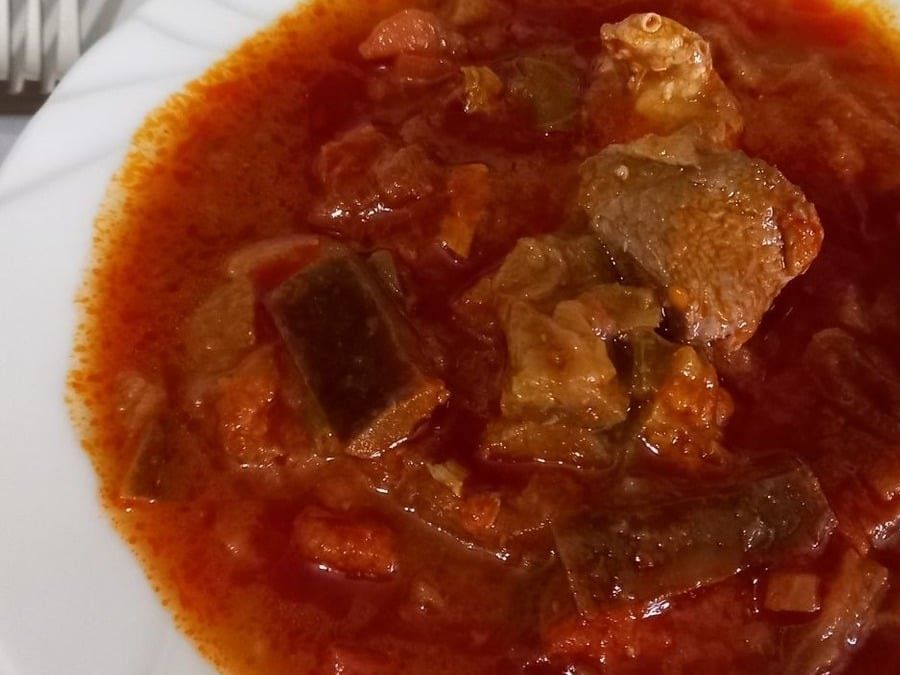
Meftune
One of Diyarbakır's best-known dishes. Its sourness comes from sumac. It can be made with aubergine or courgette, and the most prized version is made with meat.
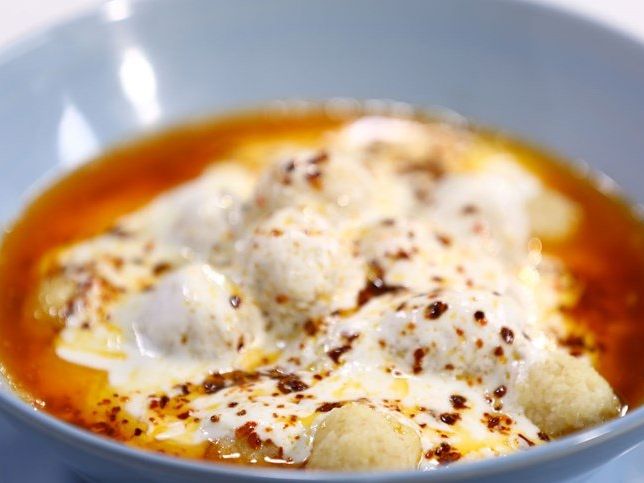
Pıçık
A fine dish of small bulgur balls served with plenty of yogurt. It is also called hıllorik.
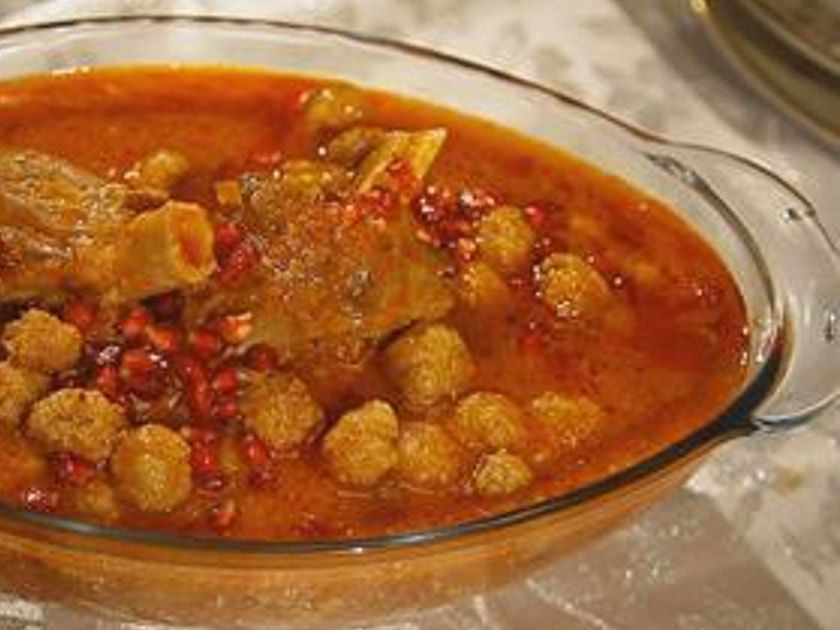
Nardanaşı
A Diyarbakır dish made with lean minced meat, onion, fine köfte bulgur, red pepper flakes, butter, tomato paste, water and pomegranate molasses. You can also add pomegranate seeds for flavour.
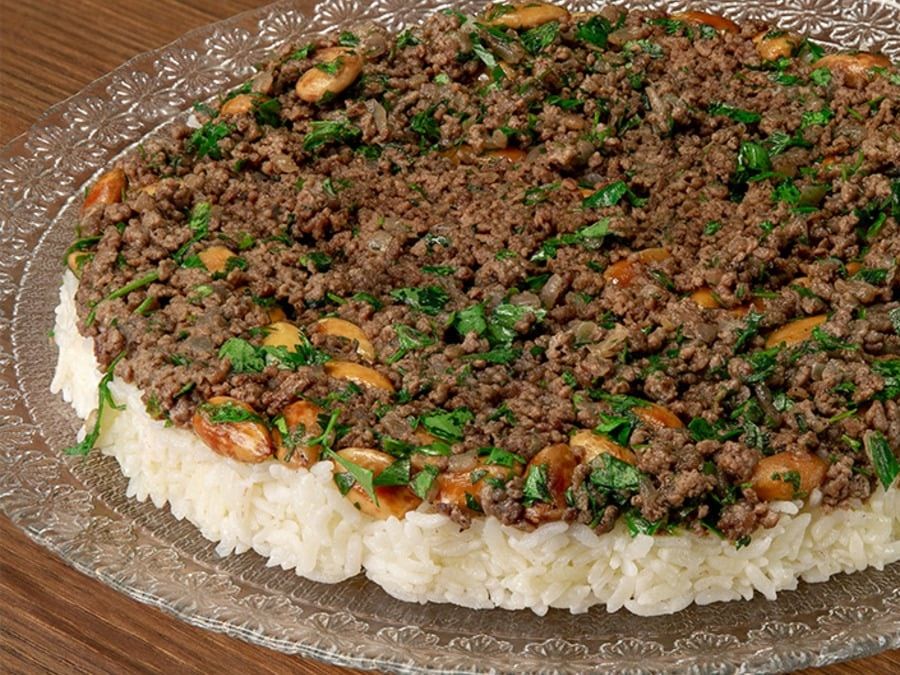
Duvaklı pilav (veiled pilaf)
One of the most delicious pilafs to eat. Minced meat and almonds are sprinkled over the pilaf. Enjoy your meal.
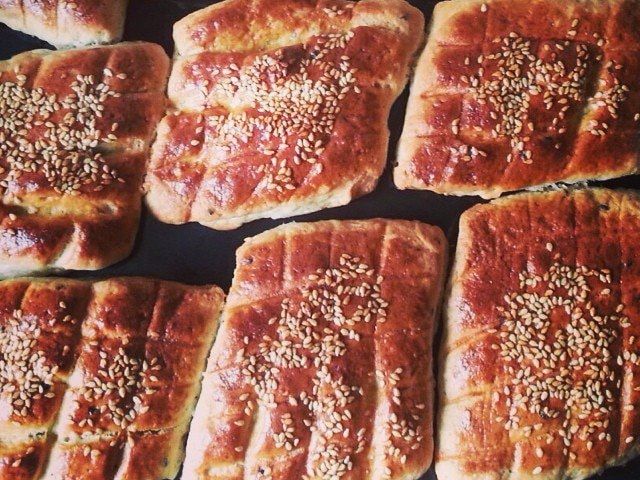
Mahlepli Diyarbakır çöreği (Diyarbakır mahlab bun)
A flavourful bun made flat or in the pelik shape, with plenty of mahlab (ground cherry kernels). It is decorated with sesame seeds.
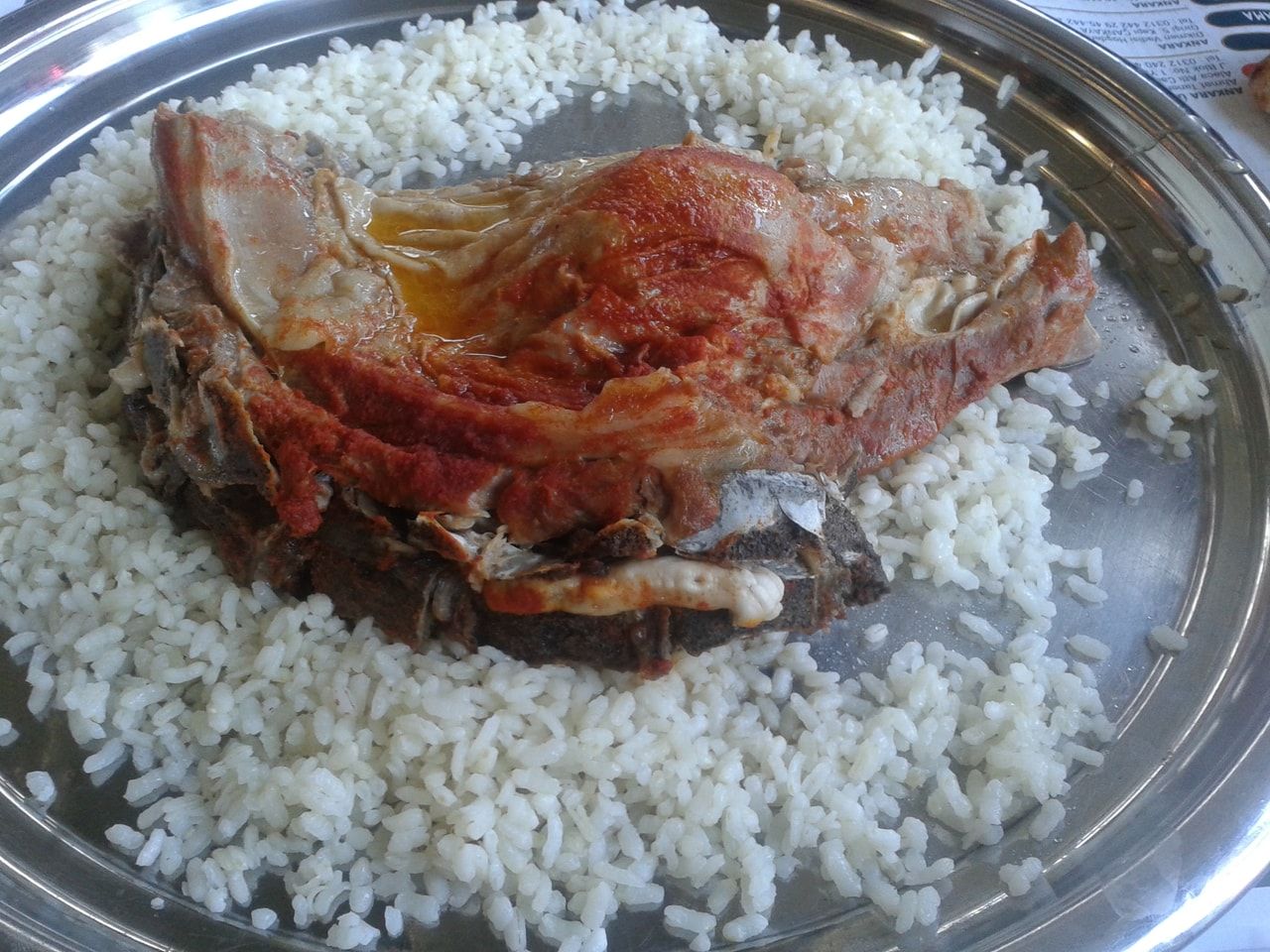
Kaburga dolması (stuffed ribs)
A rack of lamb ribs is stuffed with iç pilav, a rice filling with allspice, plenty of black pepper and tomato paste.
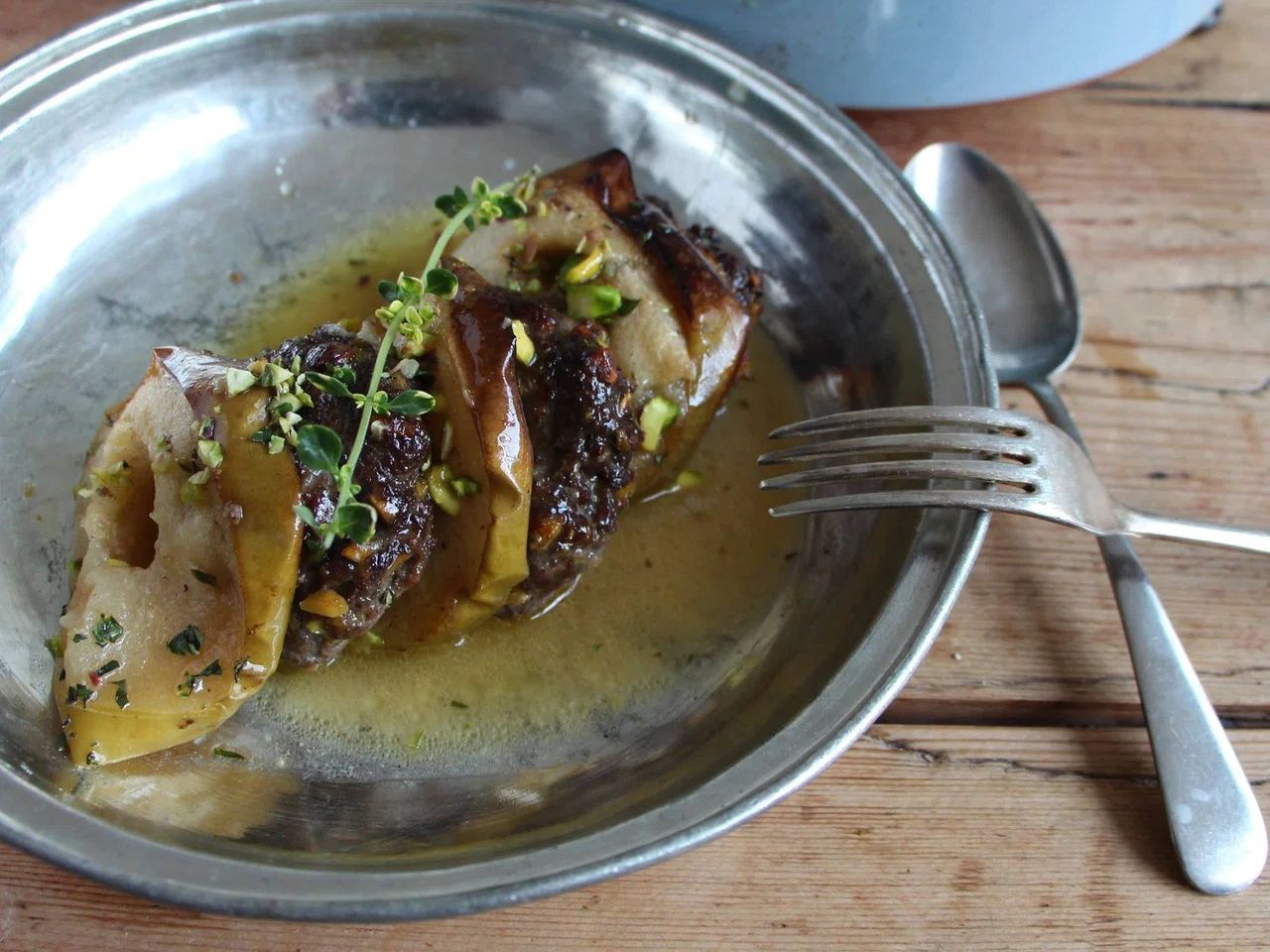
Elma dizmesi made the Diyarbakır way with sour apples and minced meat
Elma düzmesi
In Diyarbakır, elma düzmesi is a savoury dish in which sour apples are cooked together with spiced minced meat. In the version known as elma dizmesi, slices of sour apple and the meat filling are arranged side by side.
Source: Diyarbakır.net

Sumak suyu (sumac juice)
One of the most delicious drinks of Diyarbakır cuisine. Its concentrated form is sumac molasses.
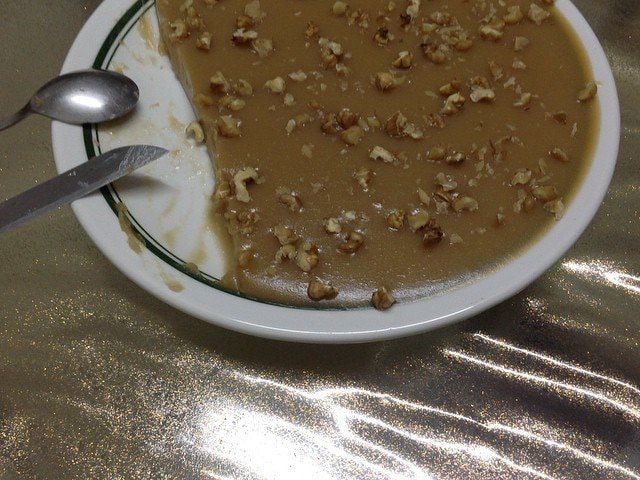
Paluze tatlısı
Paluze, which also found a place in Ottoman cuisine, is also known as a pekmez (grape molasses) pudding with walnuts and raisins.
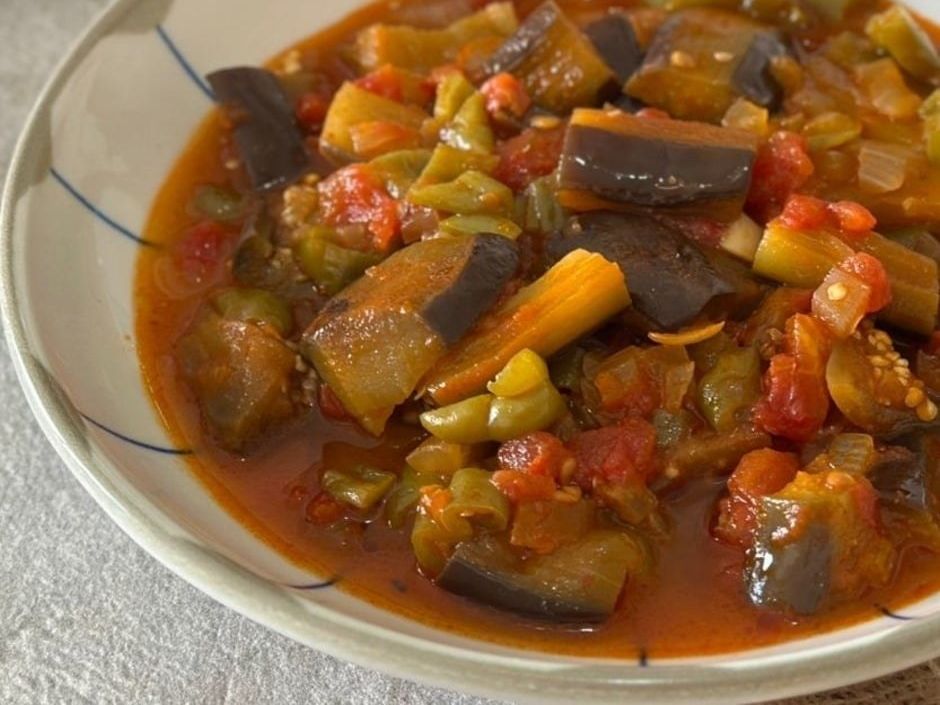
Tırşık
Tırşık, also found in the cuisine of Kahramanmaraş, is served like a mixed vegetable stew. Chickpeas are also added.
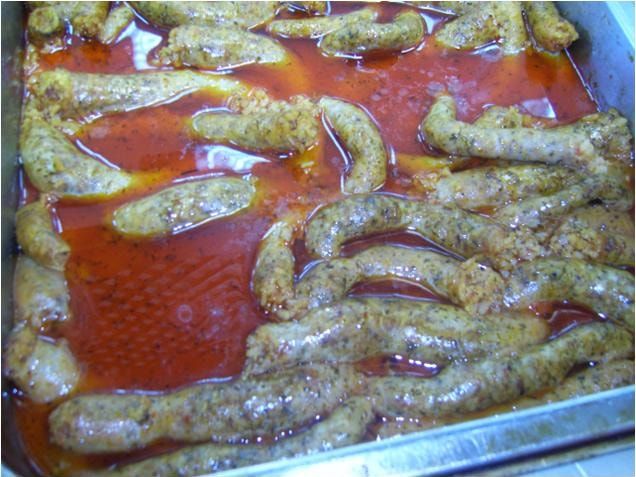
Kibe mumbar
Diyarbakır's version of mumbar dolması (stuffed intestine). Mint and plenty of spices go into the filling.

Habenisk
Habenisk is a soup made in Diyarbakır with green lentils, whole wheat, chickpeas and lamb on the bone.
Source: diyarbakir.org.tr
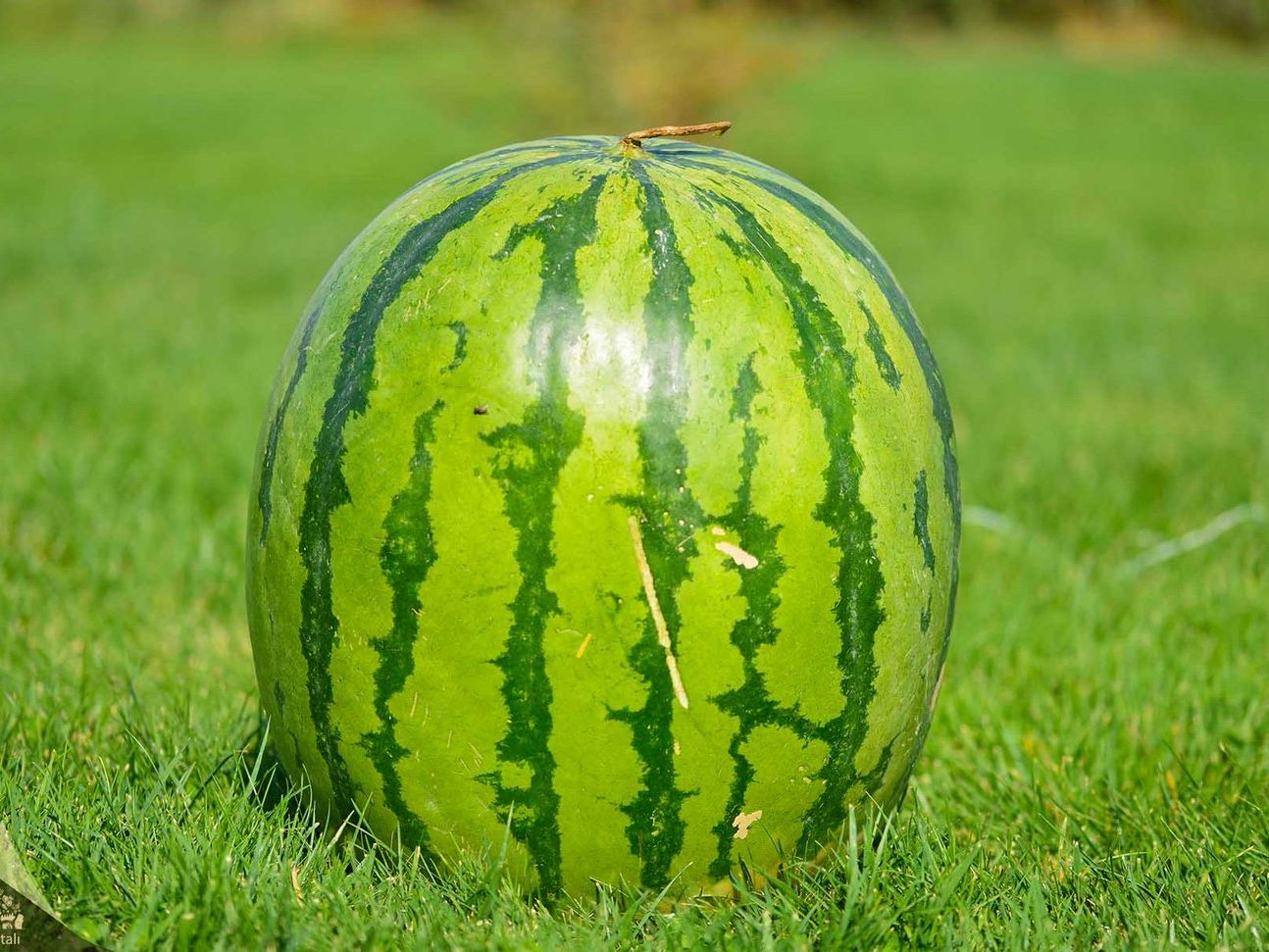
Karpuz (watermelon)
Of course there is the Diyarbakır watermelon, which travels from Diyarbakır all over Türkiye and makes everyone happy on summer days.
Source: https://yemek.com/diyarbakir-yemekleri/


Serbizer
A kind of lentil soup, made not with green or red lentils but with black lentils.
Places to visit in Diyarbakır
Diyarbakır city walls
The walls of Diyarbakır, one of our country's most important cities, are among its symbols. They are the second-longest walls in the world after the Great Wall of China. These walls, 5.5 km long and about 8 metres high, have 16 castles and 5 exit gates. There is no certain information on when they were built. The walls were renewed by the Byzantines in 349 BC. Traces of the Romans, Byzantines, Seljuks and Ottomans can be seen on these walls.
Great Mosque of Diyarbakır (Ulu Cami)

One of the oldest buildings in Anatolia, this is one of the city's most imposing mosques. Converted from a church into a mosque in 639, the building was repaired in 1091 under the Seljuks. Damaged by an earthquake in 1115, the mosque was repaired again by the people in 1240. The mosque's inscriptions are very important historic remains.
The Tigris (Dicle)

The Tigris, one of the city's natural beauties, has flowed for thousands of years alongside the Euphrates, making the Mesopotamian region fertile. About 550 km of the 1,900 km river lies within our country. Be sure to visit the breakfast spots on the Tigris and have breakfast there.
Hasan Paşa Hanı, Diyarbakır

We learn about this han (inn) from the inscription on it. According to the inscription, between 1572 and 1575 Diyarbakır was taken by the Ottomans and Hasan Paşa, son of Sokullu Mehmet Paşa, had this han built. The han, in the Sur district, has been through many restorations and still keeps its historic form. In the middle of the han is a wide courtyard. A must-see.
Sülüklü Han, Diyarbakır
This han, built by Hanilioğlu Mahmut Çelebi and his sister Atike Hatun, takes its name from the leeches (sülük) around the fountain in its courtyard; they are of course no longer there. It was built in 1680. The han had 3 floors with 18 rooms on each, but only 1 floor has survived. Today it is a café, so you can visit it and also rest and have a drink.
Ten-Arched Bridge / Tigris Bridge, Diyarbakır

As its name (14 Gözlü Köprü) suggests, this bridge has 14 arches. According to its inscription, it was built in 1065, in the Marwanid period, by an architect named Yusuf son of Übeyd. The bridge's other names are the Silvan Bridge and the Mervani (Marwanid) Bridge. It has been repaired many times.
Hevsel Gardens, Diyarbakır
This area, bearing the traces of more than 30 civilisations, has a history of 8,000 years. Lying between the Diyarbakır walls and the Tigris, the gardens have been the subject of many legends and folk songs. They are home to about 200 bird species as well as some small wild animals. Don't leave without seeing the Hevsel Gardens, one of the city's symbols.
Assyrian Castle, Diyarbakır
This castle in the Eğil district is thought to have been built by the Assyrians. It is in a highly strategic position, surrounded by valleys. The tunnels in the castle were used as escape routes in wartime. It is one of the city's important sites.
Gazi Köşkü, Diyarbakır
This pavilion is both a historic building and set amid natural beauty, so visitors are surrounded by nature and also get a small glimpse of history. The pavilion, with Akkoyunlu architecture, was built in the 15th century. Also known as the Semanoğlu Köşkü, it is where Atatürk stayed in 1917. Since the pavilion's garden is a picnic area, there are cafés and restaurants. The pavilion's view takes in the Tigris, the Hevsel Gardens and the 14-arched bridge.
Cahit Sıtkı Tarancı House (Culture Museum), Diyarbakır
This house, which best reflects the architecture of Diyarbakır houses, is used as a museum. The poet's personal belongings are displayed. It stands next to the Ahmet Arif Museum. The house had two parts, the haremlik (family quarters) and the selamlık (reception quarters); the selamlık has been demolished. The poet was born in this house in 1910.
Diyarbakır Archaeological Museum
First opened in 1934, the museum later moved to different places. It moved to its current location in 2015. Between 1985 and 2015 it was on Elazığ Street; now it is in Diyarbakır's inner citadel. The museum displays objects from many civilisations. You can see thousands of objects from the Neolithic, Chalcolithic, Early Bronze Age, Urartian, Assyrian, Hellenistic, Roman, Byzantine, Seljuk, Artuqid, Akkoyunlu, Karakoyunlu and Ottoman periods.
Other places to see in Diyarbakır
- Çayönü ancient settlement, Diyarbakır
- Malabadi Bridge, Diyarbakır
- Behram Paşa Mosque, Diyarbakır
- Nebi Mosque, Diyarbakır
- Safa Mosque, Diyarbakır
- Şeyh Matar Mosque, Diyarbakır
- Şeyh Mutahhar Mosque, Diyarbakır
- Hz. Süleyman Mosque, Diyarbakır
- Virgin Mary Church (Meryem Ana Kilisesi), Diyarbakır
- Surp Giragos Armenian Church, Diyarbakır
- Deliller Hanı, Diyarbakır
- Çiftehan, Diyarbakır
- Yeni Han, Diyarbakır
- Behram Paşa Mansion, Diyarbakır
- Ziya Gökalp Museum, Diyarbakır
- Caravanserai, Diyarbakır
- Mar Petyum Church, Diyarbakır
- Latifiye Medrese, Diyarbakır
- Mesudiye Medrese, Diyarbakır
- Birkleyn Caves, Diyarbakır
- Sipahiler Çarşısı (Sipahiler Bazaar), Diyarbakır
Culture and arts in Diyarbakır
Like every city in our beautiful country, Diyarbakır is a lovely city with its own cultural features. Diyarbakır's culture is the way of life of the people who live on its land, and because this land has been home to many civilisations through history, it holds many cultures. Its folklore, for example, is a great cultural treasure of the city: Halay, Delilo, Çepik, Çaçan, Lorke and Esmer are some of its dances. Other cultural riches are its woven goods: the kilims, saddlebags and clothes in every colour and pattern are usually very colourful and made from fabrics such as canfes (taffeta) and diba (brocade). Men commonly wear şalvar (baggy trousers), a sash and a waistcoat, and on their heads a local külah (cap) or a wrapped puşu (headscarf). Food is another part of this cultural variety: local dishes include meftune, çiğ köfte, lebeni and nariye tatlısı. And finally, folk songs, tales and laments are among its other cultural features.
History of Diyarbakır
Settlement around Diyarbakır is very old. Çayönü, near Ergani, dates to about 8000–6000 BC and is considered one of the oldest villages in the world. Paleolithic and Mesolithic remains have also been found in caves around Silvan, Ergani and Bismil.
Through history the city has been known as Amida, Amid and Kara Amid (Black Amid). After Hittite and Hurrian-Mitanni rule, the Assyrians, Urartians, Medes, Persians, Alexander the Great, the Seleucids, Parthians, Romans, Sasanians and Byzantium ruled the region. Islamic armies took the city in 639; after the Arab Bakr tribe settled here, the region became known as Diyar-ı Bekr (land of the Bakr).
In the following centuries the Umayyads, Abbasids, Hamdanids, Marwanids, Seljuks, Artuqids, Ayyubids, Mongols and Akkoyunlu ruled the city. The Akkoyunlu made it their capital between 1403 and 1468. The Ottomans took the city on 10 September 1515 under Bıyıklı Mehmed Paşa.
After a telegram sent to the Turkish Language Association in 1937, the city's name officially became Diyarbakır. Diyarbakır became a metropolitan municipality in 1993; in 2012 the metropolitan boundary was extended to the provincial boundary.
Getting to Diyarbakır
Diyarbakır can be reached by air, road and rail. There are daily flights from Ankara, İzmir and Istanbul, and flights from Antalya and Adana on certain days of the week. The airport is 6 kilometres from the city centre.
The Fırat Ekspres, running between Adana and Elazığ, stops at Diyarbakır Train Station. There are also Diyarbakır–Batman, Diyarbakır–Kurtalan and Diyarbakır–Adana train services.
For those who prefer the road, there are bus services to Diyarbakır from all over Türkiye. The bus station is 4 kilometres from the city. For those driving, Diyarbakır is 1,381 kilometres from Istanbul, 1,436 kilometres from İzmir, 536 kilometres from Adana, 1,002 kilometres from Ankara and 861 kilometres from Konya.
Districts of Diyarbakır
- Bağlar
- Bismil
- Çermik
- Çınar
- Çüngüş
- Dicle
- Eğil
- Ergani
- Hani
- Hazro
- Kayapınar
- Kocaköy
- Kulp
- Lice
- Silvan
- Sur
- Yenişehir
Economy of Diyarbakır
Diyarbakır's economy rests on farming. Cereals and pulses, above all wheat, barley and red lentils, are grown over large areas; cotton and vegetables are also important. The huge Diyarbakır watermelon, grown in the sandy soils along the Tigris, is one of the province's symbols; walnuts, pomegranates and grapes are also grown.
The wide pastures suit sheep and goat farming. As one of the largest trade and service centres in Southeastern Anatolia, the city is also the shopping hub for the surrounding provinces.


Comments
Loading comments…