
Gaziantep
A city famous worldwide for its food
- Southeastern Anatolia Region
About Gaziantep
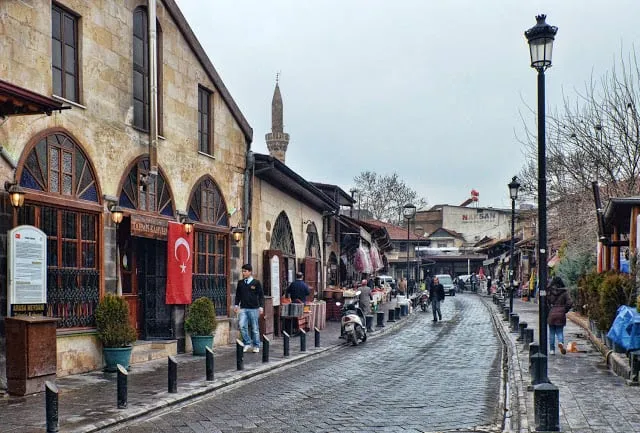
Gaziantep, known to most people simply as “Antep”, is a historic city in Türkiye's Southeastern Anatolia region. Because it is so well developed and attractive for its region, some call it “the Paris of the East”.
As an important stop on the Silk Road, the city inherited a rich cultural legacy. It stands out not only for its historic buildings but also for a distinctive, highly developed food culture shaped by the many communities it has been home to, which is exactly why gourmet tours are organised to Gaziantep.
Dülük, near Gaziantep, is the oldest town in the area; excavations show that people have lived there since the Palaeolithic. The Romans founded a new town near Dülük called “Antiochia ad Taurum”, the oldest recorded name of Gaziantep. Over its long history the city was ruled by the Seljuks, the Mamluks, the Dulkadirids and the Ottomans.
During the First World War, Gaziantep was the centre of a sanjak (district). After the Armistice of Mudros the Ottoman state effectively came to an end and a war of liberation began in Anatolia. Occupied first by the British and then by the French, the city saw fierce fighting, defended by small local bands known as “çete”. After the war of liberation ended in victory, Antep, the scene of one of history's most heroic resistances, was praised by Mustafa Kemal and given the title “Gazi” (veteran, hero). It became a metropolitan municipality in 1987.
Gaziantep covers 6,887 square kilometres and is bordered by Kahramanmaraş to the north and northwest, Yavuzeli to the northeast, Nizip to the east, Oğuzeli to the southeast, Kilis to the south, İslahiye to the southwest and Nurdağı to the west.
As of 2016 Gaziantep represents Türkiye in the UNESCO Creative Cities Network for gastronomy. With 6,000 years of history behind it, Gaziantep cuisine is a cultural heritage valued and protected internationally. Settled since the Neolithic, this fertile land bears the traces of many civilisations, which is why its regional dishes and food culture are so rich. Lying on major caravan routes such as the Silk and Spice Roads, Gaziantep kept adding to its cuisine. The city's inns, baths and soup kitchens were where caravans stopped, and the food cultures brought by traders gradually enriched the area. Knowledge and experience from the kitchens along the caravan routes reaching Iran, India and China all found their way into Gaziantep cooking. The Arab culture to the south, with people living closely together, also influenced its kitchen.
Gaziantep's famous dishes and desserts
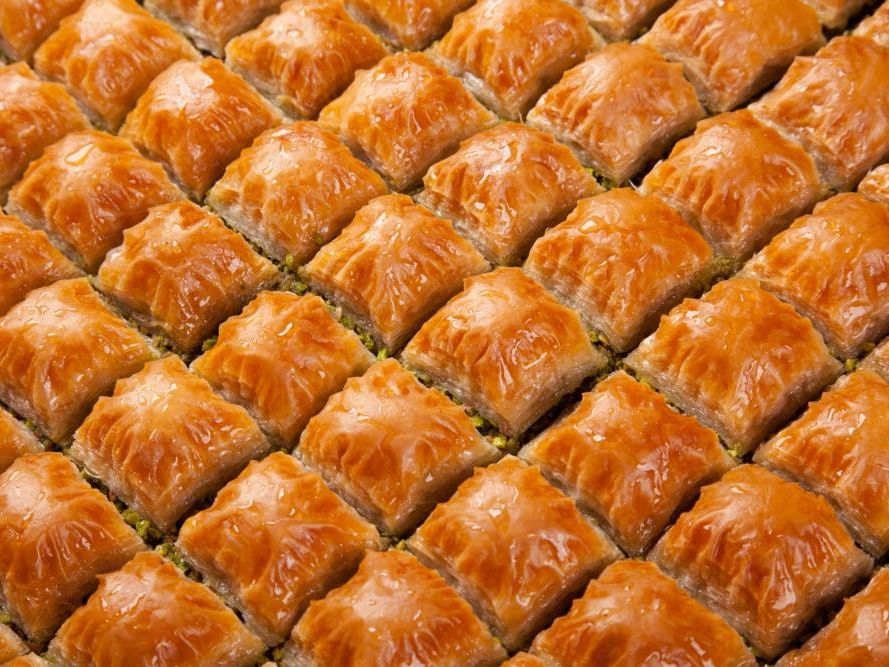
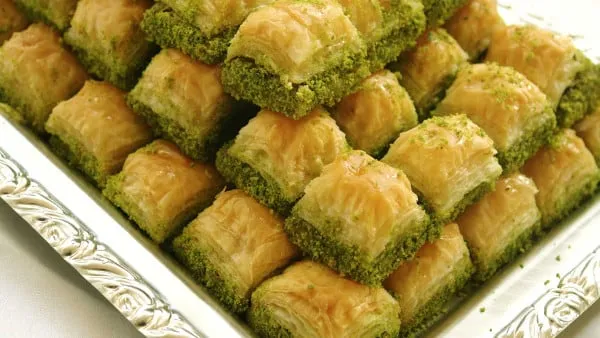
Baklava
Layers of paper-thin pastry filled with pistachios and soaked in syrup, it is known as one of the most famous desserts of Gaziantep cooking.
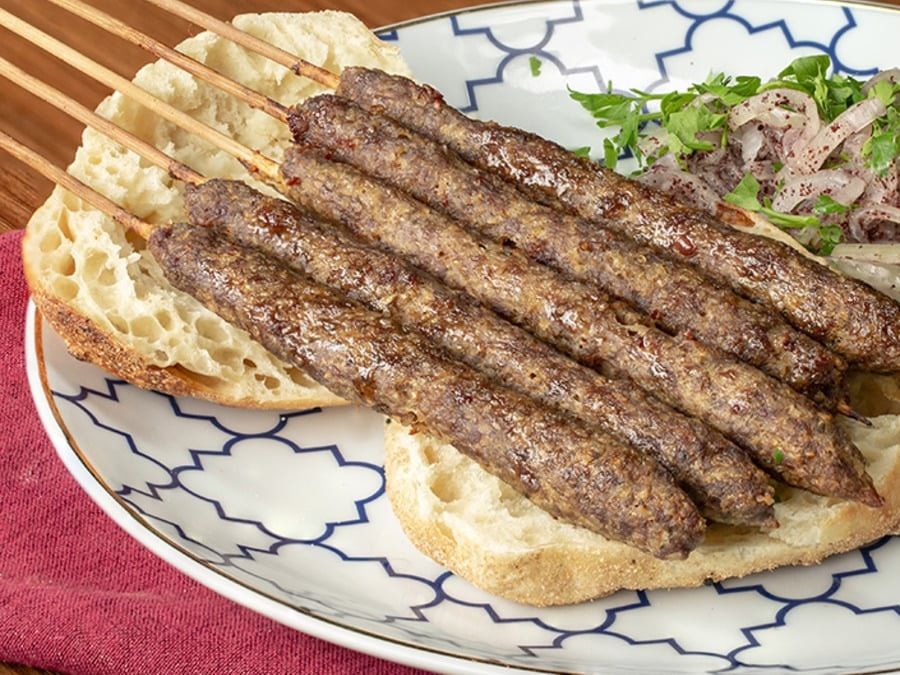
Simit kebabı
Meat chopped with a zırh knife is kneaded with garlic, spices and fine bulgur, called simit locally, and grilled on skewers. Gaziantep Simit Kebabı is a registered geographical indication.
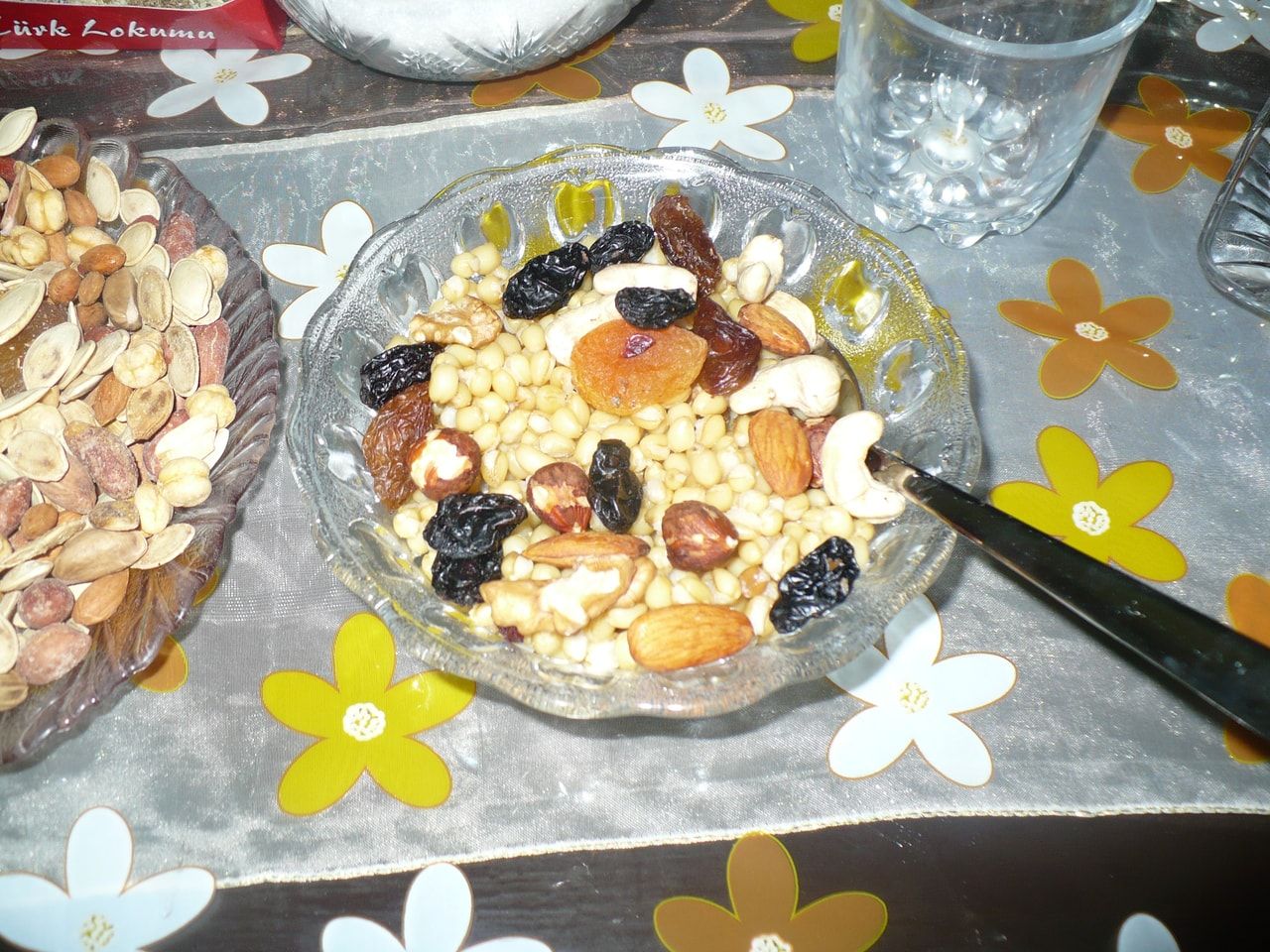
Hedik
Made from boiled wheat and chickpeas, it can be sweetened with currants or served with meat or chicken.
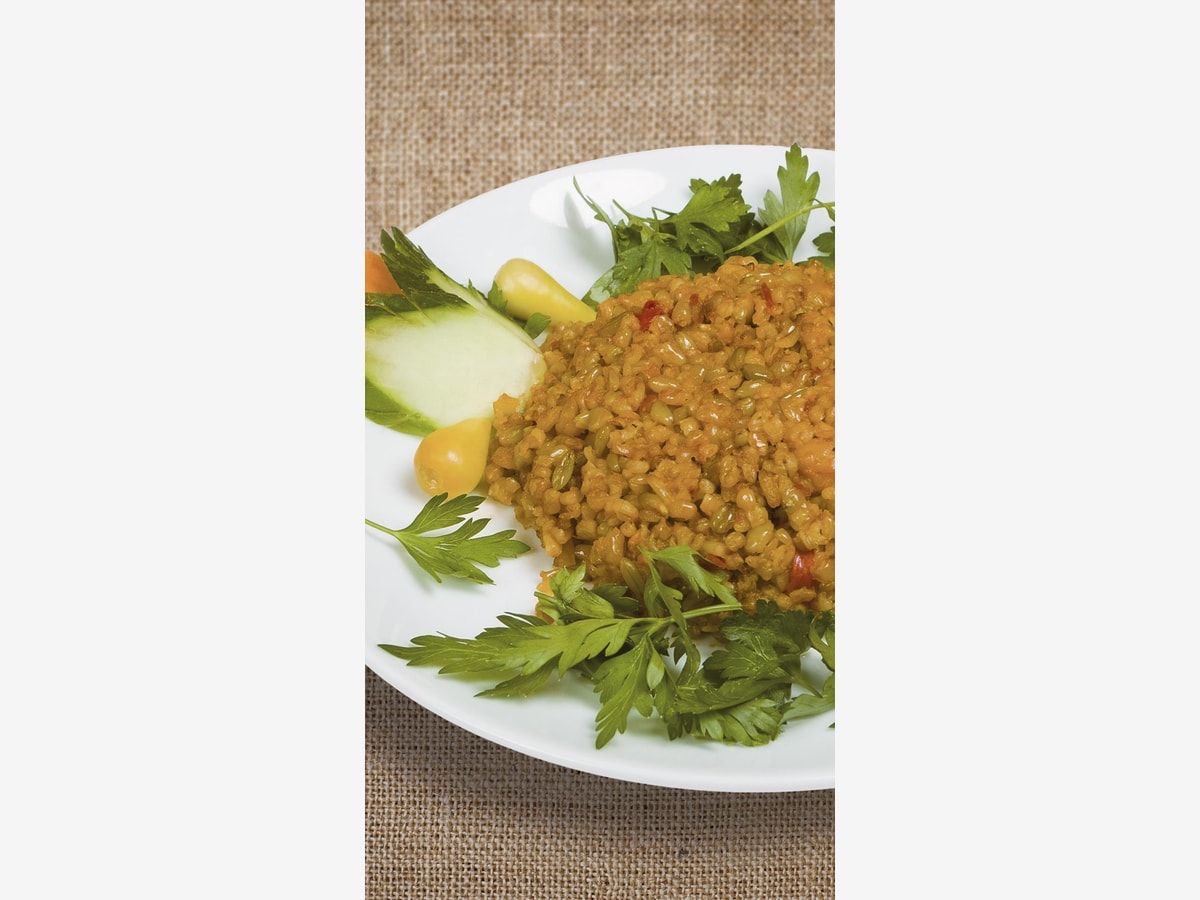
Firik pilavı
A pilaf of registered Antep firik (smoked green wheat) and Antep bulgur, topped with boiled meat if you like. Gaziantep / Antep Firik Pilavı is a registered geographical indication.
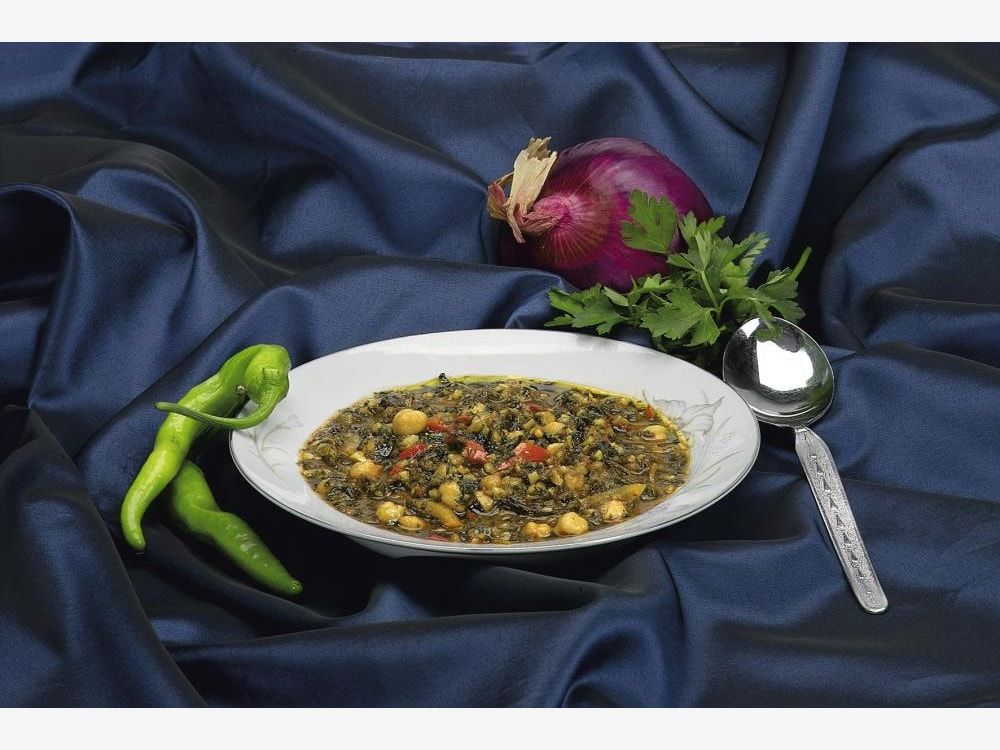
Pirpirim aşı
In Gaziantep, purslane is called pirpirim; it is cooked with black-eyed beans, bulgur, green lentils and chickpeas and soured with sumac. Gaziantep Pirpirim Aşı is a registered geographical indication.
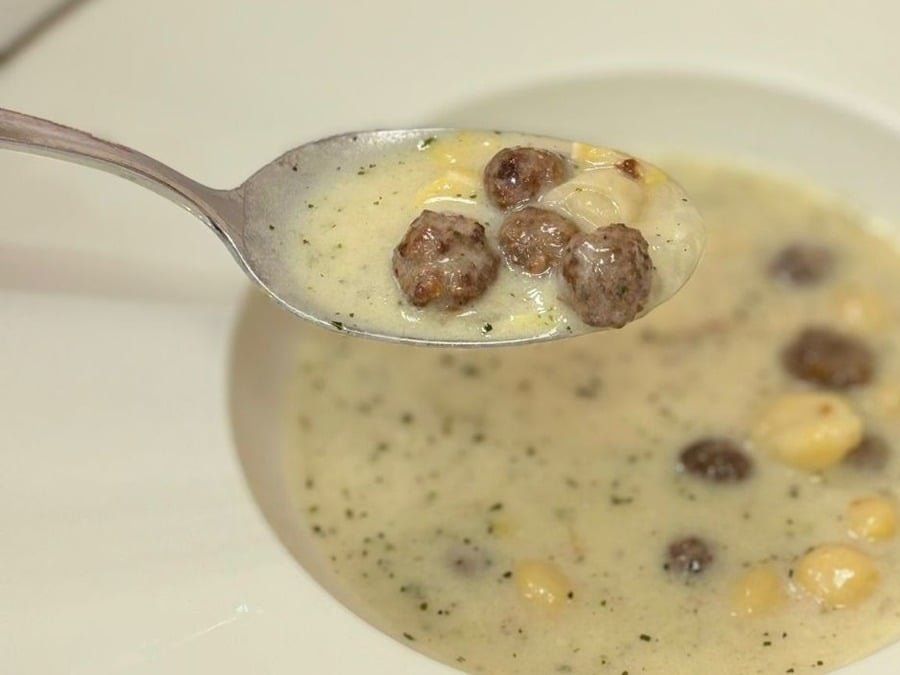
Lebeniye çorbası
A soup made with strained yoghurt, minced meat, chickpeas and rice. Gaziantep Lebeniye Çorbası is a registered geographical indication.
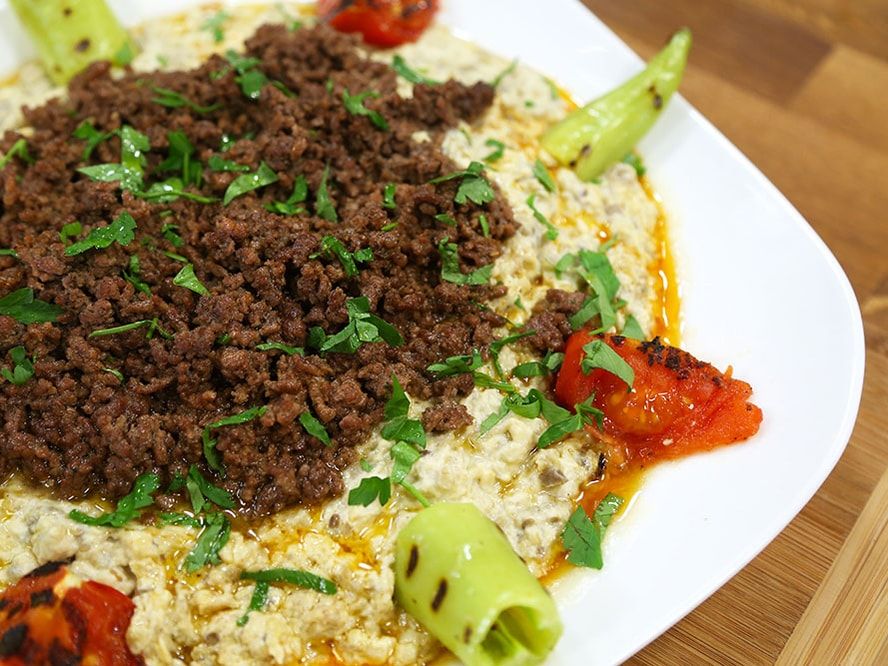
Alinazik
Smoky charred aubergine mashed with yoghurt and topped with a meat stew; locally it is also called alanazik.
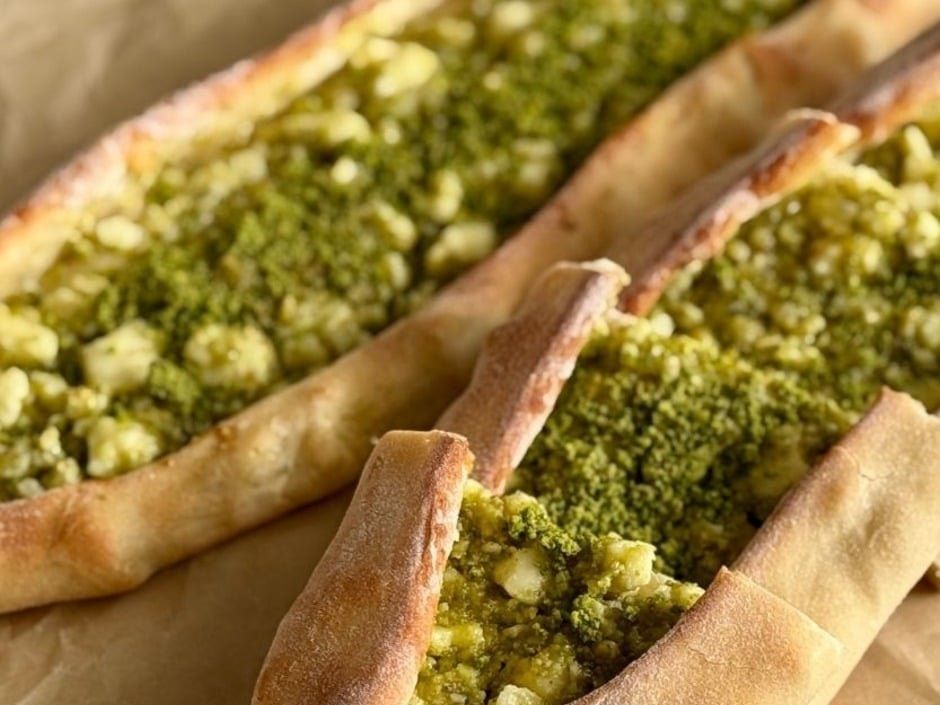
Şekerli pide
Sweet pide: flatbread dough baked with unsalted cheese and sugar.
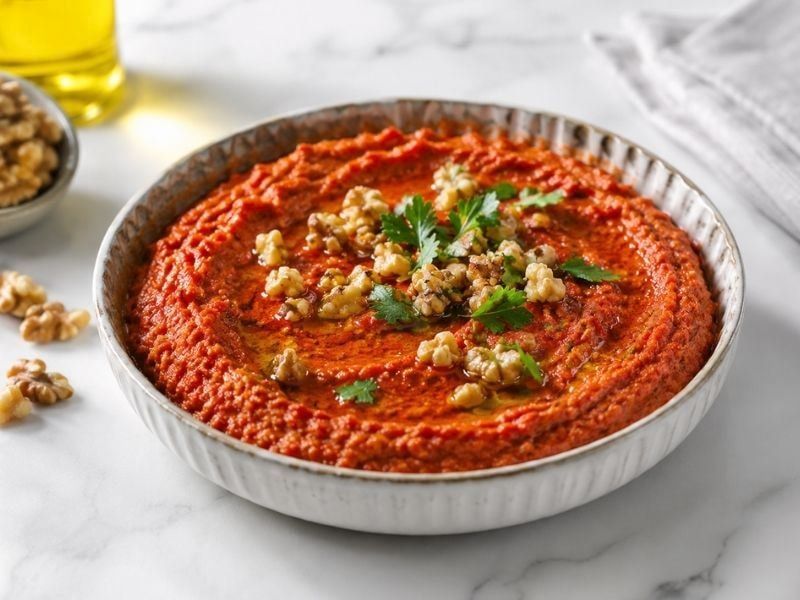
Muhammara
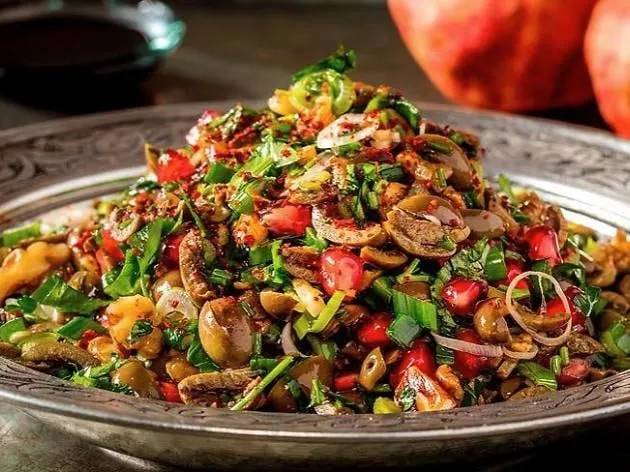
A dip of red pepper, breadcrumbs, walnuts and pomegranate molasses, eaten cold at breakfast or as a meze. Gaziantep Muhammarası is a registered geographical indication.
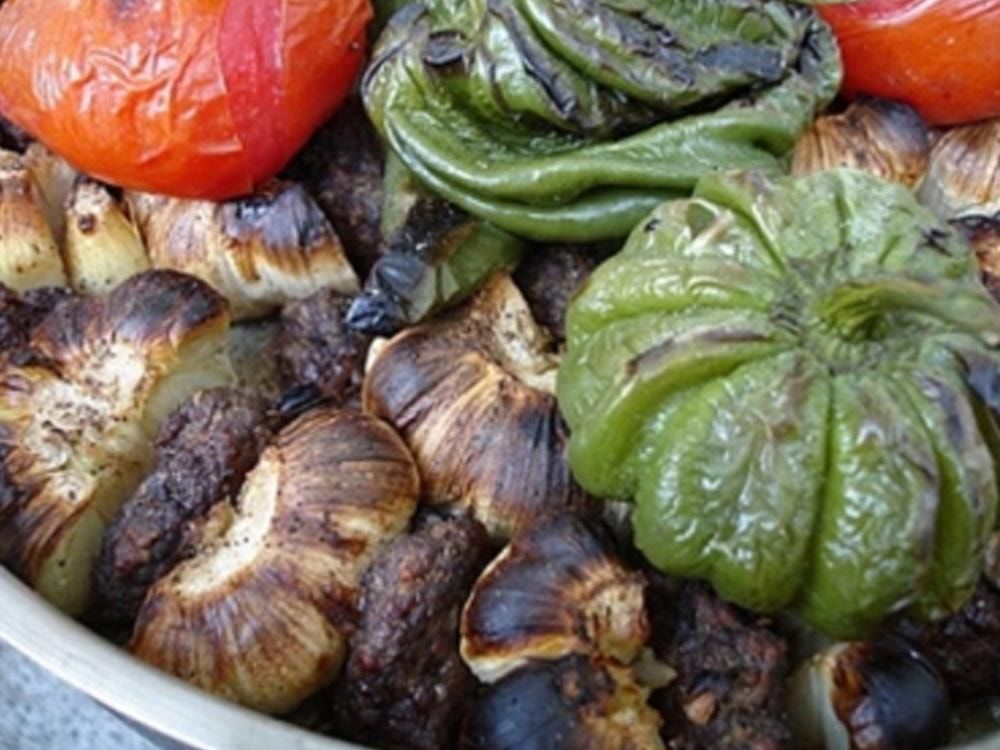
Sarımsak kebabı
Locally also called “samsak kebabı”, this garlic kebab is set apart by fresh garlic whose cloves are still juicy and not yet sharp. Gaziantep Sarımsak Kebabı is a registered geographical indication.
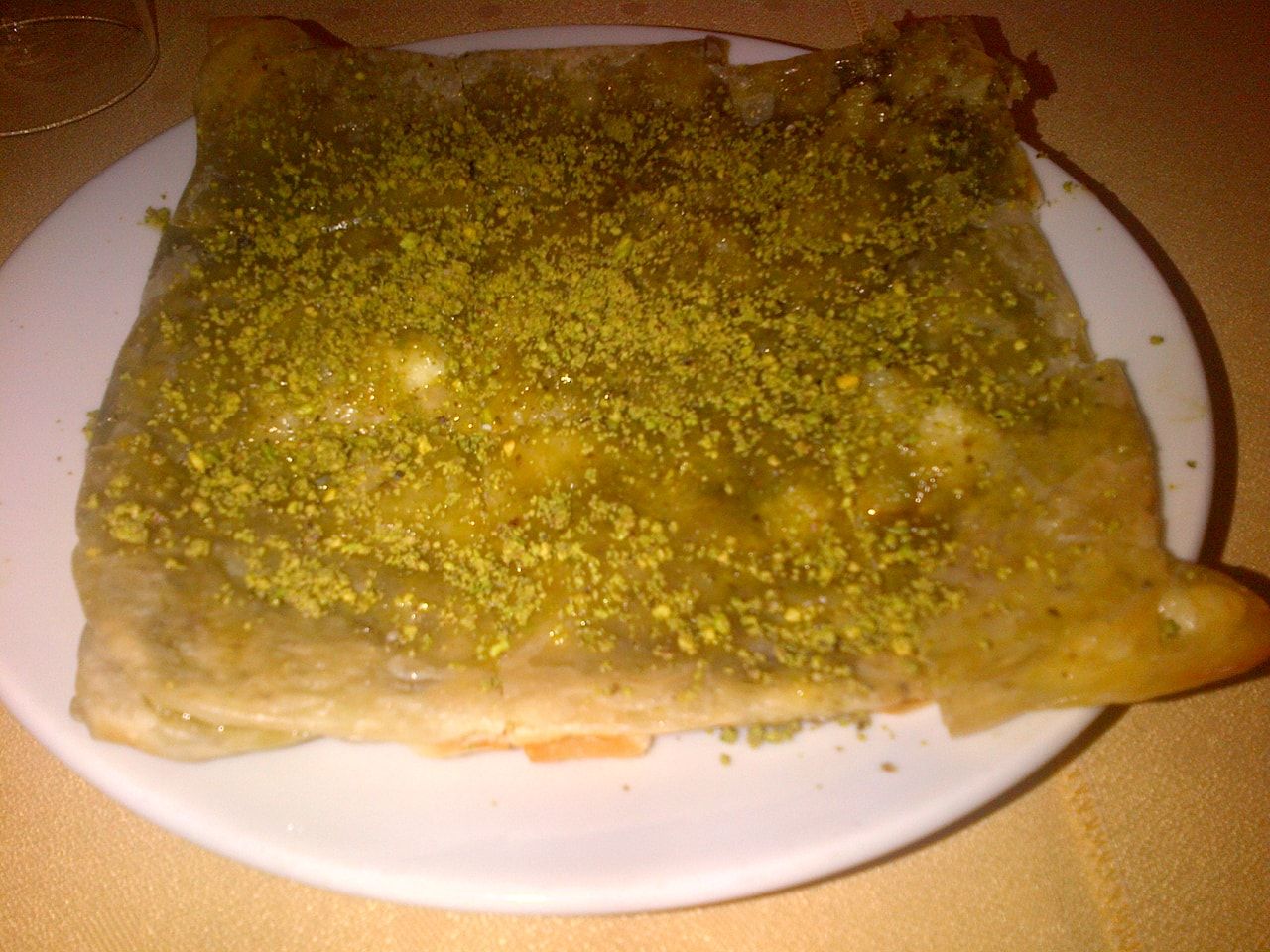
Katmer
A square pastry of thin dough with pistachios and kaymak (clotted cream), eaten at breakfast and on special days; by tradition katmer is sent to the bride's house the morning after a wedding. Antep Katmeri is a registered geographical indication.
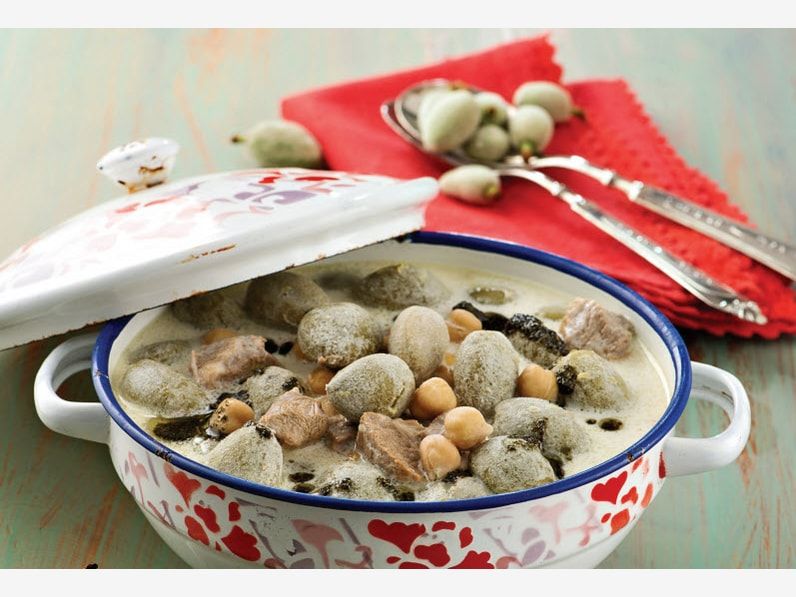
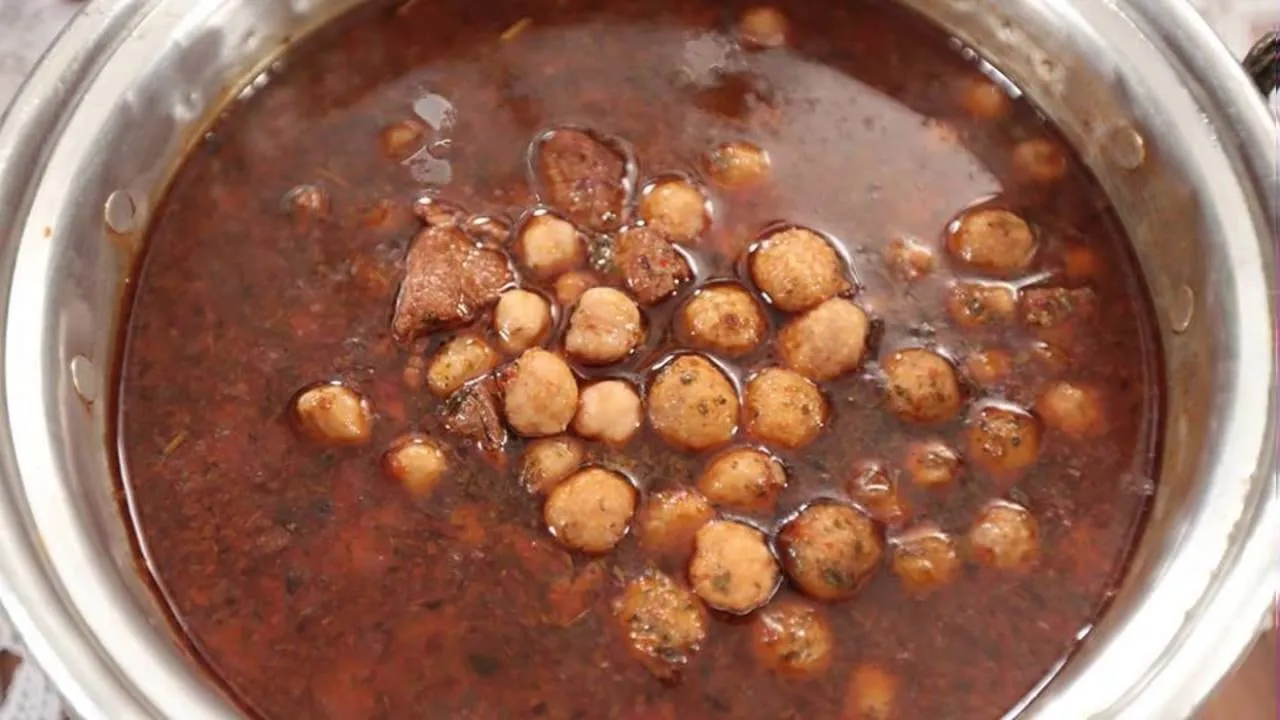
Çağla aşı
Green almonds (çağla) picked in spring are cooked with lamb and chickpeas; there are two versions, one with yoghurt and one with tomato paste. Gaziantep / Antep Çağla Aşı is a registered geographical indication.
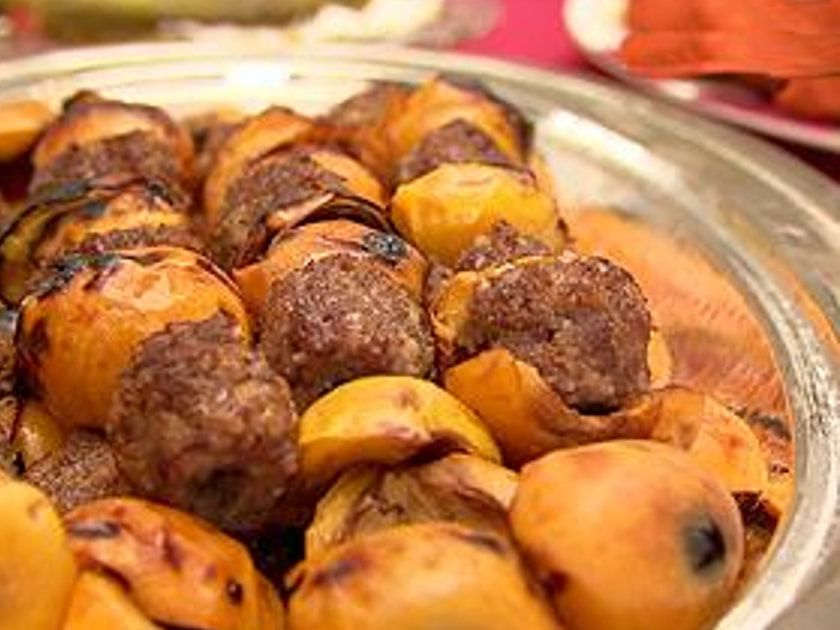
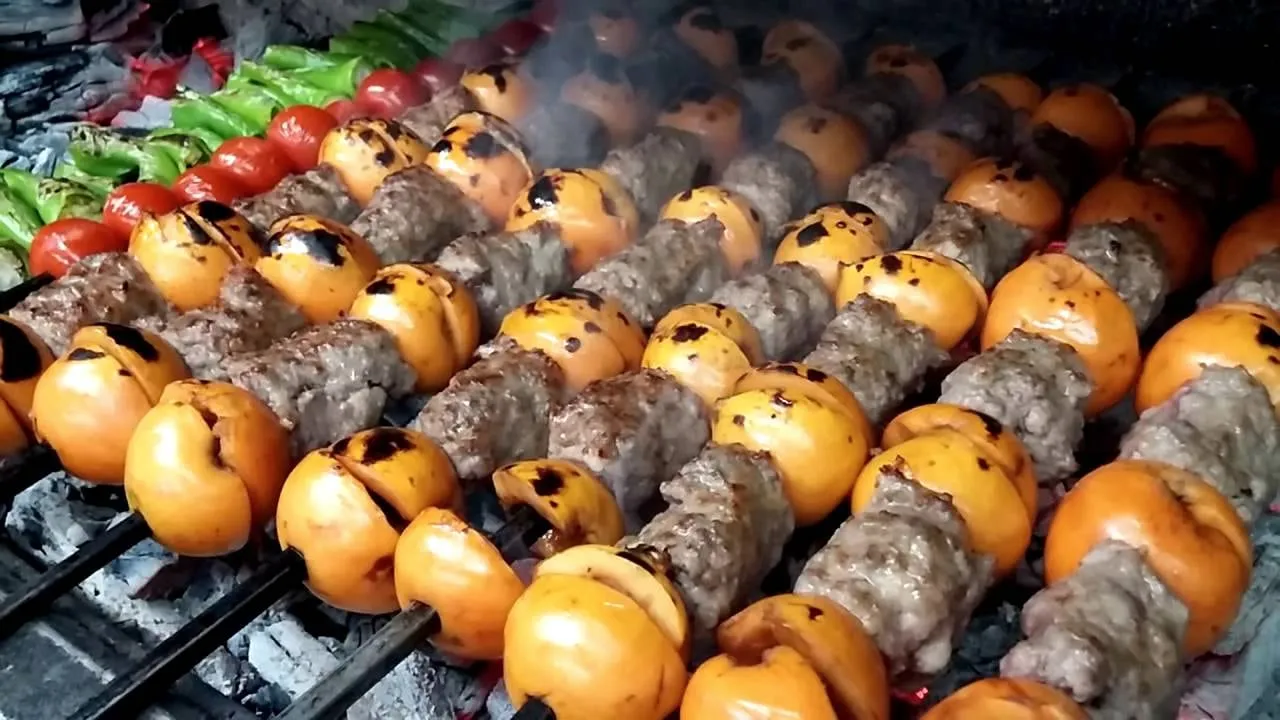
Yeni dünya kebabı
Loquats (yenidünya) and meat chopped with a zırh knife are threaded on skewers and grilled, or baked on a tray. Gaziantep Yenidünya Kebabı is a registered geographical indication.
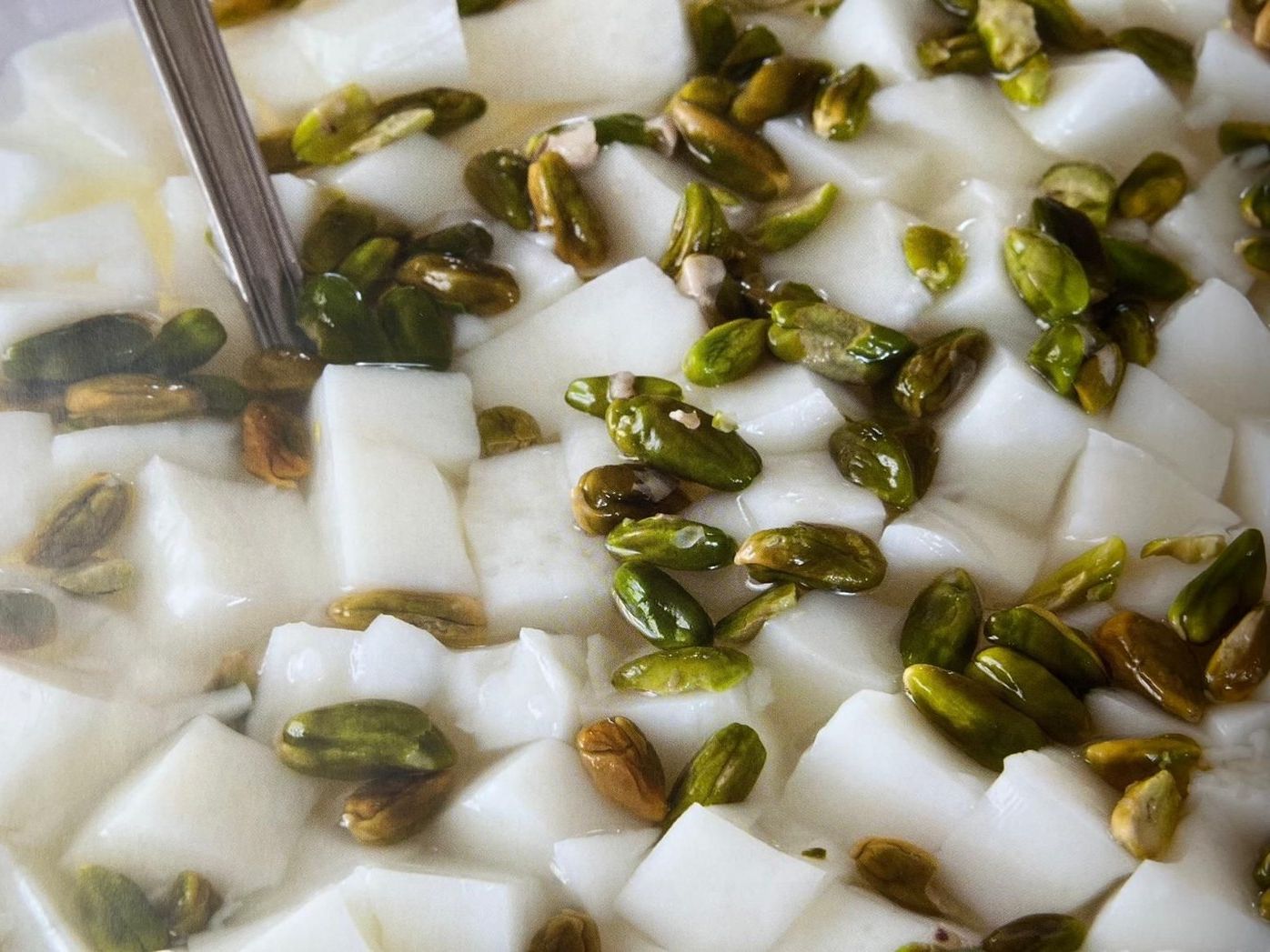
Haytalya
In Gaziantep, haytalya is made from a milk and starch pudding cut into cubes, served in rose-water syrup with pistachios.
Source (in Turkish): gaziantepdogus.com
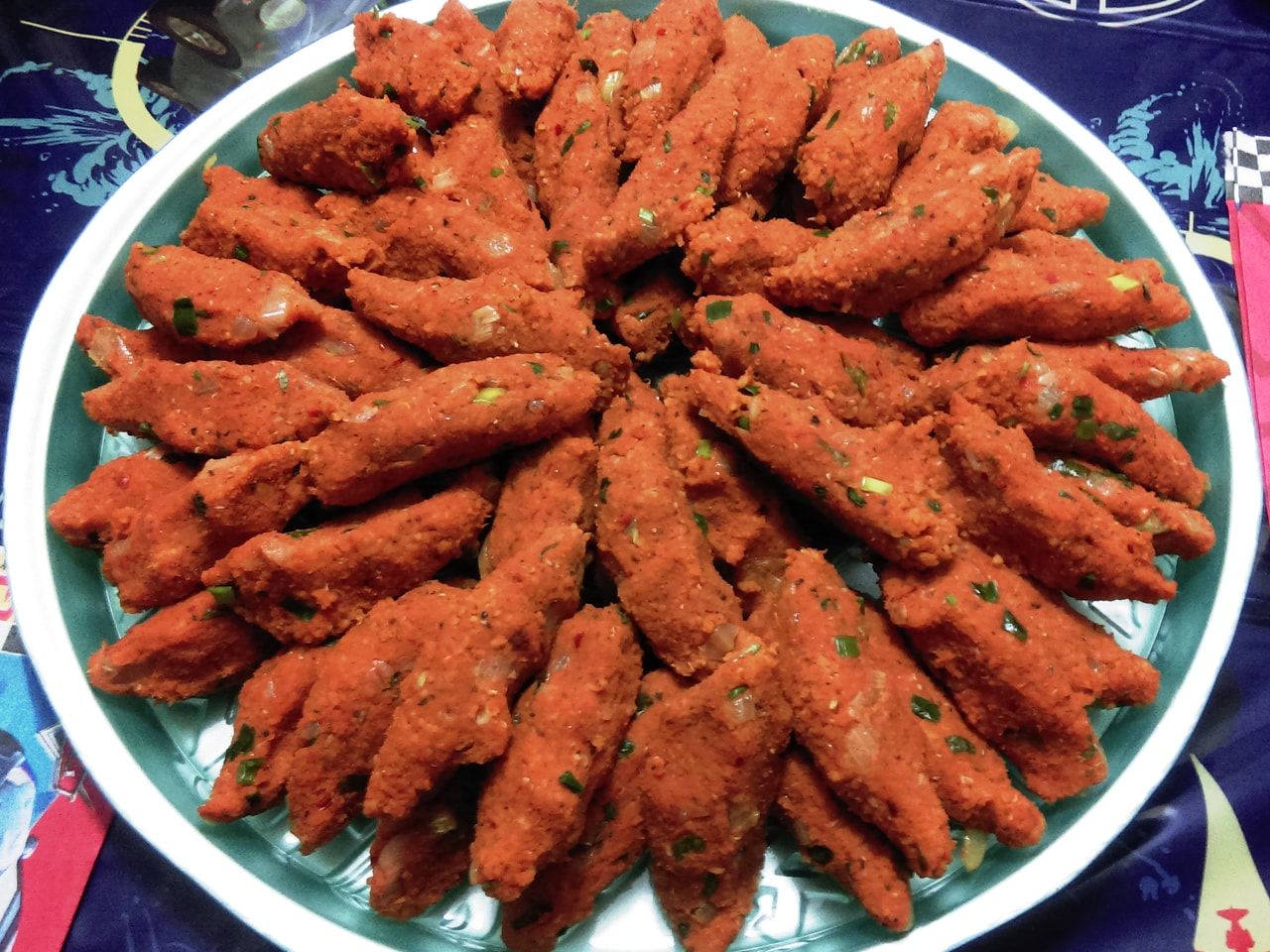
Malhıtalı köfte
Dumplings of fine bulgur and red lentils, named after malhıta, the local word for red lentils, and flavoured with tarragon. Gaziantep Malhıtalı Köftesi is a registered geographical indication.
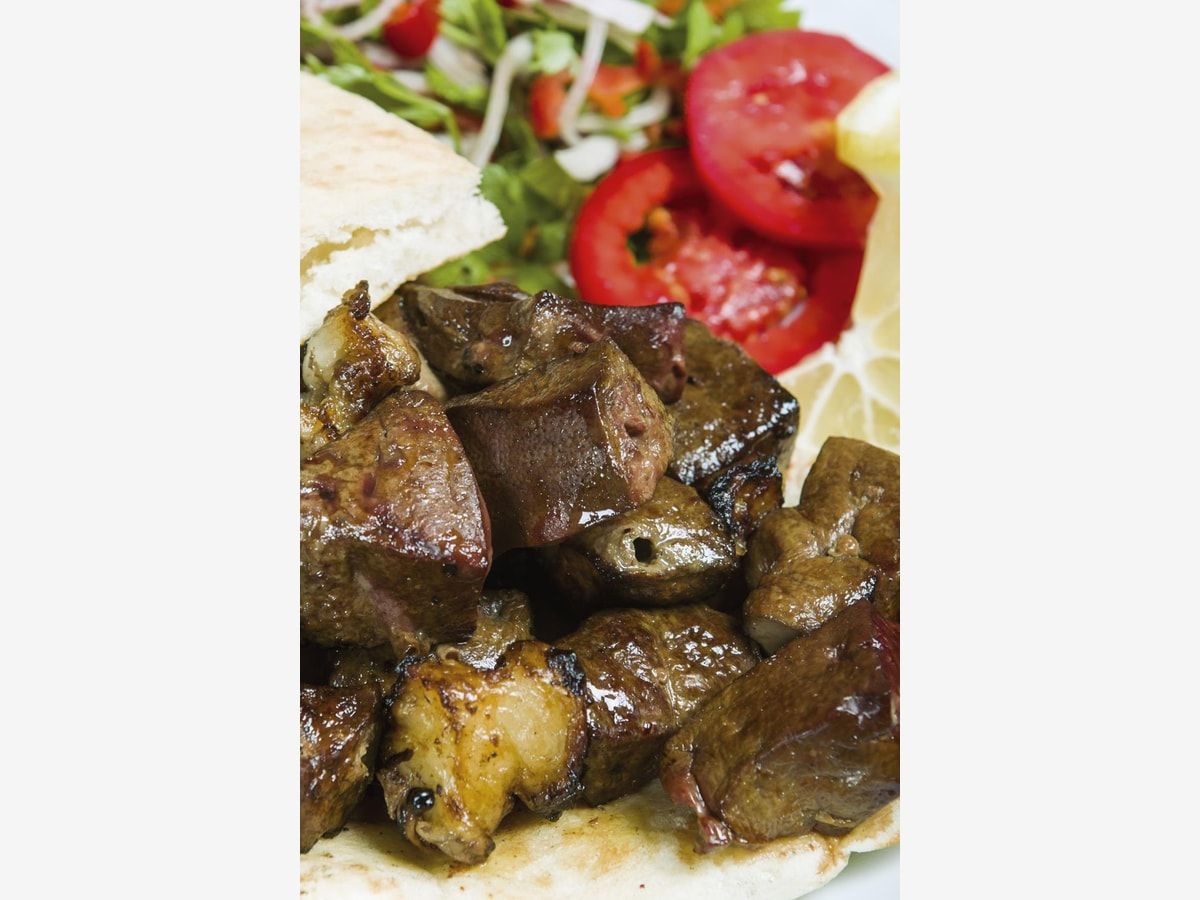
Cartlak kebabı
Lamb's lung, liver, heart and kidney are threaded one by one on skewers with fat and grilled over charcoal. Gaziantep Cağırtlak / Cartlak Kebabı is a registered geographical indication.


Places to visit in Gaziantep
Gaziantep, a true cradle of civilisations, has been home to many states and peoples, and the many works they left behind are among its main sights.
1. Zeugma Mosaic Museum
With its building and collection, the Zeugma Mosaic Museum ranks among the most important museums in the world. Built on the site of the old state tobacco (Tekel) factory, it displays magnificent mosaics found in excavations around Antep.
2. The Gypsy Girl
The Gypsy Girl mosaic in the Zeugma museum has become a symbol, and the gift shop is full of items featuring it. We recommend taking an audio guide when you visit. There is a play area for children, and the museum displays many mosaics found in and around Gaziantep.
3. Rumkale
Don't miss it if you want to see the remains of a civilisation now partly under water. It is said that John, one of the apostles of Jesus and an important figure in Christian history, copied the Gospel here. Mosaics thousands of years old now lie under the water, while some are on display in the Mosaic Museum. You can tour it by boat.
4. Gaziantep Castle
Now a museum, Gaziantep Castle has a history of some 4,000 years. Restored and open inside, it stands right in the middle of the city; you can climb up to look out over Gaziantep, and inside you will find a re-creation of the War of Independence. The castle has been nicely laid out and the view is lovely.
5. Gaziantep Museum
Famous for its mosaics, this museum lost some of its popularity after the new Zeugma Museum opened, but it still holds priceless mosaics, including striking ceiling and floor pieces.
6. Zoo
Considered one of the best zoos in Türkiye, with a wide variety of animals and a clean, orderly layout. A ring tour makes it easier to get around. Popular with families, it has thought of everything from food and drink to toilets.
7. Ömeriye Mosque
This historic mosque in the Düğmeci neighbourhood is the oldest in Gaziantep; records show it was repaired in 1210. It is thought to have been built by the Caliph Umar or by his grandson through his daughter, the Umayyad caliph Umar ibn Abd al-Aziz.
8. Ömereyn Mosque
The mosque's other name, “Ömereyn”, means “the two Umars”. Its portal and mihrab are built of stone, and its minaret shows fine stone carving. Local legend says the mosque sinks a little into the ground every year and that the world will end when it has sunk completely.
9. Emine Göğüş Cuisine Museum
In Gaziantep, one of the great cities of Turkish cooking, this is a wonderful place to see the local food culture. The museum gives detailed information about regional cuisine, with the former owner's tableware and kitchen utensils and table scenes set with wax figures.
10. Coppersmiths' Bazaar
A wonderful market selling every kind of copperware. You can find good-quality coffee sets, which are in fashion today, and engraved kitchenware. Copper goods made from good material don't tarnish easily.
11. Yesemek Open-Air Museum
About 100 km from Gaziantep, this site holds a Hittite quarry and sculpture workshop. It is heartbreaking that many of its works were smuggled abroad, but you can still see Hittite sculptures in the open air.
12. Dülük
If you want to see one of the oldest settlements in human history, stop at Dülük. In Dülük village, 11 km north of the city centre, and the sites around it you can see tools used by people who lived 30,000 to 40,000 years ago and visit the caves where they lived. You can also visit the oldest underground temple in Anatolia here.
13. Dülükbaba Recreation Area
One of Gaziantep's most popular picnic spots, Dülükbaba is a green area covered in black pine and cedar. While you are there, visit the Dülük rock tombs.
14. Vineyard houses
Summers in Gaziantep are hot, and when the heat sets in, people move to vineyard houses outside the city among pistachio trees, vines and olive groves. If you get the chance, visit some of these charming houses.
15. Eyüpoğlu Mosque
Eyüpoğlu Mosque is one of the oldest in Gaziantep. Built of cut stone, now painted over, it is known to have been commissioned by a scholar named Eyüpoğlu Ahmet.
16. Kendirli Church
Kendirli Church is an Armenian Catholic church built by French missionaries in 1860. Made of black cut stone, it is notable for its chessboard-patterned floor.
17. Belediye (Şire) Han
An example of an Ottoman inn, the Belediye Han was built by the architect Kirkos. It has monumental gates on three sides and, recently restored, is open to visitors.
Source (in Turkish): https://www.enuygun.com/galeri/gaziantep-te-gezilecek-yerler/
Culture and arts in Gaziantep
Handicrafts
Gaziantep has a wide range of handicrafts. In the past the most common were leatherwork, copperwork, making yemeni (flat leather shoes), kilim weaving, embroidery and jewellery. Embroidery, copperwork and kilim weaving are still important, and Gaziantep's kilims with their own motifs and its copperware are very famous. Kilim patterns unique to Gaziantep include the baklava patterns, Habbap Ayağı, Kuş Kanadı (bird's wing), Zincir Göbek, Dirsek Göbek, Pençe Göbek, Çarkıfelek, Parmak Göbek and Atom Göbek. Women in almost every home also make other crafts such as Antep işi (Antep openwork embroidery), lace and knitting.
Gaziantep cuisine
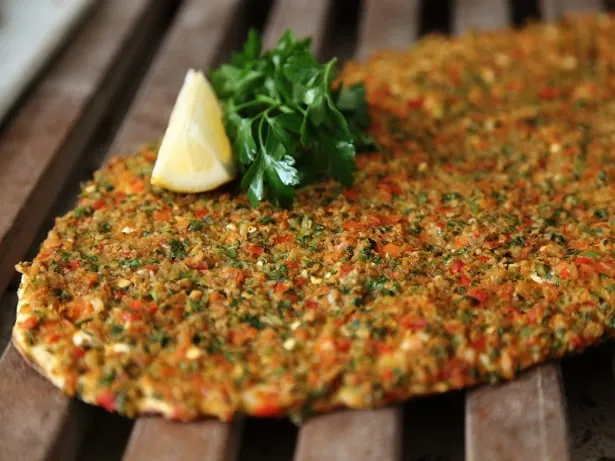
Gaziantep has a very rich cuisine with some 512 dishes in all, more than any other city in Türkiye. Its kitchen has grown richer over the years by blending many traditions, and it is especially famous for kebabs and meat dishes. Alaca soup, altı ezmeli kebap, Arab köfte, baklava, beyti, börk aşı, çağla aşı, cağırtlak kebap, doğrama, ekşili taraklı kebap, erik tavası, firik pilavı, kavurma, kuşbaşı kebap, küşneme, lahmacun, aubergine kebab, garlic kebab, simit kebab, şiveydiz, yuvarlama and loquat kebab are just a few of the dishes and desserts unique to Gaziantep.
The Antep dialect
Like many provinces in the southeast, Gaziantep has its own dialect, known as “Antep ağzı” or “Antepçe” and heard especially among older people and in rural areas. Its most distinctive features are the dropping of the letters “r” and “y”, changes to “h” and “k”, and the loss of the “-iyor” suffix and some personal endings. Similarities with Uyghur are easy to notice.
Folk songs and dances
Gaziantep has many folk songs of its own, which fall into five groups: songs of heroism, love, migration and dance, and laments. Karayılan, Şirinnar, Allı Yemeni, Ezo Gelin, Bahçalarda Mor Meni, Evlerinde Bir İpekten Halı Var, Bahçalarda Zerdali, Emmoğlu and Deriko are just a few. Gaziantep is also very rich in folk dances, which fall into three groups: slow halays, lively halays and staged dances.
History of Gaziantep
Türkiye's sixth largest city and the largest in Southeastern Anatolia, Gaziantep is a true metropolis in its population, economic potential, cultural riches, historic fabric and status as a metropolitan municipality.
One of the earliest centres of settlement in Anatolia, at the crossroads of Mesopotamia and the Mediterranean, the city has been home to many civilisations and has kept its importance in every period. With a mysterious history in which different civilisations, cultures and religions met and blended, Gaziantep still carries traces and works of the Palaeolithic, Neolithic, Chalcolithic and Bronze Ages, the Hittites, Hurri-Mitanni, Assyrians, Persians, Alexander the Great, the Seleucid kingdom, Rome, Byzantium, the Seljuks, the Mamluks, the Dulkadirids and the Ottomans. Because the historic Silk Road passed through here, it was a meeting point of civilisations and has remained a centre of culture and trade throughout history. The variety of its historic monuments shows the richness of its culture.
Today's Gaziantep is historically linked with ancient Dülük and the castle. Dülük appears as “Doliche” in ancient sources, “Teluck” in Byzantine sources and “Duluk” in Arabic sources. It lay at the junction of a road network used since the earliest times; after Dülük, settlement in the area grew around Gaziantep Castle, and the city developed there.
Gaziantep Castle was founded in the Roman period as a watchtower on a hill with natural rock to the north and a mound to the south. It took its present form under the Byzantine emperor Justinian. Repaired under the Mamluks, the Dulkadirids and the Ottomans, it survives with its monumental architecture.
Antep first appears in Byzantine sources in the 12th century, and during the Crusades it was referred to as “Hantap”. In 1151 it passed to the Anatolian Seljuks under Sultan Mesud I; after his death it was taken by Nur ad-Din Zengi, atabeg of Mosul and Aleppo. Kılıç Arslan II, who then took the Seljuk throne, besieged Antep in 1157. In 1183 Saladin crossed the Euphrates and entered Antep. In 1218 the army of the Seljuk sultan İzzeddin Keykavus I took it again. In 1271 Antep was occupied during the Mongols' campaigns in northern Syria, and in 1277, during the Mamluk sultan Baybars' Anatolian campaign against the Mongols, it came under Mamluk rule. In 1390 a Dulkadirid army reached Antep and plundered it but could not take the citadel. In 1400 Timur took Antep together with Besni, and the city was largely destroyed. Antep then came under Kara Yusuf of the Kara Koyunlu dynasty and under the Dulkadirids, who held power in the region until 1522. After Alaüddevle Bozkurt Bey came to power in 1480, relations between the Ottomans and the Dulkadirid principality improved and Antep enjoyed a stable period. Because Alaüddevle sent no help during Selim I's campaign against Iran, Selim turned on him after Chaldiran and Alaüddevle was killed. Taking advantage of the turmoil, the Mamluks seized Antep, and after Selim's victories at Marj Dabiq and Ridaniya, Antep came under Ottoman rule in 1516.
Under the Ottomans the city was rebuilt rapidly, new buildings went up, and its people lived in prosperity until the empire's decline. In 1818–1819 the city was briefly a kaza (district) of Aleppo, which helped Antep develop socially, economically and commercially. This lasted until the First World War and was ended by the British occupation of 1919, followed by the French. In the battle of Antep the city resisted the enemy for 10 months and 9 days, women and men, young and old, and on 8 February 1921 it received the title “Gazi”. Freed from occupation on 25 December 1921, Gaziantep continued to grow rapidly after the founding of the Republic. Today, with its history, culture, delicious cuisine, five organised industrial zones and its intercity and international road links, Gaziantep is one of the most important cities in the region and welcomes thousands of visitors every year.
Source (in Turkish): https://gantep.bel.tr/sayfa/gaziantep-tarihi-21
Getting to Gaziantep
Gaziantep Oğuzeli Airport is about 20 kilometres from the city. There are direct and connecting flights every day from Istanbul, Ankara, İzmir and Antalya, as well as direct flights to Germany.
The railway station, opened in 1954, still plays an important role. Trains run every day to Adana, Ankara, Bilecik, Elazığ, Istanbul, Kahramanmaraş, Karkamış, Malatya, Nizip, Nusaybin and Osmaniye.
Districts of Gaziantep
- Araban
- İslahiye
- Karkamış
- Nizip
- Nurdağı
- Oğuzeli
- Şahinbey
- Şehitkamil
- Yavuzeli
Economy of Gaziantep
Gaziantep is one of Türkiye's leading cities for industry and trade, helped greatly by its transport links and proximity to port cities. Its main sources of income are farming, industry and trade.
The star of its farming is the pistachio: in 2007 Gaziantep alone produced 60,000 tonnes. Olives and grapes are also important crops, although summer drought limits further growth in farming.
Industry is led by cotton and acrylic yarn, carpets, flour, semolina, pasta, vegetable oil, plastics, detergents and leather. Türkiye's largest industrial estate is also here. Old crafts such as copperwork, kilim weaving and embroidery are still kept alive.
As of 2024, with 106 products, Gaziantep has more registered geographical indications than any other province in Türkiye. In 2015 it became the first Turkish city to join the UNESCO Creative Cities Network for gastronomy.


Comments
Loading comments…