
Afyonkarahisar
- Aegean Region
About Afyonkarahisar
Afyonkarahisar is one of Türkiye's provinces, in the Aegean region, in the Inner Western Anatolia section of the Aegean region. Its earlier name was Afyon. Afyonkarahisar province has 18 districts in total, including the central district, as well as 39 towns and 388 villages.
Afyonkarahisar's famous dishes and desserts
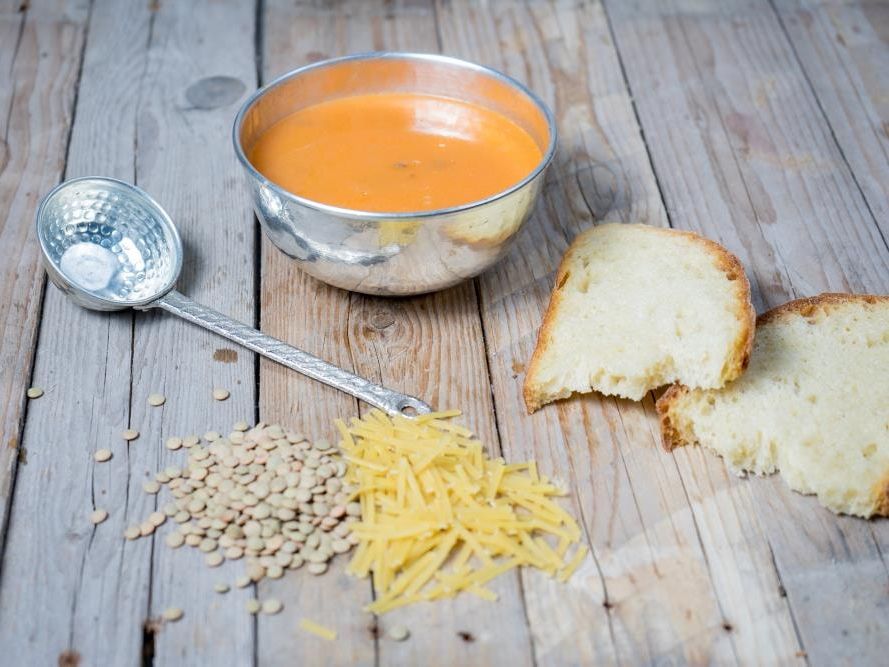
Sakala çarpan çorbası (“beard-splashing” soup)
Made often in many parts of Anatolia, the Afyon area above all, under names such as dul avrat çorbası (widow's soup), kesme çorbası and bacaklı çorba, sakala çarpan is a soup you can never get enough of. It is full of vitamins, whets the appetite and is a shield against colds. According to one story, its tale goes like this: a neighbour took a bowl of hot soup to an old man who lived alone. He drank it straight from the bowl rather than with a spoon, and because of the noodles that caught in his beard, the soup has come down to us as sakala çarpan çorbası.
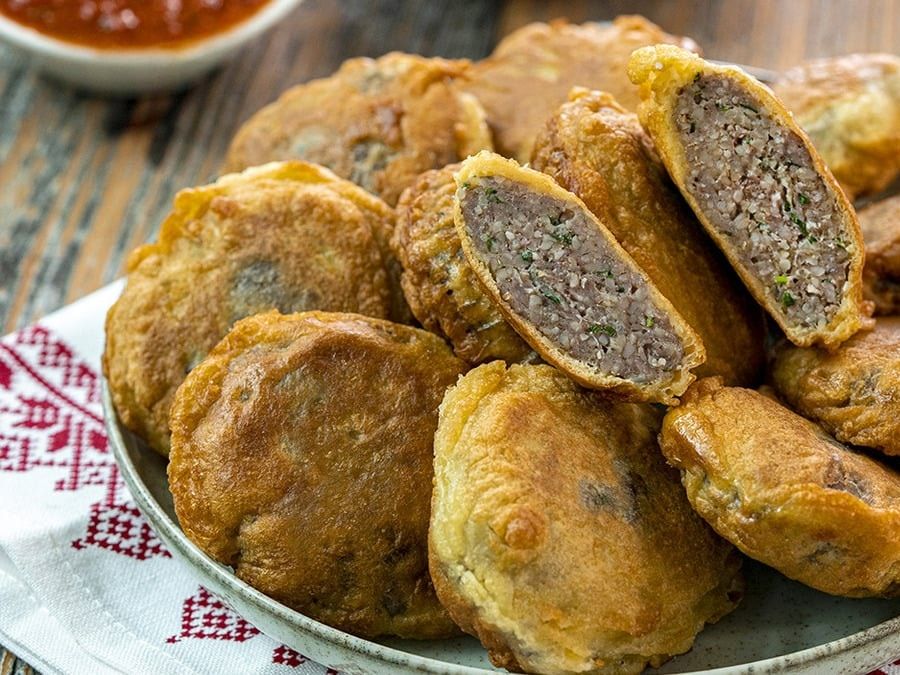
A wedding essential: Çullama köfte
How could meatballs made with minced meat, fine bulgur and egg not be good? How could they not be served at weddings, we ask you? Çullama köfte is very common at Afyon weddings; it is a little laborious to make, but you can never eat enough.
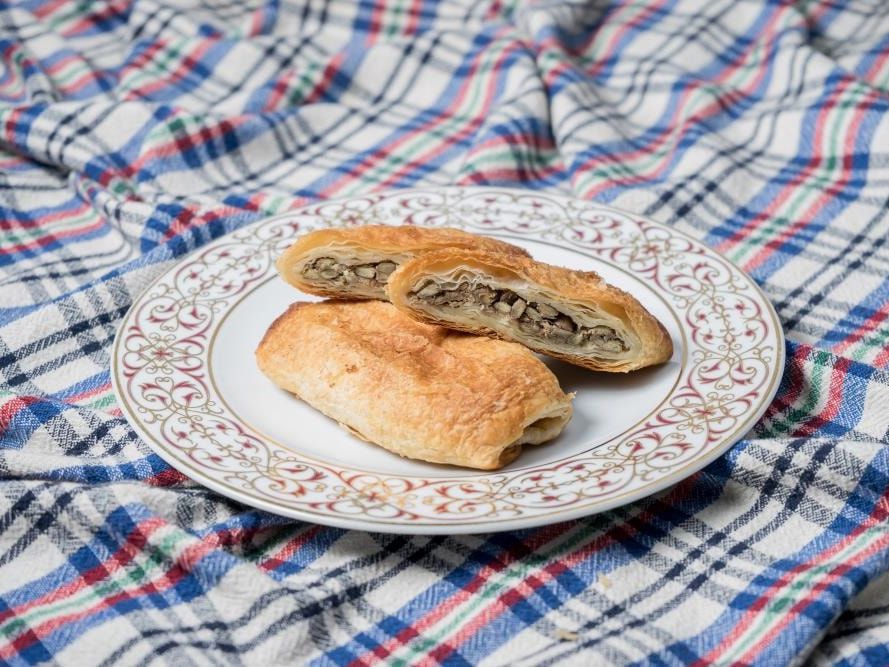
Especially with lentils: Bükme
Bükme is a pastry made mainly in the Afyon area. You could also call it a crispy börek; whatever filling you choose, it will be good.
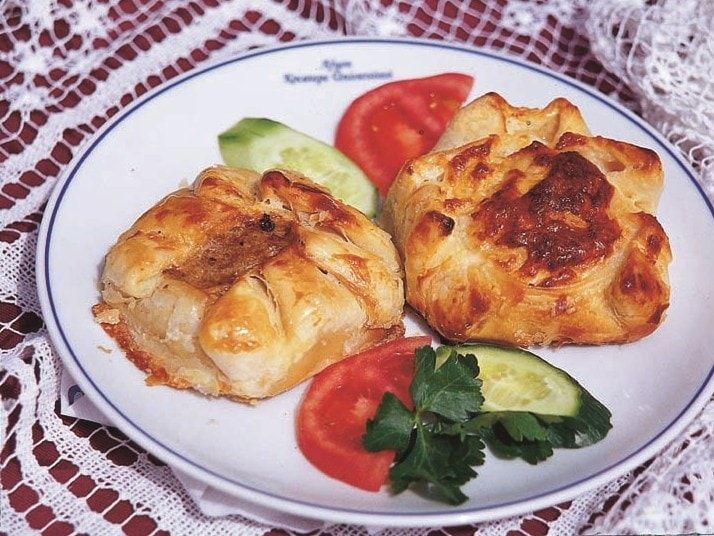
A meal in itself: Ağzı açık
Ağzı açık is one of the pastries, from Şanlıurfa as well as Afyon, that bring a smile, fill you up and make you happy. It is made with small differences from area to area.
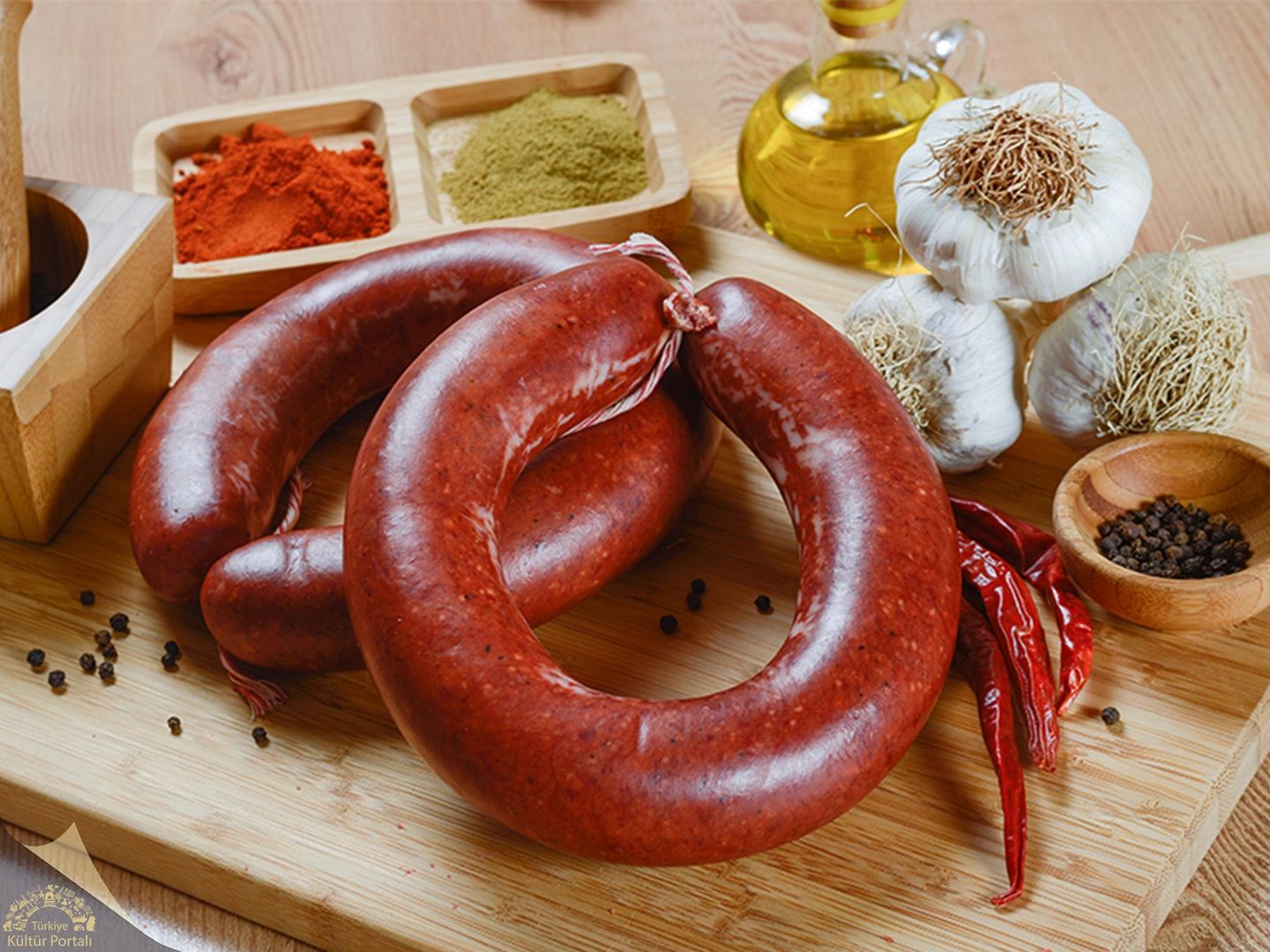
Our guest at Yemek.com: Afyon sucuğu
Sucuk has such an important place in Afyon that there is even a roadside stop with a chandelier made from 264 sucuk rings. As well as adding the “sucuk chandelier” to the design literature, it makes a serious contribution to promoting Afyon sucuk: every day thousands of people have their photo taken in front of it. When you think about how these photos spread on social media, you realise once again how much it adds to the promotion of Afyon sucuk and of the stop.
Located at kilometre 40 of the Afyonkarahisar–Ankara road, the stop, with its creative design, is also home to Türkiye's first sucuk chandelier.
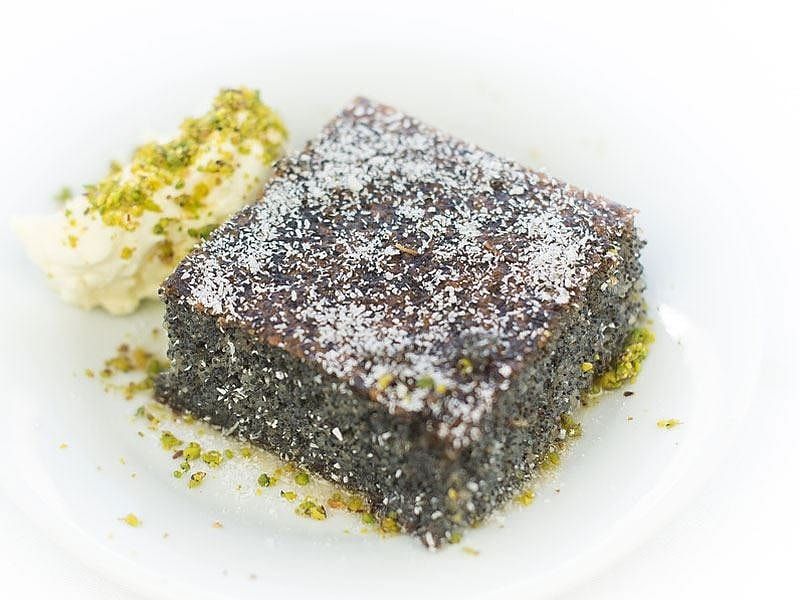
With kaymak, mind you: Düğülü haşhaş tatlısı
A dessert we eat every time we go to Afyon and go to great lengths to keep safe on the way home. You must taste it, if you find yourself in Afyon, of course. We hope you do.
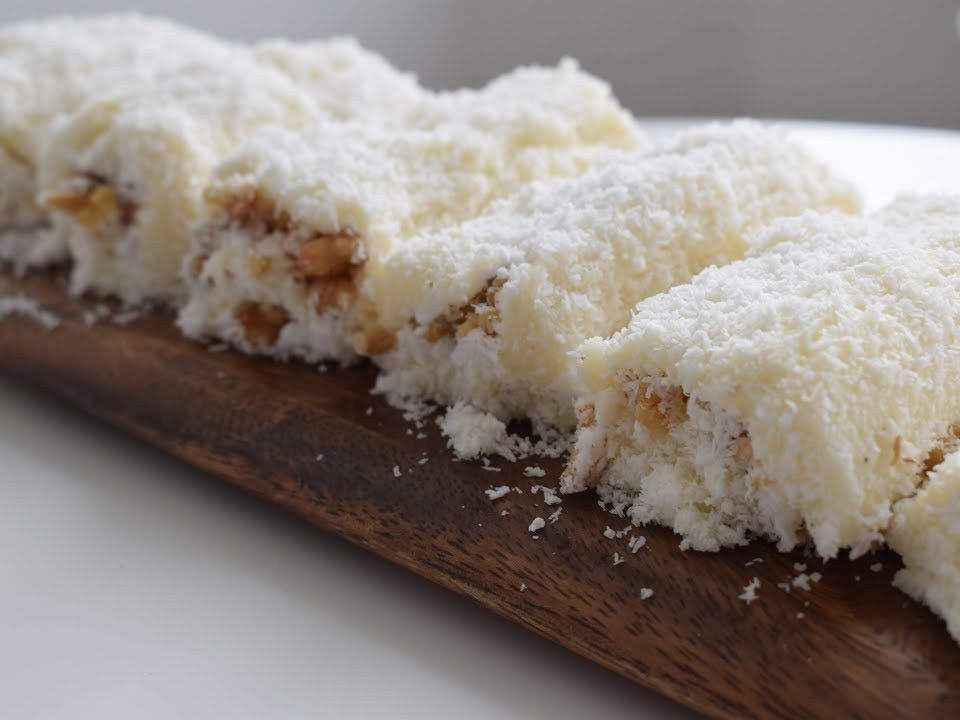
While we're at it: Afyon kaymağı tatlısı
This is very, very different from the kaymak (clotted cream) put on top of desserts, and much more delicious. It is light, smells wonderfully of milk and is soft as can be. You could eat plate after plate. If anyone reading this thinks they would make this dessert well, will you share a photo with us once you've made it?
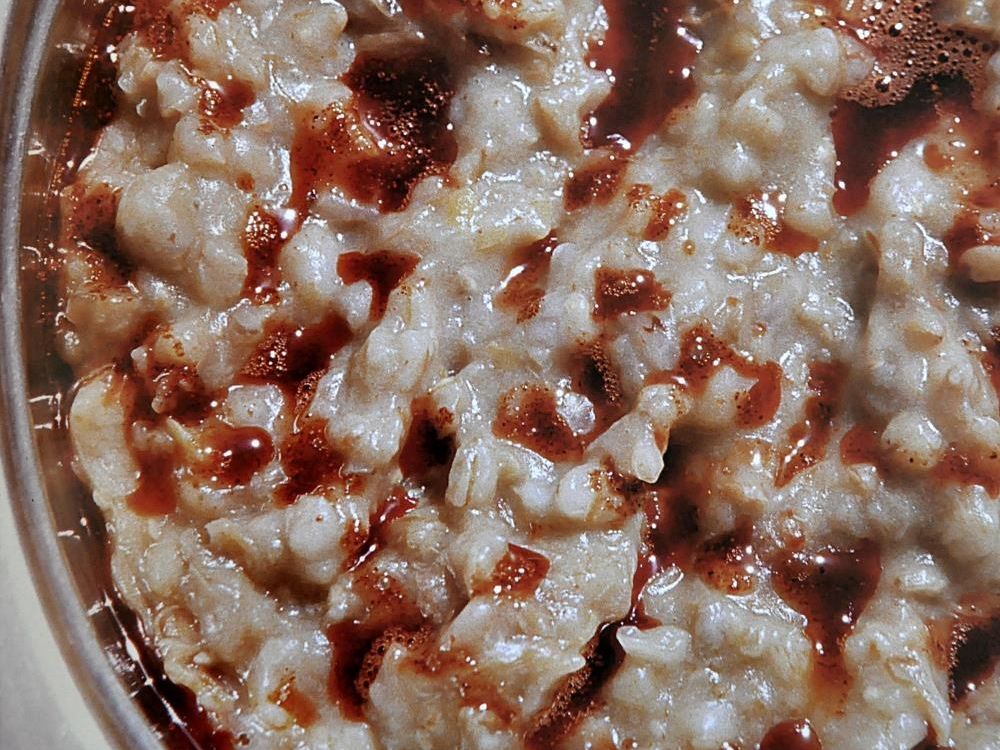
Every region's is good: Afyon keşkeği
In Afyonkarahisar, keşkek is slow-cooked with göce (husked wheat), chickpeas and meat on the bone. It is also served at wedding feasts.
Source: Kültür Portalı
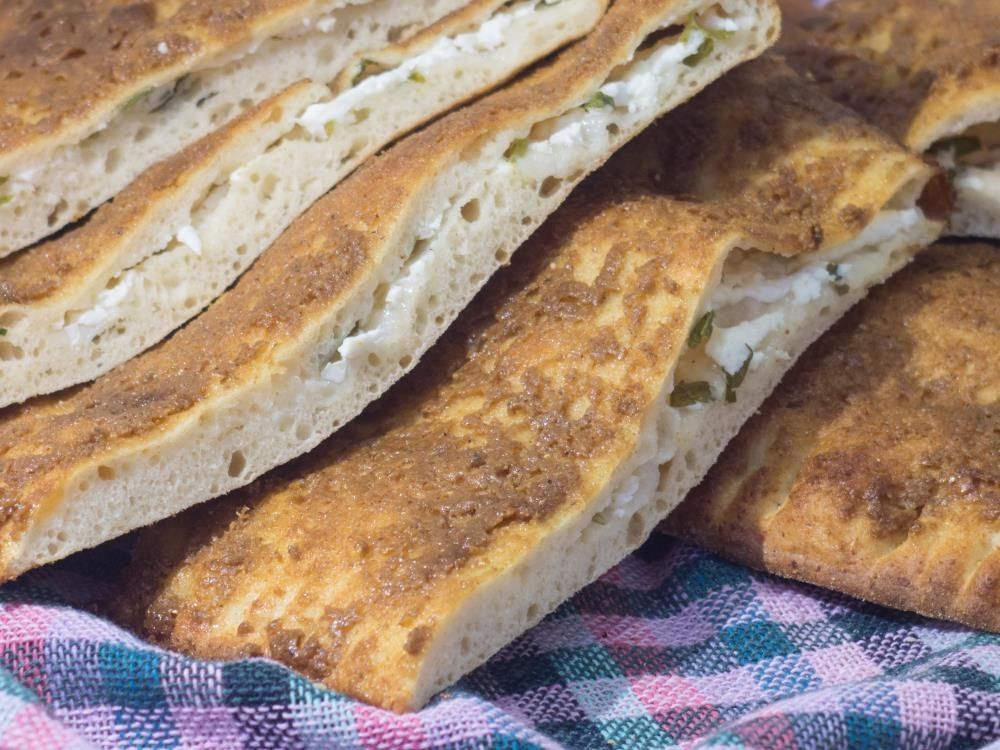
Afyonkarahisar-style şepit bükmesi
Some call it şepit: Şebit
One of the pastries made with şepit in Afyonkarahisar is şepit bükmesi. A filling of cheese or potato is placed on thinly rolled dough, which is folded closed and cooked on a griddle (sac).
Source: Kültür Portalı
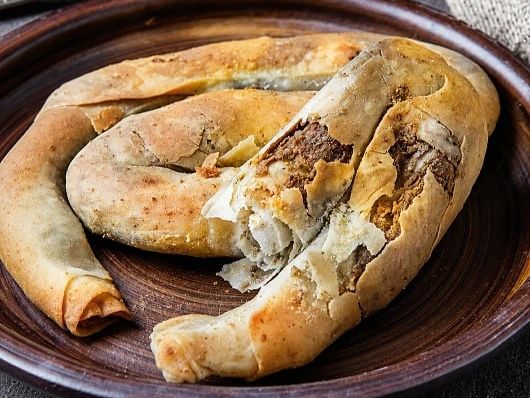
Better than Ramadan pide: Haşhaşlı pide
The people of Afyon, who make desserts with poppy seeds, have of course made pide with them too, and thank goodness they did. It is eaten warm and needs no cheese, tomato or olives inside. Tea is enough.
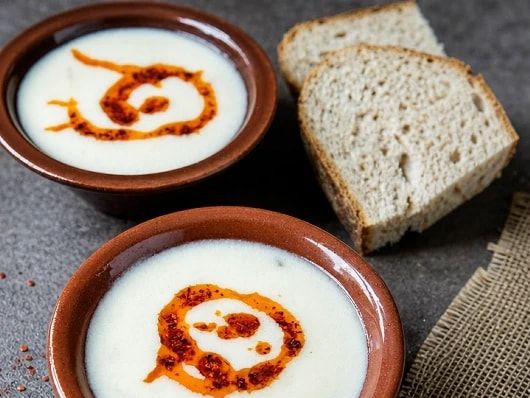
Trotter meat in the lead role: Paçık
A yoghurt soup made from trotter meat; it goes well with lemon and with vinegar too. Garlic is a must. It has as many detractors as fans, but its fans know it is wonderful!
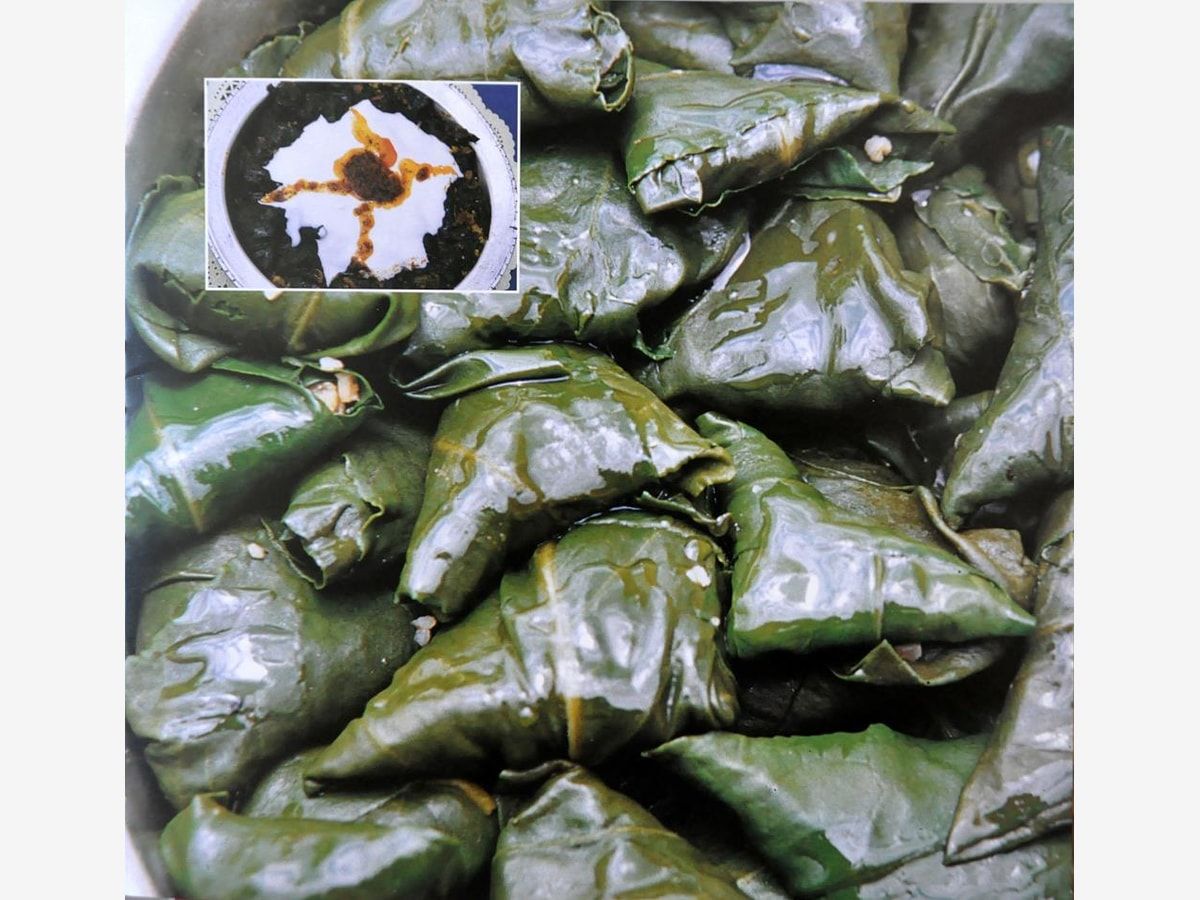
Special leaves, great taste: İlibada sarması
Stuffed leaves made with ilibada (dock) leaves. Stuffed leaves already have plenty of admirers, and when we find a version made with such tasty leaves, there's no stopping us.
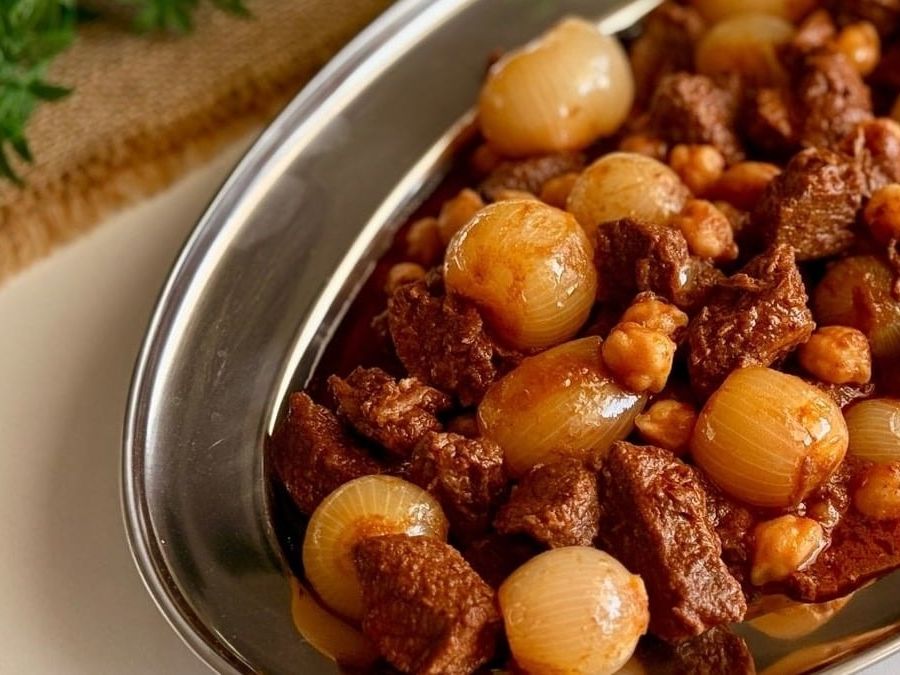
Onion at its tastiest: Zürbiye
Some call it onion stew, but in Afyon its name is zürbiye. That's that! It is a wonderful dish with plenty of beef and plenty of onions. If zürbiye is the main course, nobody even has soup first, because people eat so much of it.
Source: https://yemek.com/afyon-yemekleri/


Places to visit in Afyonkarahisar
Ömer Hot Springs, Afyon
These hot springs, 15 km from the provincial centre, are one of Afyon's important sources of healing water and contribute a great deal to the city's tourism. They are said to be good for many conditions, above all rheumatism, joint pain, infertility and bronchitis. The spring water contains iron, arsenic, sulphate, nitrate, chrome, copper, magnesium, lead, barium, fluoride, carbon dioxide and zinc. There are also many hotels in the area where you can stay.
Gedik Ahmet Pasha Madrasa, Afyon
Part of a külliye (complex), this madrasa was built in 1472. Built of cut stone on a rectangular plan and reflecting Ottoman architecture, it was designed by the architect Ayaz Ağa. It has 2 large domes, 24 small domes and student cells. Open to visitors since 1997, it is a madrasa you will want to see if you love historic buildings.
Kabe Mescidi, Afyon
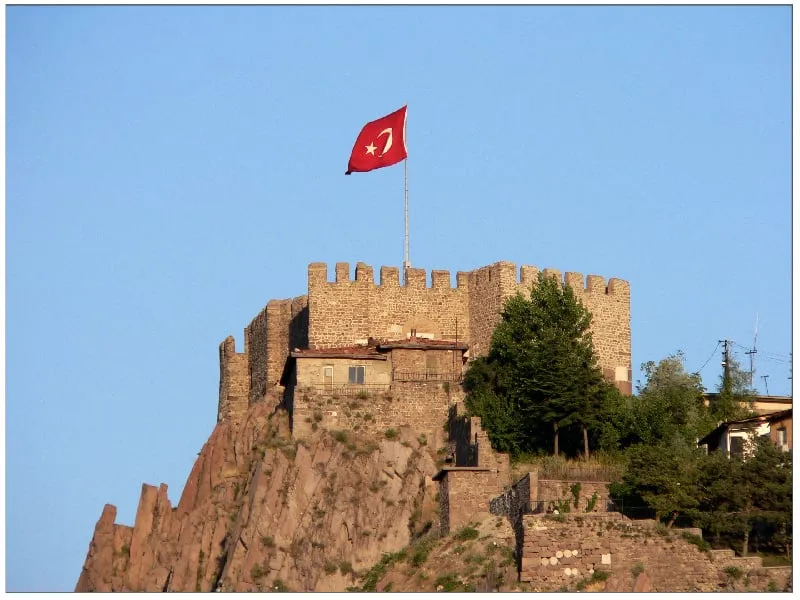
This small mosque, just below Karahisar Castle, is not well known. It is one of the city's important historic buildings and takes its name from being built to the dimensions of the Kaaba. It was built in 1397 and has a small dome.
Karacamal Cave, Afyon
Sadly it is little known because it has not been well promoted. It is in the Kocadere area and has many bats. The cave has a wide entrance and splits into several branches inside. It has 5 sections in total; in spring the water level rises and it becomes hard to enter the last section.
Çay Caravanserai, Afyon
A covered caravanserai, it is one of the historic buildings that best reflect the Seljuk period. Its other name is Taşhan, and it is in Afyon's Çay district. Its open section has been damaged, but the covered section is still sound. Built in 1278, this caravanserai should be on your list.
Memeç Rock Church, Afyon
The church in the İhsaniye district is one of the oldest buildings in the province. It is above Lake Emre and easy to reach. It was built on a steep rock, and sadly its front section has been completely destroyed.
Amorium ancient city, Afyon
This ancient city in the Emirdağ district, home to many civilisations, is 13 km from the district centre. The first excavations here were carried out by the University of Oxford in 1988. It experienced its most brilliant periods under both Rome and Byzantium. In the Roman period it even struck its own coins, and in the Byzantine period it became a central place. In later years Seljuk and Ottoman traces were also left on the area.
Sarıçayır rock tombs, Afyon
These rock tombs in the İscehisar district most probably date from the Byzantine period. There are both family and single tombs carved into the rock, with reliefs and decoration on them.
Döğer archaeological site, İhsaniye, Afyon
This site in the İhsaniye district has been used as a place of settlement since the Phrygian period. There are also burial chambers and churches thought to date from the Roman and Byzantine periods. The Kapıkaya 1, Kapıkaya 2 and Aslankaya temples are in this area, scattered about.
Apameia ancient city, Afyon
This ancient city, sadly neglected and unpromoted, is in fact a candidate to become an important tourist site. It is considered the most important ancient city after Ephesus. Many coins were found here and are now displayed in Afyon Museum. With a stadium and an ancient theatre, the city was known by the name Kelainai in the Roman period.
Dokimeion ancient city, Afyon
Like Apameia, this little-known place has no known founding date, but some say it was founded by the Macedonians. Coins were struck here in the names of Roman emperors.
Gazlıgöl Hot Springs, Afyon
As we said before, the city of Afyon is rich in hot springs, in other words healing waters. Many tourists come to the city to find healing. The mineral water of these springs, in the İhsaniye district and just 25 km from the provincial centre, is the source of Kızılay Mineral Water. So if you come here, you will be bathing in Kızılay mineral water. These springs even have a legend, and there are hotels offering thermal treatment.
Great Mosque (Ulu Camii), Afyon
It is the city's largest place of worship. It has impressive architecture with distinctive features that set it apart from other mosques. Because it has 40 wooden columns inside, it is also called the 40-Column Mosque. Construction began in 1272 and was completed in 1277. It was built by Sahipata Nusreddin Hasan and was repaired in 1341.
Sandıklı Castle (Sandıklı Hisar Castle), Afyon
This castle, standing on a mound of heaped earth, was designed by the architect Çoban. Built in 1325 by the Germiyanid sultan Çelebi Hüsameddin Yakub bin Umur Bey, sadly only its walls are still sound. If serious restoration is not carried out soon, this historic building will disappear.
Yedikapılar Monastery, Afyon
This monastery in the Bolvadin district is one of the province's important historic sites. It was built on a steep rock and is quite easy to reach. Its construction date is unknown, but it is thought to have been built between the 8th and 10th centuries.
Mısri Mosque, Afyon
This mosque, with its impressive architecture, was built by Kasım Pasha in 1593, so its other name is the Kasım Pasha Mosque. Evliya Çelebi, however, called it the Abdürrahman Efendi Mosque in his Book of Travels. There is a tomb next to the mosque.
Lake Eber, Afyon
This natural beauty is home to ruddy shelducks, great bitterns, pygmy cormorants and Dalmatian pelicans. The 12th largest lake in our country, it is visited mostly by hunters. It has been a first-degree natural protected site since 1992.
Other places to see in Afyonkarahisar
- Ayazini Church, Afyon
- Afyon Archaeology Museum
- Phrygian Valley, Afyon
- Republic Martyrs' Monument, Afyon
- Karahisar Castle, Afyon
- Anıtkaya Martyrs' Cemetery, Afyon
- Göynüş Valley open-air temple, Afyon
- Bolvadin Museum, Afyon
- Victory Museum (Zafer Müzesi), Afyon
- Hüdai Hot Springs, Sandıklı, Afyon
- Kurtini Cave, Afyon
- Ice Cave (Buzluk Mağarası), Afyon
- Eğerli Rock Church, Afyon
- Avdalas Castle, Afyon
- İmaret Mosque, Afyon
- Ot Pazarı Mosque, Afyon
- Commander-in-Chief (Başkomutanlık) National Park, Afyon
- Afyonkarahisar Museum
- Synnada ancient city, Afyon
Culture and arts in Afyonkarahisar
Afyonkarahisar is very rich in literature. Many folk poets, or ozans, have come from Afyonkarahisar from the past to the present. As a result there are many poems, lullabies, manis (folk quatrains) and laments particular to Afyonkarahisar.
Folk poets (ozans) of Afyonkarahisar
- Harabi
- Turabi
- Hicazi
- Salih Dehşeti
- Aşık Zülali
- Kalaycıklı Hakkı
- Figri
- Yoksul Derviş (Şemsettin Kubat)
- Aslı Bacı (Münevver Tolun)
- Fakı Eder
Epics of Afyonkarahisar
Epics are given special importance in Afyonkarahisar. Many epics are told about events in Afyon and its history, for example about Afyonkarahisar Castle, its historic buildings and natural disasters it has suffered. The most famous epic told in Afyonkarahisar is the fire epic told by Çizmeci Zade.
Legends of Afyonkarahisar
Afyonkarahisar, a province whose legends never run out, has many. Most have not been collected; those that have include:
- The legend of Hüdai (or Hüzai)
- The legend of Kadınana
- The legend of Karakuyu
- The legend of the Erenler (saints)
- The legend of Şahitler Kayası (Witnesses' Rock)
Folk tales of Afyonkarahisar
The folk tales told across our country differ in small details from area to area. As with legends, most have not been collected. But the most famous tales told in Afyonkarahisar, known around the world, are the tales of Dede Korkut.
Poetry in Afyonkarahisar
The themes taken up by Afyonkarahisar's poets are above all love and affection, as well as nature, the homeland, heroism and victories. The local dialect is a striking feature of the poems.
Folk songs of Afyonkarahisar
Afyonkarahisar, one of our provinces most famous for its folk songs, has more than can be counted. Folk songs have a special place here, and they have spread beyond Afyonkarahisar's borders to be sung all over the country. Some of them are:
- Karahisar Kalesi
- Al Fadimem
- Allı Gelin
- Taş Başını Yol Eder
- Dam Başına Asagoymuş Galbırı
- Hatçem Çıkmış Gül Dalına
- Çemberim Dalda Kaldı
- Su Gelir Güldür Güldür
Laments in Afyonkarahisar
Laments (ağıt), one of Anatolia's best-known traditions, are kept alive in Afyonkarahisar too, and are especially common among the Turkmens of Emirdağ. These laments tell sincerely of the hardships and troubles the people have lived through.
History of Afyonkarahisar
As far as is known, the lands of Afyonkarahisar were first under Hittite rule, then passed in turn to Phrygia and Lydia. Afyonkarahisar came under Persian rule in the 6th century BC and was then conquered by Alexander the Great. After his death the lands came under the Seleucid and Pergamene kingdoms and were later added to the Roman Empire. After Alparslan's Battle of Manzikert, with the Turkish conquest of Anatolia, Karaşar Turks settled at the foot of Akroinon Castle on the orders of Sultan Mesud I, and the castle was later named Karahisar (Black Fortress).
Karahisar and its surroundings were known as “Karahisar-ı Sahip” because of the title “Sahip” of the Seljuk vizier Sahip Ata Fahrettin Ali. Karahisar-ı Sahip means “the Vizier's Karahisar”. The lands, which first came under Turkish rule with the conquest of Kutalmışoğlu Süleyman Şah, were brought back under Turkish rule by Alaeddin Keykubad after a period of Christian rule during the First Crusade. Ruled by the Germiyanids in the 12th century, the area later came under the Ottoman Empire.
The Western Anatolian dialect is spoken in Afyon.
Getting to Afyonkarahisar
Afyonkarahisar is a natural crossroads in Anatolia, linking north to south and west to east. There are coach services to Afyonkarahisar not only from big cities but from all over Türkiye. If you are driving, from Istanbul follow the Bilecik, Eskişehir, Kütahya route; from Ankara go via Polatlı and Sivrihisar; and from İzmir go via Uşak.
Distances from Afyonkarahisar to some centres:
* Istanbul–Afyonkarahisar: 461 km
* İzmir–Afyonkarahisar: 328 km
* Ankara–Afyonkarahisar: 257 km
* Bursa–Afyonkarahisar: 289 km
* Zonguldak–Afyonkarahisar: 525 km
* Rize–Afyonkarahisar: 1,116 km
Districts of Afyonkarahisar
The districts of Afyon province are Başmakçı, Bayat, Bolvadin, Çay, Çobanlar, Dazkırı, Dinar, Emirdağ, Evciler, Hocalar, İhsaniye, İscehisar, Kızılören, Sandıklı, Sincanlı, Sultandağı and Şuhut.
Başmakçı
At the far southern tip of the province, 129 km from the provincial centre, the district rests against the Söğüt Mountains. It is famous for Isparta, Kula, Ladik and Hereke-type carpet weaving, rose growing, its bird sanctuary and Lake Acı.
Bayat
On the Afyon–Ankara road, 46 km from the provincial centre. The Bayat district has the Byzantine-era settlements of Kurtini, İnpazarcık, Asarkale, Elicek and Yanıkin. Root-dyed Bayat kilims have become famous enough to receive orders from America, Japan and many European countries.
Bolvadin
The district lies 13 km off the Afyon–Konya road, 61 km from the provincial centre, on the ancient Royal Road, on the shore of Lake Eber. Lake Eber has made its name abroad with its reed beds, floating islets and fishing. The district's other attractions are the Heybeli hot springs, Horan Park, the Kırkgöz Bridge, Yanık Kışla, the Lala Sinan Pasha Mosque, the Alaca Mosque and fountain, the Çarşı Mosque, the Hacı Ahmet Mosque, the Kırklar Mosque, the Kara Çeşme, the Ak Çeşme, the Hacı Ahmet fountain, the underground city at Kemerkaya, the fairy chimneys in the Minarelik stream valley, the old Afyon houses in the centre and İnsuyu Cave.
Çay
On the Afyon–Konya road, 48 km from the provincial centre. Although the district's history goes back a long way, few historic monuments survive. Its natural beauties include Lakes Eber and Karamık, where people fish and hunt various birds. Çağlayan Park and waterfall and the Kanlı Yer poplar grove are popular picnic spots. The Seljuk Taş Mosque and caravanserai are its important historic monuments.
Çobanlar
The area's history is known to be as old as the mounds beside the Akarçay and to go back to the Early Bronze Age. The ancient city of Anabura was founded at today's village of Kocaöz (Feleli). The statue of Artemis in the Afyon Archaeology Museum was found here.
Dazkırı
On the Afyon–Denizli road, 140 km from the provincial centre. Our district became a district in 1959. It has become world-famous for its root-dyed carpet weaving and carpet shops.
Dinar
On the Afyon–Antalya road, 106 km from the provincial centre, between the Mediterranean and Aegean regions. The first music contest in history, between Marsyas and the god Apollo, took place in Dinar. The district's main sights are the Danteon (temple of the gods), the temple of Artemis-Anaitis, the ancient theatre, the agora (market place), the ancient stadium, Suçıkan Park, Pınarbaşı, the Karakuyu bird sanctuary, the Norgaz picnic area and the Cerit and Zenderi summer pastures.
Emirdağ
One of the oldest districts, founded 70 km north-east of Afyon, settlement in the Emirdağ area goes back to 1437 BC. The Emirbaba, Gölcük and Çiçekli pastures, Balcam Cave, the Amorium site and the Pınarbaşı spring that feeds the Sakarya River are places to see.
Evciler
Pieces found in the surrounding mounds show that its history goes back to the Lydians. The district has two mounds, known as Koca Höyük and Küçük Höyük, and two ruin sites called Öküzviran and Kocaviran.
Hocalar
Anatolia has been the cradle of many civilisations since ancient times. A bronze Hittite statue found in the Ahır Mountains suggests that the area has been an important settlement since very early times.
İhsaniye
35 km north of Afyon. Among its attractions are the Gazlıgöl hot springs and drinking springs, Phrygian rock monuments, Roman and Byzantine rock settlements, burial chambers, fairy chimneys and summer pastures. The settlements of Ayazin and Kayıhan and the historic remains of Kapıkayalar, Aslantaş, Maltaş and Yılantaş belong to the Phrygian period. Adorned with natural rock formations and fairy chimneys, the area is known as the Phrygian region. The mineral water from the Gazlıgöl springs is world-famous.
İscehisar
On the Afyon–Ankara road, 23 km from the provincial centre. It became a district in 1987. Built on rich marble deposits, the district has developed through farming, livestock and the marble industry.
Kızılören
In this district, 3 km off the Afyon–Antalya road and 87 km from the provincial centre, the sights worth seeing are the Great Mosque, the protected plane tree and the historic houses in the town centre.
Sandıklı
Sixty km from the provincial centre, it is one of the important settlements on the Antalya–Denizli road and the İzmir–Ankara–Istanbul railway. The district is famous for its hot springs and its leblebi (roasted chickpeas). The Hüdai hot springs in the district serve domestic and international tourism.
Sincanlı
On the Afyon–Uşak–İzmir road, 33 km from the provincial centre, the district was founded at the junction of ancient roads that bear its name, whose traces can still be seen. Places to see include the forest picnic area of Tazlar village, the Commander-in-Chief National Park, the Great Offensive Martyrs' Cemetery, the Colonel Reşat Monument at Çiğiltepe, the Yıldırım Kemal Martyrs' Cemetery, the Sinanpaşa and Kureşbaba (Boyalı) complexes, Otuziki İnler, and the Kırka and Serban ponds.
Sultandağı
Founded at the foot of the Sultan Mountains at kilometre 68 of the Afyon–Konya road. Up to the Byzantine and Seljuk periods it was a stopping point between west and east, and it gained commercial importance as the Anatolia–Baghdad Silk Road passed through it. The main places to see are the Akşehir lakes; picnic spots such as Taşköprü, Çiğdem Düzü and Asmalı; the Sahipata caravanserai and hamam; the Laleli fountain; the Ice Cave; the Dort stream and the monastery. The Balaban, Dumra, Küçük Kirazlı and Büyük Kirazlı pastures, covered with hazel forests, are well suited to highland tourism.
Şuhut
At the far east of the Inner Aegean region, Şuhut is 29 km from the provincial centre. The district's history is thought to go back to the Neolithic, with Şuhut Hisar, Karaadilli and Kepirtepe Höyük thought to contain finds from that age. Hisar Tepesi (Synnada Höyük), the Bininler rock tombs and Asmakaya Castle are old settlement sites, and the Kayabelen pond and the Selevir dam lake are picnic and recreation spots.
Economy of Afyonkarahisar
Afyon's basic industrial products are marble and food. Afyon's industry is one of the world's leading producers of marble and travertine.
It is extremely well developed in meat, chicken and egg production and sets the tone for Türkiye's meat and egg exchanges.

Within Türkiye, these are the products and things that come to mind when people think of Afyon:
The National Struggle: the land where the Republic was won; Afyonkarahisar, the key to Anatolia. It was the scene of very important battles in the War of Independence (Kocatepe, Dumlupınar); the Greek forces were defeated here and driven all the way to İzmir and into the sea. Today the Victory (Utku) Monument in the Monument Park symbolises this.
Thermal springs: it is Türkiye's thermal capital and the province with the most thermal bed capacity. It has the most five-star hotels per head of population in Türkiye. The main centres are Gazlıgöl, Ömer, Gecek, Hüdai, Heybeli, Anemon, İkbal, Korel and Oruçoğlu.
Marble: the finest white marble in the world comes from the İscehisar district. It was used in many places in Antiquity, for example the ancient theatre at Ephesus. Today it decorates the homes of many Turkish and foreign celebrities, and it has been laid in the White House in America.
Poppy (haşhaş): as its name suggests, it is the homeland of the opium poppy. Türkiye's only alkaloid (morphine) factory is in the Bolvadin district.
Kaymak: the best kaymak is made from water-buffalo milk. Today, however, that is hard to find and it is made from cow's milk.
Sucuk: Afyon sucuk tastes different from Kayseri sucuk. It has 4–5 national brands across Türkiye.
Sucuk döner: a type of döner made from tasty sucuk, particular to Afyonkarahisar cuisine.
Lokum: Afyon's Turkish delight comes in kinds to suit every taste; the kaymak-filled lokum is especially popular.
Afyon home-made bread: this famous home-style bread, made with added mashed potato, is much loved for keeping for a week and is more nutritious than ordinary bread.
Eggs: it is Türkiye's egg exchange, with production of 40,000,000 a month. Meat: Türkiye's meat exchange; it supplies 60% of Istanbul's meat.
Ekmek kadayıfı: a dessert originating in Afyon and enjoyed all over Türkiye, preferably with kaymak. There are many varieties of ekmek kadayıfı, including with sour cherries and with walnuts.
Wool: the world's wool exchange is in the Bolvadin district.
Sandıklı and Şuhut potatoes: a kind of sweet-tasting potato grown in limited quantities in the Sandıklı and Şuhut area, a prized variety sought after all over Türkiye.
Napoleon cherries: grown in the Sultandağı district and the town of Erkmen and exported. It is the most nutritious cherry in Türkiye and is registered.
Kızılay Mineral Water: it comes from the İhsaniye district. It is the best mineral water in the world and has won international awards many times (1934 Paris fair); the plant is the most modern bottling plant in the world, filling 100,000 bottles a minute. It is exported plain and fruit-flavoured to every corner of the world. In the Ottoman period, the sultans had it brought from Afyonkarahisar to Istanbul.
Barley: Türkiye's finest barley is grown here, which is why Efes Pilsen set up its brewery here years ago.
Wheat: it is one of Türkiye's most important wheat-producing centres, leading after Konya and Ankara. Bayat root-dyed kilims: world-famous and woven in the Bayat district.


Comments
Loading comments…