
Denizli
- Aegean Region
About Denizli
Denizli, a city with a very old historical heritage, lies in the Aegean Region and has a population of 987,000. Invaded again and again since prehistoric times, the city was founded in the 3rd century BC by the Hellenistic king Antiochus II. Ruled by various Turkish beyliks, Denizli passed to the Seljuks and joined Ottoman lands years later. After Antiochus II named the city Laodikeia, its name changed often, and it was known as Tunguzlu, the origin of its present name.
Denizli's famous dishes and desserts
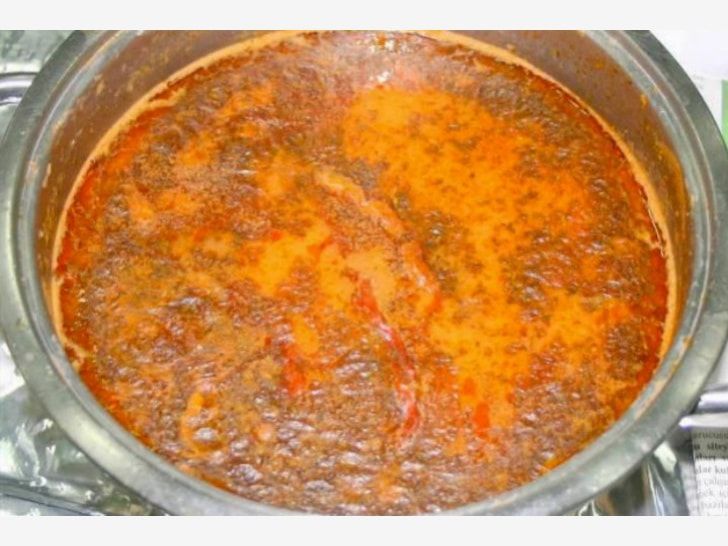
Denizli-style tarhana soup
In Denizli black-eyed beans are also added to tarhana soup.
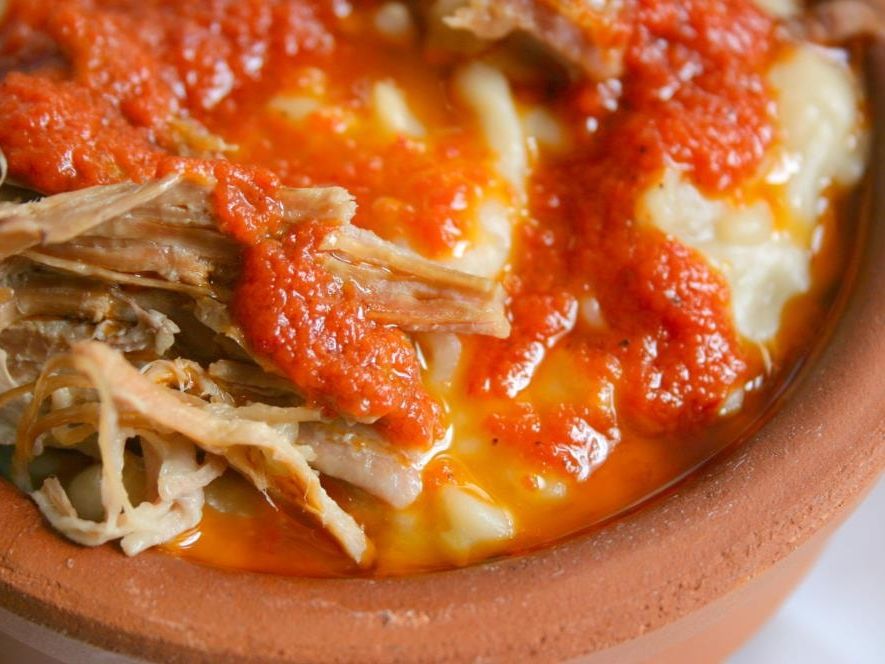
Keşkek
Hulled wheat, chickpeas and pieces of meat go into the oven in the same earthenware pot in the evening and cook until morning; then they are pounded with a wooden spoon.
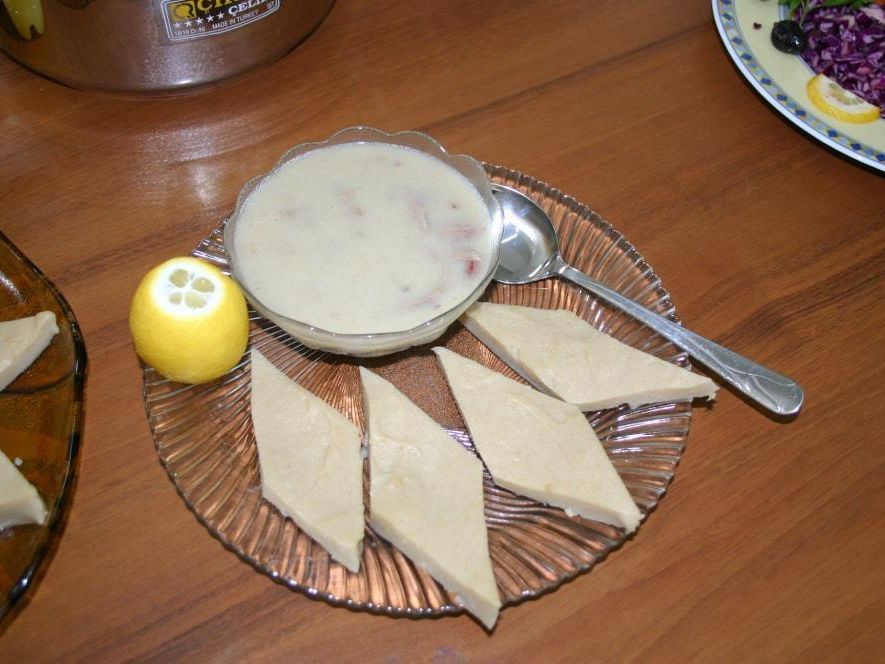
Arabaşı
In Denizli arabaşı is traditionally made with hare. A soup made with the meat stock comes to the table together with a dough cooked separately.
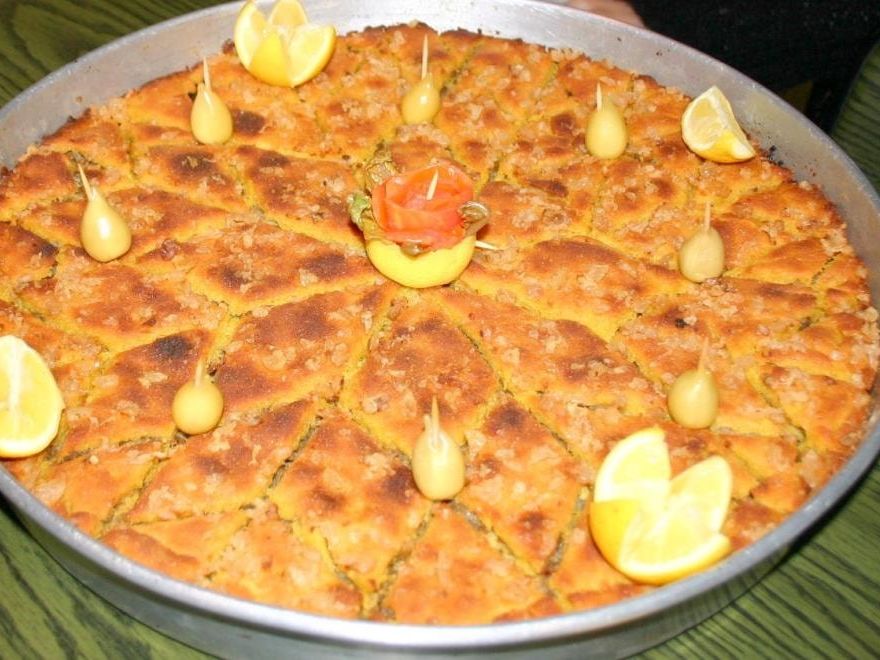
Yen böreği
A börek with a filling of minced meat, onion, black pepper and cumin, eaten as a main course.
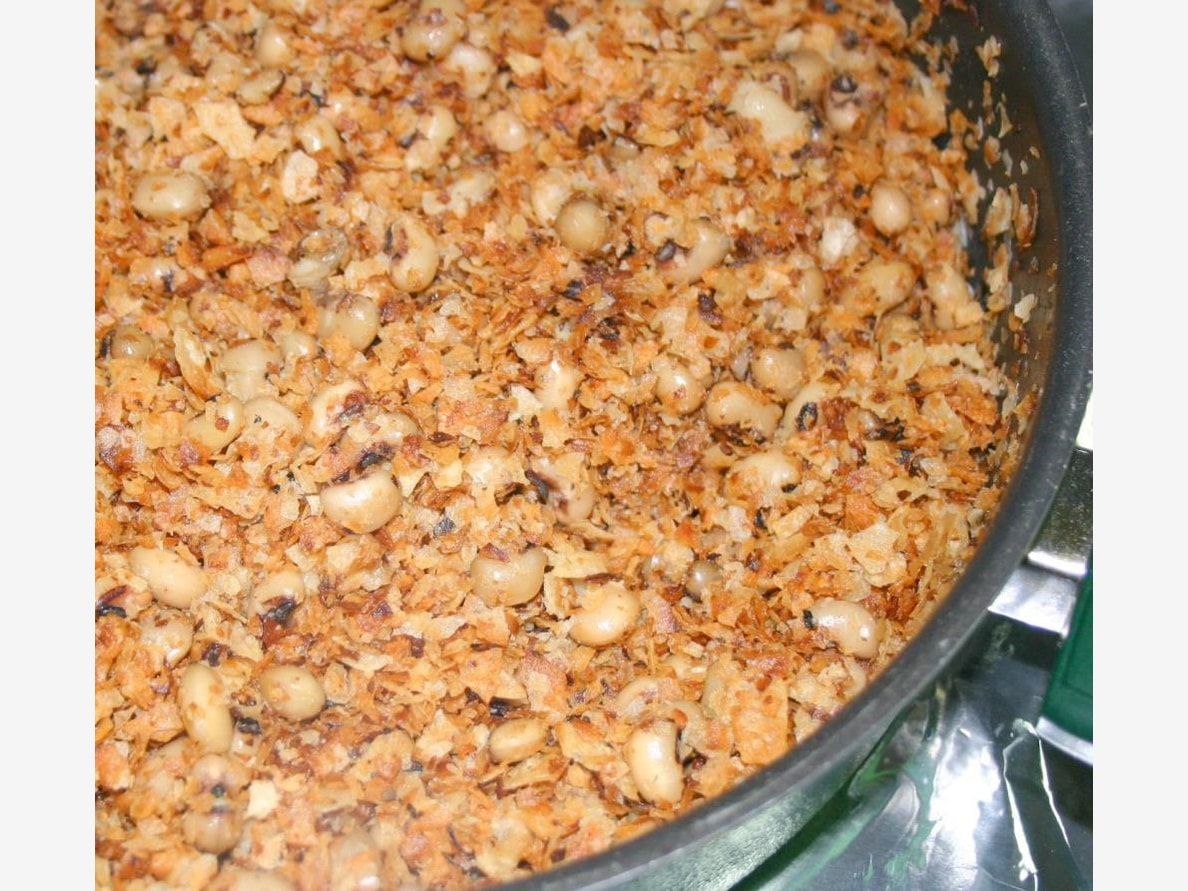
Börülce böreği (black-eyed bean börek)
A börek made with crumbled dry yufka and boiled black-eyed beans.
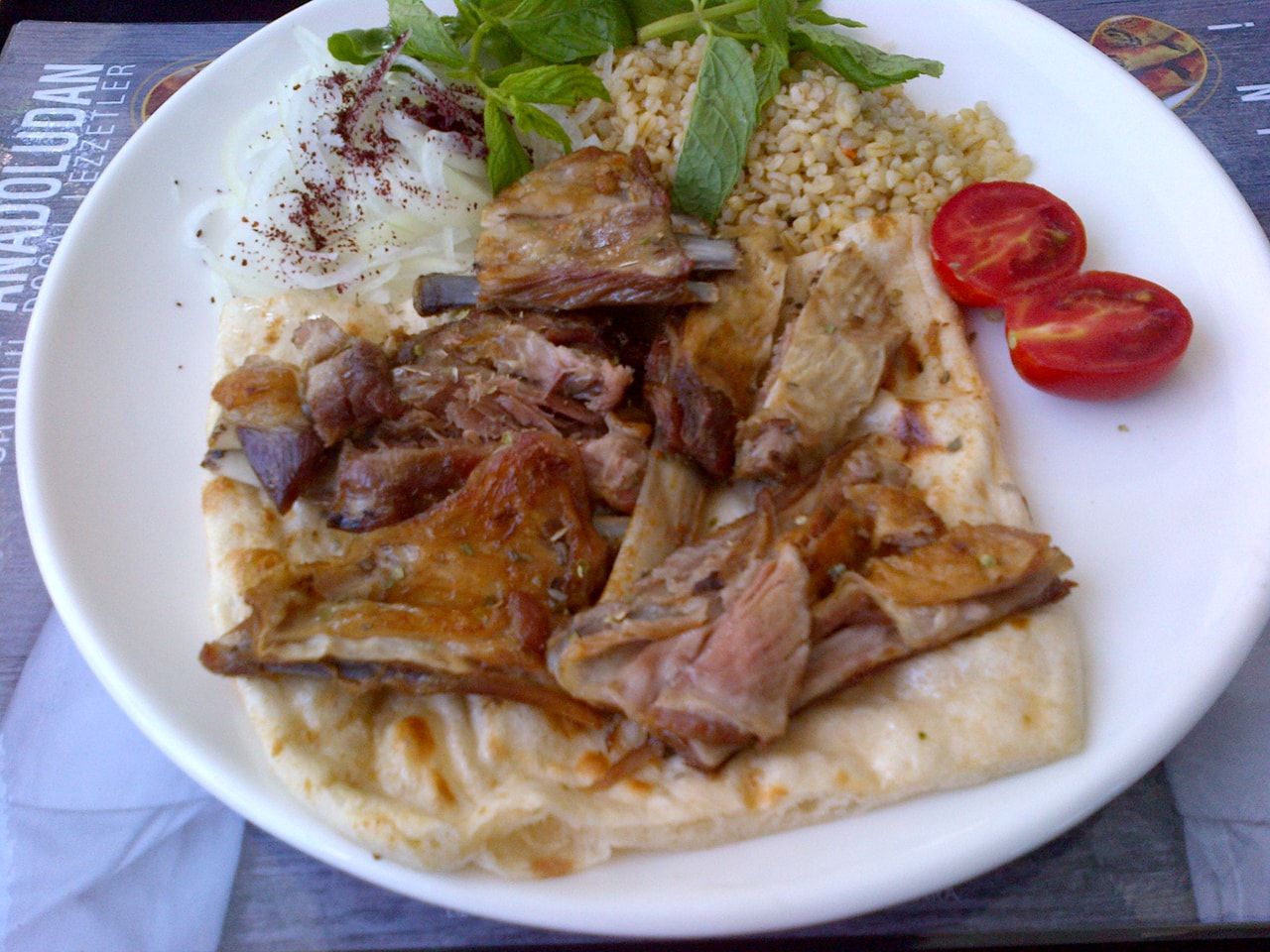
Kuyu kebabı (kuyu tandırı)
A kebab cooked in a pit about one and a half metres deep, heated with resinous kindling and wood.
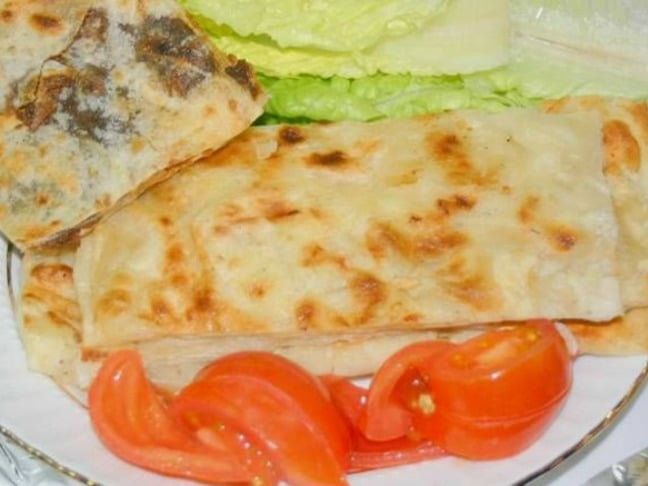
Denizli-style katmer
A katmer made with few ingredients: flour, and cheese, onion or sesame.
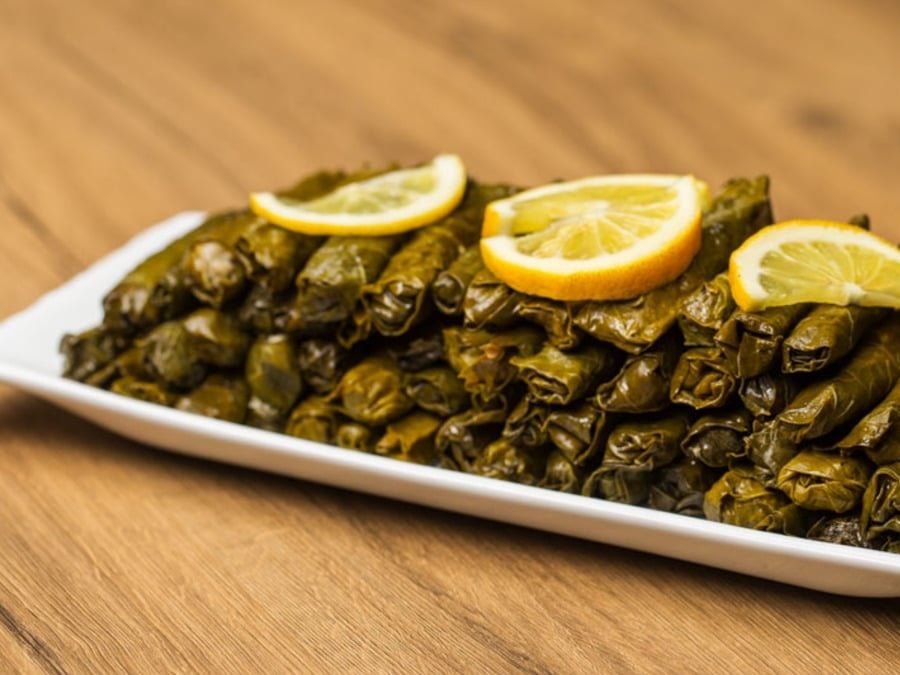
Denizli-style yaprak sarma
Vine leaves wrapped round a rice filling, known for its local variations.
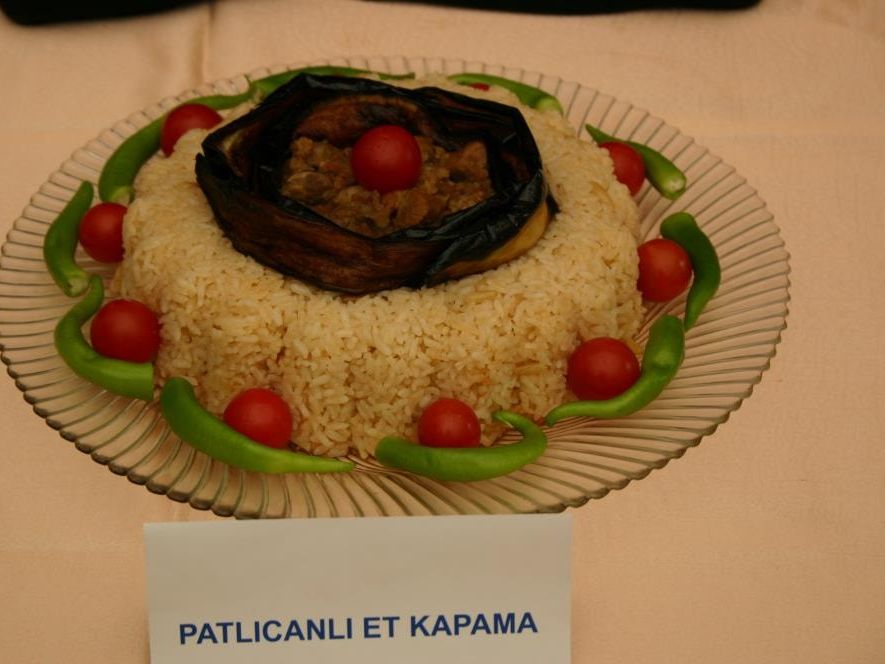
Patlıcanlı kapama (aubergine kapama)
Aubergines are sliced lengthways and fried, then layered in a pot with meat, green peppers and tomatoes and cooked.
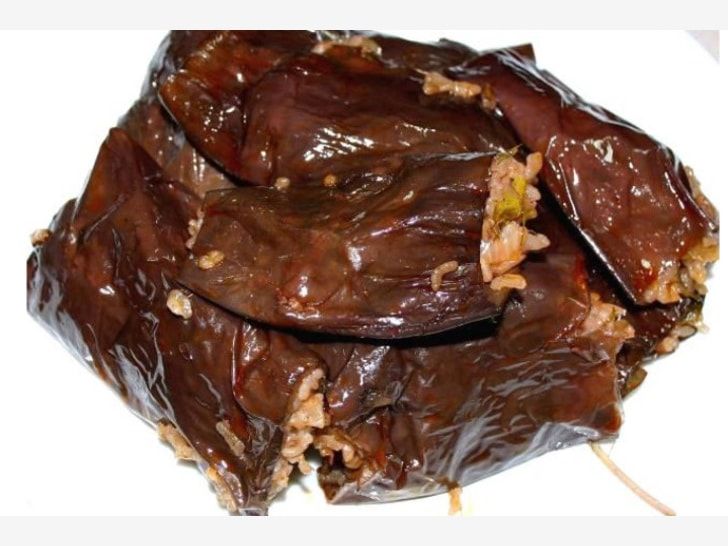
Çiğ dolma
A dolma made by filling boiled dried aubergines with an uncooked stuffing.
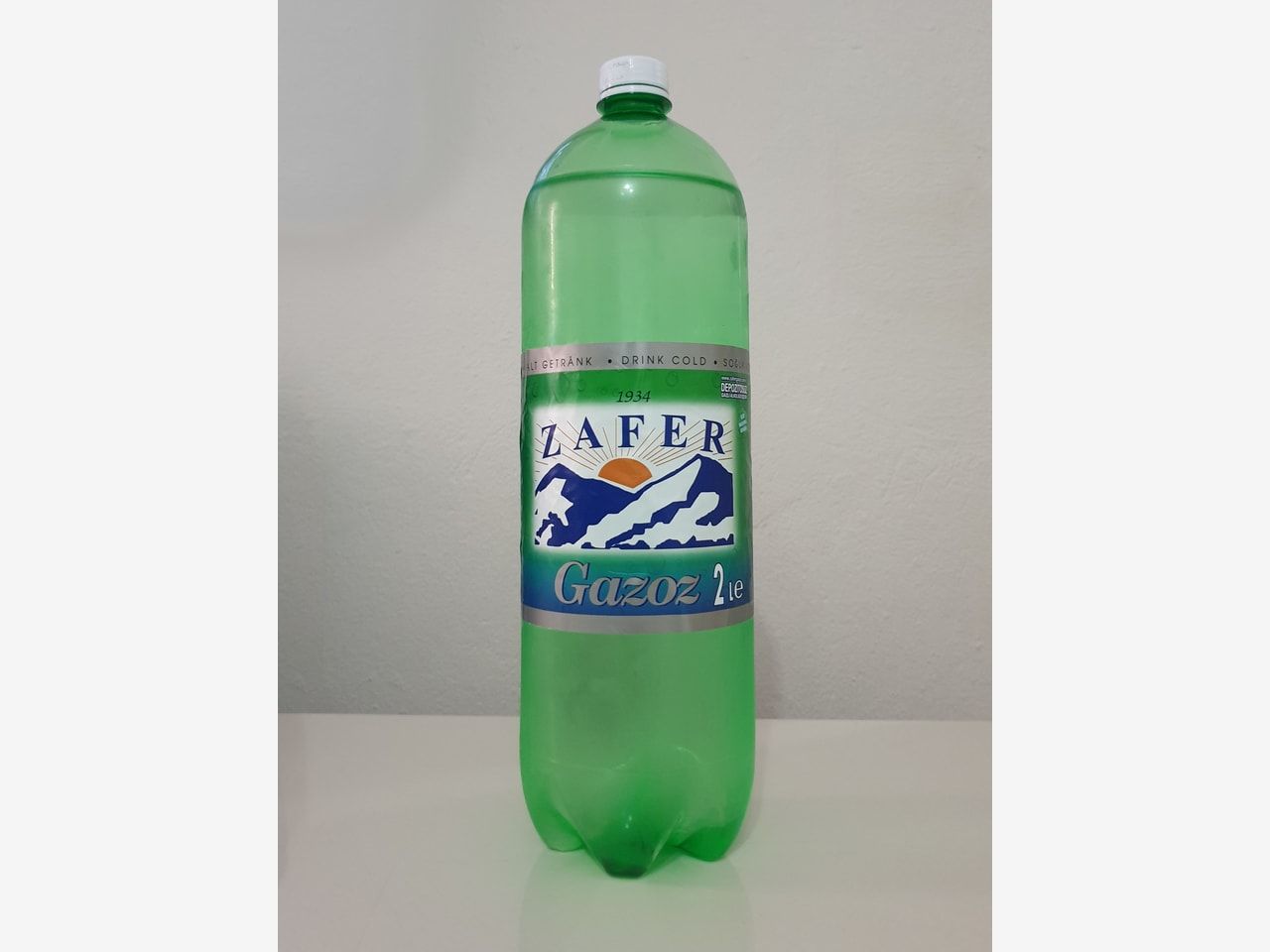
Zafer Gazoz
A local fizzy drink known to have been made in Denizli since 1934.


Places to visit in Denizli
Pamukkale travertines, Denizli

As the name suggests, these travertines in Denizli's Pamukkale district are one of the major tourist spots, with visitors from all over the world. These incredibly beautiful travertines have become a symbol of both Denizli and the country. The Pamukkale travertines are on the UNESCO World Heritage List. If you go to Denizli, never leave without stopping here.
Bayramyeri Square, Denizli
This square is one of the busiest parts of the city. It is surrounded by shops, cafés and restaurants, but there are also benches where you can sit. The square also has a statue of Müftü Ahmet Hulusi Efendi. Müftü Ahmet Hulusi Efendi is the man who lit the torch of the War of Independence.
Denizli UFO Museum
The UFO Museum, opened in Istanbul in 2002, moved here in 2005. This museum in the city centre is the world's 4th international UFO museum. The other UFO museums are in Japan, the USA and England. It is also the first international UFO museum in Europe, the Middle East and the Balkans. As its name suggests, the museum tells of historical events related to UFOs.
Honaz Dağı National Park, Denizli
This national park in Honaz district is rich in plant life and is the highest point in the Aegean. Because of this, botanists in particular visit it often. The park has nearly 1,000 plant species. There are also wild animals such as foxes and wild boar. If you want to be close to nature, be sure to stop here.
İncilipınar Park, Denizli
Opened to the public after work by the municipality, this park covers 174,000 square metres. Inside the park there are 1 large pond, 3 small ponds, a running track, places to rest and children's playgrounds. It is one of Denizli's most popular places to relax.
Tripolis ancient city, Denizli
This ancient city with an important history is thought to have been founded in the Lydian period, but there are no remains from that period. The historic buildings you will see here are a bath, a civic building, a castle, walls and various remains. Despite many earthquakes and wars in its history, it still survives.
Tabae ancient city, Denizli
This ancient city, where excavation work goes on continuously, is in Kale district. The area was continuously used as a settlement after the Hellenistic period. In antiquity it even had gold coins struck in its own name.
Karahayıt hot springs, Denizli
This is in fact a continuation of the thermal springs in Pamukkale district. The minerals in the water are similar to those of the Pamukkale springs. The water temperature ranges between 420 and 560 degrees Celsius. It is said to be good for many complaints, such as of the digestive system, stomach, intestines, liver and bile ducts. It is also used as drinking water. How miraculous this spring is has been certified by Ege University. It is a must on any Denizli trip.
Ağlayan Kaya (Weeping Rock) Waterfall, Denizli
This waterfall, also called Sakızcılar Waterfall, is easy to reach. With its enchanting view, you can escape the noise of the city and relax at this waterfall. Its water falls from a height of 30 metres, creating a wonderful view.
Güney Waterfall, Denizli

This waterfall, 70 km from the city centre, is, as its name suggests, in Güney district. With its enchanting view, this waterfall is also a protected site. Its water falls from a height of 20 metres. The waterfall is a major stop for tourists.
Hierapolis ancient city, Denizli

Very little is known about this ancient city. But there are some guesses. According to these, the city was founded in the 2nd century BC by Eumenes II, king of Pergamon. It took its name from Hiera, queen of the Amazons. Hiera was the wife of Telephus, founder of the Pergamene civilisation. It is on the UNESCO World Heritage List. We can call it one of Denizli's symbols.
Other places to see in Denizli
- Tekkeköy hot spring, Denizli

- Yazır Mosque, Acıpayam, Denizli
- Servergazi Tomb, Denizli

- Martyrium of St Philip, Denizli
- Akhan Caravanserai, Denizli

- Keloğlan Cave, Denizli

- Yeşildere Waterfall, Denizli

- Kaklık Cave, Denizli

- Laodikeia ancient city, Denizli

- Pamukkale Hierapolis Archaeology Museum, Denizli
- Çizmeli hot springs, Denizli
- Colossae ancient city, Denizli
- Sarayköy hot springs, Denizli
Culture and arts in Denizli
Traditional trades and local handicrafts
Handicrafts are practised in the rural settlements of Tavas, Acıpayam, Çameli, Güney and Çal. In particular, the "oya" (needle lace) that housewives and young girls make with fine threads of various colours, using crochet hooks, needles and shuttles, lives on, and these delicate traditional crafts are growing in popularity day by day. So efforts to save our handicrafts, which the advances of modern science and technology are bringing to a halt, are pressing ahead.
Denizli's traditional handicrafts can be listed as weaving, mat weaving, leatherwork, jug and cup making, rope making, coppersmithing, blacksmithing, comb making, packsaddle and harness making, tel kırma silverwork, needlework and woodwork.
Weaving
Weaving in Denizli goes back to antiquity. This basic occupation continued to grow after the Çürüksu and Büyük Menderes valleys were settled by the Turks. Weaving was generally done by women. High-quality cotton grown on the Çürüksu plain was spun into yarn and coloured with dyes obtained from walnut leaves, onion skins, valonia acorns, sumac, oak galls and many herbs and roots, and fine woollen cloth was woven from the wool of a local breed of sheep with long, fine fleece. The good quality and tight spinning of both kinds of fibre made the cloth high-quality and long-lasting.
These cloths were known by the name of the town where they were made and were also exported to markets at home and abroad. According to Ibn Battuta, cotton garments embroidered with gold that had no equal were woven here. Among Osman Gazi's personal belongings were Denizli muslins, fine white cloth for underwear for the palace women, red cloth for flags, and şalvar trousers. İshak Fakih says that in the second half of the 14th century white cloth with banners was bought from Denizli for the Ottoman sultan Murad I and for the marriage of the daughter of Süleyman Şah of Germiyan to Yıldırım Bayezid. Evliya Çelebi, who visited Denizli in the 17th century, also writes that the white cotton cloth of Akdağ was finer than Persian and Mosul cloth. This shows that the cloth of the time could compete with the cloth produced anywhere in the world. Until the early 19th century weaving in Denizli was a true art. In this period local producers met all the region's need for cloth.
Before the Ottoman Empire became an open market, the cotton grown in Denizli was processed by traditional methods. This was how the yarn needed for weaving was obtained. Later, imports of yarn and cotton cloth, mostly British, hurt cotton production and hand weaving. Local cloth faced competition from imports. The first foreign cloth reached Denizli in 1872. Competition between Japanese products and local products went on until the late 1920s.
Before 1914 Denizli's weavings were superior products in colour and pattern. Just as each area had its famous weavings, some masters had products known by their own names. In the First World War the places of the masters who went off to the army stood empty, and weaving stagnated in places. The yarn of masters who left for the army before finishing their skein hung for years; no master could be found to carry on the work, and in some places women kept weaving going. The masters who survived the war came back and revived the craft, but it never regained its old quality.
In this period hand weaving was done widely in homes and workshops. In 1927 there was hardly a house without a loom, and there were also 423 weaving workshops. Outside central Denizli, Buldan, Sarayköy, Babadağ, Tavas, Kızılcabölük and Kale have long-established, developed weaving. Babadağ in particular became famous across Anatolia for its Kadıköy weavings, and Buldan for its cloth. Most of the weaving is bedsheets and striped cloth (alaca). Cloth printing and sash making were among the most developed branches of textiles. In some villages a woollen trouser cloth called "kılçar" was also woven. In Serinhisar menevrek, kılçar, çakşır cloth and şalvar cloth of black lamb's wool were woven. White cloth and striped cloth were made in Bekilli and in the village of Ortaköy in Çal. Embroidered bürgü (gauze veils), bundle wraps, curtains and pillowcases were produced in Buldan and some other villages. Carpet and kilim weaving developed in Eziler in Güney and in the town of Süller in Çal. The coarse weavings such as carpets, kilims, saddlebags, bags, çul, sacks and prayer rugs also have a very long history. Carpet weaving is a developed craft in Yatağan, Bozkurt and Çal. The town of Süller is also famous for its kilims. In the years before 1960 the town of Yeşilyuva in Acıpayam had simple looms weaving runners, kilims, saddlebags and bags. These primitive looms met the town's needs. The yarn for these weavings was spun and dyed at home. Today the town has master wool dyers who dye yarn by the old method. Women also weave kilims and runners.
Leatherwork
The art of leatherwork in the Denizli area is as old as weaving. It became even more valued after the Türkmen tribes settled in the Denizli area. When the Turks took Honaz castle in 1071, the foundations of the first local Turkish leatherwork were laid here. Although the founding of Denizli's leather industry is attributed to Ahi Evran, there was already a developed leather craft in the area when Ahi Evran came to Denizli. Ahi Kaysar, one of the sheikhs attached to Ahi Evran, established leatherwork in Yeşilyuva in Acıpayam in the Middle Ages. T. Toker writes that the organisation founded under his own name by Ahi Evran, known as the patron saint of tanners, was divided into 32 trades.
Leatherwork was generally done where there was plenty of running water. Among these, the city centre, Honaz, Yeşilyuva and the village of Narlıdere in Buldan were developed in tanning and boot making. This craft kept its importance in the Ottoman period and developed into shoemaking, boot making, bookbinding, weapon accessories and saddlery. Harness and saddles for animals were made of leather and sole leather. Among the leathers described as elvan (coloured) leather, black, red and yellow were famous. Until recently, delicate slippers with Hittite-style upturned toes, sequins and embroidery were made from these coloured leathers for women, young girls and brides.
Yeşilyuva is an important leather centre today, as it was in the past. In the 19th century hundreds of tanneries were set up along the Cilhan and Macar streams, which flowed down to the lower slopes of the town and through its centre. Leather products processed in these tanneries, such as sole leather, morocco and meşin (sheepskin leather), were sent to Konya, Antalya, Crete, Rhodes, Muğla and İzmir. Today too the local people mostly make their living from shoemaking, and almost every house has a small shoe workshop. Shoes that used to be sewn by hand have given way to machines with technological progress. Masters who once made every stage of a shoe themselves now make only one part. So people become masters of particular parts of the shoe. This has led to faster production and the desired quality. These stages are cutting the uppers, shaving the uppers and sewing the uppers. Today Yeşilyuva meets 80% of Türkiye's need for sole leather. In shoemaking, cutting, sole gluing, milling, fora and dyeing have become separate jobs. Linked to this trade, packsaddle making and saddlery are also widespread.
Jugs, cups, ceramic making and painting
Jugs, earthenware cups, large jars and flowerpots are a craft that has gone on since very early times in Serinhisar, Çivril, Tavas and Sarayköy. Because the area's red earth is suitable for making cups, this craft developed in the district. Because making jugs and cups is very long and laborious work, young people show no interest in this trade.
Rope making
Rope making is one of the ancestral trades of Serinhisar and lives on today. The work is generally done by women. The men deal with marketing the ropes produced.
Coppersmithing
Copperwork is one of our traditional handicrafts and has survived for centuries in Kaleiçi in central Denizli. Many kitchen items are made here: tableware, bowls, iliştir (lidded bowls), spoons, ladles, skimmers, trays, basins, cooking pots, cauldrons, ewers and so on. Today very few people keep this craft going. Cheaper and more practical pots and pans made of steel, aluminium, porcelain, zinc and plastic have replaced copper kitchenware. Today the masters who continue the craft have turned to making copper ornaments, bought mostly by tourists.
Knife making
In the town of Yatağan in Serinhisar, the craft of blacksmithing, a legacy of Yatağan Baba, has continued since the village was founded. Knife making has developed from this, and tools such as knives, penknives, tahra (billhooks), axes, scissors, kırklık (shears), ploughshares and machetes are still made today. They are sent all over the country, showing the creativity of Yatağan's people in metalwork and their ancestral craft. The machetes identified with the name Yatağan entered the literature as "yataghan". In the early 13th century the soldiers of Osman Gazi, too, used them in place of swords, made by their own craftsmen, and all over Türkiye they bear the name Yatağan palası.
Yatağan knives: blacksmithing in Yatağan, going back centuries, still more or less resembles the old ways as it continues today. In short, blacksmithing has not changed completely today but has developed with advanced mechanisation. Before turning to knife making, we want to list the materials used to make knives in Yatağan by traditional methods. They are: iron, a forge with leather bellows, hammers, an anvil, a vice, an adze, tongs, sunturaç, moulds, felt, an emery stone, a whetstone, a grinding wheel, an aşkı set, charcoal, olive oil, bone, wire, a punch, a chisel, a rasp, a file, a stamp, kazzağı, an awl, a handle razor and handle iron (Çaycı and Aytin 2006).
Knife making follows this order: first the bellows are lit to start work. Raw iron is heated and roughly shaped into a knife on the anvil with hammers. As many handle blanks as knives are taken and heated in the forge to soften them. They are trimmed with the handle razor. They are shaped by placing them in the handle iron according to the shape to be given. So while the blades cool, the handles are also roughly prepared. While the prepared handles dry, the shaped and thinned blade blanks are taken down and given their final shape with a hammer on another anvil. Then the handle holes are drilled, the backs and edges are trued with a file and the stamp is struck. The cooled handles are shaped with a rasp. The slots for the tang are opened and these neatly shaped knives are quenched. Water and olive oil are used for this. Then the knives are polished on the wheel with a leather stone (Çaycı and Aytin 2006).
After the 1950s, with the production of flat steel, knife-making methods also changed. This iron, arriving ready in flat form, is first cut into strips on a strip-cutting machine; these bars are heated in the forge and both shaped and hardened by two hammers striking alternately. The piece is heated and forged three times. Then the shape is cut out together with the handle. For the handle, it is heated twice more and given its final shape with two hammers. To make the stamp and hole in the handle easier, the knife is annealed again, and before its colour changes the hole is punched with a countersink below and a round stamp above. The stamps are made of steel and carry words in reverse. When the stamp is struck hard with a hammer, it leaves a hollow impression on the already hot knife. To make the steel stronger in use, work well and keep its first sharpness, it is forged without heating with 1–1.5 kg hammers; this is called the "dry hammer" process. In this way the blows spread to every part of the iron, its molecules are compacted and the iron becomes more resistant. Then the handles are made to particular types and models and the quenching begins. Quenching is again done by eye, using different methods (Çaycı and Aytin 2006).
The Yatağan sword: although it is not known for certain whether the Yatağan sword takes its name from the town of Yatağan, most researchers lean towards the view that it does. The advanced production of knives and cutting tools today should be evidence that the weapons called yataghan take their name from here. The name of the town of Yatağan and the nickname of Osman Bey, who gave it that name, may also have been given to the swords made here. Of course, yataghans were not made only in the town of Yatağan (Çaycı and Aytin 2006).
Another view on the name of these swords, which began to be made in the mid-16th century and were used until the late 19th century, is that the name came from the Janissaries placing them horizontally in a leather weapon holder tied over the shawl sashes wound round their waists. Over time this weapon was called Yatağan because it lay horizontally. But it is accepted that the finest were made for centuries in the town of Yatağan and that this Turkish sword, which demands great skill, took its name from this town (Çaycı and Aytin 2006).
The oldest surviving yataghan is the work, dated 978/1570, of a master known by the nickname Dergiz Ali. In the town of Yatağan, the oldest known blacksmith is a master called Demirci Hüseyin, in a document dated March 1703 (Çaycı and Aytin 2006).
The best-known master in Yatağan in the 20th century is Derviş Usta. Alongside him the name Hüseyin Usta also appears. Yataghans spread to Europe and the Balkans thanks to sword makers (şimşiryeran) such as Ahmet Alemdar, Abdullah, Salih, Hüseyin Kalfa, Usta Ahmet, Bekir Beşe, Abdi and Genç Mustafa (Çaycı and Aytin 2006).
The last stage in making a yataghan is the scabbard. Because the scabbard is a separate piece from the sword, it shows some nuances. Scabbards were generally made of wood and their surfaces covered with other materials. The surfaces of scabbards were covered with leather, velvet, silver, baton or various other materials. Some scabbards are made entirely of silver. These metals are decorated with plant and geometric motifs. The scabbard of a yataghan has three parts: a) the mouth, b) the band, c) the shoe or chape (Çaycı and Aytin 2006).
Making Yatağan sword canes
A sword cane is a weapon made by hollowing out a walking stick and fitting a small sword-like steel blade inside. So although the cane looks like a single piece, it is made of two parts. The first is the cane and the second the scabbard that encloses the cane from outside. They are generally made to a standard size of about 0.80 m. If the curved handle of the cane is pulled, out comes a sword that starts at 1.5–2 cm wide and narrows to the tip. Because it works more as a skewer than a cutting blade, it is also called a şiş baston (skewer cane). The making process is just like that of yataghans: the steel is hardened by forging. That is, an iron ingot is heated in a hot fire and then shaped by forging (Çaycı and Aytin 2006).
The decoration of the canes is concentrated on the handle and scabbard. The handles usually take the form of a bird's head or dragon-like figures. On the scabbards, the walnut-wood part is decorated with inlay. The scabbards were decorated as follows: first the place where the silver lettering would go was carved out, and molten silver was drawn through a die until it became a thin wire. Then this cooled wire was laid on the prepared surface and arranged. Sword canes cannot be told apart from ordinary canes. For this reason they have always been used as a means of defence (Çaycı and Aytin 2006).
The making of sword canes in Yatağan has declined a great deal. The master Mümtaz Yatağan, who did this work, was the last well-known master of the Republican period. With his death no master remains who does this work (Çaycı and Aytin 2006).
Mat weaving
Another kind of weaving seen in our province is mat weaving. On looms set up on the ground, using rushes and reeds cut from the lakes of Çardak-Beylerli, Buldan-Süleymanlı and Çivril-Gümüşsuyu, people weave mats called hasır for use as summer floor covers, roof covers for ceilings, and types used at sea.
Blacksmithing
Blacksmithing is a deep-rooted craft that has gone on in our province for centuries. In the old Kaleiçi market there is a section operating as the "Blacksmiths' Market".
Packsaddle making, saddlery and farriery
In recent years, with the increasing mechanisation of farming, pack and draught animals (horses and donkeys) have stopped being used. So packsaddle making and saddlery, once widespread because of them, have greatly declined.
Tel kırma (silver wire embroidery) and silverwork
This very fine and carefully planned work has motif types such as mihraplı (niche), elmas (diamond), makaslı (scissors), sepeleme, muskalı (amulet), yıldızlı (star), yapraklı (leaf) and tırtıl sarmalı (caterpillar spiral). In our province tel kırma, done only in Tavas, is in great demand. Silversmithing is done in small home workshops in Beyköy in Çivril.
Needlework
Although women make it in all parts of our province, needle lace made as a craft and for trade is very widespread in the Tavas area.
Woodwork
Woodwork is done more in the forested parts of the province, in the villages of Çameli, Tavas and Baklan.
Marketing: the Provincial Directorate of Culture and Tourism also promotes the province's handicrafts at its stands at tourism and promotion fairs at home and abroad. Festivals that have become traditional, on textiles in Buldan, Babadağ and Kızılcabölük and on knife making in Yatağan, also contribute greatly to promoting the products. And because handicrafts are given a wide place when Turkish and foreign journalists film promotional footage of the province, there is no problem with marketing. Domestic tourist groups in particular, after visiting Pamukkale and the province's other tourist sights, also organise tours to Babadağ, Buldan and Kızılcabölük to buy their textile products.
Horn combs
In the town of Yatağan women's combs are made from water-buffalo and ram horns. The raw material of the combs is the horns of cattle. Buffalo horns were used first and foremost. Combs were made in two forms: fine-toothed combs and wide-toothed combs. One side of the fine comb has fine teeth and the other thick teeth (Çaycı and Aytin 2006). The comb is made as follows: horns obtained in various ways are first pierced with a long heated iron. In this piercing, the hot iron is pushed in from the open end of the horn, melting the layer inside. So the hole widens, and then, while still hot, the horn is thrown into cold water. The horn, taken out of the water, is cut with a hand saw into pieces four fingers wide, opposite one another. An ordinary horn yields 7 combs. Two kinds of adze are used on these rough pieces. The curved cuts of the pieces are trimmed with a hollowing adze and the outer parts of the curves with a flat adze. Then they are put in the forge and heated. As these pieces heat up they soften, and when they are ready to shape they are straightened with two tongs, placed between two flat irons and squeezed in a vice. They are left there until they cool. Then the ends of these straightened pieces are shaved with the flat adze to make them like a knife edge. The teeth are cut one by one with a hand saw. Once the teeth are cut, the piece, now a comb, is scraped with a double-edged blade called a "boynuz kazağı" (horn scraper). The teeth are given their final shape with a triangular file and polishing begins. Polishing is done by hand. Until 1950 combs were made entirely by hand in this way. After that year tooth-cutting and polishing machines were used (Çaycı and Aytin 2006).
Handmade glass
Paşabahçe, which took on the task of making glass in Türkiye in 1935 on the instruction of the Great Leader Atatürk, today continues its mission of keeping alive the Turkish tradition of "glassmaking" it inherited from the past through Denizli Cam. The company leads Türkiye in "handmade glass homeware" sold under the Denizli brand and is in demand around the world. At Denizli Cam, which makes handmade, labour-intensive products, a 5,000-year tradition of glassmaking is kept alive.
Source: http://www.pamukkale.gov.tr/tr/El-Sanatlari/Yoresel-El-Sanatlari
History of Denizli
The Denizli area in antiquity
The first and most important settlement in the Denizli area is Beycesultan Höyük. (Today Beycesultan lies about 5 km south of Çivril, just to the right of the Çivril–Denizli road.) Settlement is thought to have begun 6,000 years ago, around 4000 BC, in the Chalcolithic.
In historical times the first known inhabitants of the Denizli area were the people of Arzawa. After the Dark Age, which lasted from 1200 to 1700 BC, the Phrygians ruled the area. According to Xenophon, one of the most important settlements on Phrygia's western border was the city of Colossae (today Honaz). After the fall of the Phrygians the region passed to the Lydians. According to the famous Greek historian Herodotus, the eastern border of the Lydian state was a settlement called Karura. The city of Karura is today in Denizli's Sarayköy district.
In 129 BC western Anatolia, and with it the Denizli area, was attached by the Romans to the province of Asia and began to be governed by proconsuls. The Romans improved the existing roads in the province of Asia and turned the flow of traffic from the Pergamon direction towards Ephesus and Miletus. The Denizli region became an important point on the east–west route.
When the Roman state split in two in AD 395, Anatolia remained under the Eastern Roman, that is Byzantine, administration. Under Byzantium the Denizli area lost the importance it had had in the Hellenistic and Roman periods, and after a while it passed to the Turks who came to the region.
Turkish rule in Denizli
The Turks' first contact with Denizli began in 1070. Afşin Bey, a Great Seljuk commander, took Honaz, one of the area's most developed towns, then plundered Laodikeia too and pushed his invasion as far as the Aegean coast. But this invasion was temporary. After the Battle of Malazgirt (Manzikert) in 1071, Anatolia was conquered from end to end, and the Denizli area was taken by the beys in the service of Süleyman, son of Kutalmış.
Denizli and its surroundings changed hands constantly between the Turks and the Byzantines until the end of the 12th century, and finally, with the Seljuk sultan Gıyaseddin Keyhüsrev I's second accession to the throne, passed wholly to the Turks in 1206–1207.
In the Battle of Myriokephalon (Miryokefalon) in 1176, the Seljuk army defeated the Byzantine army. (The view that the Myriokephalon pass was near Çivril in Denizli and that the battle was fought here has many supporters.) After this, Türkmens gathered in masses on the borders of today's Denizli province.
From the early 13th century, the lands of Denizli formed the south-western wing of the frontier zone the Seljuks called the "uc". In this period the lands of Denizli had a very large Türkmen population. That there were 200,000 tents (households) of Türkmens in the Denizli region alone in this period is enough to give us an idea. In this respect the Denizli region had the densest Türkmen population.
In the Beylik period, the first Turkish beylik in Denizli was founded in 1260 but did not last long. The Sahip Ataoğulları, Germiyanoğulları and İnançoğulları beyliks ruled the area.
Denizli in the Ottoman period
Denizli first joined Ottoman lands in 1391. But after the Ottoman state was defeated by Timur at the Battle of Ankara in 1402, Denizli was given back to the Germiyanoğlu beylik. In 1429 Denizli passed to the Ottomans together with all the Germiyan lands.
After Denizli came under Ottoman rule, most of the area's people continued to live in the countryside. A large part of the rural population lived as nomads in tribes. Place names belonging to them have survived to this day (such as Avşar and Bayat). The settled urban population was engaged in trade through the craft guilds.
In his travel book Ibn Battuta mentions two ahi leaders, Ahi Sinan and Ahi Tuman, in Denizli, which he visited in 1332. According to some sources, Ahi Evran, the founder of the Ahi brotherhood, even stayed in Denizli for a while and worked as a gardener here. Socially, Denizli reached its peak in the 14th and 15th centuries.
History of Denizli's administration
Administratively the Ottoman state was divided into eyalets, the eyalets into sanjaks, the sanjaks into kazas and the kazas into nahiyes. The Denizli area, which came under Ottoman rule in 1429, was divided by the Ottomans into kazas in three groups according to geography and attached to three different sanjaks.
While Karaağaç was attached to the sanjak of Hamid and Tavas to that of Menteşe, Homa, Işıklı, Çal, Baklan, Denizli, Honaz, Sarayköy and Buldan, which make up most of today's Denizli, were attached to the sanjak of Kütahya.
The administrative structure of the kaza of Denizli continued with minor changes until the 17th century, but in that century, when the beylerbeylik of Anatolia based in Kütahya was broken up, the lands of Denizli were included in the eyalet of Aydın.
Denizli's first municipality was set up in 1876. Denizli became a sanjak in 1883 when Sarayköy, Buldan and Tavas were attached to it, a mutasarrıflık attached to Aydın with the addition of Çal in 1884 and Acıpayam in 1888, and a province in 1923 with the founding of the Republic of Türkiye.
The origin of the name Denizli
Denizli's old name was "Ladik" or "Lazik". This word comes from Laodikeia and has no meaning in Turkish. When Laodikeia, in the Upper Menderes valley (6 km north of today's Denizli), passed to the Turks, it handed down the name "Ladik". Just as Khonae became Honas, Khoma became Homa and Tabae became Tavas in the same area, Laodikeia followed the same rule, became Ladik and was recorded so in Seljuk records.
However, when the city moved to its present site under Seljuk rule, the name "Toğuzlu" began to be used alongside "Ladik". As "Toğuzlu" was used together with "Ladik", the names "Tonuzlu" and "Tonguzlu" were added to them.
The famous traveller Ibn Battuta says that the city of Ladik, which he visited in 1333, was also called "Donguzlu". The Masalik al-Absar, recording roughly the same years, used "Tonguzlu". An Ilkhanid tax record from around 1350 writes "Tonğuzlu". The spelling "Tonguzlu" also appears in a calendar dated 1372. Timur's official historians recorded "Donguzluğ" and "Tenguzluğ". After these dates we can see clearly that "Tonuzlu" was used instead. Indeed the early Ottoman historians Neşri and Aşıkpaşazade used the spelling "Tonuzlu" in their works.
The change of "Tonuzlu" or "Tunuzlu" into "Denizli" falls in the second half of the 16th century. In an Ottoman record dated 1510 we find the form "Dinuzlu". Travellers who passed through the city in this period used the names "Denyzely", "Denizley", "Denisli", "Degnisli" and "Denizli" in their works.
But in the 16th and 17th centuries the name "Lazikkiye", the Ottoman continuation of the Laodikeia – Ladik – Lazik line, was also used. "Denizli" came into wide use together with "Lazikkiye" only after about 1675, and finally after about 1700 this usage became firmly established and became the name that has stood for the region to this day.
Sources: http://www.denizli.gov.tr/tarihce
Getting to Denizli
Visitors can reach Denizli by air, rail and road. Denizli, which has Çardak Airport, also has a well-developed road network, a good alternative for those who want to come by road. Visitors from İzmir, Eskişehir and Söke can also come to Denizli by train.
By air:
You can reach Denizli on direct or connecting flights with most airlines. To get into the city from Çardak Airport, 65 km from the centre, you can use the airport shuttles and taxis.
By rail:
You can reach Denizli by train from İzmir, Eskişehir and Söke on the services run by Denizli station to these cities. Every day there are five return services with İzmir, two with Söke and one with Eskişehir.
By road:
Denizli, at a junction of the well-developed Aegean highways, is very easy to reach by road. Visitors who want to come in their own vehicles can reach Denizli from anywhere in Türkiye. Many bus companies also run direct services to Denizli. Denizli bus station is in the city centre.
Districts of Denizli
- Acıpayam
- Akköy
- Babadağ
- Baklan
- Bekilli
- Beyağaç
- Bozkurt
- Buldan
- Çal
- Çameli
- Çardak
- Çivril
- Güney
- Honaz
- Kale
- Merkez (central district)
- Sarayköy
- Serinhisar
- Tavas
Economy of Denizli
Denizli is one of the Aegean's centres of industry, exports and trade, and is counted among the cities known as the Anatolian Tigers. Textiles are the city's strongest field; it is known in the US and European Union markets for towels, bathrobes and home textiles.
It has a historical link with cloth too: Evliya Çelebi relates that cotton, cotton yarn and white Denizli cloth were among the people's main sources of income.
Serinhisar district meets about 85 per cent of Türkiye's need for leblebi (roasted chickpeas) and leblebi products. In tourism, Pamukkale, on the UNESCO World Heritage List, and Karahayıt, known for its hot spring, stand out.


Comments
Loading comments…