
Aydın
- Aegean Region
About Aydın
Aydın, known as the land of the efes (Efeler diyarı), lies in the Aegean Region. With a total population of 1,053,506, it is the third-largest city in the Aegean Region after İzmir and Manisa. One of the most developed provinces for tourism and farming, Aydın also has major resorts such as Didim and Kuşadası within its borders. Notable for its agricultural wealth, the province grows olives, figs, cotton, tomatoes, aubergines, watermelons, wheat, peppers for stuffing and maize.
In Aydın, whose history reaches back to 7000 BC, many historic monuments can be seen alongside its natural beauty. With the Seljuks, the culture and way of life of Turkish civilisation began to prevail in the region. Its name changed to Aydın in the time of the Aydınoğulları (Aydınids), a beylik founded here in the 14th century during the period of the Anatolian beyliks. At the end of the same century the Aydınids joined the Ottoman Sultanate.
Aydın's famous dishes and desserts
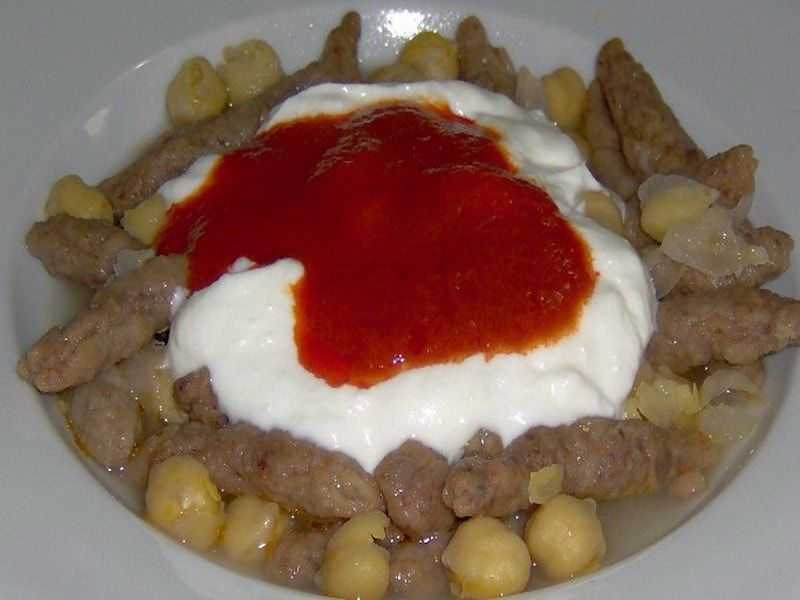
Yuvarlama
Meatballs kneaded from minced beef are rolled in flour and fried, then cooked with chickpeas in a buttery tomato-paste sauce. Served with strained yoghurt, Aydın yuvarlaması is registered with a geographical indication.
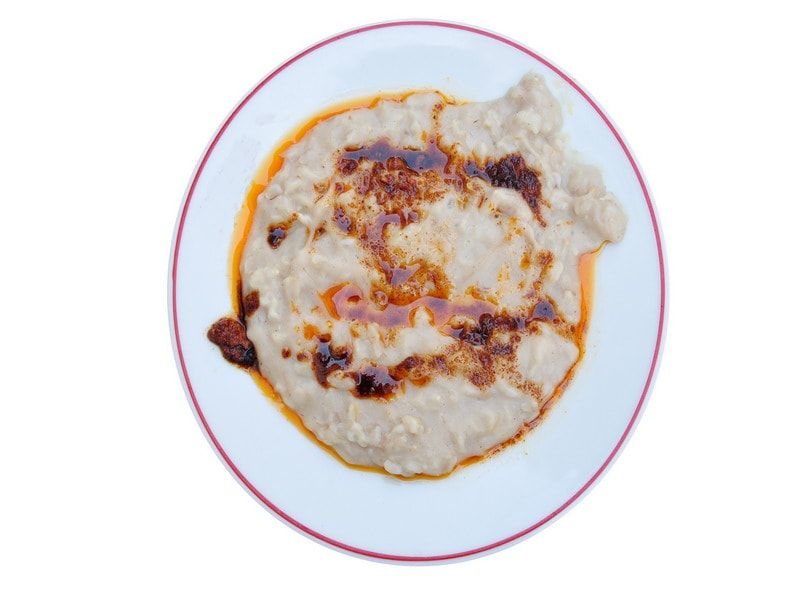
Keşkek
Pounded wheat is cooked for a long time with chicken or lamb and beaten smooth, then topped with red pepper sizzled in butter.
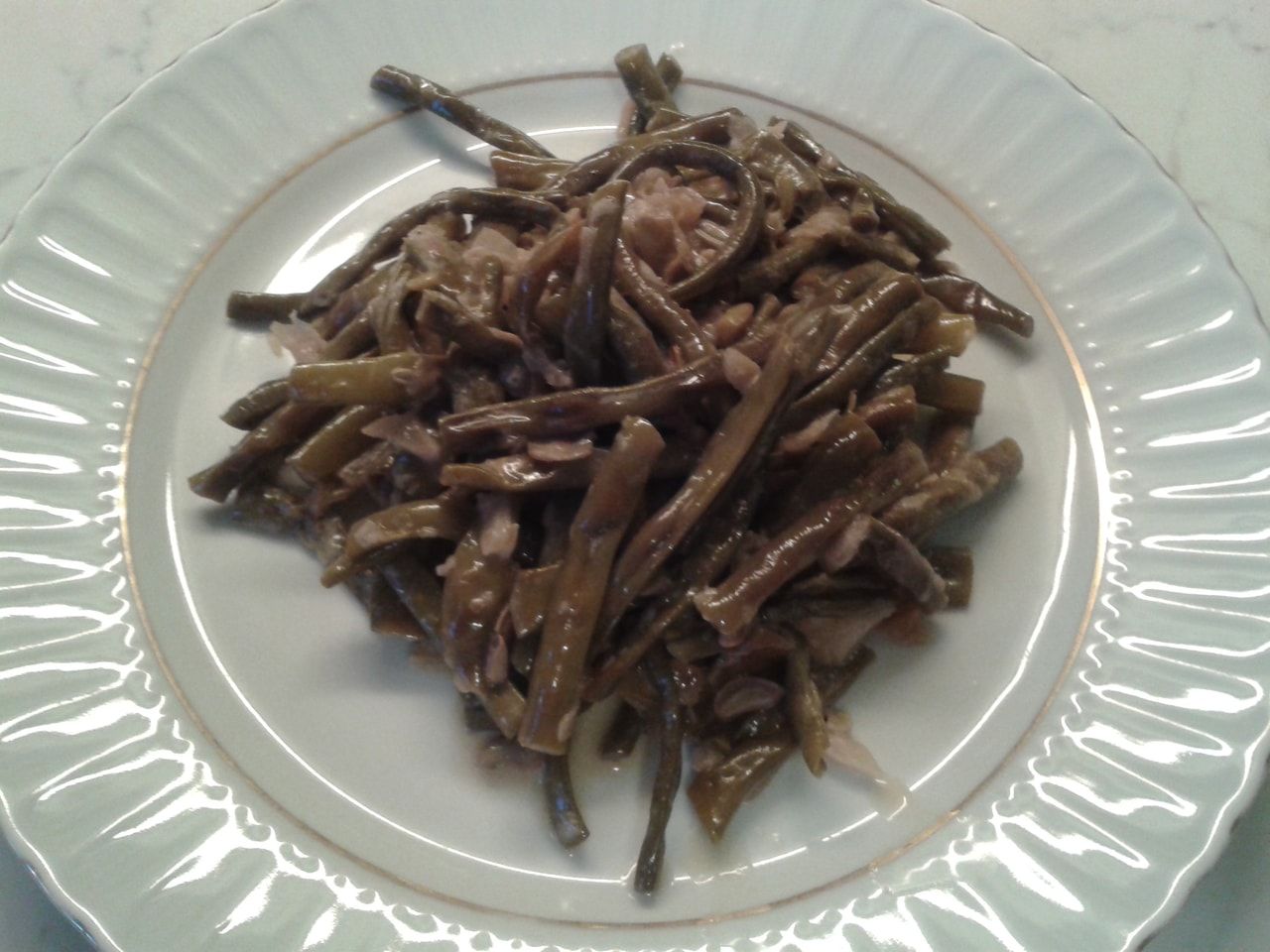
Zeytinyağlı börülce
Boiled fresh black-eyed beans are dressed with olive oil, garlic and lemon and eaten as a cold meze on Aegean tables.
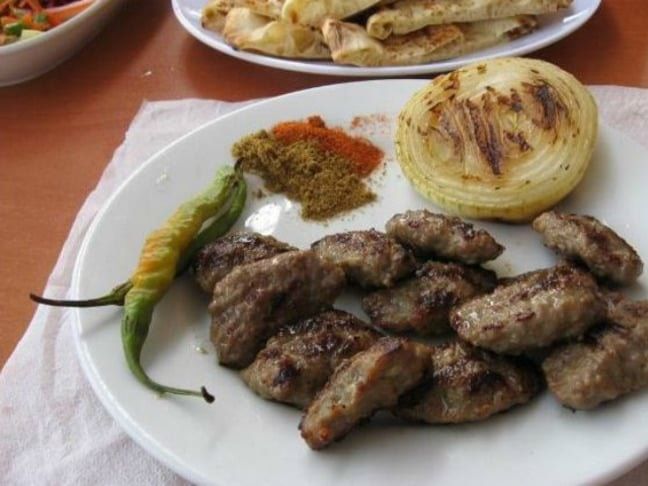
Çine köftesi
Made from the rib or shoulder meat of young cattle raised on the pastures of Çine without silage; the source of the meat and its particular method of preparation set these meatballs apart. Çine köftesi is registered with a geographical indication.
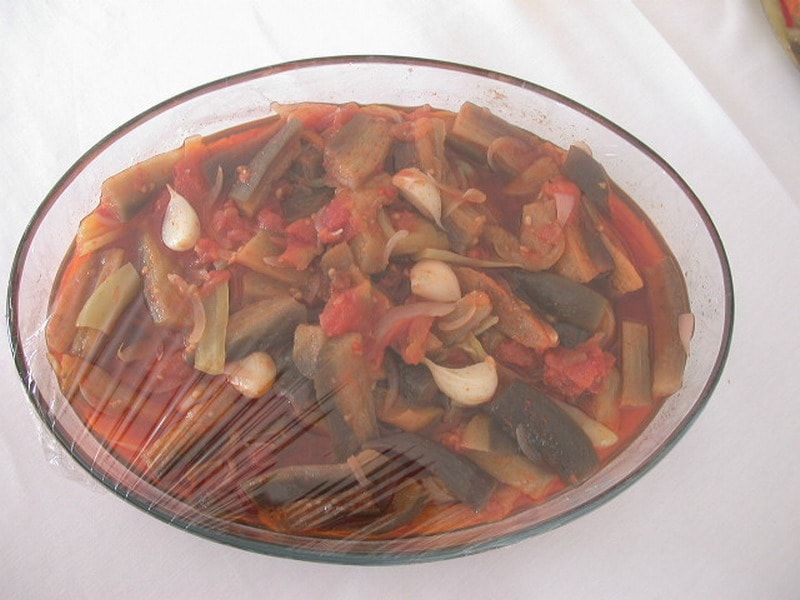
Kırlı kızartması
A vegetable dish made in olive oil with aubergine, long green peppers, onion and garlic, served cold.
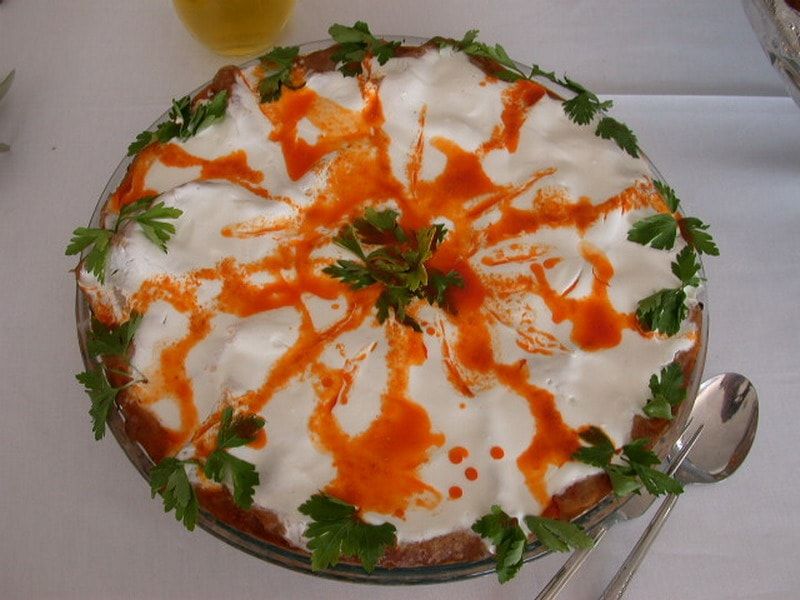
Paşa böreği
A börek baked with a minced-meat filling between layers of yufka pastry.
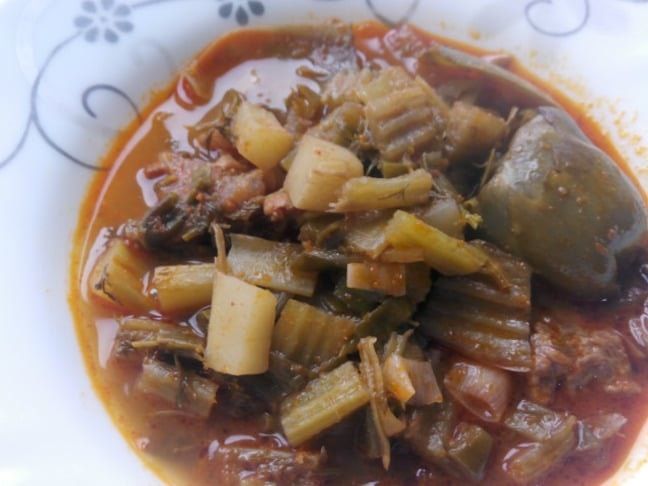
Enginar yemeği (artichoke dish)
Artichokes are used in winter vegetable dishes in the region; artichokes with meat is a well-known example.
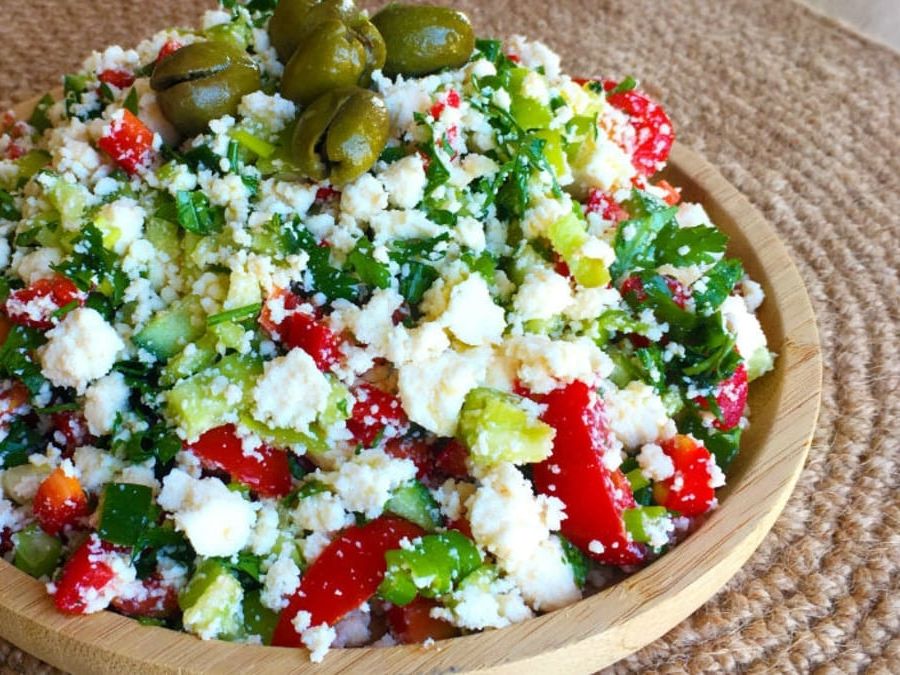
Çingene pilavı
A filling, uncooked mix of çökelek curd cheese, tomato, pepper, onion and parsley; despite the name pilav, it contains no rice.
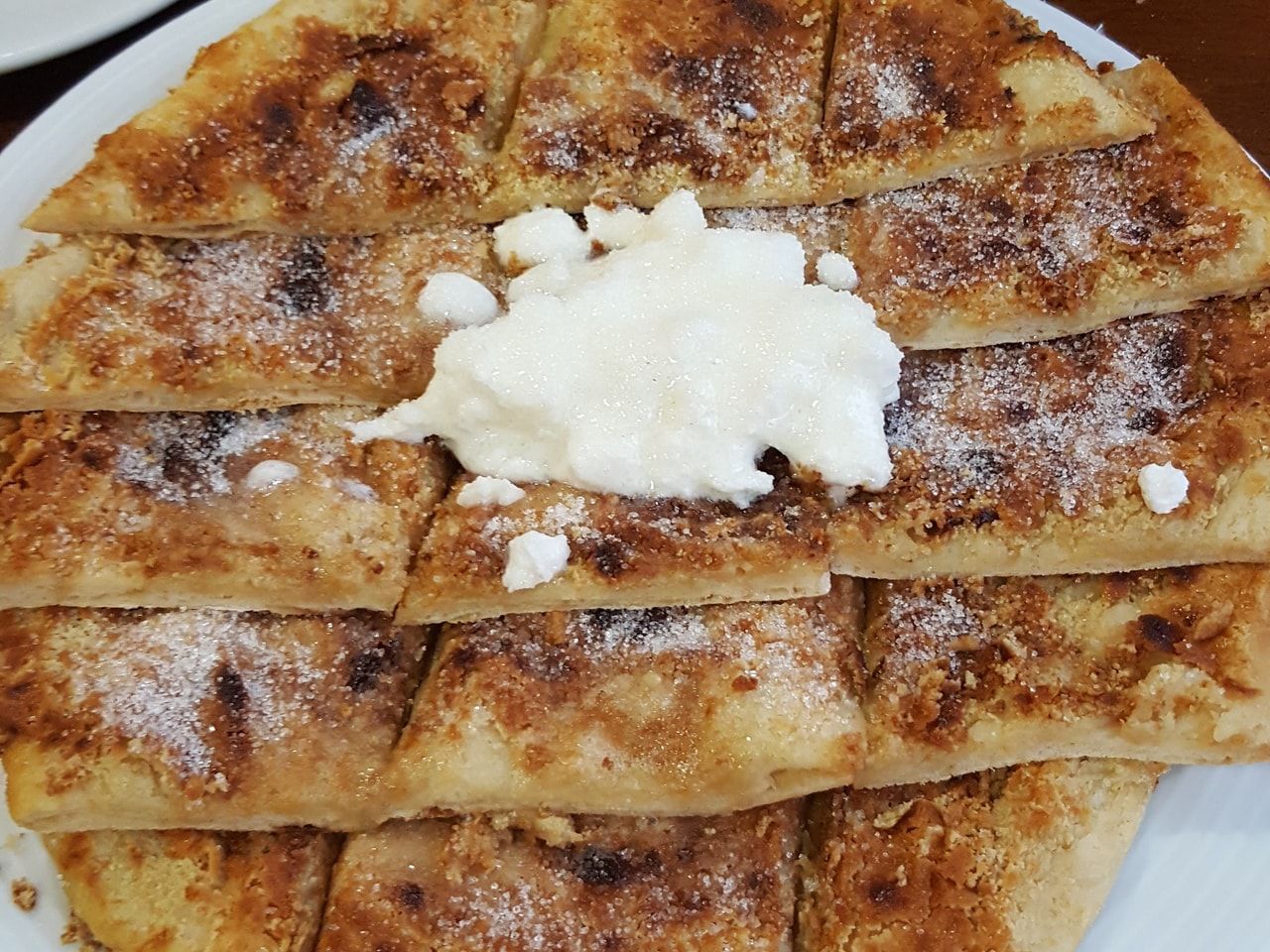
Tahinli pide
Söke’s tahini pide carries a geographical indication.

Turunç reçeli (bitter orange jam)
A slightly bitter jam made from the peel of bitter oranges, whose trees grow even in the streets of Aydın.
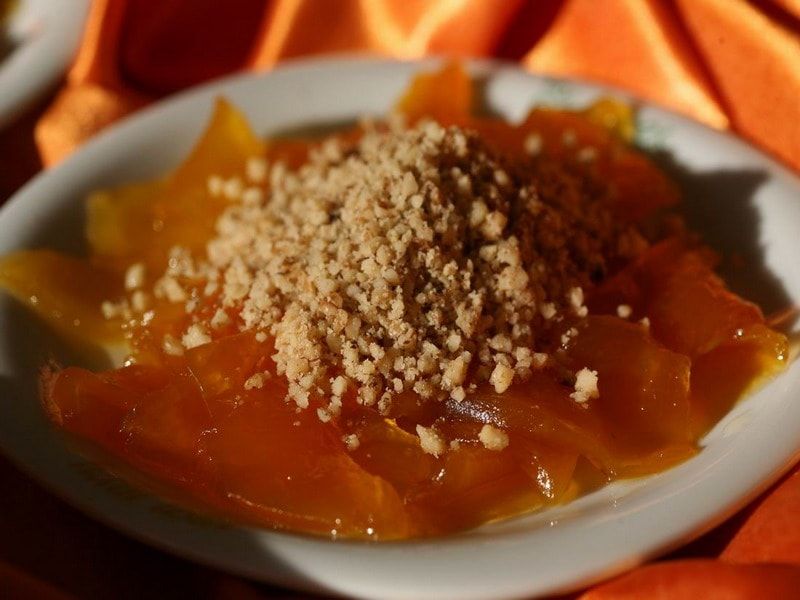
Kabak tatlısı
Made from pumpkin sliced about 3 mm thick and served with walnuts and tahini. It carries a geographical indication.
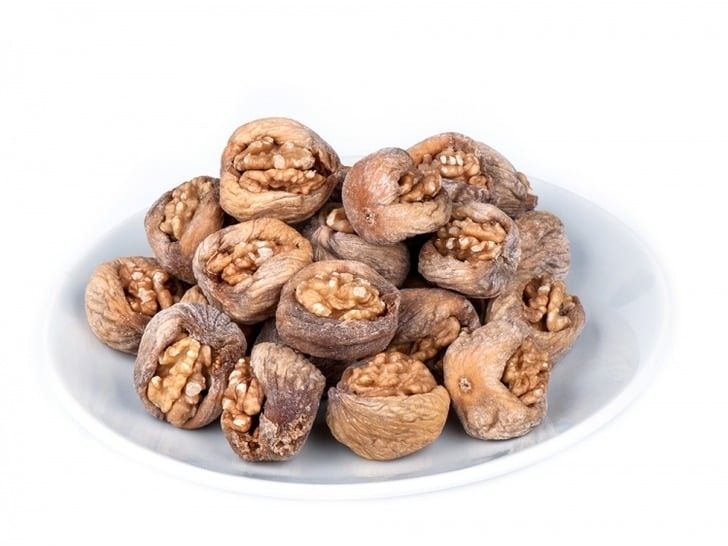
Kuru incir arası ceviz
A simple snack of dried figs with a walnut kernel tucked inside; Aydın is one of the main fig-growing areas.


Places to visit in Aydın
Aydın’s museums
Aydın Müzesi (Aydın Museum)
The Aydın Museum was founded in 1959. It has a modern building set in a very large, lovely garden, where sarcophagi, gravestones, column capitals, inscribed stelae and various architectural pieces gathered from around Aydın are displayed. Inside are an archaeology hall, a coin hall and an ethnography hall.
Milet Müzesi (Miletus Museum)
It stands within the ancient city of Miletus. Opened in 1973, the Miletus Museum has three exhibition halls: the blue hall, the small hall and the middle hall. The blue hall displays works in chronological order: fossils, ceramics, Geometric-period pieces, floor mosaics and amphorae. The small hall holds theatre masks, oil lamps, metalwork, glass, figurines, gold pieces, small metal objects and coins. The middle hall has statues and gravestones.
Afrodisyas Müzesi (Aphrodisias Museum)
It is in the ancient city of Aphrodisias in the Karacasu district. Opened to visitors in 1979, the museum displays archaeological finds from the Aphrodisias excavations. The works, which date from 4000 BC onwards, are in eight separate halls: the Aphrodite hall, the Penthesilea hall, the small finds hall, the unfinished works hall, the odeon hall and the Melpomene hall (the inner courtyard and open garden hall). Many more works are displayed in the garden outside these halls.
Aydın’s archaeological sites
Nysa
The main source for the history of the ancient city of Nysa, built on slopes covered with olive groves at the foot of Mount Malgaç north of the Sultanhisar district, is the geographer Strabo. Divided in two by a torrent bed, the city was founded by the Seleucid king Antiochus I on top of an older settlement called Athymbra and named after the king’s wife. The main remains to be seen are the two-storey library founded by Aristodemus, who grew up in Nysa, a Hellenistic water tank, a Roman stadium and bridge, the assembly hall and the city necropolis on the road to Acharaka.
Alabanda
Alabanda is a Carian city whose name comes from the Carian words ALA and BANDA, meaning horse and victory. Remains to be seen include towered walls from the Hellenistic and Roman periods, a theatre, a senate, an assembly building, an agora and a monumental tomb. A Roman aqueduct also runs across the Kemer stream to the south.
Priene
Priene, an important bishopric centre in its day, lies north of Miletus and was laid out on a geometric grid of streets crossing at right angles. The city’s most important building is the Temple of Athena, built at the top of the city. The theatre in the north-east of the city, said to date from the Hellenistic period, is also worth seeing.
Milet (Miletus)
It is near Balat village in the Yenihisar (Didim) district. The first settlement at Miletus is known to date from the middle of the 2nd millennium BC, with a Mycenaean colony. Miletus was later refounded by Ionians led by Neleus, son of King Codrus of Athens. It was one of the most important harbour cities of Ionia, with four harbours. Remains on the site from these periods include the Theatre of Miletus, the Baths of Faustina, the agora, the ceremonial way, the monumental fountain, the gymnasium, the Baths of Vergilius Capito, a Turkish bath, the Temple of Athena, the stadium, the Delphinion, the harbour monument, the Temenos of Zeus Olympios, the bouleuterion (council house) and the Temenos of the Egyptian gods.
Tralles (Tiral)
It is about 1 km from the centre of Aydın. Few remains survive, among them the building known locally as “üç göz” (“three eyes”) and the cavea of the theatre to the north. Archaeological excavations began here in 1997, uncovering a Roman bath, an arsenal used in the Hellenistic, Roman and Byzantine periods, and a Byzantine religious building.
Afrodisias (Aphrodisias)
This city was one of antiquity’s leading centres of architecture, art, sculpture and worship. Founded as a Carian city 12 km south-east of the Karacasu district, Aphrodisias reached its golden age in the Roman period, when marble statues and buildings of extraordinary beauty were built. Archaeological research has shown that, besides architecture and sculpture, work was done here in medicine and astronomy too.
The main remains to be seen in the city are the baths built under Emperor Hadrian in the 12th century AD, the agora with its great pool, the temple built for the goddess Aphrodite around 100 BC, the stadium, the theatre, a bath, the odeon, the bishop’s palace and the school of philosophy. Panionion: it is at Davutlar in Kuşadası. In antiquity it was the centre of the league of Ionian cities, where the Ionians gathered and took decisions.
Neopolis
It is at the place called Yılancı Burnu, right next to Kuşadası, and is known as the district’s first ancient settlement.
Didyma
It is 18 km south of Miletus and was an oracle centre in antiquity. The Temple of Apollo is among its most important monuments. The temple has a dipteral plan (a double row of columns) and was never finished.
Myus
It is 18 km south of Söke and was an important coastal city of the Ionian League.
Iasos: it is near the Didim district. This ancient city became famous as a city of music and theatre for its theatre, built in honour of Dionysus, god of wine, and the festivals held there.
Gerga
It is near the Çine district. Its giant human statues fallen from their bases and its structures inscribed “Gerga” are striking.
Alinda
It is in the Karpuzlu district, the granite city of Queen Ada. A theatre with 35 rows of seats, a two-storey tower, the agora and the walls are its important remains.
Mastaura (Mastavra)
It is near the Nazilli district and was once a trading centre that minted coins. The site has walls, a theatre, an aqueduct and the remains of some buildings.
Magnesia
It is near the town of Ortaklar in the Germencik district. Because it was the scene of important events, it is described as a city of events. There are remains of the 3rd-century-BC temples of Artemis and Zeus, the agora, a bath, a theatre, a gymnasium, a stadium and Byzantine walls.
Orthosia (Ortosi)
It is near the Yenipazar district, with an acropolis on a hill overlooking the Menderes valley.
Acharaka (Akaraka)
It is near Salavatlı village in the Sultanhisar district and is mentioned as a healing centre. Sources speak of the Temple of Pluto (Plutonium) and the Charonium cave with its healing waters and gases.
Aydın’s castles
Küçük Ada Kalesi (Pigeon Island Castle)
It is on Güvercin Adası (Pigeon Island) in the Kuşadası district. A very old structure, it was used by the Ottomans as an outpost against attacks from the islands during the Morea uprising in the 19th century.
Arpaz Kalesi (Arpaz Castle)
The castle in the Nazilli district is an 18th-century Ottoman building.
Körteke Kalesi (Körteke Castle)
It stands on a natural hill between the villages of Körteke and Örencik in the Bozdoğan district.
Cin Cin Kalesi (Cincin Castle)
It is in the village of the same name in the Koçarlı district and was built in the 18th century by Cin Bey.
Aydın’s mosques
Bey Camii (Bey Mosque)
This large building near the station, also known as the Süleyman Bey Mosque, was built by Süleyman Bey in 1683. Square in plan and built of cut stone, the mosque is covered by a dome with 16 windows in its sixteen-sided drum. The inside of the dome is decorated with painted ornament. The cut-stone mihrab is plain, and the underside of the stair of the marble minbar is carved. The single-balcony minaret has a polygonal shaft.
Ramazan Paşa Camii (Ramazan Pasha Mosque)
It was built in 1595 by Ramazan Pasha, brother of Üveys Pasha. Square in plan, it is built of cut stone. Its wooden entrance door is decorated with carving, and the building is covered by a large dome. It is lit by 10 tall windows and small teardrop-shaped windows. Its decoration is important for its plaster reliefs, coloured glass and woodcarving.
Üveys Paşa Camii (Üveys Pasha Mosque)
It was built in 1568 by Üveys Pasha, beylerbey of Egypt. The square building is covered by a dome on a high drum. There is a building inscription above the marble entrance door. The mihrab and minbar have little decoration.
İlyas Bey Camii (İlyas Bey Mosque)
It was built around 1404 by İlyas Bey of the Menteşe dynasty. In front of the mosque, the madrasa and imaret (soup kitchen) rooms that surround the courtyard are within the cemetery. The han also survives from the Menteşe period. The rectangular building has a central courtyard surrounded by vaulted, covered stables and rooms, and has two storeys.
Aydın’s hot springs
The Menderes basin, a rich, trough-shaped valley formed over thousands of years by abundant streams flowing from the slopes on either side from about 900 metres down to the Aegean Sea, also has rich groundwater. The hot springs at Bozköy and Gümüşköy in the Germencik district are the region’s most important. The hot spring at Davutlar and the Salavatlı hot spring west of Sultanhisar are used by local people.
Aydın’s beaches
The beaches tourists favour most are Pigale Beach (Kuşadası), Kadınlar Denizi Beach (Kuşadası), Güvercinada Beach (Kuşadası), Yavansu and Aslanburnu Beach (Kuşadası), Güzelçamlı Beach (Kuşadası), Altınkum Beach (Didim), Tavşanburnu Beach (Didim), and the Gevrek and Akbük beaches (Didim).
Culture and arts in Aydın
Traditional dress in Aydın
The use of traditional dress in the Aydın area is declining day by day because of rapid urbanisation, modern life and fashion trends. But traditional clothing can still be seen at celebrations, festivals and special occasions. Aydın has groups with different cultural features: townspeople, Turkmens, Alevis and Yörüks. The garments common to women in these groups are the şalvar, the shirt, the üçetek, the fermile and the zıbın.
Traditional women’s clothing worn in the past
In the past women wore şalvar trousers with shirts called içlik over them, and a wide-sleeved cepken jacket over the shirt. Red-striped silk cloths called peştemal were wound round the waist. On the head they wore a crepe scarf edged with oya lace, with a white cover called üstlük over it.
Shirt: Sewn from cotton and silk cloth. Among Yörüks and Turkmens the shirt reaches below the knee, fitted to the body down to the waist and gathered below it. Made from 4–5 metres of cloth, the shirts have a round neckline and are open at the front down to the chest.
Şalvar: Also known by names such as “gönçek” and “don”, şalvar made from uskufa and çitare cloth are called “koca don”. The koca don has a full crotch and reaches below the knee.
Üçetek: In the villages of the area it is also called zıbın. Those worn in town are mostly made of silver-threaded and silk cloth, in red, pink, purple and brown.
Apron–bib: Used by Alevi women to cover the chest. Made from half a metre of cloth, the apron is rounded and runs parallel to the neck.
Sash: The sash wound round the waist of the üçetek is decorated with silver-thread fringes and tassels at its edges.
Fermile/Fermene: Made of velvet in town and of cotton in the villages. It can be closed at the waist with one or two buttons but is usually worn open.
Fez: Burgundy or red, worn on the head. Silver or gold coins are sewn on the forehead part according to the wearer’s means. From the silver crown piece at the top of the fez hang tassels worked with silver chains or silver thread.
Krep: Used mostly in the town centre, its edges are decorated with needle oya. Each needle-oya motif has its own meaning. If a bride wears a krep with pepper oya, it shows she is suffering and has troubles with her mother-in-law; kreps with rose or carnation oya show that she is happy.
Uladu cover: Made of pure silk, the uladu cover’s edges are worked with silver thread and coloured yarn. It is placed over the krep, which is folded into a triangle over the fez. If the fez is embroidered, its tassel is left hanging at the front.
Çeki: Usually made from fine cloth in yellow, red, green, black and purple. Square pieces of cloth are folded and sewn into strips 2–3 cm wide. Three sewn strips of different colours are wound towards the back of the head and tied at the back in a kind of plait, with the ends left hanging.
Socks: In the villages, white woollen socks with toes embroidered in coloured yarn are worn.
Shoes: Black leather slippers and boots with iron-shod heels and studded soles are worn.
Traditional games of Aydın province
Children’s games of Aydın
- Alev Aldı (Aydın)
- Dokuz Kiremit (“Nine Tiles”) (Aydın/Buharkent)
- Rüzgar Gülü (“Pinwheel”) (Aydın/Nazilli)
- Patlangaç (Aydın/Bozdoğan – town of Yazıkent)
- Topaç Çıkarma (spinning tops) (Aydın)
Folk dances of Aydın
Men’s zeybek dances: these are performed in open spaces where everyone can watch, at religious holidays, liberation days, weddings, engagements, circumcision feasts and various gatherings and celebrations. The dances are accompanied by a band of at least two zurnas and a davul. If only one zurna and davul are used, skilled dancers will not get up to dance, saying “my feet won’t turn”. Instruments such as the cura, bağlama, tambur, shepherd’s pipe, dilsiz kaval, violin, clarinet and cümbüş can also be used in men’s zeybek dances. Because the darbuka is considered a women’s instrument, it is not used in men’s zeybek dances. The dances of the zeybek tradition, which stands for valour, courage, agility, boldness and strong character, are built on the same ideas. Reason governs the dances, with composure and determination.
Zeybek dances of Aydın
- Aydın Zeybeği
- Yörük Ali Zeybeği
- Gerali Zeybeği
- Harmandalı Zeybeği
- Ortaklar Zeybeği
- Nazilli Zeybeği
- Germencik İnova Zeybeği
- Çine İki Parmak Zeybeği
- Bayındır Koşması Zeybeği
- Abdal Havası Zeybeği
- Karaali Koşması Zeybeği
- Soğukkuyu Zeybeği
- Ataköy (Damderesi) Zeybeği
- Sabah Namazı Zeybeği
- Kocaarap Zeybeği
- Yağmur Yağdı
- Kuruoğlu Zeybeği
- Kerimoğlu Zeybeği
- Kadıoğlu Zeybeği
- Elifoğlu Zeybeği
- Tahtacıoğlu Zeybeği
- Hataboğlu (Hatipoğlu) Zeybeği
- Sinanoğlu Zeybeği
- Ödemiş Zeybeği
- Muğla Zeybeği
- Ağır Melas (Milas) Zeybeği
- Eski Tavas Zeybeği
- Yeni Tavas Zeybeği
- Köroğlu Zeybeği
- Ege Çiftetellisi (women/men)
- Mevlana (women/men)
- Sepetçioğlu (women/men)
Women’s dances of the Aydın area
These are danced at weddings, engagements, circumcision feasts, Hıdrellez and various gatherings. Women’s dances are accompanied first of all by a band called “çengi”, made up of cümbüş, darbuka, tef and sometimes violin. When possible, the area’s women’s dances are also performed to instruments such as the bağlama family, kabak kemane and dilsiz kaval.
Folk theatre
Village spectacle plays, seen mostly in the villages of the Karpuzlu district in Aydın, are performed at send-offs for young men going to military service, at weddings and at religious holidays. Played with great enthusiasm, the plays are the entertainment of these special days. They are usually performed by young men of military-service age, and the audience is drawn into the play in one way or another.
- Çiftlik Oyunu (the Farm play)
- Deve Oyunu (the Camel play)
- Arap Oyunu
- Sınır Taşı Oyunu (the Boundary Stone play)
- Gelin Kaçırma Oyunu (the Bride Abduction play)
- Ayı Oyunu (the Bear play)
- Köçek Oyunu
- Gavur İmam Oyunu
Folk music and instruments
For men:
Aydın Zeybeği, Harmandalı Zeybeği, Eski Tavas Zeybeği, Ortaklar Zeybeği and others.
For women:
Harmandalı Zeybeği, Muğla Zeybeği, Fatma Gelin, İnce Mehmet
Folk songs of the Aydın area
- Abalımın Cepkeni
- Akşam Oldu Yakamadım Gazımı
- Altı Kızlar
- Atçalı Kel Mehmet Efe
- Ayşem (Arabadan Atladım)
- Baba Aydın’a Vardın mı
- Bir Zaman (Ey Şahin Bakışlı)
- Çaktım Çaktım Yanmadı
- Denizlerin Kumuyum
- Duman Da Vardır
- Dumanı Vardır (Bozdoğan Zeybeği)
- Eğil Kavağım Eğil
- Eklemedir Koca Konak
- Emirim Suya Gider
- Fesimin Kozasına
- Genç Osman
- Germenciynen Baltacıgın Arası
- Harmandalı
- Hergün Sarhoş
- İnce Memed
- Isparta’dan Çıktım Başım Selamet
- Menderes (Ayağına Potini Giymiş)
- Nazifimin Evleri
- Şu Benim Karşımda Duran
- Top Yatağın Önü Gayfe
- Üçgözler (Kalenin Başında)
- Yolumda Sen Falımda Sen
- Yörük Ali
Handicrafts of Aydın
Handicrafts, which arose from people’s needs and became varied through factors such as natural conditions, ways of life and climate, are among the important cultural features of Aydın and its surroundings. Among them are needle oya, goat-hair weaving, earthenware pottery, pack-saddle and saddle making, and rush-mat weaving.
Weaving
Although woven cloth for clothing has lost its importance with industrialisation, the area’s hand-woven carpets, kilims and saddlebags are famous for their distinctive patterns and colours. Yörük sacks woven in the sumak technique also have features specific to the area. Another traditional weave still made in Aydın is the goat-hair tent cover, suited to every kind of weather; the raw material of hair weaving is goat hair.
İğne oyası (needle lace)
Needle oya, known in world literature as “Turkish lace”, has a very long history. Some sources say that needle-oya lacework spread from Anatolia to the Balkans in the 12th century and from there via Italy to Europe. Oya is defined as a craft whose technique is knotting, used for adornment and decoration and also as a means of communication through the messages it carries. Today, besides its traditional uses, it is also used in women’s fashion accessories.
Pottery (ceramics)
Today there are 3 pottery kilns in Çarşıyaka and nearly 25 in the Cuma and Büyükdağlı neighbourhoods, and nearly 50 families make their living this way. Jugs, cups, casseroles, flowerpots and various ornaments are produced, and practical items sell better than ornaments. The pottery workshops are busiest in the summer months, when tourism picks up. Red clay soil high in iron oxide is used to make the pots.
Körüklü çizme (bellows boots)
The körüklü çizme, the unchanging accessory of the Aydın efe, is black, has a leather sole and is made by hand. Calfskin is used on the outside, and on the inside goatskin called sahtiyan, tanned with acorn (valonia).
Quilt making
There are quilt makers in almost every district of Aydın. Because interest in the trade has declined, no new apprentices are being trained, and most quilt makers are masters who carry on their trade although they have retired. Their income rises in summer with the sale of silk-satin quilts made for trousseaus for the weddings that increase in that season.
Embroidery
Embroidery is generally done using Turkish needlework techniques such as muşabak, mürver, herringbone, civan kaşı, straight pesent, diagonal pesent and hasır işi. The threads used are silk floss, domino and mouliné embroidery threads, and the fabrics are Ödemiş silk and local hand-woven cloth, which can be silk, cotton or wool. The motifs are embroidered on fabric stretched on a hoop with bead needles, ribbon needles and sewing needles. Copper wire and hand-embroidery metallic thread are used to make the motifs in wire wrapping and wire folding, using the velev wrap, straight wrap, ewer-maker’s knot (muşabak) and drunkard’s leg techniques.
Pack-saddle making
Pack-saddle making is one of the rarest trades today. The only master doing this work in central Aydın is 82-year-old Orhan Çerezcioğlu, who has a small shop right next to the historic Zincirli Han. He says he took over the trade from his grandfather and has been doing the work since he was twelve, giving a full seventy years to it. “Business used to be good, and I employed apprentices. I trained six of them. Two did this work until they died; the others turned to farming and the like when work dried up. Now I’m the only one doing this job in Aydın. When I’ve sold what I have left, I’ll stop too. I don’t make new saddles any more anyway,” he says.
History of Aydın
The history of Aydın province
With its long history, Aydın is one of our provinces in western Türkiye. Throughout its history Aydın has been at the centre of many civilisations. The first historical records about Aydın go back to the Hittites: Hittite sources mention the Seha river, that is, the Büyük Menderes (Great Meander).
Besides the Hittites, it was also home to Spartans and Persians, and then came under the rule of Alexander the Great. Also home to the Roman Empire, Aydın has been known by many names through history. It came under Turkish rule in the 11th century, then under Byzantine rule. In 1280 it was taken first by the Menteşe Beylik and then by the Aydınoğlu Beylik. From then on the area was called Aydın Güzelhisar, and later it remained simply Aydın.
Between the 14th and 12th centuries BC, peoples who scattered across the Aegean and the eastern Mediterranean came in tribes as far as the Aegean coast. As a result of this migration the Hittite State, the Kingdom of Troy and the Mycenaean colonies were destroyed. Of these peoples, the Aeolians and Ionians settled in western Anatolia on the plains of the Büyük and Küçük Menderes and founded 12 coastal cities within the Kingdom of Lydia; in these cities, called city-states, maritime trade was developed. They also created social and cultural activity in politics, art, science, philosophy and architecture.

In the Lydian period, the city of Tralles was a distribution centre where trade goods from Caria, Cilicia, Iran, Syria and the Far East were gathered and sent on to the Aegean ports. Produce grown in the Büyük Menderes valley was also exported from the port of Miletus to Greece, Rome, Egypt and Phoenicia. Indeed, through both its own resources and the taxes it collected, Lydia developed extraordinarily and led the region’s economy. It was the first country in the world to mint money.
The Phrygians founded the first great state in Anatolia. They settled on the upper plateau of the Büyük Menderes in 1200 BC. The Phrygians are known to have been a Thracian people who crossed the Straits after an attack by the Illyrians and destroyed the Hittite Kingdom.
The most important of the cities the Ionians founded on the Gediz and Büyük Menderes plains in 1200 BC was Miletus. The Ionians made important advances in philosophy. Thales, scholar of mathematics and astronomy, held that water was the basic element of everything, and predicted the solar eclipse during the war between the Lydians and the Medes. Another scholar from Miletus, Anaximander, held that the beginning of everything was “the boundless, the infinite”.
In the cities of western Anatolia, which met Eastern culture through the invasion of the Persians from Iran in the 5th century BC, a new and original synthesis of cultures called Greco-Persian emerged. When the Lydian king Croesus lost his war with the Persian king Cyrus in 546 BC, the Ionian cities came under the Persian Kingdom. The Persians’ intolerant behaviour cut the ties between the colonies and the cities, and unrest began in 500 BC. Persian rule in the region continued until Alexander the Great came to the throne of Macedonia, and the Hellenistic period began. During all these invasions, Tralles was used as a military base because of its central position.
Under Roman rule in the 1st and 2nd centuries BC, the region developed significantly in economic, commercial and cultural life. As the Romans adopted local culture and developed resources, roads and trade, the ancient cities of the area, above all Ephesus, Miletus, Tralles and Aphrodisias, prospered and were adorned with large monumental buildings.

When the Roman Empire was divided in two at the end of the 4th century AD, Anatolia remained entirely under Eastern Roman, in other words Byzantine, rule. Ancient temples were turned into churches and theatres into defensive towers. Cities on flat ground were protected with high walls. According to Ramsay, Tralles was moved from open ground onto a hill formed from heaps of stones carried down by a stream. In this setting, the Turkmens who came with the Turkish migrations from the 10th century onwards found the countryside almost empty.
Early Turkish colonisation in Anatolia was less a systematic conquest than small and large groups of migrants coming to Anatolia, coming to terms with the rural population and sharing economic resources. Seeing that they would remain outside international trade unless they reached the sea, the Turks broke the foreign encirclement of the Anatolian peninsula and reached the seas. The Latins, who at first welcomed the disappearance of central authority, were faced with the growing closeness between the Turkmen communities who had migrated to the region earlier and the newcomers. In this way the Turkmens, who gained political and economic power on the Anatolian coast of the Aegean under a particular name (the Aydın Beylik) and flag, came to know seafaring.
The rulers of the Aydın Beylik valued cultural, artistic and scientific life. Besides architectural works that survive in the area, such as mosques, madrasas and tombs, there are valuable manuscripts preserved in various libraries. The Aydınid Beylik joined the Ottoman State at the end of the 14th century.
In the late Ottoman Empire, the armed bands that became widespread in western Anatolia were called “efe”. They were generally fearless, honest, brave people who lived alone or in groups in the Aegean countryside. Their leader was called the “efe”, and his followers “zeybek” and “kızan”. The efe tradition began at the end of the 10th century with Yusuf Pasha; the best known are Sivri Bölükbaşı in the 17th century, Atçalı Kel Mehmet in the 19th century and finally Yörük Ali in the 20th century. These efes were armed rebels who rose against the government on the grounds that they had suffered injustice and wrong. They took from the rich and gave to the poor, and in the years of the national struggle they fought for liberation. When the region was occupied by the Greeks during the national struggle, the area’s patriotic soldiers, intellectuals and clergy called on the efes to defend the country, and the Yörük Ali Efe group was formed. Yörük Ali Efe, who took on the Greek soldiers in scattered fashion with a small following, together with Demirci Mehmet Efe and his men, put up growing resistance and were very effective in forcing the Greek soldiers to withdraw. Liberation day from enemy occupation is celebrated every year with ceremonies: 5 September in Kuyucak and Nazilli, 6 September in Söke and 7 September in Aydın.
Annexed to the Ottoman lands by Murad II in 1425, the city became a sanjak of the Anatolia eyalet. An important cultural centre of western Anatolia, Aydın was the scene of many revolts in the late 16th century. Under Mahmud II it became a müşirlik, after the Tanzimat an eyalet, and in 1867 a vilayet (province). Anatolia’s first railway was built and opened between Aydın and İzmir. The city was occupied by the Greeks on 27 May 1919, retaken on 30 June 1919 and occupied again. It was liberated from the occupiers on 7 September 1922. Countless scholars and sages grew up in the leading cities of antiquity such as Aphrodisias, Miletus, Alinda, Didyma, Nysa, Priene and Magnesia. Today’s Aydın, together with the city of Tralles founded on the Top Yatağı ridge to its north, developed in 2500 BC in the time of the Hittites and had its most brilliant age in the 7th century BC under Lydia. Endowed with the culture and works of Turkish civilisation with the Seljuks, Aydın witnessed civilised days in social services, agriculture and architecture.
Aydın gained the status of an administrative unit under Turkish rule in 1390, when Ertuğrul Bey, son of Bayezid I, was appointed governor of Aydın. In the time of the Aydınids the city was called Aydın Güzelhisarı, and later took the name Aydın. Founded on its present site in the 14th century, the city became in turn an eyalet in 1390, a sanjak in 1426 and, in 1811, the centre of an eyalet covering the sanjaks of İzmir, Saruhan (Manisa), Menteşe (Muğla), Antalya and Isparta. Although the seat of the province moved to İzmir (1857), the unit kept the name “Aydın” until the end of the Ottoman State. Aydın remained a sanjak until 1919; after an occupation of nearly 40 months between 25 May 1919 and 7 September 1922 and the victory in the War of Independence, this changed in 1923 and it became an independent province.
Where does the name of Aydın province come from?
In 1280 the area was taken first by the Menteşe Beylik and then by the Aydınoğlu Beylik. From then on it was called Aydın Güzelhisar, and later it remained simply Aydın.
Getting to Aydın
For those who want to travel by bus, there are services to Aydın from almost every city, and especially in summer there are also services to districts such as Kuşadası, Didim and Söke. For those flying, the nearest option is Adnan Menderes Airport in İzmir, from where shuttle services reach central Aydın. For those travelling by car, Muğla is 130 kilometres away, İzmir 195 kilometres, Istanbul 730 kilometres, Bursa 440 kilometres, Ankara 600 kilometres and Eskişehir 470 kilometres.
Districts of Aydın
- Bozdoğan
- Buharkent (Çubukdağı)
- Çine
- Didim (Yenihisar)
- Germencik
- İncirliova
- Karacasu
- Karpuzlu
- Koçarlı
- Köşk
- Kuşadası
- Kuyucak
- Merkez (central district)
- Nazilli
- Söke
- Sultanhisar
- Yenipazar
Economy of Aydın
Aydın’s economy rests on farming, livestock and tourism. The province is among Türkiye’s leaders in the production of olive oil, figs, chestnuts and celeriac, and it has a significant share of cotton, strawberries, fresh black-eyed beans and table olives.
In industry, agriculture-based production, food, textiles, machinery, automotive parts and household appliances stand out.
Tourism is described as the second most important source of income after farming. The Kuşadası coast and port are at its heart, and the district also has many holiday homes.
Sport in Aydın
In the 2017–2018 season, the football team Aydınspor 1923 was in the third division (3. Lig) and Nazilli Belediyespor in the second division (2. Lig). The province has no team in the 1. Lig or the Süper Lig. It has 4 teams in the women’s third football league and one team each in the men’s second-division basketball, volleyball and handball leagues.


Comments
Loading comments…