
İzmir
- Aegean Region
About İzmir
İzmir is Türkiye’s third-largest city. Set on the Aegean coast, the city is built on the Gulf of İzmir. With its world-famous fairground and its port, İzmir is a lively, modern city that welcomes different cultures. By area it is the country’s twenty-third-largest province, with the Aegean Sea and its islands to the west.
After Athens, this great metropolis is the second-largest and most populous city on the Aegean Sea. A popular city known for its easy-going way of life, İzmir stretches along the outer waters of the Gulf of İzmir and extends north across the Gediz River delta. It lies on an alluvial plain formed by several small streams, with somewhat more rugged ground to the east and south, and thanks to its climate and waters it has fertile land. With food, industrial and refinery plants that support its commercial activity, it is also one of the cities richest in job opportunities.
İzmir's famous dishes and desserts
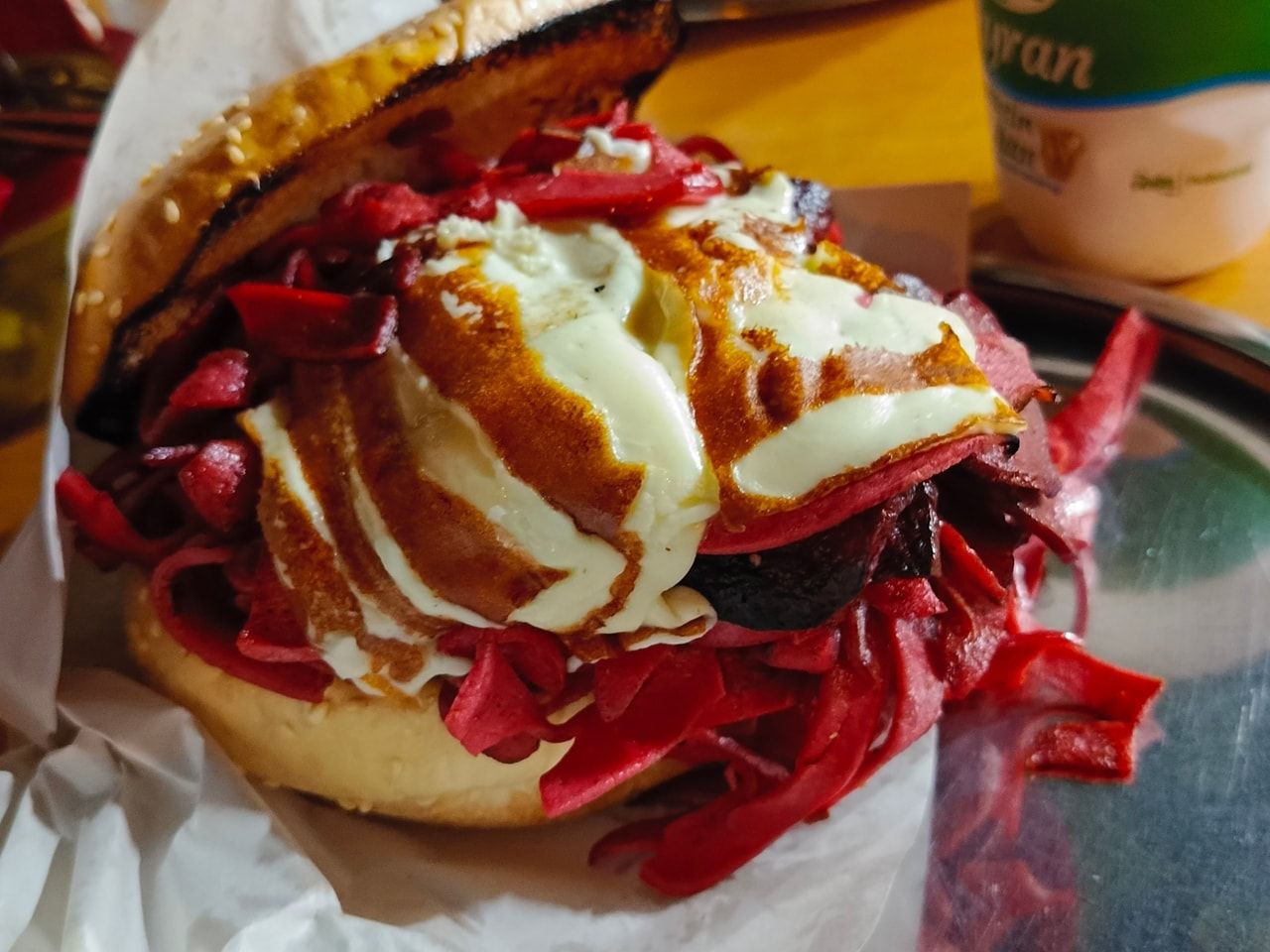
Kumru
A hot sandwich made with sesame-topped bread leavened with chickpea yeast, filled with kaşar cheese, sucuk sausage and tomato. It is a well-known treat on the road to Çeşme.
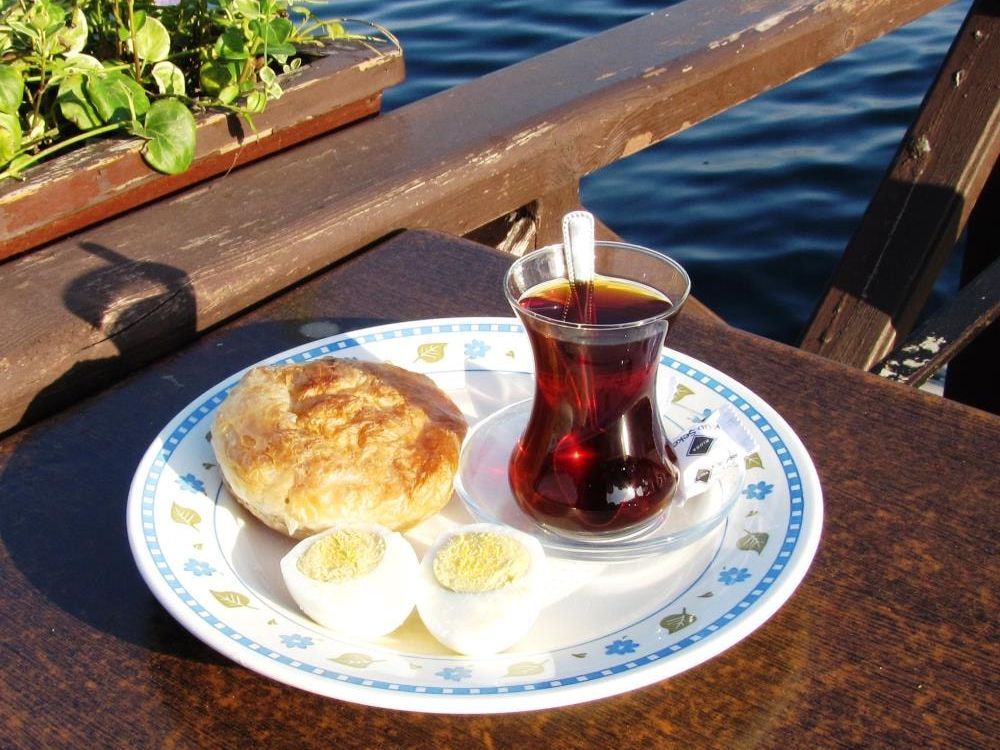
Boyoz
A flaky, layered pastry made with tahini, said to have come to the city with the Sephardic Jews. With a boiled egg, it is a breakfast classic.
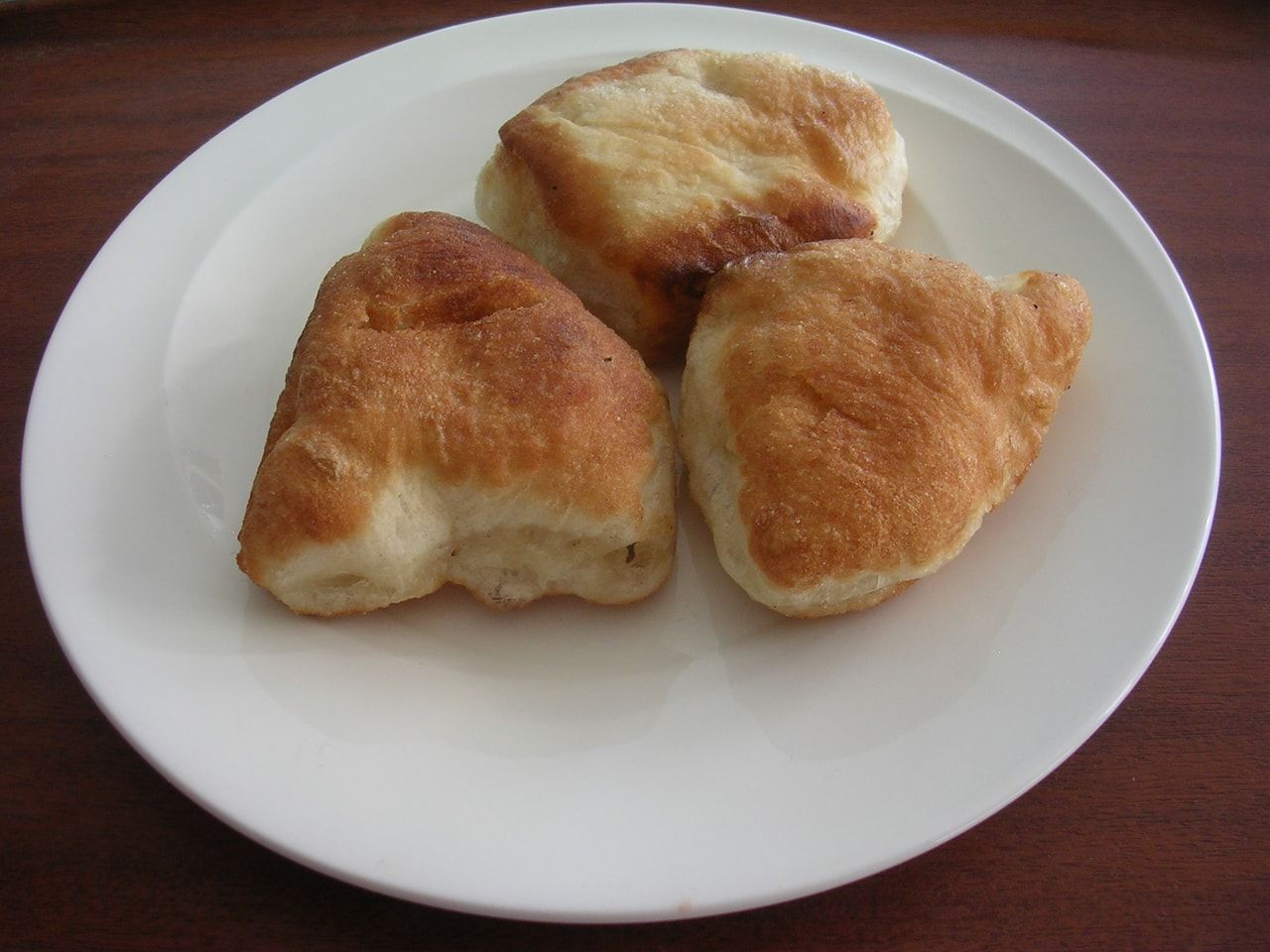
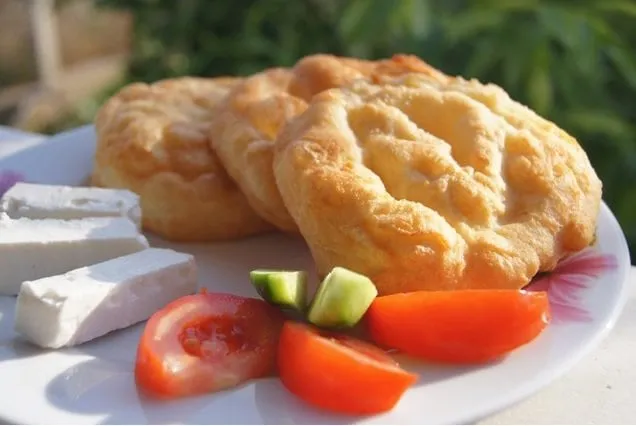
Pişi
A breakfast fritter made by puffing up yeast dough in hot oil. It goes well with cheese and jam.
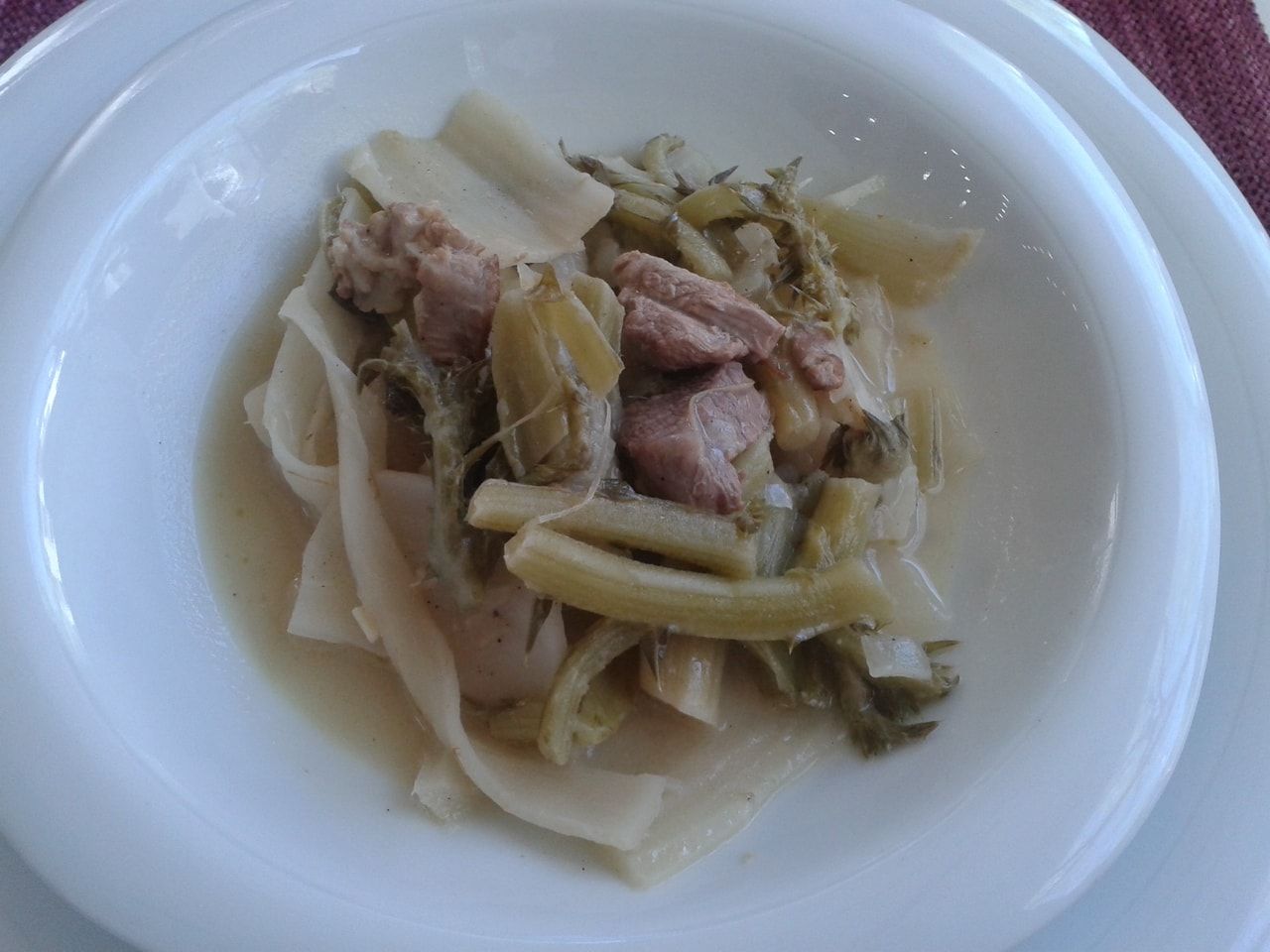
Şevketibostan
A thorny Aegean wild plant (golden thistle) that is trimmed and cooked with lamb or in olive oil, and finished with an egg-and-lemon sauce.
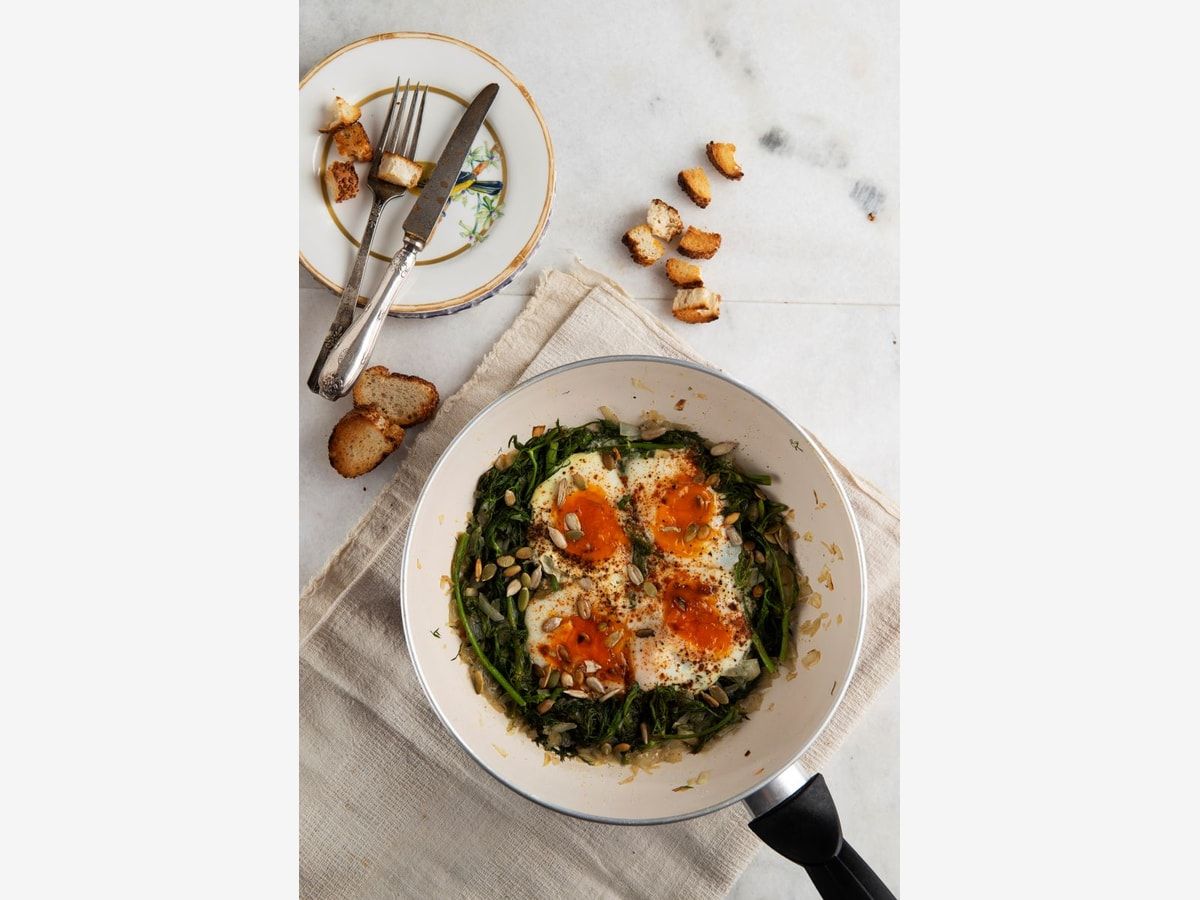
Arapsaçı
The local name for wild fennel. It is used in börek fillings and in dishes with eggs or olive oil.
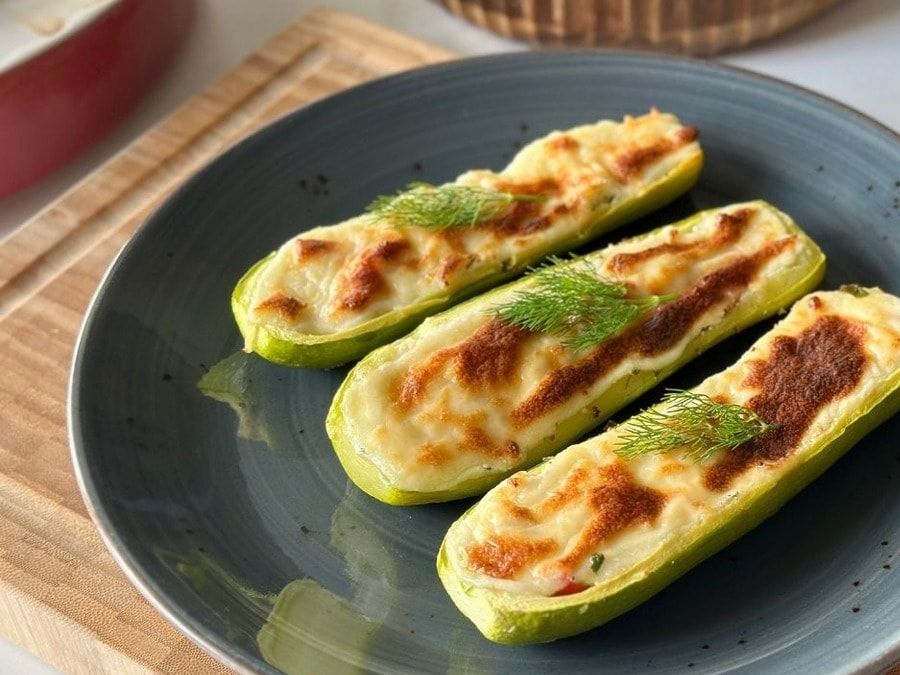
Kabak pabucaki
Courgettes are hollowed out, filled like little boats and baked in the oven.
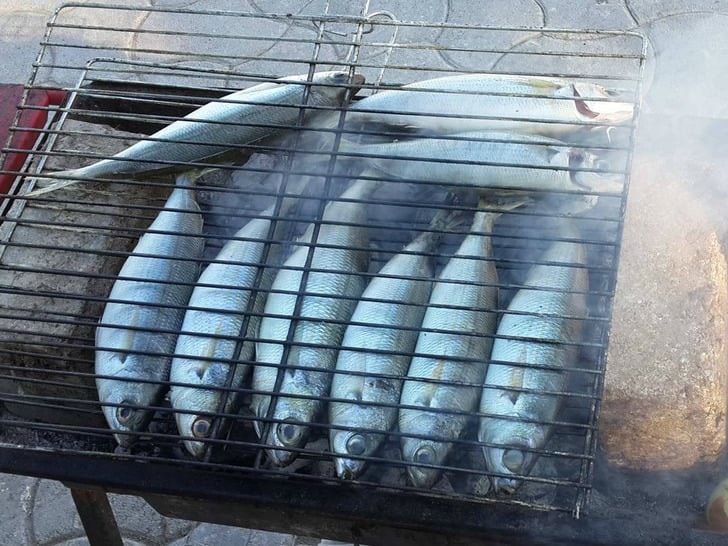
Boklu kebap
Horse mackerel are cleaned of their scales, wrapped in vine leaves and grilled over charcoal between two wire racks.
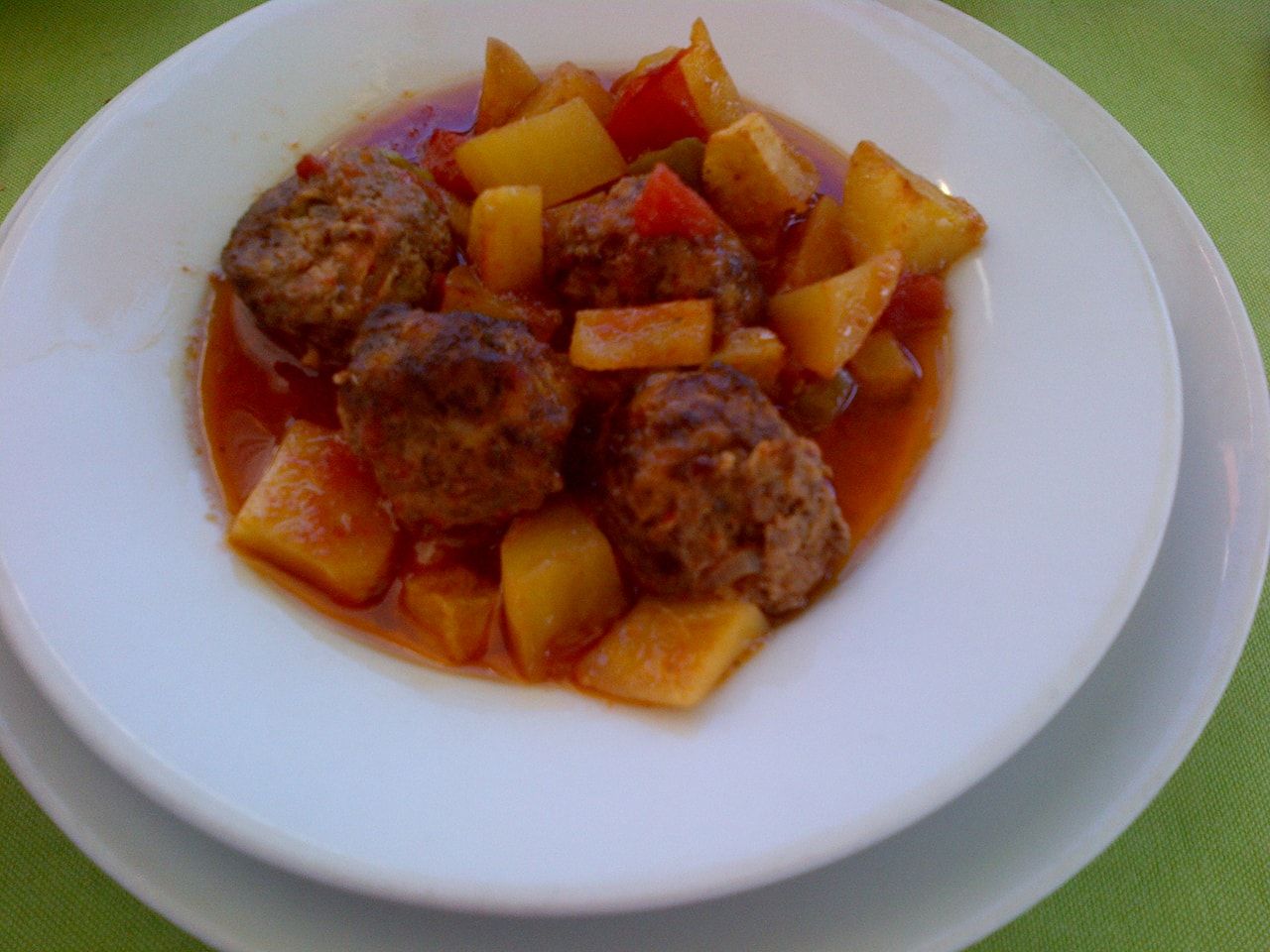
İzmir köfte
Meatballs are laid in a tray with potatoes and peppers and baked in the oven with tomato sauce.
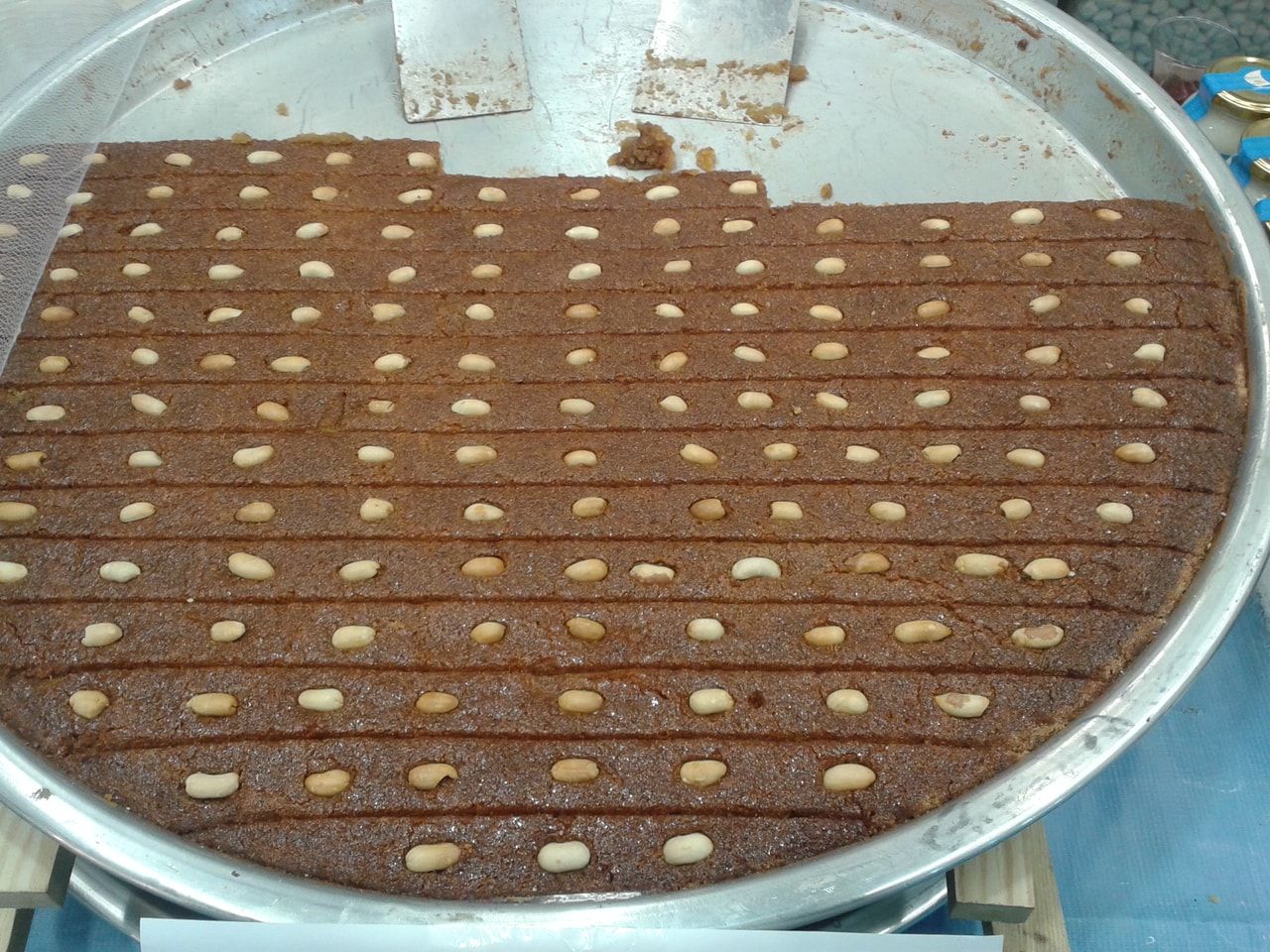
Şambali
A semolina cake soaked in syrup, sold on the street from trays.

Lokma tatlısı
Small balls of dough are fried and dipped in syrup. In İzmir, lokma handed out as a charitable offering is a common sight in the streets.


Places to visit in İzmir
Allianoi Antik Kenti (Ancient City of Allianoi)
Covering an area of 30,000 square metres, the ancient city of Allianoi has rich remains. Because it was continuously settled in the prehistoric, Hellenistic, Roman and Byzantine periods, its remains tell us about many eras. The most important feature of the city, in İzmir’s Bergama district, is that it lies in a thermal area. The three-storey bath and its mosaics are among the most striking remains.
Nebiler Şelalesi (Nebiler Waterfall)
This waterfall in Nebiler village is visited by Turkish and foreign tourists through the year, especially once the summer season opens. There are trekking routes here, so you can enjoy nature on foot. One reason many visitors choose the village is its hot springs. After trekking, you can shower outdoors in thermal water and make your day even better.
Bozdağ Kayak Merkezi (Bozdağ Ski Centre)
Because İzmir can live different seasons at the same time, a winter holiday here lets you witness many kinds of natural beauty. You can book a room at one of the hotels at the Bozdağ Ski Centre or visit the area on day trips. Getting to Bozdağ is a little difficult, but the time you spend here will give you memories you won’t forget.
Gölcük Yaylası (Gölcük Highland)
With an important place in summer tourism, İzmir is one of our cities that offers historic and natural beauty together.
If you are planning a holiday in İzmir, we strongly recommend seeing the Gölcük highland in the Ödemiş district. Taking on different colours in every season, the Gölcük highland is 18 kilometres from Ödemiş and 130 kilometres from central İzmir.
Çeşme ılıcaları (Çeşme Hot Springs)
Çeşme is one of the areas Turkish and foreign tourists choose for their holidays. It is famous for its beautiful beaches, its historic sites and its hot springs.
There are hotels where you can stay near the Çeşme hot springs, mostly boutique hotels, luxury hotels and guesthouses. You can choose whichever you like from hotels offering all-inclusive, half-board or bed-and-breakfast.
Çeşme Yarımadası (Çeşme Peninsula)
The Çeşme Peninsula, one of the areas of İzmir that attracts the most tourists, enjoys 300 days of sunshine a year, so its hotels, boutique hotels and guesthouses keep their doors open to guests in every season.
Atatürk Müzesi (Atatürk Museum)
The İzmir Atatürk Museum is a building on Atatürk Avenue at Gündoğdu Square, with its front facing the sea. Built as a house by the carpet merchant Takfor in 1875–1880, the mansion was abandoned by its owner on 9 September 1922 and passed to the state treasury.
Pitane Antik Kenti (Ancient City of Pitane)
The ancient city of Pitane is one of the most popular of İzmir’s historic sites. Visited by many tourists through the year, Pitane lies between Aliağa and Bergama.
Staying at one of the hotels or guesthouses near Pitane, you can set off on an unusual and enjoyable trip, enjoying plenty of sun and sea while visiting İzmir’s most worthwhile places.
Karaburun Yarımadası (Karaburun Peninsula)
Settled since very early times, the Karaburun Peninsula shows traces of many civilisations as you tour its natural and historic places. If you want a lovely summer holiday where you can both rest and enjoy yourself to the full, you can book a room at one of the hotels near the Karaburun Peninsula.
Yedi Uyuyanlar Mağarası (Cave of the Seven Sleepers)
The Cave of the Seven Sleepers in the ancient city of Ephesus, also known as Ashab-ı Kehf, is linked to a story known to both Christians and Muslims.
Celsus Kütüphanesi (Library of Celsus)
Ephesus is on the UNESCO World Heritage List. The Library of Celsus is the ruin of a library at Ephesus, in Selçuk, İzmir. Built in the Roman period between 110 and 135, the library has two storeys. It is thought to have held some 14,000 books in its day.
Selçuk Kalesi (Selçuk Castle)
Selçuk Castle, in İzmir’s Selçuk district, is among the most visited places in Türkiye.
As Selçuk Castle takes you on a journey through its long history, its walls, cisterns and stone-paved streets are among the remains that will catch your eye. And when you face the view from the castle, every question and worry on your mind will fly away. You should photograph every moment of Selçuk Castle: the castle is a world of its own, and the ruins around it are another.
St. John Kilisesi (Basilica of St John)
The ancient city of Ephesus is one of the world-famous sights of Selçuk, İzmir, and is visited constantly through the year by Turkish and foreign tourists.
Foça Plajı (Foça Beach)
Once you have enjoyed a swim at Foça’s Karakum Beach, which offers holidaymakers peaceful times amid such natural beauty, you will want to go back to this beach on every Foça holiday.
Ekmeksiz Plajı (Ekmeksiz Beach)
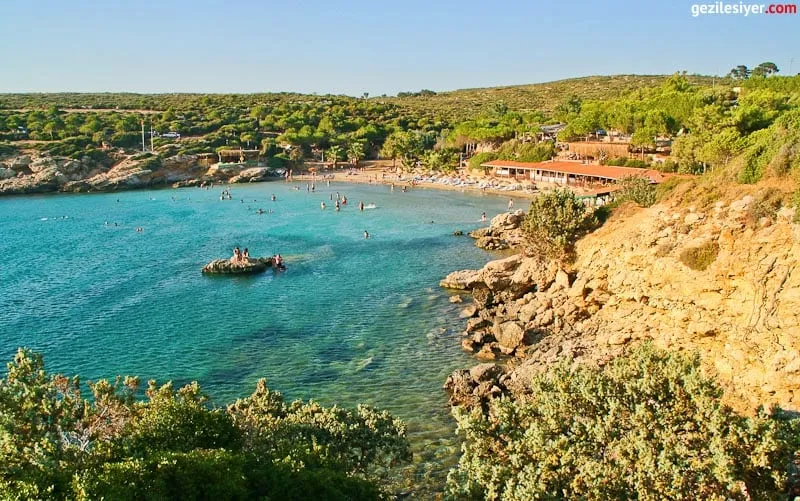
At kilometre 66 of the Kuşadası road, at Sığacık harbour, Ekmeksiz Beach is a place to swim and enjoy the summer months, and a wonderful place to relax.
Set right between the blue sky and green nature, Ekmeksiz Beach in Seferihisar is ready to wash away a whole year’s tiredness in its clear water. Charming Seferihisar has many hotels and guesthouses, all affordable and waiting to give you a wonderful holiday.
Urla Yarımadası (Urla Peninsula)
Cooling off in its lovely coves and enjoying the sun will be moments that shake off your tiredness. To swim, you can also go to the beach on Yassıca Island, which can be reached by boats from the Karşıyaka, Urla and Konak piers.
İzmir Tarihi Asansör (Historic Elevator)
Having successfully embraced very different cultures for many years, İzmir today shares the heritage of the richness these cultures created with both its own people and its visitors, and the Elevator is one of the most typical examples of such heritage. The city’s Jewish citizens have a special place among the people of İzmir.
İzmir Kuş Cenneti (İzmir Bird Sanctuary)
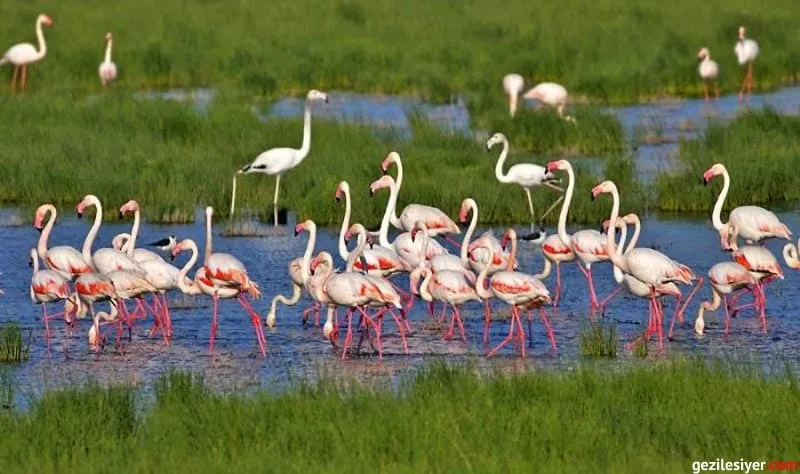
In this area, home to 220 bird species, flamingos and Dalmatian pelicans are found in large numbers. Storks, shelducks, ruddy shelducks, terns, black-winged stilts, bee-eaters, penduline tits, oystercatchers and many other lovely bird species will enchant you. Covering 8,000 hectares, the İzmir Bird Sanctuary is ready to share some of your most enjoyable moments.
Homeros Vadisi (Homer Valley)

Landscaped by İzmir Metropolitan Municipality, the Homer Valley, with its artificial ponds, trees, walking paths and picnic areas, will give you unforgettable moments.
Alsancak Garı (Alsancak Station)
Although it is Türkiye’s second-oldest railway station, it is still in service. It was built in 1858 and still carries passengers to cities such as Ankara, Bandırma and Uşak.
Pasaport Vapur İskelesi (Pasaport Ferry Pier)
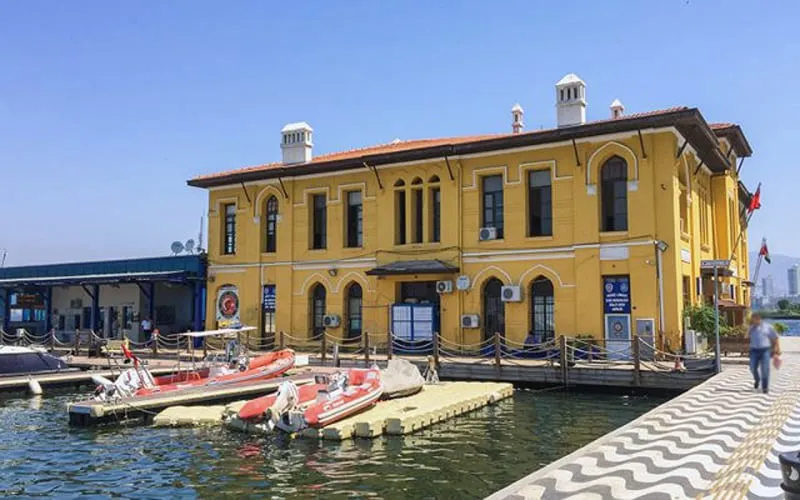
One of İzmir’s oldest customs buildings, the Pasaport Ferry Pier is used today for passenger transport within the gulf. With ferries to Karşıyaka, Alsancak, Konak, Göztepe and Bostanlı, the pier is also one of the best places in the city to watch the sunset.
Kadifekale
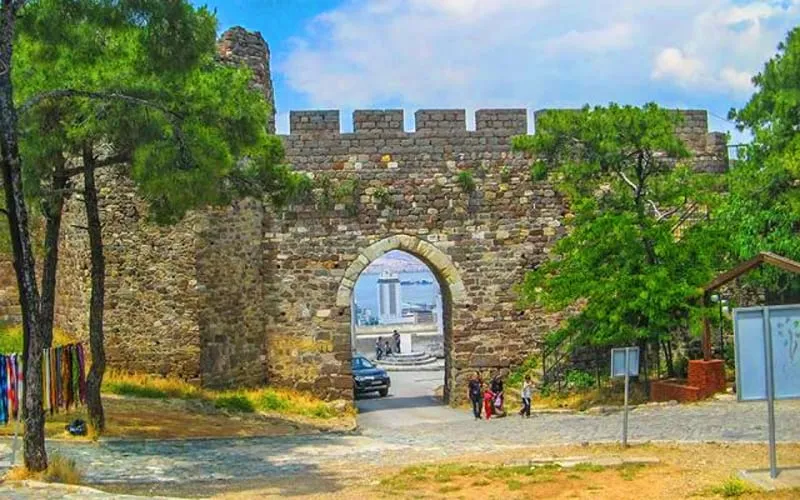
Although the castle is now surrounded by modern housing, Hellenistic and Roman walls can still be seen. Inside the castle are a large vaulted Byzantine cistern and the remains of a small mosque. Don’t forget to have tea at the coffeehouse overlooking the Gulf of İzmir at the entrance to Kadifekale.
Aqua Fantasy Park
Aqua Fantasy Park, on the İzmir–Aydın border in the Selçuk district, is one of Türkiye’s best water parks, and one of its largest.
Karagöl
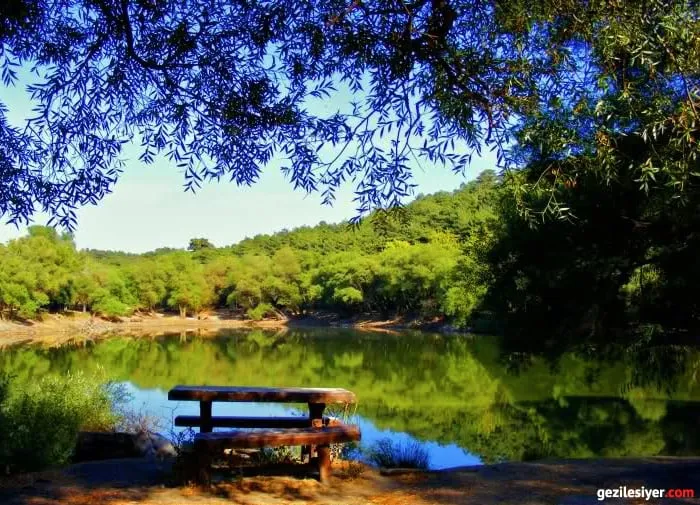
Karagöl, one of İzmir’s natural beauties, is 25 kilometres from the Karşıyaka district. The people of İzmir like to go to Karagöl and its surroundings for picnics at weekends.
Alsancak Sevgi Yolu (Alsancak Love Road)
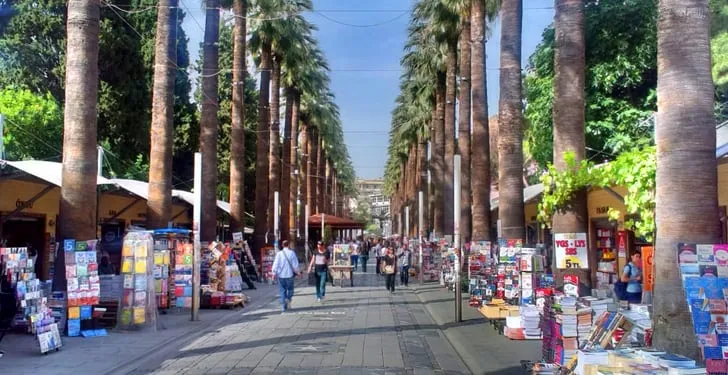
Imagine a street lined on both sides with century-old palm trees, a pavement lit in many colours, and memorial plaques bearing the names of famous stars of Yeşilçam, Turkish cinema’s golden age. The Alsancak Love Road in Konak is one of İzmir’s most enjoyable spots.
İzmir Kordon Boyu (the Kordon)
When people say the İzmir Kordon, the first thing that comes to mind is the deep blue sea on one side and charming cafés on the other. You can meet your family or friends on the Kordon for an evening coffee and sip it facing a lovely sea view.
Konak Meydanı (Konak Square)
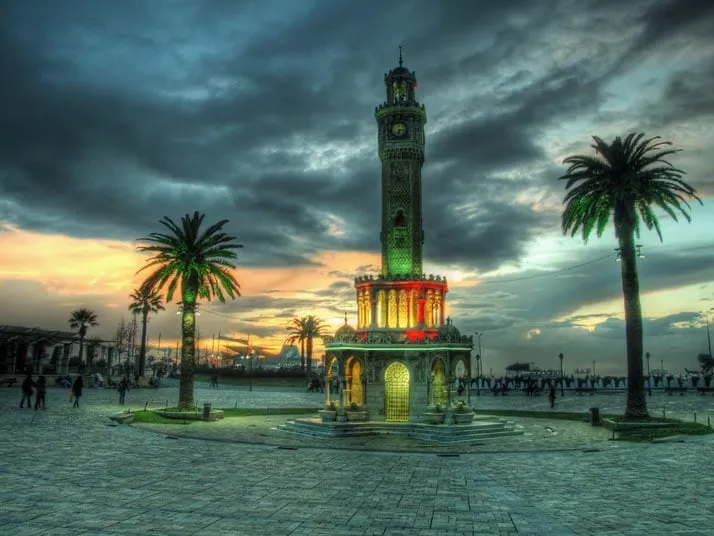
You can take the first step of your holiday by booking one of the hotels near Konak Square. Being central, the square will make getting around easy and will readily offer you the attractions it holds.
Source: https://www.gezilesiyer.com/izmire-yolunuz-duserse-gezilecek-20-yer.html
Culture and arts in İzmir
Folk music of İzmir
İzmir, at the westernmost edge of Anatolia, has been shaped by the zeybek culture that also covers its neighbours Aydın, Balıkesir and Manisa. As is well known, the zeybek tradition emerged from the 16th century, and especially in the 18th and 19th centuries, when the Ottoman Empire was in administrative, political, economic and social decline. From the early 19th century the zeybeks shaped the social and cultural life of the Aegean Region and laid the foundations of its music, folk dances and dress.
Most zeybek dances are solo and improvised. The melodies are in nine beats. Among the people they are classified by tempo as ağır (slow), ağırca (moderately slow) and kıvrak (lively) zeybeks, played at tempos between allegretto and adagio.
The range of İzmir zeybek melodies is more than an octave, and the melodies move by adjacent steps in a descending line. They are in nine beats (9/8, 9/16, 9/4), and the group of three can come at the beginning, at the end or third (3+2+2+2, 2+2+2+3 and 2+2+3+2). Zeybek melodies mostly resolve on the rast, dügah and segah pitches.
Zeybek dances are played on the davul and a pair of zurnas (or clarinet) in the open air, and on the bağlama indoors. The region also uses the kabak kemane (gourd fiddle), üçtelli (three-stringed lute), dilsiz kaval (end-blown flute), çığırtma (bone pipe) and sipsi (reed pipe).
İzmir has a multicultural character. This is borne out by the survival in the region, alongside zeybek melodies, of dance tunes such as semah, bengi, mengi and güvende, as well as laments (ağıt) and songs of exile (gurbet havası).
Some of the melodies found in and around İzmir are: Abacılar İnişi Saatimin Gümüşü, Ak Çeşmenin Taşları, Bergama Zeybeği, Bir Ateş Ver Sigaramı Yakayım, Cezayir, Gerizler Başında Hoplayamadım, Harmandalı Zeybeği, İzmir’in Kavakları, Kordon Zeybeği, Koca Arap Zeybeği, Kozak Zeybeği, Köroğlu, Sepetçioğlu Zeybeği, Şu İzmir’den Çekirdeksiz Nar Gelir and others.
Zeybek folk dances
When people speak of the Aegean Region, the efe and the zeybek come to mind first. They are known as brave, bold, daring people who stand up to injustice. The region’s folk dances are also generally called zeybek. The influence of zeybek dances is seen in the provinces west of the line through Antalya, Burdur, Isparta, Afyon, Eskişehir and Sakarya.
By rhythm, zeybek melodies fall into two groups, “ağır” (slow, in 9/4 and 9/2) and “yürük” (fast, lively). They are also classified as “women’s zeybek”, “town zeybek” and “country zeybek”. Of the zeybeks danced in many parts of the Aegean, the slowest and most imposing are found in İzmir, together with Aydın, Muğla and Manisa.
The dance figures vary with the dancer’s feelings and skill, so in solo zeybeks those dancing the same dance differ in their walking, kneeling and turning. The hops, knee strikes and walks in the dance symbolise the zeybek’s self-confidence, honesty, courage and challenge to the world around him.
Zeybek dances are danced to davul and zurna (or clarinet) outdoors, and to the bağlama indoors. A pair of zurnas usually accompanies the dances: one plays the melody while the other holds a drone on the tonic. At the start of the dance there is an introduction played freely in the mode of the melody to come. In this section, called “gezinleme”, the dancers slowly circle the ground. When the melody begins, they start the dance with a shout. Women’s zeybeks have no gezinleme section and are faster than the men’s.
In zeybek dances the arms are raised as the right foot steps forward. The arms swing on the triple beat that creates the limping rhythm, then are raised and held above the head. At the end of the dance the left arm is lowered. The body is always upright and the gaze stern.
Zeybek costumes vary in colours, embroidery, decoration, jewellery and other accessories according to the area where the dance is performed.
The dances are named after the place where the melody was composed (such as Çandarlı Zeybeği), after a person famous in the area (İnce Mehmet Zeybeği) or, in zeybeks with words, after the first line of the song. The best-known zeybek dances of the area are: Arpazlı, Bengi, Bergama Zeybeği, Çakıcı Efe, Çandarlı Zeybeği, Harmandalı, Karaburun Zeybeği, İkiparmak Zeybeği, İnce Mehmet Zeybeği, Koca Solak, Koyundere Zeybeği, Kozak Zeybeği, Kör Bayram, Minarede Ezan Var, Nacakoğlu Zeybeği, Ödemiş Zeybeği, Ötme Bülbül Zeybeği, Sepetçioğlu, Soğukkuyu Zeybeği, Somalı Zeybeği, Süslü Jandarma, Tire Zeybeği, Yağcılar Zeybeği, Yalabık Zeybeği and Zahide Molla Zeybeği.
Beledi weaving
Beledi weaving is one of our oldest cotton weaves, with roots going back to the 16th century. Historical records mention this kind of weaving in Tire and Bursa.
According to the 1908 Aydın Province Yearbook (Salname), there were 60 hand looms in Tire. Beledi cloth woven in Tire for curtains, upholstery, mattresses and quilts met the region’s needs, and some was exported. Over the years the number of looms fell. Today only Saim Bayrı and Ethem Tıpırdık keep this craft alive.
Beledi cloth is woven on looms with 24 frames controlled by 16 or 13 pedals. The result is a double-layered, very durable weave. Ground colours are green, red or dark blue as wanted, and motif colours are white and yellow. Patterns have names such as bademli (almond), kelebek (butterfly), hebib döşeği, evsat, altıparmak, düzbastı and sepet (basket).
The cloth is generally 60 cm wide. There are two kinds, “orta” and “ala”. Very little silk is used in orta weaves, which are preferred for upholstery and for quilt and mattress covers. Ala weaves contain silk and are used for curtains.
Felt making
Felt, with its long and deep-rooted history, has come down to the present through centuries of tradition passed from the Huns to the Göktürks and from the Seljuks to the Ottomans. Although Tire, Bergama and Ödemiş are counted among İzmir’s important felt centres, traditional pressed-felt workshops are dwindling every day as livestock farming declines and manufactured products multiply. The workshops still operating in İzmir today make traditional products such as saddle felt, floor felt and kepenek shepherd’s cloaks, as well as items for tourists such as shoe linings, slippers, waistcoats, saddlebags, bags, shawls, cushions and jewellery.
Today one workshop in the Seferihisar district carries on the craft, combining traditional methods with modern designs.
Pottery
Excavations show that pottery began to develop as nomadic peoples settled down. The first pots made in Anatolia go back to the Neolithic, around 7000 BC. Early pots were shaped by hand using the coiling method and usually fired in an open fire. With the invention of the potter’s wheel around 3000 BC, shaping on the wheel began, and at the same time primitive kilns came into use for firing clay.
Archaeological finds from excavations show that İzmir and its surroundings (Bayraklı, Urla, Foça, the island of Samos) were an important ceramics centre.
One reason pottery developed here is that the soil is rich in potter’s clay, the raw material for making pots. Another is the need for containers to store wine, from viticulture, and olive oil, from olive growing.
Today pottery is well developed in the Menemen district. Clay soil from the area that is suitable for pottery is made into slip in special pools, filtered and cleaned, dried to the right consistency and then shaped by hand on the wheel. Fired in special kilns, the pots are glazed to stop water seeping through.
The clay used in Menemen allows glazed and unglazed pieces to be fired together.
Here, on seventh-generation wheels, electric motors have now replaced human power. Menemen has 8 large workshops, and unlike in many areas, young people are also learning the craft. Alongside everyday items such as storage jars, flowerpots, cups, small jugs and jugs, they also make souvenirs for tourists.
Oya lace and embroidery
Oya, one of our traditional crafts, can be defined as a needle-lace technique using various threads and tools such as the needle, crochet hook, shuttle and hairpin. Over time sequins, beads and fabric were added. In İzmir’s city and district centres, crochet oya, needle oya, shuttle oya and bead oya are mostly made. Crochet oya is found in almost every part of İzmir on the edges of headscarves and towels made for everyday use or for a trousseau. Shuttle oya is mostly made on the edges of mevlit (religious gathering) and prayer covers. Needle oya has a special place in İzmir: although it is made in almost every district, the finest examples are found in the Ödemiş and Tire districts.
Embroidery, which has always held an important place in our society, is shaped by the social, cultural and economic conditions of the communities in which it develops. Historically, İzmir shows a broad cultural spectrum, and this diversity is reflected in its embroidery.
Embroidery in İzmir is generally found on clothing such as waistbands, kerchiefs, handkerchiefs, three-skirted robes (üçetek), şalvar trousers and cepken jackets, and on household textiles such as bed linen, towels, and mirror or console covers. Embroidery, usually made for a trousseau, is widespread throughout İzmir, but the finest examples are found in central İzmir and in the Karaburun, Urla, Ödemiş and Tire districts.
Source: http://www.izmirkulturturizm.gov.tr
History of İzmir
İzmir’s first settlement was found through archaeological excavations. The city is thought to have been founded some 8,000–9,000 years ago, in the period scientists call the Neolithic, at Yeşilova in Bornova. The first people of İzmir, who had very fertile alluvial soil at this time, are thought to have lived here for about 1,500 years, that is, until the end of the Chalcolithic.
Why the city started again at a second site, Bayraklı, is not yet clearly known, and scientists are continuing their research. Archaeological excavations have shown that the traces of the ancient settlement at Tepekule in Bayraklı go back 5,000 years, but intensive work is still needed to reach more certain information that can be linked to other regions.
The best-known period of Tepekule in Bayraklı is the 7th century BC, when the settlement was at its height. At this time the city was one of the 12 Ionian cities, had a magnificent temple of Athena and lived by trade. Although excavations show minor signs of life in the 4th century BC, the city essentially moved to the area we know today as Kadifekale. The small archaeological finds from the excavations, each with an aesthetic of its own, can be seen today at the İzmir Archaeological Museum and the İzmir Museum of History and Art.
Of course, every city has a founding legend in antiquity. It is said that one day Alexander the Great fell asleep by a spring under a plane tree on the slopes of Kadifekale. In his dream two Nemeses came and told him to found a city where he lay and to have the people move there. On waking, Alexander put the goddesses’ wish to the oracles of the temple of Apollo at Claros (today Ahmetbeyli, which can be visited), the most famous oracle centre in the area. The god Apollo answered the people of Smyrna that those who would live on Pagos hill (the area known today as Kadifekale), beyond the sacred Meles (today the Yeşildere), would be three or four times happier than before. It is said that this is why the city moved from Tepekule in Bayraklı to the slopes of Kadifekale in the 4th century BC, in the Hellenistic period. This is of course a pleasing legend; the real reason is that living conditions at Tepekule had become unfavourable and a new site was needed.
After the city moved to the slopes of Kadifekale, it was inhabited without a break to the present day. The area known as the Agora excavations, which you will see on your left as you climb the İkiçeşmelik slope today, was the city’s state agora. Important decisions about the city were taken here, and there was a large court building. The city’s other buildings, unfortunately, now lie beneath more modern buildings.
As everywhere, the Hellenistic period that began with Alexander the Great was followed in İzmir by the Roman, Byzantine and Ottoman periods. The Roman and Byzantine periods were not especially brilliant or memorable in İzmir.
With Ottoman rule the city gained momentum again. The city passed definitively under Ottoman rule in the 15th century. At this time its port was not very important; the main port was that of the island of Chios. For various reasons, interest shifted to İzmir and its port gained importance too. From the 17th century the city rose sharply. With growing trade, the city developed a distinctive mosaic. Made up of Levantines who came from the West to trade with the East, Greek Orthodox, Armenians, Jews and Muslim Turks, this mosaic created a tolerant urban culture. Trade both united and enriched these different ethnic origins, cultures and religions.
In this period İzmir was a city where people of every nation and all the goods of East and West could be seen in its streets and bazaars. It was a trading bridge between Asia and Europe.
Transport from the port to the interior was by caravan. As you might expect, this was very limited and slow. To reach the interior faster, Levantine merchants took the lead in building railways. The İzmir–Aydın railway is known as the first railway line built in Anatolia.
The aim of the railway was to carry the produce gathered in the river basins to the port as quickly and cheaply as possible. The railway increased trading capacity, and the harbour, an inner basin that came up to the front of the Kızlarağası Han, was no longer enough.
So in the 19th century the French and British, who held the concession to build a port, built the new port we know today as Pasaport. By the end of the 19th century the city had become one of the important centres of trade.
But the city’s glorious days were overshadowed by war. The Greek occupation, then the War of Independence and then the fire of 1922 left the city in ruins.
The Republic healed the city’s wounds, and in the words of Herodotus, “They built their city under the most beautiful sky and in the most beautiful climate we know on earth.”
With the founding of the Republic, the city’s trade grew further: 10 factories were set up in İzmir in 1923 and 129 in 1933.
In 1923 the Economic Congress, a commercial breakthrough, was held for the first time in İzmir. At this congress Atatürk put forward the “idea of a fair” for the first time, it was adopted, and the foundations of the International Fair were laid in 1936.
So İzmir’s commercial and tourist sides began to come to the fore.
Between 1930 and 1950, canning factories and pasta and vegetable-oil factories were set up. Towards the end of 1960, 220 large firms, 11 state-owned and 209 private, were operating in İzmir in various branches of manufacturing.
In the 1970s İzmir, a destination that can be seen as the starting point of Turkish tourism, became the leading city in making Türkiye and its tourism known.
Having naturally become a film set in the films of the period, İzmir drew many Turkish and foreign visitors.
With İzmir Adnan Menderes Airport, whose foundations were laid and which came into service in the 1980s, direct flights increased. Today, with its new international terminal, İzmir Adnan Menderes Airport connects many cities to İzmir with domestic and international flights.
Since the 1970s work has gone on to develop tourist facilities in İzmir and its districts and to complete its tourism infrastructure. Although the high value of land in İzmir has sometimes pushed investors towards other sectors, İzmir’s future in tourism is developing thanks to entrepreneurs who have not lost hope in tourism investment and keep making the effort.
Excavations are under way at many archaeological sites, bringing antiquities to light.
Inspired by its history, and with a unique archaeological heritage that includes Pergamon and Ephesus on the UNESCO World Heritage List, İzmir today continues to welcome Turkish and foreign visitors with a year-round approach to tourism.
Thermal and senior tourism, building on health, which has been part of the city’s memory throughout its history; congress tourism, with fairs and events; cultural tourism, with its unique heritage; and cruise tourism, with its port history, are all being developed.
Source: http://www.izto.org.tr/tr/izmirin-tarihcesi
Getting to İzmir
Thanks to Adnan Menderes Airport, İzmir welcomes visitors by air from both Türkiye and abroad. You can find flights to İzmir from almost every airline at different times, and finding an affordable ticket won’t be hard. You can also come to İzmir by bus from many provinces of Türkiye.
Those travelling by road can come to İzmir via the Çanakkale, Bursa, Bolu and Ankara roads. Ferry services that shorten the route and newly built bridges also cut the journey time to the city.
Districts of İzmir
- Aliağa
- Balçova
- Bayındır
- Bayraklı
- Bergama
- Beydağ
- Bornova
- Buca
- Çeşme
- Çiğli
- Dikili
- Foça
- Gaziemir
- Güzelbahçe
- Karabağlar
- Karaburun
- Karşıyaka
- Kemalpaşa
- Kınık
- Kiraz
- Konak
- Menderes (Cumaovası)
- Menemen
- Narlıdere
- Ödemiş
- Seferihisar
- Selçuk
- Tire
- Torbalı
- Urla
Economy of İzmir
İzmir is Türkiye’s third-largest economy. According to TÜİK (Turkish Statistical Institute) data for 2024, 5.7% of the country’s gross domestic product was produced in this province.
The city’s economy rests on its port and its trading past. Alsancak Port and the industrial and port facilities at Aliağa are the Aegean’s gateways to the world. The İzmir International Fair, held at Kültürpark, is one of the symbols of the city’s commercial identity.
Grapes, figs, olives and cotton grow on the fertile plains, while Çeşme and the area around Ephesus make tourism one of the city’s important sources of income.
Data: TÜİK, Gross Domestic Product by Province, 2024.
Sport in İzmir
Deve güreşleri (camel wrestling)
Camel wrestling is an important tradition that draws Turkish and foreign tourists in the quiet period outside the tourist season and brings life to our Aegean, Mediterranean and Marmara regions for some three or four months.
Thought to have begun as entertainment among the caravan-driving Yörük tribes, camel wrestling was later given set rules and became a tradition. Male camels called “tülü”, born from crossing a female one-humped African camel with a male two-humped Asian camel called a “buhur”, are well suited to wrestling. They are raised with special care and prepared for the bouts. Taken to bouts at various centres when the season opens, these camels are a source of pride for their owners as well as the stars of camel wrestling, which contributes greatly to domestic tourism.
During the wrestling season, from December to March, camel wrestling is held regularly in İzmir in district centres and villages such as Selçuk, Ödemiş, Tire, Kemalpaşa, Torbalı, Dikili, Menemen, Kınık, Bornova and Bayraklı.
Source: http://www.izmirkulturturizm.gov.tr


Comments
Loading comments…