
Antalya
A unique blend of sea, history and nature
- Mediterranean Region
About Antalya
Antalya is in the Mediterranean Region. It is Turkey's fifth most populous city and its sixth largest province by area. With natural wonders and dozens of places to visit, it is one of the first cities in Turkey you should discover. The population of Antalya, Turkey's most famous tourist city, was 2,288,456 at the end of 2015; according to TÜİK's 2025 data it is 2,777,677. Antalya receives the most temporary migration, especially in summer. Antalya is the centre of citrus growing. Its economy rests mainly on tourism, agriculture and trade.
Antalya's history of settlement goes back a very long way. The history of the region reaches back 50,000 years. Studies in the Karain and Beldibi caves have found traces from the Palaeolithic and Mesolithic periods. The first settlement is said to have belonged to the Lydians. The name Antalya literally means "Land of Attalos". The city passed into Ottoman hands in 1391. Throughout history Antalya has been remembered as a city that many states desired but could not take. With its deep-rooted history, Antalya is also the city with the most ancient cities in Turkey. That is why there are so many places to see and visit in Antalya.
Because Antalya has a Mediterranean climate, summers in the city are hot and winters mild and rainy. Antalya is a favourite for summer tourism. Getting around the city is also very easy: the tram, public buses, taxis and sea buses run very frequent services.
There are many options for nightlife in the city. In every district you can find clubs, bars, restaurants or meyhanes to suit every taste. Important festivals are also held in the city, such as the Antalya Altın Portakal (Golden Orange) Film Festival and the International Antalya Piano Festival. The 3rd Infantry Training Brigade Command of the Turkish Land Forces and the Air Base Command of the Turkish Air Force are in Antalya. The city hosted the 2015 G-20 Summit and Expo 2016.
Antalya's famous dishes and desserts
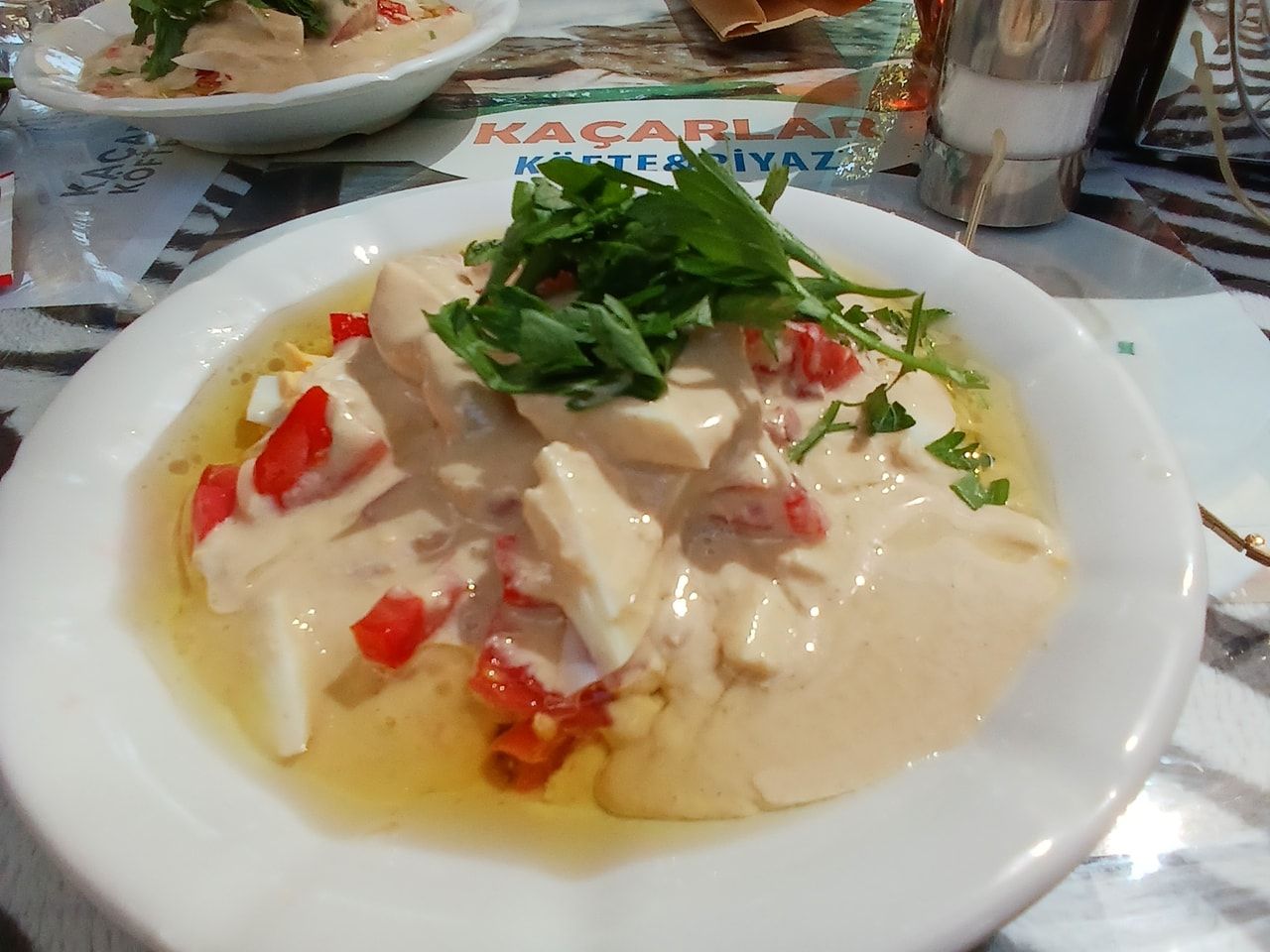
Antalya piyazı
Also known as piyaz with tahini or with tarator, this piyaz will put the classic piyaz in the shade. Piyaz always brings köfte to mind, doesn't it? Well, things have changed.
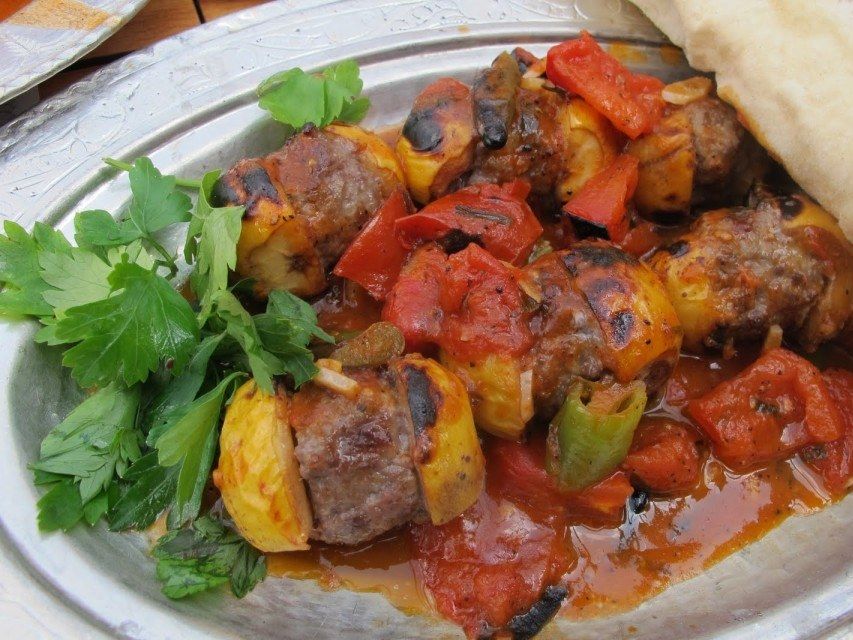
Makes you love artichokes: Enginarlı Girit kebabı
A dish in which lamb and artichokes are cooked together; it takes its name from the cuisine of the Cretan immigrants.
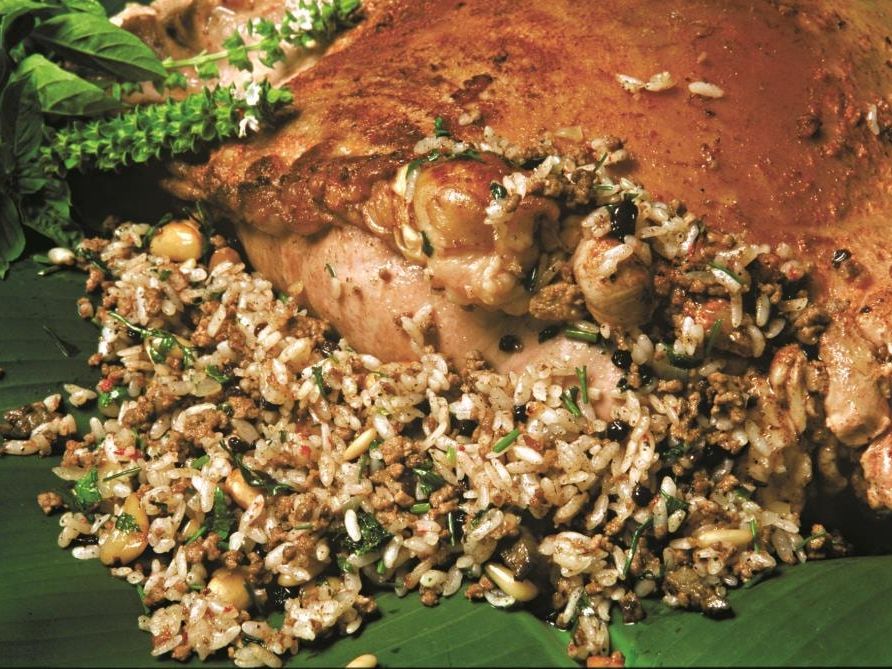
Lamb ribs, really: Laba dolması
Made by stuffing lamb ribs with a rice filling and baking them in the oven.
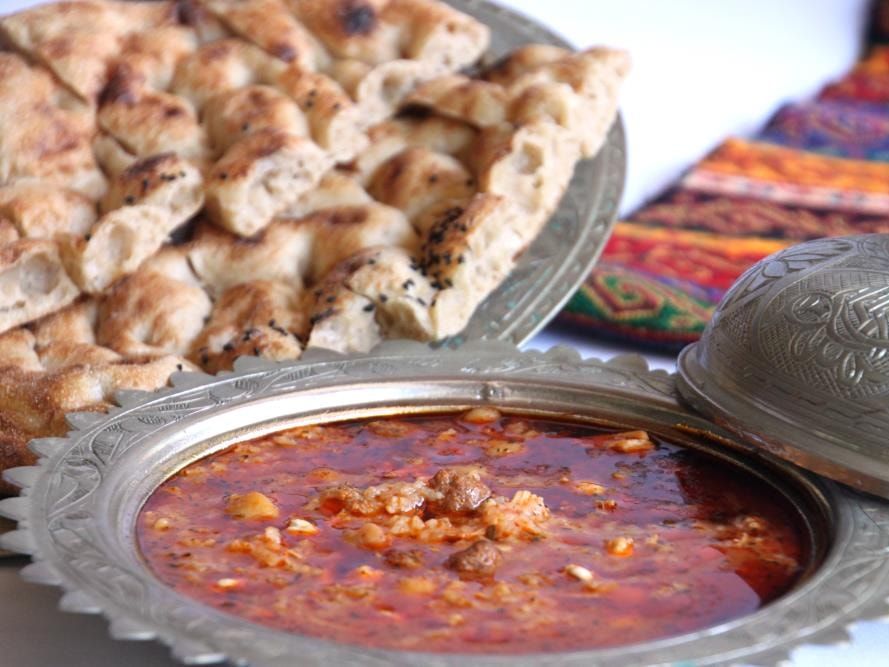
You could also call it wedding soup: Hülüklü çorba

You'll eat them five at a time: Biber frigya dolması
For those who don't know it, let us explain it briefly and clearly: think of içli köfte; this dolma is its version without bulgur. The peppers are filled with a minced-meat stuffing, then coated in flour and egg and fried until crisp.
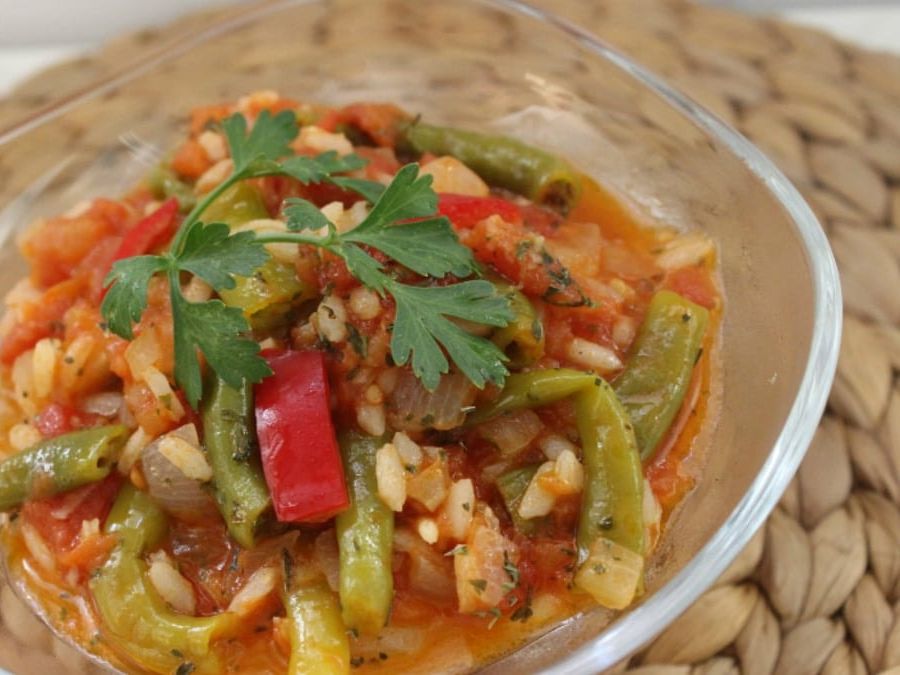
Bulgur or rice, both welcome: Cive
Imagine a vegetable dish with tomatoes and rice (bulgur works too). Easy to make but very tasty. Although it looks like a starter or meze, you sit down and fill yourself up on it. It is that good
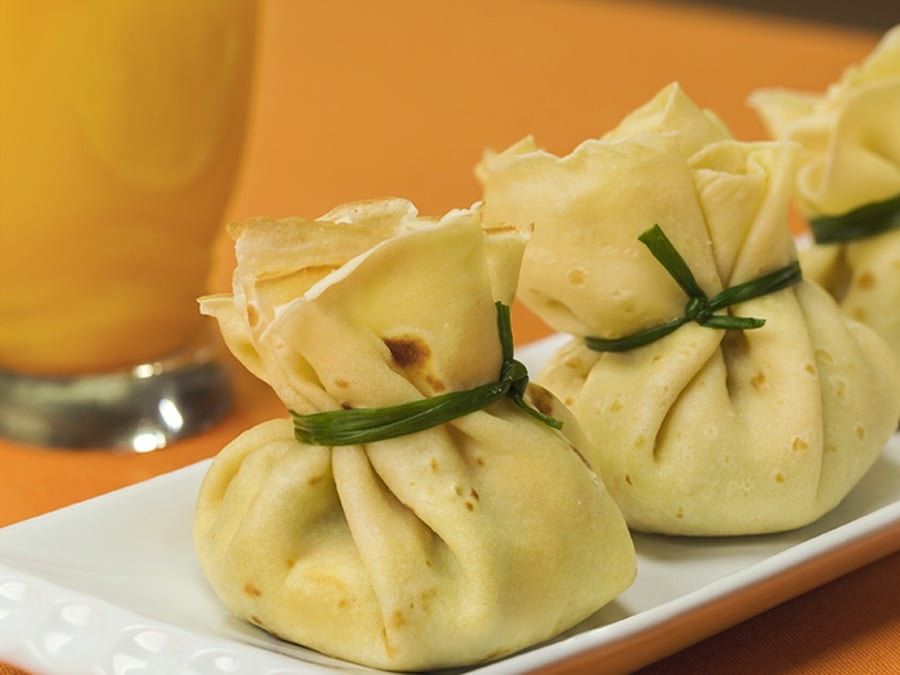
The filling is up to you: Alanya bohçası
Another wonderful dish made with crêpe batter. Depending on the filling, you can eat it at breakfast, lunch and even dinner. Lamb is usually chosen for dinner, while for lighter meals such as breakfast and lunch it is filled with cheese.
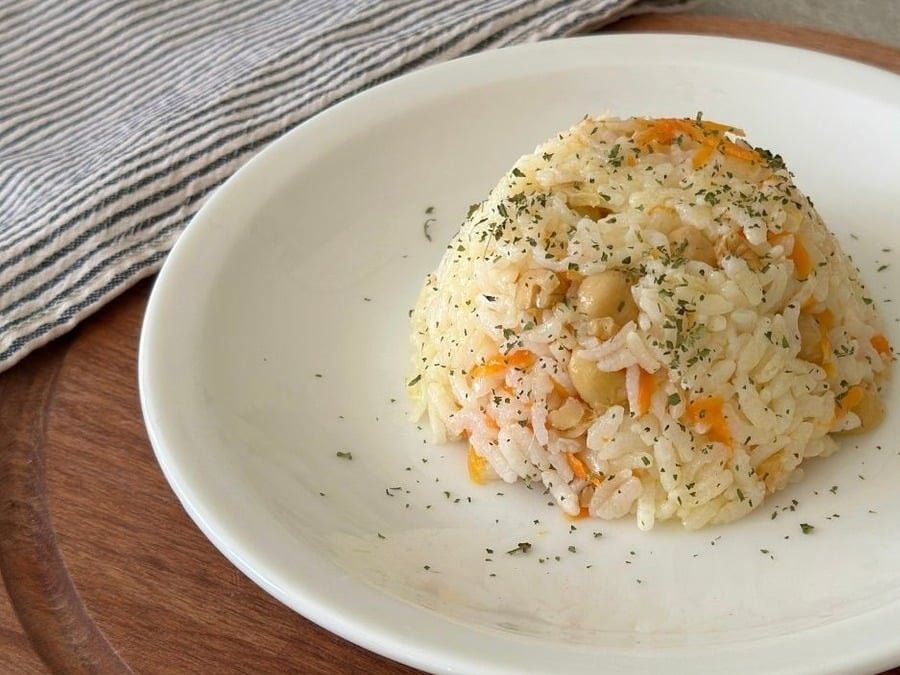
As lovely as its name: Gökçesu pilavı
A little different from the pilafs you know. It contains chickpeas, parsley, dill and plenty of carrot, and the result is a wonderfully fragrant dish.
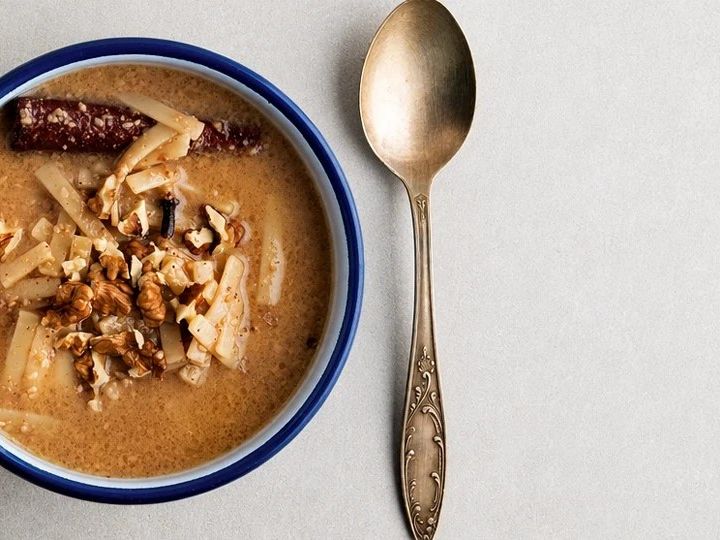
Antalya şilofta served with walnuts and sesame
Şilofta
Şilofta is an Antalya dessert made by cutting hand-rolled dough into strips and cooking it in sugared water. It is topped with walnuts and sesame. Some recipes also use almonds.
Source: GZT Yemek Tarifleri

Keeps illness away: Sedik aşı
A soup that is a little spicy, with a little bulgur, a little onion and a little chicken broth. You drink it by the bowlful so as not to fall ill, and of course for its taste too
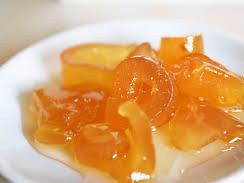
Wonderfully fragrant: Bergamot reçeli
You must try this jam made from the bergamot orange you know. Whatever it takes, you must try it!
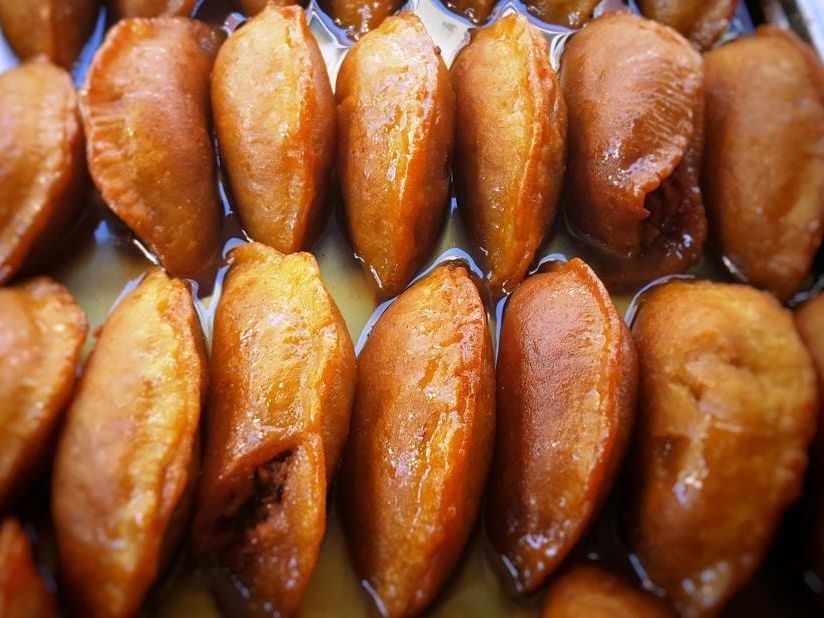
For lovers of syrupy desserts: Arap kadayıfı
This time tel kadayıf gives way to flat kadayıf. Decorated with pistachios, the kadayıf is fried in oil and then meets the syrup.
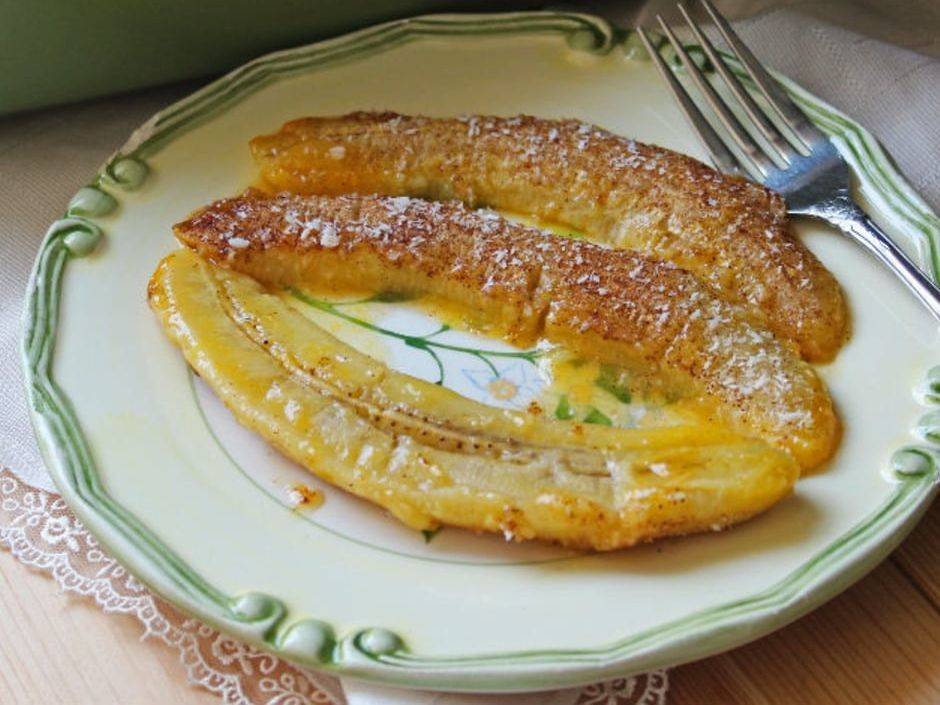
Flavour from fruit: Finike usulü muz tatlısı
Banana desserts are usually fried in oil, but here the oven is used. A wonderful sauce made from orange juice is added on top.
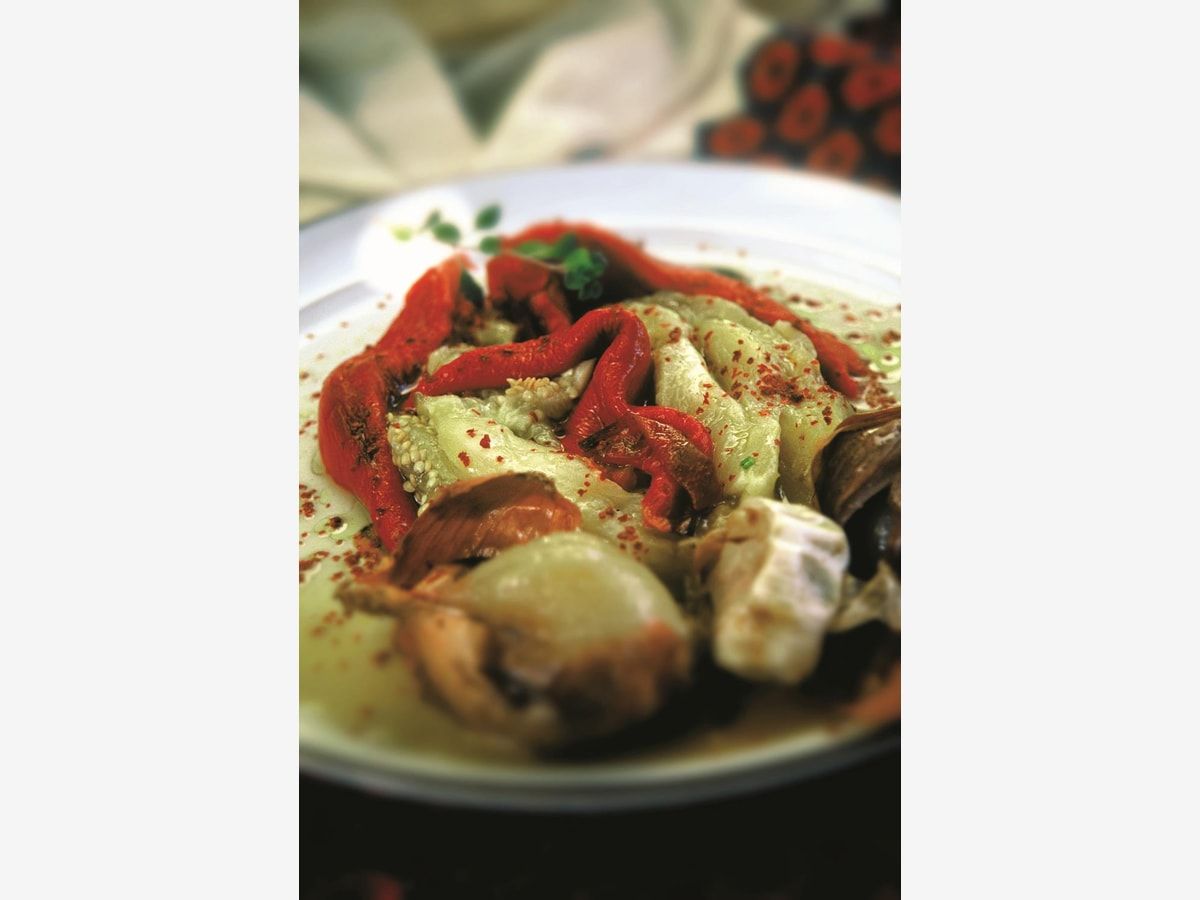
Pomegranate molasses and sumac ready? Toros salatası
In Antalya's districts this salad is also made with roasted aubergine.
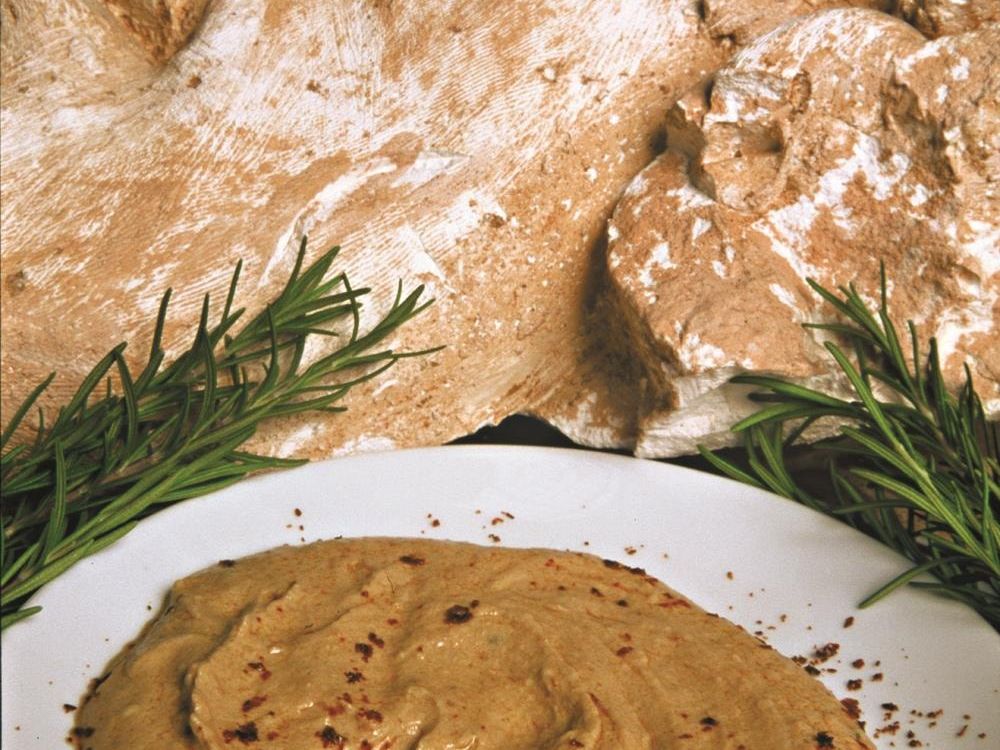
An Antalya meze: Hibeş
Hibeş, from Antalya's cuisine, can be counted as both a meze and a sauce. Made by blending tahini with lemon juice, garlic and spices, hibeş has a very intense flavour. It can serve as a sauce with chicken, meat dishes and pasta, or you can spread it straight onto bread or use it to make canapés.
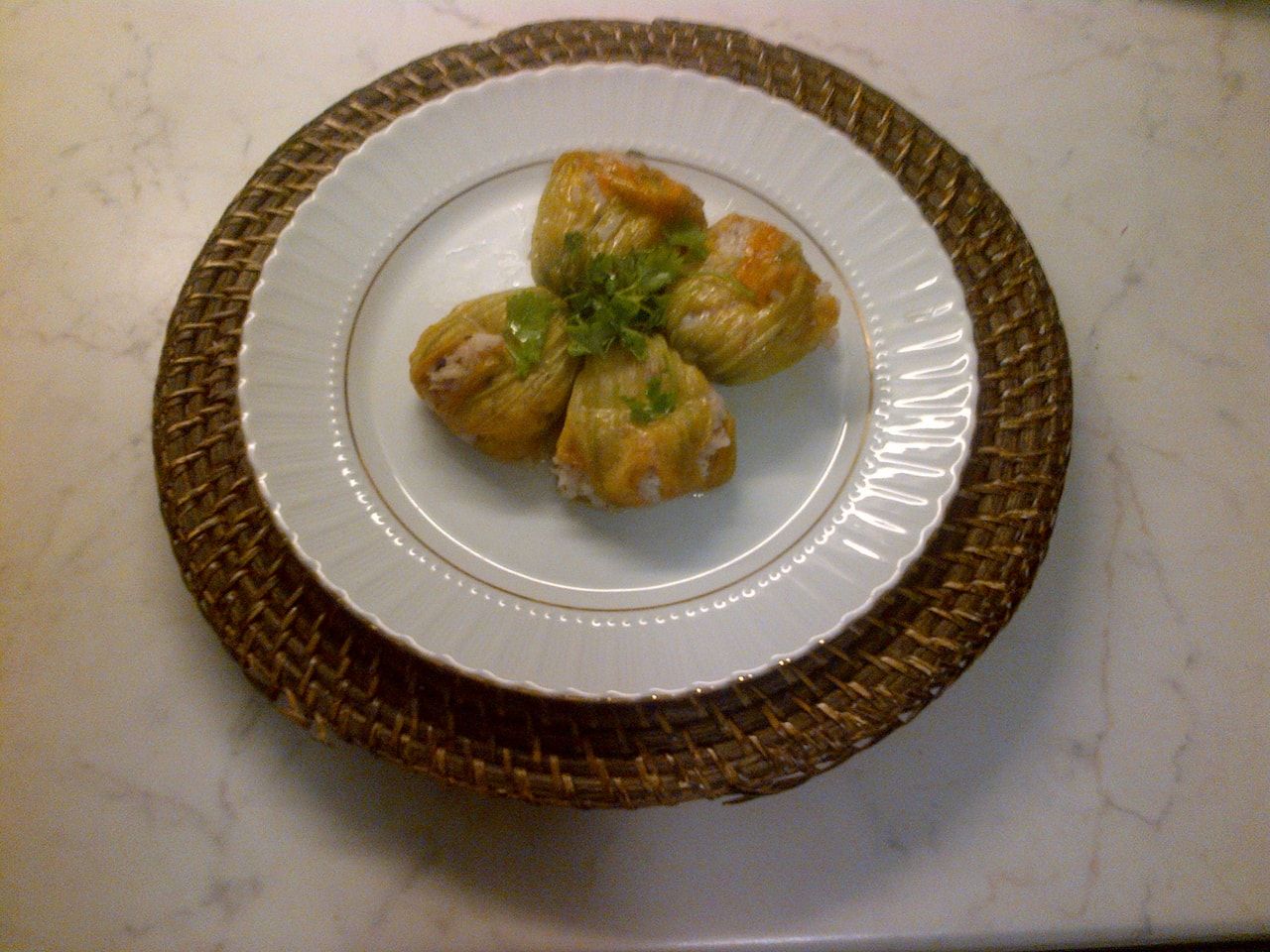
The rose of the Aegean and the Mediterranean: Kabak çiçeği dolması
It is the best-loved dish not only of Antalya but of the whole Mediterranean region. There is no need to write much about this delicious dish.
Source: https://yemek.com/antalya-yemekleri/


Places to visit in Antalya
Millions of tourists come every year to Antalya, Turkey's holiday capital. In Antalya, whose beauty is beyond words, there are many places to visit. Here are Antalya's places to see and visit, by category:
Ancient cities and monuments
Ancient cities thousands of years old should be essential stops on your Antalya trip. Aspendos Antik Kenti, Aspendos Tiyatrosu, Perge Antik Kent, Myra Antik Kenti, Simena Antik Kenti, Xanthos Antik Kenti, Apollonia Antik Kenti, Olimpos Antik Kenti, Arykanda Antik Kenti, Sillyon Antik Kenti, Side Apollon Tapınağı, Side Antik Tiyatrosu, Side Antik Kenti, Seleukeia Antik Kenti, Soura Antik Kenti, Antiphellos Antik Kenti and Hadrian Kapısı are among Antalya's most visited places and the ones we recommend you see.
Museums
Antalya's museums, most of them in the city centre, are also among the places you can visit. In particular, you can visit the Suna İnan Kıraç Kaleiçi Müzesi, the Antalya Atatürk Evi Müzesi, the Antalya Oyuncak Müzesi (Toy Museum) and the Alanya Müzesi.
Beaches
Discovering Antalya's world-famous beaches will be the most enjoyable part of your holiday. Konyaaltı Plajı, Lara Plajı, Ulaş Plajı, Kleopatra Plajı, Phaselis Plajı, Kaputaş Plajı and Damlataş Plajı are among the beaches you must see in Antalya.
Canyons
Antalya, with its countless natural beauties, has many canyons that are wonders of nature. Among these canyons, where you can both hike and do outdoor sports, the most visited are Köprülü Kanyon, Sapadere Kanyonu, Gökbük Kanyonu, Kıbrıs Kanyonu, Göynük Kanyonu and Güver Uçurumu.
Caves
If you are a traveller with an adventurous spirit, you must visit Antalya's caves. Among these caves, visited every year by thousands of people from different parts of the world, you should especially visit Dim Mağarası, Kocain Mağarası, Suluin Mağarası, Karain Mağarası, Beldibi Mağarası and Sırtlanini Mağarası.

Waterfalls
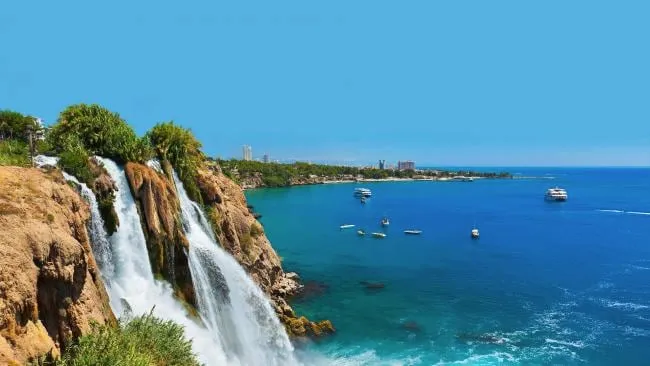
Antalya also has a landscape famous for its waterfalls. Manavgat Şelalesi, Düden Şelalesi, Kurşunlu Şelalesi, Uçarsu Şelalesi, Alara Şelalesi and Uçansu Şelalesi offer magnificent beauty.
Yaylas (highland pastures)
If you want to get away from Antalya's scorching heat for a while and spend time in nature, you can visit Bezirgan Yaylası, Gömbe Yaylası and Üçoluk Yaylası.
The Yivli Minare, one of the city's symbols, and Kaleiçi, where you can feel the city's historic fabric, are also among the places you can visit. Kekova, which you can reach from Kaş by sea or by road, is Antalya's sunken city. A trip over this submerged city in a glass-bottomed boat will enchant you and awaken a curiosity for diving. However, because the area is a research site, it is not yet open to diving. Antalya offers many places to visit not only in its centre but also in its districts and small towns. Among the places we recommend you see and visit in Antalya are Kaş, Kalkan, Alanya, Kemer, Manavgat, Olimpos, Adrasan and Side. Don't leave Antalya without visiting at least a few, if not all, of these lovely holiday spots.
Antalya Müzesi
At the end of the First World War, while Antalya was under Italian occupation, some Italian archaeologists, claiming to act in the name of civilisation, began moving various archaeological finds they had taken from the ruins in and around the city to the Italian Consulate. To stop these efforts, in 1919 Süleyman Fikri Bey, a teacher at the Sultani school, applied to the Antalya governorate to have himself appointed honorary officer of antiquities, and set about founding the Antalya Museum, first by gathering the antiquities in the centre.
The museum, which operated in the Alâeddin Camii from 1922 and in the Yivli Camii from 1937, moved to its present new building in 1972. In 1982 it was closed to visitors because it needed extensive alteration and repair; after repair and display work by the General Directorate of Antiquities and Museums, it reopened in April 1985 in a new layout arranged according to modern museum practice.
The museum has 13 exhibition halls, a children's section and open-air galleries. The works, all from the region, are displayed mostly in chronological order and in places by theme.
Side Müzesi
It is in the small town of Side, in Manavgat District, 8 km from Manavgat. The bath of the ancient agora, dating from the 5th–6th century AD and standing opposite the Roman-period agora, was restored in 1960/61 and turned into a museum.
Most of the works on display are finds from the excavations carried out by Prof. Dr. Arif Müfid Mansel in the ancient city of Side between 1947 and 1967. On display are Hellenistic, Roman and Byzantine inscriptions, weapon reliefs, statues that are Roman-period copies of Greek originals, torsos, sarcophagi, portraits, ostothecae, amphorae, altars, grave stelae, column capitals and column bases.
Alanya Arkeoloji Müzesi
Two sections in which archaeological and ethnographic works were preserved and displayed opened to visitors in 1967. As the number of works found in the ancient cities of the region grew and they had to be stored, the need to open a museum arose over time, and today's Archaeology Museum was opened.
Alanya Kızılkule Etnografya Müzesi
This monumental building, built in 1226 for military purposes and to keep the harbour under control, is one of the finest examples of Seljuk art and has become the symbol of Alanya. After it was repaired in 1951–1953, ethnographic items typical of the Alanya area were put on display on its ground floor in 1979, such as carpets, kilims, clothing, kitchen utensils, weapons, weighing instruments, lighting implements, a loom and a tent reflecting Yörük culture, giving the building the role of an ethnography museum.
Alanya Atatürk Evi ve Müzesi
The house where Atatürk, the great leader and founder of the Republic of Turkey, stayed and rested for a while during his visit to Alanya on 18 February 1935 was donated to the Ministry of Culture by its owner, Tevfik Azakoğlu. In 1987 it was restored, furnished and opened to visitors as the "Atatürk House and Museum". The first-floor rooms display Atatürk's personal belongings, photographs, a telegram Atatürk wrote to the people of Alanya and other dated documents; the other rooms on the second floor recreate a typical Alanya house with all its features and show examples of ethnographic items from the area.
Perge Müzesi
Excavations at the Perge Theatre were carried out by Turkish scientific teams between 1985 and 1993. During the excavations, besides the Dionysus frieze that now stands in its original place inside the theatre, pieces of the Centauromachy and Gigantomachy friezes were found, as well as, interestingly, a large number of architectural elements whose decoration was partly finished and partly left incomplete.
ANCIENT SITES
City walls: Of these walls, a few bastions inside the city, the Hadrian Kapısı and the towers beside it, the large tower overlooking the harbour and some parts of the harbour walls have survived to the present day. Of the two walls, one encircles the marina and the other surrounds the city like a horseshoe. One of the towers still standing in Kale Kapısı Square is used as a clock tower. The walls have four gates giving entry to the city.
Kaleiçi: The district known today as "Kaleiçi", Antalya's "Historic Core City", is surrounded by two walls, most of which have collapsed and disappeared. The inner wall encircles the marina in a semicircle. As a result of restoration work, Kaleiçi has become a tourist centre with its guesthouses, bars and bazaar. The harbour has been laid out as a marina. For the Kaleiçi restoration work, the Ministry of Tourism was given the Golden Apple (the "Tourism Oscar") award by FIJET on 28 April 1984. Hadrianus Kapısı: The only gate that has survived intact to our time, together with the two towers beside it, is Üçkapılar, also called the Hadrianus Kapısı, the most beautiful gate in Pamphylia. Built in AD 130 in honour of Emperor Hadrian's arrival in Antalya, the gate is made entirely of white marble except for its columns. Its carvings and reliefs are extraordinary.
Old Antalya houses: In Antalya, where summers are very hot and winters mild, houses were built with more attention to keeping out the sun and staying cool than to keeping out the cold. Shaded stone-paved halls and courtyards are features that help air flow. The houses are built on three floors, with an entrance that serves as storage and hall.
Perge
It is 18 km east of Antalya, within the borders of Aksu Bucağı. Because it lay on the Cilicia–Pisidia trade route, it was an important Pamphylian city. The city was founded at the same time as the other Pamphylian cities (7th century BC). Perge, whose chief goddess was Artemis of Perge, was an important city for Christians. St Paul and Barnabas came to Perge in the AD period. Some wealthy citizens such as Magna Plancia gave Perge important monuments. The first excavations at Perge were started in 1946 by Istanbul University; the important remains are:
Theatre
It consists of three main parts: the cavea, the orchestra and the scene. It holds 12,000 spectators. There are 19 rows of seats in the lower part and 23 in the upper part.
Stadion
It measures 34 x 34 m. There are thirteen rows of seats on vaults. There are thirty vaults each on the east and west sides, and ten on the north. One in every three vaults was used as an entrance to the Stadion, and the other two as shops.
Agora
The commercial and political centre of the city. Shops surround the central courtyard on all sides. The floors of some shops are covered with mosaic. The agora, with a round building 13.40 m in diameter in the middle of the square, measures 76 x 76 m.
Colonnaded street
It runs from the foot of the acropolis to the nymphaeum. A water channel 2 m wide in its middle divides the street in two.
The other structures at Perge are the necropolis, the walls, the gymnasium, the baths, the monumental fountain and the gates.
Sillyon
It is near Yanköy, 13 km north-east of Aksu. The city was founded in the 14th century BC on a high plateau facing Aspendos and Perge. The Seljuks also made use of the city, which saw various civilisations. The surviving remains are a stadium, a gymnasium, towers, a Seljuk mescit and a theatre whose stage building has disappeared.
Termessos
Termessos lies on a plateau at an altitude of 1,050 metres on the western side of Güllük Dağı, a Natural Park 34 kilometres from Antalya. Termessos was founded by the Solymi, who came from inner Anatolia.
Among the important remains, the theatre, holding 4,200 people, was built by Emperor Augustus right at the start of the 1st century AD. The Odeon, a roofed council assembly building, had seating for 600 people. The underground cistern, made up of five interconnected cisterns, was used to store water and olive oil.
The other important remains are the Agora, open on the west and surrounded on its other sides by colonnaded galleries; the Heroon, a hero monument sitting on a platform 6 m high; a Corinthian temple; the Temple of Zeus Solymeus; the Small and Great Temples of Artemis; the Gymnasium; and watchtowers. Apart from these, there are many monuments and more than 1,200 rock tombs.
Olympos
Olympos, one of the most important harbour cities of ancient Lycia, has been the subject of mythology throughout history. Because of its favourable location, Olympos was a pirates' refuge; today it is known worldwide for its historic treasures, its magnificent 3,200 m beach, its endemic plants, its Caretta caretta turtles, its Chimaera, its magnificent nature that allows every kind of sporting activity, and its famous tree houses used as guesthouses. More information
Ariassos
Ariassos, dating from antiquity, is one kilometre from a turn-off to the left at the 48th kilometre of the Antalya–Burdur highway. The city, built on a mountainside, is worth seeing for its baths and rock tombs.
Phaselis
Phaselis is reached by turning left for one kilometre at the 57th kilometre of the Antalya–Kemer highway. Founded by the Rhodians in the 7th century BC, the city is known as the most important harbour city of eastern Lycia. Inside the ancient city, which has three harbours, there is a street 20–24 wide. At the western end of the street is Hadrian's gateway, and on its right and left sides are shops and baths. The city can be reached by land and by sea.
Limyra
The city, believed to have existed since the 5th century BC, is at the 11th kilometre of the Kumluca–Finike road. The city suffered serious damage in the earthquake of 141 but survived; it was abandoned after Arab invasions in the 7th and 9th centuries. The city consists of three parts: the acropolis, the residential area and the necropolis.
Arycanda
It is 26 kilometres from the Turunçova area on the Kumluca–Finike highway. It is not known exactly when the city, which controlled the Akarçay valley, was founded. According to the finds, the city is thought to have existed in the 5th century BC. Badly damaged in the earthquake of AD 240, the city remained lively until the 11th century. Known as Aalanda in the Byzantine period, the city has many well-preserved buildings.
Demre (Myra)
Demre, 25 km from Finike and 48 km from Kaş, is one of the six great cities of the Lycian civilisation. Demre, which first became a settlement in the 5th century BC, was once on the seashore, but its link with the sea was cut off by the alluvium carried by the Demre stream. The city was abandoned after the Arab invasions of the 9th century AD. The rock tombs, the theatre and the church of St Nicholas are buildings worth seeing. The harbour of Andriake, built by Hadrian and containing a granary, is connected with Demre.

St. Nicholas Kilisesi
St Nicholas, widely known as Father Christmas (Noel Baba), was born in AD 245 at Patara, near Fethiye, and died in AD 363. The well-educated son of a wealthy family, St Nicholas devoted his life to helping people, especially children and sailors. The fame his help brought him has come down to the present day as the legend of Father Christmas and remains as current as ever.
St Nicholas, who as the priest of Demre gave people religious and social help, was buried in Demre when he died, and a church was built in his name next to his tomb. In 1080 Italian pirates carried some of his bones off to Bari. However, some remaining bone fragments are today in the Antalya Museum.
The Father Christmas symposium, first held on 5–7 December 1983, has been repeated every year since then with the participation of people of different faiths and backgrounds. Following St Nicholas's path, this symposium calls on people of different religions and beliefs to peace, friendship and brotherhood.
Simena (Kale)
Simena, which draws its beauty from its history, its sea and its sun, can also be reached by sea from Üçağız. The sunken city and ancient remains on Kekova island opposite, lying beneath the enchanting blue of the Mediterranean, are worth seeing. In Simena, whose history goes back to the Lycian civilisation, you can find the remains of many civilisations. The theatre carved into the rock and the walls are only a few of them.
Kekova
It lies between Kaş and Demre. It is a sunken ancient city on an island in the Mediterranean, opposite Üçağız village and 500 m from the shore.
Patara
Patara lies on the Kalkan–Fethiye road, about 10 km before Kalkan and to the south. Coloured ceramics found in the city centre show that the city's history goes back to the 5th century BC. Besides being the birthplace of St Nicholas, it was an important harbour city in the time of Alexander the Great. The walls with three gates, one of which leads to Patara, were built in AD 110 by the governor Modestus. One of its most important remains is the ancient Patara Theatre.
Xanthos
The city, built in the valley of the Xanthos river, is the oldest and largest city of the Lycian civilisation. Independent until the Persian invasions of 4292 BC, the Xanthians bravely defended their city against the invaders, but when they realised they would not succeed, they first killed their women and then committed mass suicide by throwing themselves into the fire. Later, 80 families who migrated to the area rebuilt the city, but about 100 years later the city was razed by a fire. The rebuilt city strengthened its ties with the west and became an important centre, but could not escape its misfortunes. When it resisted Brutus's taxes, the city was destroyed, its people were dragged into war, and Xanthos became a city of disasters.
The city formed around the Lycian centre, and there are remains outside it too. The remains west of the theatre still attract interest today. The Harpy monument on the rocks is one of the most important works. The original is in the British Museum in England; only a copy stands in its place.
Kaş (Antiphellos)
The name of Kaş, one of the Lycian cities, comes from "Phellos", meaning stony place. Today Kaş is a coastal town worth seeing for its well-preserved rock tombs and its theatre. More information
Ancient sites of Side
SIDE: Theatre
It holds 15,000 people. The seating is divided into two tiers by a diazoma. The orchestra is a curve that goes beyond a semicircle. The stage building had two or three storeys. In the Late Imperial period it was used as an arena for gladiator contests and animal fights. In the Byzantine period, in the 5th–6th century AD, it was used as an open-air church. The theatre is dated to the middle of the 2nd century AD.
Apollon Tapınağı
Together with the Temple of Athena, it lies within the courtyard of the Byzantine basilica. It is in the Corinthian order and has a peripteral plan. It is from the Roman period and is dated to around AD 150. Between 1983 and 1990 one corner was restored and raised again.
SELGE: Theatre
It holds 8,700 people. The seating is divided into two tiers by a diazoma. The stage building has collapsed. It was built in the Roman period, in the 3rd century AD.
Olukköprü: It is 5 km north of Beşkonak (Bozyaka), in Manavgat District. It has a single arch. It was built in the Roman period.
SELEUKEIA: Agora
It is from the Hellenistic period. It was built in the second half of the 1st century AD or at the beginning of the 2nd century. There is an odeion and a church in one corner.
Side water channels
They are in Manavgat District, on the west side of the Manavgat Çayı. Taking water from 2 km south of Sevinç Köyü, they reach Side through 30 km of structures. They were built in the Roman period. Most of the aqueducts and tunnels have survived to the present day.
Kargıhan
It is in Beydiğin Köyü, in Manavgat District. It was built in the Seljuk period. Most of it is still standing.
Manavgat-Side
Aspendos
The remains of the ancient city, 48 km east of Antalya in Serik District, are largely still standing. More information
Ancient sites around Alanya
Dağlık
It lies within the borders of Güneyköyü, 18 km from Gazipaşa District. It is within the region known in antiquity as Rough Cilicia. The city's name comes from Antiochus IV, king of Commagene. The remains are grouped on three heights. The first part is the area with the colonnaded street, the agora, the baths, the triumphal arch and the church. The second part is the necropolis area with tomb buildings typical of the Cilicia region; the third part is the remains of the castle built on steep cliffs reaching out into the sea to the west. To the north of the city are the remains of a temple whose architectural elements can still be seen. In the centre of the city is a building with a religious function called a triconchos, three of whose walls are apses. The remains are dated to the Roman, Byzantine and medieval periods.
Selinus
It is 3 km south of Gazipaşa District, about 45 km from Alanya. The city was built on the slope of a hill that reaches into the sea like an elbow. The city's acropolis is on top of the hill. Where the Selinus (Hacımusa) Çayı flows into the sea, you can see the remains of a two-roomed bath with barrel vaults. Although the columns of the agora by the sea have disappeared, traces of the stylobate can be seen. Going east from the agora, you come to an apsed building (a church). This building was very probably built on top of an older temple. East of the church there is a monumental building. It is the city's only Islamic building, and the surround of its entrance is decorated with red zigzag motifs of the Seljuk period. These remains must have belonged to a pavilion (köşk). The tomb buildings in the city's necropolis are arcosolium, barrel-vaulted monumental tombs that show the burial customs of the Cilicia region at their finest. Part of the city's aqueducts has survived. The Roman Emperor Trajan died in this city while returning from his Parthian campaign, and his ashes were taken to Rome. The remains are dated to the Roman, Byzantine and medieval periods.
İotape
It is at the 33rd kilometre of the Alanya–Gazipaşa road. The ancient city takes its name from Iotape, wife of Antiochus IV (AD 38–72), king of Commagene. From Emperor Trajan to Valerian, the city minted coins in its own name. The remains bear the features of the Roman and Byzantine periods. A high promontory reaching into the sea served as the city's acropolis. The walls give this part the look of a castle. The buildings are badly damaged. In the valley where the acropolis joins the land runs the Harbour street, in an east–west direction. On both sides of the street there was a three-stepped crepis, and the bases show that statues stood between them here and there. The inscribed bases of the statues contain information about the city's successful athletes and benefactors. In the cove east of the acropolis there is a rectangular basilica with three naves. In the niche of a small single-naved church in the city, you can see traces of badly damaged frescoes. The fresco depicts H.G. stratelates. One of the city's buildings to have survived to the present day is the bath. Its drainage system can still be seen. South of the modern road running through the middle of the ancient city there are the remains of a temple measuring 8 x 12.5 m. The necropolis of the ancient city of Iotape is on the hills to the north and east. Besides monumental tombs, the necropolis also has small tomb buildings with vaulted roofs.
Syedra
It is within the borders of Seki Köyü, at about the 20th kilometre of the Alanya–Gazipaşa road. You enter the city through the monumental gate still standing on the west. The city has cisterns, plastered inside and fed by a natural spring, that have been used from antiquity to the present day. The city's water needs were also met by many other cisterns. In a cave inside the city, the surround of a niche carved into the natural rock is decorated with frescoes. The cave was used for religious purposes and is known as the baptism cave. In the east of the city we come to the baths, the remains of a very grand building. Remains of mosaic can be seen here and there on its floor. Just west of the baths, the city's colonnaded street runs north–south. Niches were made in the wall on the north of the street. Excavations by the Alanya Museum Directorate since 1994 have revealed that the colonnaded street measured 250 x 10 metres, with its northern side covered by a wooden roof carried on columns and its southern side an open, stone-paved road. The many inscriptions with information about games and contests have given the city importance. The city's other important buildings are a temple, a theatre, shops, houses and the city walls. The excavations have uncovered remains covering the city's history from the 7th century BC to the 13th century AD.
Laertes
It was built in the Taurus Mountains at the foot of Cebel-i Reis mountain, which rises at the mouth of the Dim Valley. It is about 25 km from Alanya. The nearest village is Gözüküçüklü. It is within the borders of the region known in antiquity as Rough Cilicia. Strabo describes the city as having a harbour and being built on a breast-shaped hill. The city's important surviving remains include watchtowers, the exedra of Caracalla, an odeon or theatre, the temple of Zeus Megistos, the temple of Apollo, the temple of Caesar, the agora, the baths and the necropolis. The absence of Hellenistic remains in the city is attributed to the area being in the hands of pirates at that time, so that building work could not be carried out properly. A three-sided inscription in Phoenician found in this city and dated to the 6th century BC, which takes the city's history further back, is on display in the Alanya Museum. Another work found at Laertes, the "diploma belonging to a Roman soldier" displayed in the Alanya Museum, sheds light on the city's military side. The remains are dated to the Roman period.
Hamaxia
The city, in Elikesik Köyü 6 km north-west of Alanya, lies within the borders of the ancient Pamphylia region. It is popularly known as Sinekkalesi. Strabo, the famous geographer of antiquity, describes the city as a place where timber used in shipbuilding was obtained and where cedar trees were especially plentiful. The city is thought to have been settled before the Romans. The building at the highest point, probably a tower made of rectangular stones, shows features of the Hellenistic period. The city's most important remains include an ancient fountain with the pool in front of it, a large semicircular exedra fitted with inscriptions whose seating rows can still be seen, a religious building complex and the necropolis. The caduceus, the emblem of Hermes, carved on some inscriptions found in the city shows that a temple of Hermes existed here. A relief grave stele and a large part of the ostothecae displayed in the Alanya Museum were found at Hamaxia. The city is known to have lived on between AD 100 and 200 as a small, not wealthy community dependent on Coracesium. Most of the remains belong to the Roman and Byzantine periods.
Colybrassus (Ayasofya)
It lies within the borders of Bayır Köyü, Güzelbağ Kasabası, Gündoğmuş District, about 30 km from Alanya. Among the important surviving remains are the temple with very finely worked Ionic corner capitals, the sarcophagi in its necropolis and a natural rock tomb. The façade of the rock tomb is monumental and is reached by a staircase of 18 steps. The burial chamber is a single room; the top of the entrance is carved in the shape of a flattened arch decorated inside with a Medusa head, and the two sides of the arch are adorned with eagle motifs. The many inscriptions scattered around contain important information that sheds light on the city's history. The remains show features of the Roman and Byzantine periods.
Culture and arts in Antalya
Museums
Most of the museums in Antalya Province are within the city of Antalya and Alanya. There are 11 museums in the province, run by various institutions.
In Antalya's museums you can find important objects, especially from antiquity, and from periods up to the founding years of the Republic in Turkey. Taken in historical order, the museums, from the Antalya Museum to the Alanya Atatürk House Museum, hold works that shed light on Antalya's history. In addition, the Kaleiçi Museum and the Alanya Kızılkule Ethnography Museum serve as ethnography museums.
In the province, the Antalya Museum, the Alanya Archaeology Museum and the Side Museum show their visitors works from antiquity; the İçkale Museum in Alanya shows works from the Seljuk period; and the Antalya Atatürk Museum and the Alanya Atatürk House Museum show works from the period of the Republic of Turkey.
Apart from these museums, the Antalya Toy Museum, a thematic museum, is also the second largest toy museum in Turkey.
Plans to set up city museums, which have recently begun to spread in Turkey, have also started to be put into practice in Antalya. The Antalya City Museum is currently in the metropolitan municipality building, with part of it serving as an open-air museum.
Archaeological sites and historic remains
There are countless archaeological sites in the province. Some of the valuable works discovered at them are displayed in the Antalya Museum, and the buildings are kept open to visitors.
Karain Mağarası, 30 km north of Antalya, was continuously inhabited by people in the Palaeolithic, Neolithic, Chalcolithic and protohistoric ages such as the Early Bronze Age, and in the classical age. Karain Mağarası is one of the oldest settlements in human history.
The gate of Antalya Castle (now called Kaleiçi) was built in Roman times in honour of the Emperor Hadrian's visit to the city and was used by various civilisations over the following centuries.
Termessos, whose founding date is not exactly known, entered the stage of history when Alexander the Great besieged the city in 333 BC and the Termessians put up a strong defence and did not surrender the city.
The remains of Perge, one of the ancient cities of Pamphylia founded in Antalya by Greek migrations in the 12th century BC, have survived to the present day. The ancient city of Aspendos, dating from the 10th century BC, and the Aspendos theatre built in this city in the 2nd century AD are in the province's Serik District.
Simena, in Demre District, is one of Turkey's rare settlements that can only be reached by sea. The ancient city of Simena, within the 260 km² Kekova Special Environmental Protection Area set up to protect the natural, cultural and geographical values on Kekova Island and the surrounding coasts, is registered as a first-degree archaeological site.
At Myra, in Demre, the rock tombs, Lycian inscriptions and coins show that the city existed at least from the 5th century BC.
In the ancient city of Side, in the theatre dated to the 2nd century AD, the orchestra must have been surrounded by a high wall in the 3rd century AD and turned into an arena. Although remains of waterproof plaster on the wall suggest that it may also have been turned into a pool, this does not seem technically possible. It is known that in the 5th century AD chapels were built inside the theatre and that it was also used as a sacred place (an open-air church) in the Early Christian period.
At Patara, whose name appears as Patar in Hittite texts of the 13th century BC, pottery fragments found on the Tepecik Acropolis show Middle Bronze Age features, while a pre-Iron Age stone axe found at the foot of the eastern slope of Tepecik shows how far back Patara's history goes.
Olympos, one of the 13 ancient cities, although its exact founding date is not known, is named on Lycian League coins minted in 167–168 BC. It is one of the 6 cities with three votes in the Lycian League.
Alanya Castle, which has been continuously inhabited throughout history because it is hard to reach by sea and land and is naturally protected, is one of the best-preserved medieval castles still standing among the hundreds of castles that adorn Anatolia.
Music
The main stringed instruments of the traditional folk music of the Antalya area are the bağlama and the cümbüş; the main wind instruments are types of sipsi, zurna and kaval; and the main percussion instruments are the davul and the def. The folk dances of the Antalya area, together with those danced in the neighbouring provinces of Burdur, Isparta, Muğla and Mersin, have a regional character called "Teke Folklore". In this region the influence of the Yörüks is strong in folk dances, as in music.
In the districts east of Antalya, the Konya kaşık havası, Boğaz havaları, Serenler Zeybeği, Anamur Yolları, Silifke'nin Yoğurdu and Cezayir havaları are played. These dances are danced singly or in groups.
According to those who dance it and those who live in the area, the Teke Zortlatması got its name because it imitates the movements of the male goat, called teke. Zortlatma means jumping, hopping. The dance's figures, such as skipping, walking away with a quick turn backwards and fleeing, resisting and sudden fearful leaps, closely resemble the goat's movements. The most distinctive element of the Teke Zortlatması is the 9/16 derivative of the form of the 9/8 metre known in art music as aksak and raks aksağı.
The zeybek is also a common dance in the area. Danced both lively and slow, 9 different types of zeybek are played and danced around Antalya.
History of Antalya
History of Antalya Province
Antalya, in the Mediterranean Region and also the cradle of tourism in Turkey, is a province of great importance for its past. Because it lies in the south-west of the Mediterranean, has favourable living conditions, sits on a transit route and is by the sea, it is a region where many civilisations settled.
Archaeological excavations have proved that people lived in Antalya and its region 40,000 years ago. Since 2000 BC the region came, in turn, under the rule of city states such as the Hittites, Pamphylia, Lycia and Cilicia, and of the Persians, Alexander the Great and his successors the Antigonids, the Ptolemies and the Seleucids, and the Kingdom of Pergamon. Later the Roman State ruled. Antalya's name in antiquity was Pamphylia, and the cities founded here lived their golden age especially in the 2nd and 3rd centuries. Towards the 5th century they lost their former splendour.
While the area was under the rule of the Eastern Romans, known in Turkey as the Byzantines, it was added to Turkish lands by the Seljuks in 1207. In the period of the Anatolian Beyliks it came under the rule of the Hamitoğulları, a branch of the Teke tribe. The Teke Turkmens are also one of the largest tribes by population in today's Turkmenistan, the old homeland of the Turks. Some of them came here in the 11th century. The Lakes Region, which today covers the north of Antalya and parts of Isparta and Burdur, is also called the Teke area. In Ottoman times the centre of the Teke sanjak, part of the Anatolia eyalet, was today's provincial centre of Antalya. In those years this area was called the Teke sanjak. The province's present name is in fact a slightly changed form of its ancient name and was given in the Republican period.
The famous Ottoman traveller Evliya Çelebi, who came to Antalya in the second half of the 17th century, notes that there were four neighbourhoods and three thousand houses inside the castle and 24 neighbourhoods outside it. The city's bazaar was outside the castle. According to Evliya Çelebi, its harbour was large enough to take 200 ships. Antalya, administratively the centre of the Teke Sanjak attached to Konya, was made an independent sanjak in the last years of the Ottoman Empire.
Civilisations that lived in Antalya
Antalya in the Hittite period
When the Hittite State, which achieved the first political unity in Anatolia, was founded, writing had only recently come to Anatolia. The Hittite state, founded in the middle of Anatolia, at first passed silently and darkly for Antalya. The region's entry onto the stage of history begins with the Hittite kings' campaigns to Western Anatolia. It has been learned from the "Annals" of the Hittite King Hattusili III, who reigned from 1267 to 1237 BC, that old geographical names within today's Antalya provincial borders, such as Perge, Kesros and Patara, date from the Hittite age. The appearance of Patara as "Pataf" in a Hittite hieroglyphic inscription at Yalburt in Konya is one of the finds that strengthen this picture. What this shows is that the Hittites extended as far as the Mediterranean coast, which they called the "Lukka Lands".
Greek mythology tells that during the migration of the Sea Peoples, which caused the collapse of the Hittite Empire, some Achaeans migrated to this region. Although it is said that after the Trojan Wars some Achaean tribes came to Pamphylia under Amphilochus, Calchas and Mopsus and founded Perge, Sillyon, Aspendos and Selge, the latest scientific data show that these cities were founded by the native people of the area. This is also clear from the names Parha for Perge, Estvedüs for Aspendos, Estlegiis for Selge and Selyuüs for Sillyon.
Ancient Greek sources mention that before the Pamphylians settled in the region in the 7th century BC, the Rhodians and Dorians colonised the Kumluca and Phaselis (Çıralı) area for a short period. The city of Rhodiopolis near Kumluca is considered evidence of this.
Antalya in the Lycian and Pamphylian period
Antalya Province takes in the south-eastern tip of western Pamphylia and eastern Lycia, among the ancient regions of history.
Although the origins of the Lycians, who settled within the western borders of today's Antalya, are debated, Hittite and Ancient Egyptian sources (2000 BC) mention a people called the Lukki or Lukka. This people very probably belonged to the Lycian nation, known for its kinship with the Luwians, their powerful neighbours on our Mediterranean coast, who called themselves the "Termili".
Most of the Pamphylia region, whose borders are much debated, lies within today's Antalya. Because of its name, which literally means "the land where people of all peoples live", "the land of races", many peoples are thought to have lived together in Pamphylia. An oracle inscription found in the city of Suedra says: "you Pamphylians of Suedra, who live in the land of mixed nations…"; this inscription also gives us information about the city's social structure.
According to the methods of comparative linguistics, the Pamphylian Hellenes formed one of the oldest Hellenic groups in Anatolia. Some of the linguistic features of the Mycenaeans and Dorians are found in their language. For this reason it is accepted that they migrated to Anatolia at the beginning of the 1st millennium BC. They mixed with the people they met in Anatolia and were influenced by their beliefs and various cultural features.
There are not many documents about the early history not only of these Hellenes but of the other peoples living in Pamphylia in general.
In conclusion, it is clear from studies dealing mainly with peoples and cultures from the earliest times to the Roman Imperial age that the study of antiquity in the region has not yet reached saturation. There are many questions to be answered, especially for the pre-Roman phase. Language studies play a large part in clarifying them. The city of Antalya is the city where the most written documents have been found in all of Anatolia. In this respect the Antalya region is an important centre for the study of history, language and archaeology. New discoveries are frequent. In recent years written evidence of a new language, of which no examples had been found before, has been discovered in the Köprüçayı direction. These finds show that the study of the region has much deeper dimensions than was thought.
Antalya in the Pergamene, Roman and Byzantine periods
During the 5th–7th centuries AD, when Christianity spread rapidly in Anatolia, Pamphylia and Lycia kept their importance as Eastern Roman provinces and even saw building work approaching that of their brilliant age in the 2nd century AD. In the middle of the 7th century the constant raids and attacks of the Arabs did great damage to both regions, and the Eastern Romans, wanting to prevent this, set up a special fleet to protect the region. After the Roman Empire had firmly established its rule over the region, some strategic places or cities lived on as small monastic communities during the rule of the Eastern Roman Empire.
It is known that the first walls on the site where Antalya stands today, built in the time of Attalus II, were also raised in this period. In AD 130 the Roman emperor Hadrian had the Hadrian Kapısı built during his Antalya expedition and had the eastern part of the walls repaired.
In addition, the plundering of Rhodian, Venetian and Genoese pirates, the attacks of the kings of Cyprus, the looting during the Crusades and earthquakes wore down the region's cities as well as its economic strength. At this time the Rhodians and Genoese in particular set up bases on suitable coasts for protection and attack. Because of its strategic position on the western Mediterranean coast as an important harbour, Antalya was exposed to constant invasions from the time it was founded.
Antalya in the Seljuk period
Antalya, which had strong defensive possibilities because of its location, passed into Turkish hands at the end of the 11th century. After the First Crusade in 1097 the city had again come into Byzantine hands. The Turks came right up to Antalya in the first half of the 12th century and began to be influential in the area. Crusader writers who came here during the Second Crusade in 1148 state that the Turks came close to the city and that, for this reason, the people could not sow their fertile fields. So the people of the city met their need for food by sea.
After the Battle of Myriokephalon in 1176, the Turks began to make Anatolia their homeland. At this time Kılıç Arslan II was working to give his state strong foundations. For this, Kılıç Arslan II sent his sons to various parts of Anatolia. His youngest son, Gıyaseddin Keyhüsrev, was sent as melik to the castle at Borgulu (today's Uluborlu), which he had conquered around 1180, and its surroundings. Kılıç Arslan II besieged Antalya in 1182 but could not take the city.
On 5 March 1207 Antalya passed into Seljuk hands. Immediately after the city was taken over, arrangements were made, a shipyard was built and the centre of the administration in Uluborlu to the north was moved to Antalya. However, the first Seljuk rule in Antalya was quite short. The Seljuks, who had no experience of a city that could get help from the sea, lost the city when the Christians attacked the Turks at the time of Friday prayers and massacred most of them. There are two views on the reasons for this loss of Antalya. The first is that the city was lost after the death of Gıyaseddin Keyhüsrev (1211) and during the Seljuk princes' struggle for the throne; the second is the possibility that the city fell when Ertokuş, commander of the Antalya area, went with his frontier troops to take part in the conquest of Sinop in 1214, leaving the city militarily weak.
The Seljuk sultan İzzeddin Keykavus launched another great campaign. The city was reconquered by the Turks on 22 January 1216. To ensure the Turks' safety, a protective wall was built dividing the city's residential area in two. Inscriptions stating the reasons for this conquest and how it took place were put on it. According to this wall dividing the city in two, the western part was to be the area of the Turks and Muslims, and the eastern part that of the Christians and locals. However, ten years later Antalya saw another great building programme not reflected in the sources of the time. A new wall was built about 100 metres east of the old wall. According to the inscriptions on it, the first reason for this construction in 1225 was to allow new Turkish settlement in the city. The second reason is thought to have been to protect the harbour.
In these years Alâeddin Keykubat conquered Alaiye (Alanya) and carried out important building works there. With the taking of Alaiye (today's Alanya), the Seljuks needed to set up a naval unit, a fleet, in the Mediterranean. The shipyard operated or created in Antalya made possible the formation of the first Turkish naval presence. Immediately afterwards, building of a shipyard began in Alaiye too, and Turkish naval power in the Mediterranean was formed. To fully ensure the security of the Antalya shipyard, a new arrangement was started inside the city in 1225. Alâeddin Keykubad had strengthened the city's defences on the sea side. In 1243 Gıyaseddin Keyhüsrev II, who had lost the Battle of Kösedağ, this time strengthened the defences on the land side with a bastion he had built in 1244. The citadel of Antalya castle, Ahmedek, which had been on the eastern side of the harbour, was moved to the north-west of the Turkish quarter (today's Tophane).
In later years too, Antalya remained one of the winter capitals of the Seljuk sultans. It was sometimes even preferred as a safe place against the Mongols coming from the east. Antalya was very active as a place trading to the south with Egypt and the Eastern Mediterranean (the area around Damascus). The sources of the time mention it on various occasions. For example, Adalya is mentioned in the Saltukname. Although Mevlana speaks of there being many Christians here, it is thought that he meant "many" compared with the other cities of Central Anatolia. For, judging by the residential areas within the city, the Christians did not have an overwhelming majority at all. Nevertheless, there were also Franks in the city, and trade was carried on with European countries.
Antalya in the period of the Anatolian Turkish Beyliks
In the last years of the Anatolian Seljuk State (after 1300), when it came under the influence of the Ilkhanids and was left with no authority or influence, the tribal frontier lords on its western edge gathered and began to found beyliks. At this time the Turkmens forming a branch of the Teke tribe, who had been settled around Yalvaç, Borlu and Eğirdir by the Anatolian Seljuks at the beginning of the 13th century, declared their independence at the end of the 13th century in the lakes basin they ruled, under the leadership of Feleküddîn Dündar Bey, grandson of Hamid Bey and son of İlyas Bey, and founded the Hamidoğulları Beylik, making first Uluborlu and later Eğirdir its centre.
Dündar Bey, who expanded his country's borders southwards immediately after its foundation, took Gölhisar and Korkuteli, and later captured Antalya in 1301 after the Bey of Antalya, who had gone out to tour parts of the country, was taken prisoner. Dündar Bey extended the borders of the Hamidoğulları Beylik as far as Germiyan and Denizli and gave Antalya to the administration of his brother Yunus Bey. In this way the Hamidoğulları Beylik was divided in two, Eğirdir and Antalya.
Antalya in the Ottoman period
There are differences between the borders of today's Antalya Province and the administrative situation of the Ottoman State here in the 15th and 16th centuries. In these centuries this region roughly contained the Alaiye and Teke Sanjaks.
Antalya, which often changed hands because it lay on trade routes, was of very great importance in the Seljuk period with its shipyard and harbour. Important trade was carried on between Seljuk-ruled Antalya and Cyprus, and it became one of the Seljuks' most important trading centres. At the end of the 13th century and the beginning of the 14th, it passed into the hands of the Antalya branch of the Hamidoğulları, or the Tekeoğulları. Under the Tekeoğulları, peace and development continued, and building and cultural activities increased.
Although Antalya and its surroundings fell for a time into the hands of the Cypriots during the Tekeoğulları period, Mehmed Bey, or Teke Bey, managed to take it back. The Teke land held by the Tekeoğulları Beylik passed into Ottoman hands between 1390 and 1393, and Ottoman rule thus began. While the Teke land was in Ottoman hands, it was attacked by the Karamanids and occasionally by some European states. After passing into Ottoman hands, Antalya was attached to the Anatolia eyalet. Antalya was also, for a time, one of the Ottoman sanjaks governed by a prince. For example, Prince Korkut served as governor here for eight years, from 1502 to 1511. Antalya's Korkuteli District also takes its name from Prince Korkut's rule in this area. Under Ottoman administration there were no important events in this area apart from the Şahkulu Rebellion that broke out in 1511, the suhte (medrese student) uprisings of the 16th century and the Körbey rebellion. However, as a result of these uprisings there were large deportations to newly conquered islands such as Modon and Koron, and large migrations to Iran took place. In addition, some who behaved badly were deported in later years, that is, with the conquest of Cyprus, to settle and develop the island. Events of this kind affected the area's political, social and cultural make-up and its population.
Geographical position and historical circumstances in particular played an important role in the founding of the Teke Sanjak. Its location on important trade routes since ancient times also contributed to the development of this sanjak. When this region came under Ottoman rule, it was attached to the Anatolia eyalet and remained so until the 19th century. As a result of the administrative reorganisation that began with the proclamation of the Tanzimat, the Teke Sanjak was attached to the Karaman eyalet, and with the Provincial Regulation (Vilayet Nizamnamesi) of 1865 to Konya vilayet. In this period the Teke Sanjak had five kazas, including Antalya, Akseki, Alaiye and Kızılkaya. As a result, Alanya, previously a sanjak, and its kazas were attached to the Teke Sanjak. According to the records of 1890, the Teke Sanjak consisted of the Antalya kaza, with the nahiyes of İstanos, Bucak, Kızılkaya, Beşkonak, Millü, İğdir and Serik; the Akseki kaza, with the nahiye of İbradı; the Elmalı kaza, with the nahiye of Finike; and the Kaş kaza. In 1902 the Teke Sanjak was made up of the Antalya, Akseki, Alaiye, Elmalı and Kaş kazas, with 11 nahiyes and 524 villages. Later, further arrangements were made, leading to the present day. In the last period of the Ottoman State, Antalya separated from Konya and became an independent sanjak.
Antalya in the period of the National Struggle
1919 was one of the darkest years of the Turkish Nation. Only three per cent of those who went to the First World War had come back. And they were armless, legless, sick or blind. All the forces that could hold out were exhausted. With the Armistice of Mudros signed after the war, Antalya and its surroundings had been given to the Kingdom of Italy. In this period the occupiers were invading Anatolia as they pleased; Anatolian ports were filled with the ships of the Entente Powers, and on land the Entente Powers were emptying military schools, demolishing and burning military offices and roaming the districts and villages.
In the Antalya area, a group of the city's notables decided to meet at the house of Yörük Ali Efe to protect Antalya against the danger that the Antalya Greeks, if they received even a little help from outside, would rise in rebellion and the country would be surrendered to the Entente forces; however, no result came of the meetings. Some time later, news that regional defence societies had been founded in various parts of Anatolia, and the news coming from Samsun on 19 May 1919, brought the idea of founding a defence society in Antalya back onto the agenda.
Antalya in the period of the Republic of Turkey
After 29 October 1923, Antalya saw many changes, as did the whole country. The area, a sanjak in the Ottoman period, became a province with the Republican period. The population of the province, which grew on a small scale in 1923–50, and especially that of the provincial centre, began to receive heavy migration after 1950.
In Antalya the period 1950–60 was a time when, with the start of industrialisation, population growth through migration from the countryside to the city was seen, and as a result there were efforts to build a city that would meet the needs of people who came for better jobs, better working conditions, rest and housing. The social, cultural and physical changes that migration, which would keep increasing after 1950, would create in the city also slowly began in this period. In 1960–70 the spatial effects of urbanisation began to be seen in the city. This period is important as the time when a new form of settlement began, bringing differentiation in production and leading to socio-economic and cultural change. Between 1960 and 1965 the Kalekapısı bazaar formed, and between 1965 and 1970 commercial functions still in use today took their place south of the street between Kalekapısı and the Municipal business block (Belediye işhanı). In the 1970s the Vakıf İşhanı was built. When Antalya, a city with high natural and cultural resource potential, was designated a priority area for tourism in 1969, its planning and investment priority increased. The 1960–70 period was a time when Antalya was caught unprepared for the social, cultural and spatial changes arising from rapid population growth and urbanisation.
From 1974 onwards, with the declaration of Antalya's southern part as a tourism area and the start of infrastructure work, the completion of the harbour construction, the increase in airport capacity, the implementation of the old harbour and Kaleiçi project, the building of the Fethiye–Kaş road and Antalya taking on the role of a very important tourist centre for the whole country, the city was built up in an irregular way from the 1970s to the end of the 1990s. Especially from the end of the 1990s, Antalya received more migration than in the previous period, which damaged the city's natural fabric, increased the demand for housing and made the city more crowded.
Where does Antalya Province get its name?
Antalya, meaning "Land of Attalus", was founded by Attalus II. The city, which remained independent for a while after the end of the Kingdom of Pergamon (133 BC), later fell into the hands of pirates. In 77 BC it was added to Roman territory by the commander Servilius Isauricus. In 67 BC it became a base for Pompey's fleet. In AD 130 Hadrian's visit to Attaleia brought about the city's development. Attaleia, which appears as a bishopric during Byzantine rule, developed greatly after passing into Turkish hands. Because the modern city was built on top of the ancient settlement, very few ancient remains are found in Antalya. The first of the visible remains are part of the harbour breakwater, described as the old harbour, and the wall surrounding the harbour. The Hadrian Kapısı, restored in the part of the walls outside the park, is one of Antalya's most beautiful ancient works.
In antiquity, the city of Antalya and its surroundings were called Pamphylia, meaning "very fertile", and its western part Lycia. From the 8th century BC, people migrating from the western shores of the Aegean founded cities here such as Aspendos and Side. The Pergamene king Attalus II, who reigned in the middle of the 2nd century, besieged Side. Unable to take Side, about 75 km east of Antalya, the king came to where the provincial centre is now and founded a city. It was named after him and called Attaleia. Over time some called it Atalia or Adalya. Antalya comes from his name.
Getting to Antalya
You can reach Antalya quickly by plane. Many airlines have direct flights to Antalya. There are also departures almost every hour from intercity bus terminals. Another way to get to Antalya is by sea bus.
Districts of Antalya
- Akseki
- Aksu
- Alanya
- Demre
- Döşemealtı
- Elmalı
- Finike
- Gazipaşa
- Gündoğmuş
- İbradi
- Kaş
- Kemer
- Kepez
- Konyaaltı
- Korkuteli
- Kumluca
- Manavgat
- Muratpaşa
- Serik
Economy of Antalya
Tourism, trade and agriculture lead Antalya's economy, and industry is also among the activities that have developed recently. Apart from these, business activity also continues in Antalya in less popular branches such as livestock farming and mining.
Trade
The trade sector in Antalya, which had stayed at a certain level until the 1970s, saw various movements after that date. With the tourism boom of the 1980s, accommodation and leisure facilities and luxury shops of various kinds opened. As the use of technology spread, production in agriculture and industry increased, and the commercial market became very lively.
The most influential trade organisation in Antalya is the Antalya Chamber of Commerce and Industry (ATSO). The other organisations as important as ATSO, which has more than 10,000 members, are the Antalya Commodity Exchange and the Antalya Exporters' Association.
The trade sector in Antalya carries significant weight, making up 34% of total income. 67% of Antalya's exports and 60% of its imports are with member countries of the European Union.
Antalya Free Trade Zone
Since the law allowing free trade zones in Turkey was passed in 1985, 21 free trade zones have been set up in Turkey. The Antalya Free Trade Zone, the second of them, began operating on 14 November 1987. The Antalya Free Trade Zone, now operating on an area of 607,130 m², is within the borders of Antalya's Konyaaltı municipality.
By decision of the Council of Ministers, the operation of the Antalya Free Trade Zone was given to the private sector. For this purpose, 36% went to the public sector and the remaining 64% to ASBAŞ (Antalya Free Zone Operator Inc.).
Industry
Although Antalya is Turkey's 10th province by level of development, it is below the Turkish average in industry. The main reason is that tourism and agriculture come first in Antalya. Also, thanks to these two economic activities, Antalya is one of the regions that has not experienced conditions such as the air pollution created by industrialisation.
As a result of industrialisation efforts that began in the 1950s with the Sümerbank and Antbirlik plants, there are about 200 firms with an industrial registration in Antalya, 63 of which are under the control of the Antalya Organised Industrial Zone. The Antalya Cotton Weaving Factory, founded in 1961 as one of Antalya's first industrial establishments and which gave the name Dokuma to the area where it was built, stopped operating on 17 November 2004. Apart from the Organised Industrial Zone in Döşemealtı and the Free Zone in Konyaaltı, there are three industrial estates in the centre of Antalya: the Akdeniz Sanayi Sitesi, the Yeşil Antalya Sanayi Sitesi and the Sanayi Çarşısı, the oldest industrial estate in Antalya.
While the share of the industrial sector in gross product is 28% across Turkey, in Antalya it is around 7%. The share of industry in the national income of Antalya Province remains at only 4.3%.
Antalya Organised Industrial Zone (AOSB)
Construction of the Antalya Organised Industrial Zone began in 1976 with the approval of the Council of Ministers; it was set up because Antalya needed industrial investment to support the tourism sector, and its aims are to prepare and maintain all the infrastructure needed for industry on land unsuitable for agriculture and tourism, to arrange the social activity areas and facilities needed by workers, and to ensure quality and continuity of service at all times.
The Antalya Organised Industrial Zone was completed after one year and two months and began operating on an area of 370 hectares. Six years after it was set up, an error was found concerning the land it was built on, and its operating area was reduced by 310 hectares to 60 hectares, but in 1998 this problem was overcome and it continued operating on an area of 370 hectares again. In 2005 it took in 294 hectares around it and spread over an area of 664 hectares.
The Organised Industrial Zone, at the 26th kilometre of the Antalya–Burdur road, has three entrance gates in all, 2 on the west and 1 on the east. In the Antalya Organised Industrial Zone, which has an occupancy rate of 84.86%, 208 plots have been allocated to 179 firms.
Agriculture
With the Antalya Plain, Antalya Province has an important place in Turkish agriculture in terms of agricultural potential and ecological suitability. Agriculture is carried out on one fifth of Antalya's land.
If we divide Antalya's farming areas into the coastal part and the parts away from the coast, the coastal part can grow tropical plants such as oranges, bananas and avocados and is also suitable for greenhouse farming. In the parts away from the coast, cold-resistant fruit such as apples, pears and quinces can be grown. Tomatoes, cucumbers and oranges are the most widely grown crops.
With annual vegetable production of 3,368,357 tonnes, Antalya Province provides 13.4% of Turkey's production; with 1,011,917 tonnes of fruit, it provides 6.06% of Turkey's production. Taking other crop items into account, Antalya meets 4.41% of Turkey's annual agricultural needs.
The agricultural sector, which has gone through a process parallel to the city's rapid development, has also undergone deep changes in its own structure. While three quarters of the population made a living from agriculture in 1970, this share fell to 49% in 2000.
Livestock
Livestock farming is not a very widespread economic activity in the city of Antalya. Sheep and goat farming is more common in the villages attached to the centre, because the terrain is suitable for small livestock. Antalya's 509,335 sheep and goats are 1.7% of the country's animals. Cattle farming is mostly carried out in the high areas outside the city centre. Antalya's 120,016 cattle are 1.1% of the animals in Turkey. Although poultry farming in Antalya exceeds sheep, goat and cattle farming in number of animals, it amounts to 0.24% of poultry farming in Turkey.
Beekeeping in Antalya is carried out as migratory beekeeping. The number of hives in the province corresponds to 2.4% of Turkey's. Sericulture is the livestock item in which Antalya contributes most to the country's economy. Accordingly, the 905 boxes opened each year are 16% of Turkey's production.
Fishing
Although Antalya is a coastal city, its fishing activity and yield are below the Turkish average. Its total annual production of trout, sea bream and sea bass is 1.36% of the country's production. In addition, under the Turkish Inland Waters Fish Stocking Project, implemented with a 2005 circular, work is being done to increase fish varieties at the Kepez Aquaculture Production Station north of the city centre.
Sport in Antalya
The city has 197 registered sports clubs and 58,395 athletes, of whom 7,443 are active. These clubs are active in many sports, especially football, basketball, handball, volleyball, athletics, wrestling, judo, karate, taekwondo, tennis, table tennis, water polo and swimming.
Football
Antalyaspor
Football holds a very important place in Antalya. Antalyaspor, nicknamed the Akrepler (Scorpions), is the city's only top-flight team. Antalyaspor has competed in the Spor Toto Süper Lig since the 2008–09 season. It plays its matches at the 7,083-capacity Akdeniz University Stadium, one of Turkey's floodlit stadiums.
Antalyaspor has never been champion of the Turkish 1st League (Süper Lig), and it finished its best season, 1998–99, in 6th place with 49 points. In 2009–10 it finished the league with the same points but a goal difference of +11, breaking its old record. In 1999–00 it played the Turkish Cup final against Galatasaray. Its best result in European competition is the 1st round of the UEFA Cup in the 2000–01 season.
Of the city's other professional football teams, Alanyaspor competes in the Spor Toto 2nd League, and Manavgat Evrensekispor and Tekirova Belediyespor in the Spor Toto 3rd League.
The city's only women's football team, 1207 Antalyaspor, competes in the Women's 2nd League.
Basketball
Antalya Büyükşehir Belediyesi Basketbol Kulübü
Basketball has grown in importance in Antalya in recent years. Basketball in the city gained a new lease of life when the Antalya Büyükşehir Belediyesi Basketball Club won the Turkish Basketball 2nd League in the 2006/07 season and was promoted to the Beko Basketball League. The Antalya Büyükşehir Belediyesi basketball team has continued to compete in the Beko Basketball League since the 2007–08 season. It plays its matches at the 2,500-capacity Antalya Atatürk Sports Hall.
In 2008–2010 the city's other team, Kepez Belediyespor, also competed in the Beko Basketball League. Kepez Belediyespor now competes in the Turkish Men's Regional Basketball League.
The city's only wheelchair basketball team, that of the Antalya Büyükşehir Belediyesi Basketball Club, competes in the Turkish Wheelchair Basketball Super League.
Handball
The Muratpaşa Belediye women's handball team won its first Super League, Turkish Cup and Super Cup titles in 2012. It competes in the Turkish Women's Handball Super League.
The city's other women's handball teams, the Antalya Telekom women's handball team and the Sakızoğlu 1960 Sümerspor women's handball team, compete in the Women's Handball 1st League B Division.
The Antalyaspor men's handball team is Antalyaspor's handball team competing in the Turkish Men's Handball Super League. Following a decision taken in August 2012, the Antalyaspor board decided to set up a men's handball team within the club. In line with an earlier decision of the Turkish Handball Federation, the Antalyaspor board applied to the federation under the rule that teams whose professional football team has competed in the men's Süper Lig are entitled to compete directly in the Turkish Men's Handball Super League, and the club's application was accepted by the federation on 29.08.2012, admitting it to the Turkish Men's Handball Super League. The team is competing in the Turkish Men's Handball Super League for the first time in the 2012–2013 season. Because the Antalyaspor professional football team plays its matches at the Akdeniz University Stadium, the Antalyaspor board built a bridge of friendship with the Akdeniz University administration, and it was decided that the handball team would also play its matches at the Akdeniz University BESYO Sports Hall. The Akdeniz University men's handball team, relegated from the Turkish Men's Handball Super League in the 2011–2012 season, dissolved itself and joined the Antalyaspor men's handball team.
Volleyball
The Antalya Büyükşehir Belediyesi Sports Club women's volleyball team and the Kepez Belediyespor women's volleyball team compete in the Aroma Women's 3rd League.
The Korkuteli Gençlikspor men's volleyball team competes in the Aroma Men's 2nd League, and the Antalya Türk Telekom Spor men's volleyball team in the Aroma Men's 3rd League.
Table tennis
Antalyaspor's women's and men's table tennis teams compete in the Turkish Table Tennis 1st League. Among women's table tennis teams, Antalya Halk Eğitim Spor competes in the Turkish Women's Table Tennis Super League.
Water polo
The Antalyaspor men's water polo team competes in the Turkish Home-and-Away Water Polo 1st League. Antalyaspor returned at the start of summer 2010 to water polo, a sport it had played in the 1970s and 80s. Although its average age was 45, like all newly founded clubs the team started in the open division, and after a 24-year break it took part in the league qualifiers in İzmir, finishing 4th of 18 teams. In 2011 it again took part in the open division, beat all its rivals in turn and finished the league qualifiers in Adana unbeaten as champion, so it was promoted to the Men's Water Polo 2nd League, to which only the champion could go up. The team finished the matches played in the summer months of the 2012 season as champion with only one defeat and succeeded in being promoted from the 2nd League to the Turkish Home-and-Away Water Polo 1st League. However, the Antalyaspor water polo team has no pool for training and water polo matches.
Oil wrestling
At the Kırkpınar Oil Wrestling, the highest competitive level of oil wrestling in Turkey, wrestlers from Antalya have finished in the top three almost every year, especially since Recep Gürbüz won the title of başpehlivan (chief wrestler) in 1988. In 14 of the 25 years from Recep Gürbüz's third place in 1987 to the 2012 tournament, at least one wrestler from Antalya finished in the top three; and in this period 21 wrestlers from Antalya took a place on one of the top three steps of the podium.
Osman Aynur, who won the Kırkpınar Oil Wrestling in 2009, Mehmet Yeşil Yeşil, başpehlivan in 2010, and Ali Gürbüz, who took the golden belt in 2011–2012, returned to Antalya as champions in the four tournaments between 2009 and 2012.
Other sports
The Antalya Provincial Directorate of Youth and Sports organises various amateur sports activities across the province. Various facilities for sports such as athletics, basketball, volleyball, golf, wrestling, football, judo, taekwondo, handball, tennis, archery and swimming exist in the provincial centre.
There are ski facilities at Saklıkent, and various sports halls and facilities in the other districts.


Comments
Loading comments…