
Adana
A city famous for its kebabs, its food and its warm-hearted people.
- Mediterranean Region
About Adana
The centre of Adana lies on the Seyhan River. Adana is in the Mediterranean region and makes an important contribution to the national economy through trade.
The main minerals mined here are chromium, iron, zinc, lead and manganese. Adana lies at the heart of Çukurova, one of the key areas of the Mediterranean region, on a wide, flat plain, which is why farming is its biggest source of income.
Adana's famous dishes and desserts
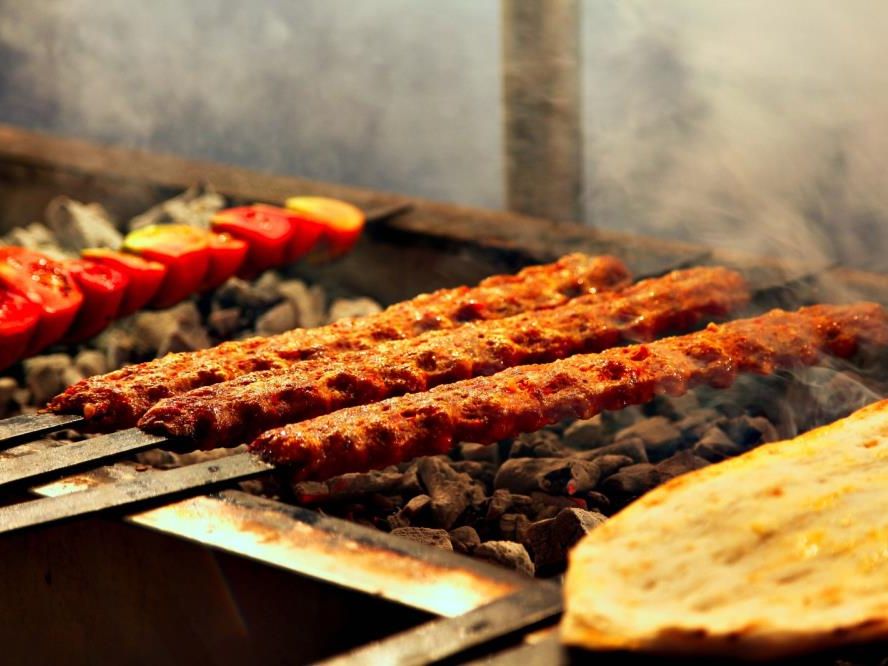
Adana kebap
Named after the city, this kebab is made from meat chopped by hand with a broad curved knife called a zırh. The meat is pressed firmly onto a wide skewer and grilled over embers. It always comes with lavash bread, charred peppers and şalgam, a tangy fermented purple-carrot juice.
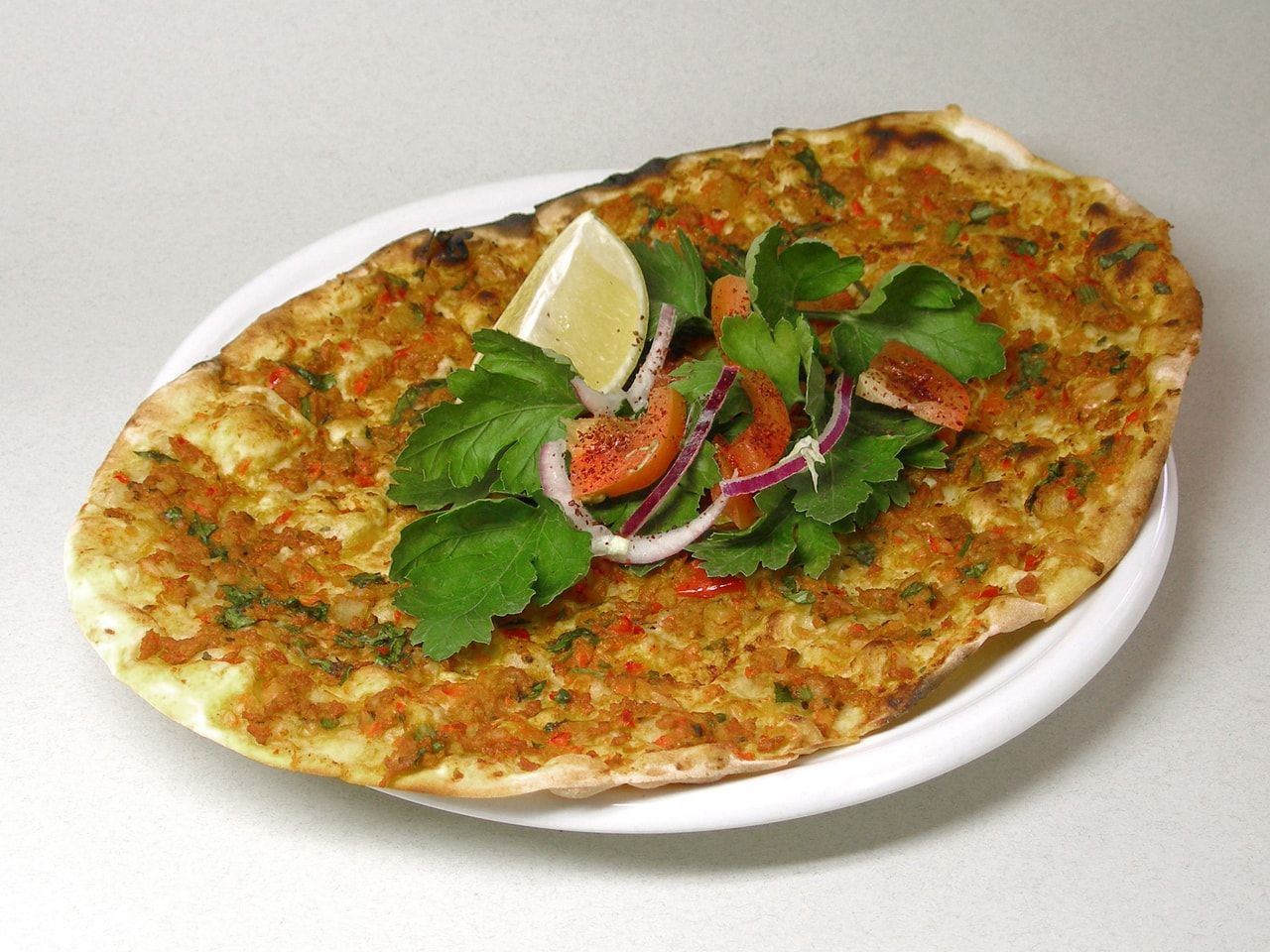
Adana lahmacun
Adana's lahmacun, a thin flatbread topped with spiced minced meat, is known for its thin crust and its topping. It is eaten straight from the stone oven with lemon and fresh herbs.

Analı kızlı
“Mother and daughter”: a soup of large and small bulgur dumplings cooked in a sour broth with chickpeas. The name comes from the dumplings of different sizes. It is popular in neighbouring provinces too.
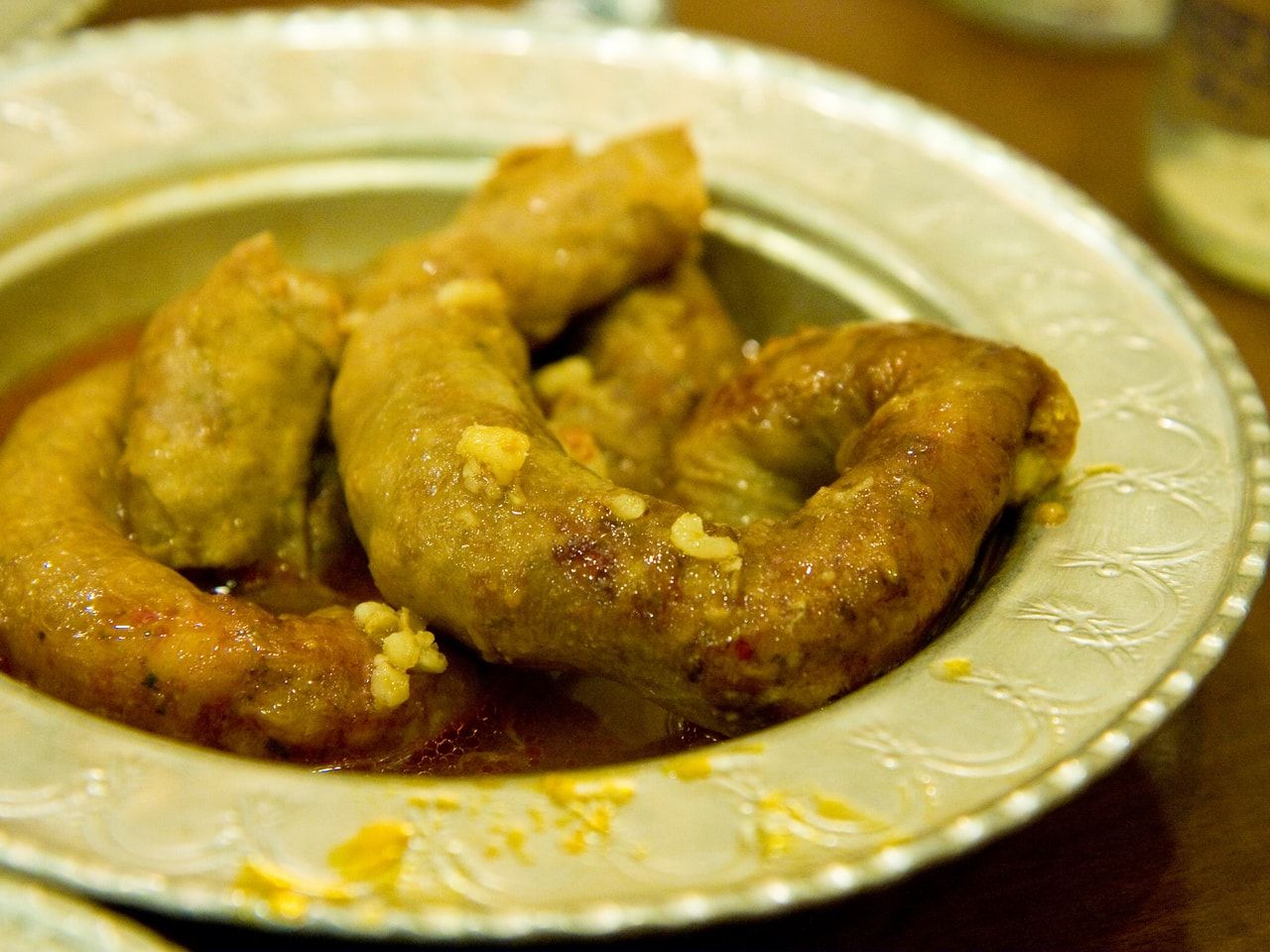
Mumbar
An offal dish of large intestine stuffed with a spiced bulgur or rice filling.
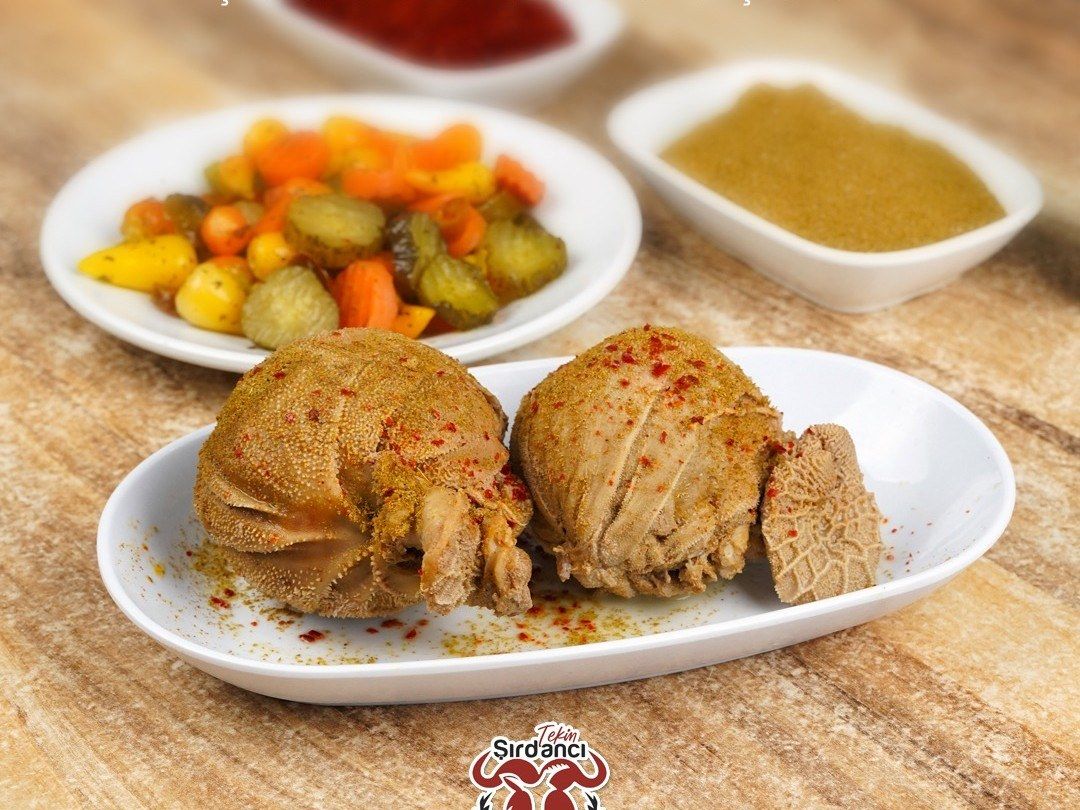
Kırkkat
An offal speciality made from the many-layered part of the stomach (omasum), similar to şırdan.

Bici bici
A summer dessert of set starch pudding with shaved ice, powdered sugar and syrup. It used to be sold almost entirely by street vendors.
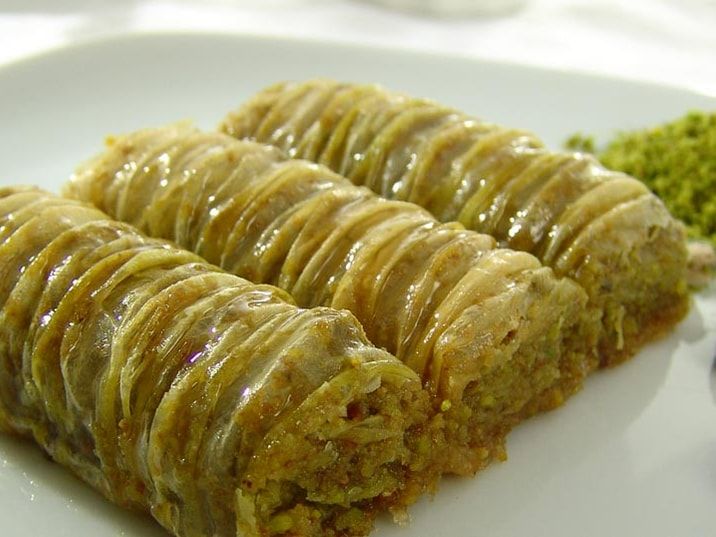
Sarı burma
Thin pastry with pistachios is rolled, twisted and baked; it is known for its golden colour and its crunch.

Kaynar
A hot drink boiled with cinnamon and spices and offered to new mothers and their visitors. It is topped with nuts such as walnuts.

Misis ayranı
A thick yoghurt drink (ayran) named after Misis in the Yüreğir district.
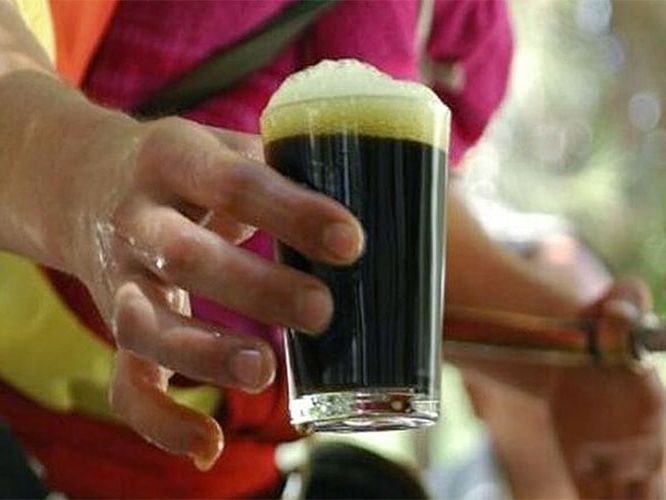
Aşlama
A refreshing drink made from liquorice root, a fixture of Adana's streets in summer.
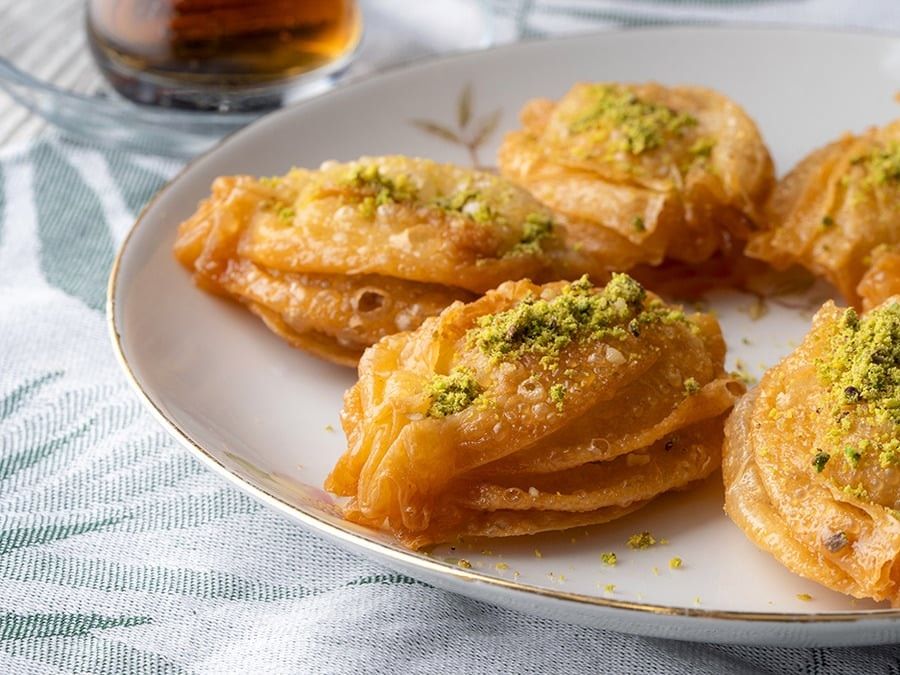
Karakuş
A dessert of walnut-filled dough fried and soaked in syrup. It was registered as a geographical indication by the Turkish Patent and Trademark Office in 2021.
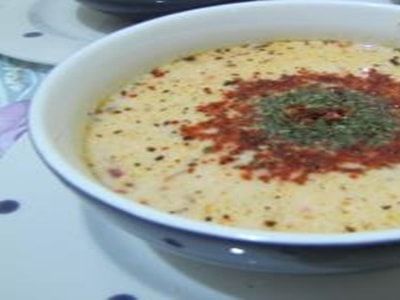
Kamhi çorbası
A hearty soup of wheat and meat, sometimes cooked as thick as keşkek (a wheat and meat porridge).

Fellah köftesi
Small dumplings kneaded from fine bulgur, served in a garlicky tomato and pepper-paste sauce.
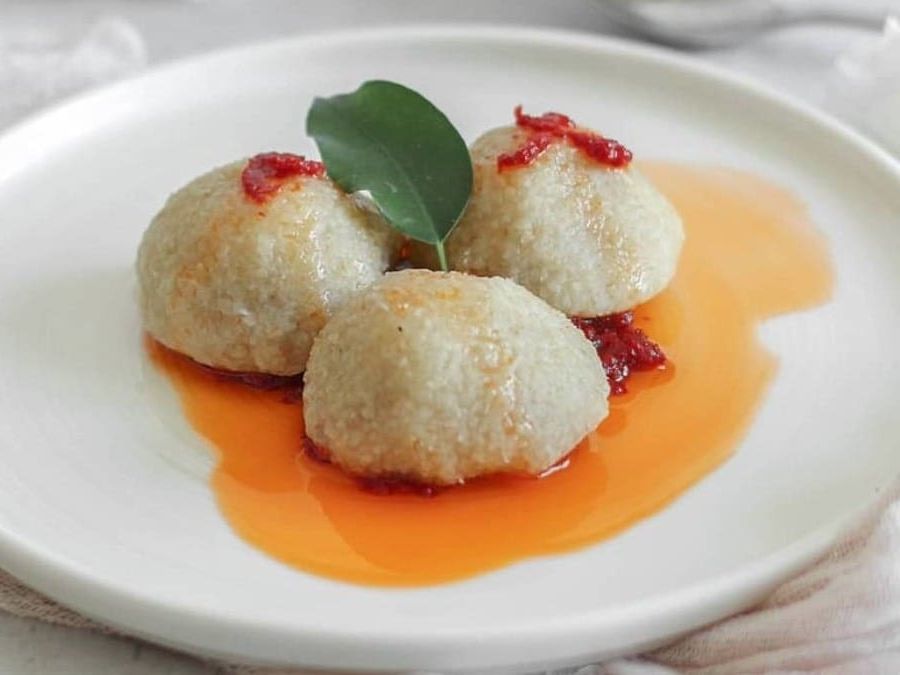
İçli köfte
Bulgur shells stuffed with spiced minced meat; in Adana they are boiled rather than fried. The Adana version has been registered by the Adana Chamber of Commerce.

Kedibatmaz
A thick dish made with cornmeal and enriched with walnuts.
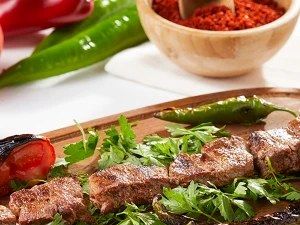
Kaz başı
A rare, tender cut of lamb, usually grilled over charcoal.


Places to visit in Adana
Thanks above all to its geography, Adana has been a place of settlement for every civilisation that passed through the region, and each of them left its own mark, especially in architecture. As you walk around Adana you will see historic buildings in many different styles, such as the Ramazanoğlu Mansion, the Çarşı Hamam and the Irmak Hamam.
Adana is also rich in mosques. The most visited today is the Sabancı Central Mosque, which stands out despite being new. Built in the Ottoman style, it is one of the largest mosques in the Middle East. After it, the best known is the Great Mosque (Ulu Cami) of Adana. Other mosques include:
- Yeni Cami
- Yağ Cami
- Alemdar Mescidi
- Şeyh Zülfi Mescidi
- Kızıldağ Ramazanoğlu Mosque
- Hasan Ağa Mosque (built without using a single nail)
Besides its mosques, Adana has several churches: two Armenian, two Greek and one Latin.
Many parks and gardens add to Adana's beauty, above all the Central Park (Merkez Park). Others include:
- Atatürk Park
- Süleyman Demirel Park
- İnönü Botanical Park
- Çobandede Park
- Yaşar Kemal Grove
- Çatalan Grove
Adana also has many sights for visitors, including:
- Taşköprü (the Roman bridge of Justinian)
- Adana Archaeological Museum
- Adana Ethnography Museum
- Adana Atatürk House Museum
- Adana Cinema Museum
- Bebekli Kilise (the Italian Catholic Church)
- Adana Bedesten (covered market)
- Büyük Saat (the Great Clock Tower)
- The historic Kazancılar coppersmiths' bazaar
- Akkapı Şeyh Cemil Nardalı Mansion
Around Adana
- Çiftehan hot springs
- Karatepe-Aslantaş National Park
- Aladağlar National Park
- Yumurtalık Lagoon National Park
- Lake Akyayan
- The ancient city and castle of Anavarza
- The ancient city of Comana (Şar)
- The ancient city of Misis (Mopsuestia)
- Misis Mosaic Museum
- The ancient city of Magarsus
- Akören church and ancient city
- The Muwatalli relief and ancient settlement at Sirkeli Höyük, Ceyhan
- Yılankale (Snake Castle)
- Toprakkale
- Kozan (Sis) Castle and monastery
- Kurtkulağı Caravanserai
- Acısu hot springs and Haruniye thermal water
- The highland pastures of Akçatekir, Bürücek, Aladağlar, Horzum, Fındıklı, Hamidiye, Asar, Asmacık, Armutoluk, Belemedik, Meydan, Çamlıyayla and Kızıldağ
- Ağyatan bird sanctuary and Lake Tuzla
Culture and arts in Adana
Adana is one of Türkiye's leading cities for culture and the arts. The best proof is the Golden Boll (Altın Koza) Film Festival, held almost every year since 1969. Since 1998 the Sabancı International Theatre Festival has also made Adana a centre for Turkish and international theatre. The International Air Games Festival is another event held here.
History of Adana
Adana's known history goes back a very long way. Excavations have uncovered finds from the Palaeolithic, and archaeologists have brought to light Tepebağ Höyük, a mound settled in the Neolithic and thought to be the oldest city in Çukurova.
The first kingdom based in Adana was Kizzuwatna, under the rule of the Hittite Empire, as the Hittite cuneiform tablets from Hattusa clearly show. After the fall of the Hittite Empire many powers ruled Adana in turn, among them the Assyrians, the Persians, Alexander the Great's Macedon and the kingdoms of Cilicia.
Later Adana came under the Roman Empire, when the regional centre was Tarsus, and after Rome it became part of the Byzantine Empire. Taken by the Arabs in the 7th century, it returned to Byzantine rule in 964, and shortly before 1071 it joined the lands of the Seljuks.
During the Crusades, in 1097, Adana passed to Byzantium again. It joined the Armenian Kingdom of Cilicia in 1132, returned to Byzantine rule five years later and stayed there until 1170, when it became part of the Armenian Kingdom of Cilicia once more. In 1359, under a treaty, it passed to the Mamluk Sultanate, which settled Turkish families in Adana. After the Mamluks, Adana became part of the Ottoman Empire.
Adana remained Ottoman until the War of Independence, when it was occupied by the French. Under the Treaty of Ankara of 20 October 1921, France left Adana on 5 January 1922. The Seyhan Dam and hydroelectric plant were built in 1956. In 1998 a magnitude 6.2 earthquake, known as the Ceyhan earthquake, struck Adana and killed 145 people.
Getting to Adana
As one of Türkiye's major commercial cities, Adana can be reached by air above all, but also by sea and by road. Rail travel has also grown since the Mersin–Adana railway opened in 1886. Within the city there are municipal buses, private buses, minibuses (dolmuş) and taxis, and a metro line has been running since 2010.
Districts of Adana
Adana has 15 districts:
- Aladağ
- Ceyhan
- Çukurova
- Feke
- İmamoğlu
- Karaisalı
- Karataş
- Kozan
- Pozantı
- Saimbeyli
- Sarıçam
- Seyhan
- Tufanbeyli
- Yumurtalık
- Yüreğir
Çukurova, Karaisalı, Sarıçam, Seyhan and Yüreğir are the metropolitan districts. Of these, only Seyhan is in the city centre; the other districts lie outside it.
Seyhan is the cultural and business centre, while Çukurova stands out as the modern district. Yüreğir is mainly industrial, and investment keeps making it more valuable. Sarıçam is home to important institutions:
- Çukurova University
- İncirlik Air Base
- The Organised Industrial Zone
Aladağ, centred on the town of the same name and covering 1,347 square kilometres, belonged to Karaisalı until 1987. Its mountainous terrain makes it poorly suited to farming.
Ceyhan, covering 1,424 square kilometres, is flat and good for farming. With little natural forest, local people grow eucalyptus and poplar for timber.
Economy of Adana
One of Türkiye's first industrialised cities, Adana made great strides thanks to the Seyhan and Ceyhan rivers and the facilities built on them, especially after 1950. Its well-developed farming is a direct result of these rivers. Crops grown in Adana include wheat, sunflowers, olives, pomegranates, maize, citrus (oranges, bitter oranges, mandarins and lemons), bananas, kiwis, pulses, sugar cane, potatoes, tomatoes, peppers, lettuce, cabbage, onions, rice, soya, cotton, grapes, peanuts, broad beans, black-eyed beans, beans, cucumbers, almonds, watermelons, melons and loquats. Livestock farming has also developed thanks to the favourable geography.
Sport in Adana
Football is the sport that most represents Adana. Adana Demirspor and Adanaspor represent the city in men's football, and Adana İdman Yurdu in women's football. Adana Demirspor and Adanaspor play their matches at the 17,000-seat 5 Ocak Stadium. Adana Demirspor and Adanaspor currently compete in Türkiye's 1. Lig, and Adana İdman Yurdu also plays in the 1. Lig. Besides football, many other sports are played in Adana, basketball above all.


Comments
Loading comments…