
Hatay
- Mediterranean Region
About Hatay
Hatay lies at Türkiye's southernmost point, where the Mediterranean meets the Syrian border. It is the country's 13th most populous province, and its central district is Antakya. Archaeological excavations in the area show that its history goes back to the Chalcolithic Age. Under Egyptian rule until the end of the 17th century BC, the region then came successively under the Hittite, Assyrian, Babylonian, Persian and Macedonian kingdoms. Hatay came under Ottoman rule in 1516 during Yavuz Sultan Selim's (Selim I's) Egyptian campaign, and for four centuries it was governed as a kaza (district) centre attached to the central sanjak of the province of Aleppo. After the First World War Hatay was under French occupation for a time, and on 7 July 1939 it joined the motherland.
Hatay's famous dishes and desserts
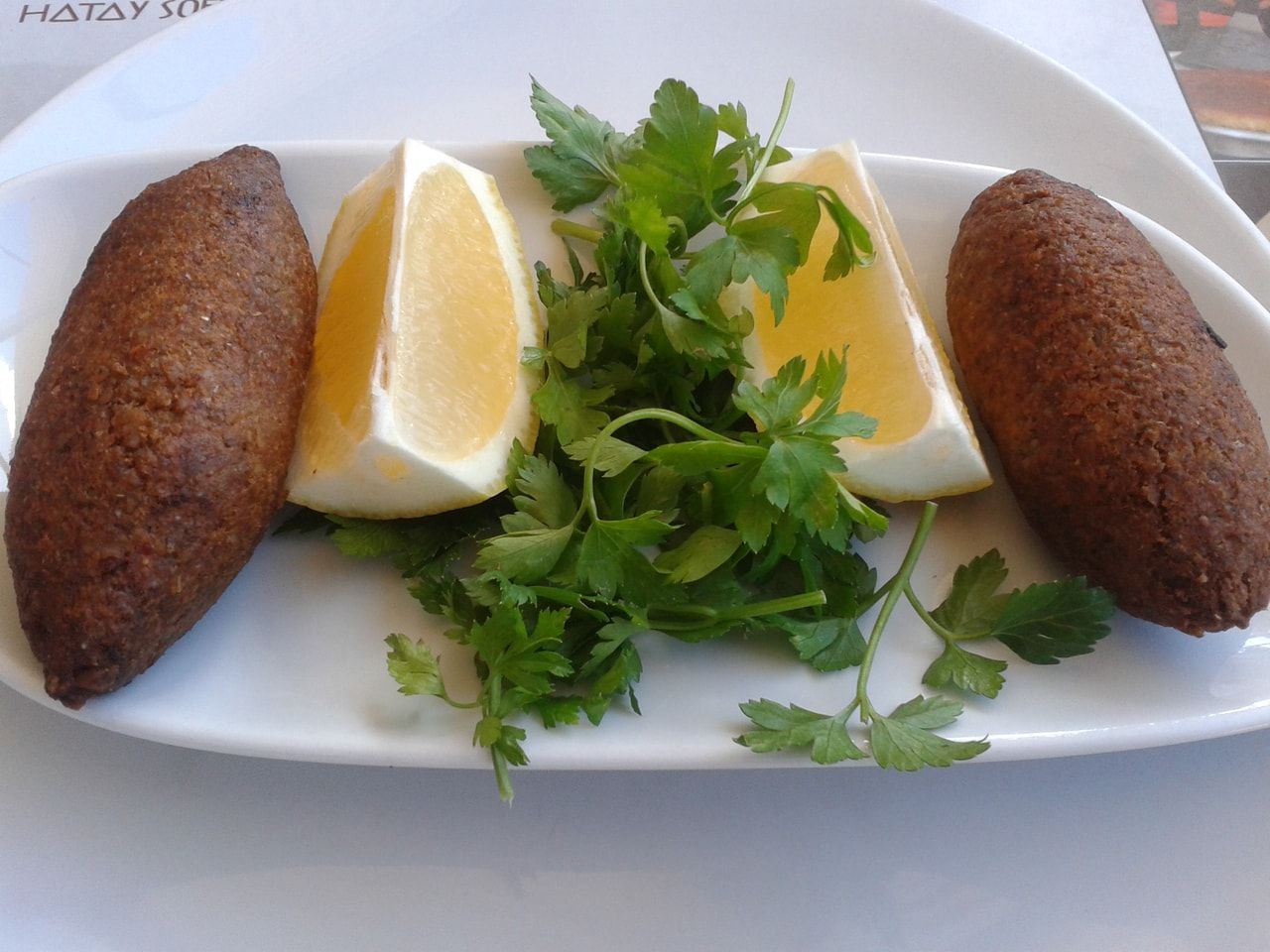
You lose count: Oruk
Imagine a thin köfte shell made with fine bulgur rolled out with care, filled with rich minced meat and tomato paste, then fried until crisp. That's oruk!
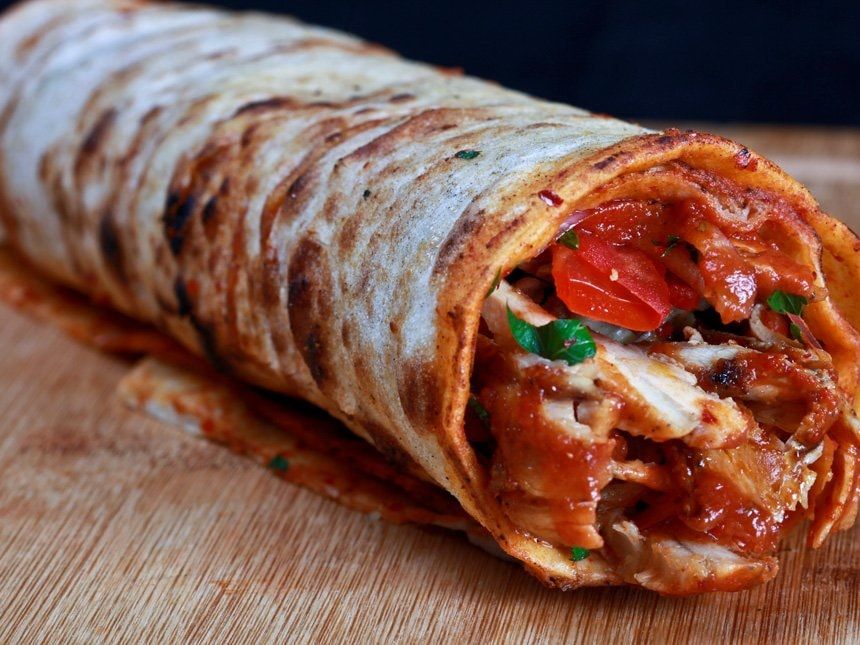
For lovers of heat: İskenderun döneri
A döner the people of Hatay adore, eat even when it burns their mouths, and never tire of. Even when you ask for it mild, it is enough to gently set your mouth on fire. Its best feature is said to be the sauce and meat juices that collect at the bottom of the wrap by the time you reach the last bite.
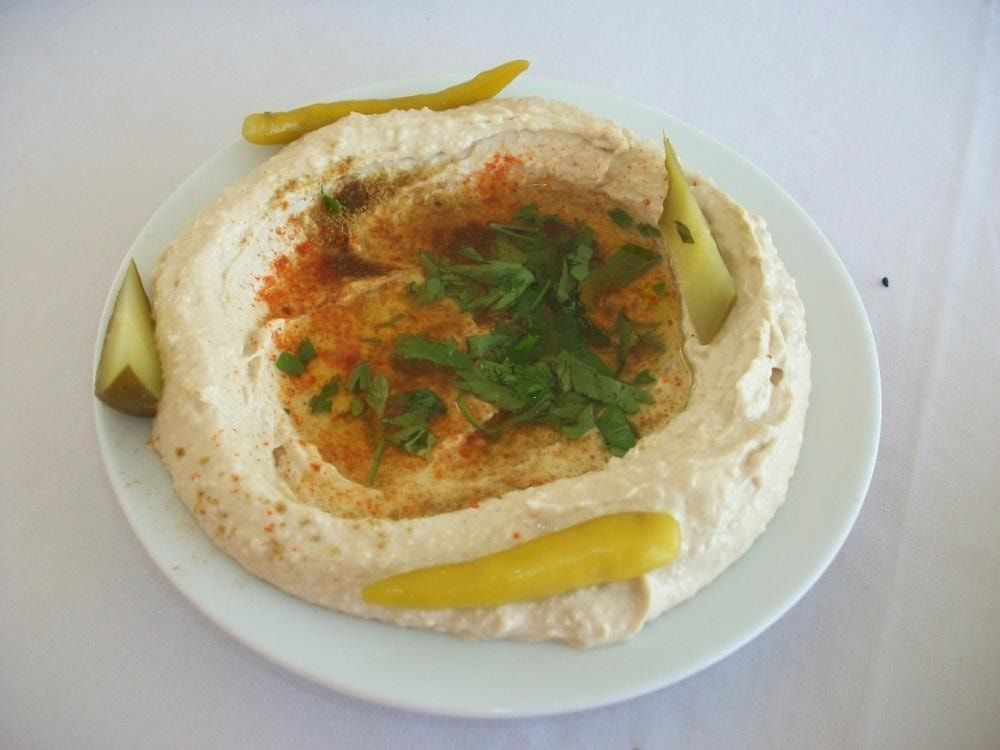
A meze essential: Humus
Hummus, made in many regions, also has a big place in Hatay cuisine. It is the crowning dish of special dinners for occasions, invitations and guests.
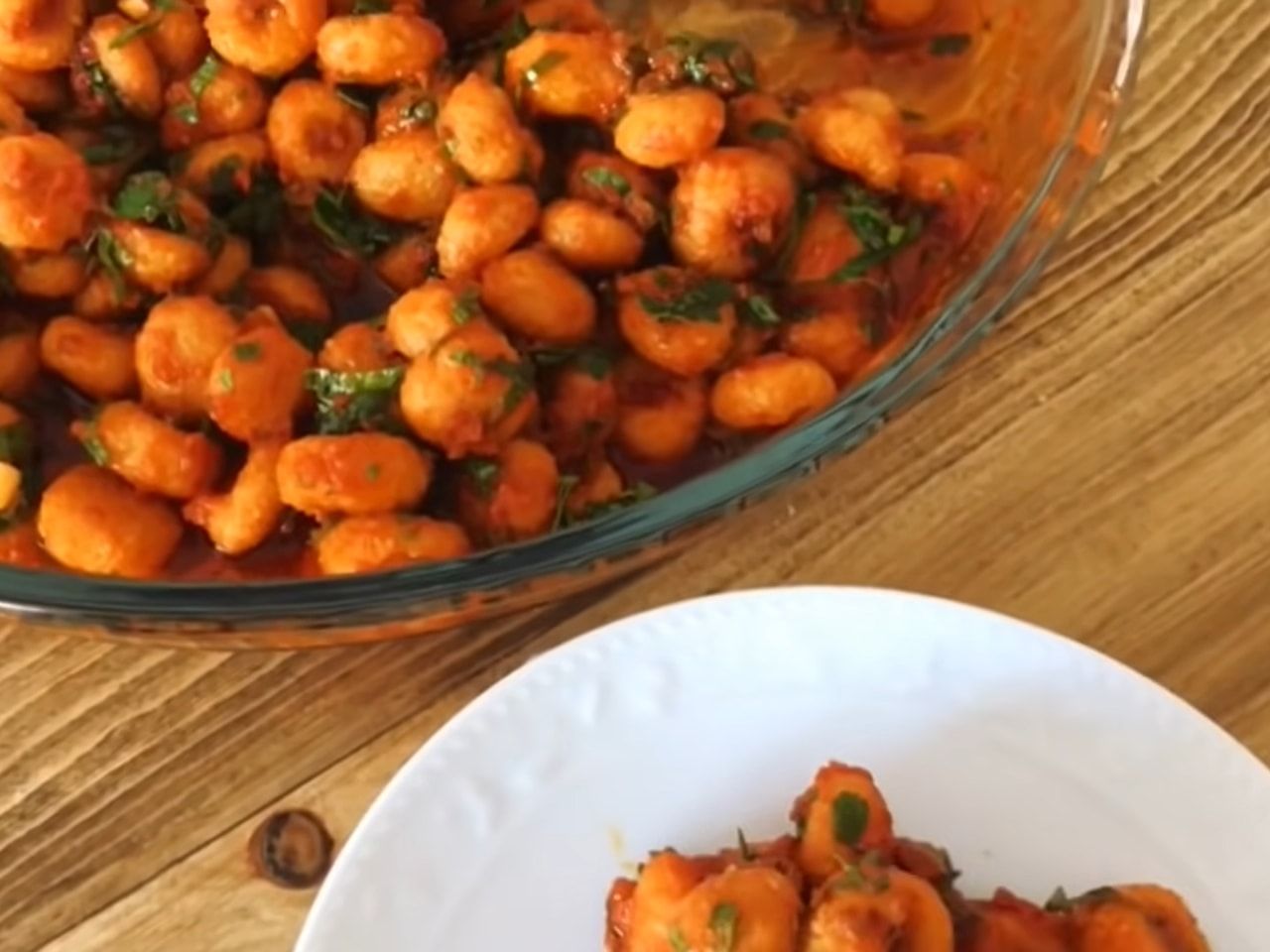
Bulgur at its best: Fellah köftesi
This delicious bulgur köfte is a stinging answer to anyone who asks, “Can there be köfte without meat?” Fellah köftesi, also a centrepiece of Malatya cuisine, appears in Hatay cuisine with plenty of parsley. And we're glad it does!
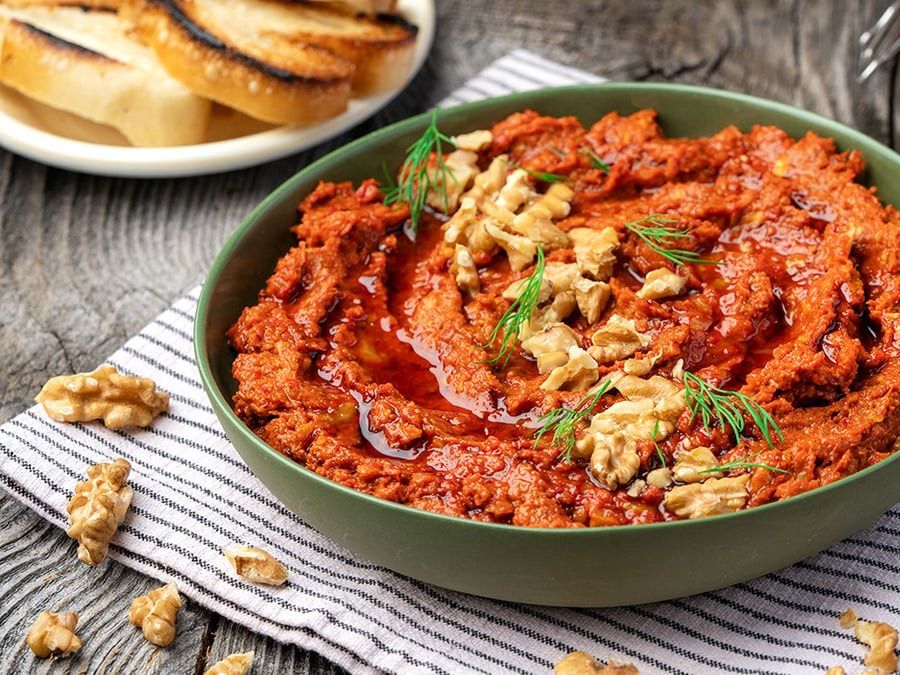
The best use for bread: Muhammara
This spread, made with the crumb of stale bread, is one of the dishes Gaziantep and Hatay share. Tomato or pepper paste, garlic, walnuts and spices go into it, and then you can't stop eating it.
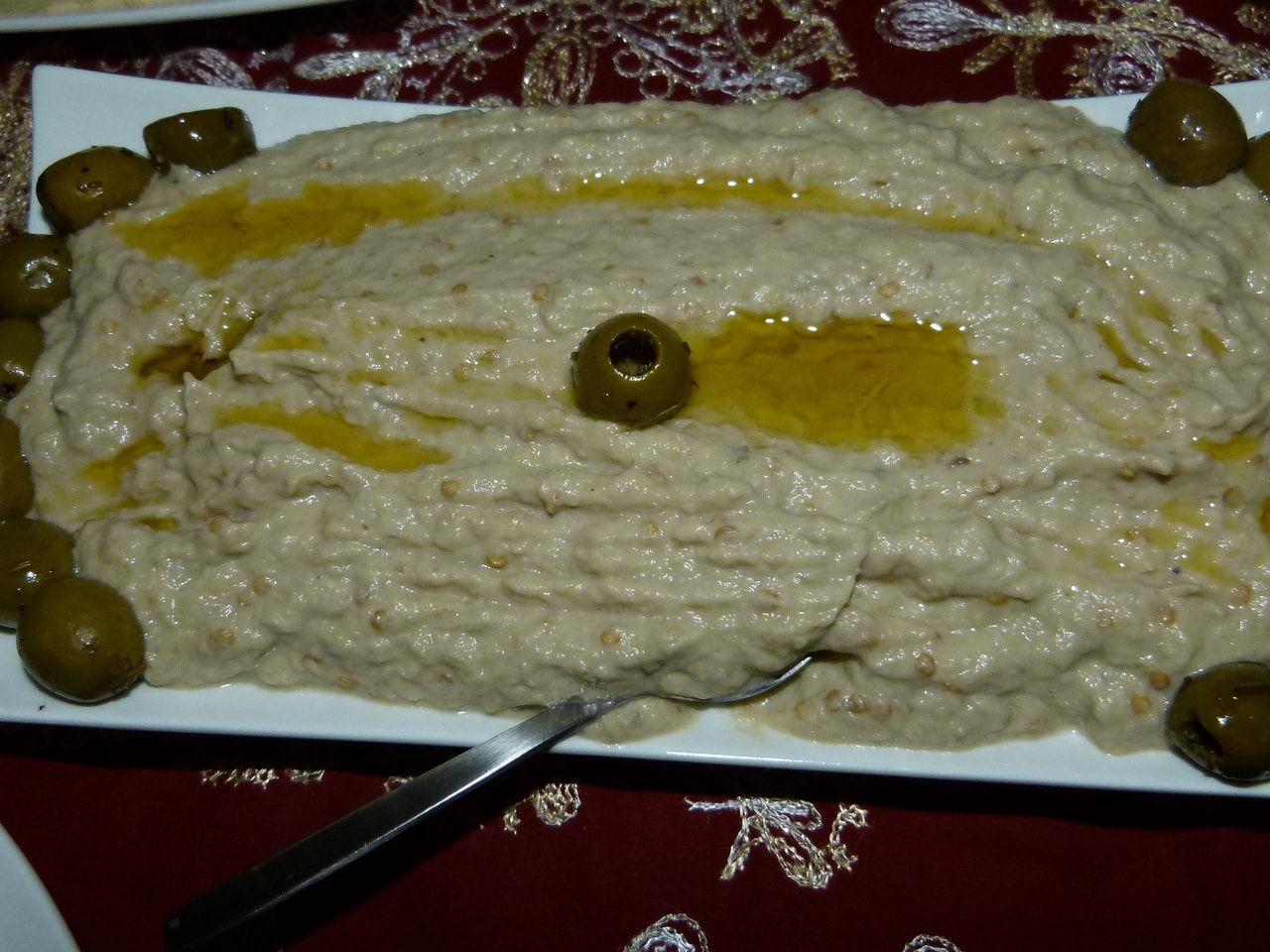
From far-off lands: Mütebbel
Some call this dish of tahini, yogurt and aubergine Syrian, others Arab. Staying far, far away from these debates, we would rather join those who welcome this lovely meze in any form.
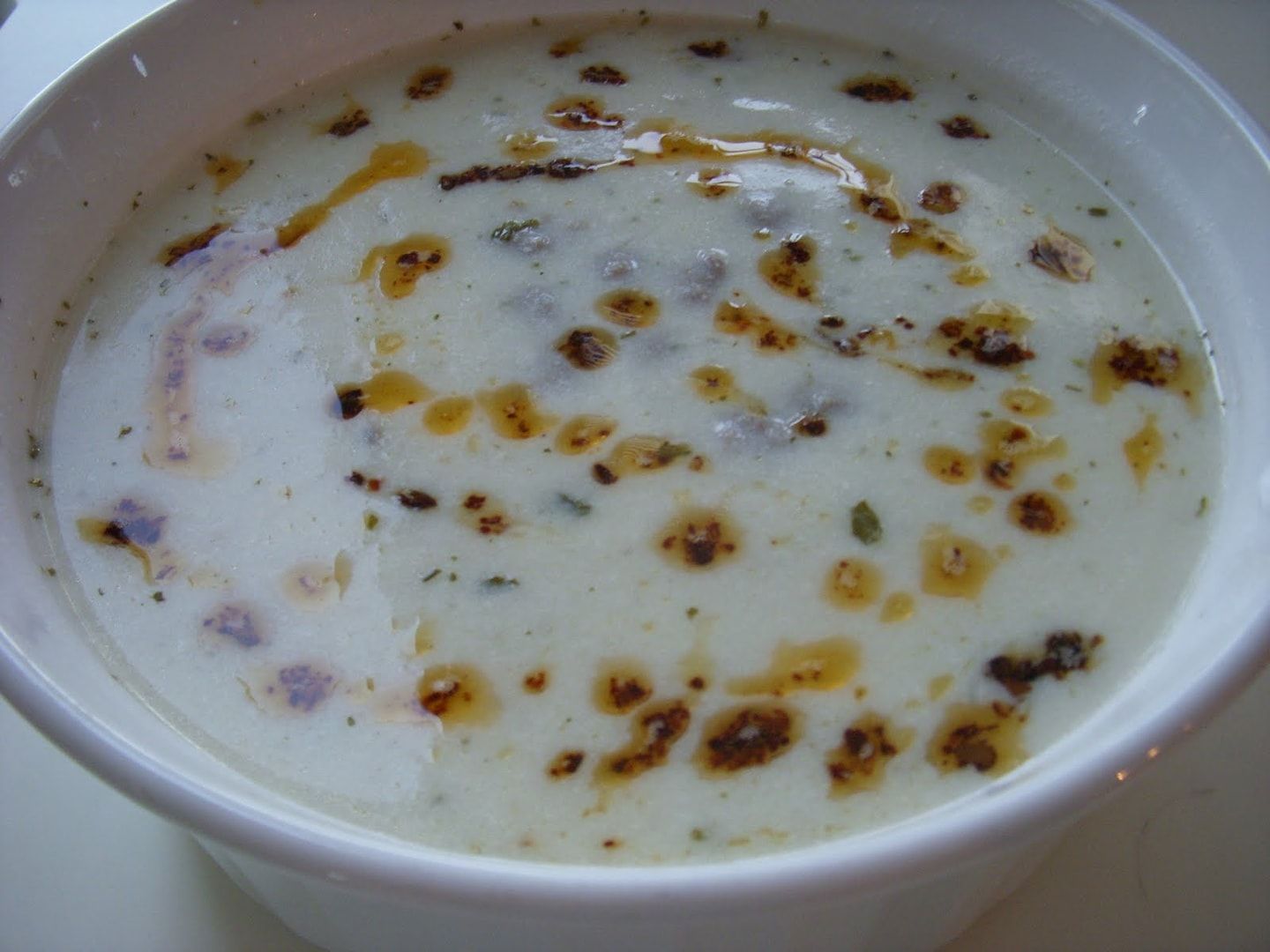
A labour of love: Şişperek çorbası
The main ingredients of this delicious soup are yogurt and rice. But it doesn't stop there: onion, minced meat and spices go in too. When very thin pieces cut from carefully rolled dough are added, the result is a feast in itself.
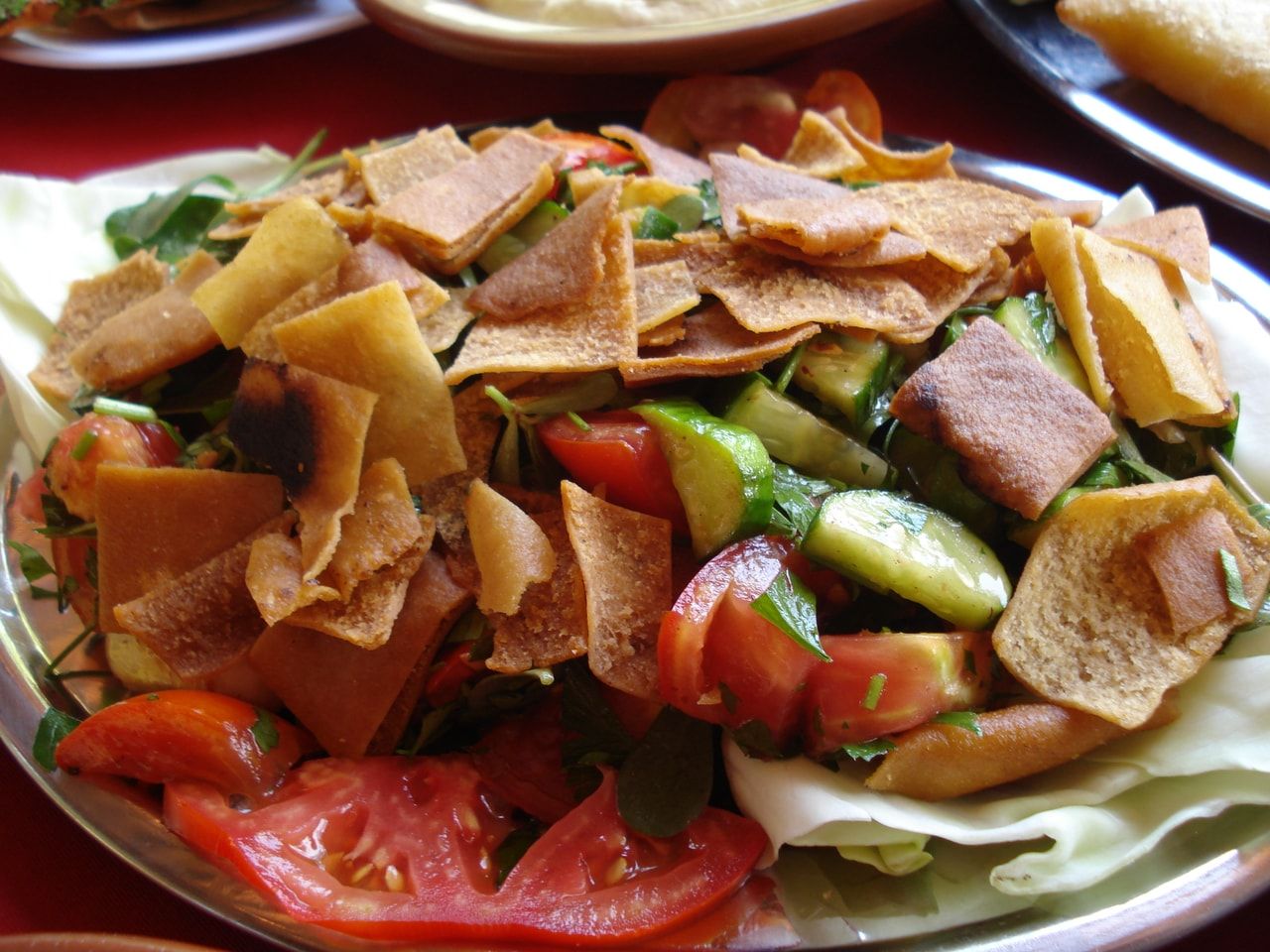
As easy as it gets: Hettüş salatası
There could be no tastier way to use up stale bread. Onion, tomato, purslane, mint, dill and similar ingredients go in, and the bread is toasted a little in the oven. The result is an easy, filling salad. Don't be fooled by the word salad: some people eat it as a main course.
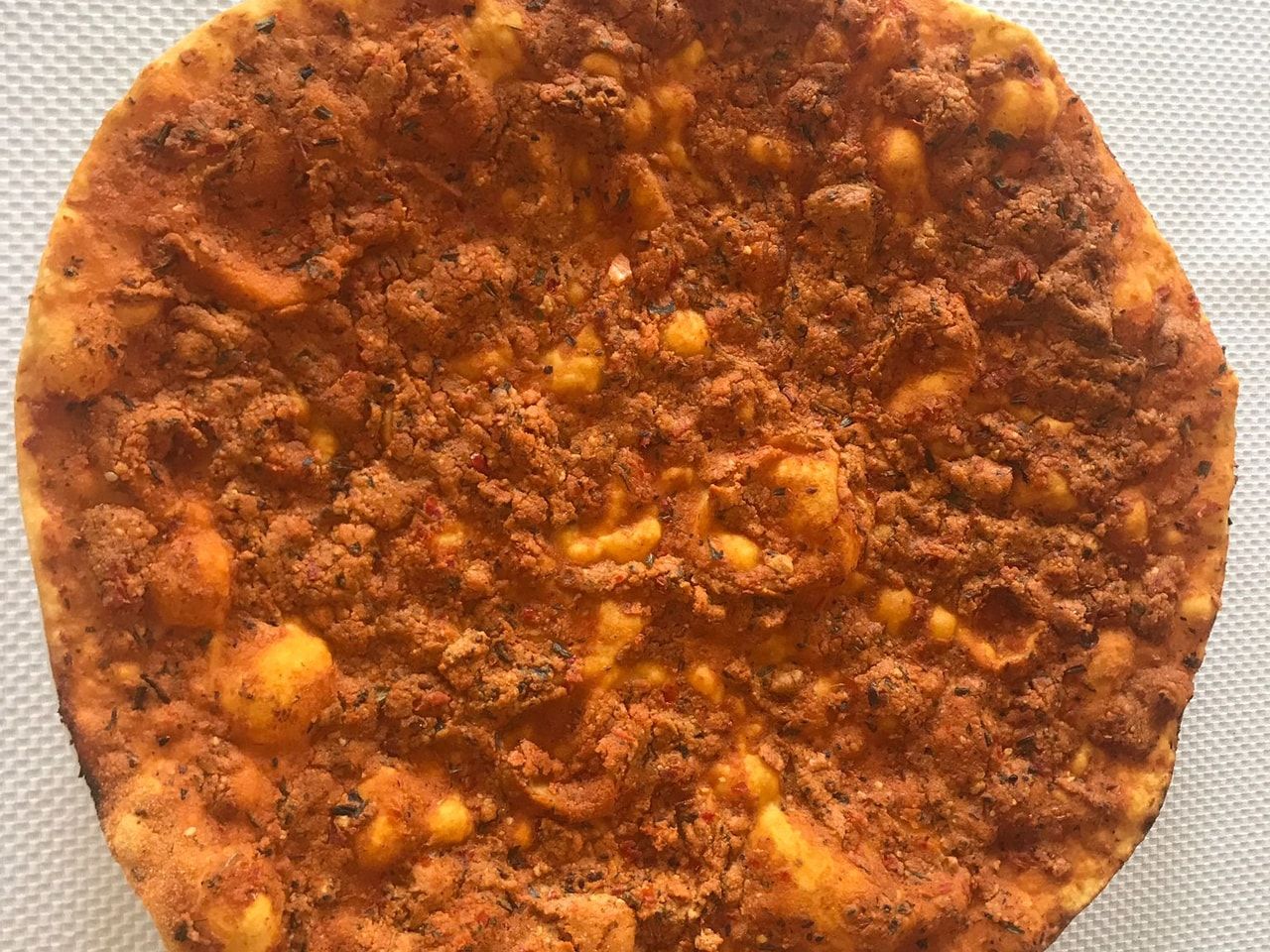
You sigh just remembering it: Biberli ekmek
A soft dough topped with homemade pepper paste, sürk (a spiced dried cheese), zahter (wild thyme) and other spices. The people of Hatay know how to do this.
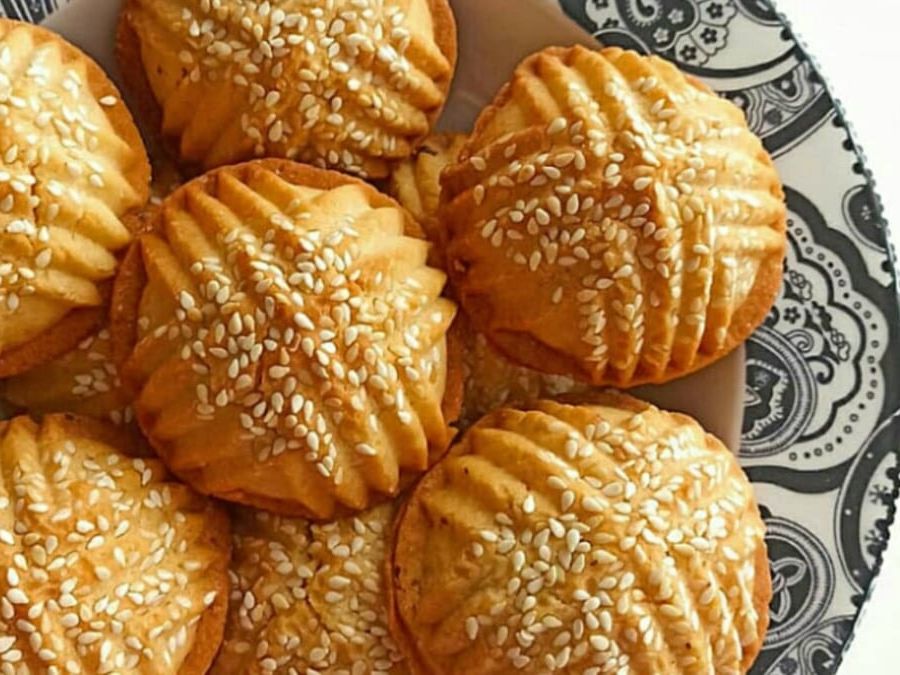
A real energy store: Kömbe
We can't bring ourselves to call this treat, made especially for religious holidays, just a biscuit. With its special spices and moulds, kömbe wins hearts and hides real treasure inside: walnuts, dates, plain, olives... A real energy store!
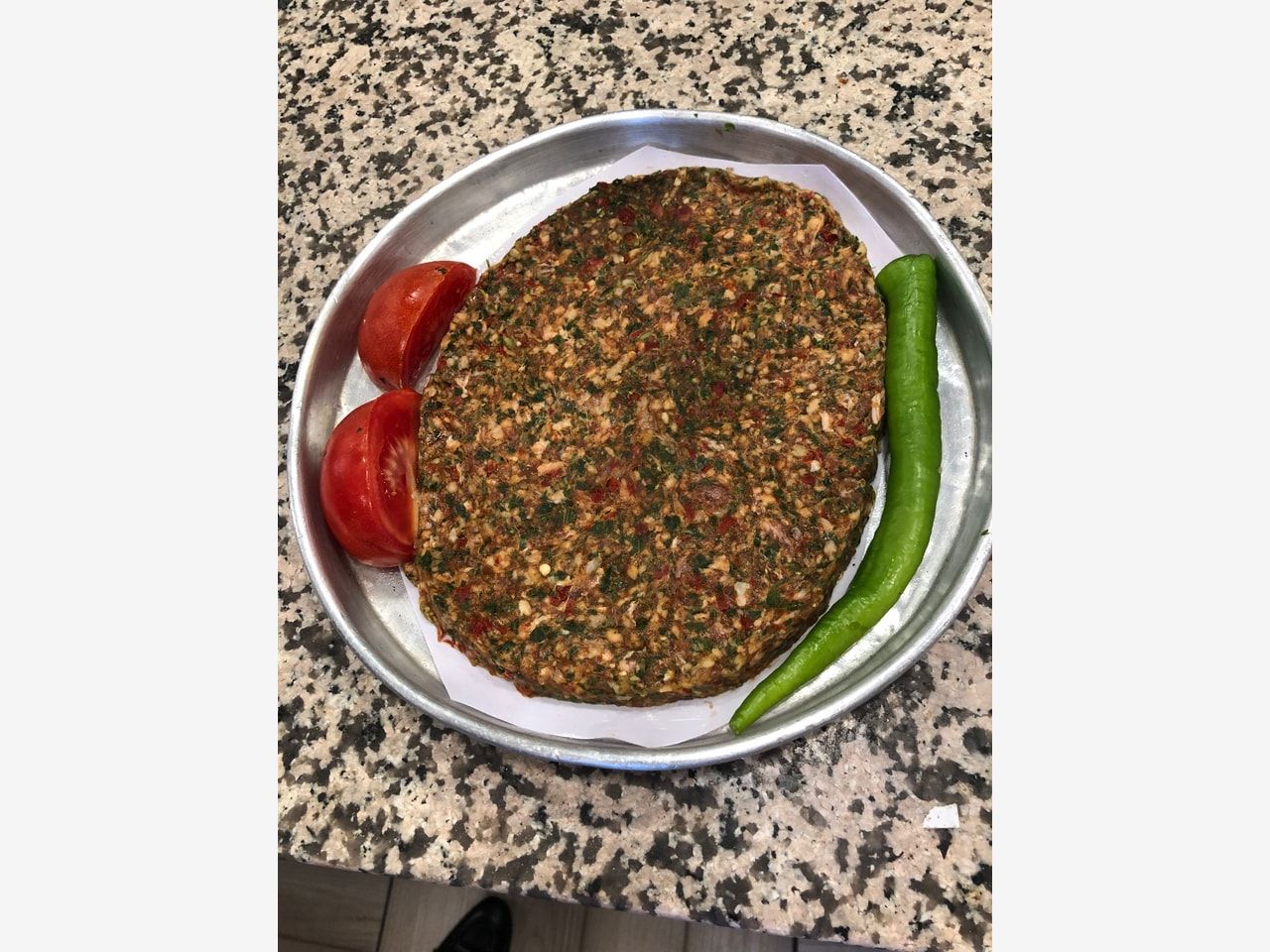
You choose the meat yourself: Kağıt kebabı
Kağıt kebabı (paper kebab) makes you glad Arab cuisine exists. Meat chosen at the butcher is chopped by hand, mixed with tomato paste and spices, and baked with tomato, pepper and onion. It's one thing to eat it hungry, but people eat it even when full.
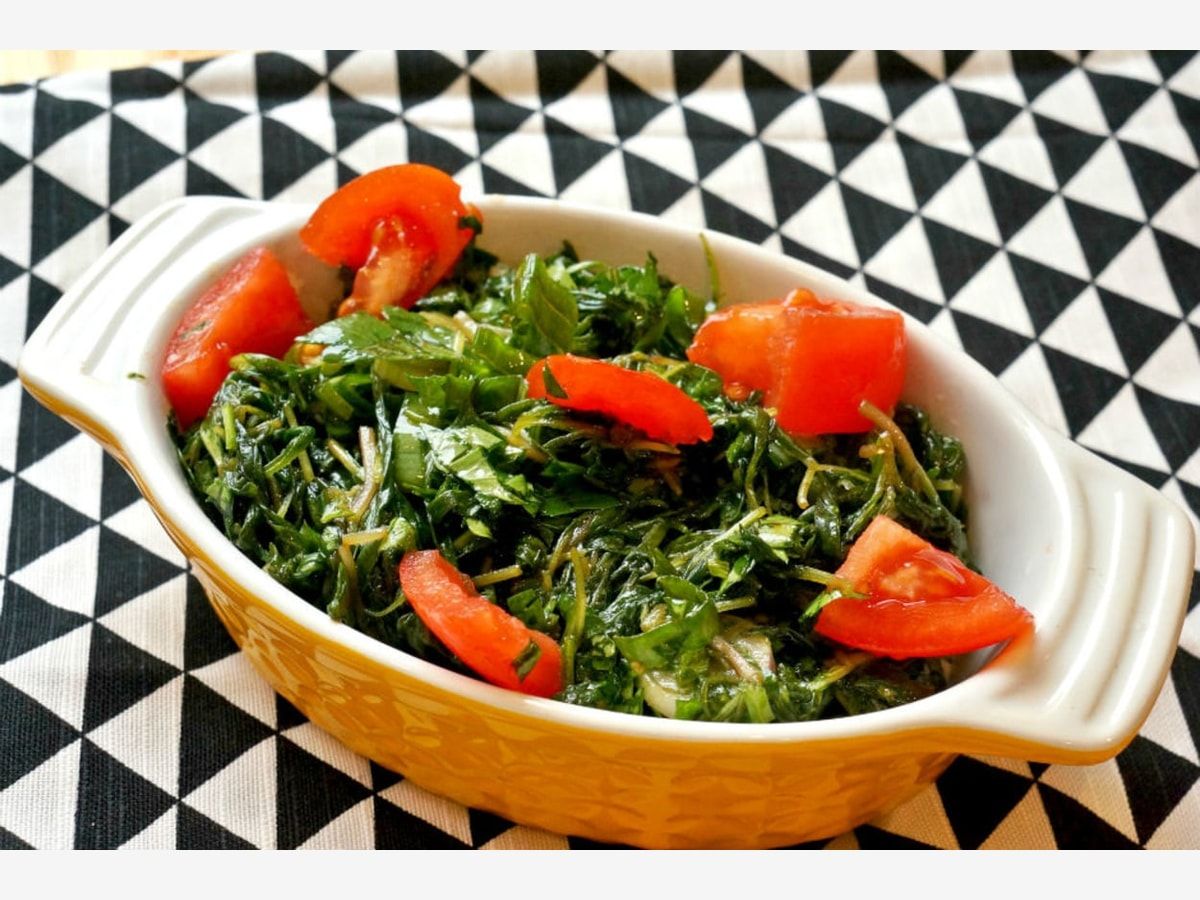
Treasured above all: Zahter salatası
Don't dismiss it as just a salad. In Hatay even salad has a special place. Fragrant, tangy zahter (wild thyme) is mixed with thick pomegranate molasses and cold-pressed olive oil. The result is a dish to treasure and mop up with bread.
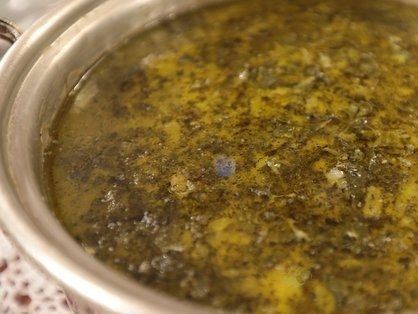
Plate after plate: Ispanaklı borani
Ispanaklı borani is cooked with spinach roots and leaves, rice, chickpeas, plenty of sour flavouring and other ingredients. The people of Hatay claim it will make even those who don't like spinach eat plate after plate.
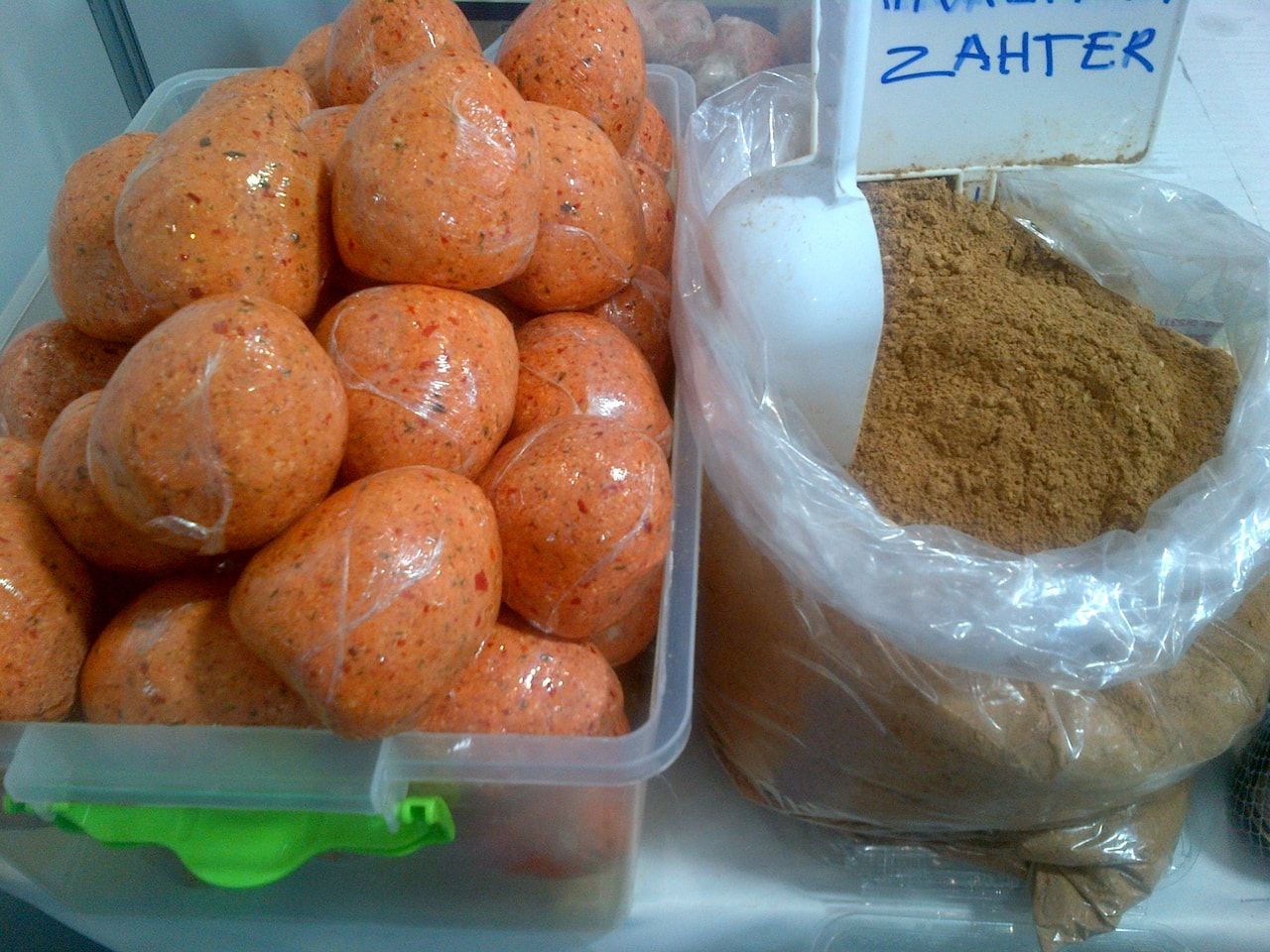
A cheese like no other: Sürk
Sürk is not like the cheeses we know. Çökelek (dry curd cheese) is kneaded with hot red pepper flakes, thyme and rock salt and dried in the sun. Then come sürk fried with eggs, sürk salad, sürk breakfasts, sürk börek and pepper bread with sürk.
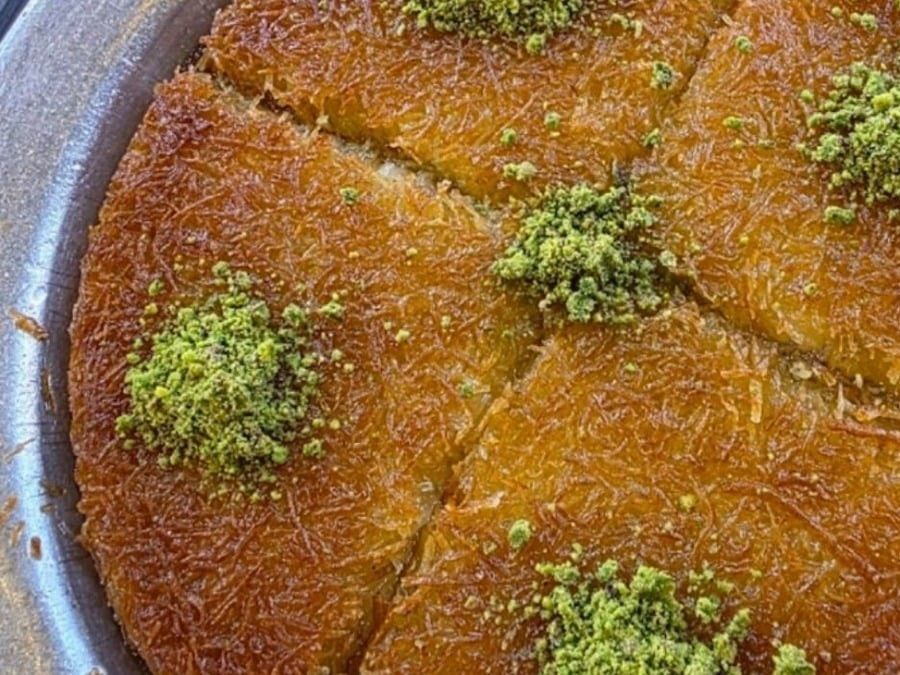
A fitting finale: Künefe
We don't think künefe needs lines and lines of words: the special cheese used to make it, the warm syrup.
Source: https://yemek.com/hatay-yemekleri/


Places to visit in Hatay
The Hatay Archaeology Museum is known for its mosaics, which cover a total of 3,250 m². The building was completed in 1938 and the museum opened on 23 July 1948.
In Antakya, the Church of St Peter is a cave about 13 m deep carved into the rock on the west of Mount Stauris, and is considered one of the oldest churches in Christianity. The Monastery of St Simeon on the Antakya–Samandağ road was built in the 6th century. The Titus Tunnel in Samandağ is 1,380 m long in total and was added to UNESCO's World Heritage Tentative List in 2014.
The Habib-i Neccar Mosque was built in the 11th century and renewed in Ottoman style in the 19th century; both Muslims and Christians visit it. It was badly damaged in the earthquakes of 6 February 2023. The ancient city of Issos near Erzin is the area where the Battle of Issus was fought in 333 BC.
Culture and arts in Hatay
As in many branches of folklore, the music of the dances is very rich. It is not possible in this section of the research to examine all the music of the area.
The traditional instruments of the area are the davul (bass drum), zurna (shawm) and argın. Today, however, many of our folk instruments accompany folk dance groups. Below is information on the argın, along with the notation of some of the area's folk dance tunes and drum strokes.
HANDICRAFTS
Art and works of art have been valued in very different ways from age to age and society to society, yet they have existed throughout human history.
GlassmakingThe Antakya–Syria–Palestine area is one of the places in the world where glass was first made. Many glass works and ornaments were produced in the Phoenician, Cilician and Roman periods. In and around Antakya, the art of blowing green glass, typical of this area, became highly developed, with production by melting down and recycling old glass. There are many glass masters in Antakya, and some have joined together to open workshops and businesses.
Silk and weavingWe see that silkworm rearing, once practised in almost every home in most villages around Samandağ and Harbiye, is now dying out. As silk production from silkworm cocoons in Hatay passes into history, some families who carry it on as their fathers' trade are trying to keep it alive and introduce it to Türkiye. Silk fabric is very strong and durable. It is used in the coating of the nose of supersonic Concorde aircraft and in bulletproof vests. Silk, used until recently only in the clothing industry, has thus also entered the arms industry. It lasts 20 years. In Hatay, weaving is done on wooden looms, with the warp threads stretched by tying wooden sticks and pebbles to their ends. Sheets, bedspreads and mosquito nets are usually woven on these looms.
Straw weavingWeaving thread is one thing, but weaving straw is something else entirely… especially with wheat and rye stalks. The straw products most popular with domestic and foreign tourists are bags, plates, cirem, panels, half-plates and boats. The best-known name keeping this tradition alive in Hatay is Niyazi KÖLEOĞLU.
SculptureŞıh Ali and his children, who keep the art of sculpture alive in Hatay, usually make statues of gods and goddesses in black stone. These stone carvers, travelling over bridges not between generations but between civilisations, bring stones to life by carving only what they see and imagine, without any training, and still carry on their art through their own efforts.
Coin makingOne of those carrying the coins of Harbiye, whose rich history has hosted many civilisations, into the present is İbrahim (Mehmetoğlu) Sünel. Harbiye's history drew the artist to this work. (Daphne) Harbiye has hosted a very rich culture. He produces tourist souvenirs modelled on the coins of Greece, Rome, the Ottomans and all the known civilisations that lived in Anatolia. Bronze, silver and gold are used to make the coins. Seeing his painstaking handwork take shape as a finished piece gives the artist joy.
Defne sabunu (laurel soap)Soap is a product, generally used for cleaning, obtained when the fatty acids of plant and animal fats react with alkalis. Laurel oil (Oleum Lauri), obtained from the fruit (Fructus Lauri) and leaves of the laurel tree, is used in soap making and medicine. Because the fruit is part of the composition of Fiorivente alcoholate, laurel oil is used as a stomach remedy, a sudorific and a diuretic, and also in treating rheumatic and skin diseases; in recent years the oil and leaves have been exported abroad.
According to recent research in the Hatay region, the annual laurel oil reserve under normal climate conditions is between 150 and 250 tonnes. There is no industrial plant that extracts laurel oil. Villagers extract the oil by simple methods, boiling it for 8–12 hours. Soap is produced with these oils and additives.
Woodcarving:
Carving is the art of producing a design drawn on wood by cutting away the unwanted parts with special cutting tools. It is a thousand-year-old tradition. The best-known master keeping the woodcarving tradition alive in Hatay is Ali ALTUN.
Pyrography:
Pyrography, also known as “dağlama resim”, is an art done as a shading technique, especially on materials such as wooden boards, by burning and working them with hot metal pens (soldering irons with various tips). The best-known masters of pyrography in Hatay are Naim and Zeynep GÜLBOL.
FOLK SONGS AND FOLK INSTRUMENTS
The traditional instruments of the area are the davul (bass drum), zurna (shawm) and argın. Today, however, many of our folk instruments accompany folk dance groups.
Zanbır (argın): a part of our cultural heritage on the verge of disappearing. The last known player of the zanbır in Hatay is Selim ASLANYÜREK. The zanbır is an instrument made of bone.
Ney: The ney, made from a knotted reed called kargı and with roots going back to the Sumerians, is a wind instrument. Apart from the banks of the Nile, the region where the best-quality reeds in the world grow is the banks of the Asi (Orontes) River in Hatay's Samandağ district. Well-known ney makers and players in Hatay are İzzet ÖZKAN and Cemil KAHİLOĞULLARI.
LOCAL COSTUMES
Clothing has been important for as long as humankind has existed. In the early 20th century, hand embroidery and silk weaving influenced clothing. Later, as technology developed, machine embroidery and cotton fabrics took their place. Silk is still woven and used today in Samandağ and Harbiye.
Women's clothing| 1 | Headwear | Fes, tarbuş, kefiye, tülbent (yazma, yağlık, scarf, yaşmak) |
| 2 | Underclothes | Dress (entari, fistan), şalvar (baggy trousers) |
| 3 | Outerwear | Waistcoat, sako, cepken (short jacket) |
| 4 | Footwear | Socks, yemeni (soft leather shoes) |
| 5 | Worn at the waist | Sash, belt |
| 6 | Jewellery | Gold penez (coins), silver necklace, bracelet, beşibirlik (five-in-one gold coin) |
| 7 | Accessories | Peacock feather (tezzak, tezat), hair tie (kaytan) |
| 8 | Adornments | Kohl, henna |
| 1 | Headwear | Arakçık (skullcap), arakçık band (poşi), kefiye |
| 2 | Underclothes | Shirt, waistcoat |
| 3 | Outerwear | Aba (cloak: kimlik aba, gold-embroidered aba, Aleppo or matt), şalvar (baggy trousers) |
| 4 | Footwear | Socks, yemeni, edik (soft boots) |
| 5 | Worn at the waist | Sash (poşi) |
| 6 | Jewellery | |
| 7 | Accessories | |
| 8 | Adornments |
History of Hatay
The Hatay area is one of the oldest settlement centres in Anatolia. Because of its mild climate, which made life easier, and its fertile soils, the history of settlement here reaches back to the Middle Paleolithic, which began around 100,000 BC.
Another feature that made Hatay attractive and kept it open to migration in every period of history is that it lies where the roads linking Anatolia via Çukurova to Syria and Palestine meet. The best ports for reaching the Mediterranean from Mesopotamia are also in the Hatay area.
The earliest information on the origin of the name Hatay dates to the period of the Neo-Hittite principalities, which began around 1200 BC. In this period the Hittite principalities in the Amik Plain are known to have united under the name Kingdom of Hattena, and the name Hatay is thought to come from this. Atatürk gave the area this name in 1936. The capital of the Kingdom of Hattena was the settlement whose remains are found at Kanula (Çatalhöyük), near today's Kırıkhan.
Antakya, the central district of Hatay, was named Antiokheia in 300 BC by Seleucus I Nicator, after his father Antiochus.
Source: http://www.hatay.gov.tr/tarih
Getting to Hatay
Hatay can be reached by flights from Istanbul and Ankara and by train from Mersin. Bus companies from every region of Türkiye also run direct services to the city.
Districts of Hatay
- Altınözü
- Antakya
- Belen
- Dörtyol
- Erzin
- Hassa
- İskenderun
- Kırıkhan
- Kumlu
- Reyhanlı
- Samandağ
- Yayladağı
Economy of Hatay
Citrus fruit is one of Hatay's most important sources of income. Olive growing is also widespread, and Altınözü stands out for olive production. Field crops are grown on about 63% of the farmland.
In industry, İskenderun Demir Çelik (İsdemir), founded in the 1970s, is Türkiye's third iron and steel plant. The province has 8 organised industrial zones. İskenderun Port is one of Türkiye's major ports.
The earthquakes of 6 February 2023 hit Hatay hard; Antakya, Kırıkhan and Defne were the worst-affected districts. The province's population fell from 1,686,043 in 2022 to 1,544,640 in 2023.


Comments
Loading comments…