
Balıkesir
- Marmara Region
About Balıkesir
Balıkesir Province, one of our provinces in the west of Turkey, lies in the Marmara Region of our country. Balıkesir has land in both the Marmara Region and the Aegean Region. It is also one of our 6 provinces with coasts on both the Sea of Marmara and the Aegean Sea. Bursa, Kütahya, Manisa, İzmir and Çanakkale, as well as the Greek island of Lesbos (Midilli), are Balıkesir's neighbours. By area it is our country's 12th largest province. It has 22 islands in the Sea of Marmara and the Aegean Sea. However, apart from Cunda Adası, there is no life on these islands.
Balıkesir's famous dishes and desserts
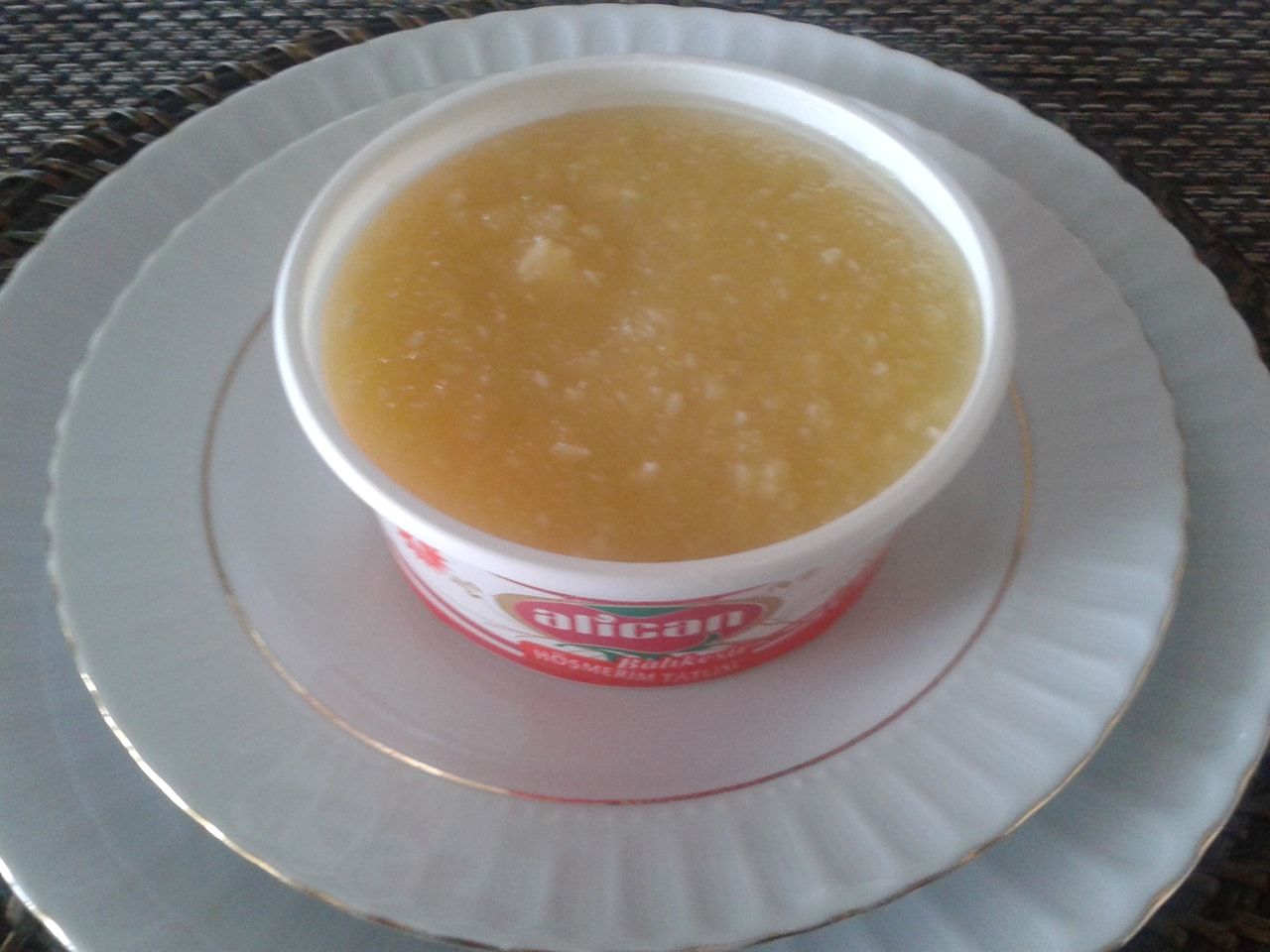
Höşmerim
One of Balıkesir's well-known desserts; it is also cited as a local product.
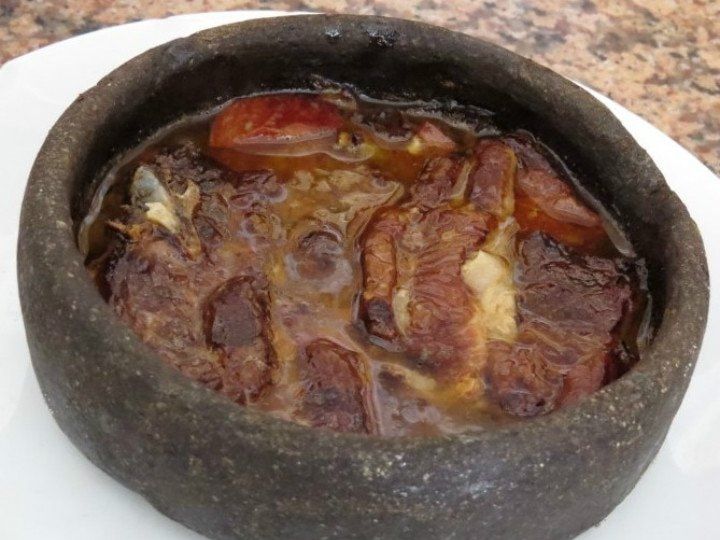
Bigadiç güveci
A meat dish made in Bigadiç and central Balıkesir, cooked over a wood fire in a special pot.
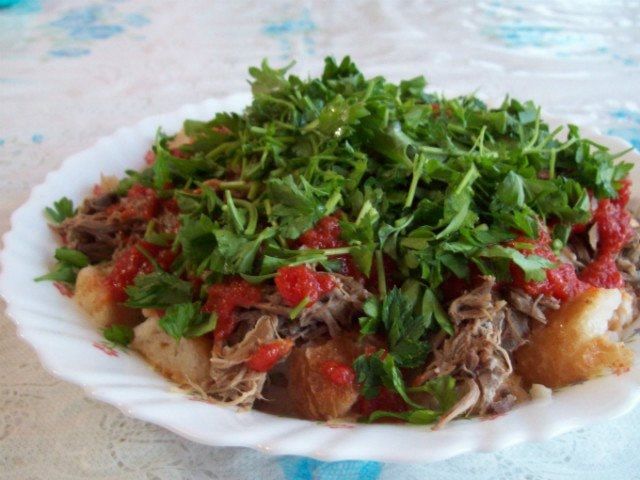
Tirit
It is made at weddings. A special pide is cut into small pieces and softened with meat stock, and boiled, shredded red meat is put on top; it is finished with tomato sauce, black pepper and parsley. It is said to have inspired the İskender kebab.
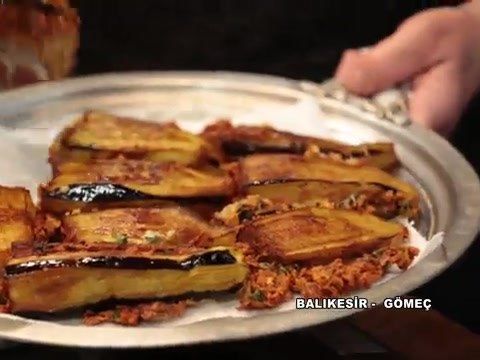
Gömeç-style fried aubergine with cheese, as served on Show TV
Peynirli patlıcan
In Balıkesir, peynirli patlıcan is made by putting a cheese filling between two slices of aubergine and frying them. Besides the recipe with Manyas cheese and a garlicky tomato sauce, there is also a version from Gömeç made with Ezine cheese, egg and parsley.
Source: Show TV · Recipe check
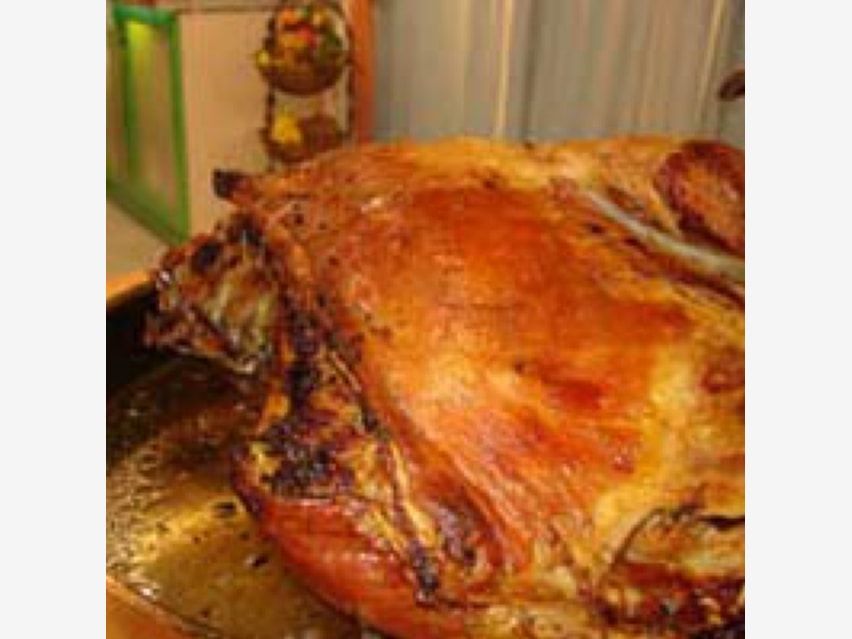
Sura
It is made mostly at Kurban Bayramı. A foreleg of lamb or kid is stuffed with a filling of rice and liver, sewn up and cooked in water with tomato paste.
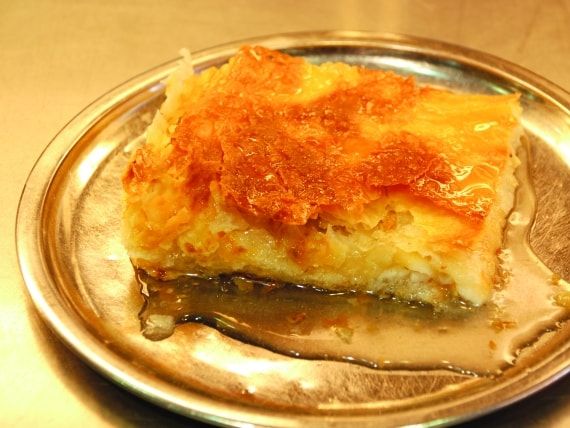
Balıkesir kaymaklısı
A clotted-cream dessert typical of the mountain villages. Kaymak is spread between layers of cooked dough, and cooled syrup is poured over it to serve.
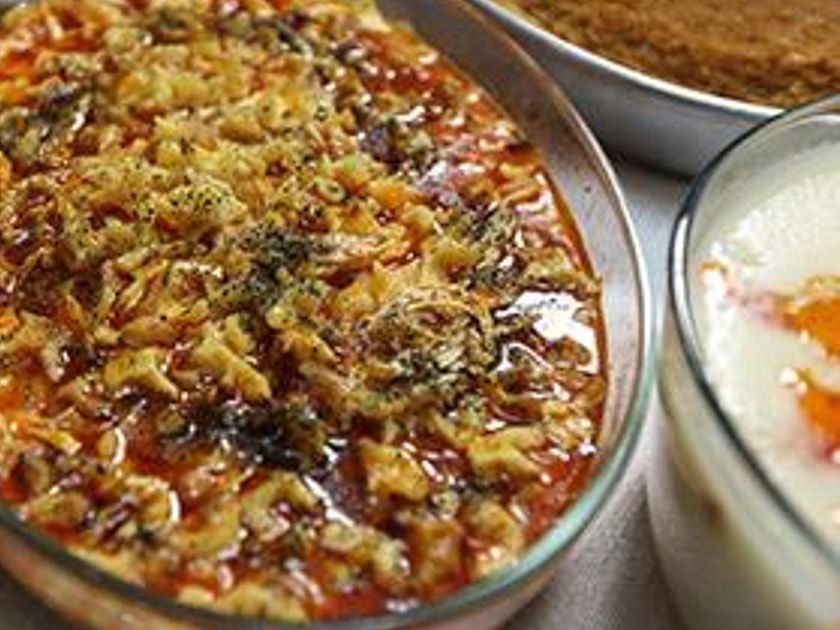
Balıkesir mantısı
It is larger than Kayseri mantı; it has no minced meat inside, and shredded chicken and boiled chickpeas are added on top.
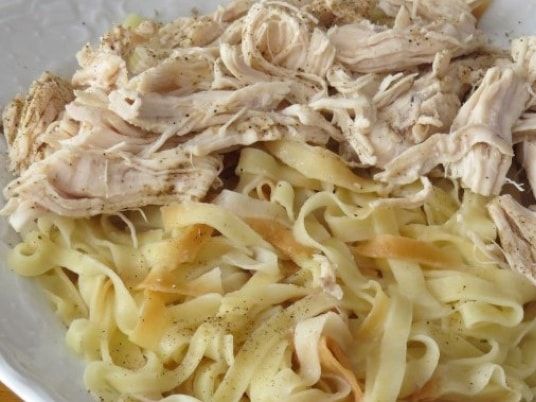
Saçaklı mantı
An egg dough is rolled thin and cut into long fringes, then cooked in fat; chicken stock is poured over it and shredded chicken sprinkled on top.
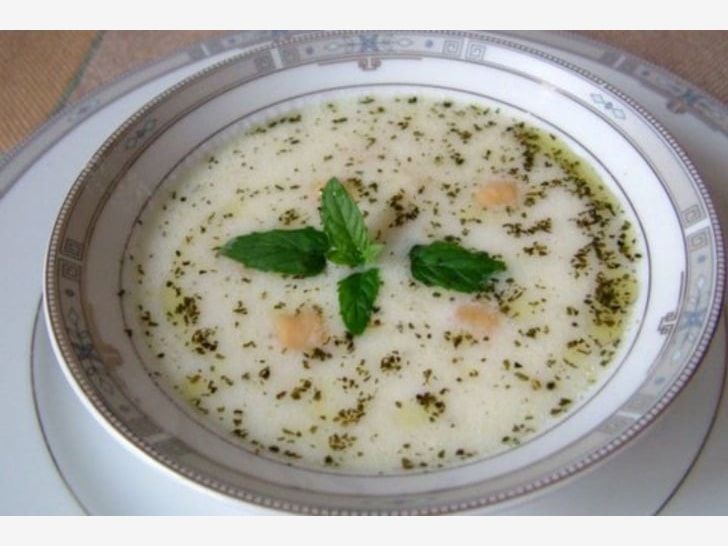
Düğün çorbası
A soup made with orzo (arpa şehriye), served at weddings.
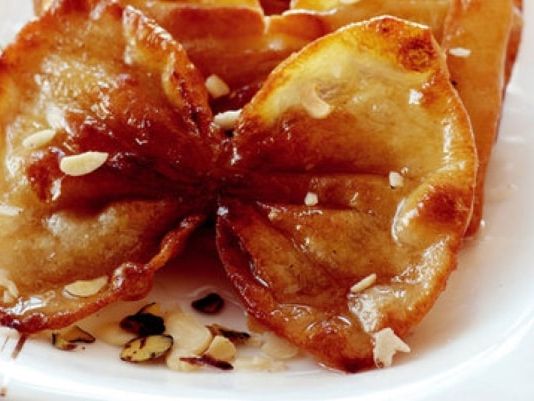
Mafiş tatlısı
Walnut-sized pieces are pulled from a rich dough made with yoghurt, rolled thin and cut into squares. Each square is pinched into a butterfly shape, fried and left to soak in cold syrup.
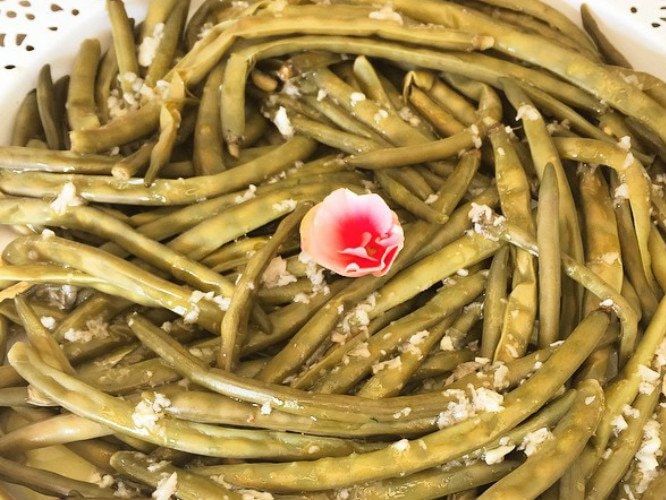
Börülce ekşilemesi
Boiled black-eyed beans are soured with olive oil and unripe grape juice (koruk suyu).
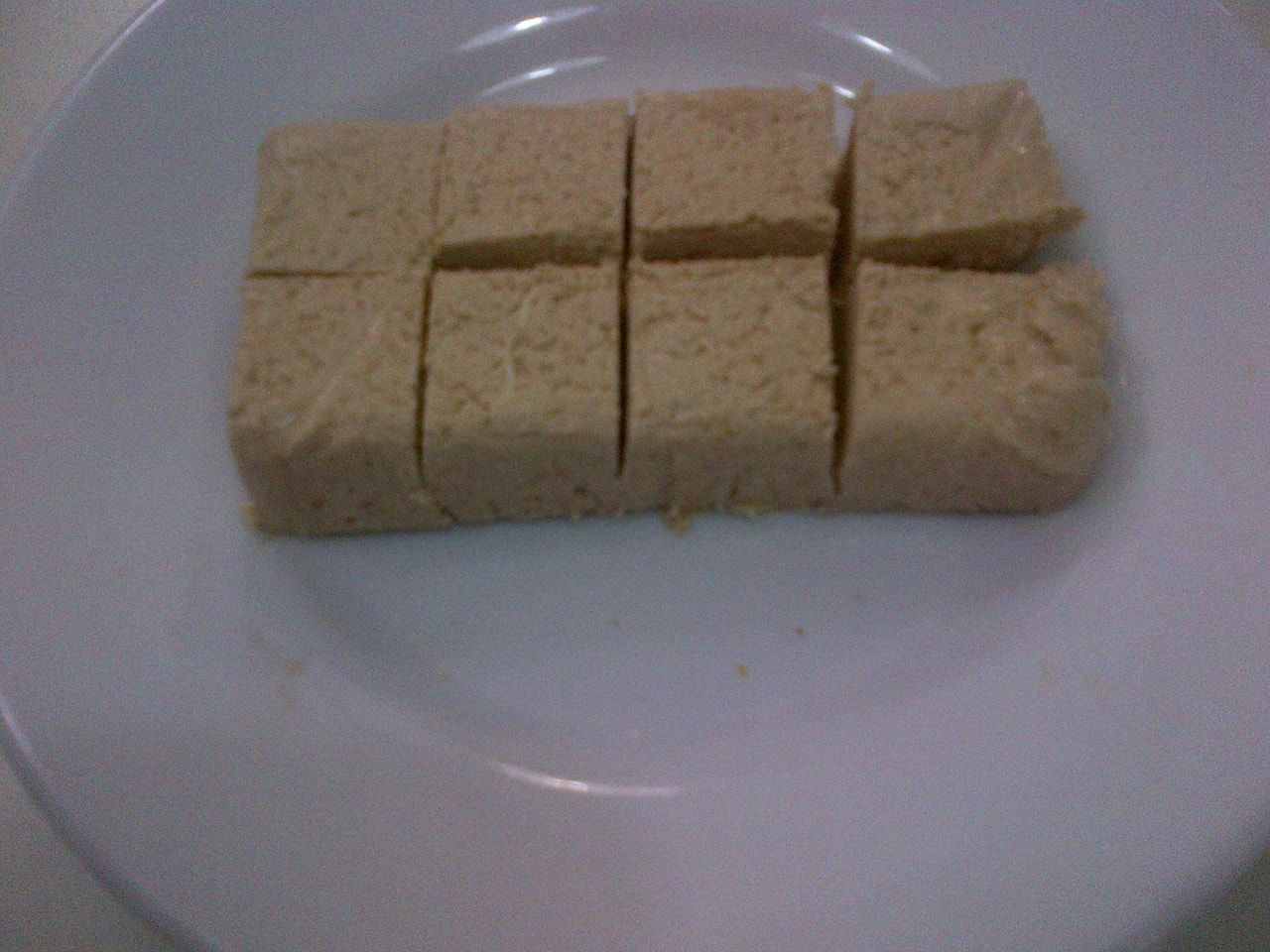
Bigadiç helvası
A tahini halva made by the traditional method with tahini, sugar and çöven (soapwort root); it is the dessert of Ramadan evenings in Bigadiç.
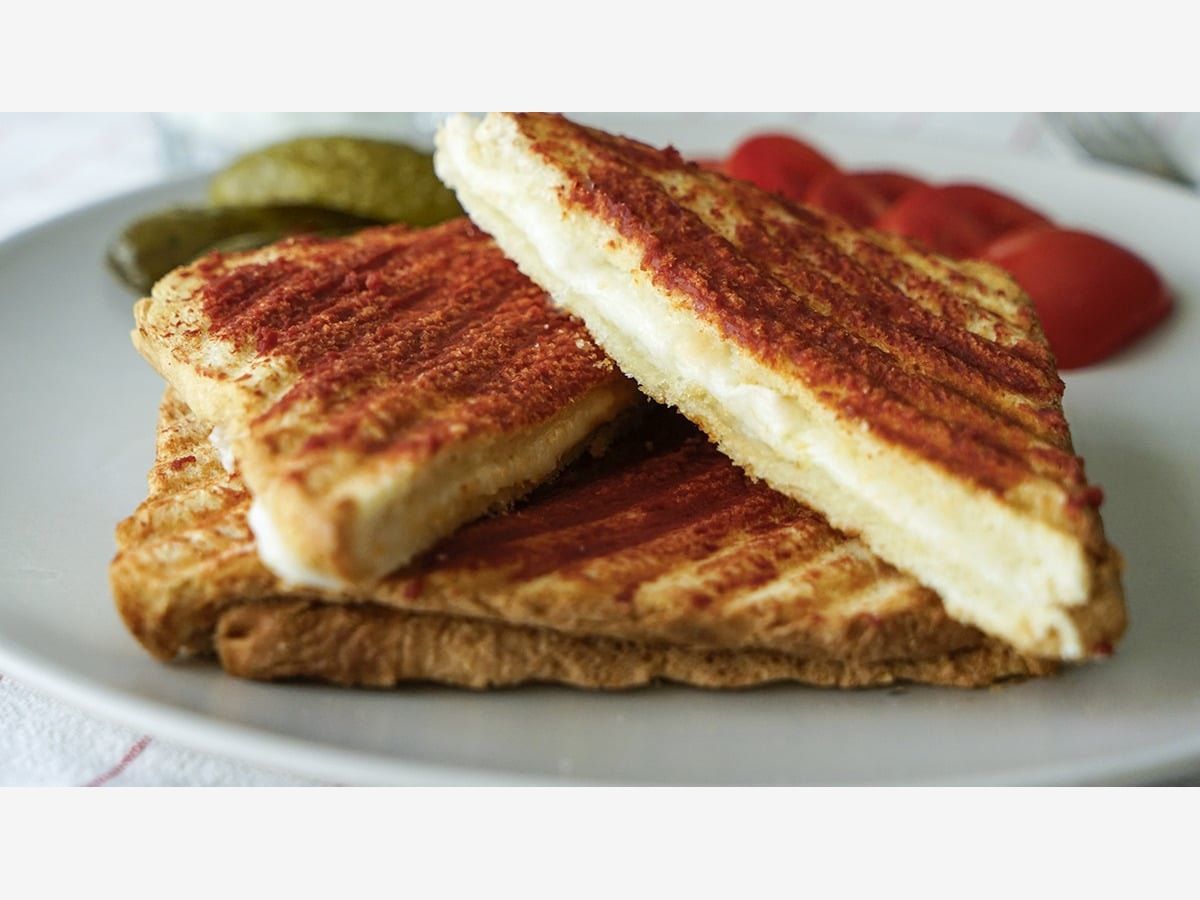
Susurluk ayranı ve tostu
Susurluk is known for its ayran and its toasted sandwiches.


Zerde
A dessert cooked by adding sugar and rose water to boiled rice; it is sprinkled with kızamık şekeri (coloured sugar sprinkles) and cinnamon.
Places to visit in Balıkesir
Natural beauties of Balıkesir
Balıkesir has a very rich past in terms of history. From the past to the present, Balıkesir has many castles, mosques, churches, ruins, ancient cities and many other historic buildings. All these historic beauties of Balıkesir are places that should be seen one by one, and we wish we could see them all. But besides all this, Balıkesir also has many natural beauties of its own, arising from its physical conditions, vegetation and climate. These are usually yaylas, waterfalls, lakes, rivers, mountains and much more…
Balıkesir Kaz Dağı (Mount Ida)

Kaz Dağı, which lies north of the Gulf of Edremit in Balıkesir and is also called Mount Ida (İda Dağı), is one of our country's natural beauties. It covers a total area of 21,300 hectares. With its perfect blend of blue and green, it is one of the rare places worth seeing. This mountain, where a national park of the same name has also been created, is very easy to reach.

There are forest roads towards Kaz Dağı from Zeytinli, Güre and Kızılkeçili villages, attached to Edremit, a district of Balıkesir, and from Altınoluk. You can climb Kaz Dağı using these roads.
Balıkesir Kazdağı Milli Parkı
As its name suggests, this national park on Kaz Dağı in Balıkesir is one of the province's natural beauties. The Kaz Dağı National Park, attached to Edremit District, lies to the north of the district. In history, many settlements and cities were founded on and around Kaz Dağı. Some of them are the cities of Thebe, Lyrnessos, Khrysa, Killa, Anderia and Antandros. But many cities were destroyed in the Trojan War. On Kaz Dağı, which has a famous and rich history, water springs up in both summer and winter.
It is very rich in water sources, so much so that drinking water goes from this mountain to Edremit and Altınoluk. On Kaz Dağı there are many wild animals such as bears, squirrels, bats, martens, hares, otters and wildcats. Many bird species also live here. As for the vegetation of Kaz Dağı, there are many tree species in this area. Some of them are Turkish red pine, black pine, beech, fir, chestnut, oak, alder, plane, rockrose and so on.
Balıkesir Kuş Cenneti Milli Parkı
It is one of our natural beauties in Bandırma District of Balıkesir. The Kuş Cenneti (Bird Paradise) National Park, a natural beauty not only of Balıkesir but of our whole country, is on the north side of Kuş Gölü, also known as Manyas Gölü.

If you want to come here, when you reach the 15th kilometre of the Balıkesir–Bandırma road, a road turns off to the south. Go another 3 kilometres along this road. Towards the end of winter the water level in Kuş Gölü rises.

When spring arrives, migrating birds use this place as a stop. They lay their eggs and brood here. After raising and feeding their young here, they leave. More than 230 bird species visit the Kuş Cenneti National Park, and the total number of birds coming here is around 3 million.
Besides all this, if you want to see the birds in the Kuş Cenneti National Park, which also has international importance, you need to go between March and July in summer and between September and October in winter.
Balıkesir Cunda Adası (Alibey Adası)
The other name of Cunda Adası, attached to Ayvalık District of Balıkesir, is Ali Bey Adası. Of the 22 large and small islands in Ayvalık, only Cunda Adası (Alibey Adası) is open to settlement. Cunda Adası (Alibey Adası), the 4th largest island in the Aegean Sea after Gökçeada, Bozcaada and Uzunada, is a favourite of those who want to be alone with nature and in a quiet setting.
Balıkesir Şeytan Sofrası
It is one of our natural beauties in Ayvalık District of Balıkesir. Şeytan Sofrası (the Devil's Table), on top of the large rocky hills south of the district, is only 8 kilometres from the district centre. On it there is a hollow believed to be the devil's footprint. People who come here throw coins into this hollow and make a wish.

From the top of Şeytan Sofrası you can see all the Ayvalık islands and, together with them, the island of Lesbos (Midilli). It has a magnificent view. The hill was formed from the deposits of an extinct volcano. Its appearance resembles a table (sofra).
The hollow believed to be the devil's footprint is surrounded by a cage. People also come here to watch the sunset.
Other natural beauties of Balıkesir
Balıkesir Tavşan Kulakları Tepesi: the hill right next to Şeytan Sofrası.
Balıkesir Şahinderesi Kanyonu: this canyon, in Altınoluk in Balıkesir, ranks second after the Alps for oxygen density, at 55%.
Balıkesir Güre: Güre, 4 kilometres from Akçay in Edremit District of Balıkesir, is a thermal spa area at the foot of Kaz Dağı.
Balıkesir Sutüven Çağlayanı: a waterfall on the Kızılkeçili Çayı that must be seen.
Balıkesir İnönü Mağaraları: the caves are in Havran District of Balıkesir, only 8 kilometres from the district centre. Lying south-east of the district, the caves are at an altitude of 381 metres on the steep limestone southern slopes of Kocaçal Tepesi, north of the Havran Çayı, at the western mouth of İnboğazı.
Balıkesir's thermal springs with natural beauty
Pamukçu Kaplıcaları
They are in the small town of Pamukçu in central Balıkesir. The water temperature is between 30 and 58 degrees. They are said to be good for many ailments.
Kiraz Kaplıcaları
At this spring, in Kiraz Köyü near the Organised Industrial Zone in central Balıkesir, the water temperature is 40 degrees.
Güre Kaplıcaları
They are in the small town of Güre in Edremit District of Balıkesir. The water temperature is between 40 and 58 degrees. They are said to be good for many ailments.
Bostancı Köyü Kaplıcaları
At this spring, in Bostancı village in Edremit District of Balıkesir, the water temperature is between 40 and 58 degrees. It is said to be good for many ailments.
Derman Ilıcası
It is in Edremit District of Balıkesir. The water temperature is between 48 and 58 degrees. It is said to be good for many ailments.
Gönen Kaplıcaları
The spa, in Gönen District of Balıkesir, is in the centre, and the water temperature is between 71 and 82 degrees. It is said to be good for many ailments.
Ekşidere Dağ Ilıcası
At this spring, in Gönen District of Balıkesir, the water temperature is between 38 and 46 degrees. It is said to be good for many ailments.
Kızık Köy Kaplıcaları
At this spring, in Kızık village in Manyas District of Balıkesir, the water temperature is between 45 and 50 degrees. It is said to be good for many ailments.
Kepekler (Ilıca Boğazı) Kaplıcası
At this spring, in Susurluk District of Balıkesir, the water temperature is 58 degrees. It is said to be good for many ailments.
Yıldız (Yellice Tepe) Kaplıcası
At this spring, in Yıldız village in Susurluk District of Balıkesir, the water temperature is between 56 and 68 degrees. It is said to be good for many ailments.
Balya Ilıcası
At this spring, in Balya District of Balıkesir, the water temperature is between 51 and 60 degrees. It is said to be good for many ailments.
Hisarönü Kaplıcaları
At this spring, in Hisarköy in Bigadiç District of Balıkesir, the water temperature is between 85 and 92 degrees. It is said to be good for many ailments.
Hisaralan Kaplıcası
At this spring, in the settlement of Hisaralan in central Balıkesir, the water temperature is between 46 and 98 degrees. It is said to be good for many ailments.
Emendere Kaplıcası
At this spring, in Ilıcalı village in Sındırgı District of Balıkesir, the water temperature is 33 degrees. It is said to be good for many ailments.
Aşağımusalar Köyü Ilıcası
At this spring, in Aşağı Musalar village in Dursunbey District of Balıkesir, the water temperature is 29 degrees. It is said to be good for many ailments.
Balıkesir's museums and ancient sites
Ancient city excavation sites
Kyzikos – Erdek
Deasklaion – Bandırma/Ergili
Saraylar – Marmara
Antandros – Edremit/Altınoluk
Antandros (Edremit-Altınoluk) ancient city
It is a very old city in Mysia at the foot of Mount Ida. On the northern edge of the promontory of Adramytteion facing the sea, it was a Lelegian settlement according to Alcaeus, a Cilician foundation according to Demetrius of Scepsis, a Pelasgian settlement according to Herodotus and an Aeolian settlement according to Thucydides. It also has other names such as Edonis and Kimmeris. According to Aristotle, these names must come from the peoples who occupied Antandros. According to another tradition, it was founded by the Andrians, who were later driven out from here. In the Antandros area, according to the coins at Asponeus east of Astria, the trade in wood (firewood and timber) obtained from the Ida mountains and used especially in shipbuilding was highly developed.

During Persian rule it was captured by Darius. During the Peloponnesian wars it was drawn into events many times. It had to pay tribute (tax) to the Athenians. Because of the actions of the Sicilians, it fell into Persian hands again. Later they were driven out by the Persians. In the second half of the 4th century it minted coins as a free city. In later periods it minted coins from Titus to Elagabalus. In the Christian period it was a bishopric. H. Kiepert locates it near today's Avcılar, towards the coast, on a mountain two hundred and fifteen metres high. An inscription found here has been published.
Kuva-yi Milliye Müzesi
In 1985 and 1986 the municipality took action and passed two council resolutions to open as a museum the old municipal building, which had served as headquarters for the work of the National Struggle. Later, the right to use this building indefinitely was transferred to the Ministry of Culture and Tourism, General Directorate of Antiquities, and a protocol on this was signed between the Balıkesir Governorship and the Mayor's Office.
After the Museum Directorate was set up in 1987, restoration work was speeded up, and once the collection work was finished, the museum opened on 6 September 1996.
In 2008 the museum's display building and display arrangement were reworked, and it reopened in its present form on 26 December 2008.
The Kuva-yi Milliye Museum has two sections. Its 120 m² ground floor displays the written decisions taken by the 41 people who led the founding of the Kuva-yi Milliye in Balıkesir, the decisions of the congress, the personal belongings and photographs of these heroes, and photographs taken during Atatürk's visits to Balıkesir. Its 120 m² second floor displays archaeological and ethnographic works found in our province.
The Kuva-yi Milliye Museum holds 4,573 inventoried works and 20,000 study works.
Address: Anafartalar Caddesi, Eski Belediye Binası No: 58
Tel : (0266) 243 31 81
Fax : (0266) 245 30 27
Open every day except Monday, 08.30–12.00 / 13.30–17.00.
Bandırma-Arkeoloji Müzesi
The museum, founded by the Bandırma Association for Building and Sustaining a Museum to display finds from the ancient city of Kyzikos and the site of Daskyleion, and rebuilt after being transferred to the Ministry of Culture, has two exhibition halls, a laboratory, a library and a conference hall. In the museum, which was not yet open to visitors when the catalogue was prepared, grave stelae with anthemions and Phrygian inscriptions bearing the features of the Anatolian Persian art typical of Daskyleion, Persian-influenced terracotta vessels found in the excavations, and grave stelae from the ancient city of Kyzikos and its surroundings will be displayed.
Address: Paşabayır Mahallesi, Ziyaret Bahçesi Mevkii Bandırma
Tel : (0266) 714 82 71
Balıkesir's mosques and churches
Zağnos Paşa Camisi (Paşa Camisi) and complex (Merkez)
It is in the city centre, in Mustafa Fakıh Mahallesi, within the bazaar. It is a complex made up of a mosque, a tomb and a bath. It was built in 1461 by Zağnos Mehmed Paşa, one of the viziers of Mehmed the Conqueror. Of the complex, only the bath has survived in its original state. The mosque and tomb, destroyed in 1897, were rebuilt in 1908 by Ömer Ali Bey, the mutasarrıf (governor) of Balıkesir.
It is the largest mosque in Balıkesir and has a square plan. It is built of dressed and cut stone. It was built with a central dome resting on four piers in the middle, surrounded by four corner domes with semicircular vaults between them. The mosque has no last congregation area. You enter the interior through double-leaved wooden doors on the north, east and west. On all three sides, in front of the doors, there are porches with wooden ceilings, covered by a sloping lead-covered roof carried on square marble columns. The mosque's wooden women's gallery runs along the north corridor. The gallery, resting on six fluted wooden columns, is latticed. Its entrance is outside. The mihrab is one of the finest examples of late Turkish art. The minaret is at the north-west corner of the mosque. It was built by Hacı Hafız Efendi of the Arabacıoğulları, one of Balıkesir's notables. It is in the Baroque style and of cut stone. The central dome collapsed in the 1897 earthquake and was rebuilt in 1902. Above the door, the Kelime-i Tevhid read by the abjad system gives the date of the first construction, AH 865 (1464). In the mosque courtyard there are a tomb, a graveyard and a şadırvan.
On 07.02.1923 Atatürk had his famous sermon (hutbe) read in this mosque. To the west, right next to the base of the minaret, is the muvakkithane (timekeeper's house). It is built of cut stone. In the mosque courtyard there are two şadırvans, one to the north and one to the west. The northern şadırvan has twelve sides. The marble şadırvan is filled with water coming from the Paşa hamamı. In its centre is a scalloped marble fountain. In recent years the şadırvan has been covered by a dome resting on five plain columns. The other şadırvan was built when the mosque was built for the second time. In shape and covering it is the same as the northern one. Only the tap panels have relief decoration, and its fountain is different. In addition, outside the mosque, at its north-east corner, there is another five-sided marble şadırvan. On each face there are paired engaged columns linked by arches. To the south of the mosque courtyard there is a sundial. The hour divisions are marked on a plate set on a short, thick column. In its centre is an iron rod. The dial has an iron frame, and the divisions have worn away.
Yıldırım Camisi (Eski Cami) and complex (Merkez)
The mosque, in Yıldırım Mahallesi, is the oldest Ottoman work in Balıkesir. It has no building inscription. However, it is understood from various sources and from its endowment deed (vakfiye) that it was built in 1388 by Yıldırım Bayezid. It forms a complex together with a medrese and an imaret within a fairly large courtyard. It was repaired in 1818 and after the 1897 earthquake. The interior of the mosque has a rectangular plan and is divided into three naves by two rows of five columns. The capitals of these reused columns, set without bases, are also of reused material: six are Byzantine, three in Ottoman style, and one is in the form of an old base. Reused architectural pieces taken from the ruins round about were used in the mosque. Its walls are of cut stone with wide joints. Only the west wall has a single course of brick. Although traces of the first building are found here and there on the outer surfaces, its general appearance has the features of the Late period. Its roof is covered with tiles.
The qibla face of the building is plain like the other faces, but on either side of the mihrab there are rectangular windows with round-arched windows below them. The west façade is livelier. Of the two rows of windows, those in the lower row are original, and the round-arched ones in the upper row were made during the repair at the beginning of the 19th century. The mosque has a door in each of its north, east and west walls. The wooden and glazed last congregation area on the north was added later. Above the thick square piers with muqarnas capitals on either side of the main door with its rectangular frame there is a flattened pointed arch of cut stone. Within the arch, on the pediment above the door frame, there is a space for an inscription in the form of a frame, but it is empty. The west wall of the mosque and its entrance were made more impressive than the north entrance. The entrance is covered by a tiled porch resting on four wooden posts. The wooden ceiling of this part is very ornate, with an Empire-style medallion in the centre. The ceiling was renewed after the 1897 earthquake. The massive frame of the mihrab, rectangular and projecting from the walls, is also new.
The hood of the five-sided mihrab niche narrows upwards with muqarnas. The minbar is wooden. The minaret is at the north-west corner. It is of cut stone and new. Rising on a square base, the minaret has a cylindrical, fluted shaft. Where the shaft meets the base there are two rows of bands. There is a band of the same kind below the balcony. The şadırvan in the mosque courtyard is new. At each corner of the eight-sided marble basin there are round engaged columns. It is covered by a glazed canopy resting on five posts. The imaret (guesthouse-zaviye) at the north-east corner of the mosque was built together with the mosque at the end of the 14th century. It has survived in its original state to the present day.
It is the simplest example of the zaviye mosque type often seen in the early Ottoman period. Its rubble-stone walls are finished with saw-tooth (kirpi) eaves. There is a marble inscription above the main door with its segmental arch, set in a large niche. A rich moulding surrounds the door. The window openings are covered by brick arches with neat edges. Inside, on either side of the central space, there are lower zaviye rooms. The central space is roofed with wood, and the side spaces with vaults. On the outside, the building is covered with a tiled roof. The medrese in the mosque courtyard is a building with 12 cells and was rebuilt after the 1897 earthquake. Only its outer walls are original.
Alaca Mescit Camisi (Merkez)
Because its inscription has not survived, its date of construction and founder are not known. It had its last repair in 1911. In this historically important mosque, the first decisions of the Kuva-yi Milliye movement in Balıkesir were taken (1919). Tahtalı Cami (Merkez)
The mosque, in Dinkçiler Mahallesi, was built in 1452. It has not been established who had it built. Of this first building, only the minaret has survived to the present day. It was destroyed in the 1513 earthquake and later rebuilt. It has a rectangular plan.
Kasaplar Camisi (Merkez)
It is in Kasaplar Mahallesi. According to its inscription it was built in 1649, damaged by earthquakes and repaired in 1811, 1894 and 1901. It is a small mosque with a square plan, and the classic brick paving on its floor dates from when it was first built.
Şeyh Lütfullah Camisi (Merkez)
It is in Lütfullah Mahallesi. The mosque was built in 1429. It is thought to have been built in the 16th century by Şeyh Lütfullah, one of the companions of Hacı Bayram-ı Veli. The mosque, which has not survived in its original form, was rebuilt in 1907. It is a rectangular building of cut stone. The last congregation area is reached by a three-step staircase. Because of the women's gallery above the last congregation area, its façade looks two-storeyed. The prayer space is covered by a flat wooden roof, with four windows in the mihrab wall and three in each of the other walls. The mihrab is of stone and the minbar of wood. The cut-stone minaret with a single balcony is cylindrical, set on a square base. In the mosque courtyard there is an eight-sided şadırvan covered by a dome with eaves.
Hakkı Çavuş Camisi (Merkez)
It was built in 1352. It has not survived in its original state.
Hacı Ali (Alibey) Camisi (Merkez)
It was built in 1319 and repaired in 1952.
Karaoğlan Camisi (Merkez)
It is in Karaoğlan Mahallesi. It is said to have been built in 1356 by a man named Karaoğlan who crossed into Rumelia with Gazi Süleyman Paşa. It has not survived in its original form; the present building dates from around 1908.
İbrahimbey Camisi (Hacı Arifağa Camisi) (Merkez)
It is on Alaca Sokak in Hisar İçi Mahallesi. Its inscription above the entrance shows that it was built in 1465 by Mehmet Çelebi, son of Zağnos Paşa. The mosque, destroyed in later years, was rebuilt in 1739 by İbrahim Bey, son of Yahşi Bey, and repaired in 1899 by Hacı Arif Ağa. The mosque is of cut stone with a square plan and covered by a wooden tiled roof. At the courtyard entrance there is an extremely finely decorated stone gate in the 19th-century Empire style. Leaf motifs and flowers stand out in the decoration. On the high bases on either side are fluted columns with capitals inscribed Maşallah. The mosque's last congregation area was added in later periods. The prayer space is very plain, with two windows on either side of the mihrab. The mihrab is of marble and the minbar of wood. On the second floor is the women's gallery, and the wooden columns there carry the roof. The minaret with three balconies, of pink köfeki stone on a square base, was built recently.
Yeşilli Cami (Hisariçi Camisi) (Merkez)
It is not known who built the mosque in Eski Kuyumcular Mahallesi. Only the inscription on the mosque shows that it was repaired in 1786 by Külahçızade Hacı Mustafa Efendi. The mosque is a small rectangular building with a wooden roof. Because it was painted green, it is popularly known as the Yeşilli Cami ("green mosque"). The mosque, set a little above the ground, has a double last congregation area. A staircase here leads up to the women's gallery on the upper floor. The prayer space is very simple, with three columns on either side of the mihrab, their bases set into the wall. Above the surfaces between the columns there are windows and friezes. The mihrab, projecting outwards, is very plain.
Inside the mihrab are the ray motifs very common in the second half of the 19th century, and in the medallion at the top the word Allah can be seen. The very simple wooden minbar has been painted and has lost its character. Above the entrance door is the women's gallery, like a balcony resting on six wooden columns. The mosque's stone minaret is reached from the last congregation area. Rows of muqarnas below the cylindrical minaret are striking.
Omurbey (Umurbey) Camisi (Merkez)
It is in Omurbey Mahallesi. It was built in 1413 by Hacı Omur Bey and underwent two major repairs, in 1635 and 1925. Of the three inscriptions on the mosque, one gives the date it was built and the others its repairs. The mosque, which has no last congregation area, is very simple and is built of cut stone and brick.
Oruç Bey Mescidi (Merkez)
It is in Kayabey Mahallesi. It was built in 1471 in the name of Oruç Bey, one of the Ottoman commanders who crossed into Rumelia. However, it has lost its original form through repairs made in various years.
Apart from these mosques, central Balıkesir has the Vicdaniye Camisi (1895), the Eminağa Camisi built in the time of Sultan Abdülhamid II (1897), and the Kırımlılar Camisi built by Sultan Abdülaziz (1862).
Saatli Kilise Camisi (Ayvalık)
It is in İsmet Paşa Mahallesi in the district centre. It was built as a church by local Greeks in the second half of the 19th century and converted into a mosque after 1928. It is a rectangular building, entered through a four-columned, arcaded door decorated with acanthus leaves. The building has a cross plan; the central part is covered by a small dome and the arms of the cross by vaults. The church's bell tower was later turned into a clock tower, which is why it took the name Saatli Cami ("mosque with the clock").
AliBey (Çınarlı) Camisi (Ayvalık)
It is in Hamdi Bey Mahallesi. It was built as a church by local Greeks in the 19th century and converted into a mosque in the first years of the Republic. It is built of rubble and cut stone. It has a cross plan, with the centre of the cross covered by a dome and the sides by vaults. Inside the mosque, thick columns with composite capitals stand out.
Yeni Cami (Ayvalık)
It is in Hayrettin Paşa Mahallesi. It was built in the second half of the 18th century and converted from a church into a mosque. The base of the bell tower has survived. It has no architectural distinction.
Biberli Cami (Ayvalık)
It is on Altunova Caddesi in Kasım Paşa Mahallesi. It was converted into a mosque from a church built in the 19th century. This cross-plan building is notable for the six columns at its entrance.
Hamidiye Camisi (Ayvalık)
It is in Sakarya Mahallesi. It is the only original building in Ayvalık built as a mosque. It was built in the eclectic style in the second half of the 19th century by Sultan Abdülhamid II. The nearly square mosque is of red cut stone. It has a four-columned last congregation area and a brick dome resting on a cylindrical drum. It is of no importance for its decoration.
Ulu Cami (Bandırma)
It was built in Edincik in 1382 by Abdullah Efendi. Although it is a simple rectangular building, it draws attention with the stone and brick decoration on its façade.
Kasım Paşa Camisi (Bigadiç)
It was built in 1549 by Cezerizade Kasım Paşa, one of the viziers of Suleiman the Magnificent. The mosque, built entirely of cut stone, has been repaired several times, but its minaret has survived in its original form. On the walls of the Kasım Paşa Camisi, which reflects all the architectural features of its period, there are various examples of calligraphy on panels dated 1901.
Yeşilli Cami (Bigadiç)
The Yeşilli Camii, used as the central mosque of Bigadiç, was built in 1715 by Çavuşzade İsmail Ağa of Bigadiç. It has been repaired many times because of fire, earthquake and other causes. In its general features it is an example of the architecture of its period. On the north there is a six-columned last congregation area. It is a building with a regular cross plan and has a minaret on its north-east.
Evliya Çelebi Cami (Lonca Cami) (Bigadiç)
It was built in 1795 by Seyyid Hacı Hasar Ağa, voivode of Bigadiç. Its foundations and minaret base are original. The records show a tailor's shop in Balıkesir as the mosque's endowment.
Kurşunlu Cami (Hekimzade Yusuf Sinan Camisi) (Edremit)
It is on Kurşunlu Caddesi. It was built for Yusuf bin Habib, one of Edremit's well-known scholars. Because it has no inscription, the exact date of construction is not known, but its architectural style points to the 15th century. It is one of the classic examples of single-domed mosques and is of cut stone. In front of it is a three-part last congregation area with pointed arches. The prayer space is covered by a dome resting on an octagonal drum. In the middle of the qibla wall is a polygonal mihrab niche. Its minaret on a square base has a round shaft. No trace has survived of its medrese, which is known to have stood beside the mosque.
Eşref Rûmi Camisi (Edremit)
It was built in the second half of the 19th century. Its architectural style shows eclectic features. Its cut-stone walls rise in stages and are divided into sections on the outer façade by vertical and horizontal lines. The central part is covered by a dome and the side parts by vaults. On each face, the upper parts of the piers dividing the surfaces take the form of small domes. The dome over the prayer space is carried by four piers with Corinthian capitals and the arches linking them. The interiors of the vaults here are coffered. The door and decoration of the stone minbar are adorned with ornament reflecting the 19th-century style.
Haydar Çavuş Camisi (Bandırma)
It was built at the beginning of the 19th century by Haydar Çavuş and burned in 1873. After that it was rebuilt in the Neo-classical style to a plan drawn by the architect Kemalettin Bey. The square-plan mosque has a single dome and a plain appearance.
Hacı Ahmet Camisi (Burhaniye)
It is the first mosque built in Burhaniye, built in 1798 by Hacı Ahmet Bey. This square-plan mosque stands in the middle of a small courtyard. Granite was used in the edge mouldings on the walls and corners of the prayer space. Its walls rise in two stages, and on each side paired windows are set within large round arches. The dome rests on an octagonal drum. It has no decoration worth mentioning.
Burhaniye also has the Mehmedemin Ağa (Memiş) Camisi (1743), the Hanay Cami (1750), the Hasanağa Camisi (1756) and the Koca Cami (1890), which are open for worship today.
Hacı Bayram Camisi (Ayvalık)
The Hacı Bayram Camisi is in the centre of Altınova bucak in Ayvalık. Dating its inscription by the abjad system has shown that this building, on Cami-i Kebir Sokağı in Altınova, was built in 1490–1491. The mosque, square in plan, with a flat ceiling inside and a hipped roof outside, is built of rough-hewn stone and brick: two courses of stone are completed by three courses of brick. A glazed last congregation area was later added to the north façade. The prayer space is divided into two aisles parallel to the mihrab wall by three round arches running east–west. The mihrab has no special feature; as in many mosques in later years, a curtain was painted here in oil paint.
The mihrab niche is bordered by a column on each side, and gilded plant ornament in plaster relief has been placed above the niche. The mosque, which has been repaired, has moved far from its original form. The prayer space is lit by two rows of windows; those in the upper row are smaller than those below and were changed to an oval shape during repairs. It is understood that this row of windows, like the lower one, had round brick arches. In 1957 a cylindrical brick minaret with a single balcony was added at the south-east corner of the mosque.
Kadı Camisi (Ayvalık)
The inscription of the Kadı Camisi, in Altınova Bucağı in Ayvalık, has not survived. For this reason it is not known when or by whom it was built. This building, also called the Küçük Cami ("small mosque"), has a square plan measuring 9.80 x 9.80 m and is covered by a dome carried on an octagonal drum. The mosque, of rough-hewn stone, has lost its character through repairs. The last congregation area on the north façade was demolished, and a reinforced-concrete last congregation area with three domes was added. In addition, the minaret placed where the very stubby minaret on the west used to be is small, and below it is written that it was renewed in 1953. The mihrab and minbar in the prayer space, entered through a door in the middle of the north façade, have no architectural features. The prayer space is lit by rectangular windows below and round-arched windows above.
Kurşunlu Cami: It was built in 1231 by the Seljuk commander Yusuf Sinan, conqueror of Edremit. Yusuf Sinan's tomb is beside the mosque.
Ayazma Kilisesi: The Fenoremeni Church with Ionic columns, now used as an olive oil factory, is called "AYAZMA" (holy spring) by the Orthodox because of the holy water inside it.
Balıkesir's beaches
Akçay
It is 10 km from Edremit. It is a strip of coast, partly pebbly. It is famous for the fresh, cold water and artesian springs that gush up everywhere.
Altınoluk
It is 28 km from Edremit. The area, known as an oxygen store, has many accommodation facilities and entertainment venues.
Ören
With the century-old valonia oak trees in Ören, which is not only a Historic but also a Natural Protected Area, numbered one by one and taken under protection by the Conservation Board for Cultural and Natural Assets, the identity of "Green Ören" has also been secured.
Ören Plajı, famous for its spotless water and fine sand, had this fame confirmed in 2000 with the Blue Flag, awarded by the Foundation for Environmental Education (FEE) and now the worldwide "Swimmability Standard". A clean sea, a spotless beach, lush green rest areas and plenty of fresh water… Ören is one of the very rare places where you can see all of these together. The golden-sand Ören Plajı, curving like a bow for 1.5 km, is also one of Turkey's most striking beaches for its width.
Sarımsaklı
Sarımsaklı is a settlement in the Ayvalık area attached to Küçükköy Municipality. It is 8 km from the centre of Ayvalık
District. Its beach, 7 km long and 100 m wide, is shallow, and the sand is fine.
With accommodation of every class from five-star hotels to guesthouses, and from mid-range restaurants to small kiosks, it is Ayvalık's most important tourist area. Its sea is shallow and its beach lovely.
Culture and arts in Balıkesir
BALIKESİR FOLK DANCES
Balıkesir's folk dances have a rich cultural character. The many different ethnic groups in the area create a cultural variety that is also reflected in the folk dances. In general, the dances are performed in circles, straight lines and facing passes. The dances of the area fall into the general folk dance types of Zeybek, Güvende, Kaşık (spoon) dances and Bengi.
The Pamukçu Bengisi is the area's most famous dance. In Dursunbey District the "Barana Tradition", put forward by our Ministry to UNESCO as a candidate for cultural heritage, is kept alive. The tradition was registered as World Cultural Heritage as of 15 November 2010. On the initiative of the Balıkesir Provincial Directorate of Culture and Tourism, the Ministry of Culture and Tourism's General Directorate of Research and Education achieved an important success in the field of SOKÜM (Intangible Cultural Heritage) and secured a place on the World Cultural Heritage list for the "Barana Tradition", which has continued for about 300 years in Dursunbey District of Balıkesir.
Names of the main folk dances performed in the Balıkesir area today:
Harmandalı, İkili Güvende, Toplu Güvende, Bengi, Baydan Nazmiye, Karyolamın Demiri, Akpınar, Hatçam, Azime, Bağ Yüzünün Çamları, Durnalar, Tüllek (İğde Dalı), Demirciler,
Ağır Hava, Koca Arap, Kemeraltı, Doğanlar Zeybeği, Sekme, Kayalcanın Taşları (Yörük Ali), Mendili Oyaladım, Karşılama, Şerifem, Aşağı Yoldan, Tünleme, Mende, Yörük Dağı, Ninna,
Suda Balık Oynuyor, Sarı Karınca, Köroğlu, Aldı Dereleri, Koybatın Dereleri, Dursunbeyin Hanları, Şıngır, Edremit Güvende, Yılanı Yılanı, Savaştepe Zeybeği, Bandırmalı Güzelim, Alay Havası, İsmailler Zeybeği, Koca Kuş, Koca Ceviz, Dada Zeybeği, Entarisi Damgalı, Oğlanın Adı Hakkı, Ergama, Sabai Güvende, Tabancalı, Kozak Dağının Çamları, İsmailli, Yanık Hatçem.
Names of dances performed by women:
Akpınar, Hatçam, Mende, Azime, Durnalar, Demirciler, Tüllek (İğde Dalı), Mendili Oyaladım, Yörük Dağı, Ninna, Suda Balık Oynuyor, Bandırmalı Güzelim, Kozak Oyunu, Entarisi Damgalı, Oğlanın Adı Hakkı, Ergama, Sarı Karınca.
Instruments in women's dances:
Traditionally, a copper pan, a cauldron, spoons and zilli maşa (tongs with cymbals) are used.
Names of dances performed by men:
İkili Güvende, Toplu Güvende, Bengi, Ağır Hava, Karşılama, Koca Arap, Kemeraltı,
Sekme, Kayalcanın Taşları, Şıngır, Edremit Güvende, Yılanı Yılanı, Savaştepe Zeybeği, Alay Havası, İsmailler Zeybeği, Koca Kuş, Dada Zeybeği, Doğanlar Zeybeği, Aldı Dereleri, Koybatın Dereleri, Sabai Güvende, İsmailli, Tabancalı.
Instruments in men's dances:
Traditionally, the bağlama, davul, zurna or clarinet are used.
The main dances performed in the area are as follows.
PAMUKÇU BENGİSİ
It is one of the famous kinds of dance in the area. This dance is identified with Pamukçu Köyü. The dance, whose name literally means "without end, eternal", has an element of warriorship in its origin. The Bengi has its own opening tune, separate from the main tune and in the form of a promenade. The Bengi is danced by 8, 10, 12 or 15 people, or by more. The Bengi has five figures. The movements between the figures give the dance its meaning. The dances are performed in a circle, from left to right.
In the Pamukçu area, İkili Güvende, Toplu Güvende and Bengi are danced at village weddings, religious holidays and festivities. To promote the Bengi dance across the country, an association was founded in Pamukçu Köyü in 1975. The association continues its activities.
İKİLİ GÜVENDE
The dance, collected by Murat KARABULUT, is performed by young people at village weddings, religious holidays, Akpınar festivities and gatherings.
This dance, performed by only two people, is very lively. Its distinctive figures are turning and crouching. The dance represents the meeting of the strongest warriors of the two sides in a struggle between clans and tribes.
Before the dance begins, a short promenade is made to music. In the area this promenade is called "Aldırma", and getting ready to start the dance is called "Oyuna Alma". The dance, made up of crouching and turning figures from beginning to end, continues with series of moves at a fast tempo.
TÜNLEME
The dance, collected by Sevinç YAŞAR, is performed by women at weddings and henna nights. It is seen mostly in Ahmet Ölen village in Kepsut District of Balıkesir Province.
The dance is performed with spoons by at least four or more people, accompanied by a folk song that women and girls sing with a copper pan.
1. Words of the dance song:
Sevdiğim aşağıda ben yukarıda savaşam
İzin ver Allah'ım yare kavuşam
Sen benimsin ben seninim ey güzel.
Barış, mezarların kar olmayınca
Girmem evinize yar olmayınca
Bu tepeden o tepeye ev olur
Alem sevdiğine yanar del(i) olur.
My love is below and I struggle up above; / Allow me, God, to be united with my beloved; / You are mine and I am yours, O beauty. / Peace, unless your graves are snow, / I won't enter your house unless my love is there; / From this hill to that hill houses rise; / Everyone burns for their beloved and goes mad.
2. Figures of the dance:
a) Straight figure: the figure starts by pointing the right foot. As the right sole steps down, the left foot is drawn up from the knee and two hops are made on the right foot. Finally both soles are placed on the ground. At the same time the arms are raised up to the side at head height.
b) Crossing figure: the figure starts by pointing the right foot. As the right sole steps down, the body weight is drawn up on the toes of the left foot; this movement is repeated twice. Then, as the left sole steps down, the right foot is drawn up from the knee and one hop is made; after this, as the right sole steps down, the left foot is drawn up from the knee and two hops are made. Finally both soles are placed on the ground. At the same time the arms are raised up to the side at head height.
3. Costume for the dance:
1. On the head: a çetki below and a çember (Allı bez, Karanfilli bez) on top
2. Underneath: a handwoven göynek or a non-woven fistan
3. On top: a kaftan (Üçetek)
4. Collar
5. Zıbın
6. Kemikli bağ
7. Shawl (Arkalaç)
8. Peşkir (towel)
9. Woollen socks
4. Accessory in the dance: spoon.
Traditional Turkish theatre
The village spectacle plays of the Balıkesir area are seen mostly in Bigadiç, İvrindi, Dursunbey and Sındırgı Districts. Some of these plays are: Deve Oyunu, Afyon Kazması, Öküz Oyunu, Değirmenci, At Oyunu, Delioğlan…
The main plays performed today are: Bigadiç-Kayırlar Köyü: Deve Oyunu, Bebek Oyunu, Afyon Kazması; İvrindi: Kepçecik Oyunu; İvrindi-Yürekli: Bebek Oyunu, Delioğlan; Dursunbey-İsmailler Köyü: Deve Oyunu.
- Tülü
It is a show performed by the tanners' guild on national days, at weddings and religious holidays.
A group of at least ten people wear goat and sheep skins with the hairy side outwards. Wearing a leather hood, carrying a stick with a hairy skin attached to its end and with dongurdak bells hung on them, they march on the townspeople.
At the head of the Tülü group is a "Tülü Kadısı" (Tülü judge). Riding a donkey backwards, he splashes water with the hairy end of his stick on those who don't give a tip.
- Deve Oyunu (camel play)
To make the camel you need four laths 2.5 m long and 5 cm wide, three laths of the same width and 50 cm long, five or six sticks about 1 m long cut from hazel branches, two rods 3–3.5 m long, the skull of a horse or donkey, a sheep or goat skin, 4 or 5 bells, a kilim, a blanket or tulle, and rope. First the long laths are fixed in parallel with three short laths at the front, middle and back. Five or six holes are made at equal intervals opposite each other in the long laths; the long rods are stretched in an arc over the laths and their ends inserted into the holes at the front and back. The other short sticks are likewise inserted in an arc into holes made opposite each other in the other two laths. The ends of the long rods hanging from the back holes are joined and tied. This part becomes the camel's tail.
Another 50 cm lath is nailed exactly in the middle of the lath at the front of the frame, at an angle of 45 degrees. Another lath, its end pointing downwards, is nailed at a 90-degree angle to the end of this lath. The skull of a horse or donkey is tied onto this lath. A small lath is tied to the end of the stick extended as a support under the skull so that it moves when pulled. This lath serves as the camel's lower jaw. When the player underneath pulls the rope tied to the end of this piece of wood, the camel's mouth moves. A sheep or goat skin is wrapped over the skull, and a rope is tied on it like a halter. One end of this rope is given to the person who leads the camel from the front.
Five or six bells are tied under the camel's jaw. The sound of the bells announces to the village that the camel play has started. A large kilim is laid over the body frame, and a blanket or tulle over the kilim. This person gets inside the kilim, takes the frame on his shoulders right in the middle and starts walking. In this way our camel is ready for the play. Then it is the players' turn to get ready. Four people are dressed in white clothes, and soot from the stove is rubbed on their hands and faces to make them look like Arabs. The other players with roles in the play perform in their everyday clothes.
Once the camel and the players are ready, when evening darkness falls, a large fire is lit in the village square. The play starts from one end of the village. One of the Arabs leads the camel in front, while the others walk around the camel making various noises. Behind the camel walk the villagers who have come to watch the play. The crowd grows as the camel approaches the fire lit in the square. While a group from the crowd sings the camel song to the tambourine, the camel dances with movements that fit the music.
HANDICRAFTS IN BALIKESİR
Balıkesir Province is rich in folk culture. Handicrafts, folk dances and folk cuisine are the most striking areas.
The Yağcıbedir carpets, a handicraft woven in Sındırgı District of Balıkesir and famous under that name, are the first product that comes to mind when Balıkesir is mentioned. Yağcıbedir carpets gain value the more they are used. So that the authentic features of the Sındırgı Yağcıbedir carpets can be passed on to future generations in their original form, their traditional motifs, textures, structures and dyes are being scientifically recorded as part of a project.
Gönen District is also one of the best-known centres of needle lace (iğne oyası) in our country. The kinds of oya commonly made in the Balıkesir
area are needle and bead lace.
Balıkesir's traditional folk arts can be grouped under five headings:
1. Weaving:
The Yörüks who migrated to the Balıkesir area lived as nomads and settled over time. In these settlements, skilled at weaving, kirkit (beater-comb) weaving is the most common. The Yağcıbedir Yörüks, famous for their carpet weaving, began to appear in the Balıkesir area from the 17th century. The settlements of the Yağcıbedir Yörüks in Balıkesir are: Karakaya, Eğridere, Alakır, Çakıllı, Eşmedere and Gölcük villages in Sındırgı District, Kayalıdere village in Bigadiç District, and Ahmetölen village in Kepsut District.
1.1. Kirkit weaving
1.1.1. Yağcıbedir carpets:
The Yağcıbedir carpets, a handicraft woven in Sındırgı District of Balıkesir Province and famous under that name, are the first product that comes to mind when Balıkesir is mentioned. These carpets come from the hands of the Yağcıbedir Yörüks and are among the most important products of Yörük culture.
Yağcıbedir carpets have two important features. One is the yarn dyed with dyes called "root dye" (kök boya), obtained from the leaves and roots of natural plants; the other is the use of original motifs. In the carpets, woven from coloured wool yarn on looms of the ıstar type, weaving in the "Yörük knot" or "Turkish knot" style is seen. The colours used in the carpets are dark red, dark blue, navy and a little white. Navy appears in the field and the borders, red in the borders and the corner and central motifs, and white in the borders and the mihrab lines.
By their motifs, Yağcıbedir carpets are divided into three groups: Karagöz, Heybe Sulu and Yedi Elli. There are many kinds of motif within these groups.
Some of them are: wolf, sheep, deer, horse, star, flower, mührüsüleyman (Solomon's seal), snail, scorpion, eagle, heybesuyu, hands on hips, mihrab, centipede, plane leaf… The carpets are usually 110×200 m² in size. Yağcıbedir carpets last 150–200 years and gain value the more they are used. Today, in carpet weaving, which is still carried on, different demands in colours and patterns are causing the carpets to degenerate. Even so, carpet production true to the original structure continues where the Yağcıbedir Yörük villages are (Karakaya, Eğridere, Alakır, Çakıllı, Eşmedere and Gölcük villages in Sındırgı District, Kayalıdere village in Bigadiç District, Ahmetölen village in Kepsut District).
In addition, there are about 3,000 carpet looms in the villages, and about 300,000 carpets of various sizes are woven a year. They bring an average of up to 1 million TL a year to the national economy.
1.1.2. Zili/Sili
Zilis, a type of flat kirkit weaving, are common in the mountain villages of Balıkesir. The motif names used are white plate, sky plate, centipede foot, chicken foot and yedi bala. In size, depending on the number of motifs, zilis are made with seven or nine plates. Brown, white, red and blue are chosen as colours, and the colour scheme is changed to order. In the area, Dedekaşı Köyü in Kepsut District is famous for its zili weaving.
1.2. Shuttle weaving
1.2.1. Cloth weaving
Turning yarn into fabric is called weaving. In the Balıkesir area, cloth weaving is still done, especially in the Manav villages.
Looms, usually made jointly by the people of the house and a carpenter, stand in a room of almost every house in these villages. Orlon is used in the weft of the cloth, cotton yarn in the warp, and wool yarn in the headscarves called marama. The weavings, made to meet the needs of rural people, are used as rag kilims/rugs, maramas and bundle wrappers (bohça).
1.2.2. Şayak-Aba weaving
Şayak-Aba is a coarse, thick fabric woven from sheep's wool or fleece on looms called "Çufalık". This kind of weaving is seen mostly in rural areas of the Balıkesir districts of Balya, İvrindi, Kepsut and Dursunbey, where it is used for clothing.
1.3. Felt making
Felt is a fabric whose raw material is wool, made by wetting the wool with soapy water, putting it through many processes and beating it. This handicraft, with a long history that arose with nomadic life among the Turks, has come down to the present day, though in decline. Its uses are: rug felt, doormats, kepenek (shepherd's cloak), hats, waistcoats, trousers and bags.
To make felt, the wool is weighed according to the item to be made and combed and fluffed with a bow and mallet or by machine. Most of the wool is spread by eye on a mat laid on the ground with a saçkı, and the mat is rolled up.
Meanwhile, water is put in a cauldron and boiled for the soapy water that will make the wool felt. Soap is added to the boiling water, the water is stirred over the fire, and this soapy water is used at every stage of making the felt.
The rolled-up mat is opened, and soapy water poured into a bowl is sprinkled with a broom over the flattened wool so that it reaches every part of it. The wetted wool is rolled up in the mat. A sacking wrapper is wound round the outside of the mat so that it does not get dirty during the Kicking (Tepme) process, and the mat is tied tightly with rope. The Felt Master starts Kicking, pushing the mat back and forth inside the workshop with his feet. The Kicking process takes about half an hour, and the wool gradually begins to loosen. After the first Kicking the mat is opened and the felts are turned over. The edges of the felt are straightened by hand using coarse wool and soapy water; this process is called Çatkı.
To make the felt stronger, wool set aside earlier is sprinkled with the saçkı under and over the felt. If a kepenek is being made, its neck and hood parts are also sprinkled at this time.
Soapy water is sprinkled on the wool, the mat is rolled up and tied, and the second Kicking takes place. This process takes about half an hour; on the felt in the opened mat, the desired motif or the initials of the person who ordered it, or, if it is not made to order, the initials of the Master who made it, are stuck on with soapy water using pieces of coloured felt prepared beforehand. The felt, wetted again with soapy water, is rolled in the mat and kicked for another ten minutes or so, then taken out of the mat and put on the workbench.
The felt, wrapped in a wrapper, begins to be beaten and scalded by arm power. For two or three hours the felt is both wetted and beaten. There are various ways of beating by arm:
Rolling (Yuvarlama), Arming (Kollama) and Bellowing (Körükleme). As time passes the felt becomes harder and denser and shrinks a little. When the colour of the wool turns into the colour of felt, the felt is folded and set aside for a day so that the water drains off. In this way the water that the felt, frequently wetted with soapy water, has not absorbed also drains away.
The next day the felt is put on the workbench and rolled for a while, folded in different ways: straight, reversed, crosswise and lengthwise. Then the felt is opened on the bench and beaten with a tokaç (wooden beater) to straighten its folds and edges. The felt is wrapped round a pole, rolled on the bench with the pole for about ten minutes and opened. The felt, straightened by beating with the tokaç, is hung in a way that suits its shape and taken outside to dry. Depending on the weather, drying takes one or two days.
If the felt being made is a Shepherd's Kepenek, after the final Tokaç beating the flaps to be opened on the front of the kepenek are marked with the tokaç, and these parts are cut open from the bottom upwards with a knife. The neck and collar are trimmed with scissors. The newly opened grooves are hardened by rubbing by hand, which prevents these parts from opening up. So that the kepenek does not lose its shape, it is hung on a hanger and left to dry in the open air.
Preparing the coloured felt used to make patterns:
Wool dye for the desired colour is put into water boiled in a tin or a cauldron and stirred. When the dye reaches the thickness of boza, the fire under the cauldron is lowered, pieces of uncoloured felt are put in and left to boil. Nearly a handful of salt added to the dye makes the dye pass completely into the felt, and when the felts, left in the dye for nearly half an hour, have taken the desired colour, they are taken out of the dye. They are taken outside and left to dry.
Coloured felts prepared in this way in many colours are used to make patterns. The felts are cut to the pattern and used.
The felt products made are intended to meet the needs of industry and rural people. Industrial felts and kepeneks made in Balıkesir are marketed to Eskişehir, İzmir, Ankara, Istanbul, Kastamonu, Bilecik, Bursa and nearby districts.
Felt is still made in central Balıkesir, in the small town of Sarıbeyler in Savaştepe District and in some mountain villages.
1.4. Oya making
Oya is a handicraft made with materials such as thread, beads and sequins, using a crochet hook, needle, shuttle, hairpin or knitting needle in various techniques. Oyas take their names from animals, plants, figures and objects. The kinds of oya commonly made in the Balıkesir area are needle and bead lace.
Needle lace (iğne oyası) is formed on thread or on the edge of a fabric by arranging motifs, two- or three-dimensional, usually as rows of individual shapes side by side.
The best-known centre of needle lace in Balıkesir is Gönen District. The main oya patterns made are: Sepette gül (rose in a basket), katlı gül, gelin yelpazesi (bride's fan), gelin tacı (bride's crown), selvi yaprağı (cypress leaf), kollu karanfil, kabak çiçeği (courgette flower), zilli maşa, portakal oya, dut oya, horoz ibiği (cockscomb), zülem kadeh, beşli kiraz, cilveli kiraz, tül işi, kirazlı çark, dutlu biber, hercai menekşe (pansy) and sinek oya. The oyas made are used as decoration, trousseau and gifts. Oya making is widespread among women in the district and has a large share in the family economy.
Oya making, which has a special place around Gönen, has developed and become a sector thanks to the "Oya Market" held in the district on Tuesdays and the "Oya Festival" held every year as part of the 6 September Liberation events. Crochet lace (Tığ Oyası, Tığ Danteli) is also widespread in the Balıkesir area.
2. Woodwork:
Woodwork, which we see mostly in the small town of Korucu in İvrindi District and its villages, can also be found in the mountain villages of the area. Items made of wood are spoons, rolling pins, kirkits, cigarette holders and walking sticks. The wooden spoons made in Korucu in İvrindi District are also painted and used as ornaments.
3. Pottery:
Items formed by taking suitable earth, wetting, treading and kneading it, then putting it on a motorised wheel and shaping it by hand are called pottery. Today in the small town of Kayapa in İvrindi District, pottery products such as jugs (desti), storage jars (küp), ashtrays, flowerpots and casseroles (güveç) are made. The arrival of plastic goods has reduced demand for earthenware.
4. Horse-cart making:
Horse-cart making, which lost its importance with the arrival of motor vehicles, is today carried on in the area only in Susurluk District. The wooden horse carts are decorated with various scenes painted in bright colours.
5. Quilt making:
Quilt making in Balıkesir Province is an art going back many years. The development of technology and the rapid growth of the ready-made trousseau, quilt and pillow sector have hurt the art of the quilt. In the area, the need for quilts is generally met by the sixteen quilt shops in central Balıkesir. Quilts are made in two kinds, depending on use and preference: everyday and fancy (model) quilts. In this very labour-intensive handicraft, the variety of models today is striking.
CUSTOMS AND TRADITIONS IN BALIKESİR
The Balıkesir area has traditions for the various turning points in the flow of daily life, from weddings to births, from circumcision to death.
Birth customs:
A child strengthens the foundation of the family and is a source of joy. But women who cannot have children turn to various means in this area as elsewhere. Chief among them is visiting votive places. Medicines prepared at home, which we call old wives' remedies, are also used, and various beliefs are applied in this regard.
In the area, various methods are also used to determine the sex of the child to be born.
One of these methods is throwing alum on the fire. If the alum swells as it burns, it is believed the child will be a boy, and if it does not swell, a girl. Another way is to drip the pregnant woman's milk into a glass of water. If the milk sinks to the bottom without dispersing, a boy is expected; if it disperses, a girl.
Generally, especially on the father's side, it is hoped that the child to be born will be a boy who will keep the family hearth burning and continue the line. To make the birth easier, the following is done:
A plate is given to the hodjas, who write prayers inside it. Then water is put in the plate and given to the pregnant woman to drink. The pregnant woman's plaited hair and her buttons are undone. The locks of the doors and chests in the house are opened. Also, it is considered a great sin for others to hear the pregnant woman's cries. It is believed that the child will not be born until those who heard have been forgiven their sins.
Mothers who have had children several times who then died take their own measures to find a remedy. Some of them are these:
A nail is taken from each of three children named Hasan. These are given to a blacksmith, who makes a bracelet from them at midnight. As soon as the child is born, this bracelet is put on its arm.
A new, untinned copper tray is placed in front of the pregnant woman. The child is born into this copper tray. The tray is then given to a poor person.
A piece of cloth is taken from each of several mothers who have never lost a child. A shirt sewn from them is put on the child as soon as it is born.
After the birth, as the baby's umbilical cord is cut, the midwife gives the baby a göbek adı (navel name). Then, usually within three days, the child is named. The head of the family, an elderly man, takes the child in his arms and turns towards the qibla. He recites the call to prayer in the child's ear and says its name three times. In this way it is named. The child is usually given the name of a grandmother or grandfather, with priority given to the man's side.
On the seventh day after the child's birth, the child's Mevlid is recited. Relatives who come to celebrate this happy day are invited to the Mevlid.
Predictions about the child's future are made according to the position of its hands at birth. For example, if its hands are raised towards its ears it is believed it will become a great person; if on its chest, a learned person; and if it moves its hands as soon as it is born as if looking for something, that it will be good-natured.
Three days must pass after the birth before the child is breastfed. Before the first feed, dust is taken from the top of the Qur'an. This dust is rubbed on the child's mouth and the mother's breast. Special care is taken of the new mother, and efforts are made to keep her from "al basması" (being struck by the Al spirit). For this reason it is believed to be harmful for those coming from a house of mourning to visit the new mother without stopping somewhere first, for two new mothers to meet before their forty days are up, and for the new mother to be left alone. The new mother also ties on a red ribbon to protect herself from al basması.
For thirty days the mother does not go out. She stays at home all the time looking after her baby. On the twenty-seventh or twenty-ninth day the child is washed. Care is taken that the day ends on an odd number. A silver and a gold ring are thrown into the water. A broom straw is also broken into 29 pieces and thrown into the water. With this water first the baby and then the mother are washed. After the washing is finished in the morning, when she goes in the afternoon to her closest relatives for the kırk uçurma (sending off of the forty days), if the young mother dresses up and adorns herself, it is believed that when the baby grows up into a young woman or young man, fine clothes will suit them.
On leaving the house visited, the host gives the baby money, a handkerchief, an egg, bread and so on. The egg is given so that the child will be beautiful like an egg, bread so that its hand will hold bread, money so that it will never be without money, and a handkerchief so that it will be clean. The baby is never sent back empty-handed from a kırk uçurma visit. The mother and baby go round all their close relatives for the kırk uçurma.
On the thirty-seventh or thirty-ninth day, at the "thirty forty", the process is repeated. The mother and baby are washed. Again in the afternoon they go to one of their closest relatives and send off the "forty of forty".
When the child is six months old, it is made to take money from its father's pocket. Interpretations are made according to the money the child takes. If the child takes little money it is believed its fortune will be small in future; if it takes a lot, its fortune will be great. With the money the child takes, henna is put on its hands that evening. If wished, a party is also held that evening.
Children who cannot walk when the time has come are held by the arms and swung at the time of the sela (call before prayer). If they walk but fall, a large simit ring is baked from dough. This simit is passed down over the child's head. When it reaches the level of the feet it is broken up and handed out to the children of the neighbourhood.
Circumcision feast:
The circumcision feast is the celebration of a boy's circumcision. The family holding the circumcision feast shares the joy it feels at its son's circumcision by celebrating it with its relatives. The circumcision of every boy, a requirement of Islam, has brought some traditions with it among the people.
Before the feast the host family begins a series of preparations. The yenges (women of the family), invited beforehand, come to the house of the feast on Wednesday and decorate the circumcision boy's bed.
On Thursday the yenges, on behalf of the host, invite close relatives to the circumcision feast with henna and acquaintances with sweets. The men of the house invite the male acquaintances who need to be invited to the circumcision feast on Sunday.
On Thursday or Friday bread is baked for the feast. A cook, a dishwasher, a tambourine player and a drummer are hired.
On Saturday evening the women gather. The Mevlid is recited. After the Mevlid the boy to be circumcised is seated in the middle, and henna is put on his hand, usually on his little finger. The yenges put the henna on the boy. The host, that is, the boy's mother, gives the yenges who put on the henna a cloth with needle-lace edging. While the henna is being put on in the middle, the boy's relatives pin money on him. After a while the crowd disperses.
On Sunday the guests come to the invitation, given at about 10 to 13 o'clock. A table is laid and food served for the guests. The guests pin money and gold on the circumcision boy. After eating, the guests wait to take the circumcision boy on a tour. A horse is brought and the boy is seated on it. A small silk-woven rug like a wall carpet is laid on the horse. Red or blue crêpe is hung by the horse's ears. Towels, underwear and so on may also be hung beside it. All these things later go to the owner of the horse.
The boy on the horse is taken round the neighbourhood streets to the sound of davul and zurna, followed by a convoy of cars driven by his relatives, and then they return to the house of the feast. The child, primed beforehand by a relative, does not get off the horse. To get the child off the horse, his close relatives and his father make promises. The child does not get off until he has made them say "all right" to buying what he wants. After this bargaining, as the child who has agreed to get off the horse dismounts, sweets are scattered over his head. Once off the horse, the child is taken by his relatives to the circumcision room and circumcised by the circumciser. His father and relatives are with him while he is circumcised.
If the circumcision boy is an only child, a cockerel is released from the window of the house towards the children below, because it is believed that this will give the child a companion. Whoever catches it gets the cockerel.
After the circumcision, the women invited to the feast come. A table is laid and food served for them. Then they dance to the tambourine player. The women who come to the feast during the day dance. Towards evening the crowd disperses. In the evening they gather again but this time the floor belongs to the young girls. In the evening the young girls dance. The feast ends late at night.
Military service:
Young men who have reached military age and received their call-up papers are invited by their relatives and neighbours, all together, to a meal at a different house for each meal. As each young man takes his leave and goes from his house, water is poured behind him so that things go well for him. The villagers gather in the village square with the young men going into the army, and the village imam is called to say a prayer. Those who come to this ceremony put money in the pockets of the young men going into the army. After the young men have been seen off to the army, the houses of those who have gone are visited. So that the young man comes home in peace, his family cooks çırpma from "Sıvık hamur" (runny batter) on a sac griddle and hands this pastry out to the neighbours. This is also called "Döndürme". In the area, those who have not done their military service are considered children and ignorant.
Wedding customs:
These customs, now practised only in rural areas, are declining day by day and giving way to modern times. The stages of marriage practised in rural areas are as follows:
The girl is chosen by the görücü (arranged viewing) method. A few people from the boy's relatives are appointed as dünür (go-betweens). The go-betweens go to the girl's house twice. If they are well received the first time, on the second visit they ask for the girl and the promise is made. The making of the promise is called "el öpme" (hand kissing). Food and clothing are sent as gifts from the boy's house to the girl's house. The boy's family attends the invitation given at the girl's house, and the promise is made.
A day falling on a Thursday or Sunday is chosen for the engagement. At the engagement both sides buy gifts according to their means, and these gifts are presented at the engagement.
When the boy's family decides to hold the wedding, it sends word to the girl's family. Preparations for the wedding begin on both sides. The girl's yenges invite the girl's side, and the boy's yenges the boy's side, to the wedding. This is called "düğüne okuma". On the day the wedding begins, there is a party among the women, called "ikindi kınası" (afternoon henna). The men pound keşkek, carry the henna around and look after the guests. All this is done by the groom's close friend, the "sağdıç", and his friends. There is also a bayraktar, the person who carries the Turkish flag at the front of the wedding convoy. On the second day there are festivities called "oturma". In the evening of that day the "Henna Night" takes place. On the second day of the wedding, gifts are collected from the invited houses to the sound of davul and zurna.
At the wedding festivities, girls and boys gather in separate houses, dance and sing manis. On the last day of the wedding "Gelin Çıkarma", that is, fetching the bride, takes place. In the morning the groom's friends gather and go to the girl's house with the bayraktar at the front and the guests and relatives behind. The bride comes out of her house to music, and wheat is scattered over her head so that abundance comes to her. In this way she is brought to the groom's house. Meanwhile, the girl's trousseau is carried to the boy's house with this wedding procession or before.
After the bride comes to the groom's house, she is taken up to her room. The groom, who performs the night (yatsı) prayer at the mosque and is brought home by his friends, enters the bridal chamber amid various jokes. A few days later, the wedding ceremony ends with visits to the girl's and the boy's houses.
Death customs:
The first thing done for the dead person, laid on their back after death, is to close the jaw. The arms are brought to the sides and the big toes tied with cotton thread. Then a black-handled knife is placed on the stomach so that the body does not swell and burst. Special care is taken that no cat enters the room where the dead person is, because it is believed that a cat jumping over the dead will become a witch. Because it is believed that when someone dies somewhere, Azrael dips his sword into the water jugs, all the water in that neighbourhood is poured away. Meanwhile, neighbours come to the house of the dead to offer condolences to the dead person's relatives.
With comforting prayers such as "Allah taksiratını affetsin" (may God forgive their sins) and "Allah sabırlık versin" (may God give you patience), they share the grief of the dead person's relatives. They give every kind of help they can. This shows that among the people there is a bond that does not break even on a bad day.
On the day after the death, early in the morning, the shroud, the water and the coffin are prepared. The measure of the grave is taken with untwisted cotton thread. This thread is later buried with the dead person. If the dead person is a man a man brings it, and if a woman, a woman. Black cumin is thrown into the bottom of the water cauldron. The fire is lit without blowing on it. After the water boils, the washer cuts the shroud; when the dead person is taken to be washed, their bedding is removed and a plate of flour put in its place. This flour is later given to a poor person. The unburned pieces of wood and the ash left under the water cauldron are thrown out. It is believed that if this is not done, the family will never forget the dead and their heart will always ache. After the dead person leaves the house, sweets, biscuits, walnuts and so on are handed out to the children outside right behind. The dead person's remaining clothes are also given to the poor. After the dead person leaves the house, the women recite the Mevlid.
On the first night after the burial, the tevhit (recitation of God's oneness) is performed. Then the Tebareke is recited through the night. Care is taken to recite the Tebarekes between the evening and night prayers. On the seventh day the Mevlid is recited.
Meanwhile, on the third day, lokma called "gödek" is cooked and handed out to relatives and the poor. For seven days friends, neighbours and acquaintances bring food to the house of the dead.
On the fortieth and fifty-second days, the women again gather at the house of the dead and recite the Mevlid. Sections (cüz) of the Qur'an are read and the full reading is completed (hatim). More people are invited to the Mevlid. Usually acquaintances and the poor come, a table is laid and food served. On those days the dead person is remembered and a good deed is also done.
Festival customs:
HIDRELLEZ
The Hıdrellez Culture and Spring Festival, one of our seasonal festivals and regarded among our people as the start of spring, is celebrated on 6 May every year. Hıdrellez day is regarded as the day when the prophets Hızır (Khidr) and İlyas (Elijah) met on earth. This day is called Hızır day.
According to the calendar used among the people, the year used to be divided in two: the period from 6 May to 8 November, called the Days of Hızır, formed the summer season, and the period from 8 May to 6 November, called the Days of Kasım, formed the winter season. For this reason, because 6 May is the day when winter ends and the hot summer days begin, and the day when Hızır, who reached immortality by drinking the water of life (ab-ı hayat), comes down to earth and helps people in difficulty, it has become a seasonal festival.
In our country, where belief in Hızır is widespread, the Hıdrellez Festival is actively celebrated. Hıdrellez is held in green areas, by water or near tombs and shrines. People go to these places and celebrate the spring festival with enthusiasm. Various preparations are made before Hıdrellez: cleaning the house, cleaning clothes and preparing food and drink. Houses are cleaned from top to bottom before Hıdrellez day, because it is thought that Hızır will visit clean houses. Doors and windows are also left open so that Hızır can enter the house easily and bring plenty and abundance. A fire is lit on Hıdrellez day. Because this day is regarded as the start of summer, the aim is to destroy the last sign of the winter days.
Those who want to be protected from illness say prayers and lie down and roll on the green grass.
On the night from 5 to 6 May, coins wrapped in red satin pouches are tied to rose branches, in the hope that the coming year will be abundant.
For girls whose fortune has not opened (who have not found a husband), a lock is opened over their heads. Fortune-opening ceremonies are held, and this ceremony is called "dağara yüzük atma" (throwing rings into the jar). Another tradition common in Balıkesir is going to two shrines known as Çırpılı Dede and Çömlek Kıran Dede. Vows are also made at these places.
The Barana tradition:
The word Barana comes from the Persian word Barhana (Barhane). This word, used among the people to mean a mansion or an inn, changed over time into the form barana and came to be used as the name of a group.
Today it also shows similarities with traditions continued in various parts of Anatolia under names such as gezek, oturak, sıra gecesi and şeker bağlaması.
In the Barana, essentially an organisation in which young men educated themselves, entertainment is a means. Later, with the effect of social change, entertainment came to the fore. This tradition, which begins every year at the end of the harvest, around mid-September or early October, and continues until Hıdrellez, is found in Dursunbey District of Balıkesir.
At the end of the harvest, friends who want to set up a Barana come together and form the Barana. What matters at this stage is the Barana's name and the division of duties. There are five important posts in the Barana, and elections are held for them:
Patron or President: someone respected and loved among the young men and in the community is chosen.
Judge or Vice-President: takes the president's place when he is absent.
Çavuş (sergeant): someone impartial and fair is chosen.
Çavuş's assistants or Falakacı (bastinado officer): chosen from strong, respectful people.
After the elections, it is decided where the first meeting will be held. The day of the meeting and those elected are written in a pocket notebook. A Barana has 16 or 17 members. There must be no more than three years' age difference between Barana members. Barana groups are formed among peers.
The first meeting is held in a house, and because these meetings symbolise blood brotherhood they are called "kanlı pilav" (blood pilaf).
How the Barana works
After the election, the Barana members part, to meet on a Sunday evening at the house where the gathering (sohbet) will be held. The host takes the musical instruments, a dümbelek, a tef and a zilli maşa, home in a sack. He tells his family that a meeting will be held at the house on Sunday evening and asks them to prepare.
Because the families have known this practice for years, they are proud that their son is a member of the Barana, finish their preparations with great happiness and look forward eagerly to Sunday evening. On Sunday evening all the Barana members go to the mosque nearest the house where the gathering will be held and perform the night prayer.
Coming out of the mosque, they head together towards the house and, after a certain distance, at the president's signal, begin to sing the folk song "Sabahtan Kavuştum".
(The first verse of the song)
Sabahtan kavuştum ben bir güzele
Güzel senin uykuların uçtu mu
Senin gönlün yad ellere düştü mü
Gülün bir tanesi sen kerem eyle (ben yandım)
In the morning I met a beauty; / Beauty, has your sleep flown away? / Has your heart fallen to strangers? / You, the one rose, have mercy (I am burning).
When they reach the house, at the foot of the stairs they move on to this song:
Küçüğüm nereden gelirsin
Gasaved gönlümü alırsın (ben yandım)
Ergeç sen benim olursun
Gasaved gönlümü alırsın (ben yandım)
My little one, where do you come from? / You win my heart on purpose (I am burning). / Sooner or later you will be mine; / You win my heart on purpose (I am burning).
As soon as the hosts hear the song, they come out in front of the door and greet the arrivals. The guests are taken in one by one with the words "hoş geldiniz, sefa getirdiniz" (welcome, you have brought joy). After everyone turns and dances once or twice together in the courtyard, they go up to the room where the gathering will be held. At the door of the room they are greeted by the host and the Barana member of the house, who takes them in saying "welcome to our home!". There is no set order for entering the room, but usually care is taken that the president goes in first and the other members after him.
They go into the large room of the house, which has a hearth (fireplace). Inside, straw mats are laid. On the mats are kilims, and along the edges of the room cushions. Right in front of the cushions are floor cushions for those sitting to be comfortable. The president sits cross-legged right beside the hearth, and the judge sits opposite him. When the Barana head says "sit comfortably", the gathering begins with this song:
Eminemin çam dibinde sesi var
Varın bakın bohçasında nesi var
Bir yazmayla top püsküllü fesi var
Aman Eminem kalk gidelim dağlara
Mekân tutalım mor sümbüllü dağlara
My Emine's voice is heard under the pine; / Go and see what she has in her bundle; / She has a headscarf and a fez with a tassel; / Oh my Emine, come, let us go to the mountains, / Let us make our home in the mountains of purple hyacinths.
The young men sit facing each other, with the çavuş's assistants next to the judge. The only one who sits at ease like the president is the judge. The others sit on their knees. The Barana member of the house and his closest friends stand outside the door if it is open, ready to perform any service.
After entering the house, at the top of the stairs, while sitting down and when beginning the conversation, separate special tunes are always played and sung in chorus. Kırık hava, karşılama and zeybek are danced. During the dances, whoever stops dancing puts the spoons down in front of a friend. In this way everyone dances. At the president's command "herrol", the dancing pauses. Then various entertaining games are played, the most common being the "ring game". Afterwards food is eaten, coffee drunk, tales and stories told, conversation held on various subjects, and very special tunes such as the "Sohbet Övme" (Praise of the Gathering) are sung.
The first verse of the Sohbet Övme song is as follows:
Uzun çarşı baştan başa
Keklik seker taştan taşa
Geçmiş olsun (………..) paşa
Sevdiğim bir o, saydığım bir o
Olacak sohbet senindir
Senindir, gerçek senindir.
The long bazaar from end to end, / The partridge hops from stone to stone; / Get well soon, (………..) pasha; / He is the one I love, the one I respect; / The coming gathering is yours, / Yours, truly yours.
In the Sohbet Övme, the people who will lead the talks at that night's and the next meeting are also announced. The gathering also has a trial section. In this section offenders are tried and sentenced according to their offences. Gambling, lying, getting drunk and similar behaviour are counted as offences, and the punishments are carried out on the offenders at once.
Secrecy is one of the Barana's important features. It is forbidden to reveal the place of the gathering. Members of the gathering are bound to love and respect one another and help one another. Baranas are entirely social, moral and educational institutions.
The Dursunbey Barana keeps Turkish traditions alive.
Source: http://www.investbalikesir.com
History of Balıkesir
History of Balıkesir Province
Balıkesir, which has an ancient history especially because it lies on the side facing Greece, neighbours Çanakkale and is in the Aegean Region, is one of Turkey's historic capitals. The known history of Balıkesir, which has hosted many civilisations, goes back to about 3000 BC.
Research at many mounds, caves and flat settlements across Balıkesir Province has shown that these lands were settled between 8000 and 3000 BC. Remains from the Palaeolithic, Neolithic and Chalcolithic periods have been found in the İnboğazı caves, 8 km from Havran. Copper Age remains and settlements have been found in the Babaköy (Başpınar) excavations, at the Yortan cemetery and at Kaymak Tepe on the Ayvalık–Dikili road. The first city named in this area is Agiros (Achiraus). After the collapse of the Anatolian Seljuk State, the Karesi Beylik was founded in the area, and then the area passed into the hands of the Ottoman State.
Balıkesir in antiquity
In ancient times the region where Balıkesir Province lies was called Mysia. In the Lydian language this word means beech tree. The region's borders changed in various ways over time; it was bounded by the Sea of Marmara to the north, the Dardanelles and the Aegean Sea to the west, the Atranos Çayı to the east and Lydia to the south. The part from Keşiş Dağı along the Marmara coast to the Dardanelles was called Lesser Mysia, and the rest Greater Mysia.
Greater Mysia consisted of the cities of Pergam (Bergama), Adramitiyum (Edremit), Arjiza (Balya-Pazarköy), Assos (Behramkale), Teruvad (Truvada), Gargar, Antandos (around Avcılar), Belodos (Dursunbey) and Adriyanatere (Balıkesir). Lesser Mysia consisted of the cities of Sizik (Belkız), Lâmpesak (Lapseki), Perkot (Bergoz), Abidus, Milotopolis (Mihaliç), Apoloni, Periyapos (Kara Biga), Pemaninos (Eski Manyas), Artemea (Gönen), Zeleya (Sarıköy), Artas (Erdek) and Panormos (Bandırma).

Between 3000 and 1200 BC, Pelasgian and Lelegian colonies speaking different languages were founded in this region. The Mysians who lived in this region were also descended from the Pelasgians. When the Mysians came to this region, they defeated the Bithynians and took control of Mysia. Because they loved to live freely, they did not found cities. Around 1120 BC, in the reign of the Hittite king Tudhaliya IV, Mysia came under Hittite rule. The Hittites used the name Assuwa for the region. In the Trojan War between the Achaeans and Troy, which broke out around 1200 BC and lasted nine years, the Mysians, led by Chromis and the seer Ennomus, supported Troy and came under Troy's rule. After the break-up of Troy, Mysia came under Lydian rule. In 546 BC, in the time of Cyrus the Great and his successors, Mysia became part of the Achaemenid Empire.
Alexander the Great and Balıkesir
In 334 BC Alexander the Great took Mysia by winning the Battle of the Granicus against the Achaemenid Empire near the Biga Çayı. After this, the people of Mysia became famous as mercenaries. At that time there was a Mysian cavalry unit even in the Egyptian army. After Alexander's death his commanders fought one another. At the end of the war Lysimachus took Mysia. He in turn was killed by Seleucus I Nicator at the Battle of Corupedium.
Although Mysia passed into Nicator's hands, Philetaerus of Paphlagonia, who had served under Lysimachus, seized Pergamon and ruled part of Mysia. Philetaerus was succeeded by his nephew Eumenes I. Around 278 BC the Gauls came to Mysia. Attalus I, who became head of the Kingdom of Pergamon after Eumenes I, took the rest of Mysia as well. Under the Kingdom of Pergamon, Mysia enjoyed an economically comfortable period. In 133 BC Mysia passed under the rule of the Roman Empire by the will of King Attalus III of Pergamon.
Balıkesir in the Roman and Byzantine periods
After Mysia came under Roman rule, in 133 BC the consul Manius Aquillius set up the Province of Asia attached to Rome, and part of Mysia was attached to this province. The Romans exploited Mysia for a long time through taxes and slavery and kept it under pressure. Against this, the movement started by King Mithridates VI of Pontus, which the people supported, succeeded but did not last very long, and in 85 BC the region again came entirely under Roman administration.
Because of the effects of the Migration Period, in AD 395 the Roman Empire was split in two, east and west, and Mysia came under the rule of the newly founded Eastern Roman Empire, that is, Byzantium. During Byzantine rule most of Mysia's territory was in the Opsikion Theme. In 675, during the Siege of Constantinople, the Arabs attacked Mysia. In the Second Siege of Constantinople in 716–718, Arabs setting out from the Syrian coast plundered the Bergama and Edremit areas.
Balıkesir in the Seljuk period
From 1015 the Seljuk Turks began to appear in Anatolia, which was under Byzantine rule. With the Battle of Pasinler in 1048, Turkish raids into Anatolia gathered pace. After the Battle of Manzikert in 1071, the Turks began to settle in Anatolia. Kutalmışoğlu Süleyman Şah founded the Anatolian Seljuk State, centred on İznik, around İzmit and on the Marmara coast in 1075, four years after the Battle of Manzikert. In 1076 he annexed Sizik and Edincik, cities of Mysia, to his country. In 1081 the Turks destroyed a Byzantine unit that had come by river to Apollonia (Gölyazı).
But another Byzantine unit took Sizik and Poimanenon (Manyas) back from the Turks. In 1085, while Süleyman Şah was in the east, İlhan Bey, one of the emirs under him, retook Sizik, Apollonia, Poimanenon and Edincik, which had recently slipped from their hands. In 1086, when Süleyman Şah besieged Aleppo, Tutuş, appointed by his brother Melikşah, defeated Süleyman Şah at Ayn Seylam (Ayn Selm or Aynı Salem), whereupon Süleyman Şah killed himself on 5 June 1086. Then the vizier Ebu'l-Kasım became head of the state. Making Sizik his base, he became master of the Marmara coast. In 1090, when Alexios I Komnenos sent Eufuryanis Alexaders, there was fighting in the region. Although Ebu'l-Kasım took Gemlik and began having ships built there, it fell into Byzantine hands. Kılıç Arslan I, who became Anatolian Seljuk Sultan after Ebu'l-Kasım, annexed the Marmara coast and the area as far as the Gulf of Edremit to his country.
Kılıç Arslan's father-in-law, Çaka Bey, Bey of İzmir, took the coast from Edremit to Abydos and the islands of Chios and Lesbos. But he was killed by Kılıç Arslan at a banquet. Kılıç Arslan defended the region against the Crusaders who came in 1099. When Kılıç Arslan died in 1107, the Turks had to withdraw from Western Anatolia. The Byzantines, who retook Mysia, declared war on all the Turkmens on the Marmara coast. Until 1115 there was Turkish–Byzantine rivalry in the region. In 1175, some of the 100,000 tents of Turkmens gathered on the Eskişehir plain came to this region. In 1206 the Turkmens began to pour into the cities of Mysia, and the Byzantine inhabitants left the region while the Turkmens settled in it. In 1237 Gıyaseddin Keyhüsrev II inspected the frontier lords in Mysia. In the 1280s Karesi Bey, who would later found the Karesi Beylik and was descended from Danişmend Gazi, came to Mysia with his father Kalemşah and a large group of Turkmens. Germiyanoğlu Yakup Bey was also with them.
Balıkesir and the Karesi Beylik period
Karesi Bey, also known as Kara İsa, probably took the Greater Mysia area, except for Erdek, Biga, Edremit, Bergama and Çanakkale, in 1296–1297 with the support of Germiyan forces. In 1306 (this date is not certain) a group of Turkmens led by Ece Halil came to the Karesi lands by way of Thrace. Although it is said that Karesi Bey was succeeded by his son Aclan Bey, Aclan Bey's identity has not yet become clear. While Demirhan Bey, thought to be Aclan Bey's son, was ruler, his brother Yahşi Bey governed the Bergama area. Another brother, Dursun Bey, took refuge with the Ottoman ruler Orhan Gazi.
Dursun Bey told Orhan Gazi that if he attacked the Karesi Beylik he would give him Balıkesir, Edincik and Bergama and take for himself only Kızılca Tuzla and Makhram. The place called Makhram is the Tragasai saltworks mentioned by Strabo, near the west of Makhramion, that is, Behram Kale. On this offer, Orhan Gazi came towards Balıkesir together with Dursun Bey. Hearing of Orhan's move, Demirhan Bey fled from Balıkesir to Bergama. There Dursun Bey died from an arrow shot from the castle. The annexation of Karesi to the Ottomans was completed in 1361 with the taking of Çanakkale. After coming under Ottoman rule, the Karesi lords helped and supported Orhan Bey's son Süleyman Paşa both in preparing for and in carrying out his crossing into Rumelia.
Ottoman rule in Balıkesir
The Karesi Beylik's withdrawal from the stage of history and its replacement by the Ottoman Beylik, then still on its way to becoming a state, was an important step for the military and political expansion of the Ottomans, who would later become a powerful state. After Karesi was annexed to the Ottomans, it was made an independent sanjak and its administration given to Süleyman Gazi. After Yıldırım Bayezid took the Saruhanoğulları Beylik in 1390, he combined Saruhan and Karesi and gave them to his son Ertuğrul; later another of Bayezid's sons, İsa Bey, was put in charge here. After a while Saruhan and Karesi were separated again. In 1393 the Karesi Sanjak was attached to the Anatolia Eyalet, founded that same year. At the Battle of Ankara in 1402, the Karesi forces were on the right wing of the great Ottoman army. After the defeat, the area where Balıkesir Province lies was exposed to attacks by Timur's army. Unlike the other beyliks to which Timur gave independence, the Karesi Beylik did not experience a new revival. The famine that struck Anatolia in general between 1494 and 1503 was also felt across Balıkesir Province.
From 1525 to 1527, a locust plague struck for 3 harvest years. On 21 September 1577 (8 Recep 985 AH) there was a very severe earthquake in this area. Between 1596 and 1610, some of the Yörüks who migrated from east to west as a result of the Celali revolts in Anatolia came to the Balıkesir area. In 1816 the Karesi Sanjak was attached to the Hüdavendigâr and Kocaeli Eyalet, formed by separating from the Anatolia Eyalet. Then in 1841 it was attached to the Hüdavendigâr Eyalet, formed by the renewal of this eyalet. Meanwhile, in 1821 the Greeks of Ayvalık joined the Greek Revolt. On this, the mutasarrıf of Balıkesir set the nomadic tribes of the area on the Greeks.
The largest of these tribes was the Kepsut Çepnis, led by a man named Davasoğlu. Then the revolt was put down. Although a new eyalet was formed in 1845 by combining the Karesi and Saruhan Sanjaks, this eyalet was abolished in 1847 and Karesi was again attached to the Hüdavendigâr Eyalet. In 1867 Hüdavendigâr became a vilayet. Karesi was a vilayet between 1881 and 1888. On 29 January 1898 there was a very severe earthquake in Balıkesir Province. In 1909 Karesi became an independent sanjak.
Balıkesir in the War of Independence
After the First World War, the Greeks occupied İzmir on 15 May 1919. The next day the news of the occupation of İzmir reached Balıkesir by telegraph. On 17 May it was decided to hold a meeting at the Alaca Mescit in the city of Balıkesir, and the next day the Balıkesir Redd-i İlhak Cemiyeti (Society for the Rejection of Annexation), made up of 41 people, was founded here under the leadership of Vehbi (Bolak) Bey. On 29 May 1919 the Greek armies made a small landing in the Ayvalık area. The First and Second Balıkesir Congresses were held on 26–31 July 1919 and 16–22 September, and Kuvay-i Milliye units were set up in the region. On 22 June 1920 the Greek armies attacked the Soma–Akhisar front. After this front broke up, the Greek armies took both the city of Balıkesir and Bigadiç on 30 June 1920. Balıkesir was freed from occupation on 6 September 1922.
Balıkesir in the Republican period
In 1923, when all sanjaks became provinces, Karesi Province was formed. In 1926 the province's name became Balıkesir. On 15 November 1942 there was an earthquake of intensity 7 in Balıkesir Province, causing great loss of life and property. As a result of the 1980 coup, martial law began in the province on the morning of 12 September 1980 and ended at 17.00 on 19 July 1984. After the earthquake of 17 August 1999, when Prof. Dr. Ahmet Mete Işıkara, then director of the Kandilli Observatory, said on 19 August that a new earthquake might occur in the Marmara region, houses in Balıkesir Province were evacuated the same day on the instructions of the governor of Balıkesir.
Where does the name of Balıkesir Province come from?
There are many possibilities about where the name of Balıkesir Province comes from. This is because many civilisations, including Alexander the Great, lived in Balıkesir. Here is the information on where Balıkesir's name comes from:
According to historians, the name Balıkesir comes from the words Paleo Kastro (Old Castle), which the Byzantine emperor Hadrian had built for use in his hunting parties. This name, which also has a historical reality, later became the subject of various tales and interpretations through folk etymology. The name Balıkesir is mostly explained by playing on the words bal (honey), balık (fish), kesir and hisar (castle). According to one tale, Balıkesir's name was once Balık Hisar. The word balık here meant city, castle or palace in Old Turkish.
According to this tale, which gives the meaning City of the Castle, the name fell out of use after the 11th century. Indeed, it is striking that in some place names of the Uyghur era in Central Asia, such as Beşbalık, the word balık is used in the sense of city.
According to another tale, the name Balıkesir comes from the phrase balı kesir, that is, "its honey is plentiful". According to this, the honey of Balıkesir being plentiful and tasty led to the name. Another tale is that in the early years of Balıkesir, a stranger who came here was not treated well and so gave it the name balı keser, that is, one that does not respect feelings. According to this, bal means feeling, heart in Arabic. Apart from these, it is suggested that the first form of the name Balıkesir was Balı Kisra, an Iranian ruler who ruled the area for a while, or Balcea or Pelecas, the old name of the nearby Yılanlı Dağ.
But these are considered remote possibilities. Of all these tales, the most widely accepted is the name Balık Hisar, which the Turkish clans who settled here may have given to keep their memories of Central Asia alive. Besides Balıkesir, there is another name more often used in history. This is the name Karesi, from Karasi Bey, founder of the Karesioğulları Beylik, which ruled the area for a while. The province was known mostly by this name both in the beylik period and in the Ottoman sanjak period. According to one tale, because the castle where the Karesi bey lived was called Beylik Hisar, this name changed into today's form, Balıkesir. The first city named around Balıkesir is Agiros (Achiraus).
Later the Emperor Hadrian had a castle built here, which became famous as Paleo. Many historians accept that the city later founded here was called "Balıkesir" as a corruption of this name. According to one story, because the honey (bal) of this area was plentiful (kesir), the city founded here was called "Balı-kesir". There are also those who say that the name Balıkesir comes from the name of Balı-Kisra, one of the Iranian statesmen who conquered the region, or is a corruption of Polikayseros. In some history and geography books, "Balak Hisar" or "Balık Hisar" is written in place of Balıkesir. It may come to mind that the Turks called the city founded here Balık Hisar (City of the Castle) as a memory of Central Asia, but it is not possible to prove this.
According to Ibn Battuta and other Arab sources, the city of Balıkesir was founded by Karesi Bey.
Following the proclamation of the Second Constitutional Era, Karesi Province was made an independent mutasarrıflık. In 1923, by a law, the term Karesi was abolished, and "Balıkesir" also became the name of the province.
Getting to Balıkesir
From Istanbul you can reach Bandırma in two hours by scheduled ferries and sea buses, or if you prefer you can fly to Koca Seyit Airport in Edremit. Bus companies also run services several times a day from many cities, depending on the season. You can also travel by train on the 6 Eylül Ekspresi, which takes 6 hours and follows the İzmir, Manisa, Balıkesir, Bandırma route. By car you can reach Balıkesir using either toll roads or roads through towns.
Districts of Balıkesir
- Ayvalık
- Balya
- Bandırma
- Bigadiç
- Burhaniye
- Dursunbey
- Edremit
- Erdek
- Gömeç
- Gönen
- Havran
- İvrindi
- Kepsut
- Manyas
- Marmara Adası
- Savaştepe
- Sındırgı
- Susurluk
Economy of Balıkesir
Balıkesir's main sources of income are agriculture and livestock. Okra, black-eyed beans, melons, olives and olive oil, and kelle peyniri (a local cheese) are products associated with the area. On the coast olive oil is used in cooking, and inland butter and sunflower oil.
The districts and islands on the Marmara and Aegean coasts are the centre of the province's seaside tourism. Tourism mostly serves domestic demand. There are thermal spa facilities in places such as Gönen, Edremit, Manyas, Susurluk, Bigadiç and Sındırgı.
Sailing and coastal hunting are also practised in the province, and mountain sports in the mountainous areas.
Sport in Balıkesir
In and around Balıkesir, different games for every age and very exciting sporting events are found among the people.
Children's games can be divided into three: usually hand games, group games played together and rope games. In the games, rhymes are usually chanted and rhythmic movements made in time with them.
Skipping is also among the games children, especially girls, love most. There are skipping games with ropes turned double or single. While skipping, some rhymes are chanted to liven up the game.
The games of adults show themselves mainly in wrestling, camel wrestling and horse racing.
Traditional Kurtdereli Wrestling
Kurtdereli Mehmet Pehlivan, who represented wrestling, a legacy of our ancestors, with great success at home and abroad and who said he felt the Turkish nation behind him in every bout, was a model sportsman in both the Ottoman Empire and the Republic of Turkey.
Since 1961, oil wrestling has been held in Kurtdereli Köyü in the name of the famous Balıkesir sportsman Kurtdereli Mehmet Pehlivan, who has an important place in world sports history. The wrestling categories are: Baş, başaltı, büyük orta, küçük orta büyük boy, küçük orta küçük boy, deste büyük boy, deste orta boy, deste küçük boy, tozkoparan, teşvik, minik 1, minik 2. Wrestlers who compete at Kırkpınar come here after Kırkpınar to take part in the bouts, held in the second week of July. The last day of the three-day events is devoted to oil wrestling.
Şerif Pehlivan Wrestling
In memory of Şerif Pehlivan of Sındırgı, Chief Wrestler of Turkey in 1946–1949, the Şerif Pehlivan Oil Wrestling and cultural events were organised by Yüreğil Municipality in Sındırgı District in October 2001 and 2002. In 2003 and 2004 the wrestling could not be held for lack of funds.
Local Oil Wrestling
Local oil wrestling is held at the fairs organised in İvrindi District in September.
Camel Wrestling
Sporting games and contests based on animal strength have become traditional in the area.
Every year in the last week of December, camel wrestling is traditionally held in the small town of Güre in Edremit District. Participants come to the camel wrestling from various parts of the Aegean Region and from Balıkesir's districts.
Burhaniye Camel Wrestling, one of the few most important camel-wrestling events in Turkey, has a history of at least a hundred years. Camel wrestling is held three times a year in Burhaniye and its area.
The dates of the camel wrestling held in the area are as follows:
- Burhaniye: 2nd week of December
- Pelitköy: first week of February
- Karaağaç: last week of February
This event, celebrated as a festival, is much loved in the region and brings activity to domestic tourism.
Karapürçek Horse Races
The most important of the sporting contests and races based on human and animal strength and involving opposing groups are the Karapürçek Horse Races.
The Karapürçek Horse Races are held every year in the small town of Karapürçek in Susurluk District in the last week of May or the first week of June. The 1,200-metre race course is on property within the town's borders. Besides the area where the race is run, the land has a covered stand and a hut for the Board of Referees.
Every year, those taking part are notified a month before the races and registration forms are drawn up, and the horses taking part begin to arrive in the town a week before. Between 300 and 700 horses take part in the races.
Money is given as prizes, and the winner of each class is also given a "flag". The horse's category in the next rahvan (ambling) race is determined by the number of flags it has won. There are VI categories for the horses, and the horse that reaches the VIth of these and wins it comes first.
The Board of Referees at the Karapürçek Horse Races usually consists of 5 people, chosen on race day from among the guests involved with racing. The distinctive Rahvan Horse Race Rules are applied each year as tradition.
Edremit-Güre Traditional Camel Wrestling Festival
Every year in the last week of December, camel wrestling is traditionally held in the small town of Güre in Edremit District. Participants come to the camel wrestling from various parts of the Aegean Region and from Balıkesir's districts.
Specially bred male camels called "Tülü" are made to wrestle in large areas set aside for this festival, with every safety measure taken.
The camels are named according to how they wrestle. Camels that wrestle from the right are called sağcı, those that wrestle from the left solcu, those that use footwork to hook their rival's leg and sit on it bağcı, and those that come alongside and push to throw and drive off their rival, feeling its legs with their head, tekçi. The most prized of these is the wrestling of tekçi camels. At the bouts there is a Table Committee of 3 or 5 people, a Central Referee and a Field Commissioner. There are also the Mouth Tier, the Mouth Inspector and the Rope Handlers working on the field. Besides money prizes for the owners of placed camels, the camels are given sets such as havut (saddle pads) and havan as gifts.
This event, celebrated as a festival, is much loved in the region and brings activity to domestic tourism.
Burhaniye Camel Wrestling
Burhaniye Camel Wrestling, one of the few most important camel-wrestling events in Turkey, has a history of at least a hundred years. Camel wrestling is held three times a year in Burhaniye and its area; 75–100 camels from various areas, including Aydın, Germencik, Çanakkale, Antalya and Bodrum, take part in each contest. Depending on the capacity of the ground, an average of 5–6 thousand people watch the bouts. The camel wrestling, held to the sound of davul and zurna, has a fairground atmosphere.
Preparation of the camels for the bouts begins at the end of the wrestling season (late March), when the havuts on their backs are removed and the camels are taken into care. At the beginning of October, as the weather cools, training starts. At the end of October the havuts are put back on. Putting on the havut is done with ceremonies with prayers, the Mevlid is recited and pilaf and ayran are handed out. At the beginning of December training is intensified.
The bouts, in which only male camels compete, are held in three categories: Başüstü, Baş and Başaltı. Technically, camels are named according to how they charge in the bouts. Those that charge from the right are called Sağcı, and those that charge from the left Solcu. There are also camels that wrestle by charging from both sides.
At the bouts there is a Table Committee of 3 or 5 people, a Central Referee and a Field Commissioner. There are also the Mouth Tier, the Mouth Inspector and the Rope Handlers working on the field. An official called the "Cazgır" acts as a kind of announcer, inviting the camels into the ring with various manis and couplets.
Besides money prizes for the owners of placed camels, the camels are given sets such as havut and havan as gifts.
The dates of the camel wrestling held in the area are as follows:
- Burhaniye: 2nd week of December
- Pelitköy: first week of February
- Karaağaç: last week of February
Children's games
Children's games can be divided into three: hand games, group games played together and rope games.
Hand games: games usually played by two people. The two players stand facing each other and make rhythmic movements with their hands and feet in time with the rhyme they chant. Both players make the same movements at the same time and chant the same rhyme. These rhythmic movements are sometimes made by the two children just clapping their hands in different ways, and sometimes with both hand and foot movements.
In games played with both hands and feet, figures such as linking arms and hopping to turn first one way and then the other, or one child turning around the other while clapping, stand out.
In these games the rhythm of the game comes from giving the rhymes a melodic air. To keep the rhyme's flow, the line endings rhyme. There is no metre in these games, and the number of lines depends on the length of the rhyme.
No meaning is sought in the words of the games. The words are ones children can say easily.
Rhymes:
O mella nugetalla
Uvva andır mandır matmazella
Bir kuru kafa
Koydum rafa
Raftan aldım
Tepsiye koydum
Yemesiye tatlı
Maymun suratlı
İğde ağacı yarıldı
Kralın kızı bayıldı
Annesi geldi ayıldı
Babası geldi bayıldı.
(Nonsense opening lines) / A dry skull / I put on the shelf / I took it from the shelf / I put it on a tray / Sweet to eat / Monkey-faced / The oleaster tree split / The king's daughter fainted / Her mother came, she woke up / Her father came, she fainted.
Demir kapı aralık
Kızlar beş bin dolarlık
Erkekleri sorarsan
Fıçıdan çıkmış pis balık
The iron gate is ajar / The girls are worth five thousand dollars / If you ask about the boys / Smelly fish out of a barrel.
- Adınız
- Mualla
- Ah ne ala Mualla
- Yaşınız
- Onbeş
- Tam bana göre bir eş. Eviniz?
- Köşebaşı
- Tam bizimkinin yanıbaşı. Ne yersiniz?
- Fındık, fıstık, dondurma
- Biraz da bana verir misiniz?
- Pışııık!
"Your name?" "Mualla." "Oh, how lovely, Mualla." "Your age?" "Fifteen." "Just the wife for me. Your house?" "On the corner." "Right next to ours. What do you eat?" "Hazelnuts, pistachios, ice cream." "Will you give me some too?" "Shoo!"
Annem babam
Minareden su çeker su çeker
Halka da boynumdan geçer
Halka da boynumdan geçer
My mother, my father / Draw water from the minaret, draw water / And the ring passes over my neck / And the ring passes over my neck.
Çantamı taktım koluma
Çıktım asfalt yoluna
Ben subayı beklerken
Çöpçü girdi koluma
I put my bag on my arm / I went out onto the asphalt road / While I was waiting for the officer / The street sweeper took my arm.
Ayakkabım toz atar
Çöpçü bana göz atar
Gözün kör olsun çöpçü
Elalem bize bakar
My shoes kick up dust / The street sweeper eyes me / May you go blind, sweeper / Everyone is looking at us.
Group games:
Some of the children's games played in groups in the province are these:
The children, gathered in a group, first choose an "it" (ebe). A ring is formed. While the ebe runs around the ring of children, they all repeat the words of the game together:
Arabistan buğdayları
Seçtiğini biçerler
The wheat of Arabia / They reap what they choose.
Taking any friend in the ring by the shoulder, the ebe says:
Kız seni almaya geldim,
Halini sormaya geldim
Bundan sonra çık dışarı
Girl, I've come to take you, / I've come to ask how you are, / Now come on out.
and so takes the friend out of the ring and puts them behind. The player attached to the ebe also starts running around the ring with the ebe. At the same time they keep chanting the words of the game:
Bir kızım oldu hah hah hah
Bir kızım oldu hah hah hah
I've got a daughter, ha ha ha / I've got a daughter, ha ha ha.
With the player at their side, the ebe repeats the same things from the very beginning. In this way the number of players behind the ebe grows each time. Players keep being added behind the ebe until one person is left in the ring. When one person is left the game ends, and that last person becomes the ebe for the next game.
The players split into groups of equal numbers. They decide which group will be "it" by counting out or by choosing (using rhymes or small foot games to decide the ebe group).
A place is chosen for the game and its boundaries drawn. One person from the ebe group is chosen as guard and left at the playing place. The players in the group that is not "it" run away. The players of the other group try to catch them. Players must know who is on their own team, and fast runners have an advantage in this game. Caught players are brought back to the playing place and left under the guard's watch. To free them, their teammates must come without being caught by the guard and the ebe players, touch one of their captured friends and say "Ceryan" (current). The guard must keep the other players away from the captured players. The game ends when the ebe players have caught all the other players and brought them to the playing place. Then, without counting out, the other group becomes "it".
Two groups with equal players are formed. The first group all choose nicknames among themselves and line up side by side. The other group lines up side by side in the same way. The two groups stand facing each other. The head of the first group hops to the head of the other group, and this exchange takes place between them in a sing-song way:
- Seke seke ben geldim
- Şıngırdaklım hoş geldin
- Bey babamın tabakası kalmış, onu almaya geldim.
- Beğen de beğendiğini al.
"Hopping, hopping, here I've come." "Welcome, my jingling one." "My lord father left his tobacco box; I've come to fetch it." "Choose, and take the one you like."
Then the lead player of the first group goes round behind the players of the other group and covers one player's eyes. They call one of the players in their own group by nickname. The player called taps the forehead of the player with closed eyes, that is, the ebe, without giving away who they are, and returns to their place. The ebe's eyes are uncovered and they are asked who tapped them. If they guess who tapped them, that player moves to the ebe's group. If not, the ebe moves to the other group.
The game continues with goings and comings back and forth.
Rope games:
Besides other games, skipping is among the games children, especially girls, love most. There are skipping games with ropes turned double or single. While skipping, some rhymes are chanted to liven up the game. Here are some of the rhymes used especially while skipping:
Lelali Belkıs
İçeriye gel kız
İpten tut
Dışarıya çık kız
Lelali Belkıs / Come in, girl / Hold the rope / Go out, girl.
Şirin baba gir
İçeriye gir
Gargamel geliyor
Dışarıya çık
Papa Smurf, come in / Come inside / Gargamel is coming / Go outside.
Arabi Arabi
Döner dolabi
Kızlar giyer
Naylon çorabi
Erkekler içer
Raki şarabi
Arabi Arabi
Döner dolabi
Arabi, Arabi / The cupboard turns / Girls wear / Nylon stockings / Boys drink / Rakı and wine / Arabi, Arabi / The cupboard turns.
Şu karşıki dağlar
İçin için ağlar
Annesi ölmüş
Onun için ağlar
Şu karşıya bak
Otur da kalk
Sigaranı yak
Keyfine bak
Denizde dalga
Hoş geldin abla
Mendili salla
—– kere hopla
Those mountains opposite / Weep inwardly / Their mother has died / That is why they weep / Look over there / Sit down and get up / Light your cigarette / Enjoy yourself / A wave on the sea / Welcome, sister / Wave the handkerchief / Hop —– times.
Balkondan atla
Maydanoz topla
Kız ben sana ne dedim
Ağzını topla
Kızın adı Neşe
Saat geldi beşe
Haydi gidelim dansa
Orda yersin pasta
Jump from the balcony / Gather parsley / Girl, what did I tell you? / Mind your mouth / The girl's name is Neşe / It's five o'clock / Come, let's go dancing / You'll eat cake there.
Çi çi çikolata
Hani bana limonata
Limonata bitti
Hanım kız gitti
Nereye gitti
İstanbul'a gitti
İstanbul'da ne yapacak
Terlik pabuç alacak
Terlik pabucu napacak
Düğünlerde şıngır mıngır giyecek.
Cho-cho-chocolate / Where's my lemonade? / The lemonade's all gone / The young lady has left / Where did she go? / She went to Istanbul / What will she do in Istanbul? / She'll buy slippers and shoes / What will she do with them? / She'll wear them jingling at weddings.
Aydede aydede
Senin evin nerede
Şahin tepede
Karın napıyor
Yemek yapıyor
Kızın napıyor
Dikiş dikiyor
Oğlun napıyor
Köpek bakıyor
Hav hav hav
Mr Moon, Mr Moon / Where is your house? / On Falcon Hill / What is your wife doing? / Making dinner / What is your daughter doing? / Sewing / What is your son doing? / Looking after the dog / Woof woof woof.
Source: http://www.investbalikesir.com/271.html
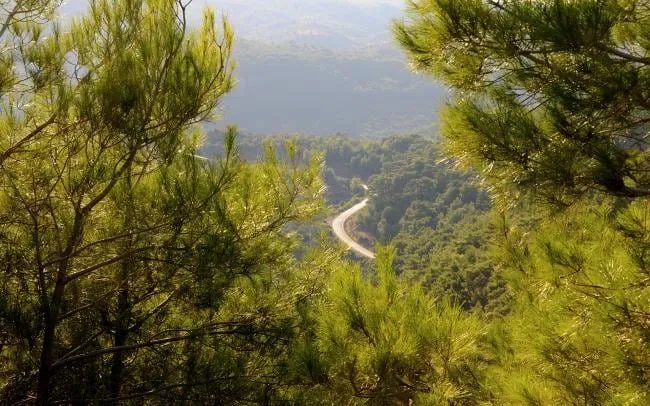


Comments
Loading comments…