
Bursa
- Marmara Region
About Bursa
Bursa, Türkiye's fourth largest city, draws visitors with its historic buildings, its natural beauty and its easy connections to many other cities. As the first capital of the Ottoman Empire, a fact that sums up its deep history in a few words, it also hints at what there is to see: caravanserais, centuries-old mosques, inns, baths, historic villages and streets offer plenty for visitors from Türkiye and abroad.
In the 2016 world liveable cities ranking, Bursa came 28th in the world and first in Türkiye. With a population of 2,842,547 in 2015, spread over 10,882 square kilometres, the city's size played a big part in that ranking.
Bursa's history goes back thousands of years. Its oldest known archaeological remains are at Menteşe Höyük near Yenişehir and Ilıpınar near Orhangazi, whose oldest layers are about 7,000 years old. Various settlements have been found in and around Bursa from 4000 BC onwards, but firm information about the area dates from around 700 BC. Homer refers to the region as “Mysia”.
Bursa's famous dishes and desserts
If you judge Bursa by its area or population, friends, you are doing it an injustice. Anyone who has been to Bursa even once knows there is a different flavour in every corner, from the peaches in its orchards to its İskender, made with the best cut of meat. Bursa's food is one of a kind.
I'd say the greatest luck of the people of Bursa is that they live there, and without further ado I'll leave you with 14 delicious specialities.
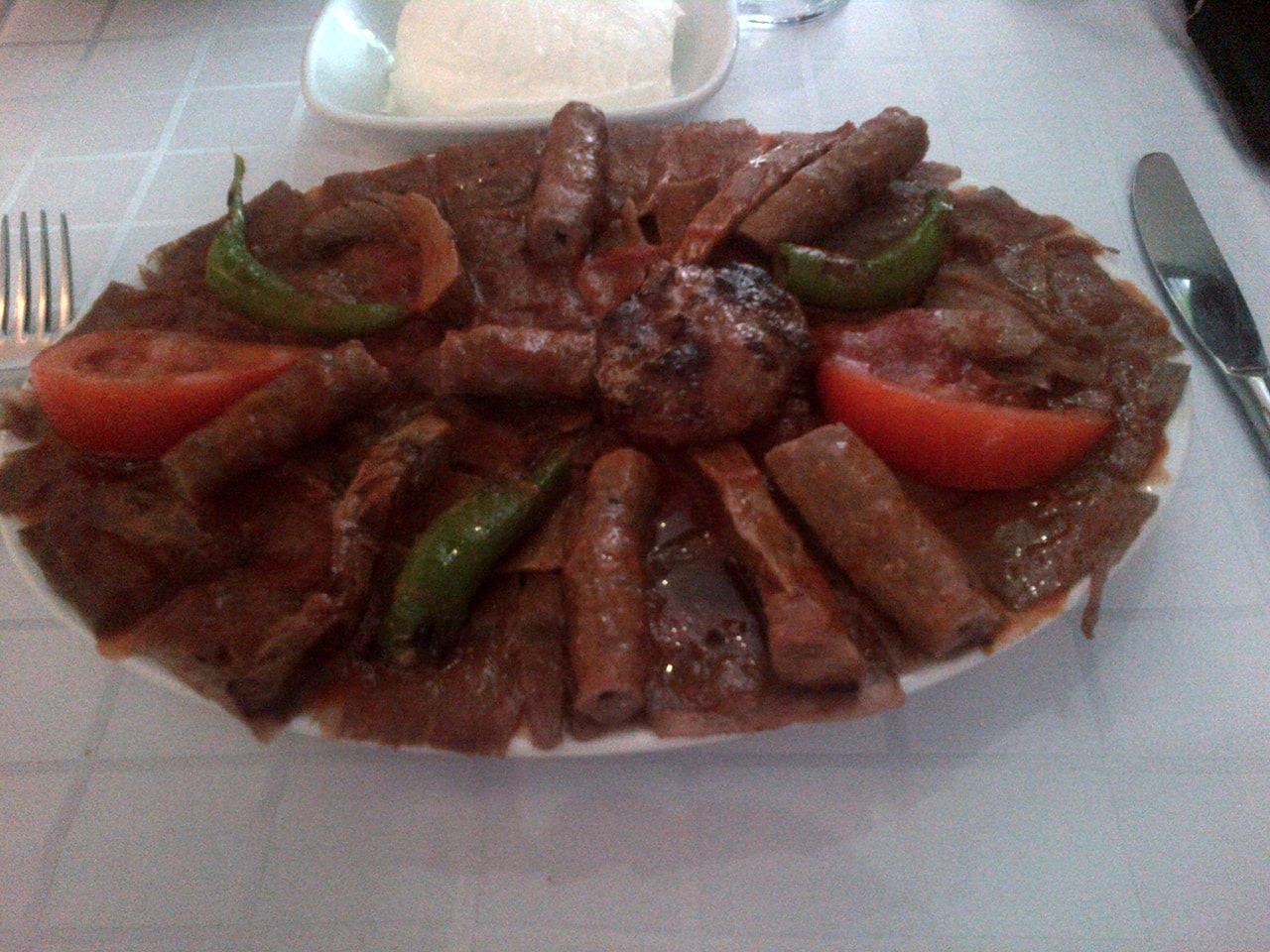
İskender kebabı
Thin slices of döner are laid over cubes of pide bread, covered with tomato sauce and sizzling butter, and served with yoghurt. It is named after İskender Efendi of Bursa, who created it in the 19th century.

Kıymalı cantık
Bursa's open-faced pide made with yeasted dough and topped with minced meat. There are also versions with diced meat or cheese.
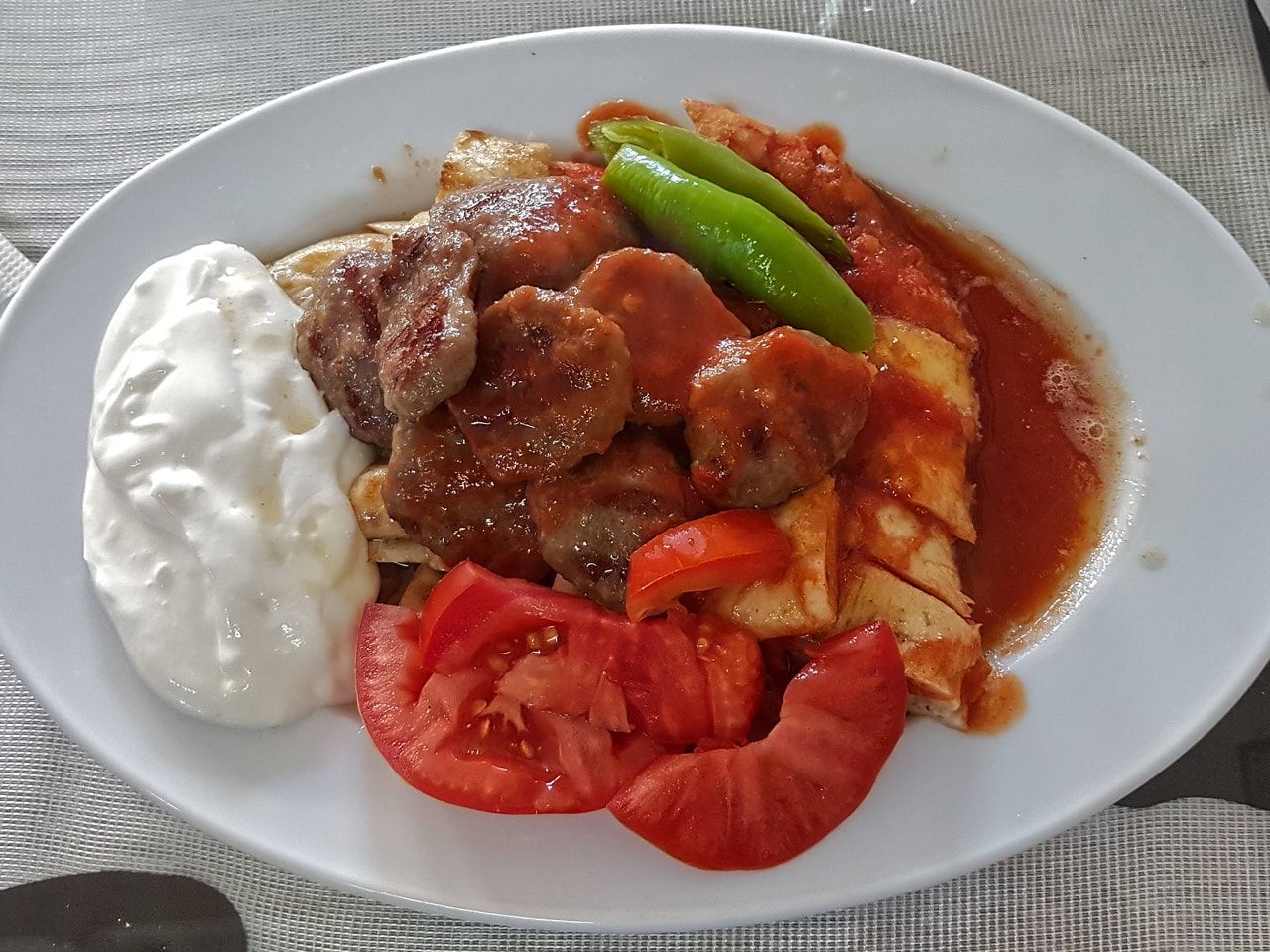
Pideli köfte
Meatballs served over cubed pide bread with tomato sauce and butter.
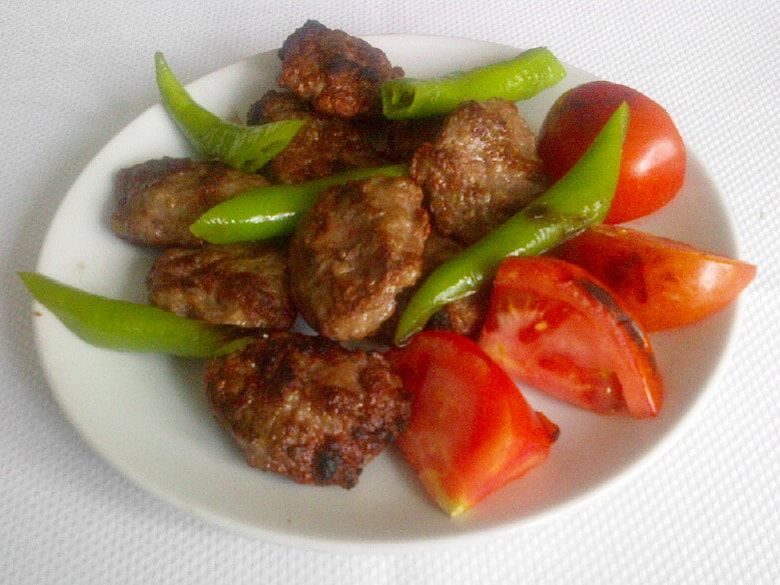
İnegöl köfte
Small, juicy, lightly spiced meatballs named after İnegöl, a district of Bursa.
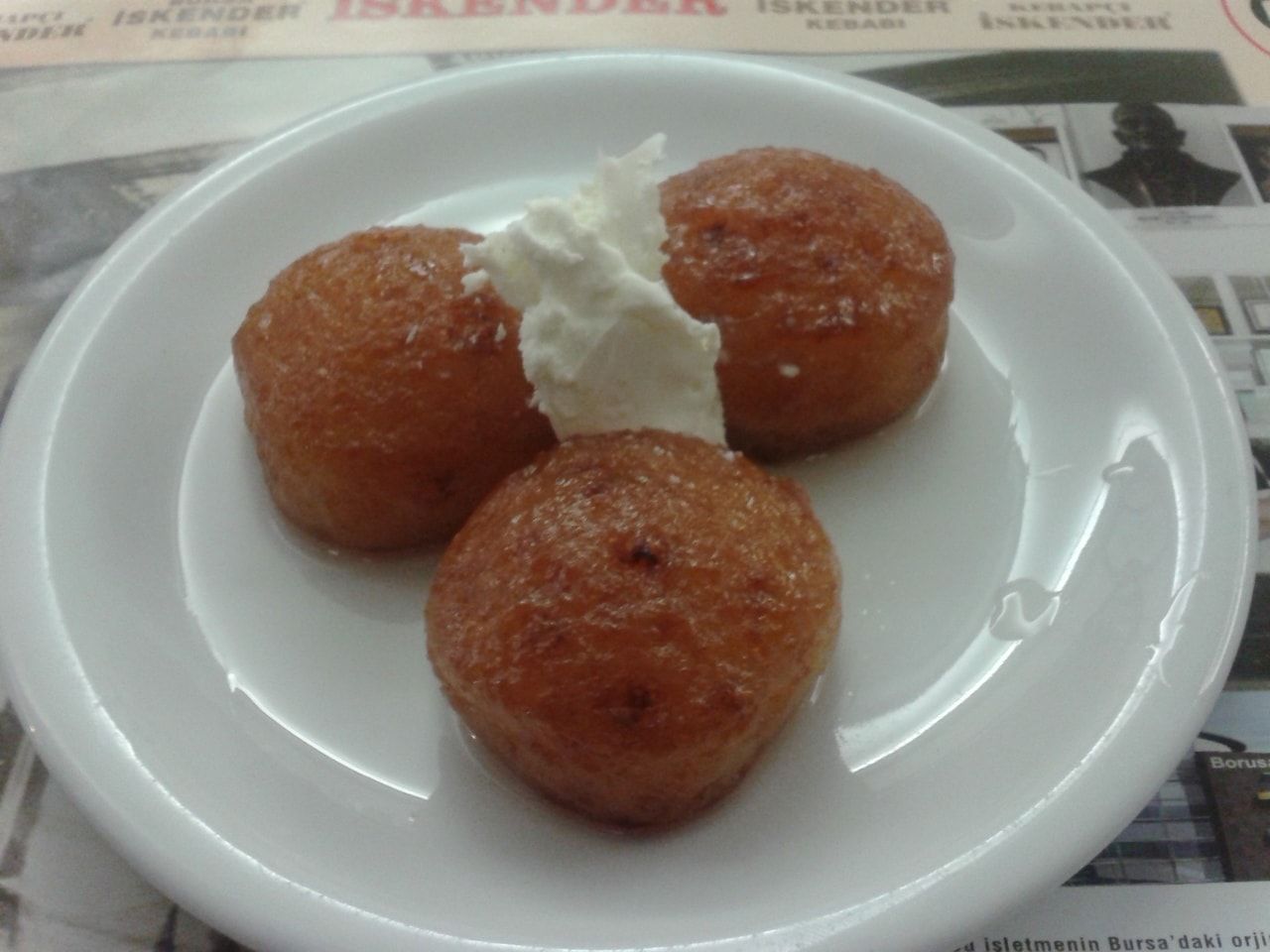
Kemalpaşa tatlısı
Small balls of dough made with fresh cheese are baked, then simmered in syrup. The dessert is named after the Mustafakemalpaşa district.
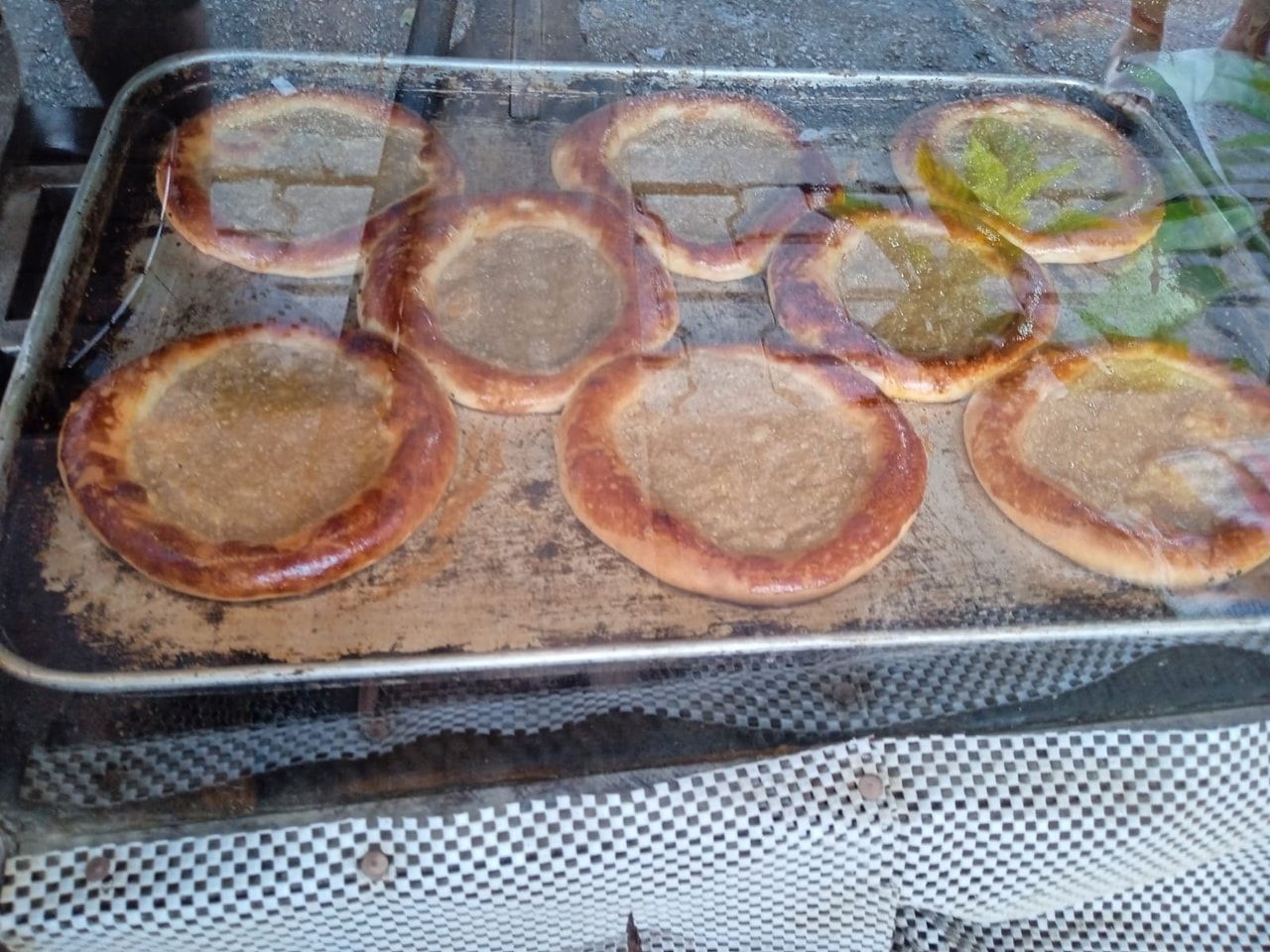
Tahinli pide
A sweet flatbread made with tahini and sugar, eaten hot from the oven.
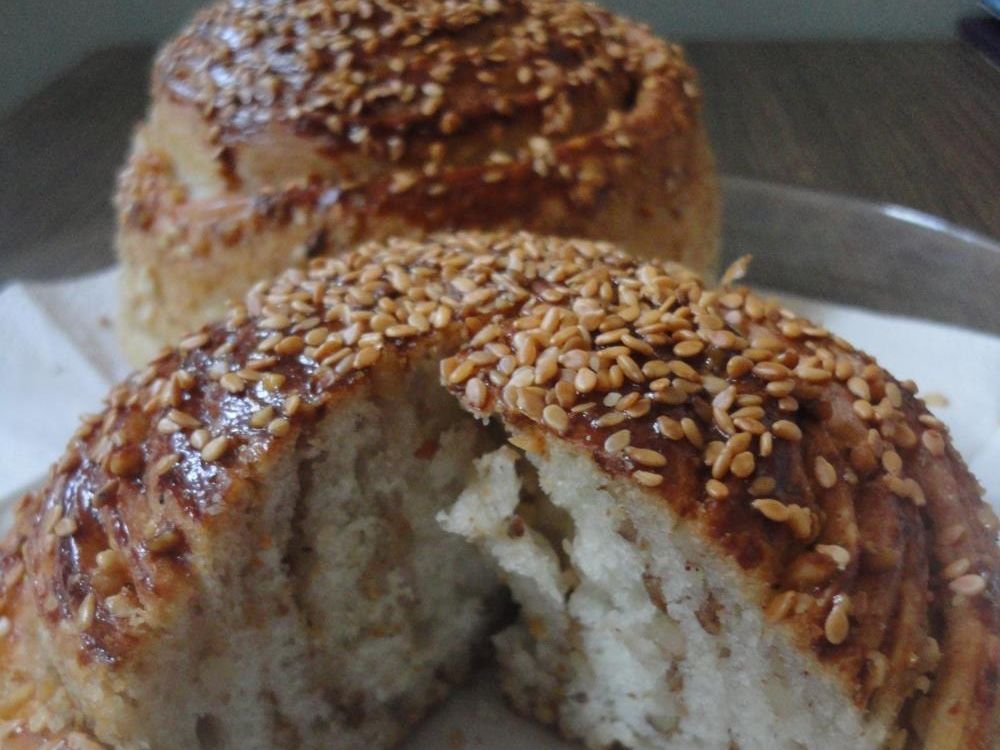
Cevizli lokum
A local favourite: lokum (Turkish delight) with walnuts.
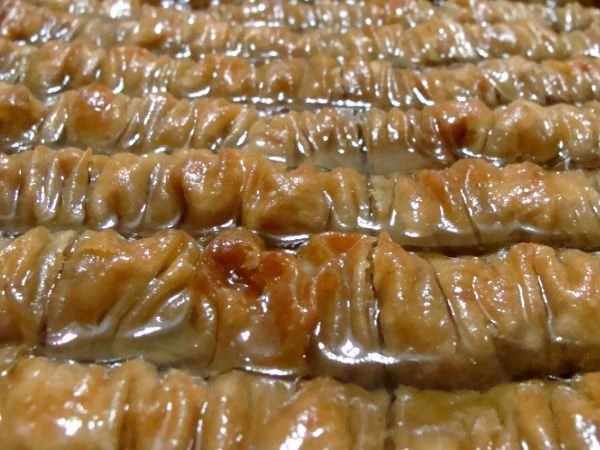
Cendere baklavası
A local kind of baklava made with walnuts or pistachios.
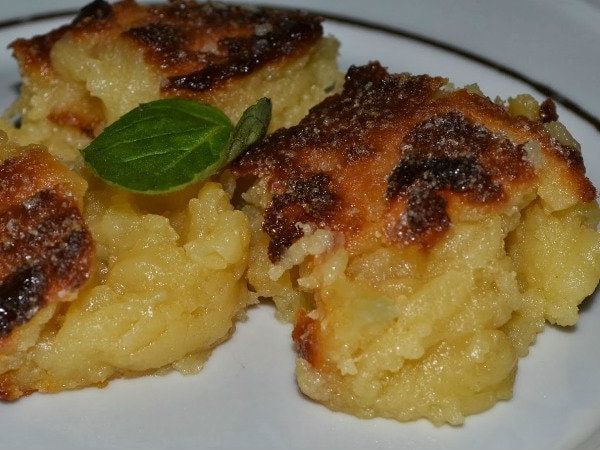
Düğün helvası
“Wedding halva”: a halva of flour and sugar offered to guests at weddings.
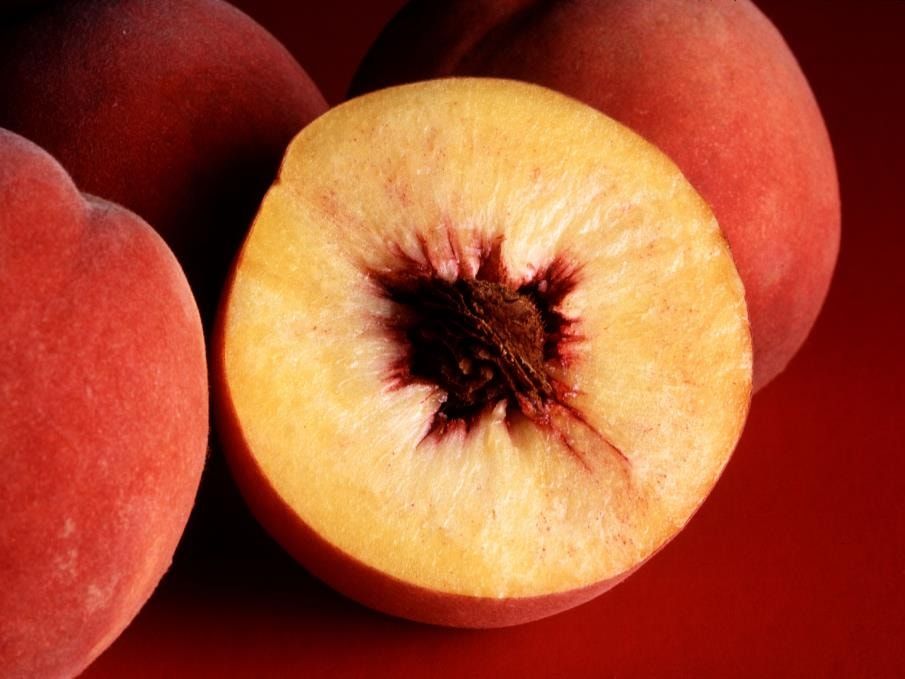
Bursa şeftalisi
The large, juicy peaches of the Bursa plain, one of the city's best-known crops.
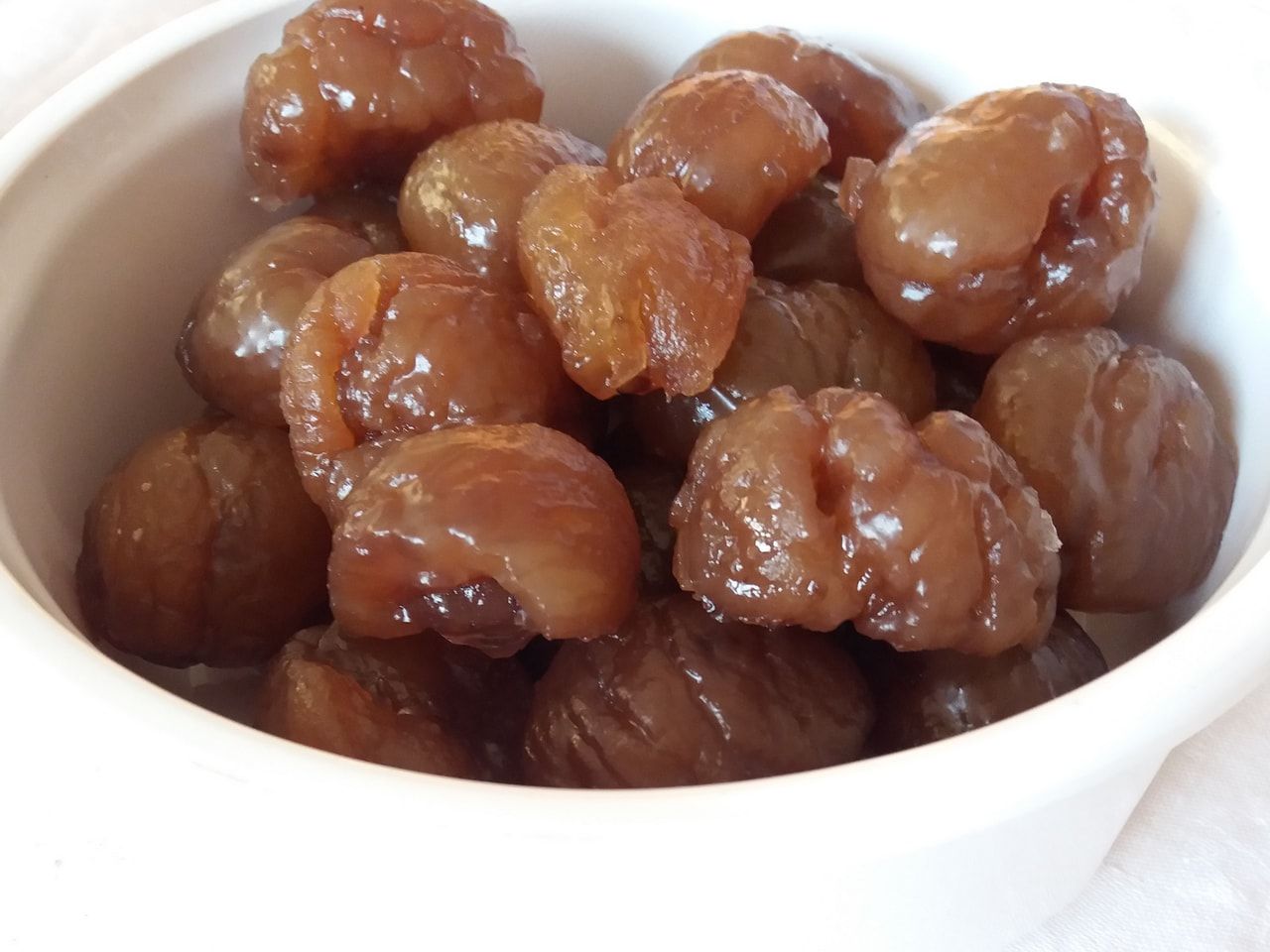
Kestane şekeri
Candied chestnuts: chestnuts from the slopes of Uludağ are cooked slowly in sugar syrup, making the city's best-known gift to take home.
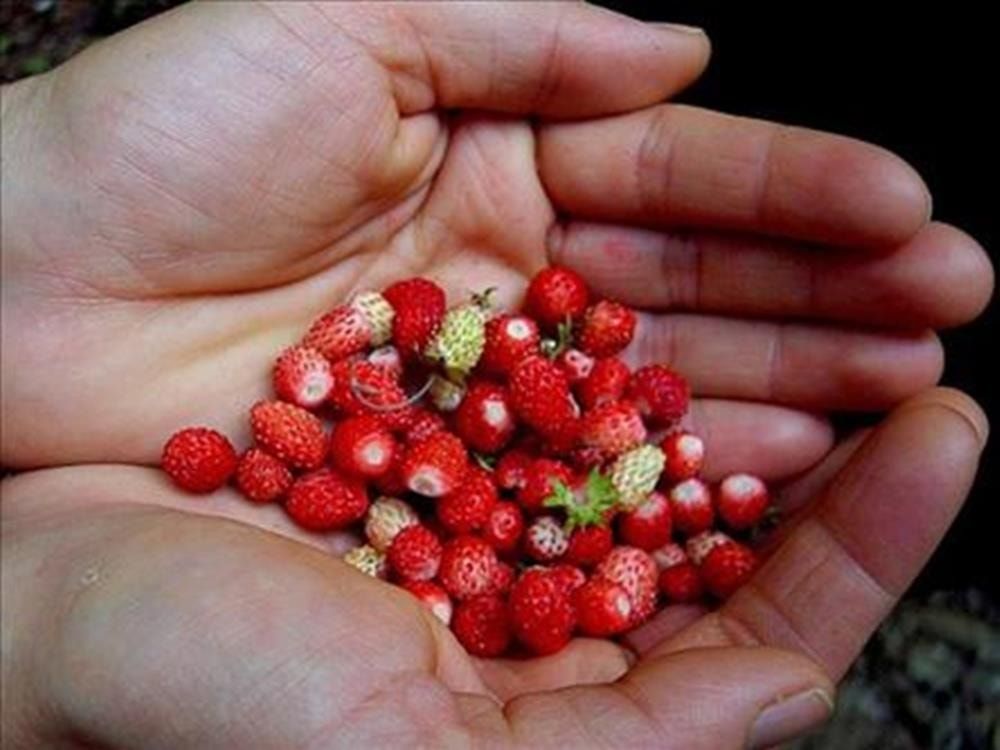
Dağ çileği
A small, fragrant mountain strawberry grown around Keles.
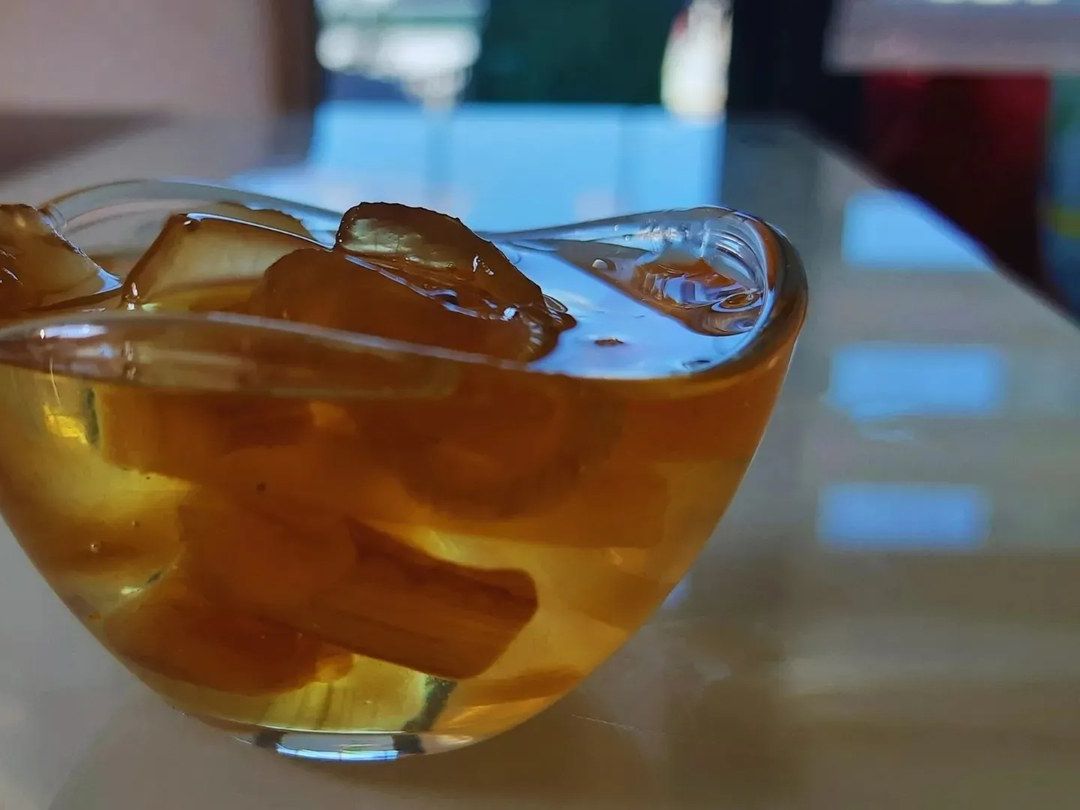
Anjelik reçeli
A local jam made from the stalks of angelica (melekotu).
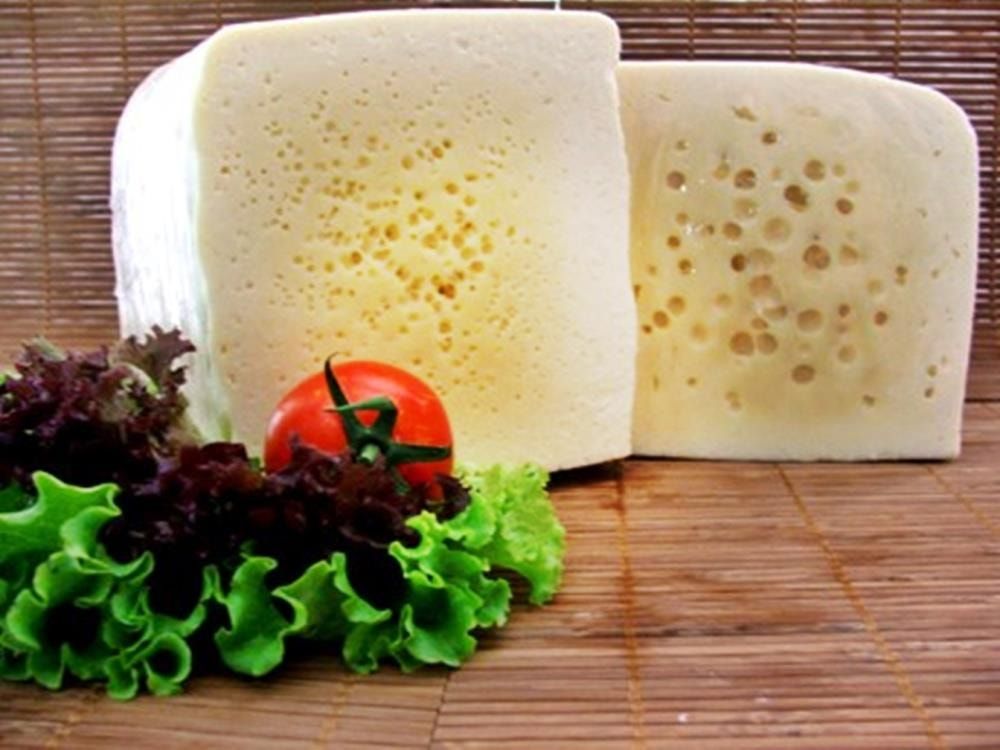
Mihaliç peyniri
A salty, hard sheep's cheese from the Karacabey area.


Places to visit in Bursa
Bursa has Uludağ above all, plus the Great Mosque (Ulu Cami), the Green Tomb, the Çekirge district and many more castles, mosques and tombs. It is one of the rare cities you can never finish exploring.
Uludağ Ski Resort

Uludağ is one of the classic winter holiday destinations in Türkiye, and skiing on its snow is the highlight of many holidays. There are ski resorts in many parts of the country, such as Erciyes, Palandöken, Kartepe and Kartalkaya, but the first that comes to mind is Uludağ. Southwest of Bursa, the Uludağ ski area covers 11,338 hectares. As one of the most popular winter destinations, it has hotels close to the slopes. Plenty of people come for a few days, and plenty more come for the day; even day visitors can hire ski equipment at the resort. Uludağ has done much to develop winter tourism and attracts visitors from Türkiye and abroad alike. You can also spend your winter holiday at other Turkish ski resorts such as Erciyes, Palandöken, Kartepe or Kartalkaya.
Caves of Bursa
Ayvaini Cave

Ayvaini Cave, a natural cave with a character all its own, is in the Nilüfer district of Bursa and is the second longest cave in Türkiye. It has two entrances: one at Ayva village near the old Mustafakemalpaşa road and the other at Doğanalan village. The Karadonlu stream runs through it and forms more than 60 pools of different sizes, and at the Ayva village exit the stream pours out as a waterfall. With its stalactites and stalagmites, the cave will carry you into another world, and it is still active. It is mostly visited by experienced climbers and cavers, but you can visit it too if you are very careful. The Weeping Plane Tree, the Geruş Synagogue, the Botanical Park, Reşat Oyal Park, the Koza Han and the ancient city of Nicaea are among Bursa's other historic and natural attractions.
Oylat Cave
Oylat Cave, in the village of Hilmiye 17 km from İnegöl, is the third largest cave in Türkiye. It is 665 metres long and open to visitors. Lying at the end of the Oylat Canyon on the road to the popular Oylat hot springs, it is busy with people visiting the springs.
Mosques and tombs of Bursa
Bursa Great Mosque (Ulu Cami)

The Great Mosque is one of Bursa's symbols, impressive in its grandeur and steeped in history in every corner. At the heart of the city, it was built between 1396 and 1399 by the architect Ali Neccar for Bayezid I, the fourth Ottoman ruler. Its courtyard, surroundings, architecture and peaceful atmosphere carry you somewhere else entirely. In the words of the traveller Evliya Çelebi, the Great Mosque is Bursa's Hagia Sophia. If you want to touch the soul of Bursa and truly feel it, make it one of your first stops.
The Green Tomb
If you want to forget time and place and just live in the moment, the Green Tomb is one of the best places in Bursa, perhaps in all of Türkiye. First its colour, shifting from turquoise to blue, wins your heart; then, as you see its architecture up close, you won't want to leave, and the plane tree whose branches sweep down to the ground, casting a green shade over you, finishes the job. With its garden shaded by centuries-old trees, its unique architecture and mystical atmosphere, the tomb enchants visitors and can be seen from all over the city. It was built in 1421 by Sultan Mehmed I (Çelebi), son of Bayezid I, and its architect was Hacı İvaz Pasha. Mehmed I died 40 days after it was finished. It is the only tomb in Ottoman architecture whose walls are entirely covered in tiles. Put everything aside, sit on one of the benches in its courtyard, listen to the wind and breathe in the calm; you will feel completely renewed.
Emir Sultan Tomb and Mosque
Another important place in Green Bursa, a city in the shadow of tombs, mosques and monuments, is the Emir Sultan Mosque and Tomb. It was built for Emir Sultan by his wife Hundi Fatma Hatun, daughter of Bayezid I, during the reign of Mehmed I (Emir Sultan lived from 1366 to 1429). The tomb has a courtyard shaded by plane and cypress trees and a superb view, with the Emir Sultan cemetery just below. The mosque has a single dome on an octagonal drum, and its mihrab was made with İznik tiles in the 17th century. After visiting the mosque and tomb you can shop at the souvenir stalls around it or rest and watch the city from the tea garden nearby. Bursa has so many beautiful places that you won't know where to start: Reşat Oyal Park, the Botanical Park, Mudanya, Tirilye, Uludağ, Gemlik, İznik, Cumalıkızık and the Covered Bazaar are among the first. The more you see of Green Bursa, with a new surprise around every corner, the more attached you will become.
Other mosques and tombs in Bursa:
- Üftade Mosque
- Orhangazi Mosque
- Fatih Mosque, Zeytinbağı, Mudanya
- Tomb of the Kyrgyz
- Hamza Bey Tomb
- Kara Mustafa Pasha Tomb
- Tomb of Prince Mahmud
- Hatuniye Tomb
- Tomb of Orhan Gazi
- Tomb of Osman Gazi
- Tomb of Bayezid I (Yıldırım)
Parks of Bursa
Uludağ National Park

Uludağ is especially important for winter tourism and draws visitors from Türkiye and abroad all winter. On your Uludağ holiday, we invite you to the national park, which will win you over the moment you see it. Protected since 1961, the national park covers 12,762 hectares. Getting there is easy and fun: by road, or by cable car and chairlift. You can stay in the hotel area inside the park or camp with friends at the campsites. The park has many endemic plants, and its forests are the place to breathe fresh air and spend peaceful time far from the bustle. If you go in winter, you can ski as much as you like at the Uludağ ski resort.
Other parks in Bursa:
- Merinos Park
- Botanical Park
- Reşat Oyal Park
Waterfalls of Bursa
Softaboğan Waterfall

Like the Saitabat Waterfall, Softaboğan is formed by the streams of Uludağ and is one of Bursa's natural treasures. It comes into view as you walk down from Bakacak, a viewpoint overlooking the whole Bursa plain, and further down you will find surprising pools. A true natural wonder, it also offers good trekking. Here, among all the colours of nature, you can listen to nothing but the sound of nature; just open your ears and the waterfall will start reciting the loveliest poem it knows.
Other waterfalls in Bursa:
- Oylat Waterfall
- Saitabat Waterfall
Lakes of Bursa
Lake İznik
Lake İznik, the fifth largest lake in Türkiye, lies within Bursa province and was known as Askania in antiquity. It takes its present name from the town of İznik on its shore. Covering 298 km², it is a freshwater lake that drains into the Gulf of Gemlik through the Karsak stream. With its moving views and the vineyards, orchards and vegetable gardens around it, it is a place to take a deep breath and enjoy the scenery.
Other lakes in Bursa:
- Lake Dalyan
- Lake Ulubat
Hot springs of Bursa
Tümbüldek hot spring
Tümbüldek, one of Türkiye's many rich springs, is in the Mustafakemalpaşa district of Bursa, near Akarca village, and has been in use since ancient times. Analyses show its water contains sodium, calcium and bicarbonate. It rises from underground at 52 degrees and is said to be good for rheumatism, heart conditions, kidney stones and stomach complaints. There are facilities for resting around the spring, and local people use its natural surroundings as a picnic area. If you want to combine a picnic with a soak in a hot spring, Tümbüldek should be on your list.
Other hot springs in Bursa:
- Keramet hot springs
- Oylat and the Oylat hot springs
Churches and mosque complexes of Bursa
Church of St Tryphon
Built between 1255 and 1256 by the Byzantine emperor Theodore II Laskaris, the Church of St Tryphon stands on Atatürk Avenue in İznik. Although in ruins today, it is visited by tourists, and pieces of geometric mosaics and granite columns can be seen around the remains. After the church we recommend visiting the Green Mosque, one of İznik's must-sees, and Lake İznik.
Yıldırım Bayezid Complex
The Yıldırım Bayezid Complex was built in Bursa between 1389 and 1402 at the request of Sultan Bayezid I, after whom it is named. It stands in the Yıldırım district near the city centre, and despite its age many of its parts survive: a mosque, a tomb, a medrese, a bath, a hospital, a soup kitchen and a fountain. The Yıldırım Mosque stands at the top of the hill and is a fine example of early Ottoman architecture. The tomb holds the grave of Bayezid I. The medrese, 20 metres from the mosque, has an enclosed front, an Ottoman first.
Other churches and complexes in Bursa:
- Church of the Koimesis
- Arched Church, Mudanya
- Taxiarchoi Church, Kumyaka, Mudanya
- Apostoloi Church, Mudanya
- Dereköy Church, Mudanya
- Muradiye Complex
Museums of Bursa
Bursa City Museum
The Bursa City Museum in Osmangazi opened in 2004 in the renovated old courthouse. Its collection covers 7,000 years of history and includes wax figures of six Ottoman sultans, a topographic model of the city and many objects. It is easy to reach, next to the governor's building on Heykel Square. You can round off a pleasant visit to Bursa with the Emir Sultan Mosque, the Oylat Valley, Uludağ National Park and the Geruş Synagogue.
Other museums in Bursa:
- Şemaki House Museum, Yenişehir
- Hagia Sophia (Orhan Mosque), İznik (a museum until 2011)
- Cumalıkızık Ethnography Museum
- Bursa Archaeological Museum
Other places to see in Bursa
Koza Han

With its tree-shaded courtyard, historic fabric and peaceful atmosphere, the Koza Han (Silk Cocoon Inn) is one of Bursa's most special places. It is a two-storey inn around a large rectangular courtyard, built in 1491 for Sultan Bayezid II by Abdül Ula bin Pulat Şah, one of the best architects of the day, to fund his foundations in Istanbul. Inside, the scent of linden tea and coffee fills the air, the elegance of silk dazzles, and history takes hold of you the moment you step in. The shops lining the courtyard sell silk fabrics and scarves, crafts, home textiles, trousseau items and souvenirs, each more colourful and eye-catching than the last. The courtyard, lit in a special way by the sun, is a favourite of photographers. If you want to get closer to Bursa, leaf through the dusty pages of history and spend a peaceful hour, don't leave without sipping a coffee in the courtyard of the Koza Han, where time seems to stand still.
Çekirge
One of Bursa's oldest neighbourhoods. Legend has it that it takes its name, which means “grasshopper”, from a plague of locusts in Ottoman times. Çekirge has three- and four-storey houses in gardens side by side, roads shaded by towering trees and a superb view of the city. The graves of Karagöz and Hacivat, the characters of Turkish shadow theatre, are here, along with a small, charming square also called Armutlu Meydanı. If you want to look down on the city's beauty and rest your soul, Çekirge awaits you with its green, enchanting streets.
Dağyenice Thermal Culture and Tourism Zone
The boundaries of the Dağyenice thermal tourism centre, one of Bursa's spa areas, have been extended and it has been renamed the Dağyenice Thermal Culture and Tourism Conservation and Development Zone. Its zoning plan includes commercial, tourism, health, eco-tourism and sports facilities, areas to be forested and a regional park. Set to grow further, it is already attracting investors.
Conquest Gate

The history of the Conquest Gate (Fetih Kapısı) in Osmangazi goes back to Roman and Byzantine times. Only part of the inner walls survives, and the gate is also called the Water Gate. In Roman and Byzantine times people passed through it to reach the temples and monasteries on Uludağ. It matters because it is the only one of Bursa's gates to survive intact. Long left in ruins, it was restored by Osmangazi municipality in 2008, and since then the city's conquest festivities have begun here every year on 6 April.
Bursa Clock Tower
The Bursa Clock Tower, also called the Tophane Clock Tower, was first built under Sultan Abdülaziz, very close to the tombs of Osman Gazi and Orhan Gazi. Its present form is not the original: the first tower collapsed and was rebuilt in 1905 under the governor Reşit Mümtaz Pasha and mayor Mehmet Emin Bey. Today's tower is 33 metres high, with an 89-step staircase inside and a window on each face of every floor.
Oylat Valley
Oylat is one of İnegöl's oxygen-rich corners, worth seeing for its hot springs, the cascades formed by its streams and its greenery. The valley is covered in a large forest of hornbeam, oak, pine, plane and linden, nature that will refresh body and soul. Along the valley there is plenty to discover: the Oylat Waterfall in all its splendour and the mysterious Oylat Cave. You can take long walks here, listening to the sounds of nature, and many hotels are open all year round.
Tirilye houses

Tirilye is one of Bursa's history-steeped corners, in Mudanya district 11 km from the town centre. If you stay in Mudanya for a short break, don't forget to visit Tirilye for a pleasant stroll in a historic atmosphere. Its houses are well worth seeing: mostly built of wood and mud brick, usually three storeys high, they reflect Byzantine and Greek architecture. The ground floors were used as kitchens and olive stores, and families spent much of the summer there. The second floor is a mezzanine with low ceilings, and the third, with high ceilings, holds the sitting rooms and bedrooms.
Oylat market
Oylat, in the İnegöl district, is mostly chosen by people who simply want to rest, and apart from Oylat Cave and the Oylat Waterfall there isn't much to see. If you are staying in one of the hotels in Oylat, we recommend a stroll round its charming little market, which is no more than 300 metres from the hotels. You can find souvenirs, nuts and dried fruit, plants and fruit there.
The Weeping Plane Tree
The Weeping Plane Tree in Gölyazı is a famous spot visited all year. Some 730 years old, it is known for its “tears of blood”, which are actually its sap seeping out. It has a lovely story, and true to it, it offers its visitors rest in its shade. This old plane tree shades an area of 400 metres, and although every event it has lived through has left a mark on its trunk, it is still warm and welcoming. After visiting the tree, Gölyazı's symbol for seven centuries, you can also see the nearby Ayvaini Cave and Lake Ulubat.
Other places to see in Bursa:
- Geruş Synagogue
- The ancient city of Nicaea
- İznik Castle
- Martyrs' Monument, Mudanya
- Bursa Covered Bazaar
- Tahir Pasha Mansion, Mudanya
- Greek Quarter, Mudanya
- Armistice House, Mudanya
- Ördekli Hamam
- Altıparmak Avenue
- Hilmiye village
- Atatürk Congress and Culture Centre
- İnegöl forests
- Sansarak Canyon
- Hasan Pasha Hamam, Mudanya
- Kapanca Harbour, Zeytinbağı, Mudanya
- Stone School, Zeytinbağı, Mudanya
- Stone School, Zeytinbağı, Mudanya
Culture and arts in Bursa
Legends of Bursa
The legends that live on in oral tradition are mostly about historical figures, famous people who lived in Bursa, and places. Almost every legend has several versions. The most often told include creation legends about Bursa and how it came to be, legends of the conquest of Bursa, the legend of Bursa as paradise, legends tied to people and place names (Murad I, Emir Sultan, Somuncu Baba, Geyikli Baba, Baba Sultan, Musa Baba, Okçu Baba, Ali Dede, Sarıkız, Karagöz and Hacivat, the Three Lambs), and legends of places such as Derekızık and Bayındırkızık, the Irgandı Bridge, Hamitler village, the İnkaya plane tree, Lake İznik, the Kara Demirtaş bath, the Kara Mustafa hot spring, the origin of the Oylat springs, “Şehre Küstü”, Eskici Mehmed Dede, Hançer Ali Dede and the Şengül bath, as well as tales explaining why the Great Mosque has twenty domes and why it has a fountain in the middle.
- The legend of Bursa as paradise
- The legend of Murad I
- The legend of Emir Sultan
- Çekirge Sultan
- The story of the Kara Mustafa hot spring
- The story of the Kavaklı plane tree
Cultural details of Bursa
Some idioms from Bursa
Thousands of set phrases and idioms are used in everyday speech. A few, with their meanings:
- Açtırma kutuyu, söyletme kötüyü: don't open the box and make me say something bad
- Adamdan saymak: to treat someone with respect
- Adet yerini bulsun diye: just for form's sake
- Ağır başlı, güler yüzlü: dignified and cheerful
- Ağzına kilit vurmak: to keep one's mouth shut
- Ağzı söyler, kulakları duymaz: speaks without hearing what he says
- Ağzı sütten yanmış: once bitten, twice shy
- Aklına mukayyet olmak: to keep one's wits about one
- Akşam ola, hayrola: let's see what the evening brings
- Allah demiş çalış kulum vereyim: God said, work, my servant, and I will provide
- Arayan bulur, inleyen ölür: those who seek find, those who moan die
- Arif olan anlasın: a word to the wise
- Atını sağlam kazığa bağlamak: to play it safe
- Ayağının altına almak: to give someone a beating
- Aynasına yazı yazmak: to write on someone's mirror, to tell them a home truth
- Az aşım, ağrısız başım: little food, but a head without trouble
- Babam mezara, anam pazara: my father to the grave, my mother to the market
Some proverbs from Bursa
- Abacı, keçeci, sen neci? The cloth maker, the felt maker, and what are you?
- Acemi katır kapı önünde yük indirir: the novice mule drops its load at the door
- Aç elini kara sokar: the hungry man puts his hand in the snow
- Açın yanında sarpın kucaklanmaz: don't hug a full sack next to a hungry man
- Ağaca çıkan keçinin dama çıkan oğlağı olur: the goat that climbs trees has a kid that climbs roofs
- Ağaç dikenin, sapı ekenin: the tree belongs to who plants it, the crop to who sows it
- Ağanın gözü, yiğidin özü: the master's eye, the hero's heart
- Ağır kazan geç kaynar: a heavy pot is slow to boil
- Ağız yediğini, eğin giydiğini bilir: the mouth knows what it eats, the back what it wears
- Gezen kurt aç kalmaz: the wandering wolf never goes hungry
- Alçak yerin tepeciği dağ görünür: in low country a hillock looks like a mountain
- Allah kardeşi kardeş yaratmış, kesesini ayrı yapmış: God made brothers brothers but gave them separate purses
- Allah uçmayan kuşa alçacık dal verir: God gives the bird that can't fly a low branch
- Anadan olur daya, hamurdan olur maya: a nurse comes from the mother, yeast from the dough
- Ar dünyası değil, kâr dünyası: it's a world of profit, not of shame
- Adam adamdır olmasa pulu, eşek eşektir olmasa çulu: a man is a man without money, a donkey a donkey without its blanket
- Adam sandık eşeği, dört bıraktık döşeği: we took the donkey for a man and gave it our bed
- Al basma, mor basma, her söze kulak asma: red print, purple print, don't heed every word
- Alçak yerde yatma el alır, yüksek yerde yatma yel alır: don't sleep low or people will take you, don't sleep high or the wind will
- Almadığın hayvanı kuyruğundan tutma: don't hold the tail of an animal you won't buy
- Aptal hayret eder, akıllı sorar: the fool marvels, the wise man asks
- Arı söğüdü, akıllı öğüdü sever: the bee loves the willow, the wise man good advice
- Arı kızdıranı sokar: the bee stings whoever angers it
Some riddles from Bursa
Riddles are folk-literature pieces, usually in rhyme and metre, played between two people or groups to sharpen the mind, entertain and make people think. Here they are in plain translation, with the answer at the end:
- A moon has risen over there
- Some have seen the moon
- While the mother was still in swaddling
- Her daughter had a daughter
- (The rose)
*************************************
- Off went my bird
- My silver-nosed one
- Its prey is in the mountains
- Its eye is on the nest
- (The bee)
*************************************
- I threw on the shelf
- A dry skull
- Sweet to eat
- Monkey-faced
- (The hazelnut)
*************************************
- God makes its structure
- His servant opens its door
- (The watermelon)
*************************************
- A tiny little barleycorn
- With a little tray on its head
- (The nail)
*************************************
- Stone inside, stone outside
- Go round and round inside it
- (The minaret)
Festivals, ceremonies and folk plays
Besides the sports and cultural events held every year in Bursa, traditional village folk plays are performed at certain times (religious holidays, Hıdrellez and so on), along with Karagöz and Hacivat shadow plays.
- The historic Çalı oil wrestling (yağlı güreş) tournament has been held in the third week of May for 43 years.
- Kayapa municipality holds rahvan horse races (a smooth ambling gait) every year.
- Karagöz and Hacivat
- The camel play (Deve Oyunu)
- Sword and shield (Kılıç Kalkan)
- The Uludağ Turkmen play
- Rumelian dances
Folk songs of Bursa
Besides the village güvende songs sung with dances, Bursa has folk songs composed about particular events and people's lives.
- Sarı Mustafa Türküsü
- Zeytinyağlı Yiyemem
- Meşeli Dağlar Meşeli
- Oturmuşlar Herekenin Ağaları
- Menekşesi Tutam Tutam
Traditional dress in Bursa
Today modern styles dominate in Bursa, but regional dress appears as you move from the centre to the villages, especially in the villages of the mountain districts of Keles, Orhaneli, Büyükorhan and Harmancık. As everywhere in Türkiye, dress varies with income and social setting, and fashion and working conditions shape it. In old Bursa, women's clothes stood out for their fabrics and embroidery, enriched by the silks, silk gauze (bürümcük) and velvets woven on Bursa's looms.
Men's dress
Clothes were made of colourful fabrics decorated with embroidery. Instead of trousers, men wore potur, şalvar or çakşır (kinds of baggy breeches) with a cepken jacket and shirt. Sashes were wound round the waist, with weapon belts tucked in them serving as pockets. The head was usually covered with a fez, or with a felt cap wrapped in an ağabani turban. On the feet were rawhide sandals (çarık), soft leather mest boots or yemeni shoes of soft leather stitched at the sides.
Women's dress
In Bursa itself there were two kinds of women's dress: the three-skirted dress and the şalvar with a bodice (içlik).
The three-skirted dress
This outfit takes its name from its three-panelled skirt and the şalvar worn underneath. The şalvar, called ton don, is a kind of trouser with a high crotch and a low drawstring, which makes it comfortable. It is made up of the following pieces.
Top don
Woven from a cotton and silk blend, with embroidered side panels called parçalık. At festivities the embroidered panels show through the side slits of the three skirts.
Uçkur (drawstring)
Made of fine silk gauze, with purple ends embroidered with hyacinth spikes.
Gömlek (long shirt)
Made of white silk gauze, reaching to the knee, its front embroidered with pink rose sprays and its collar and cuffs with coloured silk thread.
Cepken
A lined jacket of light green Bursa velvet decorated with twisted yellow metallic thread.
Shawl sash
Woven from fine wool with coloured stripes and needle-embroidered flowers. It is square, folded into a triangle and tied tightly round the waist.
Silver belt
Worn over the sash, made of gold and silver, with a flower-shaped buckle at the front.
Stockings
Knitted on five needles from fine white wool and decorated with a pink rose pattern.
Çedik
Shoes of yellow leather, with carnation motifs embroidered in gold thread on the lining of the sole.
Hotoz headdress
Bursa women (until about 50 years ago) wore the hotoz headdress, made to match the flowers of the season: rose-coloured hotoz edged with rose oya lace when roses bloomed, lilac ones with lilac oya in lilac time.
Şalvar and bodice
This traditional outfit has two main pieces, the şalvar and the bodice (içlik); the others complete it. A cepken or a long cotton cardigan can be worn over the bodice. The fabrics may be plain or checked, striped çitari, alaca, velvet, satin, wool or cotton. It is made up of the following pieces.
İçlik (bodice)
Reaching to the waist and lined, its two front panels overlap and fasten at the left of the chest and at the collar. The sleeves have buttoned cuffs.
Şalvar
Cut as a rectangle, with a straight crotch reaching to the ground and an opening on each side wide enough for the feet. Usually made from about six metres of fabric, its fullness is gathered at the waist with a drawstring.
Cepken
Worn over the şalvar and bodice and made of the same fabric, quilted and lined in green, with silk braid in green, pink and yellow cord around the edges.
Ferace
When going out in either outfit, women wore a long cloak (ferace) and covered their heads with a white veil (yaşmak). Bursa feraces had a special cut, with a green collar reaching down the back to the waist. They were sewn from red broadcloth and lined with green fabric. Women went out in ferace and yaşmak, and when they had to carry something they wrapped it in a bundle cloth.
Handicrafts of Bursa
As the early Ottoman capital and a city on the Silk Road, Bursa was a true economic and cultural centre, which enriched its handicrafts. In the past, silk fabrics, silk carpets, kilims, sacks and saddlebags were woven on hand looms; today this weaving is done in factories or large workshops. Widespread silkworm farming developed the silk industry and made Bursa a centre of silk weaving. Besides weaving, crafts in Bursa include rope making, harness making, knife making, blacksmithing, mother-of-pearl inlay, silver inlay, tinsmithing, making köfün (wooden buckets), sandal making and pack-saddle making.
- Köfün making
- Harness making
- Knife making
- Pack-saddle making
- Silk weaving
- Sandal making
- İznik tile making
- Stocking knitting
History of Bursa
History of Bursa province
Bursa has a long history and holds a special place in the Ottoman Empire. Home to many civilisations, after the Hittites it was settled from around 1200 BC by the Bithynian and Thynian peoples. Its history goes back to around 4000 BC.
Bursa and its surroundings, one of the paradise corners of Anatolia, the cradle of civilisations, have been settled since very early times. Excavations at Ilıpınar Höyük revealed that civilisations here go back 7,000 years, with a settlement dating to around 5200 BC. Seven kilometres north of Bursa and 2.5 km south of Demirtaş lies the Demirtaş mound, 90 m around and 5 m high. It has yielded pottery fragments of bowls, jars and jugs, mostly handmade and a few wheel-made, from the Early Bronze Age around 2500 BC.
The Çayırköy mound, 14 km west of the city and 1 km southwest of Çayırköy, is the same size as the Demirtaş mound. Its pottery is mostly grey, red, brown and black, largely handmade with very little made on the wheel, and its oldest find dates from 2700 BC. The city founded in the 3rd century BC by the Bithynians under Prusias was first called “Prusa”. The oldest settlements of Bursa and its surroundings, also referred to as “Bithynia” in written sources, are around Lake İznik, where there are seven important mounds dating from the Stone Age: Ilıpınar near Orhangazi and the Hacılartepe mound some 750 m east of it, the Tepecik mound below Yeniköy on the Orhangazi–İznik road, and the Körüstan, Üyücek Tepe, Höyücek and Karadin mounds east of the lake.
The Cumatepe mound in central İnegöl, the Doğutepe and Akhisar mounds 3 km east of it and the Babasultan mound in Yenişehir point to prehistoric settlements. The Demirtaş mound and the remains at Dorak and Tahtalı villages in Mustafakemalpaşa show that the Bursa area has been an important centre of civilisation for at least five thousand years. Bursa and its surroundings were once called Bithynia, while the land south and west of Uludağ was known as Mysia. The Bithynians who lived around Bursa were of Thracian origin. Because the area lies on the crossing between Asia and Europe, many different peoples settled here. Before the Bithynians the Bebryces lived here, followed by the Mysians. Because they kept Thracian customs, the Bithynians were often called the Asian Thracians.
Documents show that they spoke Thracian, but under the influence of the Greek colonies they gradually became Hellenised. Before them, Bebrycian was spoken here, Mygdonian to the east and Mysian to the west. The Byzantines are known to have settled many Serbs and Bulgarians around Bursa in the 12th century. When the Ottomans arrived, they found Orthodox Christians of many different ethnic groups in and around the city. It is also worth noting that when the Ottomans took Bursa, the city consisted only of the citadel.
Orhan Gazi extended the city beyond the citadel, founding a new town outside the walls that formed the core of today's Bursa. Public buildings such as schools, hospitals, bridges, soup kitchens, caravanserais and baths were built, with residential quarters around them, starting a tradition of settlement that laid the foundations of today's “Green Bursa”.
The arrival of the Turks
Muslims first reached Bursa under the Abbasids, in the time of Harun al-Rashid. In 955 the Hamdanids of Aleppo captured Bursa and held it for 23 years. The Turks first came to the area after 1081: İznik (Nicaea) was the capital of the Anatolian Seljuk state from 1081 to 1097. In 1097 the region became a battleground of the Crusades and İznik fell to the Crusaders. During the reign of Alexios Komnenos (1097), Bursa changed hands in the fighting between the Turks and the Byzantines.
When a Latin government was set up in Constantinople during these wars, İznik became the Byzantine capital. The Empire of Nicaea, founded by Theodore Laskaris in 1204, lasted until 1261. When the Latins occupied Constantinople, Byzantine princes cooperated with Muslim rulers to escape the new enemy and took Bursa. The city stayed in Greek hands until 1214 and, because its people showed little will to resist the Muslims, incurred the wrath of the emperor: much of the population's property was plundered and some were exiled or executed. The emperor held Bursa by this violence until he defeated the Latins and forced them to recognise his empire.
Bursa under Osman Gazi
Osman Bey, founder and first sultan of the Ottoman state, was the son of Ertuğrul Gazi. Bordering Christian lands gave the Ottomans a great advantage over the other principalities and soon made them a great empire. Recognising the dervishes' great contribution to the founding of the state, Osman Bey gave them many lands around Bursa, and he himself married the daughter of Sheikh Edebali, the most important dervish of the region.
Enriched by his wars on Byzantine land, Osman Bey took Karacahisar, Yarhisar and İnegöl, and in 1302 made Yenişehir the centre of his state. He besieged İznik and Bursa but died before taking them. As he had wished, he was buried in the Gümüşlü Kubbe (the former Monastery of St Elias) at Tophane. At his death he owned very little property of his own.
The Ottoman conquest of Bursa
After routing the combined armies of the Byzantine lords (tekfur) near Dimboz/Erdoğan village in 1308, Osman Bey reached the outskirts of Bursa. To besiege and watch the city he had two towers built, one opposite the Kükürtlü bath under Ak Timur and another on the site of the old Mollaarap school under Balaban Bey. When the castle of Orhaneli was taken in 1325 to secure the city's rear, the lord of Bursa was left helpless.
On 6 April 1326 he surrendered Bursa to Orhan Bey. So Bursa passed into Turkish hands not by the sword but by surrender, known as “vire”. With no cannons or guns in those days, the main tactic for taking a fortress was to watch it from towers and block all coming and going, starving the defenders and cutting their water until the city fell without bloodshed. This “vire” method was used at Bursa: the hungry, thirsty people rose up against their lord, and the city was surrendered to the Ottomans without bloodshed.
Bursa under Orhan Gazi
Orhan Bey, son of Osman Bey and second sultan of the Ottoman state, became his father's deputy in 1320 and succeeded him in 1324. He took Mudanya in 1321 and Bursa on 6 April 1326, defeated the Byzantine army at Pelekanon near Constantinople in 1329, and after İznik surrendered in 1331 moved the Ottoman capital there for five years. In 1353, taking advantage of internal strife in Byzantium, he took the castle of Tzympe at Gallipoli.
Crossing to Gallipoli, he took the whole Marmara coast and Tekirdağ. He made the first legal arrangements that formed the foundations of the state, organised the army, introduced tax laws and minted coins in his own name for the first time. Married to Nilüfer Hatun, daughter of the lord of Bilecik, to Asporça and to the Byzantine princess Theodora, Orhan Gazi began a rapid building programme in the city, commissioning many monumental works such as mosques, baths, bridges, fountains, a mint and a medrese, which formed the core of the city as it spread beyond the walls. He died in 1360 and was buried at Tophane beside his father.
Bursa under Murad I
Murad I, son of Orhan Bey, learned government and war under Lala Şahin Pasha. He became governor of the Bursa sanjak in 1340 and, when his elder brother Süleyman Pasha died in 1359, commander of the army in Rumelia. He came to the throne in 1360, conquered Edirne in 1362 and moved the seat of government there. In 1364 he won great fame by defeating a Crusader army in the Balkans at the Battle of Sırp Sındığı, and Ottoman raiders reached the Adriatic.
He was killed after the First Battle of Kosovo in 1389 and is therefore remembered as Gazi Hüdavendigâr. His grave is in his tomb in Çekirge. During his reign the timar (land grant) system was developed, and alongside the infantry units and janissaries a salaried cavalry corps of palace troops was founded. His complex in Çekirge has an unusual mosque with a medrese, a bath and his tomb. Murad I also built the Şahadet Mosque inside the citadel and a palace where the garrison stands today.
Bursa under Bayezid I
Bayezid I (Yıldırım, “the Thunderbolt”), son of Murad I and Gülçiçek Hatun, became sultan in 1389. He brought many Anatolian principalities under Ottoman rule and in 1396 defeated the Crusaders at Nicopolis in Rumelia. When the Anatolian principalities, backed by Timur, defied him, Bayezid fought Timur near Ankara on 28 July 1402 and lost.
Taken prisoner by Timur, Bayezid is said to have poisoned himself (1403). He gave Bursa many beautiful buildings, making it the most magnificent city of its age: the Great Mosque, and in his complex in the Yıldırım district a mosque, hospital, bath and medrese. His most important work in Bursa, however, is the Darüşşifa, the first hospital of the Ottoman state. He also built the Bedesten, which forms the core of today's Bursa bazaar. His tomb is in the Yıldırım complex.
Bursa in the Interregnum
While Bursa was growing into a prosperous capital, the Ottoman defeat by Timur, who had the backing of the Anatolian principalities, led to the city being plundered, and Timur's soldiers burned it, including the Great Mosque. For a time afterwards Bursa kept changing hands among Bayezid's sons. The bloody struggle between the princes, which began when İsa Çelebi came to Bursa with some pashas and took the throne after the Battle of Ankara, ended when Mehmed Çelebi seized power in 1413.
Mehmed Çelebi, son of Bayezid I and Devlet Hatun, was the fifth Ottoman sultan and is called the second founder of the state. After the Battle of Ankara (1402) he fought his brothers Süleyman, İsa and Musa to reunite the fragmented Ottoman lands under one rule. Having saved the state from this great crisis and restored its unity, he set out first to recover lost territory. He suppressed the revolt of Sheikh Bedreddin and died in Bursa on 26 May 1421.
He was buried in the exquisite Green Tomb in the Yeşil district. In his lifetime he had built a complex there with a medrese, a mosque and a soup kitchen. Also a poet, Mehmed Çelebi built a mosque and a bedesten in Edirne and a tomb for his son Kasım in Amasya.
Bursa under Murad II
The son of Mehmed Çelebi and Emine Hatun, he became governor of the Amasya sanjak in 1415. In 1420 he suppressed the revolts of Börklüce Mustafa and of the Germiyanids, Karamanids and Menteşe principalities. In 1430 he took Thessaloniki from the Venetians, and his victories at Varna in 1444 and at the Second Battle of Kosovo in 1448 extended the state's frontiers in the Balkans. Before an assembly of statesmen in Karacabey he announced his abdication and withdrew there for a time, but he was later forced back onto the throne under pressure from Çandarlı Halil.
He died on 3 February 1451, aged 47, and was buried in his tomb in Muradiye. As he wished, the tomb is open to the sky and earth lies on his sarcophagus. His complex in the Muradiye district, with a mosque, bath, medrese and soup kitchen, survives in full. Sultan Murad was a sensitive man with a poet's soul, and also a poet, musician and calligrapher.
Bursa, spiritual capital of the Ottomans
After Mehmed the Conqueror (1451–1481) took Constantinople, Bursa was pushed into second place and remained the second, or spiritual, capital. When Mehmed died and Bayezid II became sultan (1481–1512), his brother Cem came to Bursa in 1481 and declared himself sultan. The ill-fated Prince Cem reigned in Bursa for 18 days and minted coins in his own name, for which the people of Bursa were later punished by the sultan.
When Bayezid II entered Bursa in 1512, the janissaries wanted to plunder the city, and it was prevented only at the last moment. When Selim I became sultan, his brother Korkut tried the same thing and sought to become sultan in Bursa, but the people stopped him from taking the guns from the imperial palace there. Later Prince Ahmed also tried to take Bursa and rule it, without success.
Liberation from occupation
After the First World War, Türkiye was occupied by the Allied Powers. In 1920 the Greek army occupied first İzmir and its surroundings, then Mustafakemalpaşa and Karacabey on 2 July 1920, and on 6 July the British occupied Gemlik. The Greek occupation was the greatest suffering Bursa had known since Ottoman times. In the Grand National Assembly in Ankara, the speaker's rostrum was draped in black until Bursa was freed. Because nearly a third of the city's population in those hard years was non-Muslim, some of its Muslim inhabitants took up arms and went to the mountains.
Those who stayed gathered intelligence for the national forces (Kuva-yi Milliye). The desecration of Osman Gazi's tomb by Greek soldiers deepened the anger against the occupiers. Bursa was freed on 11 September 1922 after an occupation of 2 years, 2 months and 2 days; armed militias contributed to the withdrawal as much as the Turkish army. The people suffered greatly during the occupation: many died, especially in the villages, many villages were burned, and many neighbourhoods of Bursa were burned and destroyed. After the founding of the Republic, a new crisis followed as the non-Muslims, about a third of the population, left the city, and the exchange migrants who replaced them had to start everything from scratch.
Bursa had already been receiving large waves of migrants since the 1880s. Before it could absorb them, migrants from the Balkans and then those who came from Greece in the population exchange turned the city into a knot of social and economic problems in the early years of the Republic. Most of the non-Muslims who left had been tradesmen and merchants, while nearly all the newcomers were farmers, and many did not even speak Turkish and brought different traditions and cultures, which created serious new challenges.
The Republic, however, soon overcame these social and cultural problems and turned a burned and ruined Bursa into a modern city in a short time. Silk factories were set up again, and a great building drive began in the city, its districts and villages. Embracing the Republic's reforms, Bursa grew quickly to become the country's fourth largest city.
Atatürk's visits to Bursa
Atatürk made Ankara, the centre of the national struggle, the capital, but he loved Bursa and took great interest in it; it is one of the provinces he visited most. Between 1922 and his death he came to Bursa 18 times. He first visited on 17 October 1922, just after the War of Independence, and said in a speech:
“The war our armies fought is over. Now we are preparing for a war in education and the economy.”
On his third visit, from 31 August to 11 September 1924, Atatürk was now President. At the city's liberation ceremonies he said:
“Our reforms carry Türkiye's happiness for centuries to come. Our duty is to explain them and to work by putting them to good use.”
Before every reform, Atatürk would tour Anatolia to sound out opinion, and he would start these tours in Bursa. He came, for instance, on 27 August 1928, before the alphabet reform. On his visit of 26 March 1937 he gave a speech to the youth of Bursa:
“You say you will follow me without tiring. But, friends, what I ask of you is to keep walking even when you are tired, to follow me without resting. You, the young children of the new Türkiye, will follow me even when you are tired. Those who decide to walk without resting never tire.”
His liveliest visit was on 1 February 1938, the year of his death. Long ill, Atatürk danced and enjoyed himself in Bursa, as if living his last spring there. At the ball given for him in the Bursa municipal hall he was so cheerful that he stopped the orchestra, had them play a zeybek and danced it in the middle of the hall. Bursa, like all of Türkiye, flourished in Atatürk's Türkiye, and like all of Türkiye, its people will never forget him.
Where does the name Bursa come from?
Until the Bithynian state was founded in the 4th century BC, the Bursa area lived under various colonies and states. According to Herodotus, the only city in the area at that time was Cius (Gemlik), whose foundation goes back to the 12th century BC. Apamea (Mudanya) is thought to have been founded in the 10th century BC, and Apollonia (Gölyazı), on an island in Lake Uluabat, before the 6th century BC. The area came under Lydian rule in the reign of Croesus (561–546 BC) and then under the Persians, and it was badly damaged in these wars. Dedalses fought the Persians and founded an independent Bithynian state here. His son Botiras and grandson Bas (378–328 BC) are counted as the first kings of Bithynia.
Ancient cities were founded at Melde Tepe near Mustafakemalpaşa (Miletopolis, 2nd century BC), at Orhangazi (Basilinopolis, AD 356), at Sölöz (Pythopolis), Yenişehir (Otroia), Orhaneli (Hadrianoi), Karacabey (Kremastis), Eşkel (Daskyleion), Çekirge (Plai), Kurşunlu (Brillos) and İznik (Nicaea). Bursa became a city and was surrounded by walls under the Bithynian king Prusias I (232–192 BC). According to tradition, when the Carthaginian general Hannibal lost his war against Rome he took refuge with Prusias I with his soldiers, and, honoured by the king, founded the city in his honour, which is why it was named Prusa.
The first definite evidence of settlement near the city centre dates from 2500–2700 BC. From the city, which was called Prusa ad Olympum (Prusa below Olympus, today's Uludağ) in the time of Prusias I, known in ancient sources as its founder, a marble statue of a woman and an ossuary of that period have been found. Under Emperor Justinian (527–565) new baths were built at Pythia (Çekirge). Vaulted rooms were found inside the citadel in 1935, and an early Byzantine floor mosaic found at Yer Kapı inside the citadel is among the important archaeological remains.
At Tophane there are mosaics from a Byzantine chapel and monastery. Prusa remained a minor lordship attached to Nicaea (İznik) between 1204 and 1261. The kingdom of Bithynia, which passed to Rome in 74 BC, stayed under Roman rule for many years. Bursa and its surroundings, a province first of Rome and then of Byzantium, were still called the Principality or Kingdom of Bithynia by foreign sources even in the early Ottoman period. Today the richest collection of Byzantine grave stelae in the country, along with architectural pieces, ceramics and coins, is on display in the Bursa Archaeological Museum.
In the first 200 years of the Ottoman Empire, Bursa developed more than other cities, was adorned with many buildings and, with its renowned medreses, became a centre of learning. The Hüdavendigar complex begun under Murad I, the Yıldırım complex built by Bayezid I and the Green complex begun under Mehmed I and completed under Murad II are great complexes that shaped the city's growth and still stand today.
Getting to Bursa
Bursa lies on many main routes and can be reached by sea and by road. There are also flights, though not many.
By car, join the nearest highway from wherever you are and follow the signs. From Istanbul, follow the İzmit road and then the Yalova–Bursa road; on this route you can take the car ferry or cross the Osmangazi Bridge (toll) straight into Bursa province. From Ankara you can also reach Bursa via the İzmit motorway.
Bursa's coach station, 10 kilometres outside the city, serves bus travellers well, with buses from almost every province in Türkiye.
Sea travel is also popular: fast ferries run between Mudanya–Güzelyalı and Istanbul–Yenikapı.
If you prefer to fly, use Bursa Yenişehir Airport, 40 km outside the city.
Districts of Bursa
- Osmangazi
- Nilüfer
- Yıldırım
- Mudanya
- Gemlik
- Kestel
- Gürsu
- İnegöl
- Yenişehir
- İznik
- Orhangazi
- Mustafakemalpaşa
- Karacabey
- Orhaneli
- Büyükorhan
- Keles
- Harmancık
Economy of Bursa
Bursa is one of Türkiye's leading industrial cities. The automotive and textile industries are the backbone of its economy, and the Oyak Renault and Tofaş factories are synonymous with its industrial identity.
Its trading tradition goes back to the Ottomans. Its silk history, symbolised by the Koza Han, is the root of today's textile sector.
The fertile plain is known for peaches, chestnuts and fruit, and Gemlik olives are famous across the country. The Uludağ ski resort and the Çekirge hot springs contribute to tourism.
Sport in Bursa
Traditional sports
Besides the sports and cultural events held every year in Bursa, traditional village folk plays are performed at certain times (religious holidays, Hıdrellez and so on), along with Karagöz and Hacivat shadow plays.
- The historic Çalı oil wrestling (yağlı güreş) tournament has been held in the third week of May for 43 years.
- Kayapa municipality holds rahvan horse races every year.


Comments
Loading comments…