
Çanakkale
- Marmara Region
About Çanakkale
Çanakkale is a city in the north-west of Anatolia, notable for its eventful and deep-rooted history. The city, built on land in both Asia and Europe, has been home to many civilisations throughout its history. The city's lands were the scene of the Battle of Çanakkale (Gallipoli), fought between the Ottoman Empire and the Entente Powers, which holds great importance in Turkish history. As a result of the great struggles at sea and on land on the Gallipoli Peninsula in 1915–1916, the Entente Powers were defeated by the Turkish forces, and this victory has taken an important place in Turkish history.
Çanakkale's famous dishes and desserts
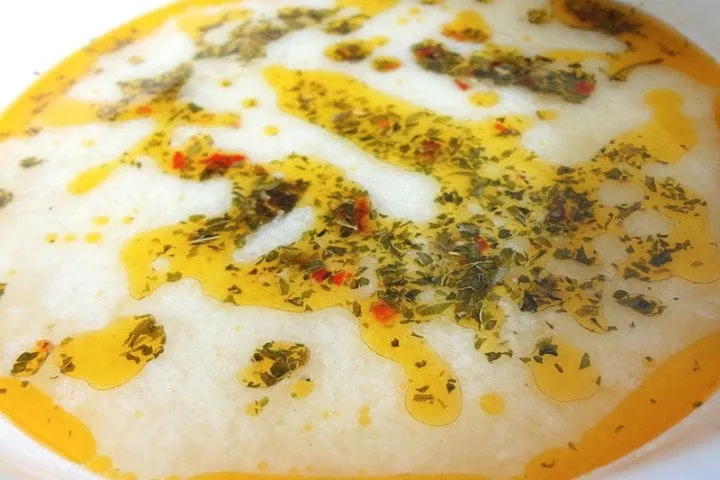
The perfect starter: Ovmaç çorbası
This lovely soup, made from onion and flour and topped as you prefer with a sauce of tomato paste or red pepper flakes, is one of the tastiest proofs that cooking with few ingredients takes far more skill. People drink it by the bowlful.
Nothing beats it fresh: İskorpit çorbası (scorpion fish soup)
Çanakkale, one of the cuisines that makes the most of the bounty of the sea, makes its case with its soup made from scorpion fish.
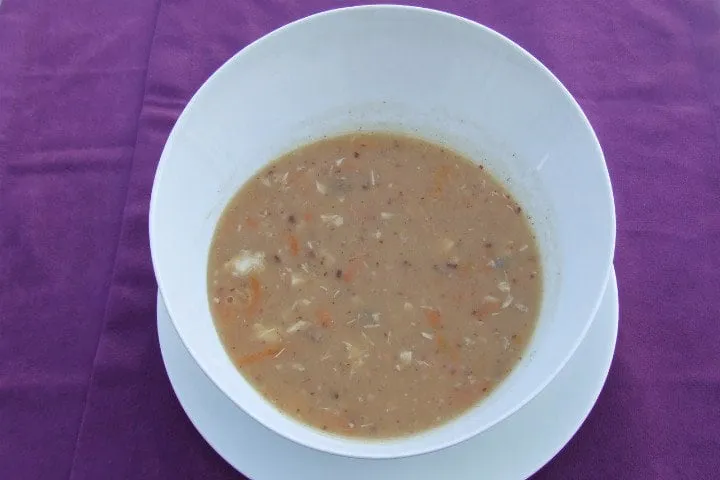
When the tomato, flour, carrot and all sorts of greens that go with the scorpion fish join in, a very special flavour results. This soup is top of the list of things you shouldn't leave Çanakkale without trying.
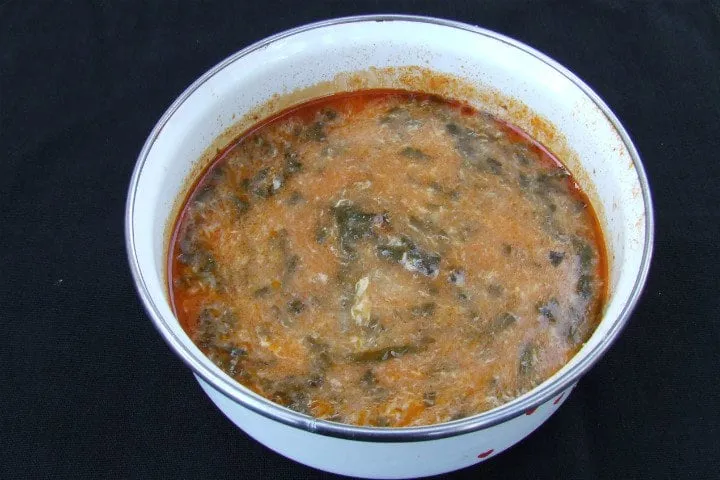
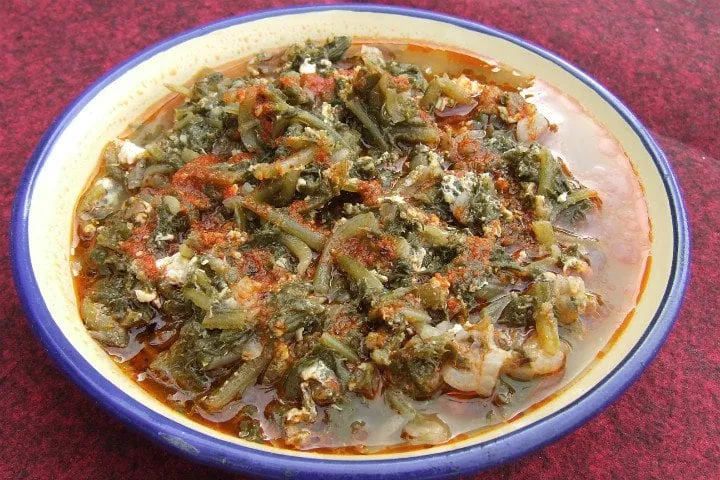
It will win over even those who hate spinach: Ispanak çorbası (spinach soup)
Spinach is one of those flavours: those who like it love it, and those who don't can't stand it... This soup tastes good enough to win over even the biggest spinach hater.
Besides spinach it contains ingredients such as tomato paste, flour, garlic, vinegar and onion. There's nothing better for warming you up, especially on long, cold winter evenings.
Perhaps you've never heard of it: Tumbi
Tumbi is one of the loveliest and most special of Çanakkale's local flavours. Hidden inside are flavours such as göce (cracked wheat), aubergine, tomato and parsley.
These little ones are fried in a pan and then sent off on their journey into the oven, and olive oil seals in their lovely flavour. When they come to the table piping hot, you lose count of how many you've eaten.
One more treat for spinach: Çırpma
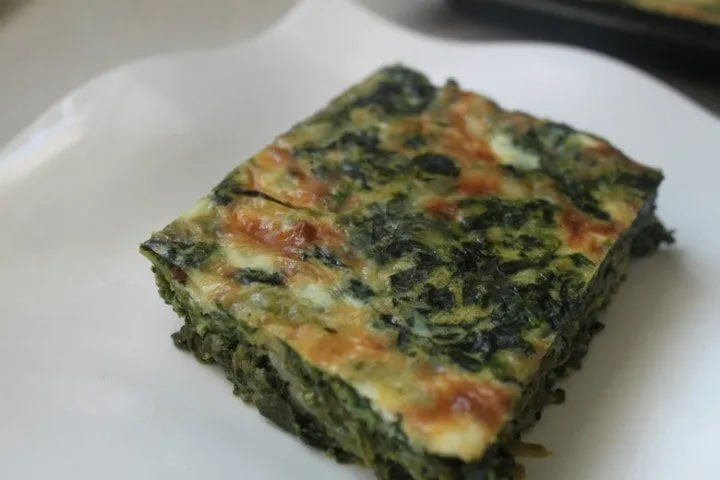
The city's love of spinach doesn't end with soup; it carries on in full flavour with çırpma. Çırpma is made by combining spinach and onion with a mixture of flour and water and baking it in the oven until golden. Anyone who eats it once never forgets the taste; it suddenly becomes something you could eat every day without tiring of it.
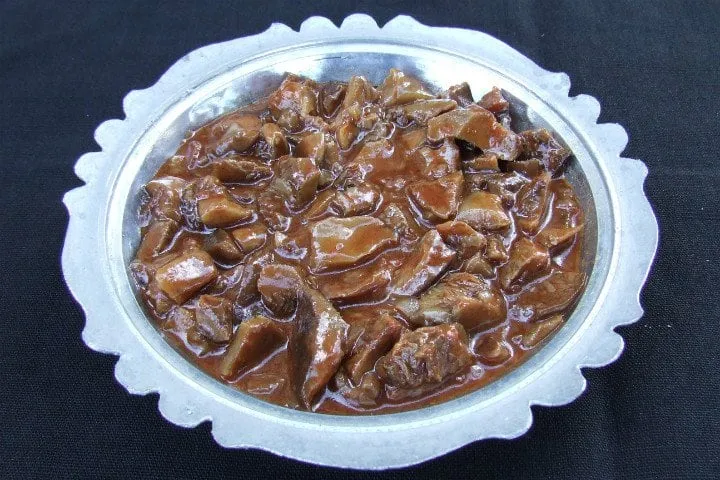
Actually a kind of mushroom: Melki yemeği
This dish, which looks rather unusual, is in fact a delicious one starring a mushroom called melki. The ingredients the mushrooms meet are onion, tomato paste, and the duo of salt and black pepper. It is considered one of the best main dishes you can make with a few simple ingredients.
Unbeatable for nourishment: Yumurtalı tiken
Yumurtalı tiken is made with ingredients such as şevketi bostan (golden thistle), onion, egg and tomato paste. When the vitamin-rich golden thistle is added to the plentiful protein of the eggs, its nutritional value climbs to the top. What more could you want? :)
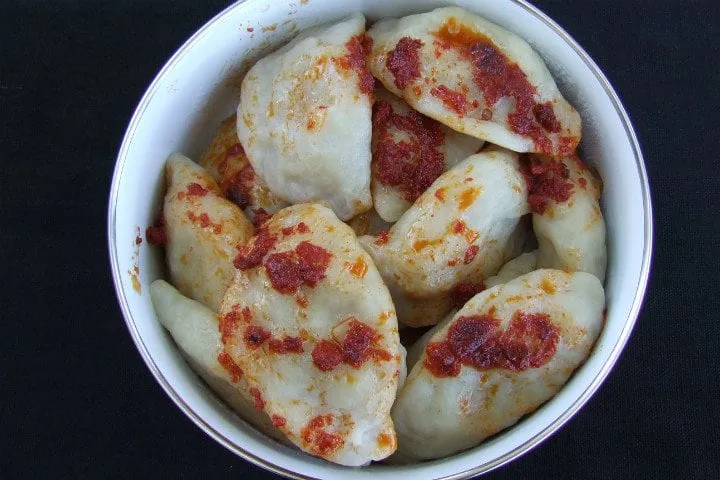
You'll want to keep eating even when you're full: Metez
Although some areas make it with cheese, Çanakkale-style metez is generally a dish full of the flavour of minced meat.
The minced meat filling is placed inside carefully prepared dough rolled out in half-moon shapes; these are then boiled in water for about 10 minutes and meet a sauce with tomato paste. After that comes endless flavour, a taste that never leaves your palate. Wonderful.
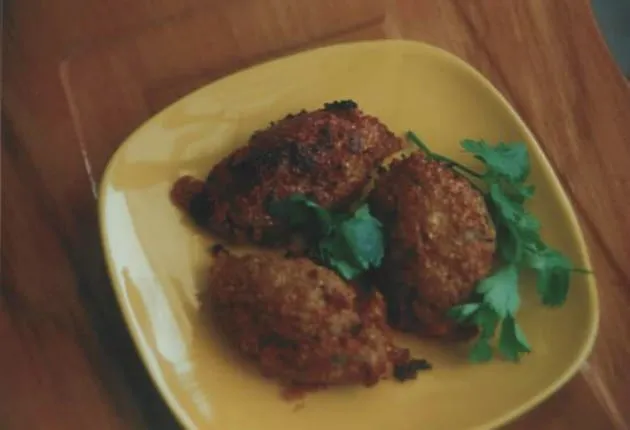
You've never seen black-eyed beans like this: Börülce köftesi
You may have seen black-eyed beans in every form, from salad to all sorts of dishes, but perhaps you never thought delicious patties could be made from them.
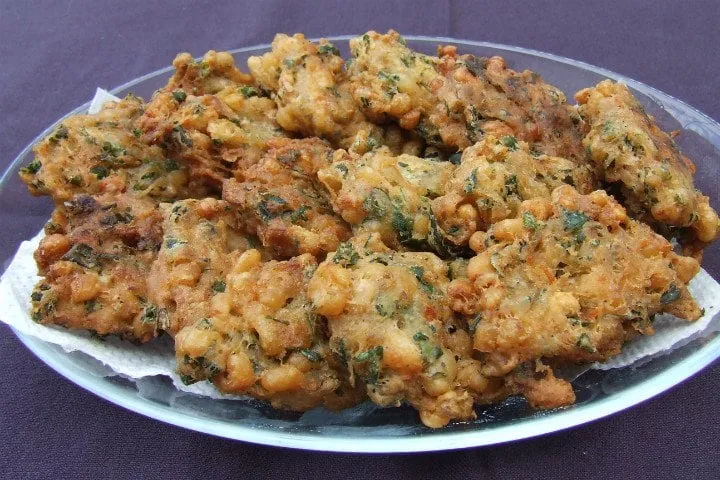
Börülce köftesi, one of Çanakkale's loveliest and most unusual local flavours, is a must for everyone who visits the city. If you ask what's in it, we'll tell you right away. In this recipe the beans are joined by plenty of spices, tomato, onion, flour and egg, and a good thing too.
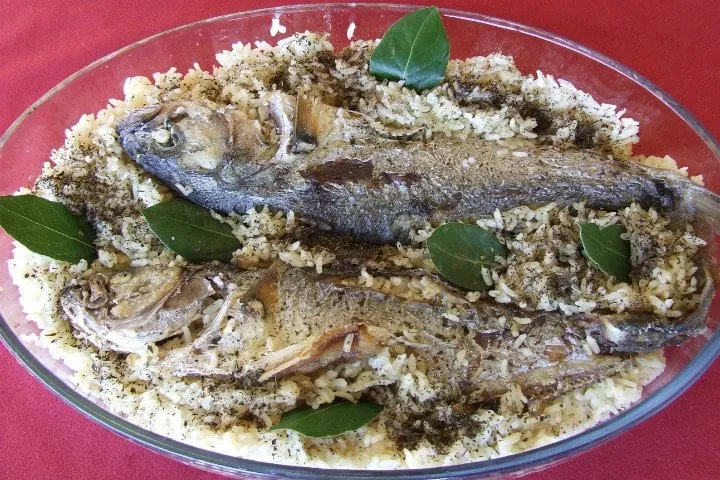
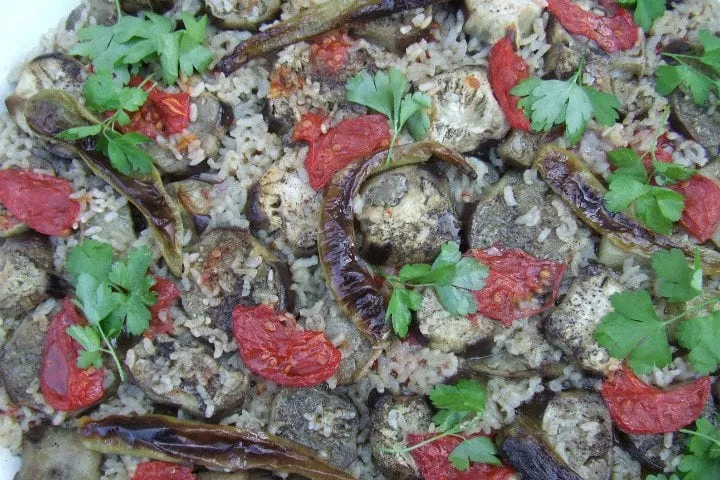
A wonderful match of fish and rice: Lüfer pilavı (bluefish pilaf)
Truth be told, we're people who know pilaf best with chicken and eat it with chicken. But everyone should try this dish, proof of how good pilaf can be with fish, especially bluefish. Once you taste it, we're sure you'll understand what we mean.
Try the Çanakkale way too: Patlıcan kapama
Patlıcan kapama is a dish made in different ways in various areas, we know. But give the Çanakkale version its due; don't just taste it, eat your fill of it, we say. Because from its look to its flavour it gives everything you could expect from a dish and more, and wins you over from the very first bite.
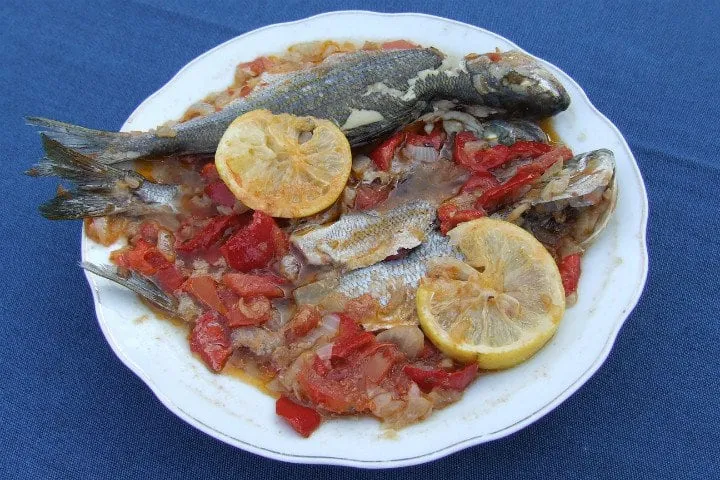
The irresistible flavour of fish with vegetables: Papaz yahnisi
Papaz yahnisi, whose original recipe uses a fish of the picarel family called sarpa (salema), is made with kitchen staples such as green peppers, onion and tomato. When unripe grapes are added, the dish takes on its distinctive flavour.
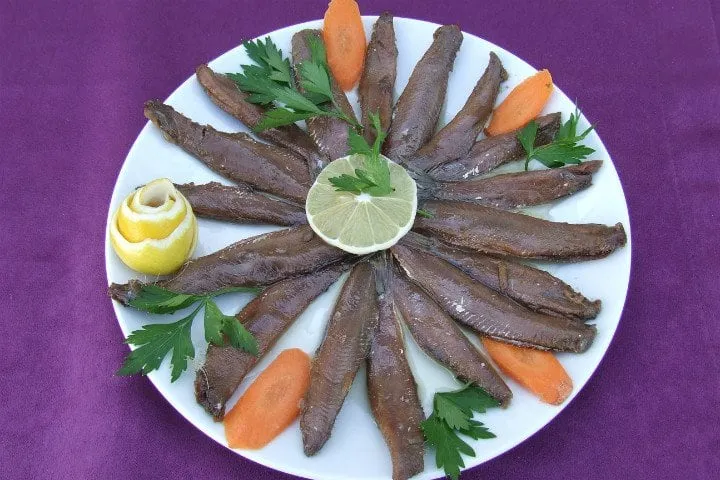
You can't leave without trying this: Tuzlu sardalya (salted sardines)
Sardines are very famous in Çanakkale. Their fame grows even more when it comes to salted sardines, prepared with great effort over days or even months.
As soon as you arrive, your job is to find a place that makes salted sardines and tuck in. Their exquisite taste stays on the palate as a lovely memory for a long time.
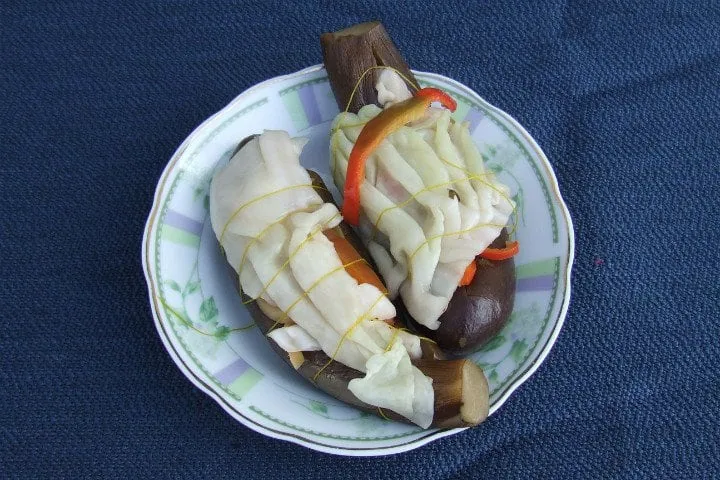
Forget every pickle you know: Patlıcan turşusu (aubergine pickle)
If you think everyone makes pickles, so what difference could the Çanakkale version make, then you haven't yet seen or tasted Çanakkale-style aubergine pickle.
Because this is a pickle that takes as much effort as preparing a hearty main course: the aubergines are boiled, cabbage leaves are separated, celery is invited in between, and they are tied with string to hold them together. In short, both the effort and the flavour are great.
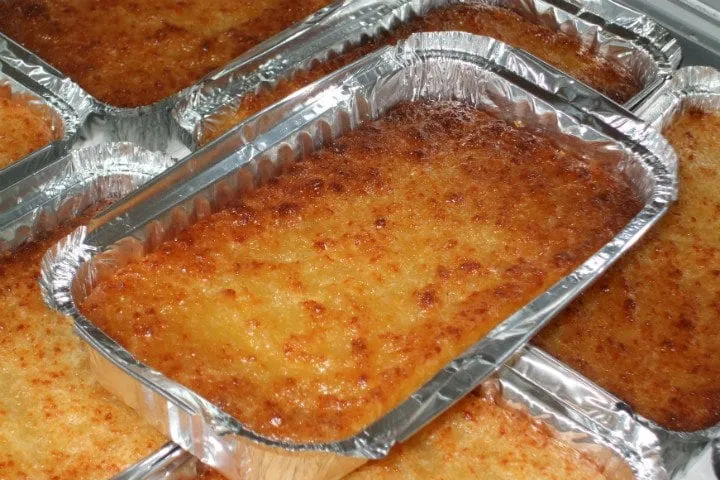
We already loved cheese desserts: Peynir helvası
We're people who spread jam on cheese and tuck in. Naturally we have a special fondness for cheese desserts too. That's exactly why Çanakkale-style peynir helvası is one of the desserts you must try. Even its cheese is specially prepared. So much effort, so delicious.
With thanks to olive oil: Basma helvası
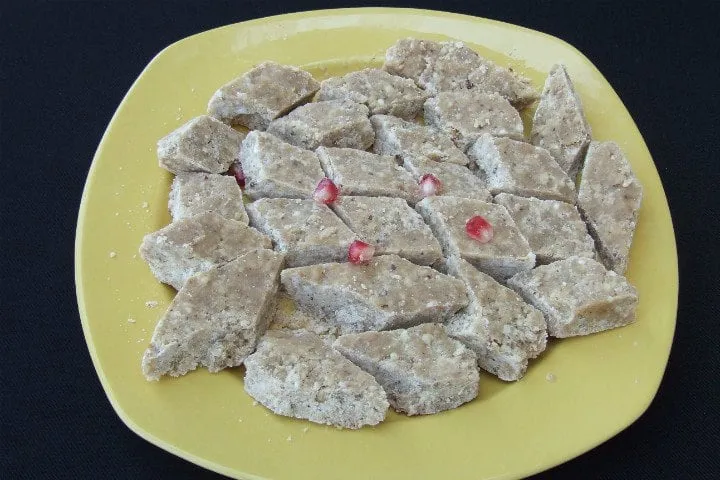
This lovely helva, made with flour, sugar and plenty of walnuts, stands out because it is made with olive oil. Once cool, it is cut into diamond-shaped pieces and served. You can't get enough of it. Better not just eat it in Çanakkale; take plenty with you on the way home too. :)
An important note: Before you leave, don't forget to buy some of the best Ezine cheese for your loved ones and for yourself.
Source: https://yemek.com/canakkale-yemekleri/sayfa/16
Places to visit in Çanakkale
Aynalı Çarşı, Çanakkale
The famous bazaar, which also became the subject of a folk song during the Çanakkale (Gallipoli) battles, is known to have been built in 1889, during the reign of Abdülhamid II, by one of Çanakkale's leading Jewish families. An unverified claim is that it was built much earlier. The bazaar is also mentioned in Evliya Çelebi's work the "Seyahatname". The records show that it was a miniature of the Spice Bazaar in Istanbul.
Çanakkale Martyrs' Memorial

The monuments and martyrs' cemeteries in the Gallipoli Peninsula Historical National Park, the centre of the Çanakkale battles, where an epic was written that sends shivers down the spine, sweeps you into an indescribable intensity of feeling, and that every child of this homeland should learn by breathing that air… Perhaps the first place to visit when you come to Çanakkale.
Central Çanakkale
The centre, including the Çanakkale waterfront promenade (kordon) with its magnificent view of the Dardanelles, the wooden horse used in the film Troy and the model of the ancient city of Troy, is the heart of the city…
Çanakkale Naval Museum
You can visit the museum, built in 1462 by Sultan Mehmed the Conqueror and also used in the Çanakkale battles, which holds a full-size model of the minelayer Nusrat, one of the heroes of the Çanakkale naval victory, and various weapons used in the Çanakkale battles.
Çanakkale Clock Tower
This splendid clock tower, built in the 1890s by the Italian consul-general Emilio Vitalis, is also worth seeing.
Ancient city of Troy

This ancient city, on the World Heritage List since 1988, has had national park status since 1996. It is considered a cradle of ancient civilisations. It was formed by 9 cities built one on top of another. It is also known by names such as Truva, Troya, Troia, Ilion and Wilusa. In location it lies at the foot of the Kaz Mountains. You can stop here to see the Trojan Horse, the subject of many films.
Bozcaada (Tenedos)
Bozcaada (Tenedos) is today a district of Çanakkale, with Samothrace to its north, Lemnos to the north-west, Lesbos to the south and Gökçeada to the north-east. With the small islets and rocks around it, it has an area of 40 km². Bozcaada has no high hills or forests. The name Bozcaada is also said to suit it because of Göztepe, the island's highest hill, which commands the surroundings for 40 miles. It is one of our country's two islands in the Aegean Sea. Bozcaada, called Tenedos in antiquity, is mentioned in Homer's Iliad.

Herodotus writes that the first settlers of Bozcaada were the Pelasgians. In 334 BC Alexander the Great took control of the Aegean islands; later, in the 1st century BC, the Roman Empire did; and in 1455–56 the island, taken from the Venetians, became the first island in the Aegean to pass into Turkish hands. Terracotta figurines and pottery have been found in the cemetery used from the 6th century BC to the Roman period. The second castle built by the Venetians (Yeni Kale) and the Köprülü Mehmet Paşa Mosque, built in 1657, are the district's other works. Among the important Ottoman-period historic places on Bozcaada, the Yalı Mosque, the Alaybey Mosque, the Namazgah, now used as a park, with its historic fountain, and the three-aisled Church of the Virgin Mary, built in 1870, will impress visitors with their architecture.

The place known as the Aya Paraskevi Ayazma (holy spring) has an important place in Orthodox belief. The Paraskevi festivities once held here have today been replaced by the Grape Harvest Festival. The wineries, the wind farm, the Bozcaada vineyards, the Alaybey Mosque, the Greek Orthodox Church of the Kimisis Theodokou, Göztepe, Habbele, the Çamlık picnic area, the Namazgah Fountain, the island houses, the Bozcaada Local History Research Centre, Tuz Burnu, the Köprülü Mehmet Paşa Mosque, Ayazma marina, Mermer Burnu and the Polente lighthouse are places you must see on the island. On the island, where the "Grape Harvest Festival" is held in August, wine is made in homes as well as in 4 wineries. The island, called Tenedos in ancient times, is reached by car ferry from the Geyikli Yükyeri pier.
Gallipoli Peninsula Historical National Park (Eceabat)
The Gallipoli Peninsula Historical National Park is in the Marmara Region, within Çanakkale province. It was declared a national park in 1973. Its area is 33,490 hectares. Within the boundaries of the Gallipoli Peninsula Historical National Park there is 1 district (Eceabat) and 8 villages.
The Çanakkale battles are an epic of defence, won through the superhuman resistance of the Turkish nation, under the leadership of Staff Lieutenant Colonel Mustafa Kemal, against the most powerful states in the world.

In this war, which lasted 8.5 months, both shores of the Strait became a kind of hell, and nearly half a million lives were lost. The monuments built and the martyrs' cemeteries laid out in memory of the hundreds of thousands of losses in the Battle of Çanakkale, one of the largest battles in the world, fought between the Entente Powers and the Ottoman Army in the First World War, not only recall the suffering of the war but also display one of history's magnificent victories.
The National Park, with its monuments rising over the sacred memory of more than 250,000 Turkish martyrs and the areas where more than 250,000 British, French, Australian and New Zealand soldiers are buried, today tells the whole world about the value of peace. In the Gallipoli Peninsula Historical National Park there are 56 Turkish monuments and martyrs' cemeteries and 35 foreign cemeteries and memorials. Every year on 18 March and 24 April the Çanakkale land and naval battles are commemorated with ceremonies.
Çanakkale Martyrs' Memorial
It stands on Hisarlık Tepe, rising behind Morto Bay at the tip of the Gallipoli Peninsula. It was built in memory of those who fell in the Çanakkale battles. Its foundations were laid on 19 April 1954 and it opened to visitors on 21 August 1960. The reliefs on the legs of the main base were completed in 2002, and in 2004 changes were made to the ceremonial area and the symbolic cemetery. The monument, restored in 2005, took its final form in 2007 when a new martyrs' cemetery was built in its area.
The memorial, 41.70 m high, rises on four legs over an area of 625 square metres. Seen from a distance it looks like the letter "M" of Mehmetçik (the Turkish soldier). A Turkish flag in mosaic is worked into the memorial's ceiling.
To the left of the memorial's entrance, the symbolic martyrs' cemetery, built in 1992, was made for our martyrs who ran to Çanakkale from every corner of our country and gave their lives, their most precious possession. Just to the right of the cemetery's entrance gate are the words Mustafa Kemal wrote in 1934 addressed to the foreign soldiers, read on Anzac Day by the then Minister of the Interior Şükrü Kaya:
"You mothers who sent your sons to war from far-away lands! Wipe away your tears. Your sons are in our bosom. They are at peace and will sleep peacefully. Having given their lives on this land, they have now become our sons too."
Kaz Dağı National Park (Mount Ida)

In Kaz Dağı National Park, with its magnificent views, restful green spaces and many hot springs, you can feel the beauty of nature through mythological stories. In mythology we see that the World's First Beauty Contest, between Aphrodite, Hera and Athena, was held here. According to the story, when the gods gathered for the wedding of Thetis and Peleus, Eris (Discord), who had not been invited to the wedding, threw a golden apple to where Athena, Hera and Aphrodite were. On the apple was written "to the fairest".
An argument begins among the three goddesses: "I am the fairest". Zeus orders that Paris, who is on Mount Ida, be appointed judge to choose the fairest. The goddesses boast of their beauty before Paris and promise him gifts. Hera promises Paris kingship of the universe if he chooses her; Athena invincibility in war; and Aphrodite the love of Helen, the most beautiful of women. At this, Paris decides that Aphrodite is the fairest of the three goddesses and gives her the golden apple. The Kaz Mountains, in the north-west of the Anatolian peninsula, are the highest mountains of the Biga peninsula. They separate the Aegean Region from the Marmara Region. The Kaz Mountains lie within the provinces of Çanakkale and Balıkesir. Following the north of the Gulf of Edremit for 60–70 km in a north-east to south-west direction, the Kaz Mountains consist of Dede Dağı in the west, Kaz Dağı in the middle, Eybek Dağı in the east, and the Gürgen, Kocakatran, Küçükkatran and Susuz (Sakar Dağı) mountains in the north-east.
5 km beyond Evciler village, east of Bayramiç, is one of the Kaz Mountains' lovely picnic spots. In this area called Ayazma, where water flows abundantly, a beauty contest is held every year, echoing Paris's choice of the fairest among the goddesses in mythology. Kalkım is one of the loveliest settlements on the Kaz Mountains. Recently it has also taken off in tourism. Lovers of ecotourism, horse riding and trekking have discovered this lovely little town. You can get to Kalkım either via Edremit or via Çan and Yenice.
Assos (Ayvacık)

Assos is an ancient port city 87 km south of Çanakkale, within the boundaries of Behramkale village in the Ayvacık district. In Assos, also known as a centre of learning, Aristotle, the famous philosopher of antiquity, founded a school of philosophy and carried out important research in zoology, biology and botany. The ancient city, which has two entrances, east and west, was built on an old volcanic cone and consists of groups of buildings on terraces stretching south. A large part of the 4 km of walls surrounding the city still stands today.

The Temple of Athena on the acropolis is one of the oldest Doric temples in Anatolia, built in the Archaic period. Besides its magnificent view of the sea, this temple forms a cultural synthesis of the two shores of the Aegean, reflecting both Doric/Greek and Ionic/Anatolian features in its architecture. Among these historic remains on the acropolis, the Temple of Athena is the best place to watch the magnificent view that the Gulf of Edremit takes on at sunset. As you go down towards the sea from here, the agora (marketplace), the gymnasium (centre of intellectual and physical education), the theatre, the bouleuterion (city council building) and the necropolis (ancient cemetery) follow one another.
A large part of the 4,000-seat theatre, where tragedies and comedies were performed in antiquity, is preserved. Just at the northern corner of the acropolis is the single-domed mosque built in the 14th century by the Ottoman Sultan Murad I. The Ottoman-period bridge within the boundaries of Behramkale village stands entirely intact and is still in use. With its still unspoilt natural surroundings, its sea, its hotels and guesthouses, the long, clean beaches of Kadırga Bay and its village, Assos is a rare archaeological site that can meet the wishes of visitors of almost any age.
Yenice, Çanakkale
Yenice, founded at the foot of the Kaz Mountains, is Çanakkale's largest district. One of the district's most striking features is its vegetation. In the forests, owing to microclimate and growing conditions that change with altitude, there are different tree species and mixed stands formed by them. The forests of the area contain species that grow in Mediterranean, Black Sea and continental climates (Turkish red pine, black pine, oak species, chestnut, fir, hornbeam, beech, plane, alder, ash, lime, hazel).

The Yenice forests are also notable for the endemic Kazdağı fir (Abies equi-trojani) and rare species. The Kazdağı fir's homeland is Kaz Dağı. This fir species, which takes its name from the ancient city of Troy, is found only in this area. Yenice is an attraction for alternative tourism (thermal springs, outdoor sports, shooting and so on). The Asar area was declared a Tourism Centre by Council of Ministers decision no. 2007/11712 of 27.02.2007.
Some nature tourism takes place in the district.
The presence of roe deer, an endangered animal, and of wild trout are examples of the rich fauna of the area. Archaeological work in the area has found remains of the Trojans, the Hittites, the Kingdom of Pergamon, the Roman Empire and the Byzantine Empire. There are also many historic remains on the Agonya plains, where the Trojans held horse races, and in the Asar Mountains, where Emperor Hadrian held a bear hunt in the 2nd century AD.
- Hadrian's Castle (Asar Kale)
- Küçük Hisarlık
- Baba Kale (Taban Kale)
- Çal Kale
- Üvecik Tepesi
- Kabalı Hisar Tepe
- Kabalı Kilise Patlağı
- Çırpılar Hisar Tepe
- Çınar and Seyvan villages
These are the ancient settlements in the district. Yenice's oldest settlement, in Seyvan village, stands out for the architecture of its wooden-roofed mosque known as Issız Cuma. Hiking, nature photography, paragliding and mountain biking are tourism activities available in the district. There is a 3-star hotel in the district centre and another in Kalkım. The district's total bed capacity is over 250. Çanakkale to Yenice is 90 km. It is reached by road.
Troy archaeological site
The site and remains of the ancient city of Troy are on a hillock dominating the plain at Hisarlık (ancient Pergamos), near Tevfikiye (Asarlık) village in the Erenköy (İntepe) municipality, at the southern entrance to the Dardanelles. It is 30 km from the centre of Çanakkale.
Both names used for the city go back much further than Homer. The epic was handed down from ancient times until it reached Homer. In Homer's Iliad both Troia and Ilios are used for the same place. The name Troia occurs 49 times in the Iliad and Ilios 106 times. The description "sacred Ilios" is common in the Iliad.
The less often used Troia is mentioned with descriptions such as "surrounded by strong walls", "with mighty towers", "with broad streets" and "windy". Troia is the shared name of the Bronze Age citadel and city at Hisarlık near the entrance to the Dardanelles and of the legendary city of King Priam destroyed at the end of the Trojan War. Troia was also called Ilios or Ilion. At Troia, Heinrich Schliemann, a wealthy amateur archaeologist, began excavations in 1870 to find the ancient city, setting out from Homer's Iliad. His aim was closer to treasure hunting than archaeology. He was looking for Priam's legendary treasure. In a pit beside the gate and ramp of the Troy II phase he did indeed find a treasure. He smuggled out the treasure, which experts later concluded was not Priam's treasure. After a long period when its whereabouts were unknown, the treasure turned up in Russia, at the Pushkin Museum.
This became the most popular story about Troia. Troia has been the subject of great controversy from the start; the debates in scientific circles continue today. At Troia, which caused deep divisions, the first scientific excavations were carried out long after Schliemann under the direction of Wilhelm Dörpfeld. But in these excavations too the city mound was turned upside down "to find something". With the excavations carried out by the Americans under Carl W. Blegen between 1932 and 1938, Troia began to be studied adequately from a scientific point of view. The excavations, which continue today, were directed from 1988 to 2005 by Manfred Korfmann on behalf of the University of Tübingen. Prof. Korfmann became so attached to Troia and its surroundings that he took the name Manfred "Osman" Korfmann and became a Turkish citizen.
After Prof. Korfmann's death in 2005, the excavation run by Prof. Dr. Ernst Pernicka and his team from the Department of Prehistory and Protohistory of the University of Tübingen was cancelled by a Council of Ministers decision in 2012. The handover work is to take place on 26–28 June 2013.
Gökçeada (İmroz)
The name of Gökçeada, which the ancient writer Pliny mentions as Imbrus or Imbros, changed from Imbros to İmroz in the Ottoman period. The island's name appears as İmroz in Piri Reis's Kitab-ı Bahriye. This charming Aegean island took the name Gökçeada on 29 July 1970. The island's earliest settlers are known to have been the Pelasgians. Miltiades attached the island to Athens in 500 BC. It remained under Athenian rule until Roman rule. Gökçeada, added to the lands of the Ottoman Empire by Sultan Mehmed the Conqueror in 1455, was under Greek occupation between 1922 and 1923. Under the Treaty of Lausanne of 1923 it was attached to the Republic of Türkiye on 22 September 1923.
Parion (Biga)
Parion is within the boundaries of Kemer village in the Biga district of Çanakkale province. Parion, a coastal city on the Sea of Marmara, is accepted as a city of the Troad, in the light of the data obtained, especially in the necropolis area, in the work carried out since 2005. Ancient Parion had important neighbours such as Lampsakos to the west, Priapos to the east and Skepsis to the south. Eusebius said that Parion was founded in 709 BC. There are three views on the origin of the name Parion. The first is that it comes from Paros, the second that it derives from Parius, son of Iason and Demetria, immigrants from Erythrai, and the last that the name comes from the Trojan prince Paris and means the city of Paris.
Parion became a member of the Delian League in 478–477 BC. In the Peloponnesian War that broke out between the Athenians and the Spartans in 431–404 BC, Parion sided with the Athenians. The city came under Persian rule again after the King's Peace of 387 BC. With Alexander the Great's defeat of the Persians at the Battle of the Granicus in 334 BC, a new era began in Anatolia. The Troad, which the Romans left to the Kingdom of Pergamon after the Peace of Apamea in 188 BC, was left to the Romans again in 133 BC on the death of its king, Antiochus III. Rome, aware of the city's importance, declared Parion a colony twice, the first time in the period of Julius Caesar or Augustus and the second in the period of Hadrian. It is thought that building activity accelerated after the city gained its status for the second time in the period of Hadrian.
The architectural decoration and reliefs of the theatre in particular, one of the city's most striking buildings, dated to the second half of the 2nd century AD, confirm this. Parion, a city with Christian communities from the 2nd century AD, did not lose its importance in the Byzantine period either, and was an important bishopric, as shown by the clergy named Eustathius (AD 312–330), Hesychius (AD 431) and Thalassius (AD 451) who served at Parion. At Parion, first mentioned by Herodotus and Xenophon and later by Strabo, İ. Akşit carried out a surface survey on behalf of the Çanakkale Museum in the 1970s. After this work, surface surveys were carried out in 1997 under Prof. Dr. Cevat Başaran, and from 2005 the first scientific excavations began in the city's southern necropolis. In later years work continued at the Roman Theatre, the Roman Bath, the Hillside Gate, the Odeion, the Hellenistic Tower and the Sounding Structure.
The Artemis of Parion
In the odeion, one of the areas excavated at Parion and among the city's important buildings, a marble statue in pieces was uncovered during work in 2012. According to the first findings, the statue of a clothed woman, dating to the 2nd century AD, with some pieces missing, is thought to be of the goddess Artemis because of the bow held in her left hand and the arrow tucked under the middle finger of her left hand, the leaping dog or hound placed on the stump on her left side, the deer or gazelle head in front of it, and probably the quiver on her back. The statue, about 1.70 m high and made of high-quality white marble, taking into account the upper body pieces probably destroyed in a fire, turns out to be an original composition in a group with no very close parallel among the statues of the goddess Artemis found so far. Because other pieces of the statue may still be found, the statue has been placed under protection and will be displayed in full after restoration.
The Centaur-Triton of Parion
The building identified as a theatre in surface surveys of the city of Parion, thanks to the hollow east of the acropolis, was first excavated in 2006. Besides many architectural elements found in the theatre, a Centaur-Triton(?) statue was found in the 2012 excavation season. It had been moved together with other blocks into the part of the theatre's stage building that could be called the actors' rooms. The head of the 130 cm high statue was found broken and has been repaired. The arms of the statue are broken and its lower part is missing. This unparalleled statue is thought to have been placed at the corners of the building's pediment. The statue is dated to the 2nd century AD.
Çanakkale Archaeological Museum (Merkez)
Museum work in Çanakkale began in Atatürk's time. It started in 1936 with the gathering of historic marble and stone works in Zafer Meydanı, and in 1965 the Museum Directorate was set up in the annexe of the church in the same square. The museum's collection began to take shape with the transfer to the Çanakkale Museum of part of the collection of Frank Calvert, who excavated many ancient cities of Çanakkale in the late 19th century and took most of the works he found abroad, with only a very small part staying in Türkiye, and with the bringing to Çanakkale of some of the Troia finds of Carl Blegen, who carried out the third period of excavations at Troia between 1932 and 1938.
The rich finds uncovered at the Dardanos Tumulus in 1959 became one of the most important discoveries in Çanakkale's history after Troia. The present museum building was planned as a result of the important finds at the Dardanos Tumulus and in the necropolis of the ancient city of Tenedos on Bozcaada. The new museum was completed and opened in 1984. The works of the museum in Zafer Meydanı were also moved to the new museum. The Çanakkale Museum displays, in chronological order, works from the ancient cities of Çanakkale and their surroundings. The museum holds 12,747 archaeological works, 15,237 coins and 2,714 ethnographic works.
Troia Hall
Works uncovered in the Troia excavations, which began with H. Schliemann in 1870 and were carried out under W. Dörpfeld in 1893, C. Blegen in 1932 and M. Korfmann in 1987, are displayed in chronological order. Troia, one of the first mound excavations in our country, is very important because it is a touchstone in archaeology for dating ceramics from the Early Bronze Age to the Iron Age (3000–1250). These ceramics show the development of ceramic technology between the Early Bronze Age and the Late Bronze Age. These works on display have appeared in thousands of publications and in international exhibitions, and form original groups of works known to the archaeological world.
Assos Hall
Finds from the excavations of the ancient city of Assos since 1980 are displayed. In this section, besides lekythoi, bowls and figurines of goddesses, a terracotta puppet with jointed arms and legs from a child's grave gives enlightening information about toys.
Dardanos Tumulus Hall
The Dardanos Tumulus, identified in 1959 within the boundaries of Çınarlı village in central Çanakkale, is important because it is the family tomb of the founders of the ancient city of Dardanos, the city of King Dardanos, who gave the region its name in antiquity. More than 300 archaeological objects found in the burial chamber are displayed in the hall. Among them are gold jewellery, stone and terracotta vessels, terracotta statues and inscribed bronze vessels.
Aphrodite statuette
It is the most important find from the Dardanos Tumulus. It is the earliest copy, made in the 1st century BC, of the "Aphrodite of Knidos" by Praxiteles, a 4th-century BC sculptor. The statue, showing the goddess of beauty at the bath, symbolises health and beauty. By depicting the goddess nude, the sculptor also showed the courage to assert freedom in art.
The Polyxena Sarcophagus
It was uncovered in 1994 in the excavation of the Kızöldün Tepesi tumulus in the Gümüşçay municipality of the Biga district. The sarcophagus is made of marble from Marmara Island. Designed like a house with a triangular tiled roof, the carvings on the sarcophagus show the sacrifice of Polyxena, daughter of King Priam, on the tomb of Achilles. Because of its features and the finds from the excavation, the sarcophagus is dated to the late 6th century BC.
Statue of Hadrian
After 133 BC Anatolia was attached to Rome and became a Roman province. Hadrian, Roman emperor in AD 117–138, also carried out building work and gave aid in Troia. This is the statue erected at Troia in memory of this aid. He is shown in armour.
Gelibolu Mevlevihane
The Gelibolu Mevlevihane was one of the 15 Mevlevi asitane (principal lodges) where dervishes were trained and underwent their retreat. Founded in the 17th century (probably before 1621), the Mevlevihane had the largest grounds and the most magnificent semahane (hall for the whirling ceremony) of these fifteen asitane. What survives of the buildings, within the Hamzakoy military area and close to the seashore, is the semahane–tomb and the portal. The founder and first sheikh of the Mevlevihane was Ağazade Mehmet Hakiki Dede, son of Kara Hasan Ağa, one of the Janissary aghas. After him, the Mevlevihane was known as the Ağazade Dergâhı. During the First World War, the Mevlevihane's last sheikh, Burhaneddin Dede, joined the Mevlevi regiment under the Fourth Army with seven dervishes and stayed in Damascus for three years.
The Mevlevihane, used as an ammunition store when Gelibolu came under enemy occupation, stood for a long time within a military area; it was bought by the General Directorate of Foundations in 1994, restored, and opened to visitors on 17 September 2005. Its use and supervision are now handled by the Gelibolu District Governorship. Mevlevihanes spread the Mevlevi order across the Ottoman lands. As well as meeting people's spiritual needs as centres of good conduct and wisdom in history, mevlevihanes also functioned as centres of culture and art.
At the Gelibolu Mevlevihane, the Çanakkale Governorship holds the event "The Balkan Geography Meets in Çanakkale" as part of the Şeb-i Arus ceremonies. The Association for the Protection of the Gelibolu Mevlevihane and the Promotion of Mevlevi Culture holds Sema ceremonies every month.
Culture and arts in Çanakkale
Language
Because Çanakkale province, with lands in both Anatolia and Thrace, has received constant migration since the imperial period, especially in the period following the Ottoman–Russian War, it is not possible to speak of a common dialect covering the whole province. Çanakkale, which has hosted heavy Balkan migration, together with the settlement of the Yörüks and Tahtacıs who lived as nomads in Anatolia, is a province whose speech comes from a blend of the dialects spoken in the lands now within Türkiye's borders, the dialects spoken by Muslim communities from lands outside Türkiye's borders, and the dialects of the "native" Turks who lived in this region throughout this whole settlement process; it does not have a standard dialect in every part of the province, but shows a similar dialect structure.
Literature
Tekke (Sufi lodge) literature: in Çanakkale, all the people other than the Greeks living on the islands (Gökçeada, Bozcaada) are Muslim. Among the Sunni communities, there is no Sufi movement arising alongside the orthodox religious understanding, nor a tekke literature able to exist along the lines of such a movement's teachings. The Alevis, who live outside the Sunni Islamic understanding, were brought to Çanakkale in the Conqueror's time and are known to the people of this region as Türkmen, are observed to have a tekke literature as part of their faith. However, both their settling in this region very long ago and moving away from the influence of Anatolian Alevism, and their being few compared with the Sunni population, have prevented the development of the Alevis of this region in tekke literature and caused the existing Sufi understanding to diminish over time and repeat itself. Tekke literature continues among the Türkmen in a fading form.
Folk poets: in Çanakkale, the process we observe in tekke literature also appears in the traditions of âşık (minstrel) literature and folk poetry. The closer one gets to the west of Türkiye, the harder it becomes to find representatives of âşık literature in the classic sense. Çanakkale is no exception. It is clear that in places where âşık literature could not exist as a tradition, the tradition of folk poetry cannot find a place either. Those who write poems in the folk style are seen trying to exist with meagre works that do not go beyond individual leanings, because there is no tradition and no accumulation in their surroundings that could form a school. It is pleasing that a few people in our province with no contact with tradition and its circles write poems in the folk style.
Folk dance music
Some of the folk dances known in Çanakkale are: Harmandalı, kaba güvem, Edremit güvendesi, Yandım Ayşe (Karyolamın Demiri), Kuz köy Zeybeği, Sürmeli, Bayramiç Zeybeği, Karanlık Zeybeği.
Besides these dances performed at weddings and festivities, the samah, a religious dance, is an inseparable and important part of the cem, where Türkmen worship takes place. The samahs performed in the Çanakkale area are at a slower tempo than the samahs of Central and Eastern Anatolia.
Apart from dances of these types, other communities that came through migration (Circassians: Adyghe; Kumyks, Pomaks, Bosniaks and so on) are also seen to perform their own dances as well as the Çanakkale dances. The musical instruments used in the dances vary with the dances performed and the communities performing them. In the traditional zeybek dances clarinet, violin, davul and darbuka are used, in the samahs the bağlama, and in Circassian dances the accordion and the phacic (clappers).
A large part of Çanakkale's folk songs are formed with the help of refrains scattered among mani (quatrains). Added to a known melody (for example Evreşe yolları), a song can grow longer or shorter depending on the singer's repertoire of mani, and its words can change each time. The melody is what matters. (Example)
Bahçemiz savan dolu
Kövümüz Gelibolu
İster al ister alma
Mallemiz oğlan dolu
İster al ister alma
Kövümüz oğlan dolu
(Our garden is full of savan, our village is Gelibolu; take her or not as you like, our neighbourhood is full of boys; take her or not as you like, our village is full of boys.)
Entarini ben biçtim
İbriğinden su içtim
Evvel yarin ben idim
Şimdi de benden vazgeçtin
Evvel yarin ben idim
Şimdi benden vazgeçtin
(I cut out your robe, I drank water from your jug; once I was your love, and now you've given me up; once I was your love, now you've given me up.)
MEN'S DANCES
1) HARMANDALI
2) KABAGÜVENDE
3) KARANFİLİMİN MORUNA (ÇİFTLEME ZEYBEĞİ)
4) KUSKÖY ZEYBEĞİ
5) ÇAN SEKMESİ (SÜZME)
6) KARANLIK DERE
7) BAĞ ÖZÜ
8) ALAY HAVASI
9) EDREMİT ZEYBEĞİ
10) SÜRMELİ ZEYBEĞİ
11) KAZAK ZEYBEĞİ
12) ADA ZEYBEĞİ
13) CANKİKİRİK
WOMEN'S DANCES
1) HARMANDALI
2) KARYOLAMIN DEMİRİ
3) BAYRAMİÇİN DAĞLARI
4) VERSİNLER
5) ÇEMBERİMDE GÜL OYA
6) BALIKESİR YOLUNDA
7) SIRA SIRA SİNİLER
8) ÇAN SEKMESİ
Mani
Mani are used mostly at Hıdrellez. Apart from Hıdrellez, most of the songs sung among women at henna nights are also songs linked to mani.
Kara, kara kazanlar
Kara yazı yazanlar
Cennet yüzü görmesin
Aramızı bozanlar
(Black, black cauldrons; those who write dark fates; may those who come between us never see the face of paradise.)
Mendilimin ucuna
Şeker bağladım şeker
Bizim günahımızı
Annenle baban çeker.
(I tied sugar, sugar, to the corner of my handkerchief; your mother and father will bear the sin for us.)
Kara kuzu ak kuzu
Kuzuyla verin tuzu
Mala tamah etmeyin
Sevdiğine verin kızı
(Black lamb, white lamb, give the salt with the lamb; don't covet wealth, give the girl to the one she loves.)
Gelibol'a girerken
Sağ tarafta karakol
Öp babamın elini
Babamın damadı ol
(As you come into Gelibolu, the police station is on the right; kiss my father's hand and become my father's son-in-law.)
During the month of Ramadan, at sahur time, there are mani called Ramadan mani, sung to the drum. In the last days of Ramadan, those who played the drum and sang mani are given tips. The tip usually consists of food rather than money. (Some mani of this kind are these.)
Yeni cami direk ister
Söylemeye yürek ister
Benim karnım toktur amma
Arkadaşım börek ister
(The new mosque needs pillars, singing takes heart; my stomach is full, but my friend wants börek.)
Ne uyursun ne uyursun
Bu uykuda ne bulursun
Al aptesi kıl namazı
Cennet alayı bulursun
(Why do you sleep, why do you sleep, what will you find in this sleep? Take your ablutions and pray, and you'll find the company of paradise.)
Keçisin otlatırım
Dövenden hoplatırım
İki gözüm Bekir Ağa
(Sen benim bahşişimi verirsen )
Ben bu davulu patlatırım.
(I'll graze your goat and make it jump over the threshing sledge; my dear Bekir Ağa, if you give me my tip, I'll beat this drum till it bursts.)
Edirne'nin Camisi
Doksan dokuz penceresi
Çok bekletme Ayşe Teyze
Yandı pilav tenceresi
Tekerlemeler
(The mosque of Edirne, its ninety-nine windows; don't keep us waiting, Aunt Ayşe, the pilaf pot is burning.) Rhymes
During Ramadan, after iftar, small children go from house to house reciting the saya rhyme and collect tips.
Oy naklava naklava
Canım ister baklava
Baklavanın yarısı
İncir üzüm kurusu
(Oh naklava, naklava, I fancy some baklava; half of the baklava, dried figs and raisins.)
Hanım abla merdivenden iniyor,iniyor
Bize para veriyor, veriyor
Vermeyen de sağ olsun
Veren de sağ olsun
(The lady is coming down the stairs, coming down; she's giving us money, giving it; bless those who don't give, and bless those who do.)
COUNTING-OUT RHYME
Eveleme develeme
Deve kuşu kovalama
Tazi tuzu
Bel - ber kı - zı
Ne zaman gel - cek
Ya - zın gel - cek
Yaz olası
Buz olası
Bir tahtaya dizilesi
On - cuk bon - cuk
Leb - te ço - cuk
(A nonsense counting-out rhyme: chasing the ostrich, the barber's daughter, when will she come, she'll come in summer, may it be summer, may it be ice, lined up on a plank, beads and baubles.) Lullabies
Like every area of our oral culture, lullabies are struggling to find a place where they are used. In Çanakkale, besides the lullabies commonly found throughout the country, there are cases, though rare, of laments and hymns taking on the function of lullabies.
Dandini, dandini dastana
Danalar girmiş bostana
Kov bostancı danayı
Yemesin lahanayı
(Dandini, dandini, dastana, the calves have got into the garden; gardener, chase the calf away so it doesn't eat the cabbage.)
Asmaya astım salıncak
Uyumadı gitti yumurcak
Mini, mini yavruma ninni
Adı güzel çocuğum hu ,hu
(I hung a swing on the vine, the little rascal wouldn't sleep; a lullaby for my tiny little one, my child with the lovely name, hush, hush.)
Riddles
Alçacık tepe
Şıngıllı küpe
(Nohut)
(A low little hill, a jingling earring? (chickpea))
Uzun ,uzun uzarlar
Ot içinde buzağılar
(Hıyar)
(They grow long, long, calves among the grass? (cucumbers))
Uzaktan baktım bir taş
Yanına vardım
Dört ayak bir baş
(Kaplumbağa)
(From afar I saw a stone; I went up to it: four legs and a head? (tortoise))
Sıra ,sıra uzarlar
Birbirin geveler
(Kiremitlik)
(They stretch out in rows, each chewing on the next? (roof tiles))
Legends
Of the narrative genres, the one most often met in Çanakkale is the legend, because it contains an element of belief. The shrines (yatır) found near almost every settlement in the province are an important factor in the formation and survival of the legend tradition. Although this is the area where legends appear most, legends have been produced on almost every subject. The best-known, most widespread legend in Çanakkale is this:
(These Turks, Kızıl Deli Sultan and the Forty Saints, want to cross to Rumelia, that is, to what is now Thrace. There's no transport. So they build a raft there. They want to get on the raft and cross over. One of the companions is asleep there. They say, let's leave this madman, let's not take him. They leave him. They get on the raft and cross over. And then the madman wakes up. Hey, our friends are going! Hey, wait, where are you going? He quickly fills his skirt with sand there. He starts scattering it like sowing seed. Those on the raft say: by God, the madman is coming, he's going to split the sea. Let's stop and take him, they say. The dede comes, dropping the sand from his hand. I heard that sandbank formed from that sand. (The narrator is explaining how the sandbank in the sea at the Çardak municipality in the Lapseki district came to be.)
Holidays, ceremonies and celebrations
Both religious holidays are celebrated as in other parts of our country. While the national holidays are celebrated with various events as in other provinces, Çanakkale, unlike other provinces, holds international commemorations of the Çanakkale battles every year in March, on 18 March. Besides our religious and national holidays, our Christian fellow citizens living in Çanakkale (Gökçeada and Bozcaada) are known to celebrate their own religious holidays.
Apart from religious and national holidays, the most lively celebrations in Çanakkale are at Hıdrellez. On the evening of 5 May, money, rings, buttons and so on are hung on rose branches. People go to the waterside, draw the shape of the wish they want on the ground and pray. When it gets dark a fire is lit and people jump over it. Because it is believed that Hızır will come on this night, people try to get up early in the morning. On the morning of 6 May, the things hung on the rose branch the night before are collected. If what was hung is money, it is carried in the wallet all year to bring plenty. Things such as rings and buttons are put in a container and a little girl is made to draw them out one by one. And with each draw, mani are sung. In some parts of Çanakkale these celebrations are called "Peskelye". Among the Türkmen–Alevi communities living in our province, Hıdrellez is celebrated with the joy of a holiday. These celebrations last 3 days. During this time the Türkmen don't go to work. During the celebrations, one day people go to a nearby shrine. Another day they go to the village cemetery, where the slaughtered animals are cooked and meals are eaten. Each family sets up its table beside its own family graves. Soft drinks and snacks are offered to the other families. People stay in the cemetery all day.
Source: https://www.onemforum.org/bilgi-arsivi/409273-canakkalenin-kulturel-ozellikleri-nelerdir.html
History of Çanakkale
History of Çanakkale province
Çanakkale, which has an ancient history, is one of our provinces in the north-east of Türkiye. Çanakkale has hosted many civilisations.
Çanakkale is also known as the Hellespont and the Dardanelles. Çanakkale's earliest known history is 3000 BC. In other words, Çanakkale is an area that has been used as a place of settlement since 3000 BC. It became an important centre especially after the Bronze Age. Because Çanakkale is a crossing point, it has been an area of intense cultural exchange.
The earliest known people to live in Çanakkale were a native people of the Chalcolithic period. This native people lived in the Beşiktepe and Kumtepe areas. After this native people, the people of Troy lived in this area until the 1200s BC. After them, various peoples came. These lands, last in the hands of the Catalans, were left to the Turks after the Catalans. Çanakkale came under the rule of the Kingdom of Lydia in the 7th century BC, the Persian Kingdom in the 5th century BC, and then, in 334 BC, Alexander the Great, king of Macedonia.
In the periods of the Roman and Byzantine Empires, which took control of the region after Alexander the Great, Çanakkale grew even more important with its harbours. Later Çanakkale, which became part of the Ottoman lands, remained in the hands of the Ottomans, that is, of the Republic of Türkiye, after an epic battle on 18 March 1915, and has come down to the present day.
Because of its geographical position, Çanakkale has been an important point throughout history and still is. The Dardanelles (Çanakkale Strait), one of the two critical points connecting the Black Sea to the Aegean and from there to the Mediterranean, is also an important crossing linking the European side to the Anatolian side.
Where does the name of Çanakkale province come from?
In Ottoman times, Sultan Mehmed the Conqueror built castles at the narrowest point of the Dardanelles: Kilitbahir Castle on the Rumelian (European) side, and on the Anatolian side the castle called Sultaniye or Çanak Kalesi. The name of Çanakkale province comes from these castles.
Getting to Çanakkale
There are flights to Çanakkale Airport from many cities in Türkiye. From the airport, 5 kilometres from the city centre, you can get to the centre by shuttle, bus or taxi.
To get from Istanbul to Çanakkale there are sea, road and air options. The flight between the two cities takes less than an hour. By road the journey takes about 7 hours. If the journey starts from the European side of Istanbul, the journey time can be cut by two hours by using the Gelibolu or Eceabat ferry.
To get from Gelibolu to Çanakkale there are ferry and motor-boat options. From Gelibolu you can take the ferry to Çardak and Lapseki, or cross the strait via Eceabat. Another option is to take the motor boat from Kilitbahir.
From İzmir, Çanakkale can be reached by road and by air. The road journey takes about five hours.
Ankara to Çanakkale takes about nine hours. You can reach Lapseki by following the Eskişehir and Bursa roads.
Districts of Çanakkale
- Ayvacık
- Bayramiç
- Biga
- Bozcaada
- Çan
- Eceabat
- Ezine
- Gelibolu
- Gökçeada (İmroz)
- Lapseki
- Merkez (central district)
- Yenice
Economy of Çanakkale
According to Wikipedia, the most important activity in Çanakkale's economy is farming. The province's main food products include tomatoes, wine, olives, olive oil, sardines, peynir helvası and keşkek. Agriculture-based industry has also been developing in recent years.
Tourism is another of the province's leading sources of income. Every year on Anzac Day, 25 April, thousands of visitors come from Australia and New Zealand; most of them head for Gallipoli, Troy and Assos. Gökçeada and Bozcaada also attract visitors.
Çanakkale Onsekiz Mart University is also among the province's important public institutions and employers; the university is said to have more than 3,000 staff.


Comments
Loading comments…