
Bayburt
- Black Sea Region
About Bayburt
Bayburt, on the Erzurum–Trabzon road that links Eastern Anatolia to the Black Sea, is a city covering 3,652 square kilometres in the Eastern Black Sea Region. It is bordered by Trabzon to the north, Rize to the northeast, Erzurum to the east and southeast, Erzincan to the south and Gümüşhane to the west. A considerable part of its people are Turkmen Çepnis, and the city lies on the historic Silk Road, so it has been home to many civilisations.
The name of Bayburt was given when the Urartians/Khaldians, who spoke one of the old Caucasian languages, ruled the region, as a result of infiltration by Indo-European-speaking Mitanni migrants among the Khalt (Halti) people. Bayburt is known to have come under the Roman Empire for a time and, when that empire split in two, to have remained within the Eastern Roman lands. In another chapter of history, Bayburt is said to have been the first settlement of the Turkmens.
Bayburt has a transitional climate between the Eastern Black Sea climate and the continental climate of Eastern Anatolia, so summers are hot and dry and winters cold and wet.
Farming and livestock make up an important part of its economy. Crops include cereals, fodder plants and sugar beet, with a small amount of fruit and vegetables. Most of the area is arid, and irrigated farming is done in the Çoruh Valley and on the Aydıntepe and Sünür plains. The Çoruh River, where you can go rafting, is also within Bayburt's borders.
Handicrafts are very important to the people of Bayburt. Copperwork, stonework and ehram and kilim weaving are very common, and you can buy these handicrafts as souvenirs. The ehram in particular, made entirely of sheep's wool, is a garment worn by women and unique to this area.
With its unspoilt nature, Bayburt is truly a city of peace. Camping and picnicking beside great mountains, mountain lakes filled with snowmelt and tall pine forests can be an experience you have never had before. You may need a few weeks to explore these hidden paradises of Bayburt to the full. The Yakupabdal Pond and Nature Park, the Aslandağı Provincial Forest, the Kavakyanı Waterfalls, Balıklı Lake in the Kaçkar Mountains and Aygır Lake are Bayburt's pristine natural areas.
Bayburt's famous dishes and desserts
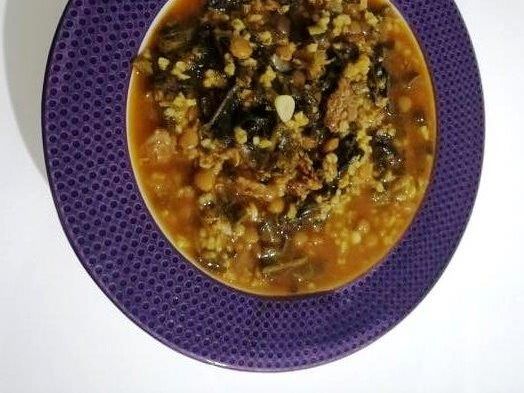
Kara pancar
A dish with a geographical indication; according to the registration, it is made with dried meat on the bone, green lentils, bulgur, onion, tomato paste and dried evelik (a wild dock).
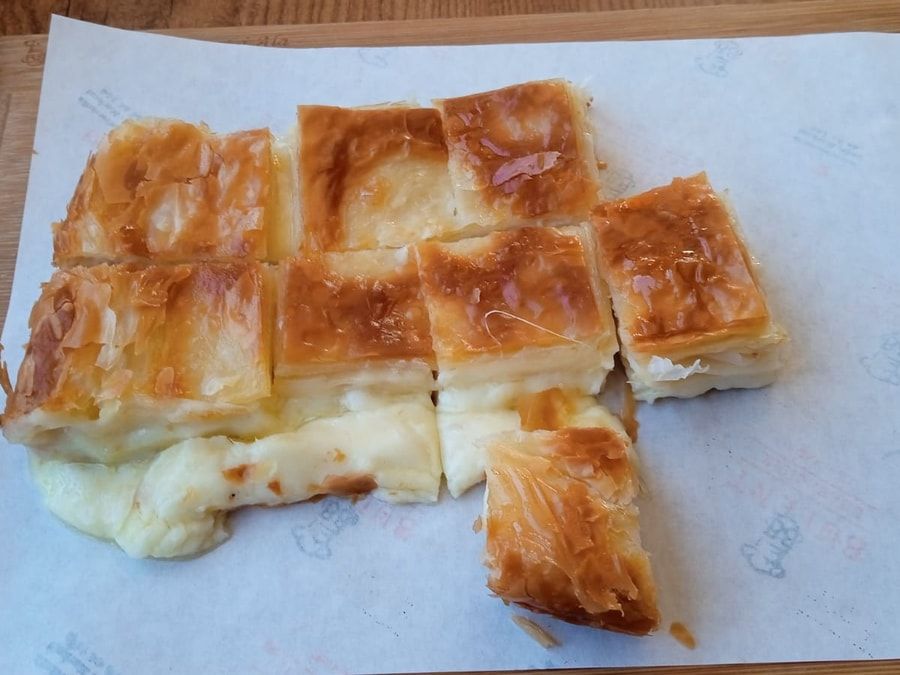
Su böreği
A stiff dough kneaded with egg and milk is rolled into thin yufka sheets, which are boiled, layered and baked in the oven.
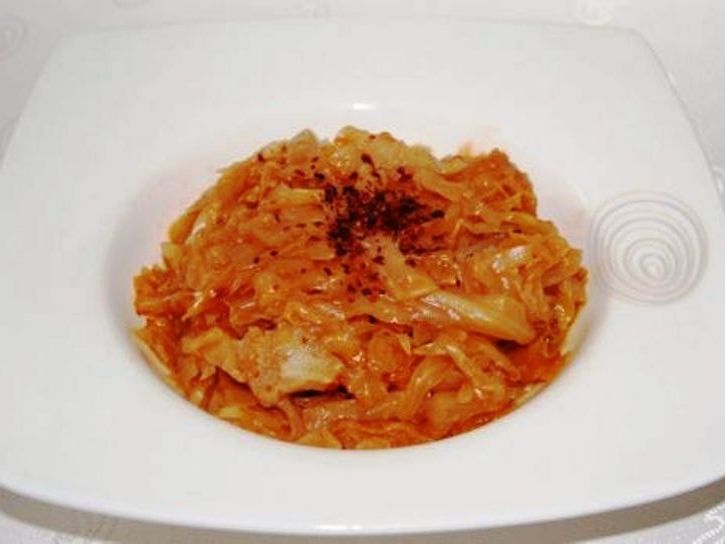
Ekşi lahana (sour cabbage)
A tangy dish of pickled cabbage, salted and dried meat on the bone, bulgur, tail fat and tomato paste, cooked in a pot. Bayburt Ekşi Lahana is protected by a geographical indication.
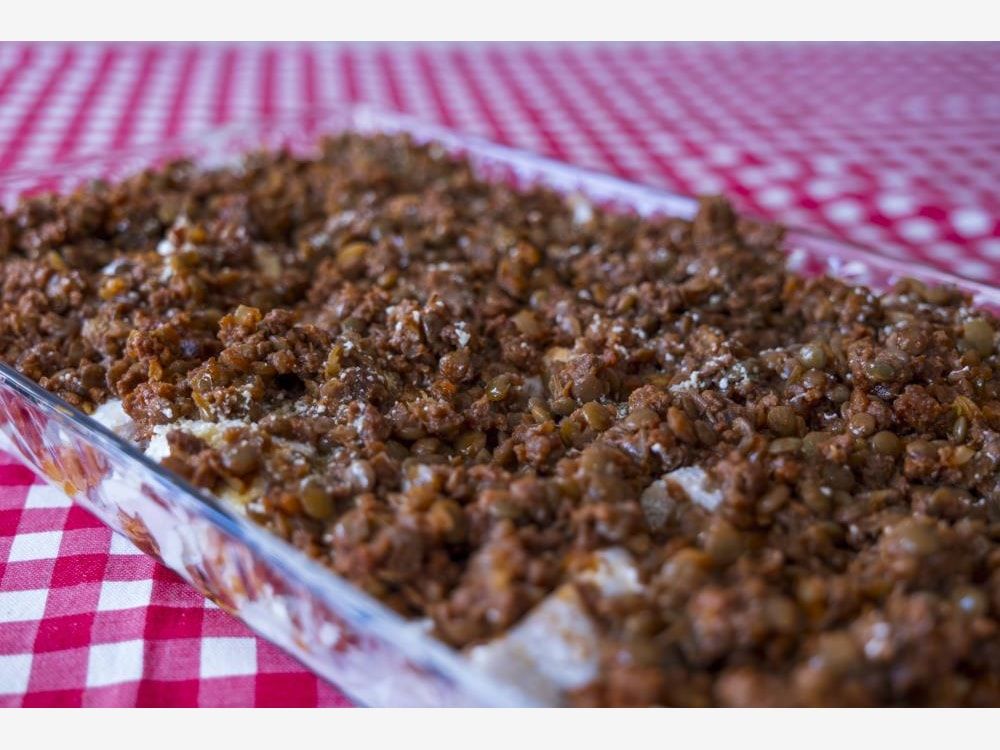
Galacoş
Lentils are cooked with meat, onion and tomato paste, and eaten with diluted, warmed kurut (dried yogurt) or strained yogurt, with dry bread broken into it.
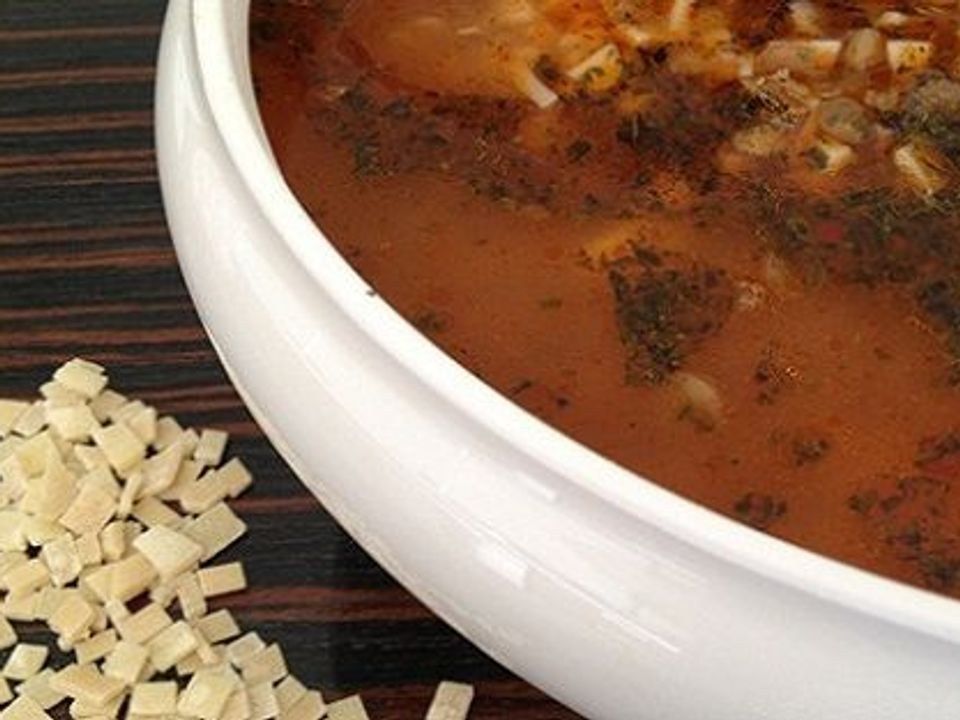
Kesme çorbası (noodle soup)
A soup made with dough rolled out at home and cut into thin strips.
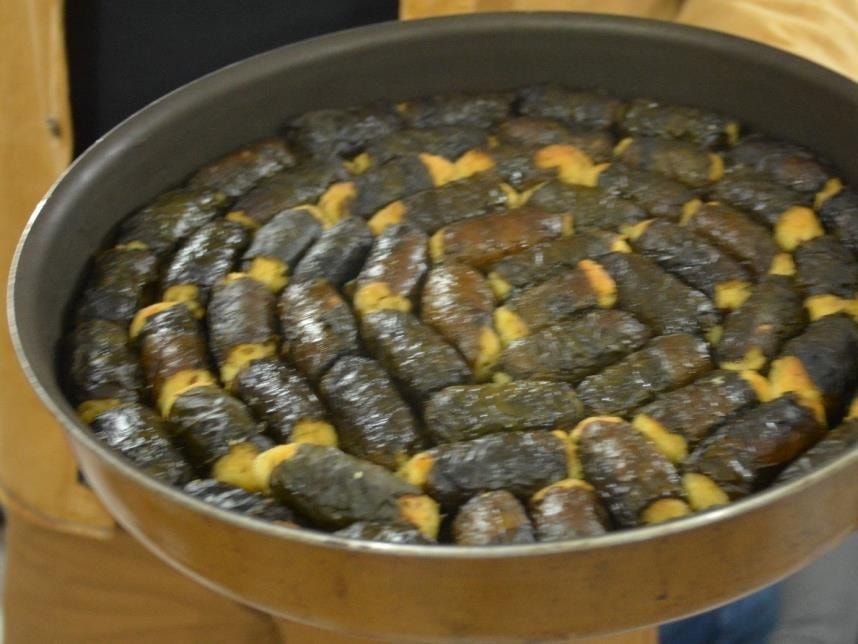
Lor dolması
Made with çökelek (dry curd cheese) and evelik (a wild dock).
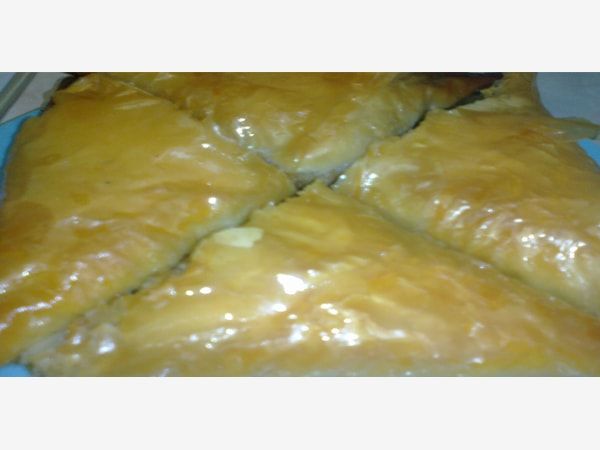
Süt böreği (milk börek)
A sweet börek baked with toasted hazelnuts scattered between thin yufka sheets, with milk syrup poured over it. In Bayburt it is made especially during Ramadan, at holidays and at weddings; it is protected by a geographical indication.
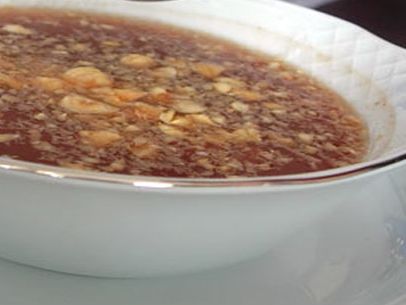
Tatlı çorba (sweet soup)
A dessert with a geographical indication. Its main ingredient is rosehip, and it is made with dried fruit, pulses and sugar. It looks like a soup but is sweet, and is cooked for special occasions such as weddings and holidays.
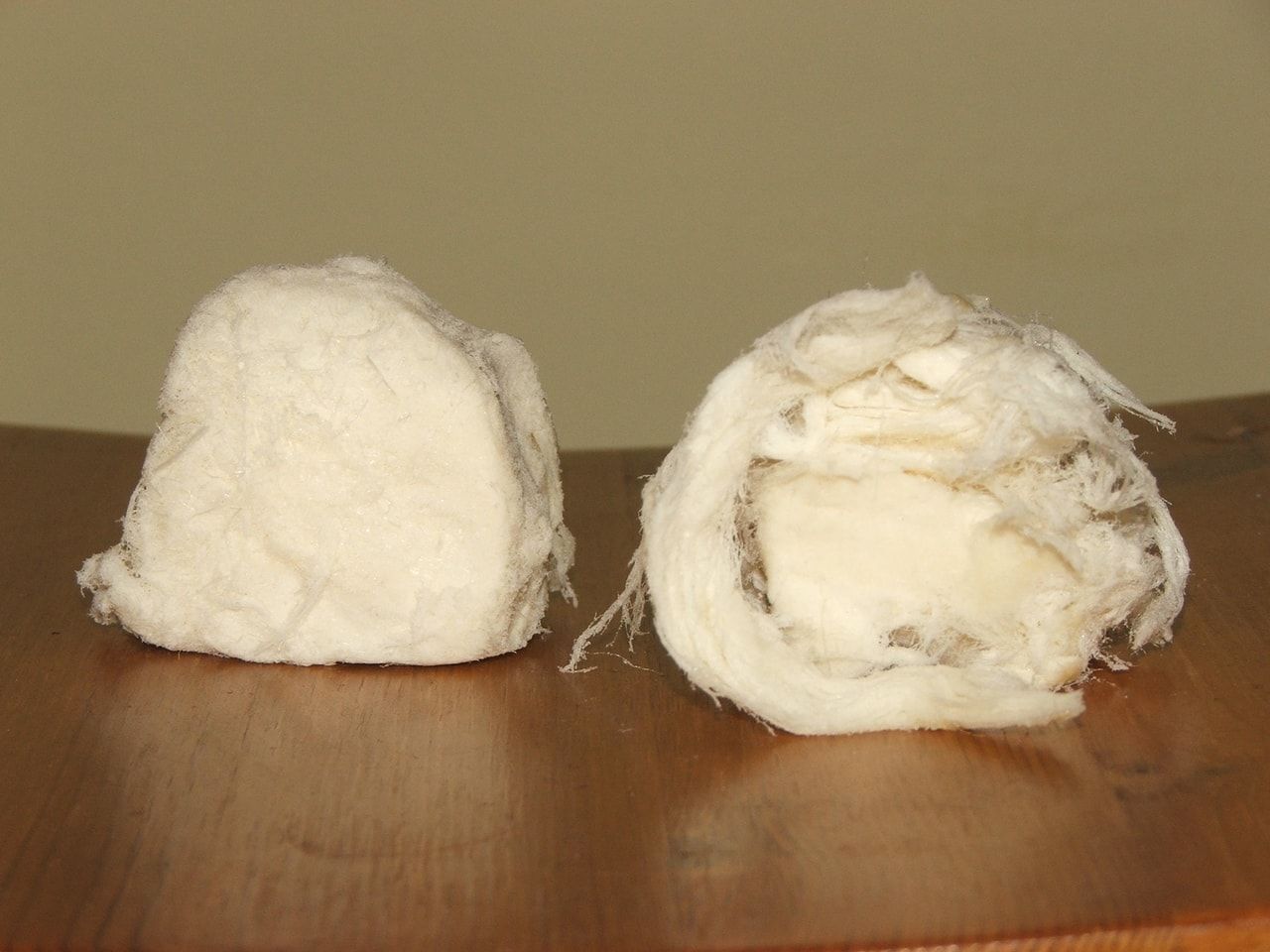
Tel helva
When sugar syrup boiled with lemon reaches the right consistency, it is pulled with toasted flour and worked until it forms fine threads.
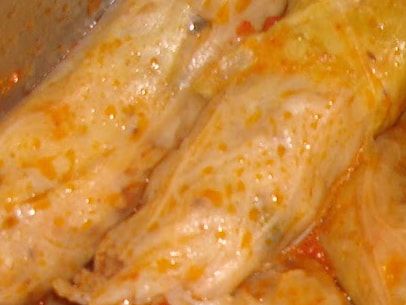
Yalancı dolma
Stuffed cabbage leaves are cooked with dried meat on the bone and a filling of onion and tomato paste, then served hot with sizzling butter poured over them. Bayburt Yalancı Dolma is protected by a geographical indication.
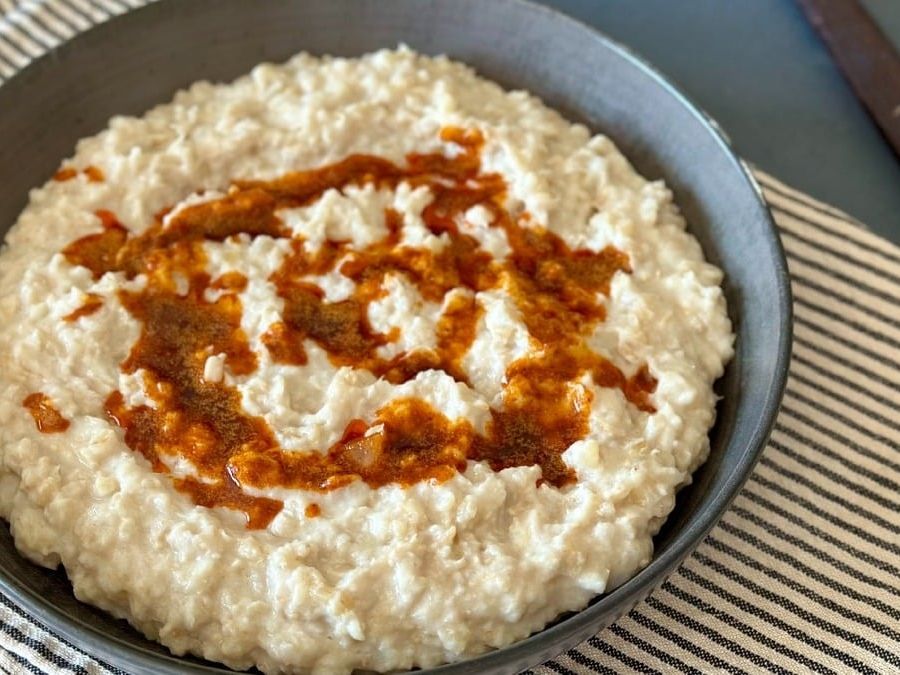
Herse
Cracked wheat is cooked with chicken for a long time and mashed; a dish similar to keşkek.


Places to visit in Bayburt
Sırakayalar Waterfalls

The waterfalls in the village of Sırakayalar, in Bayburt's central district, sit in enchanting countryside where you can see every shade of green. There are two Sırakayalar waterfalls, one at the entrance to the village and one inside it. The area around them is used as a picnic spot, especially in summer. Local people go there all the time, and in hot weather it gets crowded with picnickers. On the days you visit the city's historic sights, Bayburt Castle, the Bayburt Clock Tower and the Korgan Bridge, you can stop at the Sırakayalar Waterfalls to rest and enjoy a picnic in nature.
Aydıntepe Underground City

Bayburt, which hides its historic riches and unique pieces of nature in its districts, villages and small neighbourhoods, is a city to be explored in its own right…
The Aydıntepe Underground City, where you witness Bayburt's history and also come across traces of a different way of life, could be one of your first stops. It is 25 kilometres from the city centre… One of the oldest settlements in the region, the underground city was actually discovered only a few years ago. Excavations started there have brought many historic finds to light, an important step that will boost the city's tourism.
The Aydıntepe Underground City, which branches into many passages and makes every step feel like an exciting journey, should definitely be among your discoveries.
Ice Cave of Helva village

The Ice Cave, one of Bayburt's most beautiful cave formations, is in the village of Helva, about 33 kilometres from the city centre.
Touring and exploring the Helva Ice Cave and seeing its stalactites and stalagmites will make you feel you are breathing in a different world. Local people have at times used the Ice Cave as a cold store.
Although Bayburt is not developed for tourism, it is a city worth discovering for its places to visit… The mystery of the Çımağıl Cave, the historic value of Bayburt Castle and the Bayburt Clock Tower, and many more spots make this city truly worth seeing.
Çımağıl Cave

The Çımağıl Cave, which lets you explore Bayburt's hidden underground world, is in the village of Aşağı Çımağıl, 35 kilometres from the city centre.
Though not widely known, the cave has a truly mysterious, mystical atmosphere. It is 110 metres long, and the ceiling reaches 30 metres high in places. Besides stalactites and stalagmites, the Çımağıl Cave has travertine steps you won't see in every cave, organ-patterned walls, cave flowers, cave pearls and elephant ears. Although it is an important place to visit, few tourists come, because the cave has not been promoted much.
The way to the Çımağıl Cave starts from the Taşındibi neighbourhood of Aşağı Çımağıl village, but the path is tough. Getting to the cave takes about an hour, past steep cliffs. Still, once you see the cave's beauty, you will feel the journey was worth all the effort.
Dede Korkut Kümbet

The Dede Korkut Kümbet (domed tomb) in the village of Masat, about 39 kilometres from Bayburt's city centre, is one of the city's top places to visit.
Known locally as the Ali Baba Kümbet, the tomb is thought to belong to Dede Korkut. Its architecture shows it is a very old building; indeed, it is dated to the 9th century. But after a repair in 1994 it lost much of its original character. The kümbet is one of the buildings that drives the city's tourism.
Korgan Bridge

The bridge, known locally as Meliğin and named Korgan in historical sources, has been important throughout history because it lay on the Silk Road.
The construction date of the Korgan Bridge, in the town of Akşar in Bayburt, is not known for certain, but it is thought to have been built in the 13th or 14th century in the Seljuk period. The bridge is 43.20 metres long and 4 metres wide. Rubble stone and finely cut yellow stone were used to build it.
Bayburt Clock Tower
The Clock Tower, which rises just in front of Bayburt Castle, can be seen from almost anywhere in the city centre thanks to its imposing architecture.
The Bayburt Clock Tower dates back to 1923… Construction began with the proclamation of the Republic and took exactly 1 year. It was begun by a stonemason named Muhittin Usta and completed by İbrahim Usta from Rize. The tower is 21 metres tall and also has a balcony. The tower's clock was brought from Switzerland and is still in good working order.
Bayburt Castle
Bayburt Castle was built on sheer rocks on one of the city's high hills. The castle is one of the city's symbols.
There is no certain information on who built it. However, research suggests that the first structure in the castle belonged to the Armenians, and the castle is thought to have been built long before the time of the Bagratid dynasty. Bayburt Castle has drawn the attention of many civilisations throughout history: Roman, Byzantine, Armenian, Arab, Komnenos… It bears small traces of each. Local people also call it Çinimaçin Castle.
It is immediately clear that Bayburt Castle has been repaired many times over the ages. The ruins of a church inside the castle and the Yağlı Mağara (Oily Cave) are among the historic sights you will see.
Kop Martyrs' Memorial

The Kop Martyrs' Memorial, close to Bayburt's city centre at about the 40th kilometre of the Bayburt–Erzurum road, is one of the top places visited by both local people and tourists.
The memorial was built in memory of our soldiers who resisted the Russian forces in the Çoruh Basin in 1916 and fell in battle. It was built in 1963.
The memorial is at Kop, in the town of Maden, and is easy to reach… That is why it is among the sights for tourists coming to Bayburt.
Baksı Museum

Bayburt, within the Eastern Black Sea region, may not attract many tourists, but it has many places to see.
The Baksı Museum is among the first stops in Bayburt. It is 45 kilometres outside the city, within the village of Bayraktar, on a high hill overlooking the Çoruh Valley. The museum building has a very interesting architecture… The museum opened in June 2010, and has workshops, a library, exhibition halls and guest houses.
The main reason the Baksı Museum was opened was to bring art back to a city that has seen heavy emigration. It also gives a boost to the region's economic life.
Source: https://www.gezilebilecekyerler.com/bayburtta-gezilecek-yerler/
Culture and arts in Bayburt
Bayburt is known for its village and neighbourhood odas (communal rooms). According to Wikipedia, this tradition is kept alive in Türkiye only in Bayburt. The odas were first set up by wealthy families to host funerals, weddings and gatherings.
In winter people told stories and folk tales in the odas and held aşık (minstrel) contests and games. In villages without hotels, guests were also hosted here. The odas are mostly 100–150 square metres, with carpeted seating along the walls and wooden ceilings. Today many also have a hall, a kitchen and a library.
The city's places to visit include Bayburt Castle, the Aydıntepe Underground City, the contemporary art museum Baksı Museum, the Kenan Yavuz Ethnography Museum, the Great Mosque of Bayburt and the Korgan Bridge.
The Dede Korkut Festival is held in summer, and liberation on 21 February is celebrated every year. On the fourteenth night of Ramadan, after iftar, children hand out sweets, nuts and fruit to each other.
History of Bayburt
In the Byzantine period Bayburt was within the theme of Chaldia, and its castle was strengthened under Justinian I (527–565). Byzantine sources call it Payper, Paypert or Babert. The Seljuks failed to take it in their raid of 1054; the Saltukids took the city in 1072 and the Danishmendids in 1098.
The city came under Anatolian Seljuk rule in 1202 and was retaken by Alaeddin Keykubad (Kayqubad I) in 1230. After the Battle of Kösedağ in 1243 it was under Mongol pressure, and in 1308 it passed to Ilkhanid governors. Lying on the Tabriz–Trabzon silk road, it grew rich, and Marco Polo passed through. From 1395 to 1501 it was held by the Akkoyunlu.
It joined the Ottoman lands in October 1514 under Bıyıklı Mehmed Paşa. In 1553 it was successfully defended against a raid by Shah Tahmasp. In 1647 Evliya Çelebi describes a Sunday market where thousands gathered and about 300 shops.
The Russians took the city on 19 July 1829 but left a few months later under the Treaty of Edirne (Adrianople). It was occupied again on 16 July 1916 and liberated on 21 February 1918. Bayburt became a province on 21 June 1989.
Getting to Bayburt
Bayburt can be reached by road and air. Bus companies run services from all over Türkiye. For those who fly, Erzurum International Airport is 50 kilometres from central Bayburt. For those travelling by car, Istanbul is 1,124 kilometres away, İzmir 1,374 kilometres, Antalya 1,151 kilometres, Ankara 778 kilometres and Gaziantep 715 kilometres.
Districts of Bayburt
- Aydıntepe
- Demirözü
- Merkez (central district)
Economy of Bayburt
Economic life in Bayburt has changed little over history; its main strength was farming and livestock, and trade and industry never dominated. Cereals, fodder plants and sugar beet are grown; fruit and vegetables are limited.
Since most of the land is dry, irrigated farming is done in the Çoruh valley, especially on the Aydıntepe and Sünür (Çayıryolu) plains. Livestock is the most important source of income; grazing is widespread and cattle fattening is growing. Beekeeping has also increased, and honey is produced throughout the province.


Comments
Loading comments…