
Bitlis
- Eastern Anatolia Region
About Bitlis
One of the greatest treasures of Bitlis province, in Türkiye's Eastern Anatolia Region, is Mount Nemrut and its crater lake. The Ahlat district has also witnessed many historical events. In particular, it hosted Alp Arslan and his army when the Turks entered Anatolia. Beyond all this, its distinctive dishes, historic places, museums and landscape give Bitlis a beauty all its own.
Bitlis's famous dishes and desserts
Bitlis cooking has been shaped by long, harsh winters: produce dried, pickled and stored in large jars in summer becomes hearty dishes cooked slowly in the pot in winter.
Çorti aşı is the best-known example. Cabbage pickled in brine without vinegar (çorti) is cooked with fatty meat on the bone and pounded wheat until the meat is very tender; it is a winter favourite, flavoured with garlic or pepper.
In katıklı dolma, "katık" means yoghurt. Squash cut into thin strips is wrapped around a filling of twice-minced mutton, fine bulgur, onion, pepper and wild basil; the cooked dolma comes to the table with yoghurt.
The other dishes on the list of Bitlis's local dishes are given below.
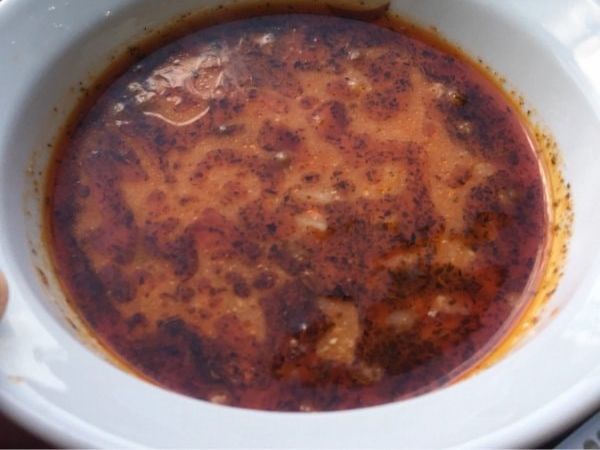
Tutmanç Aşı
A dish made of square-cut dough with yoghurt and lentils, served with mint sizzled in butter.
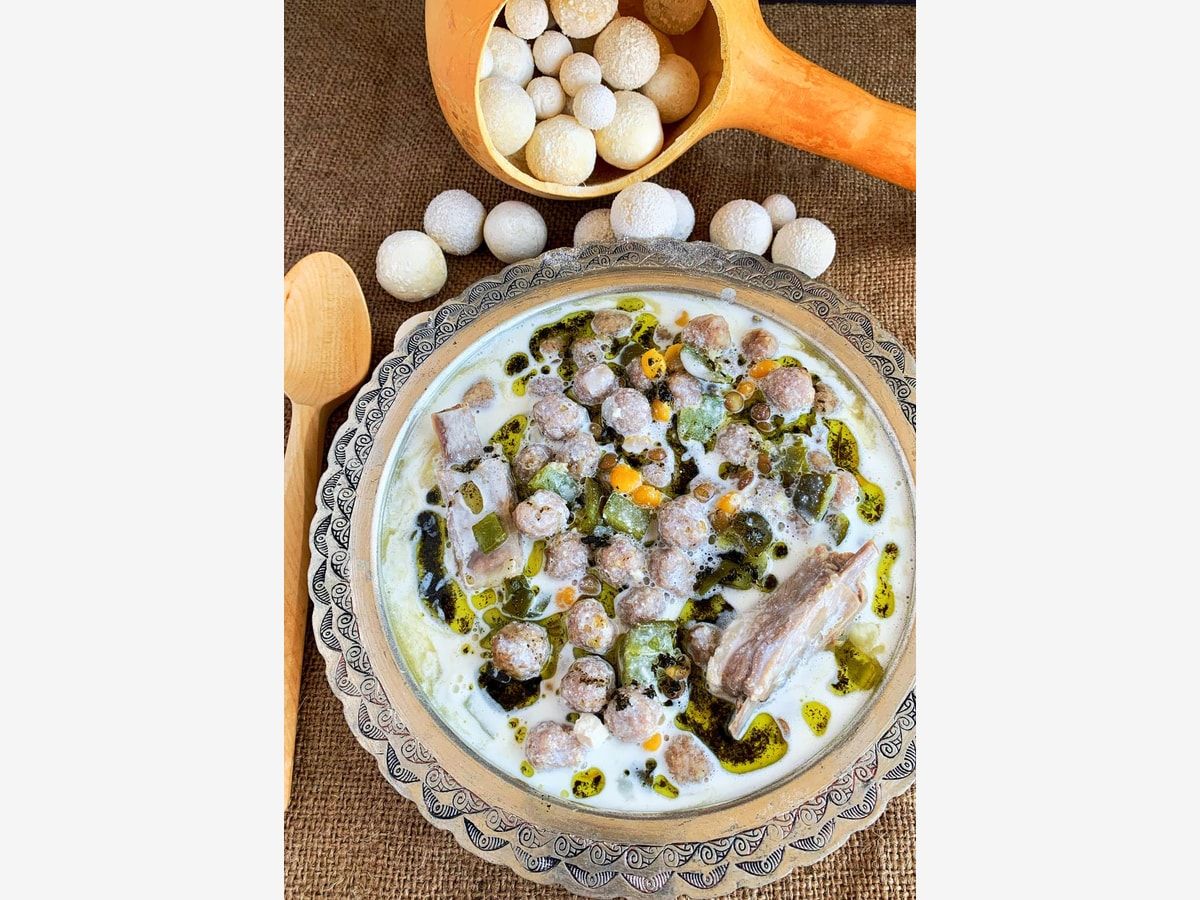
Şekalok
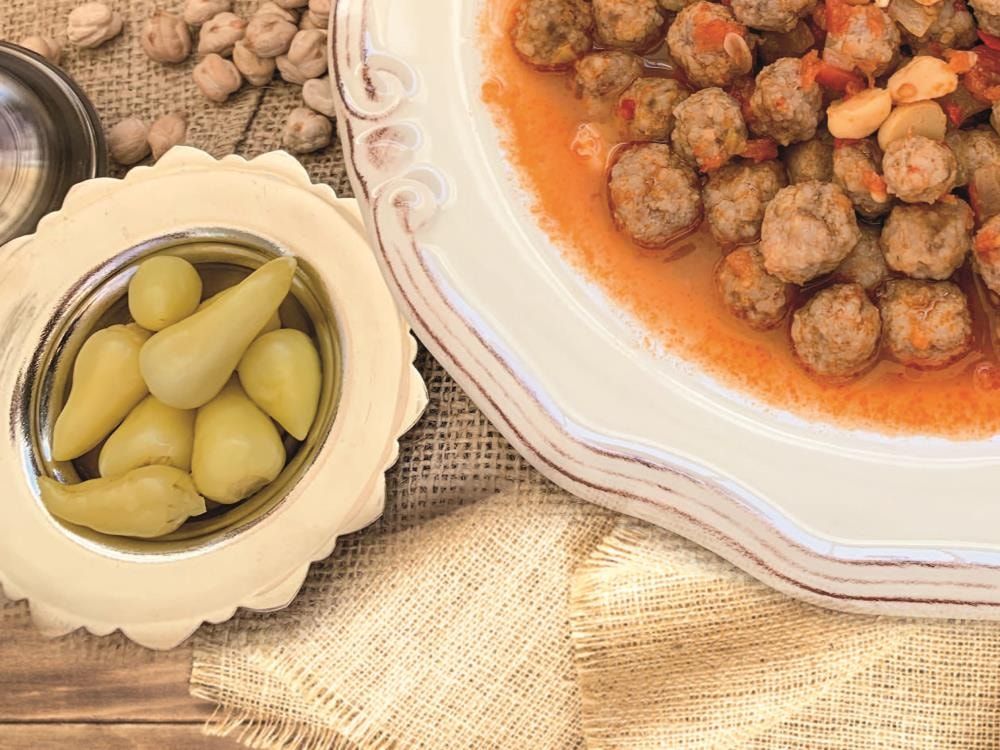
Gılorik
Also spelled Glorik. Meatballs made with minced meat and fine bulgur are cooked in a local sauce with spices.
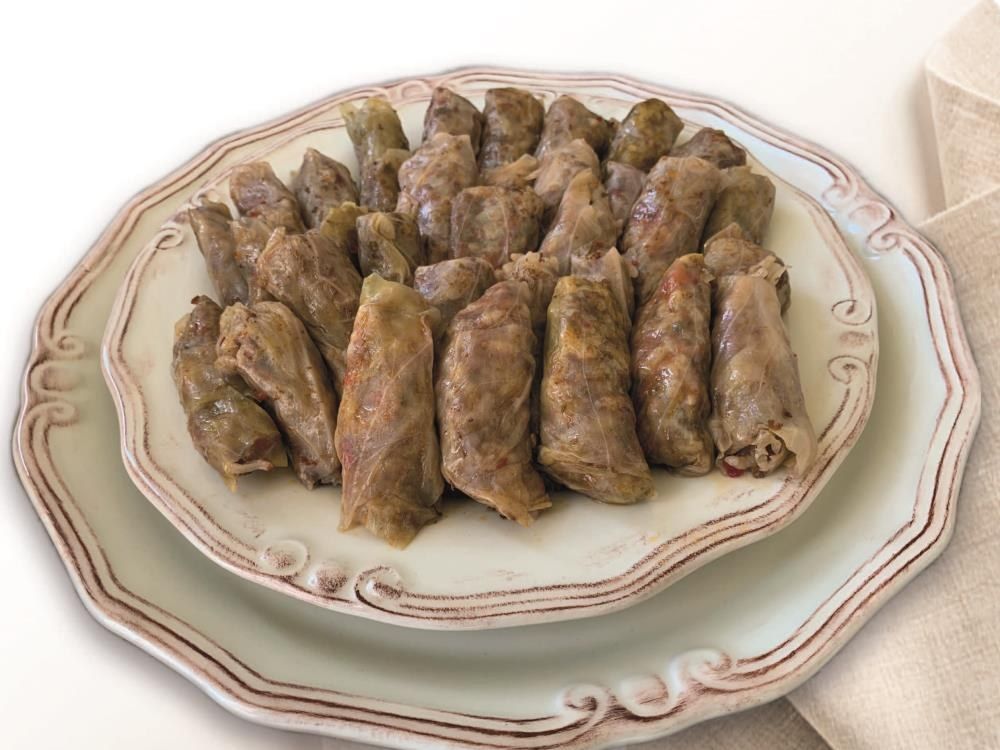
Has Dolması
In Bitlis, has dolma is made by rolling a filling of minced meat and rice in cabbage leaves. The rolls are cooked in a pot together with lamb ribs.
Source: Kültür Portalı
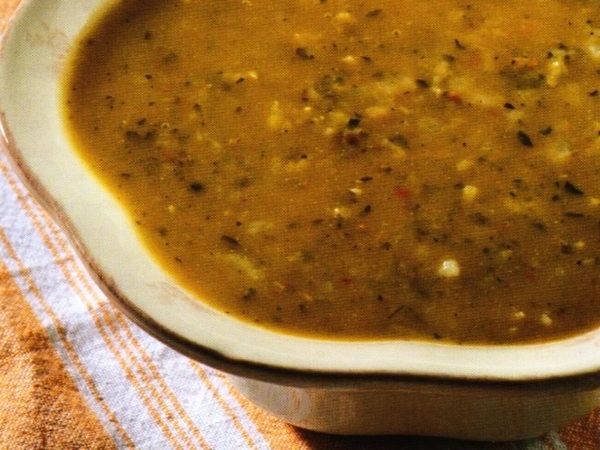
Mişevşi
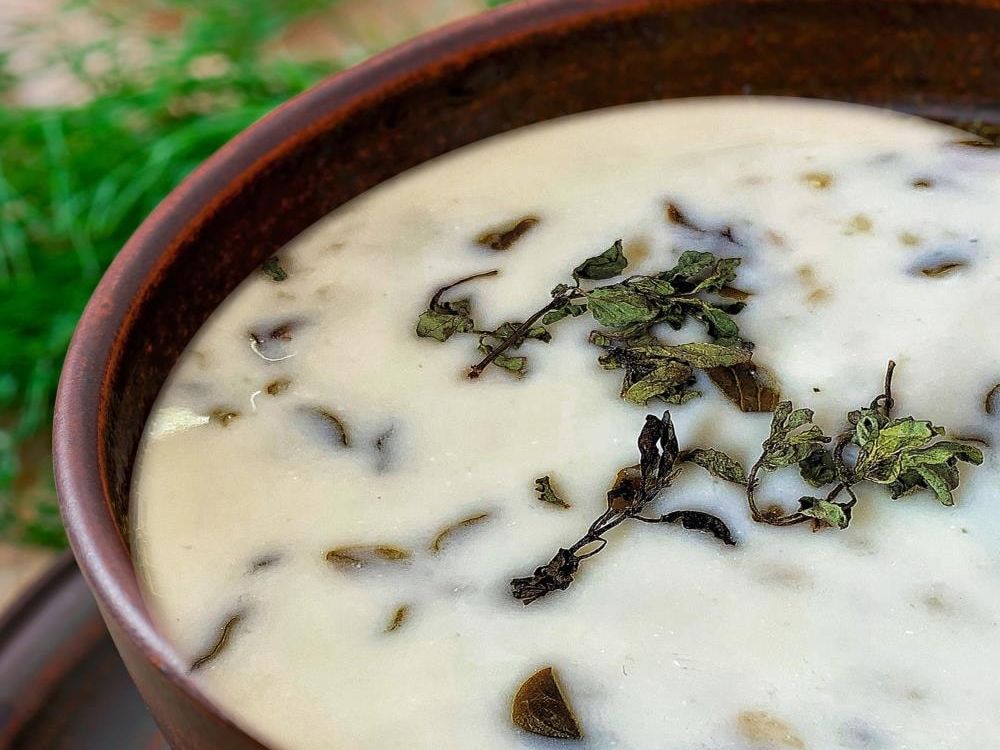
Ayran Aşı
A soup of yoghurt or ayran cooked with wheat or rice and flavoured with mint.
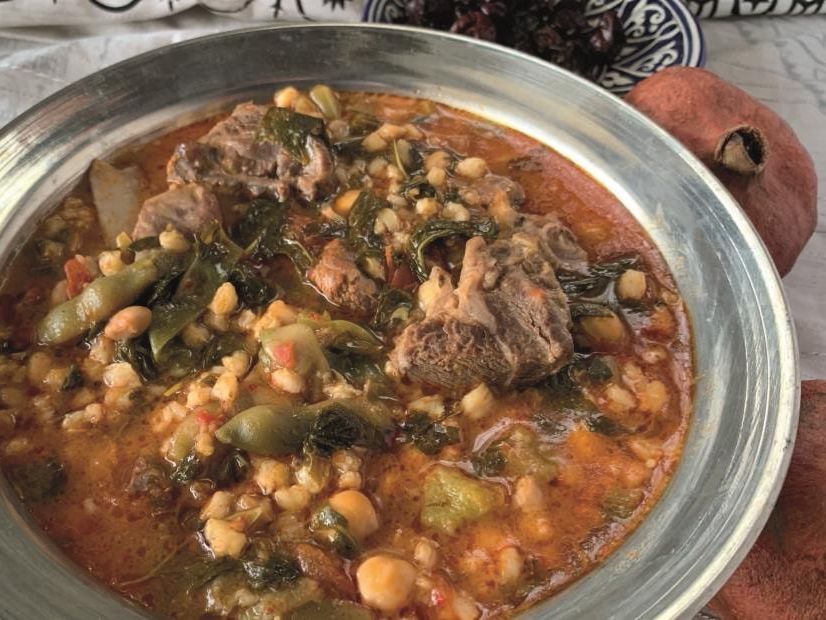
Turşu Aşı
A sour dish cooked with pickled cabbage or vegetables and their brine, with pulses and bulgur added.
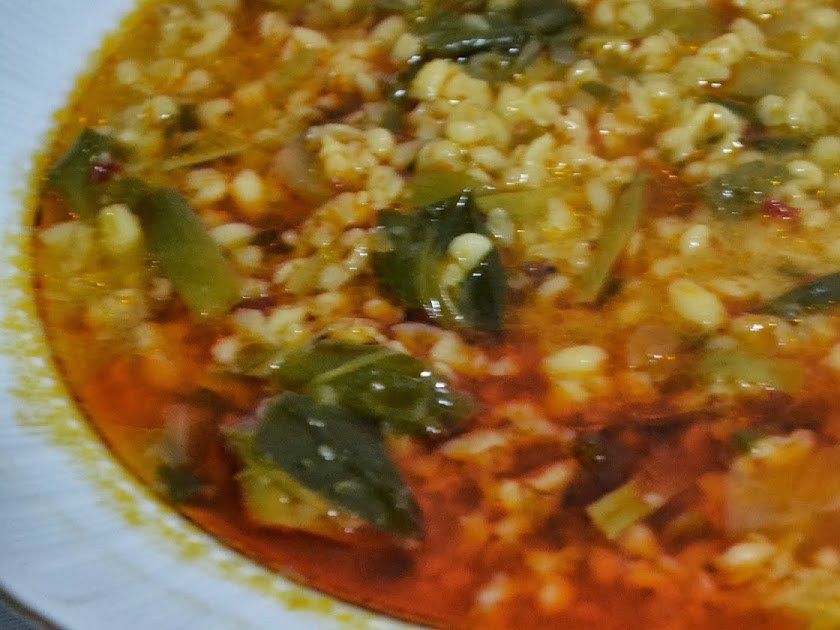
Çireş Çorbası
A soup made with çiriş (asphodel) greens gathered in spring.
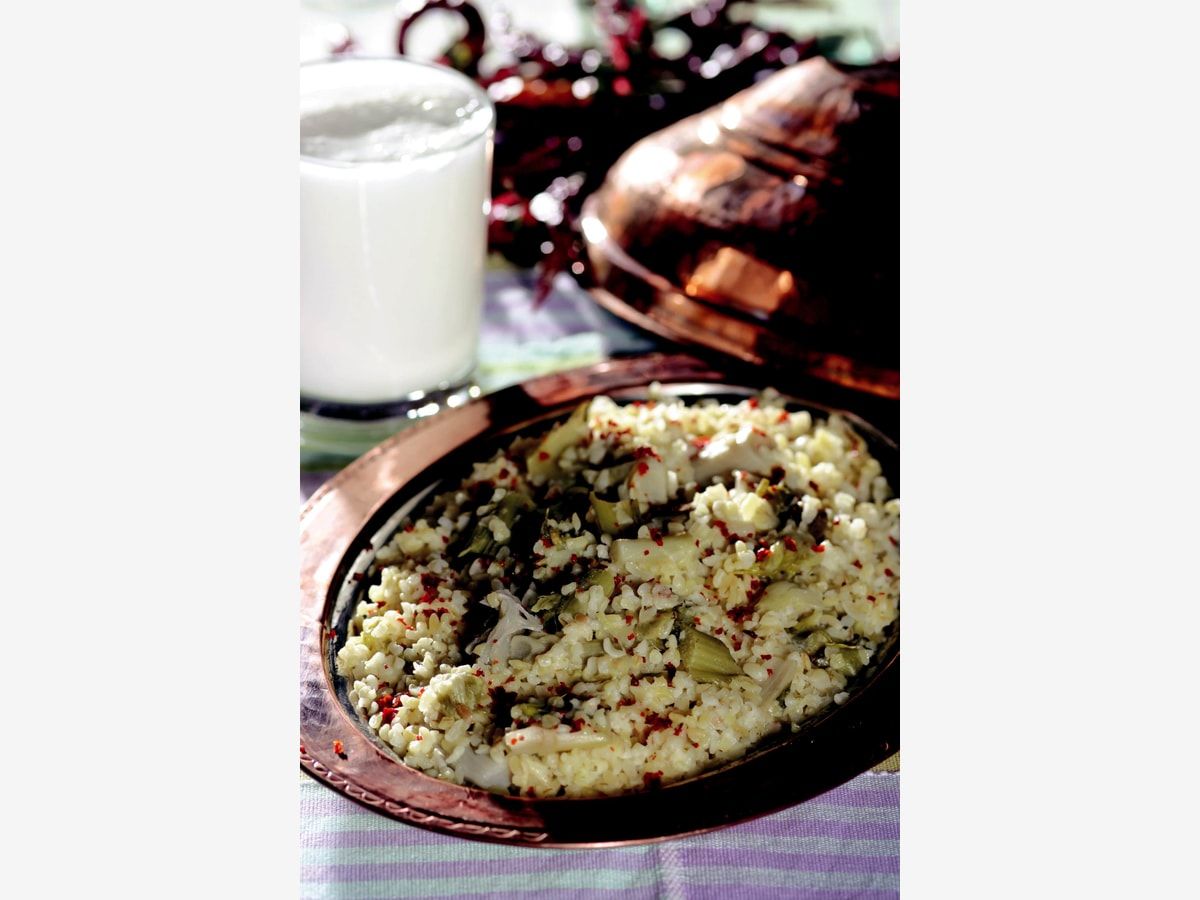
Kengerli Pilav
Young shoots of kenger (gundelia) are cooked with bulgur as a pilaf.
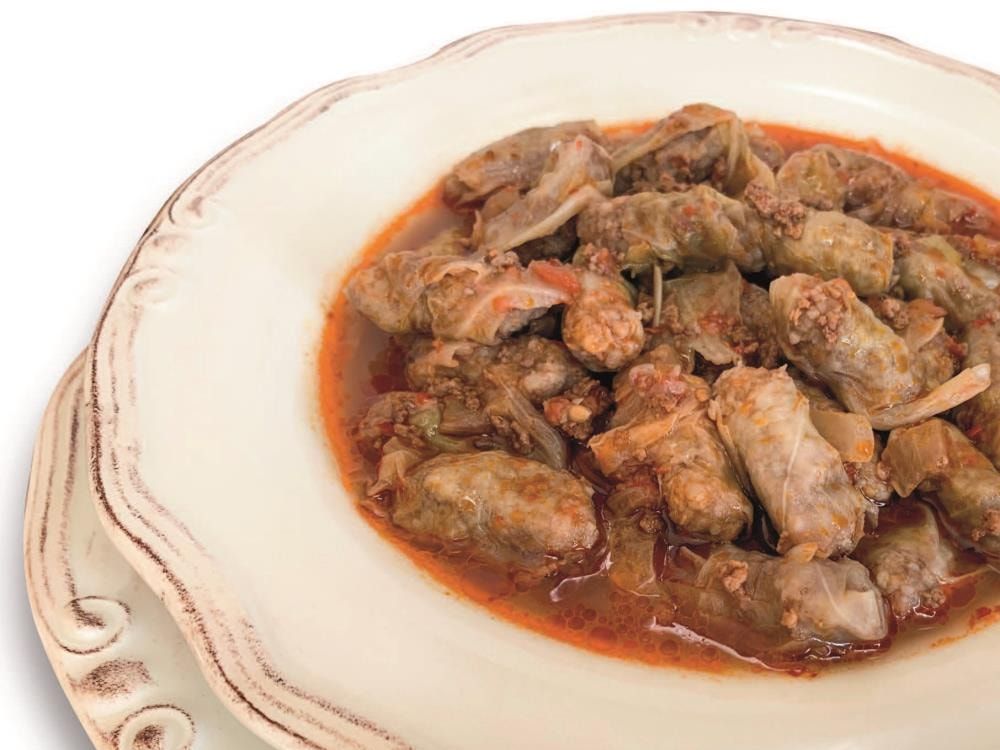
Turşlu Dolma
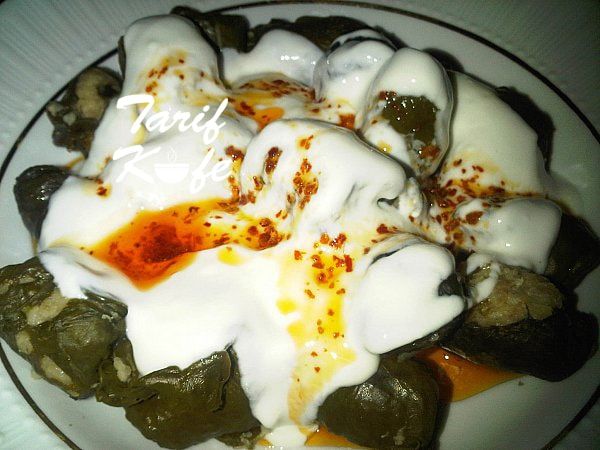
Fındık Dolması
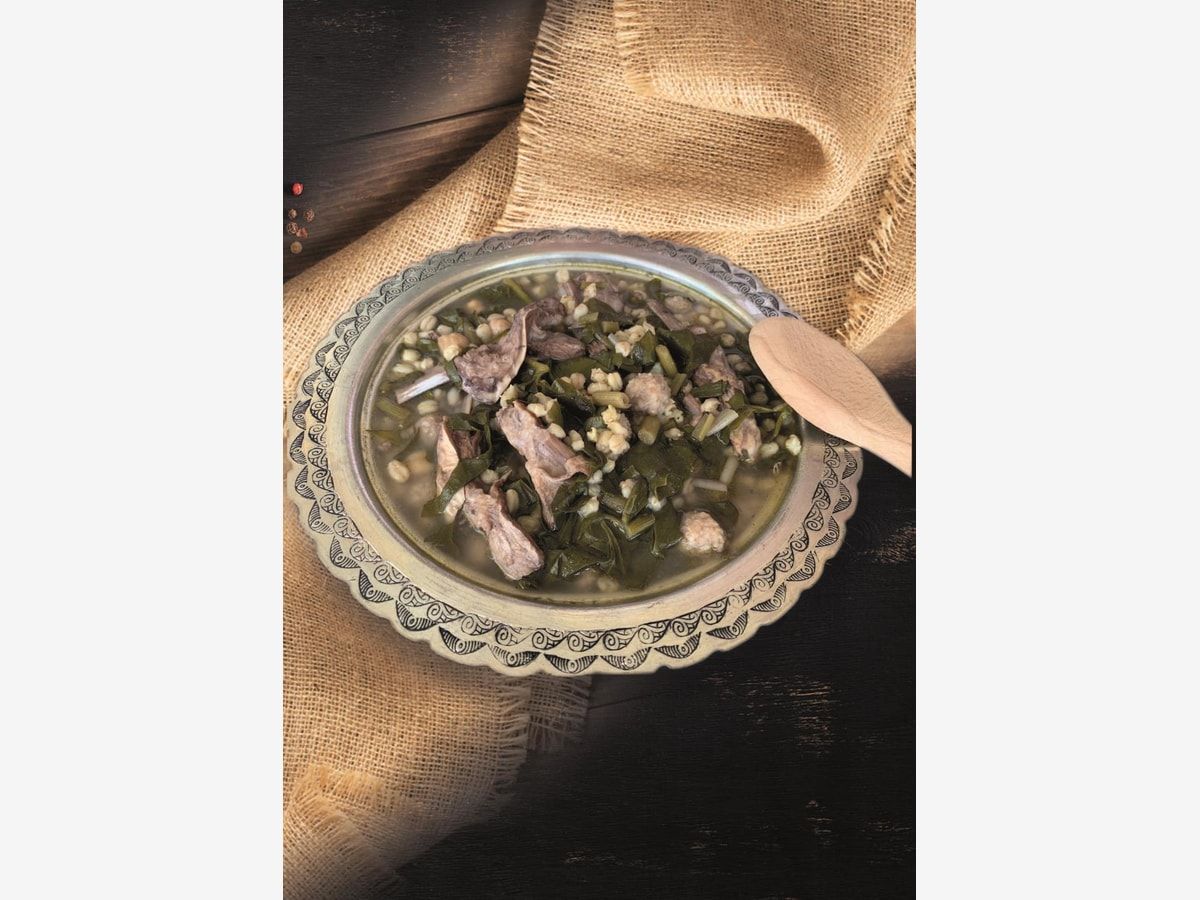
Gari Aşı
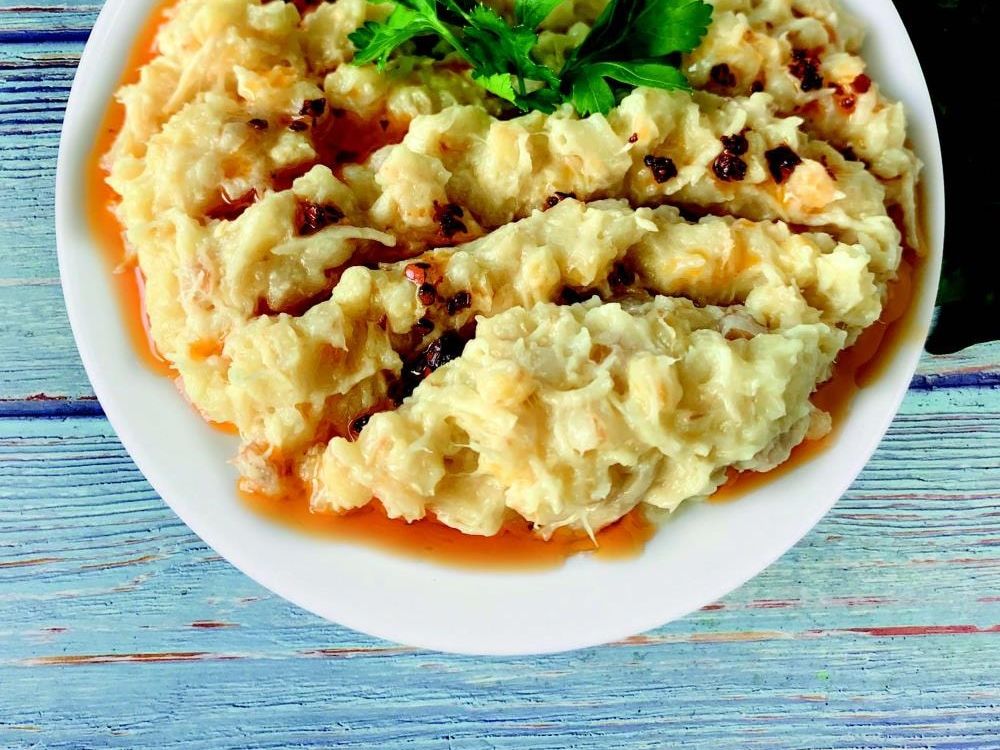
Halise
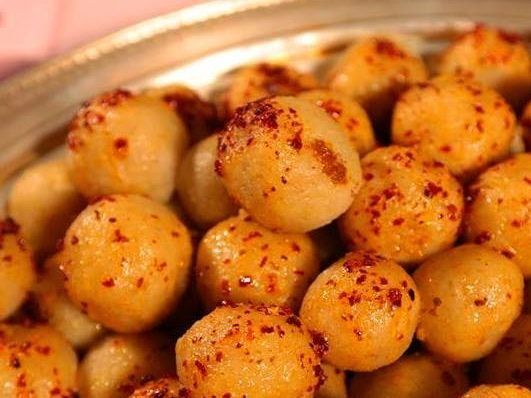
Soğan Köftesi
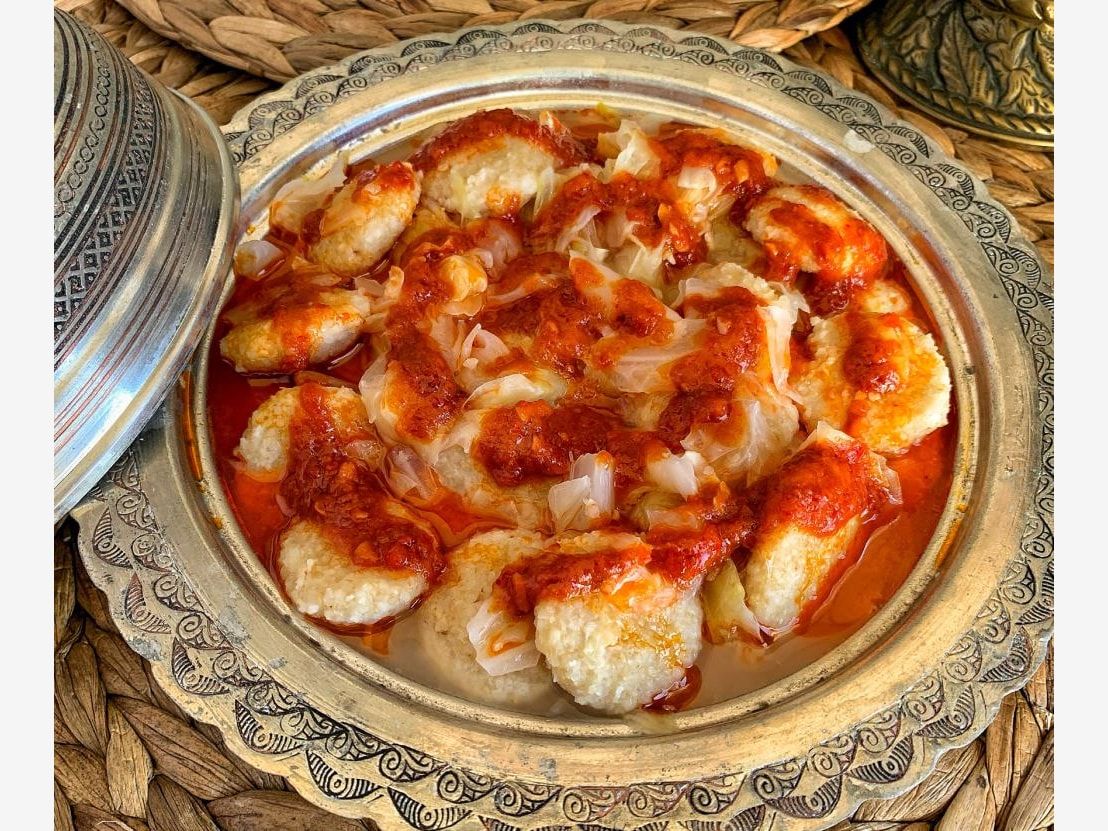
Çorti taplemesi
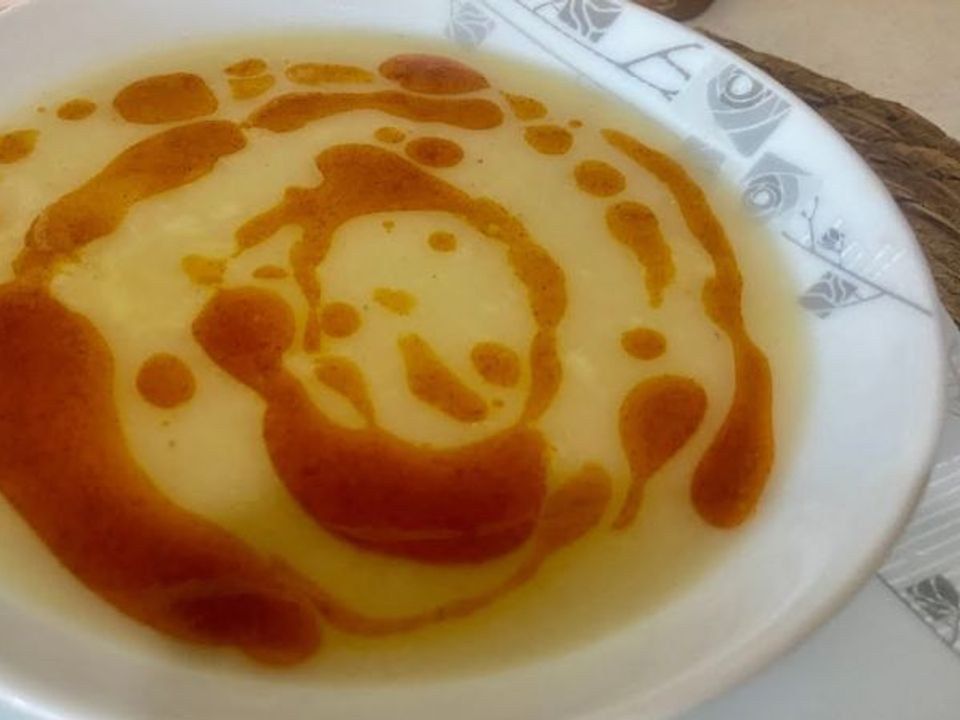
Gebol
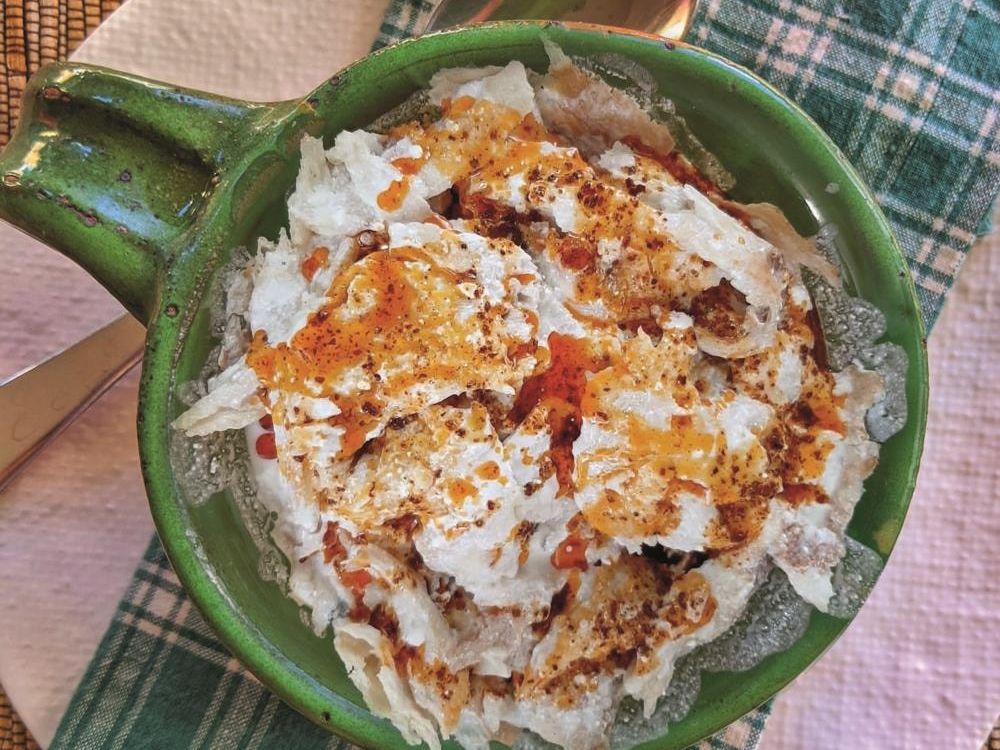
A soup cooked with millet and kurut (dried yoghurt).
Keledoş
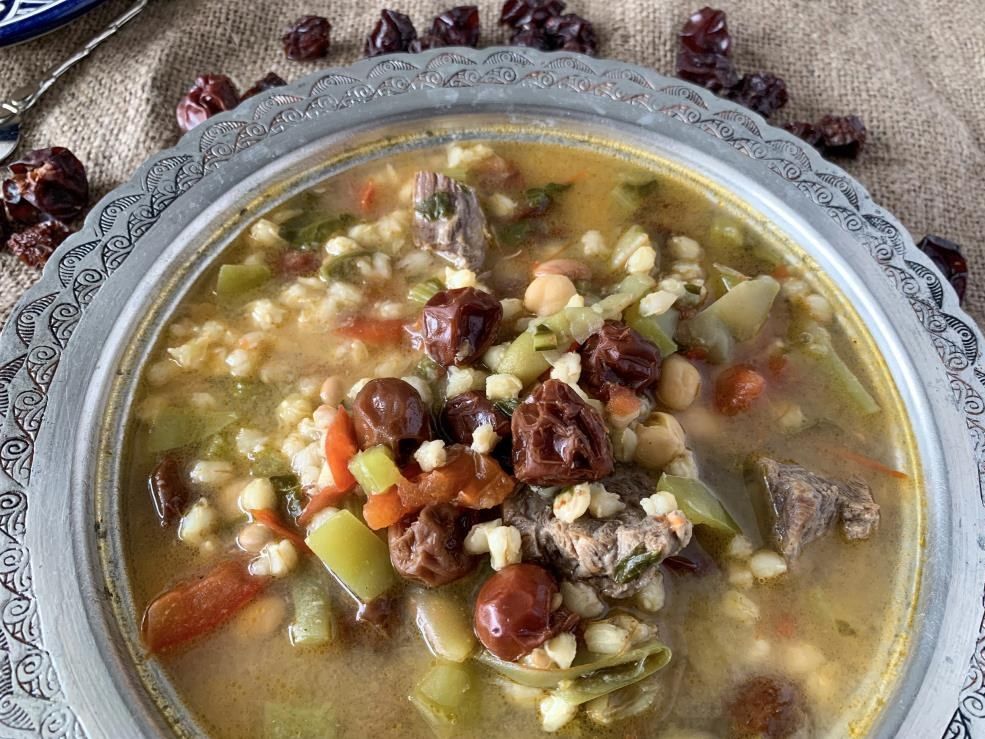
A hearty dish made with kurut, cracked wheat, pulses, meat and wild greens, known around the Lake Van basin.
Halim Aşı
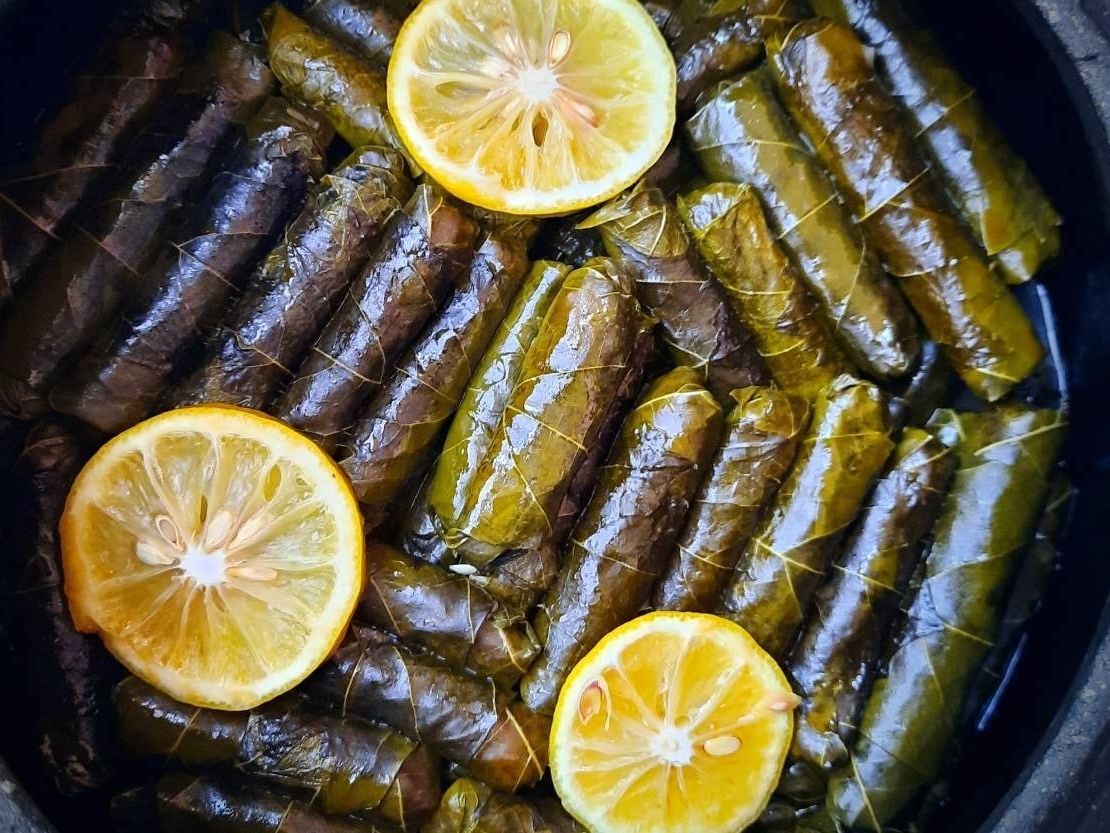
In Bitlis, helim aşı is a dish cooked with meat on the bone, pounded wheat, chickpeas and fresh or dried beans.
Source: Kültür Portalı
Yalancı Dolma
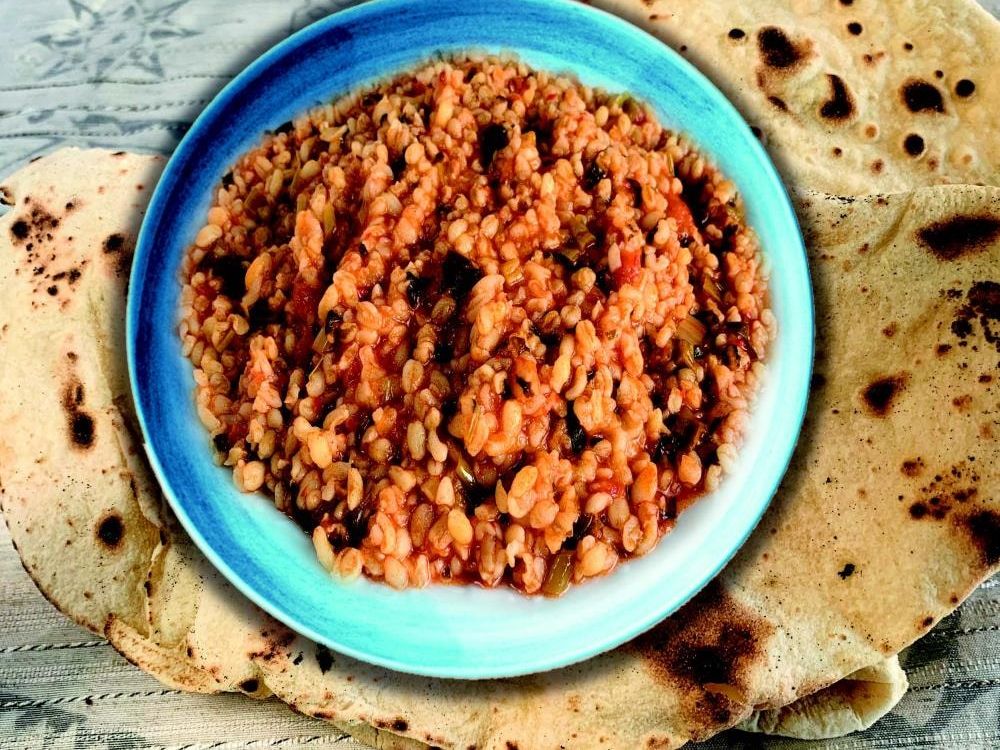
Made by rolling a meatless rice filling in vine or cabbage leaves.
Şille
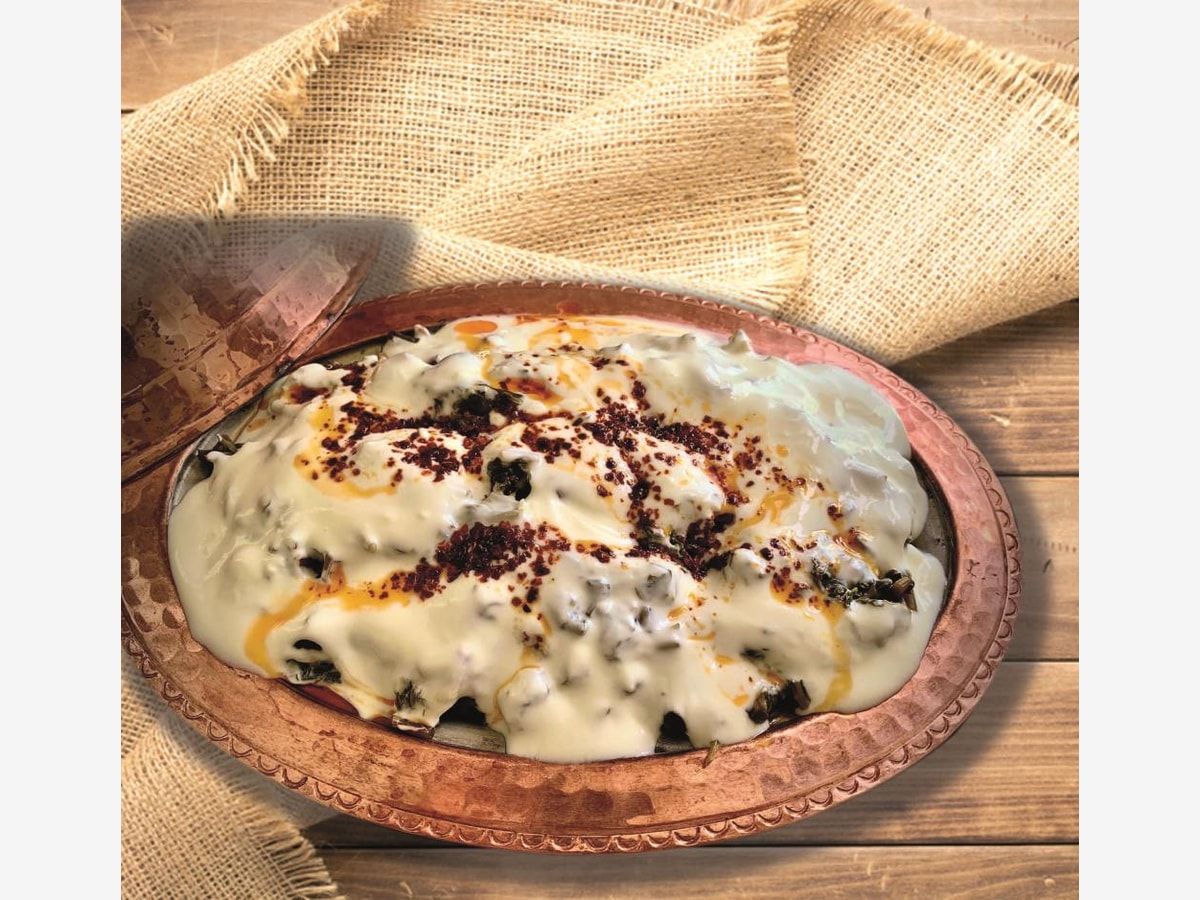
Parpar
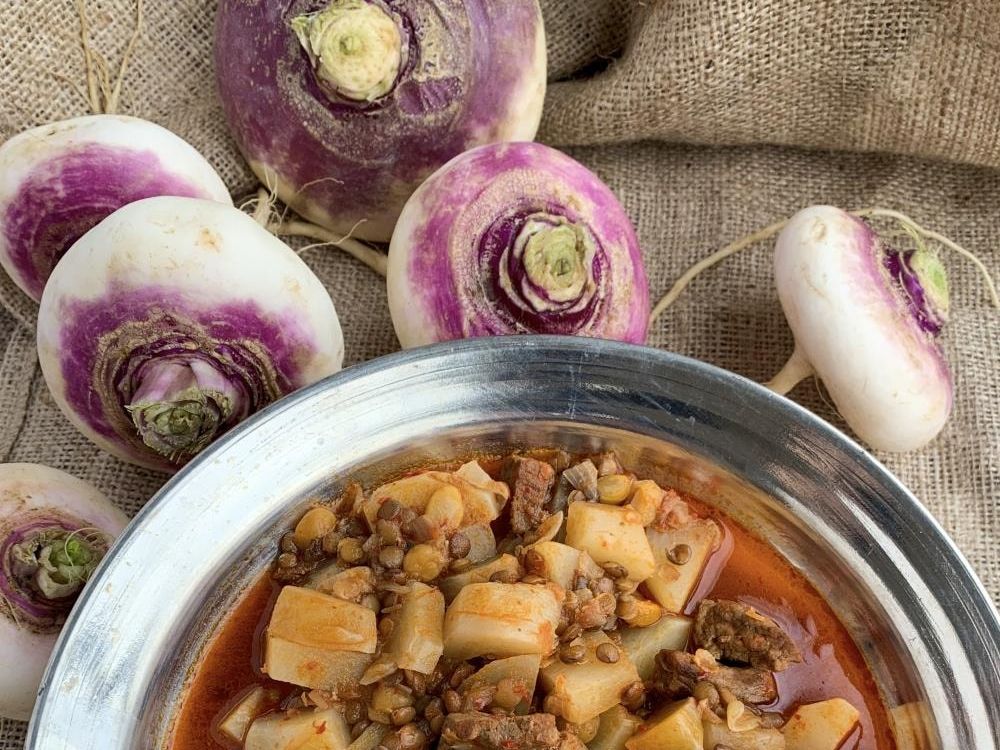
Şalgam Yemeği
A winter dish of turnips cooked in a pot with meat or bulgur.
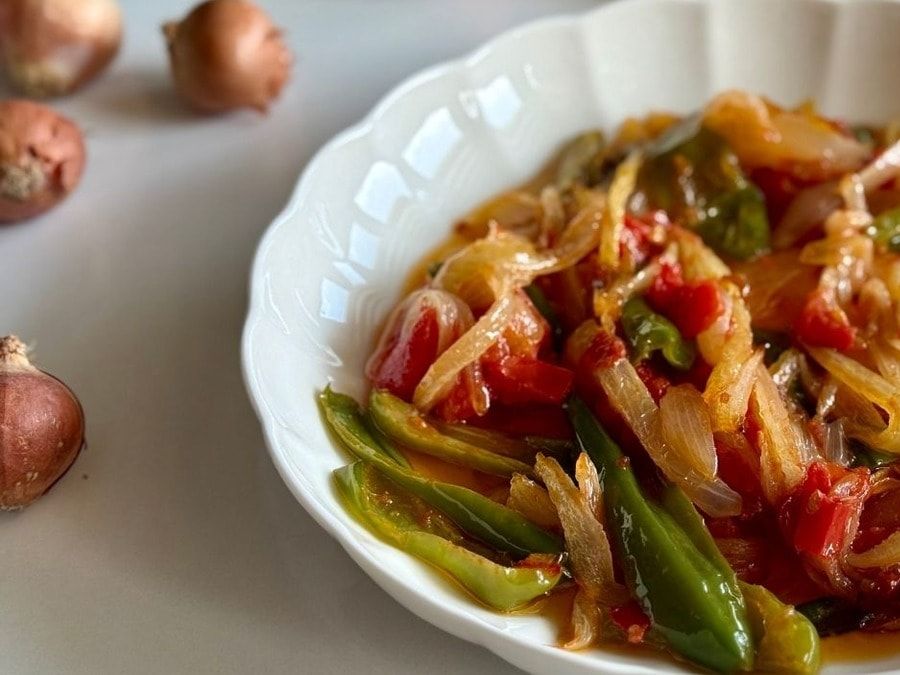
Soğan Yemeği
A simple dish of plenty of onions cooked with tomato paste and fat, with meat if you like.
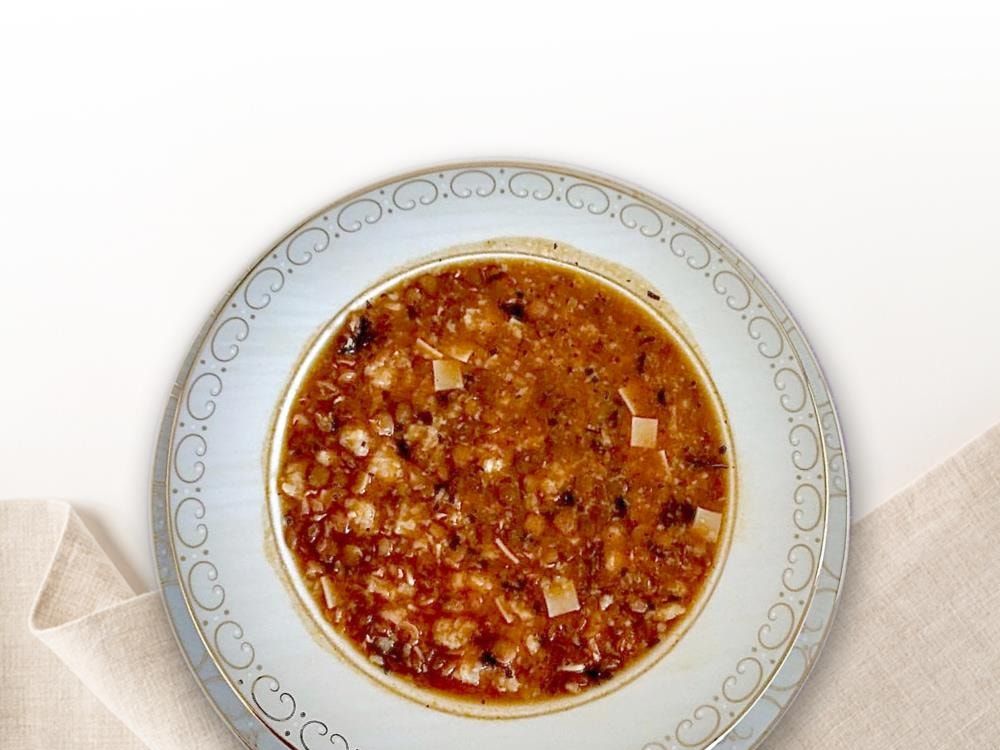
Umanç Aşı
A soup made with umaç, small crumbs formed by rubbing flour between the palms.
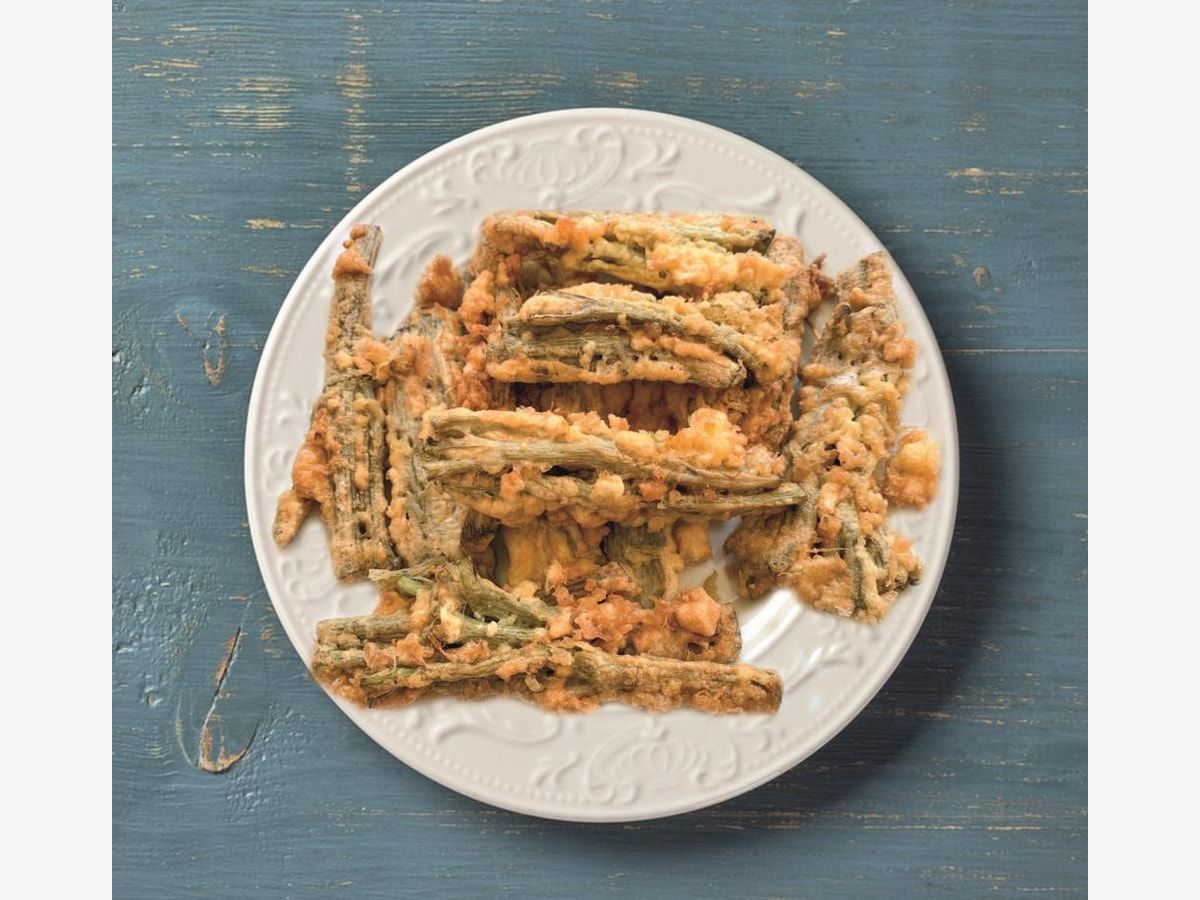
Jağlı Yumurta
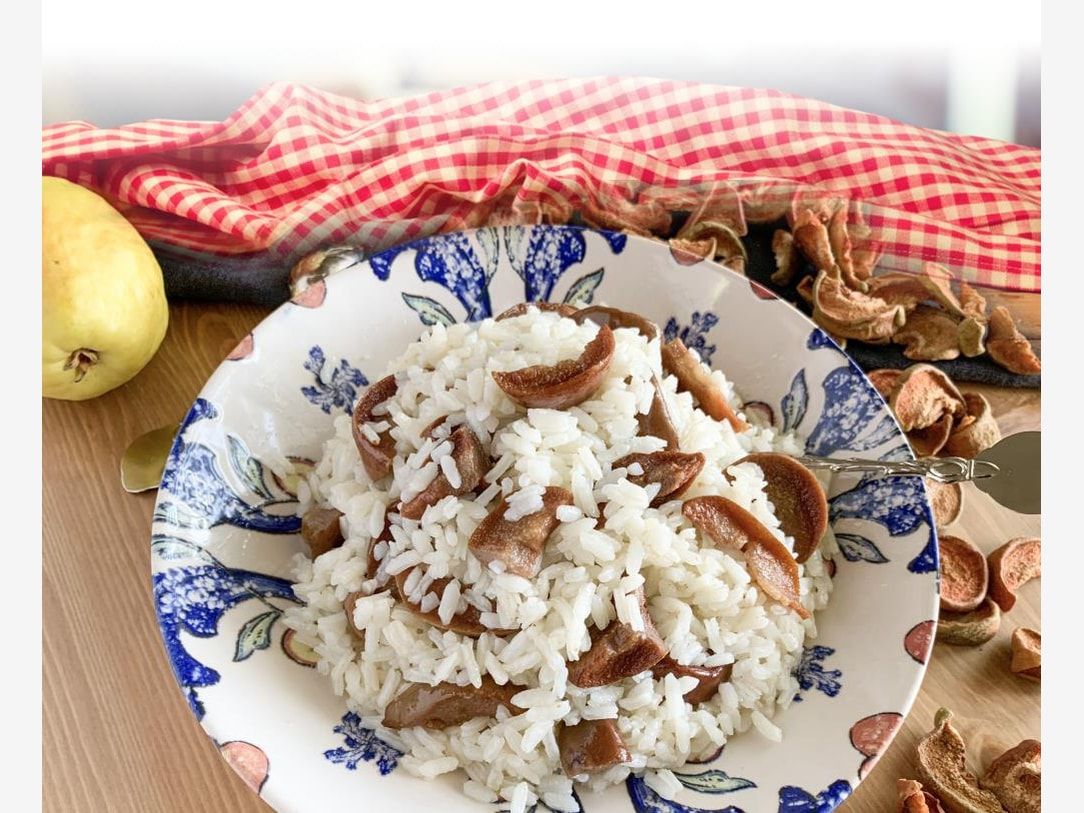
Kaklı Pilav
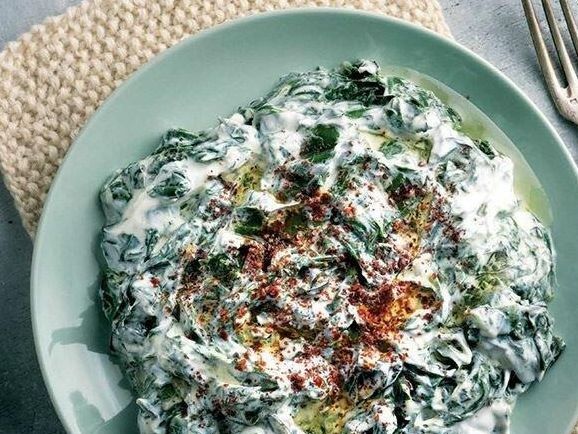
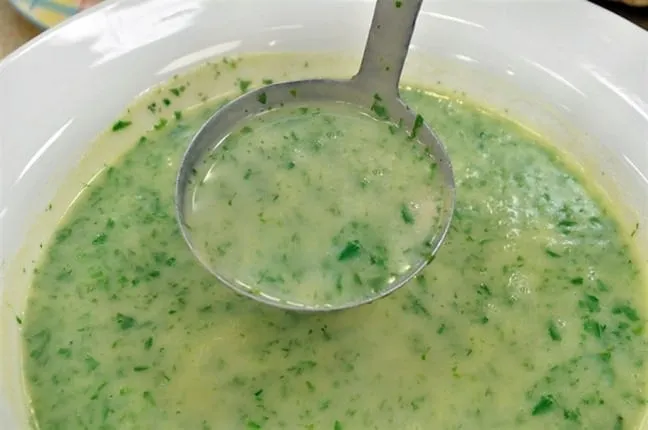
Chard borani from Bitlis's Mutki district
Pazik Boranisi
Boiled chard is served with garlic yoghurt and butter.
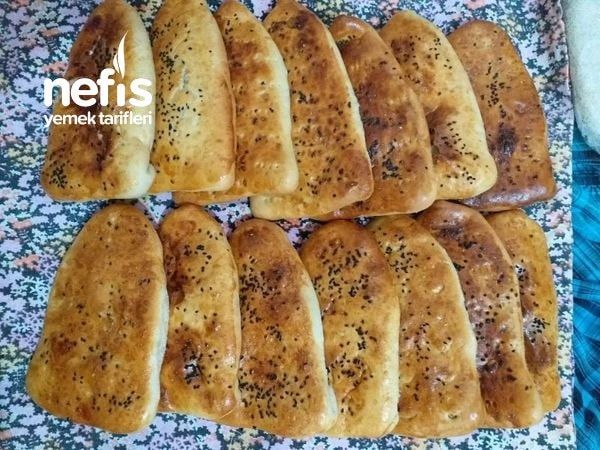
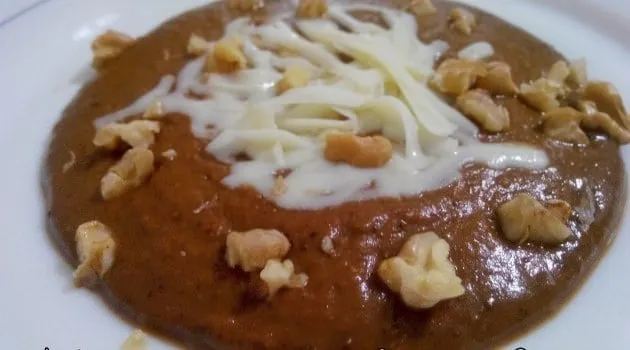
Cevizli fetir
A pastry, called fetir locally, baked with walnuts inside.
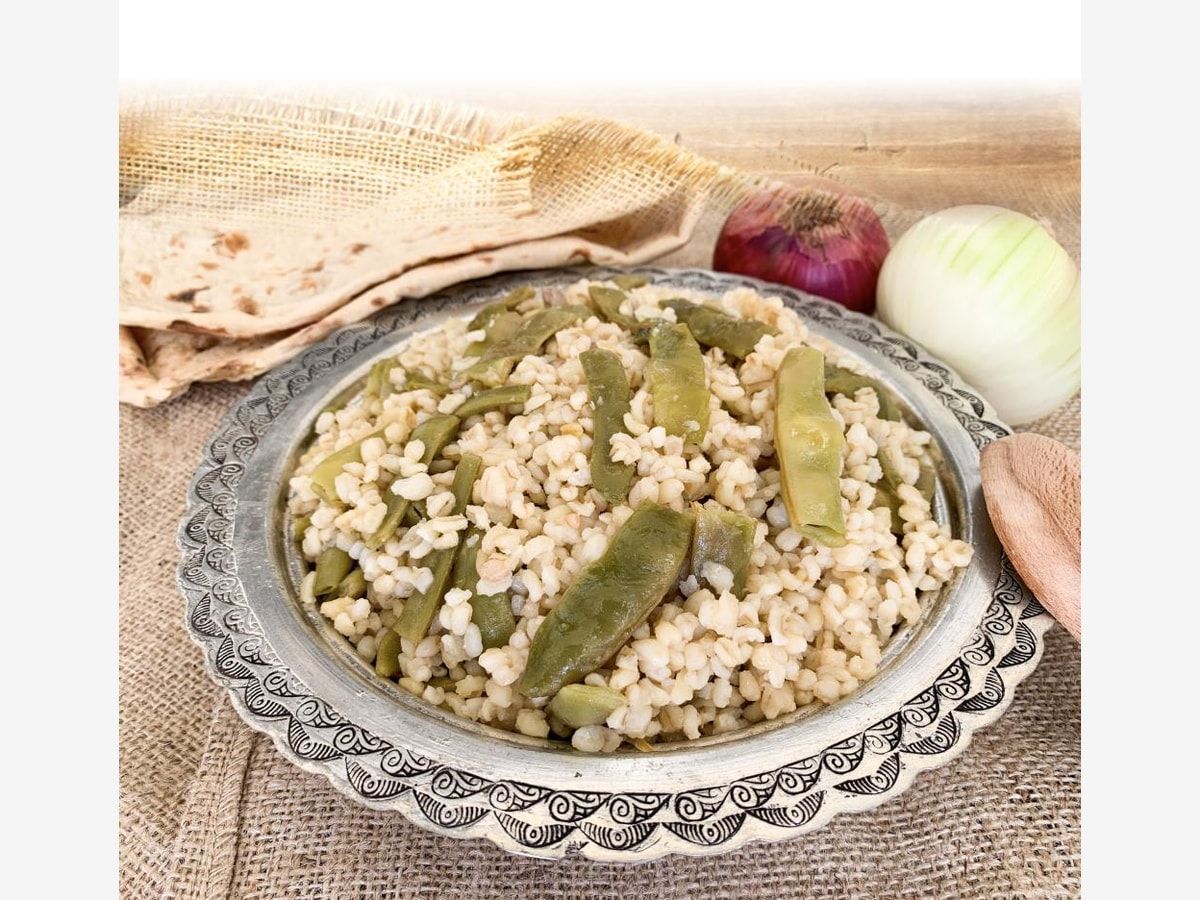
Baklalı Pilav
A pilaf cooked with broad beans; in Bitlis, dishes are usually set out in large bowls and eaten together.


Pıçoç
Köki
Yarma Aşı
A dish of cracked wheat cooked with yoghurt or meat.
Kurut Aşı
A slightly sour soup made with kurut dissolved in water, with wheat or pulses added.
Bezirgan Çorbası
Places to visit in Bitlis
Museums of Bitlis
The Ahlat Museum opened its displays in 1970. The museum mainly shows finds from excavations carried out between 1965 and 1991 at the Çifte Hamam, the Zaviye and the Great Mosque, as well as Seljuk-period pottery decorated with figures.
The exhibits also include grave goods (pottery) from the 2nd millennium BC and the Early Iron Age found in the Yuvadamı necropolis, 15 km from the town, among which 2nd-millennium BC pottery of Eastern Anatolian origin holds an important place. The pieces in the museum section can be grouped as follows:
- Coins from various periods.
- Urartian bracelets with double dragon heads, belts, dress pins and hair clasps.
- Roman-period pottery, oil lamps and pipes.
Tombs of Bitlis
These tombs, which are important funerary monuments, are very rich in number and in artistry in our province of Bitlis. Many of them were built in the Seljuk period. Some of those that have kept their features to this day are the following:
Küfrevi Tomb, Bitlis
Built in 1898 in a style completely different from Bitlis architecture, the tomb is a place of pilgrimage set up in the garden of the Küfrevi Mansion. From the outside it resembles the "late period" tombs in Istanbul.
Emir Bayındır Kümbet, Ahlat
It is in the Taht-ı Süleyman neighbourhood. The inscription running all round the upper part of the kümbet gives the name of Melik Bayındır ibn Rüstem Bey, who died in 886 AH. It is the most interesting of the Ahlat kümbets. Its cylindrical body, which opens towards the building through columns and arches, sits on a square base. With its projecting conical roof and its decoration, it is quite different from the other kümbets.

Çifte Kümbet (Twin Tombs), Ahlat
The two kümbets stand side by side; the larger belongs to Bugatay Aka of the Akkoyunlu and Şirin Hatun, and the smaller to Esen Tekin Hatun. The inscriptions on the south and west façades state that they were built in 1280.
Emir Ali Kümbet, Ahlat
This kümbet is on the road to the ruined city. Because its inscription was broken in the war with Russia, its date of construction is not known for certain. Judging from its architectural features, it is thought to date from the 14th century. In front of the square main chamber there is a section whose walls rise in steps. In form it resembles the other kümbets.
Usta Şagirt Kümbet, Ahlat
It stands south of the Meydanlık cemetery, quite close to Lake Van. Because it is the largest of the Ahlat kümbets, it is also called the "Ulu Kümbet" (Great Kümbet). As it has no inscription, its date of construction is not known for certain. Like other Seljuk kümbets it has two storeys: the lower one was built as the burial chamber and the upper one as a prayer room.
Tomb of Şeyh Babo (Üryan Baba), Bitlis
The tomb, on a slope in the İnönü neighbourhood, has no inscription. However, the date 1834 is written on the gravestone inside. It is one of the important places of pilgrimage for local people.

Tomb of Abdurrahman Gazi, Ahlat
This man, one of the Companions of the Prophet, served under Iyad ibn Ghanm, commander of al-Jazira, who was charged with conquering the region in 641 in the time of Caliph Umar, and fell as a martyr here during the conquest of Ahlat. His tomb, built in the style of late Ahlat kümbet architecture, draws large numbers of visitors. Some of the other tombs within our province are: in the İhlasiye Complex, the tombs of Hoca Hasan, Ziyaeddin Han, Şerefhan II, Üçbacılar and Veli Şemsettin; the tombs of Nuhiye, Saidiye, Hacı Yusuf and Şeyh İsa; the Erzen Hatun Kümbet; the Tomb of Şeyh Hasan; and the Kalenderağa Kümbet in Güroymak.
Castles of Bitlis
Bitlis Castle
Bitlis Castle, on the steep slope right above the bazaar in the city centre, was built in 312 BC on the orders of Alexander the Great by one of his commanders, Leys Bedlis. As the castle is filled with earth, it is not possible to walk around inside. There is, however, an extraordinarily beautiful panoramic view from the top.

Tatvan Castle
It was built in today's Tuğ neighbourhood of Tatvan by Zal Pasha, one of the viziers of Suleiman the Magnificent.
Ahlat Shore Castle
The castle, dating from the Urartian period, was destroyed by a violent earthquake in 1224. It was rebuilt by Suleiman the Magnificent in 1556. Today only the castle survives, and remains of buildings can be seen inside it.
Adilcevaz Shore Castle
It was built on steep rocks on the shore of Lake Van. Sources show that inside the castle, which has a tower, there were the Süleyman Han Mosque, an ammunition cellar, wheat stores, water cisterns, a tower for the military band (mehterhane) and 70 houses. Today only its ruins survive.
Mosques of Bitlis
Great Mosque (Ulu Camii)
According to its inscription, the mosque in central Bitlis was built in AD 1150 by Abu'l-Muzaffar Muhammad. Its only distinctive exterior feature is the conical outer roof on the qibla side and the minaret, which rises like a tower separate from the mosque. Its inscription shows that the minaret was built in 1492. The minaret, which had Ottoman architectural features, has taken on a plain appearance far from its original character as a result of restoration work. It is open to visitors at all times outside prayer times.
Gökmeydan Mosque
The mosque, in the Gökmeydan quarter of the central district, has the date 1801 in its inscription and 1924 in its minaret inscription. It has several monumental pointed-arched doorways. Carefully worked architectural decoration can be seen on the mosque's outer wall facing the qibla. The minaret is decorated with very fine workmanship, using geometric motifs, tiny rosettes and roll mouldings. It is open to visitors at all times outside prayer times.
Şerefiye Complex and Mosque
It is in the centre of Bitlis. It is a complex made up of a madrasa, a mosque, a soup kitchen (imaret) and a tomb. According to its inscription, it was built in 1529 by Şerefhan IV. It stands out for its architectural richness and especially the decoration of its entrance portal. It is open to visitors at all times outside prayer times.
Tuğrul Bey (Zal Pasha) Mosque, Adilcevaz
It is on the lakeshore on the Adilcevaz–Ahlat road. The mosque, thought to have been renovated by Zal Pasha in the 16th century, has twelve small domes. It is open to visitors at all times outside prayer times.
İskender Pasha Mosque, Ahlat
It is in the old Ahlat castle. According to its inscription, it was built in 992 AH (AD 1584) by İskender Pasha, probably by Mimar Sinan. The mosque, built in the time of Selim I, was enlarged under Suleiman the Magnificent. Inside and out, the mosque is a typical example of Ottoman architecture. It is open to visitors at all times outside prayer times. Some of the other mosques worth visiting in our province are: in the central district, the Kızıl Mosque and the Dörtsandık, Ayne'l-Barid, Şeyh Hasan, Alemdar, Kureyşi, Taş and Hatuniye mosques; in Ahlat, the İskender Pasha and Emir Bayındır mosques.
Madrasas of Bitlis
The İhlasiye, Nuhiye, Şerefiye and Yusufiye madrasas are the province's important madrasas. The madrasas in Bitlis were important institutions where the education, teaching and cultural services of their time were carried out. They were built on open-courtyard and closed-courtyard plans. Their building material is Bitlis's famous cut stone. The most important madrasas within our province are the following:
İhlasiye Madrasa
The madrasa, in the city centre, was built by the Seljuks in 1216. It was one of the leading centres of learning of its time (the universities of today). According to its inscription, it was repaired in 1589 by Şerefhan V, one of the khans of Bitlis. This masterpiece, which has all the features of classical Seljuk aesthetics in its architecture, has been restored for use as an Archaeology Museum. The building, currently used as the offices of the Provincial Directorate of Culture and Tourism out of need, is open to visitors during official working hours. Together with the tombs of Veli Şemsettin, Ziyaeddin Han, Şerefhan II and the Üç Bacılar, which belong to the Şerefhanoğulları and are used as places of pilgrimage in its garden, it forms a single whole.
Yusufiye Madrasa
This madrasa, at Girik Düzü in the central district, is thought to have been built in the 18th–19th centuries. It is in the quarter of the kümbet and cemetery called Cennet Çukuru. It was used for a time as a closed prison, and restoration work is still going on. The other madrasas within our province are the Nuhiye, Hatibiye, Şerefiye, Şükriye, Hatuniye, Ahlakiye, Hacı Begiye, Haliliye and Tağki İslam madrasas.
Hamams of Bitlis
In central Bitlis, the Han Hamam, which belonged to the Şerefhans, and the Paşa Hamam, built in the 16th century by Hüsrev Pasha, have survived to this day. Only the remains of the Han Sarayı Hamam on the castle and the Saray Hamam in the Zeydan neighbourhood can be seen. The hamam remains in the El Aman Caravanserai and in the Ahlat and Adilcevaz castles are of historical value.
Hans and Caravanserais of Bitlis
Hatuniye (Hazo) Han
This han stands right beside the bridge of the same name. It is said to have been built in the 11th century by Hamu Hatun, daughter of the Abbasid sultan Evhadullah Han.
Papşin (Hüsrev Pasha) Han
It is on the Bitlis–Tatvan highway. It is said to have been built in the 16th century by the beylerbeyi Hüsrev Pasha.
Başhan Han
It is on the Bitlis–Tatvan highway. It is said to have been built in the 16th century by Hüsrev Pasha, beylerbeyi of Van.
El-Aman Han
The El Aman Han, one of the largest caravanserais in Anatolia, forms a complex with its shops, mosque and hamam. It was built in the 16th century by Hüsrev Pasha. The main other hans and caravanserais within the province are the Şerefiye, Arasa, Yusufiye, Duhan and Kokoz Zal Pasha hans.
Hot Springs of Bitlis
Countless hot springs are found in and around central Bitlis, which lies on a fault line. Some of them are the Güroymak (Çukur) spring, the Ilıcak (Germav) spring, the Nemrut Mountain spring, and the Alemdar, Köprü Altı, Çim Çölmüğü, Arap Köprüsü, Yılan Dirilten and Acı Su springs.
Bridges of Bitlis
Narlıdere (Kasrik) Bridge
Because this magnificent structure in the village of Narlıdere on the Bitlis–Baykan road has no inscription, it is not known when or by whom it was built. However, judging both by the bridge's architectural features and by the history of the area, it is widely believed that it may have been built in the Ottoman period, at the end of the 16th century or in the 17th century.
Emir Bayındır Bridge, Ahlat
It is thought to have been built probably in the 13th century and repaired or renewed in later periods, especially in the Akkoyunlu period of the 15th century.
Lakes of Bitlis
Lake Van
Half of Lake Van, with its soda-rich, salty water, lies within the boundaries of Bitlis. The districts of Ahlat, Adilcevaz and Tatvan stand on the shore of Lake Van. Along the shores there are many beaches as well as places to stay, eat and drink.
Mount Nemrut and its Crater Lakes
Mount Nemrut, 2,935 m high, in the north of the province within the Tatvan district, is a volcanic mountain. A natural wonder, Mount Nemrut is visited every year, especially in summer, by large numbers of foreign and Turkish tourists.
Lake Nemrut, within the crater of Mount Nemrut, holds the title of the largest crater lake in our country and the second largest in the world. The mountain, 27 km from Bitlis and 13 km from Tatvan, can easily be driven up by car on the Tatvan–Çekmece village and Ahlat–Serinbayır village roads.
Culture and arts in Bitlis
Handicrafts of Bitlis
The handicrafts made in our province in the past and still today can be listed as follows.
a) Handicrafts woven on hand looms:
Gej (local cloth): This craft, woven in the Mutki and Hizan districts, is supported by courses opened by the Provincial Directorate of Culture and the Mutki Public Education Centre. Local costumes are used only in folk dances. There are difficulties with raw materials and marketing.
Prayer rugs and saddlebags: These are woven on hand looms that people set up in their own homes in central Bitlis and in the Tatvan and Hizan districts.
Cacım: Cacım is woven in our Tatvan district.
Aba: Aba cloth is woven in two kinds, the first from goat hair and the second from mohair; the goat-hair weave is made into short-sleeved garments and the mohair weave into waistcoats. Aba weaving is done in the Mutki district and kept going through courses opened by the Mutki Public Education Centre. Abas can be used in modern clothing. There are difficulties with raw materials and marketing.
Bitlis sash: It is woven in the Tatvan district and used as an accessory in folk dances. It is used only in folk dances.
b) Handicrafts woven on weaving looms:
Carpet weaving: In our province carpets are woven with the support of Sümer Halı. Sümer Halı continues its work in the Tatvan and Hizan districts. In 2000 the Provincial Directorate of Culture also started a carpet-weaving course.
Kilim weaving: In our province kilim weaving continues in the Ahlat and Adilcevaz districts. These workshops are run by the district governorates' Social Assistance and Solidarity Foundations.
c) Local footwear, the harik:
This footwear (harik), particular to the area, is kept going through courses opened in the city centre by the Provincial Directorate of Culture and Tourism. The local harik is used in folk dances, on special occasions and as decoration in a "şark köşesi" (traditional corner). There are difficulties with marketing.
d) Earthenware pottery:
In our province earthenware pottery is still made in the town of Kavakbaşı in the Mutki district and in the village of Günkırı in the Güroymak district.
e) Needle and bead lace (oya):
Passed down from grandmother to granddaughter, this is the first handicraft girls learn once they can hold a needle.
f) Stonework:
Stonework, which shapes the style of civil architecture, is a dazzling art in its elegance and delicacy. Stonework is practised in the Ahlat district, and to support it the Ahlat District Governorate holds a competition every year by tradition. The high cost of stonework is leading people towards cheaper materials.
g) Walking-stick making:
Famous for the Ahlat walking stick made in the Ahlat and Adilcevaz districts, this craft involves hand-carving local patterns into walnut, elm, mulberry and cherry wood, working in bone, polishing with varnish or golmak lacquer and decorating with Seljuk motifs.
To support walking-stick making, the Provincial Directorate of Culture and Tourism and the Ahlat District Governorate hold traditional competitions.
Proverbs of Bitlis
- Büyük söyleme başan gelir, (Don't boast, or it will come upon your head.)
- Kırktan sonra mağara, hoş geldin bayram ağa, (A cave after forty: welcome, holiday sir — something that comes too late.)
- Allah verince dingo bağından da verir, (When God gives, He gives even from the dingo's vineyard.)
- Baba malı tez tükenir gerek evlat kazana, (A father's wealth runs out fast; the child must earn his own.)
- Ayağıma yer edem, gör sana neler edem, (Let me find my footing, then see what I'll do to you.)
- Kör gözden yaş, molla evinde aş, (Tears from a blind eye, food in a mullah's house — something hard to get.)
- Acem belayem, tokem kadayem, (When hungry I am a curse, when full I am a nuisance.)
- Şipanem şilor, gelen gilor, (My threshold is a plum; whoever comes rolls over it — an open house.)
- Nur yağınca tandıra girmiş, (When light rained down, he crawled into the tandır — missing his chance.)
- Keçel derman bulsa öz başına sürer, (If the bald man found a cure, he would rub it on his own head.)
- Eşek bizim eşek ama çülü değişmiş, (The donkey is our donkey, but its saddle-cloth has changed.)
- Görümüm geldi ölümüm geldi, beşiğim geldi tabutum geldi, (My sister-in-law came, my death came; my cradle came, my coffin came.)
- Bir lâf duyduğunda kulağın kar, dilin lâf et, (When you hear a word, let your ear be deaf; [then] let your tongue speak.)
- Az vardi acedan, bir de çıktı pacedan, (As if there weren't enough trouble, another came out of the window.)
- Jüjünün balesi jüjüye şirindir. (The hedgehog's young is sweet to the hedgehog.)
Words particular to Bitlis
- Beredayi: good for nothing
- Fittoz: flighty, frivolous
- Bızap: calf
- Gılez: saliva
- Çapu: applause
- Gülyaz: cherry
- Çılızer: thin, weak
- Herkendaz: fire rake
- Çipin: fly
- Jüjü: hedgehog
- Dav: hail
- Kartol: potato
- Dırçik: to jump
- Keşur: carrot
- Dingila Fıstık: seesaw
- Moz: black bee
- Pestaf: bundle
- Pişik: cat
- Şilor: plum
- Şipane: threshold
- Tıhtımorik: blackberry
- Zıngılav: bell
Folk songs (türkü) of Bitlis
DİDEBAN ÜSTÜNDEYİM
Dideban üstündeyim Gökmeydan baş aşağı
Dal boyun kastındayım Belinde şal kuşağı
Erenler dua etsin Alay kalkmış gidiyor
Ben murat üstündeyim Hepsi Bitlis uşağı
Giderim Van’a doğru
Yolun İran’a doğru
Kes başım kanım aksın
Kadrim bilene doğru
(I am up on Dideban, Gökmeydan lies below; I long for your slender figure with the shawl sash at your waist; may the saints pray, I am close to my wish; the regiment has risen and is marching off, all of them lads of Bitlis. I am going towards Van, your road leads to Iran; cut off my head and let my blood flow towards the one who knows my worth.)
BİTLİS’İN ÖNÜNDE BAĞLAR
Bitlis’in önünde bağlar hanıme lele Bitlis’in başında bora hanıme lele
O yar oturmuş gül bağlar delalım lele Cahil idim düştüm tora delalım lele
Bu hasrete dayanamaz hanıme lele Beni tora düşürenler hanıme lele
Ne hastalar ne de sağlar delalım lele Dilerim yansınlar nara delalım lele
Vay hanım hanım hanım hanıma lele Vay hanım hanım hanım hanıma lele
Sensin benim yar dermanım delalım lele Sensin benim yar dermanım delalım lele
(Vineyards before Bitlis, a storm over Bitlis; my love sits weaving roses; I was young and foolish and fell into the net; she cannot bear this longing, neither sick nor well; may those who caught me in the net burn in fire. Oh lady, my darling, you are my love and my cure.)
BİTLİS’TE BEŞ MİNARE
Bitlis’te beş minare beri gel oğlan beri gel Tüfeğim dolu saçma beri gel oğlan beri gel
Yüreğim dolu yare beri gel oğlun beri oğlan Sevdiğim benden kaçma beri gel oğlan beri gel
İsterem yanan gelem beri gel oğlan beri gel Doksandokuz yarem var beri gel oğlan beri gel
Cebimde yok beş pare beri gel oğlan beri gel Bir yarede sen açma beri gel oğlan beri gel
(Five minarets in Bitlis, come here, boy, come here; my heart is full of wounds; I want to come to you, but I haven't five coins in my pocket. My gun is loaded with shot; my love, don't run from me; I have ninety-nine wounds, don't you open one more.)
ATEM TUTEM
Atem tutem men seni Hop hopun omsun oğul
Şekere katem men seni Nur topun olsun oğul
Akşama baban gelende oğul Kınalı kavak dibinde oy
Önüne atam men seni Toyluğun olsun oğul.
(I'll toss you and catch you, I'll mix you into sugar; when your father comes home this evening, son, I'll set you down before him. May you bounce and play, son, may you be a ball of light; at the foot of the hennaed poplar, may you have your wedding feast, son.)
Mani of Bitlis
- Bu dağın karı menem
- Gün vursa erimenem
- Yedi yıl yerde kalem
- Civanem çürümenem
(I am the snow of this mountain; even if the sun strikes I won't melt; if I lie seven years in the ground, I am young, I won't decay.)
**********************************************
- Bulak başı poturak
- At minderi oturak
- Bir sen söyle bir de men
- Bu sevdadan kurtulağ
(Let's sit by the spring, throw down a cushion and sit; you say a verse and I'll say one, so we may be free of this love.)
**********************************************
- Şafaklar sökülende
- Al elma dökülende
- Yarimi çağırasız
- Mezarım örtülende
(When dawn breaks, when the red apples fall, call my love when my grave is being covered.)
**********************************************
- Ay paceden gitmiyor
- Elim yare yetmiyor
- Hafta bir mercimek
- Boğazımdan gitmiyor
(The moon won't leave the window, my hand can't reach my love; for a week a single lentil won't go down my throat.)
**********************************************
- Başında puşan kurban
- Dudağan dişan kurban
- Yalanız sana değil
- Eşan yoldaşan kurban
(May I be sacrificed for the scarf on your head, for your lips and your teeth; not only for you, but for your friends and companions too.)
**********************************************
- Belediye önü taştır
- Kızların gözü yaştır
- Arvatlar ağlamayın
- Manto çarşaftan hoştur
(The front of the town hall is stone, the girls' eyes are wet; women, don't cry: a coat is nicer than a çarşaf.)
**********************************************
- Bitlis’in etrafı dağlar
- İçinde gülden bağlar
- Fazla mektup yazardım
- yarim gariptir ağlar
(Mountains all round Bitlis, rose gardens within; I would write more letters, but my love is lonely and weeps.)
**********************************************
- Kar yağar lapa lapa
- Bizim evin damına
- Kız seni alacağım
- Ananın inadına
(Snow falls in big flakes on the roof of our house; girl, I will marry you, to spite your mother.)
**********************************************
- Avih’in yolu ince
- Düşümde gördüm gece
- Kuşlar kurbanız olem
- Yarimin hali ince
(The road to Avih is narrow; I saw it in my dream at night; birds, may I be your sacrifice, my love is in a frail state.)
**********************************************
- Bitlis çayı bir düman
- Ben bu dertten kurtulmam
- Yarimi sular aldı
- Ölsem bile unutmam
(The Bitlis Stream is all mist; I will never be free of this sorrow; the waters took my love, I won't forget even if I die.)
**********************************************
- Bitlis çayı bulanık
- Ağlarım yanık yanık
- El alem gece uyur
- Ben her zaman uyanık
(The Bitlis Stream is muddy, I weep with a burning heart; everyone else sleeps at night, I am always awake.)
**********************************************
- Dama serdim hasırı
- Al koynuna yesiri
- Kaynana ölür ise
- Ev olur arı sili
(I spread the mat on the roof; take the captive into your arms; if the mother-in-law dies, the house will be clean and tidy.)
Folk dances of Bitlis
The folk dances particular to the area are very colourful. The dances, which are also performed under the same names in other provinces of the Eastern Anatolia Region, are of the "Bar" and "Halay" types. In general the dances express feelings of toughness, unity and solidarity, and love of people.
General types of folk dance in Bitlis:
- Ağır Küvenk - Nare - Değirmenci
- Sıppe - Tiringo - Kavaş
- Garzane - Deriko - Harkuşta
- Pappure - Zeybek - Meyroki
- Aşırma - Dıldıl - Küvengin Yollarında
- Temirağa - Memyane - Perijvan
In our area the instruments generally used for folk dances are the drum and zurna. The def (frame drum) is also used, especially in village dances.
Traditional dress of Bitlis
The people of Bitlis chose and wore their traditional clothes with many considerations in mind. Men's clothes, entirely hand-woven, are made of a cloth called "gej", woven from mohair. Women's clothing has features that show whether a woman is married, single, wealthy or engaged.
History of Bitlis
History of Bitlis Province
Bitlis, which has a long history, is one of our provinces in the Eastern Anatolia Region. Home to many civilisations, Bitlis was home to the Urartians for centuries, from around the 1400s BC in particular. Bitlis came under the rule of the Assyrians in the 7th century BC and of the Medes in the 6th century BC, and then under the rule of the Persian kingdom. Coming under the rule of Alexander the Great, King of Macedon, in the 4th century BC, Bitlis belonged to the Roman Empire for about 800 years from the 2nd century AD. Bitlis, which opened its doors to the Turks from the 10th century AD, hosted Alp Arslan and his army at Ahlat.
Bitlis also played a very important role in the Turks' opening into Anatolia. Attacked in the 13th century by the Ayyubids and later by the Khwarazmshahs and the Mongols, Bitlis came under Ottoman rule with the Battle of Çaldıran in 1514 and became a centre of learning, art and culture under the Ottoman Empire. Bitlis, which was under Tsarist Russian occupation for a time during the First World War, was made a province after the proclamation of the Republic. Bitlis, which has embraced various civilisations throughout history, has many castles, mosques, madrasas, bridges and caravanserais from these periods.
For this reason it is possible to live side by side with the cultural and artistic remains of past civilisations. More than half of Lake Van, formed by the eruption of the Nemrut volcano, lies within the provincial borders of Bitlis. The districts of Tatvan, Ahlat and Adilcevaz combine the beauty of the Lake Van shores with their own historic character. In Ahlat in particular, which was under Seljuk rule for many years, the world-famous monumental tombs called kümbets and the gravestones, and in the Adilcevaz district the Urartian works and especially Kef Castle, form the links in the chain of the province's historic wealth.
The Legend of Bitlis
Both al-Maqdisi and the historian Sultan Şerefeddin, author of the Şerefname, in books they wrote, one about the land of the Romans and the other about the Persians, speak of Alexander the Great as Alexander "of the two horns". This is because Alexander had two pieces of flesh shaped like horns on his forehead. Another explanation is that every 32 years is called a "karn". Because the stars complete a turn every 32 years, and because Alexander lived more than 32 years, he is also called the man of two karns. When the Lord of Two Karns (Alexander) had conquered these regions and reached the banks of the Tigris, he drank the river's clear water and became convinced that it was good for his health. From there he came to Diyarbakır. Then, following the banks of the Batman, he reached Kefender Castle. But as soon as he drank the water flowing from Bitlis, his eyes filled with light. When he reached Bitlis from Kefender, he saw that the river split into two beds. He first drank the water flowing through the Avih valley and realised that it was of little benefit. But when he drank from the springs east of Bitlis Castle, he at once fell into a peaceful sleep there. He drank the water of this spring for seven days.
When he saw that no illness remained in him, he called his servant Bidlis and said: "My loyal servant, if you wish to become a Chasulchas, take enough purses of gold from my treasury and build a castle here at once (one purse is 2,000 gold pieces). Let it be finished by the time I return from Çapakçur. It must be a castle that is hard to take. Even if I besieged this castle myself, I should have difficulty taking it." Bidlis, having received this order, set all the famous master builders, scientists, physicists and engineers to work on building the castle. When the castle was finished, Bidlis moved into it. Alexander, returning from the capture of Çapakçur, besieged the castle. But he could not take it. "Hey, you faithless man. Do you mean to oppose me?" he said.
Then he ordered an attack on the castle from every side. Masses of soldiers attacked the castle day and night. But in vain; the result did not change. Alexander the Great found himself helpless before Bidlis, shut up in his castle. He said to Bidlis: "Despite all the crimes you have committed, I forgive you. Come out." Bidlis turned back the envoys Alexander sent. As if that were not enough, he pelted his former master's army with stones from catapults. He rained iron arrows on Alexander's army, and many men in the army died. The battle went on like this for 40 days. On the 41st day, hornets came out like a cloud from a cave in the castle's rocks. Each hornet was almost as big as a sparrow.
Soldiers and animals began to flee from the hornets. The hornets stung Alexander's nose and ears and almost killed him. He too saw no way out but to flee. This event wore Alexander out. He withdrew towards the plain of Muş. Just then Bidlis left the castle and went to Alexander with a box of jewels, the key to the castle and other gifts. Laying the gifts at the feet of Alexander's horse, Bidlis kissed the ground. Then he presented the gift box to him. Alexander said: "Hey, you accursed man. Why did you kill so many of my soldiers?" Bidlis answered at once: "My lord, you ordered me to build a castle that would be hard to take. I had it built according to your order. It had to be a castle that even Alexander the Great would find hard to take." Alexander appointed Bidlis governor of the castle. This is why the castle took the name Bidlis. Because he built it on Alexander's orders, French history books call this place Alexander's throne.
The Ottoman State had been defeated in the Balkan War that began in 1912. Besides losing a great deal of territory, it had lost many soldiers and much equipment. Before the wounds of the Balkan War had healed, it was drawn into the First World War through a German scheme. The Turkish nation, forced to fight on many fronts at once, went through the Caucasus Front, which cost many lives and caused great suffering.
With the declaration of war, the mobilisation order was posted early in the morning in places in Bitlis where the public could see it. People who read the mobilisation notice went to the Bitlis recruiting office and enlisted. Following this group, many more groups were sent from Bitlis to the Caucasus Front. Most of the young men of Bitlis, who formed part of the 40,000-strong 10th Army Corps, rose to the rank of martyrs. These martyrs froze to death on the Allahuekber Mountains during the Sarıkamış operation, in the spring of their lives.
The armies of Tsarist Russia, which for years had dreamed of reaching the warm seas in keeping with the testament of Tsar Peter the Great, went into action, and the Caucasus Army, under the command of the Armenian-born General Yudenich, was ordered to occupy eastern Anatolia. On this order, the 4th Caucasus Army Corps of the Caucasus Army entered Eastern Anatolia. The Russian units, which occupied many cities of Eastern Anatolia in a short time, and the frenzied Armenian marauders who led the way for them reached the borders of Bitlis.
On a Ramadan night in July 1915, news came that the Russians had reached Başhan to occupy Bitlis. On hearing this, the whole population of Bitlis took their children by the hand and set out to flee. But thanks to the resolute defence of the Turkish soldiers and militia in Bitlis, the Russians could not enter Bitlis and withdrew. This joy did not last long, however: at the end of February 1916 Russian soldiers and the Armenian Revenge Brigades were once again at the gates of Bitlis.3
The forces defending Bitlis numbered between 1,400 and 2,000. Six hundred of them were militia. The Turkish unit under Infantry Lieutenant Colonel Ali Çetinkaya had to fight Russian and Armenian units that far outnumbered it in weapons, ammunition and men. Despite all resistance, Bitlis was occupied on 3 March 1916 at 05:00.4
After the occupation, the "Armenian Revenge Brigades" formed by Andranik, who was among the Russian units and was one of those who led the Armenians to disaster, spread through the city centre and began to massacre the helpless, the elderly and the sick who had not been able to flee in time. The Russian general Maslovsky describes this as follows: "After the capture of Bitlis, at noon on 3 March, the 1st Armenian Battalion (Revenge Battalion) under Andranik, which had been left behind before the night attack, entered the city without permission as it entered the gorge, ran to the American Hospital where many Turkish families had gathered, and attempted to kill them out of revenge."
With this occupation Bitlis experienced its second great exodus. Those who could not flee and stayed in the city fell victim to the Armenians, while those who fled fell victim to hunger, misery and marauders in harsh winter conditions. The fleeing people abandoned more than 1,000 children they could not carry to their deaths under bridges and beside snowdrifts. The fall of the Bitlis passes into Russian hands gave the Turkish General Staff cause for concern: the passes falling to the enemy meant that the road to Diyarbakır, Adana, Aleppo and Baghdad would be open to the enemy.
The Turkish General Staff, deciding that Bitlis must be retaken urgently, decided to send the 2nd Army, which had shown great heroism in the Gallipoli battles and was then resting in Edirne, and first of all the 16th Army Corps of the 2nd Army, to the Bitlis front at once. It appointed the hero of Anafartalar, Mustafa Kemal, to command this corps. Mustafa Kemal, promoted from colonel to general, visited our province on 27 March, and after giving the necessary instructions returned to Silvan, where he had set up his headquarters. At the end of July he came to Bitlis again for the offensive.
The 5th Infantry Division of the 16th Army Corps was in Bitlis. This division was made up of the 13th, 14th and 15th Infantry Regiments. Alongside the division were Sheikh Muhammad Diyauddin (Hazret), the Mutki tribal chief Hacı Musa Bey and other militia units, estimated at between 2,000 and 3,000 men. On 1 August 1916 Mustafa Kemal gave the order to attack, and on 8 August 1916 at 05:00 Bitlis regained its freedom.1
Bitlis, which remained under enemy occupation for 5 months and 5 days, was left in ruins after the war. The heavy cost of the war is still being paid today. The migration that began with the war continues at full pace today. The liberation of Bitlis is the day the Turks' ill fortune was defeated. Bitlis is the first city to regain its freedom among the provinces of Anatolia occupied in the First World War. This liberation is the first spark of the national struggle.
Atatürk's Visit to Bitlis
Gazi Mustafa Kemal visited our province for the third time on 7 November 1916. The purpose of this last visit was to carry out a change of command of the 5th Division, to see the 5th Division's dispositions on the ground, its needs and its general situation, and to ensure the movement of the Van Operations Detachment. Mustafa Kemal, who came to Bitlis on 10 November 1916, left Bitlis on 21 November 1916. During this time he met militia commanders and visited the hospital, military units and some tombs and mosques.
On 15 November 1916 he had the Turkish unit under Lieutenant Colonel Ali Çetinkaya, on the Rahva Plain, carry out an exercise. He climbed the Başhan ridges to watch it. When he saw Lake Van from these ridges, he said: "These are very beautiful places. An Eastern University (Şark Üniversitesi) should be founded here."
Mustafa Kemal also expressed this wish in his opening speeches to the Turkish Grand National Assembly on 1 November 1936 and 1 November 1937. In these speeches he said:
"…. For this, considering the country for now as three great cultural regions, we must give the Republic a truly modern university by applying more radically the reform programme begun at Istanbul University for the western region, and establish Ankara University quickly for the central region. And for the eastern region, work must begin now towards creating a modern city of culture, with schools of every branch from primary schools up to a university, at one of the most beautiful spots on the shores of Lake Van.
How fortunate a work it will be for the Republican government, the benefit this auspicious undertaking will bestow on the young people of our eastern provinces."
And in his speech at the opening of the Assembly on 1 November 1937:
"My dear friends;
In order to educate the young people in higher education as conscious and with a modern culture, as we wish and need, work continues rapidly and with importance on the development of Istanbul University, the completion of Ankara University and the founding of the Eastern University near Lake Van, on the principles established by the studies that have been made." In keeping with this wish of our Gazi, in 1924 a delegation from the Ministry of National Education came to Bitlis and surveyed land on the part of the Rahva Plain near the lake.
In 1953 the Republican government of the time attempted to lay a foundation on the part of the Rahva Plain near the lake that had been surveyed earlier, in order to fulfil this wish of our Gazi. Building materials were stockpiled, but because of a quarrel between the provinces of Bitlis and Van at the time of the foundation laying (Mustafa Kemal never went to Van or saw it in his lifetime), the foundation laying was halted for a time. Fulfilling this wish of Mustafa Kemal would make both our Gazi and the people of Bitlis happy.
After the Armistice of Mudros, uprisings and organisations against the enemy began in every corner of Anatolia. When the idea of "establishing an independent Armenian state" on the lands of Eastern Anatolia, including Bitlis, was put forward, this organisation spread down to the districts. In the Bitlis region, a Society for the Defence of the Homeland (Müdafaa-i Vatan Cemiyeti) was set up among women and men. A letter dated 20 February 1920 concerns this.
- In Sivas: To His Excellency the Pasha, Governor of Bitlis
- In Sivas: To His Excellency the Bey, Governor of Diyarbekir
- Esteemed Pasha, Esteemed Bey
I present to you and to your province a copy of the statutes of the Anatolian Women's Society for the Defence of the Homeland, which we have founded with its headquarters in Sivas. Considering that the aim of our society is simply to work for the deliverance of our poor country from unjust occupation and from the cruelty and calamity inflicted in some regions, I respectfully ask that you order statutes to be written and independent branches to be founded within your province as well.
Where does the name Bitlis come from?
It is not known for certain where the name Bitlis used today comes from. Bitlis has been known by different names throughout history. The Assyrians used Bit-Liz, the Persians and Greeks Bad-Lis or Bad-Lais, the Byzantines Bal-Lais-on, Babaleison or Baleş, the Arabs Bad-Lis, and the Armenians Pageş or Pagişi. In Assyrian the word Bit was used to mean homeland and Bet to mean castle; Bit-Liz means the Homeland of Liz and Bet-Lis the Castle of Liz.
The story on which historians agree regarding the name Bitlis is as follows:
In 336 BC Philip II, King of Macedon, died, and Alexander the Great succeeded him as king. (The Şerefname claims that Alexander the Great of Macedon was Iskender Dhu'l-Qarnayn, known as a prophet. Since Dhu'l-Qarnayn means "two horns", it argues that he was Alexander the Great because Dhu'l-Qarnayn kept moving east and died at 31. The thesis has been put forward that they were the same person because two fleshy lumps like horns grew on Alexander's forehead, he campaigned in the east and he died around the age of 30. These ideas, however, have never been proven.) Alexander, who had occupied Babylon, decided to set out on a campaign to India with his armies.
Meanwhile two pieces of flesh resembling horns had grown on Alexander's forehead, and to hide them from his retinue he had to wear a horned helmet all the time. All the physicians he consulted for a cure advised him that his cure lay in water and that he should use the water in every place he went. So Alexander the Great sought a cure by washing his face in the waters of every place he passed. When he reached the Shatt al-Arab, he asked for all the waters flowing into the Tigris to be investigated and assigned scholars to the task. Alexander and his retinue, investigating all the waters, arrived before Bitlis after a long march. Seeing that the Bitlis Stream healed his ailment, he set up his headquarters where the Kösür and Rabat streams meet.
His physicians asked Alexander to go to the source of the water. On this advice, they followed the Rabat stream, which flows from the east of Bitlis, to its source. But although he used this water for days, he saw no cure; this time he turned to the Kösür stream coming from the west of the city, and at last they reached the spring that is its source. The mountainous, wooded green hills where this spring gushed out looked very beautiful to Alexander. Everything was emerald green, adorned with basil and all kinds of flowers. The climate of this place filled Alexander with admiration. To enjoy the air and water of this beautiful piece of nature, he decided to stay here for a few days (a week). A week after camping beside this water, it was seen that the Kösür water had cured his ailment and his horns had disappeared.1 To this day this water is still called the İskender (Alexander) Fountain. The fountain is 10 km from Bitlis, on the Duav yayla. Alexander, cured of his ailment, called his commander named Bedlis (Badlis) or Leis to immortalise this place and this water, and asked him to build a fortified castle 4 hours' or 12,000 paces' distance from the fountain, where the Rabat and Kösür streams meet. Turning to his commander (in the Şerefname he appears as his slave), he said: "Until I return from the Iranian (in some sources Indian) campaign, build here a castle such that not even a king or commander like me can take it. So that the name of this castle and this place may live on from generation to generation, from century to century." The commander named Bedlis or Leis, having received this order, set to work at once and in a short time, about a year, succeeded in building today's castle in 331 BC.
When Alexander returned from his Indian and Iranian campaigns and came to the city, he saw a mighty castle before him. He sent word to Bedlis asking him to surrender the castle. Bedlis refused Alexander's offer, saying that he would not surrender the castle and was ready to fight, and shut the castle gates. At this Alexander began to besiege the castle with all his forces. He struggled for days, and when he realised he could not take the castle he lifted the siege and withdrew towards the Rahva plain. Seeing Alexander withdraw, Bedlis threw himself at the feet of Alexander's horse on the Rahva plain, presented the key to the castle in an envelope and invited them into the castle through the tunnel whose exit was at that spot. Alexander the Great, taking the keys, said: "You accursed man, if you were going to hand over the key, why did you rebel and have so many of my men killed?" Bedlis, begging Alexander's pardon, said: "O great conqueror! My rising and resisting against you was required by the order you gave earlier. You ordered me to build a castle that even a king like you could not take. I showed this audacity to prove how strong this castle I built on your order is and how impossible it is to conquer. Now I and my forces are at your command, accepting whatever punishment you see fit for our actions."
Alexander, greatly pleased by his commander's words, rewarded him by handing over the government of the city to him and gave the city the name Bedleis. From that day on the city's name remained Bedlis. Over time this name went through some changes of letters and today has become BİTLİS.
Getting to Bitlis
By road
The surrounding provinces and districts can be reached by road.
By rail
The State Railways line, connected to Europe and Istanbul, opens out to the countries of the east through the Lake Van ferry link at Tatvan.
By air
Bitlis can be reached by air via the provinces of Van and Muş.
By ferry
Ferries run between Van and Tatvan without a fixed timetable.
Districts of Bitlis
- Bitlis (provincial centre)
- Adilcevaz
- Ahlat
- Güroymak
- Hizan
- Mutki
- Tatvan
Economy of Bitlis
The economy of Bitlis rests largely on farming and livestock. Most of the cultivated land is sown with cereals, above all wheat; fruits such as walnuts, pears, apples, cherries and mulberries are also important. Ahlat pears and liquorice root have been known for centuries.
Sheep and goat rearing is widespread on the highland pastures, and beekeeping is growing; white Bitlis honey is famous. Many villages lie in or near forests. Industry is small-scale; Tatvan, with its position on the shore of Lake Van, is one of the province's transport and trade centres.


Comments
Loading comments…