
Çankırı
- Central Anatolia Region
About Çankırı
Çankırı is the centre of the province of the same name in the Central Anatolia Region, which holds Türkiye's most important rock salt reserve. Some Western travellers wrote the city's name as "Çangırı" or "Çengiri". The town was founded on the site of the ancient city called Gangra. First part of Paphlagonia, it later passed to the Kingdom of Pontus and then to Galatia. The city, regarded as the centre in this period, joined the Roman Empire in 25 BC. Under the Byzantines it was for a time a place of exile. In the Umayyad period it was attacked several times by Islamic armies, but the castle could not be taken.
After the victory at Malazgirt in 1071, Çankırı and its surroundings were taken by the Danishmendids. In 1101 the Crusader army under Raymond of Toulouse set out from Istanbul to free Bohemond, the ruler of Antioch, whom the Seljuks had captured at Malatya and imprisoned in Niksar Castle; after taking Ankara it turned towards Çankırı but could not enter the castle. The Crusader army met the Seljuk army near Amasya and was routed. Later, in 1134, the Byzantine emperor John Komnenos took the castle after fierce fighting. But as soon as Komnenos left, the Danishmendids took the town back. The Seljuks then ruled the area, and under Murad I Çankırı and its surroundings joined the Ottoman lands. In 1402 Timur gave Çankırı back to its former owners, but Mehmed I took it back in 1439.
Çankırı's famous dishes and desserts
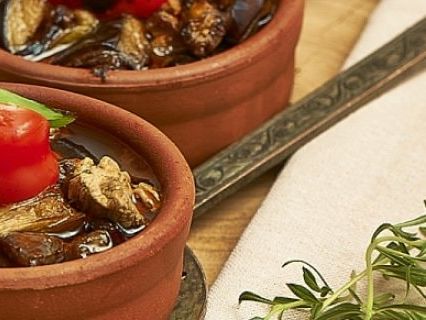
Yaren Kebabı
A kebab made with beef tenderloin and one of the best-known dishes of the area; it takes its name from Çankırı's yaren gatherings.
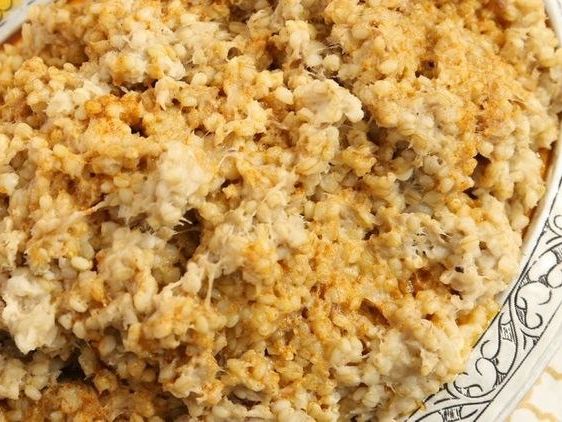
Keşkek
In Çankırı it is usually made with lamb; pounded wheat is cooked with the meat for a long time and then beaten.
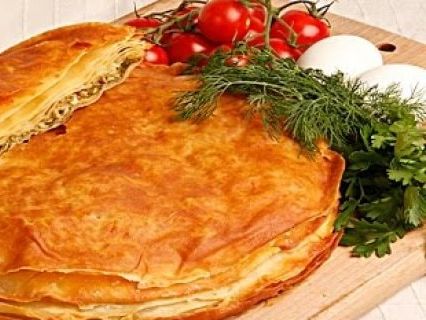
Canfes Böreği
Together with su böreği, this is the börek most often made in the area, and it often appears on tables set for guests.
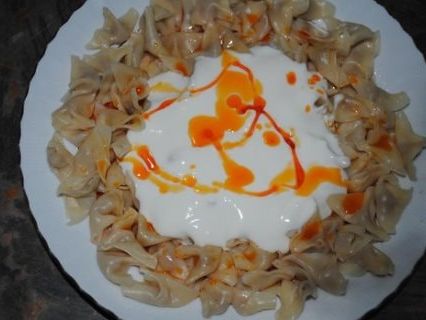
Etli Hamur
It is similar to mantı, but the dough is cut into squares instead of rounds and topped with minced meat, onion and spices.
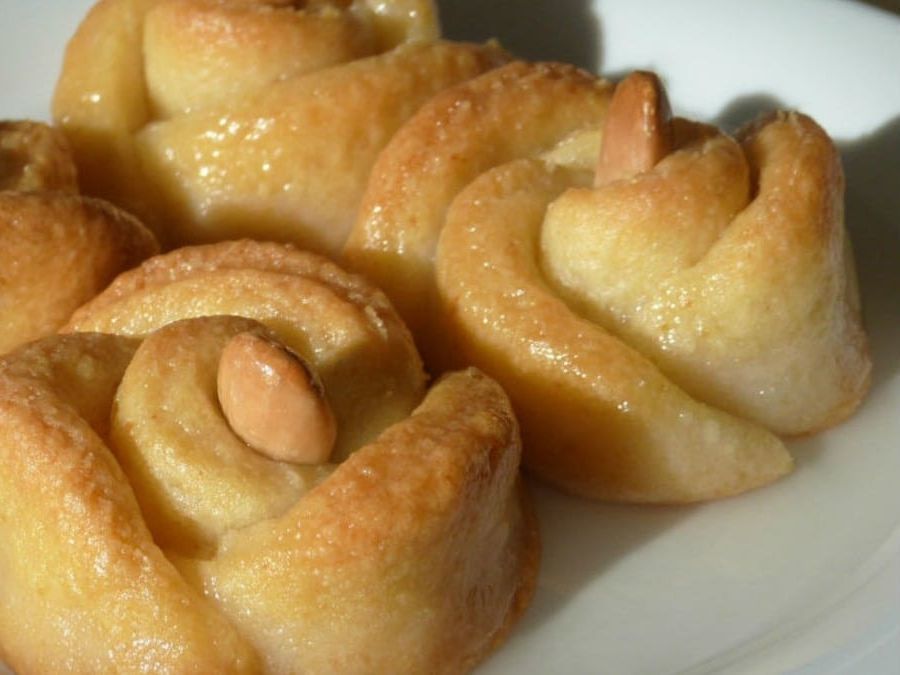
Gül Tatlısı
A dough of flour, semolina, yoghurt and egg is shaped into roses, baked and soaked in syrup.


Places to visit in Çankırı
Çankırı Museum

This museum, which opened to visitors in 1972, holds more than 100 historical artefacts. In 1976, because its building was to be demolished and rebuilt, the artefacts were moved to Çankırı High School and brought back when the new building was finished. It has many archaeological and ethnographic pieces from the Hellenistic, Early Bronze Age, Roman and Byzantine periods.
Çankırı Castle

The area around this castle, which looks down over the city, is also one of the city's popular picnic spots. Landscaping work was recently carried out and the number of visitors has increased. The castle was built by the Hittites and its height is 730 metres. The civilisations that used it were the Romans, Byzantines, Danishmendids, Seljuks and Ottomans. Although it has been damaged, it has managed to survive.
Buğday Pazarı Madrasa

Built towards the end of the 1700s by Mustafa Hazım Efendi, this madrasa is one of the city's landmarks. It was once used as a flour store, and today it is used as a building where souvenirs are sold and handicrafts are displayed. Most of the souvenirs sold here are made of rock salt.
Sakaeli Rock Tombs

These rock tombs, an important place for tourism, are said to date from the Roman and Byzantine periods. In the past local people used the tombs for various purposes. Each chamber here has a different width and height.
Çankırı Salt Cave

This is perhaps Çankırı's most important tourist site. Both local people and visitors from elsewhere in Türkiye and abroad show great interest in it. The cave, with a history of 5,000 years, holds our country's largest rock salt reserve. It is 20 kilometres from the city centre. You must, however, get permission before going in. The stalactites and stalagmites inside the cave are very impressive. This salt cave is very large; trucks can drive around inside it with ease.
Kırkpınar Yayla
This yayla (highland pasture), 70 km from Çankırı and 22 km from Ilgaz, is one of the most beautiful in our country. It lies on the slopes of Emir Gazi Hill and has a great many kinds of flowers. Even on the hottest days of summer you will feel a spring-like air. You can do many things here, picnics above all.
Ilgaz Mountain National Park

Visited in both winter and summer, this national park is a peaceful place full of fresh air. The reason for visiting in winter is the Ilgaz Ski Centre inside it. Remember, though, that there are wild animals in the area such as wolves, wild boar, deer and bears. If you want to camp, you should do so close to the accommodation centres. The park lies between the provinces of Kastamonu and Çankırı and is 200 km from Ankara.
Ilgaz Ski Centre

As mentioned above, this ski centre lies in Ilgaz Mountain National Park, and its season runs from December to April. Night skiing is also possible, and there are 2 ski runs in total. There are 3 places to stay. If you want to go from Istanbul, it is a 460 km drive.
Other places to see in Çankırı
- Çankırı Houses

- Çankırı Yıldıztepe Ski Centre

- Çankırı Karataş Hamam
- Çankırı Great Mosque Madrasa

- Yapraklı Büyük Yayla
- Çankırı thermal springs
- Çankırı İmaret Mosque
- Çankırı Great Mosque
- Çankırı Ali Bey Mosque
- Çankırı Mirahor Mosque
- Çankırı Yeni Mosque
- Çankırı Çivitçioğlu Madrasa
- Çankırı Karataş Madrasa
- Çankırı Kirmanoğlu Madrasa
- Çankırı Murat Hamam
- Çankırı Çarşı Hamam
- Çankırı Ilgaz Hamam
- Çankırı Kurşunlu Hamam
- Çankırı Beşdut Rock Tombs
- Çankırı İndağı Rock Tombs
- Çankırı Hüyük Underground City
Culture and arts in Çankırı
In Çankırı, including its central district, Turkish national culture is kept alive in the villages and small towns, which on the whole still show the features of a "closed society".
Village guest rooms (köy odası) still exist in Çankırı's villages, and they show traditional Turkish hospitality at its best. The way people relate to one another at weddings, religious holidays and other national days is a rare example of a national solidarity that has not broken down.
Respect for elders, care and love for the young, and mutual social help are still part of daily life. This quickly wins over even outsiders who come to Çankırı and stay for a long time, and they come to follow the local customs themselves.
This section covers the main elements of Çankırı's cultural life under the headings of folklore, weddings, circumcision, yaran, handicrafts, cuisine and special days.
YARAN CULTURE
Before describing the Çankırı Yaran, that is, its gatherings of conversation and entertainment, we think it is worth saying a little about the Ahi brotherhood (Ahilik), with which this social institution is known to be connected. Ahilik rests on basic principles such as people trusting one another deeply and loving one another simply as "servants of God" and "human beings", without regard to language, religion, race or sect, and it is known to be related to the Çankırı Yaran in many ways. Ahilik has six well-known rules, divided into "open" and "closed" ones. What must be open are "the forehead, the heart and the door": an open forehead means having nothing to be ashamed of before others, an open heart means loving every person, and an open door means keeping one's door open to everyone in need who comes asking for help. What must be closed are "the hand, the tongue and the loins": a closed hand means never violating anyone's rights, a closed tongue means never speaking ill of anyone or gossiping, and closed loins mean never violating anyone's honour. Regarding the tongue, it is also understood that "keeping secrets is a duty".
FOLKLORE OF ÇANKIRI
Çankırı folklore is in fact a very wide subject for research and study, and here we will cover it only briefly and in outline. We wish to believe that the young generation of Çankırı will surely produce standalone works on the subject. Otherwise, we think they will be shouldering the heavy responsibility of repeating the mistake of the generation before them. To give some general information, it is worth introducing the traditions and customs that play an important role in Çankırı folklore.
Almost everything we want to learn about the life and world of the people of Çankırı can be seen more fully and more vividly in the villages and small towns that have remained apart from life in the central district. Despite every change in living conditions and lifestyle, Çankırı is one of the rare provinces that has lost little of its traditions and customs "in essence". For example, even if there are no longer young girls who send their sweethearts (fiancés) handkerchiefs with embroidered edges, in the countryside the same girls and women still do not walk in front of men in the street. They regard walking in front of a man as contrary to the "töre" (custom), to which they are plainly bound with all their heart, without even being aware of it...
In the same way, although the weddings with drum and zurna that lasted three days and three nights have been replaced by ceremonies in the municipal marriage hall or wedding hall, the groom is still punched as he enters the bridal chamber, having just been brought back from the mosque (from the night prayer) by his best men.
The bride still has her henna applied on the henna night, and a bindallı or üçetek dress is always worn for the henna-night dances. All this and similar things show that in Çankırı traditions and customs have changed in form, but not "in essence". Every winter the great yaran gatherings, and at almost every wedding the "baş donanması" ceremonies, are still practised among young people and kept alive in their original form. There is one more thing in Çankırı that is hardly found in our other provinces: most young people can perform the local folk dances, play the saz and sing their türkü (folk songs) in an authentic way. Local folk dances are kept alive by teams formed in various schools, and their vitality is preserved by teaching them in public education courses.
In particular, the "Seymen Alayı" (Seymen procession) formed at weddings in the Eldivan district is kept alive as a fine tradition without losing anything of its original form. Puppet shows at entertainments and weddings in Eldivan are another noteworthy example.
Çankırı Weddings
We can learn orderly information about the wedding customs of present-day Çankırı's villages and small towns, which have not changed very much, from the writings of the late Hacı Şeyhoğlu Hasan Üçok, published in Çankırı in 1930, 1931 and 1932 and serialised in the Duygu newspapers. We will present what we have learned from this source, comparing it here and there with the wedding customs still alive in Çankırı today. In fact, the wedding customs recorded fifty years ago and those alive in today's Çankırı are the same in their general outline. It is also true, however, that the elements that cost a lot of money and required excessive spending have necessarily been abandoned. The first step towards a wedding:
When the mother of a young man of marrying age in Çankırı finds a suitable bride for her son, she tells her husband. The same is still true today, although more often the son tells his mother about the girl he has found, and his mother tells her husband. Then the necessary enquiries are made and information is gathered about the girl and her family. If, as a result, the girl is found suitable in morals, knowledge and skill, the family decides to send matchmakers (dünür). This holds in the villages and small towns, while in the city centre it is more common for a young man and woman to meet, come to an agreement and marry.
Then a go-between is used to inform the girl's mother. She tells her husband, and the opinion of her elder brother, if she has one, is also sought, and the young man's side is informed. The girl's side then first lets the young man's side know the list of jewellery and goods that can be bought at a normal cost. In the past this list included five beşibiryerde gold coins with loops, two pairs of diamond earrings, two diamond rings, two diamond brooches, two pairs of silver bath clogs (nalin), two silver belts, two kaftans, two silk çarşafs woven in Baghdad, two bath sets and two pairs of boots with galoshes, but today most of these are no longer asked for. What is asked for now is only jewellery and goods such as an engagement ring, a bracelet, a necklace and a gold chain. Other requests are settled later. If the young man's family also accepts the requests, the promise (söz) is considered made.
Engagement Ceremony:
After the goods and jewellery accepted and bought by the young man's family have been sent to the girl's house, the engagement takes place on a Friday.
On the engagement day the women and girls of the young man's side are invited, together with a woman who plays the def (frame drum). The def player begins to play. After the invited women of both sides have danced and enjoyed themselves for a few hours, a length of dress fabric is spread out on the floor. This fabric has been brought by the young man's family, together with the jewellery, for the bride-to-be to have a dress made.
When the girl who is to be the bride comes in, the women leading the ceremony warn everyone: "For the love of God, say maşallah, so that the evil eye does not strike." The girl comes and stands on the fabric spread on the floor. The ring that has been brought is put on her finger, and the other jewels are pinned to her dress.
After this the girl first kisses the hands of the young man's side, starting with his mother. While she kisses hands, the special gifts that have been brought are also pinned on her.
Today, mostly in the city centre, the engagement is performed at the girl's house, in front of the invited relatives of both sides, by a respected relative or family friend putting on the young couple's engagement rings, which are tied together with a red ribbon. The entertainment and gift-giving of the engagement also take place at this time.
Drinking the sherbet:
Although it has partly changed in general, the drinking of sherbet takes place as follows: a day or two before the women's engagement ceremony, depending on the family, the men also hold a ceremony. Prayers are recited and sherbet is drunk. The custom of drinking sherbet is now practised only among women, and the sherbet is given to young girls with the wish "may your turn come next".
Once the engagement ceremony had been completed in this way among both the women and the men, the girl was considered to have passed to the young man's side, and from that day on she began to behave as a bride (gelinlik etmek) towards his mother. Behaving as a bride meant that the girl must never speak in a loud voice to her mother-in-law and father-in-law. If it was absolutely necessary, she could speak only in a very soft voice.
Wherever the bride met a woman from the young man's side, she kissed her hand. She could not talk or enjoy herself with anyone in their presence... Otherwise, unpleasant gossip about the bride would spread at once. Today, however, this custom is generally kept in this form only in the towns and villages of Çankırı. In the centre, engaged girls can walk hand in hand and arm in arm with their betrothed or fiancé and have fun together.
The Marriage Ceremony or Wedding (Yesterday):
In the past, the marriage ceremony or wedding in Çankırı was carried out as follows:
After tips and fees had been given to the officials, starting with the neighbourhood watchman, imam and headman, a permit (izinname) addressed to the neighbourhood imam was issued.
The izinname contained a declaration such as: "...imam efendi of the ... neighbourhood, after greetings it is notified that... permission under the holy law has been granted for marriage with the maiden named..." It had two places marked "Mihr-i müeccel" and "mehr-i muaccel".
"Mihr-i müeccel" meant the marriage price, and "mehr-i muaccel" meant the value, in number and amount, of the bride's jewellery and other goods which the man could not provide at the time and which were to be made good at a later date. The details of these were written in the places marked on the izinname.
In case of death or any other kind of separation, what was written on the izinname was taken as the woman's right, if necessary by court order.
The izinnames were kept and preserved by the neighbourhood imams. The scholars and other respected people of the neighbourhood were invited to the marriage prayer. Among the guests were the girl's proxy and two witnesses, and in the same way the young man's proxy and two witnesses.
Before the marriage began, the imam efendi asked whether there was anything to be done or written down, and if there was, it was done or written. As for the amount of the marriage price, it had long been the custom to settle it by bargaining. The imam efendi sat in the middle of the gathering, with the young man's proxy and witnesses on his right and the girl's on his left. Addressing the girl's side, he would say: "Go ahead, make your request..."
A price was set as a result of the bargaining between the girl's side and the young man's side, with the imam efendi acting as referee. Once the amount had been fixed, a hadith declaring that marriage is the basis of the family was recited, and everyone knelt and placed their open hands on their knees. Only the imam efendi placed one of his hands closed on his knee. The reason was the belief that enemies of the young man's household might cast a spell during the marriage.
The imam asked the young man's proxy three times: "By the command of God and the word of the Prophet, have you taken so-and-so, daughter of so-and-so, on her side by proxy, for so-and-so efendi in person?..." The proxy answered: "I have taken her." The imam efendi then said, "And I have concluded the marriage," opened his hand and recited a long prayer.
Sherbet was then given to those present, and the remaining sherbet was sent to appropriate places. The girl's side responded with a tray of baklava and gifts. It was the custom to send a sacrificial animal to the girl's house on the eve of Kurban Bayramı (the Feast of the Sacrifice). The girl's side responded to this too with baklava and other gifts.
Today:
Compared with the past, many aspects of the marriage and wedding customs in Çankırı have changed today. The most important reason for these changes is, without doubt, growing needs and the socio-economic change and development seen in every area.
In present-day Çankırı the marriage contract is made in two separate stages: the civil marriage and the religious (imam) marriage. The civil marriage is mostly held together with the wedding ceremony. As a natural result of economic difficulties and the wish to save time, the civil (municipal) marriage, which has turned into a wedding ceremony, usually takes place in the Municipal Marriage Hall or a similar venue.
Friends and relatives are told in advance, through printed invitations, that the "marriage and wedding ceremonies" will be held in the marriage hall on the day and at the time set by the Municipal Marriage Office. Guests arrive 15–20 minutes before the ceremony and take their seats. Straight after, the groom brings the bride to the hall. Until the time of the ceremony, the bride and groom wait for a while in a separate room from the hall where the guests are, and the marriage officer briefly explains to them what they will do during the ceremony.
After the marriage officer and the witnesses of the bride and groom have taken their places at the table in the hall, the bride and groom enter arm in arm. The guests stand up and applaud them. When they reach the table, the bride first sits in her chair opposite her witness, and the groom sits opposite his own witness.
The municipal marriage officer reads out any congratulations and telegrams. He then announces aloud that, by the authority given to him by the Mayor under the relevant article of the Civil Code, he will perform their marriage, and asks first the girl and then the young man separately:
"So-and-so, daughter of so-and-so... do you accept so-and-so, son of so-and-so, as your husband?",
"So-and-so, son of so-and-so... do you accept so-and-so, daughter of so-and-so, as your wife?.."
After the girl and the young man have said "yes" aloud, first the girl and then the young man sign the register. After the witnesses have also signed, the marriage officer declares them "husband and wife" aloud. At this the groom steps on the bride's foot and lifts her veil. The guests applaud...
When the marriage is complete, the bride and groom stand at the exit of the hall and receive the guests' congratulations. When the congratulations are over, the bride's and groom's sides have souvenir photographs taken together. After this, they drive around the city in a convoy and arrive at the groom's house.
Imam marriage:
The imam marriage, also called the religious marriage, is held either after the civil marriage or just before the couple enter the bridal chamber. Unlike in the past, there are no izinnames in this marriage.
In present-day Çankırı the religious marriage is also held immediately after the engagement, so that there is no objection to the young couple seeing each other. In today's Çankırı there is one more part of the wedding celebrations: besides what takes place in the wedding hall together with the civil marriage, there are the festivities held at the girl's and the young man's houses, starting three days before...
These festivities usually begin among the women on a Friday and continue until the henna night and the daytime of the last day. After the festivities at the girl's house, a mevlid is recited among the women. On the henna night, the "Baş Donanması" is held at the young man's house.
Baş Donanma:
This custom used to be carried out in a more detailed and elaborate way, but today it cannot be fully practised. Families who are not well off cannot hold a wedding that is perfect in every respect and in keeping with tradition because of the burden, while the well-to-do have come to prefer holding their weddings as balls.
In present-day Çankırı the Başdonanması has generally become an event coloured by the festivities and games of the Yaran gatherings. This must come from the younger generation's longing for the Yaran gatherings, which ought to be held every winter but are neglected for various reasons...
While the baş donanması is held at the young man's house, henna is applied at the girl's house.
Applying the henna:
At the same hours as the baş donanma at the young man's house, the henna is applied at the girl's house as follows: the girl's relatives arrive before the night prayer and sit in a set place in the largest room of the house. Those who come from the young man's side sit separately. There are also def-playing women and others who sing türkü.
At the end of the night-prayer time, the women of the young man's side gather at his house. They go to the girl's house together. The women from the young man's side take great care to dress very finely. Two of them carry trays with all kinds of dried fruit and nuts, together with the henna.
In the past this procession was a special ceremony, but nowadays it has been greatly simplified and made ordinary. Of the old customs of the henna night, only a few elements remain: eating snacks, dancing and applying henna. Fireworks and other elements that cost quite a lot of money are also found.
After the dances and the snacks, elderly and skilled women seat the bride in the middle of the room while reciting prayers and hymns, and apply her henna with ceremony. The women from the young man's house then go home. The bride's friends who stay at the girl's house keep her company and chat with her.
Taking out the bride:
Compared with past years, the custom of taking the bride from her home has changed considerably in Çankırı today. As with other traditions, customs and practices, these changes were made to avoid expense and to keep up with the times without spoiling the original. The custom past and present is as follows:
The ceremony of taking out the bride is held the day after the henna night. Early in the morning, the young man's house is cleaned from top to bottom. In place of the old pomp and splendour, a calm would settle. In the men's room, no one remained except the groom and a few young friends who had come with him.
While the drums played slow and sorrowful tunes, towards midday (kuşluk vakti) the bathhouse the groom was to enter was cleaned and prepared. In the bathhouse a band of saz players played merry tunes, and the groom and his friends went to the bathhouse.
When the noon call to prayer was heard, following the invitations made the day before by the "okuyucu" (inviters), the young man's side gathered in front of his house and the girl's side in front of hers. Drums and zurnas played in front of the 20–30 horsemen mounted by the young man's side, köçek dancers danced, and the procession (bridal procession) set off. Twice as many decorated animals as the mules that had earlier carried the trousseau followed the procession. The best man (sağdıç) was also mounted on a decorated horse, and the carriages prepared to bring the bride went to the girl's house followed by hundreds of onlookers and guests. Before reaching the girl's house, the crowd in front of the banners would grow, and sometimes it no longer fitted in the streets of Çankırı. In this way they arrived in front of the girl's house. The girl's side handed out sherbet to the crowd gathered there.
Tying the sash:
When the bride left her father's house, her closest relatives and a hoca were in the courtyard. The bride was stood in the middle of the courtyard, and one of her closest relatives or one of the wealthy tied a sash or a silver belt round her waist; the person who tied it also put money into her pocket, according to his means. The hoca present said a prayer, and after the prayer the bride kissed the hands of those present. She was taken to the horse (or carriage) she was to ride, with kilims held up on both sides so that no one could see her. The bride got into her carriage with two of her closest and eldest women relatives, and the other women got into the other carriages. The bride's trousseau was of the same value as the one prepared by the young man's side. About 20–30 mules were prepared to carry the trousseaux of both sides.
Sometimes a Qur'an was placed on a decorated lectern and covered with gold-embroidered cloths. This lectern was carried at the front, at the head of the procession, as a sign that the bride could read. The trousseau was loaded on each mule, covered with tinselled room sets, kilims and carpets, so as to dazzle everyone. The vehicles carrying the bride were horses, palanquins, Tatar carts, landaus or sprung carriages. When the procession (wedding procession) reached the area of the cemetery, it stopped, the drums and zurnas fell silent and the Fatiha was recited.
Carrying off the cushion:
When the bride's trousseau had been loaded and the procession set off, one of the young men would snatch a corner cushion and take it to the bathhouse. The groom gave a tip to the young man who brought the cushion, as a reward for the news that the bride had left her house and was on her way.
The bridal procession passed through the central neighbourhoods and streets of the city. Ropes were stretched in front of the procession as it passed, and tips were collected from the host of the wedding. In this way the bride was brought to her new home. The elders and close relatives of the young man's house waited in front of the house with an imam. When the bride entered the house, a prayer was said. The bride first kissed the hands of her father-in-law and the elders, and her father-in-law and relatives scattered small coins mixed with dried fruit and nuts over her head. The children there scrambled for the coins, which were considered lucky and a source of plenty. The bride was taken to the room prepared for her.
The groom's entrance:
A few hours after the bride came to the young man's house, baklava and meat dishes prepared by the girl's house were brought. Those who brought them were also given tips. This food was only for the bride and groom.
The groom, after coming out of the bathhouse, was taken to the mosque for the night prayer. When the prayer ended, a messenger was sent to the house (long ago this news was announced by firing a flare). Two glasses of sherbet were prepared in the bride's room. The bride stood at one side of the room with her veil down. A bed was laid in the middle, and prayer rugs were spread on one side. The bed laid in the middle of the room was taken up by whoever had laid it during the day. When the groom came to the door, the imam said a prayer. The groom kissed the hands of the elders. At that moment the door was opened and the groom rushed inside, because it is the custom for young men to punch the groom on the back. If the groom did not hurry, he would take quite a few punches.
The groom entered the room where the bride was. The yenge (a close woman relative) waiting there with the bride lifted the bride's veil, joined their hands and left. The groom and bride first went to the prayer rugs and performed a two-rak'ah prayer of need (hacet namazı).
It was believed that the prayers said that night would surely be accepted. After praying and saying their prayers
they got up. The young man sat in a corner and took the girl beside him. He asked her a few questions. The girl did not answer. The young man then gave her the "söyletmelik" (a gift that makes her speak, such as a diamond or gold ring)
that he had prepared in advance. Once he had given it, the girl began to speak. The groom then asked the bride for water. The bride gave him the sherbet she had prepared earlier, and they drank it together; this sherbet was taken as a sign of a sweet mouth, that is, of being sweet-tongued and cheerful. Then they ate the food sent from the girl's house...
Examples of türkü sung at Çankırı weddings
The flag-raising tune
In the villages of Çankırı there was a custom of planting a flag in front of the wedding house. This was called "Bayrak Kaldırma" (raising the flag). While the flag was raised, the following türkü was sung to drum and zurna:
Dan yüzüne dan yüzüne Dan uykusu tatlı olur
Vurdum dilberin dizine Kaldırırlar akşam seni
Çayırda bostan bozuyor Öğle işi firkatli olur
Öksüzler bakar gözüne Yıldırırlar akşam sen
(At dawn, at dawn, dawn sleep is sweet; I struck the beauty's knee, they will raise you at evening; the melon patch is being cleared in the meadow, noon work brings parting; orphans look into your eyes, they will wear you down at evening.)
The halay tune
In the villages of Çankırı, a group of fifteen or twenty young or middle-aged people hold hands and form a half-ring (crescent). Those at each end of the ring wave a handkerchief or a çevre (embroidered kerchief) and begin to turn slowly in time with the music. The drum and zurna stand in the middle of the half-circle and usually played this tune:
Sarı kavun dilimi Gidiyorum Çorum'a
Nitdin oğlan gülünü Bir taş değdi koluna
Gülünü elinden alan Kolum sarılmak ister
Bulsunlar Allah'ından Yarin ince beline
Aman aman sarı kız Aman aman sarı kız
Yatamam ben yalınız Yatamam ben yalınız
(A slice of yellow melon, I am going to Çorum; what did you do with your rose, boy, a stone struck your arm; may whoever took the rose from your hand get what they deserve from God, my arm longs to wrap round my love's slender waist; oh, oh, fair girl, I cannot sleep alone.)
When the "Aman aman" refrain comes, those at the ends break away from the circle and begin to jump, holding handkerchiefs in both hands. The others follow, turning and jumping. After the dance, the halay leader gave the drummer a tip.
The bride's tune
As the bride was taken to the groom's house, the drum and zurna played this tune:
Karacamın taburunu bozmuşlar
Karamandır her kardeşim karaman
Bozluğun dağını ne çok gezmişler
Bekar olsam gitse canım aramam
Karacamı sinesinden üzmüşler
Ben illerin evlerinde duramam
Karacam karacam aslan karacam
Karacam karacam aslan karacam
Anan yasdık koysun yaslan karacam
Anan yasdık koysun yaslan karacam
(They broke up my Karaca's company, every brother of mine is from Karaman; how much they have roamed the mountains of the steppe; if I were single and my life were lost I would not care; they wounded my Karaca in the breast, I cannot stay in strangers' houses; my Karaca, my lion Karaca, let your mother set down a cushion, lean back, my Karaca.)
According to the collection of Hacı Şeyhoğlu Hasan Üçok, this türkü is made of two fragments of a long bozlak, and the story it tells is that "of two men who loved one girl, one was attacked by the other while taking the bride, and the groom, called Karaca, was shot in the chest and the bride carried off".
The dawn tune
The dawn tune was played in the highest room of the wedding house half an hour before the morning prayer. Every drum and zurna there was joined in. While this tune, which woke a whole town from deep sleep, was played, the following türkü was sung:
Gel felek gurbette alma canımı
Gülüşan beylerinin gülü solarmı
Feleğin elinden çektiğim neler
Duyar düşmanlarım şadıgam olur
Bozulmuş bağlara bülbül konarmı
Ayrılık ateşi bağrımı deler
Yıkıp viran etme mamur hanemi
Evveli ağlayan sonra gülermi
Eşinden ayrılmış gurbete salar
Yuvada yavrular perişan olur
Düşürdün dillere felek sen beni
Düşürdün dillere felek sen beni
(Come, fate, do not take my life in a foreign land; does the rose of the laughing lords fade? What I have suffered at fate's hand! My enemies will hear and rejoice; does the nightingale perch in ruined vineyards? The fire of parting pierces my breast. Do not ruin my thriving home; does one who weeps at first laugh later? Separated from his mate, cast into exile, the young in the nest are left in misery; fate, you have made me the talk of the people.)
The song praising the bride
When the bride was brought to the groom's house, she stood at the door of the room prepared for her, wearing tinsel and veil. The def-playing women began to praise her and sang this türkü:
Hoş geldin allı gelin Hoş geldin allı gelin Hoş geldin allı gelin
Sefa geldin pullu gelin Sefa geldin pullu gelin Sefa geldin pullu gelin
Haçan gelin haçan gelin Gelinimiz gelir güle güle Gelin hanım evinden ağlayarak çıktı ,
Evlere güller saçan gelin Nur doğdu birden bire Annesinin ciğerini dağlayarak çıktı
Oğlumuzu alıp kaçan gelin Kayın ana iyi dilekler dile Güveyi beğ de yollara düştü
Çok şükür geldi gelinimiz
Şen oldu evimiz gönlümüz
(Welcome, bride in red, welcome, bride in sequins; bride who scatters roses on the houses, bride who has run off with our son; our bride comes smiling, light has suddenly dawned, mother-in-law, make good wishes; the bride left her home weeping, searing her mother's heart, and the groom has taken to the road. Thank God our bride has come, our home and hearts are merry.)
Then the def-playing women stood before the mother-in-law and sang this türkü:
Güveyi beğin annesi annesi Oğlan bizim kız bizim
Ellerinde güller kokası Gelin hanım iki gözüm
Gelin hanıma iyi günler veresi Kulağında kalsın sözüm
Çok şükür geldi gelinimiz Çok şükür geldi gelinimiz
Şen oldu evimiz gönlümüz Şen oldu evimiz gönlümüz
Benin ağam kadı ile müderris Kavağın dibine gülük bastırdım
Kayık gelse Üsküdar'a gideriz Ben o zeybeği ağam diye astırdım
Gelse bile kötüleri nideriz Basaksız evlere basak yaptırdım
O yavrunun düğmeleri çiziktir Hayatsız evlere hayat yaptırdım
Feslikan'a ben atımı bağladım O yavrunun düğmeleri bir sıra
Yar gelip geçtikçe gönlüm eğledim A kız biz gidelim gayrı Mısır'a
Ben o yara sabah selam yolladım
O yavrunun düğmeleri bir sıra
A kız biz gidelim kayrı Mısır'a
(The groom's mother, may roses scent her hands, may she give the bride good days; the boy is ours, the girl is ours, bride, apple of my eye, keep my words in your ear. Thank God our bride has come, our home and hearts are merry. My lord is a kadi and a müderris, if a boat comes we will go to Üsküdar, and if the bad ones come, what can they do; I planted roses at the foot of the poplar, I had steps built for houses without steps and courtyards for houses without courtyards; I tied my horse to the basil, I took heart each time my love passed by, I sent my love a morning greeting; that darling's buttons are in a row, girl, let us go off to Egypt.)
At the end of the türkü, as if the mother-in-law were speaking, they would say:
Evimin sıçanı geldi Sırrım açanın geldi
Gündüz yazup Gece okuyanım geldi
(The mouse of my house has come, the one who will reveal my secrets has come, the one who writes by day and reads by night has come.)
On the way to fetch the bride
Hendekten sesini aldım Karşıdaki gök ekin
Başından fesini aldım Aldırdım elimdekin
Koca köyün içinde Her soran benzin sorar
Beğendim seni aldın Hiç sormaz kalbimdekin
Amanın güzelim bize gel Amanın güzelim bize gel
Allar, allar giy de bize gel Allar, allar giy de bize gel
Şu dağlar çiçeklendi Şu dağlar meşe dağlar
(A kız) yareler pürçeklendi Anam köşede ağlar
Çek bayraktar bayrağı Yari bana vermezler
Ayrılık gerçeklendi (A kızlar) ateş düşeni dağlar
Amanın güzelin bize gel Amanın güzelim bize gel
Allar, allar giy de bize gel Allar, allar giy de bize gel
(I heard your voice from the ditch, I took the fez from your head; in the whole big village I liked you and took you; the green crops across the way, I lost the one in my hand, everyone asks about my face, no one asks what is in my heart. Oh my beauty, put on red and come to us. These mountains have flowered, my wounds have curled; flag-bearer, raise the flag, the parting has come true; these mountains are oak mountains, my mother weeps in the corner, they will not give me my love, fire burns the one it falls on.)
The türkü sung while applying the henna:
Hani bu kızın anası Esvap yülüğün ak taşlar
Elinde mumlar yanası Yiyip içtiğin ocaklar
Allah muradını veresi Gölgelenip geçtiğin ağaçlar
A kızım kınan kutlu olsun A kızım kınan kutlu olsun
Vardığın yerler şen olsun Vardığın yerler şen olsun
Küçük dayın atın yeder Bir elinde tava sapı
Büyüğü yanında gider Bir elinde helva topu
O da babasına bedel Bu da öküzün hakkı
A kızım kınan kutlu olsun A kızım kınan kutlu olsun
Vardığın yerler şen olsun Vardığın evler şen olsun
(Where is this girl's mother, may candles burn in her hands, may God grant her wishes; the white stones where you washed your clothes, the hearths where you ate and drank, the trees in whose shade you passed; my girl, may your henna be blessed, may the places you go be merry. Your younger uncle leads your horse, the elder walks beside you, he is worth your father; a pan handle in one hand, a ball of halva in the other, and this is the ox's due; my girl, may your henna be blessed, may the homes you go to be merry.)
Examples of other wedding türkü
Şu dağın başında vatanım yurdum Evlerine varamadım köpekten
Kadir Mevlam bize eylesin yardım Telli uçkur çezemedim ipekten
Bir değil, beş değil, on değil derdim Akşam sabah yapışırım bilekten
Açıldı yareler uç verdi gayri Ben bu derdin hangisine yanayım
Her sabah her akşam okunur ezan Evleri olsa da yüksek olmasa
İki ayağım tutmaz odamda gezem Ayrılık olsa da ölüm olmasa
Katibim yok benim mektubun yazan Yarin yolladığı güller solmasa
Ben bu derdin hangisine yanayım
Gel otur yanıma illere karşı Karşıdan karşıya el etme yarim
Şen olsun sevdiğim gezdiğim çarşı Seni görmeyeli nice oldu halim
Ya ben ağlamayayım kimler ağlasın Genç yaşımda beni bitirdin zalim
Şu deli gönlümü kimler eğlesin
Ben bu derdin hangisine yanayım
Şu karşıki bağlarda üzüm deveği Şu dağın başında bir tutam çiçek
Ne sen gelin oldum ben güveyi Ne kadar söylesem o kadar gerçek
Sağ olup gelirsem bir gün yurduma İnanmazsan kadı efendi beni yemine çek
Sen gelin olursun ben de güveyi Yarin gözü yaşlı yemini bilmez
Aman Allah ben bu derdi nideyim
Genç yaşımda dağlara mı gideyim.
(My homeland is on top of this mountain, may Almighty God help us; my troubles are not one, not five, not ten, my wounds have opened and spread; which of these troubles should I grieve for? Every morning and evening the call to prayer is heard, my feet will not carry me round my room, I have no scribe to write my letter. I could not reach their house for the dogs, I could not untie the silken sash, evening and morning I hold on by the wrist; let their house be there but not so high, let there be parting but not death, if only the roses my love sent did not fade. Come, sit by me in front of everyone, may the market where I walk be merry, my love; if I do not weep, who will, who will amuse my wild heart? Do not wave to me from across the way, my love, see what has become of me since I last saw you, you have finished me in my youth, cruel one. Grape stalks in the vineyards across the way, you did not become a bride nor I a groom; if I come home alive one day, you will be a bride and I a groom. A handful of flowers on top of this mountain, the more I say, the truer it is; if you do not believe me, kadi efendi, make me swear an oath; my tearful love knows no oath. Oh God, what shall I do with this trouble, shall I take to the mountains so young?)
CIRCUMCISION FEASTS IN ÇANKIRI
The first concern of every family, once they have a son, is to have him circumcised. This concern is lived as an Islamic custom.
Half a century ago the circumcision customs of Çankırı took the form of lavish feasts held at great expense. Today they have changed greatly in form, and circumcision feasts, held with as little expense as possible and according to each family's means, take place as follows:
The start of the feast:
In Çankırı circumcision feasts are usually held in autumn, because this is the season when many of every family's busy tasks are over and everything is plentiful.
Before the feast, a decorated bed (a bedstead or a sprung bed) is prepared at home for the boys to be circumcised. If there is one boy there is one bed; if there are several, three or four boys are laid on one bedstead. The house is decorated like a festival ground. Friends and relatives are invited with printed invitations to the feast held for the boy to be circumcised. The guests are served a meal according to the family's means, mainly pilaf and ayran. After the meal a mevlid is recited and hymns are sung. The boys, dressed in specially prepared circumcision outfits with "maşallah" written on their foreheads, are driven around the city in cars. This is believed to get the boy used to the idea of circumcision and warm him to it.
The circumcision:
When the boys to be circumcised are brought before the circumciser waiting at the house, hafızes recite an "aşr-ı şerif" (passage of the Qur'an) and the Fatiha. Meanwhile, outside, the drum and zurna, or any other instruments there are, keep on playing. During this time the boy or boys are circumcised. If a boy starts to cry, a finger of honey is quickly put into his open mouth (this used to be done, though it is rarely seen nowadays).
The circumcision feasts we have tried to describe briefly are held with similar customs in many parts of Türkiye. The elements and features of the circumcision feast that are particular to Çankırı are as explained above.
Source: http://www.cankiri.bel.tr/sayfa-13/kultur.php
History of Çankırı
History of Çankırı Province
Çankırı, which has a long history, is one of our provinces in Türkiye's Central Anatolia Region. Home to many civilisations, Çankırı in particular witnessed the passage of many peoples.
The earliest known date in Çankırı is the 7000s BC. Since then Çankırı has been continuously settled. Many civilisations lived in Çankırı. In order, they are:
- Hittites
- Phrygians
- Cimmerians
- Persians
- Alexander the Great
- Roman Empire
- Byzantine Empire
- Seljuk State
- Danishmendids
- Candaroğulları
- Ottoman Empire
In the late Ottoman period Çankırı had a population of about 16,000, which fell below 10,000 in the first years after the proclamation of the Republic. Once a castle town, Çankırı later grew and developed into what it is today. Çankırı has spread southwards from the foot of the castle.
Where does the name Çankırı come from?
In Byzantine times Çankırı was known by two names: Germanikopolis and Gangra. Later it was called Kengri, and after the proclamation of the Republic it took the name Çankırı.
Getting to Çankırı
Transport in Çankırı runs on two main roads and the roads connected to them. In the north–south direction, the Ankara–Çankırı–Kastamonu–İnebolu road links Central Anatolia with the Black Sea; in the west–east direction, the E-80 runs on the Çerkeş–Ilgaz side, with a length of 105 km within Çankırı's provincial borders.
Those driving from Istanbul should take the Istanbul–Gebze–Sakarya–Düzce–Bolu–Çankırı route. From Ankara, follow the Ankara–Pursaklar–Çubuk–Şabanözü–Eldivan–Maruf route. From İzmir, use the İzmir–Uşak–Afyonkarahisar–Polatlı–Ankara–Çankırı road.
Intercity bus companies based in central Çankırı run services in both directions between Çankırı and Ankara and between Çankırı and Istanbul. Bus companies in Çankırı's districts also run services to and from the provincial centre, Ankara and Istanbul.
Çankırı can also be reached by rail. Çankırı, which got its railway in 1931, lies on the Ankara–Zonguldak line. The line from Ankara enters the province in the south at the village of Tüney, which belongs to the central district, and follows the Ankara–Çankırı highway to Çankırı. From there it turns north-west and follows the route Çankırı city centre–Apsarı–Demirçevre–Göllüce–Sumucak–Kurşunlu–Atkaracalar–Çerkeş–Kurtçimeni–İsmetpaşa–Ortaköy–Eskipazar. Within the province, between the Ildızım and Göllüce stations, lies Türkiye's second-longest tunnel, 3,440 metres long.
Those who want to travel to Çankırı by air can use Ankara Esenboğa Airport. The airport is 110 km from the centre, about 1 hour away.
Distances between Çankırı and some other cities:
* Çankırı–Ankara: 131 km (about 2 hours)
* Çankırı–Istanbul: 464 km (about 5½ hours)
* Çankırı–İzmir: 710 km (about 9 hours)
Districts of Çankırı
- Atkaracalar
- Bayramören
- Çerkeş
- Eldivan
- Ilgaz
- Kızılırmak
- Korgun
- Kurşunlu
- Merkez (central district)
- Orta
- Şabanözü
- Yapraklı
Economy of Çankırı
Çankırı's land consists largely of bare, mountainous terrain under threat of erosion; it is therefore better suited to grazing livestock than to farming.
One of the most important facilities for the region is the Çankırı Salt Factory. Bakkal Gölü, east of the city, is known as a salt lake.
Industry includes flour mills, feed factories, plants producing military equipment and a tyre factory with a capacity of about 2,000 workers.


Comments
Loading comments…