
Düzce
- Black Sea Region
About Düzce
Düzce is a province in the western Black Sea region, stretching from the Black Sea coast to the forested mountains inland. The main highway between Istanbul and Ankara runs through it.
After the earthquake that destroyed the city in November 1999, Düzce was separated from Bolu and became Türkiye's 81st province on 9 December 1999.
Besides the central district, it has the districts of Akçakoca, Cumayeri, Çilimli, Gölyaka, Gümüşova, Kaynaşlı and Yığılca. According to TÜİK (the Turkish Statistical Institute), the province had 415,622 inhabitants in 2025.
Regional food of Düzce
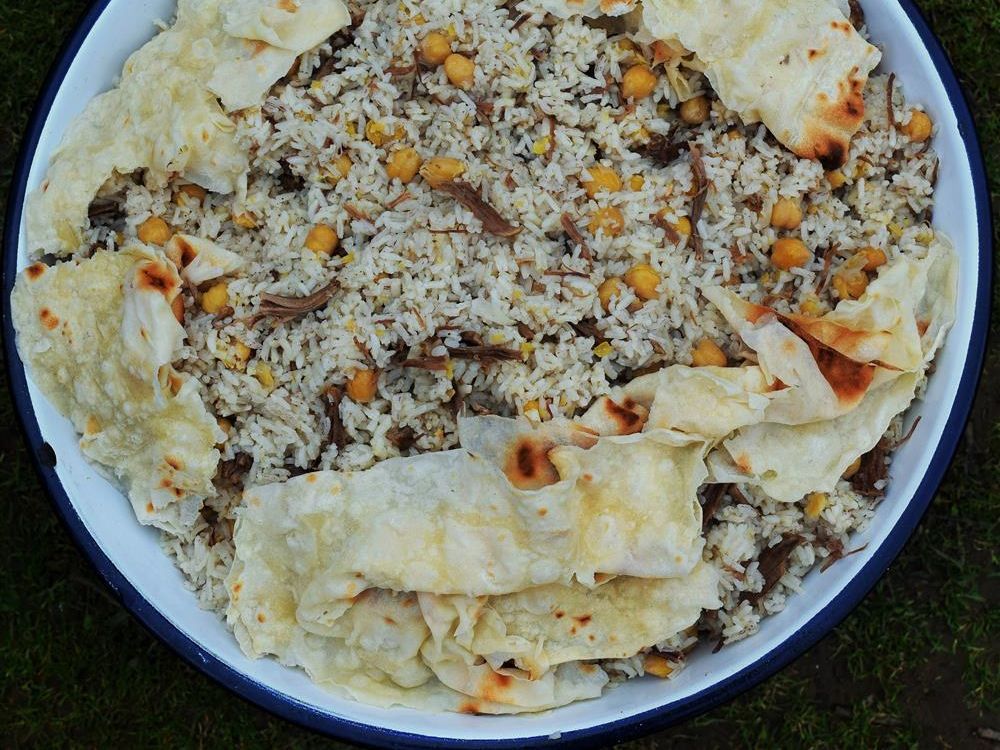
Yufkalı Konuralp Pilavı
Registered Konuralp rice is cooked with boiled beef, chickpeas and bone broth, then covered with thin yufka pastry and served hot, a pilaf offered at weddings and on holy nights (kandil). Yufkalı Konuralp Pilavı is a registered geographical indication.
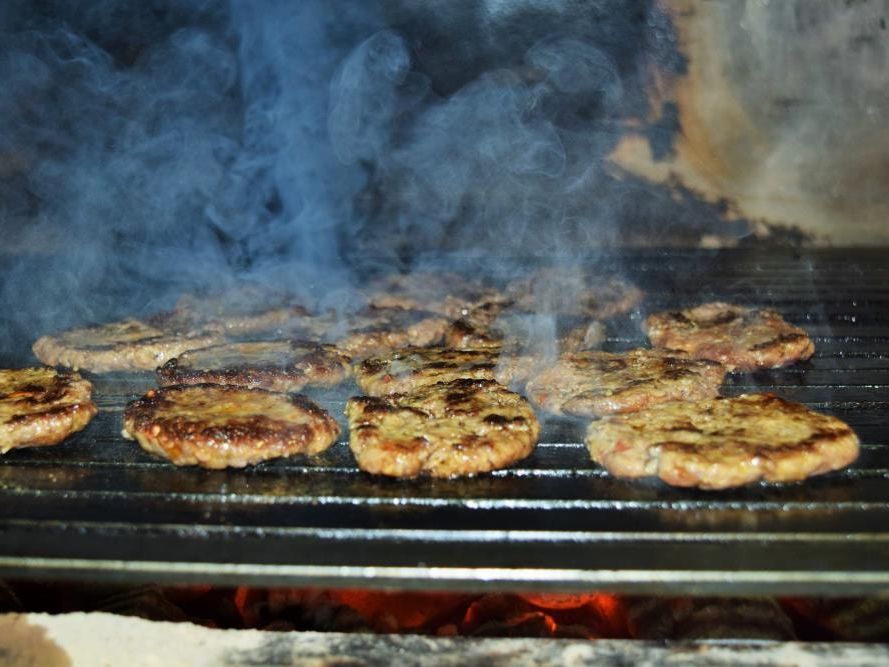
Düzce Köftesi
Düzce's well-known meatballs come from a cuisine enriched by generations of migrants; they are usually served with Düzce şırası, a drink made from dried black grapes. Düzce Köftesi and Düzce Şırası are both registered geographical indications.
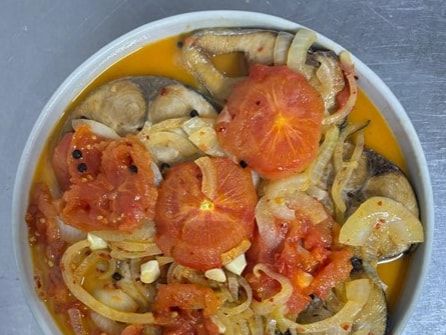
Akçakoca Ekşilisi
A sour fish dish made with oily Atlantic bonito (palamut) caught in the Black Sea. Akçakoca Ekşilisi is a registered geographical indication.
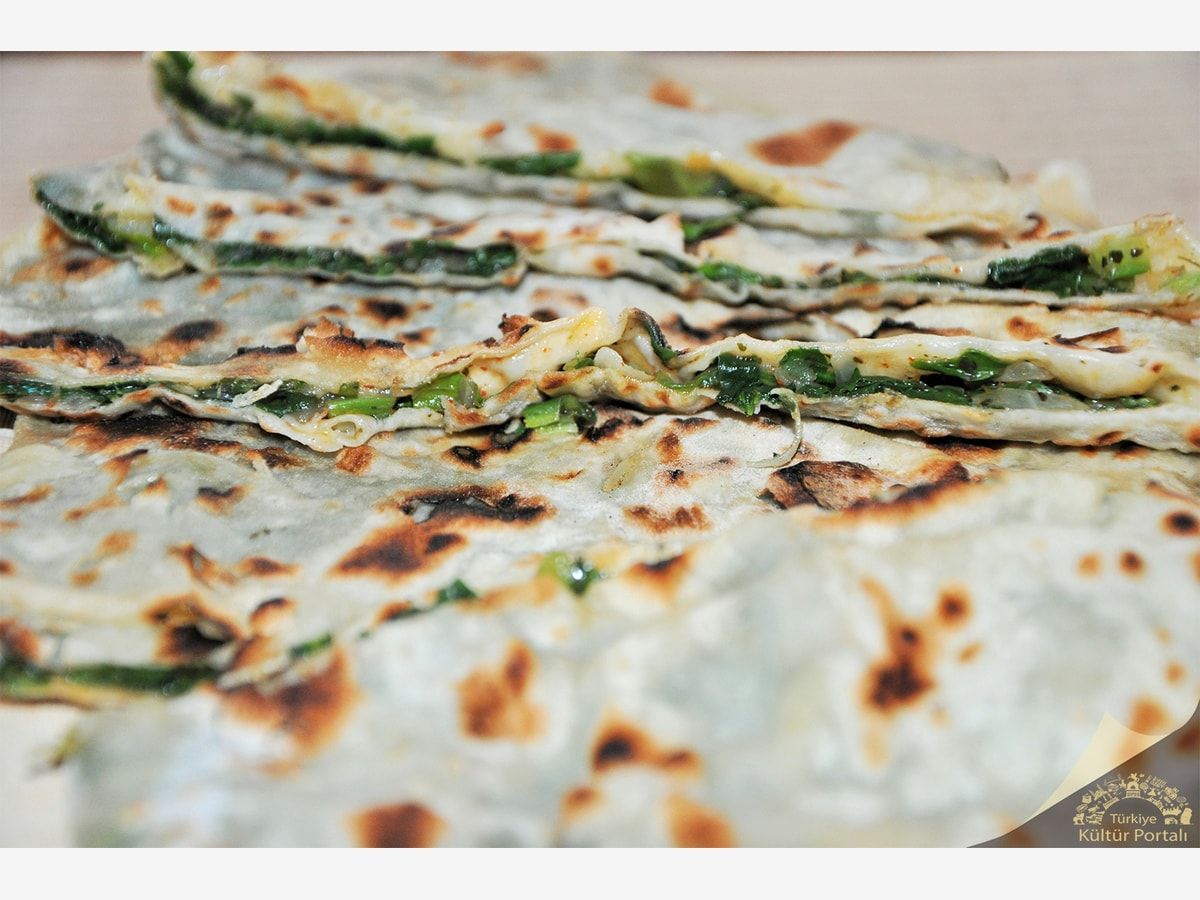
Akçakoca Mancarlı Pidesi
Locally, edible wild greens are called mancar; this pide (Turkish flatbread) is baked with a filling of those greens. Akçakoca Mancarlı Pidesi is a registered geographical indication.
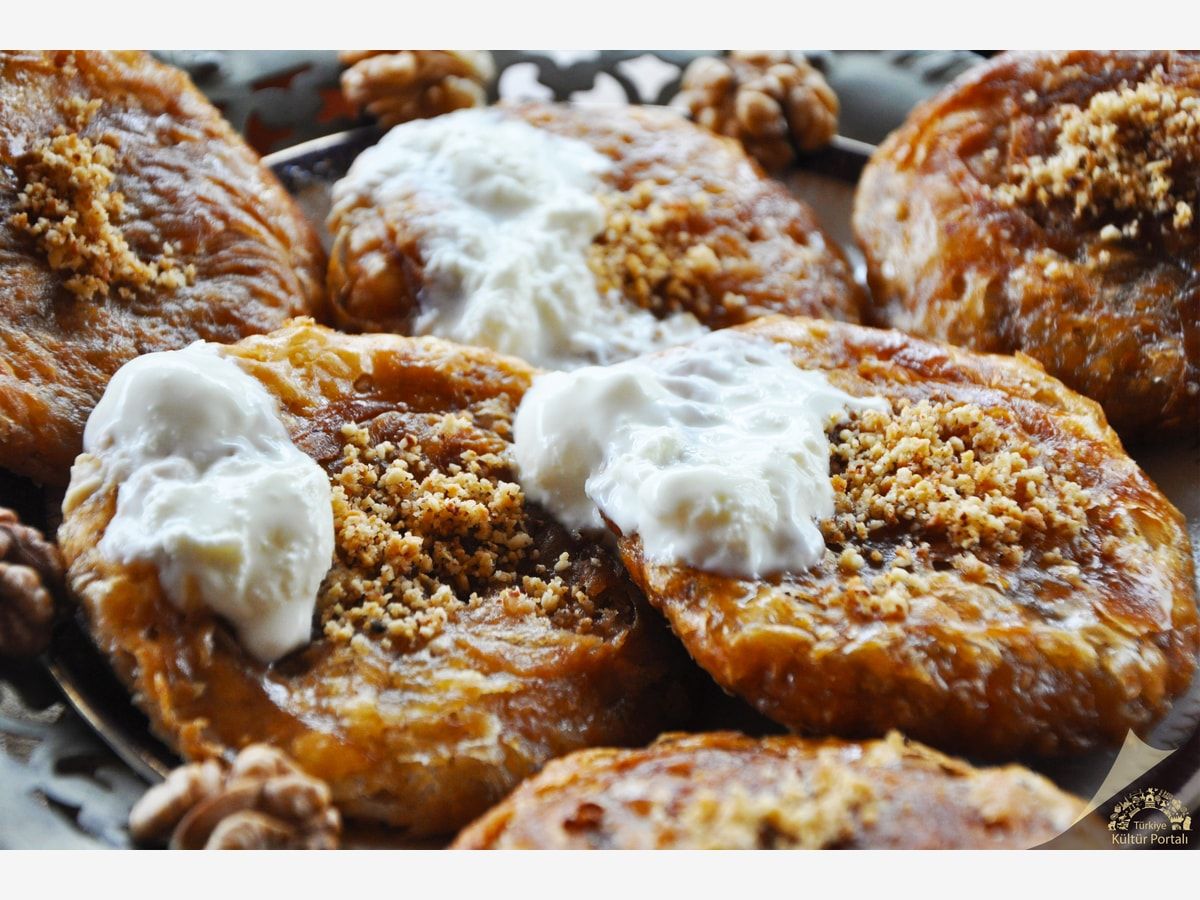
Akçakoca Melengücceği Tatlısı
An old dessert made with dartı, a fresh curd cheese from the milk of water buffalo raised along the Melen River. Akçakoca Melengücceği Tatlısı is a registered geographical indication.
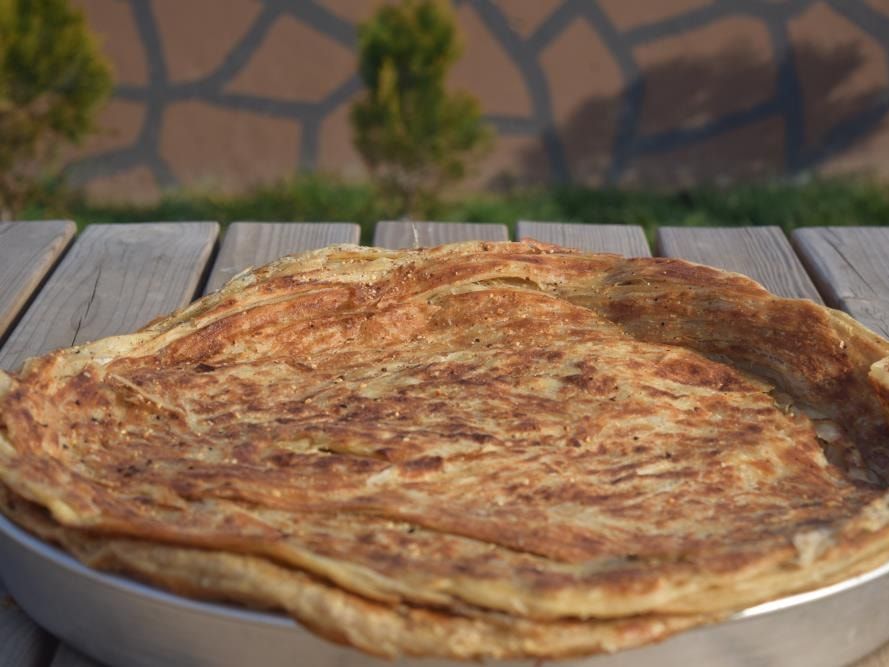
Çilimli Gözlemesi
Unleavened dough is filled with walnuts or hazelnuts, rolled up, folded into a figure of eight, rolled out again and cooked on a griddle. Çilimli Gözlemesi is a registered geographical indication.
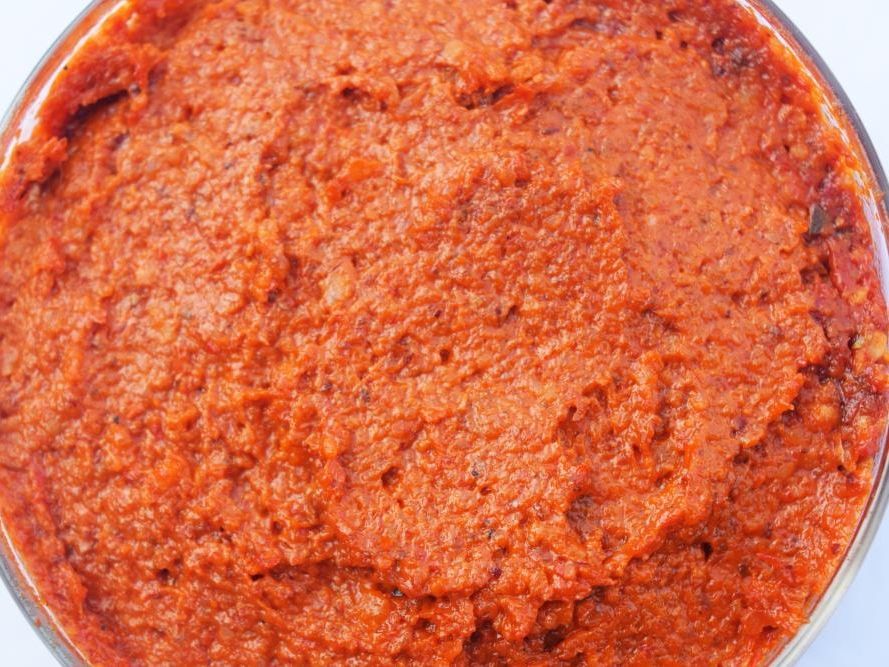
Düzce Acıkası
A spicy meze made with red pepper paste, walnuts, hazelnuts, garlic and coriander. Düzce Acıkası is a registered geographical indication.
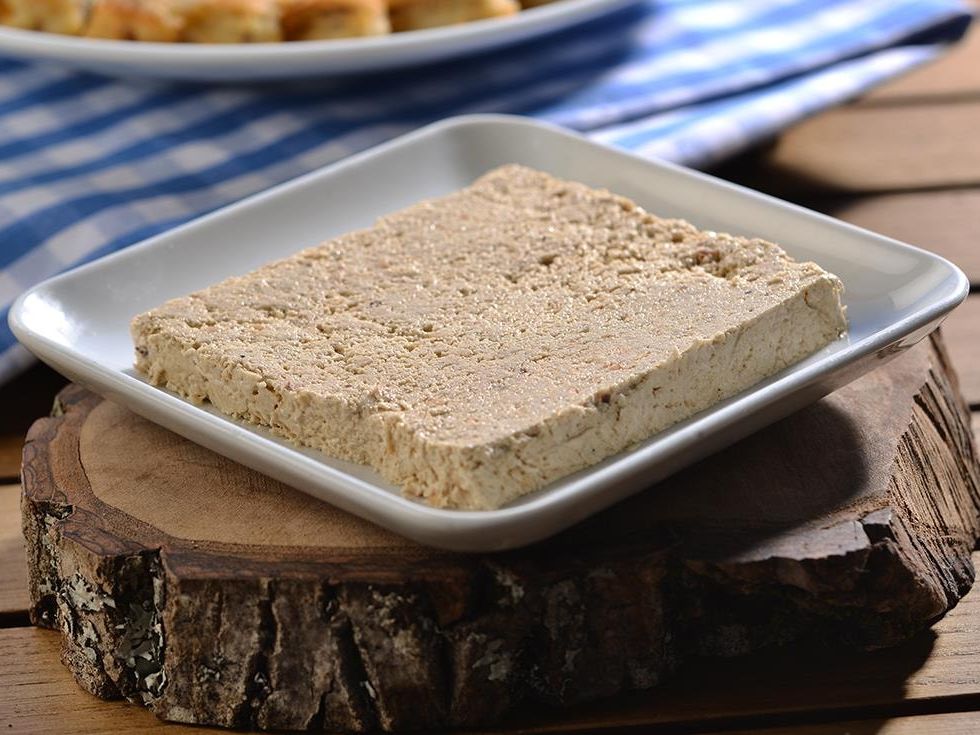
Düzce Fındıklı Tahin Helvası
Halva made with hazelnuts and tahini pressed entirely from sesame. Düzce Fındıklı Tahin Helvası is a registered geographical indication.


Places to visit in Düzce
The ancient city of Prusias ad Hypium is in Konuralp, about 8 kilometres north of Düzce on the road to Akçakoca. Its theatre, known locally as “Kırk Merdiven” (Forty Steps), was built in the Hellenistic period and enlarged under the Romans. The Horse Gate with a horse relief on its lintel, the city walls, a three-arched Roman bridge over the Melen and the Kemerkasım aqueduct are the main surviving structures.
Finds from the ancient city and the area are displayed in the Konuralp Museum.
Akçakoca, the coastal district where the ancient city of Diospolis stood, is known for its Genoese Castle and its beaches. Güzeldere Waterfall in Gölyaka and Lake Efteni, a stopover for migrating waterbirds, are among the province's nature spots.
Culture and arts in Düzce
Georgian, Abaza, Circassian, Laz and muhacir (descendants of Balkan and Caucasian migrants) communities live side by side in Düzce, and this variety shows in its food and wedding traditions. The Düzce knife is a craft registered as a geographical indication.
History of Düzce
The ancient city at Konuralp was first known as Hypios and Kieros; King Prusias I of Bithynia gave it his own name, and under Rome it became Prusias ad Hypium. The area passed to Rome in 74 BC.
Akçakoca was taken into Ottoman lands by Akça Koca in 1319 and Konuralp by Konuralp Bey in 1323. Düzce became a municipality in 1881.
Getting to Düzce
Düzce lies on the main Istanbul–Ankara highway, so anyone travelling between the two cities passes through the province.
Districts of Düzce
- Central district
- Akçakoca
- Cumayeri
- Çilimli
- Gölyaka
- Gümüşova
- Kaynaşlı
- Yığılca
Economy of Düzce
Hazelnuts are the province's main crop, and Akçakoca yellow hazelnuts are registered as a designation of origin. Düzce chestnuts, Düzce chestnut honey, Düzce chestnut squash and Konuralp rice are also registered products.


Comments
Loading comments…