
Erzurum
- Eastern Anatolia Region
About Erzurum
Known as the Land of Saints and the Land of the Dadaş, Erzurum, with a population of 761,174, is the second most populous city in the Eastern Anatolia Region. By area it is also Türkiye's 19th-largest province. With 49.99% of its population women and 50.01% men, it is a city whose population is notable for this balance. It has witnessed various political events since prehistoric times, because its geography places it at an important crossroads. Thanks to the rivers and plains among its natural beauties, farming and livestock are important sources of livelihood.
First founded within the borders of the Eastern Roman Empire, Erzurum has over time been home to various peoples such as the Sasanians, Cimmerians, Scythians, Medes, Byzantines, Persians, Urartians, Romans, Arabs, Mongols, Ilkhanids, Safavids and Seljuks. Because it has housed different peoples together, it is one of the rare cities of Türkiye that has lived with and embraced different cultures side by side.
Erzurum's famous dishes and desserts
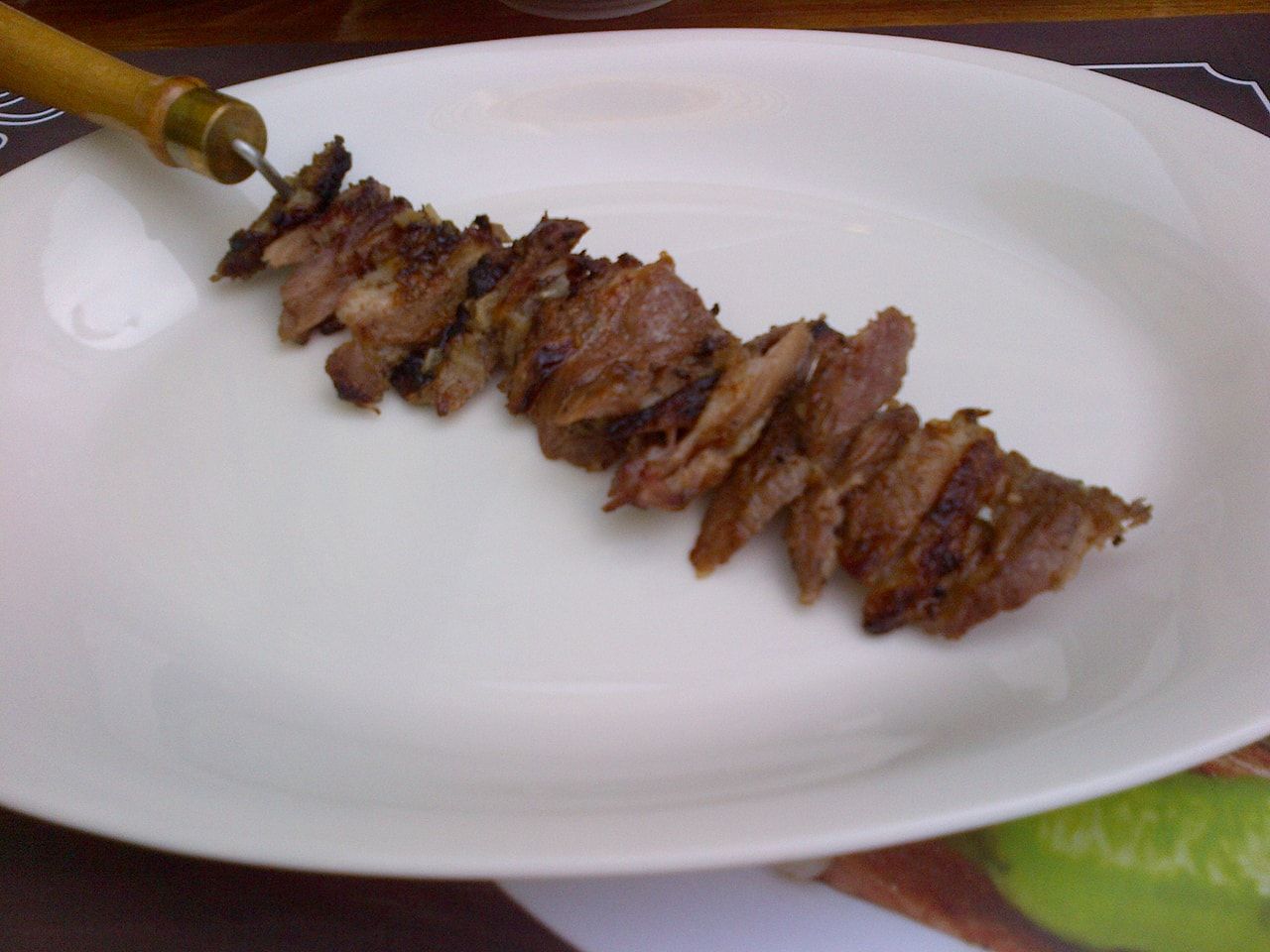
Cağ kebabı
Mutton or lamb is prepared with a special mixture and cooked horizontally over a wood fire. In recent years it has become one of Erzurum's symbols.
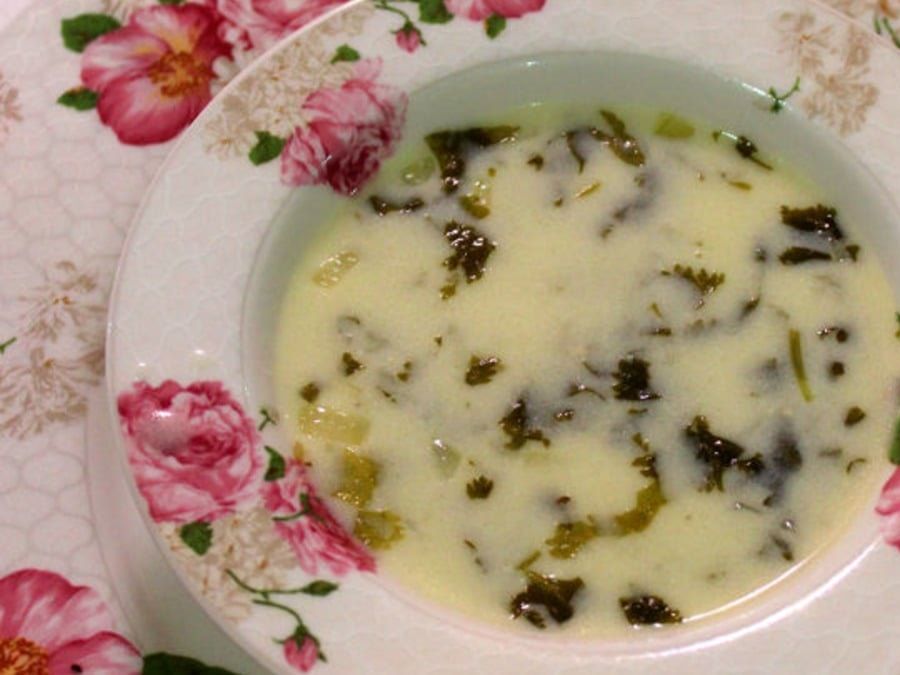
Aşotu çorbası (coriander soup)
In Erzurum coriander is called aşotu; its leaves are salted and kept, and used in soups and dishes. Erzurum aşotu is registered with a geographical indication.
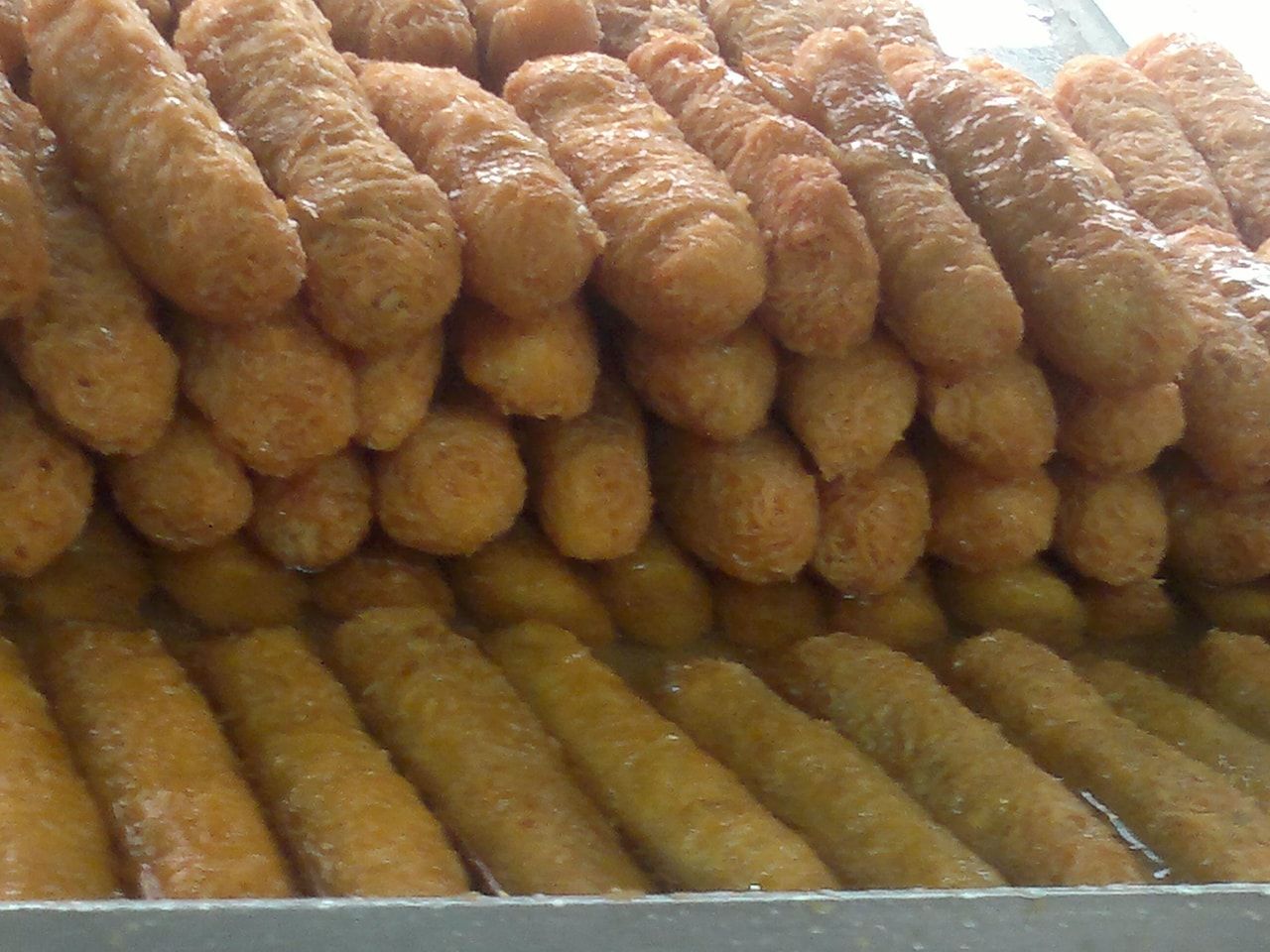
Kadayıf dolması
It is counted among the area's best-known desserts.
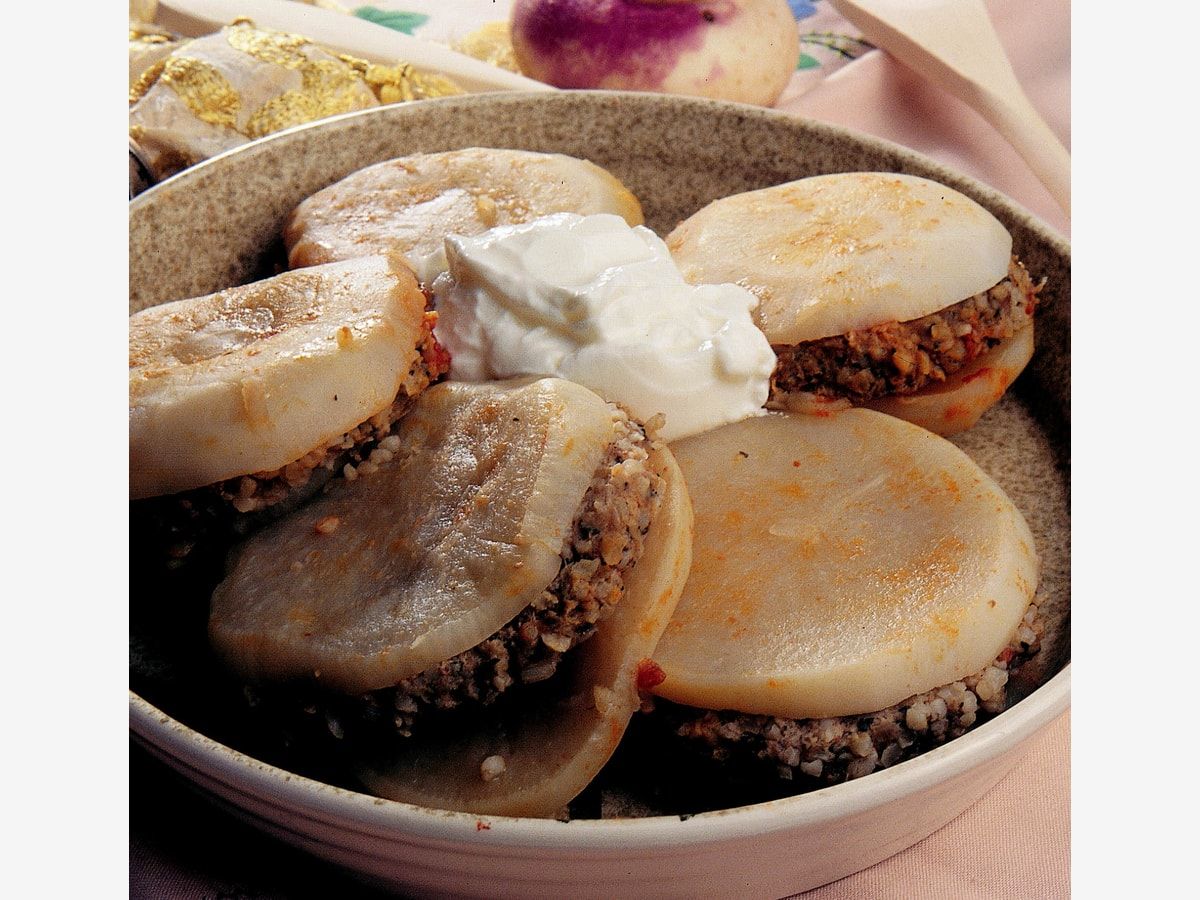
Şalgam dolması (stuffed turnip)
A filling of minced meat, rice and basil is placed between slices of boiled turnip, which are then cooked with tomato paste sautéed in butter. Erzurum şalgam dolması is registered with a geographical indication.
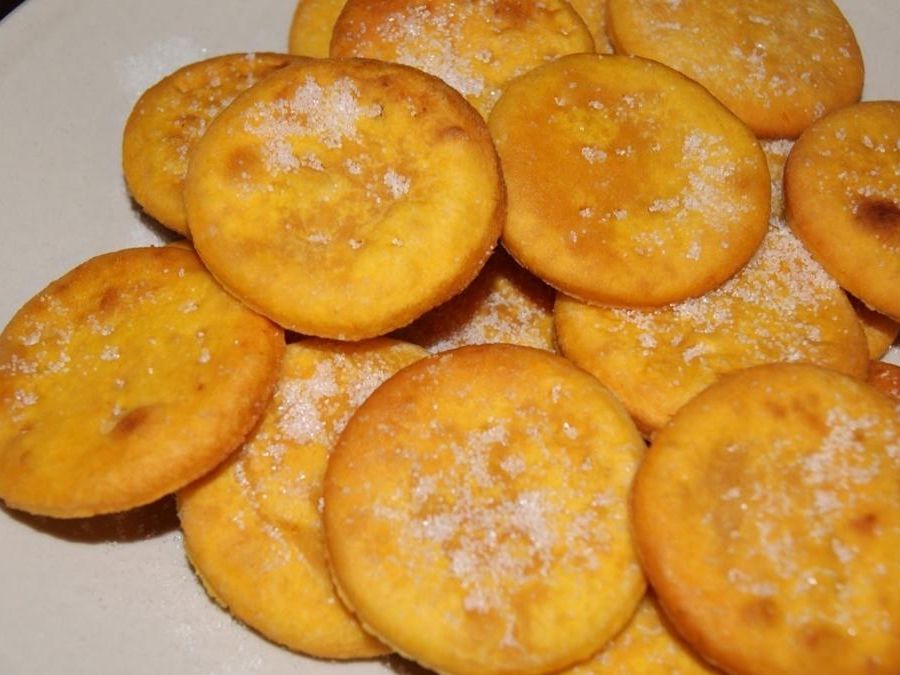
The kaşar cheese version of Erzurum lalanga
Lalanga
Lalanga, also called leylanga, is made by spooning a runny batter into a pan and frying it. Besides the version served with sugar or syrup, there is one made with kaşar cheese.
Source: Akşam · Recipe check
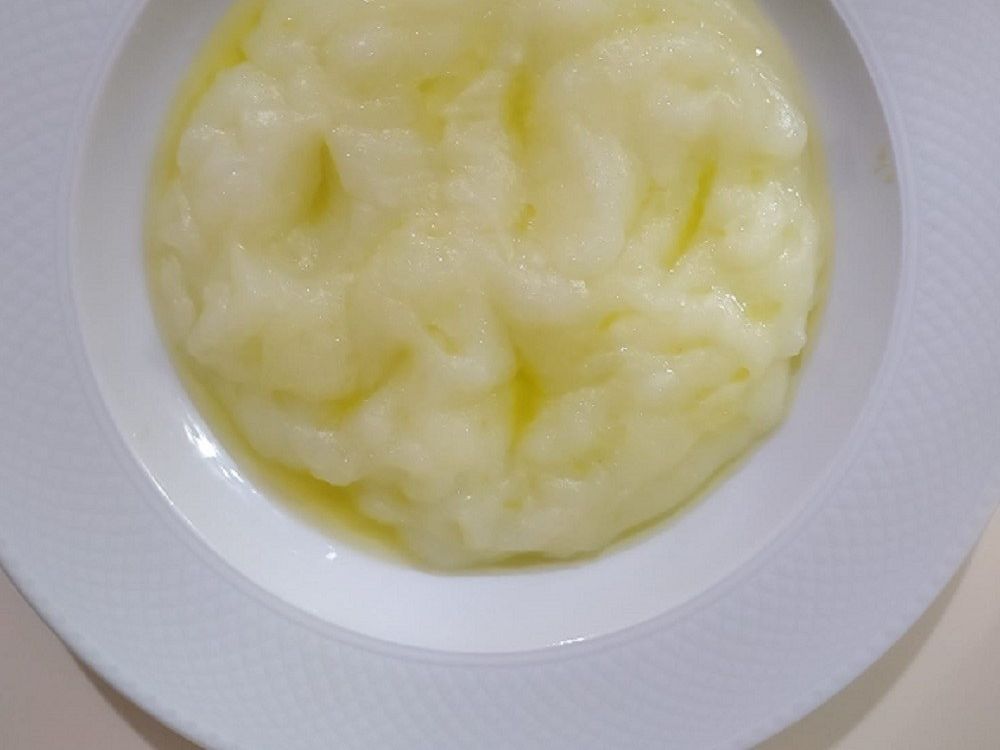
Hasuta
A clear, thick dessert made by cooking wheat starch, sugar and water with melted butter. Erzurum hasıta / hasuta is registered with a geographical indication.

Çiriş yemeği
Çiriş (wild asphodel shoots), gathered in spring, is cooked with bulgur, onion and chilli flakes; meat or kavurma can be added if you like. Erzurum çiriş yemeği is registered with a geographical indication.
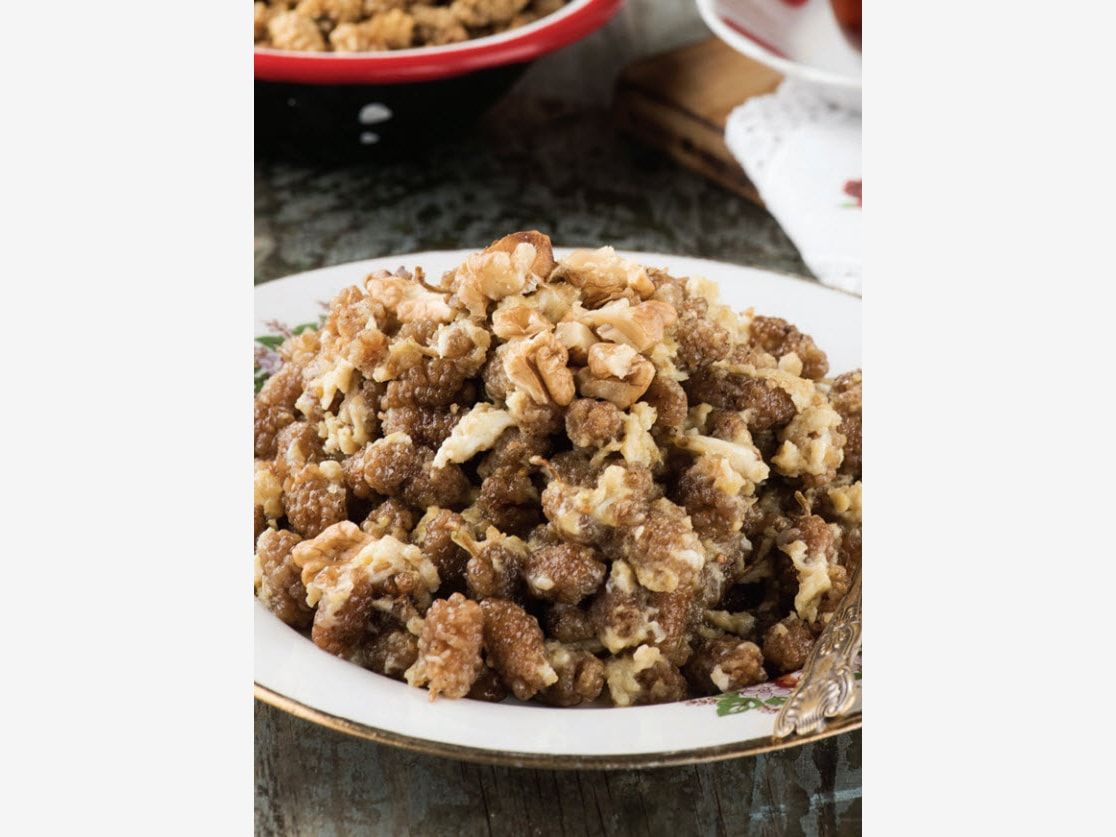
Dut çullaması
Dried mulberries softened in hot water are cooked in butter and eggs are broken over them. Erzurum dut çullaması, made especially in winter, is registered with a geographical indication.
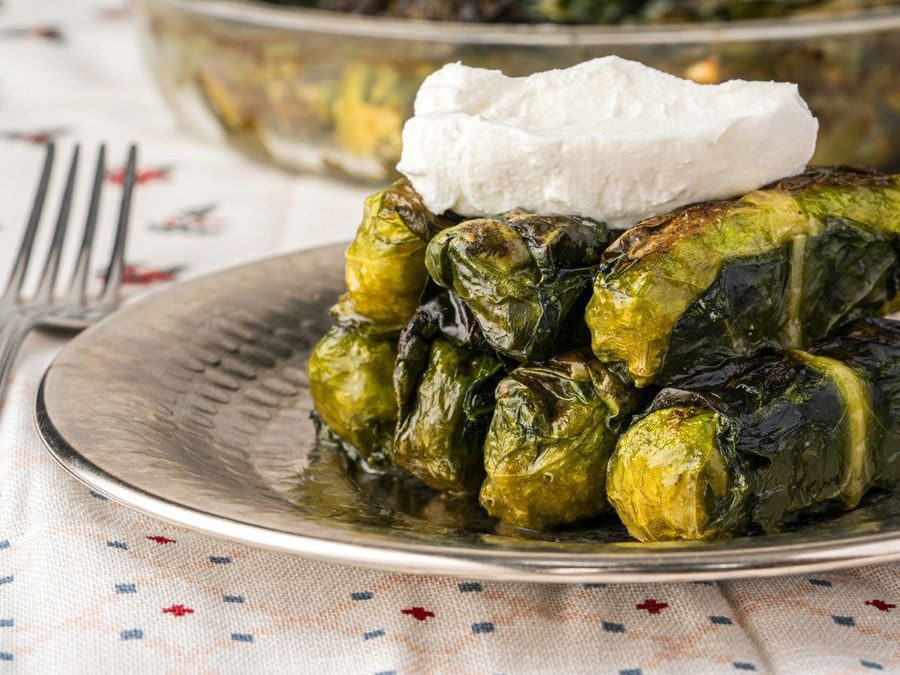
Lor dolması
Made by wrapping a filling of lor (curd cheese) and bulgur in chard leaves.
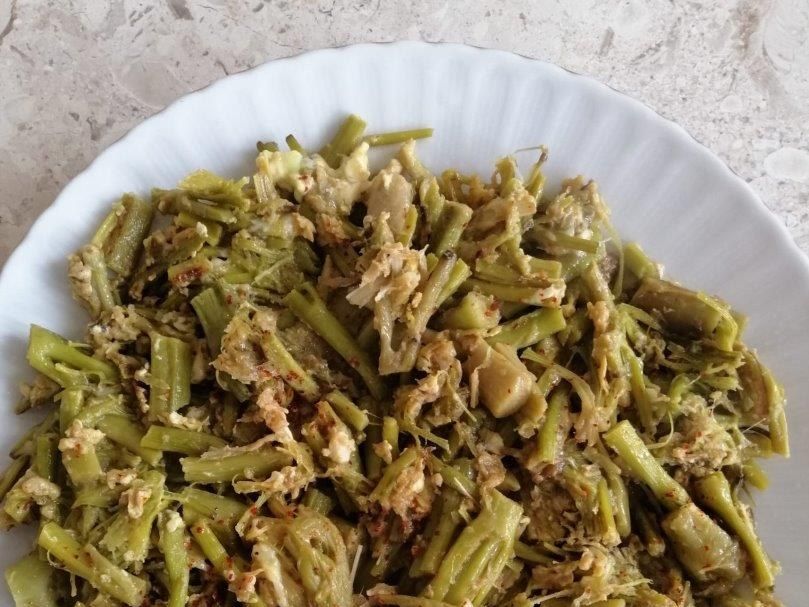
Çaşır
The wild çaşır plant is gathered in May and June and pickled in brine for use all year. Erzurum çaşır kavurması, made by sautéing it in butter and breaking eggs over it, and Erzurum çaşır salamurası (brined çaşır) are registered with a geographical indication.
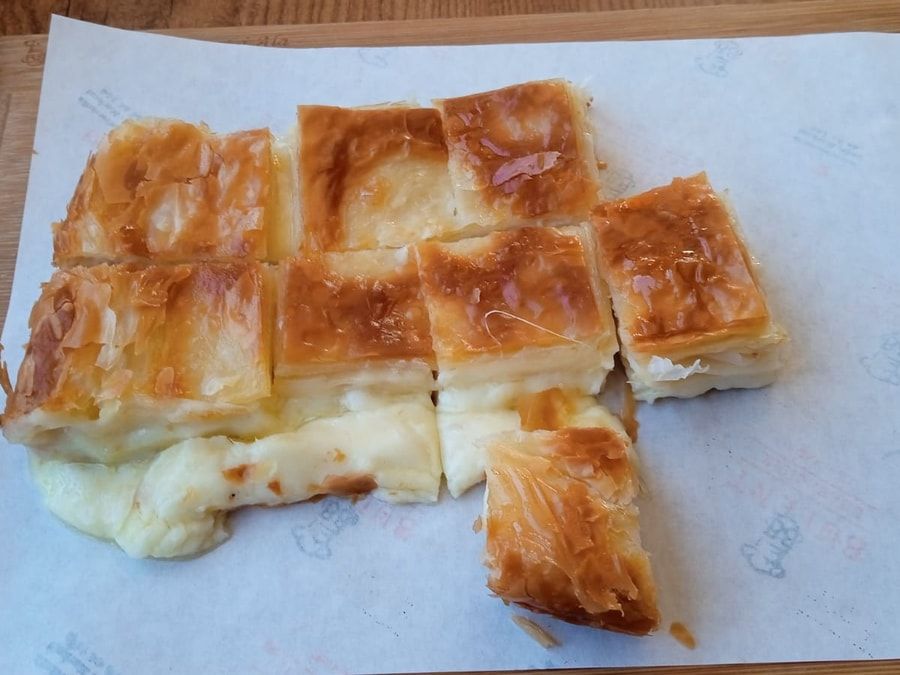
Su böreği
It is named among Erzurum's pastries.
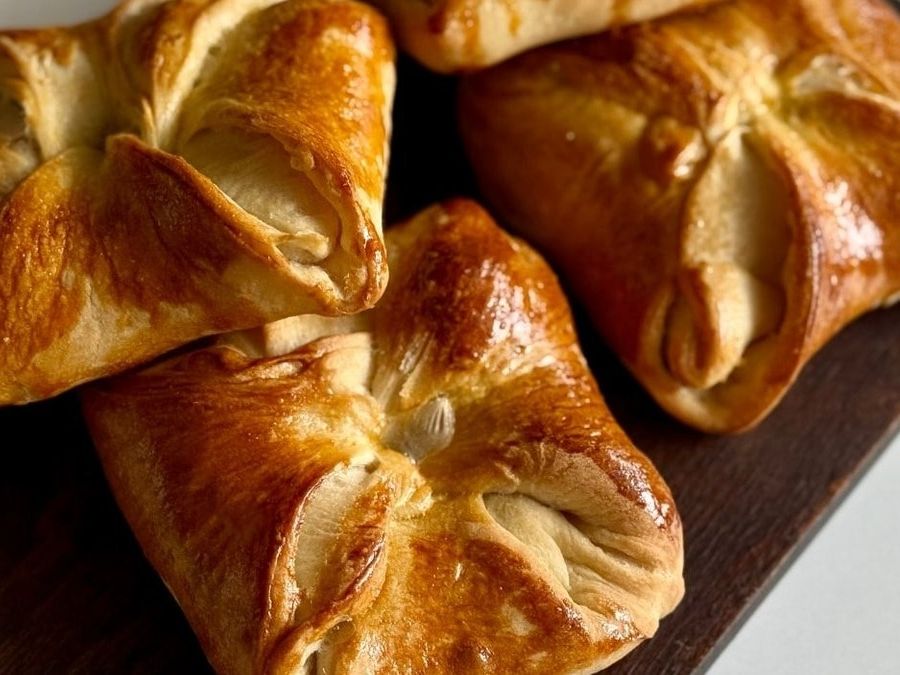
Erzurum ketesi
Kete, named among Erzurum's pastries, is known as a type particular to the area.


Places to visit in Erzurum
Ulu Mosque, Erzurum
This mosque, also called the Atabey Mosque, is the city's largest place of worship. Still open for worship, it was built in 1179 in the time of the Saltukid ruler Melik Nasirüddin Muhammed Bey. It reflects Seljuk architecture very well and holds 6,000 people. The mosque has 5 doors in all, but no two doors are alike in design. Repaired 5 times so far, the mosque was used as a food store in the time of Murad IV.
Rüstem Pasha Bedesten, Erzurum
Locally this Ottoman-style building is called the Taşhan. The bedesten was built in 1561 by the grand vizier Rüstem Pasha. Rüstem Pasha was both grand vizier and son-in-law to Suleiman the Magnificent. There are shops here today. The bedesten has 2 storeys and is a favourite stop for visitors.
Öşvank Church, Erzurum
One of the city's symbols, this church was built between 961 and 966. It is in Uzundere district and is visited most by Christian Georgians. The church's architect was Grigol of Oshki.
Ilıca hot spring, Erzurum
Visited by many tourists every year, this hot spring is good for many complaints. It is very easy to get to. The area of this spring in Aziziye district is 1,812 metres above sea level. It is said to be good for many complaints, above all rheumatism and stomach and intestinal problems.
Pasinler hot spring, Erzurum
Another of the city's natural healing sources is the Pasinler hot spring. 43 km from the city centre, this spring is visited by many tourists who come to Erzurum. There are several thermal hotels in the area where you can stay. It is said to be good for many complaints, above all rheumatism, orthopaedic problems, joint problems and arthritis.
Erzurum Archaeology Museum
The best place to learn the history of any city is undoubtedly its museums. Finds excavated in the city used to be collected in the Çifte Minareli Madrasa in 1942. As the finds grew, a new building was built. This museum has many works, above all Urartian inscriptions, metal vessels, votive stelae, weapons, seals, statues, terracotta sarcophagi, glass bottles and coins.
Erzurum Castle
It is not known exactly who built this castle, but it is thought to have been built by the Byzantines. Sadly many of the castle walls have collapsed. The castle is divided in two, an inner and an outer castle. The walls of the inner castle are very impressive. The castle is a place visitors stop at in large numbers.
Narman fairy chimneys, Erzurum
As the name says, these fairy chimneys in Narman district go back as much as 3 million years. One of the city's most intriguing spots, the area is easy to reach. It is especially popular with tourists. That the valley here resembles the Colorado Canyon in the USA is another striking feature. The chimneys cover a total area of about 6,300 hectares.
Lake Tortum, Erzurum
This lake, one of the natural beauties of both the city and the Eastern Anatolia Region, is in Tortum district. It is 35 km from the district centre. The lake's width varies between 100 metres and 1 km. A hydroelectric power plant was built here in 1960. The lake was formed by a landslide from Kemerlidağ.
Nene Hatun National Park, Erzurum
Named after Nene Hatun, this national park is in the central district. It is where the Mecidiye and Aziziye redoubts stand. The park also has the Aziziye Martyrs' Monument. Nene Hatun is one of the city's symbols.
Çoruh River, Erzurum
One of the places this river passes through, among many cities and districts, is Erzurum. This strikingly beautiful river rises on Mount Mescit in the province. Very important for the country too, the river runs for 442 km within Türkiye's borders. As one of the country's fastest-flowing rivers, it is, as you can guess, very good for rafting. Trekking, camping and mountaineering are also done here.
Atatürk House, Erzurum
This building, opened to visitors in 1984, was built in 1890. In type the house resembles old Erzurum houses. It was used as the German consulate in 1915–1916 and, after 1918, as the governor's residence. In this house, where Atatürk stayed from time to time, objects the house witnessed in the years of the founding of the Republic are now displayed.
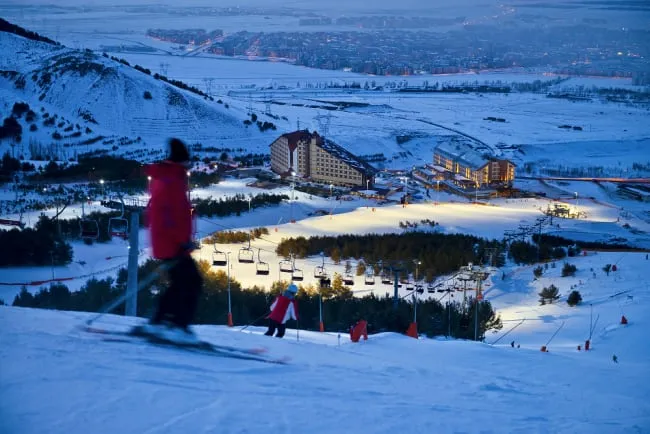
Palandöken Ski Centre, Erzurum
Erzurum undoubtedly brings winter and cold to mind. This ski centre, visited in large numbers by Turkish and foreign tourists in winter, is covered in snow for 6 months of the year. The season starts in November and ends in April. It is one of the major spots not only of Erzurum but of the whole country. Those who wish can also take private ski lessons.
Tortum Waterfall, Erzurum
This waterfall at Lake Tortum is extremely showy and beautiful. Formed on the Tortum stream, it is 20 metres wide and 50 metres high. It has a very high flow. It has a beauty that leaves you in awe.
Other places to see in Erzurum
- İbrahim Pasha Mosque, Erzurum
- Murat Pasha Mosque, Erzurum
- Lala Pasha Mosque, Erzurum
- Clock Tower, Erzurum
- Üç Kümbetler (Three Tombs), Erzurum
- Çobandede Bridge, Erzurum
- Aziziye Redoubt, Erzurum
- Yakutiye Madrasa, Erzurum
- İstanbulkapı, Erzurum
- Çifte Minareli Madrasa, Erzurum
Culture and arts in Erzurum
ERZURUM BARS
Erzurum's folk dances are called "bar". The word "bar" carries meanings such as "togetherness", "community", "holding hands", "binding" and "dancing together". The bar has a very old and deep-rooted past. Although climate, geography and historical events played a part in shaping it, according to anthropologists the bar is one of the national dances the Turks brought from Asia. Erzurum is a very rich region in folk dance. This richness is kept alive today in all its beauty and true to the original. The folk-dance teams of the Erzurum Folk Dances and Folk Songs Association have had proud successes in competitions at home and abroad. Erzurum bars are danced in two groups, women's bars and men's bars. In the village of Oltu in Oltu district, the bar is danced only by men, to davul and zurna (drum and shawm). The same village also has the Şeyh Şamil dance. It is performed to davul and zurna or mey and is a solo men's dance.
BAR TERMS
Ağırlama: the first part of the bar, danced slowly, gently and carefully.
Bar oyunu: dances whose main aim is enjoyment.
Kolluk: in the line, the dancer immediately to the left of the barbaşı (bar leader).
Koltukaltı: koltuk.
Pöççük: the name given to the dancer at the very end of the bar line.
Daldaş: dadaş.
Kelleler: all the dancers between the koltukaltı and the kolluk.
Sıra oyuncular: kelleler.
Sekme: the part of the bar danced with quick, nimble movements.
Yelleme: the name given to the second part in two-part bars; it is danced between the sekme and the ağırlama.
Bar sırası: the traditional order followed when bars are danced one after another.
Bar havası: a term for the melody and music of bar dances.
Bar tutmak: hiring a bar troupe for money.
Bar tutuşmak: the dancers who will dance the bar coming forward.
Bar çeken: the barbaşı.
Types of bar:
A – Men's bars: Baş Bar, İkinci Bar (first aşırma), Sekme, İkinci Aşırma, Nari, Dello, Koçeri, Temirağa, Tamzara, Tavuk Barı, Felek, Çingeneler, Uzun Dere, Daldalar, Yayvan, Hançer Barı.
B – Women's bars: Kavak, Çift Beyaz Güvercin, Çember, Döne, Nari, Çarşıda Üzüm Kara, Sallama, Mendilimde Kişmiş ile Badem Var, Tortumun Eymeleri, Aşşahtan Gelirem, Köylü Kızı, Delikız
MEN'S COSTUME
Cistik: the footwear worn for dancing the bar. Its main feature is its very soft leather, which makes the footwork easier. Those worn by older men are called markop, and those worn by young men yemeni.
Zığva: trousers of navy-blue cloth with a drawstring and a loose waist, pleated into a pouch at the back. Black silk braid is worked on them as decoration. Care is taken that the pleats that make the zığva full number 32.
Yelek (waistcoat): made of navy-blue cloth. It has braided buttonholes that close to either side, and its edges and pocket openings are worked with braid.
Gömlek (shirt): the shirts are white with a stand-up collar. The buttons may be white or black. The long cuffs have 4–5 buttons.
Kazeki: a short jacket with long sleeves. The sleeves are wide and edged with black braid, and the front and pocket openings are decorated with patterned braid.
Kuşak (sash): a cloth woven or plaited from coloured threads, once called Persian, Tripoli or Tosya shawl, which keeps the dancer's waist warm and also serves as a pocket.
Gümüş köstek (silver chain): an accessory of fine silver chain hung on the waistcoat, once used to carry a watch.
Bazubent (armlet): usually beaded. There are also silver ones. Worn on the arm, it holds prayers such as the ant prayer and the Ayat al-Kursi.
Mendil (handkerchief): using a handkerchief in Erzurum bars is a matter of skill. The handkerchief is used according to the rhythm and mood of each bar.
WOMEN'S COSTUME
Bindallı: a velvet garment embroidered with Turkish motifs in silver thread. The chest and neck may be trimmed with lace. The same lace is added at the cuffs. The sleeves, body and waist are fitted, while the skirt is made wide for easy movement.
Leçek (yazma): a cotton headscarf decorated with sequins and beaded lace. This name is still used.
Gümüş kemer (silver belt): worn at the waist of the Erzurum woman dancing the bar. The belt is made of various pieces joined with rings. It is engraved, and its buckle is more ornate. Some have mother-of-pearl inlay. Since inlaid belts are no longer made, they now have antique value.
Pabuç (shoes): the shoes are black and tie at the front. Made of soft leather, they are light and allow easy movement.
Dizleme: socks knitted from white wool, reaching up to the knee.
Handkerchief and other accessories: as in the men's bars, the barbaşı and the pöççük in the women's bars hold a handkerchief; women also wear a beşibirlik (five-coin gold piece) and Oltu stone necklaces at the neck, twisted bracelets on the arms and rings on the fingers.
OLD ERZURUM HOUSES
The building craft of Erzurum houses was handed down and developed from generation to generation. The way the houses were shaped by the harsh climate gave the area's architecture a character of its own. The large houses were built with thick cut-stone walls tied together at intervals with horizontal timber beams. This was done so that the heavy stone buildings could withstand earthquake loads.
Various kinds of stone were used. Of these, the dark basalt-type karataş was used for foundations and plinths, and the light limestone-type boztaş for the outer walls. The kamber stone, tending to red and pink, is found in the houses of some wealthy families.
Brick was used for partition walls, but it was not used as widely as stone and timber. Timber is the most used building material after stone. Apart from willow, poplar and pine, other kinds of wood are rarely found. Because resinous pine is durable, it was used for load-bearing beams, windows and doors, and for the timber beams inside the stone walls.
The stone walls were built of cut stone at the corners, including beside windows and doors, and of rubble masonry in the middle. Besides this general practice, there are examples in rich houses where all the surfaces are of cut stone. Because the inner walls are of brick, lime mortar is used as the binder. Where partitions are made with the bağdadi (lath-and-plaster) system, grass or straw is packed between the two layers of laths for insulation.
The roofs are generally flat. This kind of roof is used to cover rooms and courtyards. To roof the tandırevi, timber beams are laid diagonally in layers over a square opening left in the roof, narrowing as they rise to form an octagonal pyramid. This roof is a detail particular to Erzurum houses. There is also a simple pitched roof called the Pasin roof, used to cover barns. In all of these roofs, willow branches are first laid on the beams and then earth spread on top to finish the roof.
The most important element on the façades of Erzurum houses is the projection. In some examples the upper floor, which is the ceiling of the ground floor, projects 40 to 90 centimetres outwards in angled projections. In other examples it is not the whole floor but some of the rooms that project over the street.
In plan, the character of the Erzurum house is set by the courtyard and the tandırevi on the ground floor. Through the entrance door you first reach the courtyard. From here you pass to the rooms at the side, the tandırevi, and the divanhane (hall) upstairs.
The plan of the tandırevi may be square, rectangular or long
and rectangular.
The last occurs when the tandırevi is at the back.
The tandırevi is a multi-purpose space used for sitting, resting, eating and, if need be, sleeping. The smallest are 5 × 6 metres; that the space is generally square or nearly square makes it easier to build the lantern roof over it.
The rooms, with their cupboards, divans and hearths, follow the same principles as in other parts of Anatolia.
The sofa (hall), because of the continental climate, has shrunk a great deal and lost much of its function, becoming merely a passage. The everyday life of the sofa goes on in the tandırevi.
Building materials
Building materials are an important factor in shaping the main features of Erzurum houses. The main building materials are stone, timber, earth, brick and metal.
1 – Stone: cut stone was used at corners and on façades, and rubble stone walls elsewhere. There are kinds such as karataş, boztaş and kamber stone. Karataş came from around Hasankale and the village of Nene Hatun (Sivişli); boztaş from the Ağzıaçık redoubt and the village of Ağveren; and kamber stone from the quarries of the village of the same name.
2 – Timber: the most used building element in Erzurum houses after stone. The beams tying the walls, the joists carrying the earth roof, the floors, ceilings and all the joinery were made of timber. Pine, poplar and willow are the most used woods. Reeds and rushes were also used as secondary materials to cover the roof.
3 – Earth: the main roofing material of Erzurum houses and the binder in the stone walls. Earth was easily obtained from the redoubts around the city.
4 – Brick: because the earth is suitable, the bricks made are of good quality. Brick was used in partitions, on the first-floor façade and to build chimneys.
5 – Metal: used as hot ironwork. Door and window hinges, straps, nails, window bars and door knockers were made of iron. Cast bronze door knockers were also used.
LOCAL LEGENDS
THE LEGEND OF ÇOBAN DEDE
Çoban Dede is in Köprüköy. The stones at the place where the Çoban Dede legend is told are likened to a shepherd and his sheep, and to a dragon. According to the legend, long ago there lived a shepherd. A dragon plagued his flock and took away a sheep every time it came. Days later, grieving over his dwindling flock, the shepherd begged God to turn the dragon to stone, promising in return to sacrifice a ram. God accepted his prayer, but the shepherd did not make his sacrifice, and so God turned the shepherd and his sheep to stone.
THE LEGEND OF GELİN GELDİ ("THE BRIDE HAS COME")This legend concerns Gelin Geldi lake near the station in Ilıca district.
Ilıca, a charming tourist district we pass through on the way to Erzurum by both road and rail, is famous for its çermik, that is, its hot springs. Hot water rises almost everywhere in the district. The story we will tell concerns the name of Gelin Geldi lake at Ilıca station, where there is such a spring.
There was once a lake where Ilıca station stands today. Over time the lake shrank, and the present station was built in its place. The lake did not disappear, but it is now much smaller than before.
Lovely legends are told about the name of this lake. One of them goes like this:
In one of the villages round about there was a beautiful girl. A young man from a neighbouring village fell in love with her, and she loved him too. They told their families, and it was decided that the two should marry. But the young man's military service came between them. Before they could be united, they were parted. The girl in her father's house and the young man in the army began waiting for the day they would be together.
One day news came to the village that the young man had been killed in action. The girl, who had been waiting to put on her wedding dress, was shaken by the news. But what could be done? Her beloved was dead. Weeping and wailing were of no use.
New suitors came for the girl. Her father gave her to one of them. The wedding was arranged. The drums were beaten and the zurnas began to play. When the time came, the bridal procession led the bride's horse and set off. When the procession came to the shore of a lake on the way, they decided to rest a while. The girl got off her horse and gazed absently into the clear water, her mind always on her old love. She was thinking of him. As she looked into the sparkling water, she suddenly saw him, as if he were in the water. She sprang up and began running towards the water. She waded in, breaking its calm beauty, and vanished under the astonished eyes of the wedding party. Those in the procession waited, hoping the bride would come out of the water at any moment. Every change seen on the lake was taken to mean the bride was coming, and those waiting began to cry "Gelin geldi! Gelin geldi!" ("The bride has come!"). The movement of the water grew stronger with these cries of "Gelin geldi! Gelin geldi!". Even today this movement, that is, the rippling of the lake, still continues at these words. And the lake is known as Gelin Geldi Lake.
THE LEGEND OF THE FISH LAKE OF SÖĞÜTLÜ VILLAGE, ILICA
In the village of Söğütlü, 5–6 km south of Ilıca in Erzurum, there is a lake with fish.
It is said that during the conquest of Anatolia, Turkish akıncı (raiders) here were shot in the back while drinking water during battle, fell as martyrs, and were turned into fish by God.
One day a man from the village brought home fish he had caught in the lake and told his wife to fry them. He told her, but these fish were not fish; though they looked like fish, each was a martyred raider turned into a fish by God. The woman put the fish in the pan, and as they began to fry, the browning fish vanished from the pan. The man and his wife were astonished at what they saw, rushed outside in fear and went down to the lake.
The fish they had tried to fry were swimming in the lake with browned backs. From that day these fish were considered sacred, and no one fishes in this lake. Each of the fish in the lake looks burnt in places. This is said to come from the browning in the pan.
THE LEGEND OF KÜLHANCI BABA
The owner of a bathhouse poured out his troubles to Külhancı Baba, a young man who worked as an attendant in his bathhouse.
"Where am I going to find a stoker now? I'm in a fix," he complained.
Külhancı Baba loved his master very much.
"Don't worry at all. Go and rest. For forty days this bathhouse is my responsibility. But promise me you won't worry about it. Don't even look back as you go. Come back after forty days. But don't you dare get confused and come before forty days; if you don't keep your word, all my effort will be wasted," he told the owner.
The owner thought:
"This crazy boy is up to something, but let's hope for the best. Let's do as he says and see."
He went and shut himself up at home. But every evening he came to the bathhouse and collected the takings from Külhancı Baba. He kept his word and never went near the furnace.
Days followed days. In the past, strings of donkeys and mules carried firewood to the bathhouse every day; now the owner noticed that no one brought wood to the bathhouse any more.
"Well, what does this crazy boy heat the furnace with? Since he took over, not one woodcutter has come by, nor have I seen a single donkey-load of wood. What does this boy heat the furnace with?" he kept wondering.
The owner's curiosity grew a little every day. The days reached 39. Saying "thirty-nine or forty, it's all the same, I can't bear it any longer, I'm going to look," he went straight to the furnace.
And what did he see? A single candle burning under the water tank. The whole great bathhouse was being heated by this candle.
Just then Külhancı Baba came in:
"You waited 39 days; couldn't you wait one more? If you had waited one more day, I would have heated the bathhouse from the unseen," he said.
That is, if the owner had waited one more day, hot water would have gushed from underground and the bathhouse would have run on it. Because of the owner's haste and curiosity, Külhancı Baba's miracle was broken. The owner was very sorry, but it was too late. If he had not come and seen that the bathhouse was heated by a candle, God would have sent him hot water by His power.
THE LEGEND OF LAKE TORTUM
The people tell a lovely legend about Lake Tortum in Tortum, Erzurum, as follows.
A shepherd from the village of Hars (Uludağ) in Uzundere, near Tortum, was grazing his flock when a voice from the unseen reached his ears…
"I'm comiiing…"
The shepherd was startled and looked left and right, but saw no one. He thought he was imagining things. He waited until evening and went back to his village. The next day, in the same place, the shepherd heard the same voice once more. Again there was no one. When the same thing happened on the third day, the shepherd decided to tell the village elders and spoke to them. One of them, an old villager who had seen much, said to the shepherd:
"My son, if you hear the same voice again tomorrow, say 'Come on then, let's see what you'll do!' and see what happens…"
On the fourth day the shepherd did as the old villager said. As soon as he heard the voice he began to shout:
"Come on then, come on then, let's see what you'll do…"
The moment the shepherd said these words, half of the mountain on whose slopes he was grazing his flock broke away and blocked the Tortum stream flowing below. So a lake formed on one side, and on the other the water spilling over the rocks formed Tortum Waterfall.
Source: http://www.erzurum.gov.tr
History of Erzurum
THE NAME ERZURUM
Erzurum's first known name was Theodosiopolis, after the Eastern Roman (Byzantine) emperor Theodosius II (408–450); it was founded on the site of today's Erzurum. Brought within the borders of the Roman Empire towards the end of the 4th century, it was founded in 415 on Theodosius's orders by Anatolius, commander of the armies of the East. According to Matthew of Edessa, the city stood in the Karin area near the source of the Euphrates. According to al-Baladhuri, because it was founded by a woman called Kali, who succeeded Armeniakos, ruler of the region, on his death, the Arabs called it Kalikala ("Kali's gift"). Al-Baladhuri counts Kalikala among the cities of the Fourth Armenia and accepts it as one of the cities of Armenia. Tenth-century Islamic geographers give us information about Kalikala, recording that the kali (carpet), considered the most important household item in the East, was made here and took its name from this city. The author of the Hudud al-Alam reports that the city had a fortified castle guarded by ghazis who came from all sides to keep watch, and that there were many merchants in the city. Today's name Erzurum arose when, after the Seljuks conquered Erzen, its people migrated to Theodosiopolis (Kalikala = Karin); the city was then called Erzen, and in the early stages of Turkish rule the word Rum was added to distinguish it from the Erzen between Meyyafarikin (Silvan) and Siirt and to show that it belonged to Anatolia, giving Erzen al-Rum. On coins struck by the Seljuks in Erzurum the city's name is written Arzan al-Rum.
Prehistory
Erzurum and its surroundings saw dense settlement and political events, especially from the Late Chalcolithic and Early Bronze Age onwards. This is because since the earliest times it has stood at the crossroads of important trade and military routes, has rich river resources and offers natural defensive ground. Despite the harsh climate, the mountain ranges and the fertile plains along the rivers created conditions suited to farming and especially livestock. As the excavations at Karaz, Pulur and Güzelova attest, it can be said that the way of life in the area has continued for about six thousand years. It has also emerged that there was a very strong cultural unity in the region from the 4th millennium BC.
MUSTAFA KEMAL PASHA IN ERZURUM
Under pressure from the Entente Powers, the Istanbul government set up army inspectorates to keep order in Anatolia. Under this plan Mustafa Kemal Pasha was appointed to the 9th Army Inspectorate in Eastern Anatolia. Under the instructions given to Mustafa Kemal Pasha, he could give the necessary orders to the provinces of Trabzon, Erzurum, Sivas and Van and the independent sanjaks of Erzincan and Canik. As these wide instructions show, his task went beyond ending the disorder in and around Samsun. The work he began as soon as he set foot in Anatolia shows this.
Mustafa Kemal Pasha came to Erzurum on 3 July 1919; the first welcome ceremony was held at Ilıca, seventeen kilometres west of Erzurum.
On 4 July, the day after his arrival, Mustafa Kemal Pasha visited the Erzurum Society for the Defence of Rights (Müdafaa-i Hukuk Cemiyeti).
On 5 July 1919 Mustafa Kemal Pasha held a meeting with his close friends. Attending were Karabekir Pasha, Rauf Bey, former governor Münir, Süreyya, Kazım, chief of staff of the Army Inspectorate, Staff Major Hüsrev, Major Refik and M. Müfit. Those present promised to help Mustafa Kemal Pasha to the end and to accept him as their leader.
THE ERZURUM CONGRESS
The Erzurum Congress was the assembly held in Erzurum from 23 July to 7 August 1919. It was attended by 62 delegates, most of them from the 5 occupied eastern provinces of Trabzon, Erzurum, Sivas, Bitlis and Van; the decisions taken in the two-week congress largely shaped the course followed in the War of Independence.
Although the Erzurum Congress was a regional congress, it took decisions that would affect the whole nation. The congress was opened by Hoca Raif Efendi, one of the Erzurum delegates, as temporary chairman; after the roll call, Mustafa Kemal Pasha was elected chairman of the congress in a vote. It had actually been planned to start on 10 July, but was postponed to 23 July because some of the delegates could not arrive.
Decisions of the Erzurum Congress:
The homeland within national borders is a whole and cannot be divided.
Against every kind of foreign occupation and intervention, the nation will resist and defend itself together.
If the Istanbul government cannot secure the independence of the homeland, a provisional government will be formed. This government will be elected by a national congress. If the congress has not met, the Representative Committee will make this choice.
It is essential to make the Kuva-yi Milliye (National Forces) effective and the national will supreme.
Minorities cannot be given privileges that would upset our political sovereignty and social balance. But the lives, property and honour of these citizens will be protected from every kind of attack.
A mandate or protectorate cannot be accepted.
The national will and the national forces gathered will save the offices of sultan and caliph.
Efforts will be made for the Chamber of Deputies to meet at once and for the nation to oversee the government's actions.
Technical, industrial and economic aid may be accepted from states without colonial aims.
Source: http://www.erzurum.gov.tr/tarih
Getting to Erzurum
There are bus services to Erzurum from almost every city in Türkiye. In Istanbul you can travel with buses from many companies from the Samandıra and Dudullu terminals on the Asian side and from Esenler bus station on the European side. Erzurum is about 13 hours away by car via the D-100 highway, and about 18 hours by intercity bus. For those impatient to save time and get to Erzurum quickly, flying is a good option. Istanbul to Erzurum takes about 2 hours by plane. There are direct flights to Erzurum from Istanbul, Ankara, İzmir, Antalya and Bursa. If you want a journey facing unique views of natural beauty before your trip, you can also take the train on the Doğu Ekspresi (Eastern Express).
Districts of Erzurum
- Aşkale
- Aziziye (Ilıca)
- Çat
- Hınıs
- Horasan
- İspir
- Karaçoban
- Karayazı
- Köprüköy
- Narman
- Oltu
- Olur
- Palandöken
- Pasinler
- Pazaryolu
- Şenkaya
- Tekman
- Tortum
- Uzundere
- Yakutiye
Economy of Erzurum
Erzurum's economy rests largely on farming and livestock; the service and construction sectors also play an important part. The city still keeps its identity in Eastern Anatolia as a trading centre, dating from the times when it stood on the Silk Road.
Wheat, barley and rye are the main crops on the plains; sugar beet, potatoes and sunflowers are also grown. Leading fruits are apples, pears, walnuts, apricots, cherries and sour cherries. According to 2012 data, the province had about 760,000 sheep and goats and 550,000 cattle; annual milk production reached about 358,000 tonnes.
Industry is made up mostly of small and medium-sized businesses: food, chemicals and plastics, metal goods and machinery are the main branches. The Aşkale Cement Factory is considered the province's most important industrial plant, and the Erzurum Sugar Factory has been producing since 1956. Making jewellery and prayer beads from Oltu stone, mined in Oltu district, is also a livelihood for many craftspeople.
Winter tourism is another side of the city. The Palandöken ski facilities, about 3 km from the city centre, hosted the 2011 Winter Universiade. Atatürk University's students also keep the city's daily trade lively.
Sport in Erzurum
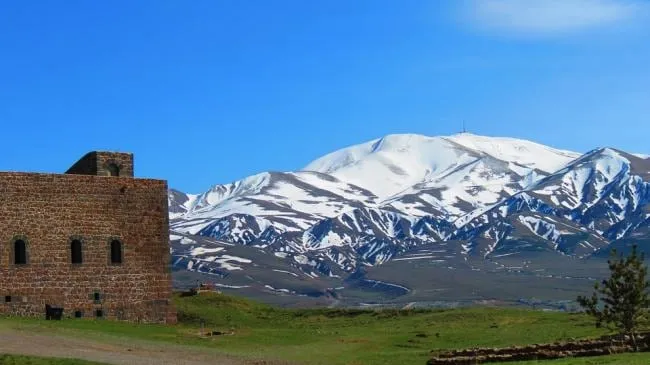
Erzurum, 64 per cent of whose terrain is mountains, has conditions suited to many outdoor sports, with peaks over 3,000 metres, valleys, rivers, lakes, geological formations, steep cliffs, mountain ranges and highland pastures. Erzurum has unique potential for many activities such as hiking, mountaineering, mountain biking, jeep safaris, rafting, canoeing, angling, hunting and paragliding. The region also offers outdoor sportspeople a visual feast with its interesting landscapes.
HIKINGHiking is an increasingly popular outdoor sport in Erzurum. The province has many mountains, hills, highland pastures and valleys with natural variety, crossed by paths that offer unique views. There are suitable routes for this kind of activity especially on the peaks of Palandöken and in Uzundere and İspir districts.
In the Uzundere valley there are many hiking corridors with varied landforms, deep valleys and plateaus, sometimes requiring climbing, passing through Scots pine forests, lakes and waterfalls. Under the DATUR project, 9 routes were identified around the Uzundere valley and 8 in İspir district. The length (u), difficulty (z) and altitude (y) of these routes have been determined.
MOUNTAINEERINGIn Erzurum, a city of mountains and valleys, there are many routes for amateur and professional climbers. The Mescit Mountains, between İspir and Erzurum, at 323 metres, one of the highest points in the province, can help the city become an internationally known "Alpine region" for nature tourism. Lake Tortum and its surroundings, which look like a geology laboratory, are also growing in importance for mountaineering. The routes set aside for rock climbing and abseiling are around Engüzek Castle and in the town of Pehlivanlı. The routes here are graded 5+, 6+ and 7-.
MOUNTAIN BIKINGFor mountain biking, one of the ideal outdoor sports for Erzurum's terrain, there are routes of various difficulty in İspir, Tortum and Uzundere. They are: Ahlatlı–Zarnıç (hard), Uzundere plateau (hard), Serdarlı–Pehlivanlı (medium), Derinpınar plateau–Serdarlı (hard), Engüzek Castle (medium) and Yıkıklar (medium).
JEEP SAFARIErzurum, notable for its natural beauty and interesting landforms, has interesting routes for jeep safaris.
They are the Uzundere – Zuğar Gorge, Serdarlı plateau – Uzunkavak Yedigöller – Kalavan plateau, Ahlatlı – Zarnıç, İspir – Moryayla – Yedigöller and Yoldere – Narman mountain road routes.
RAFTING AND CANOEINGThe Çoruh River, one of the best rivers in the world for rafting, flows through İspir district. The Çoruh, one of the fastest-flowing rivers in the world, hosted the World Rafting Championship in 1993. The Çoruh has advanced routes, while the Tortum stream in Uzundere has routes beginners of all ages can use. The best months for rafting on these rivers are May and June.
The Çoruh River and the Tortum stream offer ideal conditions for canoeing, while Lake Tortum is preferred for flat-water canoeing. On the shore of Lake Tortum there are jetties and ramps for canoeing, rowing and boat trips.
ANGLINGWith its rivers and its wide, deep waters, Erzurum offers great opportunities for angling. The Çoruh River, the Tortum stream, the Ödük stream, the Sırakonaklar stream, Lake Tortum and the İspir Yedigöller have trout, carp and mirror carp. In some lakes and rivers of the Çoruh basin, red-spotted trout have declined because of illegal fishing and pollution. For angling, the Bozburun peninsula on Lake Tortum, which is also a picnic spot, is recommended. Camping is possible at the İspir Yedigöller, Kuzgun Dam and Yıkıklar.
HUNTINGWith many hunting grounds, Erzurum is a city with high hunting potential. Mammals such as wild goat, chamois, hare and wild boar, and birds such as chukar partridge, grey partridge, rock partridge and quail are seen in the hunting grounds. Hunting is allowed in the general hunting grounds of Aşkale Karasu, South Pasinler, North Pasinler, Horasan Tahirhoca, Köprüköy Yağan and Pazaryolu Çatakbahçe. For current hunting bans, information can be obtained from the Erzurum Provincial Directorate of Environment and Forestry.
PARAGLIDINGWith its rugged, high mountainous and hilly terrain, Erzurum is also suitable for paragliding. There are suitable paragliding spots across the province, above all the Palandöken Mountains and the area around Lake Tortum.
Source: http://www.goerzurum.net/erzurum-da-turizm/erzurumda-doga-sporlari/


Comments
Loading comments…