
Giresun
- Black Sea Region
About Giresun
Giresun, where every colour comes together to make a perfect picture, is one of the places in the Eastern Black Sea region that draws the most tourists. Famous above all for its cherries, hazelnuts and kemençe (the Black Sea fiddle), Giresun is one of the rare Black Sea cities that has kept its natural beauty.
What has Giresun witnessed on its way from the 7th century BC to today? To go back to the beginning: in the 7th century BC Giresun was known as the “Kaşka” region. After that, traces of the Persians, the Roman Empire and the Ottoman Empire appeared in the region. Finally, in 1923 it became part of the Republic of Türkiye. Giresun comes from the Greek “Kerasounta”, in other words “horn”; the name was given because Giresun's geographical shape resembles a horn. The city, where yayla (highland pasture) tourism is widespread, also exports hazelnuts and cherries. This rare Black Sea city, worth choosing for its clean air, attracts interest all year round.
Giresun's famous dishes and desserts
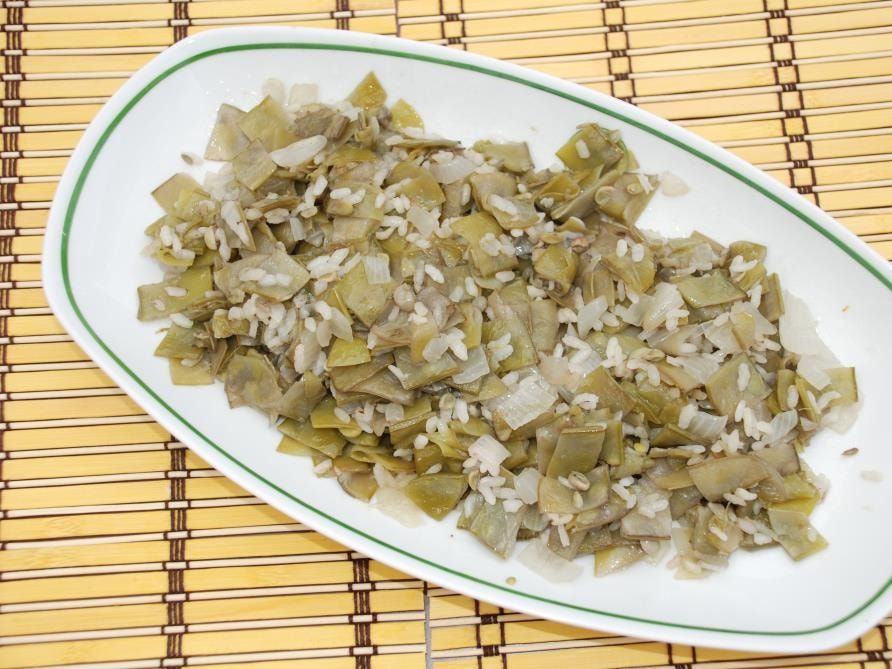
Fasulye diblesi
A Black Sea dish of green beans braised with very little water.
Mısır unu ekmeği (cornbread)
A bread made with cornmeal, the staple bread of Black Sea tables.
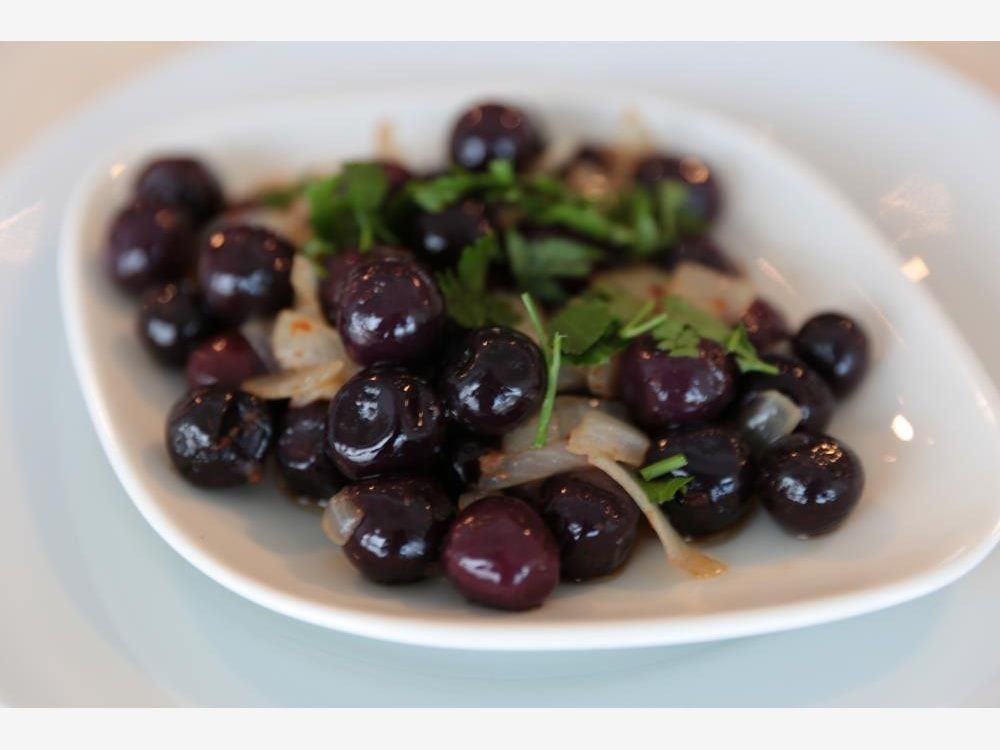
Taflan tuzlusu kavurması
Brined taflan (cherry laurel) fruits fried in oil.
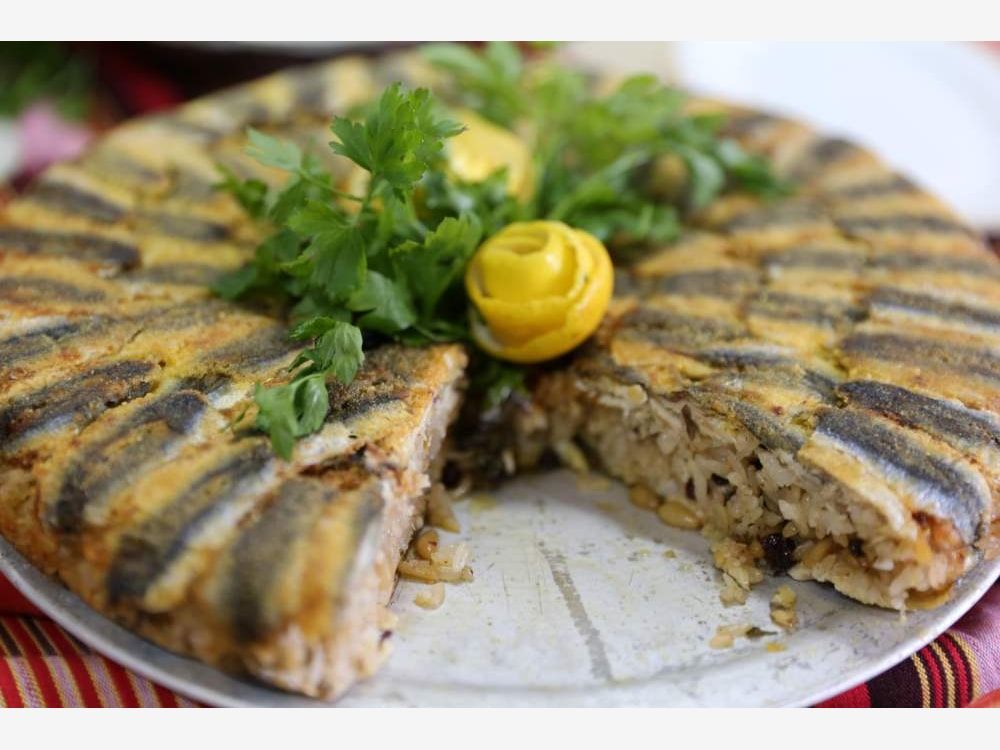
Hamsi böreği
A Black Sea börek made with hamsi (anchovies).
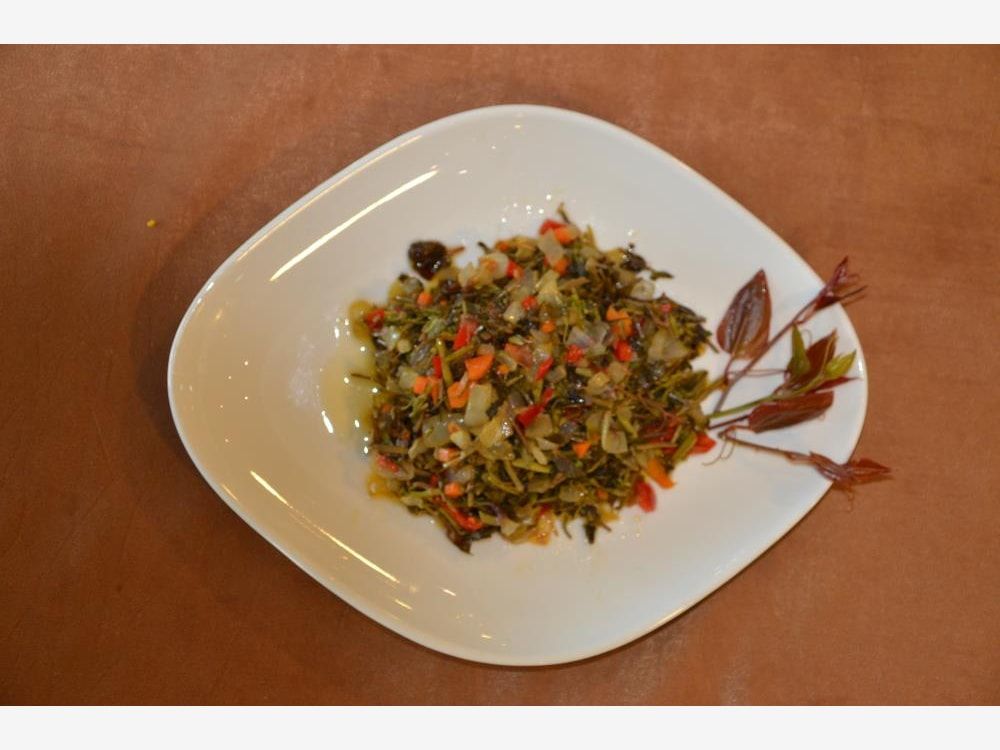
Merevcen – diken ucu kavurması
Made by frying the fresh shoot tips of a thorny plant called merevcen (smilax).
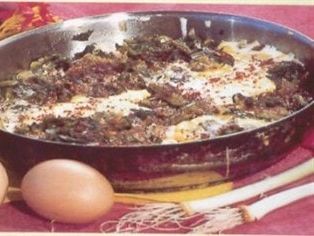
Pezik – pazı mıhlaması
Chard (pezik) is sautéed in oil and bound with cornmeal or egg.
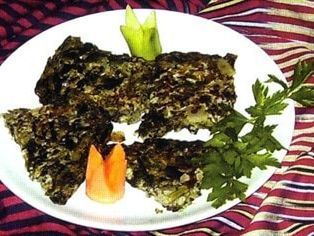
Pezik – pazı mücveri (chard fritters)
Chard is mixed with egg and flour and fried in a pan.
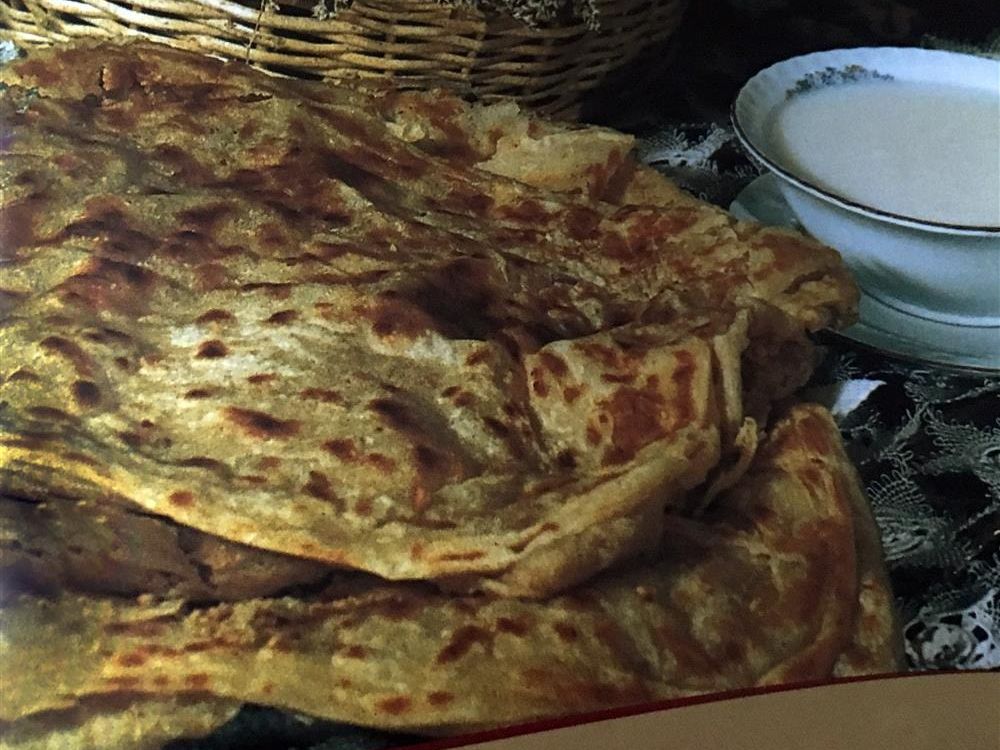
Katmer
A pastry made with dough rolled out in buttered layers.
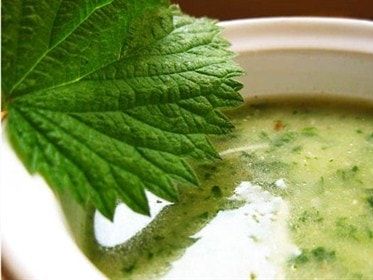
Isırganotu çorbası (nettle soup)
A soup made with fresh nettles.

Fındıklı güllaç (güllaç with hazelnuts)
Source: http://mahmure.hurriyet.com.tr/yemek/yemek-tarifleri/giresun-mutfaginin-en-meshur-tarifleri_1016072?s=10


Places to visit in Giresun
Castles of Tirebolu, Giresun
The Tirebolu district was first settled by the Milesians. Its first name was Tripolis, meaning “3 cities”. There are 3 castles in the Tirebolu district: two by the sea, Tirebolu Castle and the Sen-Jan (St John) Castle, and the Andoz Castle further inland. If you go to Giresun, don't forget to visit all three.
Kümbet yayla, Giresun
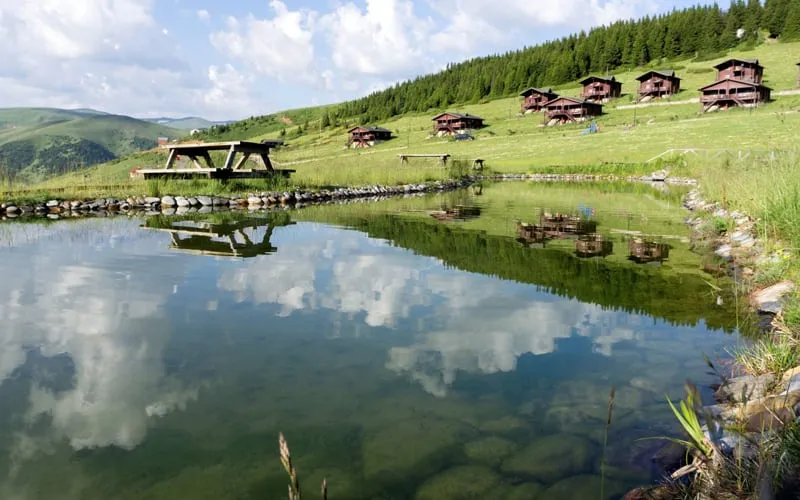
The Kümbet yayla (highland pasture) in Giresun's Dereli district should be on your to-do list. Giresun's yaylas are something special anyway; if you can, we recommend visiting them all. The Kümbet yayla is easy to reach: the road is asphalt and dolmuş (shared minibuses) run there in summer.
The Kümbet yayla, with a wonderful view, has full infrastructure, with many facilities from a hotel and a car mechanic to a health centre and restaurants. If you want a picnic, don't have it on the Kümbet yayla, because the rain won't let you. But if you go about 8 kilometres further, you can picnic at Şebinkarahisar on the mountain's southern slope, where the climate is somewhat drier.
Giresun's other yaylas are:
- Bektaş yayla and its festivities
- Yavuz Kemal town (Kulakkaya yayla)
- Melikli Obası yayla
- Tamdere yayla
- Tamzara yayla
- Kulakkaya yayla
- Sis Dağı yayla
- Paşakonağı yayla
- Çakrak yayla
- Anastos yayla
- Dokuzgöz yayla
Meryem Ana Monastery, Giresun
The Meryem Ana (Virgin Mary) Monastery, in Giresun's Şebinkarahisar district, is in the Kayadini neighbourhood of the village of Saıyer. The monastery's history goes back to the Middle Ages. It was carved out of a single rock and has 4 floors; the first three were used for different purposes and the fourth as a church. With its walls decorated with paintings, the Meryem Ana Monastery is Türkiye's second-largest natural rock-cut monastery.
Giresun Museum – Gogora Church
The building that houses this museum was formerly a church, an Orthodox one. It was built in the 18th century and was used as a church until 1923. After 1923 it stood empty for exactly 25 years, then from 1948 to 1967 it was used as a prison. After 1967 it was again left empty for 15 years; it was restored in 1982 and has been used as a museum since 1988. The museum holds many historic objects from the Hittites to the Ottomans.
Culture and arts in Giresun
The most special place in Giresun's culture is Giresun Island, about 1.6 km off the coast. Known as the only island in the Eastern Black Sea, it has wall remains and towers thought to date from the Pontic period, and a monastery. The island is said to have been a stop on the Argo's voyage in the Argonaut legend.
The International Aksu Festival is held every year on 20 May. The best-known tradition at the festival is passing through the trivet of the Hamza Taşı (Hamza Stone), followed by a tour of the island. For the townspeople, the Aksu tradition is like welcoming the spring.
In the city centre you can see buildings such as Giresun Castle, the Giresun Museum and the Kapu Mosque. The Kümbet yayla and the Hazelnut and Man Monument are also among the city's familiar symbols.
History of Giresun
We find the first historical information about the Eastern Black Sea and Giresun in the works of Greek geographers and travellers. In these works the peoples living in this region are named as the Colchians, Drilae, Mossynoeci, Chalybes, Tibareni, Gaskas, Scythians, Cimmerians, Amazons, Huns, Cumans, Pechenegs, Akhuns (White Huns), Sabirs, Khazars, Bulgar Turks and Oghuz Turks.
The Hittites, who founded a state in Anatolia around 1800 BC, could not capture the Black Sea coast. The Gaskas living here at that time were a people not precisely identified. Besides the Gaskas, we see the Cimmerians in the region. The Cimmerians, a people of Central Asian origin, lived between the early 2nd millennium BC and the 8th century BC in the lands north of the Black Sea between the shores of the Caspian and the Danube.
In the first half of the 7th century BC we see Anatolia exposed to Cimmerian raids from north of the Black Sea. When the Scythians from Central Asia seized the region where the Cimmerians lived, the Cimmerians left their homeland, moved south, crossed the Caucasus and entered Anatolia. We see Cimmerian warriors reaching the Kızılırmak in the first years of the 7th century BC and fighting the Phrygians.
According to the Şebinkarahisar researcher and writer Hasan Tahsin Okutan, Cimmerian remains are found in Şebinkarahisar. According to Okutan, in the times of the Etis (Hittites), the Amazons and the Cimmerians, the town of Karahisar was at today's village of Isola. The inhabitants of this town, ruled as a fiefdom, left their homes during a seven-year famine; some migrated and some took refuge on the Kırklar hill of the 3,040-metre Karagöl Mountain between Ordu and Şebinkarahisar, where they spent the famine years.
The rock shelters and caves at Bozbayır, Akaya, Güneytepesi and Dişkaya in Şebinkarahisar are still thought to be Cimmerian works.
After the Cimmerians we see the rule of the Scythians (Sakas) in the region. In the 6th century BC the Scythians drove out the Cimmerians, ended Median rule in Eastern Anatolia and spread across all of Asia Minor. We know that even in the early 4th century BC the Scythians dominated Eastern Anatolia.
The warrior people of women called the Amazons are presented both as the women's group of the Cimmerians and as Scythian. According to the Armenian writer Minas Bijişkyan of Trabzon, the Amazons were brave, warlike women who, according to ancient historians, founded an independent state near Terme and ruled the Black Sea coast as far as Farnia (Poti). They were of Scythian origin, descended from two princes named İğin and Skologit who were exiled to Terme, and grew in number over time. According to Greek mythology, the Greeks who left Terme came to the island of Aretias off Giresun. Here they met the third Amazon tribe, ruled by Queen Antiege. After fighting them, they took the Amazons they had captured with them and set sail. Herodotus's history says the Amazon women mingled and lived together with young Scythian men.
In the 6th century BC the Hittites called the Giresun area the land of Azzi, where the Azzi lived. In ancient Greek sources the region is called Pontus, and the Giresun area is shown as the home of the Chalybes, Tibareni and Mossynoeci.
In 670 BC the Milesians, coming from the Aegean coast, took control of important trade centres stretching from Sinop to Trabzon (670–546 BC). They founded about 90 towns in the region, one of which was Kerasus. Kerasus is thought to have been at Giresun or at the site of today's Çıtlakkale. Some settlements grew quickly into centres of trade and fishing, Giresun and Tirebolu among them. The Milesians who settled in and around Giresun mixed with the local Tibareni, Mossynoeci and Chalybes.
In the Persian Empire period of 546–332 BC, Giresun was taken by the Persian emperor Darius. In 332–323 BC the Persian Empire was decisively defeated by Alexander and broke up. Meanwhile the Kingdom of Cappadocia was born, and Giresun remained within its lands. (323–301 BC) After Alexander's death the Macedonians ruled the region. In the Pontic period of 301–66 BC, Giresun was under Pontic rule.
In the early 2nd century BC Kerasus was known as Farnakeia (Pharnacia), because it had then passed to King Pharnaces I of Pontus. When Kerasus came under Roman rule it took the name Kerasunda.
The city lived its most brilliant period under Mithridates IV, who put the Roman senate in difficult positions. Under Mithridates the state's borders extended as far as Greece. Rome was uneasy. The Roman army sent to Anatolia under General Lucullus seized the kingdom's lands (76 BC). When Lucullus returned to Rome, he took with him cherry saplings, very common in the area but not yet known in the West (67 BC).
When General Lucullus returned, the lost lands were retaken. This time the senate appointed General Pompey, and Anatolia was attached to Rome. While Pompey was in Palestine, Pharnaces II managed to retake some places. After Pompey returned to Rome, they advanced as far as Cappadocia. At that time Caesar was in Egypt; he entered Anatolia to end the Pontic occupation. Caesar united the kingdoms of Pontus and Bithynia and attached them to Rome as a province. After Caesar's death, the land of Pontus was divided into three regions. Pharnacia remained in Pontus Polemoniacus.
When the Roman Empire split in two in 395, Giresun remained within the Eastern Roman Empire. In 1204 Constantinople was conquered by the Latins. The Eastern Roman emperor Alexios Komnenos, who fled to Trabzon, founded a new Greek empire, and Giresun also came under its rule.
In 1358 Hacı Emir Bey, emir of Ordu, advanced with his forces as far as Maçka, and in 1361 he mounted a new campaign against Giresun. When Hacı Emir Bey died in 1397, his son Süleyman Bey, who succeeded him, took Giresun completely.
Under the Ottoman sultan Yıldırım Beyazıt (Bayezid I), Turkish unity was achieved in Anatolia, and Süleyman Bey joined this union. At the end of 1398 Giresun came within the Ottoman borders. When Timur invaded Anatolia in 1402, the Empire of Trebizond retook Giresun in 1404.
After the conquest of Istanbul, the Ottoman sultan Fatih Sultan Mehmet Han (Mehmed II) erased the Empire of Trebizond from history in 1461, and so Giresun became fully part of the Ottoman Empire.
HOW GİRESUN BECAME A PROVINCE
In the imperial period Trabzon was the centre of the eyalet (province), and Giresun was attached to it. After the proclamation of the Tanzimat, Giresun was attached for a few years to Şebinkarahisar in the administrative organisation. Later, while a district centre attached to Trabzon, it became an independent mutasarrıflık (sub-province) in 1920 and a provincial centre with the proclamation of the Republic in 1923.
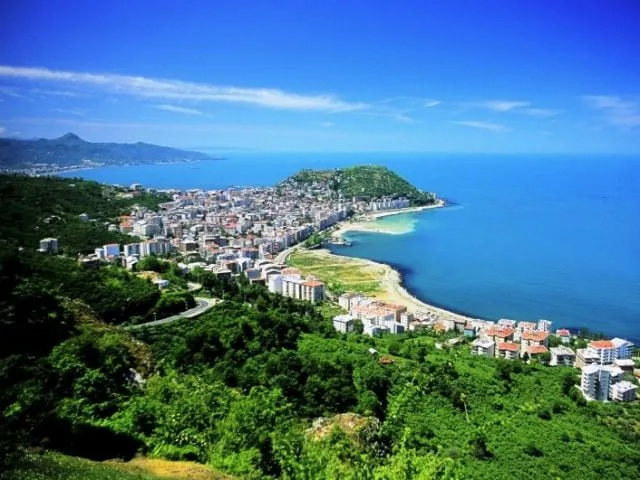
Giresun is a coastal province in the Eastern Black Sea Region, bordered by Trabzon and Gümüşhane to the east, Ordu to the west, Erzincan to the south, Sivas to the southwest and the Black Sea to the north.
If we look at the periods Giresun has gone through from its founding to today: Giresun was founded by the Milesians as a colony city in the 8th century BC. Giresun came under Pontic rule in 183 BC. King Pharnaces of Pontus refounded the city on the site of today's castle and its surroundings, and in these years Giresun was known as Pharnakia.
The city came under Roman rule in 63 BC and was attached to the Empire of Trebizond in 1204.
In 1461, with the Ottoman sultan Fatih Sultan Mehmet's conquest of Trabzon, the city joined the Ottoman Empire.
It became a province right after the proclamation of the Republic in 1923. According to data for the year “202” (sic), it has 16 districts including the central district, 17 towns and 536 villages.
Where does the name Giresun come from?
The answer: Giresun is the original home of the cherry, so the city took its name from the words Kerasus or Keresea, which meant cherry at the time. Giresun's main source of income is hazelnuts, and the best-quality hazelnuts grow in Giresun.
With its location and cultural assets, Giresun has unique beauty worth visiting in every season.
A very important feature of Giresun, in terms of its natural beauty and historic monuments, is its yaylas (highland pastures), well suited to tourism.
Another feature that adds special value to the city is that it has the only island in the Eastern Black Sea. The castle in the city centre is worth visiting for its natural beauty and history.
Giresun has a rich cultural fabric with its own cuisine and folklore.
Within this cultural fabric, the International Black Sea Giresun Aksu Festival is held every year on 20 May.
Source: https://giresun.bel.tr/giresunun-tarihcesi/
Getting to Giresun
Giresun can be reached by land, air and sea. You can easily reach the city by flying from Istanbul or Ankara to Ordu-Giresun Airport. The flight takes about 1.5 hours.
If you are travelling by car, the usual route is State Highway 010, which mostly follows the coast and greets you with lush green nature. Recently, however, other routes have also been used because of heavy traffic on the coastal road. When you pass through the Nefise Akçelik Tunnel, known as the country's longest tunnel, you arrive in Giresun.
For sea transport, Giresun Port has 5 quays. The port is in the city centre.
Districts of Giresun
- Alucra
- Bulancak
- Çamoluk
- Çanakçı
- Dereli
- Doğankent
- Espiye
- Eynesil
- Görele
- Güce
- Keşap
- Merkez (central district)
- Piraziz
- Şebinkarahisar
- Tirebolu
- Yağlıdere
Economy of Giresun
Giresun's main source of income is hazelnuts, which are considered the city's symbol. After the population exchange of 1923, the area planted with hazelnuts was expanded. The Giresun Commodity Exchange opened in 1926, and Fiskobirlik (the hazelnut growers' cooperative union) was founded on 26 July 1938.
Industrial investment gathered pace after the mid-20th century: the Tirebolu tea factory opened in 1959, the Giresun Hazelnut Processing Plants and the SEKA Aksu Paper Mill started operating in 1970, and the Doğankent Hydroelectric Power Plant began service in 1971.
Sport in Giresun
Giresun's football team is Giresunspor; its colours are green and white, and fans call it “Çotanaklar” (the hazelnut clusters). The club was founded in 1925 and refounded in 1967.
Giresunspor has played 8 seasons in the Süper Lig in total: six between 1971 and 1977 and two between 2021 and 2023. In 2020–21 it finished second in the 1. Lig and returned to the Süper Lig after 44 years. It has played its matches at the Çotanak Stadium since January 2021.


Comments
Loading comments…