
Isparta
- Mediterranean Region
About Isparta
Isparta, in the area also called the Lakes Region on the western side of the Mediterranean Region, has a population of 421,766 and covers 8,913 square kilometres. Isparta’s climate is hot and dry in summer and cold and wet in winter. The history of settlement in the province and its surroundings goes back to the Palaeolithic.
Thanks to its favourable location, Isparta has been home to many civilisations throughout history. Luwian and Arzawa communities settled here around 2000 BC. From around 1200 BC the area was ruled in turn by the Phrygians, Lydians, Persians and Macedonians. When the first Greek settlers landed in Anatolia, they discovered the beauty of this place and called it İs-Barid, meaning Isparta. Over time the word became its present form, Isparta.
Economically, Isparta is the centre of rose growing in Türkiye, meeting 60% of the world’s demand for rose oil. The Davraz Ski Centre, the most important winter tourism centre in the Mediterranean Region, is also here.
Isparta's famous dishes and desserts
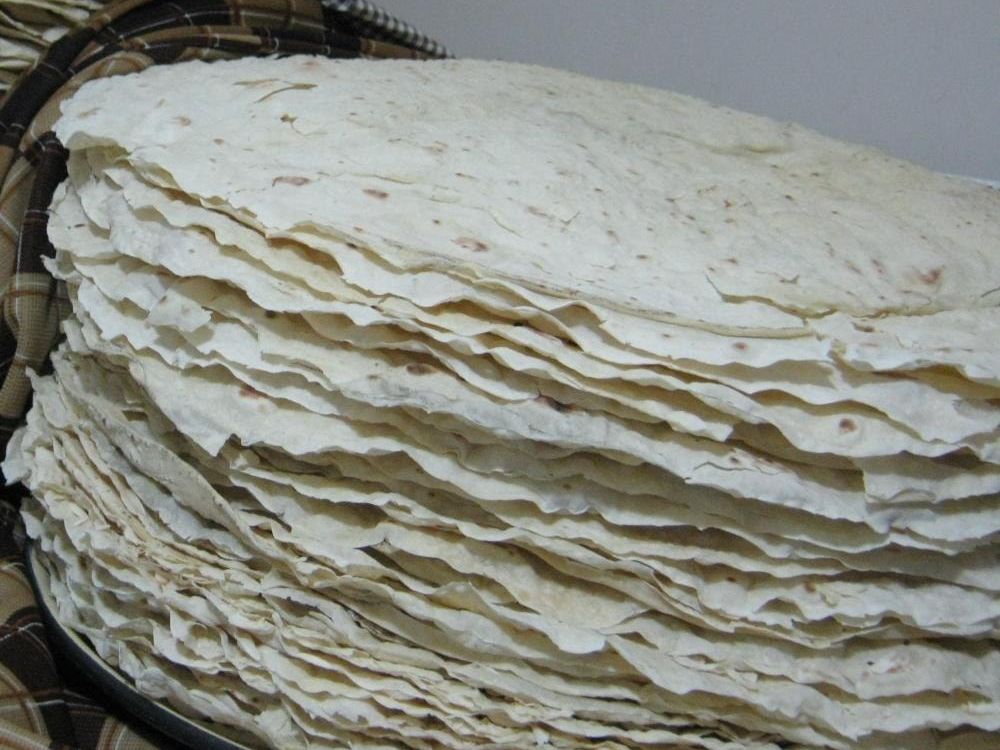
Yufka ekmeği
Thin sheets of dough, rolled out as large as a tray, are baked on a sac griddle. In Isparta it is a tradition to make them together in large batches for summer and for winter.
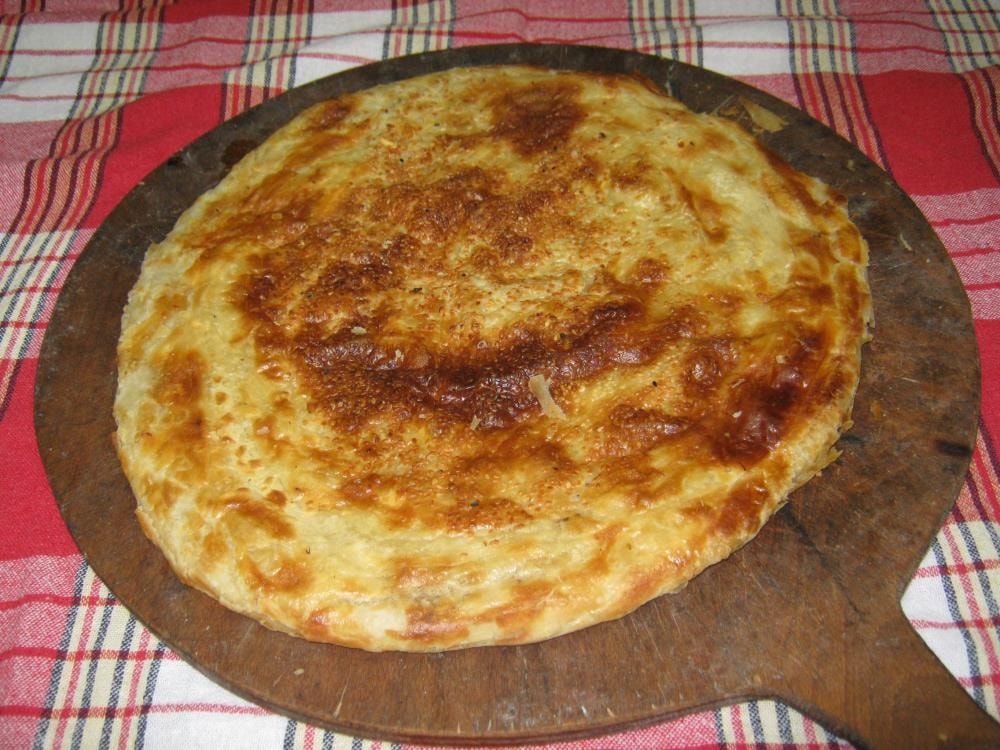
Hamursuz
This is Yalvaç’s geographically registered bread. It is made without yeast and rests on a long baking tradition carried on by the handiwork of women.
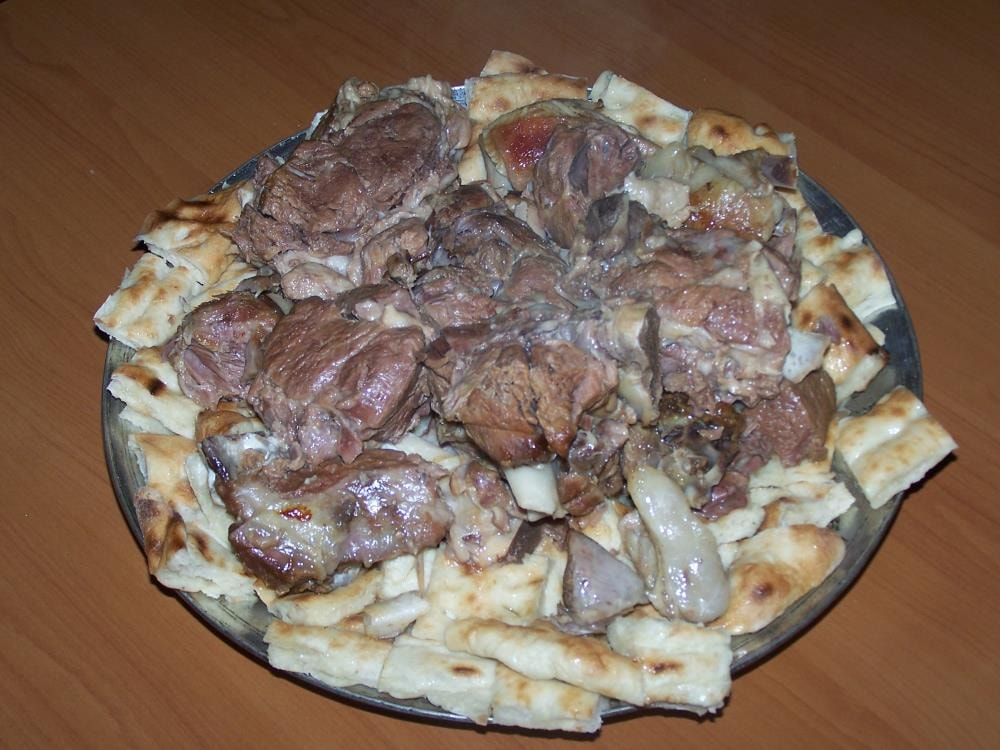
Banak
Lamb, mutton or beef is slowly cooked on top of bread laid in the bottom of a tray. It is a dish for big, crowded tables.
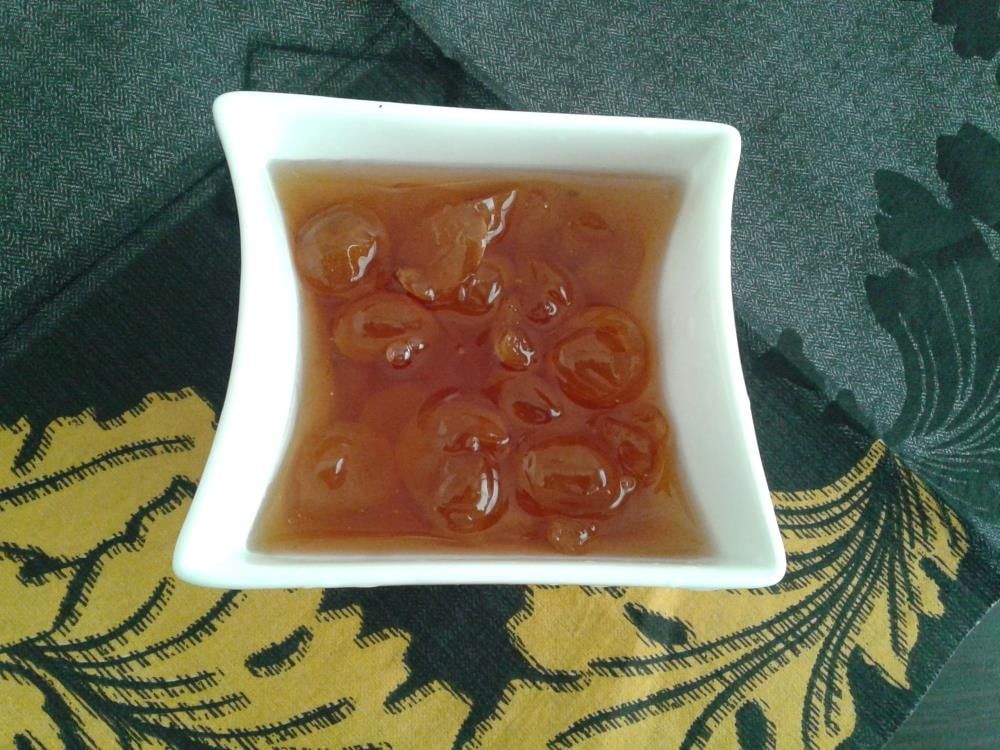
Kiraz reçeli (cherry jam)
A jam boiled in large cauldrons before winter and divided into jars.
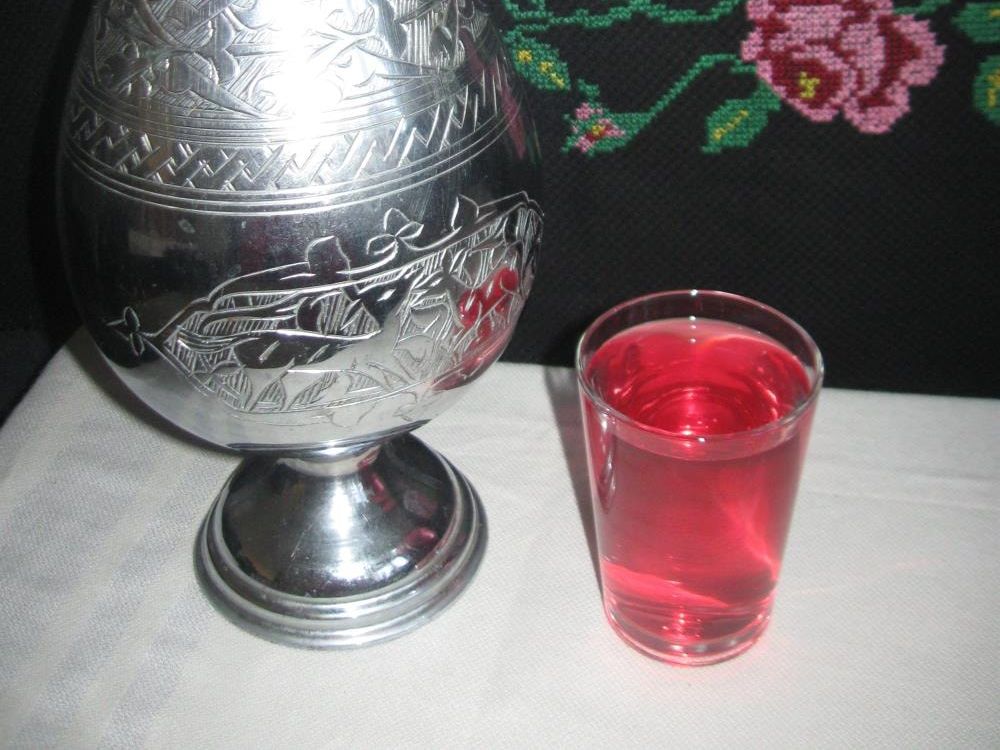
Gül şurubu (rose syrup)
A syrup made with the petals of the oil-bearing rose; Isparta is known for its rose production.
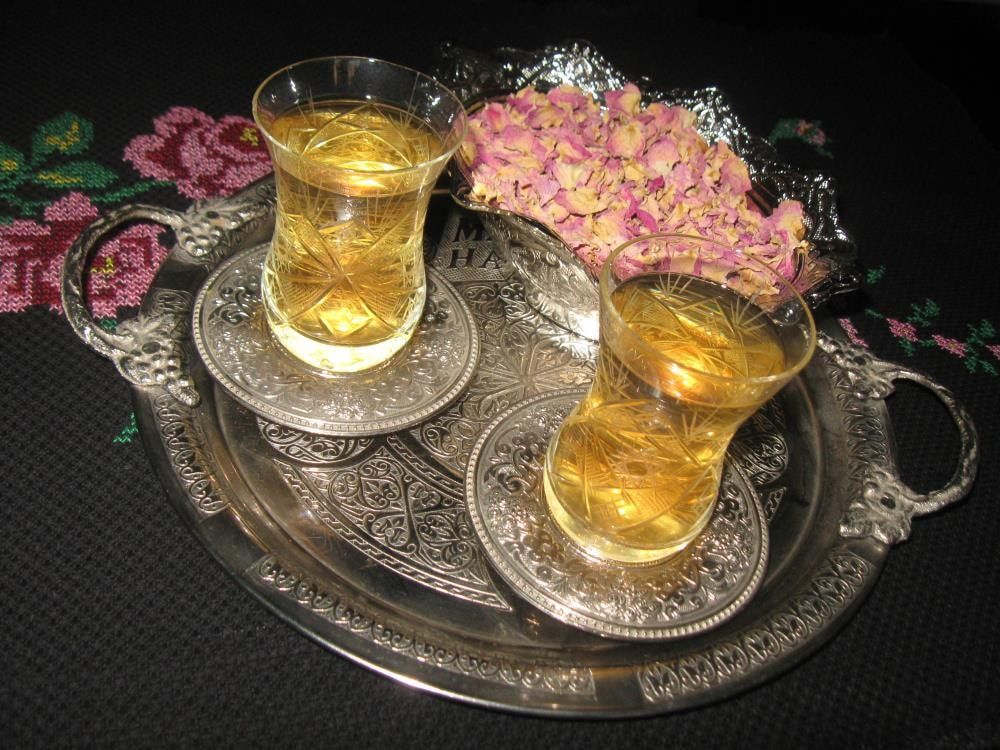
Gül çayı (rose tea)
A tea brewed with dried rose petals.
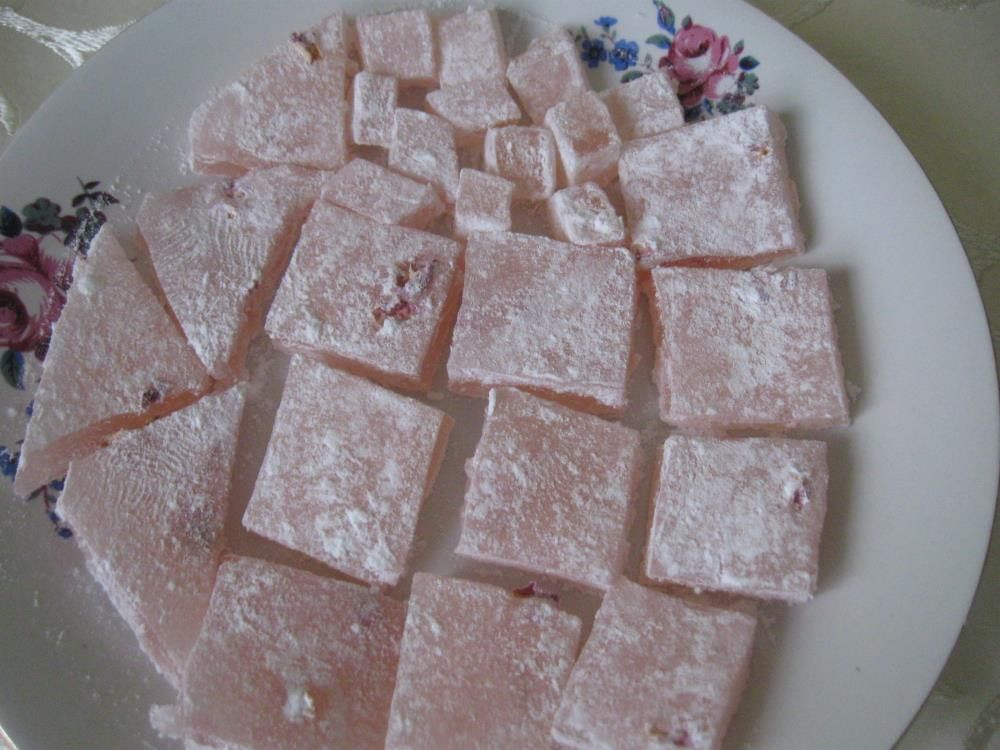
Gül lokumu (rose Turkish delight)
A Turkish delight flavoured with rose water or rose petals.
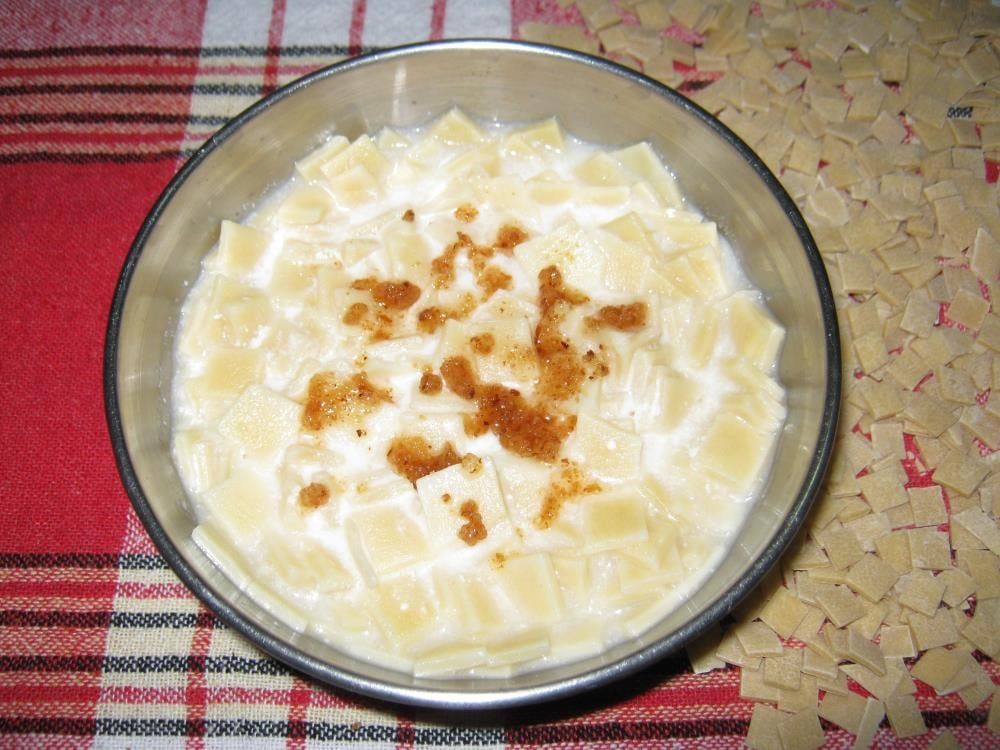
Tatar
Tatar mantı (dumplings), counted among the local specialities of Isparta.
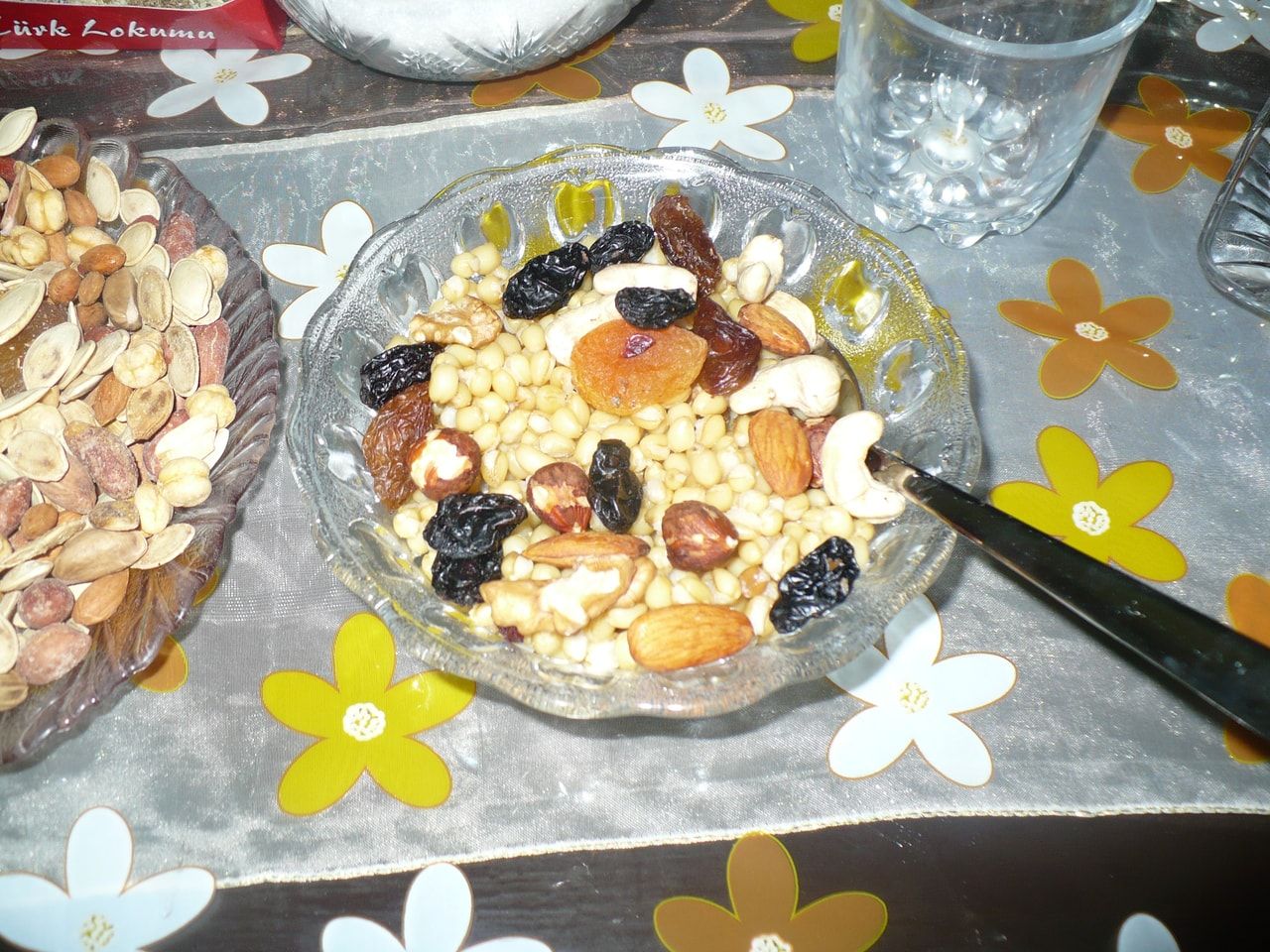
Dirgit
The local name for diş buğdayı (“tooth wheat”): wheat, chickpeas and beans are boiled and eaten with salt or sugar and dried fruit and nuts. It is made when a baby’s first tooth comes through.
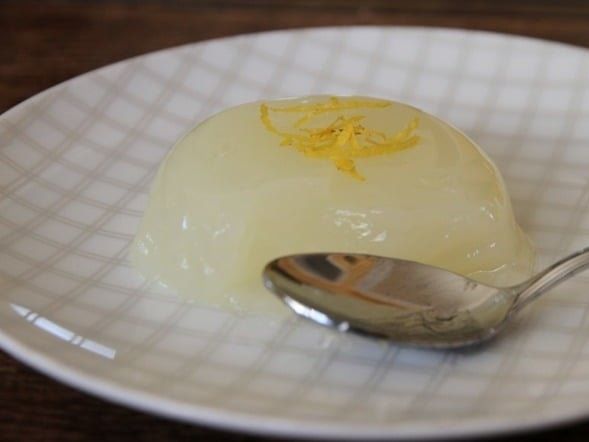
Su peltesi
A jelly pudding made with starch, sugar and water; in Isparta rose water is added too.
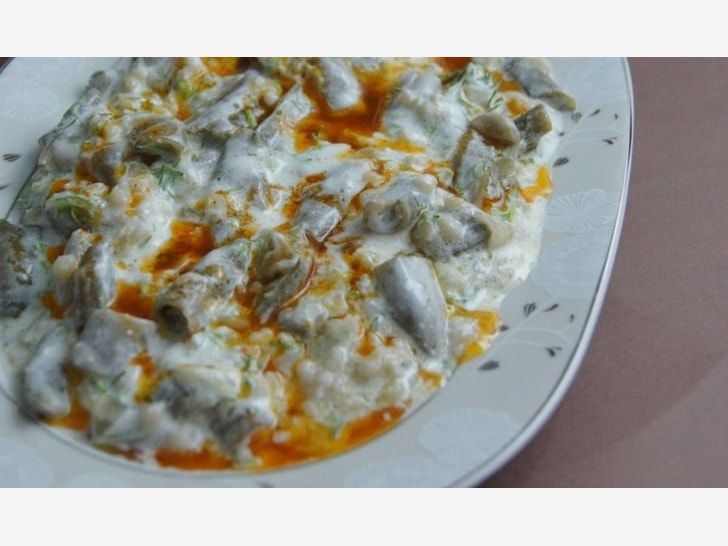
Bakla boranisi
Bulgur, broad beans and onion are cooked in olive oil and combined with a yoghurt sauce. It is usually served as a meze or alongside meat dishes.
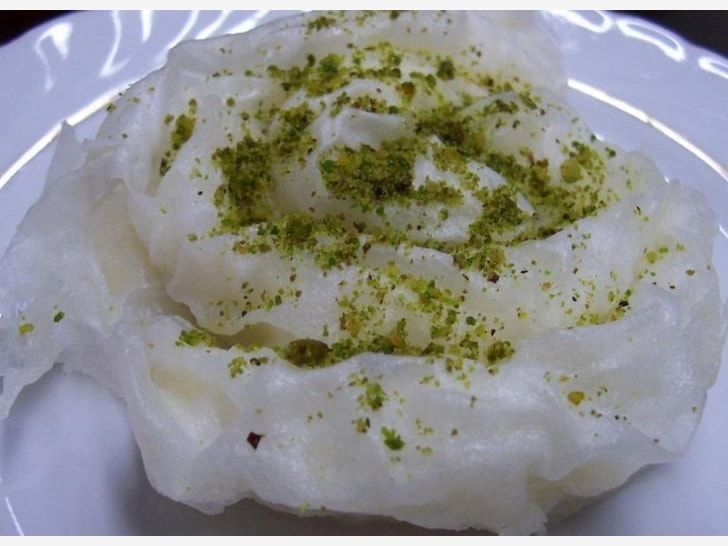
Kesmik güllacı
Fresh kesmik, curds made by splitting boiling milk with yoghurt whey, is wrapped in soaked güllaç (rice-starch) sheets and covered with syrup.


Places to visit in Isparta
Ayastefanos Kilisesi (Church of St Stephen)
The Church of St Stephen in Eğirdir, Isparta, which bears the traces of a different culture, is in the Yeşilada neighbourhood.
A 19th-century building, the church was, long ago, a place of worship that Greek Orthodox Christians visited before setting out for Jerusalem, and services are known to have been held here at that time. The church was restored by Eğirdir Municipality in 1993. Brought into the city’s tourism, the Church of St Stephen is now waiting to be discovered.
Kutlubey Ulu Camii (Kutlubey Great Mosque)
The Kutlubey Great Mosque in central Isparta is one of the city’s oldest mosques. Because it stands inside the Isparta bazaar in a central location, it is very easy to reach. It was built in the reign of Murad I by Kutlu Bey, Isparta’s first subaşı (military governor). The construction date is not certain, but the mosque is thought to have been built before 1429, and parts that had decayed over time were repaired in 1899. The Kutlubey Great Mosque was demolished in the reign of Abdülhamid II and rebuilt on a plan similar to that of the Hagia Sophia Mosque. This second building was destroyed again by an earthquake in 1914, and the present mosque was built in 1922. Although it has lost its original architecture, it remains one of the city’s important places of worship.
Dündar Bey Medresesi (Dündar Bey Madrasa)
With its grand architecture, the Dündar Bey Madrasa, which complements the Hızırbey Mosque, is an important work built by Dündar Bey of the Hamidids.
Built in 1301–1302, the madrasa is in the Cami neighbourhood of Isparta’s Eğirdir district. It has a rectangular plan, a single iwan and two storeys. Its entrance gate in particular is very imposing, with superb carving. Today it looks like an arcade: it has 11 shops inside and continues to welcome tourists in this role.
If you want to add a magnificent historic building to your Eğirdir trip, we strongly recommend visiting the Dündar Bey Madrasa.
Atabey Ertokuş Medresesi (Ertokuş Madrasa, Atabey)
The Ertokuş Madrasa in Isparta’s Atabey district, impressive for its history and architecture, is one of the finest examples of Seljuk architecture.
Built in the reign of Alaeddin Keykubad, the madrasa was founded by the Seljuk frontier commander Mübarizeddin Ertokuş. It is dated to 1224 AD.
The stones used in its construction were brought from the ruins at Atabey and Bayat. The stone mihrab in particular is one of the rarest examples among Seljuk works. Because there is little decoration inside, the building has a majestic air.
The Ertokuş Madrasa was restored by the General Directorate of Foundations in 1993 and is open to visitors.
Uluborlu Kalesi (Uluborlu Castle)
Uluborlu Castle is one of the places you should not leave Uluborlu without seeing.
Set on a steep crag, the castle commands a view over the surrounding area. Standing at 1,200 metres on Kapıdağ, it is not known for certain when or by whom it was built. Its inscription has not survived and it is not named in any source, which makes its history hard to unravel.
Uluborlu Castle has two parts, an inner and an outer castle. The outer castle has collapsed completely, but much of the inner castle still stands. Its architecture shows that rubble stone and block stone were used in its construction.
One of the most important historic monuments of the Uluborlu district, the castle is high on the list of places everyone visiting the area should see.
Men Tapınağı (Temple of Men)
The Temple of Men is one of the most worthwhile historic sights in Isparta. In the Yalvaç district, it was built for the moon god Men and stands in an area considered sacred.
The temple, in the Sanctuary of Men, lies 5 kilometres south-east of the ancient city of Antiocheia. The most important feature of this sanctuary is that it is the only settlement to have grown into a town in the name of a god.
The most striking building in the area is the Temple of Men. The temple is surrounded by a row of columns, and its podium has a very interesting design: there are 10 steps each on the south-west and north-west sides of the podium, and 6 steps each on the south-east and north-east. Of course, the Temple of Men is not the only thing in the sanctuary.
As you explore the area, which also has a ceremonial hall, a stadion and a small temple, you will feel you are in a mysterious world.
İnönü Mağarası (İnönü Cave)
İnönü Cave, in Isparta’s Eğirdir district, holds an important place in the city’s tourism. The cave, in Sarıidris village, is visited by many tourists each year.
The cave is 227 metres long in total. It is actually easy to reach: you can get there on a tractor from the village, or drive up in your own car.
The cave has narrow galleries and is horizontal. On rainy days small pools form inside.
Skeletons have been found in the cave during research, showing that it was either inhabited in the past or used as a burial place.
The stalactites, stalagmites and columns of İnönü Cave are well worth seeing.
Antiocheia Antik Kenti (Ancient City of Antioch in Pisidia)
Antiocheia, the capital of the Pisidia region, with its huge theatre, the Sanctuary of Men, its aqueducts and all its other remains, is one of the best places for a long but equally interesting and enjoyable visit.
The ancient city of Antiocheia, 1 kilometre from Isparta’s Yalvaç district, was founded by Antiochus. Its foundation dates to 281–261 BC. One of the places most worth visiting in Isparta, the ancient city has many buildings to see, and each takes its visitors back to a different era.
Antiocheia, remembered for its Cardo Maximus street, its massive walls and its imposing western gate, has many parts. Because they are in different places around the city, having your own vehicle will make your visit easier.
Kuz Mağarası (Kuz Cave)
Kuz Cave, on a steep slope of the Köprüçay Canyon in Isparta’s Sütçüler district, can be reached by tractor from the town of Kesme. Great care is needed on the way down into the cave, because its mouth is quite dangerous.
The cave is 224 metres long in total. As you make your way through its narrow passages, you will notice that these parts are colder than the rest. Especially in the middle and final sections, you will see that the dripstones, stalactites and stalagmites are more numerous and more spectacular. The formations of Kuz Cave should definitely be part of your Isparta trip.
Lavanta Vadisi (Lavender Valley)
Isparta’s loveliest rose gardens are now home to lavender too.
The Lavender Valley in the Keçiborlu district, the country’s most important lavender-growing area, has also become one of the city’s most beautiful and enjoyable places to visit.
Lavender is mostly grown in the villages of Kuşçular, Kuyucak, Ardıçlı and Aydoğmuş. You should definitely make this trip, which will give you a feeling of silence, calm and peace.
While touring Isparta’s rose gardens, we strongly recommend adding the fragrant lavender fields too and capturing your moments in photographs.
Zindan Mağarası (Zindan Cave)
Zindan Cave, which opens the doors to a fantastic world, is within the boundaries of Isparta’s Aksu district.
The cave is 1 kilometre from the district centre and 765 metres long, but only 300 metres can be visited. The visitable parts are lit. You enter the cave through a wide mouth, then a corridor 12 metres long narrows before you. Once you are through this corridor, you walk in a wide space again.
The stalactites, stalagmites and cave pearls inside make for a long and equally impressive journey.
Zindan Cave should definitely be on your Isparta list.
Tota Yaylaları ve İçmeleri (Tota Highland Pastures and Springs)
The Tota highland pastures and springs in Isparta’s Sütçüler district draw you into their delightful atmosphere in the middle of a large forest.
They are on the Kasımlar road from the district centre and are easy to reach. The area is a favourite of those who want peace, quiet and nothing but nature. Its oxygen-rich air will also help shake off a whole year’s tiredness. The water flowing through the pasture is very cold, and it is known to be good for stomach and intestinal ailments.
Milas Mesire Yeri (Milas Picnic Area)
Tucked away in Isparta’s greenery and offering peaceful, pleasant hours, the Milas picnic area is used for picnics both by local people and by visitors from neighbouring provinces.
If you ever find yourself in Isparta, you can go to the Milas picnic area with your family or friends and spend a peaceful day. It is 11 kilometres from the provincial centre and easy to reach.
Karacaören Baraj Gölü (Karacaören Reservoir)
Completed in 1989, the Karacaören Reservoir is on the Aksu stream.
It was built to provide irrigation and generate energy in the region. The Karacaören Reservoir spans the Isparta–Burdur border. The area has Turkish red pines and monumental trees and is one of the loveliest corners of the region worth seeing. For this reason it attracts many Turkish and foreign tourists throughout the year. Water sports are possible on the lake, and there are simple fish restaurants around it.
The area is also very close to Antalya, and tour buses run trips from Antalya to the Karacaören Reservoir. Paragliding is possible at Lake Karacaören too. For a holiday that is both peaceful and exciting, you can choose the Karacaören Reservoir. Don’t forget to include Pınargözü Cave, Kubadabad Palace and the ancient city of Adada in your days in Isparta.
Pınargözü Mağarası (Pınargözü Cave)
Do you know where Türkiye’s largest cave is?
Pınargözü Cave, which has a fascinating atmosphere and is visited by many tourists, has been named Türkiye’s largest cave and is among the deepest and largest caves in the world.
Pınargözü Cave is 11 kilometres from the Yenişarbademli district. It has an unusual claim to fame: it is said to be the world’s “last-entrance” cave. On normal days its entrance is kept closed, because those who go in alone risk getting lost.
People living in the surrounding districts use the area around the cave as a picnic spot, because the vegetation around it is rich. During your visit you should also see Lake Beyşehir, to the west of the cave. We strongly recommend seeing Pınargözü Cave on your Isparta holiday. Kızıldağ National Park, Eğirdir Castle, the ancient city of Adada and Lake Kovada are among the other places we recommend.
Kızıldağ Milli Parkı (Kızıldağ National Park)

With its black pines, cedars, oaks and junipers, Kızıldağ National Park in Isparta province offers an oxygen-rich environment.
Kızıldağ National Park is the only area in Türkiye with a blue-leaved cedar forest.
The area is 120 kilometres from the centre of Isparta but only 5 kilometres from the Şarkikaraağaç district. In the park you can picnic at the picnic areas and, if you wish, pitch a tent and camp. Rather than in hotels, visitors to the national park stay in wooden houses.
There are many places to discover within Kızıldağ National Park. One of them is Pınargözü Cave, the country’s longest cave. The park is also very rich in flora, with medicinal and aromatic plants growing here. It is a real wildlife haven too, home to foxes, martens, wolves, jackals, eagles, vultures, hawks, falcons and owls. We recommend discovering all the beauties of Kızıldağ National Park on your Isparta holiday. On your trip, Kubadabad Palace, the ancient city of Adada and the Yazılı Canyon will be waiting to be explored.
Eğirdir Kalesi (Eğirdir Castle)

With Kubadabad Palace, the Uluborlu Museum, Lake Kovada, the Yazılı Canyon and its other historic and natural beauties, Isparta is one of the most visited cities. Lake Eğirdir should not be forgotten either.
Eğirdir Castle is one of the historic buildings of Isparta, where many civilisations ruled in antiquity. Designed with an inner and an outer castle, its inner castle has survived to the present day. There is no certain information about when it was built, but there are views that it dates from the 4th century BC. Eğirdir Castle was repaired many times, especially in the Roman and Byzantine periods. As the years passed and the city no longer needed defending, the castle was not repaired in later periods.
You should definitely add Eğirdir Castle to your Isparta trip. As you approach, you will admire its imposing presence even from afar, and once you are beside it, the view it commands will enchant you.
Kubadabad Sarayı (Kubadabad Palace)
Kubadabad Palace in Isparta’s Yenişarbademli district was built as a summer palace by the Anatolian Seljuk Sultan Alaeddin Keykubad I.
Famous for its tiles, Kubadabad Palace is 100 kilometres from the province of Konya. Each of the many tiles of different kinds and colours in the palace is striking. Tiles like these have also been found on the Roman theatre at Aspendos. The tiles show human and animal figures. Kubadabad Palace is one of the places people coming to Isparta visit through the year. If you find yourself in Isparta, you should definitely see this palace in Yenişarbademli. You can also visit other sights in Isparta: the Uluborlu Museum, the Yalvaç Museum, the ancient city of Adada, Eğirdir Castle, Lake Kovada, the Yazılı Canyon and Lake Eğirdir.
Dedegöl Dağı (Mount Dedegöl)

Mount Dedegöl in Isparta is 2,992 metres high, the highest mountain in Isparta.
Pınargözü Cave, Türkiye’s longest known cave, is also on Mount Dedegöl.
Its imposing rise captivates all who see it. The mountain, in the Yenişarbademli district, is covered in vegetation. Campers in particular come to climb it and have an exciting time. Mount Dedegöl is much talked about and much wondered about, but those who actually go are amazed by its beauty and can hardly bring themselves to leave. You too will make memories on Mount Dedegöl that you will never forget.
Uluborlu Müzesi (Uluborlu Museum)
The Uluborlu Museum, in Isparta’s Uluborlu district, is housed in the Culture Palace building within the Alaeddin Keykubad Public Library.
Spread over the first two floors, the Uluborlu Museum is a wide-ranging museum with sections such as a blacksmithing display, objects illustrating kitchen, bath and ablution culture, men’s items, women’s items, ceramics and coffee culture, farming tools, musical instruments and a reading display. After visiting the Uluborlu Museum, one of Isparta’s sights, don’t forget to visit the Yalvaç Museum, Kubadabad Palace, Eğirdir Castle and the Isparta Museum too.
Yalvaç Müzesi (Yalvaç Museum)
The Yalvaç Museum, in Isparta’s Yalvaç district, is of great value. The first museum work began in 1947, and it opened in 1966.
The Yalvaç Museum has a Prehistoric Section, a Classical Section, an Ethnography Section, a Manuscripts Section, a Picture Gallery and an Open-Air Display.
The Prehistoric Section displays Early Bronze Age depas cups, vases, jugs and handled bowls, as well as pottery typical of the Lakes Region and terracotta human and animal figurines.
The Classical Section displays works from the Greek period to the Byzantine period: terracotta vases, various drinking vessels, tombs of the 5th and 4th centuries, Roman marble and bronze statues of gods and goddesses, animal figures, oil lamps, tear bottles and Byzantine jewellery.
The Ethnography Section displays examples of Anatolian and Yalvaç handicrafts, pistols, rifles, hand-knitted woollen socks, yemeni headscarves and covers, as well as bindallı embroidered dresses, cepken jackets, coats, women’s ornaments and some kitchenware.
In the Manuscripts Section, the calligraphy panels and copies of the Qur’an reflecting the fine calligraphic art of the Turkish-Islamic era are of great value. With all its sections forming a coherent whole, the Yalvaç Museum offers its visitors unmissable hours with its important and rich collection. And on your Isparta trip, don’t forget to visit the Isparta Museum and Kubadabad Palace too.
Isparta Müzesi (Isparta Museum)
Founded as a museum of archaeology and ethnography, the Isparta Museum began in 1935 with antiquities displayed in a hall of the People’s House (Halkevi).
After the People’s Houses closed, the artefacts were taken to the municipality. A building was begun in 1971 and completed in 1984, and when it opened a year later the collection began to be shown in its own building.
The works are displayed in four halls: Ethnography, Archaeology, the Yörük Hall and the Carpet Hall. Local headscarves, towels, lamps and prayer beads are shown in the Ethnography section, while the Archaeology section displays works in chronological order from the Palaeolithic to the present. The Yörük section displays a Yörük nomad tent with all its equipment, and its cases are filled with Yörük woollen socks, saddlebags, shepherds’ gear and musical instruments. Finally, the Carpet section has examples of various Turkish carpets from the 17th to the 20th centuries. On your Isparta trip, don’t forget to visit the Isparta Museum, which is very rich in artefacts. Pleasant hours will be waiting for you.
Adada Antik Kenti (Ancient City of Adada)

The ancient city of Adada, in Isparta’s Sütçüler district, is one of the ancient cities of the Pisidia region.
One of the important ruins, the ancient city lies south-east of Lake Kovada. Pines and junipers adorn its setting, and it reveals itself only to those who visit.
A settlement that minted coins in the Hellenistic period, the city has yielded very early coins bearing images of the god Zeus, Heracles and Dionysus. Standing at 1,200 metres in the Taurus Mountains, Adada is a true place of history, with rich remains and much to see. If you imagine yourself learning new things about the hidden sides of history, Adada is ready to welcome you. You can also visit the Yalvaç Museum, the Uluborlu Museum and Kubadabad Palace.
Kovada Gölü (Lake Kovada)

Lake Kovada, in Isparta’s Eğirdir district, is a mountain lake with shores stretching up to 20 kilometres among the loneliest peaks of the Taurus.
Not a single housing estate, kiosk or half-built block of flats can be seen from it. The southern part is surrounded by centuries-old plane trees, and there is nothing but a few beaches. You can swim at these beaches, and, like a sound within the silence, the place fills you up.
What is more, the coves around the headland called Yarımada (“peninsula”) on the western side are waiting to be discovered. When you want to find calm and inner peace, this haven of tranquillity, 28 kilometres from Eğirdir, will quietly leave those feelings in a corner of your heart before you notice. You should also be sure to visit Eğirdir Castle, Kubadabad Palace and Lake Eğirdir in Isparta.
Yazılı Kanyon (Yazılı Canyon)

The Yazılı Canyon, which will cast its spell on you the moment you enter, is within Isparta province and was declared a nature park in 1989.
The historic King’s Road also passes through the canyon. The oleanders here, with tables beside them, look very inviting, and you will not be able to refuse the invitation: you will give yourself up to the arms of Mother Nature. Choose April or October in particular so you can fully enjoy the canyon’s nature. The clean air here may do you a lot of good, and you may suddenly feel like paragliding. You can go on to Eğirdir, which is very close to the Yazılı Canyon and one of the few places where you can paraglide. You should also be sure to visit Gölcük Nature Park, near the Yazılı Canyon.
Aya Baniya (Aya Payana) Kilisesi (Church of Aya Baniya)

Thought to have been built in the 1750s, the Church of Aya Baniya is in the Turan neighbourhood, one of Isparta’s oldest quarters.
Firdevs Bey Bedesteni (Firdevs Bey Covered Bazaar)
It was built in 1561 by Firdevs Bey, governor of Isparta, to provide income for the Mimar Sinan Mosque.
Davraz Kayak Merkezi (Davraz Ski Centre)

The Davraz Ski Centre is an important area that has developed greatly for tourism in recent years.
The ski centre is about 26 kilometres from Isparta and 50 kilometres from Süleyman Demirel Airport. Its easy access also makes it a favourite with holidaymakers in the winter season. While skiing you can see the magnificent view of Lake Eğirdir, and the pistes suit every level and follow safe routes.
There are places to stay at the Davraz Ski Centre.
Source: https://www.gezilebilecekyerler.com/ispartada-gezilecek-yerler/
Culture and arts in Isparta
ROSE GROWING AND ROSE-OIL PRODUCTION IN ISPARTA
Rose growing in Isparta has a history of no more than 150 years. It was brought to Isparta by İsmail Efendi, son of Mehmet İzzet of the Meydanbeyoğlu family, who came from the Yalvaç district and settled in Isparta. İsmail Efendi planted roses over dozens of dönüms, began extracting rose oil and rose water after the harvest and, after selling these products, taught the work to those around him.
“He sold the pure, unadulterated ‘rose oil’ and ‘rose waters’ he had managed to produce for their true worth, and took his money in hand. First of all, as every upright, honest, decent person does, he paid his debts. He had a new house built and furnished it according to the customs and manners of the day. He still had plenty of money left. He did not squander it either: he used it to expand his thirty-dönüm rose garden to 50, 75, 100 dönüms, to make his rose growing bigger and wider still.”
“İsmail Efendi the rose grower helped those who wanted to plant roses. He showed them how to open furrows. He stood over them as they planted the saplings… Within a few years roses had been planted everywhere, and the city of Isparta found itself among rose gardens. From then on Isparta was known for its roses and remembered as a city of rose growers.”
Rose oil, first produced by Müftüzade İsmail Efendi in simple, primitive stills called imbik, spread over many years and went on being made by this method. In Isparta and its surroundings, which have risen to become the most important centre of oil-rose production not only in Türkiye but in the world, the switch to industrial rose oil came with the opening of the first rose-oil factory on 30 September 1935.
Following Atatürk’s instructions during his visit to Isparta, the Ministry of Economy (İktisat Vekâleti) set up a modern rose-oil factory in 1935, and village-style rose-oil production began to give way largely to industrial production.
With the İslamköy Rose Oil Factory that Gülbirlik set up in 1958 and its other rose-oil plants set up in 1976, Turkish rose growing and rose-oil production changed shape. The province has 15 rose-oil factories in all, 5 of them large, belonging to Gülbirlik and private companies.
There are 18 firms in Isparta set up to process the roses grown here.
CARPET WEAVING IN ISPARTA
The main centres of Isparta carpet weaving are Burdur (Bucak), Konya (Beyşehir, Karaman, Akşehir, Karapınar), Afyon (Dinar, Sandıklı, Dazkırı, Başmakçı) and Denizli (Acıpayam, Tavas).
Isparta carpet patterns have names such as Serpme Güllü (scattered roses), Dönümlü, Köşe Göbek (corner and medallion), Naklemeli, Başgöbek and Düz (plain). There are also names such as Gülistan, Kompozisyon, Osmanlı (Ottoman), Goblen (tapestry), Çin (Chinese) and Üzümlü (grapes).
Under the Isparta Regional Directorate of Carpet Weaving, Isparta, Sümerkars, Türkmen, Ladik, Milas, Bergama and other carpets are produced; fine Isparta, Isparta and Türkmen carpets in Sandıklı; Kula, S. Kars, Milas carpets and kilims in Kula; Ladik carpets in Konya; Isparta, Milas and Türkmen carpets and kilims in Denizli; Bünyan carpets in Kayseri; Yağcıbedir and Çanakkale Yuntdağı carpets in Çanakkale; silk and Hereke carpets in Giresun; silk and Hereke carpets in Karabük; silk carpets in Hereke; Hereke carpets in Niksar; and silk and Hereke carpets in Yozgat.
THE ISPARTA APPLE
Isparta, which grows 20% of the apples produced in Türkiye, aims to build a national brand with its registered apple. Production of the local apple, sold on the market as the “Isparta apple”, reaches 600,000 tonnes a year. The Isparta apple is tastier than apples grown in other provinces because it is fed by lake water and stored in Türkiye’s best cold stores.
Source: http://www.edebiyatvesanatakademisi.com/Forum/Detay/il-il-turkiye/isparta-ili-tarihi-ve-kulturel-degerleri-dogal-guzellikleri-33906.aspx
History of Isparta
Together with its immediate surroundings, Isparta is one of the important settlements of the PISIDIA region. The history of settlement here goes back to the Palaeolithic (Old Stone Age). Around 2000 BC the Pisidia region was settled by Luwian and Arzawa communities. The Hittites also tried to seize the region in their time, but despite centuries of effort they could not establish firm rule over the land of Arzawa.
Around 1200 BC the “Aegean migrating peoples” who came from the Balkans ended the political existence of the Arzawa confederation and completely changed the political structure of Anatolia. From then on the area was ruled by the Phrygians until the 8th century BC, the Lydians from 690 BC and the Persians from 546 BC. Isparta entered the Hellenistic period with Alexander the Great in 334 BC, and Minassos (Minasın) stands out as a settlement of this period. After Alexander’s death in 323 BC, Isparta came successively under the Kingdom of Pergamon, the Seleucids, the Roman Empire (190 BC – AD 395) and the Byzantine Empire (AD 395–1204). Settlements of the Roman period are Bayat (Seleucia Sidera) – Atabey, Apollonia – Uluborlu, Antiocheia – Yalvaç, Adada – Sarak – Sütçüler, Neopolis – Şarkikaraağaç and Debenae – Gelendost.
Under the administrative divisions of the 7th and 9th centuries in the Byzantine period, Isparta became a province and took on the character of a religious centre. The city came briefly under Abbasid rule in the 8th century, and Arabic sources call it Sabart. The city was conquered by the Seljuks in 1204, beginning the Turkish-Islamic period in Isparta. It came under the Hamidids in 1300 and joined the Ottoman lands in 1390. Isparta became a province with the proclamation of the Republic in 1923.
Source: http://isparta.yerelnet.org.tr/il_tarihcesi.php?iladi=ISPARTA
Getting to Isparta
Isparta can be reached by air, road and rail. For those flying, Süleyman Demirel Airport is 35 kilometres from the city centre. If you prefer the train, Isparta, which lies on the railway network, has regular services all year round. For those travelling by car, Istanbul is 601 kilometres away, İzmir 382 kilometres, Ankara 421 kilometres, Bursa 414 kilometres and Çanakkale 603 kilometres.
Districts of Isparta
- Aksu
- Atabey
- Eğirdir (Eğridir)
- Gelendost
- Gönen
- Keçiborlu
- Merkez (central district)
- Senirkent
- Sütçüler
- Şarkikaraağaç
- Uluborlu
- Yalvaç
- Yenişarbademli
Economy of Isparta
Isparta brings roses to mind first of all. Rose growing began in 1888, when Müftüzade İsmail Efendi planted roses brought from Kazanlak in Bulgaria on his land in the Gülcü neighbourhood. Today Isparta is known worldwide for its rose-oil production.
The city is also known for its hand-woven carpets. In industry, Göltaş Çimento is counted among Türkiye’s large cement plants, and there are the Süleyman Demirel, Isparta Leather and Yalvaç organised industrial zones.
According to 2001 data, the provincial economy was based on farming and livestock. Süleyman Demirel University was founded in 1992, and students play a large part in the city’s daily life.


Comments
Loading comments…