
Kahramanmaraş
- Mediterranean Region
About Kahramanmaraş
Kahramanmaraş, formerly called Maraş, is in Turkey's Mediterranean region and is the country's eighteenth most populous city. Because of its resistance to occupation during the War of Independence, the Grand National Assembly of Turkey awarded the city the Medal of Independence on 5 April 1925. On 7 February 1973 its name was changed from Maraş to Kahramanmaraş ("Heroic Maraş"). Under Law No. 6360, passed in 2012, Kahramanmaraş became a metropolitan municipality.
Kahramanmaraş's famous dishes and desserts
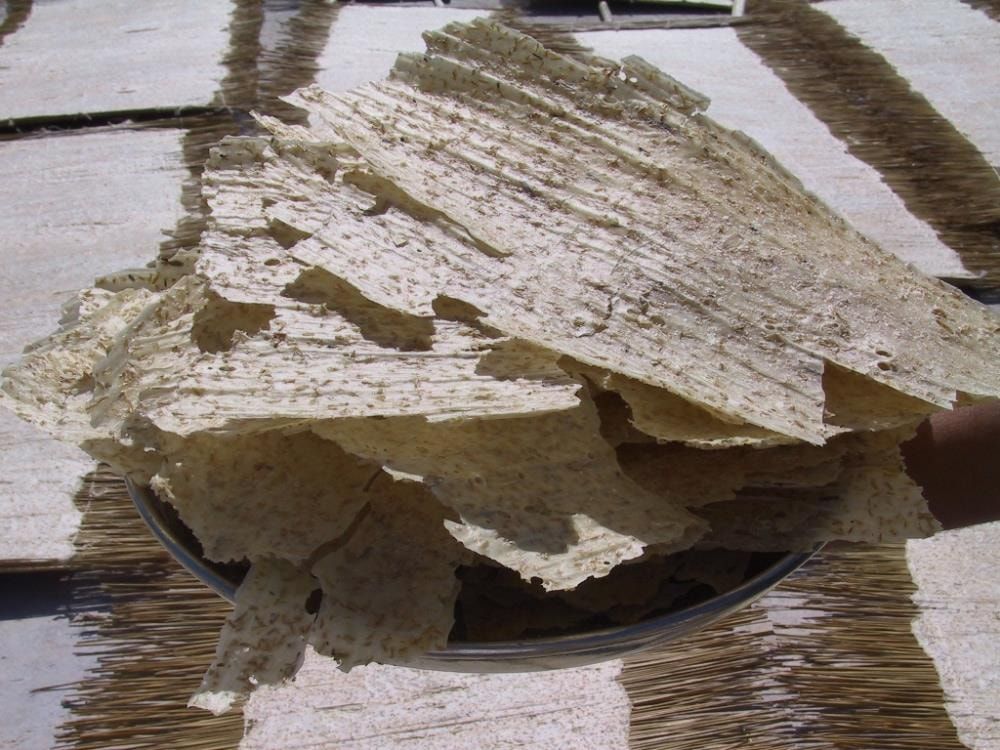
Maraş tarhanası
Made by mixing pounded wheat (dövme) with yoghurt and drying it in thin layers. It is prepared in summer and eaten in winter, and is one of the province's registered foods.

Maraş köfte
Cumin-spiced meatballs cooked with potatoes and aubergine laid on top.
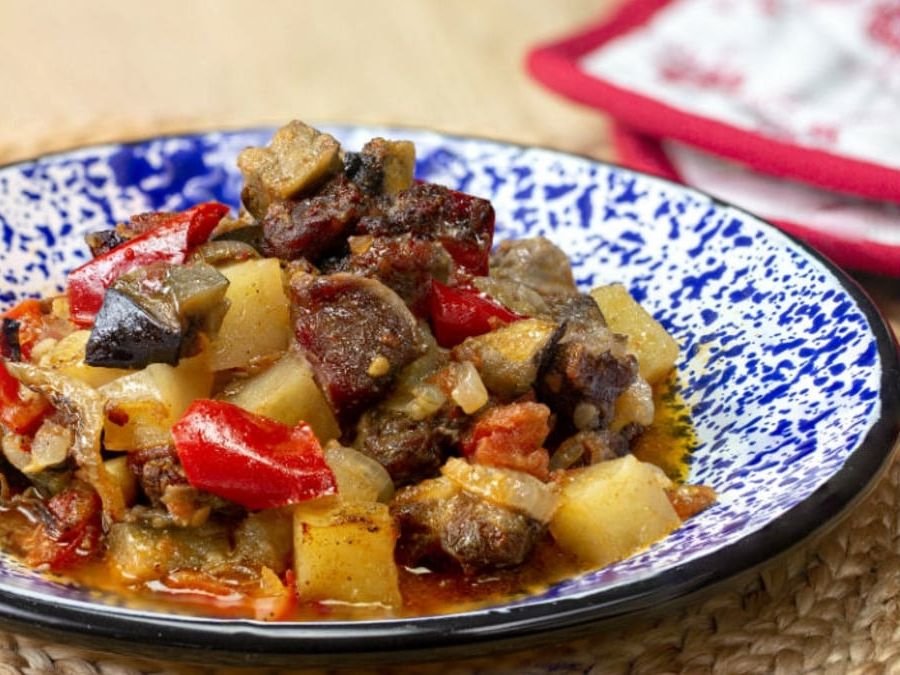
Maraş tava
A dish in which meat plays the starring role, enriched with vegetables.
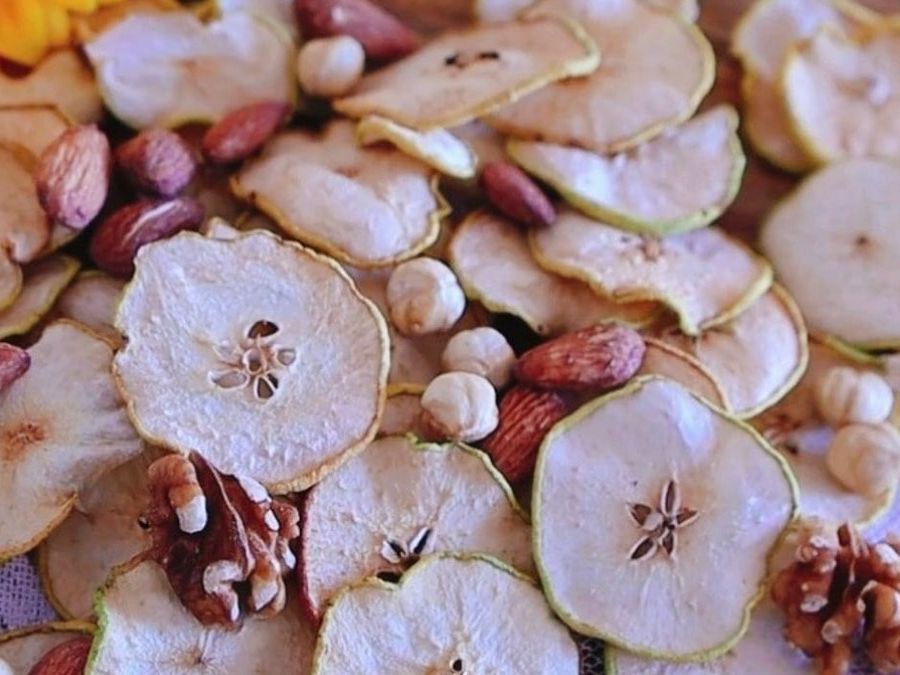
Armut kurusu
Many fruits are dried in Maraş, where dried fruit is called "hak" or "kak"; dried pears (armut kurusu) are among the best known.
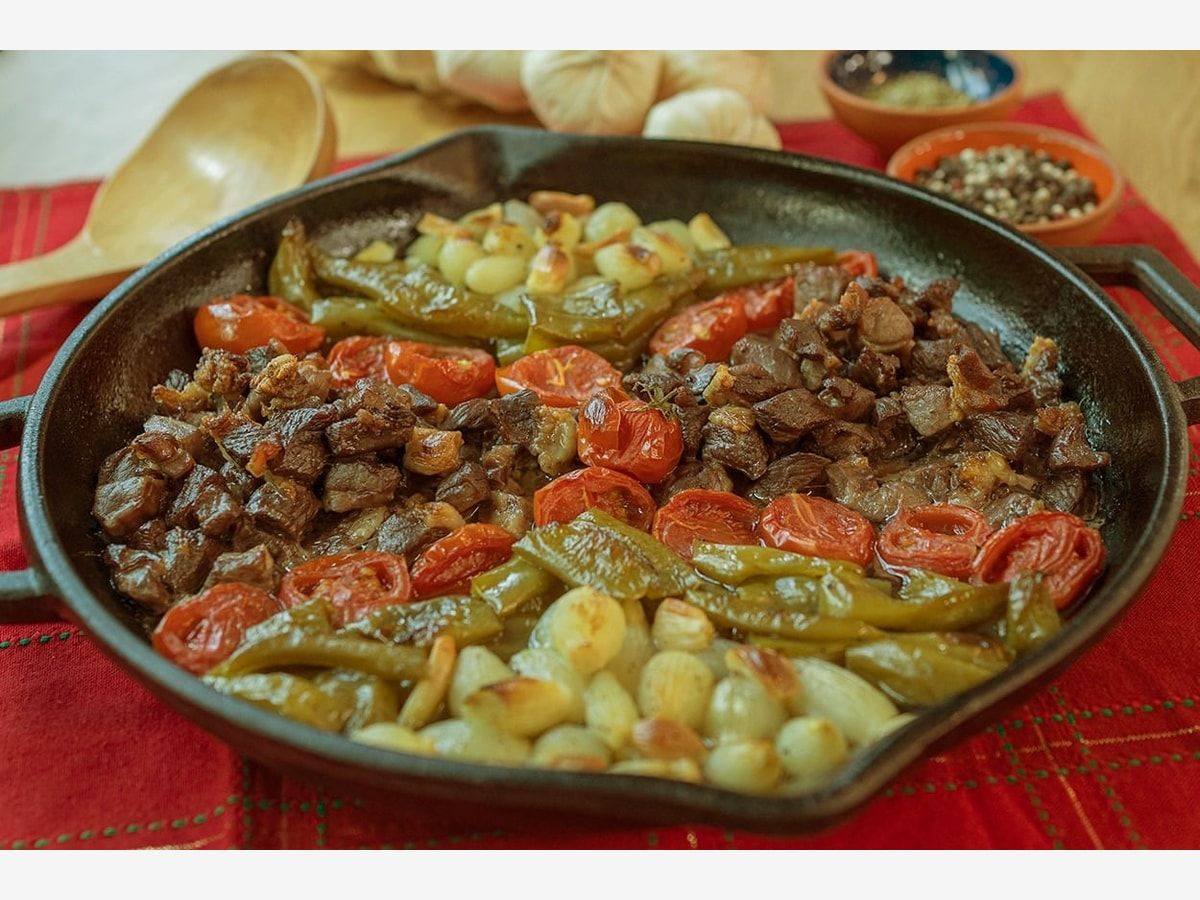
Eli böğründe
Lamb baked in trays with tomatoes, peppers and onions; it is made on special occasions.
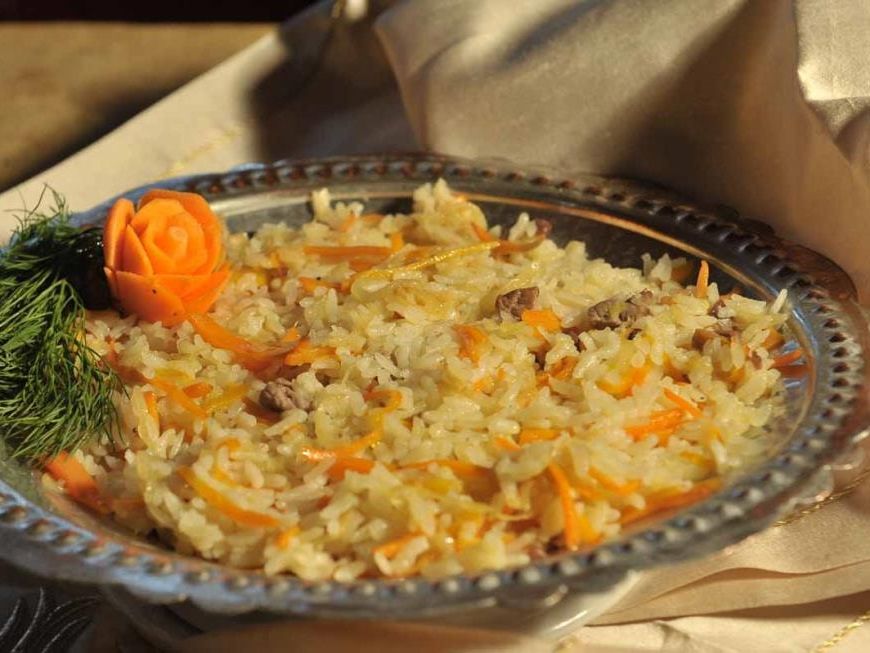
Acem pilavı
Also called Maraş pilaf. A richly spiced pilaf with currants and meat, close to iç pilav, garnished with roasted carrots and almonds.
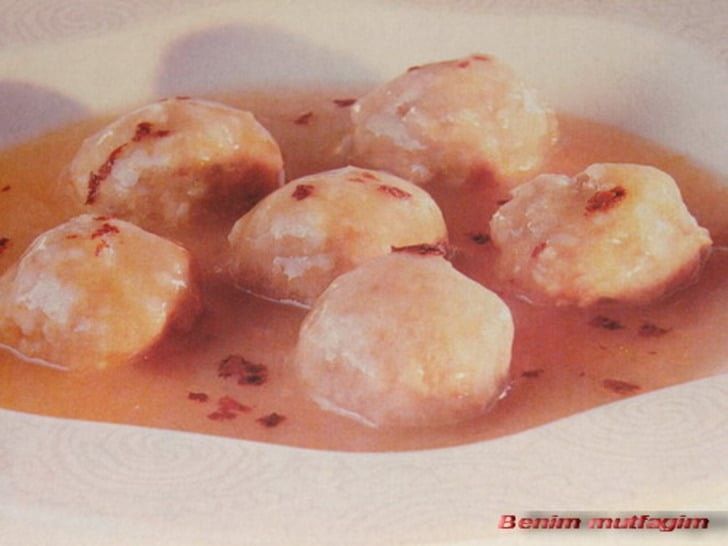
Kallili köfte
Meatballs made with fine bulgur and minced meat, cooked in tarhana soup.
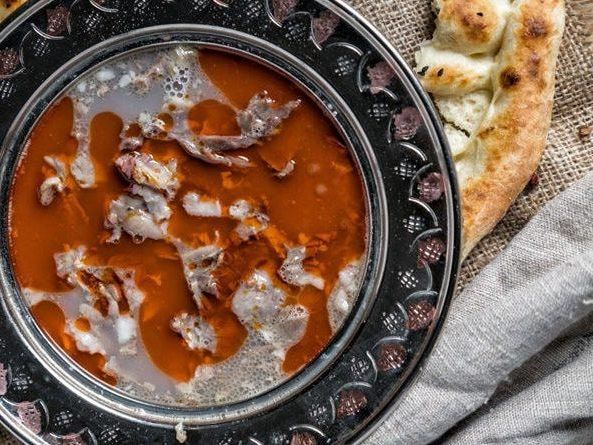
Maraş paçası
A soup made with sheep's head and trotters. It is prepared plain or mixed, with tongue, cheek meat and trotters added, and served hot in copper bowls. Maraş Kelle Paçası is registered with a geographical indication.
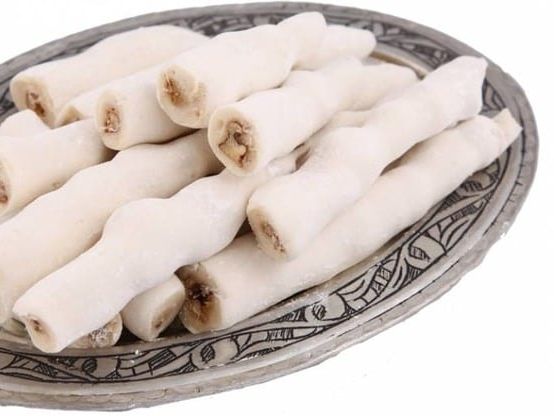
Un sucuğu
Made by drying a mixture of flour and walnuts threaded on a string.
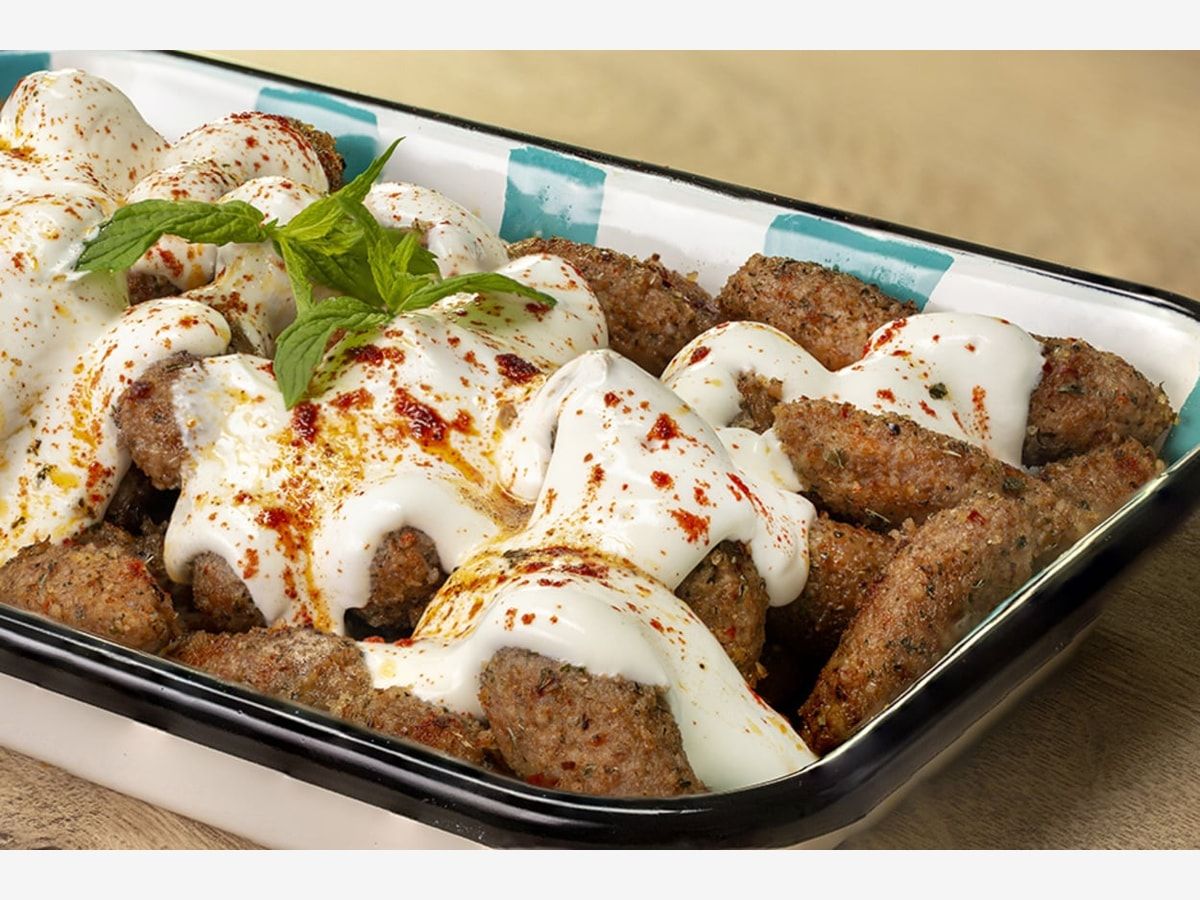
Sömelek köfte
A köfte made with fine bulgur and served with yoghurt poured over it.
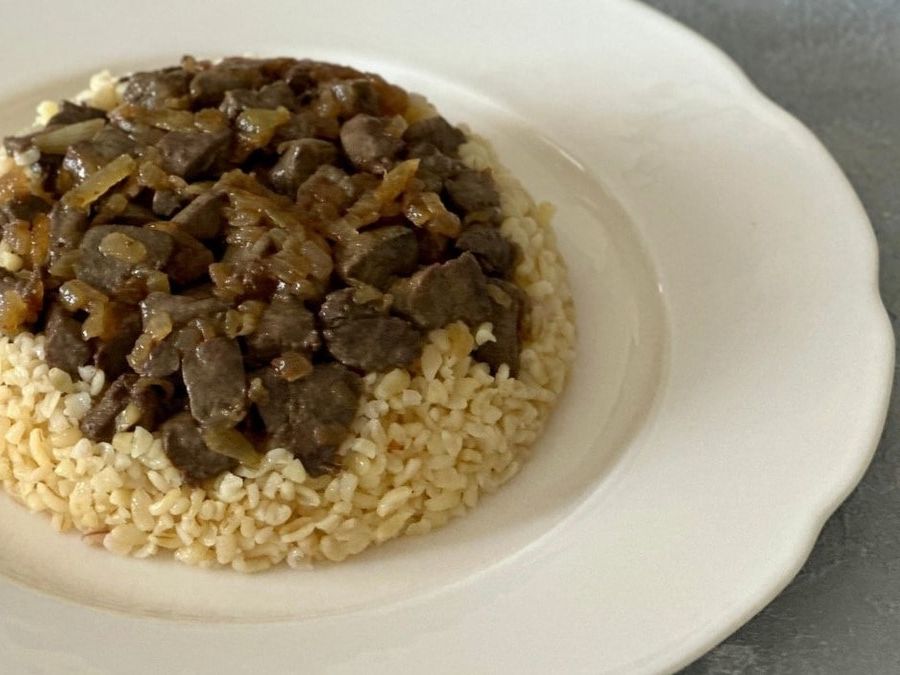
Ciğerli bulgur pilavı
Bulgur pilaf cooked together with calf's liver.
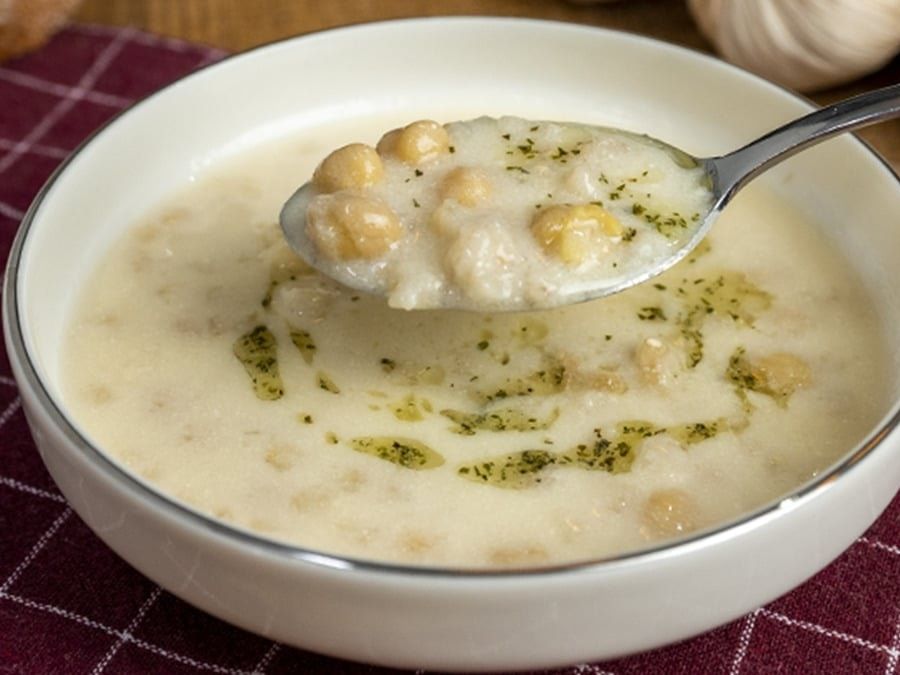
Yoğurtlu dövme çorbası
A soup made by cooking pounded wheat with yoghurt.
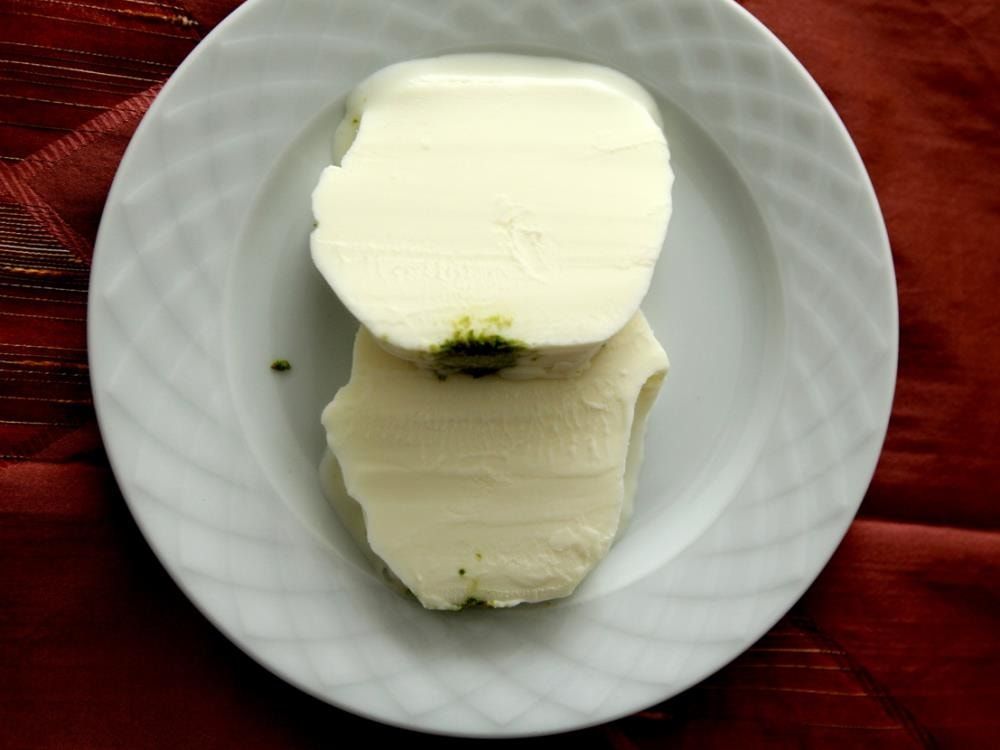
Maraş dondurması
Known as Maraş dövme dondurması (pounded ice cream), it is one of the province's registered foods.


Places to visit in Kahramanmaraş
Kahramanmaraş Tekir Yaylası
Tekir Yaylası is in the Tekir district of Kahramanmaraş. A stream runs through Tekir Yaylası, and arbours have been built over the stream.
Covered in forest and naturally beautiful, Tekir Yaylası is impossible not to admire. Its air and water are something else. Its cool summers and the natural springs formed by melting snow are among the things that make Tekir Yaylası important and special.
You can also stop at the rest facilities you will come across along the Tekir Yaylası road. And don't forget: we strongly recommend trying Tekir Yaylası's famous honey, trout, meat and yoghurt.
If your travels take you to Kahramanmaraş, be sure not to leave Tekir Yaylası off your list. We wish you a good holiday in advance.
Gümüşkaya Mağarası
Gümüşkaya Mağarası (Gümüşkaya Cave), formed in the Palaeocene, is today one of the places to visit in Kahramanmaraş.
Located in the Göksun district, the cave is a regular stop for tourists because it lies on the Silk Road. Gümüşkaya Mağarası is made of limestone, and its stalactites and stalagmites are well worth seeing. There is also a crater lake inside the cave. Offering an unusual journey, Gümüşkaya Mağarası should definitely be part of your trip to Maraş.
Savruk Mağarası
Savruk Mağarası (Savruk Cave), which began forming in the Palaeocene, lies within the borders of Kahramanmaraş province.
Savruk Mağarası is between Karamanlı and Hacınınoğlu villages. The inside of the cave is decorated with stalactites and stalagmites; once inside, you will feel as if you were in Damlataş Mağarası. The waterfall inside the cave will make you feel you are on a fantastic journey. When you visit Savruk Mağarası, you can also have a picnic with food you bring along.
Kumaşır Gölü
Kumaşır Gölü (Lake Kumaşır) is near the top of the list of places to visit in Kahramanmaraş.
One of the spots visitors to the city are curious about, Kumaşır Gölü lies near the Malik Ejder Türbesi, 9 kilometres from the city centre. The lake is very well suited to both picnics and fishing. You can visit Kumaşır Gölü amid green nature and a unique view.
You can also include Kapıçam Tabiat Parkı, Döngel Mağarası and the Taş Medrese in your trip to Maraş.
Tekir Yeşilgöz Mesire Yeri
Tekir Yeşilgöz Mesire Yeri (Tekir Yeşilgöz picnic area) is within Kahramanmaraş province, at kilometre 55 of the Maraş–Göksun road.
The area lies in pine forests that wrap around Döngel Mağarası. At the picnic area you can both picnic and take short trips to discover new places. Kapılı Mağara and Tarhanakaya Mağarası are among the sights in the surroundings.
There are also trout farms at Tekir Yeşilgöz Mesire Yeri. During your trip you can taste delicious trout and explore the area at length.
Kazma Bağları
Kazma Bağları is Kahramanmaraş's oxygen store. Located 10 kilometres north-west of the city centre, on the slopes of Ahırdağı, Kazma Bağları awaits new visitors.
The vineyards offer pleasant hours, especially thanks to their gardens and cold water. Kazma Bağları is easy to reach by asphalt road, and municipal buses pass through it. Infrastructure such as water, electricity and telephone is available in the area.
Fırnız Mesire Yeri
Showing off the nature of Kahramanmaraş, Fırnız Mesire Yeri (Fırnız picnic area) lets you enjoy spending good time among pine forests.
Fırnız Mesire Yeri is on the Göksun road, in Fırnız village, which shares its name. You can picnic and walk beside the stream in the area and find plenty of time to rest. You can reach Fırnız Mesire Yeri by car in about 45 minutes.
Çokran Şelalesi
Çokran Şelalesi (Çokran Waterfall) is one of the most popular spots in Kahramanmaraş. It is in Çokran village, which shares its name and belongs to the central district, so it is not hard to get to.
This natural wonder has attracted tourists' interest especially in recent years. Most visitors to the Çokran Mavi Göl Şelalesi are mountaineers.
The water of Çokran Şelalesi, which is getting closer every day to becoming an important spot for mountain and plateau tourism, falls from a height of 15 metres. A natural pool has formed where the water lands.
Kahramanmaraş Kapalı Çarşı
Built in the 11th century, Kahramanmaraş Kapalı Çarşı (covered bazaar) is one of the city's most visited spots because it is in the city centre.
Both a pleasant outing and a fun place to shop, Kahramanmaraş Kapalı Çarşı welcomes hundreds of people a day to its shops. The bazaar consists of two separate sections, between the Bedesten and the Bakırcılar Çarşısı (coppersmiths' bazaar), and was built with rubble stone and cut stone.
The most distinctive feature of Kahramanmaraş Kapalı Çarşı is that it is one of the first examples of a bazaar from the Ottoman period. We recommend spending some time at the Kapalı Çarşı on your trip to Kahramanmaraş.
Kapıçam Tabiat Parkı
Spreading peace and enjoyment over an area of 179 hectares, Kapıçam Tabiat Parkı (Kapıçam Nature Park) opened to nature lovers in 2010.
Kapıçam Tabiat Parkı is visited by many tourists during the year for its natural setting. The park, 13 kilometres from the centre of Kahramanmaraş, is used by local people as a picnic area, and a large number of visitors also come from neighbouring provinces.
Başkonuş Yaylası
Başkonuş Yaylası, at kilometre 55 of the Kahramanmaraş–Andırın road, is one of the most beautiful gifts nature offers people.
Reflecting the peace of nature with its greenery, Başkonuş Yaylası is a must-visit for tourists coming to Kahramanmaraş. The plateau is reached by asphalt road, and if you have your own car the journey takes about 45 minutes from the city centre. Picnics and nature walks are also possible in the area.
If you can't get enough of Başkonuş Yaylası's beauty, you can book a place at one of the accommodation facilities in the area. Clean air and a forest as green as the eye can see await you at Başkonuş Yaylası.
Yavşan Yaylası Tabiat Parkı
Part of Kahramanmaraş's rich nature, Yavşan Yaylası Tabiat Parkı (Yavşan Plateau Nature Park) is 36 kilometres from the city centre. A stabilised forest road makes the plateau easy to reach.
Yavşan Yaylası Tabiat Parkı is also Turkey's 39th nature park. You can picnic and take exploratory walks in this green area. The area is very rich in animal and plant species and has 65 endemic plants. Yavşan Yaylası Tabiat Parkı is without doubt Kahramanmaraş's most enjoyable trip.
Ekinözü İçmeleri
Ekinözü İçmeleri (Ekinözü mineral springs), made up of 3 springs, are 150 kilometres from the centre of Kahramanmaraş. The springs consist of three parts: the upper, lower and middle springs…
Analyses carried out at Ekinözü İçmeleri found that the water is good for gall bladder, urinary tract, haemorrhoid, nerve, liver, stomach, skin, goitre and vascular conditions.
Büyük Kızılcık İçmesi
Büyük Kızılcık İçmesi (Büyük Kızılcık mineral spring) is in the Göksun district of Kahramanmaraş.
The spring, 16 kilometres from the district centre, attracts great interest, especially from people in the area and in neighbouring provinces.
The spring is near Büyük Kızılcık village. Its water has been analysed, and the results found it good for digestive, kidney and urinary tract complaints.
Bulut Deliği Mağarası
Bulut Deliği Mağarası (Bulut Deliği Cave) is in the Pazarcık district of Kahramanmaraş. Not known to many people, its stalactites, stalagmites and columns are definitely worth seeing.
The cave lies south-west of the district centre and is a fully developed fossil cave. Bulut Deliği Mağarası is 114 metres wide, 80 metres of which is gallery.
After visiting the cave, you can visit Döngel Mağarası, Hurman Kalesi and the Elbistan Ulu Cami.
Döngel Mağarası
Made up of three sections, Döngel Mağarası (Döngel Cave) is one of Kahramanmaraş's tourist areas. The unique nature around it and the fantastic atmosphere inside make you realise you are on an enjoyable and exciting trip.
Located at kilometre 50 of the Kahramanmaraş–Kayseri road, Döngel Mağarası is easy to reach; you can get there on the buses that leave the bus station every hour. The area around the cave is ideal for picnics, and visitors always bring a picnic basket. Surrounded by pine trees, the cave is visited most in the summer months.
Elbistan Ulu Cami
Elbistan Ulu Cami (Great Mosque of Elbistan) is one of the historic places of worship in Kahramanmaraş province. It is in Güneşli Mahallesi in the Elbistan district, which makes it easy to reach.
Because the mosque's inscription has not survived, there is no definite information about it, but it is thought to have been built in the 16th century, in the Ottoman period. The mosque does have inscriptions, but they were brought from another building. Elbistan Ulu Cami has been repaired several times over the years.
Cut stone, marble and brick were used in building the mosque. The painted decoration and plant motifs on the interior walls are among the eye-catching details and add to the mosque's mystical power.
Taş Medrese, Kahramanmaraş
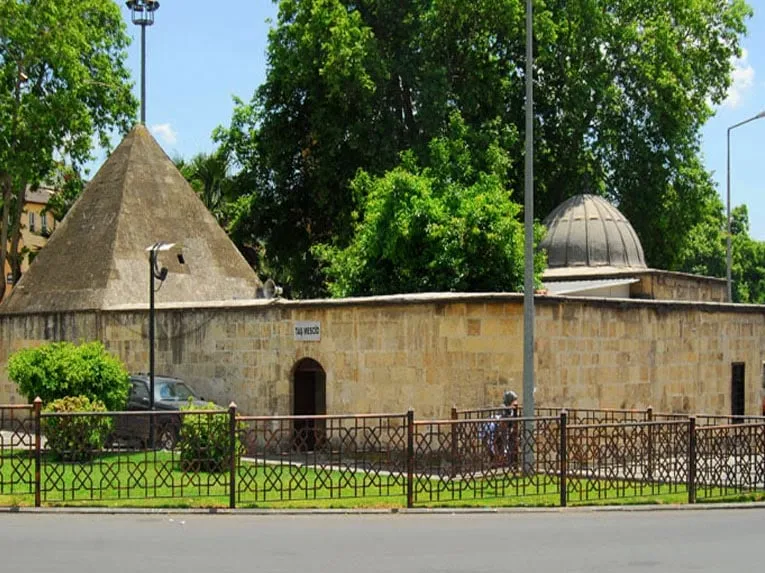
The Taş Medrese, built on a rectangular plan, is very close to the Ulu Cami in Kahramanmaraş. Because of its central location, it is also one of the places visitors to the city always add to their itinerary.
The Taş Medrese of Kahramanmaraş is thought to have been built by Alaüddevle in the early 14th century in the name of his daughter.
Cut and rubble stone can be seen to have been used in building the Taş Medrese. Rooms are lined up around the courtyard of the medrese, and each room is connected to the courtyard by a window and a door.
Having witnessed the city's history, the Taş Medrese of Kahramanmaraş is just one of the places we suggest adding to your list.
Hurman Kalesi
Hurman Kalesi (Hurman Castle), which draws visitors' interest with its grand structure and long history, is in Kahramanmaraş province.
The castle is within the boundaries of Marabız village in the Afşin district and stands on a steep rock. It is not known when or by whom Hurman Kalesi was built, and little is known about it, but it is thought to date from the Byzantine period. Cut stone and rubble stone can be seen when the structure of Hurman Kalesi is examined.
Although this grand work, made up of walls, has survived in ruins, it is constantly visited for its architecture, which is well worth seeing.
Kahramanmaraş Kalesi
Kahramanmaraş Kalesi (Kahramanmaraş Castle) stands on top of the mound in the centre of Kahramanmaraş. The castle, which has been repaired many times up to the present, is thought to have been built between the 1st century BC and the 2nd century AD.
It has a roughly rectangular plan measuring 150×75 metres. The General Directorate of Antiquities and Museums had part of the walls and three towers repaired, one of which is the castle's old entrance structure. Seen from Kahramanmaraş Kalesi, the Ulu Cami and Kıbrıs Meydanı make a very beautiful view.
Direkli Mağara
Used as an important trade route for centuries, Kahramanmaraş is one of Turkey's cities well worth visiting for its historic and natural sites.
Direkli Mağara (Direkli Cave) in Kahramanmaraş is one of its sights. Direkli Mağara is in Döngel village in the central district and is very easy to reach. The cave was uncovered by excavations carried out in 1959, and research has shown that the first settlement here began in the Palaeolithic.
Direkli Mağara is 4 kilometres from the city centre and 1,130 metres above sea level. Local people named it after the stalagmites inside ("direk" means pillar). On your holiday in Kahramanmaraş you can visit the Kahramanmaraş Museum after Direkli Mağara.
Kahramanmaraş Museum
First set up in the building known as the Taş Medrese, the Kahramanmaraş Museum is the first museum in Kahramanmaraş.
Founded in 1947, the museum grew considerably in ethnographic and archaeological works, especially after 1957. As the Taş Medrese could no longer meet its needs, the museum moved within the city centre in 1961, and then in 1975 to its new building, also in the centre. It has four exhibition sections: the Archaeology Hall, the Stone Works Hall, the Ethnography Hall and the Garden-Portico Hall.
The museum displays finds from the excavation of the Domuztepe archaeological site in the Pazarcık district, two elephant skeletons found at Gavur Gölü, finds from the excavation at Döngel Mağarası and Late Hittite bronze and stone works, as well as works surviving from the Hellenistic, Urartian, Roman and Byzantine periods. The altars, gravestones, columns and stone lion statue displayed in the garden and portico section will particularly catch your eye. Ranking among the important museums, the Kahramanmaraş Museum always keeps its doors open to visitors with all its treasures and unique works.
Source: http://www.gezilebilecekyerler.com/kahramanmarasta-gezilecek-yerler/
Culture and arts in Kahramanmaraş
Charms against the evil eye
Since ancient times people have believed that evil eyes can touch good things and harm them, and have looked for ways to protect themselves. The Turks chose the blue bead as the best protection. In the Turkic languages this word has been pronounced in forms such as boncuk, moncuk, moyucak and monşak. The reason the protective bead among Turks is a blue bead, and the special importance given to it, must be that blue-eyed Turks are rare and that there is a belief that blue eyes carry ill will. The old Turks hung talismans on their horses' necks and also put beads on the tops of their banners as protective talismans.
Over time it became customary to use a great variety of objects as charms. Belief in the evil eye is still widespread today in the centre and villages of Kahramanmaraş. It is believed that the evil eye strikes the beautiful, the generous, those with outstanding talent and skill, those who know their work well, and those who are physically strong. Many people fear the evil eye of certain people, especially the blue-eyed. There are all sorts of stories about this. People say there are some whose evil eye is strong enough to stop a running horse and make it burst. The illness or death of people whose work is going well, of sturdy and beautiful children and of fine animals is often put down to the evil eye. This belief is so broad that the evil eye can even strike cars, oxen, cows, vineyards, gardens and crops. Various charms are used to ward off the evil eye. Foremost among them is the blue bead. Some of the other charms are:
oleaster stones, eye beads, alum, snake bone, small tortoise shells, a small penknife, scissors, a piece of blackthorn branch cut in the shape of an amulet, animal horns, the skulls of animals such as oxen, horses and roe deer, horseshoes and so on. Those small enough to carry are hung on children's shoulders and cradles. Things such as animal skulls, horns and horseshoes are hung in suitable, visible places on shops, houses and the like that people fear may be struck by the evil eye. "Maşallah" is also written on cars and on the fronts of impressive buildings. A piece of alum hanging with a blue bead is often seen in taxis and near the driver in lorries.
For children and adults believed to have been struck by the evil eye, the following is done to break it:
1. A hoca (religious teacher) is asked to recite prayers over them.
2. Wild rue is thrown on the fire and the smoke is made to pass over the person struck.
3. Coals are counted.
Wedding customs
How sad... time has unfortunately made us forget many old and lovely traditions. But there are still a great many customs and practices that have not been forgotten. One of them is the "wedding customs" of Kahramanmaraş. Weddings, one of society's events, are found in various forms in various countries of the world. Some of them are very strange, while others are wonderful rites, feasts, dances and ceremonies.
In Kahramanmaraş, where most of the people belong to the middle class, we can still see today, in every neighbourhood, in every house and in every season, the wedding customs that have continued for centuries. These lovely wedding customs, very original and pleasant for outsiders, necessary for the families holding the wedding and fun for the children, and so the efforts made to found a happy home, can be summed up as viewing the girl, şerbet, engagement, henna, bringing the bride, the wedding, the marriage ceremony, the wedding night and the kissing of hands.
Görücü (viewing the girl)
In Kahramanmaraş most marriages take place through görücü (matchmaking visitors). When their son reaches marrying age, families begin viewing girls. If the family is slow to get on with it, the son expresses his wish through certain actions. For example, if he has come back from military service, he puts his identity card and discharge papers where his family can see them. He soaks his clothes in water and hangs them up without washing them. Let us tell a well-known joke here:
A mother and father whose son has reached marrying age decide, because they are short of money, to sell the donkey and the old ox in the house and marry their son off. The young man, listening to the conversation through a crack in the door, begins to wait impatiently. But when days pass and he sees no move from his family, the impatient young man says one day in the middle of a conversation, "Why aren't you talking about donkeys and oxen any more?"
Mondays and Thursdays are considered lucky days for viewing a girl. The görücü, the boy's grandmother, aunt and other close relatives, go to the girl's house on a Monday or Thursday. The house's marriageable daughter brings the coffee to the görücü, and after serving the coffee she waits in a suitable place by the door of the room, holding the coffee tray at chest height.
If the görücü like the girl, they tell the mother and father, "We've found our match." The father also makes enquiries about the girl. On a Monday or Thursday the görücü go to the girl's house again. The girl's mother says, "Welcome, what wind has blown you here?" The eldest of the görücü says, "We're glad to be here." The boy's mother says, "Ask why we've come." When the girl's mother asks, they say, "By God's command and the Prophet's word, we have come to ask for your daughter for our son." The girl's mother says, "If God has written it, what right have we to say anything?" As the görücü leave, the girl's family asks for three days for a definite answer. The görücü say, "All right, but in three days we won't leave without the girl." After this the girl's family makes its own enquiries about the boy. Three days later the mother-in-law comes with a few people, says "Rast gele" and they go in. After the pleasantries, if they are not going to give the girl, they put them off by saying, "Our daughter is still young." If they are going to give her, they play hard to get for a few weeks, since the girl's house is the house of coyness. A string of pearls, 20–25 thin bangles, 10–11 pairs of twisted bangles and a necklace are asked for, and the travel money and the girl's ağırlık (the goods given to the bride) are settled. If the boy's family is rich, they give what the girl's family asks for and a şerbet day is set. Those who cannot meet the girl's family's demands have to withdraw.
Şerbet
The şerbet day is a Monday or a Thursday. Relatives and in-laws are invited to the şerbet by women hired by both families. The guests are offered the fruit, sweets and snacks sent by the boy's family. The sugar sent by the boy's family is made into şerbet (a sweet drink). While the şerbet is being handed round, the mother-in-law puts a ring on the girl. The hocas recite prayers.
Ağırlık
On an agreed day, the relatives of the girl and the boy give the girl's house the goods agreed beforehand.
The wedding bath
The girl's family, again with their relatives, go to the hamam hired by the boy's family. The girl's family undresses the bride. After she has bathed, a sevaî (a local kind of embroidered, open-fronted, collarless garment) is put on her over her underclothes. Her hair is braided and decorated with gold mahmudiye coins, and then her head is wrapped. The woman who wraps her head must be skilful, someone from whose hand water is drunk, whose yeast takes when she starts it, and who can ferment pekmez. Otherwise it is believed the bride will have no children. After this two veils are tied on the bride, green in front and red behind, and she is put in socks and yellow edik (boot-like shoes). The bridesmaids, with red ribbons on their arms, are at the bride's sides; the bath attendant goes in front, and behind come the girls of the bride's family who are of marriageable age.
Henna
On Wednesday afternoon the boy's family goes to the girl's house, and after the bride has kissed her mother-in-law's hand, the mother-in-law puts henna in the bride's palm. The wooden spoon used here goes to the boy's house. After everyone has gone, the bride throws the henna in her palm against the wall of the house. This act signifies that the bride has left the house as spotless as that henna.
Bringing the bride
Until 25 years ago the bride was brought on horseback. Today she is taken by car. The car tradition is also important. The more cars there are, the more honourable the wedding is considered. If someone from the crowd stretches a rope in front of the bride's car, the father-in-law, sitting next to the driver, throws out handfuls of coins. At the door of the boy's house the bride kisses her father-in-law's hand, and the mother-in-law breaks an empty bottle at the bride's feet and throws money to the children. After climbing the stairs, the bride passes under her mother-in-law's arm. The mother-in-law gives the bride a pomegranate, and the bride smashes it against the wall. She breaks the spoon used to mix the henna in the middle of the bridal chamber and throws it on the floor.
The bride
On Thursday morning henna is put on the bride's hands and feet. Her hair is combed nicely and she is dressed. The day is spent with wedding songs and dances. The men sing gazels and dance the halay. The biggest task falls to the abdal drummers and the municipal band. The more people dance, the greater the wedding's fame. That day everyone is honoured and served the "velime meal" (wedding feast); the velime meal is very often lahmacun, potato stew, rice pilaf and compote. Çörek is also specially served.
The religious marriage
It mostly takes place in the afternoon. Present are the proxies of the girl and the boy, the witnesses, the imam, and the fathers of the boy and the girl. The girl's proxy is taken on by a man whom she would be forbidden to marry. In taking on the proxy, this man asks the bride three times in front of the witnesses, "Do you accept me as your proxy?" If the girl says "Yes" or stays silent, he says, "Silence is consent," and takes on the proxy. The imam performs the marriage.
Kissing hands
The groom, the bride and close relatives go to the girl's house on a day that falls on a Sunday to kiss hands. The groom kisses the hands of his father-in-law and mother-in-law. The foundation of a happiness that will last until death is laid on this day.
They got their wish, and we'll go up to the divan.. (a traditional closing formula: "they achieved their desire, let us climb onto their couch")
Seğmen, the sin-sin dance, the ring game, soğan kapması
Sağmen (Seymen) at village weddings in Kahramanmaraş
At village weddings in Kahramanmaraş, the group from the surrounding villages invited by the groom's family is called the sağmen (seymen). Those invited from the village where the wedding takes place cannot be sağmen. The people who make up the sağmen are summoned by the groom's family sending an okuntu. Sending an okuntu means inviting to the wedding. For this, a few apples, some sugar, a square of printed cloth, a towel, a handkerchief, socks and the like are sent to those invited. These are called okuntu, and those who take the okuntu are called okuyucu. The okuyucu says to those he gives the okuntu to, "So-and-so sends you his greetings and asks you to come to the wedding next week." The okuyucu are usually chosen from people with a sweet tongue, suited to this job.
Most village weddings start on a Monday or Tuesday. The sağmen procession arrives on the day the wedding begins. The sağmen bring gifts such as goats, sheep, cows and oxen with them. These are given to the wedding house.
When the sağmen approach the village where the wedding is, they fire guns. This announces that the sağmen are coming. The villagers, hearing of the sağmen's arrival, go out with the drum to meet them. After meeting them at a certain place, they return together to the wedding house. The villagers share out this group in threes and fives. This is to spare the wedding host a difficult situation. The wedding host has the livestock brought to him slaughtered and serves the sağmen a meal.
The sin-sin dance
After the sağmen have eaten their evening meal, the halays begin. The most interesting of the dances performed at night is the sin-sin dance. For this a fire is lit in a suitable place in the village. This fire is called the alanbaş. The davul and zurna keep playing the sin-sin tune. The dancers, one by one, circle the fire non-stop with hand and foot movements. The person dancing by the fire leaves the space when someone from the group comes out.
If he isn't quick to leave, the person entering the dance makes him leave by punching him on the back.
On Thursday, between morning and noon, the bride is put on a horse and taken in a bridal procession with the male attendants of both sides beside her. The sağmen also take part in this ceremony of taking the bride. After evening, with the night prayer, she is given to the bridal chamber, and so the wedding ends.
After the bride has arrived, there is wrestling. Well-known wrestlers from neighbouring villages are invited to these bouts along with the sağmen. The winning wrestlers are given prizes according to their ranking. By the next morning the wedding is over. The sağmen and the other guests go home.
The ring game
One of the games played since long ago in many villages of Kahramanmaraş is the ring game. This game has taken different forms in different places. The game we describe here covers what nearly all of them have in common. It is played at weddings and on winter nights.
On the nights of a wedding, after the young people have danced the halay to the davul and zurna, they light a big fire and move on to the sin-sin dance around it. When this dance is over, they gather in a house and split into two groups to play the ring game. A bread board, a pan as the ring's place, and eleven cups are brought out (in some areas this game is also played with coffee cups and walnut shells). Each side has a leader. Before the game starts, the leaders toss a stone. The side that wins hides the ring, and the other side starts searching. If the ring is under the first cup lifted, the plate passes to the searching side. If it turns up under the second cup, it is a dimyet, and the side that hid the ring wins ten camels (points). The hiding goes on. Again the other side starts searching. If they lift the first and second cups and the ring isn't found, it is a dimyet. If the ring turns up under one of the later cups, the cups not lifted count as camels. If two cups are left at the end, the searching side lifts one of them saying "Ours". If the ring turns up under that cup, the searching side hides it next. If not, the other side wins two camels. The game goes on like this; whichever side reaches thirty camels makes the other side do the "thirty". The side that hasn't reached thirty camels kneels down, and someone from the other side acts as hoca. Another person stands with a stick in his hand. The kneeling players, together with the person at their head, lie down and get up again, saying the words below.
Otuz of
Beller büken otuz of
Evler yıkan otuz of
Kırk yaşında emekleten otuz of
Çocukları yetim koyan otuz of
Kara Meryem'e hizmetçi yapan otuz of.
(Thirty alases; thirty alases that bend backs, that pull down houses, that make you crawl at forty, that leave children orphans, that make you a servant to Black Meryem.)
When this is over, the plate is handed with an oath to the side that did the thirty. The oath goes like this: "By the enteşe, by the menteşe, by the black she-donkey in the cornel bush, by the one who lies down on Friday, have you taken on and accepted my burden (vebal)?" If they say "I have," the plate is handed over; if not, it isn't. The game continues. Whichever side reaches fifty camels recites the partala (harsh words in verse meant to anger and upset the other side). The person reciting the partala has a stick in his hand. He stands between the two sides, turns to the side he is going to recite it at and says the following:
Haydin şunlara varalım,
Halın hatırın soralım,
Oy zalim nenni nenni,
Ufacık terlerin silelim,
Oy zalim nenni nenni,
Demen (Değmeyin) beylere beylere,
Zalimin göçü,
Ark üstünden hatlatırım (Atlatırım),
Oy zalim nenni nenni,
Çayır çimen toplatırım,
Demen beylere beylere,
Alar (Ağalar) ho.....,
Sen bir misafir adamısn,
Oy zalim nenni nenni,
Çayır çimen toplatırım,
Demen beylere beylere,
Alar ho.....,
Dağdan vururlar hezeni,
Gelir uzanı uzanı,
Aptal Meyrem'in yol kazanı,
Oy zalim nenni nenni,
Demen beylere beylere,
Alar ho.....,
Bizim soba taplı olur,
Oy zalim nenni nenni,
Get kendini üşütte gel,
Demen beylere beylere,
Alar ho.....,
Hocalar gelir firezden,
Oy zalim nenni nenni,
Seni götürürler birezden,
Oy zalim nenni nenni,
Demen beylere beylere,
Alar ho.....,
Bizden olsana,
Yüzük bulsana,
Çalıp alsana,
Yüzük bilmen neden oynan,
Oy zalim nenni nenni,
Merkep gibi otlatırım,
Demen beylere beylere,
Alar ho.....,
Sana biner hotlatırım,
Oy zalim nenni nenni,
Demen beylere beylere,
Alar ho.....,
Adana'dan aldım kutu,
Oy zalim nenni nenni,
Merkep gimi otlatırım,
İçi dolu sıçan otu,
Demen beylere beylere,
Alar ho.....,
Yük üstüne pala koydum,
Bir ucunu dala koydum,
Kaynanana ........
Yüzük bilmen neden oynan.
(Come, let's go over to them and ask how they are, oh cruel one, lullaby; let's wipe their little drops of sweat. Don't touch the beys, the beys. I'll make the cruel one's household jump over the ditch and gather grass and meadow. Aghas, ho! You're only a guest here. They shoot the stag on the mountain and it comes stretching out; it's foolish Meryem's travel pot. Our stove is hot; go and cool off and come back. The hocas come and carry you off from here. Be on our side, find the ring, steal it and take it; why do you play if you don't know the ring? I'll graze you like a donkey, ride you and drive you on. I bought a box in Adana, full of rat poison. I put a sword on the load and one end on the branch… your mother-in-law… why do you play if you don't know the ring?)
After the partala is over, the plate is handed on oath to the side whose partala was played: "Have you taken and accepted the burden (vebal) of the enteşe, the menteşe, the black donkey in the cornel tree, the one who sleeps on Friday, and mine?" If the answer is "I have," the plate is handed over; otherwise it is not, and the game continues. The side that reaches a count of one hundred and two "camels" has "ut" (won). The losing side kneels in a row, and first their sweat is wiped off with their own hats. After this various games are played.
These games are: Soğan Kapması, Kül Yüzmesi, Duvar Örmesi, Daldala, Merkebe Ters Bindirme, Şildirşip Namazı, Bostanda Ayı Var, Bağa Tilki Girmiş, Mangır Satma, Üzümcü Köy Ağası, Kel Hüseyin'in Değirmeni and Okuma.
Soğan Kapması (Onion Snatching)
An onion is hung from the ceiling on a string. The players on the losing side have their hands tied behind their backs and must catch it with their mouths while the onion swings. Whoever on the losing side snatches the onion either escapes punishment or has it reduced in the other games. Those with the most faults receive heavy penalties. Next comes the game "Kül Yüzmesi" (ash swimming). Water is put in a basin, ash is thrown in and stirred, and a ring is dropped into the water. The players on the losing side search for the ring one by one by dipping their mouths into the water. Whoever finds the ring and brings it out with their mouth passes the test and escapes punishment; whoever fails loses the test and is punished. Those who lose are told "Count from the right." They are counted from the right and whoever is left over is identified. The winner is rewarded by having them hand out water. Then comes the wall building. The "master builder" comes and examines the "stones" one by one. "For all of them I need a sledgehammer, a crowbar and two labourers," he says. He picks a sledgehammer and a crowbar from among the losers, and also chooses two tall labourers from among them. The losers are made to kneel, and the labourers stack them on top of each other, bringing them to measure, and "build" them one by one. When the games are over, the losers are seated backwards on donkeys and escorted to their homes with drum and zurna.
Birth Beliefs in Kahramanmaraş Province
In the provincial centre, districts and villages, the practices carried out for newborn babies have long shown many particular features. The most widespread of them can be summarised as follows.
When a child is born, the umbilical cord is cut with scissors five fingers' width or one "süngüç" (the distance between the thumb and the index finger) above the navel. It is believed that if it is cut a little higher the child will have a beautiful voice. If the child is a boy, the cut cord is buried in the stable so that "he may be a stockman, a man of property, a farmer." If it is a girl, it is thrown into water so that "she may wash the laundry, be hard-working and be clean."
When the midwife cuts the cord, if the child is a girl, she usually gives her the name of the Prophet or of one of the people considered lucky as her "navel name". The new mother is given no water for up to three days. First a mixture of butter and grape molasses is gently boiled and given to her to drink. It is also not considered right to give her yoghurt or milk during these three days. When the child is born, the midwife salts it. This is done so that its mouth and body do not smell and so that the child will be healthy and hardy. The washing is done 5–10 minutes after birth. It is customary to hold the baby by the feet and swing it upside down while washing it, saying "May its neck and arms be long." It is then swaddled and placed in the cradle. Once three days have passed, earth is laid under the child.
Laying earth continues until the child begins to walk; it is believed that a child who lies on earth will grow up sturdy. It is not considered right to breastfeed the child before three calls to prayer have been heard. The child's real name must be given by an elderly person reciting the call to prayer into the child's ear.
No water is placed in the child's room until it has completed its first forty days; if it is, it is believed the child will be drowned in the water by devils. Women and children who have not completed their forty days are not brought near other women and children who have not completed theirs; if they are, "kırk basma" is feared, and it is widely believed that a child struck by kırk basma will fall ill and die. If two neighbouring women in their forty days absolutely must visit each other, they give each other a sewing needle and kiss. A woman whose children do not survive is not allowed near a newborn; if she does come, great care is taken, because it is feared she will shake herself over the other child. If this happens, it is believed the child will die or be left disabled. The woman who shakes herself thinks the misfortune in her own child will pass to the other child, and the other side thinks the same. This shaking is called "Tıbıkası Geçti". Nothing is given from the house to the neighbours until the child's umbilical stump has fallen off. A child in its forty days is never left alone at home; either the Holy Qur'an or a broom is placed at its head.
Forty days after the birth, the mother's and child's forty days are "taken out". For this, three bowls of water must be poured through a strainer with at least forty holes or through a bath mitt. These three bowls of water are poured over the mother's and the child's heads. Before pouring, the woman who does it strikes the water in the bowl forty times with her hand, saying "Kırk, kırk, kırk, ..." (forty, forty, forty). Where there is a bathhouse, the woman who has given birth is made to sweat to drive out her illnesses. Besides this, an egg mixed with various spices is rubbed on her body. In some places forty-day rites are also performed on the seventh and twentieth days after the birth.
Death Customs in Kahramanmaraş:
On the Deathbed:
a) Helâlleşme (mutual forgiveness): When a sick person is on their deathbed, their relatives "wait at their head", that is, they await their death. Relatives, kin, friends, companions, acquaintances and colleagues of the dying person come to visit in order to exchange forgiveness. Conversations usually run along these lines:
- Sometimes the sick one lives and the one waiting at their head dies... May God not part us from our faith; we are all in a mortal world, all travellers on that road... and after such consolations,
- "Forgive me what you are owed, and let it be forgiven on our side too": in this way forgiveness is exchanged.
b) Vasiyyet (the will): The person closest to the dying person asks whether they have a will. Prudent Muslims in fact prepare their written wills beforehand, and such people answer by saying where the will is kept. Under Islam, both those who leave a written will and those who make an oral one may bequeath at most one third of their property. Wills made with this in mind are carried out exactly by the heirs. The person making the will declares what they are owed and what they owe, and also states the sum they wish to be spent on charity. While doing so they say:
- "O Lord, do not let me appear before You indebted to Your servant and guilty in Your presence," and they repeat this from time to time for as long as the illness lasts.
c) Haleti Nezi (the last breath): As the sick person passes to the hereafter, some of the relatives gathered to "wait at their head", in order to instil the spiritual peace of Islam and let them breathe the air of the hereafter, recite the sura YÂSİN from the Holy Qur'an, while others recite the "Shahada" in a voice the sick person can hear and help the sick person say the Shahada with their last breath. (When the sick person closes their eyes, the recitation of the Qur'an stops until the washing, "gasl".) The death is announced by the muezzins from the neighbourhood mosque and many minarets (by giving the "sela". As the sela, Yunus Emre's hymn "Yalan Dünya" (False World) or the following verse is chanted in the prescribed manner: "Lailahe İllallah Vahdehu Laşerikeleh. Lehülmülkü ve lehülhamdü yuhyi ve yümit. Biyedihil hayr ve hüve alâ külli şey'in kadir. Ve İleyhilmasir, İnna Lillah ve İnna İleyhi Raciûn". After it is repeated three times, the identity of the deceased is announced and "May God have mercy on them" is said.)
An example of a funeral sela;
Umulmaz bir vefâ senden
Yalan dünya değil misin
Erişmez hiçbiri gamden
Viran dünya değil misin
Niçin gafil yaşarız biz
Bu dünya fâni bir dünya
Hiçbir şeye güvenmeyiz
Akıbeti ölüm zira.
(No faithfulness can be expected of you; are you not a false world? None of them escapes sorrow; are you not a ruined world? Why do we live heedless? This world is a passing world. We can trust in nothing, for its end is death.)
After this the body is placed in the coffin. The person in charge, or an elder, addresses everyone:
- "Grant your forgiveness," and the coffin is carried out of the house head first. At this moment the women's cries and wailing reach their height.
The body is generally brought to the nearest mosque, and in Kahramanmaraş very often to the Ulu Cami. The funeral prayer is performed, and after it someone from the congregation asks aloud:
- "How did you know them?"
The congregation answers together:
- "We knew them as good; may God have mercy on them."
People met on the way, as a last duty, carry the coffin on their shoulders for at least 7 to 10 steps. Each bearer says one of the following:
- May God have mercy on them.
- May their place be Paradise.
- May our Prophet intercede for them.
- May their questioning be easy.
- May God gather us in Paradise.
- May the place they lie be full of light.
- May their first night be easy.
- May their faith be perfect, and so on.
In this way the body is carried to the grave.
d) At the cemetery: On entering the cemetery, the coffin is set on the ground beside the prepared grave. The congregation may not sit before this. The gravedigger does his work, and relatives lower the body into the grave. Prayers are recited over three handfuls of earth, which are scattered into the grave. The three handfuls are accompanied by prayers expressing, first, that man was created from earth; second, that he is returned to the earth; and third, the resurrection after death.
The grave is then covered with earth and the religious ceremony begins. While the hoca in charge prays, the congregation says "Amen". At the end of the prayer the Fatiha is recited and the congregation leaves the cemetery, while the hoca performs the religious "telkin" (instruction to the deceased). This telkin is given using the name of the deceased's mother.
As the congregation leaves, the cover laid over the coffin, by custom most often a carpet, is given to the neighbourhood mosque to be spread on its floor. In hot weather, liquorice-sherbet sellers and lemonade sellers called to the cemetery hand out plenty of sherbet and lemonade to the congregation for the soul of the deceased (sebil).
After the ceremonies at the cemetery, people go to the house of the deceased to offer condolences. Condolences continue for three days. During these three days, the relatives, friends and neighbours of the deceased send various dishes to the house, so the grieving family is spared the burden of cooking. Because more is sent than needed, the food is also offered to visitors and to the poor. In the house of the deceased, passages of the Qur'an (Aşr-ı Şerif) are recited for the soul of the deceased and tevhit is performed. From time to time Mevlid recitations are held to remember the deceased with good.
The practices described above are applied within the province with minor differences.
LITERATURE
Examples of Folk Poets from Kahramanmaraş and Their PoemsKahramanmaraş is a city where folk poetry and the âşık tradition live on strongly and vividly. "In Maraş, out of three doors, two produce a poet."
Karacaoğlan
Most researchers agree that Karacaoğlan, the greatest poet of Turkish folk literature, lived in the 17th century. As well as the period in which he lived, various views have been put forward about where he was born. Yet in many of his poems Karacaoğlan says that he is from Maraş:
"Maraş illerine giden kervancı
Selam söyle bizim ile, obaya"
"Vatanımız Adana, Maraş
Çukurova ilimiz vardır."
"Turna niyetiniz Maraş mı ola?"
"Ahır dağından görün Maraş bağını
Engizek'te derler ilin çoğunu
Bayra'dan, Bertiz'den Konur Dağını
Göksun güzel derler, ilin var dağlar."
("Caravaneer bound for the lands of Maraş, give our greetings to our land and our camp." "Our homeland is Adana and Maraş; we have our land, Çukurova." "Cranes, is it Maraş you are heading for?" "See the vineyards of Maraş from Ahır Dağı; they say most of the land is at Engizek; from Bayra and Bertiz, Konur Dağı; they call Göksun beautiful, you have your mountains, land.")
Derdiçok
Derdiçok, whose real name was Lütfü, was born in Elbistan in 1874. In Derdiçok's poems the people of the region found their own taste and affection in their natural Turkish. The Karacaoğlan vein in him can be found in the rhythm of his love poems.
SEMAİ
"Aman güzel yavaş yürü
Yollar incinir incinir
Güzelim diye nazlanma
Eller incinir incinir"
("Oh beauty, walk slowly; the roads will be hurt, will be hurt. Don't play coy because you are beautiful; people will be hurt, will be hurt.")
Abdurrahim KARAKOÇ
He was born in 1932 in the Ekinözü district of Elbistan. Abdurrahim KARAKOÇ is one of the leading and most accomplished poets of present-day folk poetry.
"Sarı saçlarına deli gönlümü
Bağlamışlar çözülmüyor Mihriban
Ayrılıktan zor belleme ölümü
Görmeyince sezilmiyor Mihriban"
("They have bound my mad heart to your golden hair, and it will not come loose, Mihriban. Do not think death harder than separation; it cannot be sensed without seeing, Mihriban.")
Hayati VASFİ
He was born in 1931 in Tanır, a sub-district of Afşin in Maraş.
With his rich powers of expression he wrote the lyrics of many songs. Taner ŞENER, Güzide TARANOĞLU, Zekai TUNCA, Tekin KOÇUK, Tufan ŞENTÜRK and many more composers and folk poets than we can name have set his poems to music.
"Yemeniye (kelik), yoğurda (katık)
Bulgur pilaına (aş) derler bizde
Genç horoza (celfin), pilice (ferik)
Kümese yollarken (kişş) derler bizde."
("For the yemeni headscarf we say kelik, for yoghurt katık; for bulgur pilaf we say aş; for a young rooster celfin, for a pullet ferik; and when we send them to the coop we say kişş.")
Aşık MAHSUNİ
He was born in 1939 in Berçenek village in the Afşin district of Kahramanmaraş.
Mahzuni, who also influenced some poets of his time, is a powerful master of satire and taşlama. He took science as his guide and regarded respect for people as the starting point of every thought.
"Bayramlar iki küsküne
Sevgi hoştur canlısına, büstüne
Güzel çağda düşüncenin üstüne
Silah ile varmak çağre değildir."
("Holidays belong to two who were at odds; love is sweet to the living and to the bust alike; in a fine age, going at thought with a weapon is no remedy.")
Hilmi ŞAHBALLI
He was born in 1953 in Sarılar village in the Türkoğlu district. Şahballı is a versatile artist. He acted in a film and recorded 63 records and 26 cassettes. He was awarded the title of "State Artist".
"Hilmi Şahballı'yım ne deyim size
Sözüm hatıradır milletimize
Bana ziya vermez süslü avize
Köyün gazlı lüküsünü özledim."
("I am Hilmi Şahballı, what shall I tell you; my words are a keepsake for our nation. A fancy chandelier gives me no light; I miss the village's kerosene lamp.")
Folk songs
Merik – Maraş Maraş Derlerde Bu Nasıl Maraş – Güzel ne Güzel Olmuşsun – Kara Çadır Düzdedir Eminem – Bilalımsın Bilalım – Çamdan Sakız Akıyor – Hem Okudum Hemde Yazdım – Gökte Uçan Huma Kuşu – Garbiyalı – Fadimem Körrüye Vardım – Havada Kar Sesi var.
Source: http://www.kahramanmarasdefterdarligi.gov.tr/ilimiz/edebiyat.html
History of Kahramanmaraş
Clear sources such as the period in which a city's name was first written down, museums holding works and objects from its past culture, and the dates of the information given about the city in written and historical sources are the documents that give accurate information about how deep that city's past goes. Assessed by these criteria, the very ancient history of Maraş, today called Kahramanmaraş, shows that it is an important city. The city has a name known from at least 3,000 years ago and a history known from as far back as 7,000 years ago.
The oldest and most important written sources on the name of Maraş are Assyrian texts that can be traced from the 9th century BC to the end of the 8th century BC. The annals describing the military campaigns made into Anatolia every year by the Assyrian kings who reigned from the time of Tiglath-Pileser, in the mid-9th century BC, to the time of Sargon II, that is, the end of the 8th century BC, mention the kingdom of GURGUM and its capital MARKAS or MARKASİ.
In Assyrian sources, which confirm that the name Maraş comes from the Hittites, the city's name is also given as Markaji. The name of Maraş appears in the Boğazköy inscriptions dating from the time of the Assyrian king Sargon. In this period Maraş, one of the important centres of the Late Hittite state, is referred to as Gurgum. When the Roman Empire took the region in the 1st century AD, the name of Maraş was changed to Germanicia. Known by this name in the Roman and Byzantine periods, the city began to be called by its original form, Maraj, after it was conquered by the Muslims. Because the Arabic alphabet has no letter "j", the city's name was written as Mer'aş. Besides these views, it is also said that the name Maraş derives from the Arabic verb "Re'aşa", meaning "earthquake, trembling", and was written as "Meraş". In the Ottoman period, because the Dulkadiroğulları Beyliği was founded in the region, the city's name was also written as Zülkadir.
Several views have been put forward on where the name Maraş comes from and what it means. The historian Herodotus states that the city was named Maraj because it was founded by a soldier named Maraj, one of the Hittite commanders. In inscriptions left by the Hittites, the city's name appears as Maraj and Markasi. One of the most important signs that Maraş is an ancient, long-established settlement is its cultural remains, some of which are in various museums in Turkey and some in the Kahramanmaraş Museum.
Foremost among these rare works is the Maraş Lion, now displayed at the Museum of the Ancient Orient in Istanbul. According to the records, this basalt lion was found at Maraş Castle. With its artistic features, the lion is a true Hittite work. Its most striking aspect is the long text written on it in Hittite hieroglyphs, which sheds light on an important part of the history of Maraş. In this inscription King Halparunda, who ruled the city in the 9th century BC, gives information about his royal past by writing the names of his lineage, his father, his grandfathers and past kings.
Gravestones turn out to be the richest archaeological material found in Maraş. Of the few important works that were found in Maraş but are displayed in museums elsewhere, one is in the Louvre in Paris and one in the Istanbul Archaeological Museum.
The works in the sculpture group show that the Hittite people living in Maraş had a strong family structure and that reading and writing, trade and acquiring knowledge held an important place. It is interesting that today, too, the people of Kahramanmaraş are keen readers and the province's level of education is high.
Written documents are among the most valid sources and evidence for the city's history. The gravestones and the Maraş Lion mentioned above, and the treaty that the Hittite king Šuppiluliuma I, who reigned between 1370 and 1335 BC, made with the king of Carchemish, are among these written documents. Maraş, which has been a continuous centre of settlement since ancient times, kept its importance in every period and served as the capital of the kingdom of Gurgum, perhaps owed this importance to its geographical position. Backed on one side by the Taurus Mountains, with a fertile alluvial plain crossed by rivers and streams in front of it, and lying at the crossroads of routes from the east, west and south, Maraş has always been important.
Source: http://www.kmaraskutup.gov.tr/TR,103420/kahramanmarasin-tarihi.html
Getting to Kahramanmaraş
Kahramanmaraş can be reached by road, rail and air. You can reach Kahramanmaraş by road from every region of Turkey. The bus station is in the city centre.
Kahramanmaraş is connected by rail to the provinces of Konya, Karaman, Mersin, Hatay, Adana and Mardin. Train services run throughout the year.
Kahramanmaraş Airport is 5 kilometres from the city centre. There are flights to Kahramanmaraş from many provinces of Turkey.
Districts of Kahramanmaraş
- Afşin
- Andırın
- Çağlıyancerit
- Ekinözü
- Elbistan
- Göksun
- Merkez (central district)
- Nurhak
- Pazarcık
- Türkoğlu
Economy of Kahramanmaraş
Kahramanmaraş is one of Turkey's leading centres of the textile and yarn industry. The province has two public and two private organised industrial zones, and work on a new one is under way.
Thanks to the Afşin-Elbistan thermal power plants, in 2013 the province met about 14% of Turkey's electricity demand. Dams such as Sır, Menzelet and Kartalkaya are also part of the province's energy and irrigation infrastructure.
The province has 375,309 hectares of farmland, 74% of it arable fields. Red pepper, grapes, walnuts, wheat, snack sunflower seeds and apricots are the leading crops. Maraş dövme dondurması, tarhana and pepper are among the province's registered foods.
In the earthquakes centred on Pazarcık and Elbistan on 6 February 2023, the city centre suffered heavy destruction; housing construction began afterwards.


Comments
Loading comments…