
Kayseri
- Central Anatolia Region
About Kayseri
Founded at the foot of Mount Erciyes and home to many civilisations over its history, Kayseri lies in Central Anatolia. According to TÜİK, its population was 1,358,980 in 2016; by the end of 2025 it had reached 1,458,991, making it Türkiye's 15th most populous province. It covers 17,170 km². Made up of 16 districts, including Melikgazi, Bünyan, Akkışla, Develi, Hacılar, Kocasinan, İncesu and Pınarbaşı, Kayseri is the third largest city in Central Anatolia after Ankara and Konya. Located in the Middle Kızılırmak area, where southern Central Anatolia approaches the Taurus Mountains, it is one of the fastest-growing cities in the region.
Kayseri's famous dishes and desserts
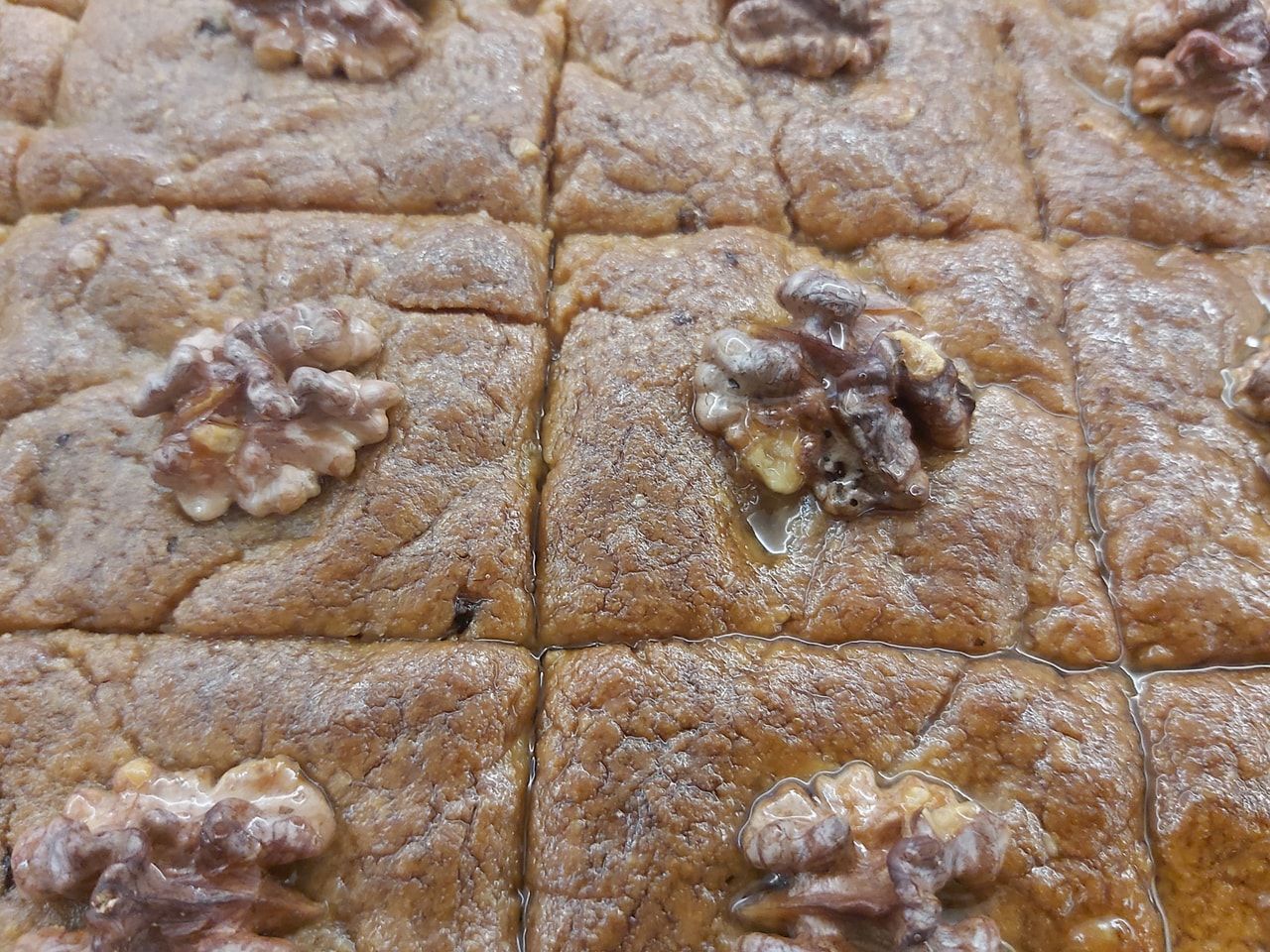
Nevzine tatlısı
This dessert, very famous in Kayseri, is usually made for the religious holidays (bayram) and offered to guests. Serving nevzine to young mothers after childbirth is an old custom that survives to this day. Flour, yoghurt, grape molasses and walnuts are its main ingredients, and you can never get enough of it.
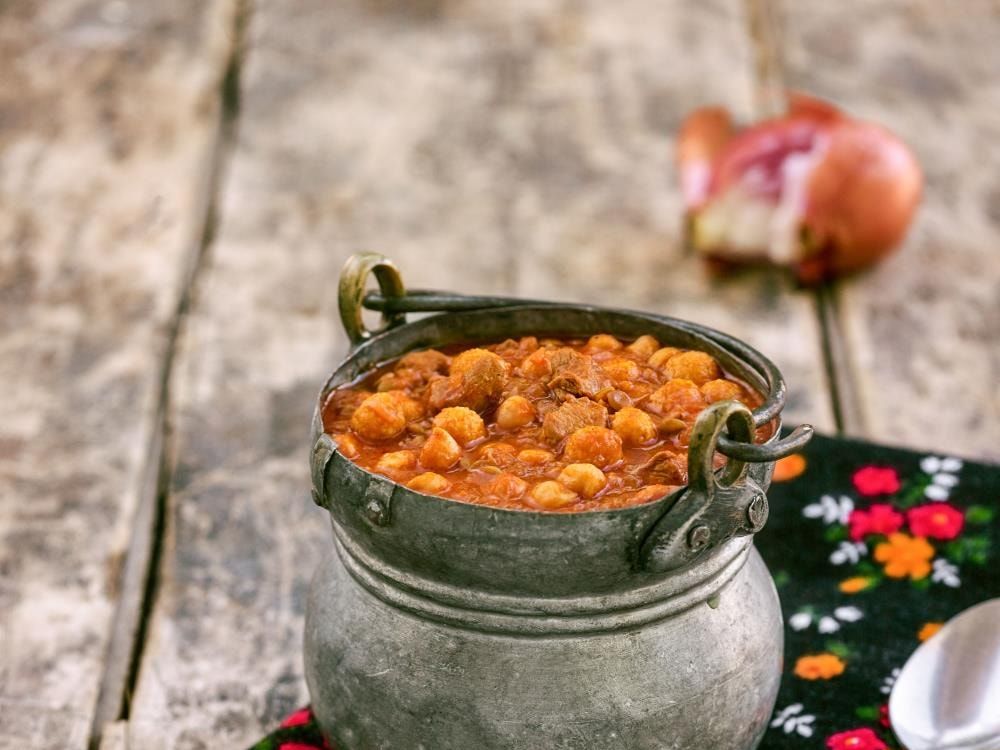
Soup or stew? Kurşun aşı
Imagine a filling dish of beef and chickpeas with tiny pasta pellets. Some call it a soup, but whatever it is, we have never seen a more filling, generous dish. One more short note: in some areas it goes by the name lülük aşı.
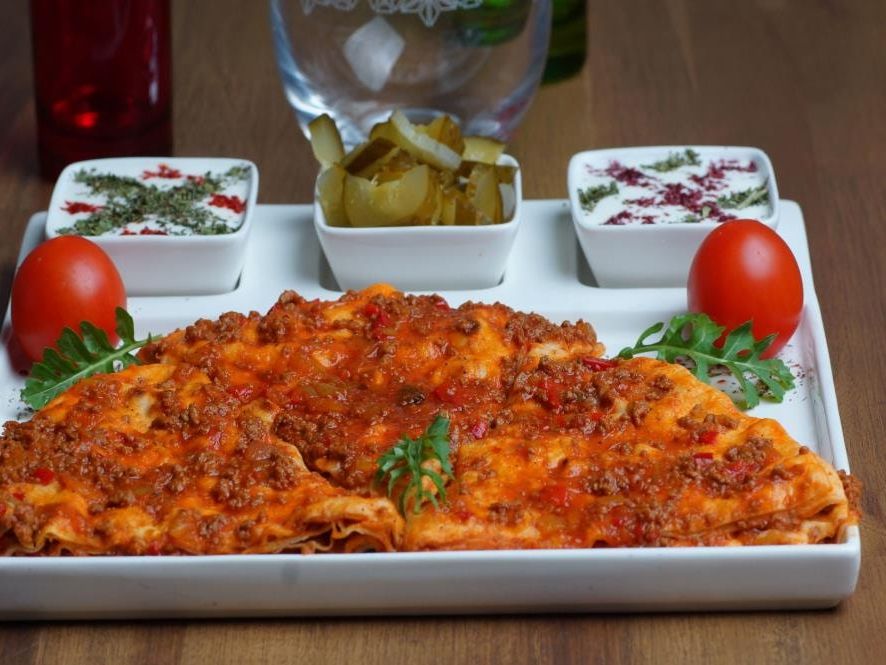
Better than pizza: Yağlama
Imagine a topping of minced meat, onion and tomato paste served on paper-thin flatbreads, then stacked layer upon layer. Yes, we crave it every time too. Also known as Kayseri yağlaması, it is a must on the table when guests come.
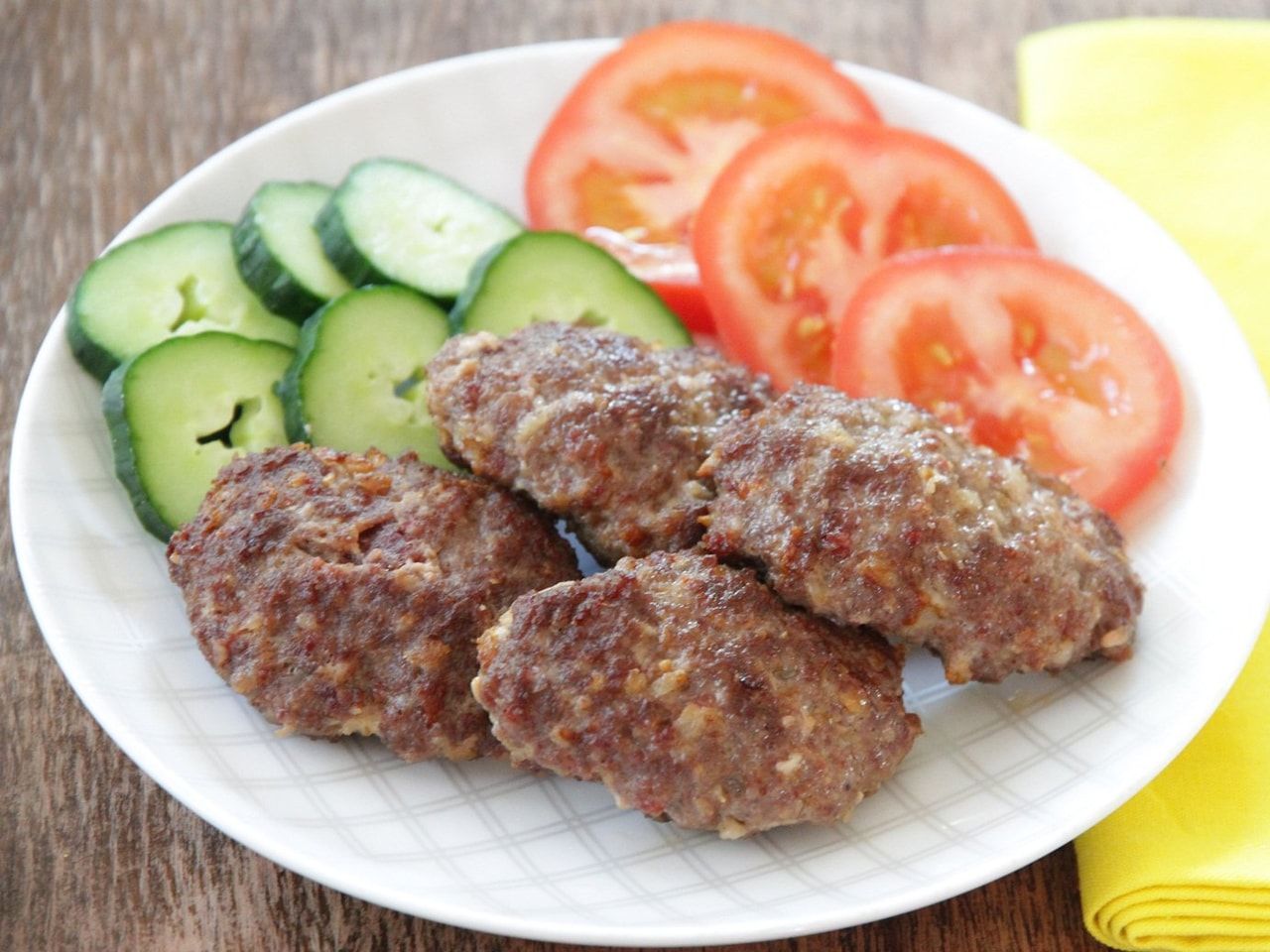
Two in one: Sucuklu köfte
We call it köfte (meatballs) because it is made from minced meat, preferably mutton or lamb, and sucuk (spiced sausage) because it is flavoured with fragrant çemen, the fenugreek spice paste. After the first bite you will probably ask, “Is this sausage or meatballs?”
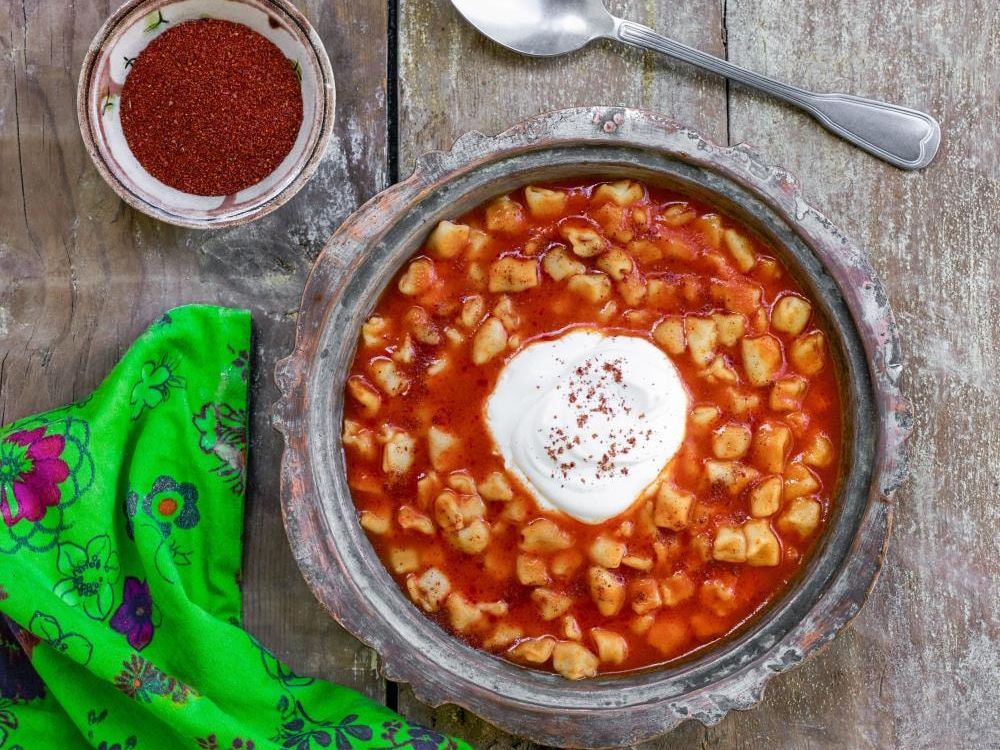
Kayseri mantısı
Now for the first thing anyone thinks of with Kayseri: mantı, tiny meat-filled dumplings. There are 36 kinds, and the most famous is the meat one. But people in Kayseri say not to confuse it with the mantı you eat elsewhere: Kayseri mantı is so small that dozens fit on a spoon, and it is served in a light, tomato-paste broth almost like a soup, topped with garlic yoghurt.
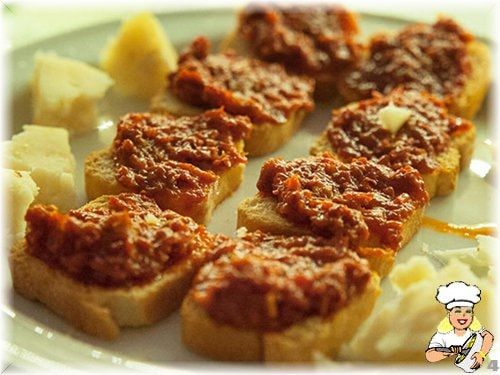
Çemenli ekmek
Bread spread with çemen, Kayseri's spicy fenugreek paste. Don't imagine shop-bought bread: the dough is homemade too. It is a must with tea and at breakfast. It's Kayseri çemen, after all.
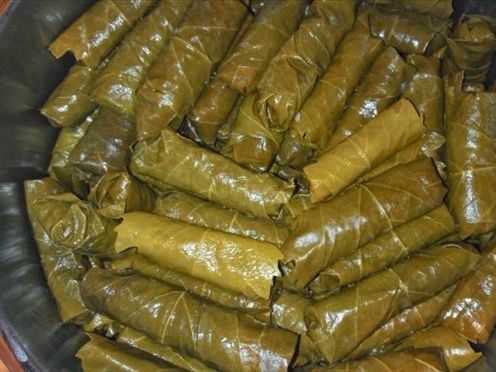
Ayvalı tahinli yaprak sarması
Not your everyday stuffed vine leaves: as the name says, these are made with quince and tahini. Although famous as a dish of Tavas, they are widely made throughout Kayseri.
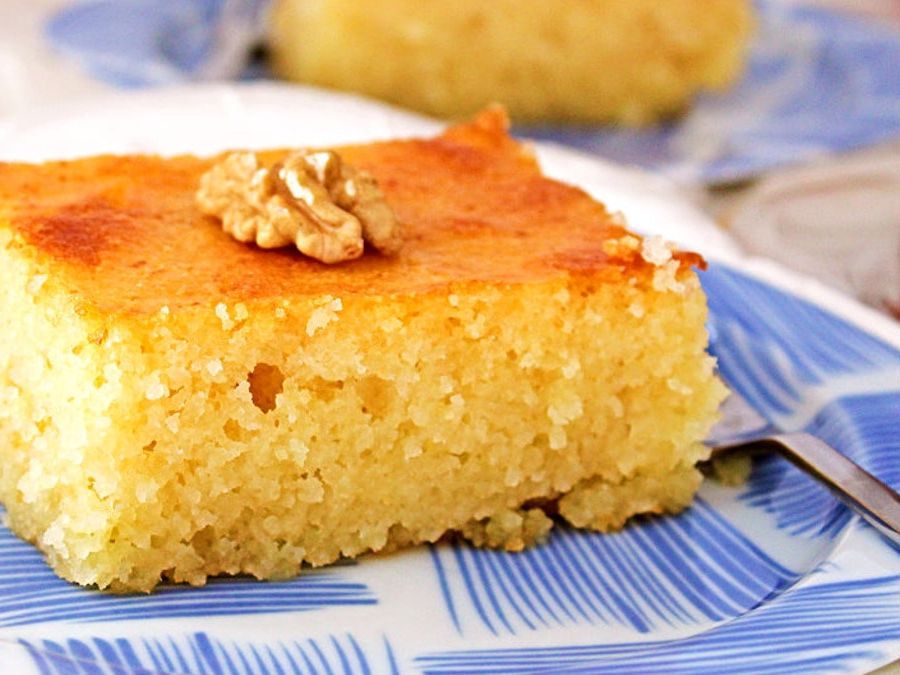
Yoğurt tatlısı
A syrup-soaked yoghurt cake, similar to revani but softer, with more yoghurt, less fat and more semolina than flour. People in Kayseri can't do without it at the holidays.
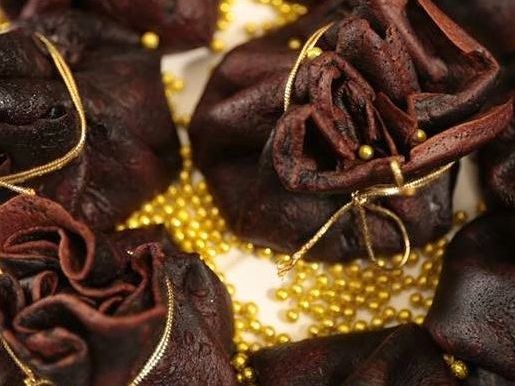
Altın kesesi
“Purse of gold”: a cocoa crêpe-like dough filled with cream. Today it is often made with ready-made cream, but the original calls for homemade. As precious as its name, it goes very well with tea.
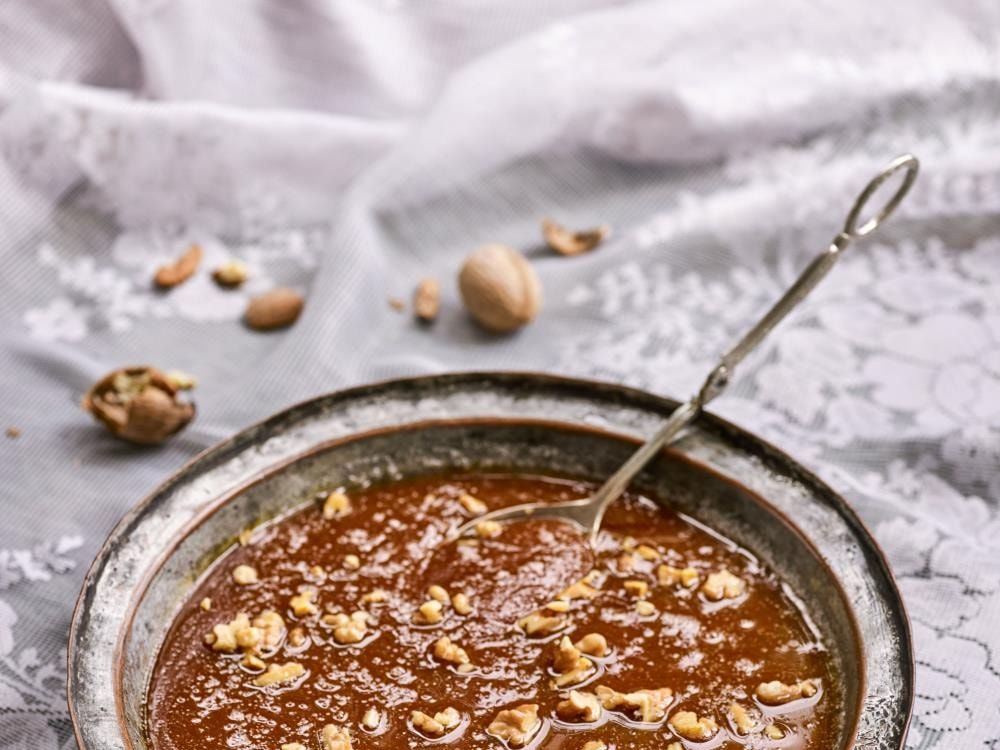
Aside
A delicious dish also found on Gaziantep tables. It resembles flour halva but is a little softer, is served hot and is always topped with walnuts.
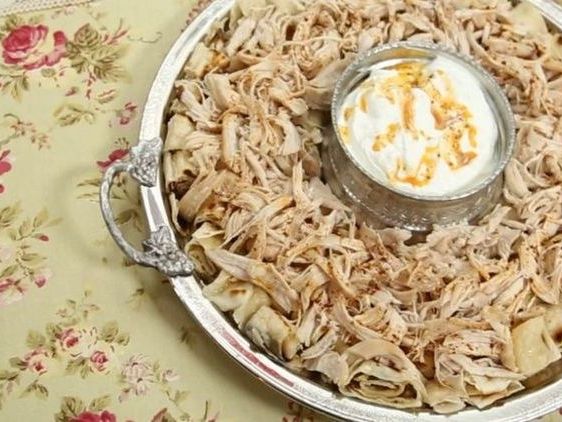
Kayseri tiridi
Made with tender chicken breast, tirit is one of the favourites of Kayseri cooking, and folk songs have even been written about it. Bread or hand-rolled yufka (ideally rolled up and sliced) is laid in a tray and topped with boiled, shredded chicken and a special sauce. No need to dip bread in it: the bread is already inside.
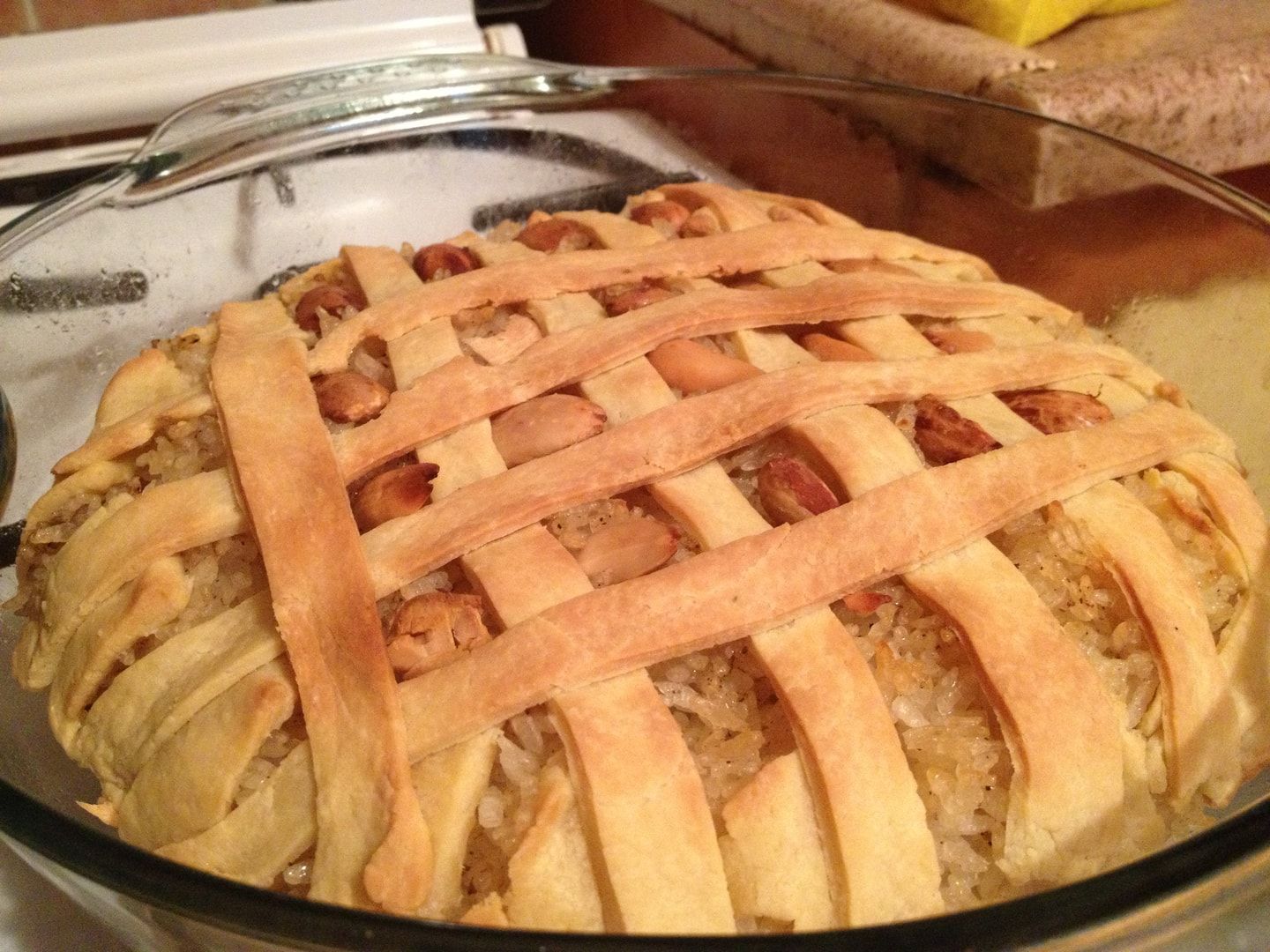
Örgülü pilav
A pilaf with chicken, liver, pistachios, onion, almonds and currants, enclosed in a braided pastry crust so nothing escapes. You must try this dish that keeps all its flavour locked in.
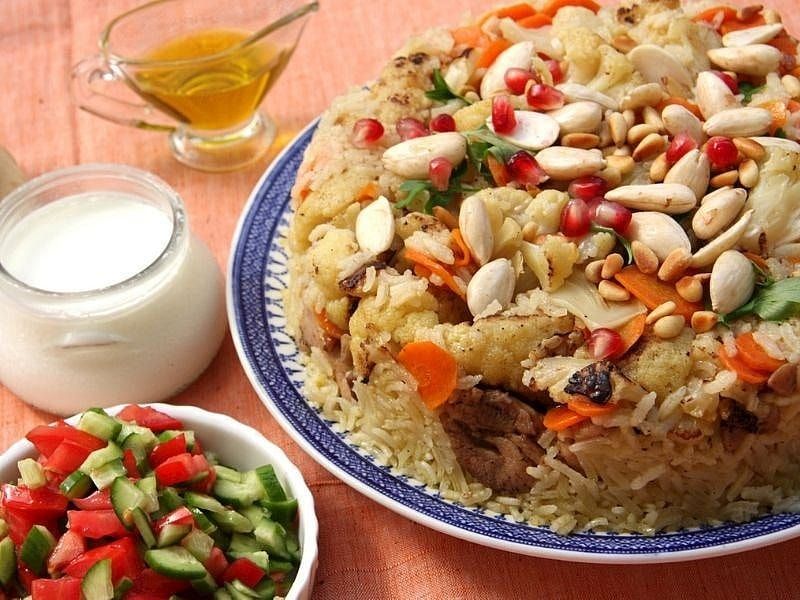
Saray pilavı
“Palace pilaf”: forget the chicken pilaf you know. Here sautéed chicken meets rice pilaf. It is always served with pickles and ayran. Enjoy!
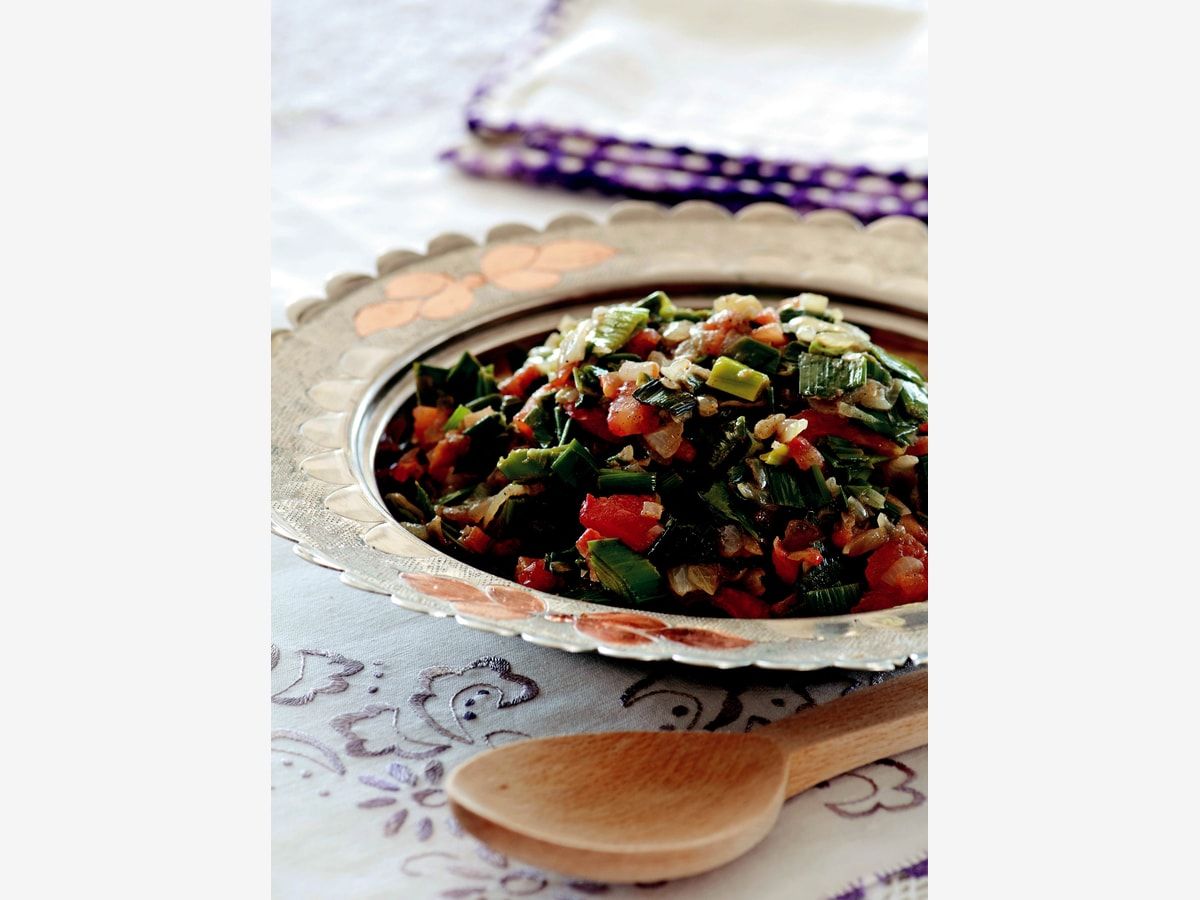
Çiriş yemeği
Also common in Erzurum cooking, this tasty dish is made from çiriş, the young shoots of a wild plant (asphodel). It is cooked like spinach and served with yoghurt.
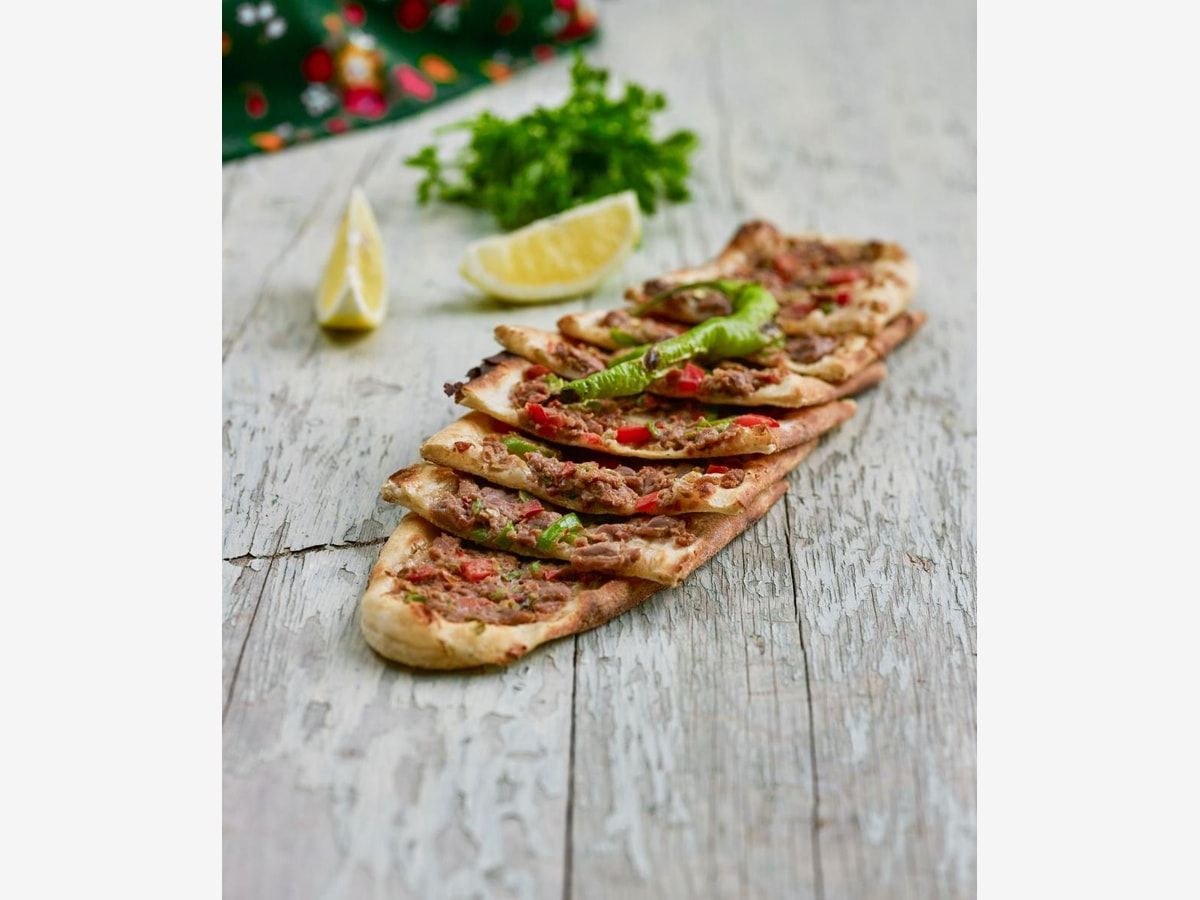
Cıvıklı
The name given in Develi, a district of Kayseri, to pide topped with diced meat. It is closely tied to Develi's culture, and today you can find Develi cıvıklısı in many other provinces.
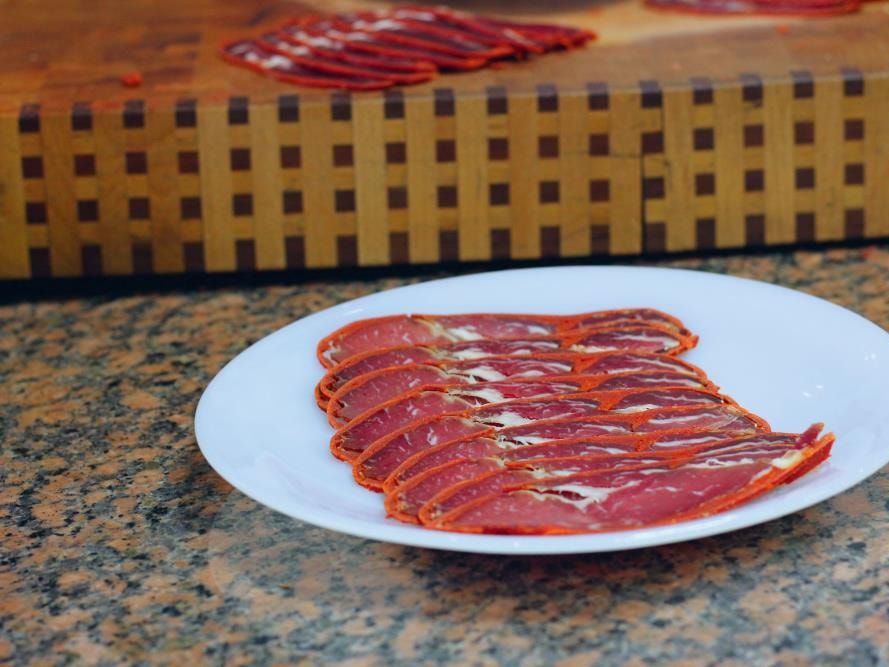
Kayseri pastırması
Kayseri pastırma, air-dried cured beef, is the star of paçanga (fried pastry rolls). For this unique food we quote the explanation given on the Kayseri municipality's official website: “The meat goes through various processes for about a month until it becomes pastırma. Çemen is the coating that gives pastırma its main flavour. Besides flavour, it has very important functions: it protects the meat from outside factors and contamination, kills germs thanks to its enzymes and organic acids, keeps the meat from drying out too much, cuts off contact with the air so it does not spoil or smell, and stops the fat in the meat from oxidising and turning the pastırma bitter.”
Source (in Turkish): https://yemek.com/kayseri-yemekleri/


Düğümlü tatlı
“Knotted dessert”: one of Kayseri's lovely syrup-soaked sweets. Quick and easy to make, it is the saviour of every host with unexpected guests.
Places to visit in Kayseri
Ali Dağı Underground City
We start our list with the Ali Dağı underground city, recently discovered and not yet fully open to visitors. Dug into the mountain by Christians who lived here when Christianity was banned, it is a must-see for anyone who wants to understand what people have been through and what they can achieve when they need to.
If you go, expect a demanding visit: at times you have to crouch, and some parts are even explored by boat.
Mount Erciyes
Erciyes, the symbol of Kayseri, is now also known for skiing. If you want a more modest, affordable ski holiday, come to Erciyes, or if you visit Kayseri in winter, you can even go for the day.
Gevher Nesibe Hospital (Museum of Medicine)
Left unused for years, this is one of our important heritage sites whose value was recognised late. Known as the first mental hospital in Turkish history, it dates back to the early 1200s. It is named after Gevher Nesibe Hatun, daughter of Sultan Kılıç Arslan II, and was built according to her will. It holds a sad love story, facilities ahead of its time and delicate architectural details.
Hunat Hatun Complex
Built by Hunat Hatun, wife of Sultan Alaeddin Keykubad, the complex is used today by souvenir sellers, somewhat apart from its original purpose. Its mosque is one of the largest surviving Seljuk mosques. It should still be one of the first stops on your visit.
Sahabiye Medrese
One of the best-preserved works of Seljuk architecture, it is now a busy commercial space full of bookshops. If you go, look closely at the fine carving on its portal.
Güpgüpoğlu Mansion
The Güpgüpoğlu Mansion is also on our list. With a history of some 600 years, it has two parts, the harem (family quarters) and the selamlık (reception quarters). Since 1995 it has served as the Ethnography Museum, where you can see works from the Seljuk period.
Soğanlı Ruins
Next on our list are the Soğanlı ruins. A centre of settlement carved from rock formations like those of Ürgüp and Göreme, Soğanlı became a refuge for Christians mainly from the 4th century, and dozens of churches were built here. Some still have frescoes from the early centuries of Christianity. If you have a longer stay in Kayseri, set aside a day for it.
Kapuzbaşı Waterfalls
Known as the second-highest waterfall in the world, Kapuzbaşı draws visitors from Türkiye and abroad and gives a real thrill to anyone seeing it for the first time. If you want to spend some peaceful time in nature, head this way.
Kayseri Archaeological Museum
We end our list here. Though not very large, the museum holds impressive works. Once you have learned something about Kayseri's past, a visit to the museum is a good way to round off your trip.
Source (in Turkish): https://seyahatdergisi.com/kayseride-gezilecek-yerler/
Culture and arts in Kayseri
Customs and traditions: although Kayseri's known history begins with the Hittites, traces of Assyrian trade and works from the prehistoric Bronze Age have also been found. Conquered by the Seljuk Turks a few years before the victory at Manzikert in 1071, Kayseri has since remained under Turkish states and principalities; older cultures faded and the city was shaped by Turkish-Islamic culture.
Folk dances: Kayseri's customs, dances and music carry the character of the Central Anatolian plateau. It is very rich in folk songs, mani (quatrains), tales, riddles and legends.
Folk literature: Kayseri has produced many famous folk poets, the best known being Âşık Kerem and Seyrânî.
Handicrafts: weaving and copperwork have been widespread since Seljuk times. Kayseri's carpets and kilims, decorated milk and water jugs and ewers were once very famous. Carpet weaving here was developed by the Seljuk Turks, and carpets from Kayseri, Bünyan, Yahyalı and Yeşilhisar are sought after at home and abroad; many homes have carpet looms. Other long-established crafts include decorative painting, wood carving, inlay and jewellery. Plasterwork, marble carving and reliefs are highly developed. Over the centuries the greatest Turkish architects, above all Mimar Sinan, came from this region.
Local dishes: fried içli köfte, mantı filled with sucuk meat, nevzine dessert, Circassian chicken pie and tray-baked mantı.
Dress: for women, the three-skirted dress, çinti, salta and cepken jackets, the embroidered bindallı gown, silk şalvar trousers, scarves edged with needle lace (oya) and decorated headdresses and sashes; for men, a conical lambswool cap, the sako (a kind of jacket), a sash and baggy trousers of wool or goat hair.
Education: Kayseri has been an important centre of culture and learning in Anatolia since Seljuk times. The world's first medical school was founded in 1206 as the Şifaiye Medrese. Literacy in Kayseri approaches 80%. There is no village without a school, and some villages even have a middle school. The province has 18 nursery schools, nearly 700 primary schools, nearly 100 middle schools, 13 vocational and technical middle schools and nearly 60 high schools and vocational high schools. Kayseri University, founded in 1978, was renamed Erciyes University in 1982.
The province has 25 libraries; the Raşit Efendi Library dates from the Ottoman period.
Source (in Turkish): http://www.kayserikent.com/site/page.asp?dsy_id=9691
History of Kayseri
Kayseri's history goes back to Kültepe (Kanesh), 22 kilometres away, which was inhabited from about 4000 BC to the end of the Roman period. Cuneiform tablets found in its karum (merchant quarter) record trade between Assyrian merchants and the local people.
In Roman times the city was called Caesarea; its older name was Mazaka. In the Byzantine period it was an important Christian centre, and many rock-cut churches survive. Emperor Justinian surrounded the city with walls in the 6th century.
The Seljuks took control of the area shortly after Manzikert. Under Sultan Alaeddin Keykubad, Kayseri became the second city after Konya and enjoyed its golden age; most of its finest buildings date from this period. Under the Ottomans it was one of the sanjak (district) centres of the province of Karaman.
Getting to Kayseri
Kayseri holds an important position, with rail and road links connecting the provinces of Central, Eastern and Southeastern Anatolia to the west and south. If you are travelling to Kayseri from elsewhere in Central Anatolia, the distances are short, so you can drive or take an intercity bus. By car it takes about 4 hours from Ankara, about 9.5 hours from Istanbul and 12 hours from İzmir.
Kayseri is one of the best-connected cities on the rail network. Its station, in service since 1927, is of strategic importance. Kayseri is one of the stops of the Eastern Express, which runs daily in each direction to Kars. The Erzurum Express, running daily between Ankara and Erzurum, also passes through Kayseri. The Erciyes Express runs every day between Kayseri and Adana, and the Lake Van Express from Ankara stops at Kayseri on its way to Tatvan.
If you want to get there faster, fly. Kayseri Airport is 5 km from the city and has both domestic and international flights. Daily flights from Istanbul take 1 hour 15 minutes, and direct flights from İzmir take 1.5 hours. From abroad you can reach Kayseri with a connection in Istanbul.
Districts of Kayseri
- Akkışla
- Bünyan
- Develi
- Felahiye
- Hacılar
- İncesu
- Kocasinan
- Melikgazi
- Özvatan (Çukur)
- Pınarbaşı
- Sarıoğlan
- Sarız
- Talas
- Tomarza
- Yahyalı
- Yeşilhisar
Economy of Kayseri
Kayseri is a province known for its industry. It has three organised industrial zones; the Mimarsinan and İncesu zones began production in 2005. The Kayseri Free Zone has the largest area of any free zone in Türkiye.
About 36 percent of the province's land is farmed. In livestock production, meat comes first and milk second. Kayseri supplies about 40 percent of Türkiye's trout fry.
The scale and variety of industrial production have also boosted foreign trade. The province has more than 20,000 commercial businesses, and deposits of asbestos, gold, copper, iron and marble are reported.


Comments
Loading comments…