
Kocaeli
- Marmara Region
About Kocaeli
Kocaeli is in Türkiye's Marmara Region. It is a hub for transport, industry and trade, and a very important city. Kocaeli, which became a province in 1924, has a population of 1,722,795. It is our country's 6th smallest province by area. Kocaeli quickly rose to become a city where production and consumption keep growing. After Istanbul, it is the second most industrialised city. With important transport junctions, Kocaeli's railway links Asia and Europe.
Kocaeli's famous dishes and desserts
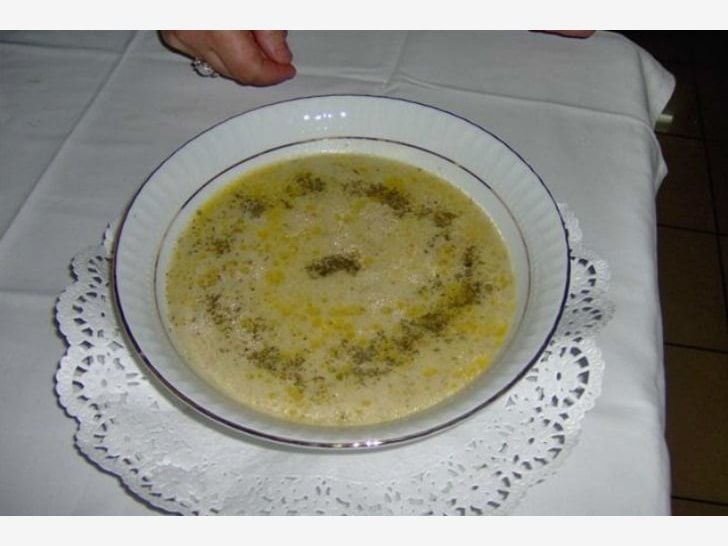
Umaç çorbası
A soup made with few ingredients, in which crumbled flour pellets (umaç) are cooked with fat, ground red pepper and salt.
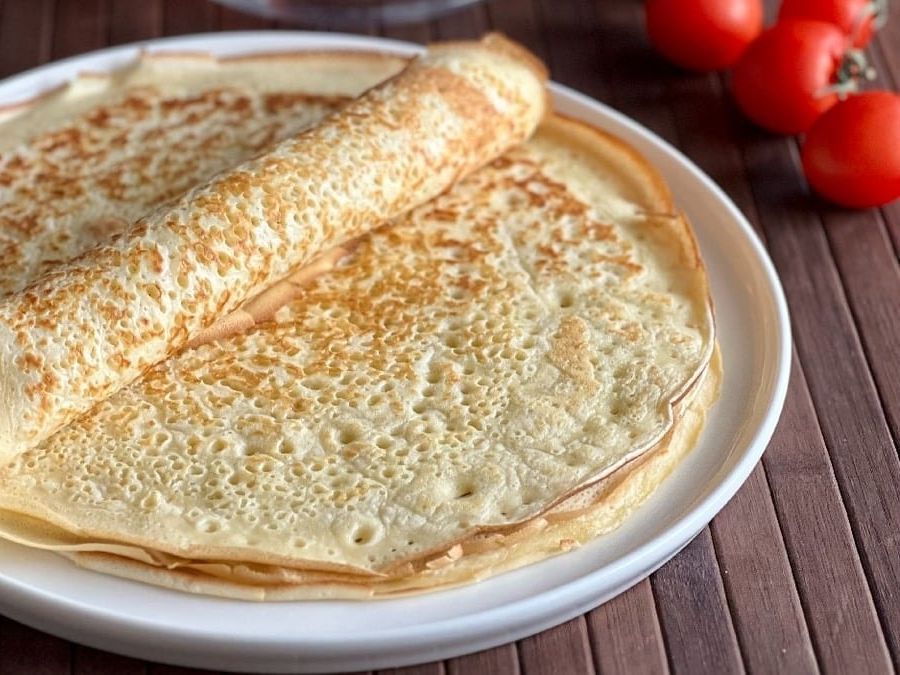
Cızlama
A pastry made by cooking a runny batter thinly in a pan.
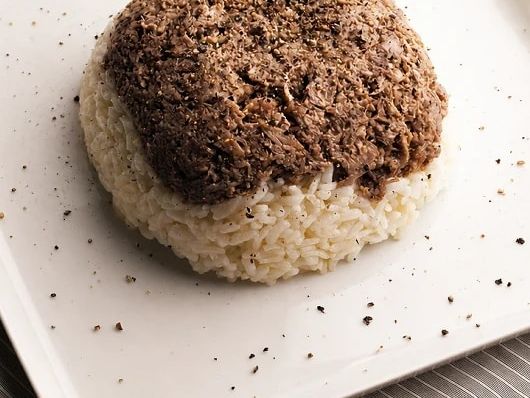
Ciğceli kavurma
Diced meat, fried, served on top of pilaf.
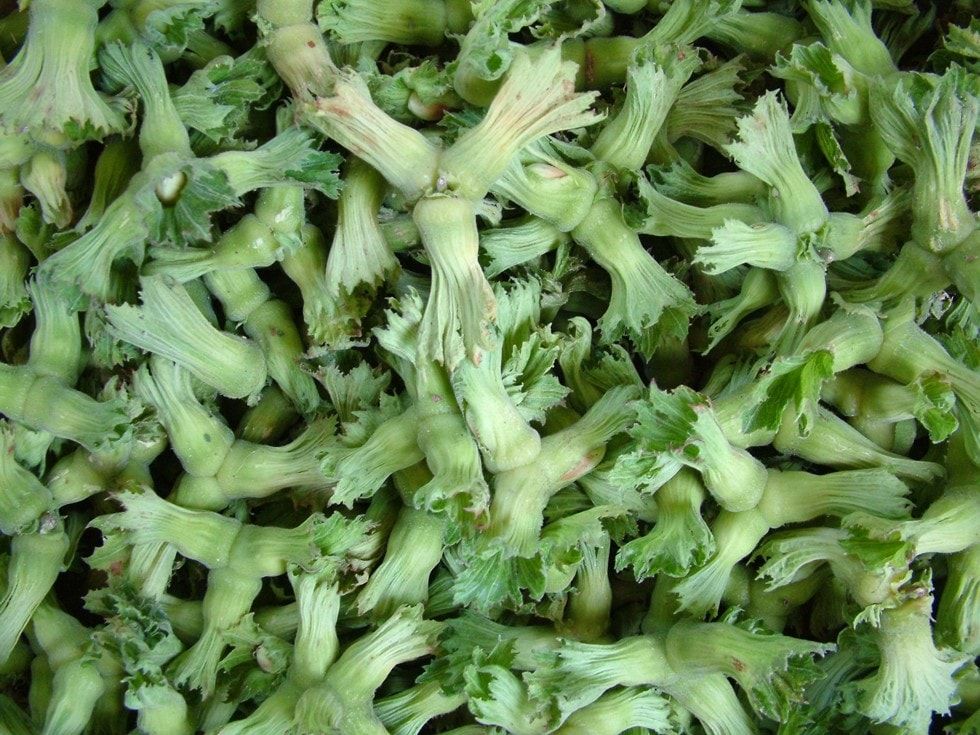
Değirmendere fındığı (Değirmendere hazelnut)
A flat, elongated hazelnut of the “Yassı Badem” variety grown in Gölcük and eaten fresh. Değirmendere Fındığı is registered with a geographical indication.
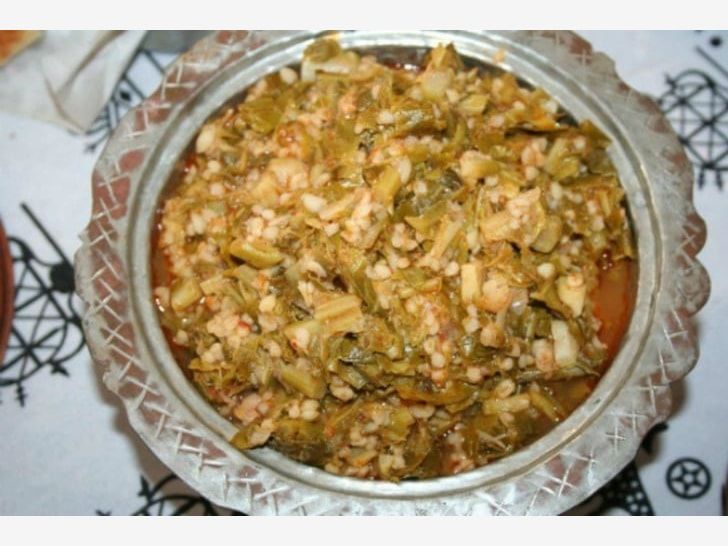
Mancar yemeği (Çiçekli mancar)
Wild greens known locally as mancar, such as borage (hodan) and kaldirik, are cleaned, soaked in water and then cooked.
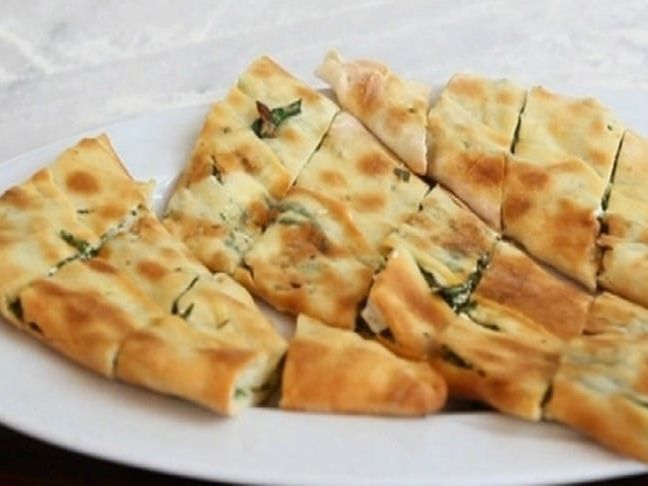
Mancarlı Kandıra pidesi
A pide made with a filling of mancar greens, associated with Kandıra.
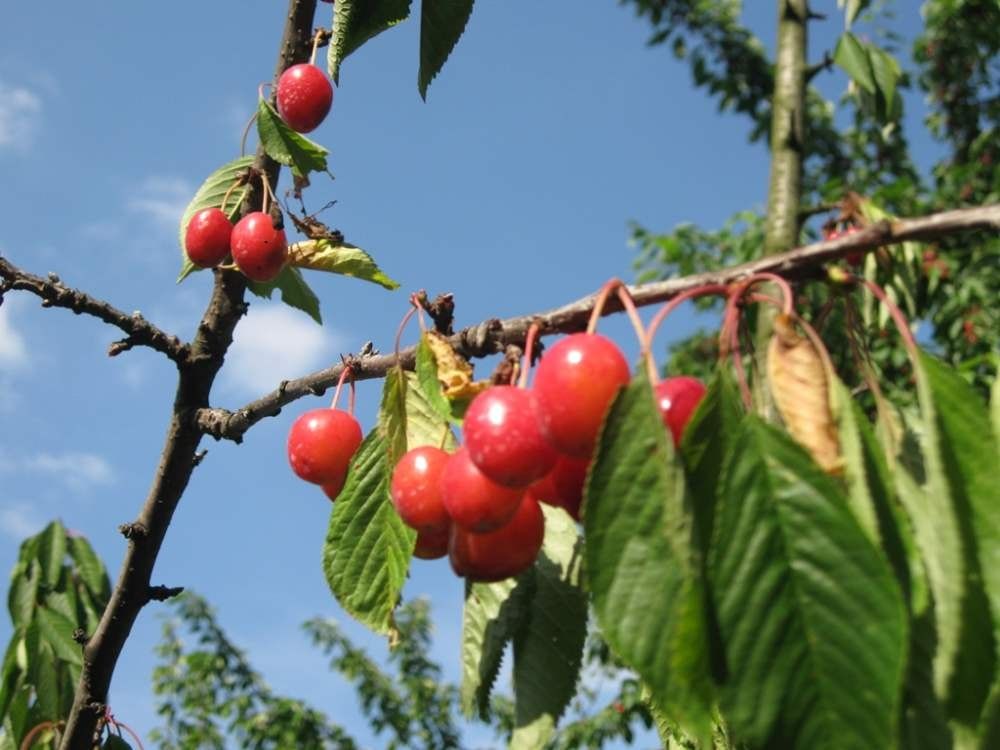
Yarımca kirazı (Yarımca cherry)
Also called the Napolyon or Hacı Abdullah cherry, a large cherry variety closely associated with Körfez district.
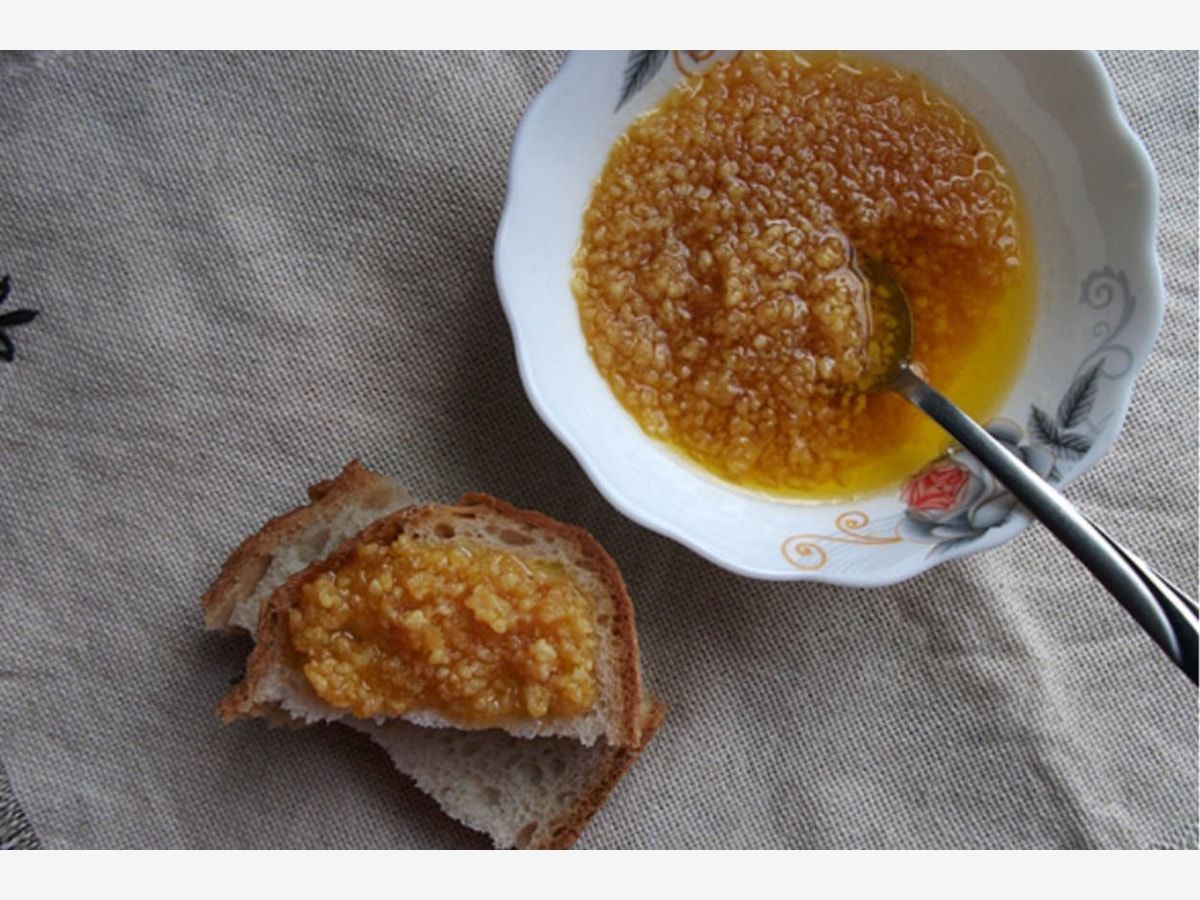
Dartı
A dairy product made by cooking cow's milk cream; it is eaten at breakfast and poured as a sauce over pilaf, pasta and keşkek. Kandıra Dartısı is registered with a geographical indication.
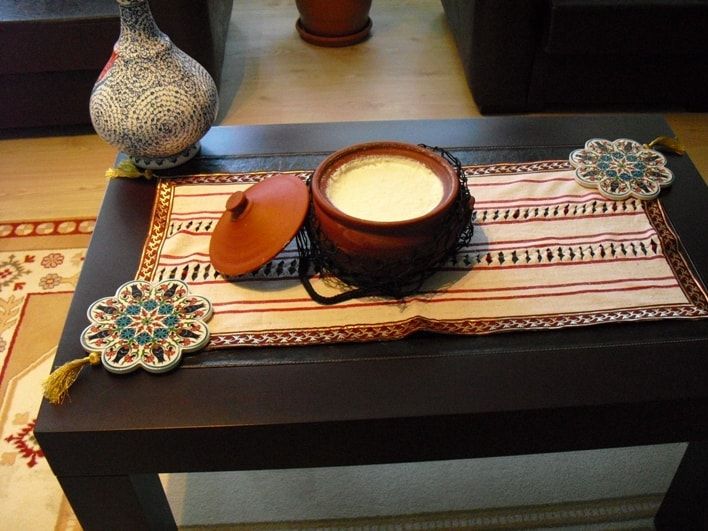
Kandıra yoğurdu (Kandıra yoghurt)
A firm, white yoghurt made from the milk of water buffalo raised in Kandıra. Kandıra Manda Yoğurdu is registered with a geographical indication.
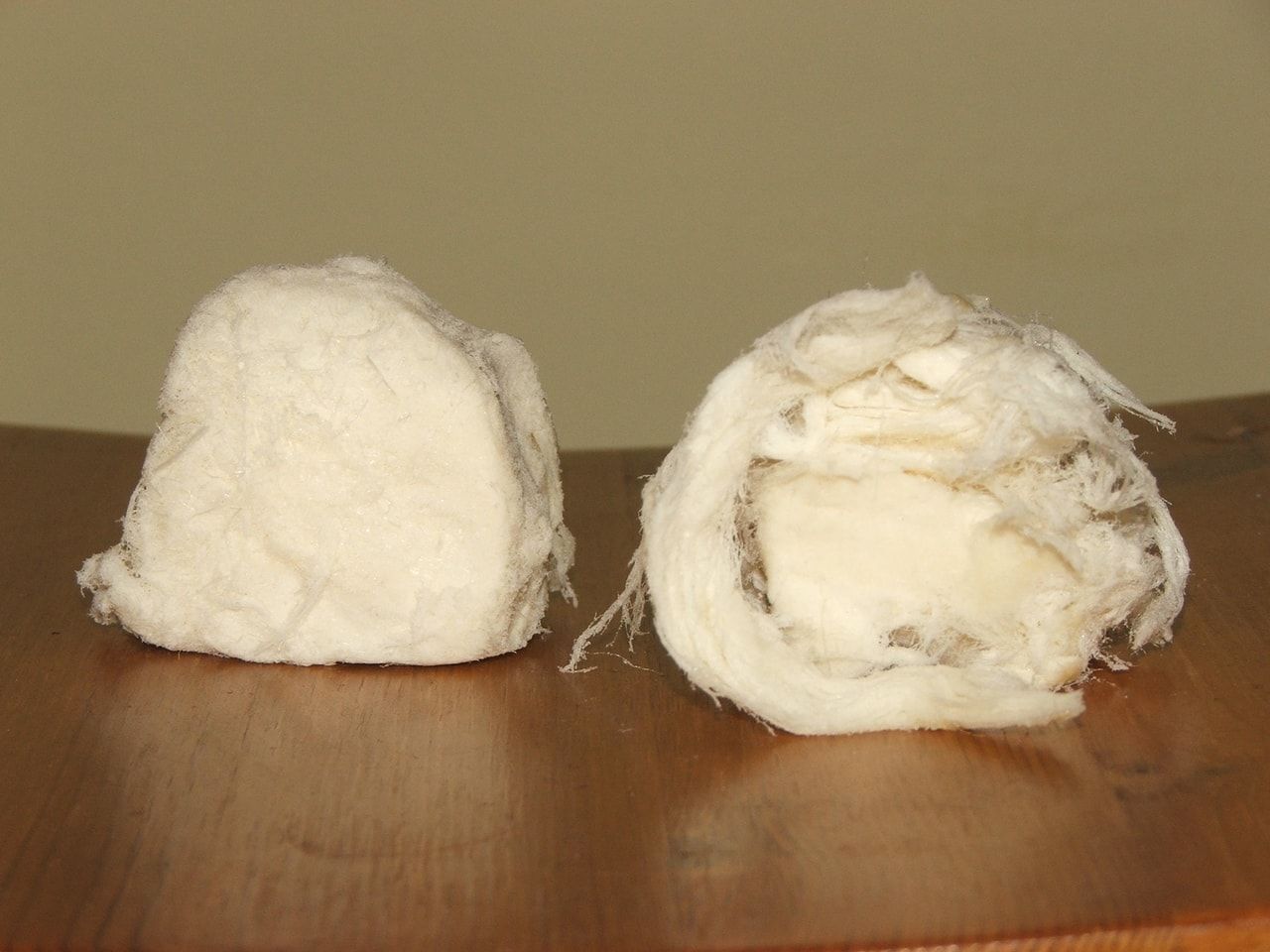
Pişmaniye
A halva made by pulling roasted flour and sugar into fine threads; it is closely associated with Kocaeli.


Places to visit in Kocaeli
Babalı village
Still little known, Babalı is one of Kandıra's most remote and unspoilt beaches. Many visitors to the area go to Kerpe, Kefken and Cebeci and then move on without stopping at Babalı. Yet Babalı, with the deep blue waters of the Black Sea, its long sandy beach and its untouched nature, is one of the most beautiful places you could ever see. The right place for anyone dreaming of a quiet, peaceful holiday, its unspoilt nature is impossible not to admire.
Babalı is a quiet, peaceful village 30 km from Kandıra district in Kocaeli province. It is also a holiday spot that could become a favourite of families and of anyone who wants to get away from crowded city life for a while. Babalı also stands out as the stretch of coast furthest from Kandıra.
Although it may be thought of as far away for a holiday, the clean sea is reason enough for holidaymakers to flock here. As Babalı is gradually discovered after Kefken and Cebeci, the need for accommodation is growing, and small boutique guesthouses have already begun to open. Local people are even turning their homes into guesthouses to meet holidaymakers' needs, at least in part.
Babalı is built on a headland. Its front is rocky, its left side faces Dikili and its right side faces east, towards the sandy beach. From time to time Black Sea dolphins are seen washing up on Babalı's shores. This may seem strange to us outsiders, but local people have come to accept it.
Getting to Babalı is not as hard as you might think. Wherever you come from, you follow the same route: first reach Kandıra via İzmit, Kocaeli, and then continue along the same road to Babalı. Signs along the road will direct you to Babalı Beach.
Vidinli Sırrı Paşa Mansion
The Vidinli Sırrı Paşa Mansion, one of Kocaeli's important buildings that was falling into oblivion, was recently restored faithfully to its original state. During the restoration its decoration and wall ornament were returned to their former condition.
The mansion is an example of 19th-century civil architecture, built by Selim Sırrı Pasha, the mutasarrıf (governor) of İzmit. It has two parts, the haremlik (private quarters) and selamlık (reception quarters). This historic building, which had recently fallen into ruin, regained its former glory after restoration, which has greatly increased the number of visitors.
Located on Yeni Çeşme Street in İzmit's Hacı Hasan neighbourhood, the Vidinli Sırrı Paşa Mansion should be high on the list of places to include in your trip.
Gayret Ship Museum
The Gayret, which joined the Turkish Navy in 1972, was repaired at the Gölcük Shipyard in 1997 after its years of service and opened as a museum.
Opening the Gayret to visitors as a museum and art gallery has added a new stop to the itineraries of tourists coming to Kocaeli.
The Gayret has a galley, laundry, combat operations centre and commanding officer's cabin. Tourists who come to visit the ship can also relax in the open and covered cafeterias on board.
Maşukiye and Kirazlı Yayla
Maşukiye is one of the areas that bring Kocaeli's tourism to life. Dominated by green spaces, it is a popular choice for both short and long holidays.
You can go to Maşukiye for a weekend, visit the corners of the area waiting to be discovered and get away from the city crowds for a while. Istanbul to Maşukiye is 129 km.
If you come here, we recommend you don't end your trip without going up to Kirazlı Yayla. Maşukiye's Kirazlı Yayla is a large picnic area where you can picnic to your heart's content and enjoy the view, which takes in the Gulf of İzmit and Lake Sapanca.
A quick reminder: don't forget to enjoy a Maşukiye breakfast and the delicious fish at Maşukiye's trout restaurants.
Menekşe Yayla
Menekşe Yayla, in Kocaeli's Yuvacık area, wins over all who see it with its green countryside. Holidaymakers who escape the city crowds and stay in Yuvacık's hotels are sure to witness its beauty.
Menekşe Yayla is especially well suited to outdoor sports and is visited constantly by nature lovers. You can go trekking here or explore the surroundings by bicycle.
You can also explore the yayla by joining walks organised by the outdoor sports clubs in Yuvacık. This enchanting countryside will offer you a variety of views.
The yayla is 135 km from Istanbul, 15 km from Başiskele and 30 km from İzmit.
If you plan to stay for two days, check Yuvacık hotel prices and you can pack your suitcase and start your holiday straight away. Yuvacık's hotels are mostly booked at weekends, so early booking is important.
Kartepe Ski Centre
Enchanting its visitors with different colours in every season, Kartepe Ski Centre is also very important for winter tourism. Kartepe, in Kocaeli, is a major ski centre, and being close to Istanbul it attracts even more attention. It is also the most popular ski resort after Uludağ.
Kartepe, a paradise where you can have fun in every season, serves as a ski centre in the winter months. You can also make day trips to Kartepe Ski Centre. Being 115 kilometres from Istanbul, it attracts people who want a short weekend break full of fun. At Kartepe Ski Centre you can take lessons from ski instructors and find places to get your ski equipment. As the area is important for winter tourism, you can find hotels and facilities to stay in. Besides Kartepe, other important ski areas include Yolçatı Ski Centre in Bingöl, Palandöken, Saklıkent, Erciyes and Kartalkaya.
Aygır Deresi, Maşukiye
Aygır Deresi (Stallion Stream) in Maşukiye, one of Kocaeli's most worth-visiting places, begins at the summit of Kartepe. Along it are springs, streams and fountains large and small.
You should definitely include Aygır Deresi in your Maşukiye holiday, a place that welcomes visitors with different colours in every season. The Maşukiye Waterfall on the stream will put on a visual show for you. Walks in the surroundings will reveal different beauties, and you will enjoy making new discoveries. As soon as you feel hungry, the trout restaurants lined up along the Trout Valley will be waiting for you; the Vadi Restaurant here serves good food.
Known as the land of lovers, you can visit this area for a weekend or choose it for a long, peaceful holiday. While enjoying your days in Maşukiye, don't forget to visit Kuzu Yayla too.
Bağırganlı
Bağırganlı is one of the must-see places in Kocaeli, which, with Kuzu Yayla, Tahtalı Pond, Eskihisar Castle and all its other historic and natural beauties, forms a distinctive part of Türkiye.
Heading towards Ağva–Kandıra, take the Sofalı turn-off and after 13 kilometres you will reach Bağırganlı. The villagers make their living from fishing, and those who farm mostly grow hazelnuts. In Bağırganlı, with its streams and hills, you can walk to your heart's content on beaches tucked into small coves and spend a lovely day amid the greenery and the calm sea. Exploring Bağırganlı village will open the door to new feelings.
Eskihisar Castle
Eskihisar Castle, within Gebze, is one of the historic remains of the region. It has survived from the Byzantine period and stands in the fishing village of Eskihisar. After the conquest of Istanbul, Sultan Mehmed the Conqueror settled his soldiers in this village, and their descendants live here today.
Eskihisar Castle welcomes tourists throughout the year, both for its history and for the sights around it. Immediately to its right is the Osman Hamdi Bey House and Museum, which you should definitely see on your trip. Opposite the castle is the Eskihisar–Topçular ferry pier, and to its left is the marina. You can make a day trip to Kocaeli to see the lovely view of Eskihisar Castle. You can also visit Bağırganlı, Kuzu Yayla and Tahtalı Pond, among the region's most worth-seeing places.
Tahtalı Pond
Tahtalı Göleti, one of Türkiye's natural beauties, is a place made for nature lovers.
Within Kocaeli's provincial borders, the pond has only recently begun to be discovered, for its picnic areas and the historic remains around it. You could be one of the first to discover this unspoilt natural beauty, still not known to many.
Heading from İzmit towards Bağçeşme you will see many historic monuments. At the entrance to the village of Üçtepeler you will be greeted by an excavated tumulus believed to contain the tomb of King Nicomedes, founder of İzmit. After visiting Üçtepeler you will reach Tahtalı Pond, one of Türkiye's 6 large ponds. Set amid greenery and rich in fish, Tahtalı Pond is also one of the TEMA Foundation's project areas.
Spending time at the pond, among stone pines and ornamental trees with a magnificent view, will rest your soul. After exploring Tahtalı Pond and its surroundings, you can add Kuzu Yayla, Beşkayalar Nature Park, Bağırganlı, Eskihisar Castle and Darıca Castle to your list of places to discover in Kocaeli.
Beşkayalar Nature Park
Beşkayalar Nature Park in Yuvacık, Kocaeli, is one of Türkiye's natural areas richest in flora and fauna.
Spread over 1,600 hectares, Beşkayalar Nature Park is 26 kilometres from İzmit. There are walking routes suitable for trekking, and the park also has two caves, one with a waterfall inside and the other with a lake.
A wonderful place to explore, Beşkayalar Nature Park lets you enjoy nature to the full as you pass through the greenery and capture all the beauty you see with your camera. You can come on a day trip or camp here for a few days. Don't forget to visit Kuzu Yayla and Tahtalı Pond in Kocaeli as well.
Kuzu Yayla
If you want to see Kocaeli's natural beauty up close, Kuzu Yayla will show you plenty of it.
Kuzu Yayla, in Maşukiye, Kartepe, is a place far from the chaos of Istanbul, where only clean air and greenery keep you company. Being close to Istanbul, it is very popular for short breaks. You can camp at Kuzu Yayla, or stay at hotels near the yayla if you prefer. It is a magnificent area for nature walks. It has a silence broken only by the melodies of birdsong. From here Lake Sapanca looks quite different, too. As the whole beauty of the view greets you, you won't be able to decide where to begin.
Even if you lose track of time at Kuzu Yayla, you will feel there is so much you will never forget. After Kuzu Yayla you should also visit Darıca Castle, Bağırganlı, Tahtalı Pond, Aygır Deresi in Maşukiye, Yuvacık Dam, Eskihisar Castle and Ballıkayalar.
Darıca Castle
The castle in Darıca, Kocaeli, is one of the tourist sights in this area.
Written sources record that it was called Daritsion in the Byzantine period and was known in earlier times as Tararion Castle. Built as a guard post to protect the pier in front of it, the castle took the name Darıca when the Ottomans captured the area. Evliya Çelebi also mentions Darıca Castle in his Seyahatname (Book of Travels). When you visit on your Kocaeli trip, you will also see the castle's secret underground passage leading down to the shore, and that's not all: many other details will catch your eye.
If you find yourself in Kocaeli, you can also visit Kuzu Yayla, the Osman Hamdi Bey House and Museum, Yuvacık Dam and Darıca Zoo along with Darıca Castle, and see new natural and historic treasures.
Osman Hamdi Bey House and Museum
The Osman Hamdi Bey House and Museum, in the village of Eskihisar in Kocaeli's Gebze district, has hosted important statesmen and witnessed many important events in history.
During the First World War the house was assigned for a time to the headquarters commander, and İsmet İnönü and Mustafa Kemal Atatürk stayed here for a while.
The Osman Hamdi Bey House and Museum was expropriated by the Ministry of Culture in 1966. Built in 1884, the house is a two-storey wooden building on stone foundations. Now run by the Kocaeli Museum, it displays Osman Hamdi Bey's belongings and photographs of him and his family. You should definitely visit it on your Kocaeli trip. Don't forget to see Darıca Castle, Eskihisar Castle, Darıca Zoo, Ballıkayalar and Kocaeli's other important and beautiful places too.
Gulf of İzmit
The Gulf of İzmit, bordered to the north by Tuzla, Pendik, Gebze, Eskihisar, Heke and İzmit, lies at the eastern end of the Sea of Marmara.
On the south side of the gulf, which stretches as far as Yalova, are Gölcük, Halıdere, Değirmen and Karamürsel. A sign of natural beauty, the Gulf of İzmit is home to 121 bird species.
The villas around it show that summer residents have made it their home.
Yuvacık Dam
Yuvacık Dam, within Kocaeli province, was built near the town of Yuvacık.
Before the dam was built, the site drew attention for the trout farms along the streams and their natural setting.
Since the dam was built, the beauty around the reservoir still makes for a view worth seeing. Yuvacık Dam, in a valley where two large streams meet, also has walking trails called Camidüzü, Değirmendüzü, Soğukdere and Sıcakdere. The reasons the trails were created and their historic structures will interest you, and the exercise equipment along the trails is a reminder to look after your health. On your trip you can also visit Kuzu Yayla, Darıca Castle and Darıca Zoo in this area.
Ballıkayalar
A beauty offered by Mother Nature, Ballıkayalar renews itself with colours that change every season. The area was declared a national park in 1994 and taken under protection.
Visitors to Ballıkayalar, in Kocaeli's Gebze district, forget everything in front of its ponds, stream and waterfall.
Swans, ducks and geese swimming on the lake keep you company, and you feel you have landed right in the middle of peace. If you want to get away from the city's crowds and stress, you can begin your journey into nature here. You can also go to Ballıkayalar, where you can spend time with your loved ones, for a day's picnic. As you enjoy your picnic, its clean air will keep you company.
Kuzu Yayla, Darıca Castle and Darıca Zoo are among the area's places to visit, and if you have time you should definitely see them all.
Darıca Zoo
It is also called the Bosphorus Zoo (Boğaziçi Hayvanat Bahçesi) or Darıca Bird Paradise. It is Türkiye's only private zoo. It covers 200,000 square metres and is home to 3,000 animals of 300 species, as well as 500 species of botanical plants. Reptiles, mammals, birds and fish from many different countries are waiting to meet you. Pythons, crocodiles and green iguanas are a few of the reptiles in the park.
You can also meet many new birds: the Goliath heron, grey parrot, myna, rhinoceros hornbill (Buceros rhinoceros), flamingo, great hornbill, crowned crane, emu, buzzard, golden eagle, northern bald ibis, rhea (South American ostrich), penguin and eagle owl…
The park is a super place for introducing animals and plants up close to city children who know nature only from books, pictures and films.
Bağırganlı, Kandıra
Bağırganlı, only just beginning to be discovered, is a village on the Kandıra–Ağva road, charming with the restaurants and coffee houses on its shore, its lush nature and its unspoilt coves, and beautiful enough that you should make time for it on your trip to Kefken and Kerpe.
Bağırganlı is a classic Black Sea village whose people live from fishing and hazelnut growing.
Cebeci Beach, Kandıra
Cebeci Beach is the beach with the most summer houses. Summer residents, especially from Kocaeli and neighbouring provinces, enjoy this lovely beach.
On your trip to Kerpe or Kefken, you too can enjoy a swim at this lovely beach and sunbathe on the long sands.
When the hunting season opens, Cebeci becomes a regular stop for hunters, with plenty of duck, pheasant and woodcock.
For visitors to Kerpe and Kefken, it is an alternative to Babadağı for watching the sunset.
Kefken Island
Kefken Island, opposite Cebeci Beach, is notable as the only inhabited island in the Black Sea.
The island is a favourite of those who want to dive or spearfish, and many people swim in its unique coves.
Besides its tourism, the island is also a refuge for ships sailing the Black Sea in bad weather.
Kerpe Island can be reached quickly by boat from Cebeci Cove.
Kovanağzı Cove, Kefken
Kovanağzı Cove, between Kefken and Kerpe, is a cove where summer residents spend their holidays, especially in its holiday estates, and where families can enjoy the sea with peace of mind thanks to its long beach and clear, shallow water.
Sarısu, Kerpe
Sarısu, 8 km from Kandıra, is a 1 km stretch of coastline on the Black Sea. Reached through a unique forest decked in a thousand shades of green, Sarısu is one of the Black Sea's undiscovered beauties.
Named after the Sarısu stream, this natural beauty is also a favourite of camping enthusiasts. Besides camping, it is also popular for fishing and sunbathing.
To swim at Sarısu you need to cross the reed-covered stream by boat, which is one of the things that make it interesting.
If you find yourself in Kerpe, please don't forget to add Sarısu to your list. We wish you a good holiday in advance.
Babadağı, Kerpe
Babadağı is Kerpe's highest point, 400 m above sea level.
On a trip to Kerpe, those who want a bird's-eye view of this charming resort on the Black Sea coast climb this hill.
On this hill, 4 km from Kerpe, you can also visit the tomb of Akçakoca.
Pembe Kayalar (Pink Rocks), Kefken
Kefken, beyond Kerpe, is another place on the Black Sea coast with the feel of a fishing village. In this lovely tourist area there is one place you must see on your visit: Pembe Kayalar.
Kefken's Pembe Kayalar take their name from the colour of the rocks around them. Popular especially in summer for its natural beauty and clean air, the rocks here amaze visitors with their geology.
Miço Cennet Koyu (Miço Paradise Cove), Kerpe
Miço Cove appears after the Kartal Kayaları (Eagle Rocks) in Kerpe, when you continue on a short walk through the forest.
With the rocks around it, its silence and its natural beauty, the cove enchants everyone who visits.
Kartal Kayaları (Eagle Rocks), Kerpe
The Kartal Kayaları, which you come to as you go up from Kerpe beach, have been shaped over time by the erosion of the sea, and are beautiful enough to visit on your trip to Kerpe.
Kocaeli Clock Tower
It was built by Musa Kazım Bey for the 25th anniversary of Sultan Abdülhamid II's accession to the throne.
Kocaeli Archaeology Museum
Opened to visitors in 1967, the Kocaeli Archaeology Museum has two sections, archaeology and ethnography. Many finds from Kocaeli and its surroundings are displayed here.
Source: http://www.gezilebilecekyerler.com/kocaelide-gezilecek-yerler/
Culture and arts in Kocaeli
İzmit, the centre of Kocaeli, was known in antiquity as Nicomedia, named after King Nicomedes of Bithynia. Emperor Hadrian had the city repaired after the earthquake of 123, and the city council gave him the title "Restitutor Nicomediae".
The city's museums are varied. The Kocaeli Archaeology and Ethnography Museum is housed in the historic railway station completed in 1910. The TCG Gayret Ship Museum has served as a museum since 1997. The Kasr-ı Hümayun, built in the reign of Abdülaziz, opened to visitors in 2007.
The Sabancı Cultural Centre opened on 3 December 1988. The Süleyman Demirel Cultural Centre is home to the Metropolitan Municipality Theatre.
History of Kocaeli
1. Prehistory and the Nicomedia period
Founded where important road and rail routes between Asia and Europe meet, Kocaeli is today one of the most important industrial settlements in the Marmara Region and in our country. Its history goes back much further. In antiquity, the cities founded in the region called Bithynia took in turn the names Olbia, Astakos, Nicomedia, İznikmid, İzmid and Kocaeli. Megarians coming from Thrace settled in the Başiskele area south of the Gulf of İzmit in 712 BC and founded a city called Astakos. In 262 BC the people of Astakos settled in the area where today's İzmit stands. This city, which remained the capital of the Kingdom of Bithynia until its fall, was named Nicomedia after its founder.
2. Roman–Byzantine period
The Roman emperor Diocletian occupied Nicomedia in 284 and made it the capital of the Roman Empire. In this period the city became the fourth largest in the world, after Rome, Antioch and Alexandria. But when Constantine the Great made Istanbul the centre of the empire, and Emperor Justinian closed the Kadıköy–İzmit road for military reasons and routed traffic via İznik, Nicomedia lost its former importance.
3. Seljuk period
Kocaeli first came under Turkish rule at the end of the 11th century, under the Seljuks (1078). When İznik became the capital of the Anatolian Seljuk state, the city's importance grew considerably. During the Crusades, however, it was briefly occupied by Alexios Komnenos, commander of the Crusader army, and it passed definitively to Turkish rule only under Orhan Bey. Because of looting during the Crusades, very few works survive from the Seljuk period.
4. Ottoman period
Kocaeli was added to the Ottoman lands in 1337 by Akçakoca, one of the frontier lords of Osman Bey and his son Orhan Bey. After Nicomedia passed to the Ottomans, it was first called İznikmid and later İzmid (İzmit). The city reached its most brilliant period under Süleyman the Magnificent. In the 19th century, after the railway that ran between Istanbul and İzmit, and from 1873 on the Haydarpaşa–Ankara route, reached the city, Kocaeli's commercial and social life began to revive. The city became an independent sanjak in 1888 and its name was changed to İzmit. Later the region was given the name “KOCAELİ”, meaning “the land of Akçakoca”, after its conqueror.
Map showing İzmit in the 19th century
5. Republican period
Having lost its importance for a time because of the destruction of the First World War, and occupied first by the British (6 July 1920) and then by the Greeks (28 April 1921), Kocaeli was liberated by the Turkish army on 28 June 1921. Kocaeli has twelve districts in all: Başiskele, Darıca, Dilovası, Çayırova, İzmit, Derince, Gebze, Gölcük, Karamürsel, Kandıra, Kartepe and Körfez. With the Republic, Kocaeli became one of our fastest-developing provinces, especially in industry, mainly because of its closeness to Istanbul and its range of transport links. In 1934 the İzmit Paper Factory, the first paper mill, opened in İzmit, followed in 1944 by a second cellulose and paper factory, and the SEKA plants were expanded in 1954, 1957 and 1959. Through rapid industrialisation that continues to this day, Kocaeli has become an advanced industrial region of Türkiye. Another notable fact about Kocaeli is that the 30th meridian passes where the motorway junction bridge stands at Köseköy, so all of Türkiye sets its clocks by Kocaeli.
Source: http://www.kocaeli.bel.tr/icerik/kocaeli-nin-tarihcesi/318/9406
Getting to Kocaeli
Kocaeli is very close to Istanbul in particular, and is easily and quickly reached by road. Bus services also run to Kocaeli from many parts of Türkiye. Another way to get there is by rail, on the network linking Istanbul–Thrace and Anatolia. The nearest airports are Sabiha Gökçen and Atatürk airports in Istanbul. By sea, the city is reached by the ferries between Hereke and Karamürsel and between Yalova and Topçular.
Districts of Kocaeli
- Başiskele
- Çayırova
- Darıca
- Derince
- Dilovası
- Gebze
- Gölcük
- İzmit
- Kandıra
- Karamürsel
- Kartepe
- Körfez (Tütünçiftlik)
Economy of Kocaeli
According to 2018 data, Kocaeli is Türkiye's fourth largest province by GDP and ranks first for income per head. Industry accounts for 69.9 per cent of GDP.
The chemical industry leads with 28 per cent. Automotive and machinery stand out in exports; the province exported 12.2 billion dollars' worth of goods in 2020. Tüpraş, Hyundai Assan, Ford Otosan, Honda and Anadolu Isuzu are all within the province.
The province has 12 organised industrial zones, 5 public ports and 35 private piers. The Gulf of İzmit is a natural harbour and a busy sea lane.


Comments
Loading comments…