
Konya
- Central Anatolia Region
About Konya
Konya, Turkey's largest province by area, is in Central Anatolia. Its total area is 40,838 km². Konya's population, 2,161,303 according to TÜİK's 2016 figures, reached 2,343,409 at the end of 2025, making it Turkey's sixth most populous province. It has 31 districts, led by Akşehir, Ereğli, Meram, Yunak, Selçuklu and Seydişehir. Konya, which gained "metropolitan" status in 1987, actually has a very long history. Home to many civilisations since 7000 BC, the city is one of Turkey's leading provinces for its rich cultural heritage. One of the oldest places of settlement in Turkey, Konya is thought to have been first settled in the prehistoric period. Excavations and research have uncovered many cultural treasures in the city from the Neolithic and Early Bronze Age.
Konya's famous dishes and desserts
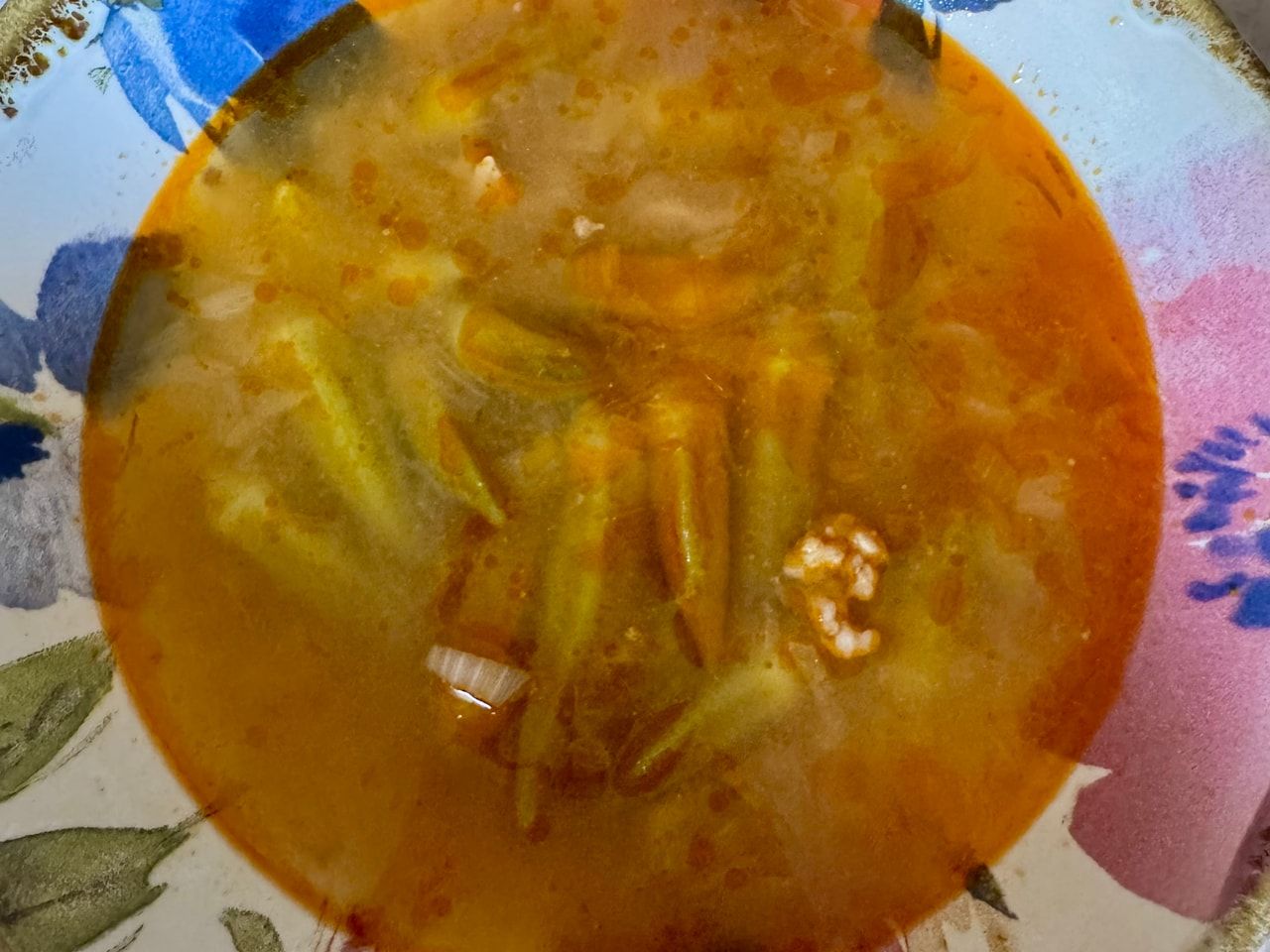
Bamya çorbası
A soup from the Mevlevi table, served at Konya weddings after the dessert to reawaken the appetite. Konya Bamya Çorbası (okra soup) is registered with a geographical indication.
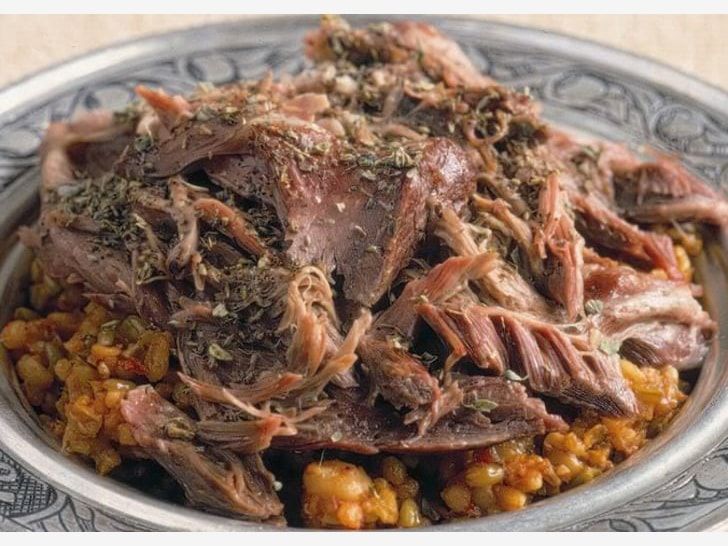
Çebiç
An Angora goat kid or lamb under a year old is cooked in a tandır and laid on bulgur pilaf made with the meat's fat. Konya Tandırda Çebiç is registered with a geographical indication.
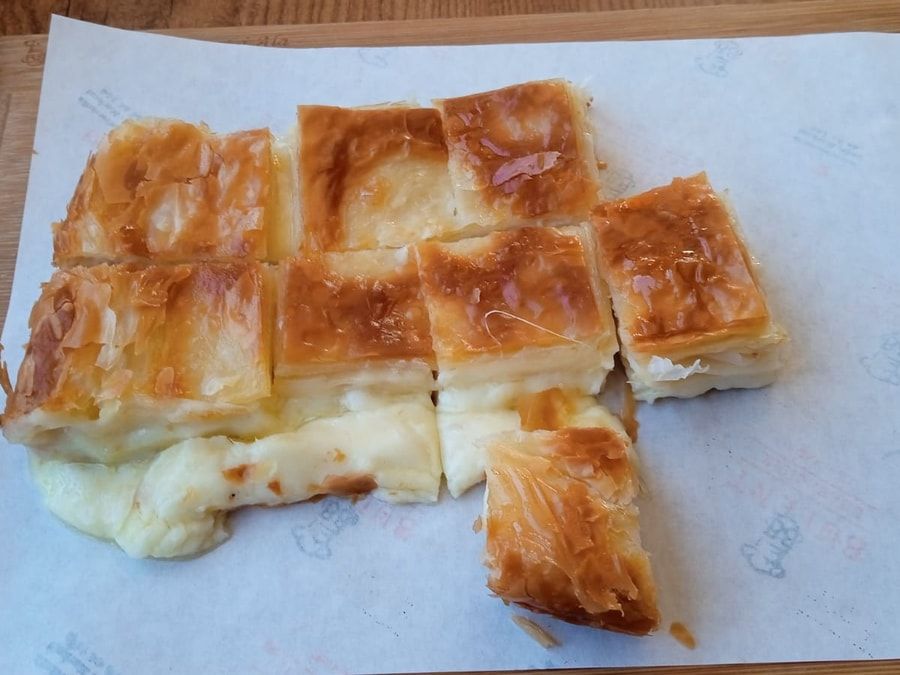
Su böreği
Hand-rolled sheets of yufka are first boiled and then baked; it often appears on Konya's feast tables.
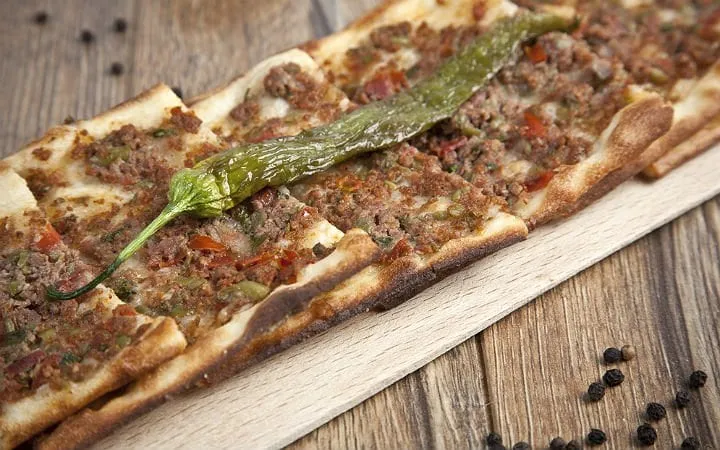
Etli ekmek
The wheat-flour dough and the minced-meat topping are prepared separately; the way the dough is rolled out, the baking in the oven and the size set it apart from similar dishes. Konya Etliekmek is registered with a geographical indication.
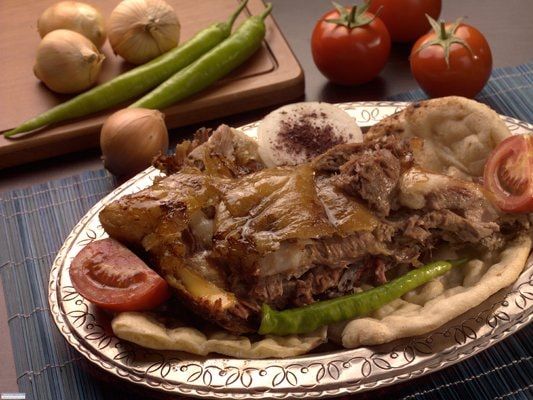
Fırın kebabı
Lamb or mutton is cooked in a stone oven; lamb is cooked for hours in its own juices without any added water. The most prized cuts are the ribs and the shoulder.
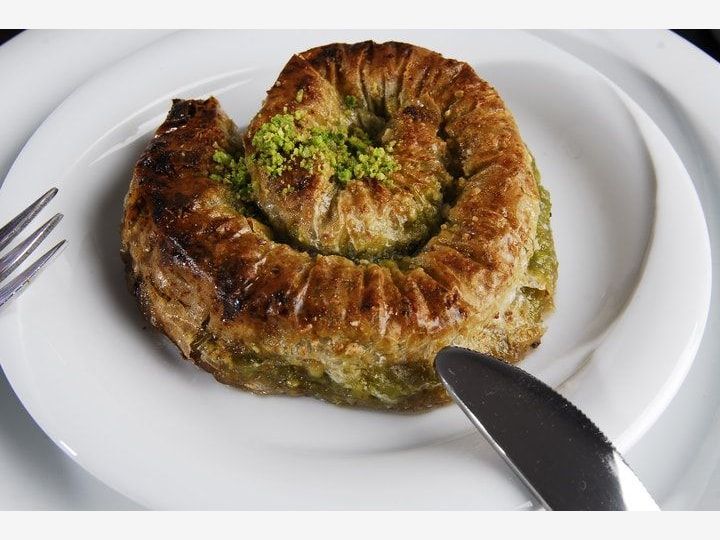
Sacarası
A dessert cooked with its tray placed between two saç griddles, with fire above and below.

Mevlana böreği
A filling of minced meat, onion and parsley is wrapped in triangular sheets of yufka and baked.
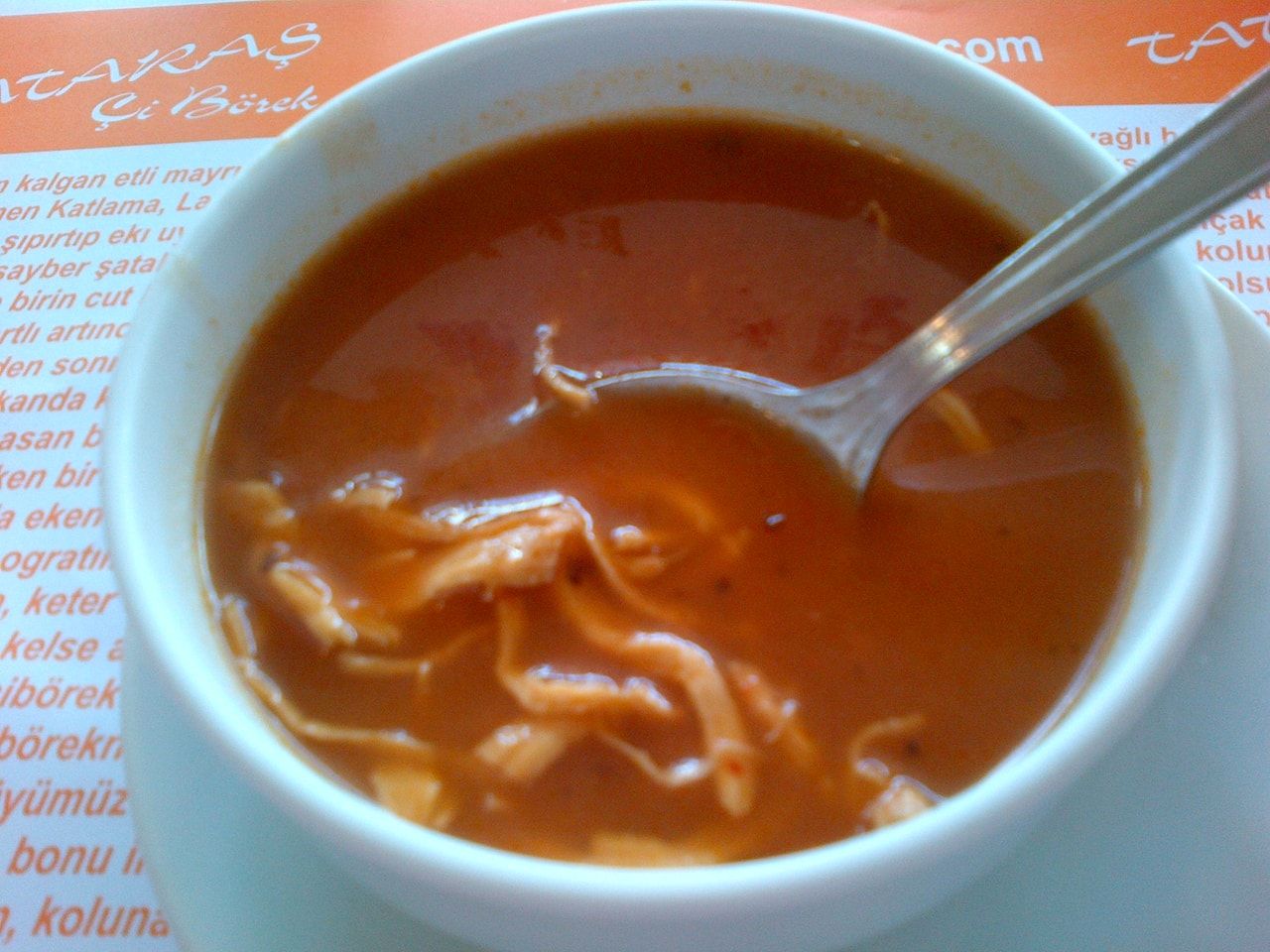
Arabaşı çorbası
A soup made with a whole chicken and eaten with a separately prepared dough.
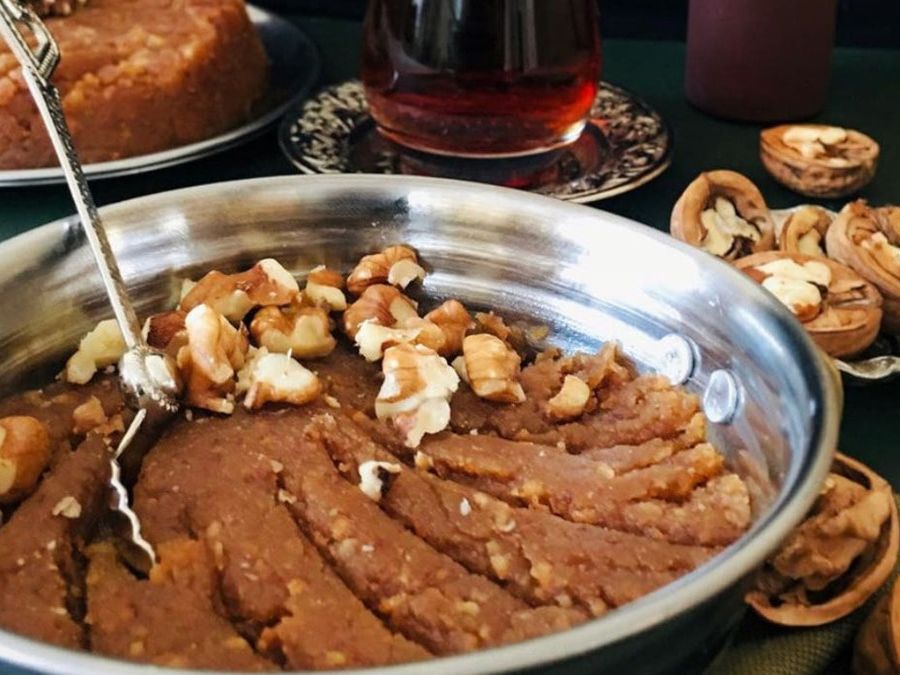
Höşmerim tatlısı
A dessert made with milk and cream instead of water, whose roots are traced to the Seljuk period. Konya Höşmerimi is registered with a geographical indication.
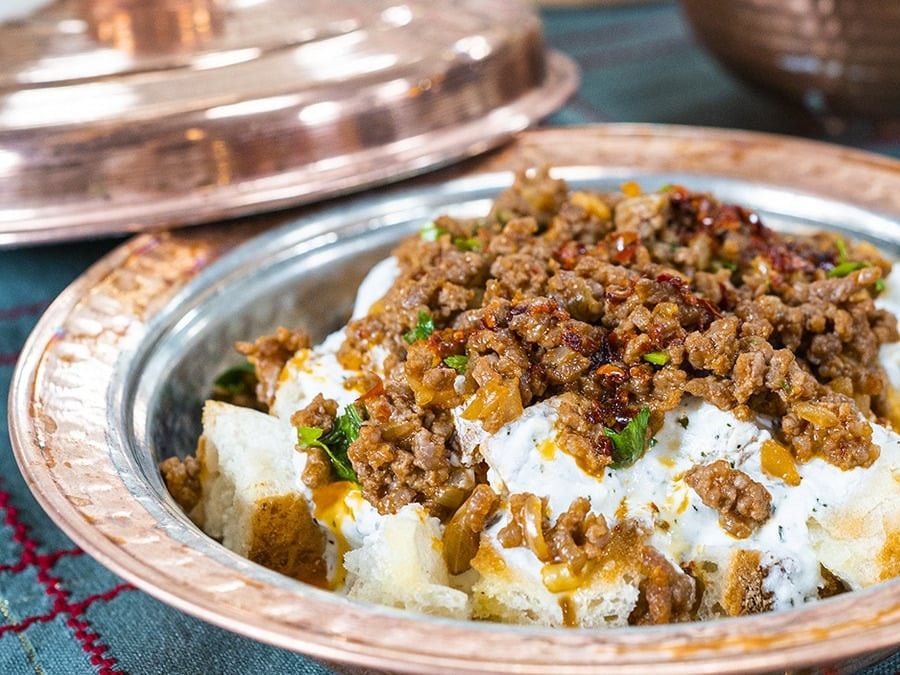
Papara
Stale bread is turned into a main course with yoghurt, sauce and butter.
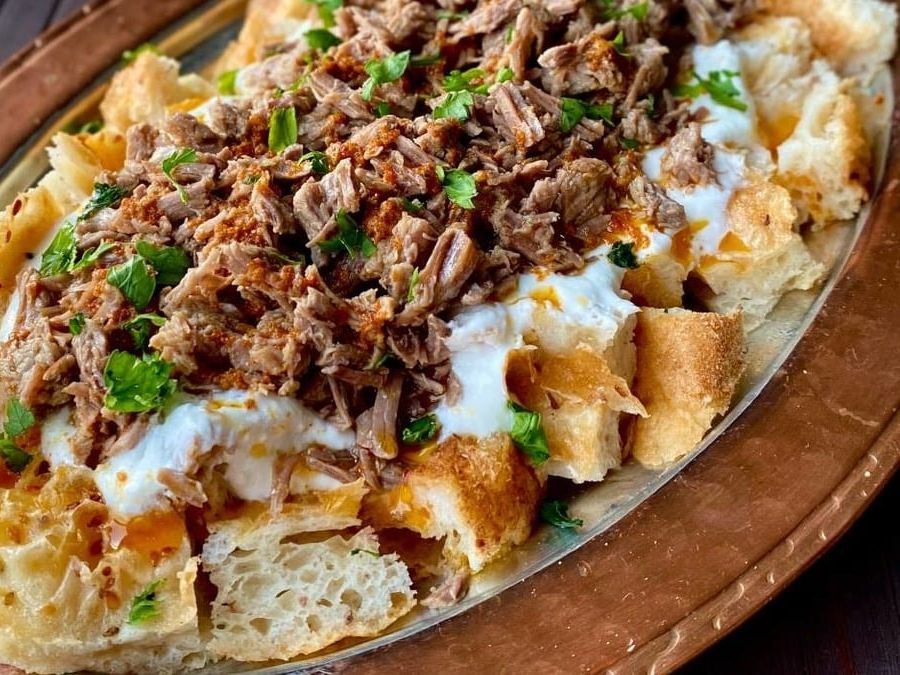
Tirit
Bread is soaked in meat broth and topped with meat; it is served at weddings and banquets.
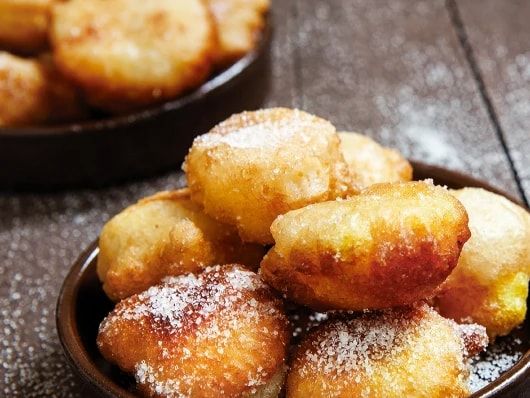
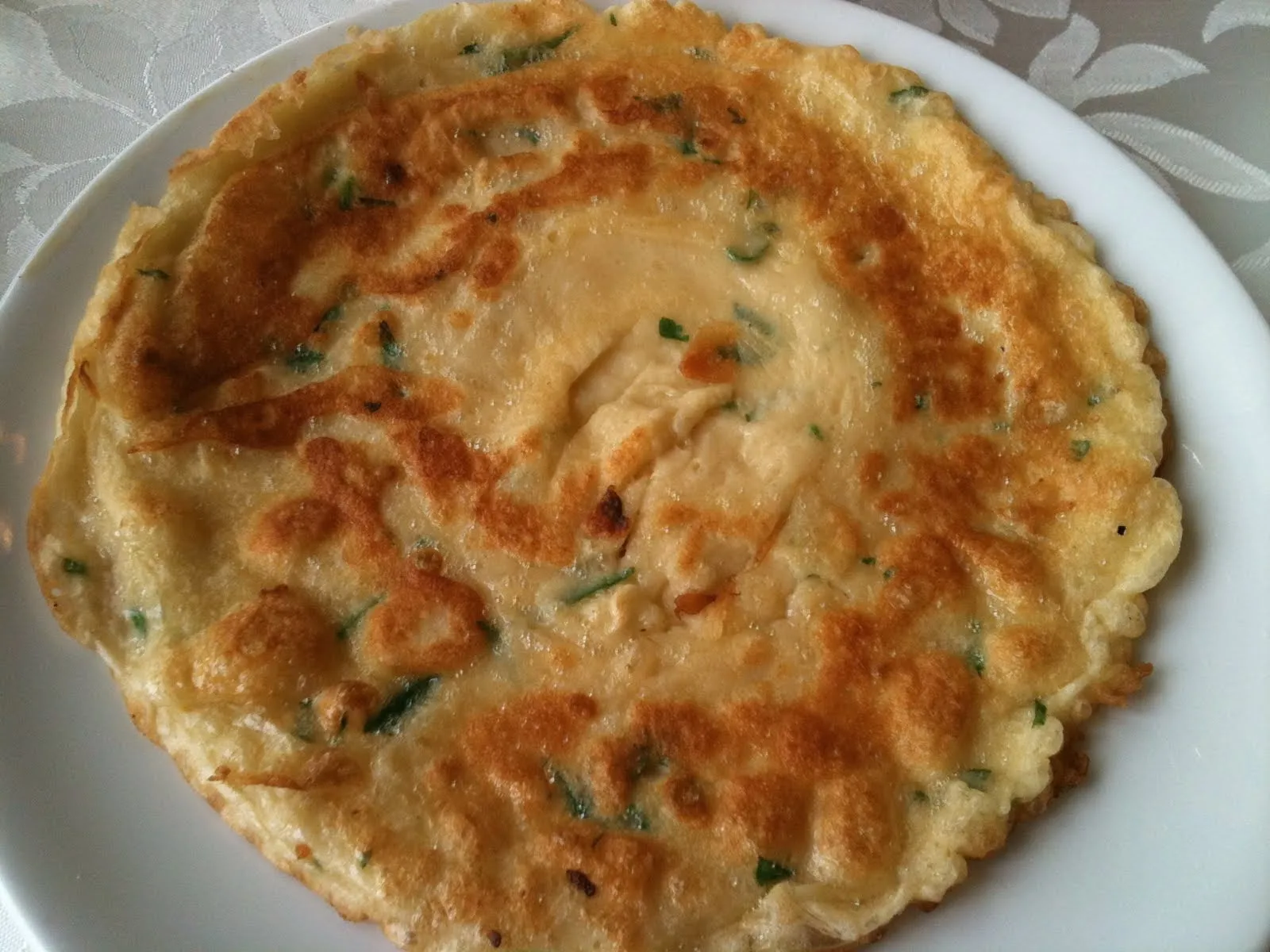
Kaygana
A runny batter of milk, eggs and flour is dropped by the spoonful into hot fat, fried and rolled in caster sugar. Konya Kaygana is registered with a geographical indication.


Places to visit in Konya
Kilistra Kaya Mezarları
The ancient city of Kilistra, called the Cappadocia of Konya, with its many houses carved into the rock and the remains of chapels, churches, dwellings and cisterns, is one of the historic areas of Turkey waiting to be discovered.
The rock tombs in the ancient city are among the area's important remains, and archaeological excavations have been carried out at the Kilistra Kaya Mezarları (Kilistra rock tombs). Resembling the rock tombs used by the Phrygians, the most important of the Kilistra rock tombs is the one thought to have belonged to a king. Remains of belongings were also found in this rock tomb, which shows that the people who lived in Kilistra believed in life after death… There are also mounds in the ancient city of Kilistra that have not yet been opened or studied.
If you want to make a long journey through a wealth of historic remains, you can visit the Kilistra Kaya Mezarları, at Gökyurt in the Meram district.
Kadı Mürsel Camii
The Kadı Mürsel Camii (Kadı Mürsel Mosque) in Konya's Meram district is easy to reach.
The mosque, in Gazi Alemşah Mahallesi opposite the Meram Public Education Centre, is built of rubble stone, and its roof is covered with tiles. The mosque has a single minaret, also built of brick. The Kadı Mürsel Camii was comprehensively repaired by the General Directorate of Foundations in 2005.
Among Konya's countless places to discover, the Mevlana Türbesi, the Şemsi Tebrizi Camii and Türbesi, the Meram Bağları and the Tavusbaba Türbesi at the top of the Meram Bağları are places we suggest adding to your itinerary.
Kilistra Antik Kenti
The ancient city of Kilistra, in the Gökyurt township of Konya's Meram district, is not known to many people but wins over those who see it with its rich remains.
Archaeological excavations have been carried out at the ancient settlement in Gökyurt village, which belongs to the Hatunsaray township, and the remains studied show that it began to be built in the Hellenistic and Roman periods. The settlement consists mostly of houses carved into the rock. Remains of chapels, churches, dwellings, cisterns, fountains and a winery can be found. A garrison, shelters and a watchtower built for security are also among the remains that have survived.
The whole city can be seen from the viewing terraces in the area. If you come to Gökyurt and decide to stay a few days while exploring this ancient city, you can stay at the village guesthouse.
Pir Esad Sultan Türbesi
Pir Sultan Esad, a figure who lived in the Seljuk period, has a tomb in Pir Esad Mahallesi in Konya. Known to have died in the reign of Sultan Kılıç Arslan IV, Pir Sultan Esad is known to have been a great sheikh of that time and a person of prestige at the Seljuk palace.
Today there is a mosque on the open ground where his tomb stands. The mosque was built in 1990, and today the tomb stands outside the mosque.
Tavusbaba Türbesi
A very modest tomb stands in Konya's Meram Bağları (Meram vineyards). Called the Tavusbaba Türbesi (Peacock Father's Tomb) by local people, the place is constantly visited today… But it is not known whether the Tavusbaba tomb belongs to a woman or a man.
The tomb, which has kept this mystery for centuries, is also the source of some legends. They say that one day a woman of great beauty from the land of India settled here. Every day she would play the rebab and sing. One day this beautiful woman, whose face no one had ever seen, did not play her rebab. Noticing that the sound from the hilltop had stopped, the people grew curious and climbed the hill. They found nothing but a rebab and a heap of peacock feathers. A tomb was later built here and the peacock feathers kept in it.
According to another story, a woman who had fallen in love with Mevlana without ever seeing him knew that Mevlana always went up to the Meram Bağları. Just to catch a glimpse of him, she settled at the top of the vineyards and spent the rest of her life watching Mevlana from afar.
Though no one knows which legend is true, the Tavusbaba Türbesi continues to be visited often by tourists coming to the city. It may be a meaningful stop for you too.
Sultanlar Türbesi
The Sultanlar Türbesi (Tomb of the Sultans), one of Konya's mystical places, is inside the Alaeddin Camii.
One of the finest examples of Seljuk tomb architecture, it is one of the most visited spots in the city. The tomb holds the sarcophagi of Sultan Kılıç Arslan II, Sultan Mesud I, Sultan Gıyaseddin Keyhüsrev I, Sultan Gıyaseddin Keyhüsrev, Sultan Kılıç Arslan IV, Sultan Alaeddin Keykubad I and Sultan Gıyaseddin Keyhüsrev II.
The body of the tomb is ten-sided, in cut stone, and its dome has a pyramid-shaped conical roof on the outside. The Sultanlar Türbesi has an important place in the city's faith tourism.
Nasreddin Hoca Arkeoloji ve Etnografya Müzesi
The Rüştü Bey Konağı (Rüştü Bey Mansion) in Akşehir, Konya, has kept its original character and has been arranged and opened to visitors as the Nasreddin Hoca Archaeology and Ethnography Museum.
Building of the Rüştü Bey Konağı was begun by Armenian craftsmen and completed by Turkish craftsmen. Above its basement and ground floor there are two more floors.
The Rüştü Bey Konağı was acquired and repaired by the Ministry of Culture in 1989, and in 1992 it opened as the Nasreddin Hoca Archaeology and Ethnography Museum.
The entrance floor of the museum holds the storerooms for ethnographic and archaeological works. The second floor displays archaeological works arranged in chronological order. The third floor of the mansion holds ethnographic works: objects reflecting the culture of Akşehir, with scenes from some of Nasreddin Hoca's tales brought to life.
On your trip to Konya we strongly recommend also visiting the Nasreddin Hoca Türbesi, the Mevlana Türbesi and the Şemsi Tebrizi Camii and Türbesi.
Şemsi Tebrizi Camii ve Türbesi
Whether Shams-i Tabrizi, friend and also teacher of Mevlana Celaleddin Rumi, simply died or was killed by Mevlana's disciples is still a subject of research today. The tombs of these two great friends, whose lives came together in Konya, are both in Konya, and this brings foreign as well as Turkish tourists to the city throughout the year.
The Şems-i Tebrizi Camii and Türbesi (Mosque and Tomb of Shams-i Tabrizi) are inside Şems Parkı. It is not known who built the mosque and tomb or when; they were enlarged and renewed in 1510 by Emir İshak Bey, son of Abdürrezak. They are estimated to have been built in the 13th century.
The tomb adjoins the mosque. Inside it has a flat ceiling, and outside it is covered by a pyramidal conical roof on an octagonal drum.
The Şems-i Tebrizi Camii and Türbesi remain among the most visited spots in Konya after the Mevlana Türbesi.
Aya Elena Kilisesi
The Aya Elena Kilisesi (Church of St Helena) is one of the remains that create the historic atmosphere of Sille (today a neighbourhood of the Selçuklu district).
The church, about 7 kilometres from the centre of Konya, was built in AD 327. It is known to have been built by Helena, mother of the Byzantine Emperor Constantine. Stopping in Konya on her pilgrimage to Jerusalem, Helena saw the sanctuaries from the early Christian period here, wanted to have a sanctuary built herself, and had the foundations of the Aya Elena Kilisesi laid. The most important reason the church has survived in such good condition is that it was repaired again and again over the centuries.
The Aya Elena Kilisesi is built of cut Sille stone. The rooms in the courtyard are carved into the rock. One inscription of the church has survived; dated 1833, it records that the church was repaired for the fourth time in the reign of Sultan Mecid.
While exploring Sille you can visit the Aya Elena Kilisesi. You can also add Ak Manastır, a church carved into the rock, to your list.
Ak Manastır
Ak Manastır (the White Monastery) is in Sille, in Konya's Selçuklu district.
One of Sille's historic treasures, the monastery is also called the Monastery of Hagios Khariton. Dated to the year 276, the monastery was built in the name of a saint called St. Horjon. It is carved into a rock as small rooms, connected to each other by passages.
Although Ak Manastır has survived in a very ruined state, it is counted among Sille's important remains.
Sille Köyü
Sille, an old settlement of Konya, is about 8 kilometres from the Selçuklu district. Archaeological research has shown that the settlement is at least 6,000 years old. Once a Greek village, Sille is today a neighbourhood of the Selçuklu district.
With its rich history, this old Greek village is one of the important places to discover in Konya. The name Sille is held to come from the word Silene in Greek mythology.
Many Roman remains catch the eye throughout the village. Because it lay on the road between Byzantium, Jerusalem and Rome, Sille was also regarded as an important religious centre. This is why the Monastery of Hagios Khariton (Ak Manastır), one of the oldest and largest monasteries in the world, is in this village. The monastery is foremost among the village's important remains.
Sille did not lose its importance in the Seljuk period either, because at that time it lay on the Silk Road and the Spice Road.
You should definitely explore Sille, one of the most beautiful parts of Konya. The moment you enter the village you will feel you have stepped into a different time, and the feeling will stay with you until you leave.
Valide Sultan Hamamı
Counted among the works of Mimar Sinan, the Valide Sultan Hamamı (Valide Sultan Bathhouse) is dated to the 16th century and was built at the same time as the Sultan Selim II complex.
Rubble and cut stone can be seen to have been used in building the Valide Sultan Hamamı. The bathhouse, which has survived in a very ruined state, was built on a square plan. Made up of a changing room, hot room and warm room, it is in Konya's Karapınar district.
Zazadın Hanı
The Zazadın Hanı (Zazadın caravanserai) in Tömek village, near Konya's Akşehir district, has impressed with its solidity since 1236.
The year it was built and the name of its founder, Vizier Sadeddin Köpek, are known from its inscription.
The Zazadın Hanı is rectangular. It has the general features of Seljuk caravanserais and consists of open and covered sections. Cut stone, and in places reused stone, was used in building it.
Although it has survived in good condition, some parts have been damaged. Even so, the Zazadın Hanı should definitely have a place among the historic works on your Konya itinerary.
Konya Atatürk Evi Müzesi
The house allocated to Atatürk on his visits to Konya now serves as a museum.
The building, called the Atatürk Evi (Atatürk House), has two floors and is built of cut stone, rubble stone and brick. It was presented to Atatürk by the people of Konya in 1928. In 1940 it was bought by the Konya Special Provincial Administration and served as the Governor's Residence until 1963.
The building was bought by the Ministry of National Education in 1964 and, after alterations, began to be used as a museum. In the centenary of Atatürk's birth it was rearranged and restored, and it reopened as the Atatürk Museum in 1982.
The Konya Atatürk Evi Müzesi displays photographs of Konya from the War of Independence, documents from before the Republic, the diary Atatürk wrote in this house, his clothes and newspaper cuttings.
The Konya Atatürk Evi Müzesi is open every day of the week except Mondays. You can visit the museum between 08:30 and 17:30.
Sultan Selim Camii
The Sultan Selim Camii (Sultan Selim Mosque) on Konya's Mevlana Caddesi has survived in very good condition, but its architect is not known for certain.
Construction of the mosque was begun by Süleyman the Magnificent and completed after his death by Selim II, and most sources name Mimar Sinan as its architect, because the mosque's architectural details and plan closely resemble those of the Eski Fatih Camii, one of Mimar Sinan's works. And considering the period of Süleyman the Magnificent and Selim II, it is very likely to be a work of Mimar Sinan. The mosque has two minarets with one balcony each, and it can be seen to be built of cut stone.
One of the finest examples of Ottoman architecture in Konya, the Sultan Selim Camii is also recorded under the names Kanuni Sultan Süleyman Camii, Cami-i Cedid and Cami-i Şerif-i Sultan Süleyman.
Sahipata Külliyesi
One of the finest examples of Seljuk architecture, the Sahipata Külliyesi (Sahip Ata Complex) in Konya's Meram district continues to show its historic traces to Turkish and foreign tourists.
The complex, on Larende Caddesi, was built by the Anatolian Seljuk vizier Sahip Ata Fahreddin Ali. It consists of a hankah (dervish lodge), a bathhouse, a tomb and a mosque. It was built between 1259 and 1279, and its architect was Abdullah bin Kölük.
The mosque of the Sahipata Külliyesi is one of the places of worship with wooden columns that have survived to the present. The mosque's crown gate in particular shows how flawlessly the craftsmanship was carried out.
The Sahipata Külliyesi is an important historic work that should definitely be part of a trip to Konya.
Obruk Hanı
The Obruk Hanı (Obruk caravanserai) in Konya's Karatay district is a 13th-century work. Having managed to stand for centuries, it is right at the entrance of Obruk village, which shares its name.
Its architecture shows it to be a Seljuk work. Cut stone, rubble stone and reused ancient materials were used in building it. In restoration work carried out in 1996, the Obruk Hanı was largely repaired and cleaned. Today it is visited by people coming to Konya.
Kapu Camii
Konya, which draws Turkish and foreign tourists all year with the famous Mevlana Türbesi, is an unforgettable place to explore for its natural and historic treasures. With its impressive historic sites and mosques it has a mystical atmosphere.
The Kapu Camii (Kapu Mosque) was built in 1658 by Pir Hüseyin Çelebi and is one of the buildings that have survived to the present.
The mosque, on Sarraflar Caddesi in the central district, was renewed in 1811 by the Mufti of Konya, Seyyid Abdurrahman. But after this renewal it was destroyed by a fire. The present mosque is the third building on the site, so it is far from the original. One feature of the Kapu Camii is that it is the largest of the Ottoman-period mosques in Konya.
Add the Kapu Camii to your Konya itinerary to see the mosque's architecture, history and interior up close.
Körükini Mağarası
Körükini Mağarası (Körükini Cave) in Beyşehir, Konya, which contributes to the city's tourism, is in the Çamlık township and is easy to reach.
It is 1,250 metres long in total. The Uzunsu Deresi, which runs through the cave, adds a special beauty… Although it may be possible to explore the cave by boat, this takes considerable skill, because the water forms waterfalls in places.
It is best not to go to Körükini Mağarası in spring in particular. The water level in the cave rises in spring, which can be dangerous.
While enjoying Konya's sights, we recommend visiting Körükini Mağarası. It will be one of your most unforgettable stops.
Balatini Mağarası
Konya, one of the most developed cities of Central Anatolia and one of the most important for tourism, has carried its fame beyond Turkey's borders with the Mevlana Türbesi. There is no end to the places to see in Konya: the Nasreddin Hoca Türbesi, Akşehir Gölü, the Meram Bağları, the İnce Minareli Medrese… The place we share with you here is Balatini Mağarası (Balatini Cave)… Let us tell you about it, and perhaps you will want to add it to your trip to Konya.
Balatini Mağarası is easy to reach from the Çamlık township within Derebucak. The cave is 1,830 metres long in total. It has two entrances, and the formations inside win over those who see them. The statue room of Balatini Mağarası will be the chamber that catches your eye most, because it holds little statues made and left by visitors to the cave. We recommend that you don't leave Konya without seeing Balatini Mağarası.
Gömeç Hatun Türbesi
One of the finest examples of Seljuk architecture, the Gömeç Hatun Türbesi (Tomb of Gömeç Hatun) is at the Musalla Mezarlığı (Musalla Cemetery) in Konya.
The lower part of the tomb's walls is cut stone and the upper part brick. The tomb belongs to Gömeç Hatun, wife of the Seljuk Sultan Rükneddin Kılıç Arslan. Looking like a castle from outside, the tomb has a particularly striking tile-decorated entrance.
One of Konya's sights worth seeing, the Gömeç Hatun Türbesi should definitely be on your itinerary. And don't neglect the world-famous Mevlana Türbesi and the Nasreddin Hoca Türbesi either.
Konya Ereğli Müzesi
With its rich collection, the Konya Ereğli Museum draws thousands of visitors a year.
The museum displays works surviving from the Hittite, Roman, Byzantine, Seljuk and Ottoman periods. Finds from the ancient city of Herakleia in the area are also among the remains on display.
It has a collection of 8,096 items in total, including hand mills, bowls, pots, scraping tools, terracotta vessels and hand axes. When you are in Ereğli, Konya, you can visit the museum and take pleasant and mysterious journeys through different periods of history. The Mevlana Türbesi in Konya is also at the top of the places we recommend you see.
İnbaşı Mağarası
İnbaşı Mağarası (İnbaşı Cave) is a place to visit suitable for all ages. It is in the Korualan township in Konya's Hadim district.
The galleries and waterfall inside İnbaşı Mağarası are a must… You can easily reach the waterfall from inside the cave. The distance from the entrance to the waterfall is 100–150 metres. The area in front of the cave is used by local people as a picnic spot.
Although some of the gallery sections are hard to climb up to, those who want to discover a mysterious world come prepared to explore every corner of the cave.
İnbaşı Mağarası, whose water is very cold, can take its place on your Konya itinerary. The city's famous sights, the Mevlana Türbesi and the Nasreddin Hoca Türbesi, are at the top of the places you should see.
Güvercinlik Mağarası
Konya draws attention with the Mevlana Türbesi above all, and with its other remains and natural beauty. If you are planning to explore Konya soon, there is a place we suggest adding to your list: Güvercinlik Mağarası (Güvercinlik Cave)…
Güvercinlik Mağarası is in Güneybağ Mahallesi in the Güneysınır district and is easy to reach. With its interesting sections and easy access, it is constantly visited by tourists. The cave reaches a depth of 130 metres and consists of two parts, a vertical part and a hall… The hall section is 346 metres long. Stalactites, stalagmites, moonmilk and curtain formations can be seen in the cave.
After Güvercinlik Mağarası, one of the places you should see in Konya, you can visit the Nasreddin Hoca Türbesi, the Karatay Medresesi with its Seljuk architecture, and the Beyşehir Gölü Milli Parkı, full of natural beauty.
Nasrettin Hoca Türbesi
One of the spots in Konya that tourists visit constantly is the Nasrettin Hoca Türbesi (Tomb of Nasreddin Hoca), in the Akşehir district.
The date the tomb was built is not known for certain. Having been repaired from time to time, it is a historic building that has moved away from its original form. Thanks to these repairs, the Nasrettin Hoca Türbesi has survived in good condition and looks magnificent.
The tomb has a conical roof with 12 sides. You can include the Nasrettin Hoca Türbesi among the places you visit on your trip to Konya. You should definitely add the world-famous Mevlana Türbesi, the Karapınar Çölü, Turkey's only desert, and the Sırçalı Medrese to this trip.
Akşehir Gölü
Part of Turkey's unique geography, Akşehir Gölü (Lake Akşehir) is in Central Anatolia. Spanning the borders of Afyonkarahisar and Konya provinces, Akşehir Gölü lies in the depression between Emir Dağı and the Sultan Dağları.
You can add Akşehir Gölü to your trip to Konya and enjoy to the full the lake's magnificent natural scenery.
Because the lake has no outflow, it is a closed basin. Even so, the water of Akşehir Gölü is not very salty, because fresh springs flow into the lake from its shores. Akşehir Gölü is one of the places you should see on your trip to Konya. If you have plenty of time on your trip, we recommend exploring Akşehir Gölü.
The city's famous sights, the Mevlana Türbesi, the Sırçalı Medrese, the Karapınar Çölü and the Eflatunpınar Anıtı, should definitely be on your list.
Karatay Medresesi
One of Konya's historic buildings, the Karatay Medresesi is one of the finest examples of Seljuk architecture.
The medrese, in the Karatay district, was built by Emir Celaleddin Karatay in the reign of İzzeddin Keykavus II. Built in 1251, there is no definite information about its architect. The Karatay Medresesi, which continued in use in the Ottoman period, was abandoned in the 19th century. The building was an educational institution, and its gate is among the finest examples of Seljuk stonework. The Karatay Medresesi also hosted an important name: Mevlana taught at this medrese.
Today the Karatay Medresesi serves as the Museum of Tile Works. By visiting the Karatay Museum on your trip to Konya you get the chance to see both a museum and a historic building. The Mevlana Türbesi, the Aziziye Camii, the Meram Bağları and the Sırçalı Medrese in Konya are among the places we recommend you visit.
Aziziye Camii
Constantly visited by tourists, Konya takes its guests on a lovely journey with its sights.
The city's most visited spot is the Mevlana Türbesi, whose fame has crossed borders. If you are planning a trip to Konya there will be a lot to see. We suggest also adding the Aziziye Camii (Aziziye Mosque), which has witnessed Konya's history, to your list.
With its magnificent architecture, the building has survived from the Ottoman period to the present. The Aziziye Camii, in Konya's bazaar, was built between 1671 and 1676. In 1867–1868 it was ruined in a great fire. At that time its rebuilding was begun by Pertevniyal Valide Sultan, mother of Sultan Abdülaziz. The Aziziye Camii, with its mystical atmosphere, will definitely win your admiration. On your trip to Konya you can add the Meram Bağları, the Sırçalı Medrese and the İnce Minareli Medrese to your list.
Koyunoğlu Müzesi
Konya is one of the most visited cities in Turkey. Konya, which earns a big place in the memory of visitors with the Mevlana Türbesi, the Meram Bağları, the İnce Minareli Medrese, the Sırçalı Medrese and its other historic and natural treasures, also presents the remains of its rich history in its museums.
The Koyunoğlu Museum can be one of your stops on your trip to Konya. Here is a little about it. The Koyunoğlu Museum was founded through the efforts of İzzet Koyunoğlu, from one of the city's long-established families. The museum displays İzzet Koyunoğlu's personal belongings as well as archaeological and ethnographic works. While touring the museum, the first thing to catch your eye will no doubt be the stuffed birds. After the museum, don't forget to head for the Eflatunpınar Anıtı, one of the region's important monuments.
Alaaddin Tepesi
Alaaddin Tepesi (Alaaddin Hill) is the only high point in Konya, which overlooks a flat plain. Although local people see Alaaddin Tepesi, in the Selçuklu district, as a high hill, to tourists coming to the city it seems like a small hillock. Considering Turkey's majestic mountains and hills, we can say it is more accurate to call Alaaddin Tepesi a hillock.
Many civilisations are known to have ruled on Alaaddin Tepesi. It was used as a settlement in Phrygian, Hellenistic, Roman, Byzantine, Seljuk and Ottoman times. Today it is used by local people as a recreation area and is one of the city's most intriguing spots. If you are planning a trip to Konya, you should definitely visit Alaaddin Tepesi. And of course you should also include the Mevlana Türbesi, whose fame has crossed the country's borders.
Beyşehir Gölü Milli Parkı
National parks are an important part of Turkey's natural beauty, and the country's largest national park is the Beyşehir Gölü Milli Parkı (Lake Beyşehir National Park). It was placed under protection in 1993. The area is in Konya province and contains Beyşehir Gölü, which is also Turkey's third largest lake.
Beyşehir Gölü, in Konya's Beyşehir district, is Turkey's second largest lake, and there are 33 islands of various sizes on it. Its bed is filled with Neogene lake sediments, and it is home to fish such as carp, mirror carp and perch. Beyşehir Gölü also flows into Suğla Gölü, known locally as "uluarık".
The national park around it has enriched Beyşehir, adorning the lakeside with oak, cypress, black pine and fir trees. Visitor numbers peak in May and October in particular. You can go to Beyşehir Gölü, where you can rest body and soul, for a day trip, or stay a few days and camp. It is also one of the most wonderful places to watch the sunset, because Beyşehir Gölü ranks among the world's notable places for the colour and length of its sunsets.
Here you will witness one of the most beautiful pieces of nature. You won't notice how the time passes, because there will be so much to discover. The Beyşehir Gölü Milli Parkı consists of 33 islands large and small, and it has wonderful landscape beauty. Both the fauna and the vegetation of the national park are very rich. The lake, where you will see swans, cormorants and ducks, will offer wonderful photographs wherever you look. When you visit the area you will also be able to camp here.
The Beyşehir Gölü Milli Parkı draws great interest from foreign as well as Turkish tourists throughout the year. When you visit the area you can also explore the Kızıldağ Milli Parkı on the border with Isparta.
Ilgın Kaplıcaları
Konya is among the cities in Turkey visited by Turkish and foreign tourists. Drawing great interest for its thermal areas as well as its historic and natural beauty, the city is especially famous for the Ilgın Kaplıcaları (Ilgın hot springs).
There are many hotels and motels at the Ilgın Kaplıcaları. All the accommodation facilities offer treatment for eczema, leprosy, paralysis, nerve conditions, lung inflammations, kidney and urinary tract conditions and gynaecological conditions. In his Seyahatname, Evliya Çelebi wrote that Alaeddin Keykubad came to the Ilgın Kaplıcaları for his rheumatism and found a cure. You can look up the prices of the thermal hotels at the Ilgın Kaplıcaları, whose water contains potassium, ammonium, magnesium, calcium, sodium, iron, aluminium, chloride, nitrate, sulphate and bicarbonate, and make a booking. Booking early is important, because the hotels are in great demand.
Obruk Gölü
Obruk Gölü (Lake Obruk) is part of the Obruk Yaylası (Obruk Plateau) in Konya and is the largest of the sinkhole lakes in the area.
The first settlement around Obruk Gölü began in the 13th century. Wildlife at the lake is very rich. We recommend visiting Obruk Gölü on your trip to Konya; the nature dominated by plants under and above the water is ready to grace your best photographs. Don't forget to explore the ruins of the Obruk Han beside Obruk Gölü; stones from the Byzantine period were used in the walls of the ruins.
After Obruk Gölü you can add the Meram Bağları, the Fasıllar Anıtı and the Yerköprü Şelalesi, among the city's most visited spots, to your list.
Obruk Yaylası
With its permeable karst structure, the Obruk Yaylası stretches along the Ereğli line in Konya's Karapınar district as far as Tuz Gölü. Sinkholes (obruk) are divided into dry and water-filled ones. The Obruk Yaylası rises to 1,000–1,050 metres and contains Obruk Gölü.
The Obruk Yaylası is also a magnificent area to explore on your holiday in Konya. On your trip you can also discover the plateaus near the Obruk Yaylası and see the beauty of this lovely city up close.
The Meram Bağları, the Fasıllar Anıtı, the İnce Minareli Medrese, the Mevlana Türbesi, Meke Gölü and the Karapınar Çölü are among the most beautiful parts of the city worth seeing.
Meram Bağları
The Meram Bağları (Meram vineyards), in Konya's Meram district, which shares its name, are one of the city's best places to visit and relax.
Described as Konya's lungs, the Meram Bağları have been famous for their natural beauty throughout history. On your trip to Konya you should definitely go to this magnificent recreation area and have a picnic in nature. The Meram Deresi (Meram stream) flows through the middle of the Meram Bağları, which will fill you with new energy. There are records that the crusader army rested in this area during the Second Crusade. With the Mevlana Türbesi, the Fasıllar Anıtı, Tınaztepe Mağarası and the Karapınar Çölü, Konya is a very important city for tourism. Don't end your trip to Konya, where you will discover many new places, without seeing the beauty of the Meram Bağları.
Fasıllar Anıtı
The Fasıllar Anıtı (Fasıllar Monument) in Beyşehir, Konya, is one of the largest rock monuments in the world, and for this reason it is visited by tourists throughout the year.
It is thought that the Fasıllar Anıtı was actually meant to be taken to Eflatunpınar but was left here. It weighs about 70 tonnes and is carved with two gods and two lions. The Fasıllar Anıtı also resembles the orthostats at Alacahöyük, which suggests the monument may have been made in the reign of Tudhaliya IV. After the Fasıllar Anıtı, which you should definitely visit on your holiday in Konya, you can add the Sırçalı Medrese, the Obruk Yaylası, the İnce Minareli Medrese, the Meram Hamamı and the Eflatunpınar Anıtı to your list.
Tınaztepe Mağarası
Offering its historic and natural beauty in wonderful harmony, Konya is one of the cities that draw the most visitors, with the Mevlana Türbesi, the Sırçalı Medrese, the İnce Minareli Medrese and Meke Gölü.
One of the places to visit in Konya is Tınaztepe Mağarası (Tınaztepe Cave).
Tınaztepe Mağarası is in the Seydişehir district and is 1,650 metres long. It consists of active and fossil sections, and in the fossil section there are five lakes. These five lakes are crossed by boat in spring; in autumn the water drops and the same spot can be crossed on foot. The Tınaztepe Düdeni (sinkhole) lies beneath the cave.
Throughout your visit, Tınaztepe Mağarası will offer small but impressive details. The cave, which attracts many tourists, also features in Captain Cousteau's book on the wonders of the world. A visit to Tınaztepe Mağarası, Turkey's largest cave and the world's third largest, will certainly be a fun and impressive journey.
Meram Hamamı
The Meram Hamamı (Meram Bathhouse), which everyone who goes to Konya visits, is in the Meram district, after which it is named.
Surviving from 1454 to the present, the Meram Hamamı is divided into women's and men's sections, and it is built of cut stone and rubble stone. Standing out among the architectural works of the Beylik period, the bathhouse has a gate partly buried in the ground. The motif of two birds entwined on its arch will be among the details that catch your eye.
The Meram Hamamı is one of Konya's historic buildings and attracts many tourists. On your holiday in Konya you can visit this bathhouse and touch the life of the years in which it was built. Afterwards you should definitely add the Sırçalı Medrese, the İnce Minareli Medrese, the Eflatunpınar Anıtı and the Mevlana Türbesi to your list.
İnce Minareli Medrese
A Seljuk work, the İnce Minareli Medrese (Medrese of the Slender Minaret) is one of the places in Konya that tourists visit most.
One of the examples of Seljuk architecture, the medrese is in the Selçuklu district and was built in the reign of İzzeddin Keykavus II. A crown gate, rarely used in Seljuk architecture, was used in this medrese, and the medrese has a single iwan. With its wonderful stonework, it was used until the 19th century. Repaired over time, the medrese opened as the Museum of Stone and Wood Works in 1956.
You can visit the İnce Minareli Medrese on your trip to Konya. After the İnce Minareli Medrese, which wins the interest and admiration of many tourists, you should definitely add the Sırçalı Medrese, the Mevlana Türbesi and the Eflatunpınar Anıtı to your list.
Sırçalı Medrese
One of Konya's historic places, the Sırçalı Medrese is in the Meram district. Built in the reign of Gıyaseddin Keyhüsrev II, it kept its importance, continuing in use as a medrese in the Seljuk and Ottoman periods.
Today a tourist attraction, the Sırçalı Medrese was repaired in 1954 and attached to the Konya Museum in 1960. In the Sırçalı Medrese Museum of Tomb Monuments, gravestones from the Karamanid, Ottoman and Seljuk periods are among the most interesting remains on display. The building, used as a medrese until 1924, also impresses with its architecture. After visiting the Sırçalı Medrese, which you should definitely add to your list on your trip to Konya, don't forget to see the Mevlana Türbesi, the Karapınar Çölü, the Eflatunpınar Anıtı and the Yerköprü Şelalesi too.
Mevlana Türbesi
Open to visitors since 1926, the building that was once Mevlana's dervish lodge is the second highest-earning museum of the Ministry of Culture.
The dervish lodge in Konya of Mevlana Celaleddin Rumi, whose poems and words transcended his age, has served as the Mevlana Türbesi (Mausoleum of Mevlana) since 1926. The tomb of Mevlana, whose words and life are world-famous, is one of the finest examples of Seljuk architecture.
Also known as the Mevlana Museum, the tomb draws crowds of visitors from all over the world. The way Mevlana's ideas, his mystical love and his love of humanity have been passed on for centuries from generation to generation has kept his importance alive. The Konya Mevlana Türbesi was built in the Seljuk period and enriched with new buildings at various times. The masjid, semahane (hall for the whirling ceremony) and ablution fountain built in the Ottoman period in particular have become inseparable parts of the tomb today. The Konya Mevlana Türbesi was built after the death of Mevlana Celaleddin Rumi and is the second highest-earning museum of the Ministry of Culture.
Mevlana Celaleddin Rumi, who expressed mystical love in the saying "Love should either come from God, or be for God, or lead to God. Otherwise let it be laid low.", stressed the meaning of life in his countless poems and sayings. Today he is known worldwide, and the Konya Mevlana Türbesi draws great interest every year. You should definitely begin your trip to Konya with the Mevlana Türbesi. After experiencing its mystical atmosphere, you can visit the Eflatunpınar Anıtı, the Yerköprü Şelalesi and the Eşrefoğlu Camii.
Meke Gölü
Meke Gölü (Lake Meke), a first-degree natural protected area, shares the climate of Konya's Karapınar Çölü.
Formed when an extinct volcanic crater filled with water, Meke Gölü has small islands in it.
It looks just like a nazar boncuğu (evil-eye bead). This lake, Turkey's "evil-eye bead", has a history of 400 million years. It lies 981 metres above sea level; the crater is 800 metres long and 12 metres deep. While experiencing Konya's distinctive climate and touring its historic sites and natural beauty, don't forget to visit the Karapınar Çölü, Turkey's only desert.
Karapınar Çölü
Did you know there is a desert in Turkey?
Karapınar, a district of Konya, is home to Turkey's only desert. Karapınar lies 94 kilometres from the city centre, with Karatay, Konya and Çumra to its west, Adana and Ereğli to its south-east and Karaman to its south. The Karapınar Çölü (Karapınar Desert) is also one of Turkey's notable tourist areas.
It lies on the historic Silk Road and has crater lakes, which are rare in the world. Seeing this one-of-a-kind beauty of Turkey with your own eyes will be worth a small slice of your life. In Turkey, a whole made up of air, water, natural beauty, ancient cities, sea and sand, Karapınar, with the country's only desert, awaits your visit.
Eflatunpınar Anıtı
The Eflatunpınar Anıtı (Eflatunpınar Monument), within Konya's borders, stands near the shore of Beyşehir Gölü.
One of the Late Hittite remains, the monument is known to date back to the 1300s BC. As for its purpose, there is a view that the monument, which depicts Hittite gods, was meant to protect Konya from floods.
The Eflatunpınar Anıtı was discovered in 1849 by W.J. Hamilton. One of the pieces that make up Anatolia's identity, the Eflatunpınar Anıtı is one of the most visited works, with the reliefs of gods carved into its stone and the magnificent remains from the Byzantine, Hittite and Roman periods. Without your even trying to understand it, the Eflatunpınar Anıtı will tell its own story and win your admiration.
Yerköprü Şelalesi
The Yerköprü Şelalesi (Yerköprü Waterfall) in the Hadim district of Konya province puts on a great visual show, falling from a height of 20 metres.
As you hear the sound of the falling water, close your eyes and focus only on that moment. The Yerköprü Şelalesi, where you can renew your soul in the unique sound of a perfect view, will also leave you in the arms of nature with the greenery around it. Formed by the Göksu river, the Yerköprü Şelalesi draws great interest. Flowing on in its own way, this waterfall, which captivates everyone who comes, will carry you off to a wonderful paradise.
Yerköprü Mağarası
Yerköprü Mağarası (Yerköprü Cave), with some of Turkey's most beautiful natural features, lies within the borders of Konya's Hadim district.
The cave, in a valley through which the Göksu river flows, formed entirely beneath a travertine tufa. It is 5,000 metres long, and part of the Göksu river emerges from the cave.
At another outlet it joins the waterfalls and reveals itself as a natural wonder. The water of the Yerköprü Şelalesi is also said to heal skin diseases. The meeting of the gushing waterfall with a cave, and the cave being the outlet of the Göksu's waters on the other side, are rare features of Yerköprü Mağarası.
While watching this visual show, you will find yourself listening only to all the sounds of nature. There is no other sound around, only nature's magnificent recital in the tone of music.
Eşrefoğlu Camii
Seljuk-type mosques with wooden columns are even more captivating than Ottoman mosques.
The Eşrefoğlu Camii (Eşrefoğlu Mosque) is an example of the Seljuk-type mosque and is the largest and most original of the wooden-columned mosques in Anatolia.
It is in Konya's Beyşehir district and was built between 1296 and 1299, at the wish of Eşrefoğlu Süleyman Bey. The mosque has a magnificent mihrab, 6 metres high and covered with tile mosaics. Besides a crown gate, it has a minbar made entirely of walnut wood. The Eşrefoğlu Camii has all the features seen in Seljuk great mosques. This wooden mosque is as elegant, yet as ambitious, as the Mahmut Bey Camii in Kastamonu.
Source: http://www.gezilebilecekyerler.com/konyada-gezilecek-yerler/
Culture and arts in Konya
Konya is the city of Mevlana. Since 1926 the Mevlana Museum has occupied the complex of buildings that was Mevlana's dervish lodge. The tomb, known as the Yeşil Kubbe (Green Dome), rests on four massive piers.
Commemorations are held in the weeks around 17 December, the anniversary of Mevlana's death, known popularly as Şeb-i Arus. The Konya International Mystic Music Festival was first held in 2004 and has taken place in September since 2008.
The Seljuk heritage is rich too. The Alâeddin Camii was built in 1220 by Alaeddin Keykubad I, and eight Seljuk sultans are buried there. The Karatay Medresesi is a museum of tile works, and the Sırçalı Medrese a museum of tomb monuments. Çatalhöyük was added to the UNESCO World Heritage List in 2012.
History of Konya
Konya is one of the cities of our paradise of a homeland whose name has not changed since ancient times. It is claimed that the name Konya is linked to the word "icon", meaning "holy image". There are various stories about this. According to one of them, a monument was built in gratitude to the person who killed the dragon that was plaguing the city, and a picture telling the story was drawn on it. The name given to this monument was "Ikonion".
As the name Ikonion turned into Icconium, new forms that changed with the names of emperors appear in the Roman period: "Claudiconium, Colonia Selie, Augusta Iconium". Other names given to our city, which appears as "Tokonion" in Byzantine sources, are:
"Ycconium, Conium, Stancona, Conia, Cogne, Cogna, Konien, Konia..."
Our beautiful city, which the Arabs called Kuniya, took the name it has kept unchanged through the Seljuk and Ottoman periods to the present: Konya...
Konya Province has been a place of settlement since the 7th millennium BC and has been the cradle of many civilisations. Bearing in mind that writing came into use in 3500 BC, Konya can be said to be among the oldest settlements in our country.
Çatalhöyük in Çumra is known as the centre where, not only in our country but on a world scale, food culture first began, farming was practised, fire was used, settled life began and common defence against wild animal attacks was organised.
Çatalhöyük is a Neolithic centre, Erbaba and Karahöyük Chalcolithic centres, and Alaeddin Tepesi an Early Bronze Age centre.
In historical times the Hittites and Lydians, the Persians in the 6th century BC, Alexander the Great in the 4th century BC, the Seleucids, the Kingdom of Pergamon, Rome in the 2nd century BC, and, in AD 395, ruled Konya and its surroundings.
At the beginning of the 7th century the Sasanians, and in the middle of that century the Umayyads under Muawiya, temporarily occupied the city.
Konya, a Byzantine province until the 10th century, was exposed to raids by the Muslim Arabs. Before the victory at Manzikert, the first Turkish raiders to come to Konya were the Seljuks (1069).
The Great Seljuk Sultan Alp Arslan opened the gates of Anatolia to the Turks by decisively defeating the Byzantine Emperor Romanos Diogenes at Manzikert in 1071. After the victory, Sultan Alp Arslan gave his commanders the task of conquering all of Anatolia. Konya was conquered by the Seljuk Sultan Süleyman Şah, son of Kutalmış, the conqueror of Anatolia. Different works give different views on the date of the conquest (1072, 1074, etc.). But it is a fact that after conquering Konya, Süleyman Şah I, son of Kutalmış, turned west, chose İznik as his centre and founded the Anatolian Seljuk State in 1074. Accordingly, Konya was certainly conquered before 1074. With the conquest, the period of Turkish-Islamic rule began in our city.
In 1074 the Anatolian Seljuk state was founded with İznik as its capital. When İznik was lost during the First Crusade in 1097, the capital moved to Konya. Opening a new page in its history, Konya developed day by day, was adorned with many architectural works and soon became one of the most prosperous cities in Anatolia.
This is our distinctive trait: our ancestors made conquests to "open a place to life", because they were self-confident. The most just administration is in the Turkish land. So why should this administration not be carried to other places and other groups of people! Free of arbitrariness and treating everyone equally, the Turkish states went to the lands they conquered with their cultural, economic, social and religious institutions; they did not dissolve into the local cultures but made Turkish culture the dominant culture. Here lies the secret of their permanence. The Turkification and Islamisation of Anatolia was also achieved by following this policy. By granting freedom of belief, the loyalty of the local people to the state was secured, and the Anatolian mosaic gained its perfect richness even in those years.
In the Third Crusade, the German Emperor Frederick Barbarossa besieged Konya (18 May 1190) but could not take the citadel defended by Kılıç Arslan II and had to withdraw five days later. Konya remained the capital until the fall of the Seljuks (1308). It was then ruled by the Karamanids as the largest city of the Karamanid beylik.
In 1387 the Ottoman Sultan Murad I came before the city. In 1398 his son Yıldırım Bayezid entered the city and put an end to the Karamanid state. But after the disaster of the Battle of Ankara in 1402, the Karamanid beylik was re-established. Konya was the scene of Ottoman–Karamanid struggles until 1465, when Mehmed the Conqueror abolished the Karamanid beylik.
In 1470 Mehmed the Conqueror founded the eyalet of Karaman, with its centre in the city of Konya, as the empire's 4th eyalet after Rumeli (Sofia), Anadolu (Kütahya) and Rum (Tokat). In the early years Ottoman princes were appointed as its governors. In turn, the Conqueror's middle son Prince Mustafa, his youngest son Prince Cem, Bayezid II's eldest son, the heir Prince Damat Abdullah, his brother Prince Şehenşah (whose mother was a Karamanid), and his son Prince Mehmet Şah governed the eyalet from 1470 to 1513. The first beylerbeyi from outside the dynasty was appointed only in 1513. In the reign of Süleyman the Magnificent, the heir Prince Selim II also held this post.
In the 17th century the eyalet had 11 sanjaks and covered nearly 80,000 km². In the Tanzimat period the eyalet was called "Konya" instead of Karaman. In 1910 the Konya province, covering 102,000 km², had a population of 1,380,000. It was divided into the sanjaks (provinces) of central Konya with 11 districts, Niğde with 7 districts, Burdur with 2 districts, Teke (Antalya) with 5 districts and Hamid (Isparta) with 5 districts.
The city's population was 50,000 in 1875. Counted at 47,000 in 1927, it reached 123,000 in 1960, 247,000 in 1975 and 329,000 in 1980. In the general census of 22 October 2000, Konya's population was 1,387,507 in the centre and 993,214 in the districts and villages, a total of 2,380,721.
One of the leading cities of the Turkish world for its historic monuments, Konya, because it served as the Seljuk capital for more than two centuries, is adorned with monuments counted among the treasures of Turkish architecture. In this respect, in the Seljuk era Konya rose to the rank of "the most magnificent Turkish city", before Bursa, Edirne and Istanbul. It is said that the works built in Konya before the Turkish-Islamic period have not survived. Although Hittite, Roman and Byzantine remains have been found in excavations, all the monuments still standing in Konya were built in the "Turkish age". Foremost among them is the Mevlana Museum, regarded as the symbol of Konya. Built by the architect Bedrettin Tebrizi and called the Kubbe-i Hadra (the Greenest Dome), this magnificent 16-segment monument is covered with turquoise tiles and took on its present appearance in the Republican period.
The Alaeddin Camii, the Sahip Ata Külliyesi, the Karatay Medresesi, the İnce Minareli Medrese and the Sırçalı Medrese are among the works of the Seljuk period. Konya has many mosques, bathhouses, fountains, bridges, dervish lodges, caravanserais, hospitals, waterways and other infrastructure from the Seljuk and Beylik periods; the best known of its Ottoman-period works are the Sultan Selim and Aziziye mosques.
In the first half of the 12th century, in the reign of Sultan Alaeddin Keykubad (1219–1236) and after, Konya became the world's centre of science and art. Scholars and artists from every corner of the Turkish-Islamic world gathered in Konya.
Scholars, mystics and philosophers such as Bahaeddin Veled, Muhyiddin Arabi, Mevlana Celaleddin Rumi, Sadreddin Konevi, Shams-i Tabrizi, Kadı Burhaneddin, Kadı Siraceddin and Urmevi wrote their valuable works in Konya and shed light on the world. This quality, which could be called "Konya's Golden Age", continued until the middle of the 12th century.
The great tolerance of these figures and of the new owners of Anatolia, their superiority in science, art and technology, and their deep-rooted cultural and social structure played a great part in Anatolia becoming "our motherland". So neither Byzantine attacks, nor the Mongol invasion, nor the crusader armies, nor the Italian and Greek occupations could destroy Turkish sovereignty in Anatolia.
Among the spiritual architects of Konya and of our national culture, Mevlana Celaleddin Rumi shed light on the world with his joy of life, world view and philosophy of life; our Nasreddin Hoca voiced the quick wit of the Turkish nation with his jokes; and Yunus Emre, with his love of people and humanity, gave "lessons in civilisation", as it were, to Europe in the darkness of the Middle Ages.
After the Armistice of Mudros, the Italians occupied Konya as well as Antalya and its surroundings. There was no armed struggle with the Italian soldiers, whose aim was to gain economic advantage and use the area as a colony. The Italian soldiers, who came as far as Akşehir and took on patrol duties, did nothing notable in the centre of Konya. In the days when we won the Battles of İnönü against the Greeks on the Western Front, Italy, having fallen out with the Entente Powers, gave up the occupation and began leaving Turkey on 12 March 1920. On 20 March 1920 Konya was completely freed from occupation.
Konya in the Anatolian Seljuk period
Konya, which passed into the hands of the Seljuk Turks after the Battle of Manzikert in 1071 (1076–1080), lived its golden age in culture and art during its time as capital of the Anatolian Seljuk State (1096–1277). It gathered to itself the famous scholars, philosophers, poets, mystics, teachers, musicians and other artists of the age. Scholars such as Bahaeddin Veled and Mevlana Celaleddin above all, Kadı Burhaneddin, Kadı Sıraceddin, Sadreddin Konevi and Şahabeddin Sühreverdi, and mystics such as Muhyiddin Arabi settled in Konya and made the city a cultural centre with their works. Hz. Mevlana in particular enlightened humanity with his thought and philosophy, and his influence continues through works such as the Mesnevi and the Divan-ı Kebir.
Nasreddin Hoca, too, with his tales that make people laugh and think, is a sage who has contributed for centuries to the development of Konya's cultural and social life.
In Seljuk-era Konya, libraries were opened, and great historic and cultural advances were made in history, literature, philosophy, art, medicine, cosmography, law and religion; accordingly, medreses, mosques, libraries, tombs, fountains, castles, caravanserais, bathhouses, markets and bedestens, bridges and palaces were built.
Konya in the Karamanid period
In Konya, developments in science and culture continued in the Karamanid period (1277) too, and scholars and mystics such as Ulu Arif Çelebi and his sons Adil and Alim Çelebi, Ahmet Eflaki and Sarı Yakup were raised.
Historic and cultural works of the Karamanid period;
Ali Gav Zaviye and Türbesi, Kadı Mürsel Zaviye and Türbesi, Ebu İshak Kazeruni Zaviyesi, Hasbey Dar-ül Huffazı, Meram Hasbey Mescidi, Şeyh Osman Rûmi Türbesi, Ali Efendi Muallimhanesi, Nasuh Bey Dar-ül Huffaz, Turgutoğulları Türbesi, Kalenderhane Türbesi, Tursunoğlu Camii and Türbesi, Burhaneddin Fakih Türbesi, Siyavuş Veli Türbesi,
Konya in the Ottoman period
Konya was within Ottoman borders in 1467. It was a regular stop for Ottoman sultans setting out on eastern campaigns, such as Selim the Grim, Süleyman the Magnificent and Murad II. Scholarly, cultural and artistic activity continued without interruption, and it was a centre where famous poets, scholars, historians and philosophers gathered. In this period, too, mosques, fountains, medreses and other works were built.
Historic and cultural works of the Ottoman period
The Selimiye Camii, the Yusufağa Kitaplığı (library), the Piri Mehmet Paşa Camii, the Şerafettin Camii, the Kapu Camii, the Hacı Fettah Camii, the Nakiboğlu and Aziziye mosques, the Şeyh Halili Türbesi and the Mevlana Külliyesi are some of the architectural works of the period.
In the last period of the Ottomans, with the Tanzimat reforms, modernisation began in Konya too: alongside the medreses, primary schools (iptidai), a teacher training school (Darülmualimin) and middle schools (rüştiye) were opened. The first high school (idadi) was opened in 1889, and in the same years the Konya School of Arts was opened by Governor Ferit Paşa. In 1900 the number of medreses in Konya, including the districts, reached 530.
Konya in the Republican period
With the proclamation of the Republic on 29 October 1923, new schools were opened in addition to the old ones, and new newspapers and magazines began to be published. As across the country, primary, secondary, high school and higher education in Konya passed to state administration; a campaign of school building and education began, and teacher training schools, technical and art schools and colleges were renewed and multiplied according to the country's needs.
With the founding of the Ministry of Culture, libraries, museums and the protection of our cultural and natural assets were placed under the ministry's supervision within the framework of Law No. 2863, as amended by Law No. 3386, on the protection of cultural and natural assets. Provincial culture directorates were organised in every province to represent the ministry, and the cultural and artistic activity of the Republican period was made systematic.
Source: http://www.kto.org.tr/konyanin-tarihi-500s.htm
Getting to Konya
The best way to get to Konya depends on which city in Turkey you are travelling from. If you are coming from Central Anatolia, the distance is short, so you can choose your own car or an intercity bus. From Ankara you can reach Konya by car in 3 hours. If you want to drive from Istanbul to Konya, the journey takes about 8 hours.
You can reach Konya by rail. The YHT high-speed train from Istanbul's Pendik station reaches Konya Gar in 4.5 hours, and Ankara to Konya takes 1 hour 50 minutes by YHT. The Toros Ekspresi has served the route from Adana to Konya for many years; stopping at 26 stations within the provinces of Adana, Mersin, Niğde, Konya and Karaman, it links these provinces. The İç Anadolu Mavi Treni is another train option, running daily between Konya, Adana and Karaman.
For those who want to reach Konya faster, Konya Airport in the Selçuklu district has been in service since 2000. With daily flights from Istanbul to Konya, the journey takes 1 hour 15 minutes. Tourists coming to Konya from abroad can fly with a connection in Istanbul.
Districts of Konya
- Ahırlı
- Akören
- Akşehir
- Altınekin
- Beyşehir
- Bozkır
- Cihanbeyli
- Çeltik
- Çumra
- Derbent
- Derebucak
- Doğanhisar
- Emirgazi
- Ereğli
- Güneysınır
- Hadim
- Halkapınar
- Hüyük
- Ilgın
- Kadınhanı
- Karapınar
- Karatay
- Kulu
- Meram
- Sarayönü
- Selçuklu
- Seydişehir
- Taşkent
- Tuzlukçu
- Yalıhüyük
- Yunak
Economy of Konya
Konya was known in history as a granary; today it has added the identity of an industrial city. Its production does not rest on a single product group: it has machinery, chemicals, textiles, automotive spare parts, electrical and electronics, food, packaging and paper sectors.
Konya exports to 130 countries. According to 2013 figures, it entered the Turkish Exporters Assembly's list with exports of 1.3 billion dollars. With its agricultural production and population, it is an important market for the inland region.


Comments
Loading comments…