
Mersin
- Mediterranean Region
About Mersin
Mersin Province lies in the west of the Çukurova part of the Mediterranean Region. The areas of its districts are: Akdeniz 304, Mezitli 604, Toroslar 838, Yenişehir 37, Tarsus 2,032, Çamlıyayla 688, Silifke 2,590, Mut 2,535, Gülnar 1,575, Erdemli 2,053, Anamur 1,348, Aydıncık 446 and Bozyazı 570 km². With a total area of 15,620 km², Mersin Province covers 2% of Turkey's territory.
The province is bordered to the east by Adana's Karataş, Merkez, Karaisalı and Pozantı districts; to the north-east by Ulukışla in Niğde; to the north-west by Karaman Merkez and Ermenek; to the north by Ereğli in Konya; and to the east by Gazipaşa in Antalya. Enclosed by the Mediterranean to the south, Mersin Province is separated from inner Anatolia to the north by the high plateaus and peaks of the Western and Central Taurus Mountains.
Mersin Province lies on the Western and Central Taurus Mountains. The Taurus Mountains within the provincial borders stretch from west to east as a high-roofed belt between the Konya plain of Central Anatolia and the Mediterranean. The Taurus Mountains that surround the province to the north are young mountains formed of volcanic granite, gneiss and mica schist. These mountains cover most of the land of the Silifke, Gülnar, Anamur and Mut districts. Further east, as the range gradually draws away from the sea, broad plains form between the mountains and the sea. The central district of Mersin and Tarsus lie on these broad plains. The Western Taurus Mountains, which form the western edge of the Taşeli plateau, extend in two branches from the east of the Gulf of Antalya towards Mersin Province. The first branch passes north of the Alanya and Gazipaşa districts and reaches as far as Silifke. The second branch enters the province between the Ermenek Göksu Valley and the Hadim Göksu Valley, and ends south-west of Mut, where the two valleys meet. The part of the Central Taurus within the province is called the Bolkar Mountains. Beginning east of the Göksu Valley, beyond the source area of the Limonlu Çayı valley, the Bolkar Mountains form regular, high ranges that separate Mersin from Central Anatolia like a wall. The highest point is Medetsiz Tepesi at 3,524 metres.
Because the Central Taurus forms systematic ranges separating Central Anatolia from Southern Anatolia, it is hard to cross. The only pass through the Central Taurus is the Gülek Boğazı (1,050 metres). The second important pass is the Sertavul pass in the trough of the Göksu Valley, which separates the Central Taurus from the Western Taurus. The Silifke–Mut road connects to Konya through this pass.
The main feature of the Western and Central Taurus Mountains covering the province is that they form high, continuous ranges. Between these mountains there are broad plateau plains. Apart from the Mediterranean coastal belt and the area around the Göksu river, there are no plains that could be called broad. Valleys play an important role in this part of the province. The rivers are sunk deep into their valleys. Mediterranean climatic features reach deep into the Taurus Mountains through these valleys running from south to north. On the valley slopes there are terraces with fertile farmland. The main valleys and plains are the Göksu Valley, the Anamur Valley, the Tarsus Valley, the Silifke Plain, the Anamur Plain, and the Tarsus and Berdan Plains.
Plateau formations, covering 24% of the province's land, are very important in Mersin. The Mut, Silifke and Anamur area west of the Göksu Valley lies on the Taşeli Plateau, one of Turkey's most important plateaus. On the parts of the Taşeli plateau facing the Mediterranean and the Göksu Valley there are yaylas (highland pastures) that local people use as summer pastures. The main ones are Balandız, Gökbelen and Kırobası in Silifke; Kaş, Beşoluk and Kozağaç in Anamur; Bardat, Tersakan and Balyaran in Gülnar; and the Kozlar, Çivi, Söğütözü and Sertavul yaylas in Mut.
Mersin's famous dishes and desserts

Tantuni
Tantuni is a dish that is part of Mersin's food culture; a festival is also held in its name.
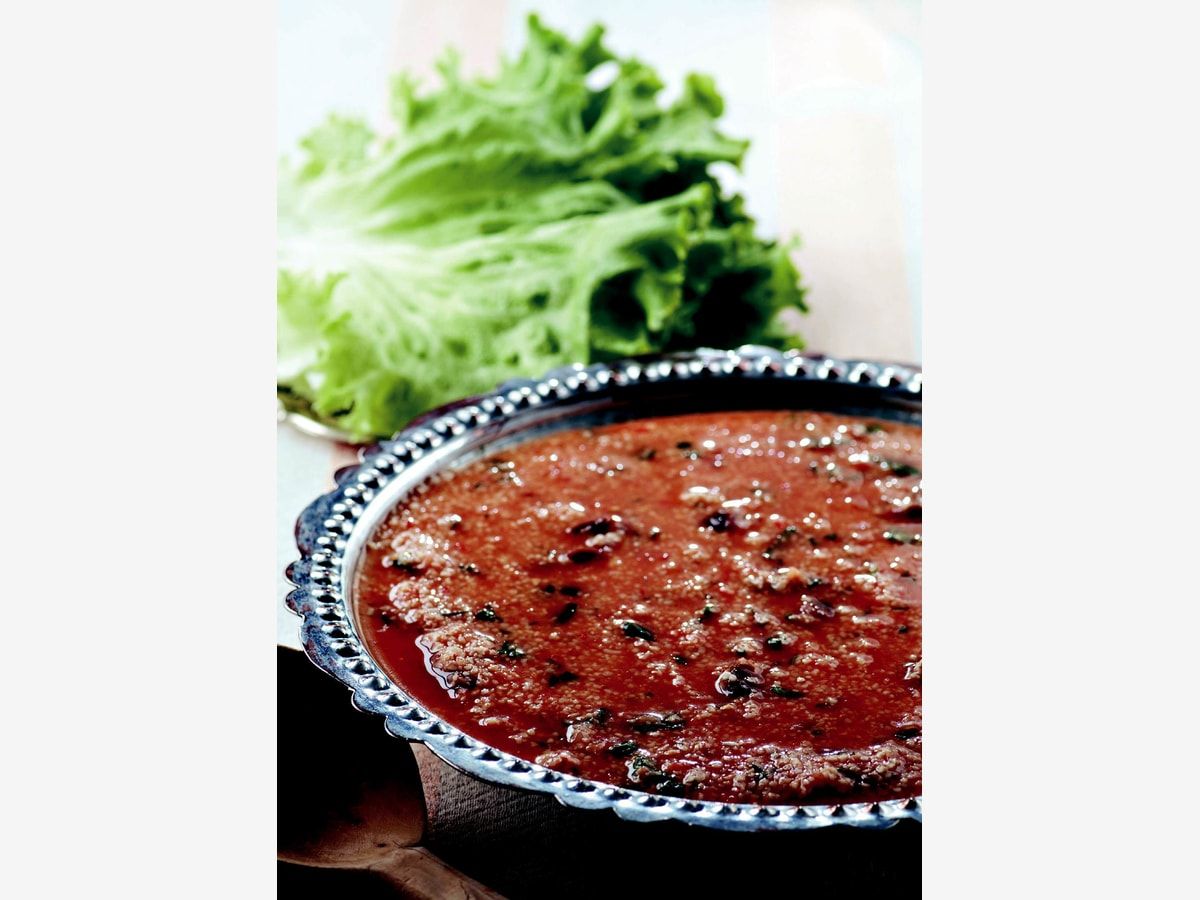
Batırık
A cold dish made with fine bulgur, prepared either dry or with the consistency of a soup.
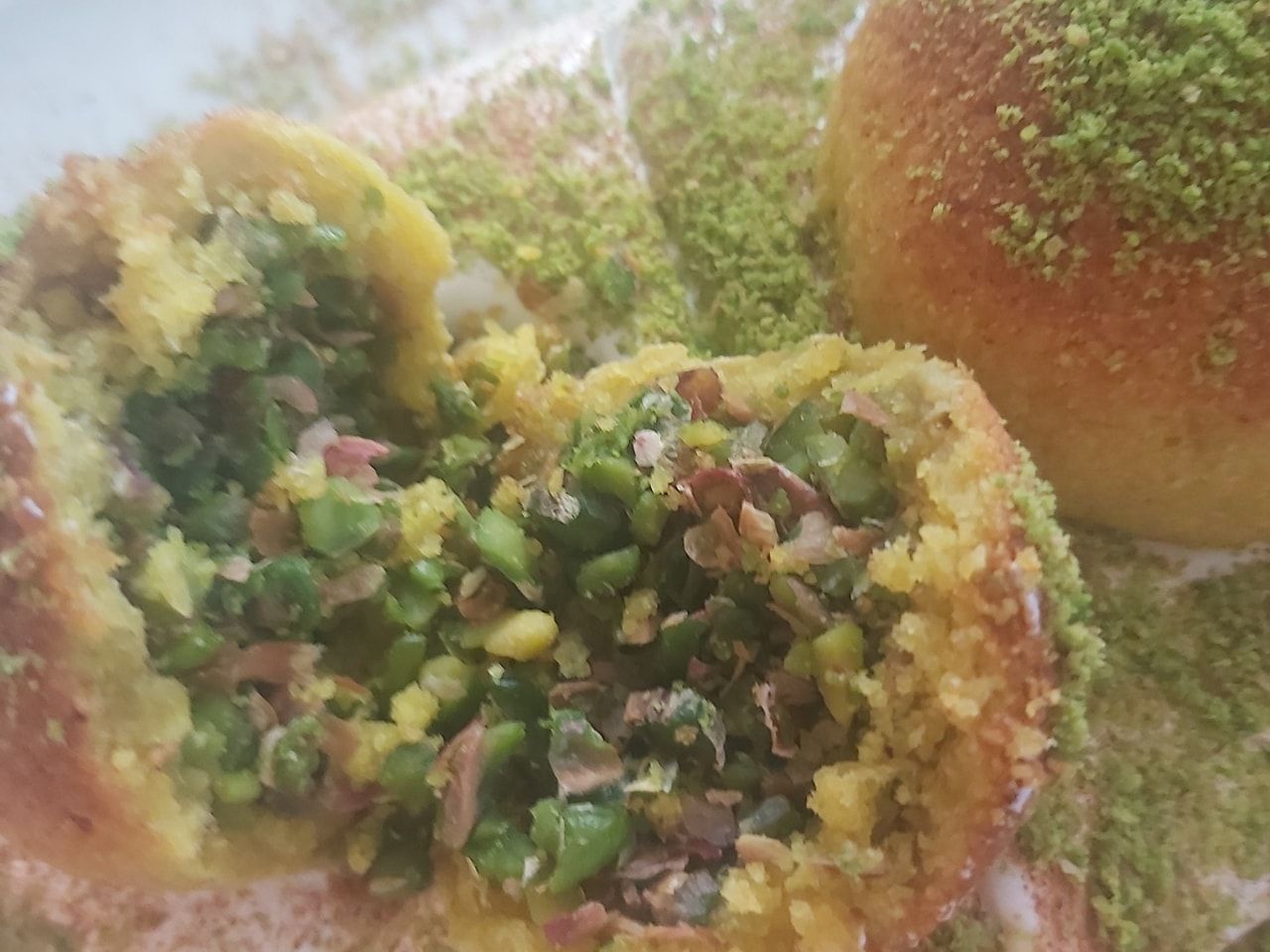
Kerebiç
Kerebiç is a dessert that is part of Mersin's food culture.
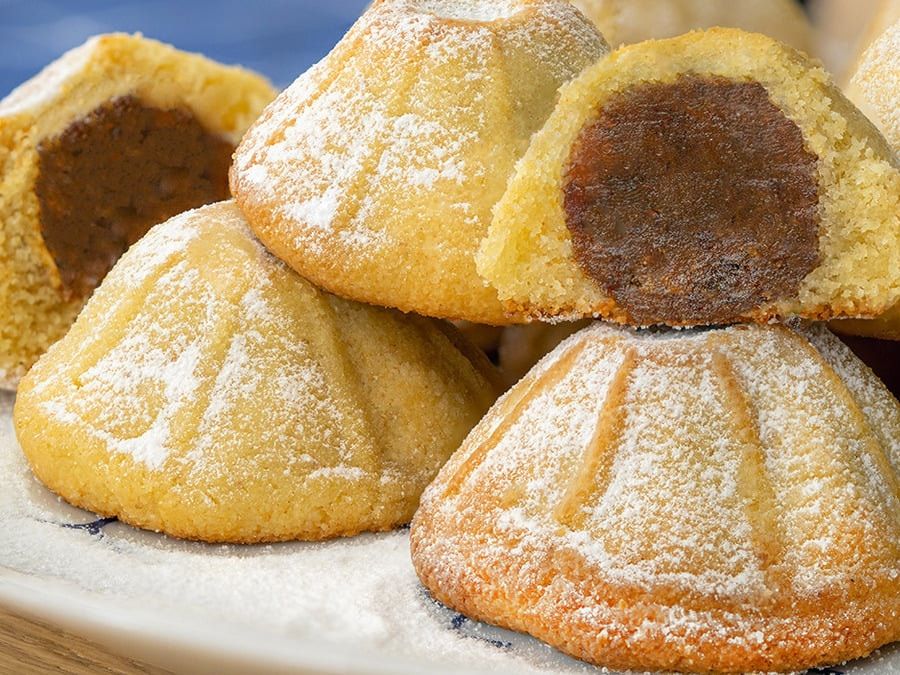
Mamül
A shaped cookie filled with date purée.
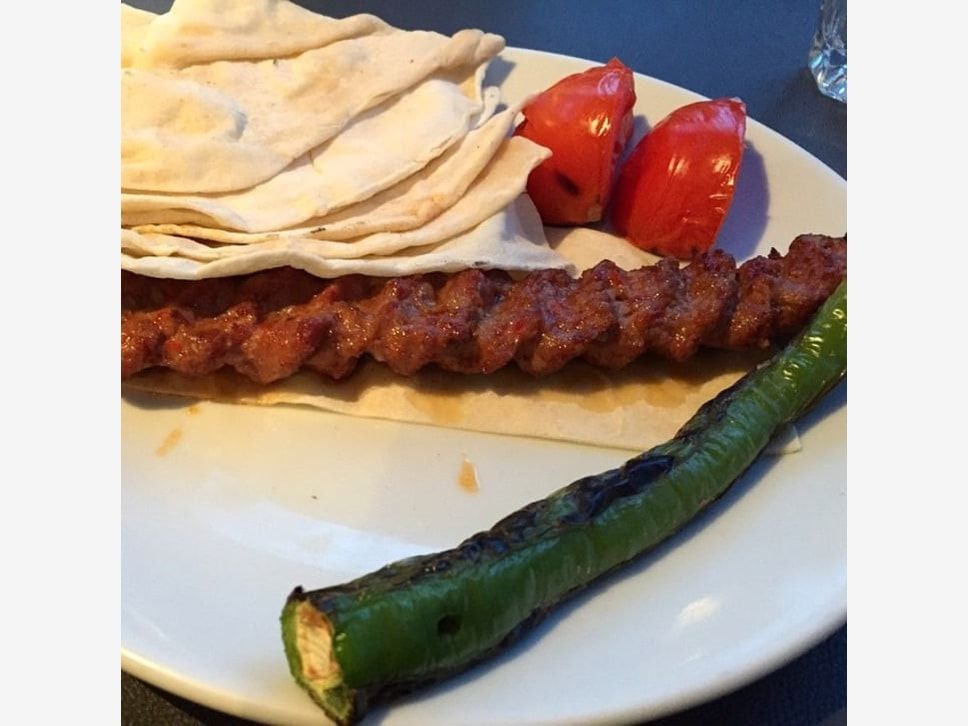
Tarsus kebabı
Mutton and tail fat are minced by hand with a zırh knife together with onion, parsley and pepper, wrapped onto flat skewers and turned over the embers of oak charcoal to cook. Tarsus Kebabı is registered with a geographical indication.
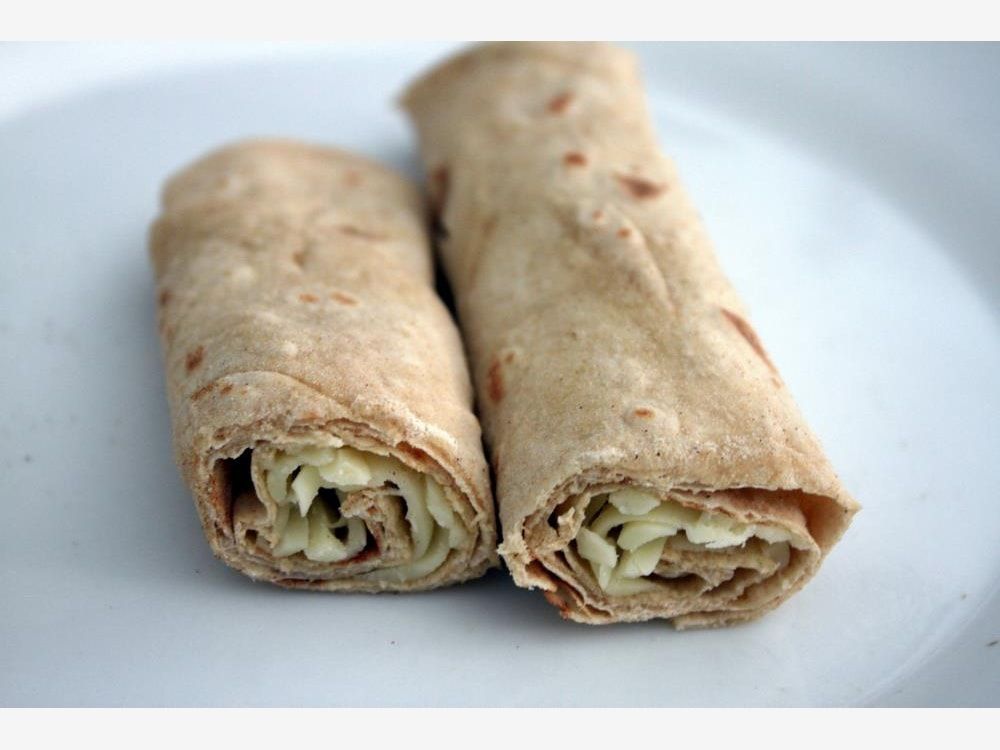
Sıkma
Also called Yörük sıkması; thin yufka is filled with potato or fried onion and cooked on a sac griddle.

Gölevez
A tuberous plant resembling the Jerusalem artichoke; it is cooked especially with dried beans.

Karsambaç
A cold dessert made by pouring pekmez (grape molasses) over ice or snow.

Cezerye
Cezerye is a sweet that is part of Mersin's food culture.

Kaynar
A thick drink served hot, made with spices, hazelnuts, pistachios and walnuts; it is offered to guests after a birth.
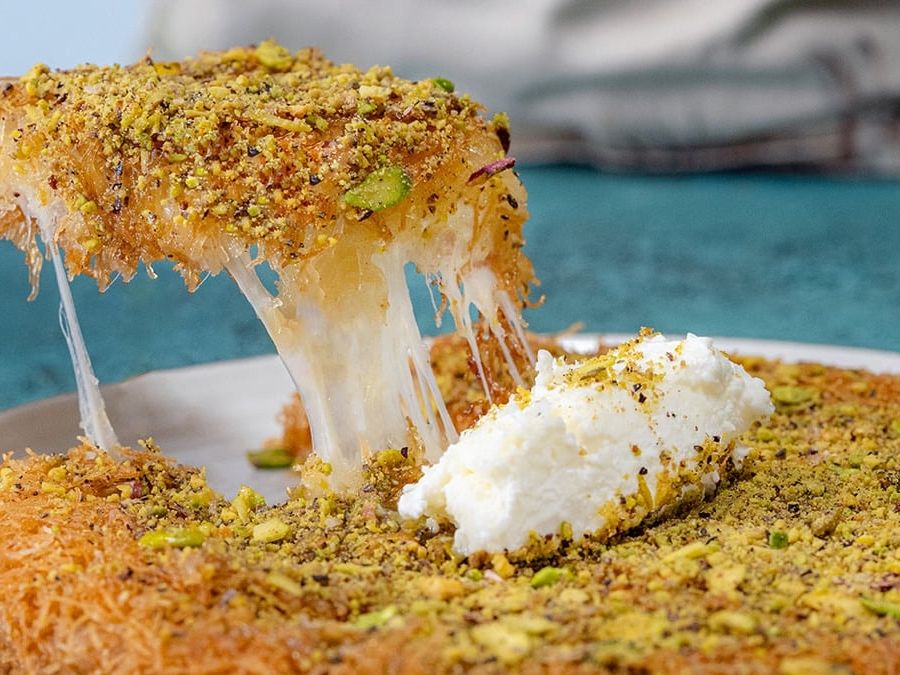
Künefe
Made by placing cheese between layers of tel kadayıf and soaking it in syrup; in Mersin it is made with plenty of cheese and syrup.

Şalgam suyu
A sour, deep red drink made by fermenting purple carrots and bulgur flour in salted water; in Tarsus it is drunk alongside kebab.
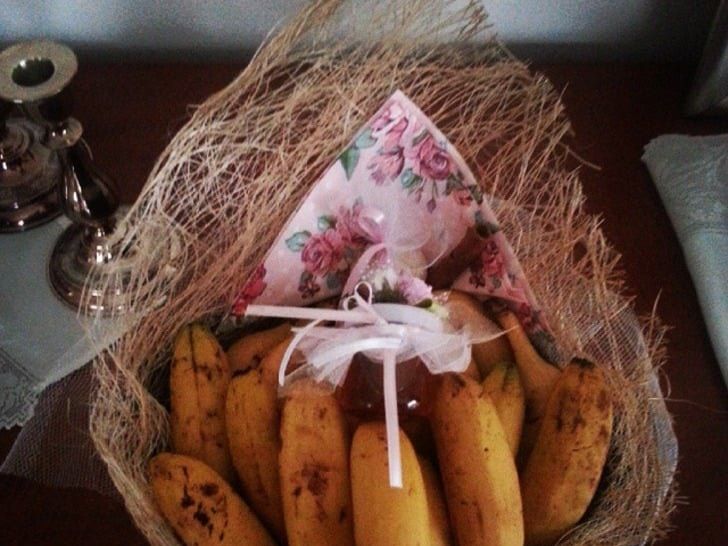
Anamur muzu
The Anamur banana, grown in Mersin, has become famous worldwide.


Places to visit in Mersin
1. Cennet-Cehennem Çökükleri
One of the first attractions that come to mind when Mersin is mentioned is the Cennet Cehennem Çökükleri (the Heaven and Hell sinkholes). These natural wonders in Narlıkuyu Mahallesi, Silifke, are today among Mersin's most visited sites. One of the pits is called the hell pit because you cannot get down to its floor without equipment. The sinkhole with the heaven pit got its name because there is a historic church in it. The subject of various legends, the Cennet (Heaven) pit is 70 metres deep and the Cehennem (Hell) pit 128 metres.
2. Astım Mağarası
Located 300 m south-west of the Cennet-Cehennem pits in Silifke, Astım Mağarası (Asthma Cave) is one of the places that best reflect the area's geography. Reached by an iron staircase, the cave consists of galleries 200 m long. Traces from the Tertiary can be seen in the cave, and its air is said to be good for asthma sufferers. Because visitors tie their wishes to the trees and bushes around it, it is also called Dilek Mağarası (Wishing Cave).
Where to stay in Silifke: Altınorfoz Otel
3. Yumuktepe Höyüğü
Named among the first places in the world where farming was practised, Yumuktepe Höyüğü (Yumuktepe Mound) has a history going back to 7,000 BC. The town founded by Neolithic farmers is also very important for studying humanity's patterns of agricultural production.
Closely linked throughout history with the other towns in the region, it is among the first places in the world where farming was practised. Finds from the mound are displayed in the Mersin Museum. Although there is not much of an impressive nature left at the mound, I recommend seeing such a place with your own eyes.
4. Adam Kayalar
Thought to have been made between the 1st century BC and the 2nd century AD in the Şeytan Deresi valley in Erdemli, Adam Kayalar (the Man Rocks) is one of the most original monuments in Turkey. Lying 7 km from the Kızkalesi township, this group of carvings is one of the few rare examples not only in Anatolia but in the world. It consists of reliefs of 11 men, 4 women, two children, a mountain goat and a Roman eagle in 9 niches. It is thought to have been made by the dignitaries or important commanders of the time out of gratitude to their families and children.
5. Mersin Marina
Turkey's largest marina in the Eastern Mediterranean basin, Mersin Marina has been in service since 2011. With a total capacity of 1,000 yachts, 500 on land and 500 at sea, the marina is also one of Mersin's important meeting places. With many facilities such as restaurants, a spa, bars, a yacht club and a sports centre, Mersin Marina has thought of everything yacht owners need. On Adnan Menderes Bulvarı, the marina is also a draw for anyone wanting to take a breather or have a meal. Have a Thai or Bali massage at DuyguSu SPA, the finest of the Mersin massage centres, very close to the marina.
6. Tarsus Museum
Tarsus, the district of Mersin known for faith tourism, is home to many holy places, especially for Christians. Known throughout history as a place where civilisations met in Anatolia, the name Tarsus also appears often in the history of Christianity. At the Tarsus Museum, founded in these lands at the heart of Cilicia, visitors can see more than 7,000 archaeological and ethnographic works.
7. Tarsus Şelalesi
The Tarsus Şelalesi (Tarsus Waterfall) on the Berdan Çayı north of Tarsus is one of the places where local people go for a breath of air. Used as a picnic area, the surroundings of the waterfall are popular especially at weekends. The area was used as a cemetery in the Roman period, and when the water is low, damaged tomb structures can be seen. One of the places to visit in Tarsus, the waterfall attracts not only people from Tarsus but also people from neighbouring provinces.
8. Saint Paul Kilisesi, Tarsus
The exact construction date of the church built in the name of St Paul, whom the Bible twice says was from Tarsus, is not known. Thought to have been built towards the end of the 18th century, the church bears the name of St Paul, who played an important role in the spread of Christianity.
The grey granite columns of the cut-stone St Paul Kilisesi (Church of St Paul) are said to bear traces of antiquity. The church underwent major repairs in 1862, and as one of Christianity's important pilgrimage centres, foreign tourists can be found there at any time of year. Admired for its frescoes, the church is regarded as the centre of faith tourism in Tarsus. One of Tarsus's most important sights, the church now serves as a museum.
9. St. Paul Kuyusu
The well in the garden of the Tarsus church of St Paul, one of Christianity's most important figures, who appears in the Bible, is a regular stop for many visitors. This historic place, known as St Paul's birthplace and dedicated to him, was in the past one of the stopping places for Christians on pilgrimage to Jerusalem. St. Paul Kuyusu (St Paul's Well), whose water never runs low at any time of year, is about 38 metres deep and 1.15 metres in diameter.
10. Tarsus Ulu Camii
The Tarsus Ulu Camii (Great Mosque of Tarsus) was built in 1579 by İbrahim Bey, son of the Ramazanid bey Piri Mehmet Paşa. In the oldest part of the town, once its centre, the mosque, with the tomb and imaret around it and the clock tower added in 1895, keeps the look of a large complex. In the tomb adjoining the mosque, called the Cami-i Kebir or Cami-i Nur, are the tomb chambers of Hz. Şit (Seth), Hz. Lokman Hekim and Caliph al-Ma'mun.
11. Şahmeran Hamamı
The Şahmeran Hamamı (Şahmeran Bathhouse), built in Tarsus by the Ramazanids on Roman foundations, has reopened after restoration. This building, which reflects the Turkish bath in all its features, is said to be where the legendary Şahmeran, with a human head and a snake's body, known as the king of snakes, was killed. Next to the Vakıf İşhanı, the bathhouse is one of the most popular places in Tarsus.
12. Yedi Uyurlar Mağarası
One of the caves in Anatolia associated with the belief in the Seven Sleepers, mentioned in both Christianity and Islam, the Eshab-ı Kehf Mağarası (Cave of the Companions of the Cave) is 12 km from Tarsus. Today the Yedi Uyurlar Mağarası (Cave of the Seven Sleepers), which draws many visitors, is entered down 6 steps. On the slopes of Mount Benclus, in a gently sloping valley in front of it, the cave is a holy place of pilgrimage. Named in the sura Kehf of the Qur'an, it has great value for faith tourism.
13. Kleopatra Kapısı
Tarsus, one of the most important port cities of the ancient world and a trading partner of the states in the region, has many monuments because of this. It is said that the Egyptian Queen Cleopatra, arriving by ship from the sea, entered Tarsus through this gate on her way to meet the Roman general Antony. Because of this history, the name of the gate, the surviving part of the walls of Tarsus once called the Deniz Kapısı (Sea Gate), has changed to Kleopatra Kapısı (Cleopatra's Gate). The gate is 8.50 m high and 5.60 metres wide.
14. Roma Yolu ve Kilikya Zafer Takı
The Roman Road and Cilician Triumphal Arch, on the high ground of Sağlıklı village 15 km from Tarsus, date back to the 1st century AD. Thought to have been used until the 4th century, the road is between 2.94 and 3 metres wide. Roman and Byzantine tombs and inscriptions about work done on the road shed light on history here. You should enjoy to the full walking on the road where St Paul, Cicero, Julius Caesar, Athenodoros, Nestor, Cleopatra, Mark Antony, Augustus and Hadrian are said to have walked.
15. Tarihi Tarsus Evleri
Although Tarsus, at an important crossroads where civilisations meet, has no single uniform settled culture, the historic houses of Tarsus reflect traces of the district's recent history. Reflecting the architecture of the Republican period, these houses stand out for their mud-brick, stone and timber construction. Nearly 300 of the historic houses have been registered, and if they are restored and opened to tourism, they will certainly strengthen Tarsus's claim in tourism. Walk the streets adorned by the old houses of Tarsus.
16. Kırk Kaşık Bedesteni
The liveliest traces of commercial life in Tarsus can be found at the Kırk Kaşık Bedesteni (Forty Spoons Bedesten). Beside the Ulu Cami and going back to the same period as the mosque, the bedesten was built in 1579 by İbrahim Bey, son of Piri Paşa of the Ramazanid beylik. Used for a time as an imaret and a medrese, the bedesten became a covered bazaar under the Republic. This building, Tarsus's centre for gifts and souvenirs, is a must-see.
17. Olba Antik Kenti, Silifke
The ancient city of Olba, at Örenköy in Silifke, is known as the centre of the Kingdom of Olba. In the city, whose most important historic buildings date from the Roman period, many monuments can still be seen. The walls built to defend the city still stand, as does part of the theatre, which offers a great opportunity to understand everyday life. The ancient theatre uncovered in the excavations is regarded as the city's most important monument.
18. Aya Tekla Kilisesi
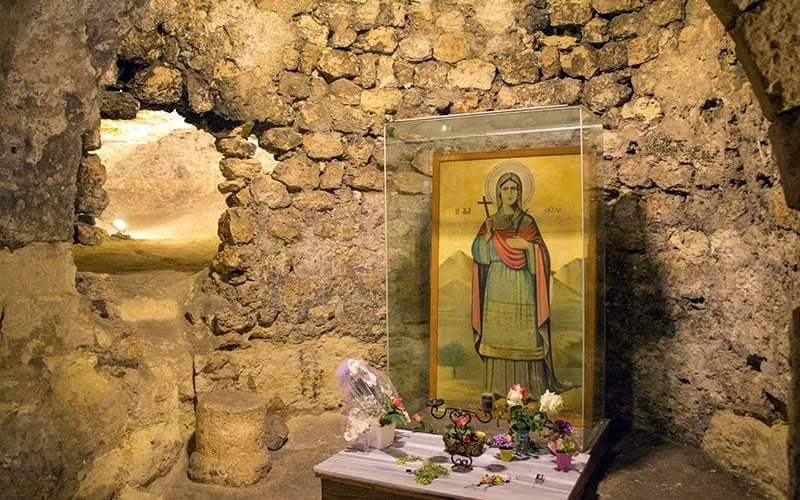
The church dedicated to Aya Tekla (St Thecla), who came to the area under the influence of the teachings of St Paul, one of Christianity's most important figures, is within the borders of Silifke. The cave where St Thecla hid while working to spread the faith, at a time when Christianity was not yet accepted as an official religion, was turned into a church from the 4th century. Known in her lifetime for healing the sick, the Aya Tekla Kilisesi (Church of St Thecla) soon became famous and is today one of the area's important attractions.
19. Cambazlı Kilisesi, Silifke
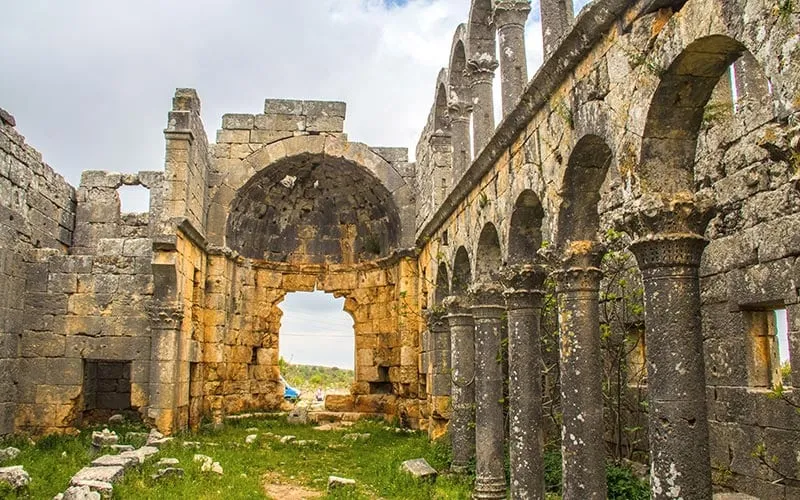
In my view, one of the most striking of the many holy places in Silifke is the Cambazlı Kilisesi (Cambazlı Church). I came across the church by chance while passing near Cambazlı village; unfortunately it is almost completely ruined.
The stone walls still standing give an idea of how splendid the ruined church once was. The north façade is completely closed, and all the walls of the apse can still be seen. Take a look at this village near the ancient city of Olba and the ancient remains around it, with rock tombs, sarcophagi and monumental tombs scattered about.
20. Göksu Deltası, Silifke
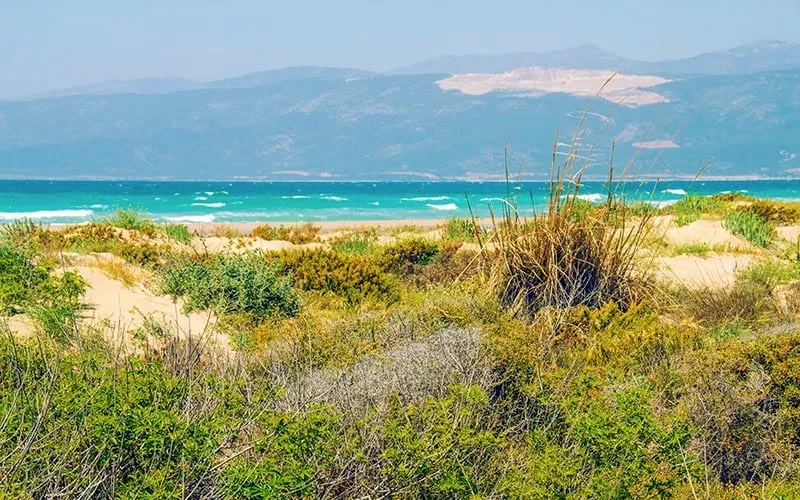
The Göksu Deltası (Göksu Delta), 85 km from central Mersin, is an important natural site in Anatolia with more than 500 bird species. Formed by the Göksu river, the delta has Erdemli to its east, Gülnar to its west, the Mediterranean to its south and Konya to its north, and it is a regular stop for birdwatchers. April and September stand out as the peak migration periods, and binoculars and equipment are essential for watchers.
21. Kanlıdivane, Erdemli
Kanlıdivane, in the Erdemli district, is 50 km from central Mersin. Although it has been claimed to have been a religious centre within the borders of the Kingdom of Olba, traces of a farming town have been found. In the city, settled without interruption between the 2nd century BC and the 7th century AD, the most exciting discovery was the olive-processing workshops. Known to have been an important trading centre because of its link with the ancient port, the ancient city of Kanlıdivane also has the remains of walls.
22. Mamure Kalesi
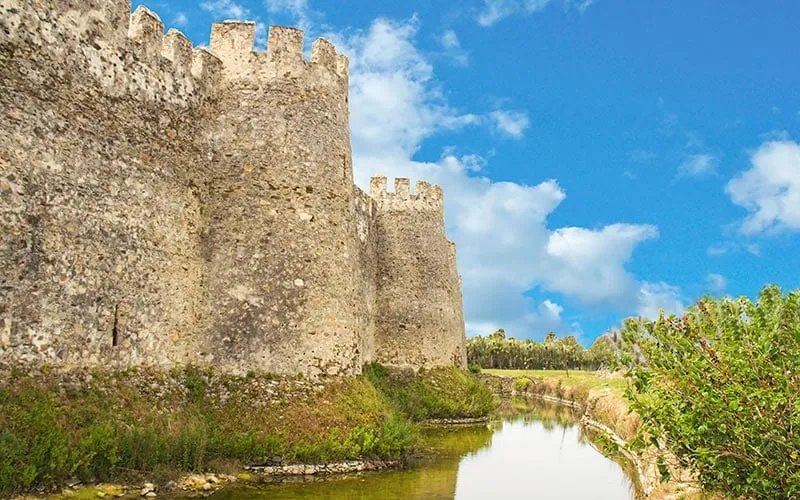
On the Mediterranean shore in Mersin's Anamur district,
Mamure Kalesi(Mamure Castle) still stands in all its majesty. This magnificent building, 6 km east of Anamur, bears traces of Roman, Byzantine, Seljuk, Karamanid and Ottoman styles. One of the largest castles in Turkey, Mamure Kalesi is likened in appearance to Alanya Castle. Within Mamure's double-storey castle walls, the interconnecting galleries catch the eye.
23. Aynalıgöl Mağarası
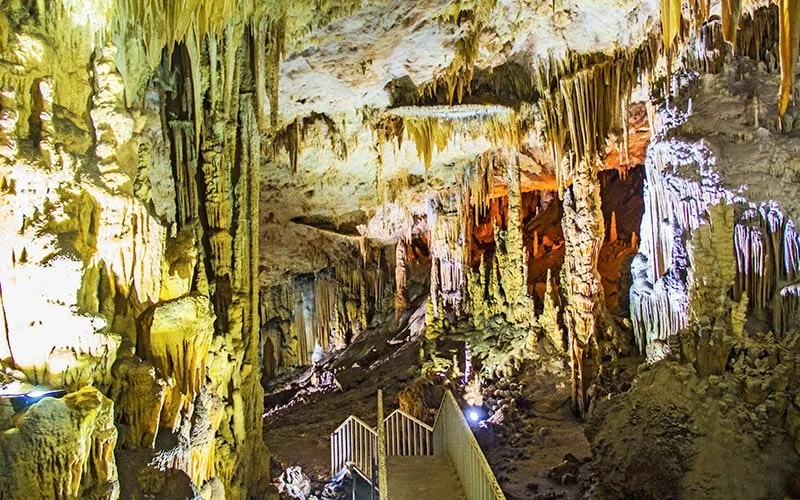
Aynalıgöl Mağarası (Aynalıgöl Cave) in Aydıncık, Mersin, is one of the most important natural wonders discovered in Turkey in recent times. The cave was found by chance in 1999 by a shepherd near Gemi Durağı, 10 km from Aydıncık. Also known as Gilindire Mağarası, it is entered by an iron staircase. Holding a lake that is half fresh and half salt water, the cave is admired for its stalactites and stalagmites.
24. Kızkalesi
One of Erdemli's best-known places, Kızkalesi is 60 km from Mersin and 23 km from Erdemli. Kız Kalesi (the Maiden's Castle), 200 m offshore and reached by fishing boat, draws many Turkish and foreign tourists with its castle, which has survived to the present. Kızkalesi appears in various legends. In the most often told story, a king who learns from a fortune-teller that his daughter will be bitten by a snake has a castle built in the middle of the sea and shuts his beautiful daughter in it with her servants. One day the girl longs for golden "Tarsus Beyazı" grapes. A snake that comes out of the basket of grapes sent from the palace bites her and she dies.
25. Soli Pompeiopolis Antik Kenti
Founded by colonists from Rhodes in 700 BC, 14 km south-west of Mersin, the ancient city of Soli Pompeiopolis takes its name from the sun. Near Mersin's Mezitli district, the ancient city bears traces of many civilisations, including the Neolithic, Hellenistic and Roman periods, and because of its ruined state it is also called Viranşehir (ruined city). Excavations continue, and hundreds of magnificent works dating back 3,000 years have been found at Pompeiopolis, now displayed in the Mersin Museum.
26. Mersin Arkeoloji Müzesi
At the top of the places you must see in Mersin is, without doubt, the Mersin Museum. Displaying archaeological and ethnographic works from all over the city, the museum sheds light on Mersin's history. Being in the city centre and easy to reach, it is one of the first places visitors to the city stop. In the 3 separate halls of the Mersin Museum, next to the Cultural Centre, you can see traces of civilisations.
27. Mersin Atatürk Evi Müzesi
The Atatürk House Museum, on Atatürk Caddesi, one of the busiest streets in central Mersin, was built in 1897 for the German consul of the time. The building, where Atatürk and his wife Latife Hanım stayed for 11 days when they visited the city in 1925, opened as a museum in 1992. It displays 22 items brought from the Anıtkabir Museum, and ethnographic objects are on its upper floor.
28. Refah Şehitleri Anıtı
Regarded as one of the most important monuments of recent history in Mersin, the Refah Şehitleri Anıtı (Refah Martyrs' Monument) was built in memory of the 167 soldiers who died when the Refah sank in a disaster in the Second World War. Travelling from Mersin to Port Said with 199 people on board, officers, NCOs and privates, the ship was torpedoed and sank near Cape Karpas, and our soldiers lost their lives. The monument in Atatürk Parkı is one of Mersin's most important symbols.
29. Latin İtalyan Katolik Kilisesi
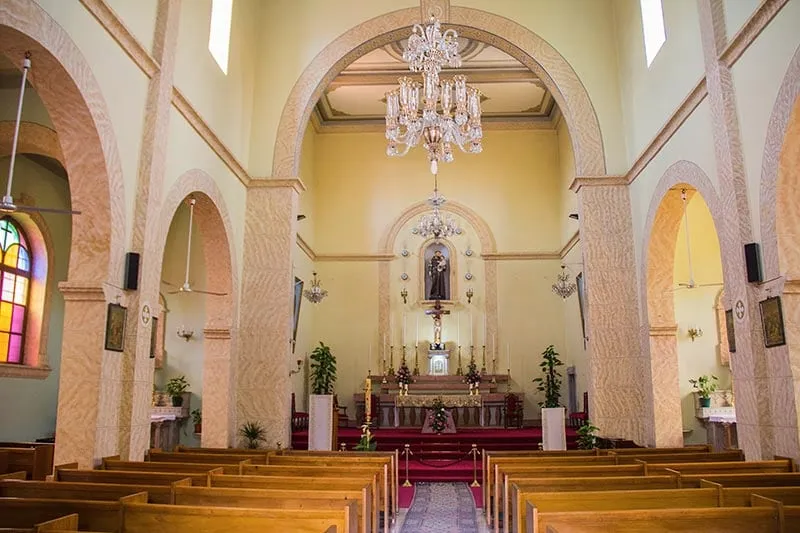
In 1843 P. Francesco of Pleghe (Italy), head of the Franciscan Capuchin priests in Çukurova, Lebanon and Syria, considered that a place of worship was needed to meet the religious needs of the Catholics in Tarsus. Father Giuseppe of Genoa, who was serving as a priest in Lebanon, was sent to Tarsus in 1844. Construction began in 1853 under a firman issued by Sultan Abdülmecid and was completed in 1898. The Catholic Boys' College, run by Capuchin and Marist priests, from 1854, and the Catholic Girls' College, run by the Sisters of St Joseph, from 1887, taught in the church while it was being altered. Construction of its present form, in cut limestone, began in 1892, and it opened for worship in 1898. The French consulate was long housed on its north side. The church has a very pleasant garden.
Besides its natural beauty, Mersin is home to important ancient cities with its historic and cultural past. This lovely city, which struggles with promotion, is built, as it were, on top of a historic heritage.
Source: https://yoldaolmak.com/mersin-gezilecek-yerler.html
Culture and arts in Mersin
Mersin has a lively cultural life. The first state opera and ballet to open in Turkey after the three largest cities is in Mersin, and it stages its performances at the Mersin Culture Centre. The International Mersin Music Festival is held every year.
The Mersin City Literature Award, given since 2007 with the support of the Mersin Chamber of Commerce and Industry, is cited as the first and only literary award in Turkey given in the name of a city.
Festivals are held for citrus fruit, Tantuni, film (Altın Limon), theatre, Mut apricots, Tarsus grapes and Silifke Batırık. Arslanköy hosts a paragliding and outdoor sports festival.
History of Mersin
HISTORY OF MERSIN UP TO THE 20TH CENTURY
Cilicia is divided in two according to its geology: Rough Cilicia (Trakheia) and Plain Cilicia (Pedias). Rough Cilicia stretches from Korakesion (Alanya) to Soloi/Pompeiopolis (Viranşehir). Plain Cilicia covers the area from Soloi/Pompeiopolis east to Alexandria kat' Isson (İskenderun). Because of its strategic geographical position, Cilicia was the scene of important events in every period of its history. Xenophon tells us that the trade route from Mesopotamia to Sardis passed through the Cilician Gates (Pylai Kilikias).
Finds from the excavations at Yumuktepe in Mersin and Gözlükule in Tarsus take the history of the Cilicia region back to the Proto-Chalcolithic and Neolithic. Architectural finds from the excavations also document that the Hittites were active in Cilicia during the long years they ruled Anatolia. The name Cilicia first appears in Assyrian documents in the 8th century BC; before that, in Egyptian records going back to the 13th century BC, the country appears under various forms of the name "Kedi" or "Kode".
Greek colonisation is seen in western Cilicia at the end of the 8th and beginning of the 7th century BC. According to Pomponius Mela, the Samians founded Kelenderis and Nagidos, the Aeginetans Aphrodisias, and the Lindians Soloi and Tarsos. From the 6th century BC, the Cilicia region was ruled first by the local kingdom of Pirundu, then under Babylonian and Persian rule. At the beginning of the 6th century BC the kingdom of Pirundu, with its capital at the city of Ura, grew strong between the Lamos (Limonlu) and Kalykadnos (Göksu) rivers. This power was destroyed by the kingdom of Babylon in 557 BC, which benefited the independent Syennesis dynasty that ruled the region until 546 BC. At that date Cilicia fell to the Persians, who invaded Anatolia, and a satrapy was set up under Darius, who came to the throne in 521 BC. Even so, the region was still ruled by a local dynasty and was obliged to pay the Persians a tribute of 500 talents of silver and 500 white horses. In the 5th and 4th centuries BC, despite Persian rule, Kelenderis in particular lived through one of the brightest periods of its history. This city, which became the easternmost member of the Delian League, also appears in the Athenian tribute lists of 425 BC. This shows that Athenian protection reached as far as the Cilician coast, and that under Athenian protection Cilicia kept its independence and carried on its trade.
The most comprehensive information about Cilicia belongs to the period after Alexander. After crossing into Anatolia, Alexander defeated the Persians a second time at Issus in 333 BC, and Cilicia became part of Alexander's empire. After Alexander's early death, the lands he had conquered were divided among three allied generals, and the Seleucid period began in Cilicia. At the head of the Seleucids in this period was Seleucus I Nicator.
The Roman Senate's decision, around 68 BC, to make Cilicia a Roman province with its capital at Tarsus was a turning point for the region's future. Cilicia was thus declared a provincia militaris (military district). This declaration meant that Rough Cilicia was placed directly under Roman administration and would from then on be governed regularly by Roman governors.
After Roman and Byzantine rule, in the region, where Muslim Arabs also appeared from the 17th century, various feudal organisations, including Armenian principalities, emerged as Byzantium's central authority weakened.
As for the origin of the name İçel: in the 12th century the Turks first called the area on both sides of the Göksu river "İÇEL" (the inner land). It is thought that the Seljuks gave the region this name because it was a place among the mountains, hard to enter and to see.
Two different views on the origin of the name Mersin are widely accepted. The first is that the region was named Mersin after the myrtle (Myrtus, mersin) tree, a characteristic plant of the Mediterranean climate that grows in the area and which the Arabs called Hambales.
The second is the view that the name Mersin comes from a Turkmen family called "Mersinoğulları" or "Mersinoğlu" that lived in the area. In his Seyahatname, Evliya Çelebi also states that there was a Turkmen clan of seventy households in the area and that its name was Mersinoğlu. According to another view, the name Mersin comes not from a plant but from a tribe called Mersinoğlu living in the area. The name Mersin can be found in various parts of Anatolia; villages called Mersin and Mersinlik in İzmir, Ordu and Trabzon are a few examples.
The settlements within Mersin's borders are seen to have belonged to many different political and administrative structures through history. Changing hands several times between the Arabs and the Byzantines, the region became one of the frontier zones the Arabs called "thughur". Because of their position, these frontier zones often saw the ruling states change. Until Ottoman rule, the province kept changing hands as a frontier zone, first between Byzantium and the Islamic world, then between the Seljuk and Ottoman states and the Mamluks. Also because it was a frontier zone, and taking advantage of the weaknesses of Byzantium and the great Islamic states at different times, regionally based political formations that could be called feudal, such as the Armenian Principality of Cilicia and the Ramazanid beylik, also appeared in the region.
From the first raids of the Muslim Arabs, which reached the region in 637, until Byzantium regained control in 965, Mersin changed hands about 25 times. But from 637 onwards the province began to bear the indelible marks of Islamic culture as well as Christianity.
Byzantium ended the feudal Armenian principalities on its eastern borders and moved some of the Armenians to the region that includes the province between 976 and 1025. As the central power of the Byzantine Empire weakened, temporary feudal Armenian organisations appeared in the region from 1081. Taking advantage of the region's frontier character, the Armenian principalities tried to survive, sometimes under the control of Byzantium, sometimes of the Mongols and the Mamluks; Armenian political organisation came to an end when the region passed definitively under Mamluk control in 1360.
The Turks first appeared in the region with the raids of Turkmen groups led by Süleyman Şah, son of Kutalmış, founder of the Anatolian Seljuk State, between 1082 and 1083. In 1097, during the First Crusade, rule passed back to Byzantium from local Armenian forces with the help of Tancred and Baldwin, and in 1099 it came under the control of Bohemond, leader of the crusader armies, who founded the Principality of Antioch. But this control did not last long, and the rule of local Armenian forces continued in the region in 1100–1130. In the 12th century, too, the Anatolian Seljuks and independent Turkmen groups joined the conflicts in the region between Armenian elements wishing to act independently and Byzantium. Turkmen raids and settlement, which intensified between 1155 and 1192, later led to the founding of Turkmen beyliks acting independently in this frontier zone. In 1189 the crusaders, including the German Emperor Frederick Barbarossa, again camped in the region.
Passing under Mongol control between 1243 and 1253, the region was the scene in 1318 of wars for supremacy between the Karamanids, the Mongols and the Mamluks. As a result of these wars, the region came definitively within the Mamluk sphere of influence in 1374 and remained under the rule of Turkmen beyliks that could act largely independently, the Ramazanids above all. These Turkmen beyliks tried to survive, sometimes as vassals of the Karamanids, sometimes of the Mamluks and later of the Ottomans, taking advantage of the conflicts between these states. The Ramazanids' influence in the region seems to have begun much earlier, from 1338.
When the Ottoman Sultan Mehmed the Conqueror put an end to the Karamanid beylik in 1476, the area that includes the province became a zone where the Ottomans and the Mamluks faced each other directly. Although the Ottomans came down into Cilicia between 1482 and 1485 and defeated the Ramazanids, vassals of the Mamluks, several times, Mamluk influence continued in the region after 1485. In particular, the defeat of the 60,000-strong army of Grand Vizier Hadım Ali Paşa by the Mamluk army at Ağaçayırı near Adana in 1488 shows the difficulties the Ottomans faced in dominating the region. The Ottoman state was able to rule the region only after the battles of Marj Dabiq and Ridaniya in 1516–1517.
Under Ottoman rule, the region that includes Mersin belonged to different administrative units, depending on changes and developments in Ottoman administrative divisions. After Selim the Grim defeated the Egyptian Mamluks in the 1520s, the sanjaks of Adana, Uzeyr, Tarsus and Sis lay within the borders of the "Vilâyet-i Arab" that was formed. The region, later attached to the province of Aleppo, was attached at the end of the 16th century to the newly formed province of Adana. In 1571 part of the region was attached to the Karaman eyalet and part to the newly captured Beylerbeylik of Cyprus. From 1660 the region, separated from the Beylerbeylik of Cyprus, was again brought within the borders of the Adana eyalet. According to the land registers (tapu tahrir defterleri), in the 16th century the area within our province's borders was divided between the sanjaks of Adana, Tarsus and İçel. The sanjak of Tarsus consisted of Nefs-i Tarsus and the nahiyes of Tarsus, Kosun, Ulaş and Kuş-Temür. The sanjak of İçel consisted of the nahiyes of Ermenek, Selendi, Anamur, Gülnar and Silifke and the kazas of Karı/Kara-taş, Mud, Sinanlu and Bozdoğan.
In the State Yearbook (Devlet Salnamesi) of 1857, which must have used 1856 data, Ottoman administration in the region of the province consisted of the İç-İl liva (sanjak) of the Karaman eyalet and the Tarsus liva of the Adana eyalet.
The İç-il and Tarsus livas consisted of the following settlements or small administrative units:
LİVA-YI İÇ-İL: Ermenek, Nevahi-yi Ermenek, Karataş mea Argadı, Silinti mea Bülke-i Pazarcık ve Bülke-i İnce-ağız, Anamur nam-ı diğer Mamuriye, Gülnar nam-ı diğer Gilindire mea Bülke-i Boz-ağaç ve Bölke-i Yörükân ve Bölke-i Gerîne, Selefke, Evkaf, Bölke-i Cebel, Nahiye-i Zeyne, Sarıkavak, Mud, Sinanlu, Aşiret-i Keşlü, Aşiret-i İrmelü, Aşiret-i Bolaclu/Polaçlu, Aşiret-i Tatar, Aşiret-i Karabocılu, Aşiret-i Kara-hacılu, Aşiret-i Bahşaş, Aşiret-i Kürdeci, Aşiret-i Sandallu, Aşiret-i Hayrillü/ Hayraiüllü, Aşiret-i Kıbtıyân, LİVA-YI TARSUS; Tarsus, Nahiye-i Elvanlı, Nahiye-i Olaş, Nahiye-i Gökçelü, Nahiye-i Koştemir, Nahiye-i Namrun Bölkesi, Nahiye-i Yelkesi, Kasun mea Gülek.
In the Provincial Regulation (Vilayet Nizamnamesi) of 1867, although the İç-il sanjak continued to exist, Tarsus is seen to have ceased to be a sanjak centre and to have been attached to the province of Adana. In 1877 the towns of Tarsus and Mersin are seen to have become kaza centres of the Adana sanjak of the province of Adana. Mersin, the centre of our province, which until 1852 was a village within the kaza of Tarsus, became a nahiye of Tarsus from that date, and in 1864 it became a kaza centre separate from Tarsus. In 1888 Mersin became a sanjak centre attached to the province of Adana, and Tarsus was attached to Mersin. For a time, however, Tarsus was the centre of the Mersin sanjak. This administrative division is seen to have continued in the Second Constitutional period too. In the last days of the Ottoman state, our province, which faced the danger of leaving Turkish rule after the First World War and lived through the occupation of some of its areas, joined the National Struggle with all its strength.
1.2. MERSIN DURING THE NATIONAL STRUGGLE
The Çukurova region was occupied by the British and French after the Armistice of Mudros signed on 30 October 1918. Although great hardships were suffered from the start of the occupation, this did not daunt the people of Mersin, who made Mersin and its surroundings one of the strong fronts of resistance of the Kuvayi Milliye.
While the First World War ended for the Ottoman state with the 25-article Armistice of Mudros, the articles of this agreement that directly concerned Mersin were articles 5, 7, 10 and 16.
As across the whole country, Çukurova and Mersin were occupied under article 7, the official justification for the occupations.
During the occupation there were civil societies, military (Kuvayi Milliye) organisations and resistance in the region, but apart from the Pozantı Congress there were no congress movements. Immediately after the armistice was signed, Mustafa Kemal came to Adana and took over command of the Yıldırım Army Group from the German Marshal Liman von Sanders. There he met representatives from the sanjaks of the province of Adana and informed them about the measures to be taken. In these meetings the Mersin sanjak was represented by Niyazi Ramazanoğlu, then headmaster of Adana High School. Mustafa Kemal came to Mersin on 5 November 1918, met the mutasarrıf and the captain of the gendarmerie company there, and advised that the weapons in the depot be distributed with plenty of ammunition to the mountain villages.
The news of the occupation caused excitement and alarm among the people of Mersin. Before long, on 17 December 1918, Mersin was occupied, citing the relevant articles of the armistice, by the British, most of whose soldiers were Indian troops.
A week after the British occupation, rumours that the French would also join the occupation caused new excitement among the people. Meanwhile the British occupation command asked the mutasarrıflık to point out a place for the French units, and among the buildings shown found the Taşhan in the middle of the town suitable. On 1 January 1919 the French also occupied Mersin, by the same method and on the same grounds. Mersin was thus occupied by two allied powers.
The fact that the occupation took place so early, immediately after the armistice, caught the people of the region unprepared. The British occupation in particular was carried out quietly, and attempted protests in the town were neutralised by the strict security measures of the gendarmerie. Protest telegrams sent to the Istanbul government could not change the outcome either. The effort in Istanbul to bring these reactions together under one roof resulted in the founding of the "Kilikyalılar Cemiyeti" (Society of Cilicians).
During the occupation, the Müdafaa-i Hukuk (Defence of Rights) organisations set up in Mut, Mersin, Gülnar, Silifke and Arslanköy formed various armed units and waged an important struggle against the French in the area.
Within the Mersin Defence Group, formed in line with directives from Sivas, fighting units such as the Sahil, Bozo, Emirler, Hamzabeyli, Çopurlu, Alsancak, Buluklu and Efrenk detachments fought battles that wore down the occupying forces, such as the Battle of İçme, the Su Bendi battles, the Gudubes battles and the Battle of Emirler. Mersin was freed from this bitter occupation only after the Ankara Agreement signed between France and Turkey on 20 October 1921.
In the history of the liberation of Çukurova, the event known as the "20-day ceasefire" laid the ground for ending the war between the Grand National Assembly government and France. In the Nutuk, Mustafa Kemal says of the 20-day ceasefire that a French delegation under the supervision of a certain Monsieur Duquest came to Ankara, that a 20-day armistice was made with this delegation, and that some deputies in the Grand National Assembly objected to it, but that his aim was to organise and reorganise calmly the national forces on the Adana fronts, which had been partly reinforced with soldiers.
Mustafa Kemal describes the process leading to the agreement with the French as follows:
"With the Second Victory of İnönü, the Greek offensive had been broken. The Treaty of Moscow had been made with Russia, and our position in the East was clear. We wished to come to terms with those of the Entente Powers who could respect our national principles. Saving Adana, Ayıntap and their surroundings from foreign occupation in particular seemed important to us. It was understood that for various reasons the French, too, were inclined to come to terms with us."
Before the 20-day ceasefire had even run out, fighting between the two sides resumed. In France, Leygues, who had replaced Millerand as Prime Minister, began to speak of the possibility of changing the terms of Sèvres. Meanwhile the French writer Pierre Loti, known as a friend of the Turks, published articles criticising France's Turkish policy and saying that friendly relations should be established with the Turks and the Cilicia region evacuated, creating a climate in French public opinion favourable to the Turks.
On 20 October 1921, after two weeks of negotiations between the Turkish Foreign Minister Yusuf Kemal Tengirşenk and Franklin Bouillon, the "Ankara Agreement" (Accord Franco-Turc), drawn up in 13 articles, was signed. Under this agreement our Syrian border was drawn in its present form, except for Hatay, and the French agreed to withdraw their soldiers north of this border by 20 December 1921. The agreement also gave the French the right to operate certain mines and a cotton factory in Adana, and allowed certain schools in Anatolia to continue. The French, for their part, left some of the weapons and materials they had brought to Anatolia to the Turks. The Ankara Agreement ended the wars that had been going on in South-Eastern Anatolia and Çukurova and secured the liberation of the occupied areas. The handover procedures in the region were completed by 5 January 1922.
The date of Mersin's liberation from occupation is 3 January 1922. It is an indisputable fact that the process symbolising the liberation of Çukurova from occupation began with the Ankara Agreement signed between the Grand National Assembly government and France on 20 October 1921. After this date the official terms of the agreement were carried out with the French army, and the French began to withdraw from Turkish territory.
BIBLIOGRAPHY
1. Kurtuluş Savaşı’nda İçel, Türkiye Kuvayi Milliye Mücahit ve Gazileri Cemiyeti Mersin Şubesi Yay., İstanbul, 1971. s.29-31.
2. M. Kemal’in Pozantı Kongresi ve Adana’nın Kurtuluşu, İpek Matbaası, Adana, 1963, s.15.
3. Milli Mücadele’nin Sosyal Tarihi (Müdafaa-i Hukuk Cemiyetleri), İstanbul, 1997, s.219.
4. İçel Tarihi, Güzel Sanatlar Matbaası, Ankara, 1968, s.245-246.
5. Mustafa Kemal ATATÜRK, Nutuk, Cilt II, (1920-27) 5.baskı, ist.1962, s.453.
6. Şerafettin TURAN, Türk Devrim Tarihi, 2.Kitap, Ankara, 1992, s.218-219.
MERSIN IN MODERN TIMES
With the proclamation of the Republic, Mersin became a provincial centre and the province was named the Province of Mersin. In 1933, under Law No. 2197, the provinces of İçel (Silifke) and Mersin were merged to form the Province of İçel with its present borders. With a law passed by the Grand National Assembly on 20 June 2002, the name İçel was changed back to Mersin.
Mersin is one of the fastest-growing areas in Turkey. A kaza with a population of 8,047 in the 1870s, 57 years later, in 1927, the central district of the Province of Mersin had reached 47,000, and so it became one of the important cities of the Mediterranean.
Looking at the sanjak's general revenues, agriculture was the item that brought in most income in the Mersin sanjak, followed in order by livestock, property and rent tax, income tax and customs. The main occupations were weaving, drapery, the production of oil, wine and rakı, forestry, animal husbandry, flour production, timber and farming.
There is a parallel between Mersin's administrative development and its socio-economic development. In other words, over the course of history, Mersin's economic, social and demographic development led to changes in its administrative status. We can make the following observations on the reasons for this development:
At the Tarsus (Kazanlı) harbour, used until the beginning of the 19th century, alluvial deposits filled the mouth of the river and stopped ships from approaching the shore. So instead of Tarsus, used since antiquity, the port of Mersin, better suited for ships to berth, came into use. The port of Mersin is a natural harbour. At natural harbours, people and goods of every kind come together by land and sea from everywhere imaginable. As historians and geographers have often pointed out, peripheral port cities are privileged places connected with the capitalist world economy. Trade here radically affected and transformed the physical appearance, economic relations, population dynamics, class structures and cultural life of the port cities that gained importance in the period of capitalist opening in the 19th century.
It is a fact that the Suez Canal, opened in 1869, brought new life to Mediterranean trade and to the port of Mersin. But the fact that Mersin was still a kaza at that date shows that, compared with the ports of İzmir, Istanbul, Trabzon and Beirut, the port of Mersin was a late Mediterranean port.
So that the region's agricultural products could be exported cheaply and safely, the railway link between the port of Mersin and Adana and Tarsus was built in 1888. Mersin thus became a port city through which imports and exports mainly passed. Imported goods were brought here and distributed to the surrounding provinces, sanjaks, kazas and villages.
At the end of the 19th century, the presence in the town of consulates of countries such as Britain, France, Italy, Egypt, Greece, Germany and Russia is a sign of developed trade in the area. Merchants who carried goods between agricultural areas like Çukurova and industrial centres settled over time in port cities like Mersin and made their living this way. As the yearbooks (salname) note, non-Muslims and foreigners were engaged in trade, while Turks generally lived by farming and animal husbandry.
As land suitable for farming in Çukurova was reclaimed, the amount and variety of agricultural production in the region increased. During the American Civil War (1861–1865), European industrialists' need for cotton arose, efforts to increase production in the region paid off, and, as the yearbooks note, cotton became the most produced of the industrial crops.
After 1980, with the Mersin Free Zone and the organised industrial zones coming into operation, Mersin's industry and the regional economy made an important leap.
MERSIN TODAY:
After 1980 the population of the city of Mersin faced an intense wave of migration and rose continuously.
These growth rates were above the regional and national average. In this sense Mersin became a centre of migration. As in Turkey generally, push, pull and transmitting forces drove the growth of urbanisation in Mersin.
Cities continued to develop within the framework of these three forces. In this process, Mersin's mild climate, its labour potential, its very favourable living conditions, tourism, industry, trade and, for the last 10 years, its identity as a university city made Mersin "attractive".
But behind this attractiveness there are also the push factors that are the real source of the migration directing population to Mersin. Considered within the framework of push and pull forces/factors, various problems have arisen in Mersin in terms of urban development, such as shanty building, unplanned construction and environmental pollution.
Despite all these problems, Mersin, with its endless clean beaches along the Mediterranean, its orange and lemon groves and its many historic monuments, is one of the few cities in our country that can be self-sufficient. There is no other city in the world where the graves of people of the three monotheistic religions lie side by side.
Home to Turkey's tallest skyscraper, the second largest mosque in the history of the Republic and important centres of the Christian world, Mersin is the only city of ours, after the big cities, with a state opera and ballet.
With 50.8% of its land covered by forest, Mersin, with its clean air, developed economy and the tolerance that comes from its cultural diversity, will continue in the 2000s to be a city that those who settle never leave.
The National War of Independence
The occupation of Mersin by the British and the French
A famous economic historian says: "Where there are economic interests, there are soldiers and war." The First World War had broken out for economic reasons. At the end of the war, the economic areas and resources of the defeated countries were seized first.
30 October 1918; the place: the British battleship Agamemnon, anchored in the harbour of Mudros on the island of Lemnos. At the end of the First World War, Vice-Admiral Sir S.A.G. Calthorpe, on behalf of the Entente Powers, was forcing the delegation of the defeated Ottoman Empire to sign a 25-article armistice (Mun'akit Mütâreke-Nâme).
This so-called armistice, known in our history books as the "Armistice of Mudros", was in reality a bitter document that ended the political and economic sovereignty of a 600-year-old empire. The colonial empires were not content with this document. Meeting in Paris in February 1919, they decided to give Western Anatolia to Greece. From then on, Anatolia, the heart of the exhausted empire, would be occupied on all sides.
On the morning of 17.12.1918 the British began to occupy Mersin. Ş. Develi describes this occupation as follows: "At 9 o'clock a British officer stepped out of a launch approaching the Mersin pier, handed an envelope to the assistant pier superintendent and returned to his ship. Mutasarrıf Galip Bey was in a meeting at the Government House with Gendarmerie Major Hüseyin Hüsnü and Police Superintendent Hüsnü. The translated letter brought by the British officer announced that, under article 7 of the armistice and according to the latest agreement, the occupation of Cilicia would begin from Mersin in order to maintain public order; that the landing would be made from the pier near the station; that there would be no interference with the Ottoman administration and its officials; that the occupation was temporary; that the people should not get agitated; and that responsibility for any resistance would lie with the administrators. It asked that "the square near the pier, the British factories, the station building and the American College will be occupied; the necessary measures should be taken."
At around 10 o'clock, Captain Mehmet Selahittin Han's Muslim Indian company landed at the German pier and settled in the British factory. The first days of the occupation passed without incident. Major Bak, at the head of the occupation, made contact with Mutasarrıf Galip Bey and did not interfere in the administration. The occupying British set up their headquarters in the American College building and established a checkpoint at the station under Lieutenant Arthur. After 16 uneventful days, on 2.1.1918, French occupation troops and the Armenian Legion regiment under Lieutenant-Colonel Romieu landed at the Customs pier, settled in the Taşhan and joined the occupation. The Armenian volunteers of the French occupation force settled in tents at the Taşhan, Araplar village, Hristiyan village and Zeytinlibahçe, and the Tunisian and Algerian soldiers in the military barracks and the Müftü Medresesi.
On 12.11.1919 the British forces withdrew and the French remained as the occupiers. In an order issued on 19.01.1919, the French occupation command announced that Colonel Brémond had been appointed Chief Administrator in Adana and Major Anfre as Governor in Mersin. Anfre reserved the hall of the Government House as his office. He appointed Mardiros Dellalyan of the French consulate staff as interpreter, Naval Officer Tilçer as customs controller, Lieutenant Salandrı as head of the municipality, Sergeant-Major Patini as police superintendent, Reserve Second Lieutenant Yakupyan to the gendarmerie and Hapet Tulumcuyan to the finance office.
Governor Antre asked Mutasarrıf Galip Bey to introduce him to the administrators and to representatives of the various communities, and he was introduced to Salim, Director of Correspondence; Kanbur Cemal, the accountant; Lazkiyeli Şükrü, Director of the Land Registry; Mehmet Latif, Director of Collections; Ziya, Director of the Population Registry; Hulisi, Director of Foundations; Osman, President of the Criminal Court; Tahsin, President of the Court of First Instance and kadı; İhsan, Director of Customs; Major Zühtü, Gendarmerie Commander; and Hüsnü Bey, Police Superintendent. At Governor Anfrei's suggestion, charitable societies began to be founded; but because he could not stand the name "Turk", the name of the Turkish Charitable Society that was to be founded was first Cemiyetül islamiyetül Hayriye and later changed to the İslam Hayır Cemiyeti (Islamic Charitable Society). Mufti Abdullah was elected its president; Ahmet Ergelen and Galip Hasip vice-presidents; and Ziya Yalaz, Dr. Hayri Tolunay, Ömer Lütfü Kutay, Niyazi Develi, Hacı Yusuf Ağazade Tahsin and Hıdıroğlu Ali Bey members. The society's known meeting place was the room of the Yeni Camii. Meanwhile another, secret society was formed of Acting Gendarmerie Commander Captain Haydar, Battalion Commander Galip, Gendarmerie clerk Ali Rıza, Ziya and Dr. Hayri, which met at the house of Palancı Mahmut Ağa of Tarsus and worked to resist the occupation.
Other societies had also been founded: Cemiyetül islamiyetül Arabiyetül Hayriye, Cemiyetül İslamiyetül Hayriyetül Şiiye and, apart from the Islamic societies, the United Armenian Society, the Greek Society, the Arab Christian societies of the Orthodox and Maronites, the Jewish Society and the Kurdish Aid Society."
The founding of the Kuvayi Milliye movement in Mersin
A. Demirtaş describes this as follows: "At the Sivas Congress (4–12 September 1919), as a result of Mustafa Kemal's talks, as President of the Representative Committee, with representatives of local organisations, it was decided that all the local organisations should be brought together under the name of the Anatolian and Rumelian Defence of Rights Society and the national forces united.
After this decision, as everywhere in the country, the national organisations in İçel too began to carry on their work as branches of this great organisation. In this way all the military forces and people's militias (bands) were united under the name of the National Forces and began to serve with the discipline of a regular army.
In a secret order sent to the army corps, Mustafa Kemal set out which corps could help which areas and how. Accordingly, in the occupied region of Eastern Cilicia, the 20th Corps in Ankara would approach from the north and the 12th Corps in Konya from the west, to prepare the national forces in the area and give them the necessary support.
Under these instructions, a group of officers of the 12th Corps in Konya, led by Major Hüseyin Hüsnü Bey, toured the districts of Gülnar, Ermenek and Anamur, made contact with the people and opened branches of the Defence of Rights Society in Gülnar, Mut, Mağara, Silifke and Kelolukyöre. They organised the national forces and prepared the plan of action. When this work and these preparations were completed, they set out from the Mağara sub-district and began advancing towards the east of İçel (20 February 1920). The kaza centre was Erçel.
Because the coastal and lowland areas of Mersin and Tarsus were entirely under occupation, the national forces raised in western İçel were able to advance in an orderly way eastwards through the mountainous part of İçel. Along the route Mağara, Silifke, Güzeloluk, Yağda, Sorkun and Tepeköy, they reached Efrenk (Arslanköy), which was freed from occupation on 1 March 1920.
The Mersin and Tarsus Defence of Rights Societies
After Arslanköy was freed from occupation, Lieutenant Nail Bey formed the Arslanköy Defence of Rights Committee there, with Ali Yıldırım (Çolak Ali) as its president. On 20 March 1920 the Tarsus Defence of Rights Society was founded at Belenkeşlik, with Hacı İshak Ağa as its president.
On 25 March 1920 a committee of the Mersin Defence of Rights Society was elected, under the presidency of Hıdır oğlu Ali Efendi of Çavuşlu village.
The Anatolian and Rumelian Defence of Rights Society, a committee was elected under the presidency of Hıdır oğlu Ali Efendi of Çavuşlu village.
So that the Mersin sanjak too would be represented in the Grand National Assembly, Mustafa Kemal Paşa, President of the Representative Committee of the Anatolian and Rumelian Defence of Rights Society, sent 4 candidates for its 5 seats and asked the people of Mersin to choose the fifth themselves and report the result urgently, by 23 April 1920. Because Mersin was under occupation, the election of the candidate was held at Elvanlı, and Ziya (Eraydın) Bey was elected by the votes of the forty-odd people present (3 April 1920).
Then preparations for the War of Independence began. Members of the Defence of Rights came to Gözne and, also taking the views of the muhtar, Maraşlı Ali Efendi, turned the building that later became the governor's residence into a 10-bed hospital. Aid requested from the Defence of Rights Societies in İçel also began to arrive; the first, 1,350 liras from Silifke, arrived on 1 June 1920. The weapons, ammunition and clothing obtained with this aid were stored at certain centres in the mountain villages.
Battles fought on the Mersin–Tarsus fronts
For the battle order, the Mersin–Tarsus area was divided into three sections. The area between the Alata stream and Deliçay formed the Mersin group; between Deliçay and the Tarsus Çayı the Tarsus group; and the Tarsus Çayı and the area east of it the Kavaklıhan group. The national detachments (units) would settle in these areas and take up battle order.
On the instructions of the Representative Committee, the detachments in the Tarsus group were: the Bozkurd Detachment, Tarsus Youth Detachment, Selçuk Detachment, Demirbaş Detachment, Tozkoparan Detachment, Gökbayrak Detachment, Cavalry Detachment, Göçüklü Karahacı Detachment, Polat Ağa Detachment, İncirgedikli Derviş Ağa Detachment, Kamberlihöyüklü Veysel Çavuş Detachment, Molla Nasuh Detachment from Eminlik, Karayaylalı Detachment, Berdan Detachment, Semil Çavuş Detachment, Efeler Detachment, Karafaki-Arslanyürek Detachment, Urfalı Mehmet Detachment and Kurbanlı Akış Ağa Detachment.
Between the occupation forces and the Kuvayi Milliye, the battles of Başnalar, İçmeler, Subendi, Emirler, Kızılyar, Mezitli and Arpaçsakarlar were fought in the Mersin group.
In the Tarsus group, the battles of Eshabıkehf, Hacıtalip, Bağlar and Karadırlik were fought, and in the Kavaklıhan group the battles of Karboğazı and Kavaklıhan.
20 December 1921: the Ankara Agreement is signed
The French, many times superior to our national forces in soldiers and weapons, held on along a wide front including Mersin, Adana, Urfa, Antep and Maraş, dreaming of a joint state with the Armenians. But in the face of a hard guerrilla war from our national forces that they had not expected, they fell into despair and did not want to increase their heavy losses further. As internal political rivalries in France required abandoning the war and withdrawing, they first recognised the new Turkish state founded in Ankara.
As a result of the contacts and talks begun with the French, an agreement known as the Ankara Agreement was signed in Ankara on 20 December 1921 between Franklin Bouillon and Fethi Okyar. The Ankara Agreement provided for all of Cilicia, including Mersin and İçel, to be left to Turkey, except for the Sanjak of İskenderun, for which it envisaged an autonomous administration."
The liberation of Mersin and Tarsus
After the Ankara Agreement was ratified by the parties, the French evacuated the Cilician towns they held under occupation within a short time. On 27 December 1921, the day the French evacuated Tarsus, a battalion and a cavalry company of the Turkish regiment in Adana entered Tarsus, and on 3 January 1922 Mersin, and so Mersin and Tarsus were liberated.
Atatürk's visits to Mersin
Atatürk visited Mersin many times, as he did many parts of the country. His first visit to Mersin was before the Republic, on 5 November 1918. On this visit Atatürk advised the authorities to increase the guard posts along the borders of Silifke and the foothills of the Taurus, and to distribute plenty of the new weapons and ammunition in the depots to the mountain villages.
After the "Turkey Economic Congress" held in İzmir from 17 February to 4 March 1923, Gazi Mustafa Kemal Paşa made his first tour of the country to Adana and Mersin. To visit Mersin and Tarsus, the Gazi and his party left Adana by train at 9.45 on the morning of Saturday 17 March 1923. Met at Yenice station by delegations from Mersin and Tarsus, the train passed slowly through Tarsus amid the people's enthusiastic shows of affection and applause, while the Gazi greeted the people of Tarsus from the window.
At 11.30 it entered Mersin station, decorated with myrtle branches, amid the people's enthusiastic cheers. After stepping off the train with his wife Latife Hanım, the Gazi inspected the guard of honour in front of the station. He went first to the Government House and then to the Municipality building, where he was briefed by the mayor on municipal services. Visiting the Defence of Rights Society and the Youth Hostel, he advised the young people to work hard and suggested they join the Türk Ocağı.
They all went to the Mersin Palas Hotel (today the Mersin Oteli) for the banquet given in their honour by the municipality, and then to the Military District Command (where it burned down there is now Özgür Çocuk Parkı). Received there with a military ceremony, the Gazi and his party rested for a while. They then went on to the Mersin Commercial Rüştiye, which held classes in part of the building. The Gazi sat in on a lesson in the classroom they entered, asked the pupils questions and left the building amid applause.
According to the programme, tea was to be drunk in the Millet Bahçesi, and Dr. Reşit Galip Bey, the Government Doctor and President of the Türk Ocağı, was to speak on behalf of the city. A raised platform decorated with myrtle branches, flowers and flags had been prepared in the garden, with two large gilded armchairs. But when the Gazi entered the garden, he pulled up two wooden chairs, sat down with his wife and they drank their tea. He was deeply moved as he listened to Reşit Galip Bey's meaningful and sincere address, delivered in an excited voice, especially the words "your greatness is that you are content and proud to be one member of this nation". Then, standing on the table prepared as a rostrum, he gave the speech in which he said: "People of Mersin, your country, your town lies at a very important point of Turkey. It is a very important point of trade. Your land is at the most important point of Turkey's connection with the whole world. You know this better than I do… Dear friends, be the true owners of this country."
He stepped down from the rostrum amid continuous applause and words of praise and was seen off to the station with the people's cheers of "We'll be waiting for you again, Paşam." Leaving for Tarsus at 16.30, he greeted those seeing him off from the window.
On 20.1.1925 Atatürk came to Mersin again with his wife Latife Hanım and was a guest at the Christmann Köşkü, now turned into a museum as the Atatürk House. On this visit he stayed in Mersin for two days. Atatürk asked Hacı Bey that he wanted to buy a farm in the south and whether they had a place to recommend. Hacı Bey said there was a place in Silifke, and on 29.1.1925 Atatürk went to the Tekir-Olukbaşı farm, which he wanted to buy. This farm had passed from Abidin Paşa to Bodasaki and, after the liberation, to the Treasury. Atatürk bought the farm from the Treasury. It was turned into a modern farm and, by donation, transferred back to the Treasury.
On 10.5.1926 Atatürk came to Mersin by train via Konya and went straight aboard the yacht Ertuğrul in the harbour to Taşucu.
Atatürk came to Mersin three more times after this, but did not stay in the city.
On 19.11.1936 Atatürk came to Mersin by train again. On this visit he stayed at the Governor's Residence. He said to Rüknettin Nasihioğlu, the Governor of Mersin: "Governor, put the residence in order quickly and make up what is missing. I want to spend April here every year."
Atatürk's last visit to Mersin was on Friday 20.5.1938 at 13.30. On this visit too he stayed at the Governor's Residence. As long as he sat on the residence's balcony, the people on the pavement opposite watched the great saviour with love and interest for a long time, until he left.
Atatürk's visit to Tarsus
On 17 March 1923, after visiting Mersin, the Gazi and his wife Latife Hanım came to Tarsus in the late afternoon. They went for dinner to the house of Mehmet Rasim (Dokur) Bey. During the War of Independence, Mehmet Rasim Bey had woven all the cloth needed by the army of the Grand National Assembly in his own factory and sent it. At dinner the Gazi said to Rasim Bey: "You gave us great support with your factory in our War of Liberation. You supplied most of the army's cloth. Our debt to you has grown considerably. What do we owe you, and how shall we pay?" Rasim Bey's reply to these grateful words was: "Paşam, may my factory be a sacrifice for the Turkish Army. Our government owes me nothing."
On the night of 17 March Atatürk and his wife stayed where the old municipality building stood (the building was demolished in 1958). The building was completely surrounded by people from Tarsus. Torches and fires were lit all around; it was as if all of Tarsus was keeping watch. From time to time the Gazi came out onto the balcony of the building and greeted the people of Tarsus. Although the Gazi called from the balcony, "It's late. Please rest. Go home," the people of Tarsus sat around the house where he was staying until morning.
On 18 March 1923, the Gazi and his wife went to Sadık Paşa's flour mill near the waterfall and, after breakfast there, visited the house of Sheikh Senusi. From there the Gazi went to the Türk Ocağı and spoke to the young people. He wrote this in the visitors' book: "I commend the Turkish Youth united under the Tarsus Turkish Society and carrying out the valuable duty of raising Turkish culture. I wish that from this minute on the society will proclaim with its name too that the inextinguishable hearth of the Turk burns in Tarsus. 18-19 March 1923 Gazi." The same day the Gazi also gave a speech to farmers and toured many of Tarsus's historic and religious sites. Among the people of Tarsus following the Paşa, the woman fighter Adile Çavuş threw herself at the Gazi's feet, saying "May I be a sacrifice to the ground you tread, Paşam." Taking Adile Çavuş by the hand and raising her up, Atatürk said one of his famous sayings: "Heroic Turkish woman! You deserve not to be dragged on the ground but to rise to the skies on our shoulders."
Then, visiting the İttihat ve Terakki School (the former Türk Ocağı Primary School), Gazi Paşa did a gymnastics lesson with the pupils and taught a history lesson in the classroom. On 27 January 1925 Atatürk also visited Silifke.
Source: http://www.e-sehir.com/turkiye-haritasi/mersinicel-ilceleri.html
Getting to Mersin
Road: There are road connections to every province. Rail: Mersin has rail connections to many provinces as well as international links. Station tel: (+90-324) 451 35 10
Sea: Mersin Port has sea links with more than 100 international ports and provides port services of international standard. Sea buses run regularly from Taşucu Port. Port tel: (+90-324) 233 32 72
Air: Çukurova International Airport, which serves Mersin and Adana, is in the Tarsus district of Mersin and opened on 10 August 2024.
- Adana to Mersin is about 68 kilometres (km), roughly 1 hour by car.
- Hatay to Mersin is about 267 kilometres (km), roughly 3 hours by car.
- Sivas to Mersin is about 531 kilometres (km), roughly 7 hours by car.
- Malatya to Mersin is about 479 kilometres (km), roughly 6 hours 15 minutes by car.
- Kayseri to Mersin is about 333 kilometres (km), roughly 4 hours 10 minutes by car.
- Gaziantep to Mersin is about 302 kilometres (km), roughly 3 hours 10 minutes by car.
- Diyarbakır to Mersin is about 613 kilometres (km), roughly 6 hours 50 minutes by car.
- Ankara to Mersin is about 496 kilometres (km), roughly 5 hours 40 minutes by car.
Districts of Mersin
- Akdeniz
- Anamur
- Aydıncık
- Bozyazı
- Çamlıyayla
- Erdemli
- Gülnar (Gülpınar)
- Mezitli
- Mut
- Silifke
- Tarsus
- Toroslar
- Yenişehir
Economy of Mersin
The port is the mainstay of Mersin's economy. Mersin Port is Turkey's second-largest port by container volume and sixth-largest by cargo tonnage. The port has 27 berths.
The Mersin Free Zone covers an area of 836,000 square metres and is home to 436 companies; close to 150 firms also operate in the Mersin-Tarsus Organised Industrial Zone.
In agriculture, the Anamur banana is world-famous. Bananas, citrus fruit, strawberries and vegetables are grown in western Mersin. The 321-kilometre coastline is also important for domestic tourism.


Comments
Loading comments…