
Muğla
- Aegean Region
About Muğla
Muğla, the hidden paradise inside the oyster, is one of Turkey's most hidden and most fairy-tale cities. This city, painted with sun, blue and green, is one of the tourist places you should visit by turning your route towards the Aegean. Muğla, Turkey's 24th most populous city, lies in the Aegean Region, but because some of its districts spill over into the Mediterranean Region, it is in a way a city with land in both regions.
Muğla is one of the oldest settlements of the ancient Caria region. The name Caria is thought to have been given to the region after the name of the man who commanded the peoples who came to the region around 3400 BC. According to known history, the Carians were the native people of this region, and over short periods they were invaded by different nations. These were invasions arising from the struggle of Egypt, Assyria, the Scythians and Hellenistic colonies to dominate the region. First the Medes and then the Persians ruled the region through their satraps. When Alexander the Great came to the region to conquer it, Muğla was ruled by a satrap.
The fertile Caria region, running from the Aydın–Söke–Nazilli line in the north down to the Dalaman Çayı in the south, neighboured civilisations such as Lydia, Lycia and Phrygia in antiquity. With the effect of population growth and colonisation, the region expanded around its fertile lands, around Bodrum, Dalaman and Fethiye. But after Alexander the Great's conquest, once the region had come through processes such as the struggles for the throne and the weakening of the empire, when the Roman Empire split in two this beautiful city remained within the borders of the Byzantine Empire. Thanks to all the civilisations it has hosted, Muğla is a city rich in historic remains and is home to 103 ancient sites.
Caria, a cradle of great civilisations, took the name Menteşe after coming under Islamic rule. The story of Muğla's new name is also told in Evliya Çelebi's famous Seyahatname. According to legend, Muğlı Bey conquered the region from the Greeks. While he was at Mahan, he saw the Prophet in a dream and accepted Islam in the presence of the ulema. After the conquest of the castle, the area's name changed to Muğla. After such a holy story, the city naturally received very large investments, and its rulers made Muğla prosperous.
Although Yıldırım Bayezid's capture of Muğla in 1391 led, because of the Interregnum, to Muğla then passing into Timur's hands, Murad II took the city back. With this, the importance of the city, which also has a sea coast, grew considerably, and Muğla was declared the administrative centre of a sanjak.
As the Ottoman Empire weakened, before the War of Independence, Muğla was occupied by Italy. At the Muğla Kocahan Rally, the city decided to stand against the occupation and set up resistance committees. During the Greek occupation, the city defended itself along the Menderes line.
In the post-war years too, because its mountains run parallel to the sea, it could not develop like the neighbouring provinces in terms of transport and became closed to the outside. But in recent years the city has come to life thanks to the university opened in Muğla, the new industrial zones set up and the growth of tourism through its untouched beauties full of history.
This city, hospitable in its climate, location and history, welcomes tourists especially in summer with its sea.
Muğla's famous dishes and desserts
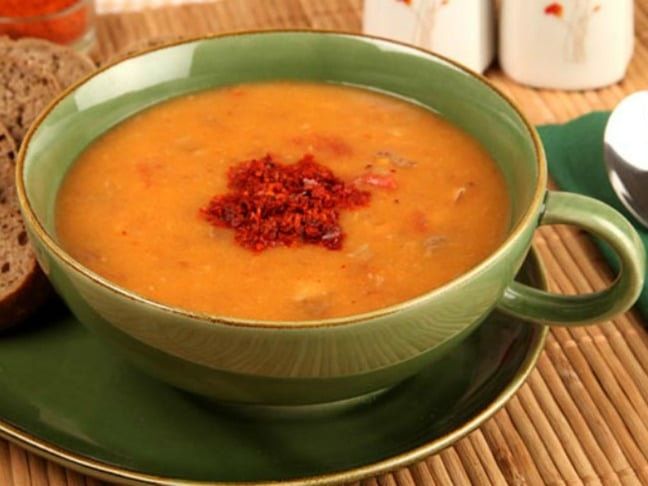
Muğla usulü tarhana çorbası
Tarhana is Muğla's best-known local dish. It is made in summer, dried in the sun and eaten in winter.
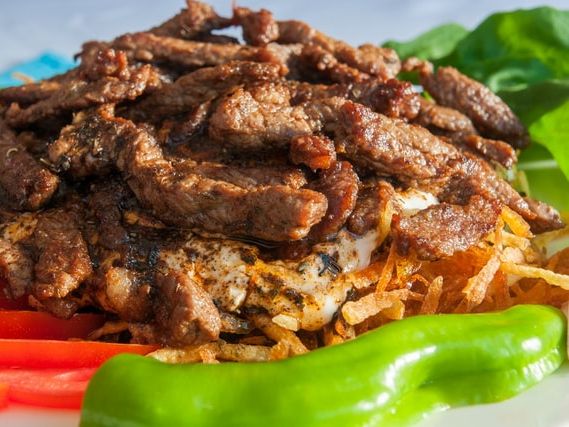
Çökertme kebabı
A dish made with beef, fried potatoes and strained yoghurt with garlic; with tourism it became known beyond Bodrum too. Bodrum Çökertme Kebabı is registered with a geographical indication.
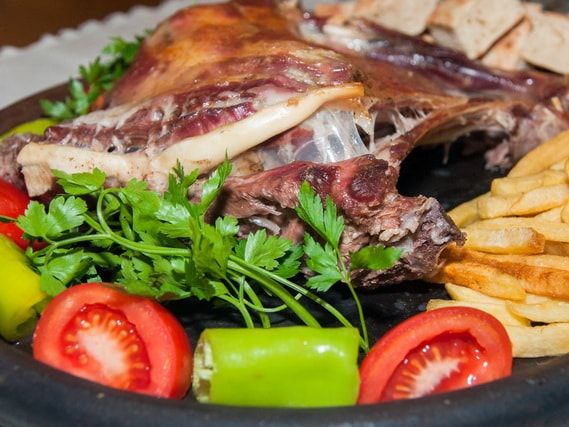
Döş dolması
A breast stuffed with kid meat and iç pilav is cooked in a stone oven; it is made especially at Kurban Bayramı (the Feast of the Sacrifice).
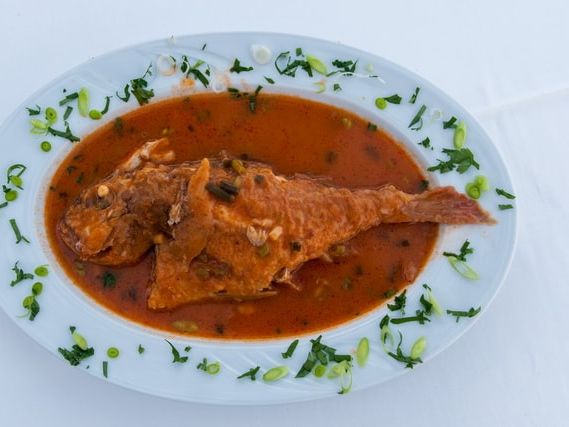
Ekşili balık
Also called balık celeplemesi; a fish dish cooked with a sour dressing, made around Datça.
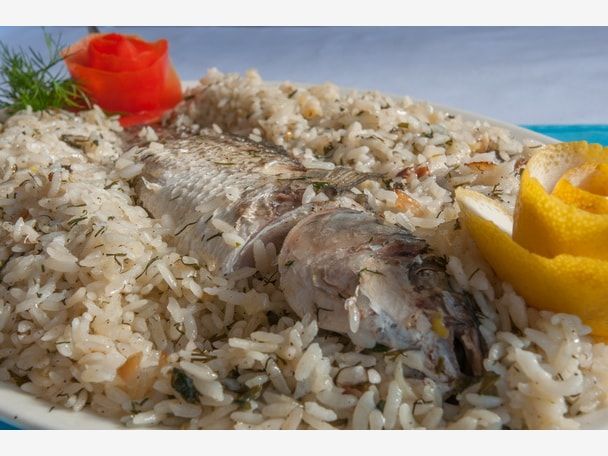
Kefal dolması
Grey mullet is stuffed with a rice and onion filling and cooked.

Keşkek
In Muğla it is cooked from wheat with kid meat or beef at weddings and religious holidays.
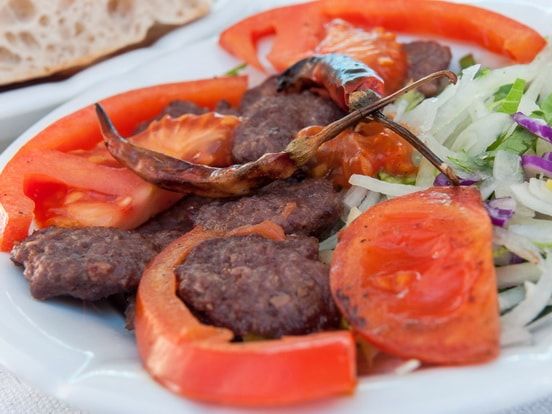
Muğla köftesi
A köfte made with suet.
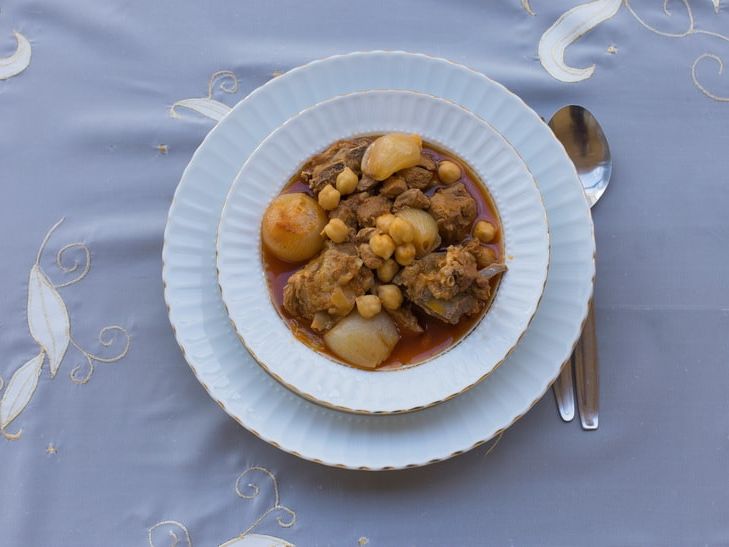
Oğlak yahni
A stew made with kid meat.
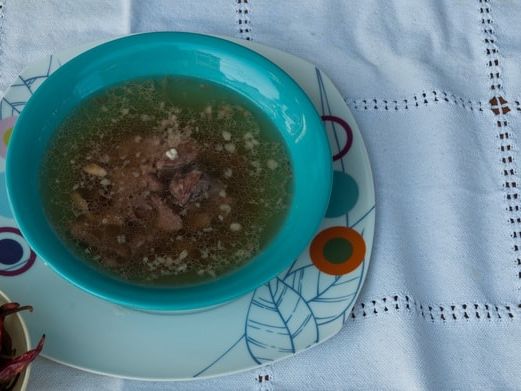
Sulu kebap
Also called kebap çorbası; it is made with meat, suet and water and eaten especially in winter.
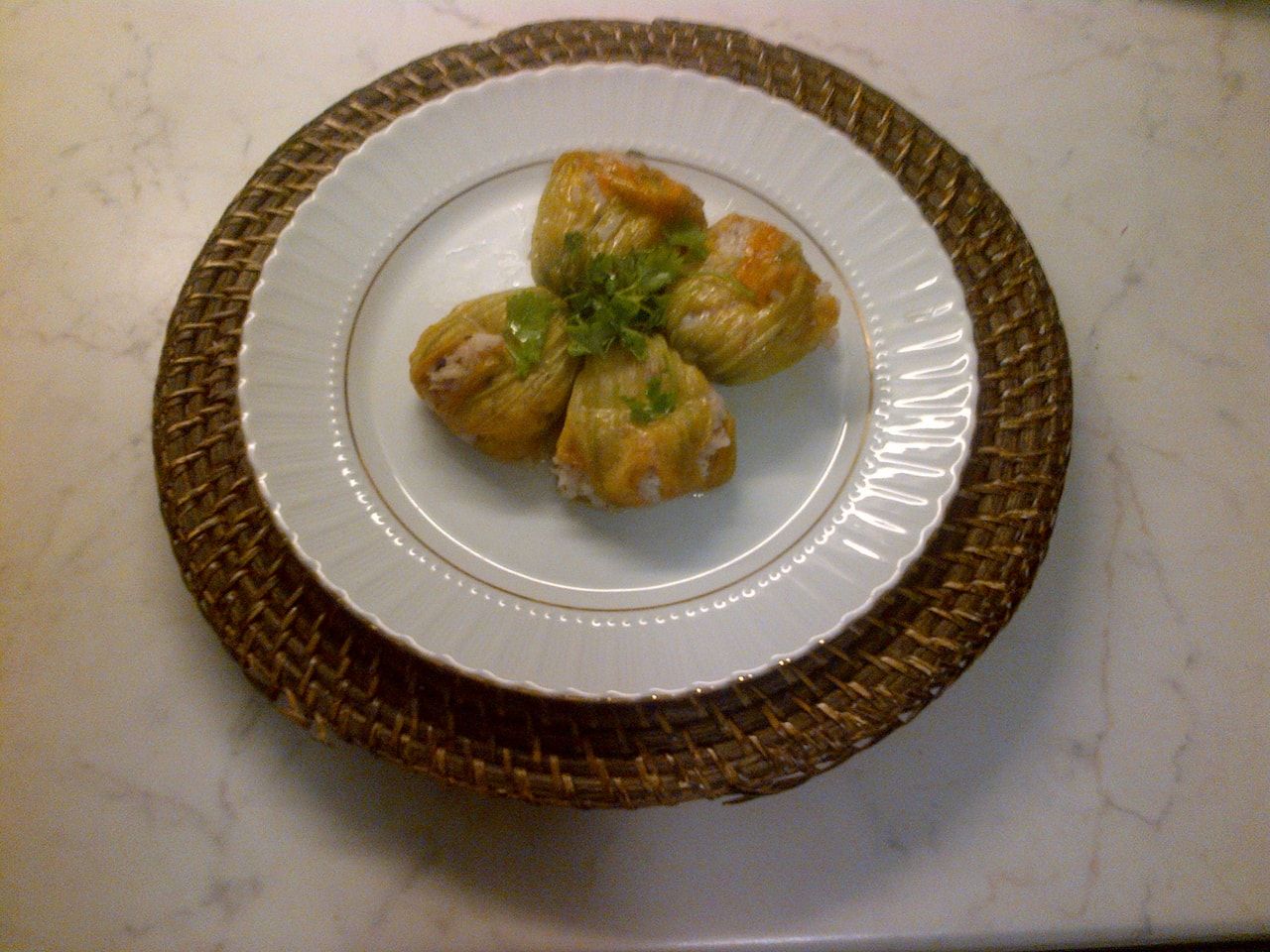
Kabak çiçeği dolması
Made by filling courgette flowers picked in the morning with a rice stuffing.
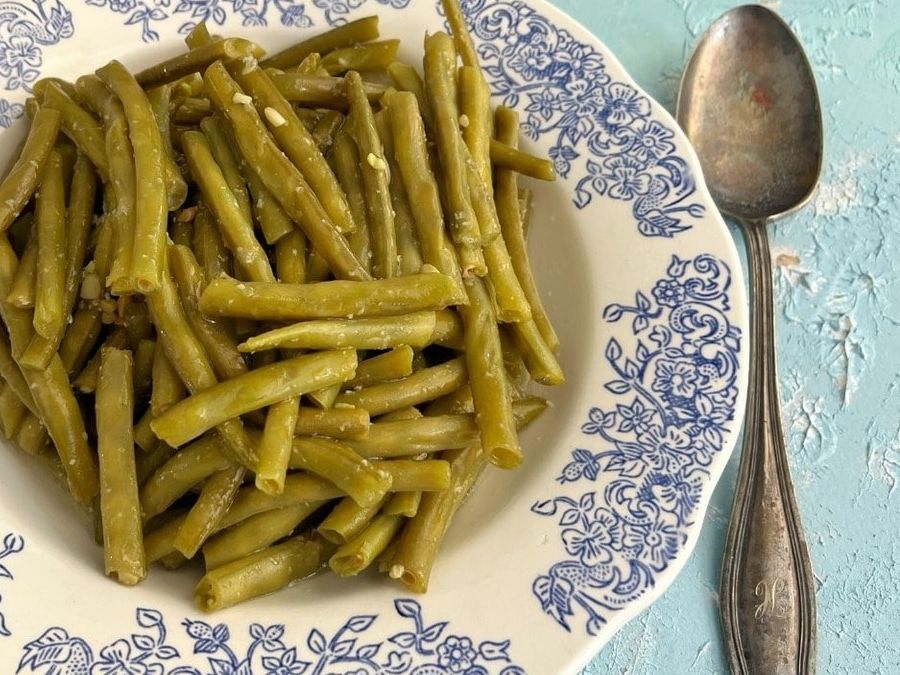
Börülce ekşilemesi
Made by cooking black-eyed beans with a sour dressing.
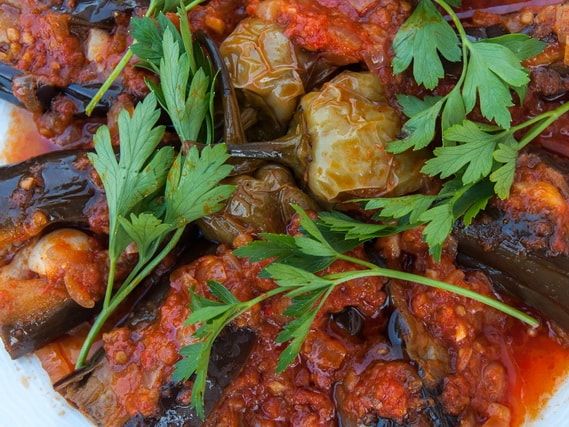
Yağlı patlıcan yemeği
A dish in which aubergine is cooked with plenty of olive oil.
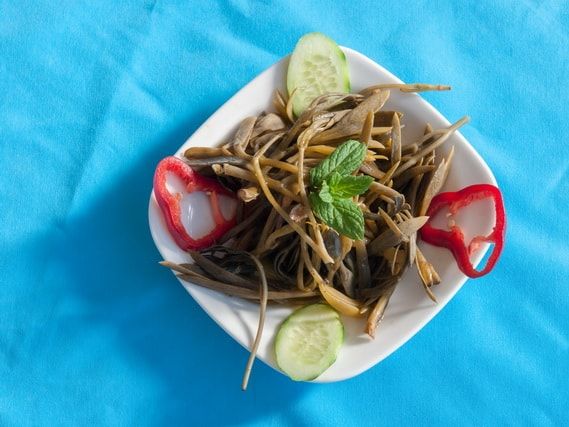
Kaya koruğu salatası
A salad made with kaya koruğu (rock samphire), which grows on the rocks by the sea.
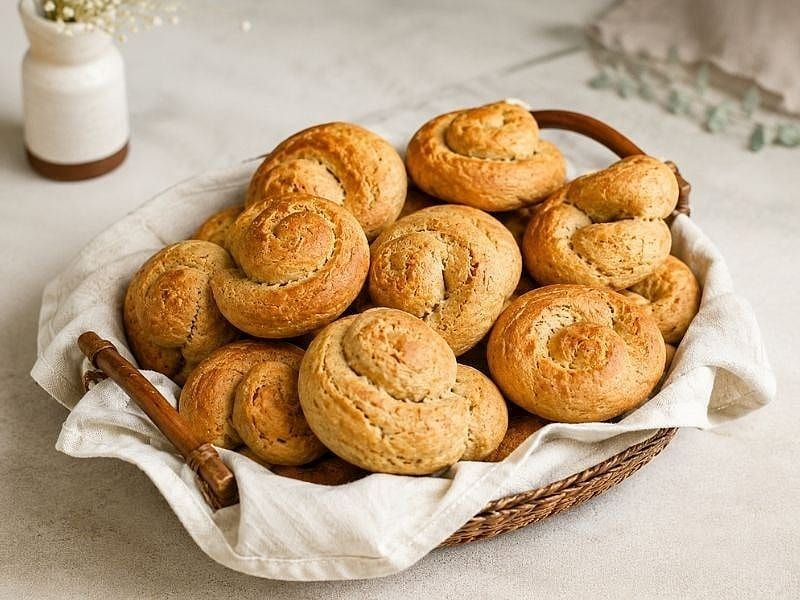
Muğla halkası
Also called anne pastası or Muğla pastası; a ring-shaped pastry sweet made with flour, olive oil, sugar and eggs.
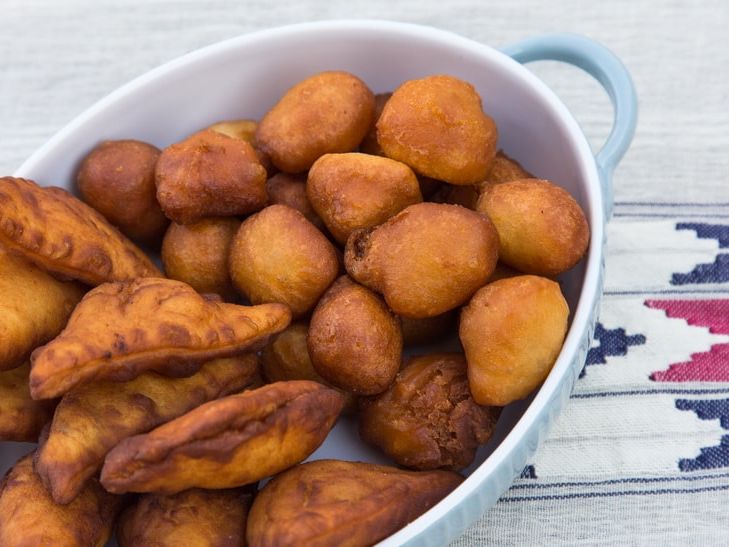
Lokma
Made by frying small balls of dough and dipping them in syrup; it is handed out on important days.


Places to visit in Muğla
Iassos
Iassos lies at the far tip of Güllük Gulf, north of the Bodrum Peninsula. In fact Iassos is the historical name of this place; it is now known as Kıyıkışlacık. But for some reason we prefer to say Iassos.
When you think of Bodrum, big luxury hotels, crowded beach clubs, lively nightlife and expensive restaurants come to mind, but Iassos appears before us as an unspoilt cove that has raised the flag of rebellion against all of that. Iassos has no more restaurants, guesthouses and grocery shops than you can count on one hand, and that's all…
Apart from these, Iassos has the unique taste of olive oil pressed from local olives, a rich history, mythological stories you will never tire of hearing, and a stunning deep blue sea.
Iassos in its present form was founded in 1929; in earlier times it was a farm worked by Greeks. In fact Iassos has a deep-rooted history of 3,000 years. That is, it is said that it was known as a Carian city and that, as now, it was a fishing and olive-growing area.
In Iassos you can swim from the shore of the ancient city of İasos. The nearest natural beach is 20 minutes away by car.
If you dream of a peaceful holiday in the lap of nature, jump in your car and follow the Akbük and Kıyıkışlacık turn-offs on the Milas–Bodrum road. Or come to Milas by bus and take a Kıyıkışlacık minibus from there. Or take a taxi from Milas-Bodrum Airport.
We wish you a lovely holiday in advance.
Kadıkalesi Plajı
Kadıkalesi Plajı, 22 km from Bodrum, is a natural wonder set among citrus orchards. Kadıkalesi Plajı, with its sparkling sea, also has a history that goes back a long way.
Kadıkalesi Plajı is 4 km north of Turgutreis. It takes its name from a castle built on a promontory in the Hellenistic period. Kadıkalesi Plajı, with its wide, unique sandy beach, is said to have been the first of the 8 Lelegian cities on the peninsula, known in antiquity as Pedasos, and the capital of these cities.
Today Kadıkalesi Plajı, home to many hotels and holiday villages, is also a beach famous for its beautiful sunsets. On the hill opposite the beach there is also a Byzantine church and a historic fountain under plane trees.
If you find yourself in Bodrum, please don't forget to add Kadıkalesi Plajı to your list. We wish you a good holiday in advance.
Kızlanaltı Plajı
Kızlanaltı Plajı is a stretch of coast running from Burgaz Uzun Azmak to the Gebekum protected area. Taking its name from the land belonging to Kızlan Köyü, Kızlanaltı Plajı in fact contains Datça's true beaches.
Kızlanaltı Plajı has a coastline curving like a bow. This coast begins at Kızlanaltı and ends at Gebekum, Billurkent and Datça Adaburnu, and the whole stretch is pure sand.
Another feature of Kızlanaltı Plajı is that it is very well suited to windsurfing. You can always find a suitable wind for surfing on this beach.
You can reach Kızlanaltı Plajı from the Burgaz area, or from the Datça–Marmaris road by following the roads down to the shore towards Marmaris for 6–7 km.
If you find yourself in Datça, don't forget to add Kızlanaltı Plajı to your list. We wish you a good holiday in advance.
Taşlık Plajı
Taşlık Plajı is in Datça, between Datça harbour and Ilıca. For this reason the north winds never reach it, and it always stays calm. The sea bed and the beach are a mixture of shingle and sand.
What makes Taşlık Plajı interesting is that on the sea bed there is a pond, called Ilıca göl, where healing waters bubble up. In addition, fresh water coming out of the rocks in the harbour part and flowing into the sea creates a less salty area here.
Taşlık Plajı is one of Datça's most popular beaches. After coming out of the sea, visitors rinse off the salt under the water flowing from the pond we mentioned. In a way, they are giving their bodies a natural massage.
If you find yourself in Datça, we recommend that you see the uniquely beautiful Taşlık Plajı. We wish you a good holiday in advance.
Tuzla Kuş Cenneti
Tuzla Kuş Cenneti (bird sanctuary), 25 km from Bodrum, is an undiscovered natural wonder where the Aegean Sea meets fresh water. It lies near the ancient city of Bargylia, right next to Bodrum, in an area covered with olive trees.
A total of 125 bird species live in Tuzla Kuş Cenneti, and these birds meet all their food needs from Tuzla Gölü. The most popular species in the area is the flamingo.
In certain seasons Tuzla Kuş Cenneti is flooded with birdwatchers. Especially between November and April, the dance spectacle the birds put on is truly worth seeing.
If you find yourself in Bodrum, you absolutely must see Tuzla Kuş Cenneti, where you can find peace and joy together. We wish you a good holiday in advance.
Karaincir Koyu
Karaincir Koyu, 16 km from central Bodrum, is a long 500-metre beach. We can say that of the coves on the Bodrum peninsula, Karaincir Koyu is the warmest, the cleanest and the one with the sandiest bottom.
Because Karaincir Koyu, Bodrum's hidden beauty, is surrounded by hills on both sides, it is sheltered from the poyraz (north-east wind), so it gets no wind. It takes its name from once being known for its abundance of figs.
Karaincir Koyu is also one of the most frequent stops in the west for day trips leaving from Bodrum.
If you find yourself in Bodrum, don't forget to add Karaincir Koyu to your list. We wish you a good holiday in advance.
Aksazlar Koyu
West of Fethiye, about 4 km from the centre, there are coves on a peninsula known as the Oyuktepe Koyları. Aksazlar Koyu is one of these coves.
Aksazlar Koyu, visited mostly on day trips, shows how green and blue dance in harmony in the shade of pine trees. Aksazlar Koyu is usually chosen for camping, and inside it you can also find facilities where you can spend a pleasant time.
Aksazlar Koyu has a very calm, shallow sea. Because the sea bed is not very clear, unlike other parts of Fethiye, we can't say it is very suitable for diving. But we can say that Aksazlar Koyu is one of the rare beauties of the Mediterranean that must be seen.
If you find yourself in Fethiye, don't forget to add Aksazlar Koyu to your list. We wish you a good holiday in advance.
İngiliz Koyu
İngiliz Koyu (also known as İngiliz Limanı, "English Harbour"), in the Gulf of Gökova between the Bodrum and Datça peninsulas, is a paradise in the shade of pine trees. This heavenly cove, where the gulf's choppy waters never reach and parts of which are reed beds, enchants all who see it with its turquoise sea.
İngiliz Koyu, whose bottom is covered in mud because there is no current, is also a very special place as one of the two fjords in Turkey.
The origin of İngiliz Koyu's name rests on an interesting story. During the First World War, a ship of the British navy, fleeing from ships said to be Russian or German, reached this hidden paradise of a cove and, hiding here for a while, managed to shake off the ships chasing it. After this event the cove began to be called İngiliz Koyu.
İngiliz Koyu is one of the places you must see. If you find yourself in the area, don't forget to add this uniquely beautiful cove to your list. We wish you a good holiday in advance.
Bodrum Akvaryum Koyu
Between the Gümbet and Bitez areas of Bodrum there is a peninsula stretching 2 miles southwards. In front of this peninsula lies Görecik Adası (İç Ada). Between these two, a cove has formed whose sparkling sea enchants all who see it: Akvaryum Koyu (Aquarium Cove).
Akvaryum Koyu, named by local people for its spotless, glass-clear sea and the sea creatures that live in it, is one of the places in Bodrum where every Blue Cruise boat stops without exception. By day Akvaryum Koyu is flooded with day-trip boats. At night a few boats always anchor there.
The inlet right next to Akvaryum Koyu is called Küçük Akvaryum Koyu. On İç Ada, right opposite the cove, there is a hut that has become a home for ducks and geese. So if you come to this wonderful cove, you can enjoy swimming with these sweet animals to your heart's content.
Apart from the boat tours to Akvaryum Koyu, you can also reach it on a long walk along the footpath from Bitez.
Camel Beach
Camel Beach is at the far west of the Ortakent Yahşi area of Bodrum. Camel Beach, known by its old name of "Kargı Koyu", got this name thanks to the camels that have long lain and leapt on the sand. Camel Beach has now even become a cove much talked about for its camel rides.
When you come to Camel Beach, a beach that seems to stretch to infinity will greet you. And of course we must not forget the lilies on the sand of the beach, which you won't find in many places in the world.
Camel Beach, one of Bodrum's most beautiful beaches, attracts many Turkish and foreign tourists with the camel rides it offers on 100-metre courses. Camel Beach has a very shallow sea. Because it has no seaweed and no rocks and its bottom is pure sand, it is one of the beaches to choose in Bodrum.
You can reach Camel Beach by following the Kargı signs on the Ortakent Yahşi road, or by boat from central Bodrum.
Emel Sayın Koyu
Although the winding road between Marmaris and Datça is a little challenging for holidaymakers, the dozens of coves you pass along the way add to your enjoyment throughout the journey.
One of these lovely, rare coves is Emel Sayın Koyu. This cove, whose other name is "Bencik", takes its present name from Emel Sayın, who spent every summer holiday in Datça and sang one lovely song after another at the almond festival.
Stopping at Emel Sayın Koyu, at the 25th kilometre of the Marmaris road, you can rest in the woods and add some coolness to your journey by swimming in its sparkling sea. If you have your tent with you, you can also fall asleep watching the stars beside these deep blue waters, likened to the colour of Emel Sayın's eyes.
Dişlice Adası
Dişlice Adası is one of the small islets hidden in Marmaris's coves… The island, which astonishes and captivates all who see it, will rest you at every step and offer you its finest views.
Dişlice Adası belongs to Marmaris-Hisarönü. You can easily reach the island on a short trip by taking one of the boats that leave from Marmaris. The island's sea is very calm, and it has small beaches. What's more, it has kept its unspoilt nature to this day. When you visit the island, like everyone who goes there, you won't have the heart to drop even a tiny piece of litter.
You can climb right to the top of the island. If you want to capture the most beautiful views of Dişlice Adası in your photographs, we especially recommend climbing to the hilltops.
Kamelya Adası
Marmaris's lovely coves are explored by holidaymakers on boat trips. The small pieces of the coves are as deep and impressive as the pieces of a big jigsaw…
And one of these pieces is Kamelya Adası… Kamelya Adası, close to Selimiye, wins the admiration of all who see it with its goats and its centuries-old church as well as its nature. The island's sea is deep, but it has a beach that gives a feeling of peace. You can also perform the wishing ritual by tying a small string to the wishing tree on the island.
You can reach Kamelya Adası, wrapped in the scent of thyme, where you will discover both historic and natural beauty, on a short boat trip during your Marmaris holiday.
Madnasa Antik Kenti
The ancient city of Madnasa, one of our country's countless ancient settlements, is in Göltürkbükü, a holiday town attached to Bodrum.
Let us tell you about the history and remains of the ancient city of Madnasa. The city is first of all a Lelegian city. There is not much information about Madnasa's past. It is known that the city was left empty after its people were forced to move to Halicarnassus in the time of Mausolus. Little archaeological excavation has been done in the area. For this reason, apart from a few surviving remains, there is not much left of the ancient city, except for a few rock tombs. But it is certain that if a detailed excavation were carried out, many works would come to light.
The ancient city of Madnasa is on the ridges of Türkbükü Koyu and Gölköy. If you are passing through Göltürkbükü, you could be one of the first to discover the ancient city of Madnasa.
Firuz Bey Camii
Firuz Bey Camii is one of the oldest places of worship in Milas.
The mosque, in Firuz Paşa Mahallesi, still has its inscription. According to the information from its inscription, it was built in 1394 by Hoca Firuz Bey, governor of Menteşe. In Evliya Çelebi's book, the Seyahatname, the mosque is called the Gök Camii. Firuz Bey Camii has gone through many alterations and restorations to the present day.
Architecturally, this place of worship has an inverted T plan and was built of cut stone. The last congregation area has three sections, and the mosque draws attention especially for its stonework. Firuz Bey Camii underwent a comprehensive repair by the General Directorate of Foundations between 1974 and 1977.
Milas Ağa Camii
The Ağa Camii is architecturally one of the smallest mosques in Milas. It is in Hacı Abdi Mahallesi in Milas. It was built in 1737 by Abdülaziz Ağa.
The Milas Ağa Camii has a rectangular plan. The minaret beside it was built in 1885. The minaret's founder was Refia Hanım, mother of Mehmet Bey, a descendant of Abdülaziz Ağa. The mosque is covered with a hipped roof, and the prayer hall has two naves. Setting aside just 1 hour for this small mosque in Milas will be enough.
Milas Ulu Camii
Milas, which livens up Muğla's summer tourism, offers tourists a long journey of discovery not only with its sea and nature but also with its ancient cities and other historic treasures.
In this article we will tell you about the Ulu Camii, one of the historic works of Milas.
The Milas Ulu Camii was built in 1378 by Ahmet Gazi. For this reason it is also called the Ahmet Gazi Camii. It is the largest mosque in Milas, and ancient materials were used in its construction together with brick. The Milas Ulu Camii has no şadırvan (ablution fountain), and it was repaired in 1879. The mosque, which is easy to reach, is in Hoca Bedrettin Mahallesi.
Çöllüoğlu Hanı
Çöllüoğlu Hanı, in the Hisarbaşı Mahallesi of Milas, is one of the oldest buildings in the area.
The han, built between 1719 and 1720 by Abdülaziz Ağa, was built of rubble stone and reused stone. The han has a rectangular plan and two floors. With its rooms around the courtyard, the han is structurally one of the examples of the Ottoman han plan. Although it is in ruins today, Çöllüoğlu Hanı is among the buildings we think should be included in trips to Milas.
Telmessos Kaya Mezarları
The ancient city of Telmessos, the oldest settlement of Fethiye in Muğla, has interesting rock tombs as well as well-preserved remains.
The rock tombs in the ancient city are counted among the oldest structures in the area. Of the rock tombs and sarcophagi in different parts of the city of Telmessos, the most important and impressive is the Tomb of King Amyntas. This tomb belongs to Amyntas, son of Hermepias, and is dated to the 4th century BC.
The tomb of King Amyntas is 1.5 kilometres from Fethiye harbour. After reaching 115 Sokak on Kaya Caddesi, you will see the tomb of King Amyntas after a short climb. This tomb is counted among the most important rock tombs in Turkey.
Konakaltı Hanı
Konakaltı Hanı, one of the finest examples of the historic hans of central Muğla, today hosts artistic events.
The han, one of the works of the 19th century, has survived to the present day in very sound condition. On the lower floor of this two-storey han there were animal shelters, storerooms and shops. The upper floor was used as lodgings for merchants and workers coming to the area. Konakaltı Hanı was refurbished in a recent restoration. It continues to host the city's artistic events.
Paspatur Çarşısı
Paspatur Çarşısı, whose name means "Old Town", is one of the stops visited by thousands of tourists every year and is known as one of the oldest settled areas of Fethiye.
Because it lies between Fethiye Marina and Çarşı Caddesi, it is easy to reach. Paspatur Çarşısı, made up of five streets, has mostly carpet, leather and jewellery shops. It is also home to bars and souvenir shops. And of course, besides these shops you can also see bank branches along the bazaar.
When you first enter Paspatur Çarşısı, the most striking detail is of course the authentic houses with wooden bay windows.
The bazaar's name has a little legend. The bazaar took its name from the Paspatur spring within it, and it was said that anyone who came to Fethiye and drank this water once would come back to Fethiye at least once more, or would never be able to leave this lovely holiday town.
Yağcılar Hanı
Yağcılar Hanı, built in 1293 in the Ottoman period, is in the city centre of Muğla. This makes it easy for many tourists to visit Yağcılar Hanı. Let us tell you a little about this historic building's history and architectural features.
In its early days the han was an important trading centre of Muğla. Looking at its architecture today, you can see that cut stone and brick were used in its construction… The han is mostly made up of rooms arranged around a courtyard. But because new additions and repairs were made at certain times, it has drifted from its original form.
Yağcılar Hanı is now used as a business centre. During the day it welcomes many Turkish and foreign tourists.
Şahidi Camii
Şahidi Camii is one of Muğla's places of worship that has come down from the Ottoman period. This Ottoman work, in Camikebir Mahallesi, takes its name from Şahidi İbrahim Dede, a sheikh of the Muğla Mevlevihanesi.
The mosque is set in a place overlooking the town. This place of worship, which is easy to reach, was repaired in 1911 by Şeyh Cemal. In the garden of Şahidi Camii there are the graves of Mevlevi holy men. These men are believed to protect Muğla spiritually.
The mosque's exterior is small and of tremendous beauty, and its interior has an equally mystical atmosphere.
Stratonikeia Antik Kenti
History tourism in Muğla is as lively as summer tourism. The city tells its past with unique monuments, castles and ancient cities. The ancient city of Stratonikeia, one of the city's most striking ancient settlements, also welcomes travellers all year round.
Stratonikeia is within the borders of Eskihisar Köyü, 7 kilometres from Yatağan District. It takes its name from a legendary love story. Antiochus, son of King Seleucus I of Syria, fell so deeply in love with his stepmother Stratonikeia that he took to his bed for love, and no doctor could find a cure for his trouble. Antiochus's father realised that his son was in love with his wife and allowed them to marry. From that day on the city was called Stratonikeia.
Research has shown that the city was founded in the 3rd century BC. The buildings that have survived from the ancient city include a theatre, the remains of walls and the remains of a small temple.
Kral Amyntasın Mezarı
Besides Fethiye's natural beauty, its historic treasures are also magnificent buildings worth seeing. But for some reason it is now regarded only as an essential summer holiday destination. In fact Fethiye is also one of the regions that reveal Turkey's rich history.
On this page we will tell you about the tomb of King Amyntas, the most talked-about of the rock tombs north and west of the ancient city of Telmessos in Fethiye. The tomb of King Amyntas is perhaps the grandest and most imposing rock tomb in our country. There is no definite information about when the tomb was built.
The tomb is exactly 1.5 kilometres from Fethiye harbour. When you reach Kaya Caddesi, you will be closer to the tomb of King Amyntas, in the south-eastern part of the harbour. After a short climb from 115 Sokak, which leads off the street, the tomb will be in front of you.
Ağla Yaylası
Ağla Yaylası, at one with nature among pine trees, is a charming village in Köyceğiz, Muğla.
The yayla is very easy to reach. It has a stabilised road, and you can get there by minibus from Köyceğiz. Ağla Yaylası has a country café and a restaurant, and there is a grocery shop and a PTT (post office) service. If you are in Köyceğiz in August, you can go to Ağla Yaylası, discover this charming village and join the Mahya Festivities held at that time.
What's more, there are camping places at İçekbaba Yaylası near the yayla. Don't worry about food, because you can meet all your food needs from Ağla Yaylası. This charming settlement is also known as Yayla Köyü.
Ovabükü Plajı
Ovabükü, one of Datça's three lovely coves, is one of the most ideal places to go for a summer holiday.
Ovabükü's beach is a spot where you can stretch out on your sun lounger amid the greenery, enjoy the sun and break your day into pleasant hours. There are guesthouses around Ovabükü Plajı where you can stay. This lovely beach also has small restaurants… Ovabükü Plajı, hidden in Datça's most beautiful cove, is a beauty that anyone wanting to spend this summer holiday in Datça must discover.
Yerküpe Mağarası
Yerküpe Mağarası, within the borders of Yatağan in Muğla, has recently been drawing a large number of visitors.
The cave, little promoted and not well known to people until now, was opened to tourism through work by Menteşe Municipality led by the Muğla Governorship. Walkways have been laid out in the cave, and its interior is lit. Yerküpe Mağarası consists of a single gallery, 100 metres long. The cave is semi-active, and its stalactites and stalagmites are very striking…
Arsada Antik Kenti
The ancient city of Arsada is one of the historic spots that accompany Fethiye's natural beauty. Arsada is a Lycian city and has a magnificent view at the foot of the Taurus Mountains.
It is easy to reach. It is very close to Arsa Köyü, attached to Fethiye, about 3 kilometres from the village.
No detailed archaeological excavation has yet been carried out at the ancient city of Arsada. For this reason many of its remains have still not been brought to light. Only the city walls and a few Lycian tombs can be seen. Besides the few remains of the ancient city of Arsada, its view is reason enough to see this spot.
The ancient city of Kadyanda, another ancient settlement in Fethiye, is also one of the corners you can include in your journey through history.
Kadyanda Antik Kenti
The ancient city of Kadyanda is one of Fethiye's corners steeped in history. The ancient settlement, 24 kilometres from the district centre, is on a hill south-east of the small town of Üzümlü.
Among the remains of Kadyanda, which has important works, are city walls, Lycian inscriptions and rock tombs. Besides these, the theatre, agora, temple and baths that have survived from the Hellenistic period are among the remains worth seeing.
The view from the ancient city of Kadyanda is as enchanting as its history. From where the ancient city stands, the Gulf of Fethiye will be at your feet.
Physkos Antik Kenti
The ancient city of Physkos, mentioned in Evliya Çelebi's travel book the Seyahatname, is one of the old settlements of the Reşadiye Peninsula.
The present remains are in an area called Asartepe. Physkos, an old Carian harbour city, is also the old name of Marmaris. It is read Fiskos, and in the Carian language this word means Doğankent ("falcon town").
Apart from the ancient city's castle, there are not many remains. The reason is that, because it was on a harbour shore, the remains here were carried away by sea and used in other projects. The ancient city of Physkos, at Asartepe in Marmaris, is easy to reach.
Bargilya Antik Kenti
Bargilya, right beside Güllük Gulf and a lovely place to visit for both its history and its nature, is an old settlement. The ancient city of Bargilya, offering a corner of paradise, is today on the slopes of Bargilya Köyü. Among the remains you can see on the hills are a temple thousands of years old, columns and a small part of the ancient theatre.
The city takes its name from Bargylos, who in mythology killed Pegasus, the winged horse of Bellerophon. Pegasus was usually struck on the coins of the ancient city of Bargilya.
The village is an area only just coming to the fore in tourism… The village has restaurants that are not luxurious but have a warm atmosphere.
Yediler Manastırı
Milas, in Muğla, will offer you a long trip with the wealth of its historic remains. Spending pleasant hours amid the beauty of Bafa Gölü and the captivating past of the ancient cities of Herakleia and Keramos will add unforgettable moments to your holiday.
The Yediler Manastırı (monastery) is set among blocks of rock. You enter the monastery through a courtyard, and it consists of two churches, a chapel, a cistern and monks' cells. The masonry of the monastery walls is also among the details worth seeing. The Yediler Manastırı is just north of Gölyaka Köyü and, with its deep-rooted history, awaits new visitors.
Labranda Antik Kenti
The ancient city of Labranda, 14 kilometres north of Milas in Muğla, is one of the old settlements of the region.
The city, the sanctuary of Zeus Labrandos, was founded in the 6th century BC. This sanctuary was dedicated to Zeus by the Persian governor Mausolus. The temple's most important period was the 4th century BC. The first excavations at the ancient city of Labranda were carried out in 1948. The excavations run by Uppsala University have continued at intervals to the present day. The work is currently continued by P. Hellström.
By wandering among the surviving remains of the ancient city of Labranda and along the sacred way, you can take a short journey to the earliest periods of history.
During your holiday in Milas, the Bafa Gölü National Park, the ancient city of Herakleia and the Alatepe Paraşüt Tepesi (paragliding hill) are among the spots we recommend you discover.
Keramos Antik Kenti
The ancient city of Keramos, founded on the Aegean coast, is the oldest settlement of Ören in Milas. Ören was built on top of Keramos.
The ancient city draws attention with its well-preserved remains. The city's Temple of Zeus, fountain house, kurşunluk building, Roman temple and monumental tombs are among its surviving remains. The city's past goes back 3,000 years.
After touring the ancient city of Keramos, you can also visit the ancient city of Herakleia. If you are keen on paragliding, you can enjoy this thrill at Alatepe Paraşüt Tepesi.
Gemile Koyu
Gemile Koyu makes an important contribution to Fethiye's tourism. The cove is 6 kilometres from Kayaköy. It attracts great interest from foreign as well as Turkish tourists.
Gemile Koyu is an enchanting spot among olive and pine trees. It is also very popular. Gemile Koyu can be reached both by land and on boat trips. The cove, which welcomes not only tourists but also local people in summer, is also ideal for picnics.
The island in Gemile Koyu is one of the top places to visit in the area. Quite apart from the natural beauty of Gemiler Adası, its historic treasures are also striking. The church on Gemiler Adası, dated to the Byzantine period, is impressive for its history. Gemile Koyu is just one of the spots we recommend you discover on your Fethiye holiday.
Deve Plajı
Deve Plajı, which can be reached on boat tours from Fethiye, is a spot where you can relax while swimming in its calm, peaceful atmosphere.
Swimming and spending time at Deve Plajı, the last stop of the boat tours, is very enjoyable. If you like collecting stones and seashells at the sea, you can take some of the colourful stones on the beach at Deve Plajı.
To get to Deve Plajı, you can get directions from the tours at Çalış, Ölüdeniz and Ovacık. You can reach this tremendous cove by taking one of the boats that leave from Fethiye.
Bedri Rahmi Koyu
Göcek, home to some of Turkey's most unique coves, is a favourite holiday choice of foreign as well as Turkish tourists.
If you are planning to spend this summer holiday in Göcek, we recommend visiting Bedri Rahmi Koyu, one of Göcek's calmest and most peaceful coves. The cove was first known as Taşyaka Koyu. Bedri Rahmi Eyüboğlu came to this cove and painted a fish on a large rock here. For this reason the cove is called Bedri Rahmi Koyu.
There is a small jetty in the cove. The water by the jetty is very shallow, so boats coming here approach the jetty very slowly.
Behind the jetty there is a restaurant in a green area. After swimming at the cove's beach, you can eat something at the restaurant.
Kuleli Koyu
Kuleli Koyu, one of the little-known corners of Fethiye in Muğla, has a wonderful beach. The cove, which does not get very crowded in summer, is a spot where you can rest and enjoy the sea on your Fethiye holiday.
Kuleli Koyu is quiet and peaceful. There are arbours where you can read a book, sun loungers and umbrellas. And if you feel hungry when you come out of the sea, there is a restaurant right next to the cove. Kuleli Koyu comes after the Aksazlar and Samanlık coves.
Fethiye Cennet Koyu
Cennet Koyu (Paradise Cove) is one of Fethiye's corners that is peaceful from top to bottom. Fethiye Cennet Koyu, practically dancing with nature on the shore of the Mediterranean, comes after Kabak Koyu.
You can reach it by boats leaving from Kabak Koyu or Kelebekler Vadisi (Butterfly Valley). Behind the cove, pine forest stretches as far as the eye can see… Like its name, Cennet Koyu brings paradise to mind. It is one of the best places to spend time away from the chaos, in a sea lying amid nature.
No development or accommodation has been built in the cove, which has a fine sandy beach. There is only Cennet Kamp. Perhaps its nature has stayed so unspoilt because there is no building. If you are holidaying around Kabak Koyu, Fethiye or Faralya Köyü, you can enjoy Fethiye Cennet Koyu after a short boat trip.
Akkum Koyu
Selimiye, in Marmaris, welcomes tourists from almost every country in the world, especially in summer.
If you want to bring Selimiye's quiet, its peace and its fun into your holiday and are making your preparations, you must go to Akkum Koyu, one of the most beautiful spots of Selimiye Köyü.
The moment you see Akkum Koyu, you will want to spend a large part of your holiday here. The cove is 45 kilometres from the centre of Marmaris District. You will reach the cove 2.5 kilometres after the entrance to Selimiye. The cove is 500 metres from Sığliman Koyu.
Because the cove's water gets deeper gradually, it is ideal especially for families with children. Because there are many guesthouses and boutique hotels in the area, it is often chosen for a long holiday.
Gebekum
Gebekum, one of the most unique spots of Datça in Marmaris, draws attention especially for its sand.
Years ago, in the sand at Gebekum, a kind of micro-organism ate the sand and produced new sand. At one time sand was constantly taken from Gebekum for building work. Later the sand here was taken under protection. Because Gebekum is a very windy area, it is a constant favourite with surfers.
This summer you can enjoy the nature and the sea of Gebekum, on the Marmaris–Datça road.
Lagina Antik Kenti
Muğla is a fun holiday city, both with its lovely coves and beaches and with its historic treasures.
If you have holiday plans in Muğla, don't forget to set aside time for Bodrum Kalesi, Saklıkent Kanyonu, the Bodrum Ancient Theatre, Yuvarlakçay and its countless historic and natural beauties.
On this page let us tell you about the ancient city of Lagina, which reveals the city's history; don't miss out on the pleasure of discovering a new place during your holiday.
The ancient city of Lagina is on the Muğla–Bodrum road, in Yatağan District. Archaeological excavations in the area began in the Ottoman period. In 1993 excavations continued under the supervision of the Muğla Museum. Archaeological finds from the ancient city of Lagina are displayed in the Istanbul Archaeology Museums. On your Bodrum holiday, don't forget to visit the remains of the ancient city of Lagina.
Körmen Limanı
Körmen Limanı, one of the most beautiful spots in Datça, looks out over the Aegean Sea. It is also called Karaköy Limanı.
The harbour is still busy. It is a regular stop for ferries coming from Bodrum. Körmen Limanı gets crowded not only with ferries and yachts but also with surfers. Being a spot that always gets wind has attracted the attention of surfing enthusiasts.
Körmen Limanı, with nature that appeals to the eye and the soul, attracts great interest from Turkish and foreign tourists. On your holiday in Datça, Muğla, we recommend that you set aside a day for Körmen Limanı.
Kızlan Köyü
Because it came within the metropolitan boundaries, Kızlan Köyü has become Yenimahalle.
It is Datça's most developed village. Its people have not so far earned any income from tourism, but neighbours welcome visitors because livestock, vegetables, fruit, olives and olive oil products would become a source of income if guests asked for them.
In the village, organic olive oil is produced in two olive oil factories, and wine is made by the villagers. The village's greatest feature is that beyond the hill behind the guesthouse is the Aegean Sea, while the sea view from the guesthouse is the Mediterranean.
Kızlan Köyü has social facilities such as shops for shopping, a bakery, fruit and vegetable sellers, a market place, a coffee house, a barber and a health centre. It is used a lot by tourists cycling and trekking to Gereme Koyu. Surf campsites are nearby, and there are restaurants on the Marmaris road. At the entrance to the village there are windmills, and a wind rose near the house.
Between Eski Datça and Hızırşah Köyü you can see pottery workshops, understood to have been in use in the 4th century BC, where excavations are continuing. To see the windmills you should go to Kızlan Köyü, 8 km from Datça. It is also the windiest area of the peninsula.
Loryma Antik Kenti
The ancient city of Loryma, in Marmaris, Muğla, is dated to the 7th century BC. The first archaeological excavations in the area were carried out in 1995.
Many remains of the ancient city of Loryma have survived to the present day. The acropolis, three large cisterns, the akropol, the necropolis, the sanctuary of Apollo and the walls are among the city's remains that must be seen.
You can reach it by sea as far as the harbour of Bozukkale Koyu and then on a walk of more than an hour. Most of your walk will involve climbing. Although the ancient city of Loryma involves a tough journey, the moment you see it, despite all the difficulties, it is a place that makes you say "I'm so glad I came"… On your Marmaris holiday we recommend visiting the ancient city of Loryma, which sheds light on the region's history.
Bafa Gölü Milli Parkı
Bafa Gölü, known as the place where a mythological legend unfolded, is impressive for its natural beauty.
The Bafa Gölü National Park is a spot every tourist coming to Muğla on holiday should visit and discover. The Bafa Gölü National Park, east of the Söke–Milas road, is 10 kilometres from Didim. It covers an area of 7,000 hectares, and the lake is up to 25 metres deep.
Depending on the climate, the vegetation of the Bafa Gölü National Park is made up of olive groves and pine forests. In Bafa Gölü there are Menci Adası and Hayalet Adası. This 7,000-hectare area was declared a Nature Park in 1994. Within its borders are the ancient cities of Herakleia and Latmos.
The Bafa Gölü National Park awaits you, to show you the natural beauty and historic treasures in every corner.
Bitez Halk Plajı
Bitez, in Muğla, is one of the city's most popular holiday areas. The public beach in Bitez draws attention for its cleanliness and its Blue Flag award, which brings more tourists to visit.
Bitez public beach is 8 km from Bodrum. It received the Blue Flag award from 2002 to 2013. It is 45 km from the airport and only 1 km from the provincial centre. Bitez Halk Plajı is 200 metres long and 10 metres wide. Water sports are also available. Bitez Halk Plajı can be reached by dolmuş (shared minibus).
You can enjoy to the full the public beach of Bitez, which shows off the wonderful harmony of green and blue.
Herakleia Antik Kenti
Herakleia is one of Muğla's cities that has survived from antiquity to the present day. It is within the borders of the Bafa Gölü National Park.
The history of the ancient city of Herakleia goes back to the 8th century BC. It takes its name from Heracles, one of the heroes of Greek mythology.
It is reached from Çamiçi Köyü, after the 25th kilometre of the Milas–Söke road. Turning right at the village, it is at Kapıkırı Köyü, 10 km further on.
Many of the remains of the ancient city of Herakleia are well preserved. The Temple of Athena, the agora, the theatre, the necropolis and the city walls are among the city's remains. While enjoying the sea on your Muğla holiday, you can visit the ancient city of Herakleia, which will take you back to very ancient times.
Eşen Çayı
The Eşen Çayı offers some of the most entertaining, relaxing and exciting hours in Fethiye, Muğla. It adds a different beauty to the landscape it runs through.
The Eşen Çayı is one of the most important rivers of south-western Anatolia. Although it is fed by many tributaries, its main source is Kızıldağ. The Eşen Çayı is constantly visited by tourists coming to the area on holiday, because it is a very good spot for rafting.
If you are keen on rafting and want to experience this thrill again at a new rafting spot, you can travel to the Eşen Çayı and spend hours full of adventure. Don't forget to look out for the rafting tours organised on the Eşen Çayı.
Bodrum Yel Değirmenleri
Windmills go back to ancient times and were used heavily especially in the Middle Ages. Today one of the places where windmills are found is Bodrum.
Bodrum, which attracts great interest from tourists especially in summer, also has windmills among its historic remains. The Bodrum windmills stand on the hill above the Bodrum and Gümbet coves. The windmills here were built in the 18th century and were actively used until the 1970s.
The windmills, which are not in very good condition today, are worth seeing for their history and their sea view. We recommend that you take plenty of photographs on the day you visit the Bodrum windmills.
Uzunyalı Plajı
Uzunyalı Plajı is one of the easiest and most comfortable places to swim in Marmaris.
If you have started a lovely holiday in Marmaris, you can reach Uzunyalı Plajı, just at the end of Marmaris Halk Plajı (public beach), from central Marmaris.
The beach has 10 km of shoreline. Another feature is that many restaurants and cafés line its shore… Uzunyalı Plajı is a wonderful spot both to have fun and to rest and grab a bite.
Kıdrak Koyu
Kıdrak Koyu, in Ölüdeniz, Fethiye, is one of the most popular camping places in the area. The cove is one kilometre from Ölüdeniz Plajı.
If you go about 1 km east from Ölüdeniz Plajı, you will witness all the beauty of Kıdrak Koyu. So it is easy to reach. The cove has a wide beach of fine sand.
It is surrounded by pine trees offering every shade of green. If you are staying in one of the Ölüdeniz hotels and having a lovely holiday here, you must go to Kıdrak Koyu. Don't end your holiday without seeing this cove. You can start planning your holiday by first researching Ölüdeniz hotel prices online.
Şövalye Adası
Fethiye, which welcomes many tourists especially in summer, offers an enjoyable holiday with the coves within its borders and its incomparable beaches.
When you are staying in one of the Fethiye hotels, we recommend visiting Şövalye Adası (Knights' Island), north of Fethiye harbour. Don't let Fethiye hotel prices scare you, because the hotels here suit every budget.
Şövalye Adası takes its name from the Knights of Rhodes who were in the area in the 15th century. The Knights of Rhodes built a castle on the island, and the remains of this castle have survived to the present day. You can also see old cisterns and mosaics on the island. Şövalye Adası is 1.5 miles from Fethiye. Sea buses run regularly to reach this spot.
Bencik Koyu
Datça's lovely coves are among the stops visited by foreign as well as Turkish tourists…
If you have researched Datça hotel prices, made your reservation at one of the hotels and are about to start your holiday, don't forget to prepare a list of places to visit in the area.
While you are staying in one of the Datça hotels, you can set out to discover Bencik Koyu, which is like a harbour. Bencik Koyu lies between the Gulf of Gökova and the Gulf of Hisarönü. A half-hour walk from the cove will bring you to Bördübet Koyu. There is also a facility at Bencik Koyu where you can sit and rest… Bencik Koyu, welcoming its guests in Datça's peaceful atmosphere, awaits you with its clean sea.
Akyaka Plajı
To enjoy Muğla's lovely coves, we invite you to Akyaka Gökova.
Akyaka Halk Plajı (public beach), in Akyaka Gökova, is a spot where you can spend pleasant times thanks to its smoothness and clarity. Because it is a public beach it can be a little crowded, but it is also a place where you can always find room.
After finding out about Akyaka Gökova hotels and making your reservation, you can shake off your tiredness at Akyaka Plajı. Although Akyaka Gökova hotel prices vary from season to season, we can say they suit almost every budget.
Akyaka Plajı has also received the Blue Flag award. It is 90 km from the airport and 30 km from the city centre. You can reach Akyaka Halk Plajı by public transport.
Akyaka Plajı, with 200 metres of shallows, has managed to preserve its nature because its area is protected. Akyaka Plajı now awaits you with its unique nature.
Palamutbükü Plajı
Palamutbükü, one of Datça's most beautiful coves, is one of the unique spots where blue and green come together. Palamutbükü's shores remind you of an aquarium. Because the sea is spotless, you can easily see into the water.
Palamutbükü's beach is long. Tea gardens and restaurants line the seashore. And sun loungers inviting you to the sea…
The best thing about staying in one of the Palamutbükü hotels is swimming in this unique sea. You will feel your tiredness disappear the moment you first step onto the beach. There are many hotels in the area, one of the first choices for those wanting a peaceful, quiet holiday. You can book your Palamutbükü hotel right away and spend a long holiday in this area with its enchanting sea.
Palamutbükü Limanı
Palamutbükü Limanı has a picture-postcard beauty. In the harbour, where you can see many boats and rowing boats, there are a lot of people fishing. People from Datça come to Palamutbükü Limanı especially at weekends. Of course, it is also an area made crowded by those who come to the area on holiday.
Along the harbour shore you will come across tamarisk trees; if you come at just the right time, you can see the tamarisks in flower. There are restaurants and cafés lined up along the shore. If you want to make a short trip to the harbour, you can have lunch at the restaurants and rest.
Don't forget to include all the beauty of the harbour in the days of your holiday at the Palamutbükü hotels. Although Palamutbükü hotel prices vary by season, they suit every budget.
Palamutbükü Yakaköy
Yakaköy is one of the spots that show Muğla's village life. Most of Palamutbükü belongs to the Yakaköy headman's office. If you are staying at the Palamutbükü hotels this summer season, you can visit Yakaköy.
Palamutbükü Yakaköy is one of the spots chosen by those who want a quiet holiday away from the chaos of the city. There is also accommodation here… It is also very easy to reach, only 20 km from the centre of Datça District. A road runs beside the mosque in the village, and this road leads up to Palamutbükü… We recommend booking your Palamutbükü hotel early, because the area has a great many regulars.
Palamutbükü Yassı Tepesi
Palamutbükü is a small tourist area of Datça. Because it is easy to get to, it is among the first choices both of those wanting to spend a short time and of those planning a long holiday.
There are many hotels in Palamutbükü. Among the Palamutbükü hotel categories, guesthouses, bungalows and boutique hotels are in service.
If you have researched Palamutbükü hotels and hotel prices and made your reservation, we recommend climbing Yassı Tepesi, the highest point in the area. The view from the hill wins the admiration of all who see it. To the north of Palamutbükü Yassı Tepesi you can see the Bodrum Peninsula and the Gulf of Gökova, and to the west the hills of the ancient city of Knidos. You see all the beauty of the Aegean Sea at once. Palamutbükü Yassı Tepesi could be a pleasant place to visit for you.
Şevket Sabancı Kültür Merkezi
Turgutreis is one of the most attractive areas of the Bodrum Peninsula.
During your holiday you can wander around the Turgutreis market and enjoy the sea at Günbatımı Plajı. If you want to see more and discover the area, we recommend stopping by the Şevket Sabancı Culture Centre. The Şevket Sabancı Culture Centre appeals to every age group.
Shows, concerts, plays, exhibitions and workshops are actively held. The workshops include painting, sculpture, calligraphy, wood painting, mosaic and ceramics classes. In addition, speed reading and comprehension courses are also given at the culture centre. You can visit the Şevket Sabancı Culture Centre, on Gazi Mustafa Kemal Bulvarı, during your holiday.
Mindos Kapısı
Bodrum's historic remains attract tourists as much as its natural beauty. The Mausoleum of Halicarnassus, the ancient city of Pedasa, the Bodrum Ancient Theatre and Bodrum Kalesi should be at the top of the list of places to visit in the area.
Of course, the Mindos Kapısı (Myndos Gate) is also one of the remains worth seeing for its historic reality. The Mindos Kapısı, at the end of Turgutreis near Gümbet, was part of the city walls of ancient Halicarnassus and is one of its two entrance gates.
The gate, which has survived from the 4th century BC, was built by King Mausolus. While enjoying the sea and the Bodrum Barlar Sokağı (Bar Street) in Bodrum, don't forget to set aside time to witness the historic reality of the Mindos Kapısı.
Sakartepe
Akyaka Gökova is one of Muğla's favourite holiday spots. The Akyaka Gökova hotels offer both a lovely holiday and flawless service in the midst of nature…
Akyaka Gökova hotel prices also rise, especially in summer.
If you are going to Akyaka Gökova this summer holiday, we recommend climbing Sakartepe in this area. Because this spot is on a hill, the trip involves a slope. Although the road is a bit of an effort, seeing the whole view of Akyaka Gökova from Sakartepe will make you forget everything.
The viewing terrace at Sakartepe is a regular stop for those who want a break on their journey. The number of tourists who visit to see this lovely view of Gökova is also very high. Very beautiful views can be captured in photographs here.
Sakartepe, 903 metres above Gökova, is one of Muğla's most restful spots.
Datça Apollon Tapınağı
Datça is one of the important places in Turkey's summer tourism. If you want to stay in one of the Datça hotels and have a lovely holiday, we recommend that you also visit the area's historic works.
Excavations are constantly being carried out in Datça. Recently a Temple of Apollo was uncovered in Datça. Besides the Datça Temple of Apollo, near the ancient city of Knidos, many archaeological works have been brought to light. The finds from Emecik Köyü are now displayed in the Marmaris Archaeology Museum.
After researching Datça hotel prices and finding out how close the hotels are to the places to visit, you can make your reservation.
Hafsa Sultan Kervansarayı
The Hafsa Sultan Kervansarayı (caravanserai), close to Marmaris Kalesi, is one of the most visited historic buildings today thanks to the soundness it has kept over the centuries.
Suleiman the Magnificent built the caravanserai for his mother, Valide Hafsa Sultan. The year was 1545… This caravanserai built by Suleiman was also a lodging and trading point for the Rhodes campaign.
While you are staying in one of the Marmaris hotels, you can visit the Hafsa Sultan Kervansarayı. That way you will also have the chance to see Marmaris Kalesi and its museum easily. You can take the first step of your holiday by researching Marmaris hotel prices and making a reservation.
Kayaköy Hayalet Şehir
If you have booked a Fethiye hotel for this summer, you have taken the first step both towards an enjoyable holiday and towards a long journey through history.
We recommend that you include Kayaköy Hayalet Şehir (Ghost Town) first in your discovery tours in Fethiye. The Ghost Town, where you will be carried into another period of time by the original architecture in its narrow streets, is one of the important tourist spots in the area.
Much research has been done in the area. This research has shown that Kayaköy was founded on the ancient city of Karmillassos. Greeks settled in this Lycian area in the 11th or 14th century, and the present remains are buildings that the Greeks built. In Kayaköy Hayalet Şehir every moment will be full of curiosity.
Whichever Fethiye hotel category you choose (hotel, boutique hotel, guesthouse), don't forget to include unforgettable journeys in your holiday. We wish you an enjoyable Fethiye holiday.
Amos Antik Kenti
The ancient city of Amos, between Turunç and Kumlubük and around Amos Koyu, has recently been attracting great interest from tourists.
In the ancient city, which has survived in a well-preserved state, there are the remains of a theatre, a cistern, a temple, monuments and statues. The ancient city of Amos is 24 km from Marmaris and 2 km from Turunç. When you visit the ancient city, don't forget to enjoy Amos Koyu too.
This area, where you will see both a cove full of natural beauty and historic remains, awaits you on your Turunç holiday.
Amos Koyu
Amos Koyu, between Turunç and Kumlubük, is ready to show you all its beauty on your Turunç holiday.
Touring Amos Koyu from end to end and discovering the ancient city of Amos around it will give you an enjoyable time. You can reach Amos Koyu 25 minutes from Marmaris.
Turunç Halk Plajı
Turunç is one of the most peaceful corners of Marmaris.
While swimming at Turunç public beach you will certainly not be overwhelmed by the heat of the sun. You can also enjoy a Blue Flag beach to the full. Turunç public beach is 120 km from the airport and 1 km from the town centre. It is 300 metres long and 10 metres wide… At the public beach in Turunç you can shake off all the tiredness of your year.
Pedasa Antik Kenti
The ancient city of Pedasa is one of the historic remains of Bodrum, which has an important place in summer tourism. Although it is 4 km from Bodrum, it is a little hard to reach. You can reach Pedasa by coming to Çırkanlı Köyü in your own vehicle and then walking for an hour. Local people call this ancient city Gökçeler.
Although you need to walk for an hour from Çırkanlı Köyü, we recommend having a guide with you. Otherwise it may be even harder to find the ancient city.
The ancient city of Pedasa, which will give you detailed information about the area's history, is one of the best-preserved settlements among the Lelegian cities. The tombs here are truly worth seeing.
During your holiday you can visit the Bodrum Ancient Theatre and the Apostol Kilisesi (church) in the small town of Gündoğan, and enjoy the Bodrum Barlar Sokağı, which will liven up your nightlife.
We wish you an enjoyable Bodrum holiday.
Turgutreis Pazarı
A big market is set up every Saturday in Turgutreis, Bodrum. The Turgutreis Pazarı, where you can find everything from food to household goods, is right next to the dolmuş stop.
We recommend that you don't end this trip without stopping at the Handicrafts Street in the Turgutreis Pazarı. Those who set up stalls in the market are not only locals from Turgutreis. You can also see foreigners who fell in love with Turgutreis and settled in the area selling things. Handmade earrings, bracelets and bags will certainly win your approval. Natural stones in particular attract great interest at the market. Everything at the Turgutreis Pazarı is sold at affordable prices.
Günbatımı Plajı
Günbatımı Plajı, in Turgutreis, Bodrum, is one of the most popular spots for swimming. It is also one of the most beautiful beaches on the Bodrum Peninsula.
Because one of the most beautiful sunsets in the area can be seen here, the beach is called Günbatımı Plajı (Sunset Beach). The beach is open to the public. It is 150 metres long and joins the waters of the Aegean and the Mediterranean.
Azmak Nehri
The Azmak Nehri (river), in Akyaka Gökova, Muğla, is one of the area's treasures. The Azmak is a freshwater river, and along its banks there are reed beds, ducks and sea bass.
On the days of your holiday in Akyaka, we recommend that you go to the Azmak Nehri, because a holiday in Akyaka starts from the Azmak Nehri. On a trip accompanied by a magnificent view, you won't be able to get tired, because the Azmak Nehri will make you feel peace at every step.
There are many fish restaurants along the river's banks. If you wish, you can rest at one of the restaurants and both have a fish feast and watch the relaxing view of the Azmak to your heart's content.
Marmaris Boncuk Koyu
After Sedir Adası, Marmaris Boncuk Koyu has the most popular and most beautiful shore of Gökova.
Marmaris Boncuk Koyu, a place magnificent enough to win the admiration of all who see it, is both easy to reach and a wonderful holiday opportunity. It takes its name from the tiny pebbles (boncuk, "beads") in its sea. Its shore is so clean that underwater visibility reaches 15–20 metres. You can reach the cove by following the Çamlı Köyü road.
Marmaris Boncuk Koyu is also one of the favourite areas of diving enthusiasts. While diving in Boncuk Koyu, many kinds of fish will accompany you underwater in their most harmless and sweetest forms. The cove has showers, a café and electricity. It awaits you for a peaceful, quiet and equally enjoyable holiday.
Cennet Adası
In this article we will tell you about one of Marmaris's lovely holiday areas: Cennet Adası (Paradise Island), where you will feel you are in another world…
Cennet Adası, more a peninsula than an island, awaits you right at the entrance to Marmaris Bay. In the area, a regular stop for boats, you can go on wonderful nature walks and swim as much as you like in the waters of the Aegean Sea. You can walk to the island over the Yalancı Boğaz after an 8-kilometre journey.
The view here will enchant you, and you will have the chance to sit in the restaurants and cafés around it and enjoy the view to the full. You can also photograph the area at its most beautiful here.
On Cennet Adası you won't be able to make sense of how time passes. You must visit Cennet Adası, one of the most beautiful corners of Marmaris, on your summer holiday this year.
Değirmenbükü
Değirmenbükü, the largest cove of Gökova in Muğla, is 25 kilometres from Marmaris.
Değirmenbükü, with its untouched beauty, is constantly visited on boat tours. Every cove here invites you to its spotless waters. The coves and beaches, hiding every shade of green, are flooded with Turkish and foreign tourists through the year. Değirmenbükü is very easy to reach. You can get there by asphalt road via the Karacasöğüt junction on the Muğla–Marmaris road.
Değirmenbükü, one of the essential stops of the Blue Cruise, can be part of your holiday.
Akbük Koyu
Akbük Koyu is one of the most unique and indispensable holiday areas of the Gulf of Gökova. With its quiet, its calm and its spotless waters, it is a corner full of peace.
The cove is in the north of the Gulf of Gökova. You can find a small jetty and a few restaurants here. Akbük Koyu is 48 kilometres from the provincial centre. In Akbük, one of Muğla's lovely coves, you also have the chance to visit the ancient city of Karia and the remains of Keramos.
You can reach Akbük Koyu either by a 25-kilometre road along the coast from Akyaka or by a 20-kilometre asphalt road from Ören. If you are planning to holiday in this area, you can camp or stay in one of the guesthouses in Akyaka Gökova.
Gökgemile Koyu
The Kapıdağ Yarımadası, home to Muğla's lovely coves and beaches, is one of the indispensable areas for holidaymakers.
Now we will introduce one of the unique spots of this peninsula: Gökgemile Koyu… If you are planning to holiday in this area, you must see the beauty of Gökgemile Koyu. You can reach the cove on boat tours leaving from Fethiye or on a 20-minute walk from Hamam Koyu. Gökgemile Koyu is very secluded. This place, wrapped in trees, stretches towards the Mediterranean. Gökgemile Koyu, offering peaceful, cool days in the hot summer months, will await your discoveries while you are holidaying anywhere on the Kapıdağ Yarımadası.
Bozukkale Koyu
Bozukkale Koyu, one of the areas of Marmaris in Muğla that offers a unique holiday, is south-west of Marmaris and has been an important place in history too.
Bozukkale Koyu, offering different entertainment by night and by day, is a perfect spot for a holiday. You can swim as much as you like at the beaches of the spotless cove and easily escape the summer heat. The cove is also a regular stop for those on the Blue Cruise and one of the first choices of those wanting an inexpensive holiday. Although there are few hotels here, you can secure a place with an early reservation. Bozukkale Koyu, which draws attention with both its view and its holiday opportunities, will also offer you new places to discover.
The cove, where you can holiday in any season of the year, is especially popular in spring and summer. Your days in Marmaris won't stop at Bozukkale Koyu; Baca Mağarası, Turgut Şelalesi, Kızkumu, Bördübet Koyu and Marmaris Kalesi will also await your discoveries.
Bodrum Osmanlı Tersanesi
The Ottoman shipyard is one of Bodrum's spots steeped in history. The area, today next to Milta Marina, has witnessed a great deal of history and was also used as a shipyard in antiquity.
At the Bodrum Ottoman Shipyard, which served many civilisations, ships were constantly built for the Ottoman navy, and a watchtower was added to the shipyard to prevent possible attacks. The Bodrum Ottoman Shipyard now serves as an art gallery. You can include the Ottoman shipyard in your days in Bodrum. Of course, don't forget to set aside plenty of time for the area's other places to visit. The Mausoleum of Halicarnassus, the Bodrum Ancient Theatre, the Bodrum Museum of Underwater Archaeology and the ancient city of İasos are just a few of the places we recommend you see.
Bağla Koyu
Bağla Koyu is one of Bodrum's lovely coves and one of the most popular spots in the area.
Bağla Koyu, 14 kilometres from central Bodrum, where you can enjoy the summer, wins holidaymakers' approval with its natural beauty. During your days in Bodrum, we recommend that you spend time at Bağla Koyu.
Fun nightlife will also await you in Bodrum. You can spend the day having fun on the beach and the night having fun on Bodrum Barlar Sokağı.
Bodrum, one of the most popular holiday areas in summer, offers the peaceful setting of Bağla Koyu while revealing its historic beauty. You can include the Bodrum Ancient Theatre, the ancient city of İasos and the Mausoleum of Halicarnassus in your discovery tours.
Köyceğiz Gölü
Köyceğiz Gölü is one of the places that has a large share of the Mediterranean's beauty. Köyceğiz Gölü, fed by the Yuvarlakçay, Asar, Yangı, Kargıcık Çayı, Namnam Çayı and the Özsuyu springs, is within the borders of Muğla Province.
The natural beauty of its surroundings, its places to discover and its magnificent harmony with the town it lies beside take a large place in the memory of all who see it. The lake has another feature too. It is one of the 7 "legged lakes" in the world. The lake, a nesting area for Caretta caretta turtles, is 35 kilometres from Dalaman Airport.
If on this summer holiday you want to rest, escape all the chaos and above all renew yourself, we recommend including Köyceğiz Gölü in your days in Muğla. If you wish, you can stay at hotels near Köyceğiz Gölü and enjoy the area's nature to the full. On your Muğla holiday, don't forget to visit the city's historic sites too. Pınara Ören Yeri, Letoon Antik Kenti, the Gümüşkesen Anıtı, the Bodrum Ancient Theatre and Telmessos Antik Kenti are just a few of the places you can add to your list.
Yaka Köyü
Yaka Köyü, 40 kilometres from Fethiye District in Muğla, attracts great interest from Turkish and foreign tourists. One reason is the ancient city of Tlos within it; another is that the village is culturally and socially rich. The village's own celebrations for those going to military service, its weddings and its engagement parties are worth seeing.
One of the most visited places in the village is the historic mansion known as the farm of Memiş Ağa. After visiting Memiş Ağa's mansion, you can easily reach the ancient city of Tlos by the minibuses that leave constantly in the area. In the ancient city of Tlos, with 4,000 years of history, the rock tombs, church, ancient theatre, Roman bath and historic castle will take you on a lovely journey. Yaka Köyü, to which tourists flock from all over the world for the important remains within it, awaits your visit too during your holiday. Fethiye's other historic sites, Letoon Antik Kenti, Pınara Ören Yeri, Patara Antik Kenti and Af Kule Manastırı, are among the places you can visit.
Kazıklı Köyü
Kazıklı Köyü, a village of Milas in Muğla, takes its name from the time of the Yörüks, when tents were pitched on the mountainside using stakes (kazık).
Kazıklı Köyü, 42 kilometres from the district centre, is important for yacht tourism. Its food in particular is very tasty. Keşkek, ekşili köfte and olive-oil dishes are among the finest dishes of the village kitchen. You can also taste seafood at the restaurants lined up along the shore. On your Milas holiday you can plan a trip to discover Kazıklı Köyü. With its nature and its peaceful air, you can spend hours far from everything. Afterwards, don't forget to visit the Gümüşkesen Anıtı, the ancient city of Euromos and Beçin Kalesi, among the historic places of Milas.
Emecik
Emecik, a village attached to Datça in Muğla, has an important place historically. Because it is in a city well developed for summer tourism, it is among the areas tourists choose to stay in.
It is known that 500 years ago, Spanish pirates passing Datça left the lepers on their ship on the Emecik shore, and that the lepers, abandoned to die, recovered thanks to the area's clean air and water. Datça Emecik was declared a tourism area in 1970, and tourism has become one of the people's important sources of income. There are many holiday villages in Datça Emecik. On your summer holiday you can book a place in one of these holiday villages and step into a holiday full of peace and enjoyment. Meanwhile, don't forget to visit Datça's places to see as well. The ancient city of Knidos and Kargı Koyu could be among your places to discover.
Sarıgerme Plajı
Sarıgerme Plajı is one of Turkey's cleanest beaches. It is within the borders of Muğla, and it is practically a hidden paradise. Sarıgerme Plajı, appearing among pine forests, gives peace to everyone who comes with its velvet-like sand.
When you first step onto the beach, you will feel as if you are on an ocean island. Sarıgerme Plajı, one of the ideal places for a holiday far from everything, has a spotless shore. All kinds of water sports are also possible here… Spending time both in nature and on a popular beach will give you the most enjoyable moments of your holiday. If you are planning to spend your summer holiday in Muğla, you must stop at Sarıgerme Plajı. Of course, don't forget to visit the city's historic places too. Af Kule Manastırı, Pınara Ören Yeri, Letoon Antik Kenti and the Gümüşkesen Anıtı are just a few of Muğla's tourist sights.
Af Kule Manastırı
The Af Kule Manastırı (monastery) is one of the places most worth seeing in Fethiye District, Muğla. On your journey to the monastery, a historic ruin, you will see magnificent views.
The Af Kule Manastırı, which you will come to 3–4 kilometres along the mountain road after leaving Kayaköy, will take your tiredness away at once. What local people say about the monastery, set facing the sea, and what the guides say contradict each other a little. According to some, Jesus hid in this monastery for years; according to others, it was where priests went into seclusion and asked for forgiveness (af). While you spend time at the Af Kule Manastırı and explore the surroundings, the abundant oxygen may make your head spin a little.
You can add the monastery, both a place to explore and a place to rest, to your Muğla trip. If you want to keep discovering historic and natural places, you can visit Sarsıla Koyu, Sarıgerme Plajı, Baca Mağarası and Karabağlar Yaylası.
Sarsala Koyu
Sarsala Koyu is one of the regular stops of those spending their holiday on the Blue Cruise in Muğla. Sarsala Koyu, quietly set in the midst of nature, invites all the yachts and boats from afar with its pine trees and fine sand.
The best way to reach the cove, 12 kilometres from Dalaman, is by sea. Reaching it by land is very difficult, but if you have an off-road vehicle it may be easier. The absence of any building at Sarsala Koyu is also among the factors that increase the area's value and appeal. When you look from afar at the greenery appearing between the two blues, you will think it is a painting. You can spend time away from the crowds at Sarsala Koyu and continue your journey where you left off. Don't forget to enjoy Muğla's Karabağlar Yaylası, Abdi Reis Koyu and the Af Kule Manastırı in Fethiye too.
İnbükü Orman Kampı
İnbükü Orman Kampı (forest camp), one of Muğla's quiet, calm and peaceful spots, is an indispensable holiday area for nature lovers.
If in summer you need to take your tent and rest among the greenery, İnbükü Orman Kampı will be waiting for you. The camp will appear right in front of you 25 kilometres along the Marmaris–Datça road. You will also enjoy the sea to the full away from the crowds, because İnbükü Orman Kampı has 3 separate coves and a 4-kilometre stretch of shore. Spending a few days at this spot where green and blue blend together, having breakfast in the shade, setting out to explore the surroundings and having fish feasts are the promise of everything you want from a holiday.
If you came to your holiday at İnbükü Orman Kampı in your own vehicle, you can visit Muğla's Karabağlar Yaylası, Baca Mağarası and Abdi Reis Koyu.
Baca Mağarası
Baca Mağarası, Muğla's most famous cave, is especially popular with divers.
Baca Mağarası has an interesting structure. The cave, which will greatly interest any underwater photographer, allows diving from 5 metres down to 50 metres. If you want to discover different places on your holiday and can dive professionally, you should definitely experience this thrill in Baca Mağarası. Inside the cave, plenty of red-and-white striped cardinal fish and tiny shrimps will enchant you. Baca Mağarası, which practically opens the doors to a different world, awaits its visitors for an enjoyable, fun-filled journey. Meanwhile, Abdi Reis Koyu in Marmaris is also a wonderful diving spot.
Abdi Reis Koyu
Muğla is a very important holiday city for summer tourism. It is an indispensable place where you can get your fill of sea, sand and sun and also tour historic tourist sites.
Marmaris, one of the places in Muğla most in demand by holidaymakers, attracts interest with Abdi Reis Koyu, which especially welcomes divers. Abdi Reis Koyu is also called the aquarium. Because it is a very good place for diving, diving lessons are also given here. At Abdi Reis Koyu, on the way out of Marmaris, you can take diving lessons and enjoy new thrills, or if you are a professional you can relax completely on a long, enjoyable dive. After experiencing Abdi Reis Koyu to the full on your Muğla holiday, you can visit Karabağlar Yaylası, İçmeler in Marmaris, Ayın Koyu, Baca Mağarası, Sarsıla Koyu and Saklıkent Kanyonu.
Karabağlar Yaylası
Everyone who knows Muğla knows Karabağlar Yaylası and its unique beauty. Karabağlar Yaylası, one of Muğla's indispensable places, is both a recreation area and a centre of farm production.
The yayla, only 2 kilometres from the city centre, awaits discovery by those who have not seen it, with both its historic and natural beauty. The yayla, cooler than Muğla in summer, has coffee houses. The Bakkallar Kahvesi, the Hacı Ahmet Kahvesi and the Gökkıble Kahvesi are a few of the historic coffee houses. You can tour Karabağlar Yaylası by bicycle. That way you will both have an enjoyable ride and breathe in the natural beauty at every stop.
You should definitely include Karabağlar Yaylası, a gift of nature with great potential, in your Muğla holiday. You should also add Muğla's other indispensable places, Marmaris Saklı Göl, Saklıkent Kanyonu, Uyku Vadisi, the Af Kule Manastırı, Abdi Reis Koyu, Sarsıla Koyu and Kızkumu, to your list.
Pınara Ören Yeri
Pınara Ören Yeri (ancient site), one of the places that tell the history of Fethiye in Muğla, is within the borders of Minare Köyü.
This ancient city has another feature too: the largest number of Lycian rock tombs is here. Pınara Ören Yeri, which has rich remains, has the remains of baths, a theatre, rock tombs, an upper and a lower acropolis, an agora and an odeon. The hundreds of tombs carved into the rock at the upper acropolis are among the details that will astonish you. You can visit the ancient city of Pınara, one of Fethiye's historic spots, during your holiday and have an enjoyable trip. You can also visit Letoon Antik Kenti, Patara Antik Kenti, Saklıkent Kanyonu and Fethiye Kalesi.
Marmaris Saklı Göl
Saklı Göl (Hidden Lake) is one of the most captivating spots of Marmaris in Muğla. You won't have any difficulty reaching Marmaris Saklı Göl, which has a great many regulars.
To reach this spot overlooking lush green nature, go from Marmaris towards Muğla, then take the Sedir Adası road and enter Çamlıköy. Then Marmaris Saklı Göl will greet you. Spending time in a calm, peaceful setting will impress you greatly. If, while enjoying the sea and sun on your Marmaris holiday, you want to go somewhere quiet and discover new places, you can travel to Saklı Göl. Here you can also have a wonderful breakfast or an unforgettable barbecue. After your visit to Marmaris Saklı Göl, you can add Turgut Şelalesi, Kızkumu, Karabağlar Yaylası, Marmaris Kalesi and all the other beauties to your list and have a holiday you can't get enough of.
Ayın Koyu
With Datça, Dalaman, Bodrum, Fethiye and its other holiday spots, Muğla is one of the most popular holiday regions.
Muğla, offering a different atmosphere with its lovely coves, beaches, natural beauty and historic sites, also welcomes many tourists in summer with Ayın Koyu in Marmaris. Ayın Koyu is practically a piece of paradise, and you can get to this paradise by taking the Marmaris–Datça road and turning right after 7 kilometres. Signs will help you along the way.
While spending the best hours of your holiday at Ayın Koyu, if you wish you can join the diving school here and enjoy new thrills. During your holiday you can swim and sunbathe a lot at Ayın Koyu and visit Muğla's places to see. Letoon Antik Kenti, the Gümüşkesen Anıtı, the Bodrum Ancient Theatre, Yalancı Boğaz, Patara Antik Kenti, Saklıkent Kanyonu and the Apostol Kilisesi are among the places you can add to your list.
Çınar Plajı
During your holiday in Ula, Muğla, you should definitely see Çınar Plajı in Akyaka. Çınar Plajı, where you will enjoy yourself more the more you cool off in its spotless waters, is among the beaches that still keep their importance and beauty.
The deep blue waters of the beach, a hidden paradise, enchant everyone who sees it. It is 3 kilometres from Akyaka-Gökova and very easy to reach. You can get there easily both by sea and by road.
While spending time at Çınar Plajı, you can also have a picnic in the picnic areas. The beach has sun loungers, WCs, changing cabins and beach umbrellas. You can let yourself go in the clear waters of Çınar Plajı and shake off all the tiredness of your year. On your Muğla holiday you can also visit the Zeus Karios Tapınağı, Beçin Kalesi, Yuvarlakçay, the Gümüşkesen Anıtı and the ancient city of Euromos and travel to different worlds.
Letoon Antik Kenti

The ancient city of Letoon, within the borders of Fethiye in Muğla, is among the ancient cities of the Aegean region.
The ancient city of Letoon, in the small town of Kumluova, also holds mythological stories. The city was built in the name of Leto, who became pregnant by Zeus, the god of gods. Leto, mother of the twins Artemis and Apollo, is said to have come to this region to escape the wrath of the goddess Hera, Zeus's wife. Remains found in archaeological excavations here have shown that settlement at Letoon goes back to the 7th century BC. It is also known that the city was an important place in religious and political terms.
The ancient city of Letoon is on the Lycian Way hiking trail and is flooded with tourists coming from Fethiye, Kalkan, Kaş and Patara. Sea on one side, sand on another, sun on another… All of them adding up to a peaceful holiday… While you enjoy a perfect holiday, you can also visit the ancient city of Letoon and enjoy some different, colourful hours. Meanwhile, don't forget to visit Patara Antik Kenti, Pınara Ören Yeri, Saklıkent Kanyonu, Fethiye Kalesi, Telmessos Antik Kenti and Tlos Antik Kenti too.
Milas Müzesi
When work began on the Milas Museum, which is in Milas District of Muğla and bears the same name, it was planned that many of the works in the Bodrum Museum would be brought to this museum.
Works from archaeological excavations within the borders of Milas were also included in the Milas Museum, which opened to visitors in 1987. The museum is on the ground floor of the Milas Culture Centre building. Movable works are displayed in its garden.
The museum holds 2,615 archaeological works, including marble statues and statue heads, 75 ethnographic works and 1,047 coins. The museum also has 3,737 inventoried works. With its rich collection of historic works, the Milas Museum is one of the most visited spots. On your Muğla trip, don't forget to add Beçin Kalesi, İasos Antik Kenti, Euromos Antik Kenti and the Gümüşkesen Anıtı to your list.
Source: http://www.gezilebilecekyerler.com/muglada-gezilecek-yerler/
Culture and arts in Muğla
Muğla houses have an architecture all their own. They stand out for their woodwork, ceiling decoration and the chimneys that have become the city's symbol. The houses have an open front hall called the 'hayat', courtyard gates called 'kuzulu kapı' and wide roof eaves.
About 400 buildings, roughly 100 to 300 years old, are protected, and a large restoration programme has begun.
There are 103 ancient sites within the province. The Theatre of Halicarnassus, the Tomb of Amyntas and Bodrum Kalesi are among the best known.
History of Muğla
Muğla Province lies within the borders of the region known in antiquity as Caria. The city's name appears as "Mobella" in the 1889 Aydın Provincial Yearbook (Salname).
Its history of settlement begins with the two-way migrations between eastern Greece and the coasts of western Anatolia around 3000 BC. The second great migration in the region was at the beginning of the 12th century BC. After the Carians, who dominated the Muğla region, the rule of colonists who came around 1200 BC is seen. The region later came under Persian and Macedonian rule, and with the death of Alexander the Great it came in turn under the rule of the Seleucids, the Kingdom of Rhodes, and the Roman and Byzantine Empires.
Muğla, which passed into Turkish hands with the Menteşe Beylik after 1261, came under Ottoman rule in the time of Yıldırım Bayezid, was made a sanjak and was attached to the Anatolia eyalet.
Source: http://mugla.yerelnet.org.tr/il_tarihcesi.php?iladi=MU%D0LA
Getting to Muğla
Getting to Muğla, where transport becomes more frequent than usual in summer with the influx of tourists, is very easy from every part of Turkey.
If you want to come by plane, you can set foot in Muğla on flights that run frequently from many places. Muğla has three airports: Bodrum-Imsık, Dalaman and Milas-Bodrum. You can reach the centre you are heading for easily, either by the shuttle services provided by the airlines or by taxi.
If you are travelling by road, you can reach the region by the Ankara or Antalya roads or by the alternative Istanbul routes. The journey from Istanbul to Muğla takes about 8 hours.
By sea, you can easily reach Muğla by ferries and sea buses leaving from the holiday resorts around it and from the Aegean Islands.
You can also easily find bus services to Muğla from almost every province in Turkey. But because of the heavy demand, it is worth booking your ticket in advance, especially in the summer season.
Districts of Muğla
- Bodrum
- Dalaman
- Datça
- Fethiye
- Kavaklıdere
- Köyceğiz
- Marmaris
- Merkez (central district)
- Milas
- Ortaca
- Ula
- Yatağan
Economy of Muğla
Muğla's economy rests largely on tourism. According to the source page, about 3.5 million visitors come each year, and the province has more than 3,600 accommodation establishments.
Beekeeping is also important: Muğla produces about 85 per cent of the world's pine honey and 90 per cent of Turkey's, which amounts to about 15,000 tonnes a year. Citrus fruit is grown in Ortaca, Fethiye and Dalaman, and olive growing is also well developed.
Yatağan lignite, Fethiye chrome and marble production are also among the province's mining and industrial branches.
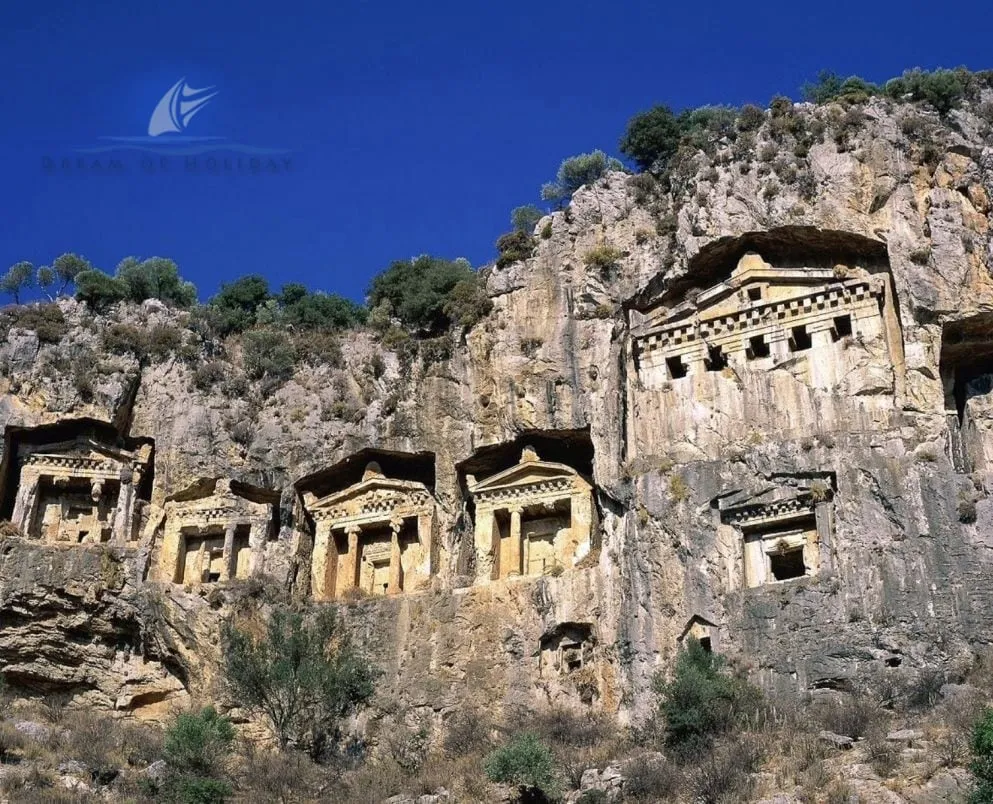
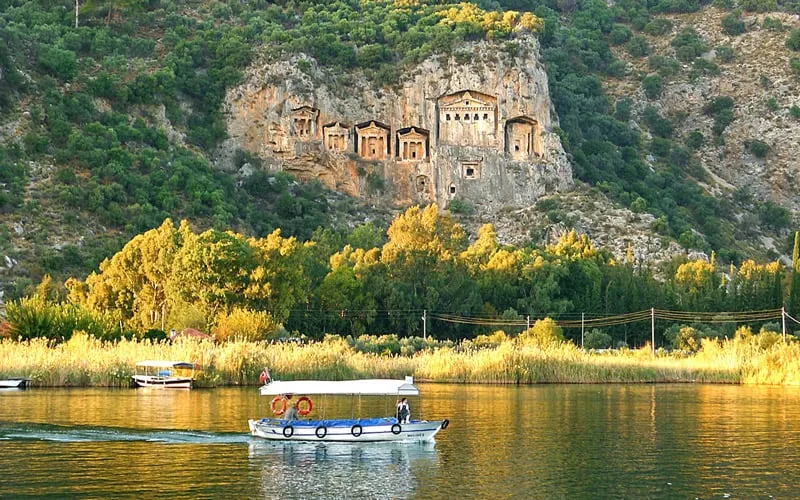
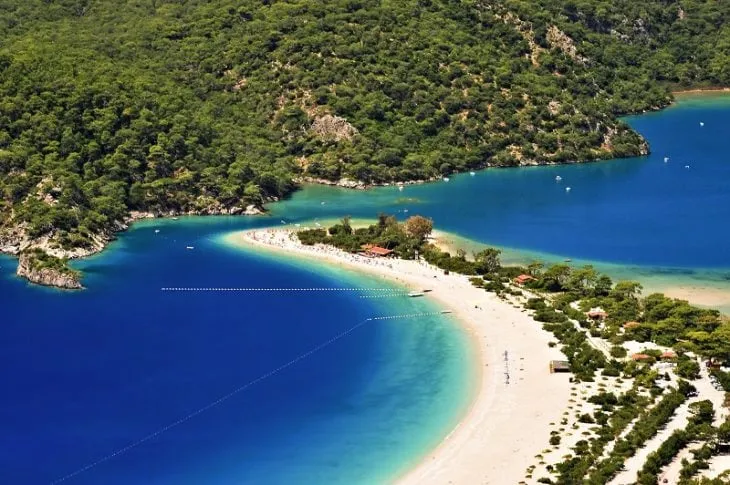
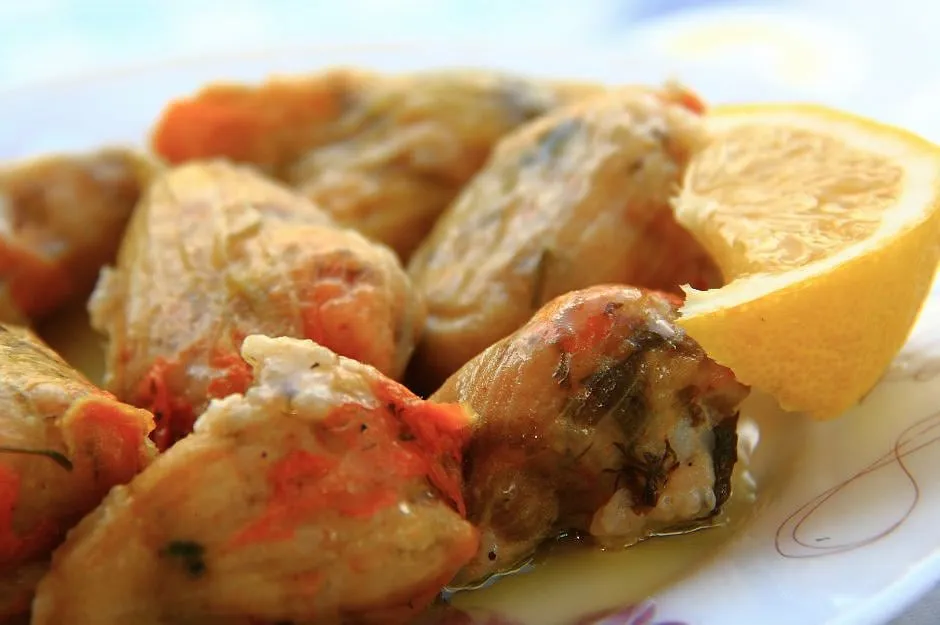
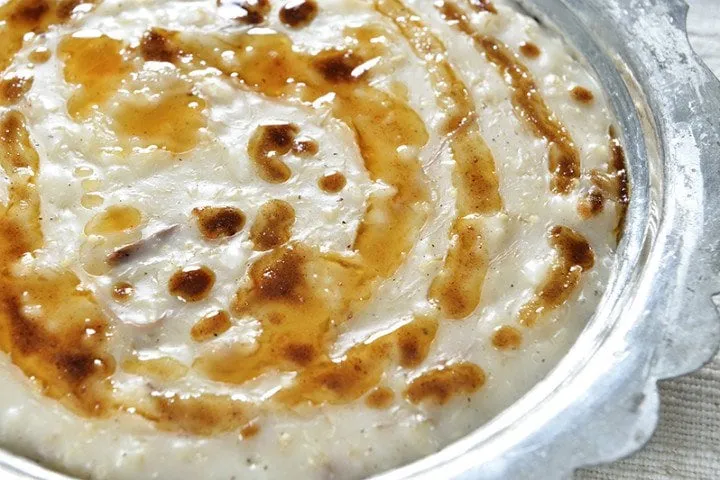
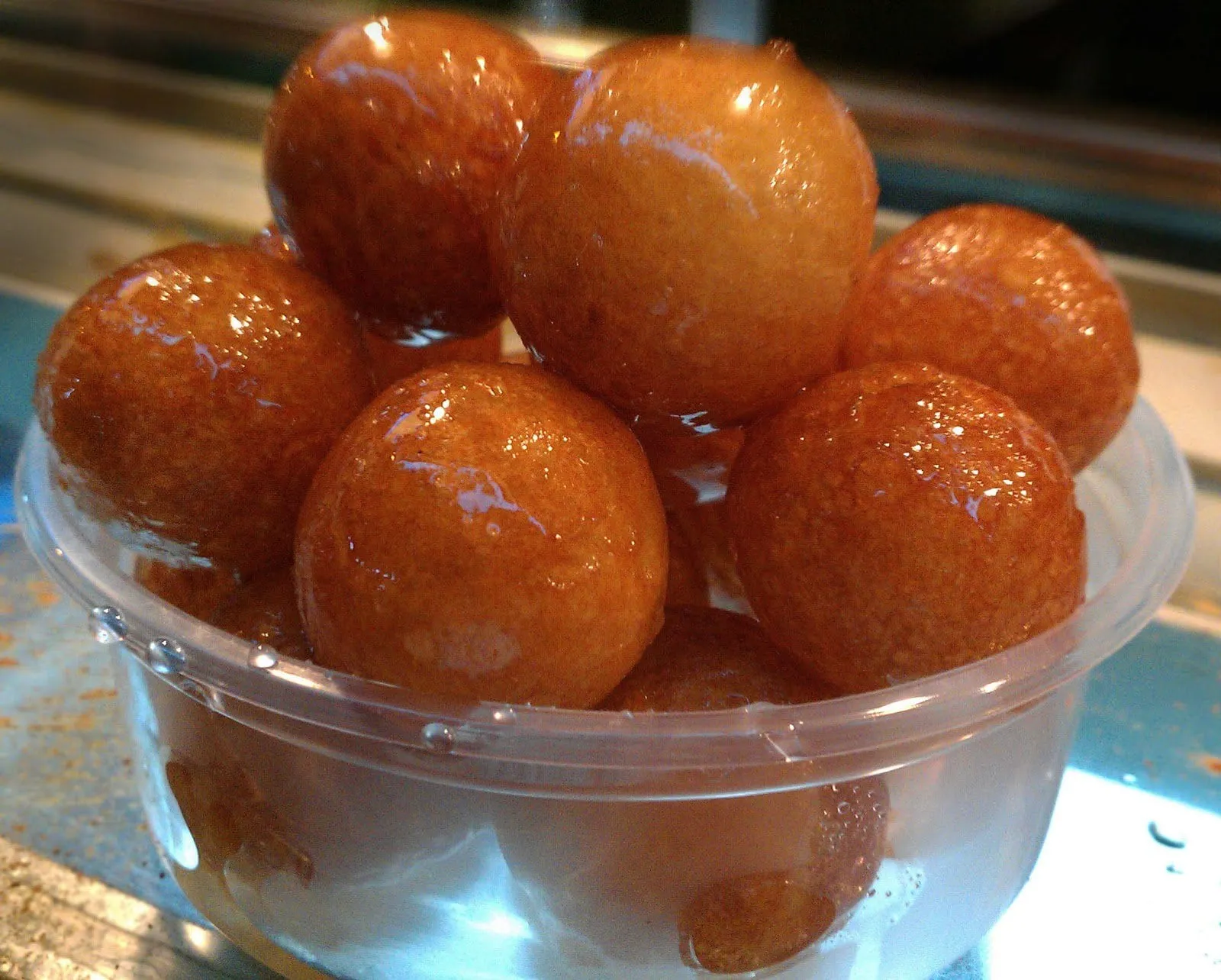


Comments
Loading comments…