
Muş
- Eastern Anatolia Region
About Muş
Muş, which has great tourism potential thanks to its natural, historic and cultural assets, is built on the plain between the Çar and Korni streams in the Upper Murat–Van section of Eastern Anatolia.
Its deep-rooted cultural history, beginning with the Urartians, is without doubt the province's most important tourism asset. Muş has great potential for winter and outdoor sports; although there is not yet enough tourism infrastructure for these, work is continuing.
Muş's famous dishes and desserts
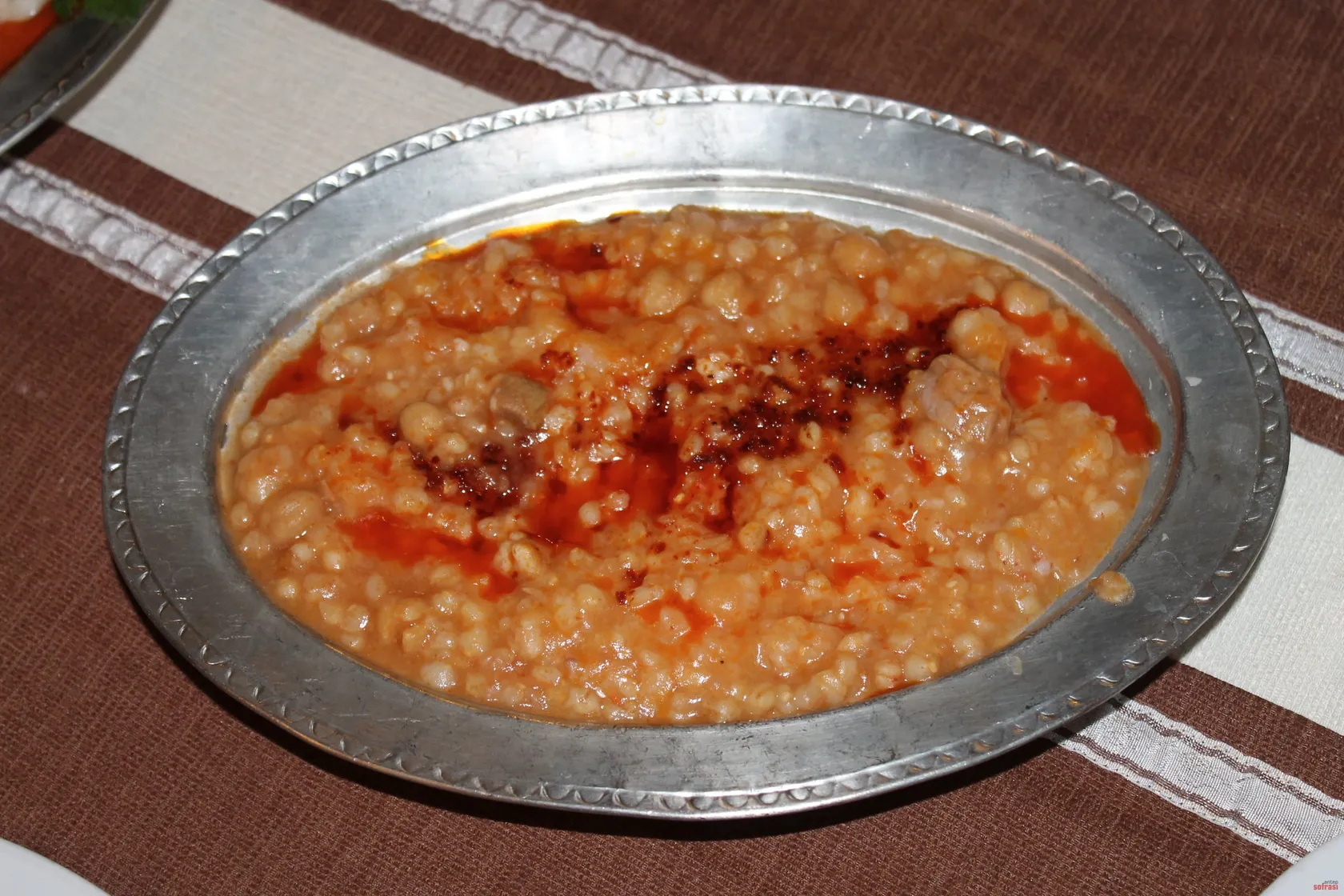
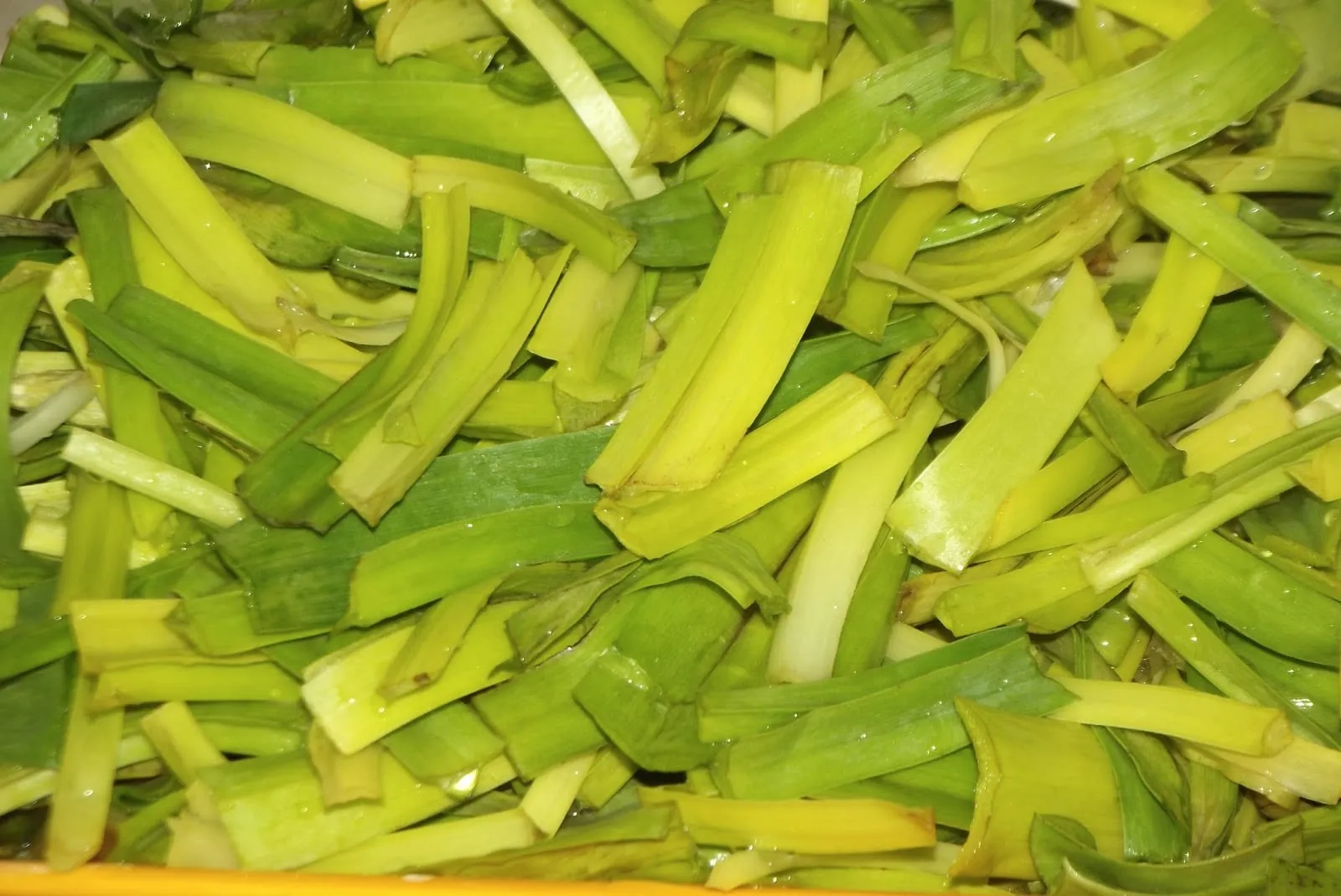
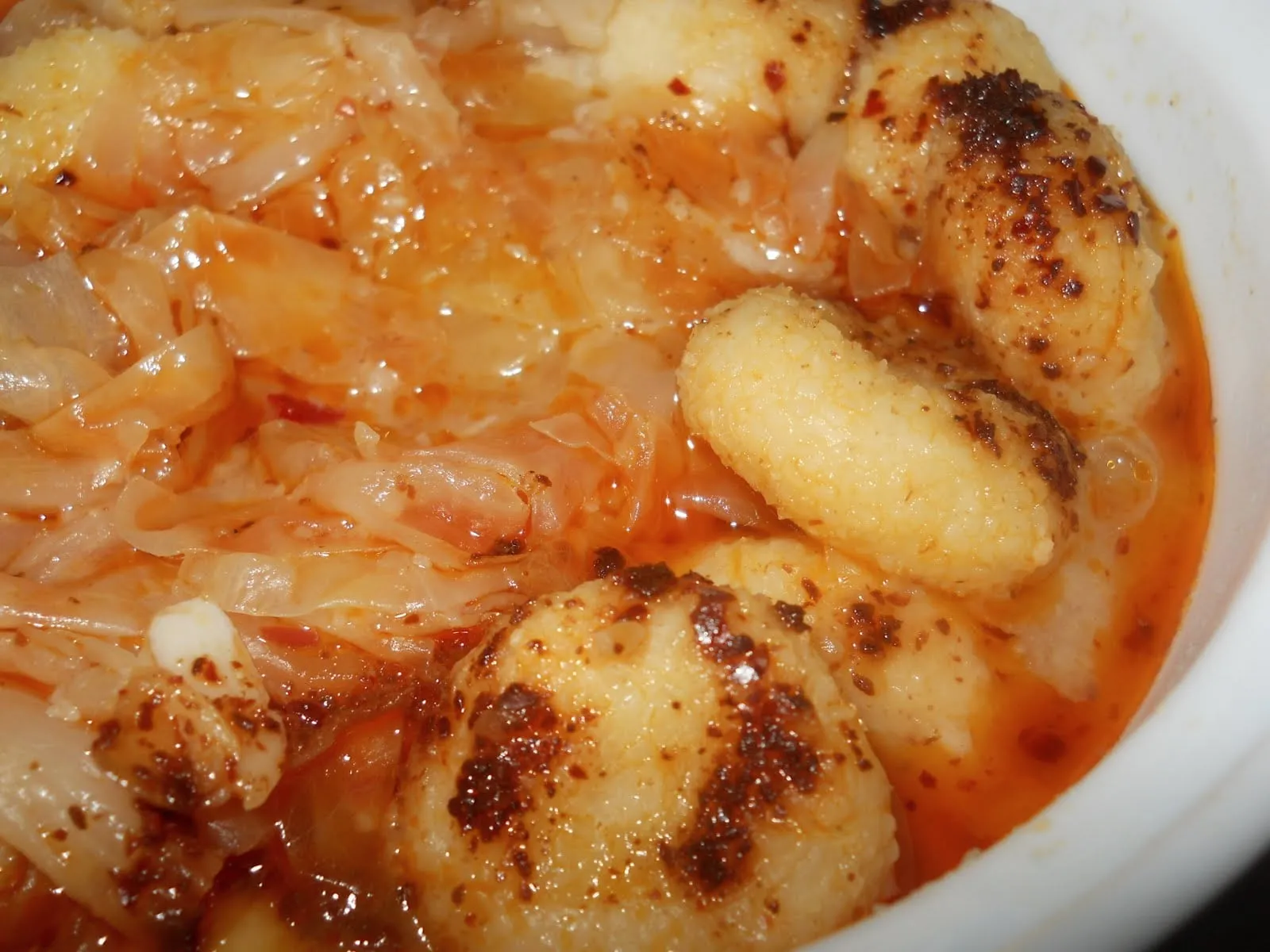
Muş cuisine is shaped by preparing for long winters. In summer, cabbage leaves are pressed into jars with pepper and garlic (pırvaz), and the pickled cabbage çorti is prepared; in winter, çorti is cooked with meat on the bone and pounded wheat and drizzled with sizzling butter. Bread is made at home from flour of wheat ground at the mill.
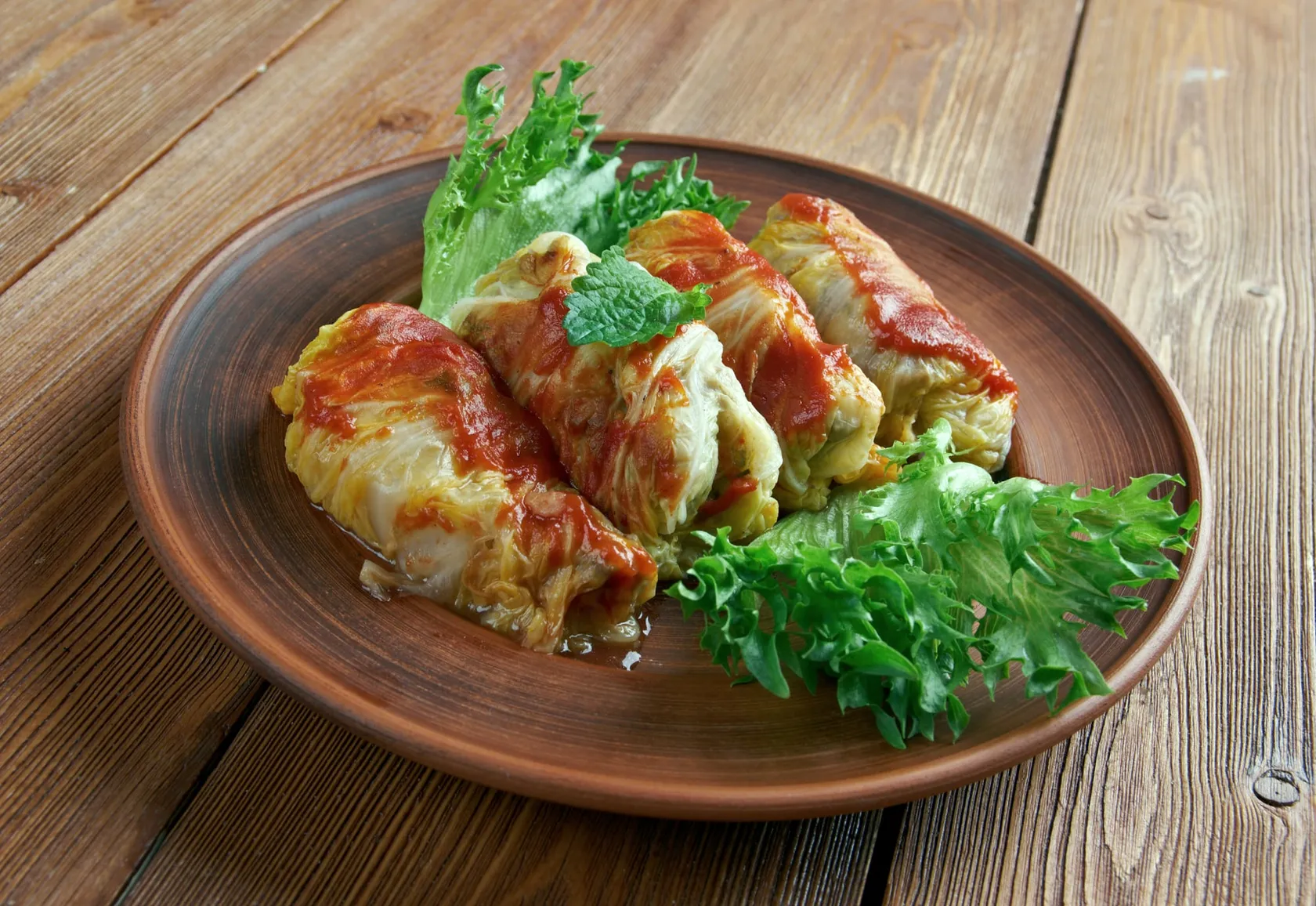
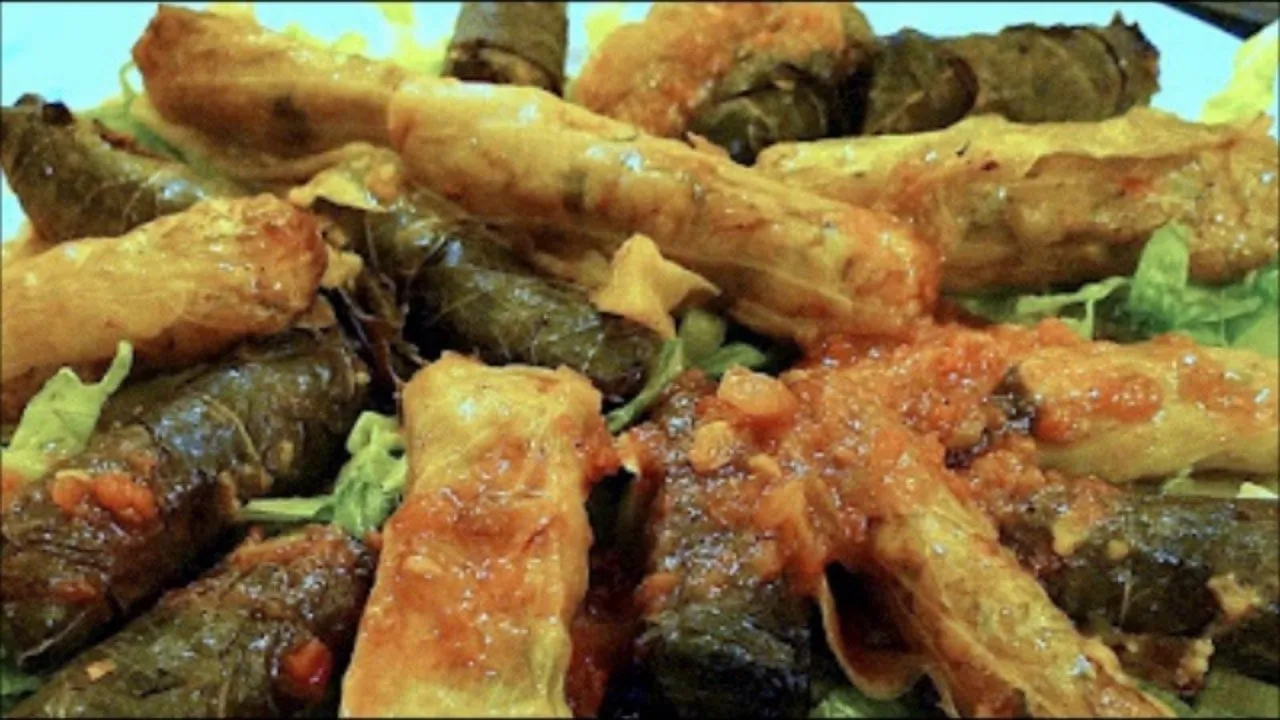
Muş köftesi is an içli köfte made of fine bulgur, filled with a fried onion stuffing and boiled in water; because it is made once a week at home, it is also called “hafta direği” (the pillar of the week). Hazüt (hez) dolması, stuffed with rice and minced meat, and kırçikli kelem dolması, with vegetables, are made with cabbage leaves.
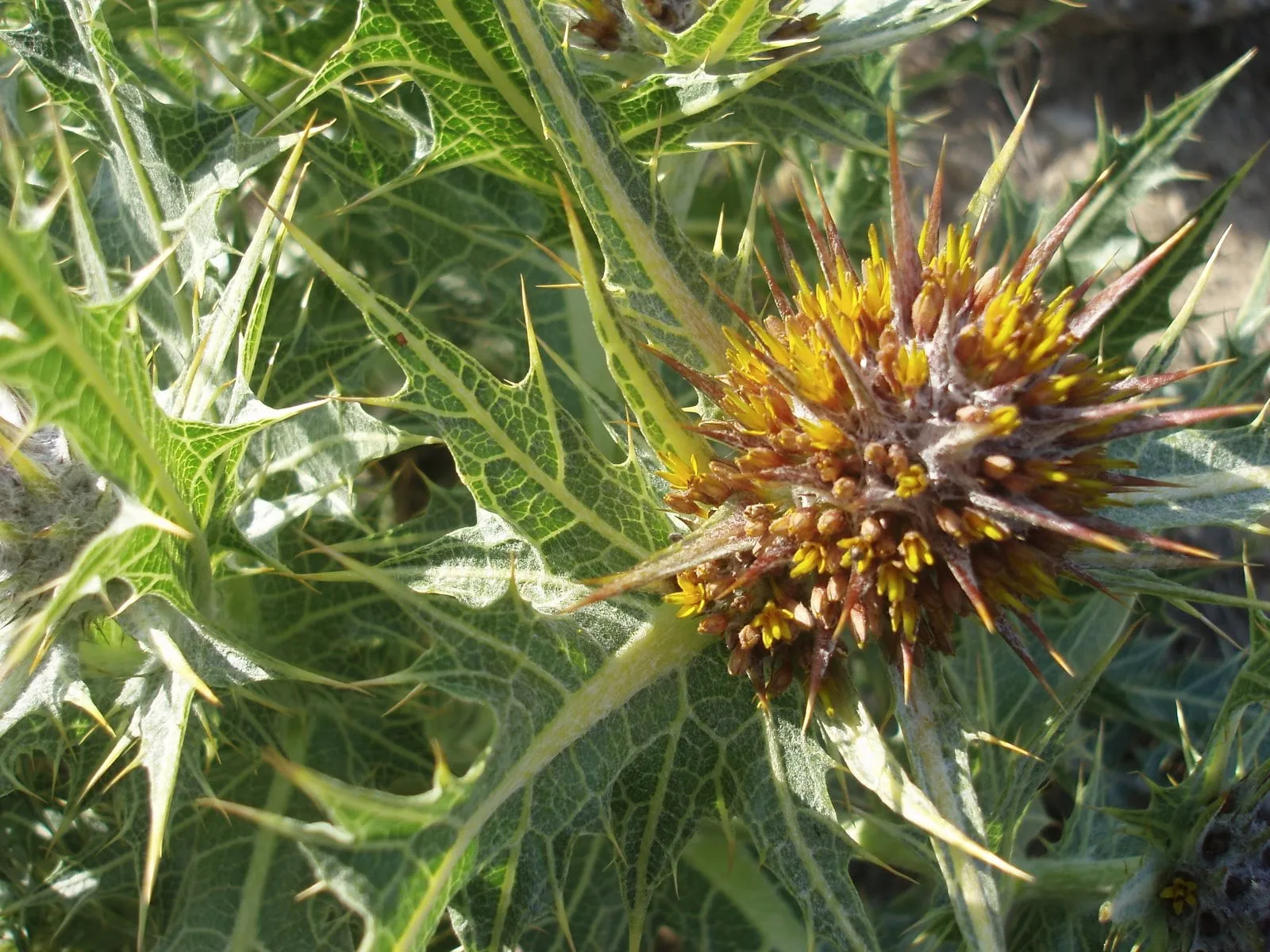
Keşkek, herse and helimaşi, made with pounded wheat and chickpeas; cavbelek, cooked with bulgur flour and kurut (dried yogurt); and teter helvası, made with pekmez (grape molasses), butter and bread, are the province's well-known dishes. In spring, wild greens gathered in the mountains, such as uçkun (wild rhubarb), kenger (wild artichoke), gülük and sıpıdak, are boiled or cooked with eggs; dried fruit (kak) is added to dishes in winter.
Places to visit in Muş
Arak Monastery (Church)
It stands on a summit east of the Karaçavuş Mountains that is now used as a yayla (highland pasture). The village of Arak (Kepenek), which gave the monastery its name, is at the foot of the summit. Arak means wine in Persian; the village is known to have once had a grape store and to have been a place where grape must was pressed. 200–250 metres away is a large bell tower. Roman style stands out in the monastery's workmanship and materials.
Muş Castle
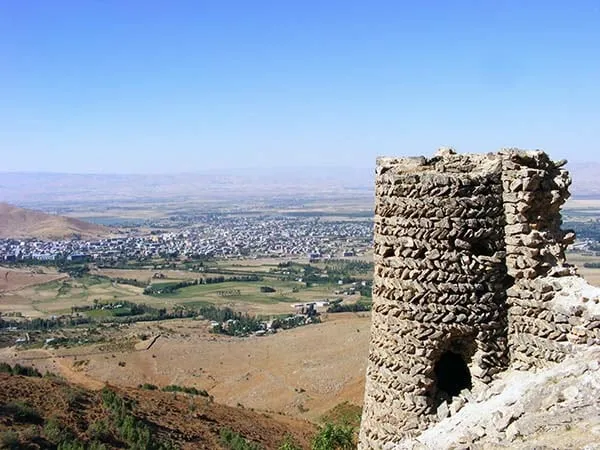
This historic castle is in the centre of Muş. The scene of Mongol and Armenian invasions, it came under Arab rule when it passed to the Muslims in the time of Caliph Omar. Now made into a park, the castle has become one of the places where the people of Muş have picnics.
Murat Bridge

It is on the Muş–Varto road, 10 km from the city centre. It is a Seljuk structure, and its construction date is not known for certain. It is 143 m long with 12 arches. Today it has collapsed at the central pier.
Alaaddin Bey Hamam
The hamam in Muş city centre was built by Alaaddin Bey at the same time as the Alaaddin Bey Mosque. Still in use today, it is decorated with plant motifs. The tortoise relief just above the door at the entrance to the large hall inside the hamam is striking.
Kayalıdere archaeological site, Varto
It is in the village of Kayalıkaya, 20 km from Varto. It is an Urartian settlement, found in a 1965 excavation by the British Institute of Archaeology. The excavations uncovered a fortress, a temple, a wine cellar, a tomb and small finds. The objects found here are displayed in the Museum of Anatolian Civilisations in Ankara.
Great Mosque of Muş (Ulu Cami)
The construction date of the Great Mosque, built by Şeyh Muhammed-i Mağribi, who is buried in its courtyard, is not known exactly, but its architecture suggests it was built in the 14th century. The main hall has a dome in the centre and barrel vaults on the sides, and to the north is a three-domed portico of cut stone. The minaret was damaged by an earthquake and was repaired faithfully to the original in 1968 and 1972.
Source: http://www.gezilebilecekyerler.com/musta-gezilecek-yerler/
Culture and arts in Muş
TRADITIONS
Traditional structures still dominate social life in Muş and its surroundings. Historically, the aşiret (tribe), the most deep-rooted and distinctive structure in the Turkish state tradition, still keeps its character. In the history of the Turkish states, families joined to form obas (clans), obas joined to form aşirets (tribes), aşirets joined to form oymaks (tribal confederations), oymaks joined to form beyliks (principalities), and beyliks joined to form states. From this, customs combined with faith came to hold an important place, and especially in our villages this way of life appears as a factor strengthening the social structure.
BIRTH CEREMONIES
The people of Muş keep up their customs and traditions through many set ceremonies handed down from long ago. With modern medicine entering our lives, birth ceremonies too are being forgotten. Preparing for the birth: The house where the birth will take place is prepared with a thorough cleaning, and the air is freshened with pleasant scents. The mother-to-be is bathed and dressed in new clothes. Mothers of many children, called göbek annesi (the woman who cuts the baby's cord), and experienced grandmothers are invited. Buns and dishes prepared by the neighbours are offered to the guests. As the birth approaches, the household's food and drink are usually provided by the neighbours, who prepare a meal and bring it to the mother-to-be's home. This continues for seven days after the birth. Forty days after the birth, or once the forty days are over, the father takes his wife and the newborn to his father-in-law. After a while, his wife and child are brought back either by him or by the father-in-law.
CEREMONIES AFTER BIRTH
Naming: Within 3–7 days of the birth, the elders of the father's (groom's) side and the mother's (bride's) side are invited to name the baby. Giving the baby the name of one of the elders without consulting them and getting their approval is frowned upon. When the baby is named, the swaddled baby is taken in someone's arms. The ezan (call to prayer) is recited into the right ear and the tekbir into the left, and the baby is given cornelian cherry or sugar water in its mouth. At the end of this ceremony the child is named. For each child born, families who can afford it sacrifice animals called “Akika”, to be shared out among poor families. Close neighbours are also invited to a meal. The cradle: Forty days after the baby is born, the mother gets up and goes outside the house. This ceremony is held so that the new mother's mother, sister and father can send her to their home. On the fortieth day, close neighbours and relatives are invited. Each guest brings various gifts for the child, such as clothes and cradle accessories, always including a nazar boncuğu (evil-eye bead). These gifts are attached to the cradle or pillow prepared beforehand, and prayers are said... After the guests leave, an elderly, respected woman (usually the new mother's mother-in-law) prepares “Kırk Suyu” (the water of the forty) in a basin. The person whose task is to cut the child's hair cuts it, and the child is taken to be washed. Water is taken from the “Kırk Suyu” with a bowl or a large wooden spoon, with prayers, and poured over the child's head, and the child is washed in warm water in which the mother's jewellery has been dipped. The woman who did the washing then rocks the baby once, and the baby is dried, powdered, dressed and swaddled. The hair from the baby's shave is collected and weighed, and gold, silver or money equal to its weight is given to the person who shaved it. Wealthy families also sacrifice an animal as a vow and share the meat among seven poor families. The baby's hair is wrapped in a new cloth and kept. Circumcision: If the baby is a boy, he is circumcised with a close relative as kirve (sponsor), who takes on the costs. The circumcision can be done when the baby is a week old or delayed up to the age of seven. The kirve's whole family is regarded as kirve to the family of the circumcised child, creating a new bond. This tradition appears as an extension of the ancient “Putlaç” tradition. (Putlaç, in the kirve tradition, means that — although it is not a rule from Islam — the kirve's family and the child's family do not intermarry, raising kirve status to the level of kinship.) Diş hediği: In our province, this is a form of fortune-telling based on certain practices and interpretations, used to determine what profession a child will choose in the future, or to learn how a child living far from home is faring. When the child cuts its first tooth, at a small ceremony called “Diş Hediği” attended by close relatives, objects each representing a different profession, such as a knife, pen, book, bracelet and bread, are placed in front of the child. It is believed the child will later choose the profession of whichever object it reaches for and takes. If the mother is the first to notice the tooth and surprises an elder with it, it becomes customary for the first person to see the child's teeth to buy the child a gift.
MARRIAGE TRADITION
A patriarchal family order prevails in our province, so traditional arranged marriage appears as a way of life that came from Central Asia. As is well known, in the Dede Korkut epics, when Bamsı Beyrek was to be married, his father told Kanlı Koca the qualities of the girl he would marry, that he would marry according to these qualities, and that they could go to see the girl on that basis. We even find in the Bamsı Beyrek story of the Dede Korkut epics something similar to beşik kertmesi (betrothal in the cradle), traces of which are slowly disappearing today. Seeing the girl (bakma): The elders of the man's side decide to go and see a girl. Intermediaries are approached. Word is sent through someone close to the girl's side (usually a relative), or they go together to see her. Those who go observe the girl's manners at home and her beauty. She is asked to show her embroidery to demonstrate her skill at handwork and housework. Water is asked for as a formality. Attention is paid to how she comes and walks when bringing the water and how she stands when offering it. The girl is also careful and trained in these matters. When offering the water she puts her hand on her chest and smiles slightly and respectfully, repeating this when taking the glass back. These gestures are considered important signs of the girl's upbringing and refinement. As the visitors leave, they also note how the prospective bride places their shoes in front of them. Asking for the girl and hand-kissing: This is arranged jointly by the two families. People usually go to ask for the girl on Thursdays; today weekends are also used. The man's side, with the leading men and women among close relatives and neighbours, goes to the girl's house after the night prayer. The men gather in a separate room. The refreshments offered are deliberately declined at first; after enquiring after everyone's health, the eldest of the man's side opens the conversation: “Sir, you haven't asked us why we came here.” (The girl's guardian is a little uneasy.) “Welcome, you have brought us joy. Asking guests why they have come has no place in our customs and traditions, and besides, it is not for us to ask.” “Well then, let us explain why we came: by God's command and the Prophet's word, we have come to ask for your daughter ....... for our son ......... God's will matters more than man's. One must obey the will of the Creator. Our Prophet commanded: ‘Marry.’ It is right to follow this sunnah.” If needed, other guests join in. In the end, after consulting his household and his daughter, and if it is considered suitable, the girl's father says: “Guests, you are welcome. If you think it fitting, so do I; she is a daughter, I give her to you. May God make it happy and blessed,” giving his consent. The youngest of the man's side then kisses the hands of the girl's side, starting with the eldest. This ceremony is called “el öpme” (hand-kissing). Meanwhile, the refreshments prepared but declined at first are asked for again, and a warm conversation follows. Word is sent to the room where the women are. The man's mother, father or sister puts the promise ring on the prospective bride. After refreshments, the men begin to discuss the gifts requested for the bride's side. These are usually agreed as a horse, a gun, jewellery and başlık parası (bride price). In some parts of our province the bride price is called “Süt Hakkı” (milk right). Although these customs are being forgotten today, they still continue in a few villages. Şerbet içme: The engagement ceremony is called “şerbet içme” (drinking the sherbet) locally. It is usually held on Sundays. The man's side announces it by going round friends and family or through a koçurgan (inviter). The ceremony takes place at the girl's house. At least two women from the man's house go to the girl's house early in the morning to make and serve the sherbet. Sugar brought from the man's house is dissolved in water, and cornelian cherry syrup is added to colour it. While the sherbet is served, one woman holds a dry towel and another a wet one for the guests. The man's side's guests attend the ceremony until noon. Guests are welcomed by the man's father and the neighbourhood imam. The sherbet is served in silver cups. When the men's ceremony ends, the women's begins and lasts until midnight. The women first gather at the man's side's house and then go together to the girl's house. Here the festivities begin; the women sing dance tunes together and play the def (frame drum). As the night goes on, the celebration moves towards the place where the engagement will be held. The man's side's chest of goods is placed in the middle of the room, opened, and its contents shown one by one to the women who come. The jewellery is put on the bride-to-be, and so the ceremony goes on. In the morning, the girl's side sends the engagement ring to the man's house with a jug of sherbet. The groom-to-be puts the ring on his finger and gives sherbet and a tip to the woman who brought it. In every month between the engagement and the wedding, a “Pay Töreni” (Gelin Görme, seeing the bride) is held.
Source: Archive of the Muş Provincial Directorate of Culture and Tourism
History of Muş
According to Assyrian sources, the Muş area lay in the 13th century BC within the land of Nairi, which was attached to the Urartians. In 973 the Taron region came under Byzantine rule.
Between 1100 and 1102 Sökmen el-Kutbî took the city, and Muş was attached to the Ahlatşahlar (Shah-Armens) Beylik; in 1207 the Ayyubids took control. Around 1515 it joined the Ottoman realm and became the centre of the sanjak of Muş, part of the Van Eyalet founded in 1548.
It was occupied by the Russians in 1916 and returned to Ottoman rule on 1 May 1917. Its status as a province was abolished in 1926, and on 3 June 1929 Muş became a provincial centre again.
Getting to Muş
By road
The bus terminal, 2 km from the provincial centre, can be reached by city dolmuş (shared minibus).
By rail
The station, 3 km from the provincial centre, can be reached by city dolmuş.
By air
Muş Airport, 16 km from the provincial centre, is served by the Muş Ovası shuttle.
Districts of Muş
- Bulanık
- Hasköy
- Korkut
- Malazgirt
- Merkez (central district)
- Varto
Economy of Muş
Muş's economy rests mainly on livestock and farming; because of traditional methods, yields are low. Sugar beet, chickpeas and cereals grow on the Muş Plain, and tobacco is also produced.
The sugar factory is the region's main industrial plant. Carpets woven on hand looms in the villages also contribute to the economy.
The Muş tulip is the city's emblem; it blooms in late April and early May, and a festival is held every May. Muş grapes are also among the city's famous products.


Comments
Loading comments…