
Niğde
- Central Anatolia Region
About Niğde
Located in the Central Anatolia Region and thought to have once been called Nahita or Nakita, Niğde has a history of about 10,000 years. It came under the rule of states from the Assyrians to the Hittites, from the Phrygians to the Persians, and of Rome, Byzantium, the Seljuks and the Ottomans. As a result of this historical and cultural synthesis, it is one of the tourist cities that have managed to survive intact to the present day.
Its thermal springs, archaeological sites, rich historic fabric, natural beauty and opportunities for mountain and winter tourism are the main features that make the city a tourism centre. Agriculture and livestock account for most of the city's economic income, with apple and potato production in the lead. The Niğde Central Organised Industrial Zone, the Bor Leather Organised Industrial Zone, a carpet factory and other small industries are important sources of employment for the people of Niğde. Niğde also stands out for its traditional handicrafts, and the carpets woven here find buyers in many countries around the world.
Niğde's famous dishes and desserts
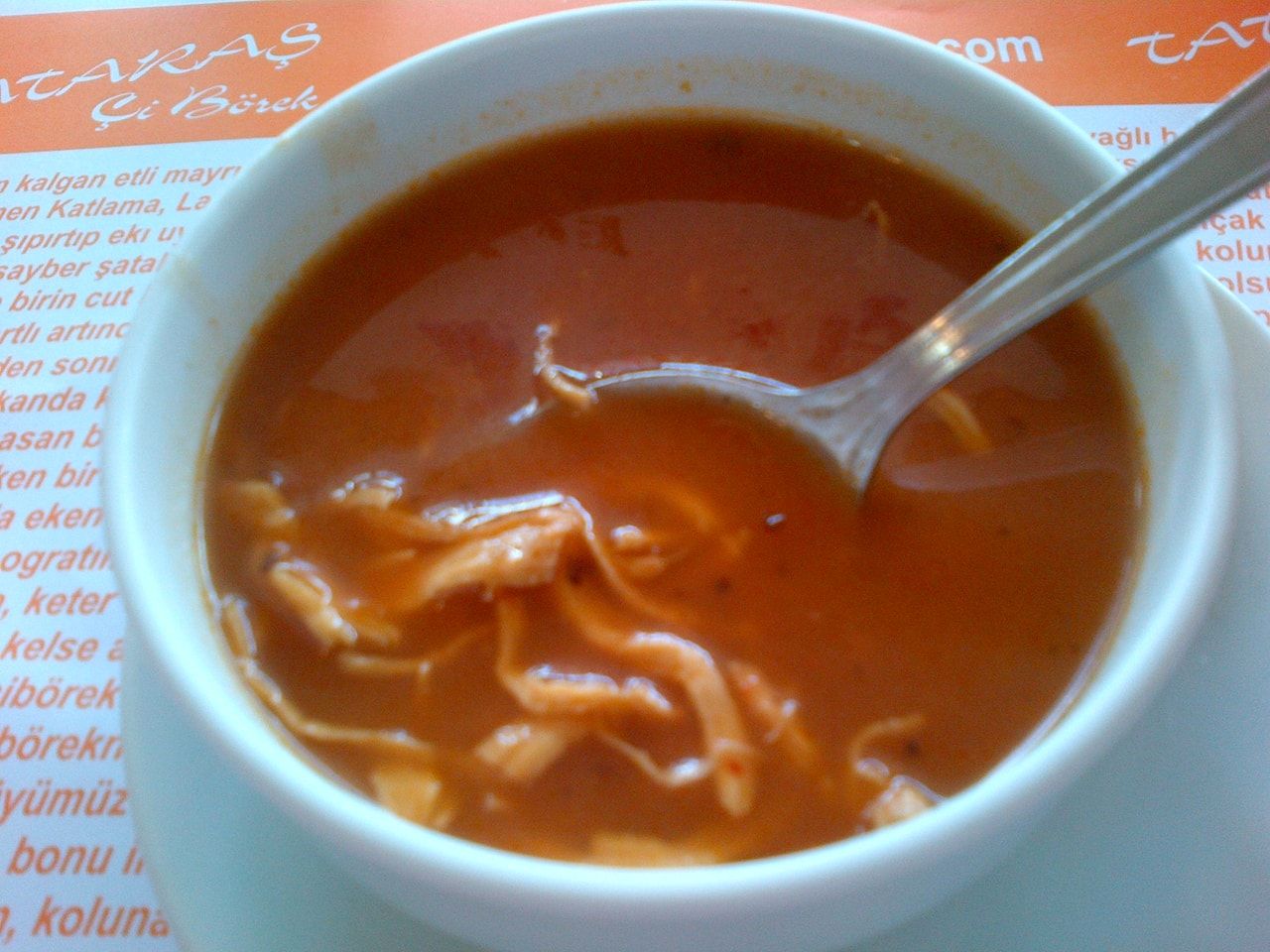
Arabaşı çorbası
A spicy soup made with chicken stock, eaten with a dough prepared separately.
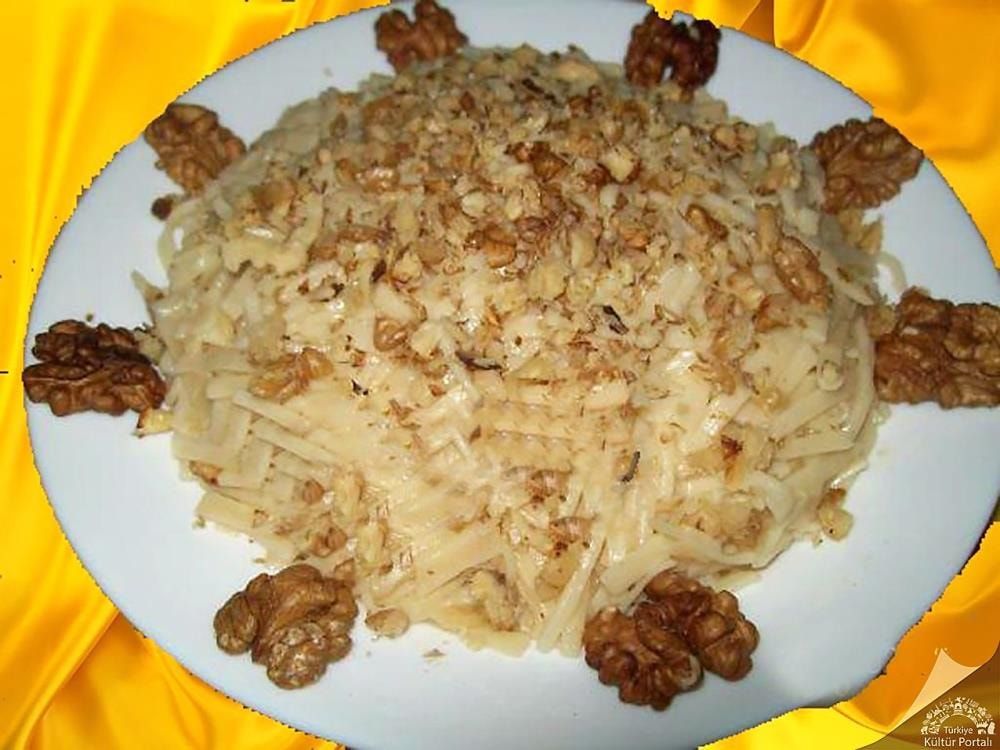
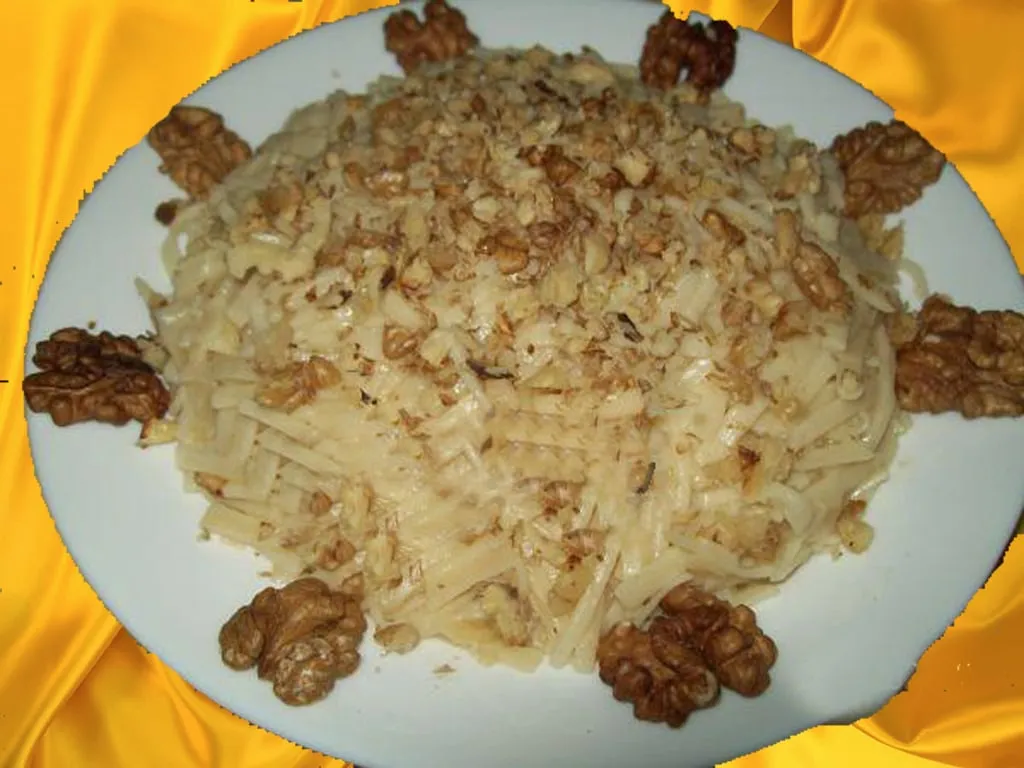
Niğde usulü cevizli erişte (Niğde-style noodles with walnuts)
Homemade erişte noodles prepared with white cheese, walnuts and parsley.
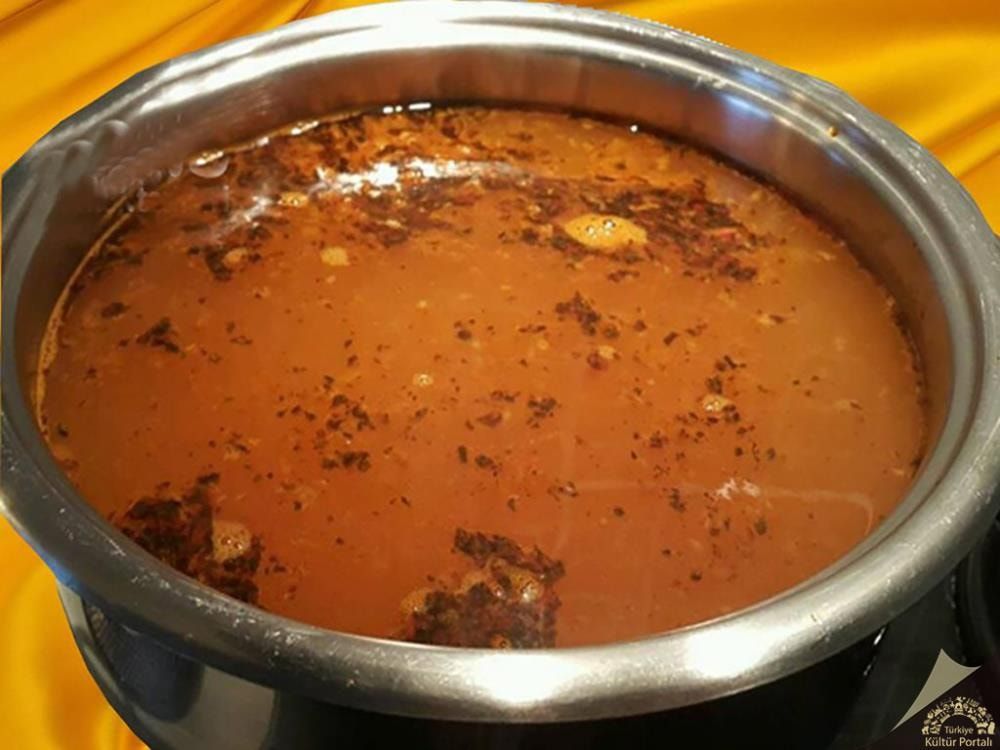
Mazaklı köftesi
Small meatballs kneaded from minced meat, fine bulgur and semolina, cooked in water with onion and tomato paste.
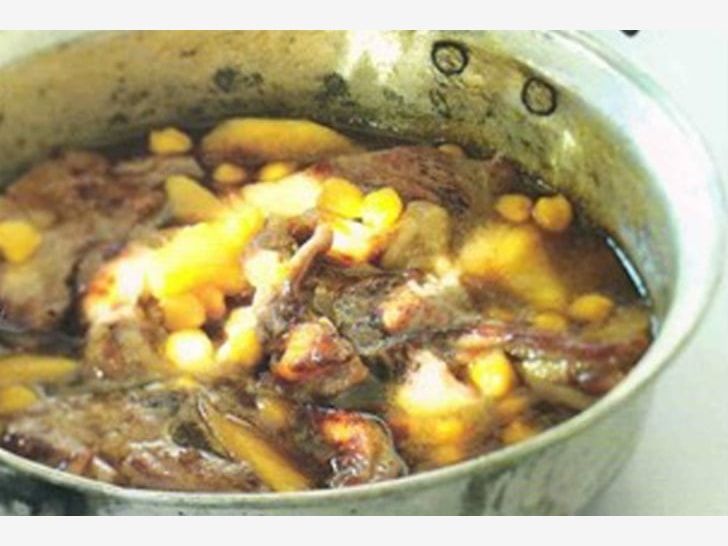
Ayva boranası (quince borani)
Lamb shank cooked with quince, boiled chickpeas and pekmez (grape molasses).
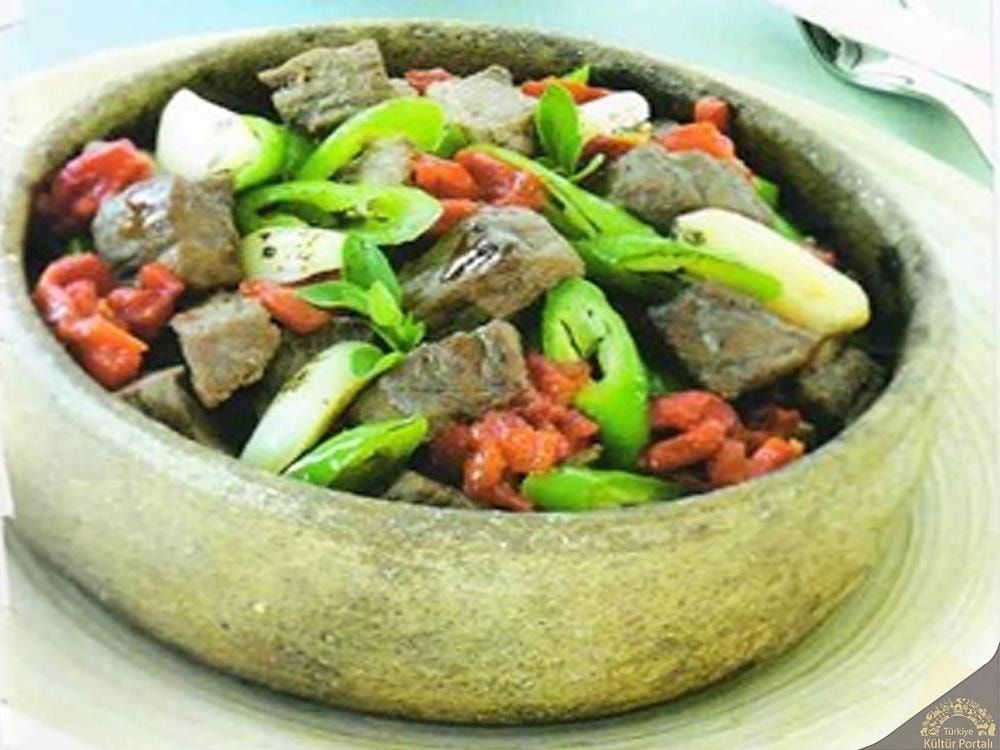
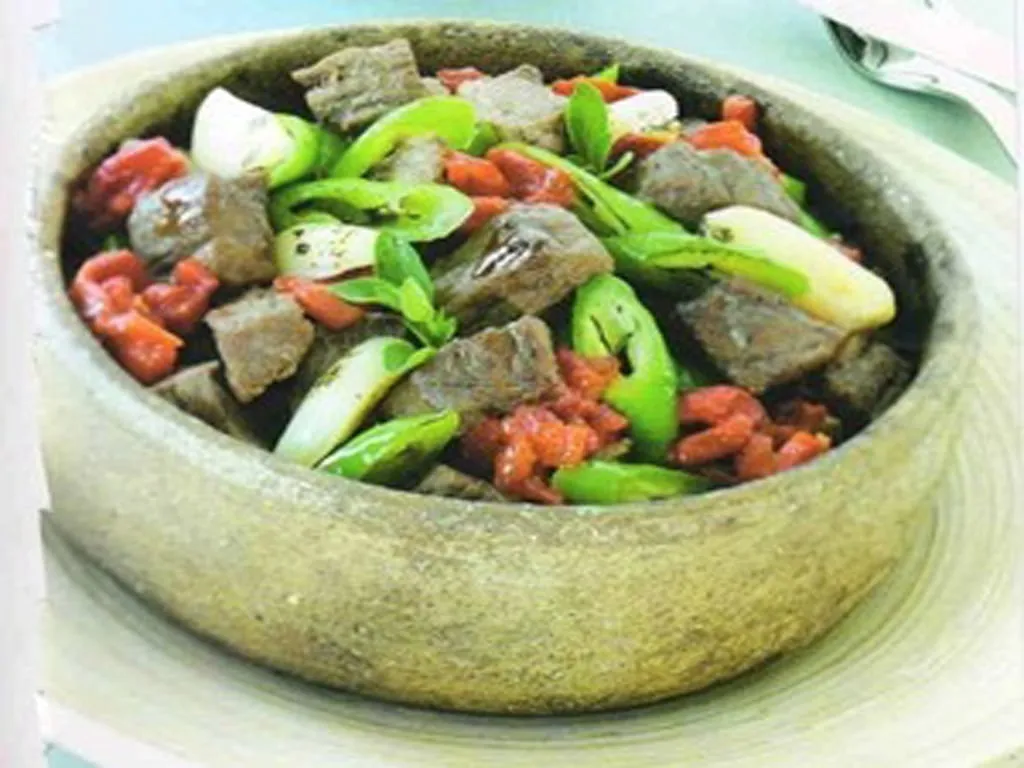
Niğde tava
Diced mutton or lamb, tail fat, tomatoes and peppers cooked in a tray in a stone oven over a wood fire. Niğde Tavası is registered with a geographical indication.
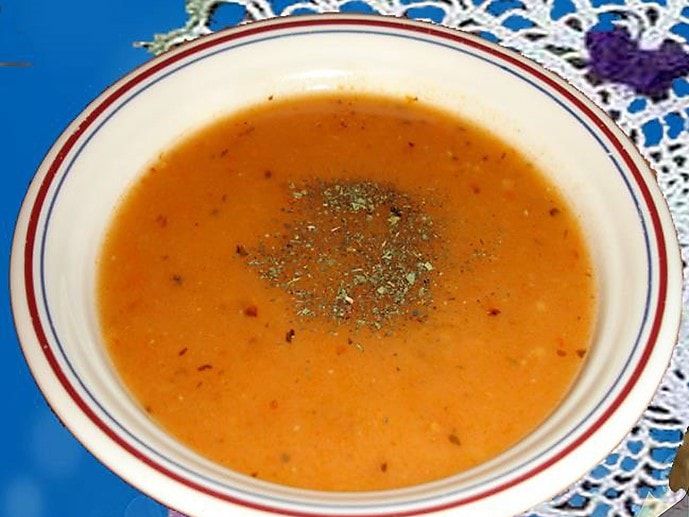
Niğde tarhanası
A tarhana soup particular to Niğde.
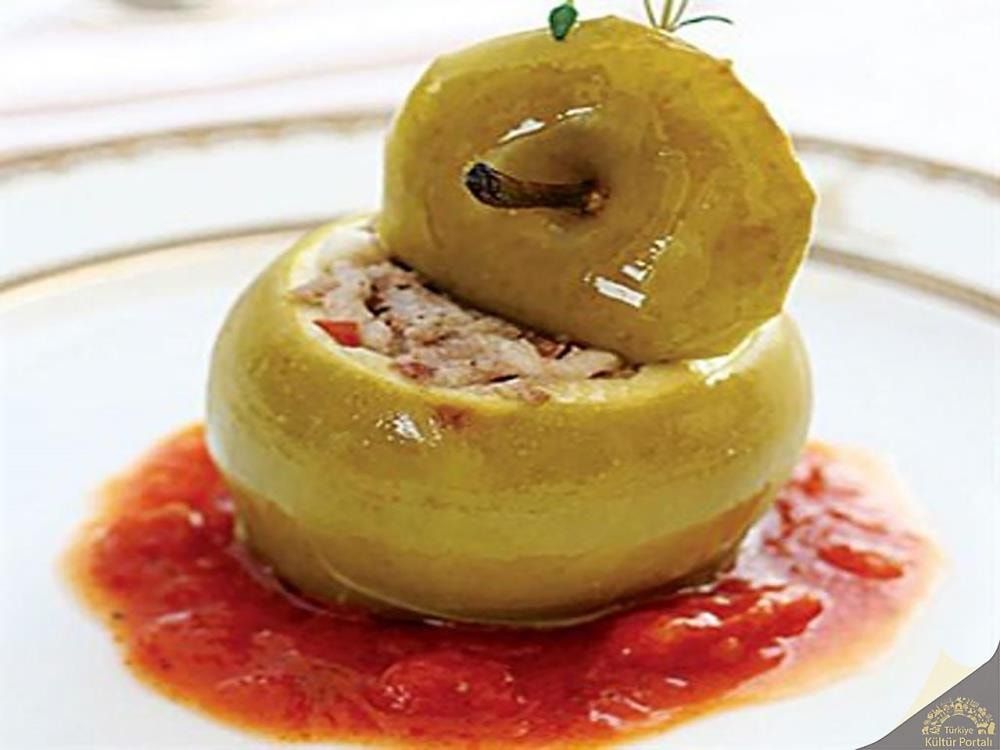
Pirinçli elma dolması (stuffed apples)
Niğde apples filled with a stuffing of rice and minced meat and then cooked.
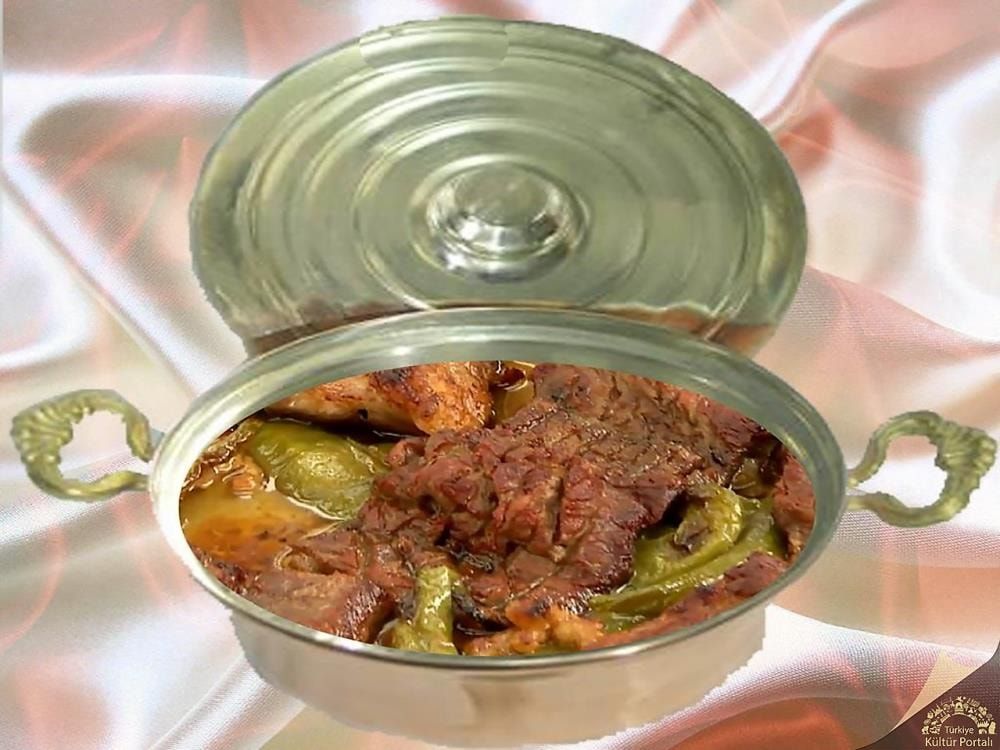
Söğürme
Bone-in meat from Akkaraman lambs raised on Niğde's highland pastures, cooked in a stone oven over a wood fire. Bor Söğürmesi is registered with a geographical indication.
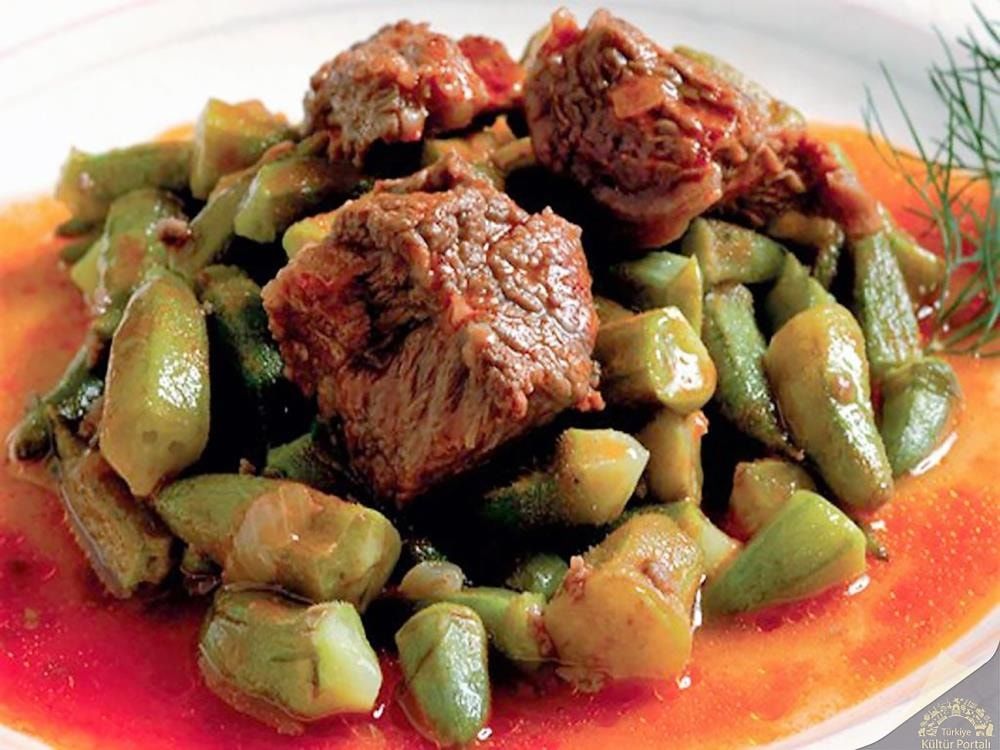
Niğde usulü etli bamya (okra with meat)
A dish of diced meat and okra cooked together.
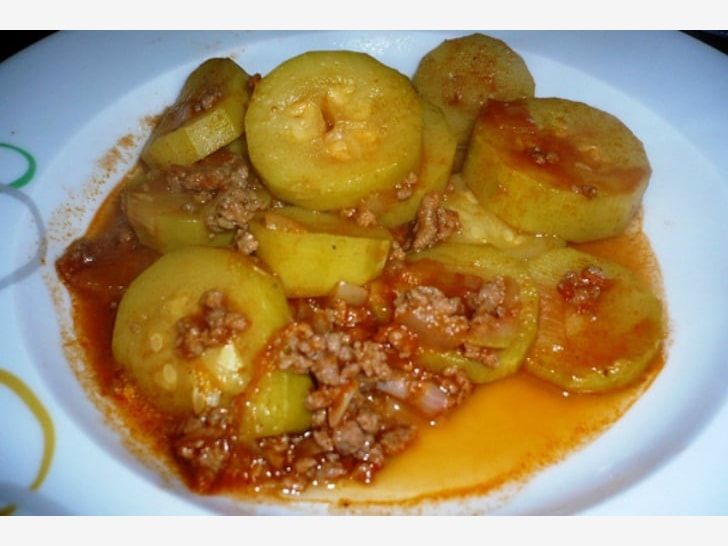
Kabak musakka (courgette moussaka)
Courgettes cooked in layers with minced meat.
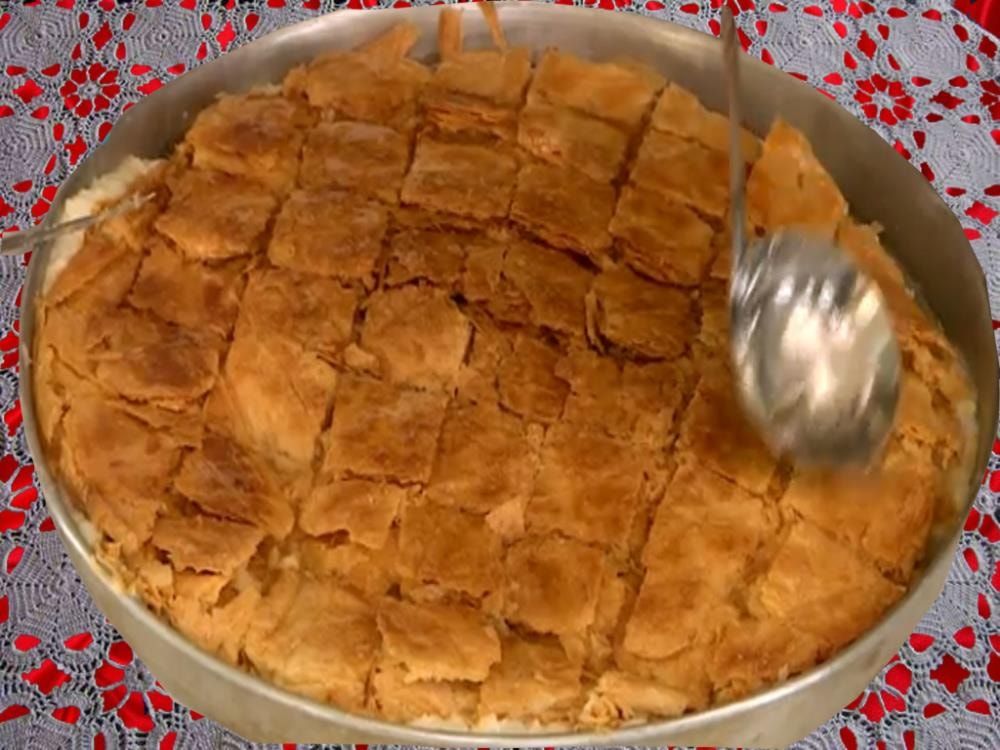
Kaymak tatlısı
A dessert made with kaymak (clotted cream), prepared by hand from the dough to the syrup.
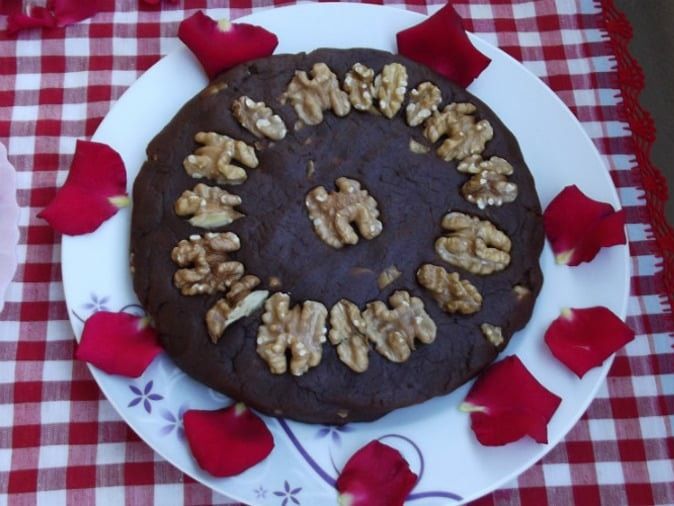
Halveter (helveter) tatlısı
Similar to flour halva, but made with pekmez.
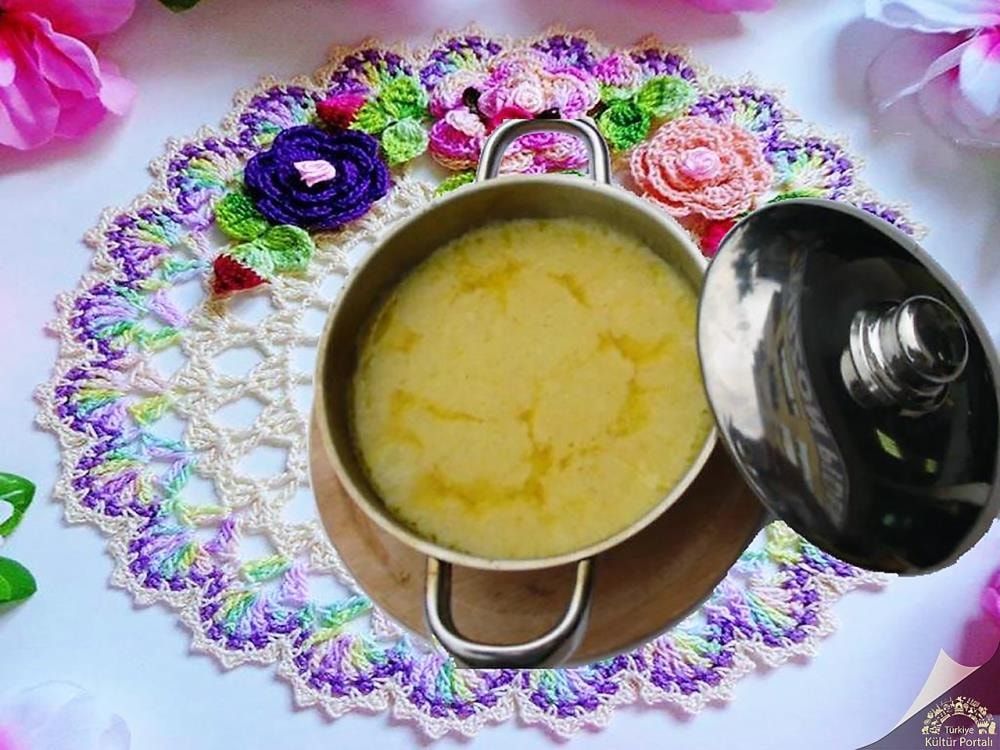
Niğde usulü kuymak
In Niğde, kuymak is made with pekmez.
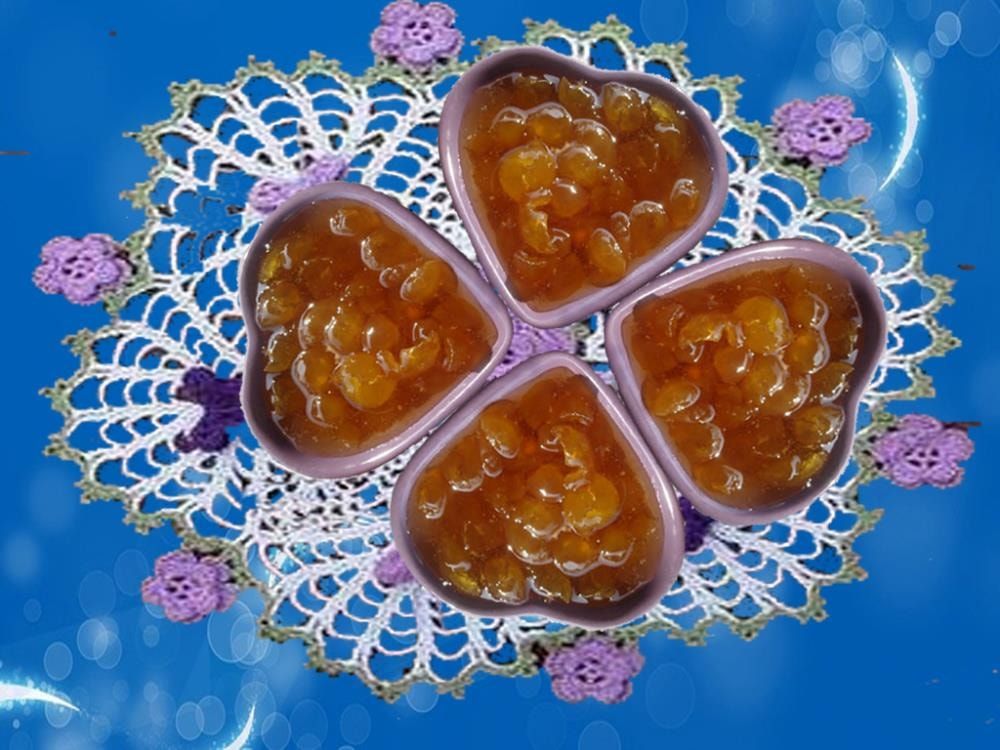
Beyaz kiraz reçeli (white cherry jam)
A jam made from the white cherries that grow in abundance in Niğde.
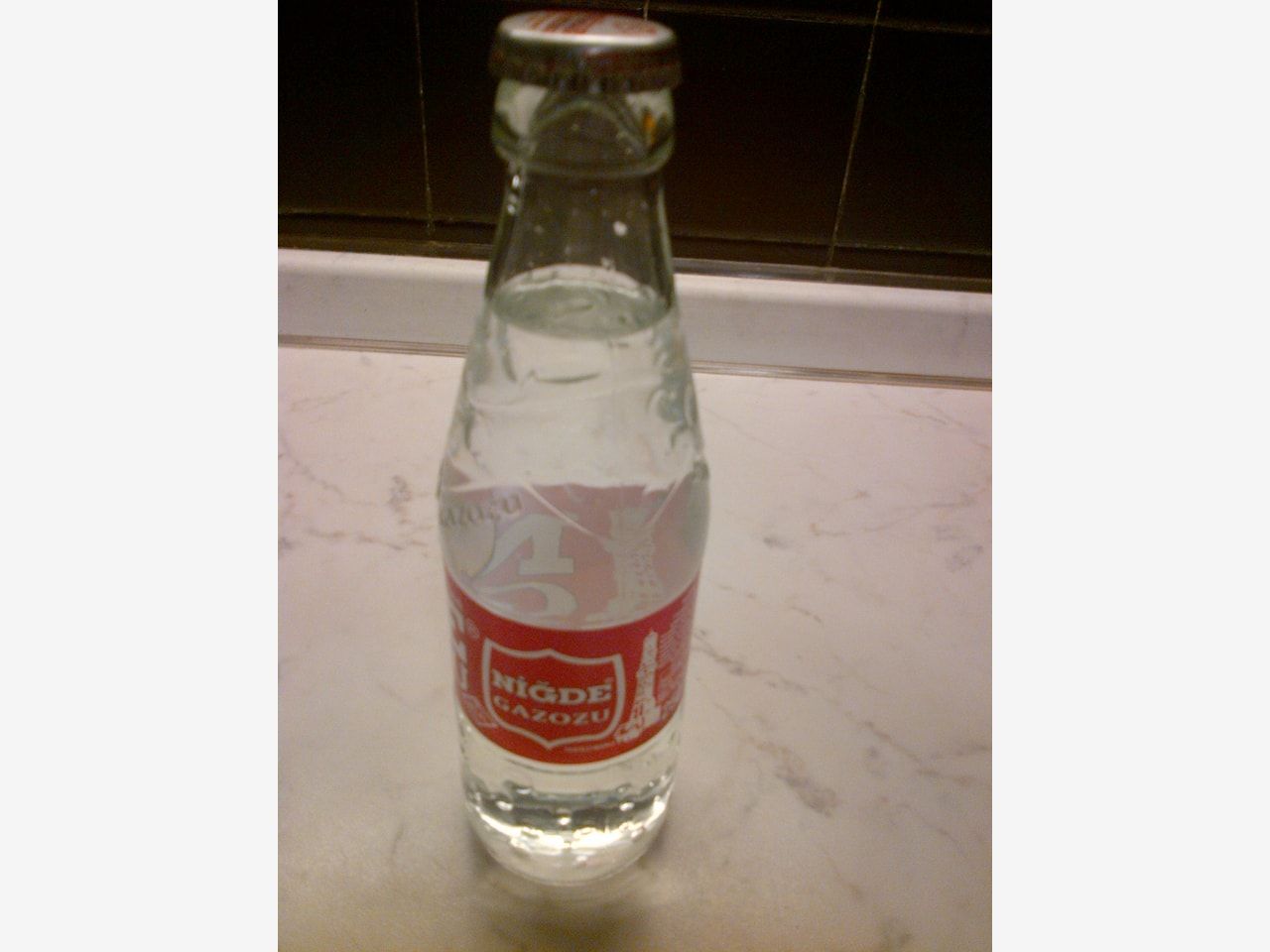
Niğde gazozu
A local fizzy drink (gazoz) produced in Niğde.


Places to visit in Niğde
With its natural beauty, historic buildings, hot springs and deep-rooted culture, Niğde is one of the places in our country that you must see.
You can start your trip by visiting the Niğde Museum, where archaeological finds thousands of years old from the city and its surroundings are displayed. The museum has archaeology and ethnography sections.
Archaeological sites: One of Anatolia's important settlements for thousands of years, Niğde is a real paradise for those who love visiting ancient sites. Among the sites you can visit are the Tyana archaeological site, Göltepe–Kestel, Köşk Höyük, Porsuk Höyük, the Kavlaktepe underground city, and the Ulukışla and Kuş Kayası rock tombs.
Mosques and tombs: Add historic buildings to your list of things to see in Niğde, foremost among them its mosques, tombs and külliyes (mosque complexes). The Sungurbey Mosque, Alaeddin Mosque, Akmedrese, Sarı Saltuk Tomb, Şeref Ali Tomb, Gündoğdu Tomb, Hüdâvend Hatun Tomb and the Öküz Mehmet Paşa Külliyesi in Ulukışla are among the historic buildings we recommend.
Churches and monasteries: Niğde has been home to different cultures and religions, and the religious buildings that travellers stop at include monasteries and churches. The Church of Constantine and Helena, the Eski Gümüş Monastery and the Gümüşler Monastery are among the most visited.
Natural beauty: Niğde is a must-see city that impresses as much with its natural beauty as with its history. If you are planning a trip, don't leave without exploring the city's natural attractions. The Aladağlar National Park, the Kayardı vineyards, Göllüdağ, Çinili Göl, Narlıgöl, the Bolkar Mountains and the Cımbar Valley are among the places worth seeing.
Hot springs and mineral waters: Niğde is also famous for its hot springs and healing waters. Having come this far, you can't leave without seeing them. We recommend Çiftehan Hot Springs, the Kemerhisar mineral spring and the Kocapınar mud.
If you have enough time, you can also add nearby Nevşehir to your list. You can spend a few days in Cappadocia, within Nevşehir's provincial borders, and discover the beauties of this unique landscape.
Places to visit in Niğde: historic sites
Kuş Kayası rock tombs
These are in the town of Karatlı, in Niğde's Merkez (central district). The rock tombs, south-west of the town, are on both slopes of a valley.
There are 15 tombs, 11 on the valley's southern slope and 4 on the northern slope. These similar-looking tombs contain klinai (funerary couches). Inside one tomb are figures, painted in red ochre, of dogs chasing a wild goat. All of the tombs have holes like blind windows above their entrances, and stylised human figures are carved in relief to the right and left of the doors.
Tyana archaeological site
The ancient site of Tyana is in the town of Kemerhisar, in Bor district. Much of the site lies beneath the town. Important sculptures found in various states around the town, and finds and architectural pieces from scientific excavations at the site, are displayed in the Niğde Museum. The town took the name Kemerhisar ("fortress of arches") from the arches built in Roman times to carry spring water from the ancient pool known as the Roman pool, in the town of Bahçeli. From the Roman pool to inside Kemerhisar the arches are underground; the rest, up to the excavation area, stand above ground. The aqueduct, much of which is still standing, carried water from the Roman pool to the city.
The aqueduct dates from the 2nd–3rd centuries AD. The Tyana site is protected as a 1st, 2nd and 3rd degree archaeological conservation area.
Home to many civilisations from prehistory to the fall of the Hittites, Kemerhisar (Tyana) was known as Tuwanuwa in the Hittite period and as Tyana in Roman times. Tuwanuwa was a capital in the Late Hittite period; the famous king Warpalawa ruled in this city in 738–715 BC.
In the Roman period, spanning 30 BC to AD 395, Kemerhisar (Tyana) went through the most important phase of its history, with intensive building. With palaces, temples, aqueducts and residential quarters, the ancient city became a major city. Tyana's most brilliant period was without doubt the Roman era, during which it twice served as the capital of the Kingdom of Southern Cappadocia.
Scientific excavations have been carried out at ancient Tyana by an Italian team since 2000.
Göltepe–Kestel archaeological site
The Kestel mine, from the Early Bronze Age (3200–2000 BC), lies at the foot of the Niğde Mountains within the boundaries of the village of Celaller in Çamardı district.
The mine faces Göltepe, a contemporary ore-processing workshop and settlement. To extract the tin ore cassiterite from the mine, a fire was first lit under the ore vein, and when the vein was thoroughly heated, water was sprinkled on it to crack it. The mine and its system of galleries wind like a maze through the mountain over an area of 1.5 km in all. Early Bronze Age Göltepe faces its contemporary, the Kestel tin mine. Excavations at Göltepe and the Kestel mine have found many ore-enrichment tools. Crucibles containing tin slag show that large quantities of tin were processed at Göltepe. After melting in crucibles, the tin was poured into moulds to make tin ingots. The final stage of this metallurgical process was combining tin with copper to make the bronze alloy. A product of advanced technology, this metal was used in the Early Bronze Age to make all kinds of tools, weapons and jewellery. The excavations here were carried out under the direction of the Niğde Museum and the scientific leadership of Prof. Dr K. Aslıhan Yener of the Oriental Institute, University of Chicago.
Köşk Höyük
Excavations at Köşk Höyük, on a rocky slope east of the Roman pool in the town of Bahçeli in Niğde province, have been carried out since 1981 by the Archaeology Department of Ankara University's Faculty of Languages, History and Geography and by archaeologists from the Niğde Museum.
They show that the Bor plain's earliest farming and herding community (6050–4911 BC) settled here. Of the five settlement layers, the first four belong to the Late Neolithic and the latest to the Early Chalcolithic. In the Neolithic the architecture consists of small multi-room spaces extended as needed. In the Chalcolithic, adjoining houses lined up along streets were built to a set plan. It appears that people of this period buried their dead under the floors of their houses. Köşk Höyük's importance for burial customs lies in the practice, applied to most adults and some children, of separating the head from the body, plastering the face with clay, modelling the facial features and painting them with red ochre to give them a lifelike look. This practice is seen in Palestine, Israel, Jordan and southern Syria between 10,000 and 8000 BC.
Kayardı vineyards (Kayardı Bağları)
The Kayardı vineyards are an important and well-known green area for Niğde. Kayardı is a breathing space for Niğde, so it needs care if it is to survive and be kept alive. In this respect, the efforts of vineyard owners alone are not enough: the whole city should take ownership of the area, which is Niğde's lungs. As the city moves into the future, protecting such valuable areas is very important.
For years we have written and said that although Niğde has many different riches across the province, it does not make enough use of them. Central Niğde is like a mirror of the whole province: so many assets in the city centre don't get the attention they deserve. In another city, the very existence of an area like the Kayardı vineyards would be reason enough for it to become an attraction in its own right. In the area of the Kayardı vineyards, almost every street of which I have walked, there are two distinct characters.
The first is the area that starts at Ömerli Çayırı and runs to Beşiktaş Street, which has Kayardı's finest character. It has old houses, well-kept vineyards and the only stream in Kayardı with flowing water. The street is truly a lovely road to stroll along with interest. Last year we called for this road to be linked to "Kurdunus", but nobody took it into account. If the road were built as far as Kurdunus, the character of the area would change further. Beyond being a place to visit and an attraction, Kayardı would also benefit from extending this road as a walking route.
Walking through the areas of Kayardı where caves appear on the hills opposite, many houses come into view among the vineyards. Some people have sunk wells for water or built pools. When you walk back over Kurdunus to the Niğde road, 6–7 new modern villas greet you among the vineyards.
Apart from a few buildings around Ayhan Şahenk's villa, the area generally looks neglected. Some vineyards seem abandoned, but there are well-kept ones too. Water remains a PROBLEM for Kayardı.
For Kayardı this is still only the beginning, but the area seems to be slipping away, and a serious project is needed to stop that. The project should be implemented as a breathing space for Niğde, and efforts must be made to keep the Kayardı vineyards alive. Tomorrow may be too late for Kayardı. While we focus on Kayardı, serious ownership of all of Niğde's vineyards also seems essential for carrying this natural heritage into the future.
One day the value and importance of the Kayardı area will be understood very differently. Until then, it is the duty of every citizen living in Niğde to protect and carry this heritage forward without destroying it. Owners of vineyards and orchards in particular should be more sensitive to the issue.
In some parts of Niğde, neighbourhood and street names catch my eye. That happened while walking in Kayardı too. In a centre of beauty handed down from the past like Kayardı, "Beşiktaş Street" was the name of the loveliest vineyard road.
When you entered the Kayardı vineyards from Ömerler Çayırı, the Beşiktaş Street sign greeted you. As the street is one of the loveliest in Niğde, I began to wonder why this name had been given to it. With well-kept houses on both sides, it is so striking that anyone who sees it would ask, "Is there another vineyard lane like this in Niğde?" With its fine character, the street has new villas alongside mostly old, solid stone buildings. These stone buildings and the street give the impression that well-off people have been settled in this area from the past to the present.
This is also the only place in the Kayardı vineyards where a stream flows along the street. Alongside the willow trees, the flowers hanging from houses and the flowers on balconies were like a shop window in front of the fruit trees. This summer we went for a walk as a family. In front of a lovely house, plastic sheeting had been stretched under a mulberry tree so the mulberries would fall onto it and not dirty the grass. There were flowers on the balcony. As we looked on with interest, the owner came to the door and very insistently invited us in. It was only 8 in the morning. He was so warm, like one of the family, that our elders went into the garden. While they sat chatting over tea, I carried on walking. Being welcomed so modestly and humanely, first thing in the morning, in the home of someone you don't know honestly made a great impression on our family. My uncle Azmi Gürer, who lives in Aydın, my other uncle F. Dinçer Gürer in Mersin, my mother Kadriye Gürer in Istanbul, and my aunts Mesrure Poyraz in Adana and Mesrure and İbrahim Yurttaş in Mersin spend three months in Niğde. In the mornings we go walking with them in Kayardı, sometimes with Umut and Ufuk and my sister Gülsevin too. As a family we enjoy the Kayardı vineyard lanes, and every morning we set out to "discover" a street in a different area. Ömerler Çayırı and Beşiktaş Street interest us most. The hospitality we met at a vineyard house in Kayardı (at a door we had never known) deeply moved us, whoever I take there says, "So we still don't really know our home town."
In the end, if you go to Niğde, winter or summer, visit the area of the Kayardı vineyards. You will spend pleasant moments in an interesting, original and beautiful setting. (Quoted)
Sungurbey Mosque
The mosque has no building inscription, but it is thought to have been built around 1335 by Sungur Bey, governor of Niğde in the Ilkhanid period. The architect is unknown, but the minbar and probably the wooden door leaves of the north portal were made by a master named Hoca Ebubekir, and the wooden door leaves of the later east portal by a master named Hacı Muhammed. It stands south-west of Niğde Castle.
Having come down to the present with some repairs, the mosque keeps its original features and function except for its roofing and minarets. Above the main entrance of the east portal is a tax inscription dated 874 AH / 1469–70 AD; the mosque may have been repaired at this date. While the building was being used as a gunpowder store, it burned in a fire in the neighbourhood in the mid-18th century, and its roofing and minarets collapsed completely. It was later repaired and took the form of a mosque with wooden posts and a flat earth roof. The building was repaired again around 1948, and one of the minarets of the east portal was rebuilt.
The mosque is built on ground sloping east–west and measures 28.45 × 37.10 m on the outside. It consists of the prayer hall, a portal on each of the east and north façades, and a tomb attached to the mosque on the south side of the east façade. Finely cut yellowish trachyte was used in its construction, and the workmanship is very clean and careful. There is also a raised "bey kapısı" (lord's door), reached by stairs, at the east corner of the north façade. The placing of the monumental twin-minaret portal on the east façade is due to the topography. The east portal is of the iwan type, flanked by a minaret on each side, and holds a distinctive place in Turkish architecture. The iwan is covered with a ribbed vault, a feature of Gothic architecture. The mihrab-like niches placed symmetrically on the side walls of the iwan are set high above the ground. The walls of the iwan are entirely decorated with plant, geometric and figural ornament. The most striking decoration is the panels between the niches and the iwan's corner colonnettes, adorned on the outside with geometric motifs of eight-pointed stars, with various animal heads set among curling branches, at the ends of the spiral branches and filling the spaces between them: there are 37 figures on the north panel and 42 on the south. They include birds, elephants, kids, horses, panthers, antelopes, dragons, rats, bulls, hares, monkeys, dogs, lions, sheep, ducks and fish. We believe they were made to decorate the portal as a reminder of the Turkish twelve-animal calendar. The north portal is likewise decorated with geometric, plant and figural ornament. Four windows low on the west wall, one low and three high on the east wall and one high on the north wall have survived with their original features. Wooden decoration can be seen on the wooden doors of the north and east portals and on the minbar now in the Dışarı Mosque.
Porsuk Höyük
Porsuk Höyük, also known locally as Zeyve Höyük, lies within the boundaries of the village of Porsuk in Ulukışla district, 55 km from Niğde and 9 km from Ulukışla.
It is 3 km north-west of the old village of Porsuk and about 500 m south-east of the Ankara–Adana highway. The mound, which includes a Hittite settlement, is mainly Iron Age, with layers continuing up to the Late Roman period. Excavations have been carried out by a French team since the 1970s. The head of the excavation team changed in 2003, and the new team submitted a five-year excavation programme covering 2003–2008 to the Ministry. Finds from the excavations are displayed in the Niğde Museum.
Alaeddin Mosque
Built in 1223 by Zeynettin Beşare, the sanjak bey (governor) of Niğde. According to its inscription, its architects were master Sıddık and his brother Gazi. The building inscription also names Müstenireddin, who appears to have been the official responsible for the construction. Having come down to the present with some repairs, the mosque largely keeps its original features and is still in use.
The mosque has two doors. On the east-facing door, between 09:30 and 11:00 in the summer months, the shadow cast by the sunlight reveals the "Crowned Woman's Head" worked into the stone by the master's skilled hands. According to legend, the master depicted this in the stone of the door decoration to immortalise his love for the daughter of the sanjak bey of Niğde, with whom he was in love and whom he knew he could never marry. The building consists of the prayer hall and a single-balcony minaret at its north-east corner.
Cımbar Valley
The Cımbar Valley is one of the places where nature shows its harsh side. It is a favourite especially of climbers.
Located in the Aladağlar National Park, the Cımbar Valley is very rich in climbing routes. You can choose this area to share new thrills with your friends. You can stay free of charge at the mountain hut in the village of Demirkazık, which has electricity and water, but when you leave you can make a donation according to your budget. Of course, if you would rather not stay at the hut, you can also camp in the area.
If you are interested in new discoveries and in seeing nature at its harshest, the Cımbar Valley will give you what you want. The Cımbar Valley within Niğde's borders will certainly win your admiration on your climbs and explorations.
Göllüdağ
Göllüdağ is one of Niğde's unique places. Near the village of Kömürcü, it is an extinct volcano. If you want an exciting and fun exploration in Niğde, Göllüdağ will be a wonderful place for you too. Local people will help you find out how to get there from Kömürcü.
Before starting your long climb, be sure to carry plenty of water. With every step you will witness the beauty of the surroundings, grow more excited and wonder what view awaits you at the end. Göllüdağ's eruptions also helped give the Cappadocia region its landforms. At the top an interesting crater lake awaits you. Besides the lake's striking beauty and the endless view, you will notice that historic riches await you here too: Göllüdağ bears traces of many civilisations in its history.
On your Niğde trip you can be among the first to discover the little-known Göllüdağ. After exploring it, you can head on to Çamardı, the Eski Gümüş Monastery, Çinili Göl and the Şeref Ali Tomb.
Niğde Castle
Although nothing certain can be said about when the castle was built, it is estimated to date from the 8th century BC. It was repaired in 1740 by the Grand Vizier İshak Pasha.
Church of Constantine and Helena
The ruined church, in a hollow on the Niğde–Kayseri road in the city centre, is thought to have been built in the name of Constantine and his mother Helena.
The foundations and apse of the church have survived. Built of rubble stone with brick courses, it has a three-aisled basilica plan, with the naos divided into three aisles by two rows of piers. No remains survive to show its roofing, but it is thought to have had a hipped roof. The apse is a rounded niche projecting outwards, with diaconicon and prothesis chambers on either side. Traces of frescoes can be seen on the apse, though they are damaged.
Eski Gümüş Monastery
With its striking architecture, the Eski Gümüş Monastery stands among the most important historic buildings of Cappadocia.
Because it is far from the centre of Niğde it is not much visited, but it is a work you should see. Its distinctive frescoes are very striking.
The icon of the Virgin Mary in particular is one of the most beautiful you will see in Türkiye. The Eski Gümüş church, set around an inner courtyard, has a refectory, storerooms, underground tunnels, monks' cells and jars buried in the ground. Some of the monks' graves inside still hold skeletons. Join those who have discovered the 10th-century Eski Gümüş Monastery and enjoy seeing its distinctive icons and frescoes up close.
Çinili Göl
Çinili Göl is the most important of the glacial lakes in the Bolkar Mountains. It lies within Ulukışla district in Niğde province, at an altitude of 2,600 metres.
It covers 25,000 m². Its measurable depth is over 100 metres. Thought to be fed from springs at the bottom, it has a dark navy colour verging on black. It is believed to be known locally by another name, "bottomless". Its water is drinkable, and in summer the lakeshore is suitable for camping. The Bolkar Mountains, where the lake lies, are also the habitat of the endemic Taurus frog (Rana holtzi).
Next to Çinili Göl, 50 m lower in altitude, is Karagöl. Karagöl is 8 km from the village of Darboğaz and 15 km from the village of Maden, and is easily reached by road. Around this lake, at an altitude of 2,650 m, summer nights are around 5 °C.
Source: http://www.gezilebilecekyerler.com/nigdede-gezilecek-yerler/
Culture and arts in Niğde
The Niğde Ethnography and Archaeology Museum was built in 1976 and displays 12,000 works from antiquity and the Seljuk and Ottoman periods. The Ak Medrese is also used as a museum.
The Alâeddin Mosque, built in 1233, is the city's oldest mosque. The Sungur Bey Mosque was built in 1335, the Ak Medrese in 1409 and the Hanım Mosque in 1452. The Hüdâvend Hatun Kümbet (tomb) dates from 1312–13.
The Gümüşler Monastery, from the Roman period, is 8 kilometres from the city. The Clock Tower was built in 1901–02. There are many restored old houses and mansions in the city centre.
History of Niğde
Niğde's oldest name is said to have been Nahita or Nakita; in the 14th century the name was written Nîkde, and after the founding of the Republic it became Niğde. It is said to have a history of about 10,000 years, and finds go back to the Palaeolithic.
The region was ruled in turn by the Hittites, Persians, Romans, Byzantium, the Anatolian Seljuk state, the Karamanids and the Ottomans. Niğde came under Ottoman rule in 1470.
Getting to Niğde
Niğde can be reached by road from anywhere in the country. Rail connections run via Kayseri–Niğde–Adana. From Niğde station you can reach Kayseri and Adana on the Erciyes Express, and Kayseri, Ankara and Adana on the Çukurova Express. Those who want to travel by air can use Kayseri Airport, 130 kilometres from Niğde.
Districts of Niğde
- Altunhisar
- Bor
- Çamardı
- Çiftlik (Özyurt)
- Merkez (central district)
- Ulukışla
Economy of Niğde
Agriculture and livestock are the main sources of livelihood for the people of Niğde. The province ranks first in Türkiye for its number of apple trees, and about a quarter of the country's potato production also takes place here.
The Niğde Central Organised Industrial Zone, the Bor Leather Organised Industrial Zone and a carpet factory are among the province's industrial facilities, and the carpets produced find buyers in many countries.



Comments
Loading comments…