
Şanlıurfa
- Southeastern Anatolia Region
About Şanlıurfa
Şanlıurfa, known as the land of the prophets and considered Türkiye's seventh largest city, is in the South-eastern Anatolia region. It is also known by its old, popular short name, Urfa. In 1984 it received the title "Şanlı" (Glorious) in memory of its people's achievements in the War of Independence. It borders Mardin to the east, Gaziantep to the west, Adıyaman to the north, Diyarbakır to the north-east and Syria to the south.
Şanlıurfa, which we call the land of the prophets, is also a city of legends. One of these legends is the order given by Nimrod for Abraham (Hz. İbrahim) to be thrown into the fire after he smashed the idols, and the events told afterwards. According to the story, Abraham was thrown into a great fire, stayed in it for 7 days and then came out alive. That is why Urfa's Balıklı Göl, where the event took place, and the fish in the pool are considered sacred. Şanlıurfa, which holds an important place in human history, is considered the place where wheat was first cultivated. The Harran Plain, where wheat met soil and human labour, is very fertile land. The conical Harran houses and the Great Mosque (Ulu Cami), one of the first mosques of Islam, are also here. To describe Şanlıurfa's ancient history, it is said to be one of the first cities founded after Noah's Flood. The world's oldest statue and temple were found at Göbeklitepe. Urfa is one of the cities with the most archaeological excavations, and the city centre and two district centres have been declared urban conservation areas. For this reason it is also called the "museum city".
Şanlıurfa and its surroundings are believed to have been settled since the Neolithic (Polished Stone Age). It is home to the world's oldest sanctuary, in use around 11,000 BC. It is accepted as the birthplace of the prophet Abraham, who is named in the Quran, the Bible and the Torah (Old Testament), and there is a mosque in his memory. It is also accepted as the birthplace of the prophet Job (Eyüp Peygamber, Job in the Bible and Old Testament). Research under the centre of Urfa, north of today's Balıklıgöl, has shown that the history of the city centre goes back to 9500 BC, the Pre-Pottery Neolithic. Moses (Hz. Musa) is also said to have been in Urfa at one point in his life. There is an ancient city where Jethro (Hz. Şuayip) and Moses are said to have met.
As the place where, alongside polytheistic religions, many prophets lived, Urfa is described as the land of the prophets. Abraham, Lot, Isaac, Jacob, Job, Joseph, Jethro and Moses lived in this region, and Jesus is said to have blessed the city. In this ancient city, which embraces all religions, a tolerance reigns where languages, religions and cultures meet.
Over its history it came under the rule of civilisations such as Ebla, Akkad, Sumer, Babylon, the Hittites, the Hurri-Mitanni, the Arameans, Assyria, Persia, Macedonia (the Hellenistic period), Rome and Byzantium. It was brought within the Ottoman borders in 1516. Held by the Ottomans until the First World War, Şanlıurfa was occupied in 1919 first by the British and then by the French. It was freed from enemy occupation on 11 April 1920. After the founding of the Republic, it became a province in 1924.
Şanlıurfa's famous dishes and desserts
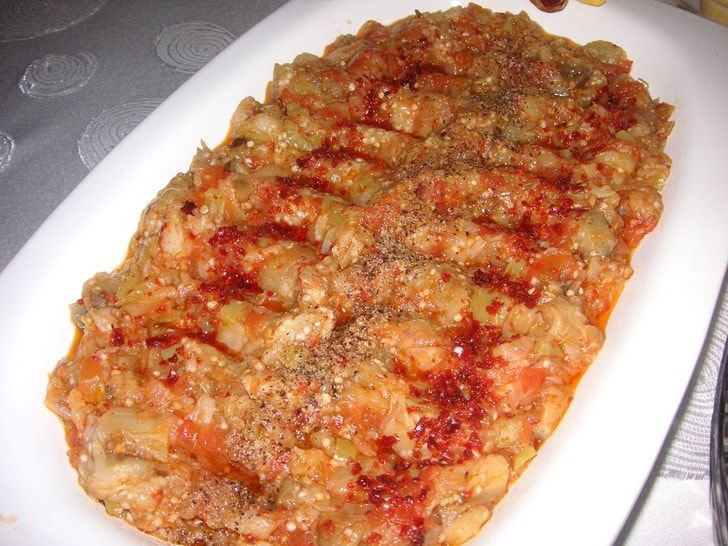
Söğürme
Made with roasted aubergine, minced İvesi (Awassi) lamb and Urfa clarified butter. Urfa Kıymalı Söğürme is registered with a geographical indication.
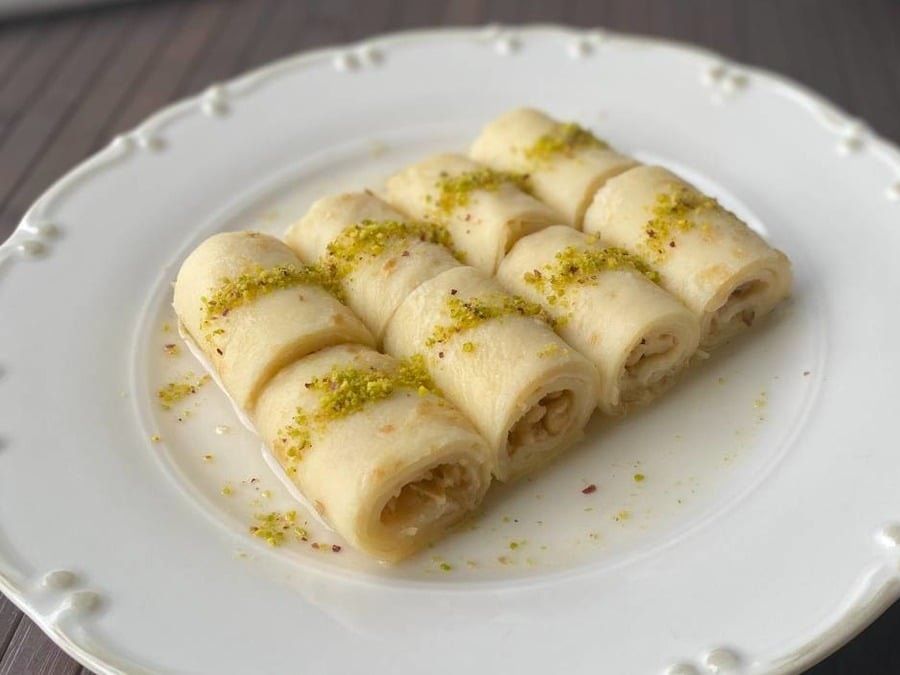
Şıllık tatlısı
A dessert particular to Şanlıurfa: thin pancakes (akıtma) are rolled around walnuts and served soaked in syrup.
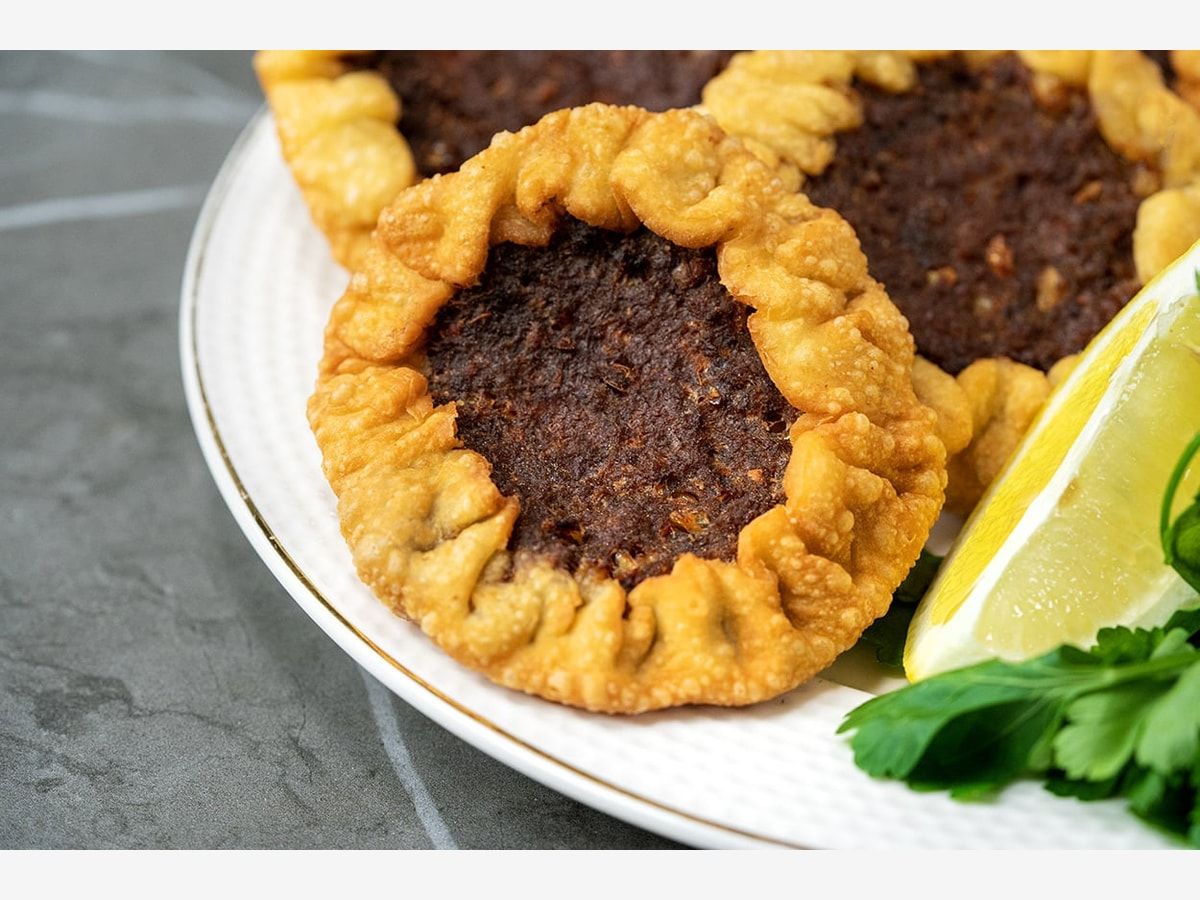
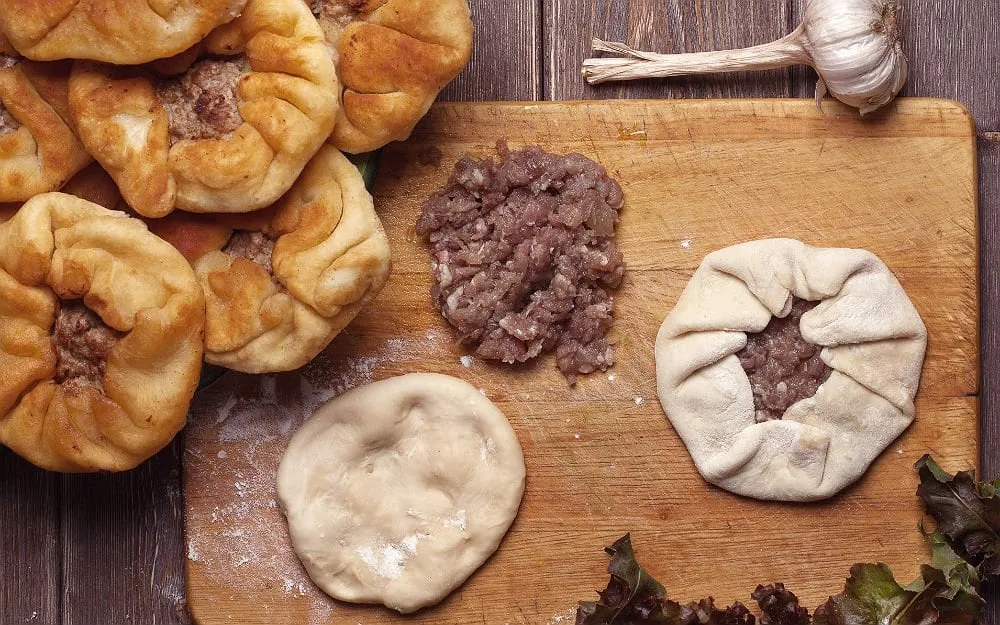
Ağzı açık (“open-mouthed” pastry)
A filling of minced meat with isot pepper is placed on a round of dough, the edges are notched closed and it is fried. Urfa Ağzı Açık is registered with a geographical indication.
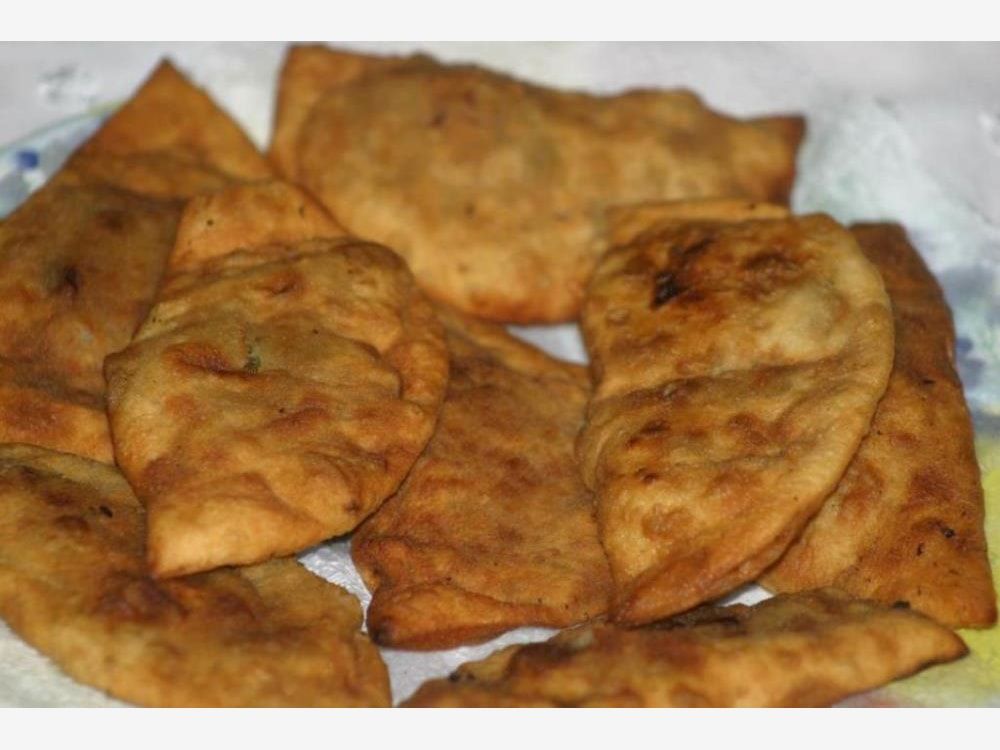
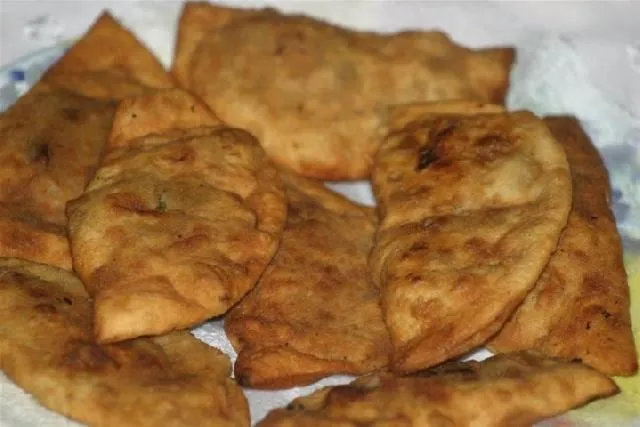
Semsek
A pastry with a minced-meat filling, eaten with ayran; it is also common in Adıyaman.
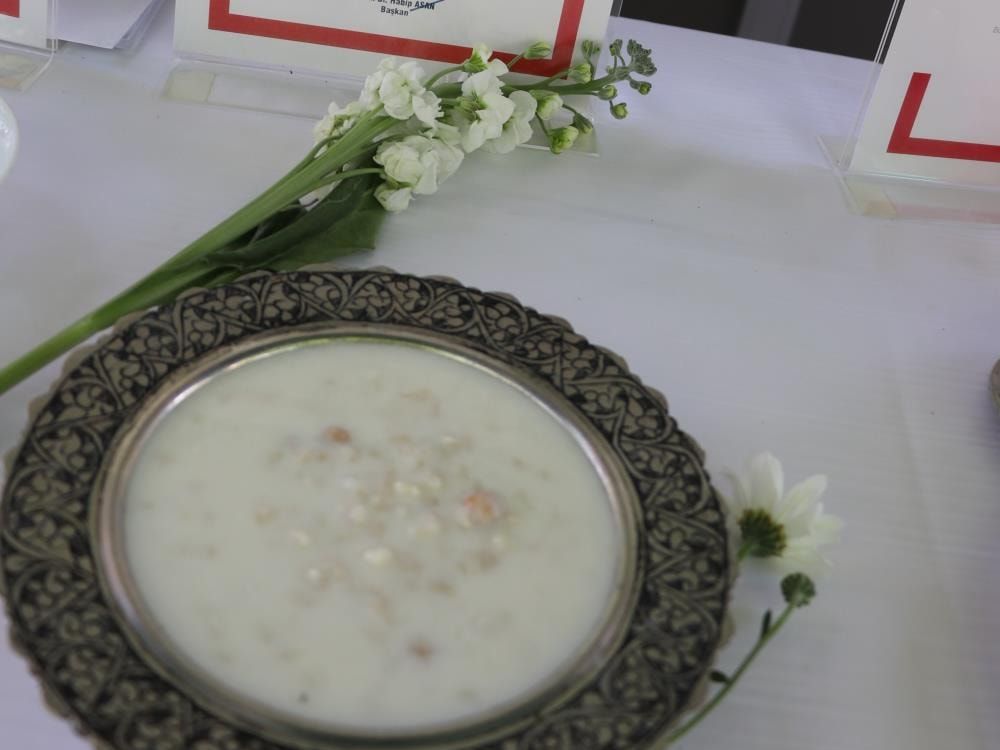
Lebeni
A refreshing soup of yoghurt, pounded wheat and chickpeas, served cold; its name comes from the Arabic “leben”, meaning milk. Urfa Lebenisi is registered with a geographical indication.
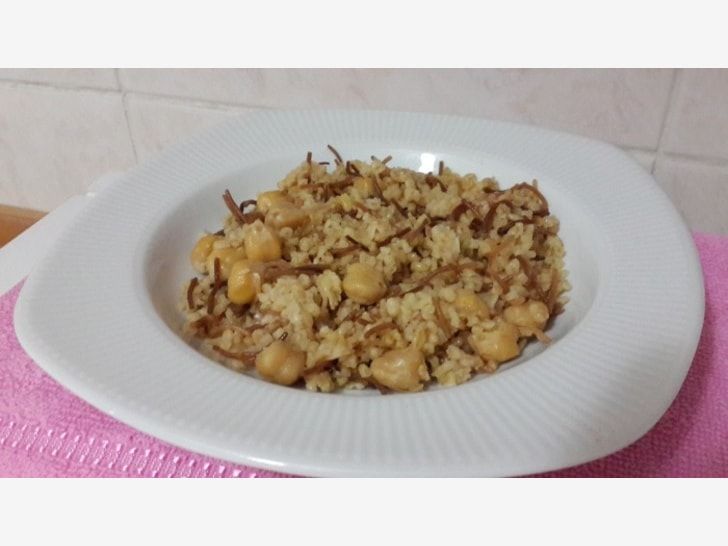
Şehriyeli nohutlu bulgur pilavı (bulgur pilaf with vermicelli and chickpeas)
Bulgur is cooked with vermicelli and chickpeas; it is one of the staple pilafs of Urfa cuisine.
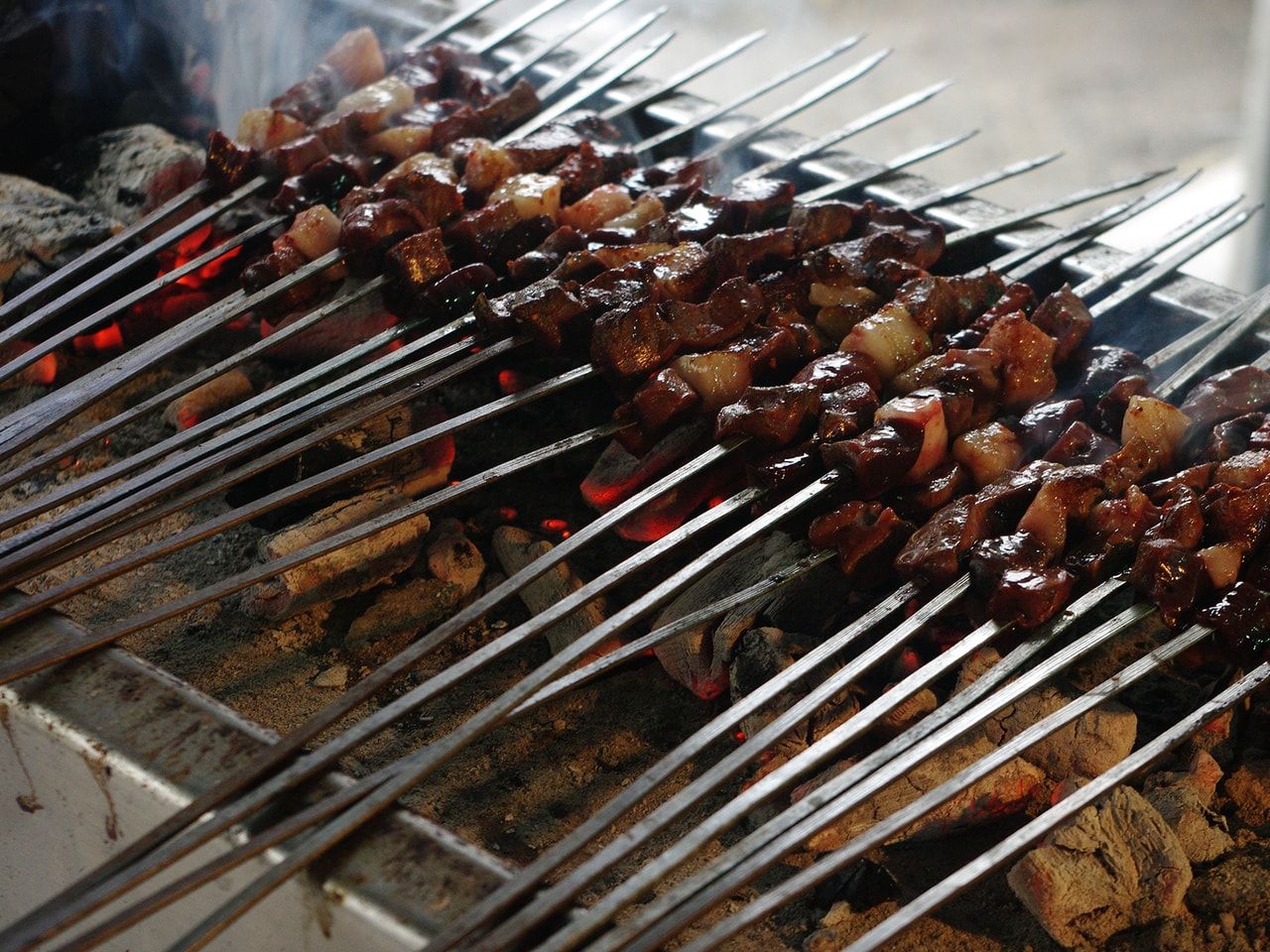
Ciğer kebabı (liver kebab)
Mentioned as one of the city's favourite kebabs.
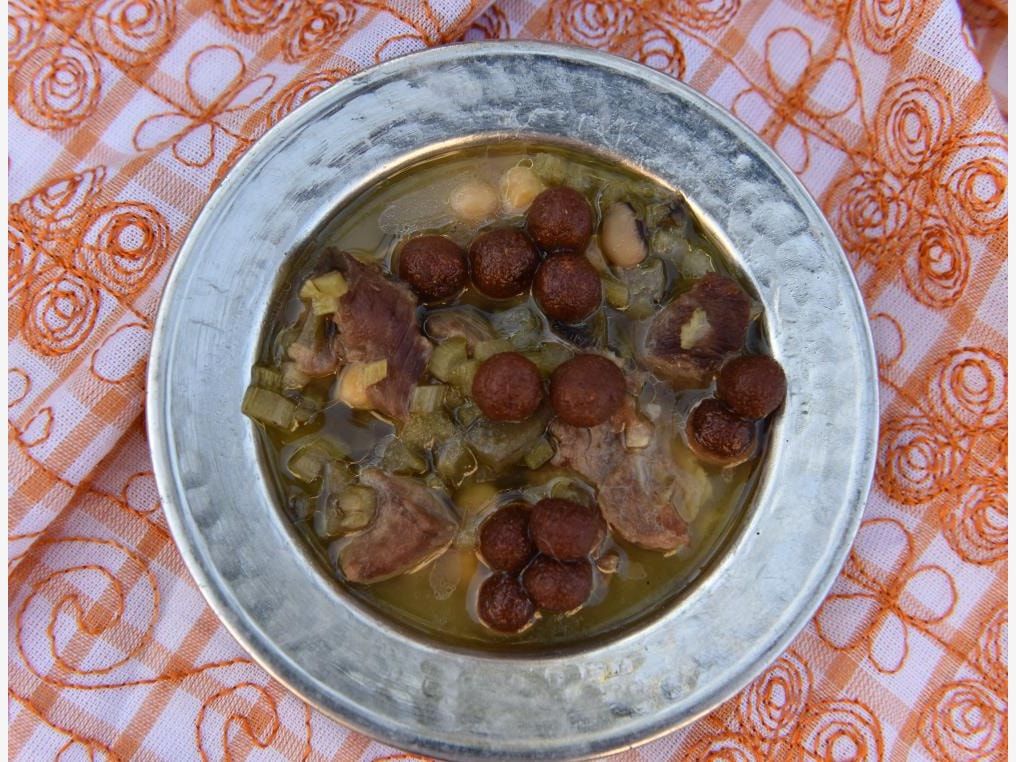
Boranı
In Urfa, a labour-intensive feast dish made with chard stalks or with keme (desert truffles) and served with garlic yoghurt. Pencer (chard) Boranısı and Keme Boranısı are registered with geographical indications.
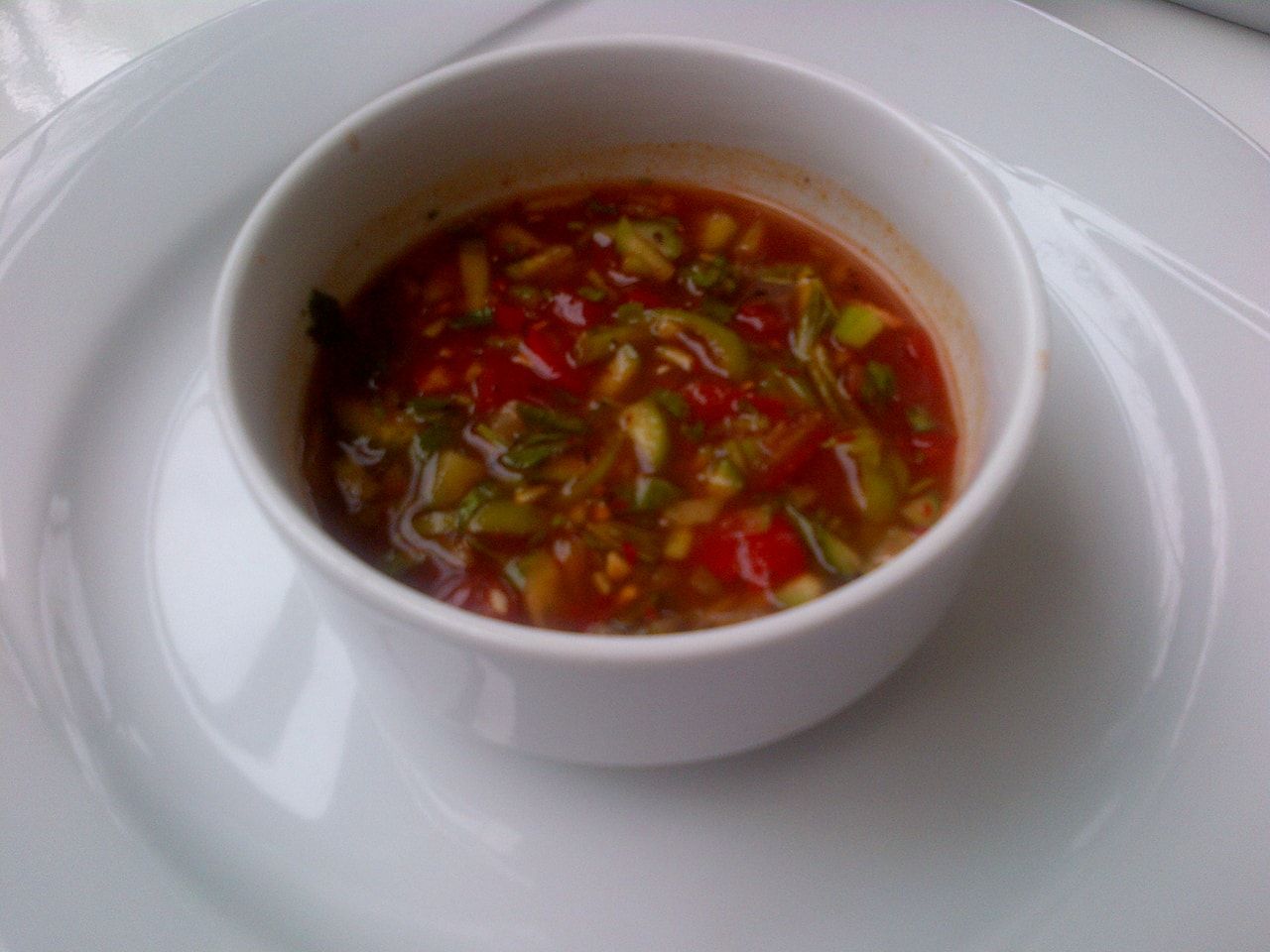
Bostana
A salad made without oil from fresh Şanlıurfa peppers, tomatoes, cucumber, purslane and pomegranate molasses. Şanlıurfa Bostanası is registered with a geographical indication.

Aya köftesi
İvesi mutton, fine bulgur and isot are kneaded together, shaped in the palm of the hand and fried; it is served alongside main dishes. Urfa Aya Köftesi is registered with a geographical indication.
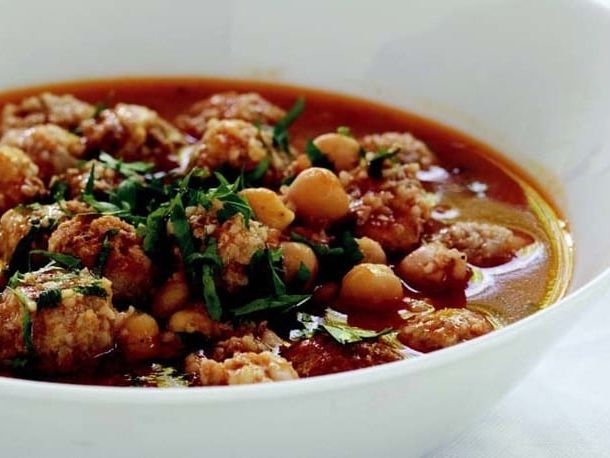
Yuvalak
Bulgur dumplings cooked in a broth with rice and meat.
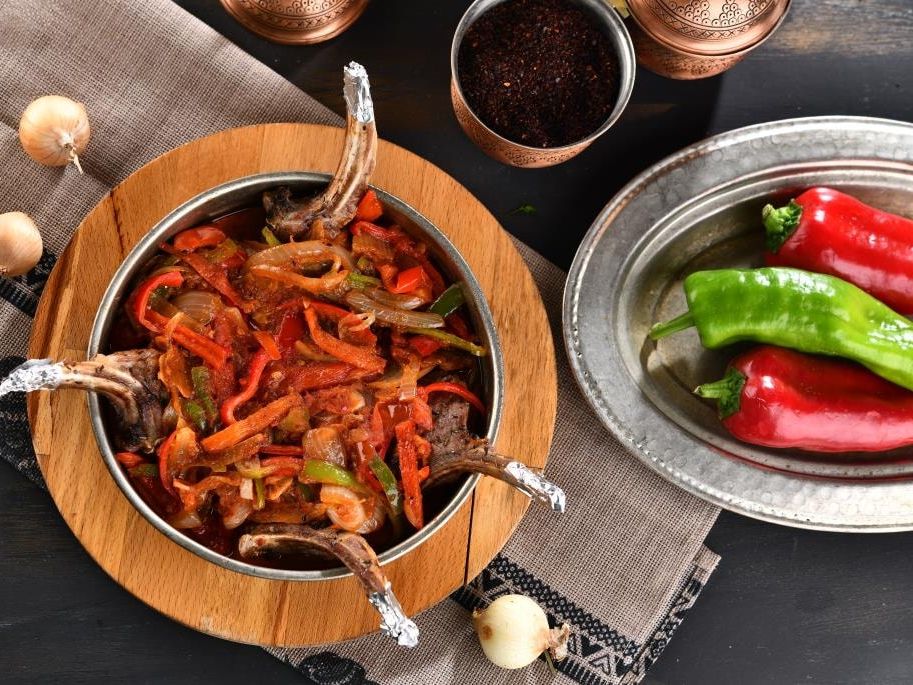
Sini taraklığı
Lamb chops are baked on a large tray (sini) with tomatoes, hot peppers, onions, clarified butter and spices. Urfa Sini Darahlığı / Şanlıurfa Sini Taraklığı is registered with a geographical indication.
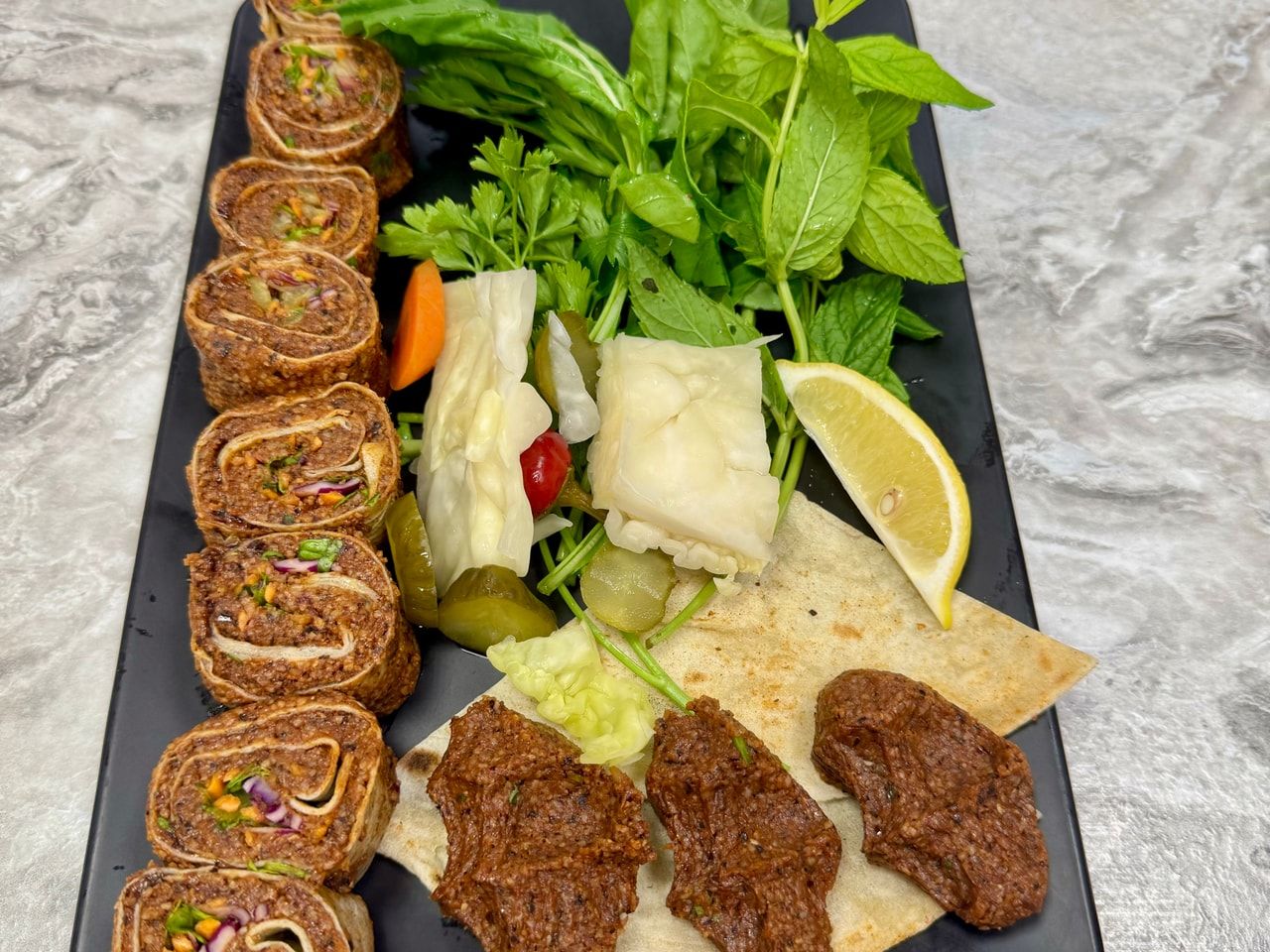
Çiğ köfte
Made by kneading meat, bulgur, fat, isot, spices and herbs together for a long time.


Places to visit in Şanlıurfa
Şanlıurfa, known as the city of prophets, is a city where you can feel the mystical, mysterious atmosphere of South-eastern Anatolia up close.
An essential stop for travellers exploring the south-east, Şanlıurfa draws interest above all for its legends. If you want to see the places behind these legends in Şanlıurfa, the city of prophets, take a look at our list below…
Şanlıurfa Castle: Urfa Castle, in the city centre, was probably built in 812, when the city walls were being renewed. Set on steep cliffs, Şanlıurfa Castle was built over Byzantine-era rock tombs. The castle also has various inscriptions.
Balıklı Göl: Balıklı Göl (the Pool of Sacred Fish), one of Şanlıurfa's symbols, is one of the first places to see in the city. Thousands of fish live in this large pool, and they are believed to be sacred. Balıklıgöl has a very important place in the legend of Abraham.
Göbekli Tepe: The archaeological site of Göbekli Tepe is near the village of Örencik. Excavation continues at Göbekli Tepe, the oldest temple in world history, but it is also open to visitors. Also called Dua Tepe (Prayer Hill), the site is 20 km from the city.
Kızlar Sarayı: Kızlar Sarayı (the Maidens' Palace), on the Viranşehir road, is among the historic buildings worth seeing in Şanlıurfa. Set on a rocky hill, its two most important parts to see are the underground bazaar and the caves north of the ruins.
Şanlıurfa Museum: Şanlıurfa Museum, which displays more than 73,000 archaeological pieces, will be one of the most enjoyable stops on your trip. Don't leave Urfa without visiting it; it will take you on a journey through the history of the city and the region.
Caves: Şanlıurfa has caves of unique beauty for the curious. The Bazda, Yücelen and Akese caves are the ones we recommend.
In Şanlıurfa, the city of prophets, you can visit the Tomb of the Prophet Job and Job's Cave at Eyüp Nebi; the Cave of Abraham, also in the city, where Abraham is believed to have been born; the Tomb of Kılıç Arslan II on the Viranşehir road; the historic town of Halfeti, famous for its black rose; the cone-shaped Harran houses; and the Harran Plain.
Places to visit in Şanlıurfa – historic sites
Sipahi Pazarı
Sipahi Pazarı, within the Balıklıgöl plateau in Şanlıurfa, is known as the carpet and kilim sellers' bazaar. It is a narrow han with about 30 stone shops on either side. The shops are built of nahit stone, and the han and its shops are warm in winter and cool in summer.
The traders in Sipahi Pazarı mostly sell products such as handmade carpets, handmade kilims, genuine leather waistcoats and oriental corner (şark köşesi) furnishings at reasonable prices.
One special feature of Sipahi Pazarı is that for 400 years it has opened every morning at 10 o'clock with a prayer. The han's oldest elder raises his hands to God and prays for a blessed and profitable day; after he says El Fatiha, everyone recites the Fatiha.
As people of Urfa, we strongly recommend that if you come to Şanlıurfa you visit Sipahi Pazarı, the historic carpet sellers' bazaar.
Harran houses

The Harran houses have an architecture quite different from other historic houses.
Drawing great interest from Turkish and foreign tourists who come to the city, the Harran houses have conical domes built with a corbelling technique. They are rare buildings that have kept the domed-house tradition alive to the present day.
Some of the houses with the same features are in the area between Şanlıurfa and Birecik. The only difference of the houses in Harran is that brick was used together with mud brick in their domes. The main reason the Harran houses are built of mud brick is that the area is desert. Even so, the houses are cool in summer and warm in winter. These valuable buildings were declared a protected site in 1979.
The Harran houses are important buildings to recommend to anyone going to Şanlıurfa soon.
Harran Plain
The Harran Plain, south-east of Şanlıurfa, tells its story through the historic treasures it has carried to the present day and offers unique beauty with its landscape.
The Harran Plain has an important place in our country's history. The plain, where we see the soil at its most fertile, is 44 kilometres from the centre of Şanlıurfa and is visited by thousands of tourists every year. Many archaeological excavations have been carried out in the area, called the city of Abraham. The name of the area has not changed for a full 4,000 years and is still Harran today.
Being a point where important trade routes met, it drew attention in many periods and was an important centre of ancient Mesopotamian paganism in particular. Offering a very full visit, the Harran Plain is an important area that should be on the list of anyone coming to Şanlıurfa.
Yücelen Caves
The Yücelen Caves, among the places that reflect Şanlıurfa's mystical atmosphere, are at kilometre 66 of the Viranşehir–Urfa road.
The main feature that sets the Yücelen Caves apart from other caves is that they consist of circular chambers, so that there is no passage from one cave to another. Dated to the Roman period, the caves are known to have been used then as secret places of worship. Because they were secret places of worship, they were carved into high cliffs.
One of Şanlıurfa's intriguing sites, the Yücelen Caves are sadly little known because they are not well promoted.
Kızlar Sarayı
Kızlar Sarayı, 3 kilometres from the village of Binekli in Şanlıurfa, is among the city's most worthwhile sights for its architecture and the other historic remains around it, even though the year it was built is unknown…
Kızlar Sarayı, also called Kasr-ul Benat, was first studied in 1905 by the British Gertrude Bell. Ms Bell photographed the monumental buildings that stood there at the time; these buildings have not survived to the present day.
At Kızlar Sarayı there are inscriptions similar to those at the city's Soğmatar archaeological site. These inscriptions are in Syriac, and the place where they are found is called the Hill of Inscriptions.
This historic site at Binekli in Şanlıurfa is little known because it has not been well promoted.
Tektek Mountains National Park

Tektek Mountains National Park, within Şanlıurfa's borders, has been home to many civilisations throughout history.
Brought into Ottoman territory in 1516, the area around the Tektek Mountains had earlier come under the Mamluks, the Ayyubids, the Timurids, the Safavids, the Ak Koyunlu, the Dulkadiroğulları and Turkmen tribes. There are many historic remains worth seeing in Tektek Mountains National Park, among them Senem Cave, the ruins of Şuayip Şehri (City of Jethro) and the ruins of Soğmatar.
Tektek Mountains National Park will be an impressive journey for you, through both natural beauty and remains that carry the traces of history.
Fırfırlı Mosque
The Fırfırlı Mosque is one of Şanlıurfa's historic buildings. On Vali Fuat Bey Caddesi, the mosque was originally built as the Church of the Twelve Apostles.
It was converted into a mosque in 1956. The year it was built is not known exactly. The Fırfırlı Mosque has a three-aisled basilica plan.
It is built of cut stone and has striking stonework. You can visit the Fırfırlı Mosque (Church of the Twelve Apostles), one of Şanlıurfa's oldest buildings, on your city tour.
Urfa Castle, the Bazda Caves and Balıklı Göl are among the places we recommend adding to your list.
Bazda Caves
The Bazda Caves, which are historic stone quarries, are one of Şanlıurfa's historic tourist sites.
You will see the Bazda Caves right away on both sides of the road 16 kilometres along the Harran–Han el-Ba'rür road.
Urfa is one of the cities that best tells its history, and Balıklı Göl, the Euphrates, Urfa Castle and Göbekli Tepe are among its biggest draws for tourists. The Bazda Caves are also well worth seeing. Inside the caves are tunnels, open spaces and galleries. You can visit them with a guide. Be sure to taste Urfa's local dishes too.
Urfa Castle
Urfa Castle, in the centre of Şanlıurfa, lies to the south, north of Mount Damlacık.
Set on steep rocks, Urfa Castle is entered from the west. The castle has 25 towers and is surrounded by walls. There is no information on exactly when it was built, but it is thought to date from 812–814.
Urfa Castle has many structures from the Byzantine and Islamic periods. It was repaired mostly in the Seljuk, Ak Koyunlu, Mamluk and Ottoman periods. There are many places of historic interest to see in Şanlıurfa, the city of prophets, Balıklı Göl above all. After visiting Urfa Castle, which awaits you, you can visit the other historic sites too. Be sure to soak up Urfa's spiritual atmosphere.
Euphrates River (Fırat)
The Euphrates rises in Anatolia, leaves Türkiye's borders and flows through Iraq and Syria to reach the sea at the Persian Gulf.
The first stream to feed the river is the waters of Mount Dumlu. The Euphrates, which adds magnificent beauty to a spectacular landscape, is 2,800 kilometres long in total, 970 kilometres of it within Türkiye. It has been the lifeline of many civilisations, and its waters are described as bountiful.
The river, which has sometimes brought disaster too, is definitely dangerous to swim in. The beauties hidden in its upper reaches are worth seeing: the Kayaarası Canyon and Levent Valley in Malatya, the Kemaliye Canyon in Erzincan and Lake Hazar in Elazığ are just a few. There is one more place worth seeing: the Munzur Valley National Park, among the most important natural treasures for its fauna.
Halfeti ancient town

Halfeti, the only place in Türkiye where the black rose grows, has been a place of settlement since 855 BC.
Home to many civilisations, Halfeti was called Urima by the Greeks, Kala Rhumeyta by the Syriacs and Kalatül Rum by the Arabs, and was given the name Halfeti by the Byzantines. It is within Şanlıurfa province, 120 kilometres from the provincial centre. Part of the Halfeti district went under the waters of the Birecik Dam reservoir, so the settlement was re-established at Karaotlak, 7 kilometres from the centre. It still carries all the colours of life, from its earliest days to today.
Balıklı Göl, Urfa

It is a pool blessed by the story of Abraham, who is said to have been born in Şanlıurfa. Balıklı Göl, the subject of the legend most told in Urfa, is about King Nimrod and Abraham.
Abraham waged war to end the idolatry King Nimrod championed. At the same time he fell in love with Nimrod's daughter. Nimrod then ordered Abraham to be burned. A great fire was lit where Balıklı Göl now stands, and Abraham was thrown into it. As he was thrown in, the flames suddenly turned into a pool and the burning logs into fish. Nimrod's daughter Zeliha wept so much that another small pool formed beside it. Ever since then the pool has been considered sacred and its fish have not been touched. You should definitely visit Balıklı Göl, which always greets its visitors with a warm smile, to see it and experience its moving legend on the spot.
You can also include the city's other sights, Göbekli Tepe, the Bazda Caves, Urfa Castle and the Euphrates, in your trip.
Göbekli Tepe

In the South-eastern Anatolia region, near the village of Örencik within Şanlıurfa province, is the site of a sanctuary from the Neolithic (Polished Stone Age). It is 20 km from Şanlıurfa. Research has shown that it dates back to around 11,000 BC. It is also famous as the oldest and largest place of worship ever brought to light in the world.
Şanlıurfa Museum
Şanlıurfa Museum, opened to visitors in 1969, moved to its present building in 1988. It displays 73,800 archaeological and ethnographic artefacts.
Source: http://www.gezilebilecekyerler.com/sanliurfada-gezilecek-yerler/
Culture and arts in Şanlıurfa
Art and literature in Urfa from Antiquity to the present
When we look at a map of the world, there are special cities in certain geographical places. These are also central cities. They have kept a finger on the pulse of history and shown humanity the way. A Mediterranean culture, an Anatolian culture, a Greco-Roman culture and, beyond these, an Islamic culture were formed starting from a few central cities on this world map: Athens, Rome, Alexandria, Mecca, Medina, Jerusalem, Baghdad, Damascus, Aleppo, Istanbul and Urfa…. What we call civilisation came from these cities, moving from one to another in turn. Urfa, known as the city of prophets, has a position in the sense we have just described: it has been a place where religions and civilisations arose and passed through. That is why it has been a focus of interest at every stage of history and has played very important roles in art, literature, thought and history.
Urfa, which has a particularly important place in cultural history, represents, today as in the past, a tradition that hands art and literature down from generation to generation. If we remember the 2,000-year written history of this city, whose past goes back a very long way, it is easier to understand how deep-rooted and firmly founded its artistic and literary life is. Because different religions and peoples lived together in Urfa throughout history, it is possible to find traces of many cultures and civilisations here. With its pluralist character, Urfa has drawn the world's interest through the cultural blending it created, and still does. Invaded by various nations throughout history, Urfa absorbed the cultures that came without losing any of its own characteristics, setting centuries ago an example of the pluralism that is loudly proclaimed today. The warm, sincere behaviour of Urfa's good-natured, gentle people is a trait that comes from history and has been nourished by art and literature. Because art and literature are a field that rejects coarseness and sharpness and speaks to the soul and the heart, the cultures that came to Urfa shed their coarse and sharp sides and, adapting to the city's cultural fabric over time, left very important works of art and literature.
This urban civilisation is also important for the birth of Christianity and is worth dwelling on for its role in building up that religion's cultural heritage. In addition, this land, which became Muslim with the Islamic conquest, was a turning point for world cultural history. The University of Harran, where Jewish, Christian, Muslim and Sabian scholars taught side by side, won its fame in exactly this pluralist period. The rise of the philosophical schools we call the Urfa and Harran Schools and the translation movements brought cultural vitality and formed Urfa's most brilliant period in art and literature. The cultural richness and literary tradition visible today took their inspiration from this historical heritage and carried it to the present.
It is not possible to divide Urfa's artistic and literary life with sharp lines. As we said above, probably because of its multi-religious, multicultural character, its literary life was continually influenced and nourished by different religions and civilisations. Moreover, although art and literature carry national features, they speak to the universal, so we should accept them as a common denominator of the world. In a society where Jews, Christians and Muslims lived together, the vein that fed literature and art could not be cut off from geography and tradition. In this sense, Urfa is a city that has raised great artists, writers and thinkers over the centuries. We should see the great people this city raised as above, first of all, religious and sectarian bigotry. However, to understand Urfa's artistic and literary life better, we need to examine it under four separate headings.
Source: http://ekitap.kulturturizm.gov.tr/TR,80730/ilkcagdan-gunumuze-urfada-sanat-ve-edebiyat.html
History of Şanlıurfa
There is evidence that human settlement in Şanlıurfa goes back to 9500 BC. The use of Göbeklitepe, north-east of the city, is dated to 9600–7300 BC.
Founded under the Seleucids with the name Edessa, the city became the centre of the Kingdom of Osroene after 132 BC; its kings mostly bore the name Abgar. In 214 it became a Roman colony and later a province. The School of Edessa, founded by Ephrem the Syrian (Mor Efrem), was the educational centre of Syriac Christians.
In 639 the Muslim Arabs conquered the city. On 10 March 1098 the Crusader County of Edessa (Urfa) was founded; in 1144 Imad ad-Din Zengi took the city. Ottoman rule began in 1516, when Selim I defeated the Mamluks.
In March 1919 the British, and then the French, occupied the city. The people rose up on 7 February 1920, and the city was liberated on 11 April 1920. In 1984 its name became Şanlıurfa; in 2016 the Grand National Assembly of Türkiye awarded the city the Medal of Independence.
Getting to Şanlıurfa
Şanlıurfa can be reached within Türkiye by coach, train or private car, and for those who want to fly there are direct and connecting flights to Şanlıurfa GAP Airport. You can also fly to Gaziantep Airport and rent a car there to reach Şanlıurfa.
Districts of Şanlıurfa
- Akçakale
- Birecik
- Bozova
- Ceylanpınar
- Halfeti
- Harran
- Hilvan
- Merkez (central district)
- Siverek
- Suruç
- Viranşehir
Economy of Şanlıurfa
Şanlıurfa is known for its fertile land; its most important plains are Suruç and Harran. The main crops are pistachios, cotton, lentils and wheat. With the spread of irrigation, maize production has also become important.
In the Karaali greenhouse area, peppers, tomatoes and aubergines are grown in winter. Livestock is mostly sheep and goats; cheese and yoghurt are made from sheep's milk, Siverek cheese being a well-known example.
With the development of organised industrial zones, factories have been set up in sectors such as textiles, cotton ginning, footwear, yarn, glass and plastics. Pistachio, tomato paste and olive oil factories make up the agriculture-based industry.


Comments
Loading comments…