
Sinop
- Black Sea Region
About Sinop
Sinop is the most remarkable and the only natural harbour of the Black Sea region. Throughout history, under the rule of different civilisations, it has been an important trading centre. As well as its natural beauty, Sinop is an important city that draws interest with its historic remains.
Sinop's famous dishes and desserts
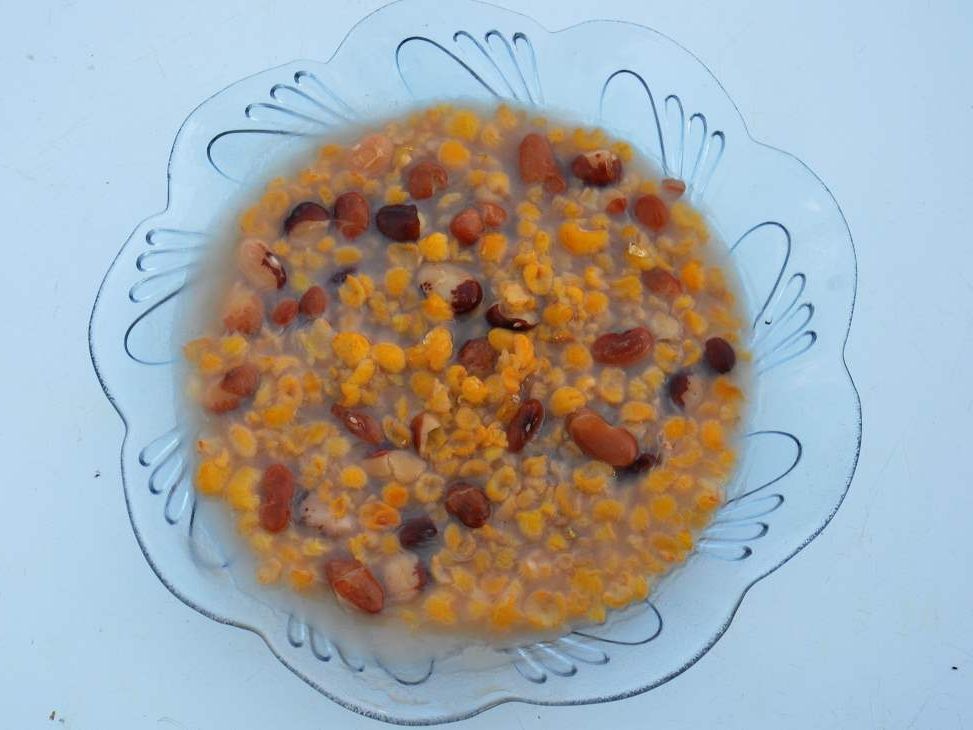
Mısır çorbası (corn soup)
A soup made with corn, lamb on the bone, tomato paste and solid fat.
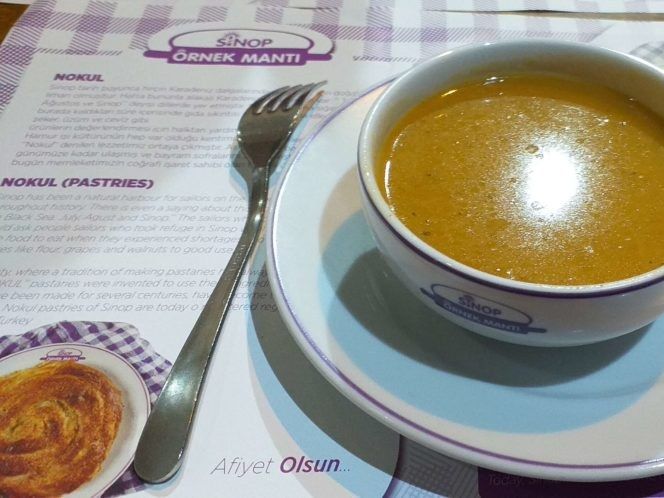
Mısır tarhanası (corn tarhana)
The Black Sea version of tarhana, made with cornmeal.
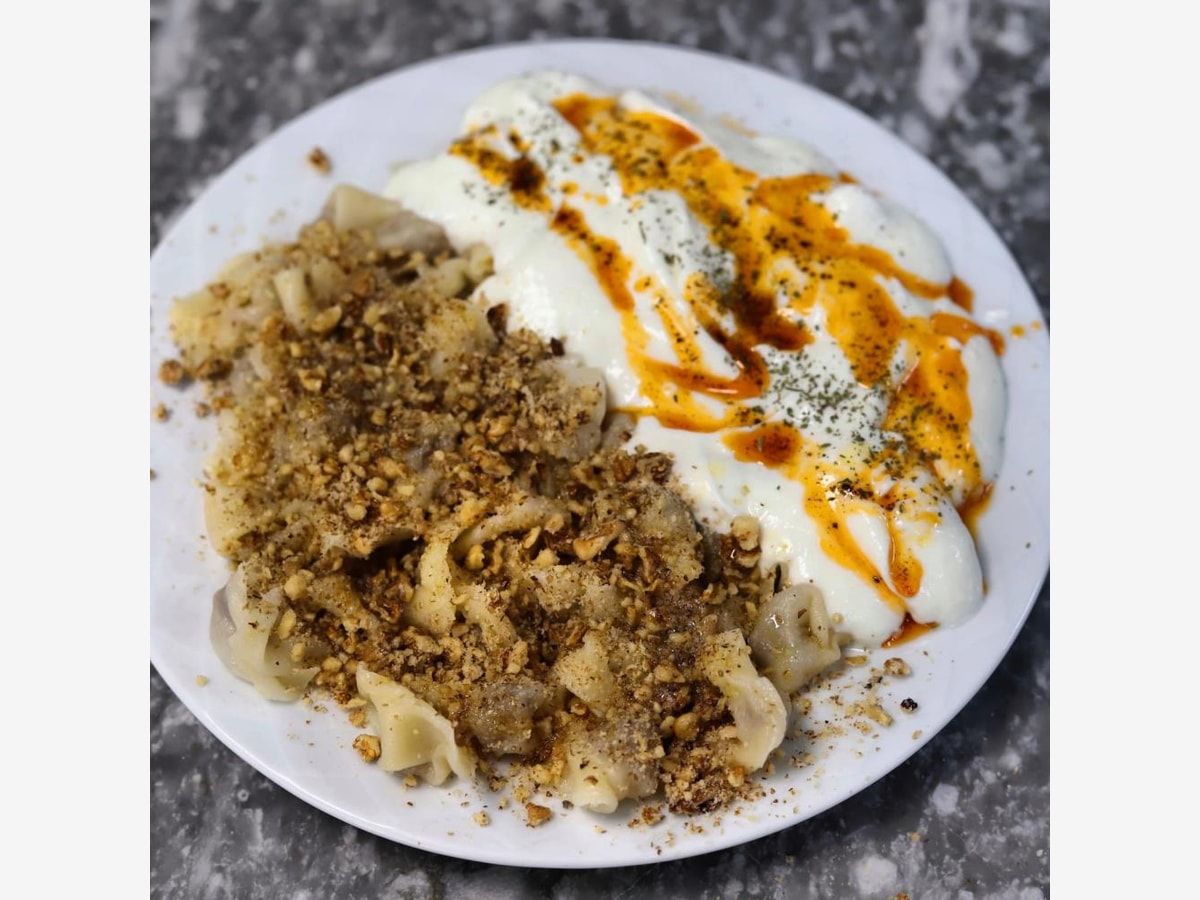
Sinop mantısı
Mantı with walnuts is particular to the area; it is served with butter, yoghurt and crumbled walnuts. Sinop Mantısı is registered with a geographical indication.
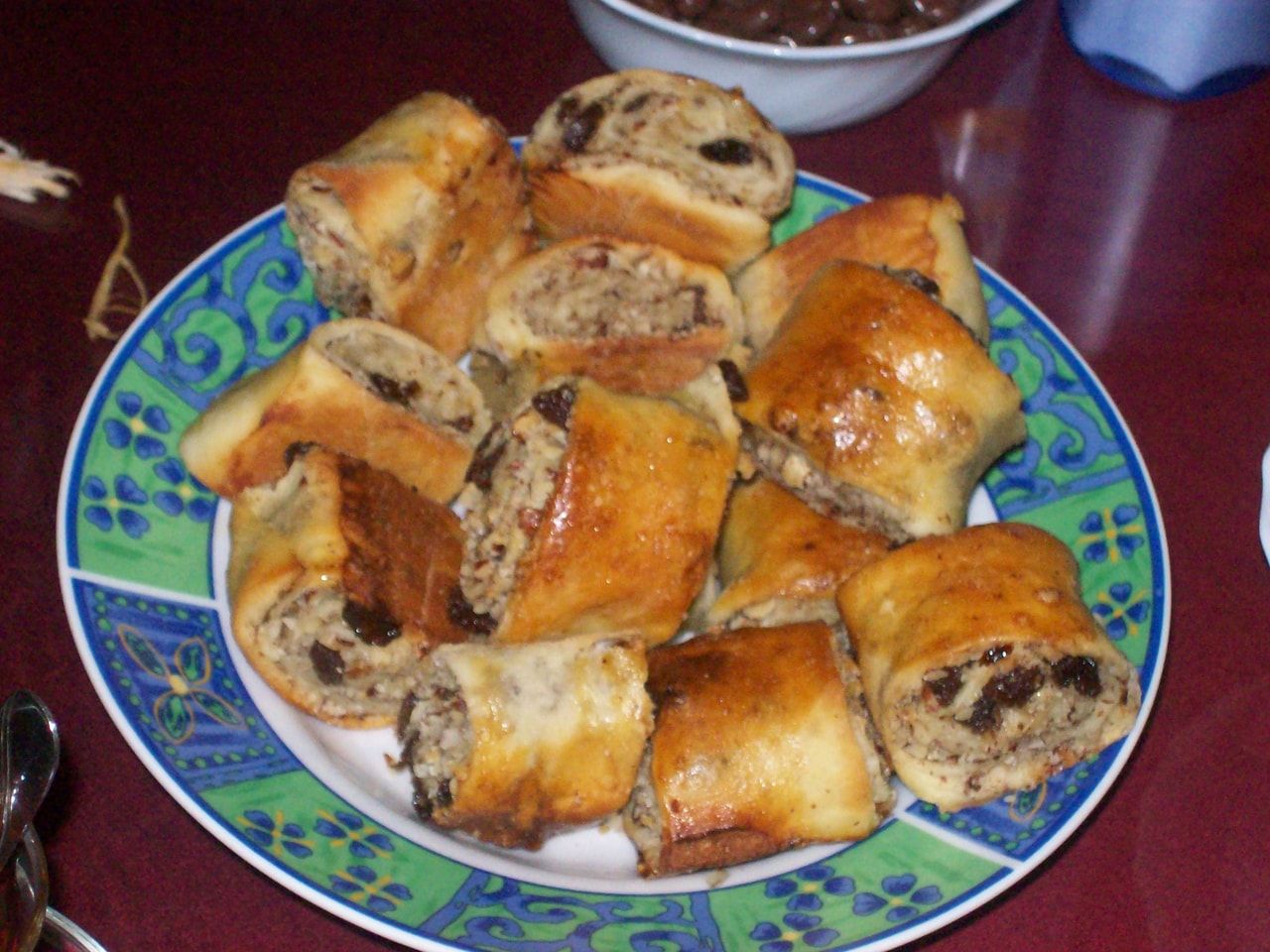
Nokul
Made with raisins, walnuts, minced meat or yoghurt. Sinop Nokulu is registered with a geographical indication.
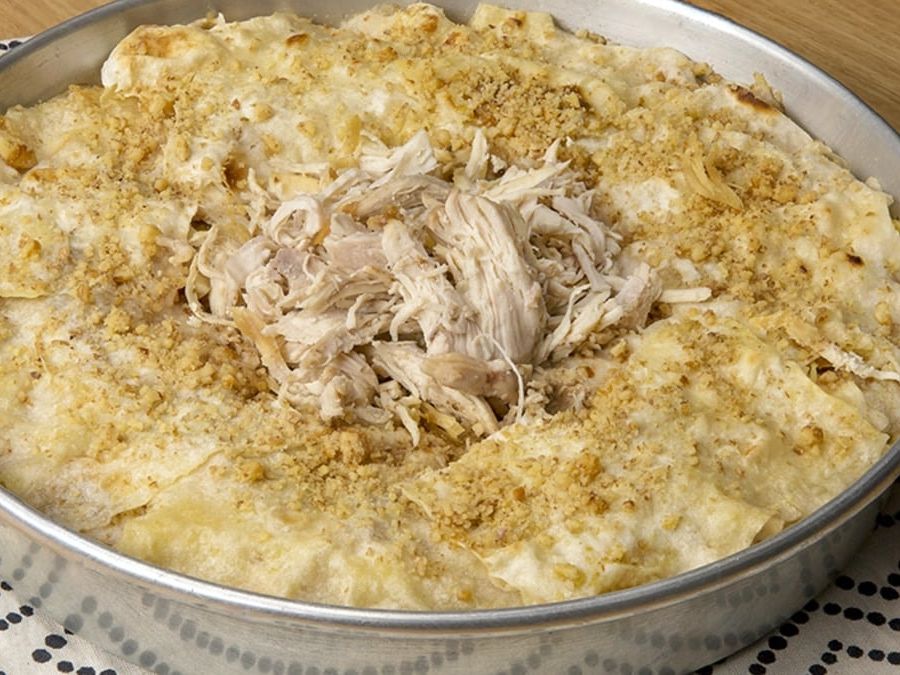
Islama
A dish made with chicken, flour and walnuts; sheets rolled from a soft dough are soaked in chicken stock.
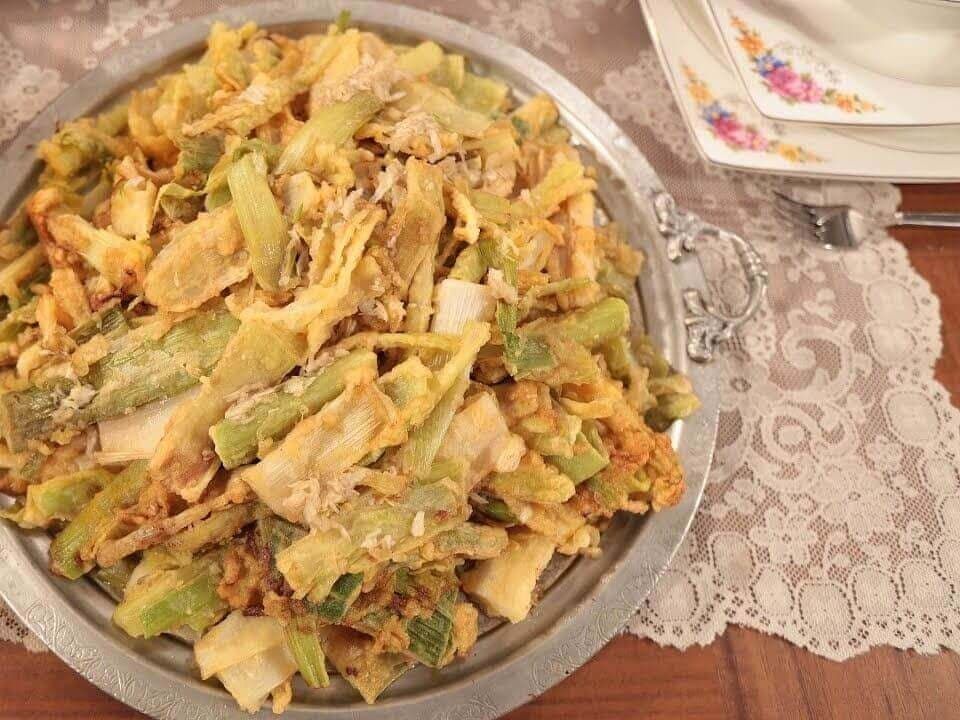
Sirkeli pırasa (leeks with vinegar)
Leeks are cooked in hot oil, onion and garlic are added, and the dish is served with vinegar.
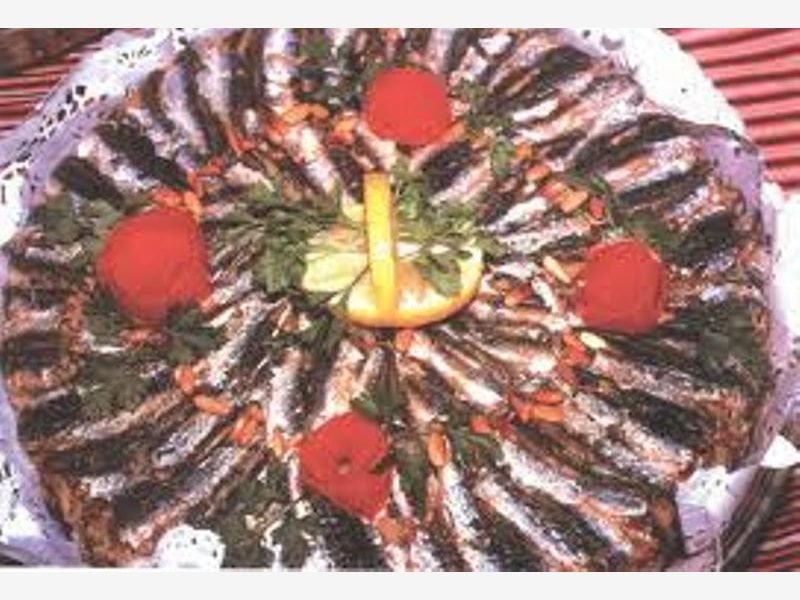
İçli tava (stuffed anchovy pan)
Made by layering a stuffing between anchovies and cooking them in a pan.
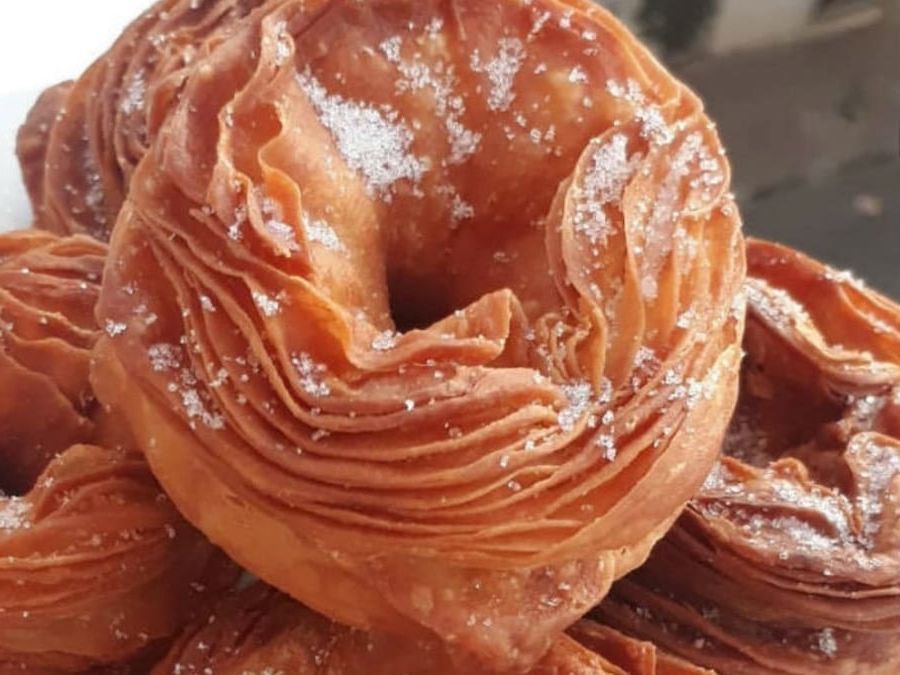
Katlama
Dough kneaded with salt and fat is folded and cooked, then eaten with butter and sugar; it comes from Tatar cuisine.
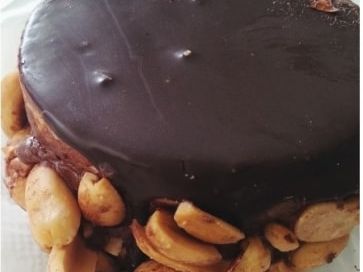
Sinop usulü prenses (Sinop-style princess)
A dessert of cream sandwiched between two tartlets, coated in chocolate and topped with pistachios; it takes its name from its shape, which resembles a princess's crown, and has been made in Sinop for more than half a century.


Places to visit in Sinop
In the 8th century BC, Milesians from the Aegean coast gave Sinop the name Sinope. In Greek, Sinope is the name of the daughter of a river god.
One of Sinop's most important sons is the famous philosopher Diogenes. Sinop Castle and the city walls are the city's most important historic remains. Sinop Castle was used by the Gasga (Kaska) people and by the Greek, Pontic, Byzantine and Ottoman empires. Today, watching Sinop from the castle is a real pleasure.
The prison inside Sinop Castle held many famous people. Today the Historic Sinop Prison is open to visitors. Sinop's Balatlar Church, built in 666 BC, is one of the important remains of Byzantine architecture in Sinop. Sinop came under Turkish rule in 1214. From then on, the Seljuks and the Ottomans gave Sinop very valuable works of architecture.
In 1921, artefacts scattered around Sinop and its surroundings were collected together and placed under protection in the Mekteb-i İdadi, then the secondary school; but as the building eventually became too small, today's museum building was completed in 1969 and opened to visitors. The Sinop Archaeology Museum displays works from the Roman, Byzantine, Seljuk and Ottoman periods.
The Alaaddin Mosque, recorded in the pious foundation (Evkaf) registers as belonging to the Seljuk sultan Alaeddin Keykubad, is 66 metres long and 22 metres wide. Its walls are built of a single course of stone. It has three domes in the middle, one of them large, and a small dome on each of its east and west sides. On the north side the mosque is enclosed by a large wall 12 metres high.
Sinop's most important memory from the Republican period is Atatürk's introduction of the Alphabet Reform in Sinop. Sinop is one of the most enlightened cities of the Republic of Türkiye.
Historic sites
Babaçay Canyon
Babaçay Canyon, which draws nature lovers with its walking trails in spring and summer, offers a long route to explore.
Babaçay Canyon is in Sinop's Ayancık district, at about kilometre 17 of the Ayancık–Kastamonu road. At the end of the trail through the canyon is İnaltı Cave. Most walkers make sure to explore the cave as well when they reach the end.
Visited mainly by nature lovers, Babaçay Canyon offers a restful journey through lush green scenery.
Boyabat Rock Tombs
Sinop, the northernmost point of our country, is one of the cities travellers are most curious about, both for its nature, to which Hamsilos Cove contributes so much, and for the traces left by various civilisations… On this page we share the Boyabat Rock Tombs, which are in Sinop but sadly not well promoted.
The rock tombs in the Boyabat district are south-east of the village of Salar. Carved into limestone rock, they reach a height of 200 metres. The column capitals bearing lion figures and the column bases are square… The Boyabat Rock Tombs are thought to have been made by the Paphlagonians.
One of the well-preserved rock tombs in our country, the Boyabat Rock Tombs are little known because they are not well promoted. Include them in your Sinop trip and be among the first to discover these well-preserved tombs.
Hamsilos Cove
Sinop, at Türkiye's northernmost point, offers one of the most enticing views on the Black Sea with Hamsilos Cove.
Although local people call Hamsilos Cove Türkiye's only fjord, scientifically speaking it was formed by glacial erosion, so calling it a fjord is wrong. Still, Hamsilos Cove has a wonderful atmosphere and unforgettable natural beauty. Be sure to be at Hamsilos at sunset in particular; as the sun goes down this natural wonder takes on a completely different look.
The cove's real name is Hamsolos, but locals call it Hamsilos. It is about 11 kilometres from Sinop and is reached by the Akliman road. You should definitely include Hamsilos Cove in your days in Sinop. Don't forget to take your camera.
Karakum Beach
Sinop, on the steepest stretch of Türkiye's Black Sea coast, draws attention with Karakum Beach.
Karakum Beach is popular with local people rather than tourists. Its natural surroundings have an unspoilt beauty.
The seabed at the beach is covered with black sand. This is because the Boztepe Peninsula was shaped by a volcanic eruption, and the sand comes from the ash and sand the volcano threw out. The beach is usually quiet. There are sun loungers, umbrellas, showers and a cafeteria, as well as a hotel.
If you find yourself in Sinop one day, you can head to Karakum Beach and spend the day in the sea. The beach is 3 kilometres from the centre of Sinop.
İnaltı Cave
Work to open İnaltı Cave in Sinop's Ayancık district to tourism began in 1995.
A large budget was set aside for the work on the cave. In 2001 İnaltı Cave was first lit, the surrounding paths were improved and walking stairs were built. The cave, which has become an important tourist attraction, opened in 2004. Trout restaurants around the cave and the canyons of the same name continue to welcome visitors. If you find yourself in Sinop, you can visit İnaltı Cave. Erfelek Waterfalls and Sinop Castle are also among the places to see. Don't forget to make a list of places to visit to get to know the city better.
Erfelek Waterfalls
Erfelek Waterfalls, a piece of paradise hidden within Sinop province, are a natural beauty that sums up the Black Sea.
They have drawn great interest for tourism recently and have become a regular stop on Black Sea tours.
Their waters, flowing like a staircase, sink into you step by step, and the effect lasts a long time. Around the falls, with their pools fit for swimming, you can also camp. If you are looking for a quiet place to be close to nature and escape the city crowds, Erfelek Waterfalls are just what you are after. You can join a Black Sea tour to see this unique natural wonder and have an incredibly good time. And don't forget to visit İnaltı Cave in Sinop too.
Sinop Castle
Sinop Castle stands at the entrance to the city in Sinop province, overlooking the sea, and still keeps its former grandeur.
Its history is traced as far back as the Hittites, but there is no firm information on when it was first built; it is only thought to have been built in the 7th century BC. The castle was repaired several times in the Roman, Byzantine and Anatolian Seljuk periods, and because of its strategic importance and its role in defending the city it was also repaired and used by the Seljuks, the İsfendiyaroğulları and the Ottomans.
The castle walls are 2,050 metres long and up to 25 metres high. Sinop Castle, witness to the city's most important historical events, is one of the buildings most visited by tourists who come to the city.
Sinop Balatlar Church

The church, opened to the public in 2000, was a building used as a bath house in the Roman period and turned into a church in the Byzantine period.
Recommended for anyone who wants to see historic sites in Sinop.
Akgöl, Sinop

A summer pasture at an altitude of 1,200 m within Sinop's Ayancık district.
Fed by two streams, the lake is well suited to picnics and trekking in dense forest.
Wildlife can be observed in the forest surrounding the lake.
Sarıkum Beach and Sarıkum Lake, Sinop

Sarıkum, 25 km from Sinop, is a village with Sinop's longest beach. You reach this village, west of Sinop, after Abalı.
Sarıkum Beach and Sarıkum Lake are in this village. Sarıkum is home to more than a hundred bird species.
If you want to see an unspoilt natural wonder on your Sinop trip, I recommend visiting Sarıkum.
Mobil and Korucuk villages, Sinop

The Mobil and Korucuk villages are among the most popular places for swimming in Sinop. Their calm, glassy sea and sandy beach draw people here.
In recent years, reports that the sand is good for certain ailments have made the Mobil and Korucuk villages even more popular.
Akliman, Sinop

Akliman, 9 km from the centre of Sinop, is popular for its picnic area, the green forest behind it and, above all, its long, wide beach that is good for swimming.
If you go to Sinop, especially in summer, I recommend stopping at Akliman, a wonderful place to swim.
Historic Sinop Prison
The prison, opened to visitors as a museum in 1999, is a fortress surrounded by sea on three sides and was first used as a prison from 1568.
Source: http://www.gezilebilecekyerler.com/sinopta-gezilecek-yerler/
Culture and arts in Sinop
Two famous names stand out in Sinop's cultural life: the ancient philosopher Diogenes and the poet Ahmet Muhip Dıranas, both from Sinop. The prison in Sinop Castle held figures such as Sabahattin Ali, Nâzım Hikmet, Refik Halit Karay and Zekeriya Sertel; “Aldırma Gönül”, one of Sabahattin Ali's poems about the prison, became very well known.
The first library was founded in 1924 under the leadership of Dr. Rıza Nur and named after him. Local music and dance use the drum, zurna, frame drum (tef), bağlama, tulum (bagpipe) and kemençe; Ayancık Eymeleri, the Boyabat Çiftetellisi and the Black Sea horon are among the dances. The TRT repertoire lists 27 folk songs from Sinop.
Sinop Museum was restored in 2006, and the prison welcomed 45,000 visitors in 2004.
History of Sinop
Settlement in Sinop province began in the Early Bronze Age. Founded as a Hellenic colony in the 7th century BC, Sinop was the most important city on the Black Sea in Antiquity. In the Hellenistic period, Sinop was also one of the capitals of the Kingdom of Pontus, which sought to unite Anatolia's native cultures with Hellenic and Persian culture. In the Byzantine period the area became Hellenised in language and culture under the influence of Orthodox Christianity.
Sinop came under the rule of the Romans in 70 BC, the Byzantines in AD 395, the Seljuks on 3 October 1214 and the Ottomans in 1461.
In 1972 Sinop was included among the provinces with second-degree priority for development. Its first large-scale industrial plant was the Ayancık Timber Factory. Other important industrial plants were the Şişecam glass factory, a flour mill, Söksa Underwear Knitting and Garment Co., and brick and tile factories in the clay industry. Ayancık linen, Boyabat hoop weaving, wooden cutter model making and woodcarving are Sinop's most deep-rooted handicrafts.
The first library was founded in 1924 under the leadership of Dr. Rıza Nur.
PREHISTORIC SINOP: In early Antiquity Sinop lay within the region called "Paphlagonia". It played an important role in sea trade between Anatolia's northern coast and the Crimean peninsula. It is in the position of an important natural harbour. | |
SINOP IN THE HITTITE PERIOD: Excavations carried out between 1952 and 1954 found no artefacts in Sinop documenting the Hittite period. Hittite texts mention the presence of the Kaska peoples on the Black Sea, but so far no finds have been made in the Sinop area. | |
SINOP AT THE START OF THE 1000s BC: In 756 BC, migrants who had left Miletus wanting to found a new city for themselves came here, laid the first foundations of today's Sinop and named the city Sinope. "According to legend, the goddess Sinope is the daughter of a river god. Zeus falls in love with Sinope and promises to grant her every wish. Sinope asks him not to take her virginity. True to his oath, the god leaves her a maiden. She comes to the place where Sinop stands today." | |
SINOP IN THE HELLENISTIC PERIOD: In the first half of the 4th century BC the Paphlagonians declared their independence. In 332 BC Ariarathes I, seizing the opportunity of Alexander the Great's entry into Anatolia, declared his independence in Cappadocia and also took Sinop under his rule. In 302 BC Mithridates Ktistes united the principalities scattered across Paphlagonia and founded a strong state (an entity made up of an independent country and its government). Later, Mithridates II and his son Pharnaces ruled Sinop. In 169 BC Mithridates Philopator came to the head of the state. Mithridates Philopator developed Sinop (worked on it so it would grow and become beautiful, giving it infrastructure) and moved his capital from Amasya to Sinop. | |
SINOP IN THE ROMAN PERIOD: In 70 BC the Roman Empire reorganised the lands it had occupied. It split the Kingdom of Pontus in two at the Kızılırmak, giving the administration of the eastern part to local dynasties and making the western part a province directly under the state. | |
SINOP IN THE BYZANTINE PERIOD: When the Roman Empire split in two, Sinop remained in Eastern Roman territory and gradually began to shrink. In this period, as Christianity spread, the city's trade and culture declined because of certain religious events. The most important Byzantine building in Sinop from this period is the Balatlar Church. | |
THE CONQUEST OF SINOP AND THE SELJUK PERIOD: When Istanbul was seized (taken by force) in the Fourth Crusade in 1204 and the Byzantine Empire broke up, Sinop remained in the hands of the Empire of Trebizond. The Empire of Trebizond, which paid tribute to the Seljuks settled in Central Anatolia, took advantage of an internal revolt among the Seljuks to stop paying and began to oppress and assault the people of Sinop. | |
SINOP UNDER TURKISH RULE: Sinop was rebuilt from end to end after passing under Seljuk rule, and Turkish rule was continued first by the Pervaneoğulları and then by the Candaroğulları. |
SOURCE: Her Yönüyle Sinop, Sinop Governorship Publications, Provincial Directorate of Culture, 1992
Getting to Sinop
You can reach Sinop by coach from anywhere in Türkiye. Sinop's bus station is in the city centre. If you want to go by car, it takes about 6 hours from Istanbul. There are also direct flights to Sinop Airport from Istanbul and Ankara. As Sinop is a port city, you can also try alternative routes by sea.
Districts of Sinop
- Ayancık
- Boyabat
- Dikmen
- Durağan
- Erfelek
- Gerze
- Merkez (central district)
- Saraydüzü
- Türkeli
Economy of Sinop
Since Antiquity, Sinop has been a port city known for trade, fishing and its shipyard. It became famous for its shipyard in the Candaroğulları period, and shipbuilding continued in the Ottoman period. In the 19th century, as the ports of Samsun and Trabzon grew in importance, it began to lose its former vitality.
In 1972 the province was included among those with second-degree priority for development. Its first large industrial plant was the Ayancık Timber Factory; most of the others, such as Şişecam, later closed or moved.
Handicrafts have deep roots: Ayancık linen, Boyabat hoop weaving and wooden cutter model making. Products such as Sinop Mantısı, Sinop Nokulu, Sinop Lakerdası (cured bonito), Sinop Kotrası (model cutter boats) and Sinop chestnut honey are registered with geographical indications.


Comments
Loading comments…