
Şırnak
- Southeastern Anatolia Region
About Şırnak
Şırnak lies in the South-eastern Anatolia Region, on the borders with Syria and Iraq. Mount Cudi, its ancient city and its cave are among the places worth seeing.
Şırnak, at the far eastern end of the South-eastern Anatolia Region, became a province on 18 May 1990, taking in Şırnak and Güçlükonak from Siirt, İdil, Cizre and Silopi from Mardin, and Uludere and Beytüşşebap from Hakkari. Because the Flood, an event said to be 19,800 years old, ended on Mount Cudi within Şırnak's borders, Şırnak and Cizre are the second cradle of all humankind. The tomb of the Prophet Noah is in Cizre, and the walls of Cizre are shaped like a ship. In addition, verse 44 of Sura Hud in our holy book, the Qur'an, states clearly that the Flood–Noah's Ark came to rest on Mount Cudi. Cizre is said to have been founded by the Prophet Noah before the Flood; when it was built a second time by Noah and his sons, Şırnak was built as a summer retreat and highland pasture. According to some histories, the word Şırnak derives from “ŞEHRİ NUH” (the city of Noah).
The western part of Şırnak province lies in the Tigris section of the South-eastern Anatolia Region, and the other half lies within the Eastern Anatolia Region. The province covers 7,152 km² in total and is bordered by Mardin to the west, Siirt to the north, Hakkâri to the north-east, and Iraq and Syria to the south.
Şırnak's famous dishes and desserts
Kutlık is a kind of içli köfte often made in Şırnak: a dough kneaded from bulgur and cracked wheat is filled with minced meat and fried in oil.
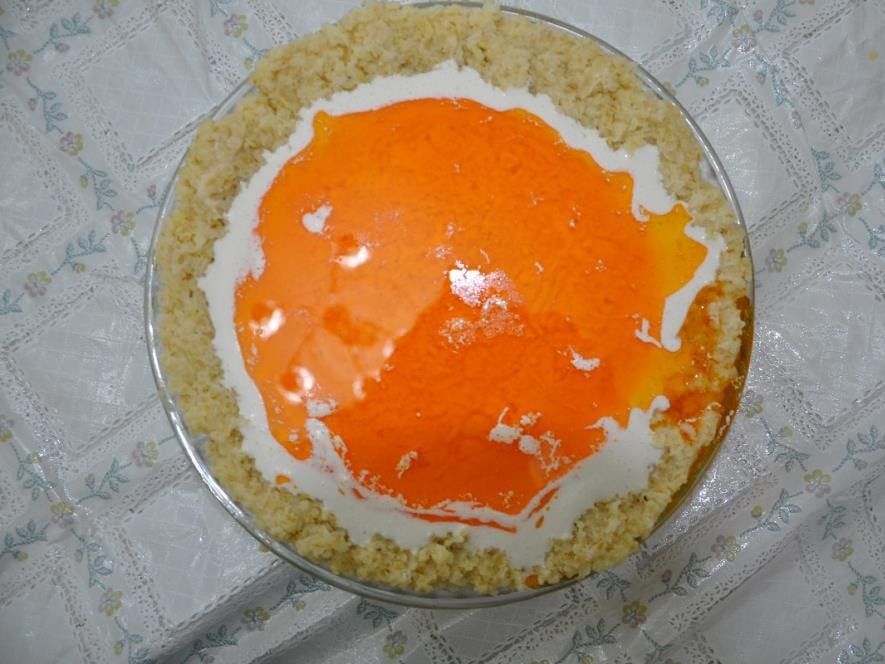
Serbidev
Cracked wheat with a well made in the centre, served with a sauce of yoghurt, spices and butter.
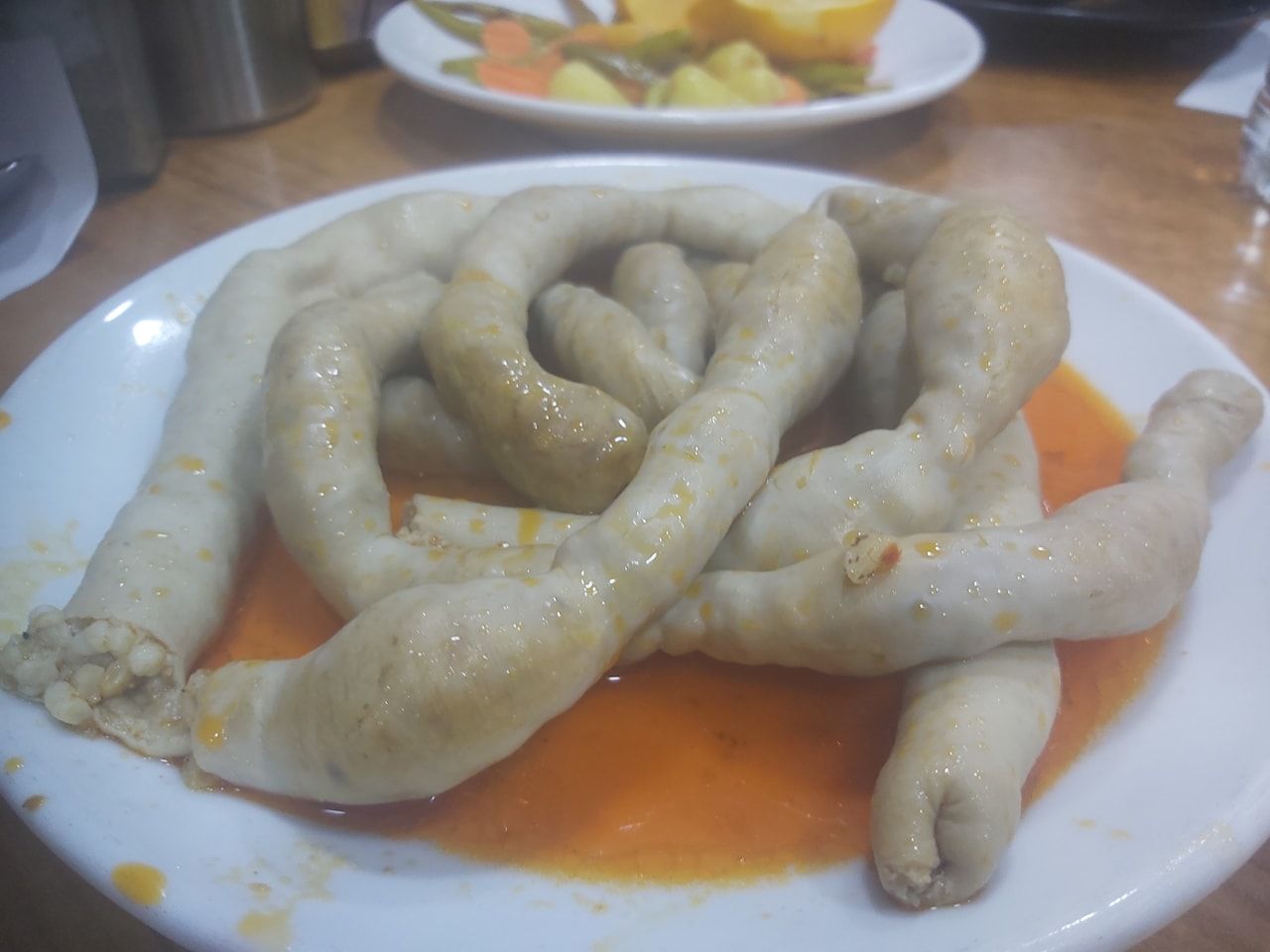
Kipe
A dolma made by stuffing sheep's intestines with a filling of minced meat and rice.
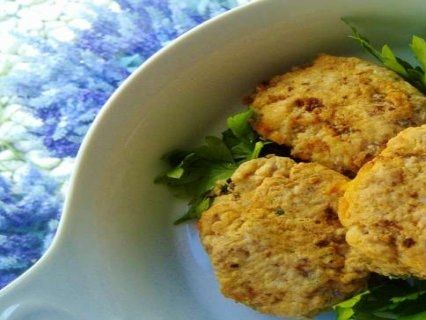
Hekehaşandi
Pilaf cooked without fat is kneaded with minced meat and fried.
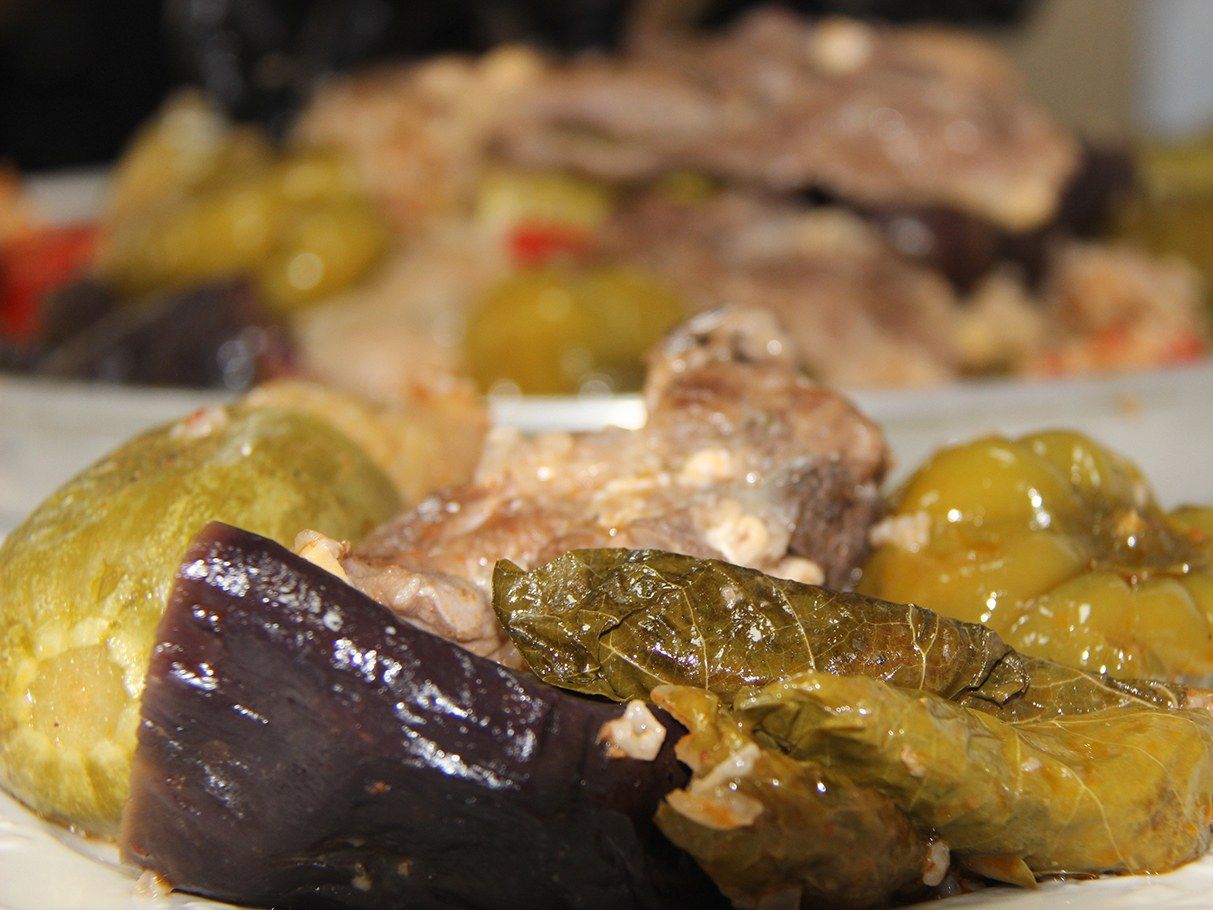
Şımşipe
A mixed dolma in which stuffed onions, courgettes, aubergines and peppers are cooked together with stuffed leaves; it is made with the large-grained rice grown locally. Şımşıpe is registered with a geographical indication.
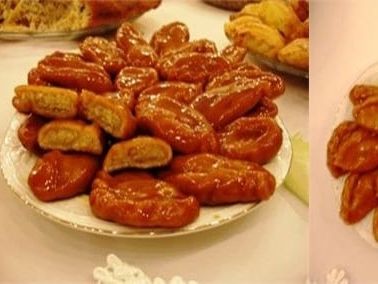
Fıreydin
A dessert of dough filled with walnuts and sugar, fried and then soaked in grape syrup (şıra).


Places to visit in Şırnak
Finik archaeological site and castle

The archaeological site, dating from 4000 BC, is in Cizre. Palaces, caravanserais, houses carved into caves and reliefs of men and women can be seen. Various reliefs can also be seen at nearby Finik Castle.
Bazebde archaeological site

The site on the bank of the Tigris dates from antiquity. The stone bridge at Bazebde is also worth seeing.
Cizre Ulu Camii (Great Mosque)
Converted from an old church in the time of Caliph Umar, the mosque has a rectangular plan. One of its most important works is the Dragon Door Knocker. This Seljuk-period knocker is displayed in the Museum of Turkish and Islamic Arts in Istanbul.
Tomb of the Prophet Noah

According to the Qur'an and various historians, after the Flood Noah's Ark came to rest on Mount Cudi, and this area was chosen for settlement after the Flood. The tomb, which holds the grave of the Prophet Noah, opened to visitors after restoration.
Kasrik archaeological site

Known as Sazirka, the site has weirs, bridges and the remains of a town. Being a gorge, the area has a mild climate and was used as a summer retreat by various civilisations. The people of Cizre still come here to relax and picnic.
Kırmızı Medrese (Red Madrasa)

It is called the red madrasa after the colour of the bricks it is built of. It was built in the 15th century, after the Cizre beylik retook Cizre. It contains a complex, a refectory, a classroom, a courtyard and graves.
Abdaliye Madrasa (Mir Abdal)

Built in the 15th century, the madrasa is where the love story told in the work Mem û Zîn took place. The story tells of the love of Mem and Zîn, who loved each other but could never be united, and of Bekir, the character who kept them apart. Glimpses of the social and cultural life of the period can also be seen in the work. The madrasa draws many visitors from Arab countries and from within Türkiye.
Mount Cudi

One of the first names that comes to mind with Şırnak, the mountain has been the subject of many historical stories and home to many civilisations. Noah's Ark is also believed to have come to rest on this mountain.
Source: https://www.gezilebilecekyerler.com/sirnakta-gezilecek-yerler/
Culture and arts in Şırnak
CUSTOMS AND TRADITIONS
WEDDINGS
Most marriages in Şırnak are arranged, though some come about when a couple see and like each other at weddings or in the street. A young man tells his mother about the girl he wants to ask for, and his mother chooses a suitable moment to tell his father. If they find the girl's family suitable, they decide together to ask for her hand. They usually send an elderly woman or man who will cause them no harm as a go-between; a woman speaks to the girl's mother and a man to her father, though the go-between is usually a woman. She begins persuading the girl and her family as best she can. The girl's mother tells her husband, and the go-between is given some time. The girl's father usually consults his brothers and they decide together. If the match is approved, the go-between is told on her second visit, "If God has willed it, so be it." If not, it is turned down with a suitable excuse such as "Our daughter is still young", "We have promised her to her cousin", or "Her mother is alone, we have no one else to work at home, and her elder brother is not married yet." If the girl's family approve of the young man's household and family, they tell the go-between, "Let them come and ask on such-and-such a day." Then the "yol açma" (opening the way) stage begins: the young man's family invite people close to them to go to the girl's house, word is sent to the girl's house, and they all go together in the evening.
First the young man's mother puts on the hand of the girl who is to be her daughter-in-law a pair of bracelets, a single bracelet or another piece of jewellery, according to her means; then the young man's other relatives pin on the girl the jewellery and money they have brought.
Then the sweets they have brought are handed out to the recitation of the Fatiha and blessings on the Prophet. With this the girl is officially promised and engaged. Next comes the "başlık kesme" (settling the bride price) stage. The young man's father completes his preparations as soon as possible and sends word to the girl's father to ask permission for the bride-price visit. The girl's father sets an evening and lets him know. For the bride-price evening, usually 2 sacks of sweets, 10–15 kg of chocolate and 10–15 kg of lokum are bought. The young man's father invites 10–15 friends and acquaintances, appoints one of them to negotiate the bride price and hands him the money prepared for it. The girl's father also invites 5–10 people close to him, appoints a negotiator and tells him the minimum. So the young man's side comes to the girl's father's house. After a joke or two, the bargaining begins. At last a common figure is settled, the bargaining ends with the Fatiha, and the sweets are handed out. The young man's negotiator hands the money he was given to the other side. Apart from this, the young man's side gives an amount it considers fitting to its standing, to be given to the girl's mother in return for her mother's milk.
Then the trousseau stage begins. The girl's side usually prepares the whole trousseau. When it is complete, the young man's side asks the girl's father for a wedding date, and the girl's side gives one. A week before that date the engagement ceremony is held: again two bags of sweets, chocolate and lokum are taken, along with jewellery suited to the family's means, which is put on the girl. Two days before the wedding day the following week, the young man's side sends a messenger to all friends and acquaintances to announce the wedding, and the next day the wedding begins. It usually begins on Saturday; on Sunday night the henna is taken and applied to the bride's hands, and a gold coin is again pinned on.
On Sunday the wedding goes on until the afternoon prayer, with halays danced; men and women dance together in the halays and other dances. After the afternoon prayer the wedding procession goes to the front of the girl's house. The bride, adorned, is shut in a room. A representative appointed by the groom's side negotiates the "pışder" (behind-the-door) payment and again gives the girl's side an amount befitting his means, and the "piresar" (an experienced woman attendant) takes the bride by the arms and helps her into a car or onto a horse. The bridal procession passes through the main streets and roads in a large convoy, with ululations. Meanwhile the groom's side has made its preparations: the groom climbs onto the roof with his best men on either side. When the bride comes level with him, he pours earth mixed with coins, which has been placed at his feet, on her head; this is meant as her first lesson. After that a family close to the groom hosts him, and various entertainments go on in that house until morning. The groom's friends and relatives come to his selamlık; that is, on the first night the groom does not sleep in his own home. The next morning he is brought to his own house, and the wedding goes on until noon and then ends. After this the religious marriage of the bride and groom is performed. In the following days a "selamlık" is held to help out: the groom's friends and relatives bring an amount suited to their means to the bride's selamlık, which lightens the burden the groom's side has taken on.
DEATH
In Şırnak and all its districts, the moment a death is heard of in any house, close neighbours, relatives and acquaintances, and all the men passing by, leave their work and wait at the door of the house. As in many things in Şırnak, there is great mutual help and solidarity, especially at deaths. Everyone takes on a task: some run to have a coffin made, some go to buy the shroud and cotton, some go to call the imam.
Some go to dig the grave, and those waiting at the door or at the cemetery who can read the Qur'an each take a section (cüz) and read it, so that a complete reading (hatim) is offered for the soul of the deceased. Meanwhile the body is washed and shrouded. If there is another hoca among those waiting, as there usually is, he preaches on death and patience; otherwise those waiting speak very little. The washed and shrouded body is laid in the coffin on its right side and the lid is closed. The coffin is covered with a cloth embroidered with Qur'anic verses, or with a carpet or similar cover, and carried on the shoulders either to the cemetery or to the nearest mosque. Along the way, people who had not come earlier join the funeral, so they earn the merit of carrying the coffin and more people take part in the funeral prayer. After the funeral prayer the body is placed in the grave at once. After the covering slab (latih) is laid, the gaps are closed with small stones and brushwood so that earth does not fall on the coffin. Meanwhile an imam or a knowledgeable person recites Sura al-Qadr seven times and pours earth into the grave. When the grave has been closed, the imam comes to the head of the grave to recite the telkin (instruction to the deceased). The people stand with their hands folded in front of them and wait. After the telkin, all together recite the Fatiha for the soul of the deceased. Then the imam says aloud:
"O congregation, what do you say of the deceased?"
and everyone says "May God have mercy on him." Then the crowd disperses; those closest to the deceased wait at the head of the grave for 5–10 minutes before returning home. Those closest to them go with them on a condolence visit, so as not to leave them alone and to comfort them. If the deceased belonged to a well-off family, a group of imams is engaged to read the Qur'an, either in a tent set up at the grave or in a room set aside in the house. Then the condolence period begins; usually an imam sits with the mourners to preach and offer consolation in patience. Those who come recite the Fatiha and offer comfort with wishes such as "May God forgive him", "May God perfect your faith", "May God give you patience" and "May those left behind be well." Condolences usually last three days, but those who cannot come then may visit later.
RELIGIOUS HOLIDAYS
The bayrams are among the things the people of Şırnak value most. Preparations begin 10 days ahead; clothes are even ordered from tailors a month and a half before, and homes slowly begin to get ready. Three days before Ramazan Bayramı, fitre (alms) begin to be given, and food for the bayram is prepared and shopping done. On the morning of the bayram most men go to the mosque for the bayram prayer and sermon. When they come home, the children, starting with their father and mother, kiss the hands of their elders and wish them a happy bayram. At breakfast they eat dishes prepared since the evening before, such as pilaf, türlü (vegetable stew), içli köfte, stuffed leaves and vegetables, hoşaf (compote) and zerde. After breakfast the bayram visits begin, first to neighbours, then to relatives, friends and acquaintances. These visits are treated almost as a debt and are returned. The bayram visiting lasts three days. For children, especially in our Cizre district, Ferris wheels, swings and car rides are organised, which are great fun.
LOCAL DISHES:
1- KUTLIK: Fine bulgur and fine cracked wheat (the kind used for çiğ köfte) are mixed and kneaded into a dough, filled with fried minced meat and onion, and cooked in boiling water. They are taken out, dipped in egg, fried in oil and served.
2- SERBIDEV: Cracked wheat is cooked thoroughly and placed on a large plate. A well is made in the middle and filled with kurut (keşk, çortan) liquid and butter. Pieces of kavurma (preserved fried meat) are arranged on top and it is served.
3- PERDE PİLAV: A dough kneaded with egg and butter and rolled into a thin sheet is placed in a round-bottomed pot. Lightly cooked pilaf is mixed with chicken, spices and almonds and placed inside the dough sheet. The top is closed again with thin dough brushed with butter and egg, and it is cooked over a fire top and bottom or in the oven, then served.
4- KİPE: A sheep's intestines are washed thoroughly and their glands removed. They are turned inside out, washed and cleaned, then stuffed with uncooked rice and minced meat, put into hot water and boiled. Once cooked, they are served.
5- HEKEHEŞANDİ: Pilaf is made without fat, then minced meat is added and kneaded in. It is shaped and fried in oil, coated in egg, and served.
6- ŞIMŞIPE: The local name for the dish known today as dolma. Onions, aubergines, tomatoes and courgettes are opened up and hollowed out, and chard or vine leaves are prepared. Rice and minced meat are washed, mixed and seasoned, then stuffed into the vegetables, arranged in a pot, cooked and served.
7- MEYRE (Mehir): Ayran and pounded wheat are put on the fire. Beaten egg is added and stirred constantly until it boils. Pieces of squash and chard leaves are added. After cooking a little, it is taken off the heat and served cold.
8- BIRINZER: Sugar and water are mixed into a syrup and brought to the boil. Rice is added and cooked, with a little cinnamon and yellow colouring. It is taken off the heat and served cold.
9- MAHMILATIK: Fine bulgur is put in a large jar. Turnips are boiled, cooled, strained and added to the jar, with a little water and a little dough (it must be leavened dough) on top. The mouth is covered and sealed with mud. After forty days it is opened and used like a pickle.
10- FIREYDİN: Sac bread dough is rolled out thin. Crushed walnuts mixed with granulated sugar are spread over it. It is rolled up neatly and coiled round like a simit. The fıreydin is fried in hot oil and grape syrup (şıra) is poured over it. It is served once cool.
11- SURYAZ: The suryaz herb is chopped, washed and boiled in water, then strained and squeezed. Chopped onion is fried in hot oil, the suryaz is added and stirred, kavurma is added, and it is stirred and served.
LOCAL DRESS:
In Şırnak and its districts men generally wear the şal-şepik and women the fistan (entari, long dress), though day by day these are being replaced by suits and other women's clothing. Older and middle-aged men mostly wear şalvar and a jacket, but the garment the people of Şırnak still cannot do without is the şal-şepik. It is woven by masters in and around Şırnak from very fine mohair yarn and is tailored and worn in a particular style. The şal-şepik consists of four pieces, including the waistcoat and the şelema, and there is another piece called levendi, attached to the cuff of the kıras worn underneath in place of a vest.
The şal has wide, straight legs and is worn instead of trousers. Over the shirt goes the piece called şapik, and a wide, thick sash called şeleme is tied around the waist. Then the waistcoat is put on, the levendi (wrist band) attached to the cuff of the kıras (vest) is wound around the wrist, and a kefi (keffiyeh) or a hat is worn on the head.
Women's general dress is the fistan (entari), which reaches to the ankles. It is usually made of velvet, a fabric called çemçem or other valuable imported fabrics. The chest is slightly open, and underneath is worn a waistcoat whose front closure is trimmed with lace and decorated with colourful pieces of fabric tied off at the tips to the size of a chickpea. The levendi attached to the sleeves of the long underskirt called kıras are wound around the wrists over the fistan, and a thin cloth is tied around the waist. Women tie on their heads a long muslin called kıtan, decorated with beads and lace. They also wear various gold-framed ornamental stones on the chest; earrings called bergahar, linked to each other at the throat; necklaces called tetreme or semek; and other jewellery. They wear a hızma (nose ring) in the nose. Women also wear other jewellery such as the hicol, serkezi and hırhal.
FOLK DANCES AND FOLKLORE:
The dances of Şırnak and its districts are generally performed to the davul and zurna. In recent years the bağlama, cümbüş and darbuka have also been played to accompany local dances.
THE MAIN DANCES OF THE AREA:
1- İkiayak
2- Üçayak
3- Yerinde
4- Şıhani
5- Bablekan
6- Sınvan
7- Kulungi
8- Ağır
9- Berite.
1- İKİAYAK: Danced to the davul and zurna, with dancers holding each other by the little fingers. The right foot is first struck forward and stepped to the side, the left foot follows alongside, the right is stepped out again and the left foot comes to join it. Then the left foot steps back and the right is brought to it.
2- ÜÇAYAK: Dancers hold each other by the little fingers. The dance begins with the right foot, which is struck on the ground. Three steps are taken, right, left, right, left, right, and the left foot is brought beside the right. As the left foot steps back, the right is brought beside it.
3- YERİNDE: A lively dance performed without big steps. Arms are linked and hands held behind with the fingers. The hands are near the hips and the shoulders touch. The right arm always rests on the left arm of the dancer alongside. The dance starts with a slight bend of the right knee and continues with frequent knee bends to the rhythm of the music and trembling movements of the shoulders. As the music livens up, the knee bends and shoulder movements speed up, with light steps from time to time.
4- ŞIHANİ: Usually danced by 8–10 people, with fingers interlaced. First the right foot steps to the side; then three steps are taken to the side, right foot, left foot, right and left. With a sudden curving movement the dancers face forward, the left foot steps out and the feet are brought together in front. Starting with the left in front, the right and again the right foot step out. Then the left foot steps out and everyone bends forward together.
5- BABLEKAN: Dancers hold little fingers in front. The right and left feet step out, starting with the left forward, three steps in all, all forward. Then three steps back, left, right and left. These movements continue in series, back and forth together, becoming more vigorous and faster as the music speeds up.
6- SINVAN: Dancers again hold each other by the little fingers. The left foot opens to the side and is struck three times on the ground. With a sudden movement the dancers turn right; then the right opens and the right foot, left foot and right foot strike the ground three times. Hands and shoulders stay together meanwhile; when turning right the hands stay together but the shoulders open well apart. An important feature of the dance is that on the second repetition the hands are clapped at set intervals and then joined again. Another is that on the third repetition the hands are placed on the hips and, with a sudden movement, joined again. That is: in the first phase the hands are joined, in the second they clap, in the third they rest on the hips, and the dance ends.
7- KULUNGİ: A dance of the nomads living in Şırnak and its districts. While one person dances in the middle, the ring around him dances with arms spread like cranes. Then, with a sudden movement and calling like cranes, they beat the one in the middle. The message of this dance is the punishment of the one who strays from the flock.
8- AĞIR: A dance mostly performed by older and middle-aged people, with hands on shoulders. The music is played slowly. Following the rhythm, dancers lean slightly onto the right foot and bounce, then straighten back and step forward, with an occasional shout.
9- BERİTE: Formerly danced before and after wars between the beyliks. As the music begins soulfully and slowly, hands are held at the sides and the dance begins with a shout. First the dancers stretch back, then take a light step bouncing on their knees, and then shout, looking into each other's faces.
KNOWN FOR:
Mount Cudi, Kasrik Gorge, Habur border gate, the Mem û Zîn tomb
WHERE DOES THE NAME COME FROM?
Şırnak was founded under the name Şehr-i Nuh north of Mount Cudi, where the remains of Noah's Ark are claimed to be; it was earlier called Şerneh and in later years took the name Şırnak.
Source: http://www.bakimliyiz.com/soru-cevap/111852-sirnak-kulturu-sirnak-orf-ve-adetleri.html
History of Şırnak
Şırnak province has a very ancient history. According to the 'Seyahatname' written by Katip Çelebi in the 17th century and to historical traditions, it goes back to before Noah's Flood. According to these traditions, when Cizre was built a second time after the Flood by the Prophet Noah and his sons, Şırnak was built as a summer retreat and highland pasture to escape the scorching heat of Cizre.
Şırnak was founded under the name Şehr-i Nuh north of Mount Cudi, where the remains of Noah's Ark are claimed to be; it was earlier called Şerneh and in later years took the name Şırnak. Şırnak province has held on its territory the capitals of many important states in history. BABYLON (the village of Kebeli), capital of the First Babylonian state, is within Cizre's borders. BAJARKARD, capital of the Guti (GUDİ) empire, is also in Silopi district.
Şırnak was a settlement attached to Cizre in the Guti, Babylonian, Median, Assyrian, Persian, Sasanian, Umayyad, Abbasid, Seljuk and Ottoman periods. It became a district on 23 July 1914 and was attached to Siirt province, a status that lasted until 1990. It gained provincial status by Law No. 3647 of 16 May 1990, published in the Official Gazette No. 20522 of 18 May 1990. The province has six districts: Beytüşşebap, Cizre, Güçlükonak, İdil, Silopi and Uludere.
Information on the history of the province's six districts is given below.
Beytüşşebap district: The district is a very old settlement. Beytüşşebap is an Arabic compound of the words Beyt and Şebap, meaning "house of the young". Its history goes back a long way: pictures and compositions carved on rocks in the TA'NİN Mountains from the Neolithic, between 1000 and 7000 BC, show that people lived here and had settled lives 12,000 years ago. Over time the district was ruled in turn by the Hurrians, the Mitanni, the Assyrians and the Urartians. It came under Seljuk rule in 1054 and Ottoman rule in 1514. It was attached to Erzurum in 1855 and to Van province in 1865. Beytüşşebap became a district in 1887 and was attached to Siirt in 1926, to Hakkari in 1936 and to Şırnak province by Law No. 3647 of 16 May 1990.
Cizre district: From around 4000 BC, Cizre was under the rule of the Guti state, under the name Gerzubakarta. The first walls of Cizre were built in the Guti period. Cizre came under the First Babylonian state in 1894 BC; Babylon is 22 km from Cizre.
In 1595 BC Cizre passed from Babylonian rule to Arab rule. It later came under the Assyrians, Medes, Persians, Sasanians, Artuqids, Ayyubids, Abbasids, Seljuks and Mongols, and from 1627 the Ottoman state.
The Cizre beylik, earlier attached to the Diyarbakır sanjak beylik, was attached to Mosul in 1841. During the National Struggle Cizre showed great success: the French came wanting the city to surrender without a fight, but seeing the people's resistance and their arms, they gave up the occupation.
When Islam came to Cizre, the city was given the name Cezire, meaning "peninsula"; in the Republican period this was changed with a small correction to Cizre. Formerly a settlement attached to Mardin province, it was attached to Şırnak province by Law No. 3647 of 16 May 1990.
Güçlükonak district: Formerly a village attached to Eruh district of Siirt province, it became a district by Law No. 3644 of 9 May 1990. Its administrative attachment was changed by Law No. 3647 of 16 May 1990 and it was attached to Şırnak province.
İdil district's name before the Common Era is said to have been Zarih. One tradition holds that İdil was called Beyt-Zaptdey (the house of Zapdey) after a Syriac named Zapdey for his services to the town. In AD 300–400 the Persians invaded and gave it the name Hazak, a Persian word meaning brave and valiant.
It is known that the Turkmens had considerable influence in İdil in 1393–1491 and that Timur invaded it in 1387. With Timur's death İdil passed to the Karakoyunlu state, and from then on it came under Turkish rule. A village until 1924, İdil then became a sub-district (bucak) of Cizre, and in 1937 a district of Mardin province.
İdil was attached to Şırnak province by Law No. 3647 of 16 May 1990, published in the Official Gazette No. 20522 of 18 May 1990.
Silopi district was also a settlement where various peoples lived before the Common Era, as the historic remains around the district show. After a long period under the Assyrians and the Roman Empire it passed to the Seljuks. It joined the Ottoman Empire together with Cizre during Selim I's Egyptian campaign. It was attached to Şırnak province by Law No. 3647 of 16 May 1990.
Uludere district's history goes back to before the Common Era. Over time it came under the Urartians, Medes, Persians, Romans, Arsacids and Sasanians. The Turkmens are known to have appeared on the historical stage from 1054. The turmoil of the years following the capture of the Hakkari area by İmadeddin Zengi in 1142 and by Hulagu in 1260 ended when the local lords accepted Karakoyunlu suzerainty in 1349. Under Timur in 1386 and under Safavid rule from 1502, Uludere joined the Ottoman Empire in the reign of Süleyman the Magnificent and, like all the local lords, was left free in its internal affairs. The tribal lords remained under the empire's sovereignty until the Republic, on condition that they kept their sovereign rights, were governed by a system outside the Ottoman land system and sent soldiers on campaigns.
After the proclamation of the Republic Uludere was made a sub-district and attached to Beytüşşebap district; it became a district by Law No. 7033, which came into force on 27 June 1957. It was attached to the newly founded Şırnak province by Law No. 3647 of 16 May 1990.
Source: http://www.sirnak.gov.tr/tarih-ve-cografya
Getting to Şırnak
Şırnak can be reached by road from anywhere in Türkiye.
Districts of Şırnak
- Beytüşşebap
- Cizre
- Güçlükonak
- İdil
- Merkez (central district)
- Silopi
- Uludere
Economy of Şırnak
Şırnak's economy is based on mining, agriculture and trade. In rural areas the main source of income is livestock.
Large numbers of sheep and goats are raised through seasonal grazing on highland pastures (yaylacılık). The main animal products are butter, cheese, wool, goat hair and mohair.


Comments
Loading comments…