
Tekirdağ
- Marmara Region
About Tekirdağ
Tekirdağ was known before Antiquity as “Bisanthe”, then as “Rhaidestos”, and so for a long time as “Rodosto” in Western languages; in the Ottoman period it was known first as “Rodoscuk” and then as “Tekfurdağı”.
Lying about 130 kilometres west of Istanbul, Tekirdağ is, leaving Istanbul aside, the largest city in Thrace after Edirne. Built on the edge of a small cove within the broad arc of the Marmara coastline, the city spreads over slopes that rise in terraces and along the floor of the Ördeklidere stream that cuts through them. Business and shopping centres and government buildings are gathered on the first terrace behind the shore, around a main street that runs westwards.
Tekirdağ's famous dishes and desserts
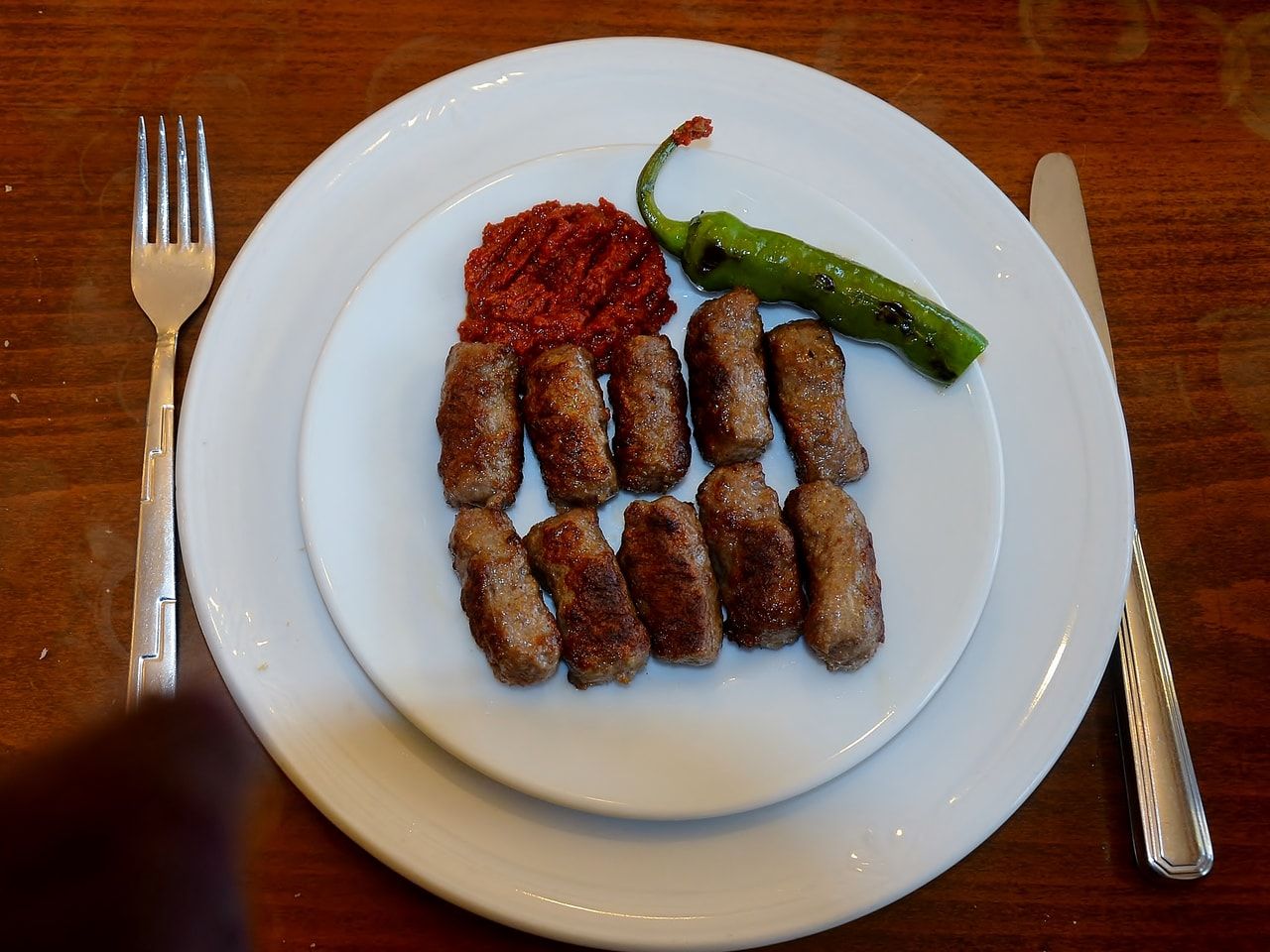
Tekirdağ köftesi (Tekirdağ meatballs)
Tekirdağ's own grilled meatballs; the recipe differs from Akçaabat köftesi.
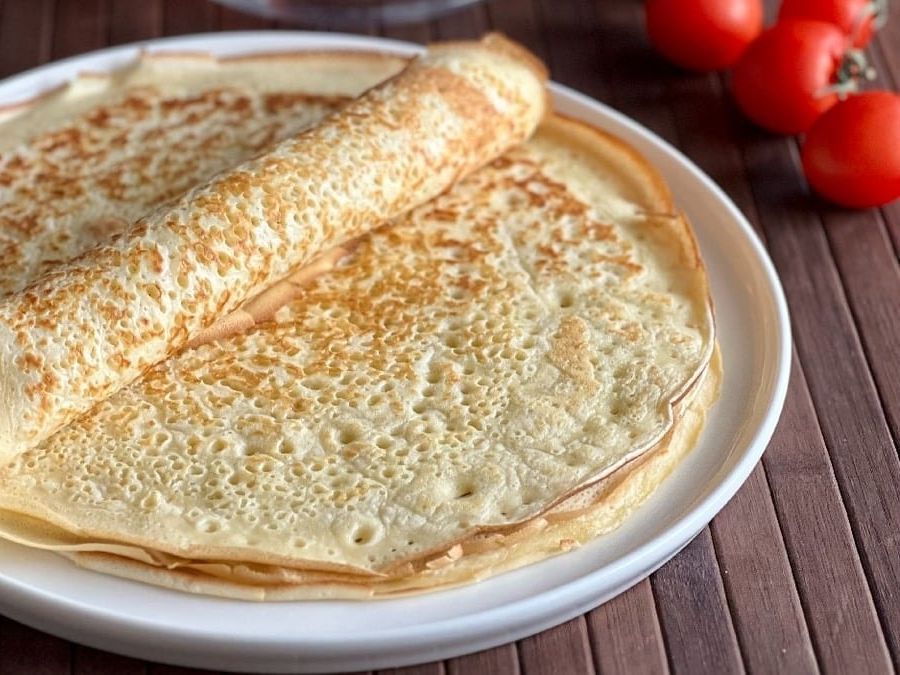
Cızlama
A pastry made by cooking a runny batter thinly in a pan.
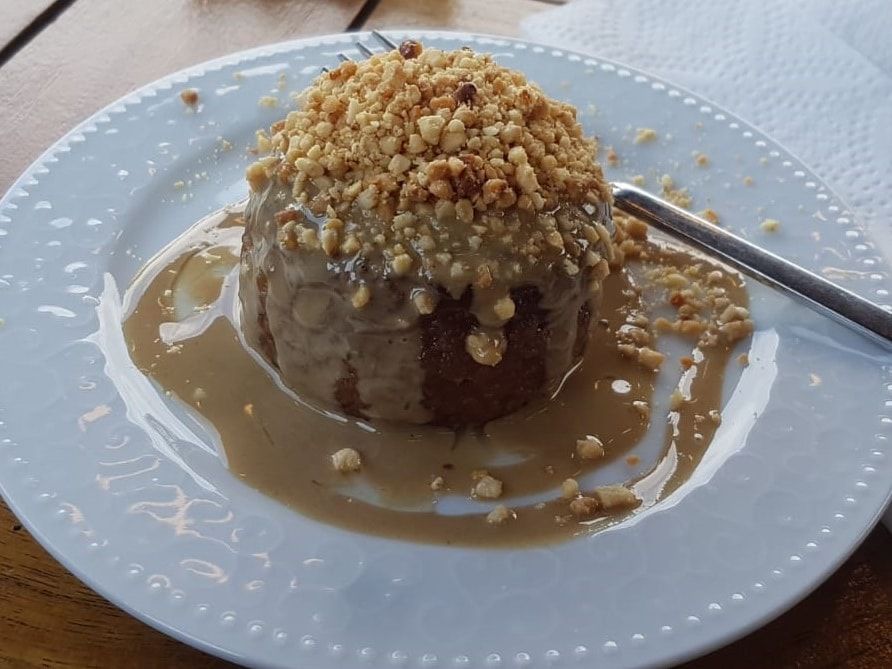
Hayrabolu tatlısı
A syrup-soaked dessert made with semolina and unsalted cheese; production began in Hayrabolu in 1972, and in its early years it was called “Kadı Göbeği”. Hayrabolu Tatlısı is registered with a geographical indication.
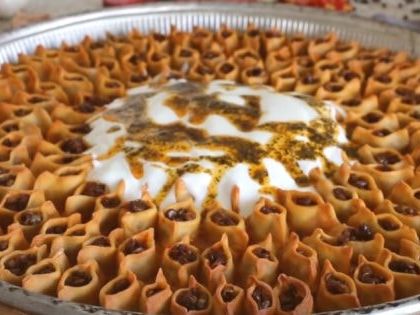
Sini mantısı (tray-baked mantı)
Mantı made with pieces of meat instead of mince is baked in a large tray (sini) and topped with yoghurt.
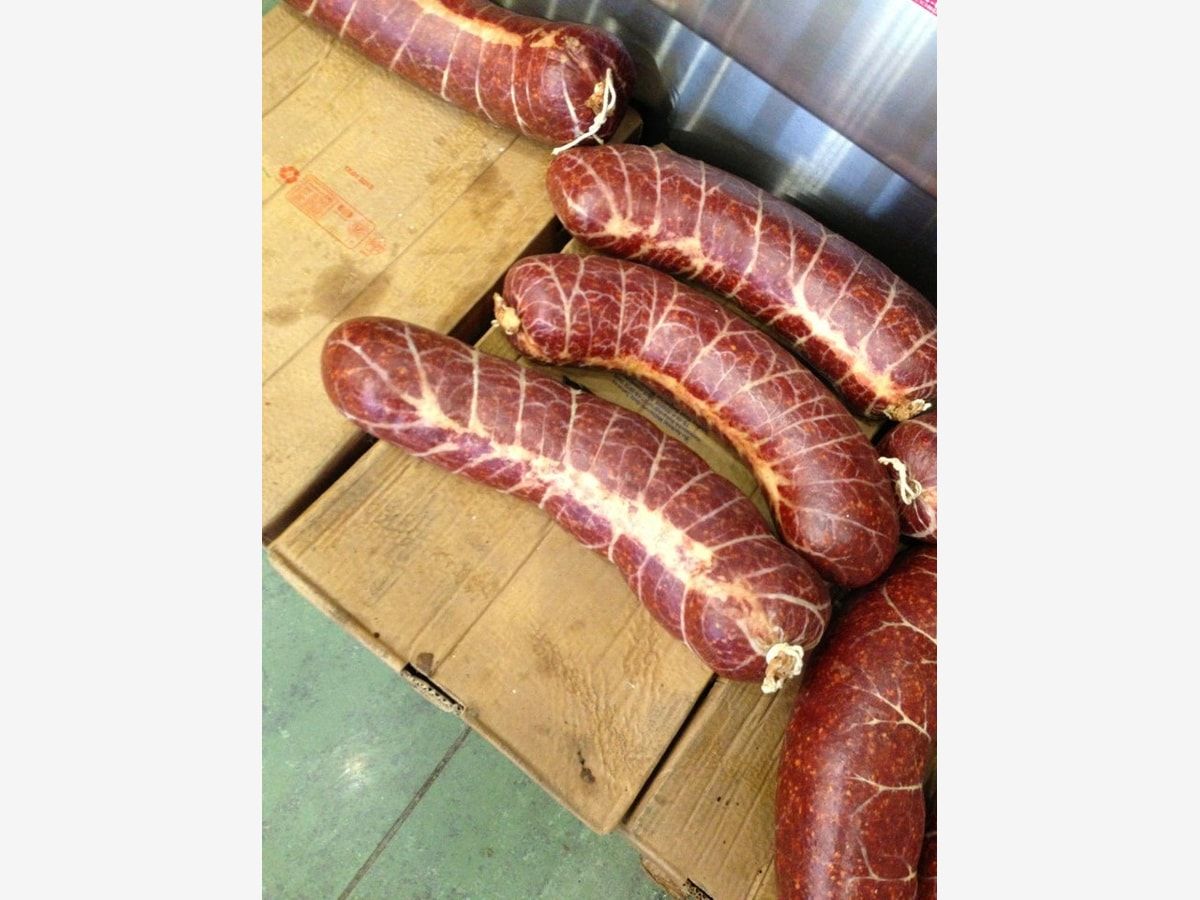
Burma sucuk
A sausage made from billy goat and kid meat; it is associated with İnecik.
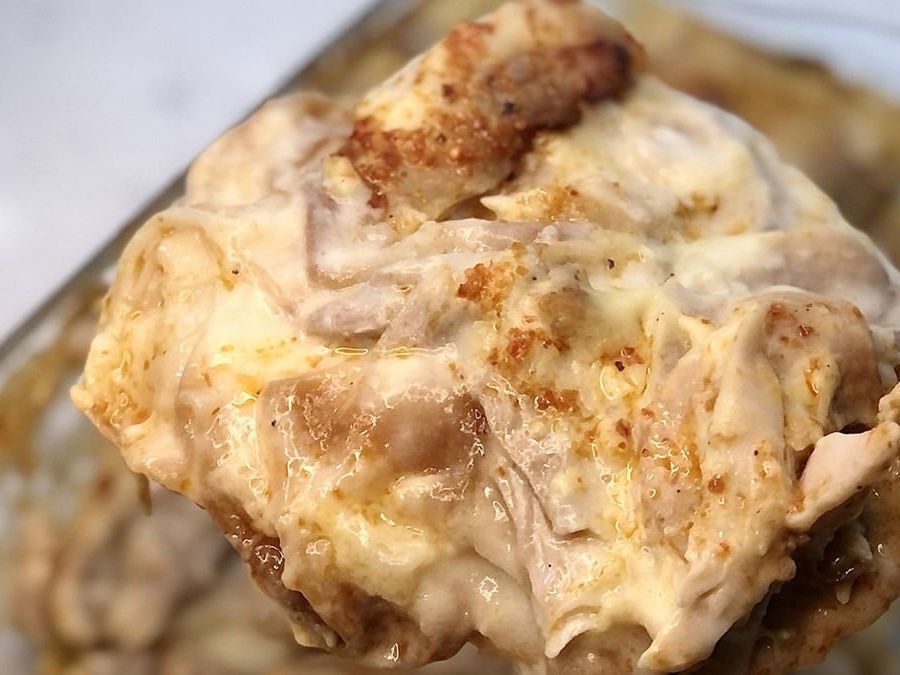
Damat paçası
Sheets of yufka pastry are soaked in chicken stock and topped with shredded chicken and a yoghurt sauce.
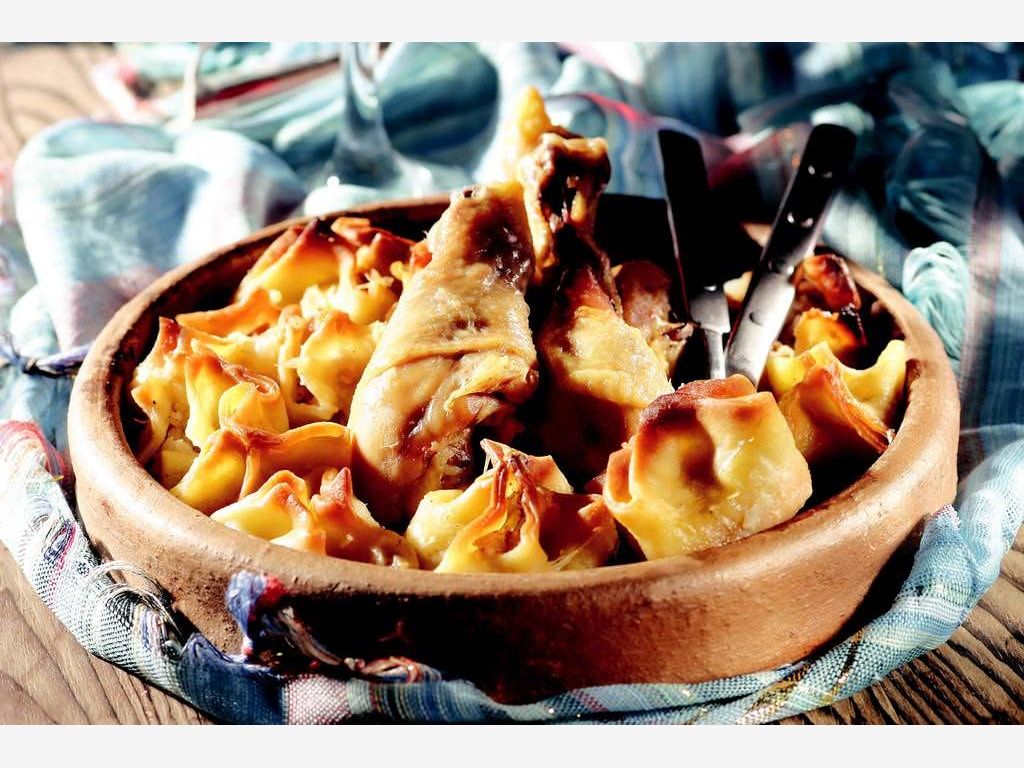
Kandilli mantı
A mantı made with chicken, similar to bundle-shaped bohça mantı; it is also made in Çanakkale and Edirne.
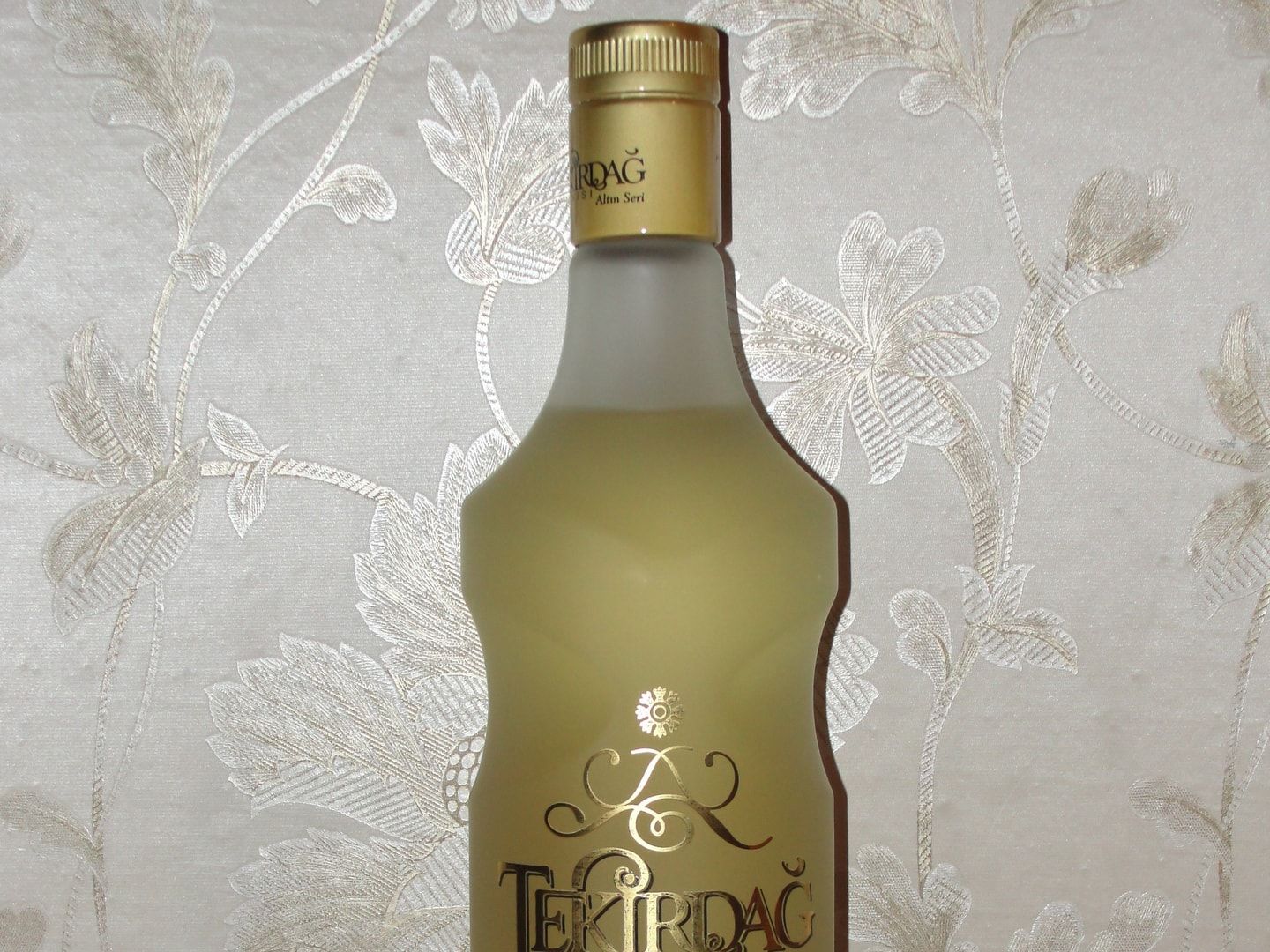
Rakı
The rakı produced at the Tekel factory was known as Tekirdağ Rakısı; the factory closed in 2017.


Places to visit in Tekirdağ
Tekirdağ, one of the places in the Marmara region that draws crowds of holidaymakers in summer, holds natural beauties waiting to be discovered…
One of the most developed cities on the Marmara, Tekirdağ is a top choice for holidaymakers thanks to its natural beauty, beaches, clean sea, tourist facilities and hospitable people. If you are planning a trip to Tekirdağ too, we suggest taking a look at our list of places to visit…
Museums: If you are planning a trip to Tekirdağ, add the city's museums to your route. The Tekirdağ Archaeology and Ethnography Museum, the Rákóczi Museum and the Namık Kemal House are the museums we recommend. Besides the museums, be sure to see the monuments closely tied to Tekirdağ: the Tekirdağ Martyrs' Monument, the Freedom Monument (Hürriyet Abidesi) and the Namık Kemal Monument.
Mosques: Tekirdağ is home to historic mosques, most of them from the Ottoman period. Among these architecturally noteworthy buildings, the Eski Mosque, Orta Mosque, Rüstem Pasha Mosque and Mirliva Hüseyin Pasha Mosque are the most visited.
Çorlu Castle: Thought to date from the 6th century, Çorlu Castle is one of the historic sites you can see in Tekirdağ. Part of this Byzantine-era structure has managed to survive to the present day.
Hora Lighthouse: Hora Lighthouse, about 20 km from Şarköy, is a beauty that will leave visitors in awe. It stands by the sea surrounded by nature; when you go, don't forget to take some of Tekirdağ's delicious wines with you.
Picnic spots, resort towns and beaches: Tekirdağ is one of the most visited places in the Marmara region, especially in summer. One reason holidaymakers love it is its spotless beaches and deep-blue sea. Places we recommend seeing on your Tekirdağ trip include Kumbağ, packed with public beaches and tourist facilities; Şarköy, famous for its grapes, wine and natural beauty; Marmara Ereğlisi, known for its summer venues; Eriklice, a small, warm resort village that welcomes many visitors with its pleasant sea; Uçmakdere, famous for its monumental trees, lush countryside and grapes; and İğdebağlar, known for its old oleaster trees.
Tekirdağ Martyrs' Monument
The Tekirdağ Martyrs' Monument, built in 1949 in memory of the soldiers who fell during the conquest of Tekirdağ, is among the places that bring tourism to the city…
On Muratlı Caddesi, the Tekirdağ Martyrs' Monument draws hundreds of visitors to the city every year. A long staircase leads up to this site, built in memory of the soldiers who fell in the conquest of Tekirdağ. In the very middle of the stairs a Turkish flag has been made of stones, and right in front of it is an inscription.
Tucked away among greenery, the Tekirdağ Martyrs' Monument is the start of a meaningful visit. If you find yourself in Tekirdağ soon, be sure to visit it.
Tekirdağ Archaeology and Ethnography Museum
The Tekirdağ Archaeology and Ethnography Museum opened its doors to visitors in 1967 and for years was displayed in a single small hall. Growing richer as its collections increased, the museum moved in 1976 to the Governor's Mansion (Vali Konağı), allocated by the Ministry of Culture.
We recommend seeing this museum, with its statues, spearheads, weapons, ornaments, coins and many other finds from the civilisations that lived in Tekirdağ over the centuries.
The Tekirdağ Archaeology and Ethnography Museum has a stone works hall, a hall of small archaeological finds, an ethnographic hall and an open-air display area. As well as seeing many prehistoric remains, you will have the chance to see a mother goddess vessel dated to the Byzantine period, along with vessels, figurines, spearheads and ornaments.
In the ethnographic hall you will find bladed weapons from recent periods, women's and men's clothing from the Tekirdağ area and handicrafts. The garden, laid out as an open-air display, holds architectural fragments, sarcophagi, inscriptions, figurines and columns.
The Tekirdağ Archaeology and Ethnography Museum is on Vali Konağı Caddesi and can be visited every day except Monday.
Rákóczi Museum
This is the house in Tekirdağ where the Hungarian prince Rákóczi spent the last years of his life. It was built in classic Ottoman style. Bought by the Hungarian government and turned into a museum, the Rákóczi Museum is named after the Hungarian prince Ferenc Rákóczi II. Rákóczi lived in the museum building for 15 years. He led the Hungarian uprising against the Austrians and, when the war failed, took refuge with the Ottomans.
Rákóczi, who lived in 24 houses close to each other in Tekirdağ, stayed in Tekirdağ until his death. The houses he lived in were joined together to look like a mansion, but only the dining hall of this mansion has survived today. After Rákóczi's death a museum was planned in Hungary, but it could not be built because of the outbreak of the First and Second World Wars. So in 1931–1932 Hungary engaged a Hungarian architect to restore Rákóczi's house in Tekirdağ and turned it into a museum. Today the Rákóczi Museum is one of the most visited places in the area, displaying Rákóczi's belongings, documents about his life and oil paintings. On your Tekirdağ holiday you can visit the Rákóczi Museum on Barbaros Caddesi in the Ertuğrul neighbourhood. Çorlu Castle and the Namık Kemal House are also among the places we recommend.
Çorlu Castle
Çorlu Castle, a historic site, is in the Çorlu district of Tekirdağ province. Only some of its remains have survived, and it is thought to date from the 6th century.
Built in the Byzantine period, the castle is bounded on the east and west by stream beds. Its walls were evidently reinforced with round towers, and it stands on cut-stone foundations. A historic ruin worth seeing in Tekirdağ, the castle clearly had military importance. There are plenty of places you should visit on a Tekirdağ holiday: Hora Lighthouse, Eriklice, the Namık Kemal House, Uçmakdere… All are worth seeing and all are among the city's sights. Don't forget to visit them after Çorlu Castle.
Hora Lighthouse
Hora Lighthouse, just 20 kilometres from Tekirdağ's Şarköy district, is the first structure to greet everyone at the entrance to Hoşköy. This lighthouse at the entrance to Hoşköy was built in 1861 by French architects, using cast iron brought from France by Sultan Abdülhamit. It is still in active use.
Sturdy throughout its history, the lighthouse has kept its strength to the present day. No welding was used in building the historic Hora Lighthouse, which was commissioned by Abdülmecit in 1861; all its joints are fastened with screws. It is made entirely of iron.
It is French-made and about 20–25 metres high. Hora Lighthouse has one more feature: it rotates on its own axis, completing one turn in 20 seconds. Visiting the lighthouse, which you can see while trying a cold glass of wine by the sea in Şarköy, will add to your enjoyment of the moment. You can add Çorlu Castle, Uçmakdere and Eriklice to your Tekirdağ trip.
Eriklice Village
Eriklice, a village in Tekirdağ's Şarköy district, is one of the nearest and best places for a holiday.
It is small but warm, quiet but well worth seeing and experiencing. Eriklice has its own way of life, many cultures and a range of local dishes. Even its dances are different and inviting; they resemble the Rumelian dances but are not the same.
Its clear sea and clean air make Eriklice attractive. It has one more advantage: it is just a ten-minute drive to see the beauties of Şarköy. It is not hard to find a place that is close to the town centre yet far from the crowds. A quiet holiday in Eriklice, which fills you with peace, will do your soul good. While you are there you can visit the remains of Çorlu Castle, Uçmakdere and the Namık Kemal House.
Namık Kemal House

After the death of the famous poet Namık Kemal, a house was built in his name in Tekirdağ by volunteers, schools and the municipality.
Reflecting the style of 19th-century Ottoman architecture, the house has three storeys, and its foundations were laid in 1992. Opened exactly a year later and serving as a museum, the building is made of wood and has six rooms.
It is a two-storey wooden house built in memory of Namık Kemal, also known as the Poet of the Fatherland (Vatan Şairi), in the neighbourhood where he lived. On display are objects Namık Kemal used, ethnographic items from Tekirdağ and photographs of Atatürk and Namık Kemal.
Its garden also has an open-air stage and seating area, and the basement has an exhibition hall. The poet Namık Kemal, whose family was from Istanbul, was born in Tekirdağ. You can see ethnographic items in the bedroom, and the famous poet's personal photographs and works are well worth seeing at the Namık Kemal House. If you love poets and poetry, it makes a wonderful outing. Even if you don't care for poetry, seeing the life of a poet who has stayed important from his own time to ours will move you deeply. Be sure to add Uçmakdere and Çorlu Castle in Tekirdağ to your list.
Uçmakdere

Uçmak Dere is a charming village set in greenery that you can visit on a trip to Şarköy, with restaurants that make a good choice, especially for dinner.
It lies in one of the striking valleys that the Ganos Fault has shaped with an artist's skill. The village, one of the places where Türkiye's finest grapes are grown, is within the borders of Tekirdağ. In the village, which has only a few houses, there are 10 monumental trees.
Uçmakdere comes just after Gaziköy. As you drive, a magnificent view keeps you company: steep cliffs rising on one side and the wide blue sea stretching away on the other…
At the end of the road a wonderful cove awaits you, with nature that invites you to pitch a tent under the trees and turns into a green paradise with the joy of spring…
The centre of Uçmakdere, its main part, lies further inland. It awaits its guests with warm, friendly people. If you want to escape Istanbul and rest at the weekend, you really don't need to go far. Turn the wheel towards the paradises close by.
Şarköy

Şarköy is Tekirdağ's district with a coastline on the Sea of Marmara. In summer many visitors from Türkiye and abroad come to Şarköy. It is also famous for its grapes.
Hoşköy
Hoşköy, 16 km from Şarköy, is a tourist spot known for its historic buildings.
Mirliva Hüseyin Pasha Mosque
Built in 1498 on an inverted-T plan, the Mirliva Hüseyin Pasha Mosque is one of the oldest mosques in the region. It is in the village of İnecik, where caravan routes once passed.
Rüstem Pasha Mosque
Built by Mimar Sinan, the mosque was named after Rüstem Pasha, one of the grand viziers of Süleyman the Magnificent and his son-in-law. It was built in 1553, and Sultan Abdülmecit had it restored in 1841.
Kumbağ
Kumbağ, which gets crowded in summer especially because it is close to Istanbul and has lovely beaches, has also won the international Blue Flag award for its clear sea.
Gazi Ömer Bey Tomb

Gazi Ömer Bey was one of the famous commanders of the time of Sultan Mehmed the Conqueror. His tomb is in the courtyard of the mosque named after him in the district of Malkara.
Source: http://www.gezilebilecekyerler.com/tekirdagda-gezilecek-yerler/
Culture and arts in Tekirdağ
Folk culture of the Tekirdağ area
The Tekirdağ area has all the features of Thrace. With its history, traditions, historic monuments and beliefs, it is the cradle of a great culture.
Traditional food and drink
Tekirdağ's cuisine has been strongly influenced by migration from the Balkans to Türkiye. For years a crossing point from Anatolia to Europe, Tekirdağ has enriched its cuisine too.
- Tekirdağ köftesi (meatballs)
- Cizleme
- Höşmerim
- Akıtma
- Kaçamak
- Peynir helvası (cheese halva)
- Hayrabolu tatlısı
- Bulama
- İncir tatlısı (fig dessert)
- Yoğurtlu kuzu eti (lamb with yoghurt)
- Çene çarpan çorbası
- Umaç çorbası
- Tekirdağ rakısı
Traditional handicrafts
Carpet weaving
Handicrafts are still alive in the area today. Some official bodies run courses in the area and support handicrafts.
The handicrafts made in the area are:
- Kilims
- Çul (coarse woven cloths)
- Sacks
- Saddlebags (heybe)
- Cushion covers
Folk songs
Attım Şalımı Boynuma
Bağ ya Girdim Bağ Budanmış
Bahçalar da Börülce
Beyler Bahçesinde Bir Derin Kuyu
Çavuş
Dramanın İçinde Yaparlar Pazar
Dumanda Bastı Dağlara
Gideriz Biz İkimiz
İnce Giyerim İnce
Kirpi Oyun Havası
Varın Sorun Babasına
Yarım Hava,
Folk dances
The area's folk dances are usually danced to music in 8/8 or 9/8 time. They are very similar to Balkan dances. Many are still danced by the Turkish minority in Bulgaria. The folk dances of the Tekirdağ area are:
- Cevriye
- Kara Yusuf
- Arzu ile Kamber
- Debreli Hasan (Hasancık)
- Tekirdağ Karşılaması
- Lenka (Güzel Kız)
- Kampana
- Eski Fasulye (Kanzurka Kirpi)
- Demirci Kasabı
- Karadağ Karşılaması
- Sirto
- Gayda
- Çoban
- Eşkiya
- Yeşilim
- Arnavut Alayı
- Çam
- Naile Hanım
- Karatoprak
- Mayadağ Kol Oyunu
- Doyran Kasabı (Durulanka)
- Tavşanka
- Yüksek Yüksek Tepelere
- Börülce
- Rayle
- Galamata
- Subaşı
- Duman da Bastı Dağlara
- Zekiye'm Horonu
- Alaybey
- Mustabey
- Boymisa
- Alabağcak
- Karaçalı
- Gacal Karşılaması
- Afyon Horonu
- Kaçamak
- Deryalar
- Ali Paşa
- İstifalka
Traditional clothing
Women's clothing
- Tülbent (Şami): worn on the head; young girls usually crochet oya lace along its edges.
- Mintan: the name for a shirt buttoned at the front, usually made of printed cotton.
- Yelek: a waistcoat worn over the mintan; young women's are usually embroidered and shiny.
- Şalvar: baggy trousers worn on the lower body, of printed cotton with large flowers, usually with red among the flower colours.
- Uçkur (sash): an embroidered piece that does the job of today's belt.
- Çetik: a piece of the costume worn on the feet, usually knitted from wool.
- Çarık: a shoe, also known as a boot (potin).
- Yağlık: tied at the waist and worn over the şalvar; it has been modernised today with embroidery added.
- Mendil: a kerchief tied around the neck.
Men's clothing
- Fes: a red cap worn on the head.
- Mendil: a kerchief tied around the neck.
- Gömlek: a shirt, generally made of unbleached cotton.
- Cepken: a lined waistcoat worn over the shirt.
- Potur: trousers worn on the lower body, made of broadcloth.
- Kuşak: a long, narrow sash of about 3–4 m, wound around the waist.
- Çarık: a shoe worn on the feet.
Source: https://ipfs.io/ipns/tr.wikipedia-on-ipfs.org/wiki/Tekirda%C4%9F_y%C3%B6resi_halk_k%C3%BClt%C3%BCr%C3%BC.html
History of Tekirdağ
Tekirdağ province is strategically important because of its location: it is a passage between Anatolia and the Balkans, and its closeness to Istanbul, with Asian and European peoples crossing the Straits, has tied Tekirdağ's history closely to Istanbul's. The effects of the attacks Istanbul suffered from time to time were also felt in our province, and its fertile land led many peoples to rule it.
Over a history reaching back to around 4000 BC, Tekirdağ province came under the influence of various civilisations. During this time Tekirdağ bore names such as BISANTHE, RODOSTO and TEKFURDAĞI, and settled sites from prehistoric and historic times have been identified within the province, though they do not give a full chronology. No Palaeolithic or Neolithic settlement has been found in Tekirdağ, but Chalcolithic finds have turned up in the Güngörmez and Güneşkaya caves in Şarköy and at Toptepe Höyük in Marmara Ereğlisi. Surface surveys along the Tekirdağ coast have found traces of dense settlement in the Early Bronze Age. A great wave of migration swept Thrace in the Late Bronze Age and Early Iron Age. Because ancient sources and archaeological finds are scarce, this period is not fully understood. Thrace opened up to trade in the 7th century BC with the founding of Greek colonies, when towns were founded on Thrace's Marmara coast. After the Scythian campaign of the Persian king Darius in 514–513 BC, Thrace came under Persian rule. This lasted until 478–477 BC, when the Delian League, founded by Athens against the Persian threat, drove the Persians out of Thrace. In 342 BC King Philip II of Macedon annexed Thrace and made the Odrysian Kingdom his vassal; after Alexander's death Thrace came under the rule of Lysimachus.
Developments that began in AD 19, when the Roman emperor Tiberius sent a governor to Thrace, ended in AD 46 with Emperor Claudius establishing a Roman province in Thrace. Thrace remained under Roman rule for many years. With the division of the empire in AD 395 it stayed within the Eastern Roman Empire, and in 1354, when forces under Süleyman Pasha landed at Gallipoli, it began to come under Turkish rule. Şarköy and Malkara were taken in 1356, and in 1357 Murad I brought Tekirdağ and Çorlu under Turkish rule. The Byzantines briefly took back the Tekirdağ lands, but Murad I added them to Ottoman territory again in 1363.
The province's lands were occupied by Bulgaria in the Balkan Wars (1912) and freed from enemy occupation in 1913. After the First World War, Greek forces took advantage of the Armistice of Mudros and occupied Tekirdağ on 20 July 1920, but the Greek occupation was ended on 13 November 1922 and the city passed to Turkish administration.
Marmara Ereğlisi on 29 October, the districts of Çerkezköy and Saray on 30 October, Çorlu on 1 November, Muratlı on 2 November, Malkara and Hayrabolu on 14 November and Şarköy on 17 November were freed from enemy occupation and passed to Turkish administration.
In the new organisation set up under the Constitution (Teşkilat-ı Esasiye Kanunu) of 20 January 1921, Tekirdağ became a province, but because of the hardships of the War of Independence its organisation could not be set up straight away; it became a provincial centre on 15 October 1923, before the proclamation of the Republic.
Among the happy days Tekirdağ cannot forget are the birth in the province of the great Poet of the Fatherland Namık Kemal on 24 December 1840; the preparation in Tekirdağ, under Mustafa Kemal's leadership, of the 19th Division that created the Gallipoli epic; and Atatürk's visit to Tekirdağ on 23 August 1928, on the occasion of the Alphabet Reform, when he gave his first lesson as Chief Teacher (Başöğretmen).
Source: http://www.tekirdagtso.org.tr/Sayfalar/Tekirdag_Tarihi
Getting to Tekirdağ
Tekirdağ can be reached by road from every region of Türkiye. There are regular coach services to Tekirdağ from cities such as Istanbul, İzmir, Ankara, Eskişehir and Bursa. Tekirdağ's intercity bus terminal is in the central district. Çerkezköy, a district of Tekirdağ province, also has a rail connection. In addition, there are flights from the capital, Ankara, to Tekirdağ Çorlu Airport, east of the Çorlu district.
Districts of Tekirdağ
- Çerkezköy
- Çorlu
- Hayrabolu
- Malkara
- Marmaraereğlisi
- Merkez (central district)
- Muratlı
- Saray
- Şarköy
Economy of Tekirdağ
Tekirdağ's land is very fertile; the source describes it as first-class farmland. The province supplies a large share of Türkiye's oilseed sunflower and wheat, and flour and cooking-oil industries have grown up around them. Cherries are also grown in the central district, and 60% of the dry onions are produced here.
Industry is strong in the eastern districts of Çorlu, Ergene, Çerkezköy and Kapaklı. The number of factories rose from 1,100 in 2008 to 1,605 in 2014. In the west, in Malkara and Hayrabolu, farming and livestock dominate.
The Tekel spirits factory, founded in 1931, started drinks production in the city, and the rakı produced here became known as Tekirdağ Rakısı. The factory closed in 2017.


Comments
Loading comments…