
Yozgat
- Central Anatolia Region
About Yozgat
Yozgat is a city in the Central Anatolia Region with a population of 412,624, built on an area of 14,097 square kilometres. Yozgat, which founded the first political union in Anatolia and is one of Anatolia's oldest settlements, was one of the most populous settlement centres within the Hittite borders.
In its early days Yozgat was ruled by Turkmens of the Bozok branch of the Oghuz and was known as Bozok. From 1927, on Atatürk's orders, its name was changed to Yozgat.
Yozgat has 14 districts including the central district, 51 towns and 556 villages. It borders Çorum, Amasya and Tokat to the north, Sivas to the east, Kayseri and Nevşehir to the south, and Kırşehir and Kırıkkale to the west.
It earns much of its living from farming and livestock. Because its climate is semi-arid, the crops grown are mostly cereals and pulses. Livestock also has an important place in its economy.
Yozgat's famous dishes and desserts
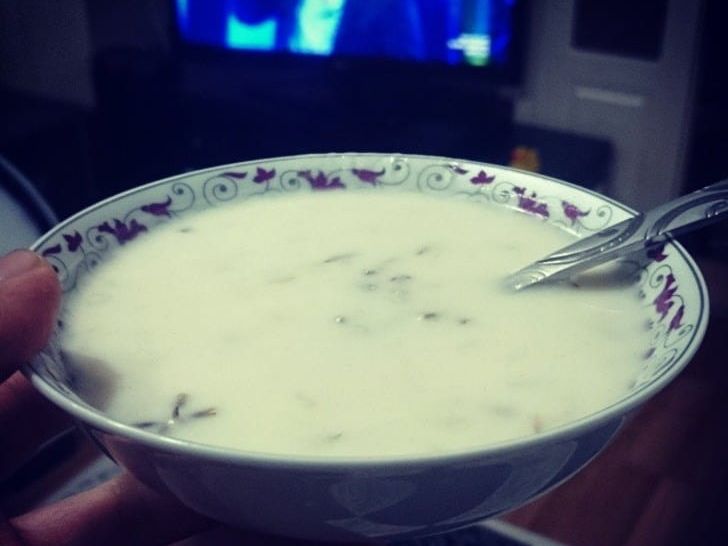
Bulama çorbası (bulama soup)
Known as one of Yozgat's best-known dishes; there are recipes with egg, aubergine, dövme (pounded wheat) and mint.
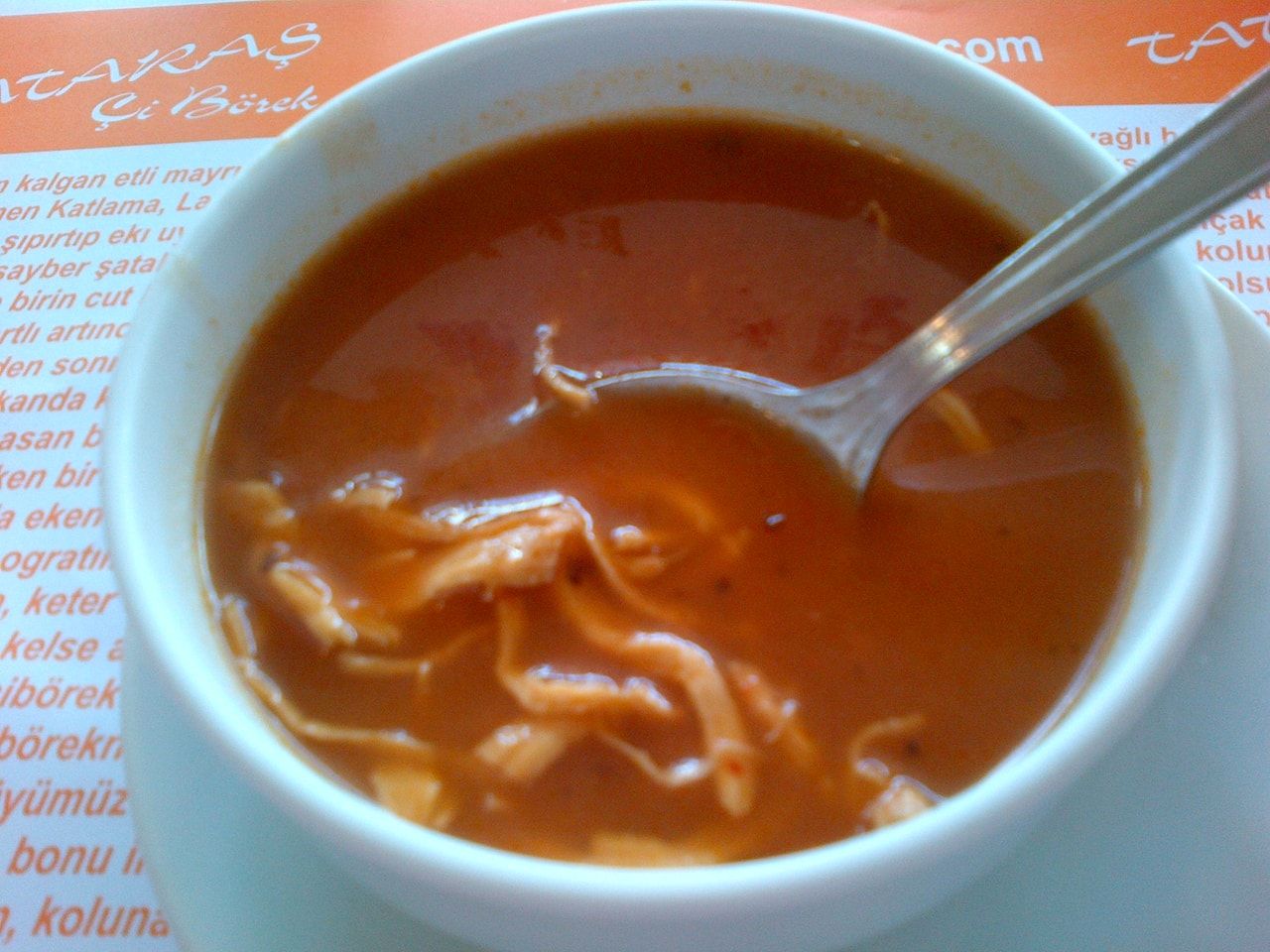
Arabaşı
A winter dish: a spicy chicken soup served with a specially prepared set dough.
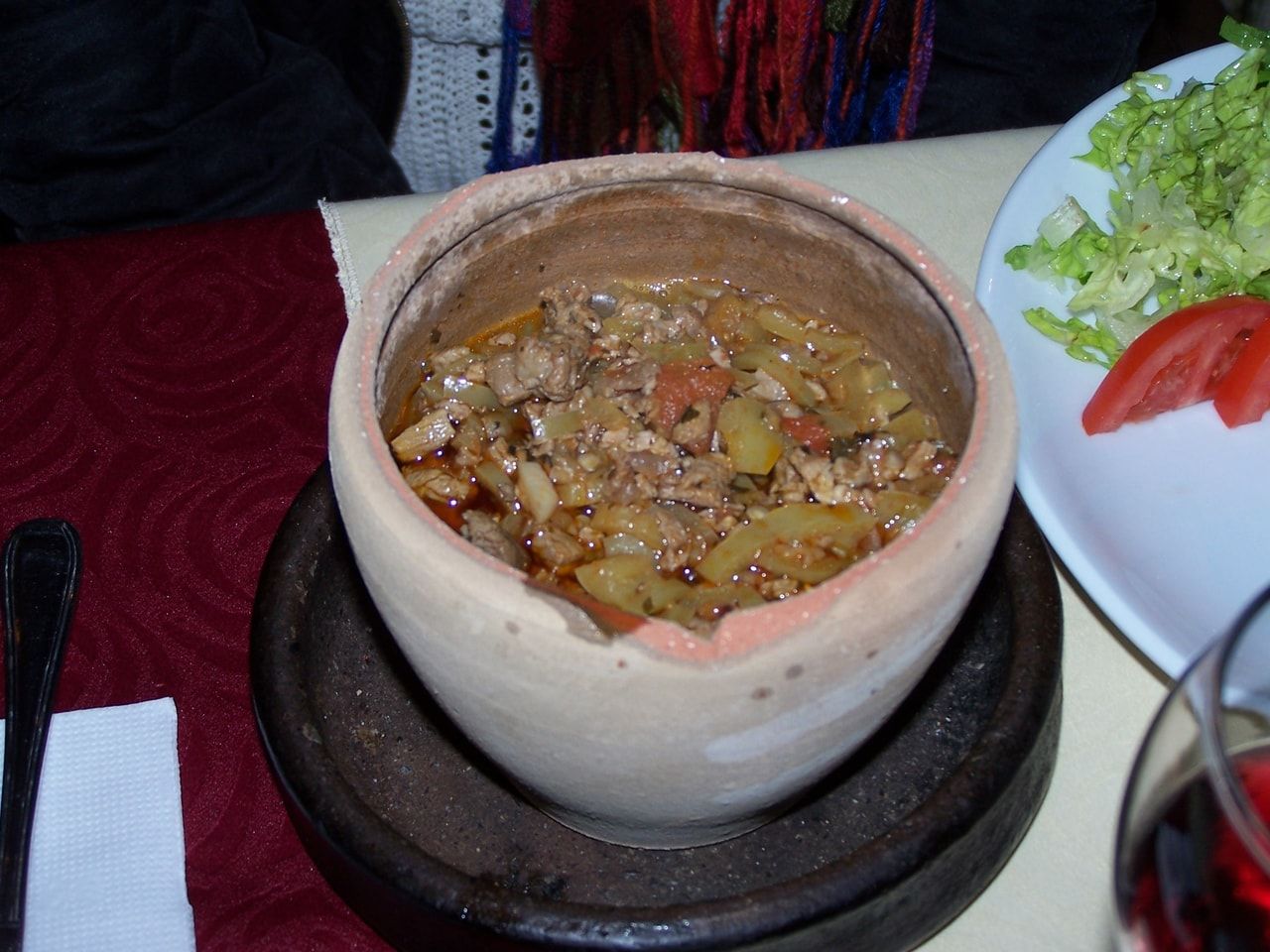
Testi kebabı (pot kebab)
Considered the city's symbol, it is cooked in a clay pot whose mouth is sealed with dough, and the pot has to be broken to serve it.
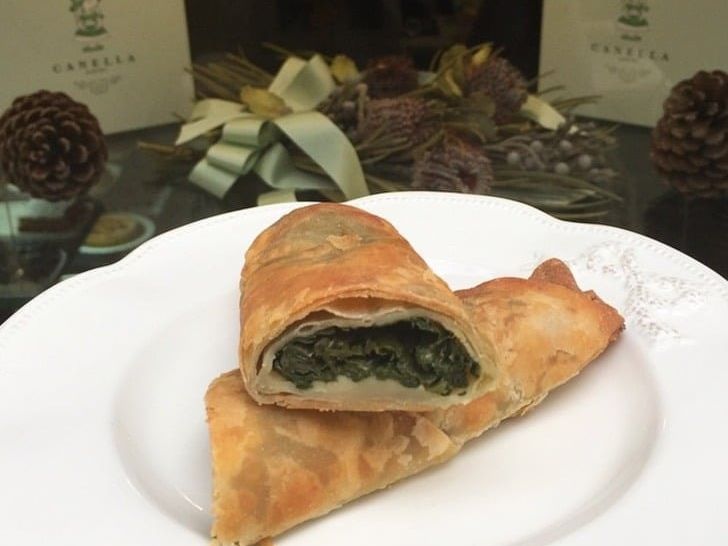
Yozgat böreği
A börek made with spinach, with a filling different from that of ordinary spinach börek.
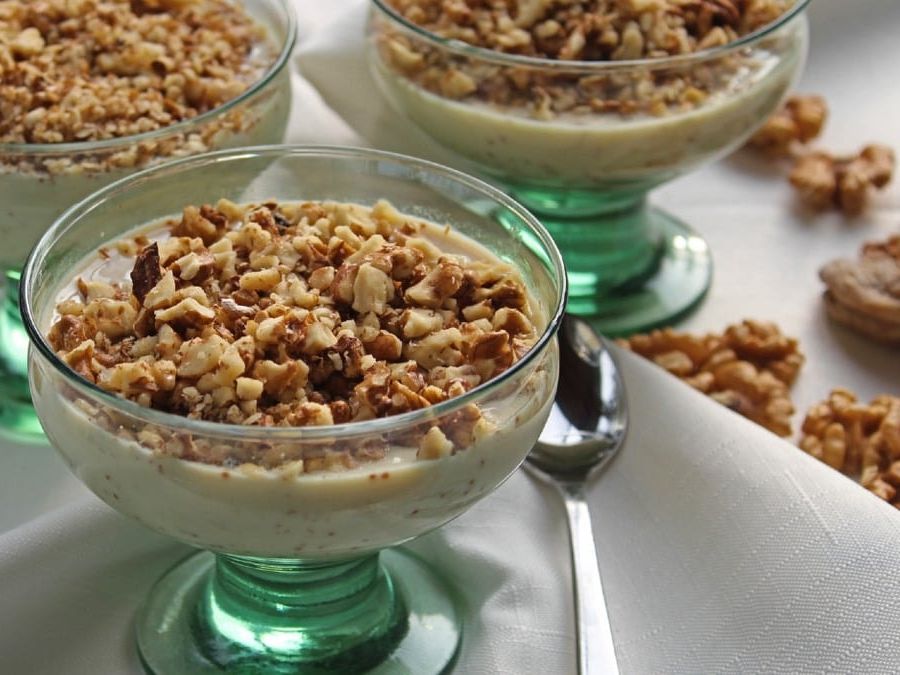
İncir uyutması
A dessert in which dried figs are set with milk; the name means “putting the figs to sleep”.
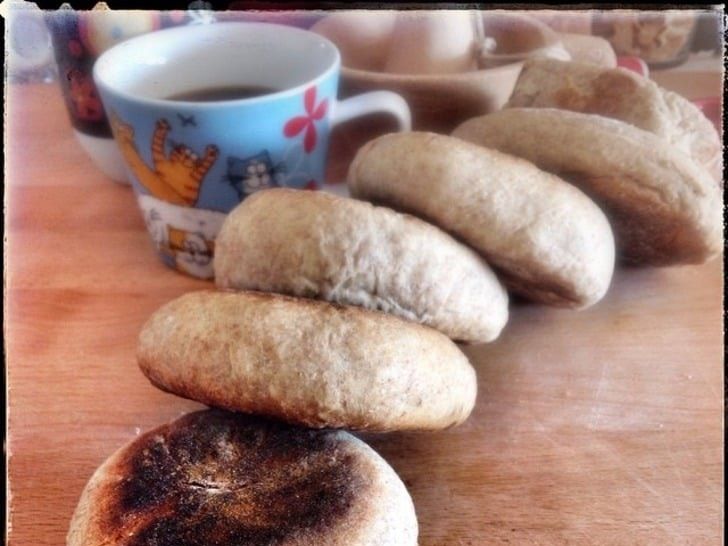
Mayalı bazlama
A filling bazlama (griddle flatbread) leavened with yeast.
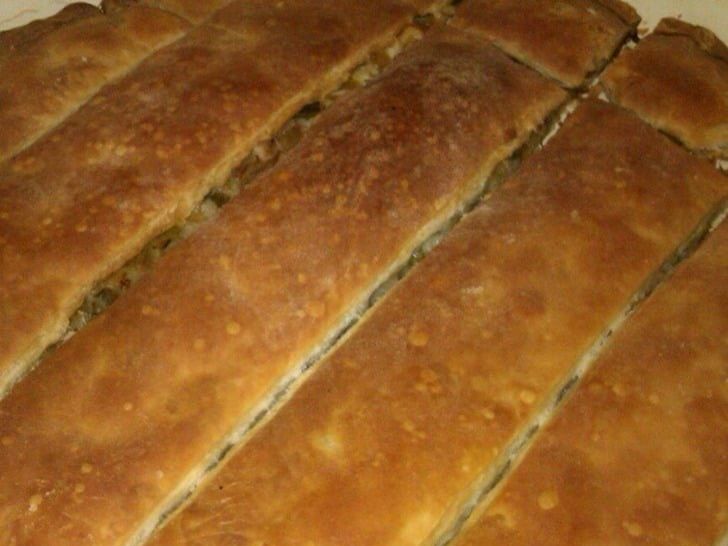
Altüst böreği
A breakfast börek made by shaping two separate doughs and joining them; it is also made in Bolu.
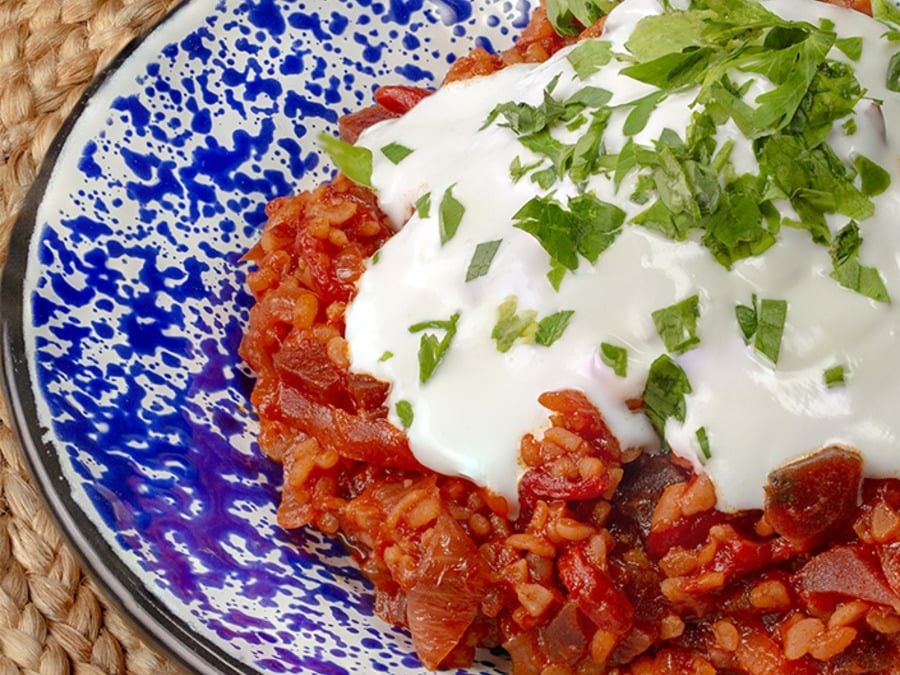
Pezzik cacığı
Made with beet greens and served alongside dishes.
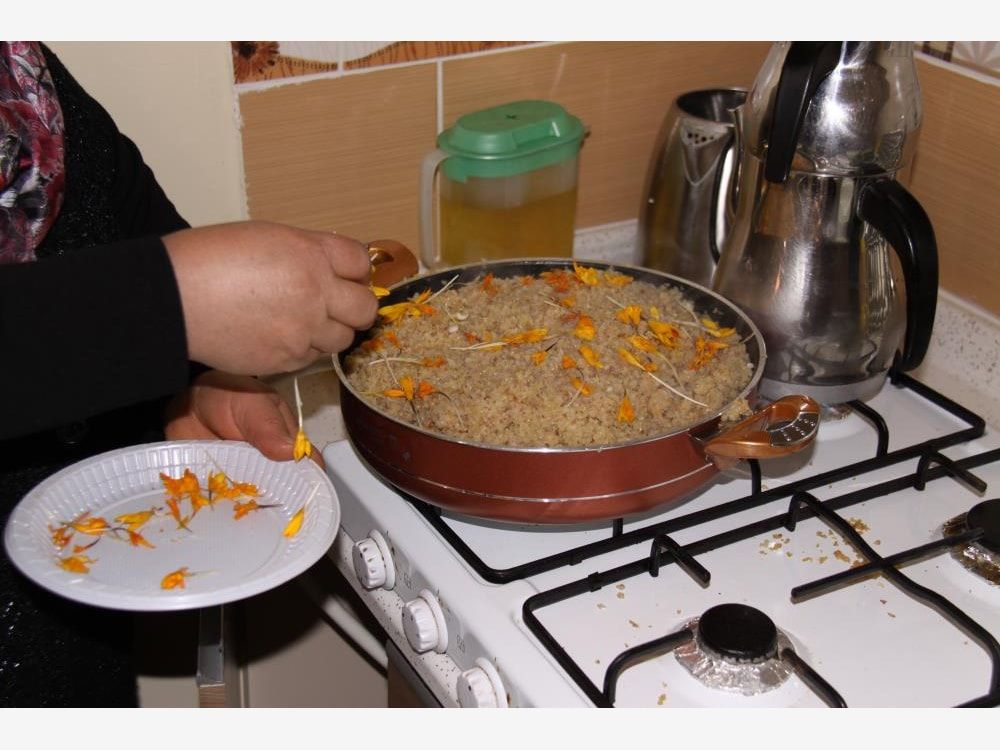
Çiğdem pilavı
A pilaf made with plants gathered at Hıdrellez (the spring festival in early May).
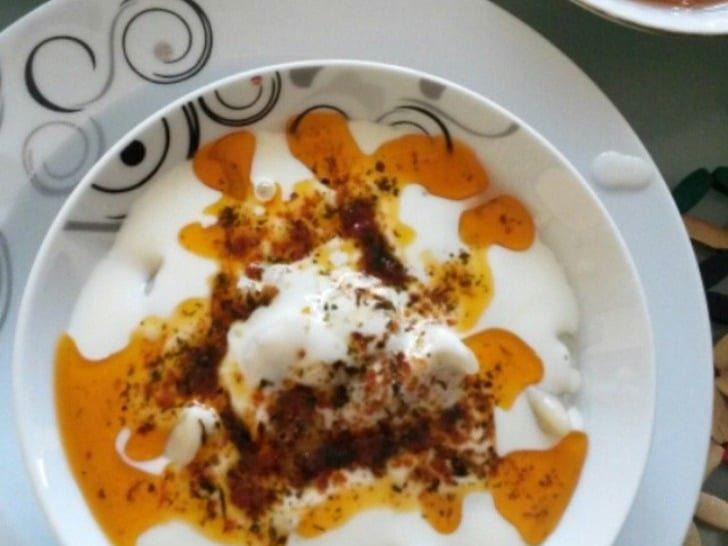
Çapçup mantı
Freshly cut pieces of dough are boiled in salted water like pasta and served with yogurt.
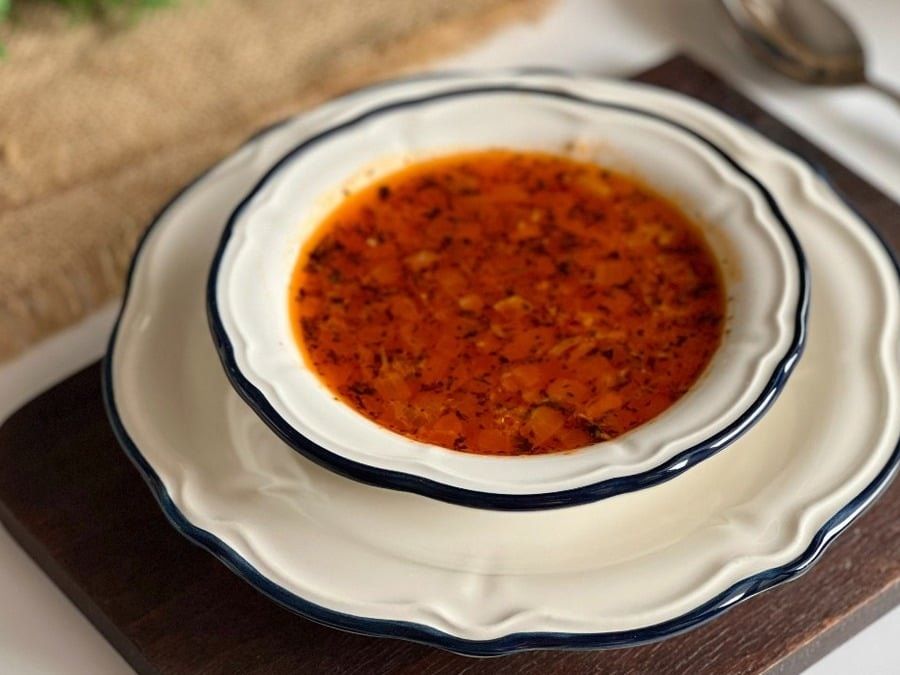
Düğürcük çorbası
A soup made with bulgur and, if you like, minced meat.
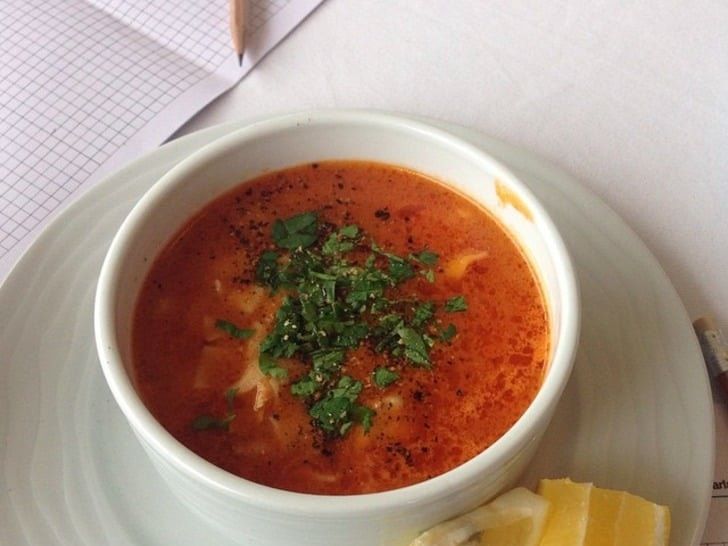
Sakala sarkan çorbası
A soup made with erişte (noodles) and green lentils; in some areas it is also called sakala çarpan. Both names refer to noodles hanging from the beard.
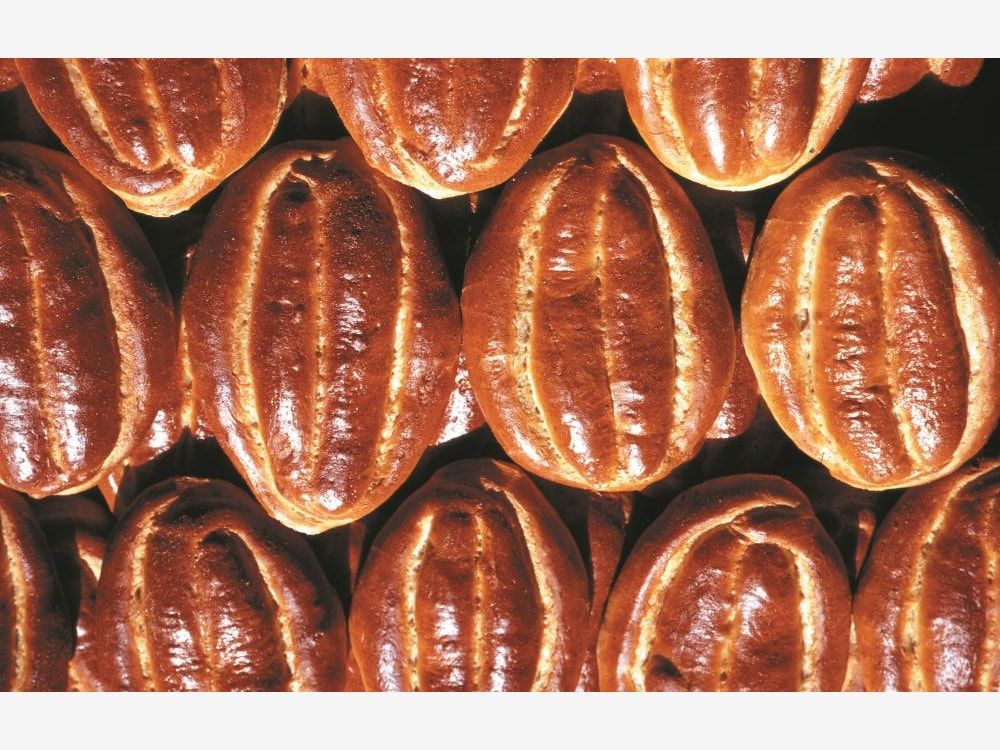
Parmak çörek
A loaf-sized bread baked in a stone oven, with long grooves pressed into it with the fingers.
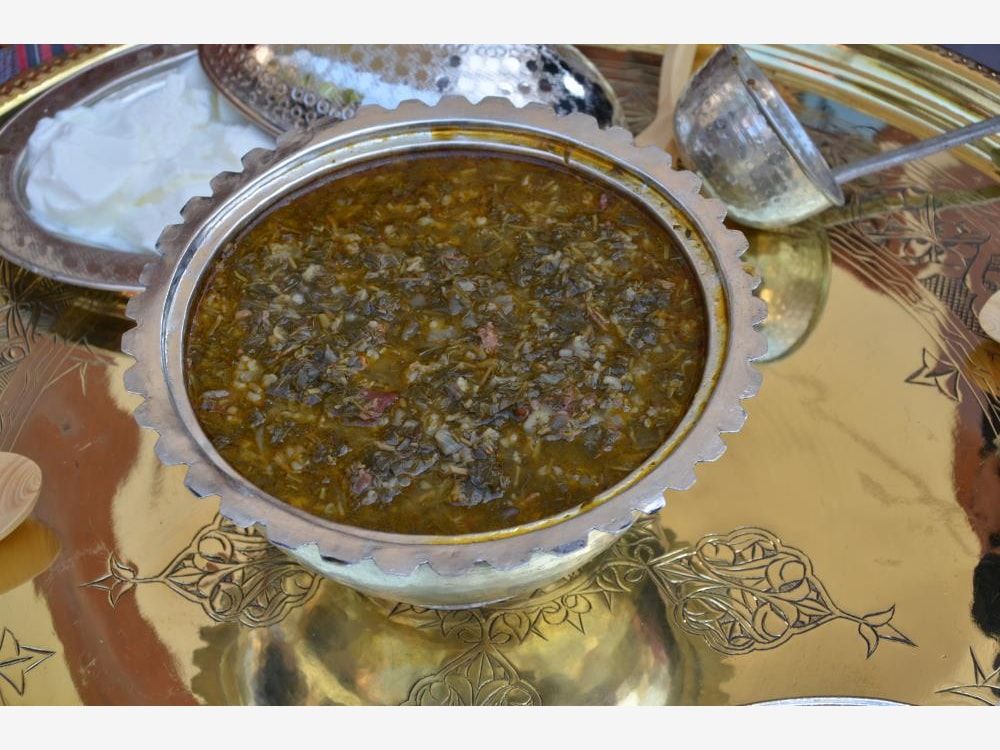
Madımak yemeği
A home-style dish of madımak (knotgrass), cooked with or without meat.


Places to visit in Yozgat
When the Battle of Manzikert (Malazgirt) opened the gates of Anatolia to the Turks, the Seljuks came with caravans and settled on the Bozok plateau.
When you enter Yozgat, set among mountains, you are first greeted by the square-prism Yozgat Clock Tower, built by Şakir Usta of Yozgat. It shows itself in all its glory from every part of the city, as if quietly watching over it.
The thick, plastered stone walls of the old Yozgat houses, built against the slopes because of the harsh climate, are painted snow white and make a wonderful view. Besides single-storey houses, the area also has two- and three-storey houses and mansions, many of them built in the 1800s.
With their unique architecture, the military recruitment office and the Çapanoğlu Mosque stand imposingly right in the middle of the bazaar. The Çapanoğlu Mosque, built in 1779, has a main hall with three sections and a single dome.
The Yozgat Museum, known as the Nizamoğlu Mansion, was built in 1871. Its ceilings and walls are panelled in wood. It is a museum displaying ethnographic objects typical of the area.
A city tour by phaeton, carriages that carry the past into the present, will make you fall for Yozgat all over again. Ice-cold mountain water flows from the fountains on street corners, and as you wander, the lovely smell of parmak çörek fresh from the oven draws you in.
Right next to the city, adorning the mountains, is Çamlık (the pine grove). Çamlık, the first national park, is an image of paradise on earth. Like the great leader Atatürk, who came to Çamlık, you won't want to leave. Summer and winter, the rush of water flowing among the trees breaks the silence… Çamlık invites those seeking peace. Centuries-old monumental trees reach up to the sky, and sometimes you can't even see the sun through the branches.
The Başçavuş Mosque, built in 1850, has rare ceiling work and window decoration. In Yozgat, a city of mosques and tombs, you find peace among some of the finest examples of Anatolian Islamic culture.
The Karabıyık Bridge, with its superb stonework, built by Yavuz Sultan Selim (Selim I) in 1516 on his way to the Egyptian campaign, is among the works worth seeing.
You can't leave without eating Yozgat's famous dishes: arabaşı soup, madımak and, most importantly, testi kebabı. Testi kebabı impresses as much with how it is served as with its taste.
Places to visit in Yozgat: historic sites
Akdağmadeni Forests

The Akdağmadeni Forests, covering a large area in Yozgat's Akdağmadeni district, hold much of the province's natural beauty.
The forest, quiet in winter, comes alive especially in spring and summer. It stands out not only for its scenery but also for its air, water and wildlife.
The Akdağmadeni Forests are home to many tree species, above all pine and oak. Their most important feature is that they are the only block forest in the Central Anatolia Region. The forest is also an important source of income for local people.
If you ever find yourself in Yozgat, don't forget to visit the Akdağmadeni Forests and then enjoy a picnic.
Saraykent Hot Springs

The Saraykent Hot Springs are 71 kilometres from Yozgat's city centre and welcome hundreds of tourists to their healing waters every year.
The spring water, good for many ailments, contains sodium chloride, sodium bicarbonate and calcium sulphate… The Saraykent Hot Springs help with rheumatism, fractures and dislocations, neuritis and gynaecological conditions, as analyses by the Ministry of Health have shown. The water temperature ranges from 70 °C to 74 °C.
There are hotels to stay in at the spa area, one of Yozgat's thermal riches. Book yourself a nice spot at the Saraykent Hot Springs soon.
Behramşah Castle
Behramşah Castle, counted among Yozgat's historic treasures but with few visitors because it has not been promoted much, is one of the best places for those who love to explore.
Behramşah Castle, near the village of Muşalikalesi in Akdağmadeni, stands on a high hill. The castle, small in size, is known to have been built by Necmeddin Behramşah-ı Candar, one of the emirs of Gıyaseddin Keykavus (Kaykaus). Rubble stone and cut stone were used to build it.
Much of Behramşah Castle has survived to the present day. But this structure, which could boost tourism, has not been promoted much, so it is little known.
Karslıoğlu Mansion

The Karslıoğlu Mansion, one of the finest examples of Yozgat's traditional house architecture, is dated to 1883. It has one special feature: Atatürk stayed in the Karslıoğlu Mansion on his second visit to Yozgat.
The mansion has a rectangular plan. It has two floors and is covered by a wooden roof. The woodwork on the ceilings, doors and cupboard doors in particular is worth seeing. Today the mansion serves as the Archaeology Museum… Many objects brought to light in excavations within Yozgat's borders are displayed in the museum. The Karslıoğlu Mansion is on Sungurlu Street in the city centre.
Yozgat Clock Tower
The Clock Tower in the centre of Yozgat is dated to 1908.
The Yozgat Clock Tower, built by Mayor Tevfikizade Ahmet Bey, was built in six sections. Each section is separated from the next, and each face has a window. Stairs inside the tower lead up, and the top floor is surrounded by a balcony.
The tower's clock weighs 288 kilos and bears the inscription “Nores Jura and L.D Odobey Gadet”. You will easily see the Yozgat Clock Tower when you walk around the centre. The Çapanoğlu Mosque, the Başçavuş Mosque and the Yozgat Museum are very close to the tower.
Karabıyık Bridge

The Karabıyık Bridge, built by Yavuz Sultan Selim (Selim I) in 1516 during his Egyptian campaign, still stands today.
The inscription of the Karabıyık Bridge, at the 38th kilometre of the Yozgat–Şefaatli road over the Kaynak Suyu stream, has not survived. Cut stone was used in its construction. It is 54 metres long and 4.50 metres wide, and its arch spans are 6.60 metres.
The Karabıyık Bridge, one of the city's oldest structures, has few visitors because it has not been promoted much.
Başçavuş Mosque
With its architecture and historic value, the Başçavuş Mosque is a place of worship worth seeing in Yozgat.
The mosque, in the İstanbulluoğlu neighbourhood of the central district, was built in 1800–1801. Its founder was Başçavuş (Sergeant Major) Halil Ağa. The Başçavuş Mosque is notable for its floral motifs and horseshoe-arched plasterwork as well as its carved wooden decoration… The mosque has a rectangular plan and a flat ceiling.
The minbar is to the west of the mihrab and is made entirely of wood. The portico is supported by two wooden posts, inside and out.
The Başçavuş Mosque, still used for worship today, is one of the city's must-see places.
Çapanoğlu Mosque
The Çapanoğlu Mosque, which has stood the test of time and impresses with its solidity and architecture, is one of Yozgat's old places of worship.
Also called the Büyük Camii (Great Mosque), the Çapanoğlu Mosque is dated to 1779. The first part of the mosque was built by Mustafa Bey, son of Çapanoğlu Ahmet Paşa, and the second part by Mustafa Bey's brother Süleyman Bey in 1794–1795. The architect of the Çapanoğlu (Great) Mosque is not known for certain. It has been extended with new additions over time.
This Ottoman mosque is one of the rare examples in Anatolia of the Turkish architectural style that emerged under European influence, and since it is in the İstanbulluoğlu neighbourhood of the central district, it is easy to reach.
Yozgat Museum

The Nizamoğlu Mansion in Yozgat, dated to 1871, was listed among old buildings to be protected in 1975.
It was expropriated in 1979 and, after extensive restoration, opened as a museum in 1985. The Yozgat Museum is in the İstanbulluoğlu neighbourhood of the city centre.
The museum has archaeological and ethnographic sections. The ethnographic section has more than 2,800 objects: local costumes, kitchenware, kilims, manuscripts, wooden objects, weapons and woven carpets are among the pieces in the collection.
The section displaying archaeological finds also has a rich collection. Its more than 1,640 archaeological objects include sculptures, terracotta sarcophagi, grave finds, tablets, coins and seals.
Çeşka Castle
Çeşka Castle, just 3 kilometres from Yozgat's central district, is one of the city's little-known historic sites.
Çeşka Castle is an underground city built on a high hill, with three separate entrances. Because it is so close to the central district, new work is being done to open it to tourism. Pottery fragments from the Byzantine and Roman periods have been found at Çeşka Castle.
You can add Çeşka Castle to the day you visit the Kerkenes ruins in Yozgat.
Kerkenes ruins
The Kerkenes ruins, one of the historic sites of Sorgun in Yozgat, will take you on a long journey through 4,000 years of history. This easy-to-reach ancient settlement is in the village of Şahmuratlı.
The first excavations at the Kerkenes ruins began in 1993. Although research showed that the city was founded by the Medes around 6000 BC, the discovery of Phrygian inscriptions in new excavations proves that the city became Phrygianised in its later periods. The ancient city of Kerkenes, the site Herodotus mentions as Pteria, was the largest city of its time.
Basilica Therma (historic healing centre)

Archaeological excavations in Yozgat's Sarıkaya district have uncovered Anatolia's first thermal healing centre. The remains, called Basilica Therma, are among the most special structures in history.
Research has shown that it dates from the Roman Empire. Its location on thermal springs strengthens the idea that it was built as a thermal centre. Work on these 3,000-year-old remains is expected soon to open them to tourism.
The excavations are led by Ömer Yıldız, an archaeologist at the Yozgat Museum Directorate.
Source: http://www.gezilebilecekyerler.com/yozgatta-gezilecek-yerler/
Culture and arts in Yozgat
Yozgat is a frequent stop for foreigners because it lies on the E 88 highway, because Hattuşaş (Hattusa, the Hittite capital) is especially close, and because the Atatürk road linking Hattusa and Cappadocia passes through the provincial centre.
Yozgat, also called the Bozok plateau and settled since ancient times, is one of our most beautiful provinces to visit, with its unspoilt nature, hospitable and warm-hearted people, wonderful hospitality, natural beauty, picnic spots, high plains, historic, cultural and tourist attractions and hot springs. Places such as Çamlık National Park, one of Türkiye's first national parks, the Akdağ Forests, the Şebekpınarı picnic area, the Kazankaya Valley and the Gelingüllü dam are areas for sport, recreation and picnics.
Culture
Food culture
The city's local dishes are testi kebabı, ayva basması, çörek, bazlama, katmer, cızlak, cıvık ekşili, erişte, çap çup, topak çorba, kaypak, helle çorbası, düğürcük çorbası, bulama çorbası, sakala sarkan çorba, haside, sütlü kabak (pumpkin in milk), patlıcan turşusu (pickled aubergine) and tas kebabı. Parmak çörek and peksimet are special kinds of bread unique to Yozgat.
Tourism
Ancient cities
Büyüknefes (Tavium – Tavion) ancient city
Çeşka Underground City
Alişar Höyük
Hattuşaş (Hattusa)
Kerkenes ruins
Museums and mansions
Nizamoğlu House
Karslıoğlu Mansion
Koçerler Mansion
Yozgat Archaeology Museum
National parks
Yozgat's best-known forest is Yozgat Çamlığı (the Yozgat pine grove). It is a national park protected by the state.
Source: http://yobidav.org/yozgat/yozgat-kueltuerue
History of Yozgat
The area around Yozgat is considered one of the oldest settled regions of Anatolia. Excavations at Alişar Höyük have produced finds from about 3000 BC, and the Hittites also had settlements here.
In the following centuries the Phrygians, Cimmerians, Lydians, Persians, Macedonians, the Kingdom of Cappadocia and the Galatians ruled the region in turn; it came under Roman protection in 85 BC. After Rome split in 395 it remained under Byzantine rule.
After Timur left Anatolia, the area went through hard years; in 1408 Çelebi Mehmed (Mehmed I) brought the region under the Ottomans. In 1526, under Kanuni Sultan Süleyman (Suleiman the Magnificent), a settlement policy was applied and the Mamalu Turkmen clans were settled in the area.
In 1920 the Yozgat Revolt took place.
Getting to Yozgat
There are daily bus services to Yozgat from many provinces. In addition, the railway linking Ankara–Kayseri and the Eastern Anatolia region passes through Yozgat. For those coming by car, Ankara is 215 kilometres away, Istanbul 668, Bursa 599, İzmir 794, Antalya 684, Trabzon 606, Erzurum 662 and Diyarbakır 703.
Districts of Yozgat
- Akdağmadeni
- Aydıncık
- Boğazlıyan
- Çandır
- Çayıralan
- Çekerek
- Kadışehri
- Merkez (central district)
- Saraykent
- Sarıkaya
- Sorgun
- Şefaatli
- Yenifakılı
- Yerköy
Economy of Yozgat
Yozgat's economy relies mainly on farming and livestock. Wheat, barley, chickpeas, lentils and sunflowers are grown widely in the province, and cattle, sheep and goats are raised. About 60 per cent of its land is said to be farmland (in a speech by a member of parliament in 2025).
Sugar beet and potato production and the raising of sheep, cattle and Angora goats are also mentioned. Hail and floods have caused yield losses in some districts, and fertiliser and seed costs have put pressure on farmers.


Comments
Loading comments…