
Edirne
- Marmara Region
About Edirne
Edirne, embraced by the bend where the Tunca River joins the Arda and the Meriç (Maritsa), is surrounded by green water meadows and willow trees and stands at the head of the Thracian plain. It is the second city of European Türkiye, 6 km from the Greek border and 18 km from the Bulgarian border. Edirne was the Ottoman capital for about a century before the conquest of Constantinople in 1453, and after the conquest it remained a favourite city of many sultans. It can be reached from Istanbul by bus or car in 3 hours and can be seen in a day at a brisk pace, or in two days more comfortably. The motorway, busy with transit traffic from Europe, runs between low hills that glow with sunflowers in summer. It is worth stopping for a short visit to Lüleburgaz on the way, where you can see one of the finest külliyes (mosque complexes) that Sinan built for the grand vizier Sokullu Mehmet Paşa.
Edirne's famous dishes and desserts
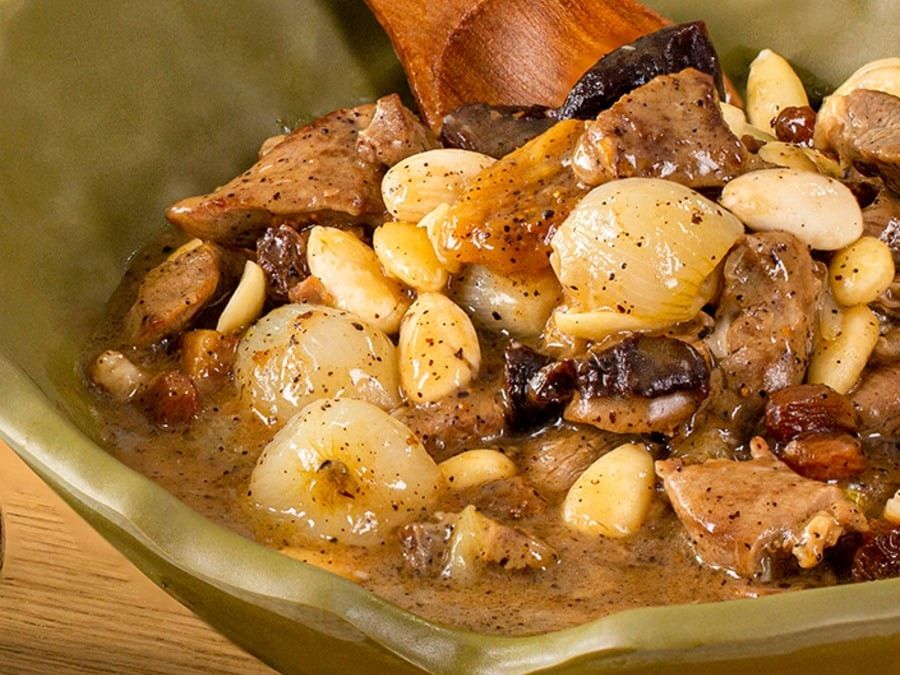
Mutancana
A sweet-and-sour dish of red meat cooked with raisins, plums and apricots, vinegar, honey and walnuts or almonds.
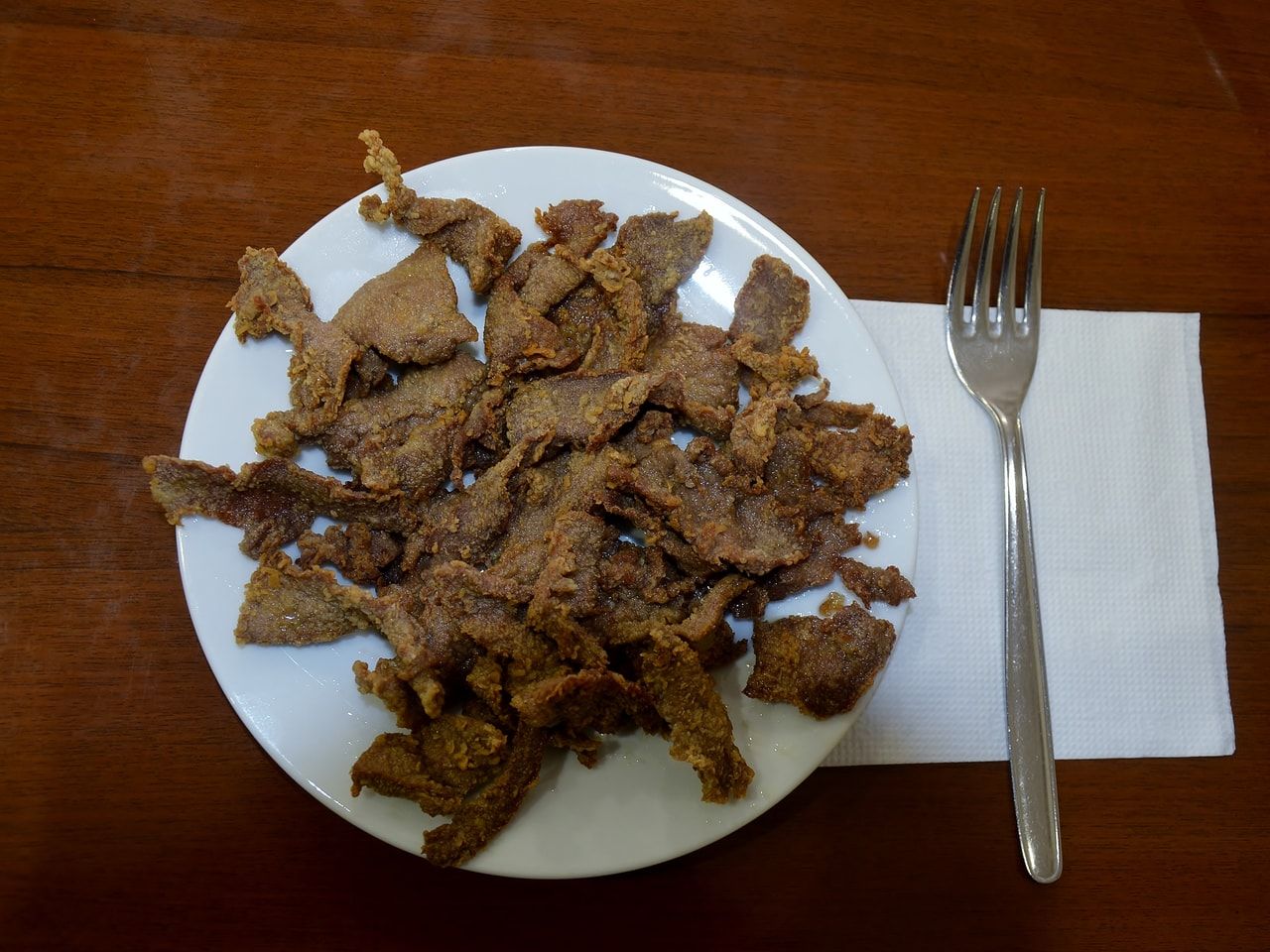
Edirne tava ciğeri (Edirne fried liver)
Thinly sliced liver is dredged in flour and fried in hot oil; it is served with fried dried hot peppers and onion salad.
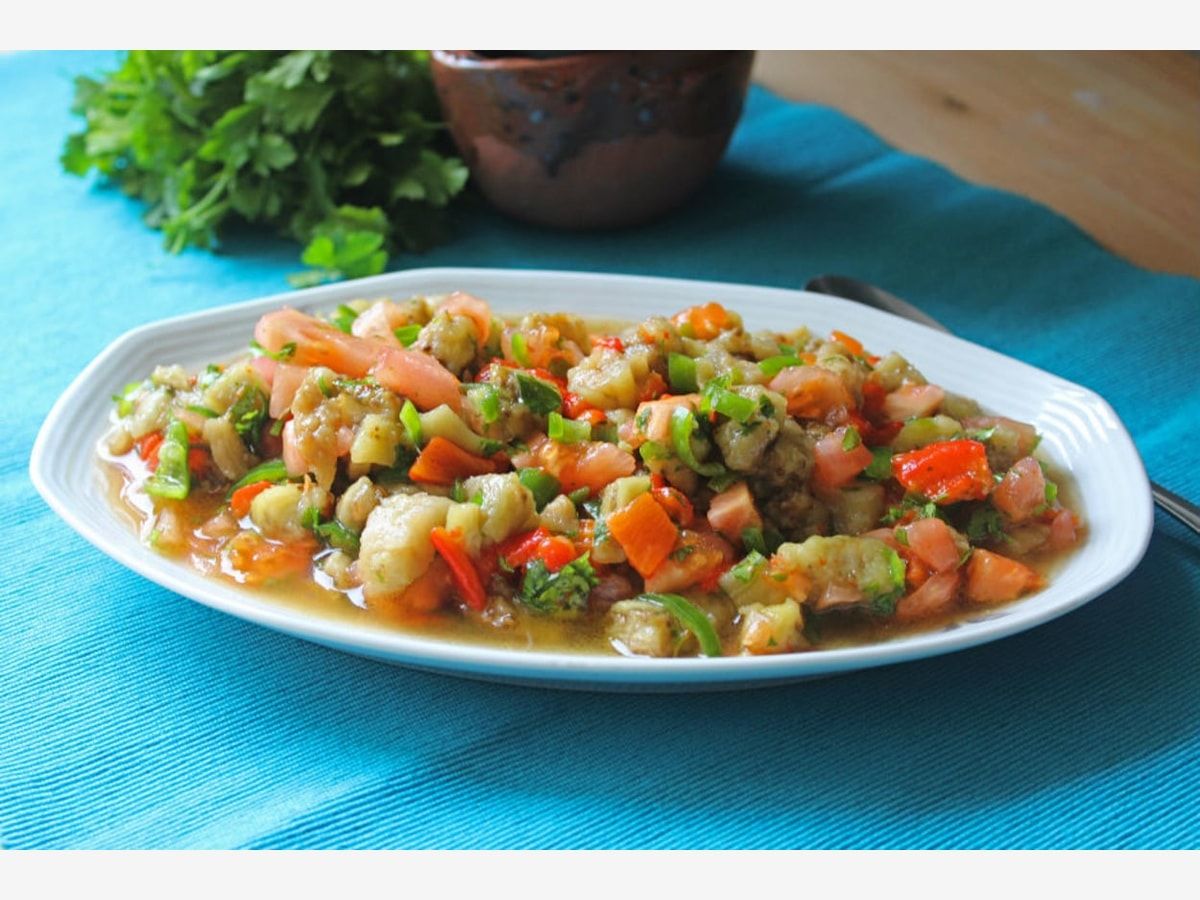
Mamzana
A salad-like meze made with aubergine, tomato, long green pepper, parsley, garlic and lemon.
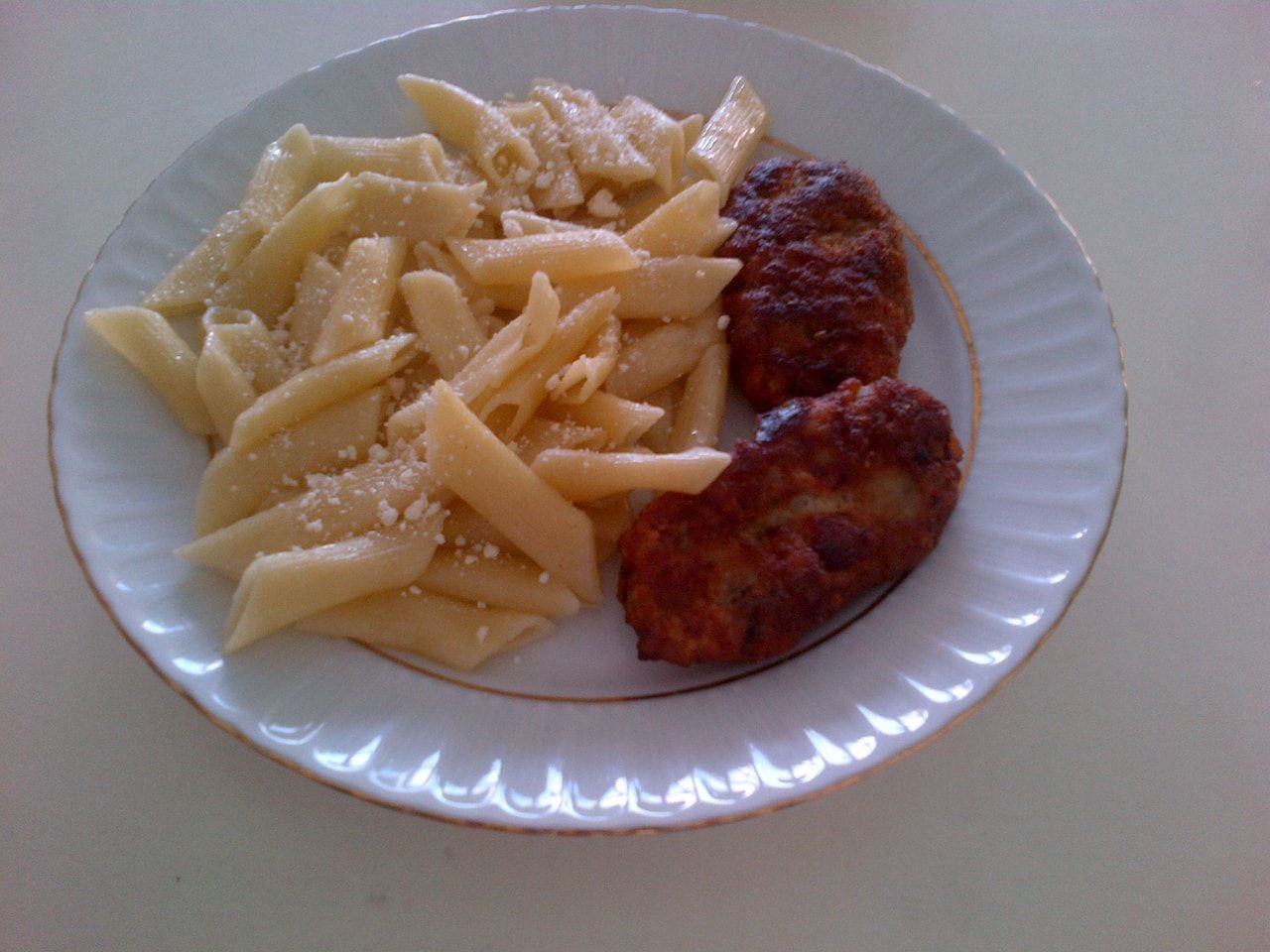
Kadınbudu köfte
Köfte kneaded with rice and minced meat, dipped in egg and fried; the name means “lady's thigh”.
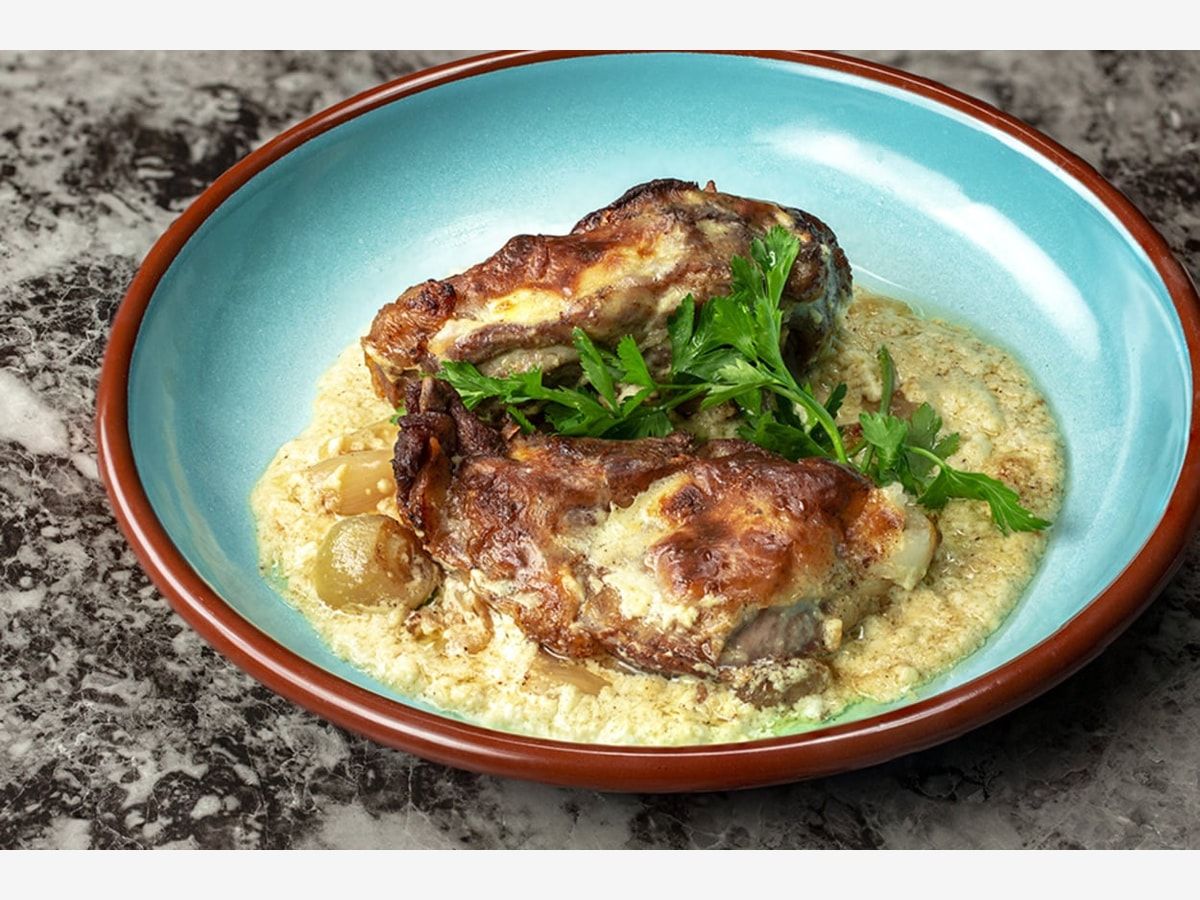
Elbasan tava
Lamb baked in the oven under a sauce of yogurt, egg and flour; it takes its name from the city of Elbasan in Albania.
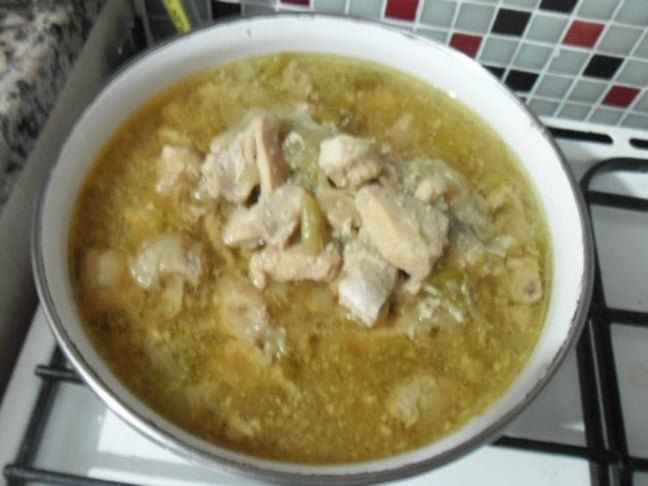
Soğanlı tavuk yahni (chicken and onion stew)
A stew of chicken cooked with plenty of onions.
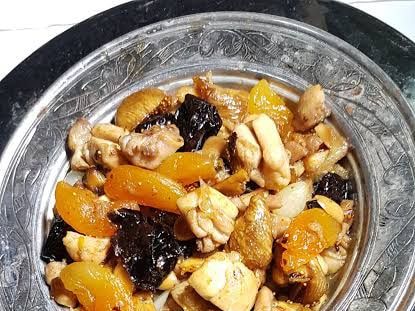
Zirva
A dish of meat cooked together with dried fruit; it is said to have been served at Ramadan and holiday tables in the Ottoman period.
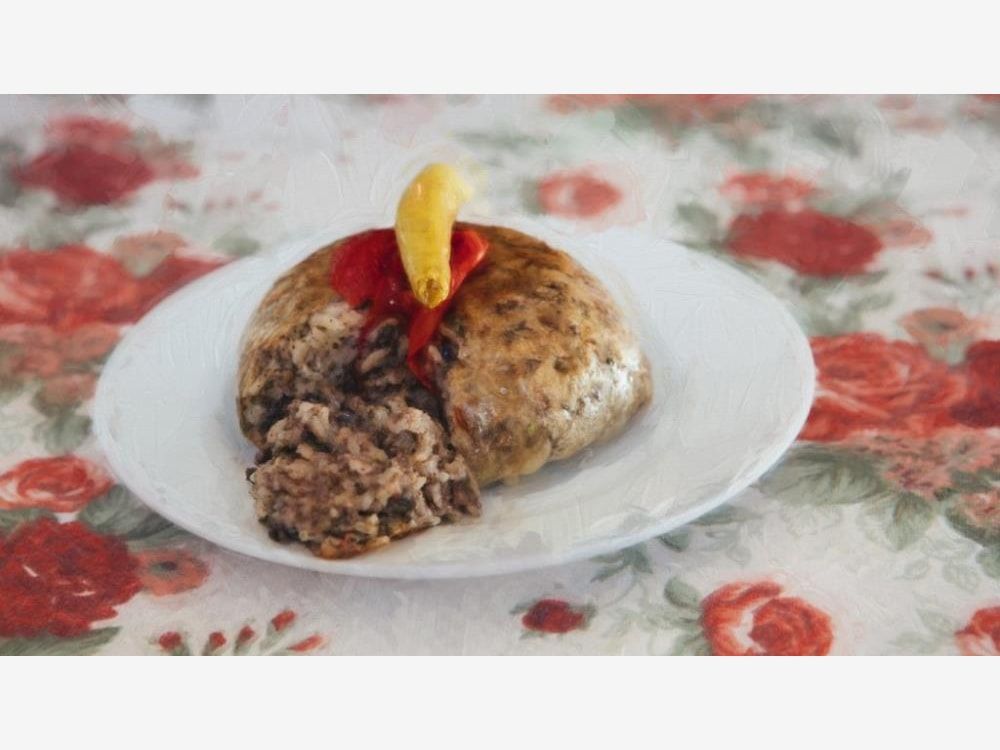
Ciğer sarma
Lamb liver is mixed with rice, onion, currants, pine nuts and herbs, wrapped in lamb caul fat and baked. Edirne Ciğer Sarma, once made especially at Hıdrellez (the spring festival in early May), is protected by a geographical indication.
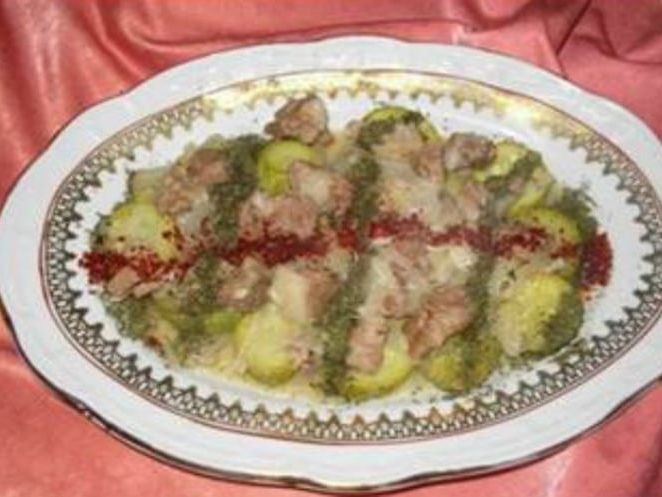
Kabak bastı (kabak kalyesi)
A dish of courgette and lamb associated with the Ottoman palace kitchen.
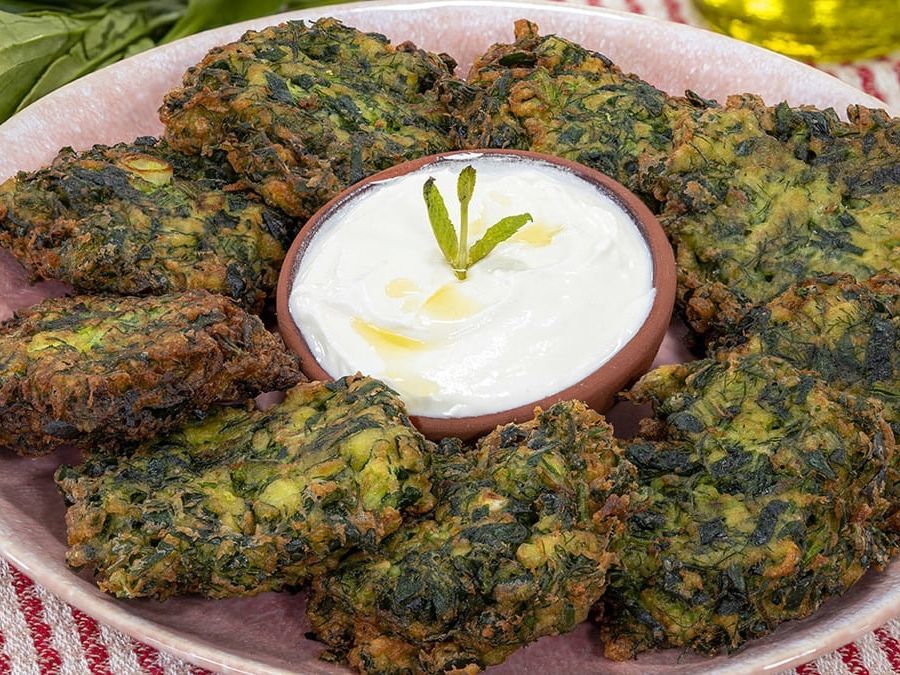
Ispanak mücveri (spinach fritters)
A mixture of spinach, egg and flour fried in a pan.
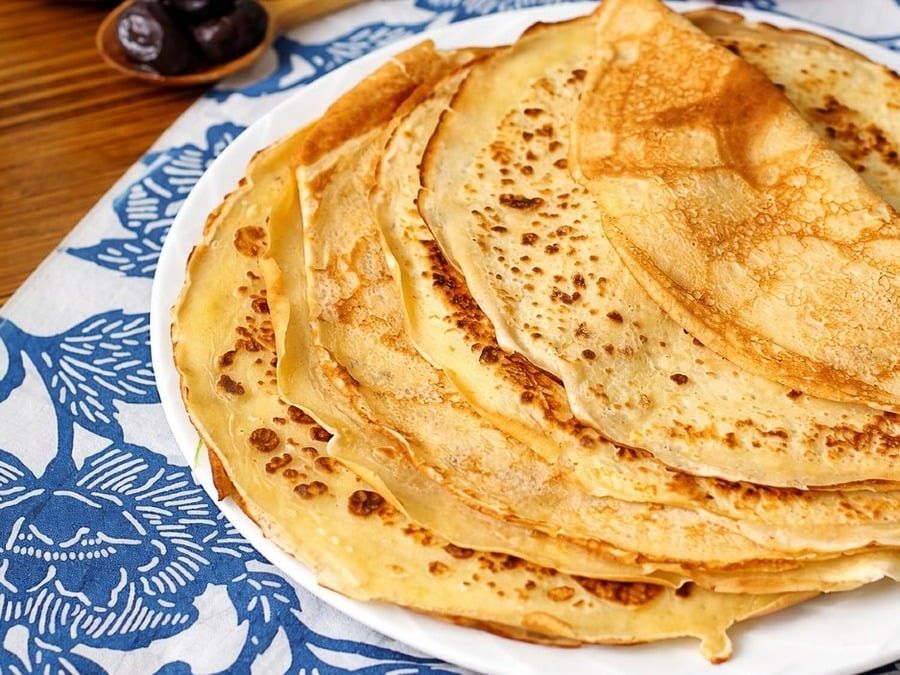
Akıtma
A runny batter of flour, milk and eggs cooked thinly in a pan; elsewhere it is known as krep (crêpe) or cızlama.
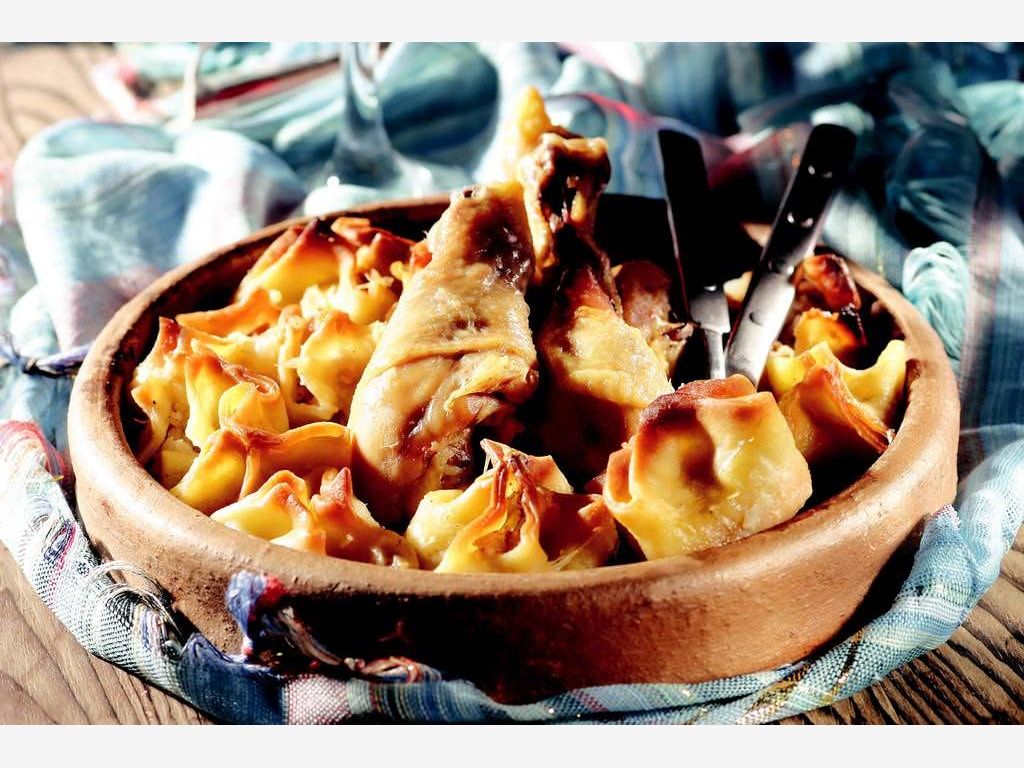
Kandilli mantı
A mantı once made with goose or duck and today mostly with chicken; the pastry sheets are baked in the oven with butter.
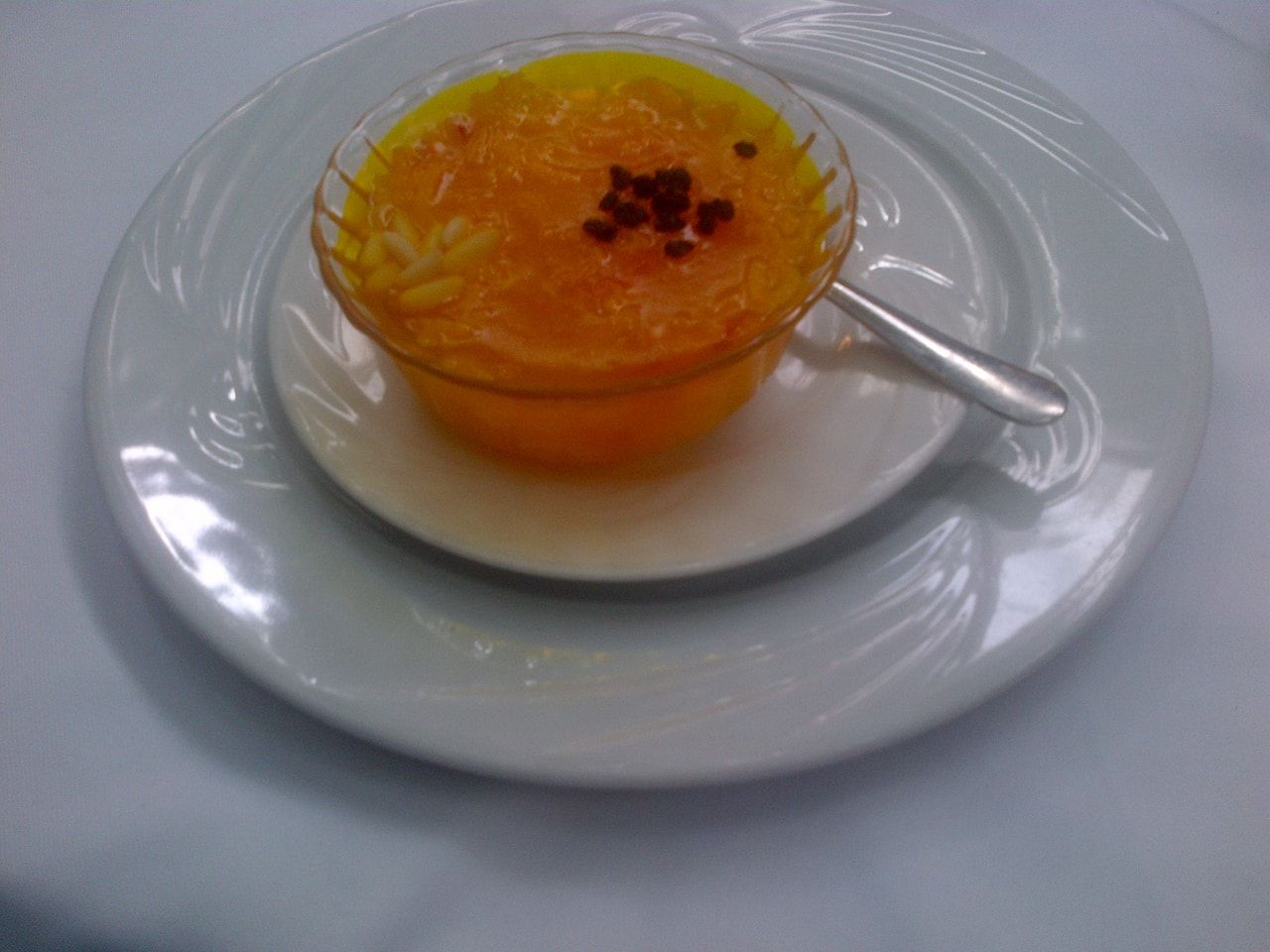
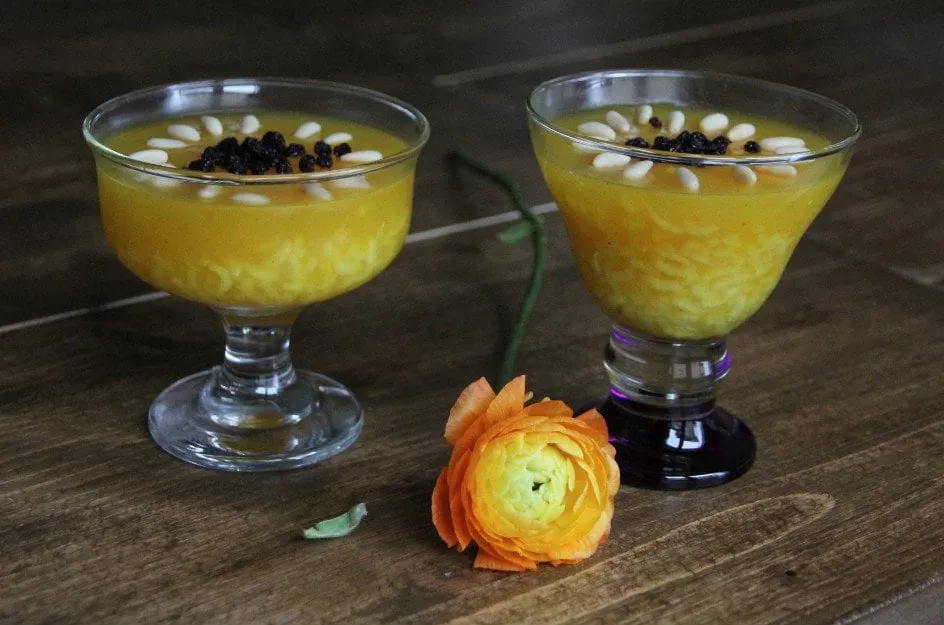
Zerde
A yellow pudding cooked with rice, sugar and saffron; it is made for weddings and special occasions.
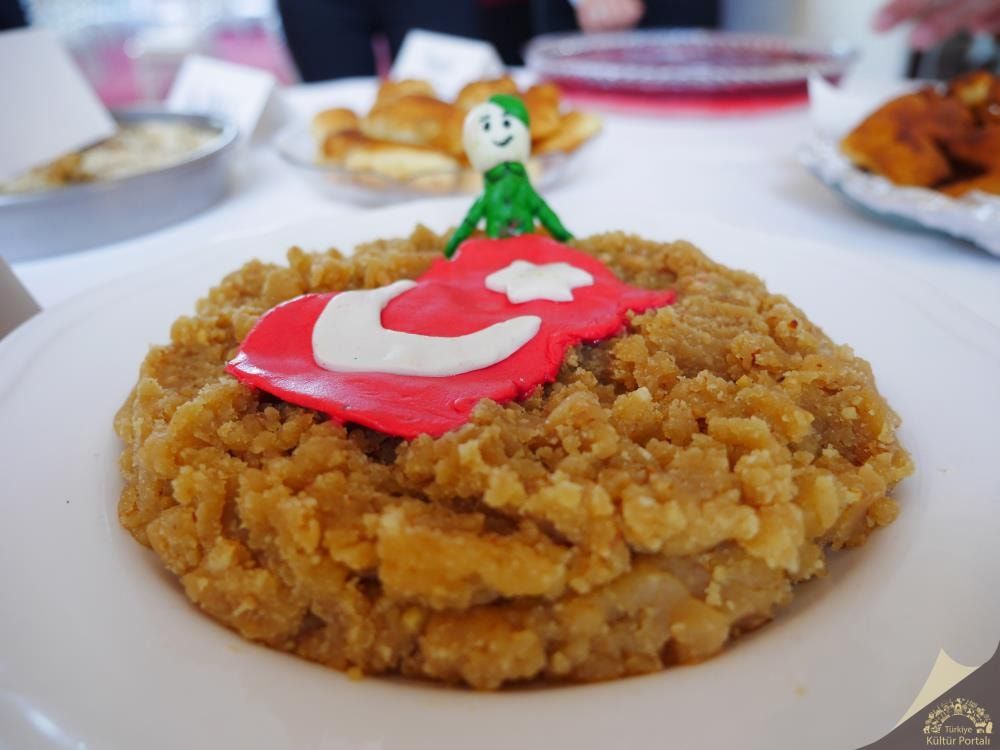
Gaziler helvası
A kind of flour halva; once made with honey, today mostly with granulated sugar.
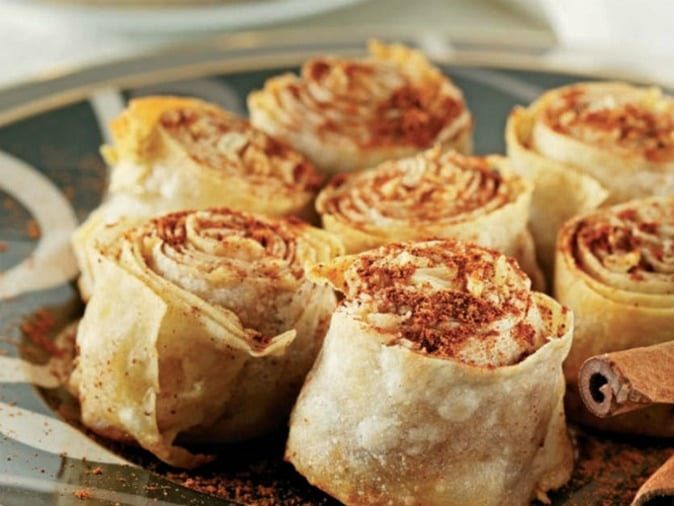
Cevizli oturtma
A syrup-soaked dessert made with plenty of walnuts.
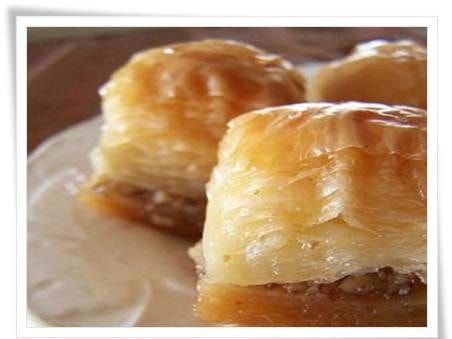
Bademli baklava (almond baklava)
A baklava made with almonds instead of walnuts or pistachios between sheets of pastry rolled out one by one.


Places to visit in Edirne
Gökçetepe Nature Park, Edirne

The air of this nature park, one of the hidden beauties of the Gulf of Saros, which links the Sea of Marmara and the Aegean, is said to be good for many ailments, above all asthma, because the balance of gases in the air here is remarkable. It is in the Keşan district, and its water cleans itself. Recent improvements have made the park very convenient; with campsites, restaurants and beaches, it has become a favourite stop for visitors.
Sarayiçi Balkan War Martyrs' Memorial, Edirne

This memorial, a favourite of both local people and visitors from outside the city, was built in memory of the 300,000 soldiers who fell in the Balkan War of 1912 and 1913 and the 20,000 people who died of hunger and thirst at Sarayiçi in 1913. The Balkan Martyrs' Monument was erected here in 1939.
Museum of Turkish and Islamic Arts, Edirne

This museum, one of Edirne's most intriguing places, is in the Dar-ül Hadis Medrese of the Selimiye complex, in the central district. Its exhibits include Ottoman tiles and ceramics, glassware, weapons, calligraphic panels and kitchenware from the Edirne Palace. The museum has many rooms, each showing a different collection.
Lausanne Monument and Museum, Edirne
This museum is in the garden of the rectorate building of Trakya University. It opened to visitors in 1998. It was built to stress how important the Treaty of Lausanne was for Edirne. Of the 3 columns you will see, the largest represents Türkiye, the smaller one Edirne and the smallest Karaağaç. There is also a figure of a girl holding the Treaty of Lausanne document in one hand and a dove in the other.
Ali Paşa Bazaar, Edirne
This historic bazaar in the central district was built between 1560 and 1565. One of the works of Mimar Sinan in the city, it is 300 metres long and has more than 100 shops. It was repaired in 1997 and leased again to its former tenants. It is known as the city's covered bazaar.
Rüstem Paşa Caravanserai, Edirne

This caravanserai, thought to have been built in 1561, was commissioned by Rüstem Paşa, husband of Mihrimah Sultan, daughter of Kanuni Sultan Süleyman (Suleiman the Magnificent). A work of Mimar Sinan, it has 2 floors and two sections, the large han and the small han. Today it is used as a hotel, with 102 rooms and 21 shops.
Ergene Bridge, Edirne

This very sturdy bridge is one of the longest bridges in the world, 1,392 metres long. The bridge, which gave its name to the Uzunköprü (Long Bridge) district, was built by the Ottoman sultan Murad II. Construction began in 1427 and was completed in 1443. The bridge spans the Ergene River, after which it is named.
Hersekzade Ahmet Paşa Mosque, Edirne
This mosque in the Keşan district has truly magnificent architecture. It is thought to have been built in the 16th century. Because the mosque has no inscription, or it has not survived, little is known about it. The mosque is square, and its dome is 9.50 metres in diameter.
Muradiye Mosque, Edirne
This mosque in the central district is truly worth seeing. It even has a story tied to a dream of Murad II. Because the mosque's inscription has not survived, nothing is known about the year it was built or its architect. But like the Selimiye Mosque, it has many visitors. The mosque has 3 domes.
Lake Gala Nature Protection Area, Edirne
A place in the Meriç (Evros) Delta where birds live freely. It lies between the Enez and İpsala districts and is home to many endangered birds. After 2005 it was also designated a national park. Get ready to watch the birds' show across 6,000 hectares.
Meriç River, Edirne
The Meriç (Maritsa), one of the largest rivers in the Balkans, rises in Bulgaria. Passing Edirne and flowing into the Aegean Sea, it is 490 km long. It takes on a special beauty in spring and at sunset, which local people greatly enjoy.
Ainos ancient city, Edirne
Every corner of this ancient city in the Enez district breathes history. Its name appears in the works of many ancient writers. It is also called the ancient city of Enez. Many objects of great worldwide value have been unearthed, and some are displayed in the Edirne Museum.
Edirne Museum
This museum, founded in 1925 under Atatürk's leadership, has a very rich collection. Although it is an archaeology museum, it also has ethnographic objects and gravestones. It is in the Dar-ül Hadis Medrese in the courtyard of the Selimiye Mosque; its second part, the Ethnography Museum, opened in 1936. When the objects no longer fitted in the Edirne Museum, the Edirne Archaeology and Ethnography Museum was built right next to it in 1971.
Selimiye Mosque, Edirne
We have saved the Selimiye Mosque, one of the city's symbols, for last. Built between 1568 and 1574, this masterpiece of Mimar Sinan defies the years. Its single dome symbolises the oneness of God. Mimar Sinan said that the Şehzade Mosque was his apprentice work, the Süleymaniye Mosque his journeyman work and the Selimiye Mosque his masterpiece. If you can, we recommend seeing the Şehzade and Süleymaniye mosques before coming to the Selimiye. Then you will understand that the Selimiye truly is a masterpiece.
Other places to see in Edirne
- Üç Şerefeli Mosque, Edirne
- Saroz İbrice Harbour, Edirne
- Adalet Kasrı (Pavilion of Justice), Edirne
- Old Mosque (Cami-i Atik), Edirne
- Bayezid II Mosque and Complex, Edirne
- Saatli Medrese, Edirne
- Peykler Medrese, Edirne
- Fatih Bridge, Edirne
- Bayezid Bridge, Edirne
- Meriç Bridge, Edirne
- Uzunköprü, Edirne
- Hafızağa Mansion, Edirne
- Arasta Bazaar, Edirne
- Museum of Health, Edirne
- Sazlıdere Beach, Edirne
- Gökçetepe Beach, Edirne
- Mecidiye Beach, Edirne
- Erikli Beach, Edirne
- Karaincirli Beach, Edirne
- Gülçavuş Beach, Edirne
- Sultaniçe Beach, Edirne
- Enez Beach, Edirne
- Telli Çeşme (fountain), Edirne
Culture and arts in Edirne
Cultural background
Because of its location on the Thracian peninsula, which joins Anatolia to Europe, Edirne has a rich cultural history. Throughout history, the various communities migrating to Anatolia or Europe passed through Edirne, but very few of them settled here and founded a civilisation. Excavations in and around Edirne show that the first settlements in the area began at the end of the Neolithic. The earliest known people of the area are the Thracians, followed by the Macedonians and the Romans.
When the Roman Empire split in two, Edirne remained within the Byzantine Empire. After long Byzantine rule, the area joined the Ottoman Empire. Edirne's closeness to Europe greatly influenced the evolution of its culture both before and after the Turks, so the course Edirne's culture has followed is quite different from that of the Anatolian provinces.
Edirne's food
Different ways of eating are found in Edirne. Fruit and vegetables have an important place in the diet. The making of white cheese, famous throughout Türkiye, is very widespread. This cheese, called Edirne cheese, is usually made from sheep's milk.
Mavzana, tarhana, ciğer sarması, akıtma, badem ezmesi (almond paste), lokma, gaziler helvası and deva-i misk are the main original dishes and desserts of Edirne. Isırgan yemeği (nettle dish), borani, belmuş (a kind of cheese dessert), kaçamak (made from cornmeal), akçakatık (made by adding cheese to milk) and hardaliye (a grape and mustard-seed drink) are also among its original foods.
Edirne's handicrafts
Handicrafts were highly developed in Edirne, once the capital of the Ottoman Empire. Woodwork, lacquered dishes and boxes, flower painting, bookbinding, ta'liq calligraphy and carving, and gravestone carving were the main old crafts. Most of these have not survived to the present.
Edirne's woodwork is widely famous. With influences from Istanbul and Europe, a style called Edirnekari developed in Edirne. Edirnekari woodwork consists of carved, inlaid and painted pieces.
Plant motifs such as tulips, hyacinths, carnations, bouquets and fruit were generally used. In the painted pieces, plant dyes such as iris green, purple, saffron yellow, chicory brown and coffee brown were used.
Broom making survives in the area as a craft aimed at the market. Brooms are made from broomcorn, in various types: hand brooms, long-handled brooms, small hand brooms and round brooms.
One of Edirne's oldest crafts is misk sabunu (musk soap) making. Soaps made in the shapes of oranges, apples, lemons, pears and the like are sold as souvenirs. Pottery, mat weaving and basket weaving are also surviving crafts.
Edirne's handmade embroidery stands out for its colours, meaningful motifs and skilled workmanship. The colours, which have kept their vividness even in the oldest examples, are the work of Edirne's madder dyeing. Dark blue, pink, red, yellow and black were used most. Plant motifs dominate. The embroidery was generally done on sakangur and salaşpur cloths and Flemish-type weaves, using crochet, ulama and openwork techniques.
Source: http://www.edirnevdb.gov.tr/kultur/kulturel.html
History of Edirne
Edirne's earliest known people, the Odrysians, of Thracian descent, are known to have founded a city in the area, at the place where the Meriç and Tunca rivers meet, where Edirne stands today. Under the Macedonians, who ruled the area after the Odrysians, the city came to be known as Orestia/Orestas, most probably from a change of the name Odris or Odrisia. In the 2nd century AD the Roman emperor Hadrian (117–138), because of the strategic importance of the town of Orestia, gave it city status and his own name. So in the Roman period the city was known as Hadrianopolis/Hadrianupolis/Adrianupolis/Adrianapolis. Over time Adrianopolis became Adrianople/Adrianopel. In the early Ottoman period it was called Edrinus/Edrune/Edrinabolu/Endriye. In the History of Aşıkpaşazade, written in 1476, the city's name appears as Edrene. From the early 16th century the city is seen to be called Edirne. Edirne was conquered by Murad I in 1361 and was the capital of the Ottoman state for 88 years (1365–1453) until Istanbul was taken. It has earned various titles in its history. In its happy times Edirne was “Der-i Saadet” (the Gate of Felicity), a “City of Festivities”. From Murad II to Mehmed IV, victory celebrations, circumcision festivals and Mehmed II's wedding ceremonies were held on a scale “to make Istanbul jealous”. Of course, Edirne was not remembered as a “Der-i Saadet” in every period. This “frontier city”, “an Islamic wall” in Evliya Çelebi's words, met disaster many times in its history, suffering most from sieges and occupations. Next to Edirne remembered as the “Gate of Felicity” for its festivities, one must also place “Edirne, its heart forever burning”. Edirne has always been a city of intense cultural life. Architectural innovations came with its buildings; the finest examples of calligraphy and decorative art were made here; its many medreses witnessed lively debates; and the first practices recorded in the history of medicine began here. Edirne, which found its true identity in the Ottoman period and was the empire's second city, is a city where our cultural heritage is felt most intensely. With its mosques, bazaars, bridges, historic houses and above all the magnificent Selimiye, Edirne is the city that first greets those coming to our country and best reflects the character of a border city.
Source: http://www.edirne.gov.tr/tarihce
Getting to Edirne
There is an ongoing airport project in Edirne, but it is not yet possible to reach the city by air. The city is reached by bus. There are direct bus services to Edirne from many parts of Türkiye; otherwise you can reach the city by changing in Istanbul.
Districts of Edirne
- Enez
- Havsa
- İpsala
- Keşan
- Lalapaşa
- Meriç
- Merkez (central district)
- Süloğlu (Süleoğlu)
- Uzunköprü
Economy of Edirne
Edirne stands on a fertile plain where the Meriç, Tunca and Arda rivers meet. According to records from 1892, there were well-kept vegetable gardens, orchards and mulberry gardens around these rivers, and apricots, plums, quinces, mulberries and medlars grew in abundance.
The same records say there were 19,476 vineyard plots around the city, that wine and rakı were made from the grapes, and that most of the wine was sold to Europe. In 1892 the city had 3,870 shops, 280 bakeries, 134 mills, 7 flour factories and 5 printing houses.
The city centre is about 7 kilometres from Greece and about 17 kilometres from Bulgaria. Musk-soap making and broom making are also counted among the area's traditional crafts.
Sport in Edirne
The Kırkpınar festivities
Kırkpınar, Edirne's traditional oil wrestling, is not just a wrestling event but one that affects life in the city. The Kırkpınar wrestling, held for the 644th time in 2005, has a legendary origin. This section looks at the Kırkpınar event, its history, traditions, legends and its place today.
The legend of Kırkpınar
During the campaigns Orhan Gazi organised to take Rumelia, his brother Süleyman Paşa marched on Domuzhisarı with 40 soldiers. They crossed to the opposite shore on a raft and took Domuzhisarı. After the other fortresses were also taken, the 40-man vanguard turned back. During this campaign, the soldiers in the group would wrestle wherever they stopped to rest, and in a match between two of the warriors there was never a winner. They first wrestled at Samona, now within Greece's borders, and in a match lasting days the pair could not beat each other. Later, on Hıdrellez day, the same pair wrestled again in the Ahırköy meadow (according to some, on the Ortaköy road 17 km from Edirne). In the match, which lasted from morning until midnight, both collapsed breathless on the meadow and died. Their comrades buried them under a fig tree.
Years later, warriors on another campaign came to their comrades' grave and saw a strong spring flowing there. The people believed that those who lay there were among the “Kırklar” (the Forty, a group of saints) and called the place Kırkpınar (Forty Springs). According to another legend, the name Kırkpınar stuck because the people who set foot there were 40. In later years, wrestling began to be held at the same place in memory of those who died there. Over time this became a tradition and turned into the Kırkpınar oil wrestling.
Another view of Kırkpınar is that this wrestling was carried there by Sarı Saltuk, who crossed into Rumelia a hundred years before the Turks took Edirne, and that the Turks later adopted it in the time of Sultan Murad I.
Kırkpınar wrestling in the Republican period
Because of the changes to our borders brought by first the Balkan Wars and then the First World War and the Greek occupation, the Kırkpınar wrestling could not be held in its original place (the meadow of the village of Samona in Greece) and in its own order, and for a time it was held at a place outside Edirne called Virantekke.
After the Republic (1924), the first wrestling, if not under the name Kırkpınar, was organised at Sarayiçi by İsmail Habib Sevük, then Edirne's Director of National Education, to help the Türk Ocağı (Turkish Hearth).
Then, after being organised for a time by the Kırkpınar ağas, the wrestling was held in the following years by the managers of the Child Protection Agency and the Red Crescent for the benefit of those organisations; in 1946 it passed to the Edirne Municipality.
Source: http://www.edirnevdb.gov.tr/kultur/kirkpinar.html


Comments
Loading comments…