
Elazığ
- Eastern Anatolia Region
About Elazığ
Elazığ, in the Upper Euphrates Basin of the Eastern Anatolia region, is made up of 11 districts including the central district, 537 villages and 709 hamlets (mezra). By population it is the third largest province in Eastern Anatolia, after Erzurum and Malatya. Local people address each other as “gakgoş”, a word meaning brother and elder brother.
Elazığ's history goes back to the 20th century BC. Because it lay on the caravan routes linking Anatolia to Mesopotamia, it became an important place of settlement and was home to many cultures. Muslim, Greek, Armenian and Syriac communities lived together in this region for many years, and traces of the different cultures and civilisations of all these ethnic identities can still be seen today.
Elazığ's famous dishes and desserts
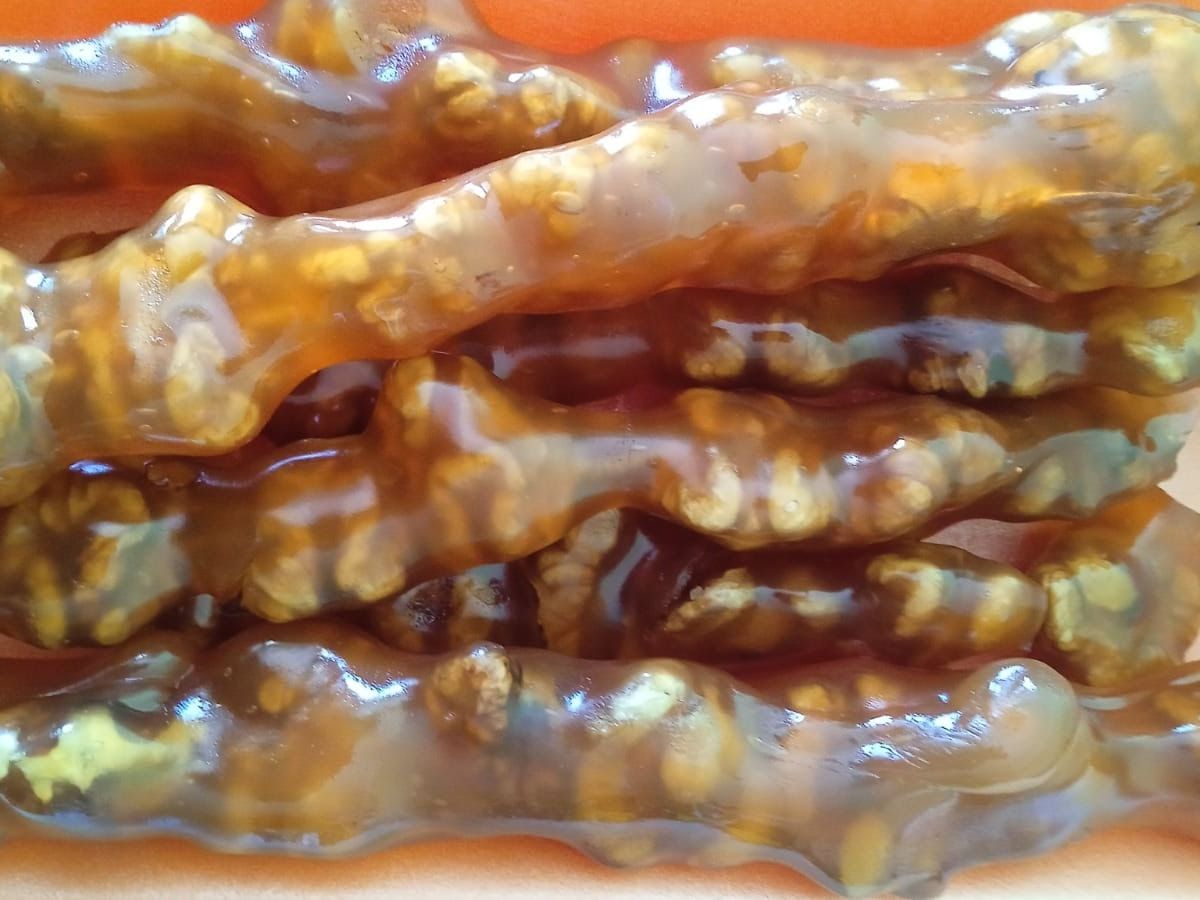
Orcik
Made by dipping walnuts strung on a thread into a thick grape pudding and drying them; elsewhere it is known as cevizli sucuk (walnut “sausage”).
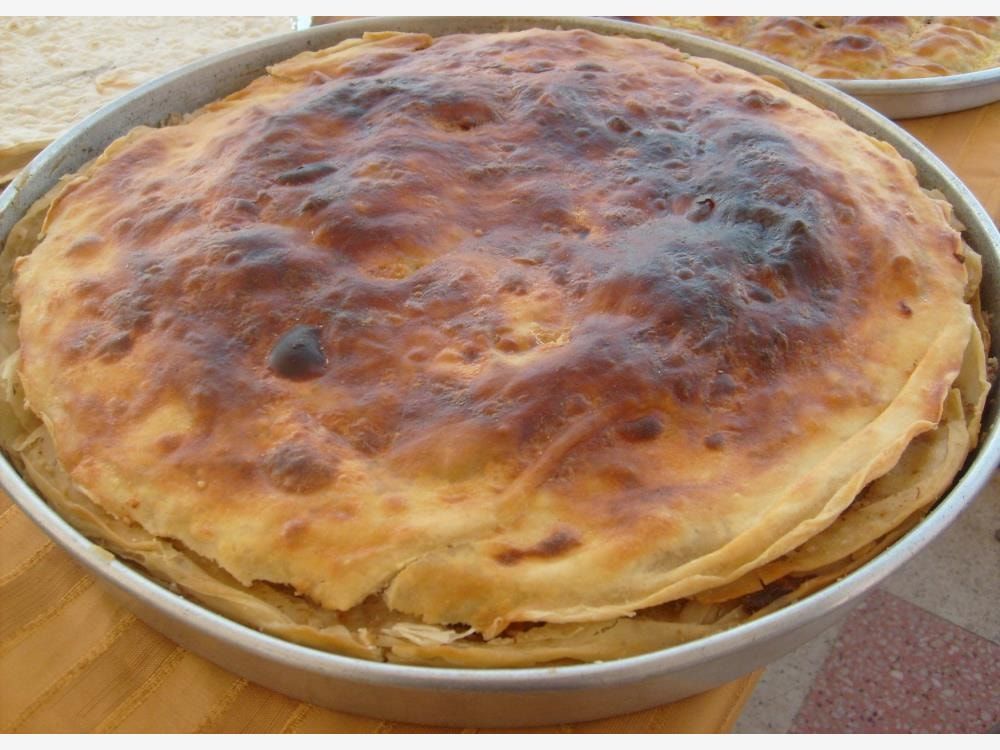
Gömbe
Also called kömbe. A filling of walnuts and minced meat is placed between two sheets of wholemeal dough and baked.
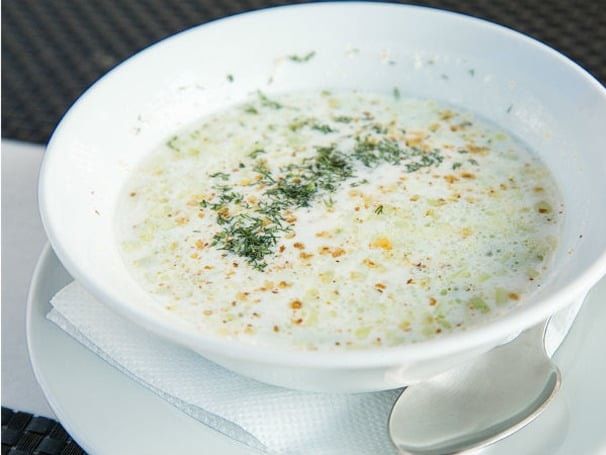
Harput çorba
Also called soğuk ayran aşı; a soup made with yoghurt and wheat, drunk cold in summer.

İçli köfte
An outer shell of bulgur dough is filled with a mixture of minced meat and walnuts.
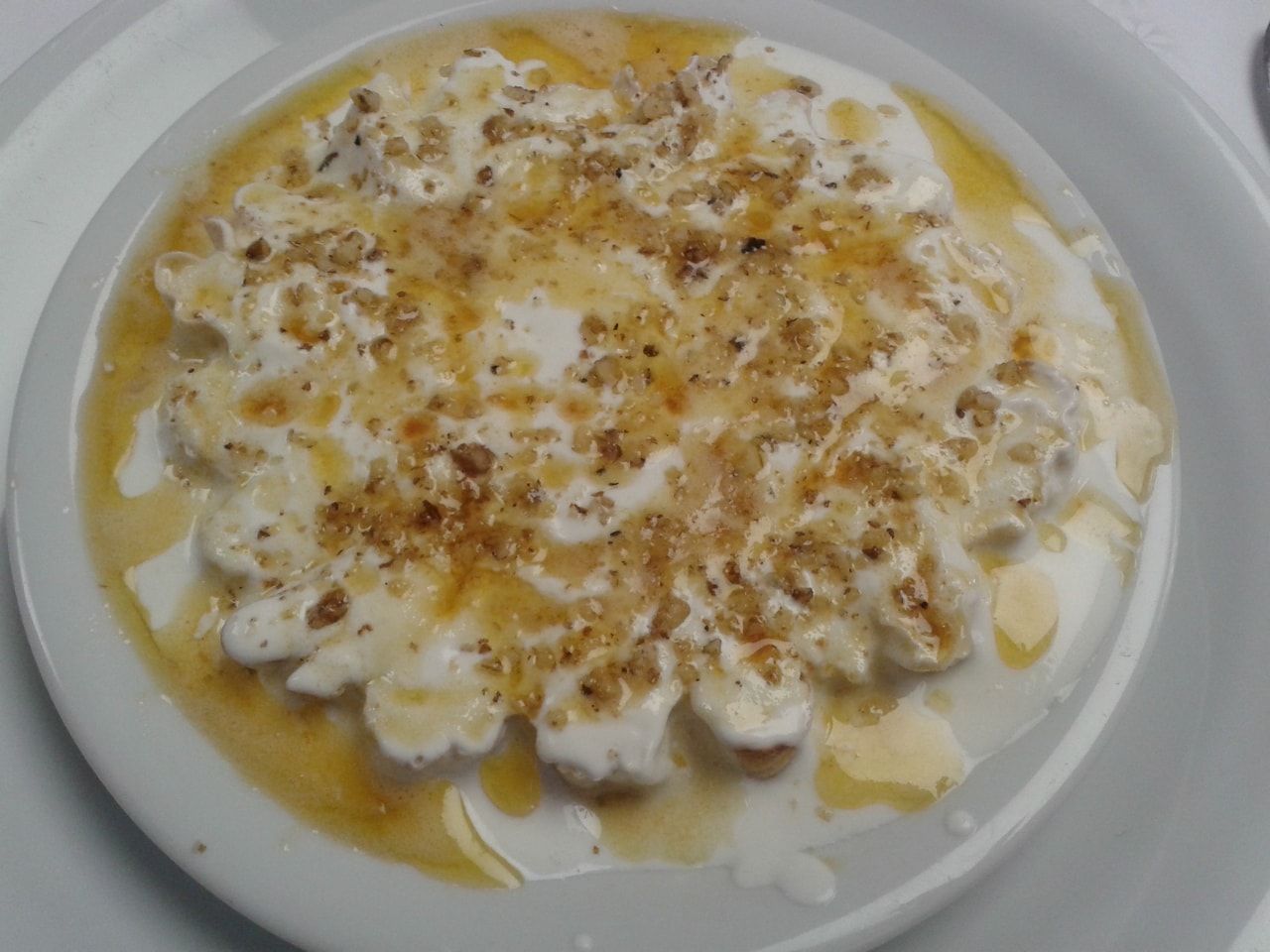
Sırın
Thin sheets of yufka cooked on a griddle (sac) are rolled, sliced and arranged in a tray, then topped with garlic yoghurt and sizzling butter. Elazığ Sırın Yemeği is registered with a geographical indication.
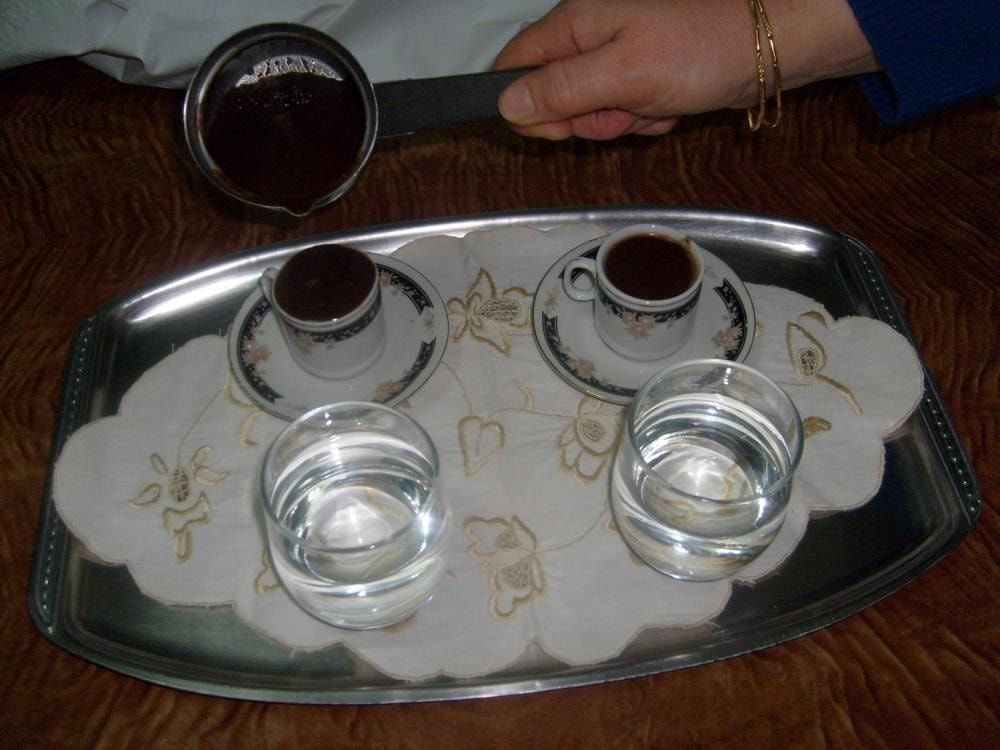
Çedene kahvesi (terebinth coffee)
The fruit of the çedene (terebinth) tree, which grows wild in Elazığ's mountains, is dried, roasted and ground into a dark, paste-like coffee. Elazığ Çedene Kahvesi is registered with a geographical indication.
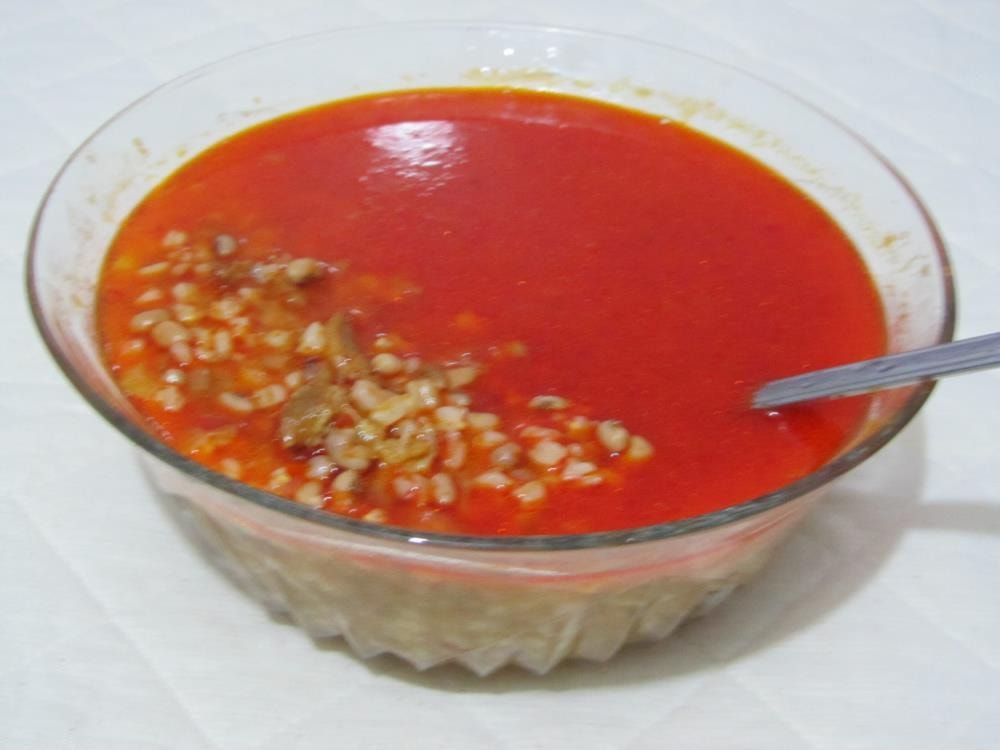
Lobik çorbası (green bean soup)
In Elazığ thin green beans are called lobik; the soup is made with lobik or, when it is not available, with black-eyed beans.
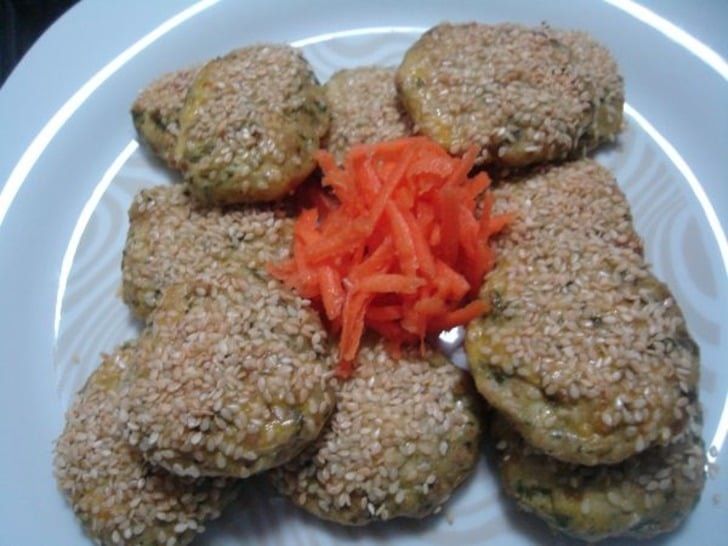
Küncülü köfte
A bread-like köfte made with sesame, known locally as küncü.
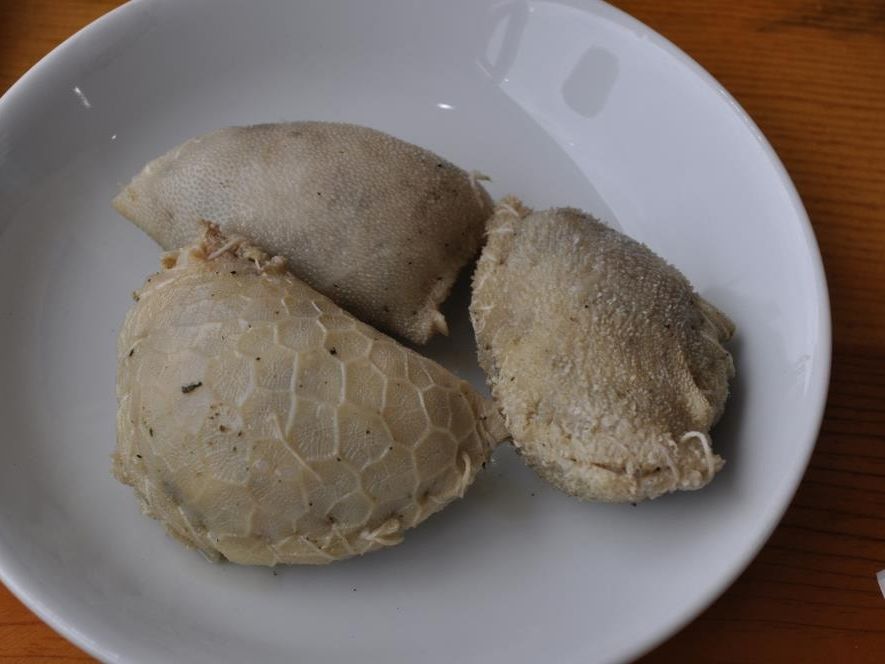
Kibe dolması (stuffed tripe)
Made by stuffing lamb tripe with a filling and cooking it.
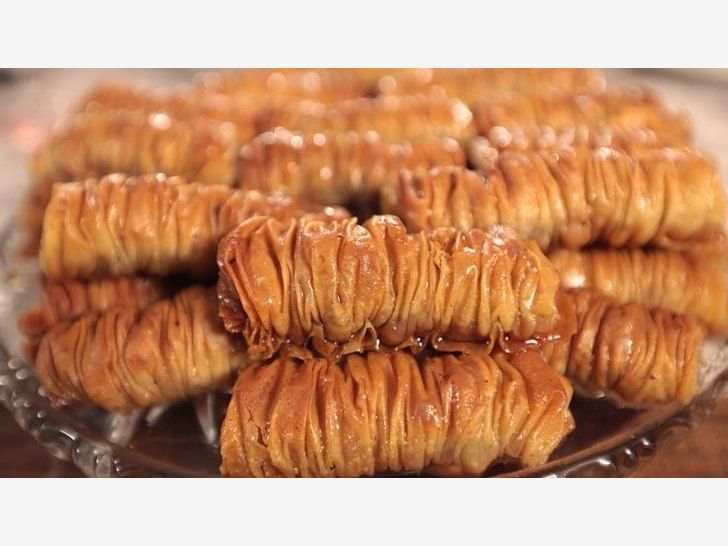
Dolanger
A festive dessert made from layered sheets of yufka shaped in a special way and soaked with hot syrup; it is eaten with kaymak (clotted cream).
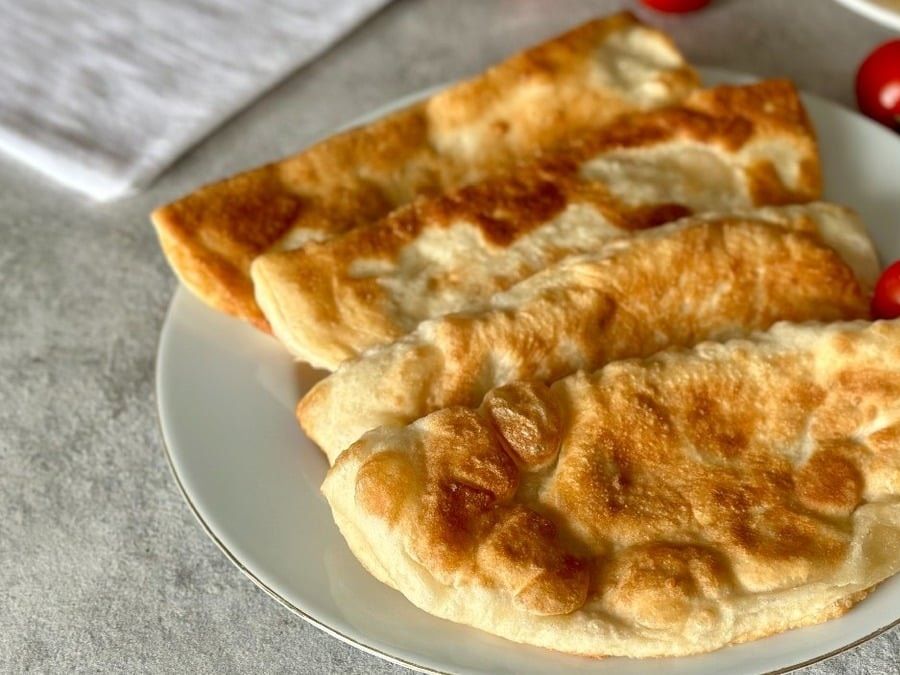
Patile
A pastry made by filling thinly rolled yufka with sautéed onions; there are also versions with cheese, minced meat and potato.
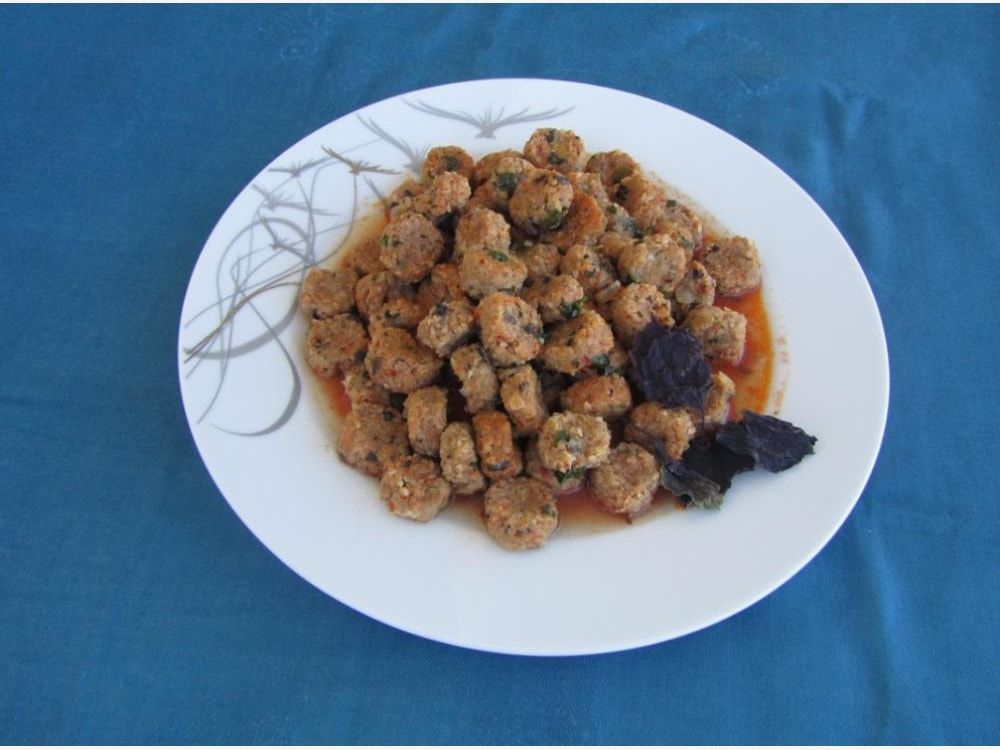
Harput köftesi
Meatballs of lean minced meat, fine bulgur and basil cooked in a tomato-paste sauce.


Places to visit in Elazığ
Lake Hazar beach, Elazığ

Lying between the Hazarbaba and Mastar mountains, this beach is one of the loveliest spots in the city. You will see a wonderful harmony of blue and green together, and because Lake Hazar is so large, local people call it the Hazar Sea (Caspian Sea). Around the lake there are facilities that rival those of big cities, so much so that it is described as the Bodrum of South-eastern Anatolia.
Harput Ice Cave (Buzluk Mağarası), Elazığ
The cave, 12 km from the city and only 4 km from Harput, is close to the Keban Dam Lake. Its history goes back to the Urartians. The cave is cool in summer and warm in winter. Because the inside of the cave is cool in summer, there are many stalactites, natural layers and stalagmites. In winter the opposite happens.
Kömürhan Bridge, Elazığ

This bridge over the Euphrates is on the Elazığ–Malatya road. Its other name is the İsmet Pasha Bridge. Although the bridge went under water when the Karakaya Dam was built, it was renewed in 1986. The bridge's history goes back to Murad IV, who decided to build it during the Baghdad campaign in 1638, but his untimely death left it unfinished.
Keban Dam Lake, Elazığ

The second largest artificial lake in our country, this reservoir stretches along the Murat valley. It lies within Elazığ's borders and has a total length of 125 km. It is one of our country's most important investments; besides electricity generation, fish farming and fishing are carried out here. People use the area around the lake for picnics, and some districts are even reached by ferry across the lake.
Hazarbaba Ski Centre, Elazığ

This ski centre in the Sivrice district is on Mount Hazarbaba. It perhaps makes the most important contribution to winter tourism in Elazığ and has been operating since 1997. There is a facility here, but those who wish can also stay at the hotel by Lake Hazar, 6 km away. Bear in mind, though, that it is mostly visited by day-trippers. There are slopes for both amateur and professional skiers.
Çırçır Waterfall, Elazığ

There are trout restaurants around this waterfall, which formed after the Keban Dam was built. It is also a good place to relax. This means that if you go to the Keban Dam Lake, you will have seen many of the city's important places without going far.
Harput Castle, Elazığ
This castle, in two parts, was built by the Urartians. Legend has it that milk was used instead of water in its mortar, so the castle's other name is the Milk Castle (Süt Kalesi). Documents show that over its history the castle came under Byzantine, Roman and Arab rule. Last but not least, it has a beauty that will win you over.
Elazığ Archaeology and Ethnography Museum
A city's museums are the ideal place to learn its history. If you want to learn Elazığ's history properly, be sure to visit this museum. It is on the Faculty of Engineering campus of Fırat University. First opened in the Alacalı Mosque in Harput, the museum moved to its present site in 1982. It displays finds from excavations carried out in the province.
Covered Bazaar (Kapalı Çarşı), Elazığ

It is an important stop not only for local people but also for visitors from Türkiye and abroad. Tourists value it, as it is the city's most important and also oldest trading centre. The bazaar was restored in 2013 without losing its character. Here you can find many products, above all Ağın roasted chickpeas (leblebi), special spices, grape molasses (pekmez), sugared almonds and tulum cheese. Strolling around also gives you an idea of the city's food culture.
Golan Hot Springs, Karakoçan, Elazığ

As the name suggests, these hot springs belong to the Karakoçan district and are 18 km from the district centre. They have a great many visitors. The nearby Peri stream is also a popular stop. The springs are said to be good for many complaints, above all rheumatism, fractures and dislocations, women's illnesses and skin diseases. So it is a good place to have fun, rest and find healing all at once.
Culture and arts in Elazığ
Music and folklore
In Harput music you feel the fervour of heartfelt worship. When a makam (melodic mode) begins, the gazels that are sung have a hymn-like flavour. The folk songs that follow are melodies that stir and heighten this spiritual feeling. The spiritual fervour created by the compositions truly pushes a person away from the human, material world; singer and listener alike feel as if they are flying. At this moment, with no need for any request or signal, out of instinctive enthusiasm, the saz finds its own pace and the music passes, like a call to prayer rising to the sky, into the high-pitched tunes known locally as "Kayabaşı and Hoyrat". These are melodies sung in a steep, high register that echo from mountain to mountain. The listener in particular feels as if about to take wing from earth to sky. With the soaring effect of these voices, the saz gathering now falls into ecstasy. The fervour and exuberance this ecstasy creates in the soul lets feelings and emotions pour out. Accompanied by the saz, singers and listeners together, in chorus, move on to şıkıltım, lively dance songs. Because these songs have an effect not only on the soul but on the body too, men's or women's dances suited to the same makam are danced at this point or straight after the şıkıltım.
Elazığ's folk dances should be considered within the "Halay Region", one of the dance regions. Within the Halay Region, Elazığ's folk dances are slower and more aesthetic in their movement than those of other provinces and areas. There are a few very lively dances too. This feature is obvious at once when we examine the dance tempos. The dances stand apart from other dances of the Halay Region in their music and figures. We believe this is because Elazığ folk music leans more towards Turkish art (classical) music and is performed on classical instruments.
This distinctiveness shows in the rich sections of the dance music and in the rich figures of the dances. It is also noteworthy, and not found in every region, that each dance form (figure, pattern) has a corresponding musical form.
Elazığ's folk dances generally have a "gently firm" character. Men's dances are a little firmer but aesthetic, while women's and girls' dances are softer and gentler. The harshness seen in the halay of neighbouring Diyarbakır is not present in Elazığ's halay: in place of that harshness and the small number of figures, the Elazığ halay has gentle firmness and a wealth of figures.
There are nearly sixty Elazığ dances, but only about twenty to twenty-five are still alive today. We describe a few of them below, with how they are danced and their features.
Çayda Çıra dance:
This dance was collected in the Harput sub-district of Elazığ. It is known around the world as the "Candle Dance". There are various legends about "Çayda Çıra". However, they resemble various folk tales passed from mouth to mouth and are told as variants or altered forms of legends told in our other cities.
In origin, the dance arose for the purpose of lighting. In our research we recorded various legends told among the people. Here is one example. According to the legend, two young people in love in a village on the shore of Lake Hazar used to meet in secret. To reach the meeting place, the young man had to swim across the lake. As they met at night, the girl would light a pine torch (çıra, dındik) to show him where she was, and he would swim towards the light, and so the lovers would meet.
The girl's father, sensing this, put out the torch one night of a meeting just as the young man had swum to the middle of the lake, causing the young lover to drown. Realising this, the girl threw herself into the water and was lost too. At this, all the villagers gathered and began searching for the two lovers with "çıra" torches in their hands. According to the legend, laments were composed and songs sung about this event, and the search with torches turned into a dance that has come down to the present day. (A similar legend is the “AHTAMARA” legend of the Van area.)
At a magnificent wedding in Altınova, torches were lit and Somats (feast tables) laid in the wedding square set up, as was the custom, beside the stream, and the wedding was going on in full swing. Then there was a lunar eclipse, and Pembe HAN, the groom's mother, had torches and candles set on plates, handed them to the young people and, leading them herself, walked grandly into the wedding square. Inspired by the brilliance of this idea, the "head zurna player" greeted the crowd, who had turned night into day in an instant with the plates in their hands, by playing music to match their steps. With the forty drums and forty zurnas accompanying him, the place began to resound, and so the melody of the "Çayda Çıra" dance was born. The event became a tradition, and Çayda Çıra has been danced ever since.
In the past, when there was no seclusion of women (kaç-göç), the dance was danced by girls and boys together; today it is danced both mixed and separately. The dance is said to be 200–300 years old. It is known and danced all over Elazığ and has recently spread beyond it, being danced in various forms in Malatya and Diyarbakır too.
In all the dances the person at the head is called the kolbaşı and the person at the end the sonbaşı or poçik. Only in the halay are the names "Halaybaşı" and "Halaysonu" used. The props are a pair of plates, each holding three candles. During the dance the cry “Heey, Teey, Tey” is shouted. In the Elazığ area young men are called "Gakkoş". The dance is performed at weddings and at religious and national holidays.
Çayda Çıra folk song:
Çayda çıra yanıyor, Yanıp yanıp sönüyor, Yavaş yürü usul bas, Engeller uyanıyor. Çayda çıra yanıyor, Ay tutulmuş sanıyor, Yavaş oyna güzelim, Herkes seni tanıyor. | Çayda çıra yakarım, Yar yoluna bakarım, Bir yüz görümlüğüne, Beşibirlik takarım. Yanar çayda çıralar, Kızlar oyun sıralar. Gelin hanım gelirse, Defçi toplar paralar. | Çayda çıra yanıyor, Humar göz uyanıyor. Fitil çifte yara bir, Yürek mi dayanıyor. Çayda çıra yüz çıra, Yanıyor sıra sıra. Yarim keklik ben şahin, Giderim ardı sıra. |
(Roughly: “A torch burns by the stream, flickering on and off; walk slowly, tread softly, the watchers are waking… My love is a partridge and I the falcon; I follow wherever she goes.”)
Avreş dance:
This dance, also known as "Berber Yaşar", has not been found danced anywhere outside Elazığ. It comes from Harput. It arose from imitations of military movements in Elazığ and Harput, which once saw many troop dispatches, and it is danced all over Elazığ. It is said to be fifty or sixty years old. Today its music is played on drum and clarinet, but in the past it was played and danced to the zurna. (The zurna is still played today in many of our mountain villages and many of our Alevi villages.) Before the clarinet came to Harput, the zurna was the lead instrument at weddings; but the clarinet, which began to be used in Harput as soon as it entered Türkiye, strongly affected the zurna and reduced its role.
The Avreş dance has no song. No other dance is danced to its melody, and it is not danced to any other melody. Its music is first in 6/8 time at a slow tempo, then in 4/4 time at a fast tempo. Its makam is İbrahimiyye. It is danced in a single line, sometimes with turns to the right and left. The dance has no story; its figures are concentrated mostly in the feet and partly in the head. Its figures, made up of natural body movements, imitate military movements. During the dance people cry "ha-ha, hey-hey". It is danced mostly at send-offs for soldiers and at weddings.
Halay dance:
Also called the Harput Halay, its variants are the “Palu” variant, the dance called “Karaçor" in İngüzek, the “Düz Halay” in Ağın, the Halay in Baskil and the "Düz Haley” in Sivrice. It comes from Harput and has been danced with pleasure by young and old for 200–300 years. Its music is played first in 2/4 time and, in the figure called "zazaki", in 6/8; its makam is İbrahimiyye. It is danced in a single line with palms clasped together. Its figures are concentrated in the feet. It is danced mostly at send-offs for soldiers and at weddings.
Knife dance (Bıçak oyunu):
This dance was collected in the Hankendi (Hanköy) sub-district of the central district. Its true origin is not known. Knife dances are found in different forms in almost every region of Türkiye: in Erzurum there is the “Hançer Bari”, and in the Black Sea region various horons are danced with knives. Danced to drum and clarinet, this dance has no song. It is not danced to any other melody, and no other dance is danced to its melody.
The dance is in 9/8 time and in the "İbrahimiyye" makam. It is danced by three people: two men and a woman, or a man dressed as a woman. It also has the features of a bar dance. The dance is made up of hand and foot movements and is not imitative. The music keeps the same metre throughout, with no change of rhythm. In conservative places girls and women cannot enter the wedding square and watch the dance from rooftops or from a distance, so the course of the dance changes.
The props are two knives in each dancer's hands, with which the dancers make figures. The knives pass between them and are swung towards the chest. The dance is performed at weddings and has no song.
Sword and shield dance (Kılıç Kalkan):
It is said to have been danced by older dancers, but no one has seen it. Because the music has been written down, it is easy to learn about it. When we spoke to one of our sources, Tahsin AYIK, he said this about the dance: "I saw people dance it. They were older than us. As they had no swords and shields, they used the sticks in their hands as swords and their shoes as shields. Sadly this dance of ours, which no one looked after, has died out."
Delilo dance:
This dance, collected in Harput, goes by names such as "Derilo" and "Delilo". It is danced with similar features almost everywhere in the halay region. It is not possible to reach a conclusion about where it really originated.
The Delilo dance is said to be 150–200 years old. It is a dance with a song, danced to drum and clarinet, and the song is sung by the dancers. It is not danced to any other dance's melody, and no other dance is danced to its melody. With music in 4/4 time, it is a little slower than the "Delilo" dances of the surrounding provinces.
Dress
In the city centre women follow modern fashion. Even so, women over middle age can be seen wearing overcoats and headscarves. Men's dress: A fez is worn on the head, with a "Puşu" the size of a large handkerchief wrapped round it; older men tie a printed yazma scarf. Broadcloth şalvar trousers are worn, narrow at the ankle, wide at the top and gathered at the waist with a drawstring. An undershirt called içlik or giyme is worn, of plain white or black-and-white striped cotton, with sleeves, collarless or with a stand-up collar. Over the shirt a waistcoat called the "avcı yeleği" (hunter's waistcoat) is worn, made of the same cloth as the şalvar. A white silk sash or "acem kuşağı" (Persian sash), called şal, is tied at the waist. On the feet, çarık sandals with poçik and knitted woollen socks are worn. |
Women's dress: This is the oldest type of dress of Harput women. It can still be seen in mountain villages today. About 150–200 years ago this type of dress was the norm. It consists of three pieces. 1) Şalvar Made of silk or cotton fabric and lined inside. The şalvar is very long, with a cord threaded through at the ankles and tied below the knee, so that it falls like a skirt to the ankles. The waist of the şalvar is gathered with a drawstring. 2) İçlik Made of silk or cotton fabric, with a round neck, open at the front and fastened with hooks. The sides of the içlik are slit. 3) Üçetek Made of thick silk fabric embroidered with metallic thread, or of velvet. It has long sleeves with cuffs and a very short slit, fastened with a hook. The neckline is a "V" open to the waist. At the waist it is fastened with two hooks and a "birit" loop. The skirt, widening from the waist down, is completely open at the front and slit at the sides below the hips, so that it looks like three pieces. A "belbağı" is tied at the waist. (A belbağı is a sash three or four centimetres wide, crocheted or embroidered on fabric.) Postal shoes are worn, with cotton socks in summer and woollen socks in winter. The jewellery used with dance costumes is a string of beşibirlik gold coins worn diagonally across the chest, glass bracelets called "Şeve", and silver or gold earrings and rings. |
Proverbs and sayings
Aç gorsan hırhız olur, çok sölersen arsuz olur. (Keep someone hungry and they turn thief; nag too much and they turn shameless.) Akılsız başın cezasını ayahlar çeker. (The feet pay for a foolish head.) Bekle bite çağala, hadse yiye sağala. Can çıhmadan huy çıkmaz. (Character doesn't leave until the soul does.) Cücüğü martta sayarlar. (Chicks are counted in March.) Dam doymadan çortundan su ahmaz. (Water won't run from the gutter until the roof is soaked.) Dertli sölegen, aşık yırılgan olur. (The troubled talk, the lover sings.) Düğün evinde deve, acıhdınsa goş eve. Eşeğin canına yeterse attan yügürük olur. (When a donkey has had enough, it runs faster than a horse.) Galan işe gar yağar. (Snow falls on work left undone.) Garganan oturanın, burnu pislikten çıkmaz. (Whoever sits with crows never gets the dirt off their nose.) Garpuz kesmeknen ürek savumaz. (Cutting a watermelon won't cool your heart.) Hortut çirpisinden ataş olmaz. (Rotten twigs make no fire.) Sevilmeyen gelinin selamı ergü gelür. Suyun aharından, insanın yere bahanından gorh. (Fear still water and the person who stares at the ground.) Yağ yiyen pisiğin gözünden belli olur. (You can tell from its eyes which cat ate the butter.) Ziyareti bi çüt mumnan sınarlar. | Aç gezip guyruğu tik gezmek: to owe no one any favours Ali gıran baş kesen: a bully, a swaggerer Bahar mayısı gibi sıvaşmak: to cling to someone and not let go Durup durup duz kavurmah: to repeat the same thing over and over Fıstik atıp gezmek: to eat, drink and wander about, to be in high spirits Eşeğin büyüğü ahurda: the biggest part of the job is still to come Gıçı gırıh it gibi dolaşmah: to be good for nothing Hıriğini sürütmek: to bring other guests along behind you Kortikoğlu işi: a slapdash job Pirpirin mi yedin: you're very weak Yel gelecek delügü bilmek: to look after your own interests Sevindirik omah: to show off |
Allah elden ayağa düşürmeye. (May God not make you dependent on others.) Allah sahlıya (God protect you) Bi yasduhda gacıyasız. (May you grow old on one pillow.) Dolu sanduhlar öğüne oturasın. (May you sit before full chests.) Gadan belan bahan gele. (May your troubles fall on me.) Rızgın bol ola. (May your livelihood be plentiful.) Boyun bosun devrile. (May you topple over, a curse.) Can evin yıhıla. (May your heart be broken, a curse.) Ezilesin, epriyesin. (May you be crushed and worn out, a curse.) O boyda kalasın. (May you stay that height, a curse.) Gotdik. Sesin Sal altından gele. (May your voice come from under the funeral bier, a curse.) Tatarhamıya gelesin. (A curse.) Yüz üstü sürünesin. (May you crawl on your face, a curse.) Zukgumun kökü |
Source: https://www.elazig.bel.tr/
History of Elazığ
Elazığ is the continuation on the plain of the city of Harput, which goes back to around 4000 BC, and for many years it was known as Harput. Until it passed to the Turks, Harput was only a strong fortress; after the victory at Manzikert it developed into a city.
The region came under the Çubukoğulları in 1085 and the Artuqid beylik after 1110. The Mongols ruled it in 1230 and the Anatolian Seljuks after 1234; in 1507 it passed to the Safavids. After the Battle of Chaldiran, in 1514, it came under Ottoman rule.
In 1834 people moved to the present site, known as the hamlet of Ağavat. In 1862, at the suggestion of Governor İsmail Pasha, it was named the Province of Ma'mûretü'l-Azîz in honour of Sultan Abdülaziz, which people shortened to El-Azîz. The name was changed to Elazığ in 1937.
Getting to Elazığ
Elazığ can be reached by road, rail and air. Elazığ's most important road link is the state highway coming via Ankara–Kayseri–Malatya and going on to Tunceli and Erzurum; 156 kilometres of it lie within Elazığ province. A branch leaving it to the north-east at Kovancılar, at kilometre 87 of the Elazığ–Palu section, runs via Bingöl and Muş all the way to Van. The city's second important state highway runs via Diyarbakır and Mardin to the Nusaybin and Cizre crossings on the Syrian border and the Habur crossing on the Iraqi border.
Elazığ can also be reached by air. There are daily connecting flights from every province in Türkiye via Ankara and Istanbul, and direct flights from some large cities. Elazığ Airport is 12 km from the city. With its newly built runway it has become the largest in the region, and you can get to the centre by airline shuttle buses and taxis.
Districts of Elazığ
- Ağın
- Alacakaya
- Arıcak
- Baskil
- Karakoçan
- Keban
- Kovancılar
- Maden
- Merkez (central district)
- Palu
- Sivrice
Economy of Elazığ
Elazığ has few plains, but they are fertile. Wheat, barley, rice, sugar beet, tobacco, vegetables and fruit are grown; cabbage, melons and strawberries are important sources of income. When the Keban Dam was built, some farmland went under water, but industry picked up.
The province's main minerals are copper, chrome, argentiferous lead and bentonite. The marble quarried in the Alacakaya and Arıcak districts is famous, and many marble processing factories have been set up in recent years.
The source notes that production of flour, leather, sugar, cement, milk, marble, furniture and soap stands out, and that the province has one of Türkiye's large hydroelectric power stations.


Comments
Loading comments…