
Hakkari
- Eastern Anatolia Region
About Hakkari
Set on the southern slope of the deep, long Zap Valley in Türkiye's south-eastern corner and surrounded by mountains on every side, Hakkâri lies within the triangle of Anatolia, Mesopotamia and Iran. That position has drawn many communities and made it home to many peoples. The province's history begins in the Palaeolithic. Rock paintings found at several sites within its borders are dated to the Neolithic. Until the early 6th century BC the region was ruled by the Urartians. Despite the harsh terrain, the well-organised Urartians built a civil and military transport network known as the “Army Road”, part of which survives today. Urartian lands were at times threatened by Assyria, and in 560 BC they were wiped from history by a Median attack.
The Medes, who destroyed the Assyrians as well as the Urartians, were themselves swept away by the Persian invasion. Persian rule was in turn ended by Alexander the Great. After Alexander, the area was ruled by the Seleucid Kingdom, by the Parthians who founded a kingdom in Iran, by the Sasanians and by the Muslim Arabs, followed later by Roman, Byzantine, Seljuk, Ilkhanid, Kara Koyunlu, Ak Koyunlu and Safavid periods. The region's name first appears in writing in Arab sources. The famous Arab historian Ibn Hawqal, drawing on the name of the Hakkar tribe, refers to the area south of Lake Van as “Hakkâriye” (land of the Hakkars).
The Hakkar tribe is made up of 12 Ertuşi (Hertuşi) clans and 12 Pinyanişi clans, which still live in the region today. Hakkâri came under Ottoman rule in 1536, in the reign of Süleyman the Magnificent, and has been known by the name Hakkâri ever since.
Hakkari's famous dishes and desserts
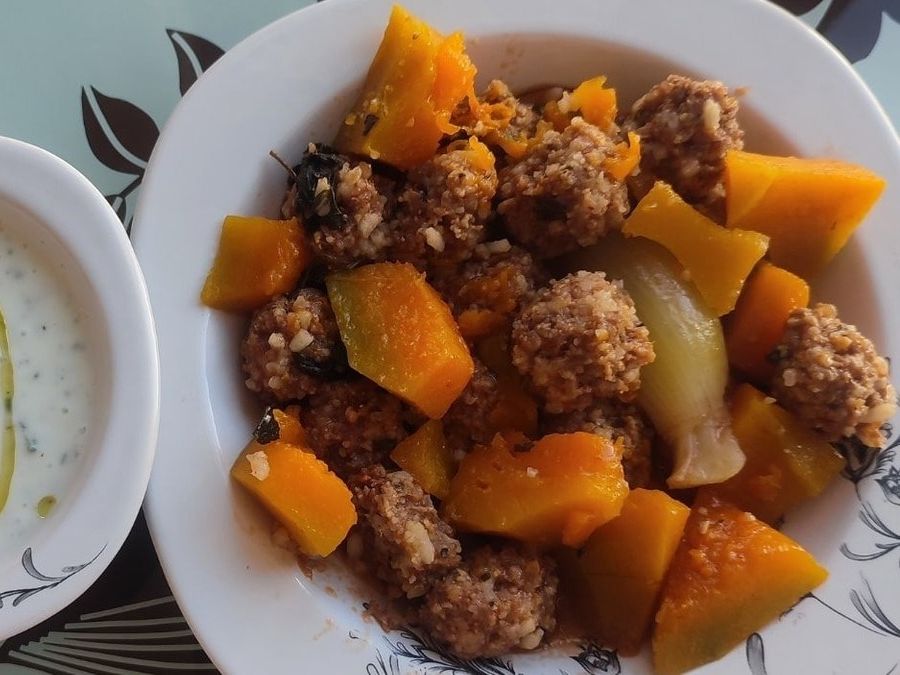
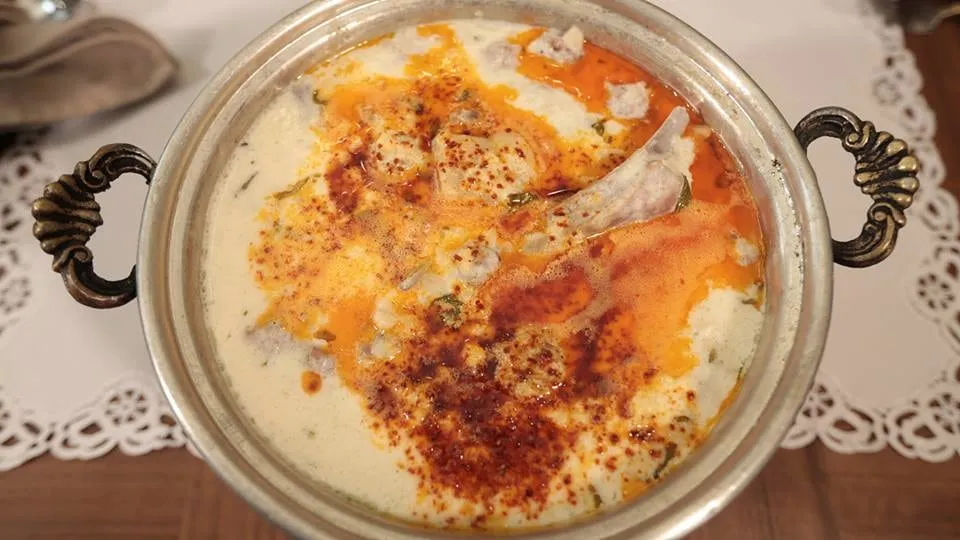
Doleme
Counted among Hakkâri's local dishes.
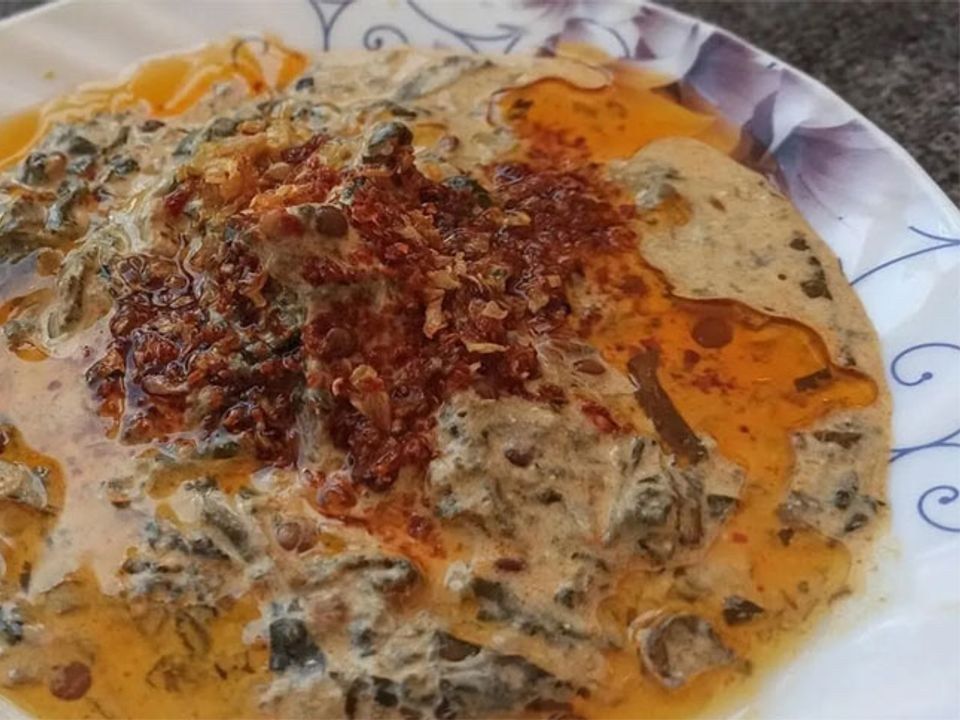
Keledoş
Mentioned among the local dishes prepared in Hakkâri by public education centres and women's cooperatives.
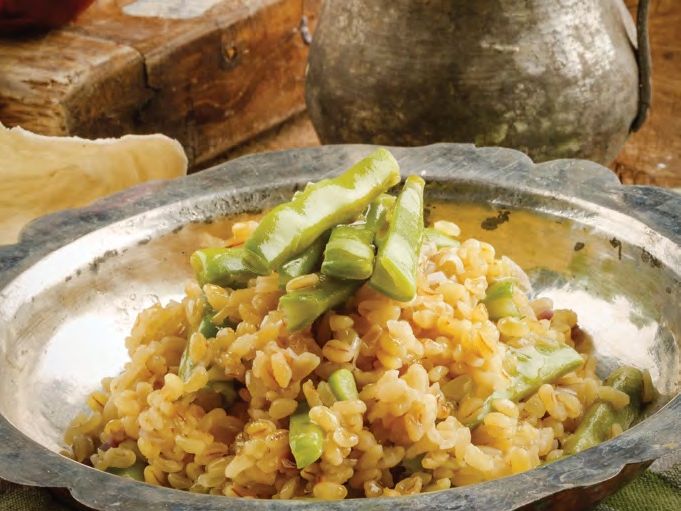
Savaalobya (local beans with bulgur)
Hakkari's own variety of bean is boiled and then cooked together with bulgur pilaf.
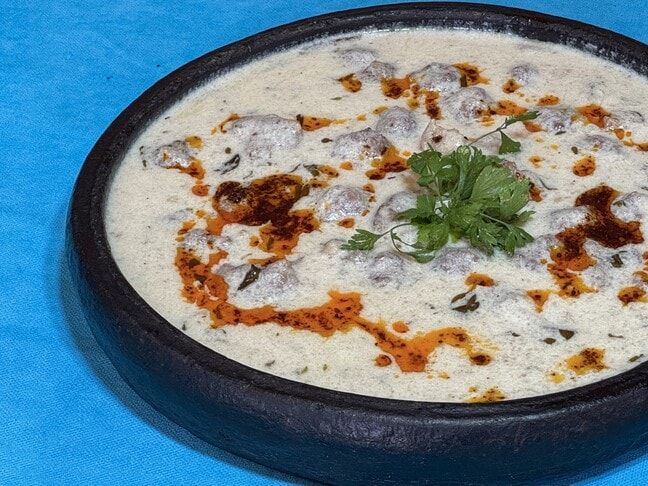
Doğaba
Counted among Hakkâri's local dishes.
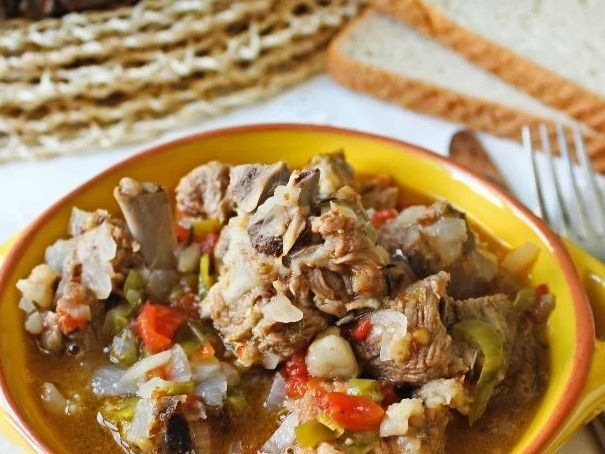
Kemikli kavurma (lamb on the bone, braised and fried)
Lamb on the bone is simmered for a long time in a little water, then fried in butter once the liquid has been absorbed.
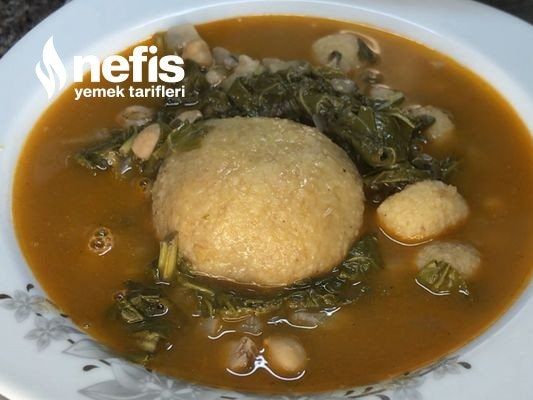
Tırşik
Mentioned among the local dishes prepared in Hakkâri by women's cooperatives.
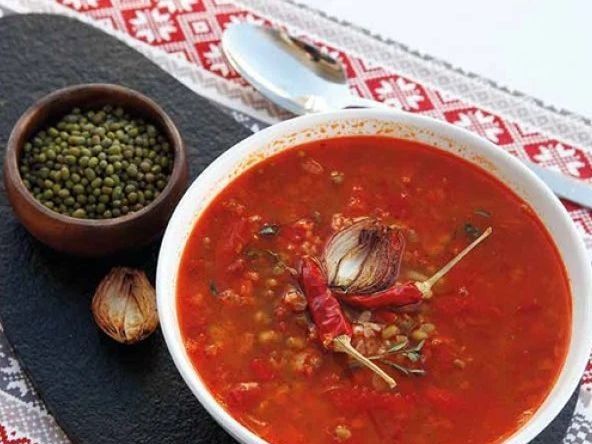
Maşin çorbası (mung bean soup)
Mung beans soaked overnight, chickpeas and wheat are cooked with fried onions.


Tırşıkçelya
Meatballs made from broken rice, bulgur and minced kid goat are filled with a stuffing of onion and minced meat.
Kürt köftesi (Kurdish meatballs)
Meatballs made with fine bulgur, basil and pepper are boiled and eaten with a sauce of green lentils, tomato paste and butter.
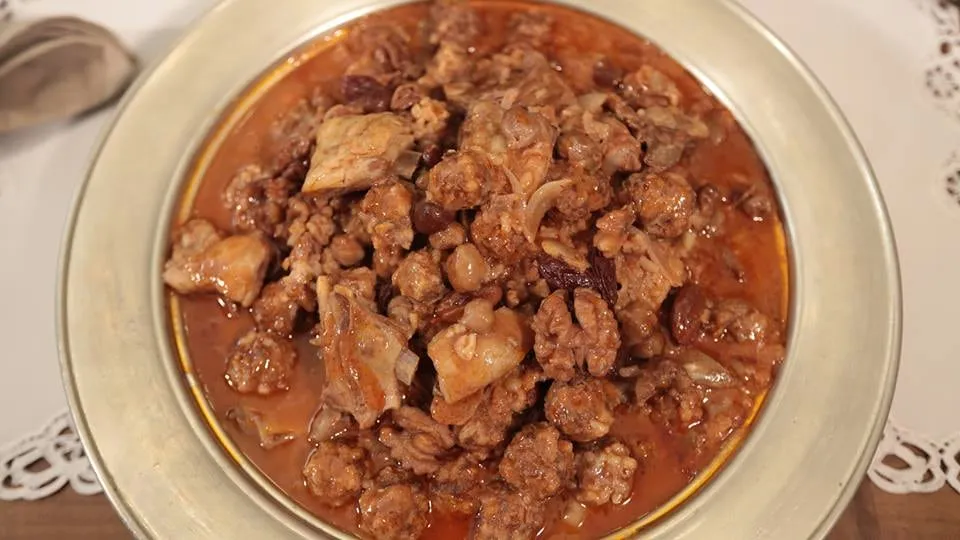
Kıyis
Lamb on the bone, boiled for a long time, is cooked with meatballs of minced lamb, walnuts, raisins, pounded wheat and sumac.
Hegedanlı pilav (hegedan herb pilaf)
A pilaf made with hegedan, a herb gathered in spring and dried.
Places to visit in Hakkari
Kayme Palace (Kayme Sarayı), Hakkari

According to the available documents, Kayme Palace was built between 1909 and 1911. It is not known for certain who commissioned it, but estimates based on the documents suggest it was Seyit Abdullah, son of Seyit Ubeydullah. It measures 24 × 18.8 metres and has two storeys. Apart from its north and west sides, most of the palace has collapsed. The ground floor and first floor each have two halls and four rooms. The rooms have doors both onto the halls and into one another.
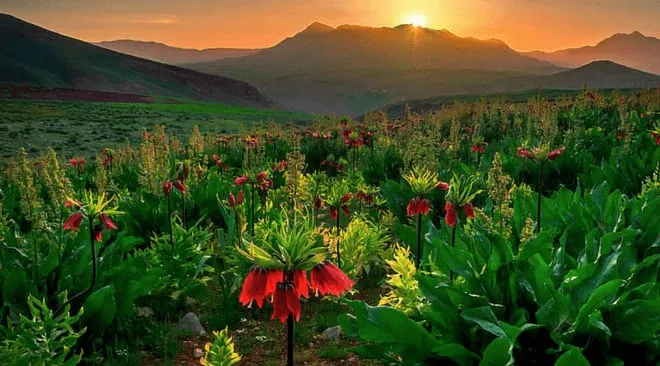
Bercelan Plateau (Bercelan Yaylası), Hakkari

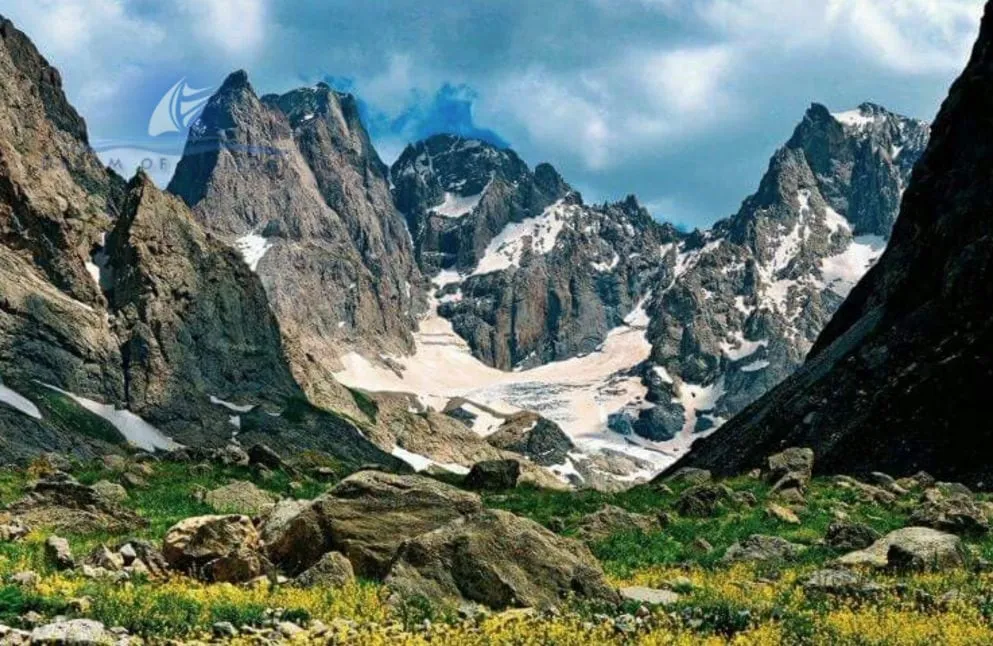
Bercelan Plateau, one of Hakkari's natural beauties, has stayed in the background for tourism because too few facilities have been built there. Still, if you wish, you can bring the gear you need, pitch a tent and camp. You can also ski on the snowy mountains just above it. With its clean air, colourful vegetation, blooming flowers, ice-cold water and much more, Bercelan Plateau is one of the places in Hakkari you should see.
Meydan Madrasa (Meydan Medresesi), Hakkari

The Meydan Madrasa in the Biçer neighbourhood of the city centre has survived to the present day thanks to its restoration by the General Directorate of Foundations in 1984. Its construction date is given in the inscription at the entrance: AH 1112, AD 1700–1701. Measuring 23.4 × 18.25 metres, the madrasa has two storeys and a courtyard. In the west wing each floor has four rooms, with windows, braziers, cupboard niches and hearths set into the walls of every room. The east wing has three rooms on the lower floor and two on the upper. The north wing holds a small mosque (mescit) and a classroom.
Stone Bridge (Taşköprü), Hakkari

This bridge, in Hakkari's Şemdinli district, spans the Şemdinli stream. There is no firm date for when the Stone Bridge was built, but it is thought to date from the 19th century. It is 21.2 metres long, 2.9 metres wide and 10.8 metres high. The single-arched bridge is built of neatly cut stone.
Be sure to taste the local dishes gulul and kepaye as well. And on your way home from Hakkari, buy some Hakkari kilims and hand-knitted woollen socks.
Culture and arts in Hakkari
Cultural heritage
Hakkâri has a rich cultural tourism potential in every respect, with a great many values relating to customs and traditions, religion, language, ways of life and art, some belonging to the past and some still alive today. Each of these draws visitors to the region. Hakkâri is richly varied in its cultural heritage. Some of the region's distinctive social values and material remains have been put on display or found ways to express themselves, while others have not yet had the chance to be shown at all. Among the most important of the latter, without doubt, are the finds uncovered by archaeological excavations. It is said that Hakkâri's rural areas contain many archaeological sites, even though they have not yet been registered.
Rock paintings have been found at two separate sites in Hakkâri: on the Tirişin Plateau near the city centre and in the Gevarok Valley in Yüksekova. Just as important as the rock paintings, and perhaps more so, are the Hakkâri stelae. Found on the north-western slopes of Çölemerik Castle in the city centre, in today's Dağgöl neighbourhood, the Hakkâri Stelae are a group of 13 standing stones. Kept in the Meydan Madrasa in Hakkâri from 1998 to 2000, they were moved to the Van Museum in 2001 and put on display there. The stones known as stelae are rectangular but irregular in shape. Their most striking feature is that their front faces are filled, in relief and incised line, with figures of people, animals and weapons. On 11 of the stones a naked male figure with the traits of a warrior dominates the composition, and on two others human figures do. The stelae are dated, though not with certainty, to the middle of the 2000s BC. Who made them remains a mystery.
Food and drink tourism (gastronomy)
Especially in recent years, gastronomy has found a place in the development and shaping of international tourism and has even become, to a limited extent, a primary reason to travel. Gastronomy (food and drink) tourism, which acts as both a supporting and a complementary attraction, shows that around 25% of total tourist spending goes on food.
Known for the variety of its distinctive dishes, the cuisine of the Hakkâri region reaches across an area too wide to be confined to the province's borders. It is very difficult, even impossible, to draw clear lines between the cuisines and food cultures of Hakkâri and Van to the north, Şırnak to the west, north-western Iran to the east and northern Iraq to the south. Among people who share a similar geography and socio-cultural make-up across this wide area, trying to pick out only what is unique to Hakkâri from their naturally similar eating habits and food cultures is both difficult and unnecessary. Hakkâri cuisine is one of those in which geography, and the natural environment that comes with it, the natural determinants of food habits and cuisine almost everywhere, clearly dominate. So much so that the two basic ingredients of Hakkâri dishes are meat, because the land is above all suited to livestock, and wild herbs, a gift to the people of Hakkâri from the mountains and high pastures.
In Hakkâri there is a tradition of the sağdıç breakfast on the Sunday morning of a wedding. The sağdıç (the groom's best man) invites neighbours, in-laws and relatives to breakfast, either the evening before or early that morning. By the time the guests begin to arrive, the groom, who has spent the night at the sağdıç's house, has long been woken, bathed, shaved and dressed in his wedding clothes; he greets the company and everyone sits down to breakfast. Tandır bread, herb cheeses and cacık-style dishes made with pancar (wild greens) gathered in the mountains in spring, and specialities based on flour and butter are served.
Local handicraftsEvery motif in Hakkâri kilims lives on through stories told among the people, born of a cultural heritage that has flowed down through the centuries. Hakkâri has cultural and folkloric features, coming from the depths of history, that it both shares with neighbouring communities and holds quite apart from them: customs, traditions, ways of life and more. The rich folkloric and ethnographic features still seen today show that the region has a deep-rooted historical and cultural heritage. Handicrafts, which can become one of the main attractions of a tourist destination, play an important role as a way of remembering the places visited. The place and importance of handicrafts in Hakkâri is beyond dispute. Kilims, saddlebags (heybe), parzun, reşik, bags, socks, shawls, yazma beadwork and oya and cross-stitch embroidery are made in many homes in the province. Hakkâri kilims in particular are recognised nationally and are a favourite with visitors.
Traditional houses and goat-hair tents
Hakkâri is a region of high mountains and valleys in the south-eastern corner of Anatolia that has stayed on the edge of great civilisations (such as the Sasanians, Byzantines, Abbasids, Seljuks and Ottomans) throughout history. This did not change in the Middle Ages: difficult geography made travel and settlement hard, and nomadism, together with the livestock farming that goes with it, gave the culture its local character. Throughout the Middle Ages, Islam and Christianity were the two main elements shaping the cultural fabric of this mountainous land between Anatolia, Iran and Iraq. Traditional houses and rural dwellings are another of the region's important cultural attractions for tourism.
Hakkâri's mansions and palaces matter both for presenting local culture and for showing visitors how the houses of Hakkâri and their outbuildings have developed from the past to today. Local people's ways of behaving are among the subjects that interest tourists most, and this is exactly why these historic places attract so much interest. The province's main historic mansions and palaces are the Dervişoğlu Mansion, the Pirozbeyoğlu Mansion and the Enver Parlak House in central Çukurca, and the Kayme Palace and Kelat Palace in Bağlar (Nehri), Şemdinli. A look at these houses shows that their layout, their construction and their form are all products of necessity, of the experience people gained and of communal life. Still, in shaping Hakkâri's traditional architecture, way of life, economic activity and, of course, geographic factors such as topography, climate and building materials have played an important part.
Goat-hair tents (kıl çadır), an essential part of highland pasture culture, are a cultural heritage handed down from history and have many qualities. Still used by nomadic and semi-settled herders, they are among the indispensable shelters of the summer pastures. They are woven from goat hair. They are also put up to recreate folklore and to give atmosphere to places where historical events took place and to many other venues. As the herders' most important shelter in the open, goat-hair tents have several notable qualities. In winter the weave tightens, so rain and snowmelt do not get through. In summer it loosens back to normal, letting in a dim light and keeping the inside cool through constant air circulation. One of their most important qualities is that their texture keeps creatures such as snakes, scorpions and spiders from crawling over them. Because these creatures cannot move across a goat-hair tent, people who stay in them say they are never bitten or stung by snakes, scorpions or spiders. Known for being easy to pitch anywhere and for not catching fire unless constantly exposed to flame, goat-hair tents are also easy to fold and carry.
Highland pasture festivals
Highland festivals, held in the past to mark the migration to the summer pastures and to bring herders together, have in recent years become a popular event for people looking for an alternative holiday. Festivals held in many parts of Türkiye to develop highland tourism are also supported by public institutions as a way of diversifying tourism.
Festivals, one of the fastest-growing socio-economic phenomena of the 20th century, tell of cultural life, traditions, the human character and the hard struggle with nature. They strengthen togetherness, bonding and fellowship. These ceremonial gatherings, held once a year, add a very particular value to tourism. The festivals held in Hakkâri show the natural side of our cultural and artistic life, our highland traditions and warm human relationships at their best. Besides the beauty of nature, those who come to the region for the festivals leave with memories of cultural value. The festivals are something like a meeting place for the people of the region. Nomads living on the summer pastures also hold festivals in the lamb-shearing season. After the lambs are washed and shorn, people dance the halay to drum and zurna. Women take part in the fistan dresses particular to the region, and men in the outfit called şal û şapik.
Local sporting games such as kelanê and şekanê, along with other competitions, are also held on the pastures, after which tables are laid for the guests.
Clothing, weddings and music
In our fast-developing and changing world, new tourism trends have appeared and people have begun looking for new things. Among them, a type of tourist has come to the fore who wants to learn more about the ways of life and traditions of other countries and other peoples. One of these new interests is local dress.
Tourists have a different kind of experience by seeing and observing new local clothing and sometimes by wearing or buying it.
Like many regions of Anatolia, Hakkâri has its own clothing culture handed down from the past. Although the garments resemble those worn in other provinces of Eastern and South-eastern Anatolia in some respects, they have distinctive features in their fabrics and designs. With these features, women's and men's clothing in Hakkâri is broadly as follows. Women's clothing: kiras, fistan and a belt. Men's clothing falls into two groups: everyday clothes called şel-şepik, and clothes worn mostly on special occasions.
Weddings in Hakkâri usually last three days and three nights. A wedding mostly begins after the afternoon prayer on Friday and goes on until Sunday night. The families holding the wedding invite all their relatives, friends and fellow villagers. Weddings in Hakkâri are very crowded. Invited relatives come with every member of the family (men, women and children). Of the guests who are not relatives and might be considered partly outsiders, only the men attend. The bride's guests gather at the bride's house and the groom's guests at the groom's house. From mid-morning on Saturday until late the following night, wedding guests celebrate with great enthusiasm to folk songs and stran. But a wedding is not only about entertainment. Alongside the festivities many other customs are carried out. On arrival at the sağdıç's house, a meal is eaten, much like a pre-dawn sahur meal. After the meal the groom is brought into the middle. Everyone present gathers around him in rings. Dengbêjs (bards) sing to each other in turn, giving the night a colour and flavour of its own. Henna is applied first to the groom's little finger and then to his toes. While the groom's hand is being bound, some money is placed in his palm. In the morning, when the groom unties his hand, whoever catches the money that falls keeps it.
Traditionally, apart from the drum, the zurna and the pîk or kaval (shepherd's flute), few instruments are used at Hakkâri weddings; the halay is danced to stran, folk songs sung in alternation. In recent years, however, the bağlama and similar instruments have become much more common at weddings. Although this seems to have pushed the stran sung during the halay somewhat into the background, these songs are still indispensable for the people of Hakkâri. Stran are sung and danced in dozens of Hakkâri halays with different figures. The dances go by names such as iki ayak (two-step), üç ayak (three-step) and şeyhanî. Some are known by the name of the stran being sung.
Source: http://www.hakkarikulturturizm.gov.tr/TR,159139/kulturel-degerler.html
History of Hakkari
Hakkâri's history lists Median, Persian, Seleucid, Corduene (Karduya), Roman and Sasanian rule in turn. The region was conquered by Islamic armies in 641. From the 8th century it was governed by local lords tied to the Abbasids, and after the 10th century it passed to the Marwanids.
Between 1095 and 1127 the Seljuks conquered the region, and in 1133 the Emirate of Hakkâri was founded. A Safavid occupation followed in the late 15th century; after the Battle of Chaldiran in 1514 the lords of Hakkâri took back control. The emirate came fully under Ottoman administration in 1847, with the defeat of Nurullah Bey and the other lords.
Getting to Hakkari
By road
The journey from Van to Hakkari takes 2–3 hours by bus. There are coach services by road to major cities along this route.
By air
Hakkari is reached by air via the province of Van. The road between Van and Hakkari is good asphalt, and Hakkari is a 2–3 hour bus ride away.
Districts of Hakkari
- Hakkâri (provincial centre)
- Çukurca
- Şemdinli
- Yüksekova
Economy of Hakkari
Border trade and livestock farming are Hakkâri's main sources of income. Trade runs through the border crossings to Iraq and Iran. Although the labour market is said to have picked up in recent years thanks to the private sector and state employment incentives, this is not considered enough.
The province is also known for karakovan honey, produced in traditional hives on its high-altitude pastures.


Comments
Loading comments…