
Istanbul
Where history, culture and everyday life meet
- Marmara Region
- Population: 15,754,0532025, TÜİK
About Istanbul
For its setting and its cultural and historical riches, Istanbul is one of the most important cities not only in Türkiye but in the world. Standing as a bridge between Asia and Europe, it brings the cultures of East and West together.
Istanbul was the capital of two great empires. When the Roman emperor Constantine I moved his capital from Rome to the city in AD 330, the Roman Empire split into two, East and West (AD 330). Long before that, around 680 BC, colonists from Megara in Greece had settled here. The city's oldest known name, “Byzantion”, was given in this period in honour of the Megarian king Byzantas. Constantine called his new capital “Nova Roma” (New Rome), but after his death the city became known as Constantinople, the City of Constantine.
The Edict of Milan of 313 gave Christians legal status, which met resistance in a Rome still largely devoted to the old polytheistic religion. The conflict between Christians and pagans was one of the reasons for building a new capital, and Constantine declared that founding it was “God's command”, although he himself was baptised only on his deathbed.
Istanbul had everything a new capital needed. Constantine truly saw the city he named “New Rome” as a place where Rome could be built anew, and, as an interesting detail, Istanbul, like Rome, is said to stand on seven hills. So the building of the city began. Without doubt, founding Istanbul was one of the most important decisions in history, and Constantinople was the work of a single man. The area now known as the historic peninsula marks the city's limits in Constantine's time, and even in the Turkish period the city grew only sparsely beyond them.
Istanbul's famous dishes and desserts
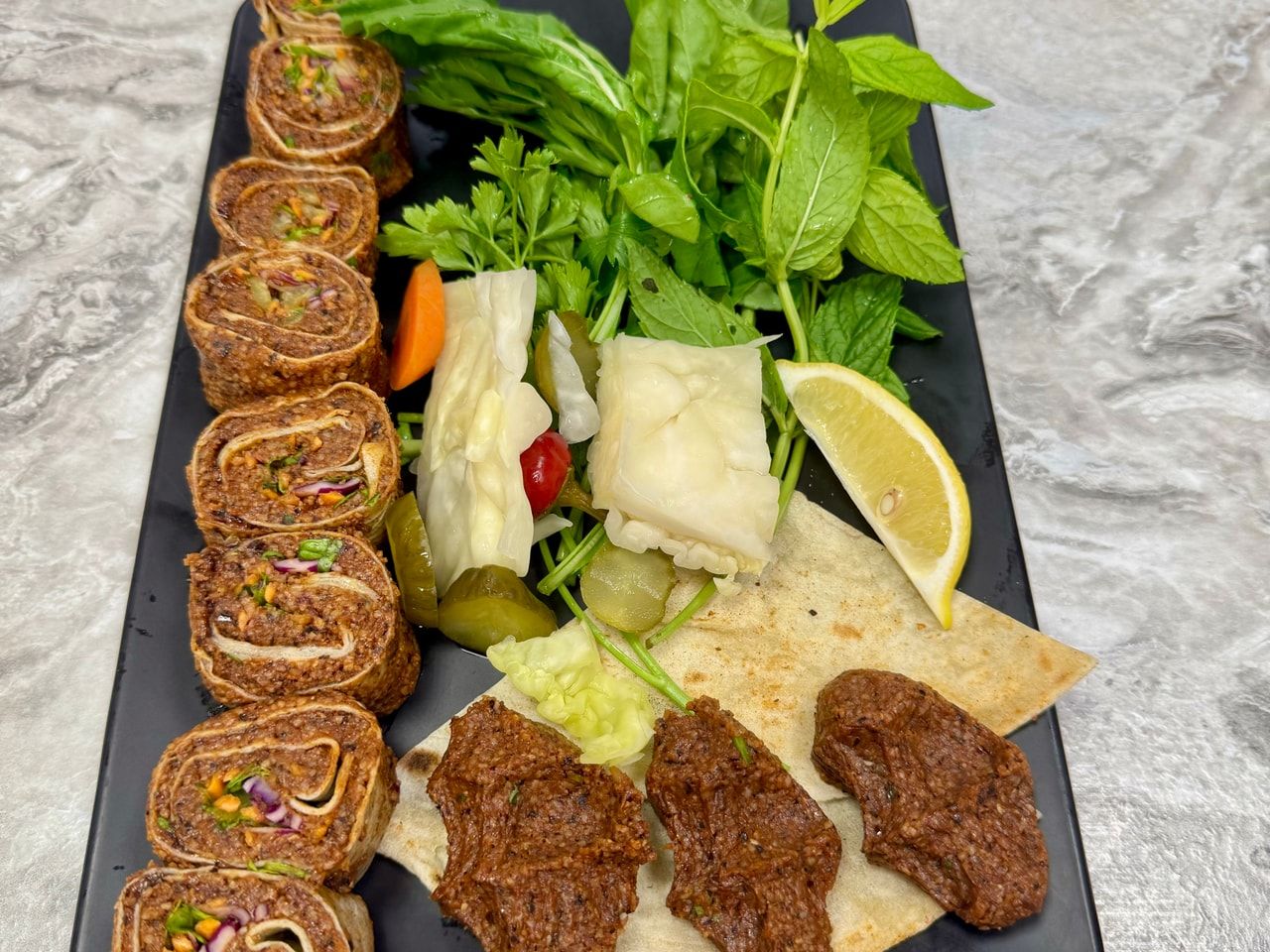
Çiğ köfte
Fine bulgur is kneaded for a long time with isot (smoky dried chilli) and spices. Street stalls usually make it without meat; it is wrapped in lavash or a lettuce leaf and eaten with a tangy pomegranate sauce.
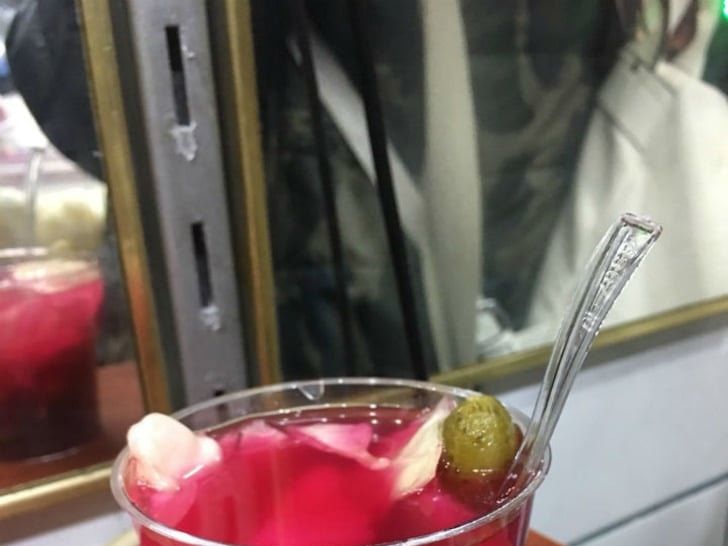
Turşu suyu
Pickle juice: a sour, salty street drink sold by the glass, often with a piece of pickle on the side. The pickle shops around Eminönü are part of the city's routine.
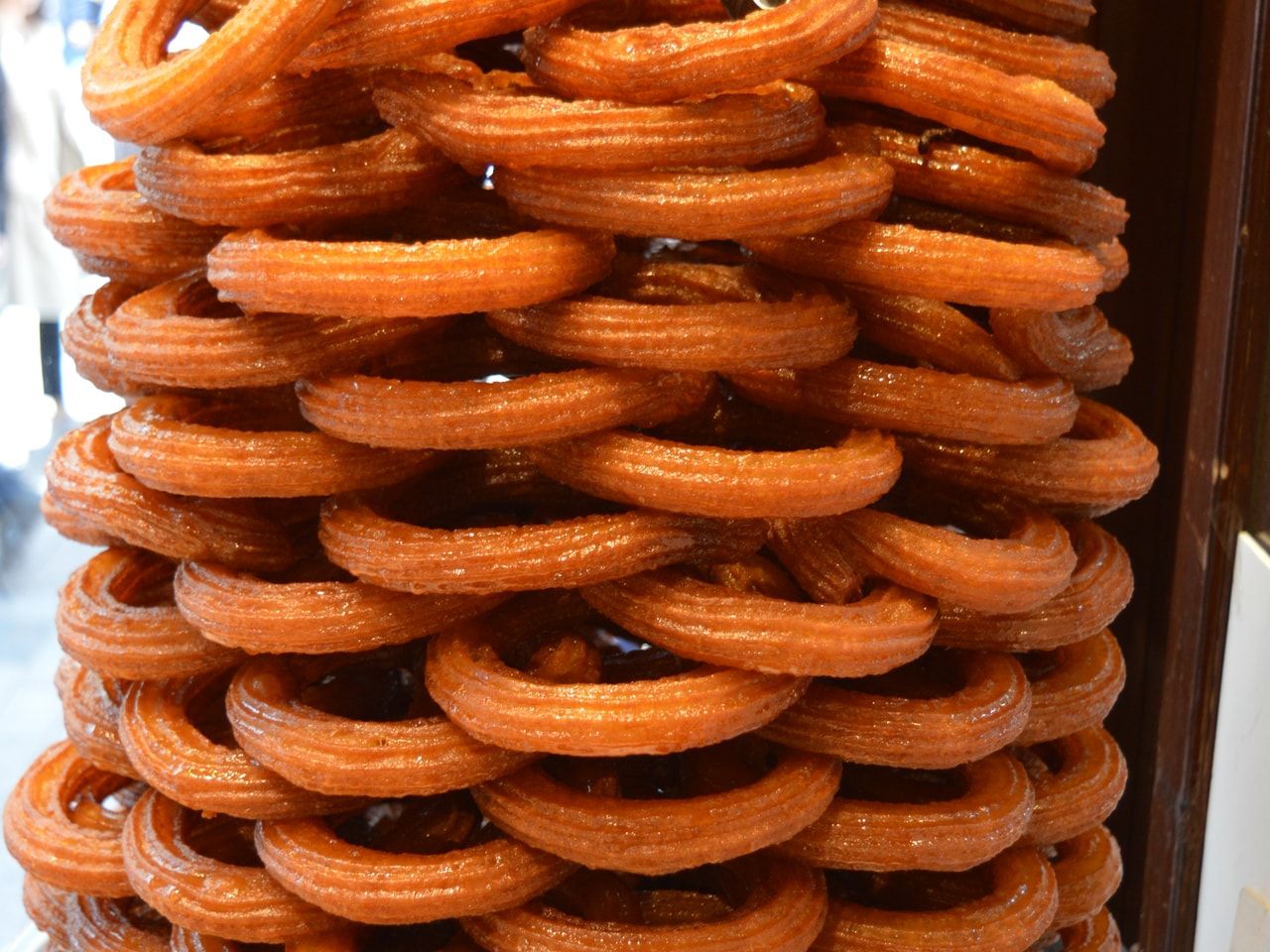
Halka tatlısı
Dough is piped into rings, fried in hot oil and dropped into syrup, crisp outside and syrupy inside. It is one of the best-known sweets of the street stalls.
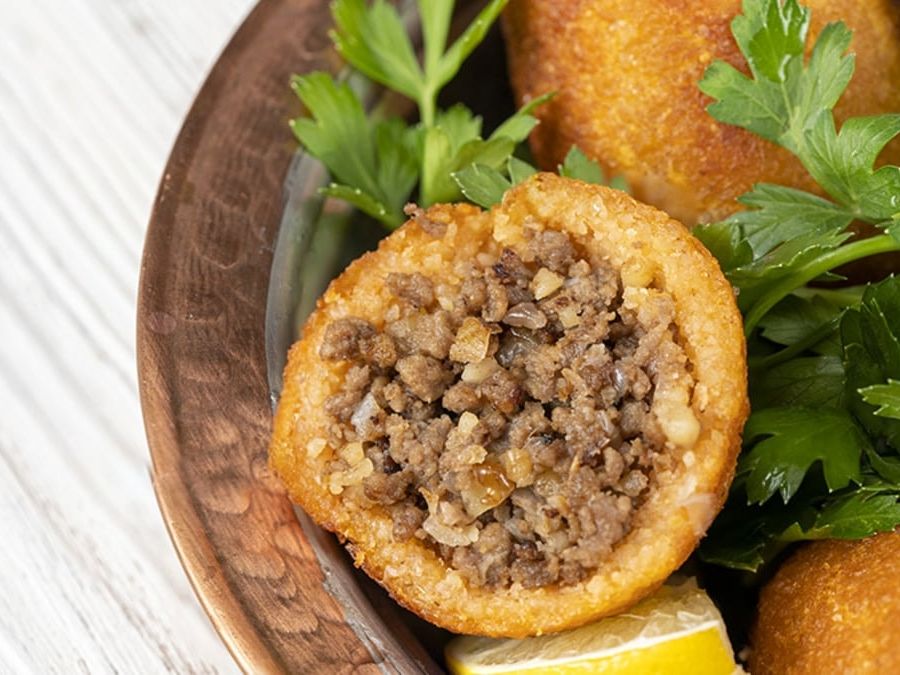
İçli köfte
A bulgur shell filled with minced meat and onion. On the street it is usually sold fried, as a snack eaten by hand.
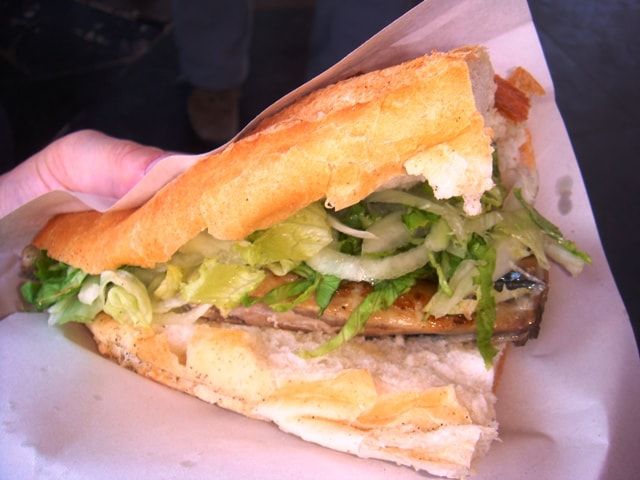
Balık ekmek
A fish sandwich: grilled fish in bread with onion and greens. It is a classic eaten by the water near the piers, especially on the Eminönü waterfront.
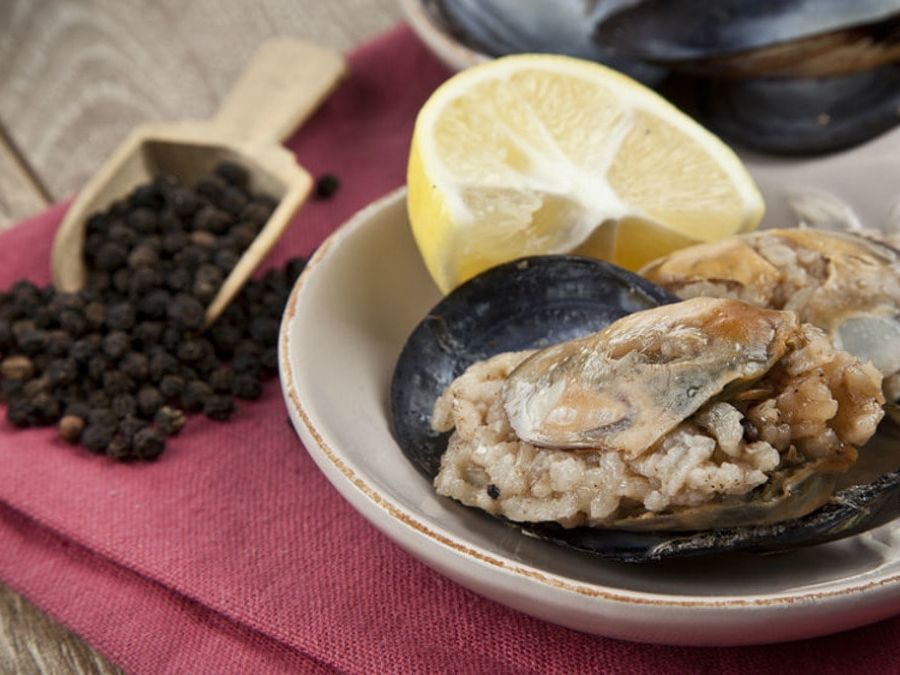
Midye dolma
Mussel shells stuffed with spiced rice. Squeeze lemon over them and eat them standing; vendors carry them from street to street on trays.
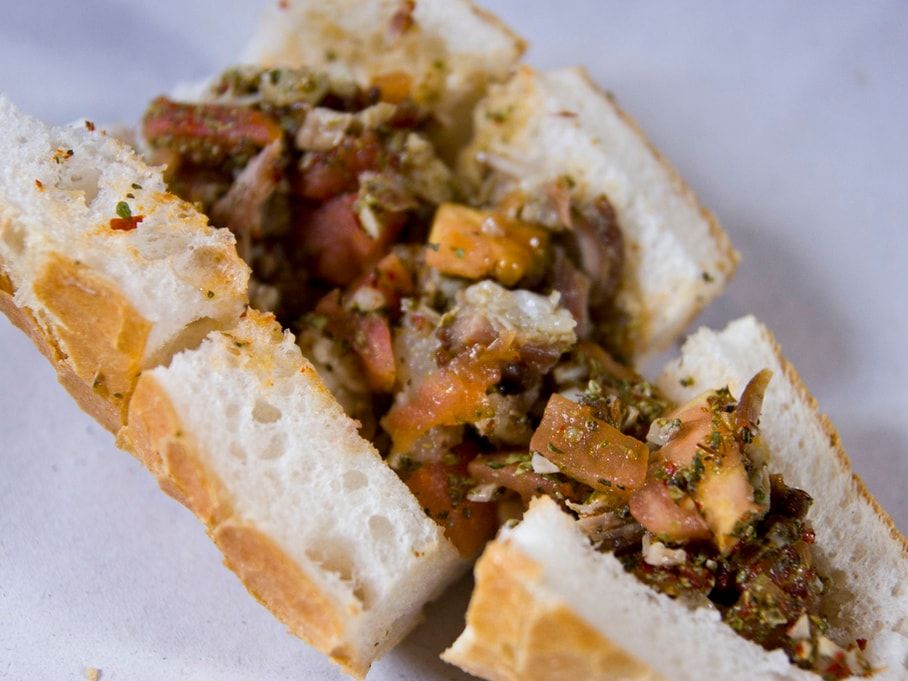
Kokoreç
Lamb intestines are wrapped around a skewer and turned over charcoal, then chopped with oregano and chilli flakes. It is usually eaten in half a loaf of bread.
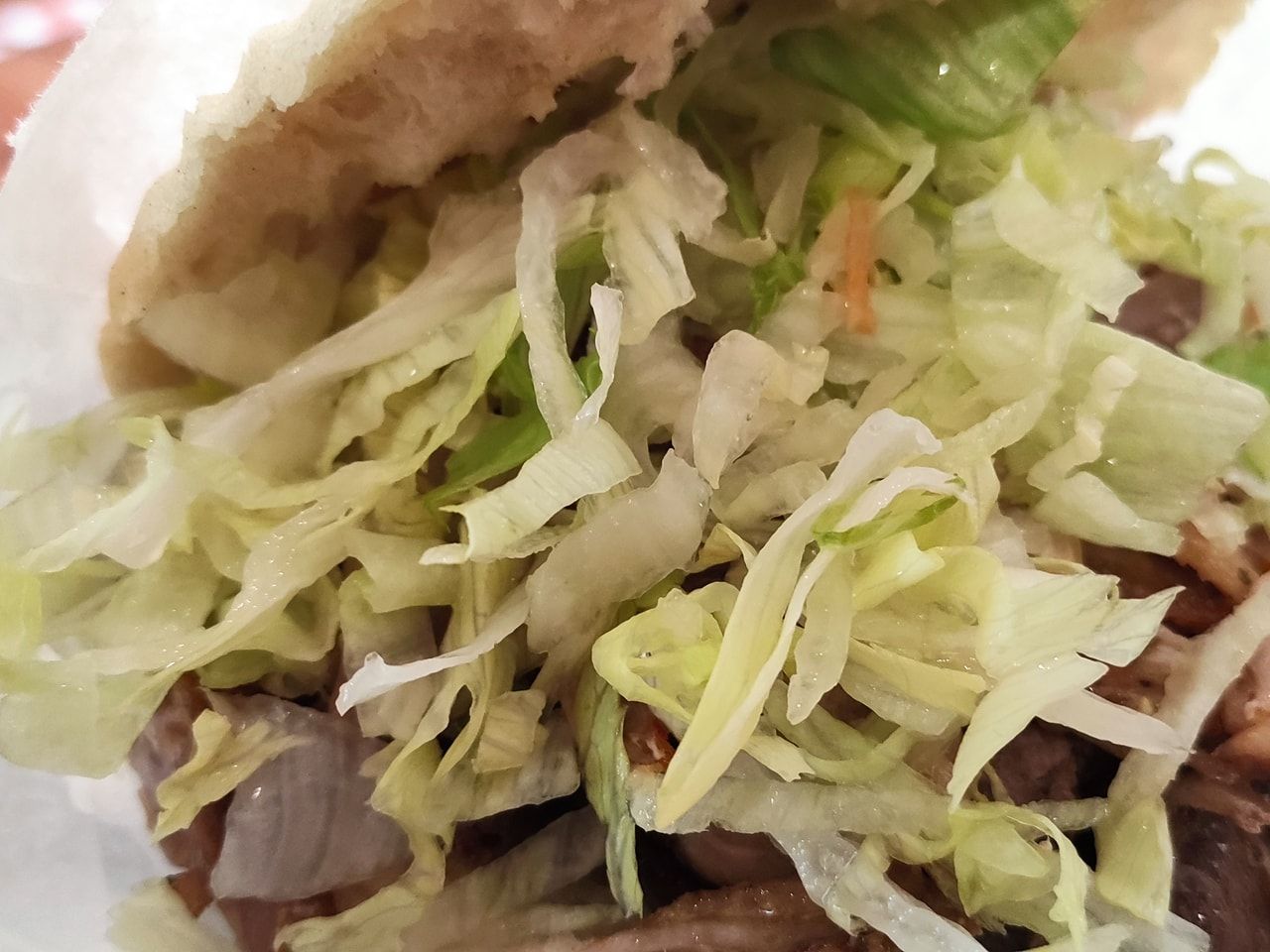
Döner
Meat stacked on a vertical spit is shaved off thinly as the outside cooks. It is served in bread, as a dürüm wrap or over rice, with chips and ayran (a salted yoghurt drink).
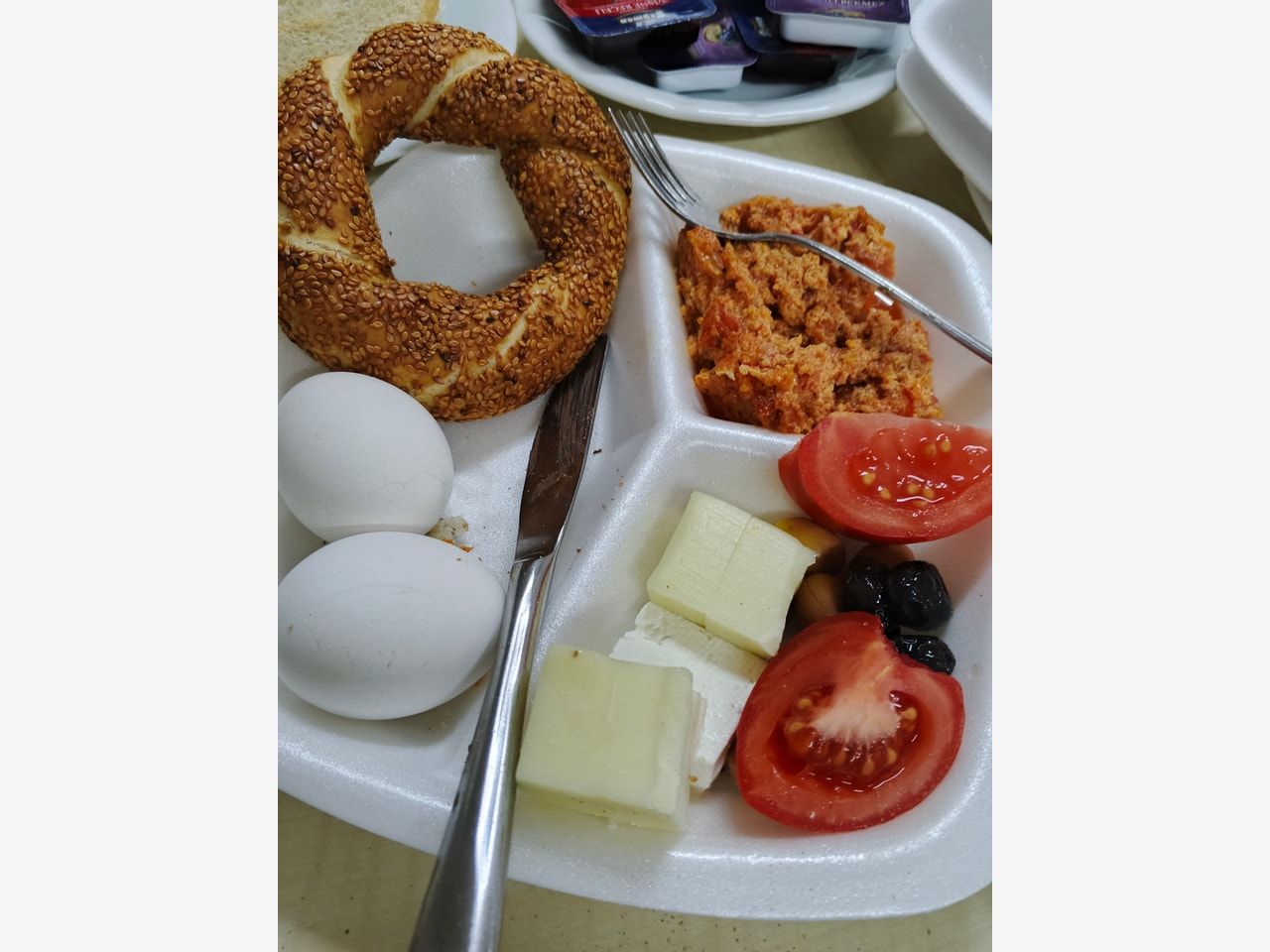
Simit ve peynir
Simit, a ring of bread dipped in grape molasses and coated in sesame, becomes a quick breakfast with white cheese (beyaz peynir). A glass of tea goes perfectly with it.
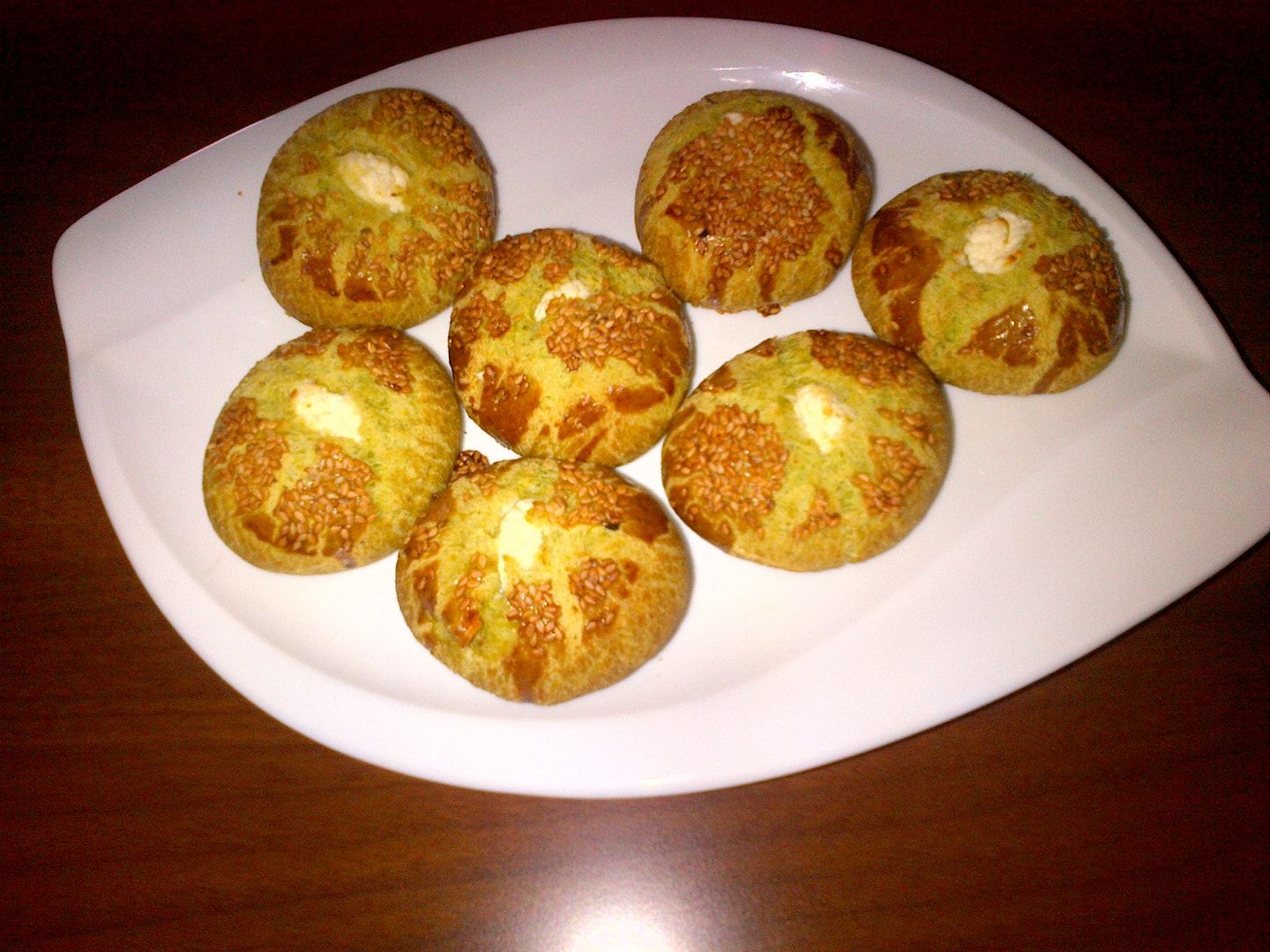
Poğaça
Soft savoury buns, plain or filled with cheese or olives. They are among the most sought-after items in bakeries in the morning.
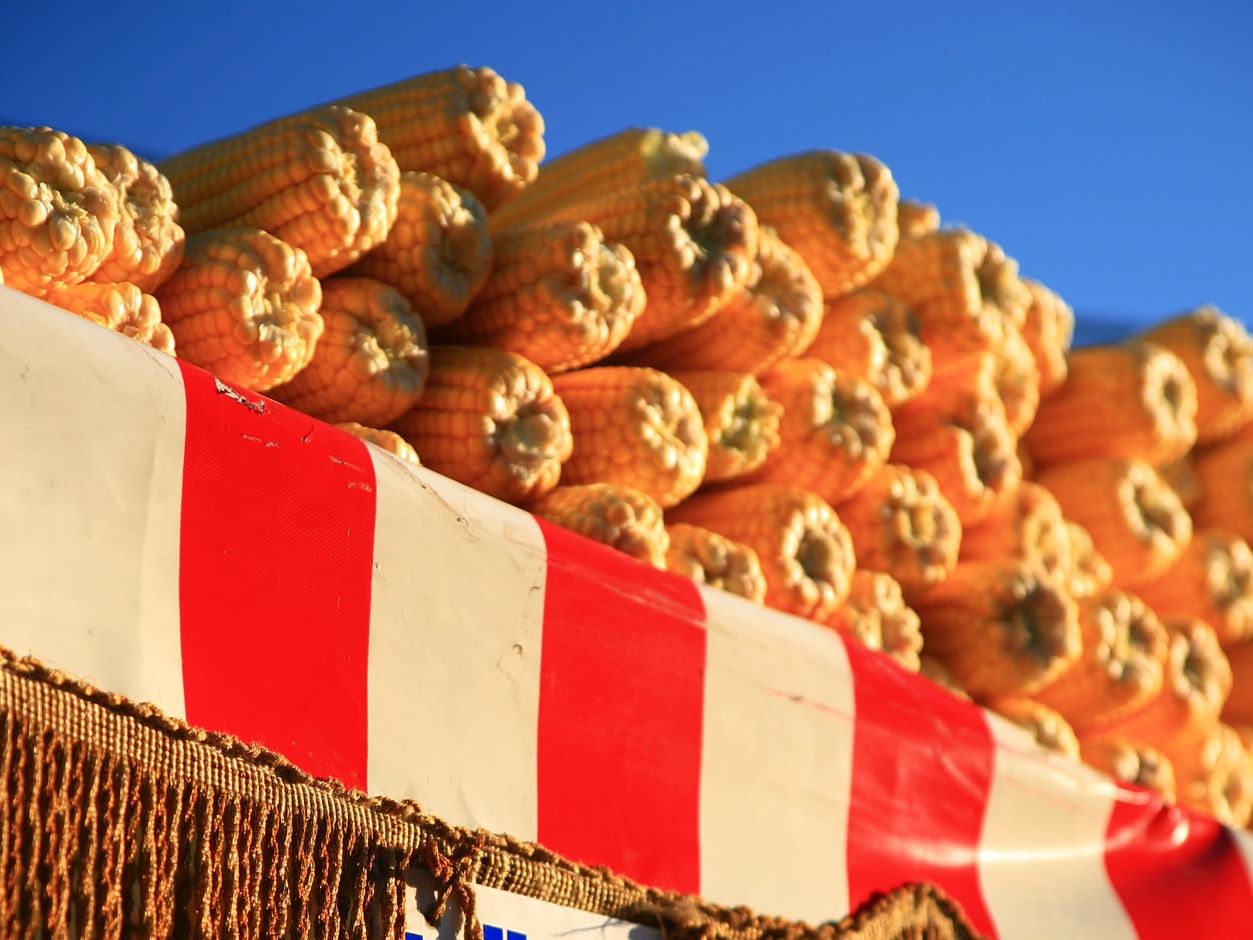
Mısır
Corn on the cob: in summer, stalls line the shore selling it grilled or boiled, with salt. There are also versions served in a cup.
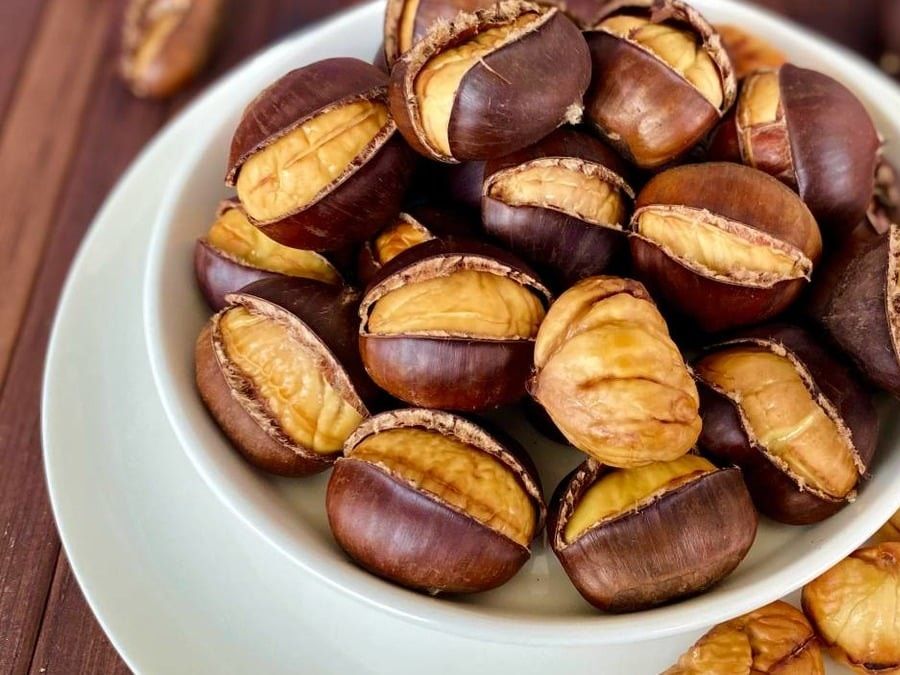
Kestane kebap
In winter, chestnuts are roasted slowly over embers on the street and sold hot in paper cones.
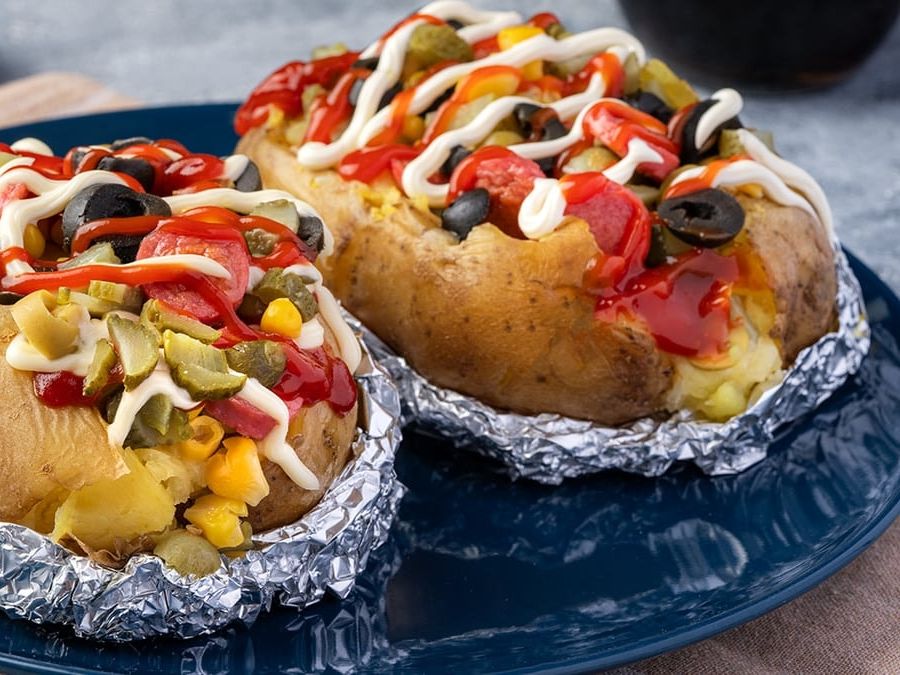
Kumpir
A large baked potato whose inside is mashed with butter and cheese, then loaded with toppings of your choice. It is famous for the stalls in Ortaköy.
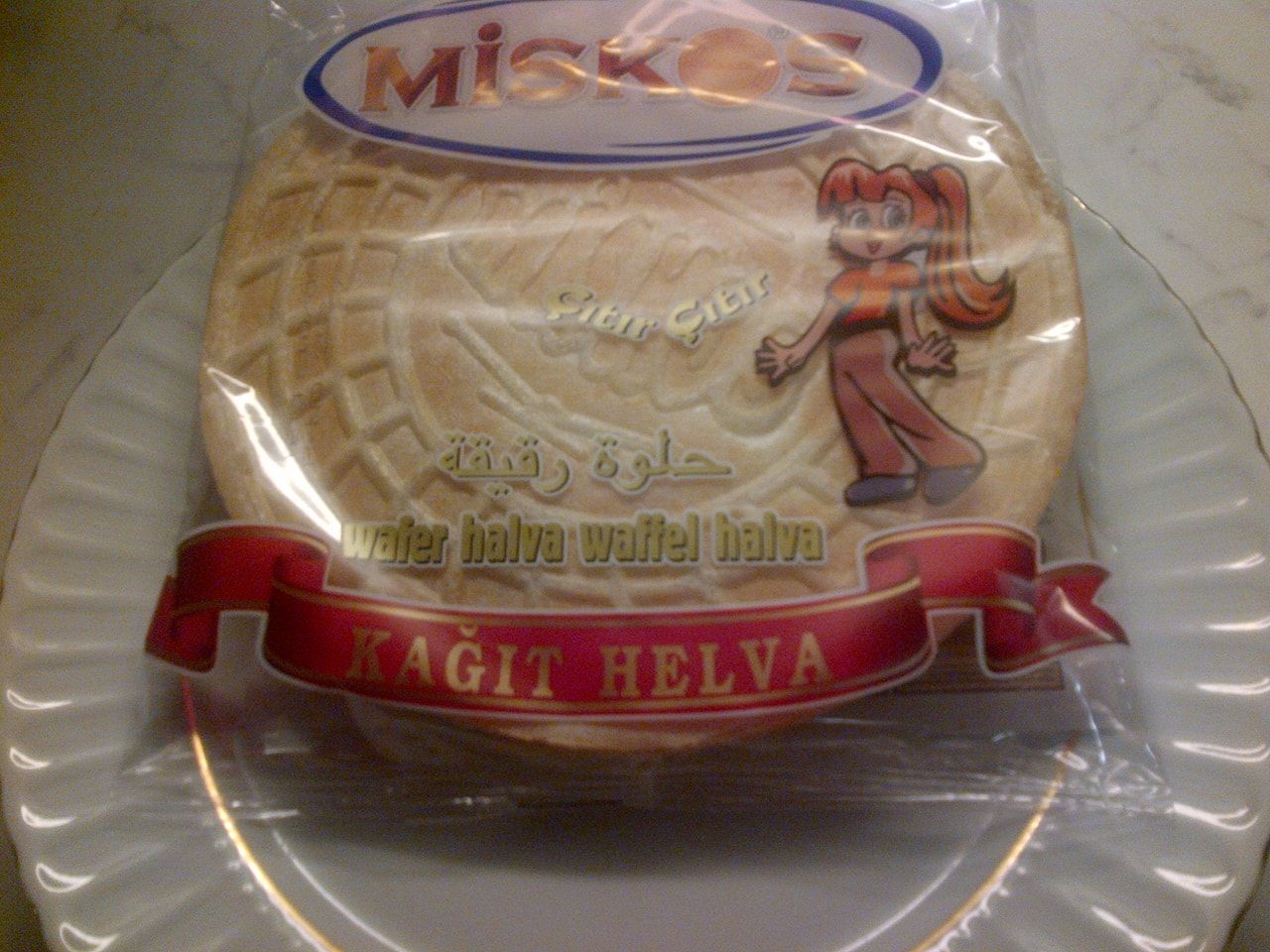
Kâğıt helva
Thin, crisp wafer sheets sandwiched with a sweet filling. It is one of the old favourites of street vendors.
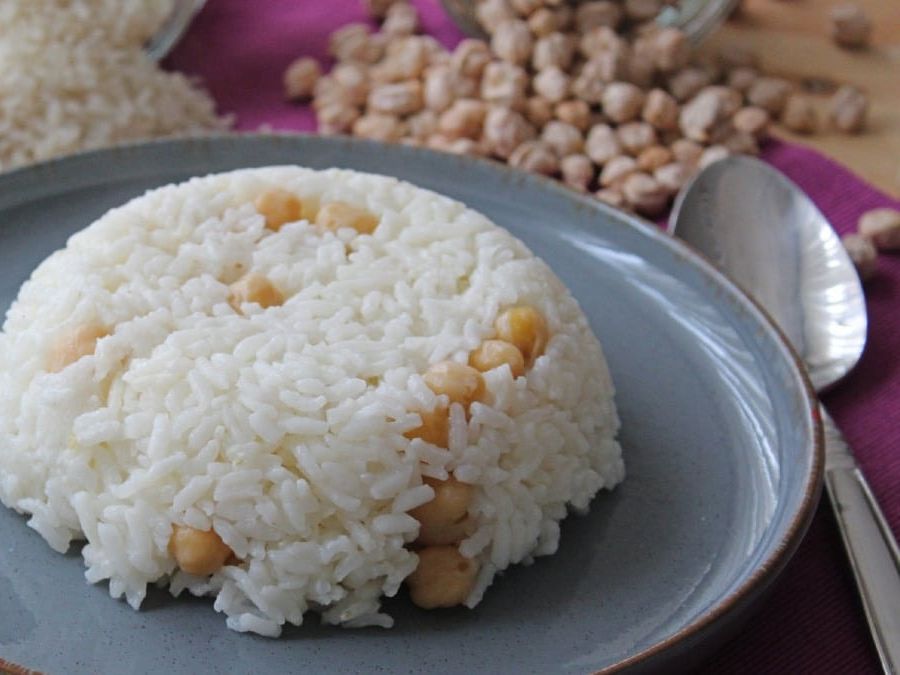
Nohutlu pilav
Buttery rice pilaf cooked with chickpeas and often served with shredded chicken. It is a quick lunch sold from glass-fronted carts.
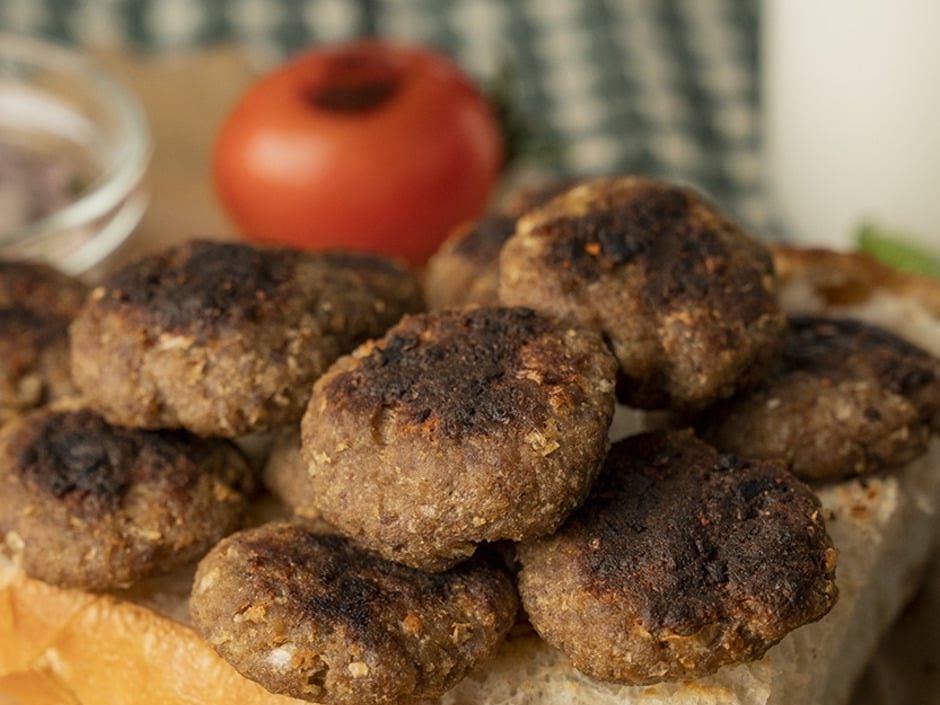
Tükürük köfte
Small, spiced grilled meatballs. The name comes from a joking comparison, and you will often find them on the street and outside football grounds after a match.
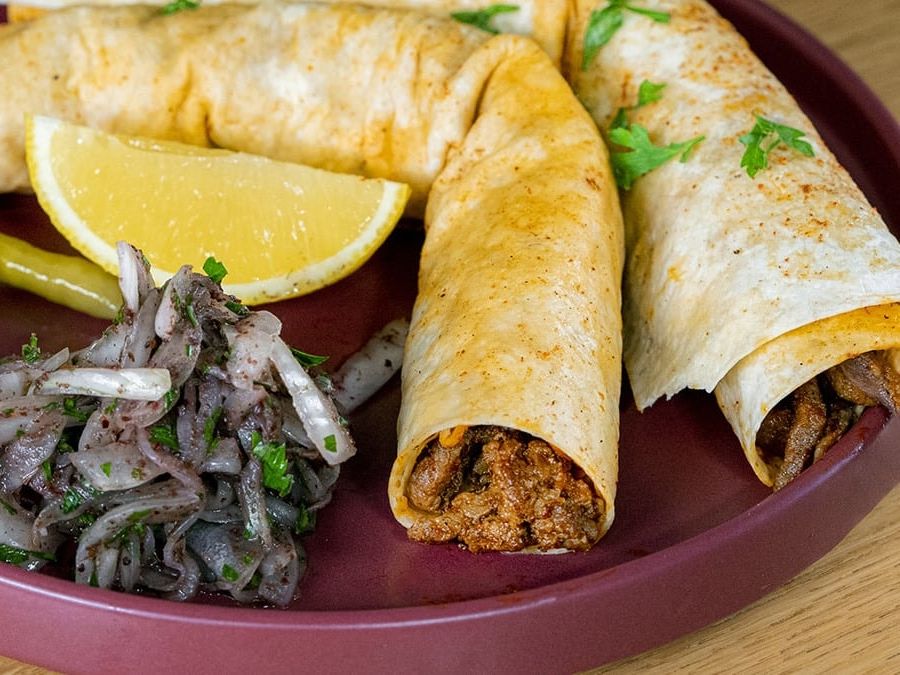
Tantuni
A wrap from Mersin made with finely chopped meat cooked on a griddle (sac). It is widely available in Istanbul too.
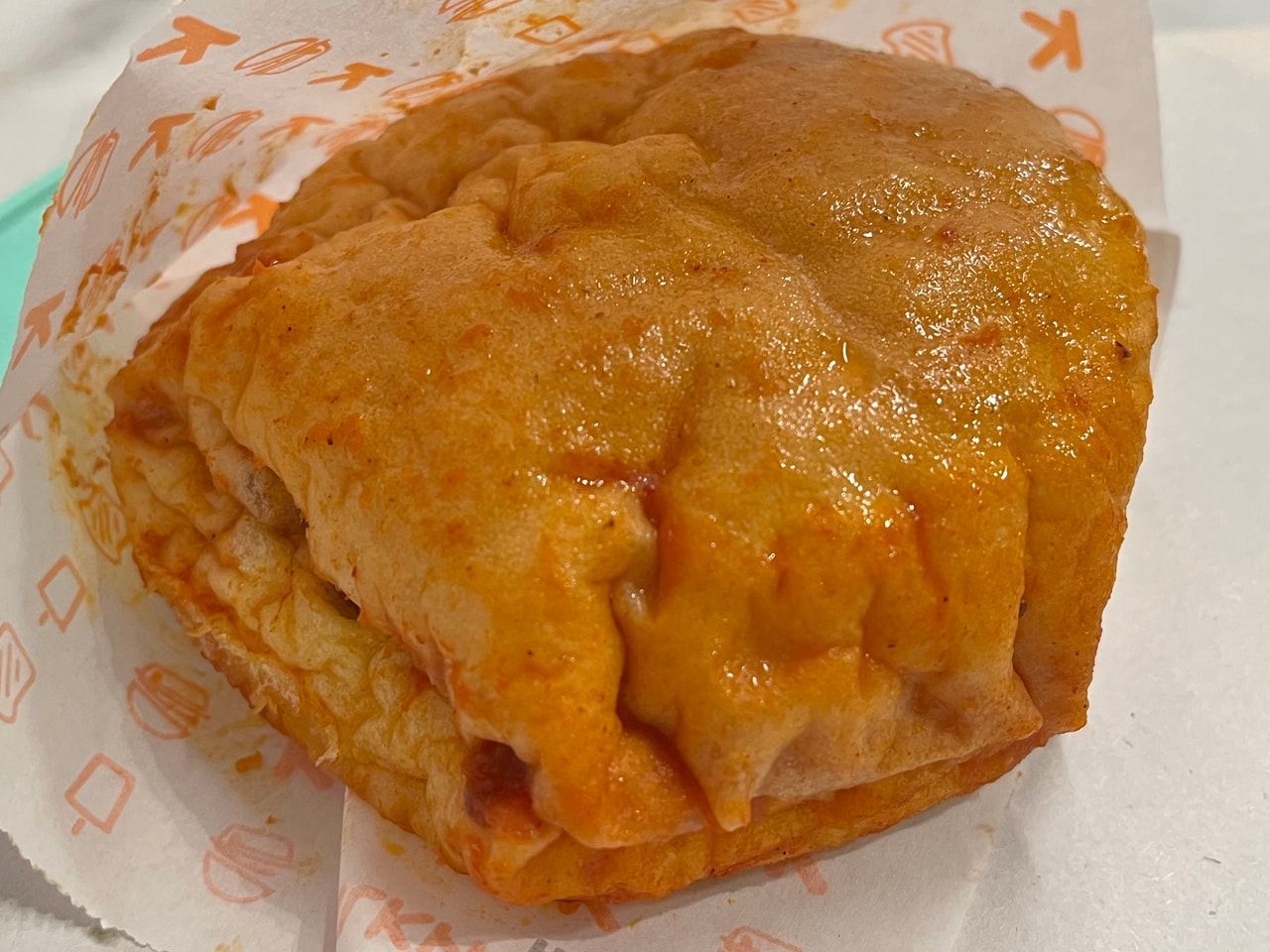
Islak hamburger
The “wet burger”: a small burger soaked in garlicky tomato sauce and kept in a steam cabinet until soft. It is closely linked with Taksim.
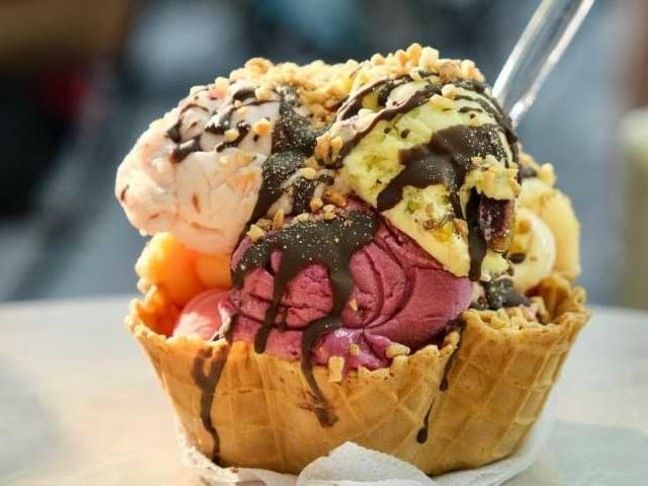
Dondurma
Ice cream in a cone is the sweet break on any street stroll. The stretchy, pounded kind made with salep and mastic also draws crowds with the vendors' tricks.


Places to visit in Istanbul
There is no end to the places to see in Istanbul. This selection is a starting list, from the historic peninsula to the Bosphorus and the neighbourhoods on both sides.
Eminönü
This historic square on the south shore of the Golden Horn, with its ferry piers, the New Mosque (Yeni Cami) and the Spice Bazaar, is one of the busiest spots in the old city.
Galata Bridge
It links Eminönü with Karaköy. Anglers line the upper deck and restaurants the lower one.
Galata Tower
A stone tower from the medieval Genoese settlement, known for its viewing terrace over the Golden Horn and the Bosphorus.
Maiden's Tower
Rising from a tiny islet off Salacak, the tower and its legends are one of Istanbul's symbols.
Hagia Sophia
Built as a church in the Byzantine period, this great building has served as a mosque since 2020.
Sultanahmet Mosque
With its six minarets and tiled interior, often called the Blue Mosque, it is the best-known building on Sultanahmet Square.
Topkapı Palace
Home to the Ottoman sultans for centuries, the palace at Sarayburnu is now a museum.
Basilica Cistern
An underground cistern built to supply the city with water in Byzantine times, famous for its forest of columns.
Süleymaniye Mosque
The mosque complex that Mimar Sinan built for Süleyman the Magnificent dominates the skyline from its hill above the Golden Horn.
Grand Bazaar
With its covered streets, it is one of the oldest and largest markets in the world.
Gülhane Park
The outer gardens of Topkapı Palace are now a large green space in the middle of the city.
Dolmabahçe Palace
This 19th-century palace on the Bosphorus is also known as the place where Atatürk spent his last days.
Çırağan Palace
The palace on the Beşiktaş shore is now used as a hotel.
Rumeli Hisarı and Anadolu Hisarı
Two Ottoman fortresses facing each other at the narrowest point of the Bosphorus. Rumeli Hisarı was built by Mehmed the Conqueror before the conquest of Istanbul.
Bosphorus bridges
The best places to see the bridges linking Asia and Europe are Ortaköy and the Bosphorus ferries. The third bridge, furthest north, is the Yavuz Sultan Selim Bridge.
Fener and Balat
Old neighbourhoods on the Golden Horn to explore on foot, with colourful houses, churches and steep streets.
Cihangir and Kuzguncuk
Two much-loved neighbourhoods on either side of the water: Cihangir for its cafés, Kuzguncuk for its wooden houses and places of worship of different faiths standing side by side.
Bebek and Emirgan
Walking routes along the Bosphorus. Emirgan Grove is famous for its tulip gardens in spring.
Atatürk Arboretum
This botanical area near the Belgrad Forest, with its tree species and walking paths, is a quiet escape.
Taksim and İstiklal Avenue
Running from Tünel to Taksim Square, with its nostalgic tram, arcades and old buildings, the avenue is the backbone of Beyoğlu.
Princes' Islands
Ferries run to Büyükada, Heybeliada and Burgazada in the Sea of Marmara. Limited motor traffic makes the islands a favourite weekend escape.
Yedikule Fortress
This fortress at the southern end of the land walls bears traces of both the Byzantine and Ottoman periods.
Khedive's Pavilion
The pavilion on the hills above Çubuklu is known for its grove and its view of the Bosphorus.
Yoros Castle
The castle above Anadolu Kavağı stands on a hill overlooking the point where the Bosphorus opens into the Black Sea.
Panorama 1453 History Museum
The museum at Topkapı tells the story of the conquest of Istanbul through a panoramic painting that reaches up to the ceiling.
Çamlıca Hill
The hill in Üsküdar is one of the best-known viewpoints over both sides of the city.
Pierre Loti Hill
Reached from Eyüp, the hill is loved for a tea break with a view over the Golden Horn.
Miniatürk
This open-air museum on the Golden Horn shows Türkiye's landmark buildings as small-scale models.
Haydarpaşa Station
The historic station building on the Kadıköy shore is a symbol of the Anatolian railways.
Şile and Kilyos
These two Black Sea beaches are the summer escape for people leaving the city. Şile is also known for its lighthouse.
Stadiums
For football fans, RAMS Park in Sarıyer, the Chobani Stadium in Kadıköy and the Beşiktaş stadium on the Dolmabahçe shore are home to the city's three big clubs.
Culture and arts in Istanbul
Istanbul's cultural life draws on the legacy of the communities that have lived together here for centuries. Mosques, churches and synagogues stand side by side in the same neighbourhoods.
Topkapı Palace, the museums, art galleries and the stages of Beyoğlu keep the city lively all year. The waterside mansions (yalı) along the Bosphorus and the streets of the old neighbourhoods are the everyday face of this culture.
History of Istanbul
Foundation
Istanbul's origins go back to Byzantion, founded at Sarayburnu in the 7th century BC by Greek colonists from Megara. The point where the Bosphorus meets the Golden Horn was a natural fortress commanding the trade routes.
Rome and Byzantium
In AD 330 the Roman emperor Constantine I moved his capital here, and the city became known as Constantinople. Hagia Sophia took its present form in 537 under Justinian I. In 1204 the Fourth Crusade captured the city; the Byzantines returned to their capital in 1261.
The Ottomans
On 29 May 1453 Mehmed II conquered the city, and Istanbul became the Ottoman capital. Sinan's mosques, palaces and bazaars shaped the skyline we know today.
The Republic
In 1923 the capital moved to Ankara, but Istanbul remained the country's economic and cultural centre. Today the city spreads across two continents and is Türkiye's most populous province.
Getting to Istanbul
There are flights to Istanbul from every airport in Türkiye, buses from every coach station and trains from every railway station. Direct flights also connect Istanbul with all the world's major cities.
Districts of Istanbul
- Adalar
- Arnavutköy
- Ataşehir
- Avcılar
- Bağcılar
- Bahçelievler
- Bakırköy
- Başakşehir
- Bayrampaşa
- Beşiktaş
- Beykoz
- Beylikdüzü
- Beyoğlu
- Büyükçekmece
- Çatalca
- Çekmeköy
- Esenler
- Esenyurt
- Eyüp
- Fatih
- Gaziosmanpaşa
- Güngören
- Kadıköy
- Kağıthane
- Kartal
- Küçükçekmece
- Maltepe
- Pendik
- Sancaktepe
- Sarıyer
- Silivri
- Sultanbeyli
- Sultangazi
- Şile
- Şişli
- Tuzla
- Ümraniye
- Üsküdar
- Zeytinburnu
Economy of Istanbul
Istanbul is the centre of gravity of the Turkish economy. According to TÜİK's 2024 provincial figures, 29.2 percent of the country's gross domestic product was produced in the city, against 10.5 percent for Ankara in second place. Istanbul also ranks first in output per person, at 802,669 lira.
The city's strength shows most in services. It accounts for 64 percent of Türkiye's information and communication activity and 59.3 percent of its finance and insurance activity. Within Istanbul's own economy, the largest share, 33.9 percent, comes from trade, transport, accommodation and food services, with industry second at 15.1 percent.
This is today's version of a centuries-old trading tradition: built on both shores of the Bosphorus, the city still draws its greatest advantage from its place on the road between Asia and Europe.
Source: TÜİK, Gross Domestic Product by Province, 2024.


Comments
Loading comments…