
Kars
- Eastern Anatolia Region
About Kars
Kars, the city with the most statues in Türkiye, is among the country's coldest provinces. Every morning the sun rises here first in the country, and the year's first snow falls here. Known as a winter tourism centre for its snow-covered mountains, the province is home to the Sarıkamış Ski Centre, one of Türkiye's important winter resorts. The city is also one of the oldest settlements in history. Kars has the oldest Turkish name among Türkiye's provinces, and traces of some of the oldest cultures in the world can be seen here.
The city, where traces from the Lower Paleolithic have been found, became multicultural under the influence of the Urartians, Persians, Arabs, Seljuks, Ottomans, Russians, British and Armenians, who ruled it at different times. Today Azeris, Kurds, Terekemes and Turkmens live in the city, and you will see places of worship of different faiths, protected stone houses left by the Russians, an old ancient city and an underground city, statues and much more. Kars, which was occupied by various nations because it has always been a border city, is a serhat (frontier) city, so it was always a sanjak with soldiers and pashas. Because of the wars and victories in its history, Kars was also the first province to earn the “gazi” (veteran) medal.
In this city, where you can see Ottoman, Armenian and Russian architecture side by side, various ethnic textures are blended with culture and geography. Besides its cultural riches, the city stands out for its high level of education and has 15,000 students. Art, literature and music are valued here, and the city's conservatoire is one of Türkiye's important conservatoires.
Kars, which Cemal Süreyya described as “white, sleepless and far away”, has been the subject of the verses of many poets and the lines and letters of writers. Kars, brought to life in films such as Kozmos and Deli Deli Olma, is mentioned in the Mesnevi as “şehr-i din” (city of faith). It seems that Kars has always been an impressive and unforgettable city.
The “aşık tradition”, one of the most beautiful traditions of our culture, has been kept alive in Kars for centuries. In Kars you can witness the heart-warming story of the minstrels who roam plain, mountain and village playing the saz and reciting poetry. You can listen to them at places where aşıks gather, such as the Kars Aşıklar Otağı and the Serhat Folk Dance and Music House.
The greatest influence on Kars's history was without doubt that of the “Molokans”, a peaceful community. The Molokans are known as “Spiritual Christians” who broke away from the Russian Orthodox Church. They held an anti-church view that no one could come between God and man, and for this they were exiled from Russia to the Caucasus and the Kars area. Leaving lasting traces in the lands they were exiled to, they taught the local people cheesemaking and introduced them to potatoes and cabbage. Few Molokans remain today. Because they refused to fight when called up during the War of Independence, they emigrated to Russia in 1922 and later in the 1960s.
The streets of this city, with stonework that inspires admiration, are covered with a blanket of white snow. The Kars streets that climb to the Church of the Twelve Apostles, Kars Castle, the Hamam and the Stone Bridge are a fairy-tale window onto history... The watercolour hues of sunset and the sparkle reflected from the crystalline flakes of soft snow make Kars seem from another world. Never mind the scenery, you could go just for the local food. Soups bringing together various herbs, tender kaz tandırı (pit-roasted goose), handmade erişte (noodles), rakı on ice and grilled carp, Kars gravyer cheese and butter are among the must-try flavours.
Kars's famous dishes and desserts
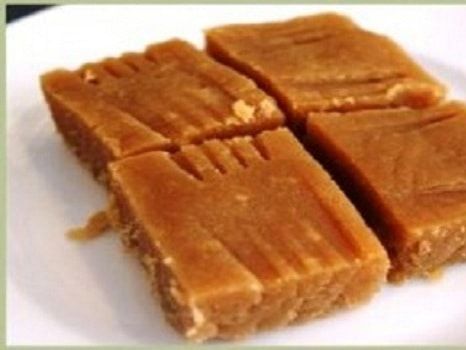
Umaç helvası
Instead of being toasted, the flour is kneaded like a dough, crumbled and cooked in hot fat.
Hörre
Known as flour soup, it is one of the dough-based dishes of Kars cuisine.
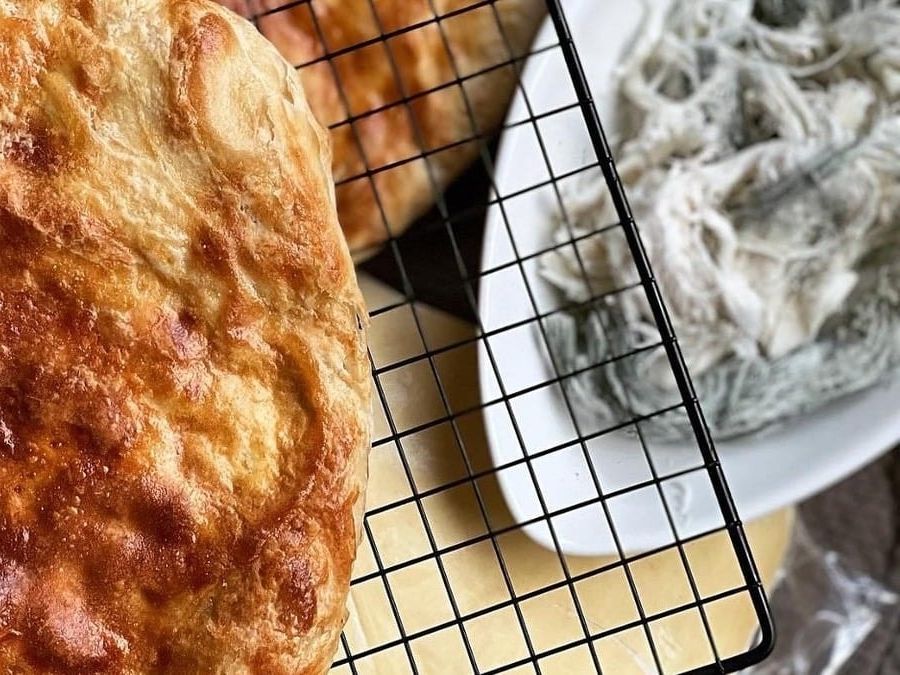
Kars ketesi
A yeasted dough rolled out like yufka is buttered, folded, filled with a salty, sweet or ginger filling and baked. Kars Ketesi is protected by a geographical indication.
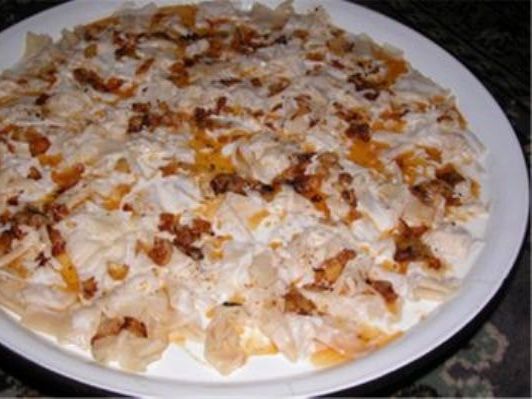
Hangel
A Kars dish described as mantı without meat.
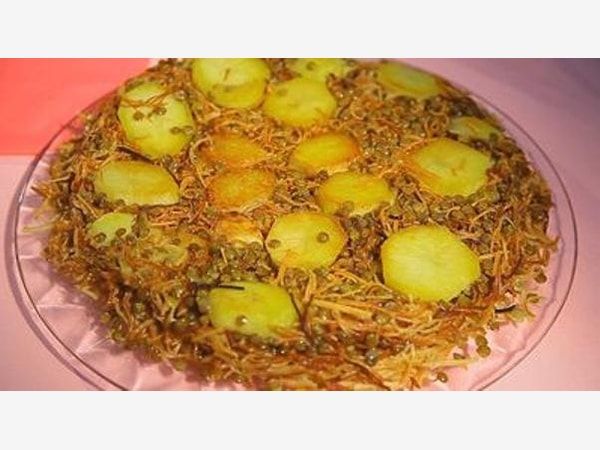
Erişte pilavı (noodle pilaf)
A pilaf of thin homemade dried noodles cooked with green lentils and potatoes. Kars Erişte Pilavı is protected by a geographical indication.
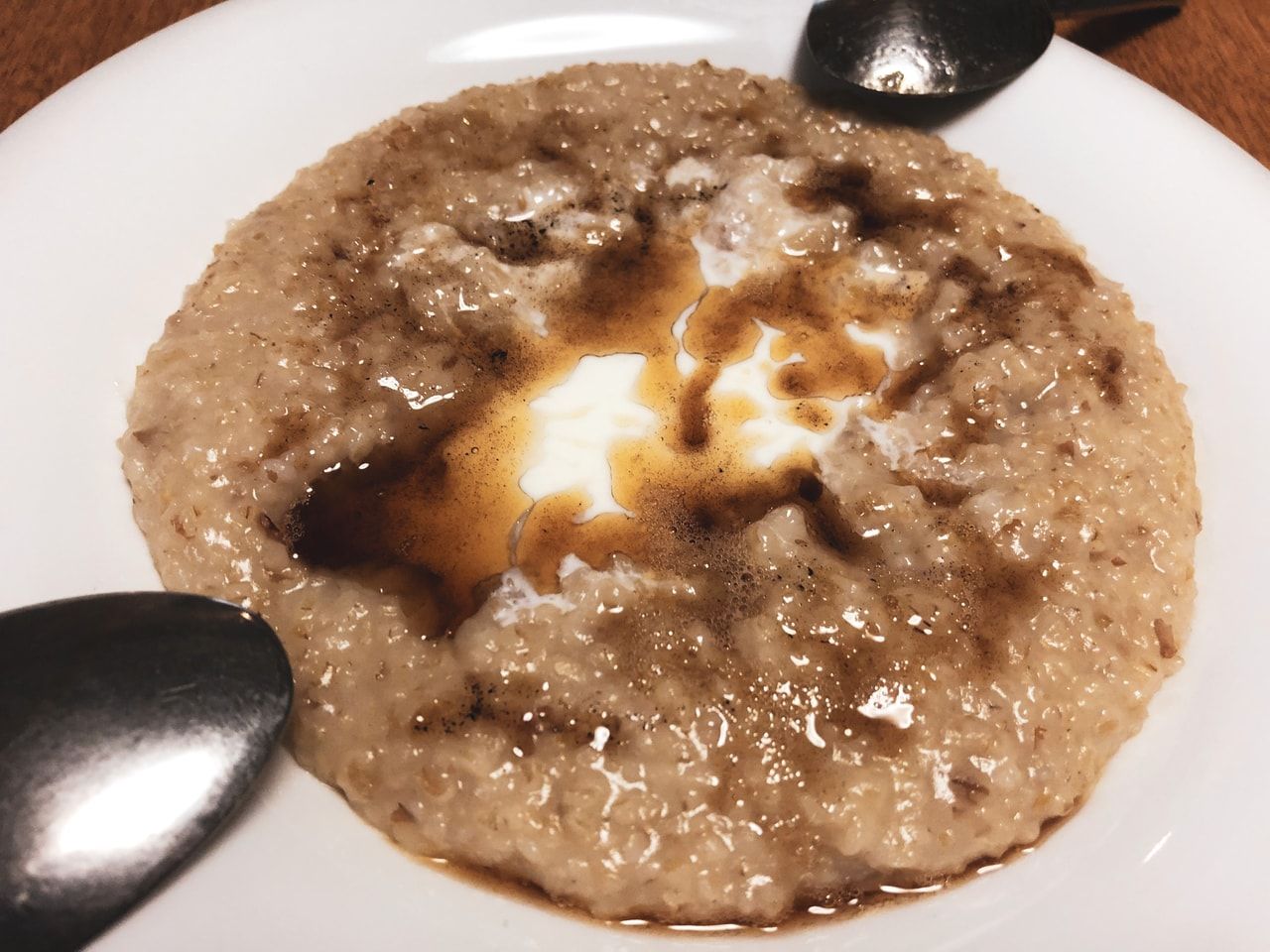
Haşıl
A special bulgur made from wheat is cooked in water and eaten with butter.
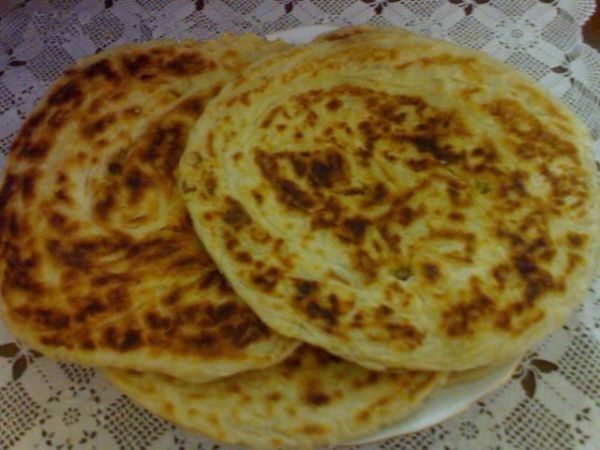
Feselli
A pastry made by slowly cooking a rich yeasted dough on a sac (griddle).
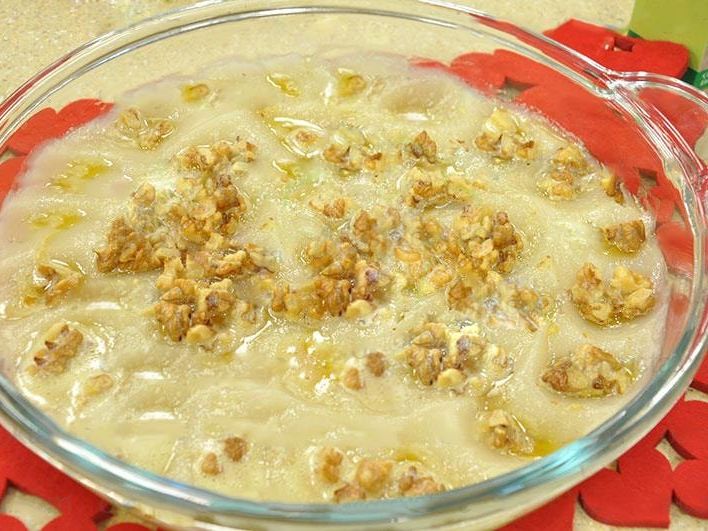
Hasuda
A quick dessert made by cooking flour in syrup; it is also called asuda or aside.
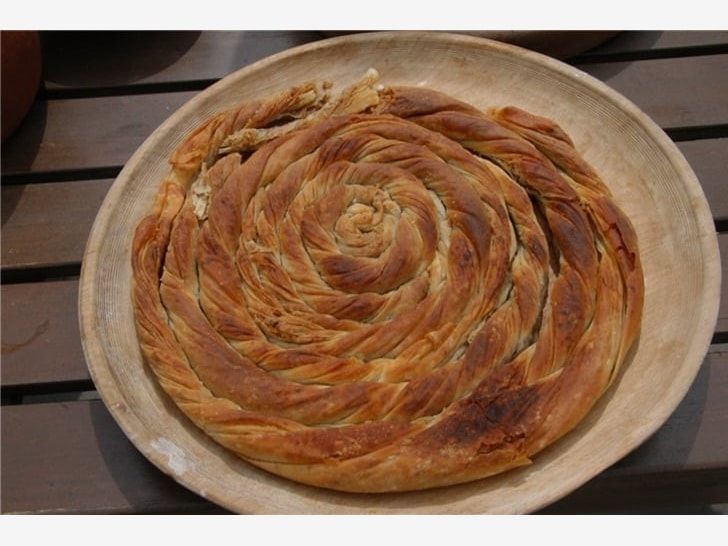
Kars katmeri
Five thin sheets of yufka are rolled up, arranged in a tray and baked.
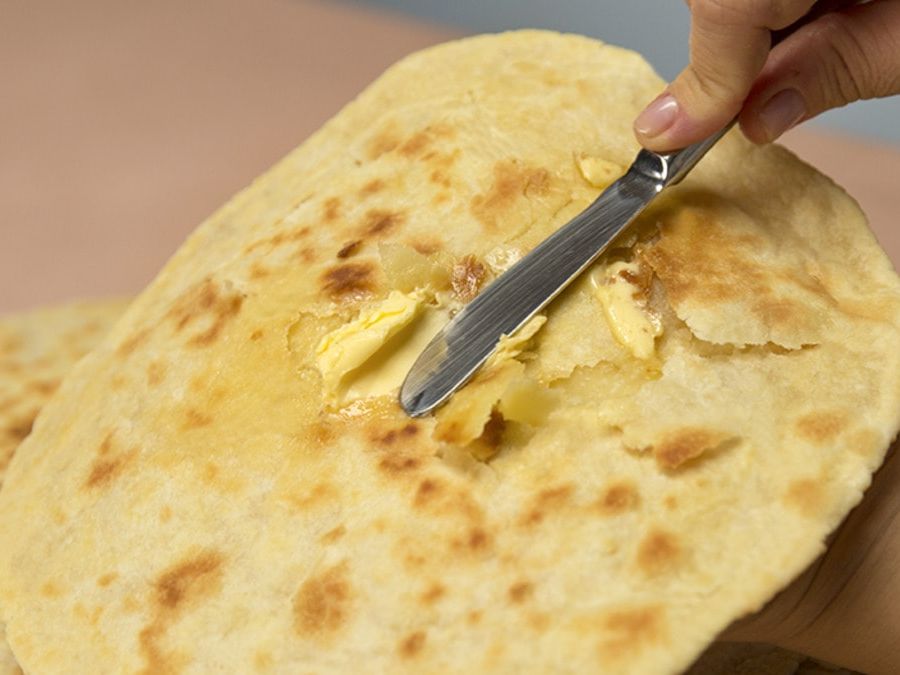
Nezik
One of the pastry dishes of Kars.
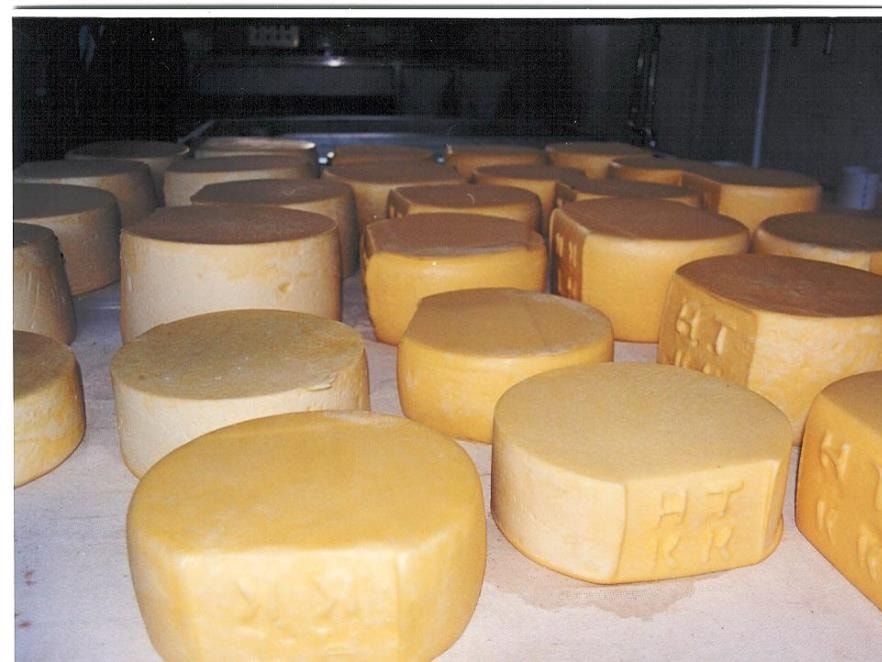
Kars kaşarı
One of the best-known dairy products of Kars; it took first prize every year at the İzmir International Fair from 1937 to 1950.
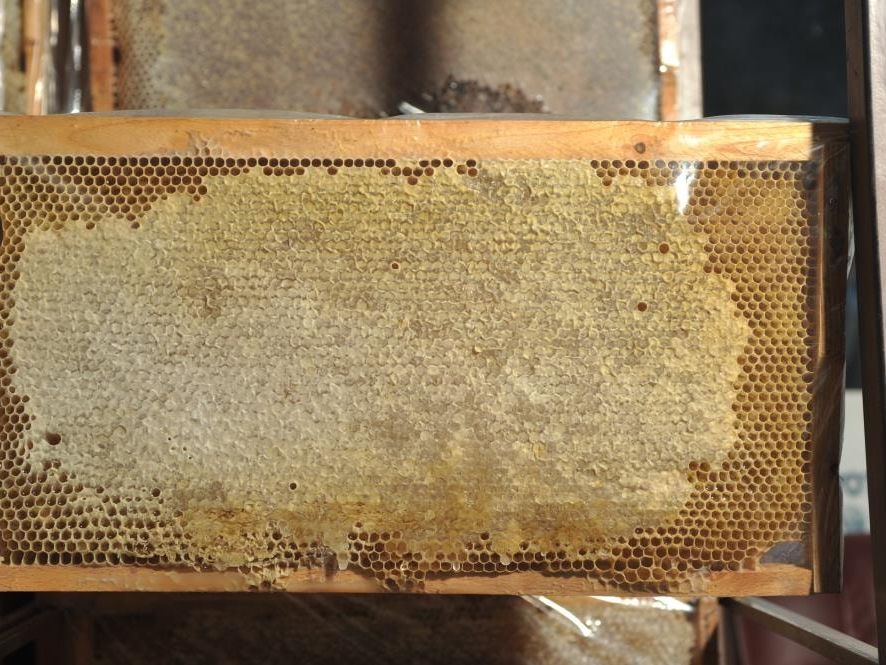
Kars balı (Kars honey)
A honey produced on the yaylas (highland pastures) of Kars and Ardahan by Caucasian bees, without pesticides or fertilisers.
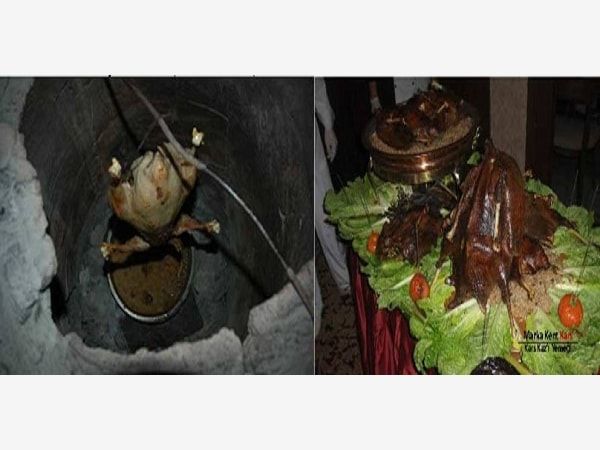
Kars kazı (Kars goose)
In Kars, geese are slaughtered in autumn, salted and dried; all winter they are eaten over pilaf or haşıl.


Places to visit in Kars
1. Stone Bridge (Taş Köprü)
The Stone Bridge, one of the first structures you notice when looking at the city from Kars Castle, crosses the Kars stream. The bridge, linking the Kale İçi and Sukapı neighbourhoods, was built in 1579 under the Ottoman sultan Murad III.
Built entirely of cut basalt, the parts of the bridge that collapsed over time were rebuilt in 1725 by Karahanoğlu Hacı Ebubekir. The Stone Bridge over the rushing Kars stream is one of the best stops for feeling the city's atmosphere.
2. Tomb of Ebu'l Hasan-ı Harakani
The person whose name you meet most often in Kars is Ebu'l Hasan-ı Harakani; the full name of Kars Airport is Kars Harakani. Harakani, the spiritual teacher of Mevlana, Yesevi and Nakşibendi, who lived 200 years before Mevlana, fell in battle in 1033 in a war fought to ease the Seljuks' entry into Anatolia.
Inside the Evliya Mosque and Tomb of Hasan-ı Harakani, there are 21 graves around Harakani's tomb. The tomb, which visitors from all over Anatolia come to pray at, is part of a large complex.
3. Kümbet Mosque (Church of the Apostles)
The Church of the Apostles, south of Kars Castle, is one of the most magnificent Armenian churches in Kars city centre. Dating back to the Bagratid Kingdom, the church was built in 937. With its conical dome and cut basalt facing reflecting the region's architecture, the building has an impressive beauty.
The Church of the Apostles, on the way up to Kars Castle, right beside the Evliya Mosque and the Tomb of Hasan-ı Harakani, was used as a mosque until recently. With restoration and landscaping continuing, the church is a must-see in Kars.
4. Yanık Kilise (Kazım Karabekir Mosque)
The Yanık Kilise (Burnt Church), built by the Russians at the end of the 19th century, is one of the most impressive buildings in Sarıkamış. The church, in Baltic style, is open for worship today as the Kazım Karabekir Mosque. The church's bell towers have not survived, and a minaret was added later.
Left unused for many years after the Russian occupation ended, the church was also used as a cinema for a time. Converted into a mosque after a fire in the 1970s, the Yanık Kilise is in the İnönü neighbourhood, near the Sarıkamış Government House.
5. Namık Kemal House
The house where the famous poet Namık Kemal spent his childhood in 1853–1854 is known today as the Namık Kemal House. Restored and turned into the Aşıklar Evi (House of Minstrels), it is a great chance to get to know Kars culture up close.
The aşık (minstrel) culture, one of the important traditions of the Kars area, is kept alive with the “Aşıklar Gecesi” (Minstrels' Night) events. The aşıks who sing folk songs and improvise poetic duels at these events are just the thing for a smile and a burst of energy.
6. Katerina's Pavilion
Sarıkamış, declared a military zone by the Russians during the 40-year Russian occupation of Kars and its surroundings after the Ottoman–Russian War (1877–1878), bears many traces of those years. The Hunting Lodge, known locally in Sarıkamış as Katerina's Pavilion, is one of these buildings.
Katerina's Pavilion, which charms visitors with its original architecture, has a wonderful view over Sarıkamış thanks to its location. Its construction date is not known for certain, but the pavilion, where the Russian Tsar Nicholas II and his wife stayed in 1914, is thought to have been built in 1900–1902.
7. Lake Çıldır
The whole of Lake Çıldır, between Kars and Ardahan, freezes over in winter. Every corner of Lake Çıldır, a must for those visiting the region in the winter season, is good for witnessing this impressive natural phenomenon.
Lake Çıldır hosts exciting activities such as horse-drawn sleigh rides and fishing on the frozen lake. Don't leave without tasting the fish caught in the lake, which stretches along Kars's Arpaçay district and Ardahan's Çıldır district, and which local people call sarı balık (yellow fish) or şafak balığı.
8. Kars Castle
Kars Castle is one of the best places to feel the city's fabric. The castle, a favourite for a bird's-eye view of Kars city centre and a breath of the city's air, was built in 1153.
The castle has 3 gates, the Water Gate or Çeribaşı Gate, the Kağızman Gate and the Behram Gate, and inside is the 12th-century Tomb of Celal Baba. Set on a large area with military barracks, fields, an armoury and a small mosque, the castle has a café where you can sit and enjoy watching the city.
9. Sarıkamış Ski Centre
The Sarıkamış Ski Centre, counted among the world's best facilities for snow quality and ski runs, is the apple of Kars's eye. Chosen throughout the winter season by many skiers from home and abroad, the ski centre has 12 km of runs in 5 stages.
Surrounded by pines, the ski centre is known for its crystal snow. With capacity for 5,000 skiers a day and accommodation nearby, the Sarıkamış Ski Centre is well suited for a holiday.
10. Ani ancient city (Ani ruins)
The Ani ancient city (Ani ruins), on the Armenia–Türkiye border on the banks of the Arpaçay River, is one of Kars's best-known places to visit. Surrounded by walls more than 4,500 metres long and up to 8 metres high, the ancient city is endlessly captivating and takes you on a journey through time at every moment.
The ancient city, 42 km from Kars, appears to have been a safe gateway on Anatolia's crossing routes throughout history. The city, known since the past by the saying “Ani is a world, but the world is not an Ani”, has been settled since the 6th century and has a multicultural character, with people of different faiths and ethnic groups living here.
The buildings to see in the ancient city include the Church of Tigran Honents, the Great Cathedral, the Manuçehr (Minuchihr) Mosque, the Convent of the Virgins, the Maiden's Castle, the Church of Gagik, the Church of Abughamrents, the Fire Temple, the Seljuk Palace, the Georgian Church, the Silk Road Bridge and the Church of Surp Amenap'rkitch.
Kars, one of Türkiye's cities with rich tourism potential, strengthens its claim to be a brand city with the number of visitors rising every year. With its deep-rooted history, customs and traditions, archaeological sites, impressive architecture, natural beauty, ski centre and delicious food, the city meets every expectation.
Source: https://kesfetsek.com/kars-gezilecek-yerler/
Culture and arts in Kars
The products that emerge as people strive to realise their feelings, thoughts and dreams, giving priority to their own needs, and express this effort through various materials, have been described with terms such as folk arts, traditional arts and handicrafts.
Folk arts, begun by an individual's own labour and later adopted by society and becoming a shared undertaking, are studied in three main branches: handicrafts, household arts and bazaar crafts. Because women generally carry most of the work in these three branches, these works are also called “women's arts”, and we can see them in every corner of Türkiye. But a clear difference appears in the creative work of some centres. For example, Antep embroidery, the needle lace of Bursa, Konya and Alaşehir, Sivas socks, Tokat printed headscarves, Mardin needle lace, Beypazarı silverwork, Trabzon gold bracelets, Buldan weaving and Konya spoons are fine works that have kept their fame for years.
Handicrafts are themselves grouped by type of work, as follows:
1- Tailoring and sewing: the traditional clothes of villagers in each area and the kinds of woven fabric used.
2- Weaving: divided into fine and coarse, with plant- and animal-based materials.
3- Embroidery: treating clothes and objects to be decorated according to their material and adorning them with motifs.
4- Knitting: like weaving, fine and coarse knits are distinguished by material and tools.
5- Earthenware: jugs, roof tiles, pots, bricks and so on.
6- Woodwork: joinery, carpentry, cart making, carving.
7- Ironwork: horseshoes, nails and other building materials.
8- Leatherwork: shoemaking, yemeni (soft shoe) making, saddlery.
9- Building work: masonry, minaret building, mortar, well digging and so on.
Dyeing and spinning, which concern several branches, can also be counted.
The features common to all this work better show the importance and meaning of handicrafts. They can be listed as:
1- Tradition dominates.
2- It shows creativity.
3- It passes national artistic taste from father to son and grandmother to granddaughter.
4- It easily enables communication in social life and shared thinking.
5- It supports artistic taste and aesthetic creation within the family.
6- It saves the family significant expense.
7- It keeps up morale and reflects spiritual life.
8- It helps improve the family's social, economic and educational situation.
Source: http://www.karsevi.com/kars-el-sanatlari-ve-zanaatlari-nelerdir-bl109.html
History of Kars
The name Kars comes from the Karsaks. Kars holds the title of
“the oldest Turkish provincial name in Türkiye”.
- 5000–4000 BC HURRIANS,
- 9th century BC URARTIANS,
- 665 BC SCYTHIANS,
- From 145 BC the PARTHIANS ruled the region and founded the KARSAK BEYLİK. The KARSAKS ruled Kars from the 2nd century BC to the mid-5th century AD.
- The region, which passed to the SASANIANS in 430, was long a battleground between the Sasanians, Byzantium and the Arabs.
- In 1064 the SELJUKS,
- in 1200 the GEORGIANS,
- in 1239 the MONGOLS,
- in 1406 the KARAKOYUNLU,
- and in 1467 the AKKOYUNLU ruled the region.
- In 1535 it joined the lands of the Ottoman Empire.
In the Ottoman–Russian War of 1853–1856, as a result of the heroic defence of Kars against the Russian armies, the
“KARS VICTORY MEDAL”given to our city for the
1855 VICTORY OF KARSis also the first GAZİ (veteran) medal awarded to a city in Anatolia.
After 40 years of Russian occupation, from 18 NOVEMBER 1877 to 25 APRIL 1918, it joined the lands of the Republic of Türkiye.
During the National Struggle, the people of Kars first founded the
Milli Şura (National Council)and then the
Cenub-i Garb-i Kafkas (Southwest Caucasus)governments.
On 30 October 1920 the Turkish Army under Kazım Karabekir took Kars and joined it to the Turkish lands.THE VICTORY MEDAL
During the Crimean War between the Ottomans and Russia in 1853–1856, in order to put pressure on the Ottoman Empire, Russian armies crossed our eastern borders on 14 June 1855 and began to besiege the city of Kars. The Ottoman army under Marshal Mehmed Vasıf Paşa, together with the people of Kars, put up a heroic defence against the Russian siege, which lasted 135 days, and won the Victory of Kars on 29 September 1855.By a firman of Sultan Abdülmecid, the city of Kars was exempted from taxes for 3 years and given the title; “Kars Victory Medals” were made in gold, silver and copper, with the medal designs drawn by Naif Efendi and the die prepared by Mr Robertson.The Kars Victory Medal shows Kars Castle on one side and the tughra of Sultan Abdülmecid on the other. 23,000 medals were struck, in gold weighing 7 dirhams (13.4 grams) and 3.6 cm in diameter, in silver weighing 29.7 grams and in copper weighing 7 dirhams, and in 1856 they were given to our soldiers who won the Victory of Kars and to the families of fallen soldiers.Today the “Kars Victory Medals”, in gold at number 89, silver at number 90 and copper at number 91 of inventory number 328 in the inventory book of the Istanbul Archaeology Museums, are kept in this museum.The “Kars Victory Medal” given to our city for the 1855 Victory of Kars, won through the heroic defence of Kars against the Russian armies, is also the first Gazi medal awarded to a city in Anatolia.Source: http://www.kars.gov.tr/tarih
Getting to Kars
You can reach Kars by road, rail and air.
By road:
The distance between Istanbul and Kars is 1,535 km, which takes about 21 hours 24 minutes at an average speed by bus or in your own car.
By air:
The flight from Istanbul to Kars takes 2 hours 5 minutes. Kars Airport is 7 km from the city centre, with daily flights from home and abroad.
By rail:
You can reach the city on direct trains from Ankara on the Kars–Ankara railway (Doğu Ekspresi, the Eastern Express), which runs via Erzurum, Erzincan, Sivas and Kayseri. The train journey from Ankara takes 24 hours.
Districts of Kars
- Kars (provincial centre)
- Akyaka
- Arpaçay
- Digor
- Kağızman
- Sarıkamış
- Selim
- Susuz
Economy of Kars
Livelihoods in Kars depend largely on farming and livestock. The wide pastures and meadows suit cattle, sheep and goat farming. 77.43 per cent of the working population works in farming and livestock.
Animal products are an important source of income. Milk is processed in local dairies, and the products go all over Türkiye. Kars kaşar cheese and Kars honey are sought after nationwide. The kaşar is said to have taken first prize every year at the İzmir International Fair from 1937 to 1950.
More than 90 per cent of the cultivated land is given to cereals. Wheat comes first, and potatoes are the main vegetable crop. Industry includes feed, sugar, cement, brick, shoe and dairy factories. Even so, unemployment is high, and Kars is one of the provinces with the most out-migration.


Comments
Loading comments…