
Kilis
- Southeastern Anatolia Region
About Kilis
Kilis is a border province in Southeastern Anatolia, southwest of the Gaziantep plateau. Syria lies to its south and Gaziantep on its other sides.
Kilis was separated from Gaziantep on 6 June 1995 and became Türkiye's 79th province. It is made up of the central district and the districts of Elbeyli, Musabeyli and Polateli.
According to TÜİK (the Turkish Statistical Institute), the province had 157,363 inhabitants in 2025, most of them in the provincial capital. Olive groves and vineyards shape both its landscape and its table.
Regional food of Kilis
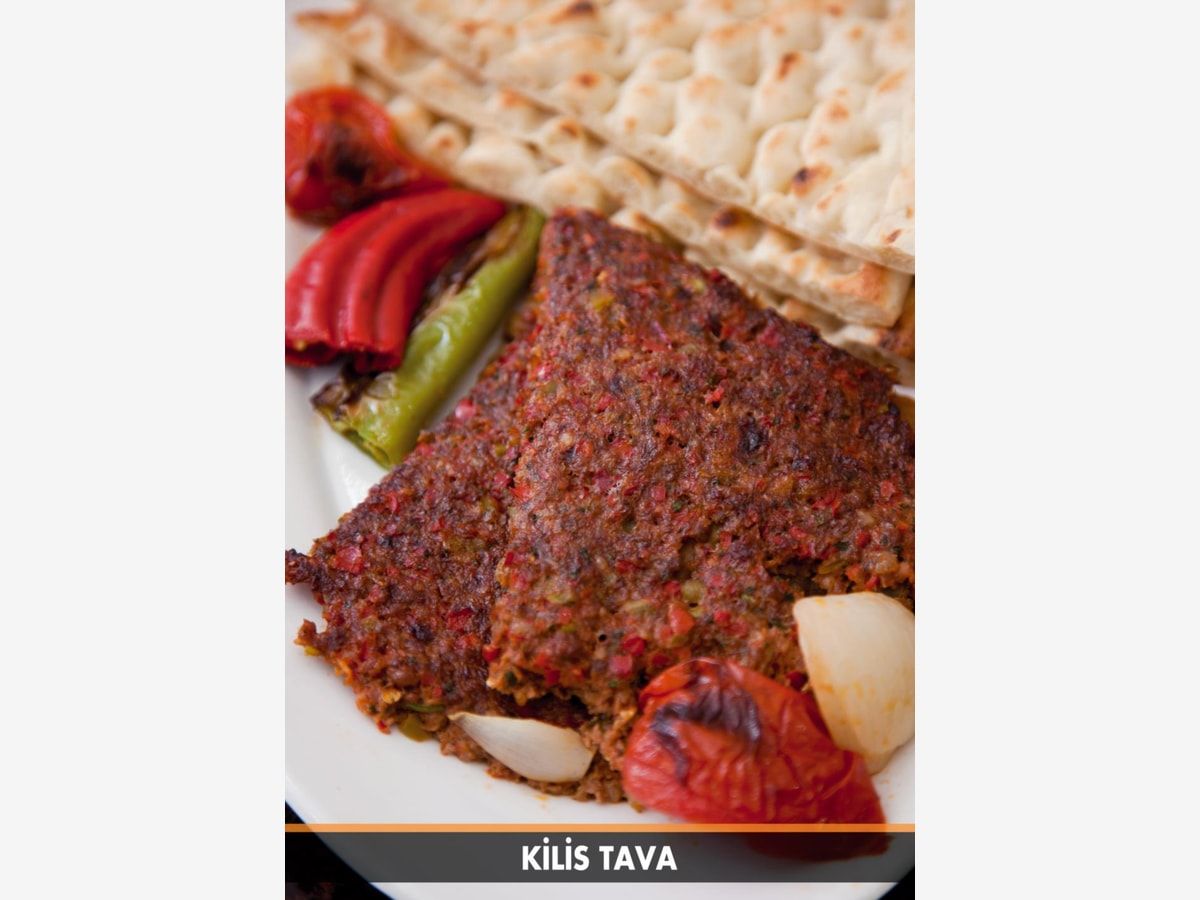
Kilis Tava
Mutton minced from the meat above the ribs is baked in a stone oven with aubergine in summer and potato in winter, and eaten with tırnaklı pide (flatbread marked with fingertips) and ayran. Kilis Tava is a registered geographical indication.
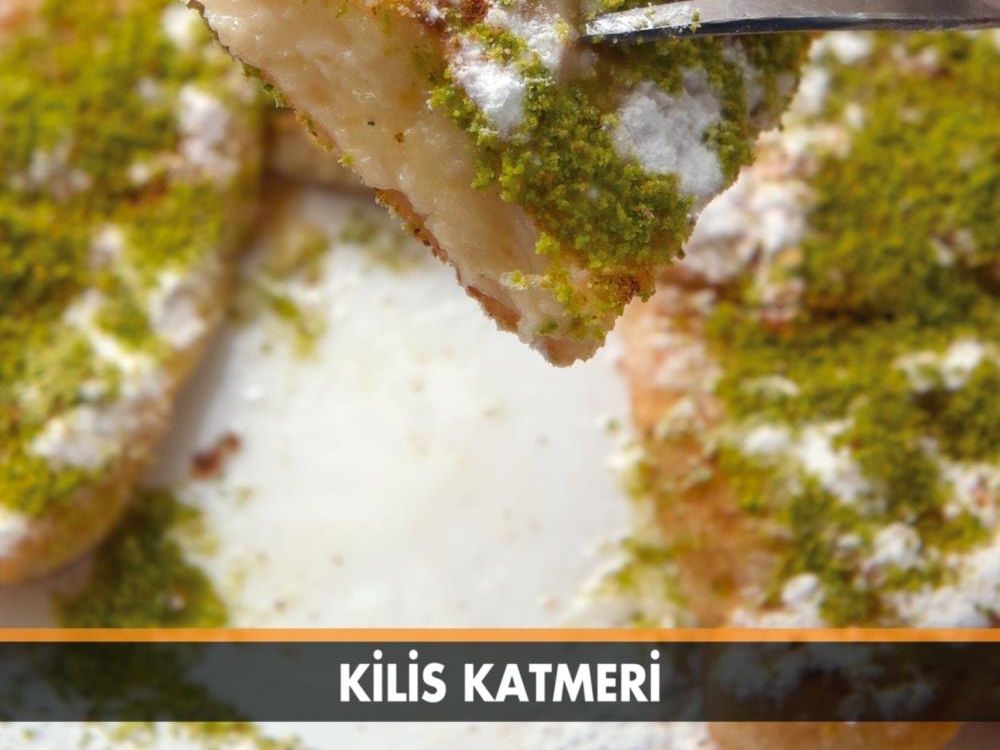
Kilis Katmeri
Thin, hand-stretched dough is filled with kaymak (clotted cream) from the milk of local goats and sheep, fried in clarified butter and soaked in syrup. Kilis Katmeri is a registered geographical indication.
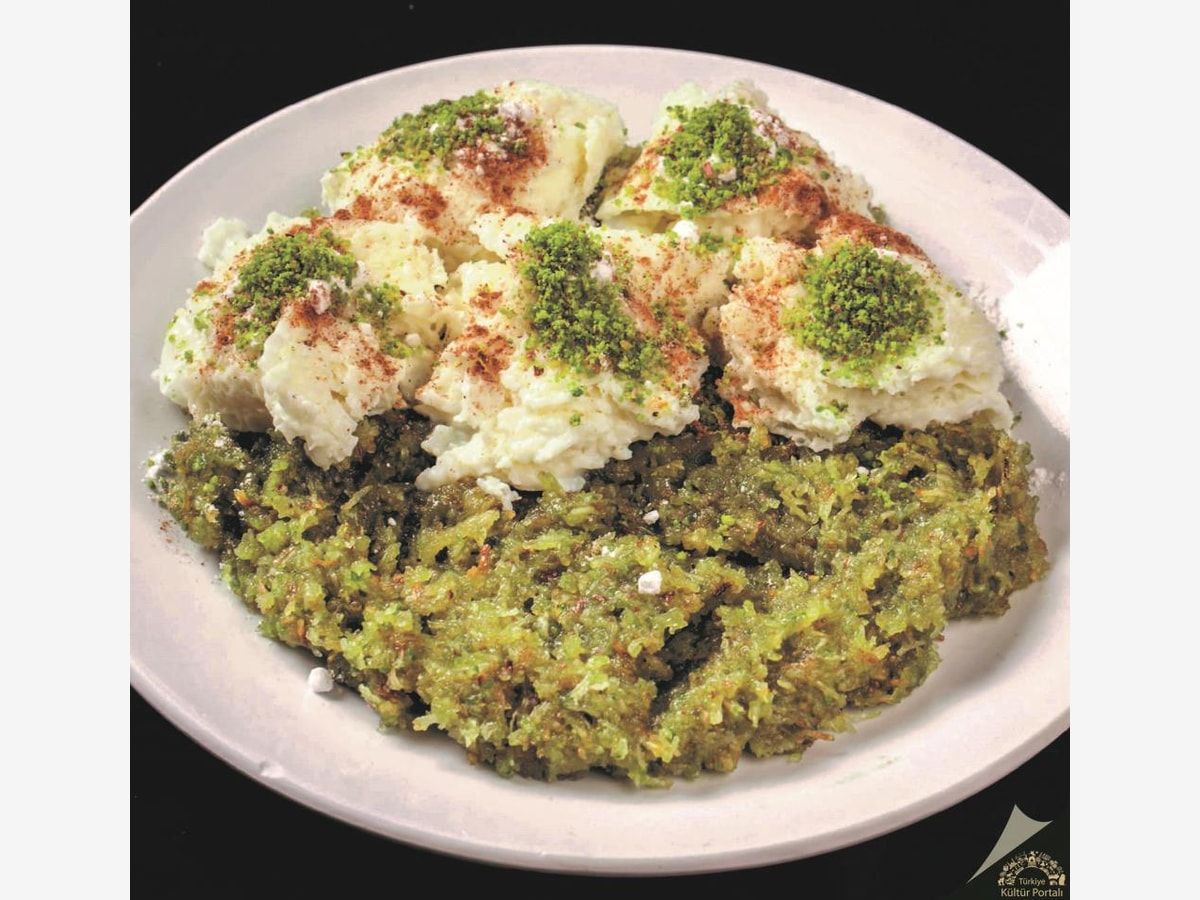
Cennet Çamuru
“Heaven's mud”: a dessert of shredded kadayıf pastry, pistachios and clarified butter topped with layer upon layer of kaymak (clotted cream). Cennet Çamuru, also called Kilis Kaymaklı Kırma Künefe, is a registered geographical indication.
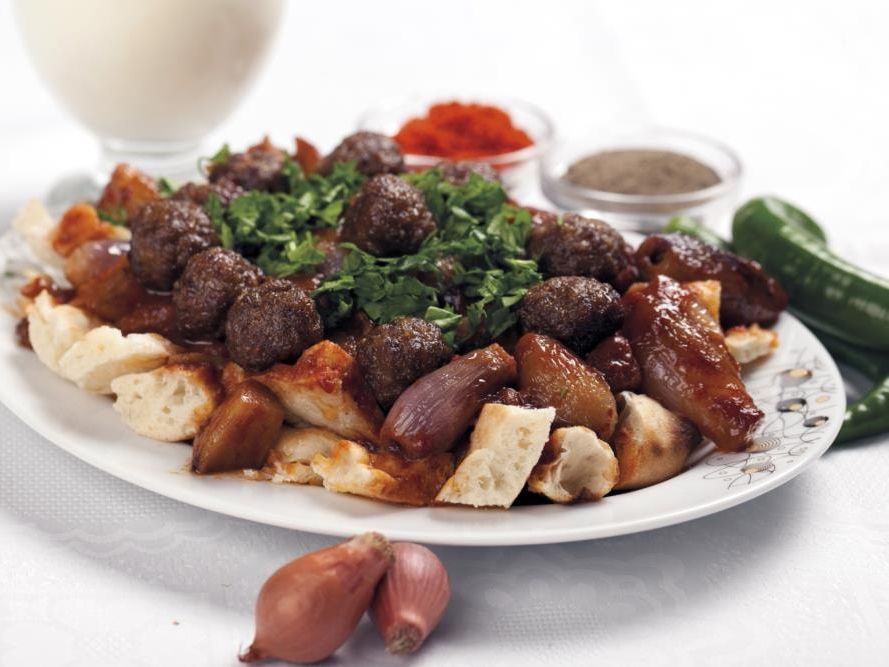
Kilis Ekşili Kebabı
Oven-baked meatballs are cooked again in a sauce of pomegranate molasses and pepper paste and served on fried tırnaklı pide. Kilis Ekşili Kebabı is a registered geographical indication.
Kilis Kırk Semseği
Sheets of dough made with grape molasses are filled with minced meat and rice, cut into squares and fried in Kilis olive oil. Kilis Kırk Semseği is a registered geographical indication.
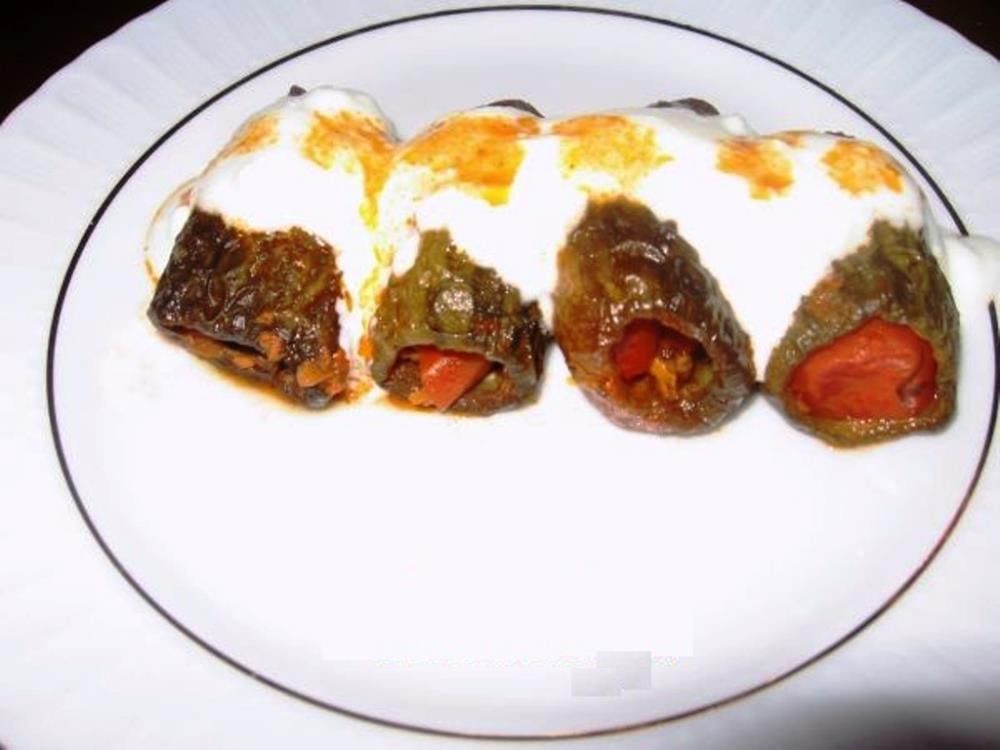
Kilis Şıhılmahşe
Fried acur, a long cucumber-like melon, is stuffed with minced meat, chickpeas and tomato, cooked in a pepper-paste sauce and served with garlic yoghurt. Kilis Şıhılmahşe is a registered geographical indication.
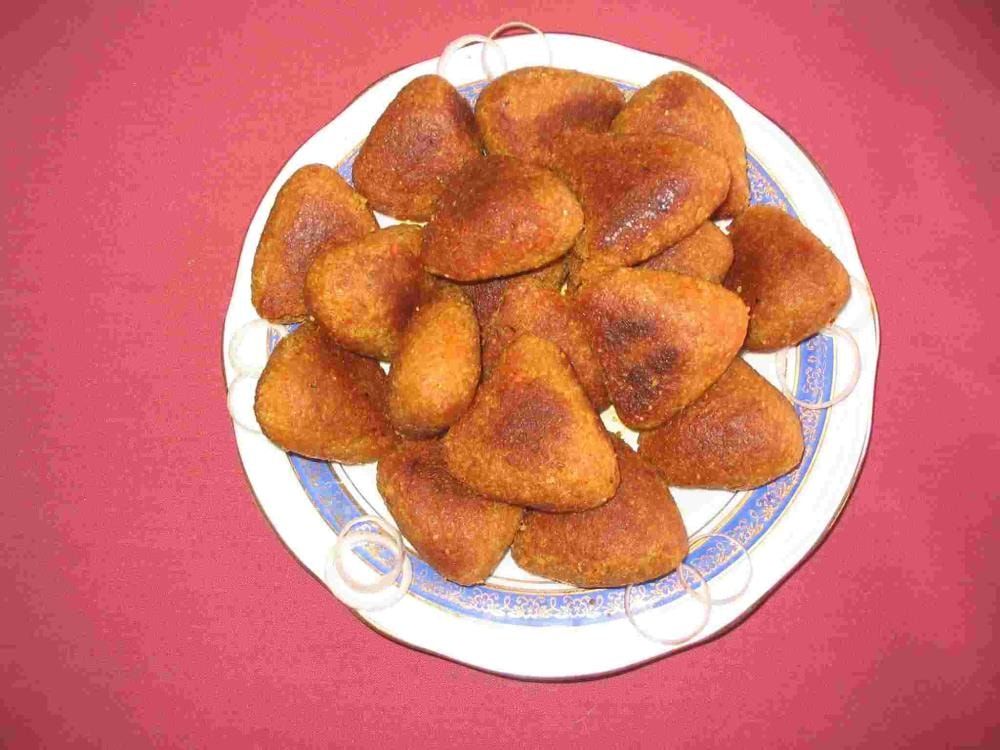
Kübbülmişviyye
Triangular kibbeh of fine bulgur filled with suet, walnuts and spices; they must be eaten hot. Kübbülmişviyye is a registered geographical indication.


Places to visit in Kilis
Ravanda Castle is about 24 kilometres east of the city, in Polateli. First mentioned in the sources in 1097, it passed to the Ayyubids, the Mamluks and, after 1516, the Ottomans. Inside are two large cisterns.
Oylum Höyük, a settlement mound, lies a few kilometres east-southeast of the centre. Excavations have found a Hittite tablet and seal, and the mound's basilica with mosaics opened to visitors in 2018 as part of the open-air museum project.
In the city centre, the Canbolat Pasha (Tekke) Mosque, built by Canbolat Bey in 1553, is an example of classical Ottoman architecture. The Kilis Ethnography Museum opened in 2012 in the Neşet Efendi Mansion and moved to the historic Sabunhane (soap factory) building in 2021.
Culture and arts in Kilis
Quilt making is Kilis's best-known craft, and the Kilis quilt is a registered geographical indication. Making yemeni (flat leather shoes) and embroidery are also traditional crafts of the city.
Kilis cooking carries traces of both Anatolian and Aleppine cuisine. Kilis Tava, Kilis Katmeri and grape molasses (pekmez) are among its best-known specialities.
History of Kilis
Settlement in the area is thought to date back to around 3000 BC. Kilis lay within the borders of many states, among them the Hittites, Persians, Romans, Byzantines and Mamluks, and was taken by the Muslim armies in 636.
The city joined the Ottoman Empire after the Battle of Marj Dabiq in 1516 and was long attached to Aleppo. After the First World War it was occupied first by the British and then by the French, and was freed on 7 December 1921, a date still celebrated as the city's liberation day.
Getting to Kilis
The easiest way to reach Kilis is via Gaziantep, about 60 kilometres away by road. The nearest airport is Gaziantep Airport. The Öncüpınar border crossing is within the province.
Districts of Kilis
- Central district
- Elbeyli
- Musabeyli
- Polateli
Economy of Kilis
The economy relies largely on farming: olives, grapes and wheat are the main crops, and olive oil, grape molasses and bulgur production are the main industries that process them. Kilis olive oil and Kilis Horoz Karası grapes are registered geographical indications.
Kilis 7 Aralık University, founded in 2007, plays an important part in the city's education.


Comments
Loading comments…