
Kütahya
- Aegean Region
Kütahya's famous dishes and desserts
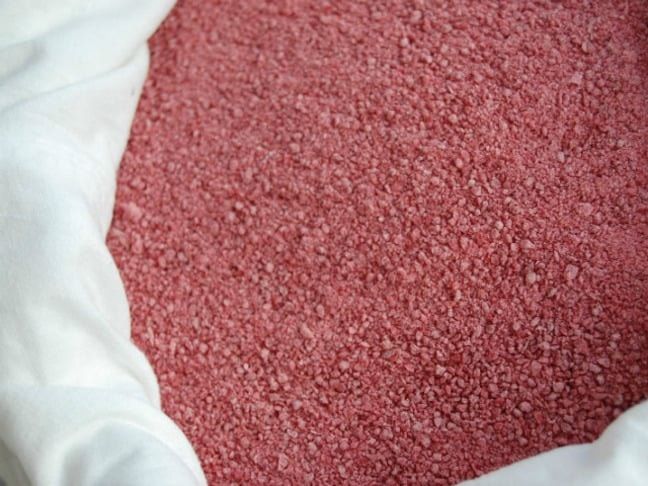
Kızılcık tarhanası
A pinkish tarhana made by kneading cornelian-cherry purée with wheat flour and salt and drying it; locally it is also known as sour tarhana. Kütahya kızılcık tarhanası is registered with a geographical indication.
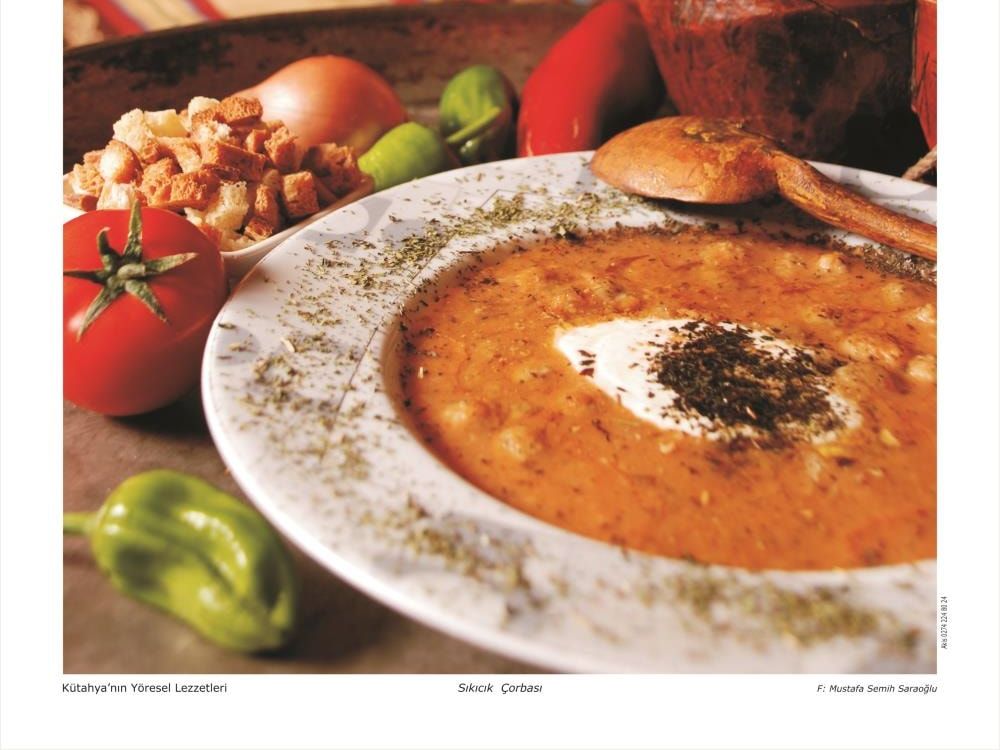
Sıkıcık çorbası
Sıkıcık is counted among the soups of the area.
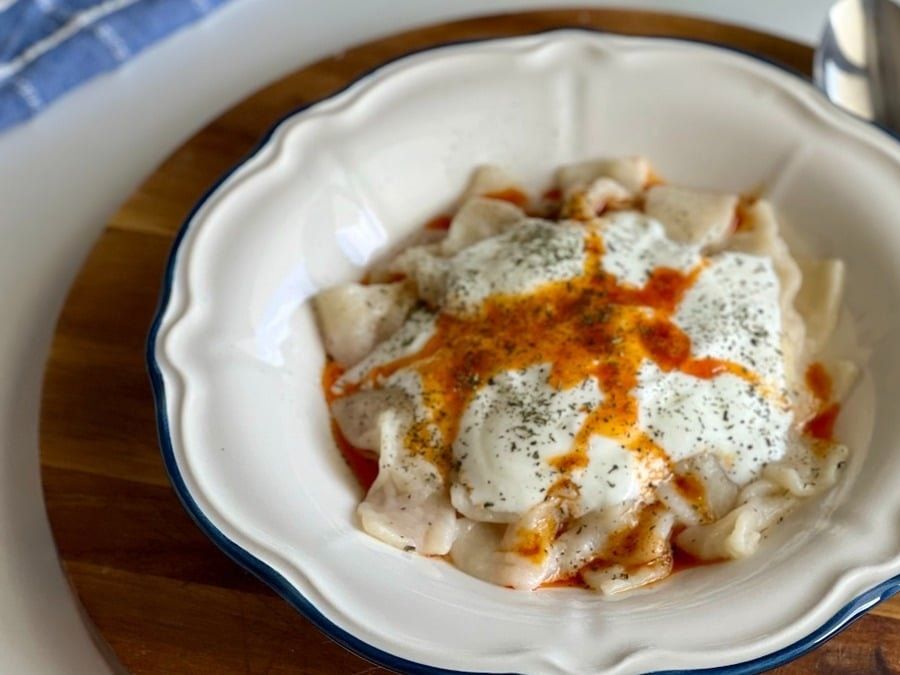
Cimcik
Cimcik is a local dish served with butter and yoghurt, classed with börek and mantı (dumplings).
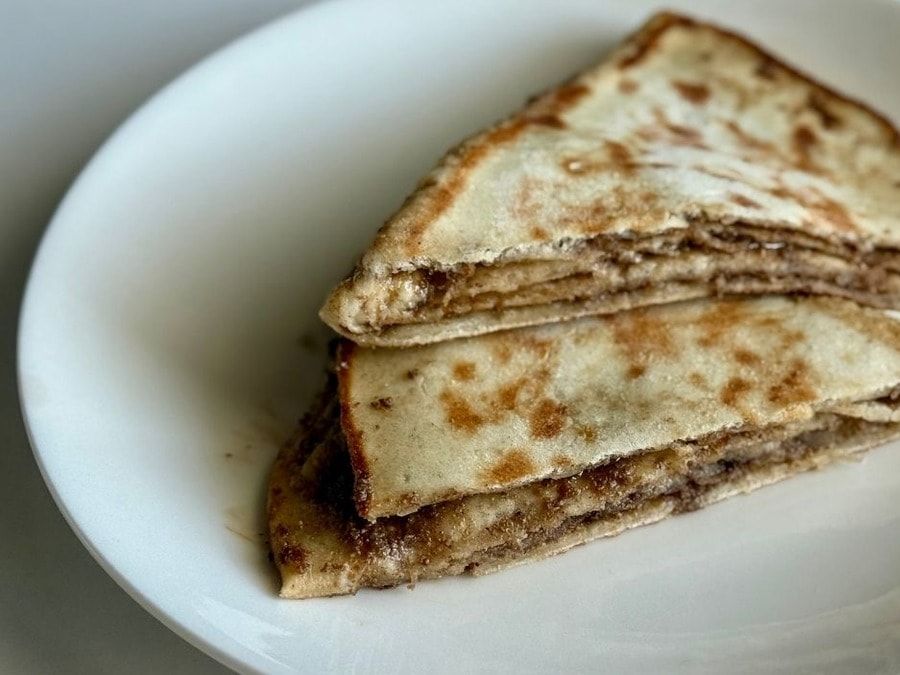
Haşhaşlı gözleme
A gözleme (stuffed flatbread) made by spreading poppy-seed paste between layers of dough.
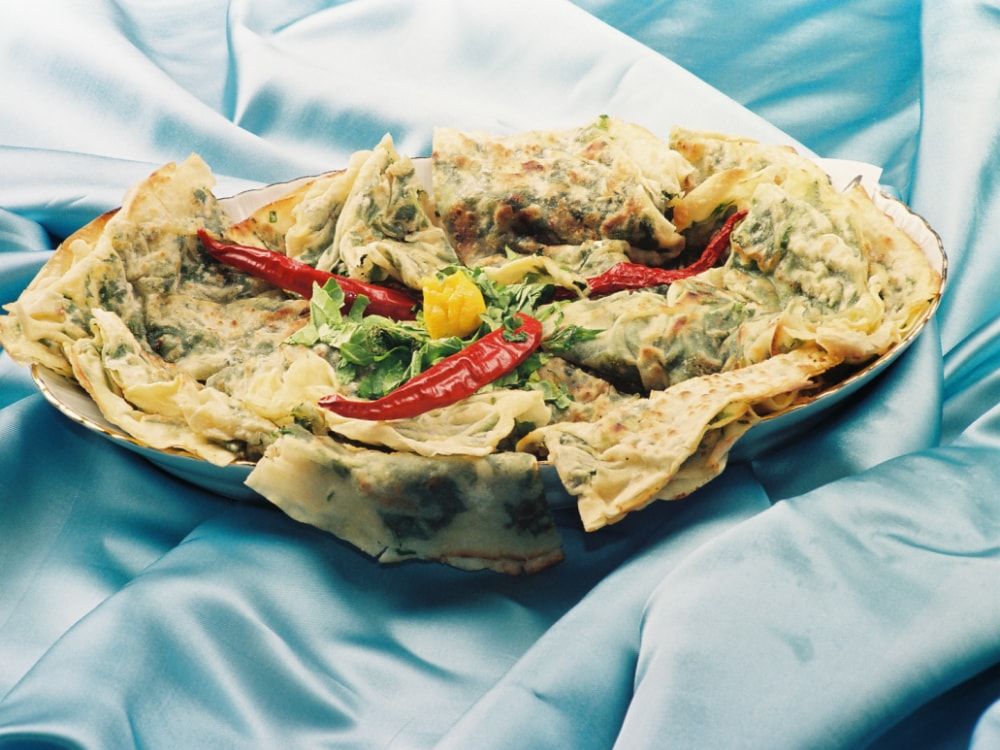
Ispanaklı şibit
Şibit is a pastry filled with minced meat, cheese or spinach.
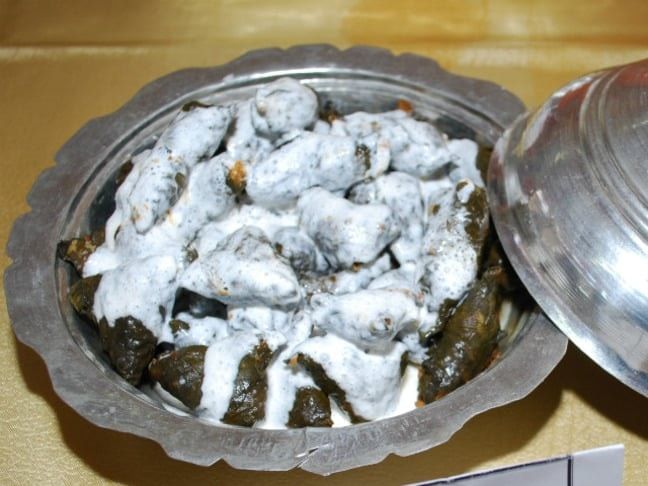
İlibada (Ilıbada) dolması
Dock leaves, called ilibada locally, are stuffed with bulgur, strained yoghurt, onion, mint and pepper.
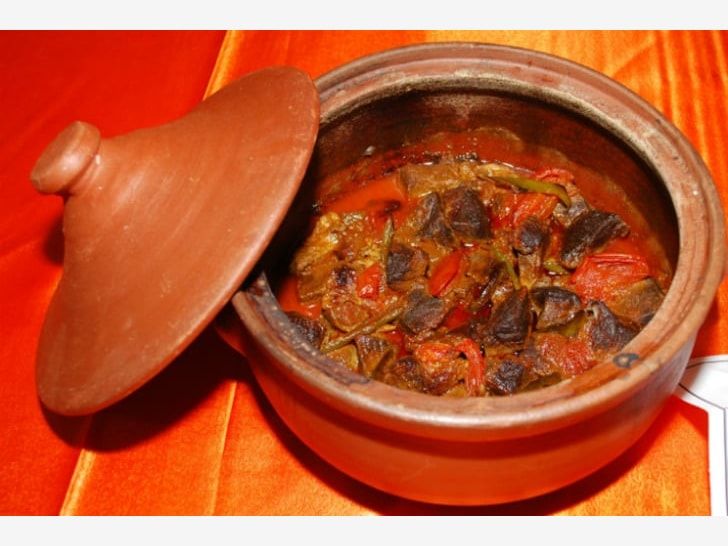
Kütahya usulü güveç
In Kütahya, meat is cooked for a long time in an earthenware pot in a stone or brick oven. Gediz güveci, made with kid or billy-goat meat, and Tavşanlı güveci, made with goat meat or beef, are registered with geographical indications.
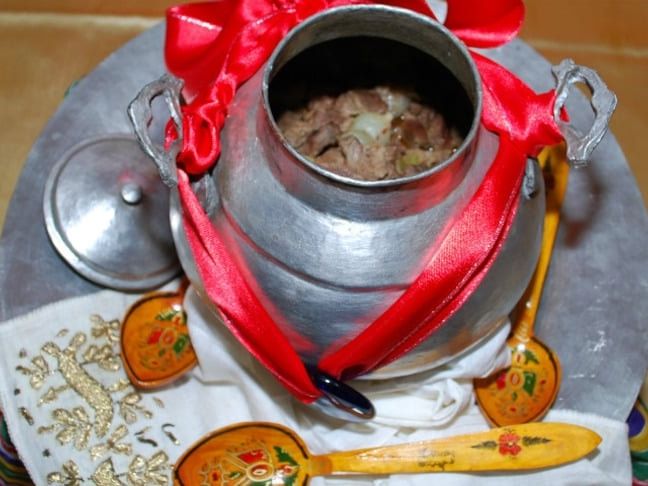
Kütahya küp eti (kebabı)
Diced meat is cooked in an earthenware jar with onion, tomato paste, tomatoes, peppers and garlic.
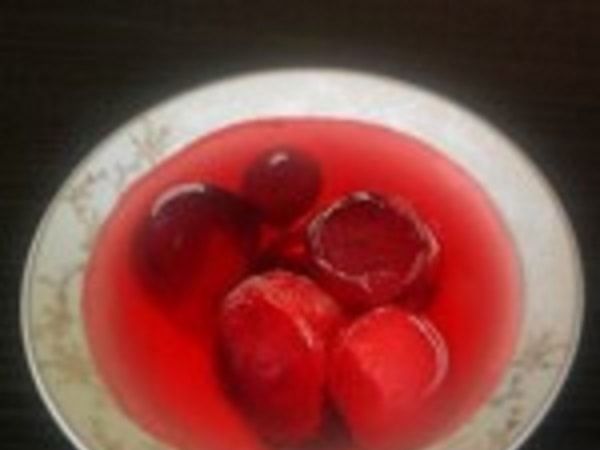
Hekmane erik hoşafı
A compote made from dried hekmane plums with sugar and water.
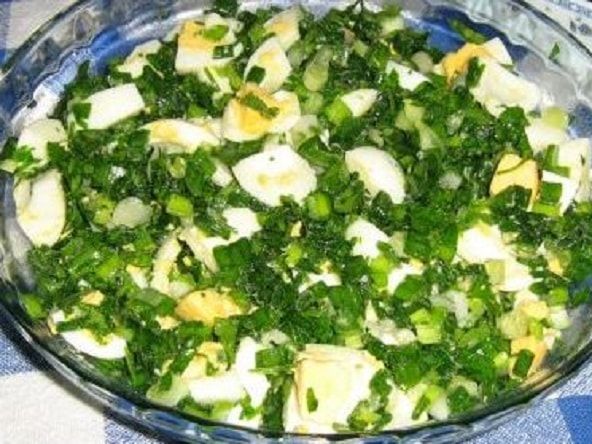
Dövmeç
A filling salad from Kütahya.
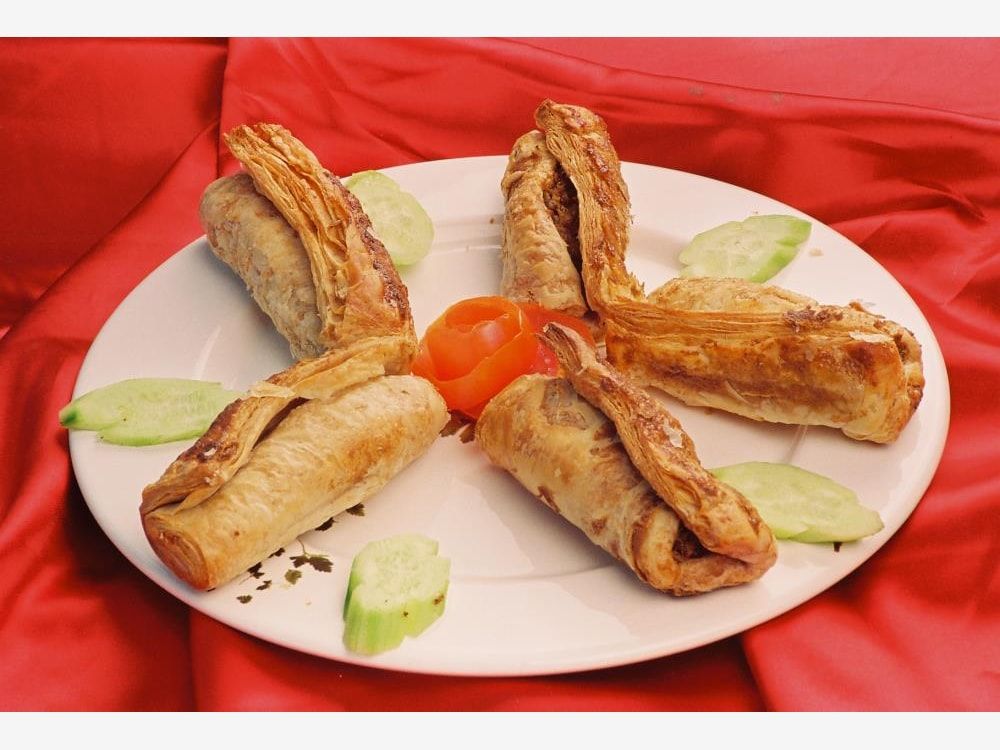
Tosunum böreği
Dough spread with poppy-seed paste is folded, rolled out again, filled with a lentil mixture and baked. Kütahya tosunumu is registered with a geographical indication.
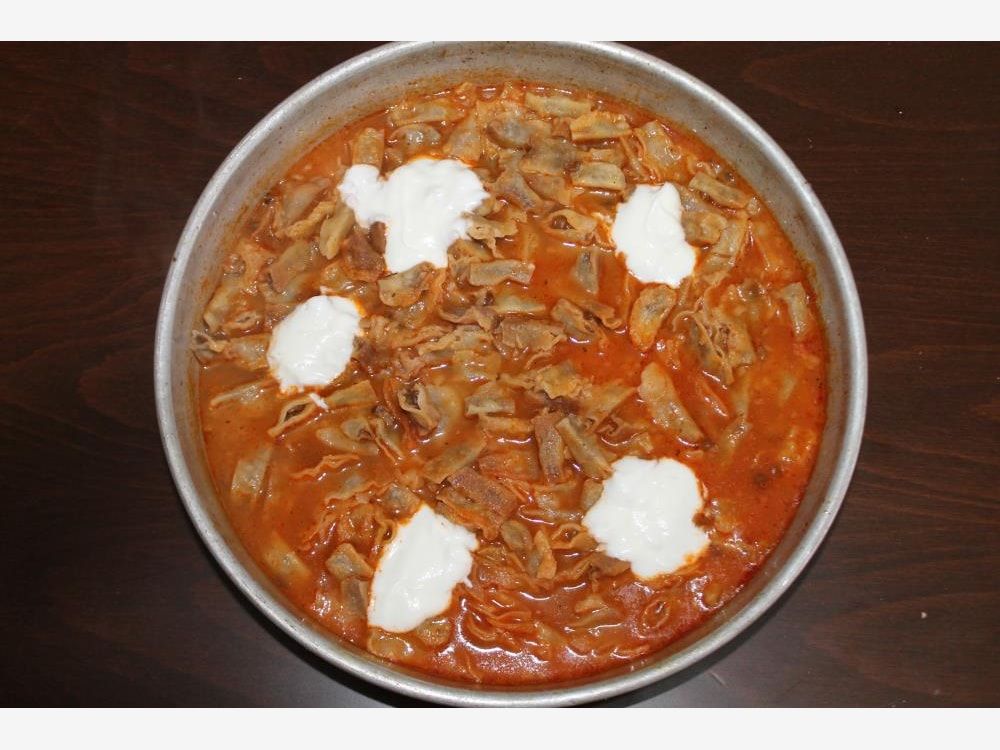
Kütahya sini mantısı
In Kütahya, sini mantısı (tray-baked dumplings) is made with minced meat.
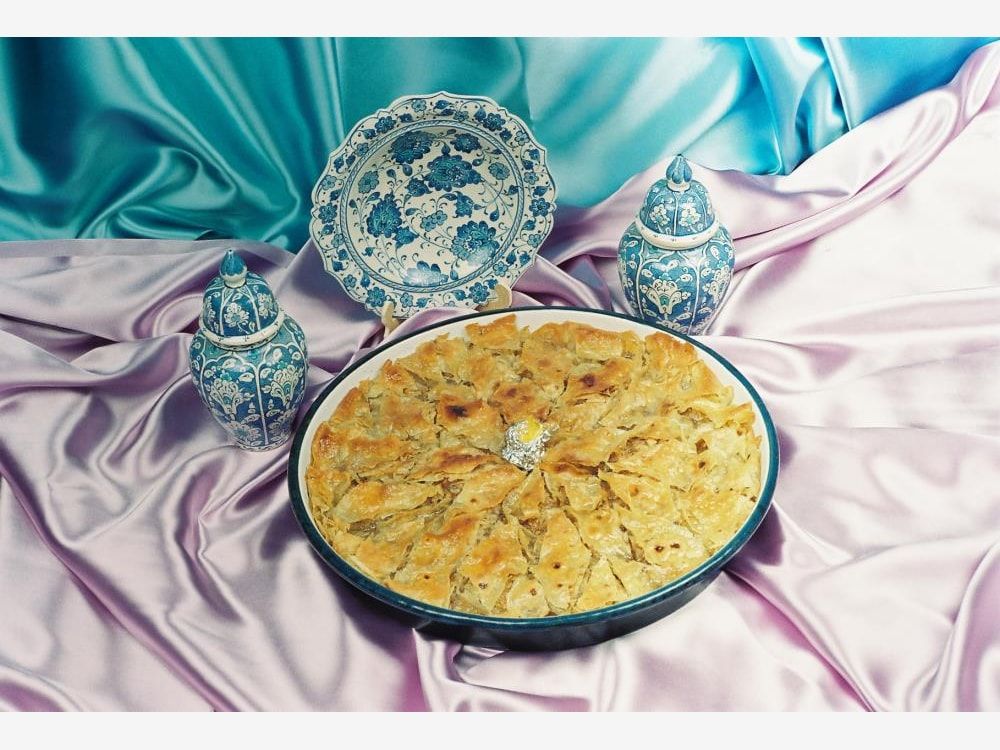
Yufka tatlısı
A walnut dessert in syrup, usually made with eight layers of dried yufka pastry.
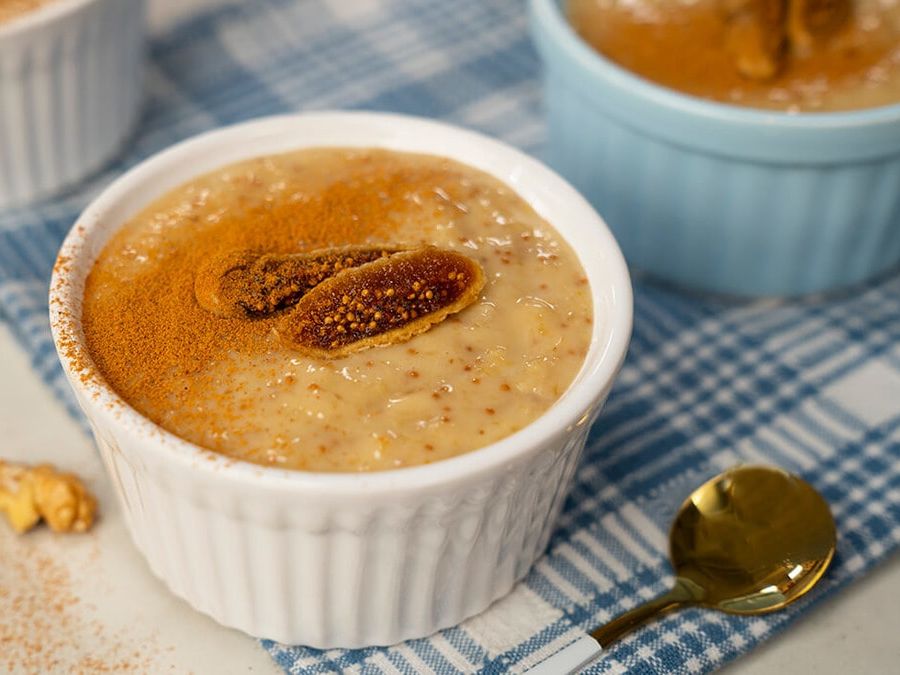
Sütlü incir tatlısı
A light dessert made by cooking dried figs in milk.
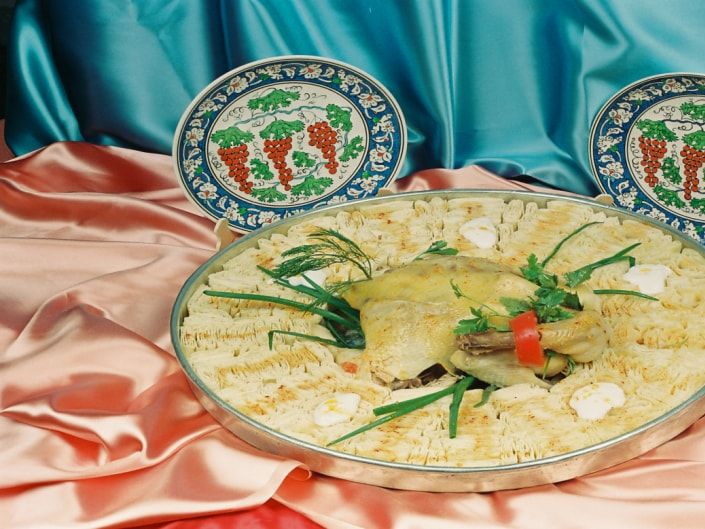
Şibitli tavuk tiridi
Şibitli tavuk tiridi is known as a local chicken dish made with şibit.


Places to visit in Kütahya
Dönenler Mevlevihanesi (Dönenler Mevlevi Lodge)
The Dönenler Mevlevi Lodge in central Kütahya is in the Börekçiler neighbourhood. It is also the third most important centre of Mevlevi culture.
The first part of the lodge to be built was its masjid. The Hezar Dinari Masjid takes its name from its founder and was built between 1237 and 1243. Later a semahane (hall for the whirling ceremony) was added to its north. Little is known about the first building of the Dönenler Mevlevi Lodge; its present architecture dates from a rebuilding in 1812.
On your Kütahya trip, be sure to see the exterior and the interior decoration of the Dönenler Mevlevi Lodge. A pleasant journey in a mystical atmosphere awaits you here.
Kütahya Saat Kulesi (Kütahya Clock Tower)
The Clock Tower in central Kütahya was built in the 19th century. It was founded by Fuat Pasha, governor of Kütahya. It stands behind the 30 Ağustos Middle School and is easy to reach.
Cut stone was used to build the Kütahya Clock Tower. It is square in plan with two storeys, and the tower is topped by a conical roof. Standing opposite the Analcı Masjid in Kütahya, the Clock Tower can be part of your trip. The Kütahya Çinili Mosque and the Zafertepe Monument should also be on your list.
Kütahya Zafertepe Anıtı (Zafertepe Monument)
Kütahya is a city worth seeing as much for its buildings that shed light on history as for its natural beauty. On your Kütahya trip, a different detail will catch your eye on every corner.
If you plan to visit the city’s places waiting to be discovered soon, we recommend adding the Zafertepe Monument to your list. The Kütahya Zafertepe Monument is in Çalköy, in the Altıntaş district, and is very easy to reach.
Tourists visit it because it is the place where, during the Battle of the Commander-in-Chief in 1922, Atatürk said: “Armies, your first goal is the Mediterranean. Forward!” School trips also come here. Completed in 1972, this landmark can be part of your trip.
Kütahya Ulu Camii (Kütahya Great Mosque)
Built in 1381, the Kütahya Great Mosque is in the centre of the city. Its most important feature is that it has the largest interior of any place of worship in the city.
The mosque in central Kütahya was built entirely of cut stone. The Kütahya Great Mosque has 64 windows, 2 full domes and 6 half-domes. Apart from a depiction of the Kaaba, no tiles were used in the mosque. You can add the Kütahya Great Mosque to the places you visit in central Kütahya.
İshak Fakih Camii (İshak Fakih Mosque)
One of the Germiyanid monuments, the İshak Fakih Mosque is among the historic places to visit in central Kütahya. Built in 1433, the mosque has an impressive façade.
Cut stone and brick were used in its construction. Besides its orderly exterior, the İshak Fakih Mosque also impresses with its interior decoration.
The mosque’s portico for latecomers (son cemaat yeri) has three sections. You can visit the İshak Fakih Mosque on your tour of central Kütahya.
Kütahya Kurşunlu Camii (Kurşunlu Mosque)
One of the historic places in central Kütahya, the Kurşunlu Mosque is easy to reach. It is in the Paşam Sultan neighbourhood. Built in 1377–1378, this place of worship is also known as the Kasım Pasha Mosque. Its inscription reads:
“Amere haza el-mescit el-mübarek bereketü’l İslâm ve’l-müslimin mevhar-i ehl
El-fütuvvet ve’l-mürüvvet el-şeyh Muhammed ibn Şeyh Alaü’d-din ibn Şeyh
Nurel-din fi Şuhuri seneti tis’a ve şeb’in ve seb’a mie. Ta nefha-i sûr ma’mûr bâd 779 (1377-1378).” (Roughly: “This blessed masjid, a blessing for Islam and the Muslims, was built by the pride of the people of chivalry and virtue, Sheikh Muhammed, son of Sheikh Alaeddin, son of Sheikh Nureddin, in the months of the year 779. May it stand until the trumpet of the Last Day.”)
The mosque was built by the Ahi sheikh Mahmud bin Şeyh Alaeddin and repaired by Kasım Pasha in 1520. The Kurşunlu Mosque has a square plan, and cut stone and brick were used in its construction. Its minaret keeps its original form.
Besides the Kurşunlu Mosque, we recommend visiting the Kütahya Çinili Mosque and the Kütahya Tile Museum.
Dereli Kaplıcaları (Dereli Hot Springs)
The Dereli hot springs, regarded as a thermal tourism centre in Kütahya, attract many Turkish and foreign tourists through the year.
On the Emet–Tavşanlı road, 20 kilometres from both districts, the Dereli hot springs heal with both their thermal water and their natural beauty. The springs are 70 kilometres from the provincial centre and take their name from the stream (dere) that runs through them.
At Dereli you can go walking, rafting and angling, and nature shows you its finest face. The waters are good for rheumatism of the joints, osteoporosis, muscle inflammation, nervous disorders and psychomotor disorders.
Also suited to highland and mountain tourism, Dereli is a place where you should not forget to explore the surroundings while on holiday. You can visit the Cevizdere Martyrs’ Cemetery 6 kilometres from the springs. Among Kütahya’s thermal tourism areas, the Murat Dağı, Eynal and Ilıca Harlek hot springs are other places you could choose.
Simav Çitgöl Kaplıcaları (Çitgöl Hot Springs, Simav)
The Çitgöl hot springs, which Evliya Çelebi described in his Seyahatname as the “Paradise Springs”, are 4 kilometres from central Simav.
The Çitgöl hot springs have children’s playgrounds, green spaces and walking trails. If you are planning a lovely holiday in Kütahya for the sake of your health, you could choose the Simav Çitgöl hot springs. Good for skin conditions, fractures, dislocations, arthritis, stomach ulcers, eczema, herniated discs, rheumatism, sciatica, neuralgia, gynaecological complaints and mental and physical fatigue, the Simav Çitgöl hot springs also offer many activities.
Ilıca Harlek Kaplıcaları (Ilıca Harlek Hot Springs)
The Ilıca Harlek hot springs, one of Kütahya’s thermal tourism areas, can be reached by road, air and rail.
Two kilometres from the Eskişehir highway and 28 kilometres from the provincial centre, the Ilıca Harlek hot springs are good for rheumatism, kidney, skin and nerve conditions, liver failure, gallbladder and gynaecological complaints, and their water contains calcium, magnesium and bicarbonate. You can research hotel prices at the Ilıca Harlek hot springs, set in a forest, in detail and book straight away. While resting at Ilıca Harlek, don’t forget to enjoy nature and explore the surroundings. The Murat Dağı and Eynal hot springs are also among the city’s important thermal areas.
Eynal Kaplıcaları (Eynal Hot Springs)
Kütahya, one of our cities with an important place in thermal tourism, continues to welcome visitors with its many hot springs.
The Eynal hot springs are among the thermal areas chosen in the city by those planning a holiday for their health. Simav Eynal has been healing many illnesses with its waters for 3,000 years.
Kütahya Eynal reaches 100% occupancy especially in June and November, so you can look up Eynal thermal hotel prices and book early. The thermal waters, good for rheumatism, sciatica, sexual complaints, neuralgia, skin conditions, neuritis, stomach ulcers, kidney stones, eczema and many other illnesses, will also rest your soul. Research at the Eynal springs has found the water to contain sodium, calcium, sulphate, bromide and bicarbonate. Municipal buses run from Simav to Eynal between 07:00 and 23:00.
Murat Dağı Kaplıcaları (Murat Dağı Hot Springs)
The Murat Dağı hot springs, on one of Kütahya’s highest peaks, were declared a thermal tourism centre in 1987. At 2,312 metres, Murat Dağı is a focus of scientists’ interest not only for its springs but also for its 853 plant species, its flora and its climate.
A true reservoir of oxygen, chosen by those who want to enjoy being close to nature in peace, the Murat Dağı hot springs are one of the important places for healing. There are two baths side by side here, thought to have been built in the Germiyanid period. The springs are 30 kilometres from Gediz. The water contains sodium, potassium, calcium, magnesium, bromide and sulphate. Good for many health problems such as nerve and muscle disorders, gynaecological complaints and rheumatism, the Murat Dağı hot springs are a holiday spot to consider for your health.
While spending your days here, don’t forget to climb Murat Dağı and explore the surroundings. Besides the Murat Dağı hot springs, one of the important thermal tourism areas, the Yoncalı hot springs could also be among your choices.
Kütahya Çini Müzesi (Kütahya Tile Museum)
The Kütahya Tile Museum, in the centre of Kütahya, is the first museum devoted to tiles.
The museum, housed in the imaret (soup kitchen) section of the complex built by the Germiyanid bey Yakup II, opened to visitors in 1999.
It displays tiles made from the 14th century onwards. You should definitely see the tile museum on your Kütahya trip.
In the Kütahya Tile Museum, where valuable tiles from important periods are on display, every piece will win your admiration. After the museum you can visit the Domaniç forests, the Kütahya Çinili Mosque, Kütahya Castle and the Dumlupınar Museum.
Domaniç Ormanları (Domaniç Forests)
The Domaniç forests, one of Türkiye’s most striking places, are in Kütahya. Covering the Domaniç district, this natural beauty is one of the first places people coming to Kütahya visit.
The Domaniç forests have tree species found in this forest alone in the world. Ertuğrul Gazi, frontier bey of the Anatolian Seljuks, is known to have spent his summers here.
As well as their natural beauty, the Domaniç forests also hold an important place in history. Added to your Kütahya trip, the forest’s centuries-old trees will both enchant you and give you a lovely time.
After enjoying the Domaniç forests, you can add Kütahya Castle, the Kütahya Çinili Mosque, the Dumlupınar Museum, the Kütahya Tile Museum and the Yoncalı hot springs to your list.
Kütahya Çinili Camii (Kütahya Çinili Mosque)
The Kütahya Çinili (“Tiled”) Mosque, unlike anything else in Türkiye or the world, wins great admiration from all who see it, both outside and in.
A symbol of Kütahya, the Çinili Mosque was built on the model of Central Asian Turkish architecture. It is called the Çinili Mosque because it is decorated with tiles inside and out.
A work by the artist Ahmet Yakupoğlu, the mosque welcomes Turkish and foreign visitors every year. You should definitely visit the Çinili Mosque on your Kütahya trip, and afterwards you can visit Kütahya Castle, the Kütahya Tile Museum, the Dumlupınar Museum and the Dumlupınar Martyrs’ Cemetery.
Kütahya Kalesi (Kütahya Castle)
Standing where Kütahya was first founded, Kütahya Castle has survived since antiquity.
The castle on Hisar Tepesi has three parts: Kale-i Sagir (the small castle), Kale-i Bala (the upper castle) and the outer walls. There is no inscription recording when or by whom Kütahya Castle was built, but the castle witnessed the Byzantine, Seljuk, Germiyanid and Ottoman periods.
Today Kütahya Castle is a tourist attraction. In this castle, which no one coming to Kütahya leaves without visiting, there are two fountains, two masjids, a café-restaurant and a country coffeehouse. According to Evliya Çelebi, Kütahya Castle had 70 towers. Going to see this historic building and its view will give you the joy of getting to know a new place. You can also add the Dumlupınar Museum, the Yoncalı hot springs, the Kütahya Tile Museum and the Kütahya Archaeological Museum to your Kütahya trip.
Kütahya Arkeoloji Müzesi (Kütahya Archaeological Museum)
The Kütahya Archaeological Museum is open to visitors in an old madrasa building built in 1314 by Umur bin Savcı.
Bearing the features of Seljuk architecture, the museum has 9 rooms, each setting out the important remains of a different era.
Works surviving from the Palaeolithic, Chalcolithic, Early Bronze Age, Hittite, Phrygian, Hellenistic, Roman, Byzantine, Seljuk and Ottoman periods continue to impress. After visiting the richly stocked Kütahya Archaeological Museum, don’t forget to add the Dumlupınar Museum and the Dumlupınar Martyrs’ Cemetery to your trip.
Dumlupınar Müzesi (Dumlupınar Museum)
The Dumlupınar Museum, built so that the days of our national War of Independence fought on these lands are never forgotten, is in Kütahya’s Dumlupınar district.
Housed in a detached two-storey building and still open to visitors, the Dumlupınar Museum displays 139 items, including weapons and swords from the War of Independence and old photographs reflecting those times. This moving museum is also very close to the Dumlupınar Martyrs’ Cemetery; visiting both on the same day makes for a meaningful trip in which each completes the other.
Dumlupınar Şehitliği (Dumlupınar Martyrs’ Cemetery)
The Dumlupınar Martyrs’ Cemetery, built in memory of the Turkish soldiers who fought and fell for their country at the Battle of Dumlupınar, a very important event in history, is within Kütahya province.
The cemetery in the Dumlupınar district was created by the Ministry of Culture in 1992.
The Dumlupınar Monument, with the gravestones of 500 soldiers and 100 officers, has an open-air prayer place, an ablution fountain and a car park. When you visit the cemetery, you can also visit the Kurtuluş (Liberation) Park and the Dumlupınar Museum here. Built on the 70th anniversary of the Great Offensive, this meaningful memorial will give you moving hours.
Yoncalı Kaplıcaları (Yoncalı Hot Springs)
The Yoncalı hot springs, at the foot of Kirazlı Dağı within Kütahya province, appear 17 kilometres along the Kütahya–Tavşanlı road. The Yoncalı hot springs also have a lovely legend.
Once upon a time the governor of Kütahya had a very beautiful daughter. Suddenly the girl fell ill with a terrible disease, a bad and contagious one. Because the disease had no cure, so that she would not infect anyone, they left the girl where Yoncalı is now, with food and drink beside her. After some time alone, the girl saw a wolf that had lost its fur coming by every day, and each time it passed its fur grew thicker. She saw the wolf going in and out of somewhere, and one day, curious, she followed it. The wolf went in and out of the marshes of a boggy place one after another, and the girl began to do the same. At the end of the marshes there was water, and the wolf bathed there last of all. The girl kept doing as the wolf did, and soon she began to recover quickly. When she was well, she met a shepherd, who said to her, “Are you human or jinn?” The girl said, “I am neither a ghost nor a jinn; I am a child of Adam like you,” and told him what had happened to her. After listening, the shepherd took the girl to her father. When her father saw his daughter in good health before him, he was overjoyed and embraced her. He asked the shepherd to name whatever he wished. The shepherd wished for nothing but the girl’s health, but when the father insisted, he said he wanted to marry her. The father gave his daughter to the shepherd and they were married. The father had a bath-house and a mosque built where his daughter had been healed, so that everyone could come, benefit and be healed. That is the story.
Known to be good for health, the Yoncalı hot springs will certainly do you good.
Mızık Çamı (the Mızık Pine)
The tree from which the cradle of Osman Bey, founder of the Ottoman Empire, was made stands in Domur village in Domaniç. Although the tree has fallen, it has been protected and covered over.
Source: http://www.gezilebilecekyerler.com/kutahyada-gezilecek-yerler/
Culture and arts in Kütahya
Kütahya is the city of tiles. The first examples of tile making appear at the end of the 14th century, but the real development began after the second half of the 16th century. When tile making ended in İznik in the 18th century, the art carried on in Kütahya alone.
In the city centre several museums stand together, such as the Archaeological Museum, the Kossuth House Museum, the Porcelain Museum and the Tile Museum. The Kossuth House keeps alive the memory of the Hungarian refugees settled in the city after 1848.
The city also has strong ties with music. It is said that music was taught at the Kütahya Mevlevi Lodge, and that because Ahmet Yakupoğlu trained more than forty ney players, the city was called the “Town of Ney Players”.
Oya lace made of silk, each pattern with its own name, is another craft particular to the area. Every 6 May, Hıdırellez and the Conquest of Kütahya are celebrated together.
History of Kütahya
1 – KÜTAHYA BEFORE THE TURKS
It has not been possible to determine exactly when Kütahya, one of Anatolia’s old settlements, was founded, but its history clearly goes back a very long way. It was ruled in turn by the Hittite, Phrygian, Lydian, Persian, Macedonian, Bithynian and Pergamene kingdoms, and later by the Roman Empire and, after its division, the Byzantine Empire.
According to ancient sources, Kütahya’s name in antiquity was Kotiaeion. According to the famous ancient geographer Strabo, the name means “city of Kotys”. Keeping the same root, the name Kotiaeion was also written “Kotiaion”, “Cotyaeum” and “Cotyaium” in different periods and spellings. Although the founding date is not known for certain, the province’s history goes back to the 6th century BC. The oldest people to settle in the province were the Phrygians. Arriving in Anatolia around 1200 BC, the Phrygians entered the lands of the Hittite Empire. In 676 BC the Cimmerians routed the Phrygian king Midas III and took control of Kütahya and its surroundings.
When Alexander the Great of Macedon appeared on the stage of history and brought Anatolia under his rule by defeating the Persians, Kütahya changed hands (333 BC). When Alexander died young, the empire broke up and Kütahya passed to Antigonus, one of Alexander’s commanders.
In 278 BC the Kingdom of Bithynia added Kütahya to its lands, and later the Kingdom of Pergamon took it. In 62 BC Pompey, Caesar’s son-in-law, added Kütahya to the Roman Empire. When the Roman Empire split in two in AD 395, Kütahya came under the Byzantine (Eastern Roman) Empire. In Roman times Kütahya became one of the important centres of Christianity, and persecuted Christians took refuge here. Pagan Rome cut the city’s allowance, and the city was neglected and left in disrepair for a time.
After Rome officially accepted Christianity, it became a bishopric. In the Byzantine period Kütahya’s importance grew greatly. On the steep hill, which they found commanded the city and suited a fortress, the Byzantines built a castle within two rings of walls fortified with towers. This castle formed the basis of Kütahya Castle as built in the Germiyanid and Ottoman periods.
When Romanos Diogenes, defeated by Sultan Alp Arslan at Manzikert, was defeated again and captured in his struggle to regain his throne, he was brought to Kütahya, blinded and imprisoned. (Romanos later died on Kınalıada, where he had been sent.)
2 – KÜTAHYA COMES UNDER TURKISH RULE
After the Battle of Manzikert, the Turks rapidly set about conquering Anatolia. Within a few years after 1071, almost all of Anatolia had been conquered. Melik Mansur, brother of Süleyman Şah son of Kutalmış, the first ruler of the Anatolian Seljuk State, conquered Kütahya in 1074. Kütahya became a frontier city of the Anatolian Seljuk State.
After some twenty years under Turkish rule, Kütahya passed back to the Byzantine Empire at the end of the First Crusade, which began in 1096 (1097).
In 1182 Sultan Kılıç Arslan II launched a new campaign of conquest and took Uluborlu and Kütahya for the second time.
When Sultan Kılıç Arslan II divided his realm among his eleven sons, Kütahya fell to Gıyaseddin Keyhüsrev. Byzantium took advantage of the later struggles for the throne among the brothers to seize Kütahya, but in the reign of Sultan Alaeddin Keykubad it was taken for the third time by the Seljuk commander İmadeddin Hezar Dinari (1230).
Hezar Dinari, who stayed in Kütahya for many years as “castle warden”, worked to develop the city and left many works.
In the years when Melik Mansur conquered Kütahya, the city was attached to the Great Seljuk Empire. When Melik Mansur rebelled against Malik Shah, ruler of the Great Seljuk Empire, Malik Shah sent an army under Emir Porsuk Bey, one of his emirs, and Melik Mansur was killed in the battle (1090).
After this, Emir Porsuk Bey’s forces settled in Kütahya, and Porsuk Bey served for a time as “castle warden” there. The name of the Porsuk stream, one of Kütahya’s important rivers, comes from him.
3 – KÜTAHYA UNDER THE GERMIYANIDS
“Germiyanlı” was at first the name of a Turkish tribe and later became the name of a beylik and a dynasty. The first historical figure of the tribe on record is Muzafferüddin, son of Alişir, who was active in Malatya during the revolt of Baba İshak. The name of Kerimüddin Alişir of the Germiyanid line appears among the Seljuk emirs killed by the Mongols, on the complaint of Müinüddin Süleyman Pervane, during the struggles for the Seljuk sultanate.
Seljuk and Byzantine records state that an area near Malatya was called “Germiyan”. It is thought that the name Germiyanlı was therefore given to this tribe, which came to western Anatolia from the Malatya area (in the way one says “Kütahyalı”, someone from Kütahya).
Yakup Bey, who founded the Germiyanid Beylik, was the son of Kerimüddin Alişir Bey, killed by the Mongols. He himself was one of the leading emirs of the state in the time of the Anatolian Seljuk Sultan Gıyaseddin Keyhüsrev III, and his area of duty was Ankara and its surroundings.
Having been subject to Alaeddin Keykubad III, he declared his independence in 1300 and founded his beylik with Kütahya as its centre. The time of Yakup Bey (1300–1340), the beylik’s first independent ruler, was the most powerful period of the Germiyanids. Some sources call the lands Yakup Bey ruled Yakup-ili.
Some sources state that in Yakup Bey’s time Byzantium sent the Germiyanids an annual tribute of 100,000 dinars and gifts. After Yakup Bey he was succeeded by his son Mehmet Bey (1340), and when Mehmet died in 1361, by his son Süleyman Şah.
The Ottoman sultan Murad I sent a delegation to ask for Süleyman Şah’s daughter Devlet Hatun as a bride for his son, Prince Bayezid. Süleyman Şah sent İshak Fakih, one of the leading scholars of the day, to the Ottoman capital with his reply. Among the gifts İshak Fakih brought were the famous Germiyan horses, Denizli cloth, and gold and silver articles.
As his daughter’s dowry, Süleyman Şah left Kütahya, Simav, Emet and Tavşanlı to the Ottomans and withdrew to Kula himself. After the wedding in 1381, Prince Bayezid was sent to the sanjak of Kütahya as its governor.
But after the Battle of Ankara, Kütahya passed back to the Germiyanids (1402), this time with Yakup Bey II at the head of the beylik. This lasted until Yakup Bey II died in 1429. In accordance with Yakup Bey’s will, the Germiyan lands passed to the Ottomans.
Under the Germiyanids, Kütahya lived through one of the most brilliant periods in its history and saw great economic and intellectual development. Because it was the centre of the beylik, many buildings were built in Kütahya, and poets, men of letters and thinkers gathered in the city and wrote their works.
4 – KÜTAHYA UNDER THE OTTOMANS
After passing to Ottoman rule, Kütahya became a “sanjak centre”. Bayezid, son of Murad I and son-in-law of the Germiyanid bey Süleyman Şah, was appointed sanjak bey of Kütahya.
In 1451 İshak Pasha, beylerbey of Anatolia for the Ottoman State, moved the seat of the beylerbeylik to Kütahya and settled here. Kütahya remained the seat of the beylerbeylik for a long time.
Timur came to Kütahya a week after the Battle of Ankara and stayed a month in this city, which he loved very much.
The first form of the Great Mosque in Kütahya was built by Bayezid I (Yıldırım), and records also call it the “Yıldırım Han Mosque”.
Kütahya, the mustering point of the Ottoman army and an important stopping place on campaigns into Anatolia, was also endowed with important buildings. The oldest known collective labour agreement in history was signed in Kütahya on 13 July 1766. In talks held in the presence of Ali Pasha, then governor of Kütahya, employers and workers reached agreement, and the wages of apprentices, journeymen and masters were set out separately. The workers in question were tile makers.
Kütahya’s name became known internationally through the agreement made in 1833 at the end of the wars between Ali Pasha, governor of Egypt, and the Ottoman State. When the Ottoman State, in difficulty, asked Russia for help, Britain and France, which did not want Russian influence over the Ottoman State, persuaded Mehmet Ali Pasha and brought about the Treaty of Kütahya.
When the Hungarian national movement that began with the revolutions of 1848 was bloodily crushed by Austria and Russia, its leaders Lajos Kossuth, Batthyány and Mészáros took refuge in the Ottoman State in 1849. Despite pressure from Russia and Austria, the Ottoman State did not hand the refugees back. Kossuth and his party were settled in Kütahya and stayed until 1851. The house where they lived is now a museum open to visitors.
5 – KÜTAHYA IN THE YEARS OF THE NATIONAL STRUGGLE
When İzmir was occupied by the Greeks on 15 May 1919 and enemy forces began to advance into Anatolia, a Kuva-yi Milliye (National Forces) organisation was set up in Kütahya, as throughout the country, and began work on 20 September 1919. The organisation received great material and moral support from the people. Its head was Nüzhet Bey, head of the military branch.
Priştineli İsmail Hakkı Bey, one of the detachment commanders under Çerkez Ethem Bey, came to Kütahya and began working together with the “Defence of Rights Centre”. Weapons, ammunition and money were procured and soldiers gathered. As a result of the work begun on 21 July 1920, the “Kütahya National Battalions” were soon formed. On 6 August 1920 Mustafa Kemal Pasha, who was in Afyon, came to Kütahya at İsmail Hakkı Bey’s invitation, inspected the “Kütahya National Regiment” at the railway station and expressed his appreciation. Before leaving after a few hours in Kütahya, Mustafa Kemal Pasha, President of the Grand National Assembly, gave the mutasarrıf (governor) Said Bey a letter expressing his appreciation of the people of Kütahya.
TO SAİD BEY EFENDİ, MUTASARRIF OF KÜTAHYA
Our delegation, which has also visited Kütahya to convey the greetings and care of the Grand National Assembly to our esteemed people, our heroic army and our devoted officials, is exceedingly proud and gladdened by the sincere and noble demonstrations, a source of pride and confidence, that it witnessed here. We are certain that the military units, numbering in the thousands, prepared and equipped within five or ten days through the financial sacrifice and the material and moral efforts of the patriotic people of Kütahya, will prove their devotion as a heroic body that will secure our victory in the religious, national and patriotic struggle we have undertaken. On behalf of the Grand National Assembly we express the gratitude we feel for the efforts of your excellency and of the zealous Defence of Rights organisation, as well as of the whole people of Kütahya, which are a cause for pride, and bid you farewell, asking that these heartfelt sentiments of ours be conveyed exactly to all the people.
6 August 1336 (1920)
President of the Grand National Assembly
M. Kemal
During the Battles of Kütahya–Eskişehir, the Turkish army, which had not yet completed its preparations, withdrew east of the Sakarya River as the conditions of battle required, and Kütahya was occupied by the Greeks on 17 July 1921. These dark days did not last long. About a year later, with the Great Offensive that began on 26 August 1922 and the Battle of the Commander-in-Chief fought on 30 August, the Greek army was routed. On the same day (30 August 1922) Turkish units entered Kütahya. The occupation was over, and Kütahya came under Turkish rule for ever.
Source: http://kutahya_net.tripod.com/Tarihce.htm
Getting to Kütahya
Kütahya can be reached by road, rail and air, and there are many ways to get to the city. Intercity bus companies run frequent services to Kütahya from many provinces across Türkiye.
Road distances from Kütahya to some cities are as follows:
- Istanbul – Kütahya: 360 km
- Ankara – Kütahya: 310 km
- İzmir – Kütahya: 334 km
- Eskişehir – Kütahya: 78 km
- Afyon – Kütahya: 96 km
- Bursa – Kütahya: 182 km
Another way to reach Kütahya is by rail: Kütahya is among the stops on the railways running from Eskişehir, Balıkesir, Afyon and Ankara.
A further option is air travel. Zafer Airport, Türkiye’s fourth-largest airport, has scheduled flights from many cities. Zafer Airport is 43 kilometres from the centre of Kütahya.
Districts of Kütahya
- Altıntaş
- Aslanapa
- Çavdarhisar
- Domaniç
- Dumlupınar
- Emet
- Gediz
- Hisarcık
- Merkez (central district)
- Pazarlar
- Simav
- Şaphane
- Tavşanlı
Economy of Kütahya
Plants set up in the Republican period have left their mark on Kütahya’s economy. A sugar factory began production in the city in 1954 and a nitrogen fertiliser plant in 1961; the fertiliser plant was expanded in 1966.
Besides these, brick and tile kilns and a flour mill are among the area’s long-standing industries. Traditional tile making has also been revived.


Comments
Loading comments…