
Manisa
- Aegean Region
About Manisa
Manisa, the second largest city in the Aegean region after İzmir, has a population of 1,367,905, spread with its centre and 17 districts over an area of 13,269 square kilometres. Famous for its healing Mesir paste and its Sultaniye grapes, Manisa is one of our fast-growing cities, helped by its closeness to İzmir. Although the city is surrounded by mountains, the fertile soil of the Gediz Plain makes it one of the top three provinces for agricultural production. In Manisa, where weaving, food, leatherwork and farming have gone on for centuries, industry is today an important source of income. The Vestel, Bosch, ECA, Ülker and Eczacıbaşı factories in the area make the city home to one of Türkiye's large organised industrial zones, which over time has brought heavy migration.
Because temperatures rise as high as 40 degrees in June, July and August, 90% of events such as the famous Mesir Festival or the Cirit (javelin) Festival take place in spring and autumn. Naturally, tourists also prefer these months to visit Manisa.
Historical sources name the Magnetes, who lived around Mount Pelion in the Thessaly region of today's Greece, as the founders of Manisa. With its fertile land, Manisa drew many civilisations throughout history and was ruled by the Hittites, Phrygians, Greeks, Lydians, Persians, Romans, Byzantines, the Saruhanoğulları and the Ottomans. Because most of the area known as Lydia lies in Manisa, there are more than 20 ancient cities within the province, Sardis first among them. In the Ottoman period the Manisa sanjak was where future sultans learned to govern, which is why it is still called the City of Princes (Şehzadeler Şehri). For the Ottoman Empire, between 1437 and 1595, the city was an important sanjak, the Saruhan Sanjak, where princes were trained. In this period many mosques, fountains and workshops were built in the city, and it became an important social and economic centre of its time. Sixteen Ottoman princes served as sanjak governors here; the main ones include Süleyman Çelebi, Mehmet, Mustafa, Abdullah, Alemşah, Korkut, Mahmut, Yavuz Selim, Mustafa, Selim II, Murad III and Mehmed III. In the Manisa sanjak the princes received training in statecraft, religious and spiritual lessons, and sport. These sports included riding, archery, swimming, swordsmanship and wrestling. Their tutors, the Lalas, served as advisers responsible for the prince's spiritual and political education.
Manisa's famous dishes and desserts
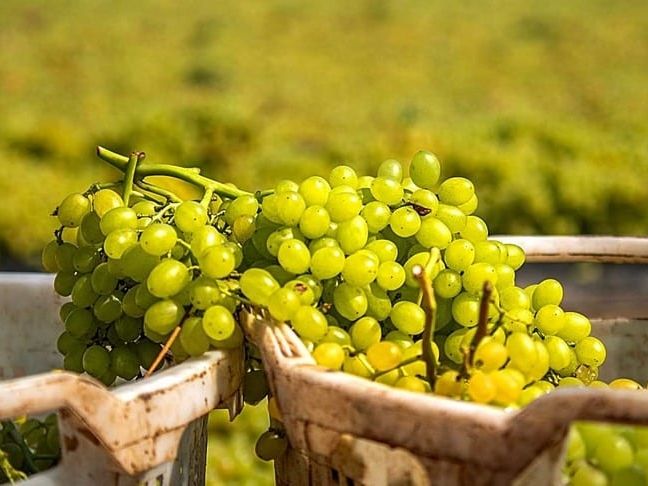
Sultaniye üzümü (sultana grapes)
The sultana grape is the most celebrated product of Manisa's farming, and the city is known for it.
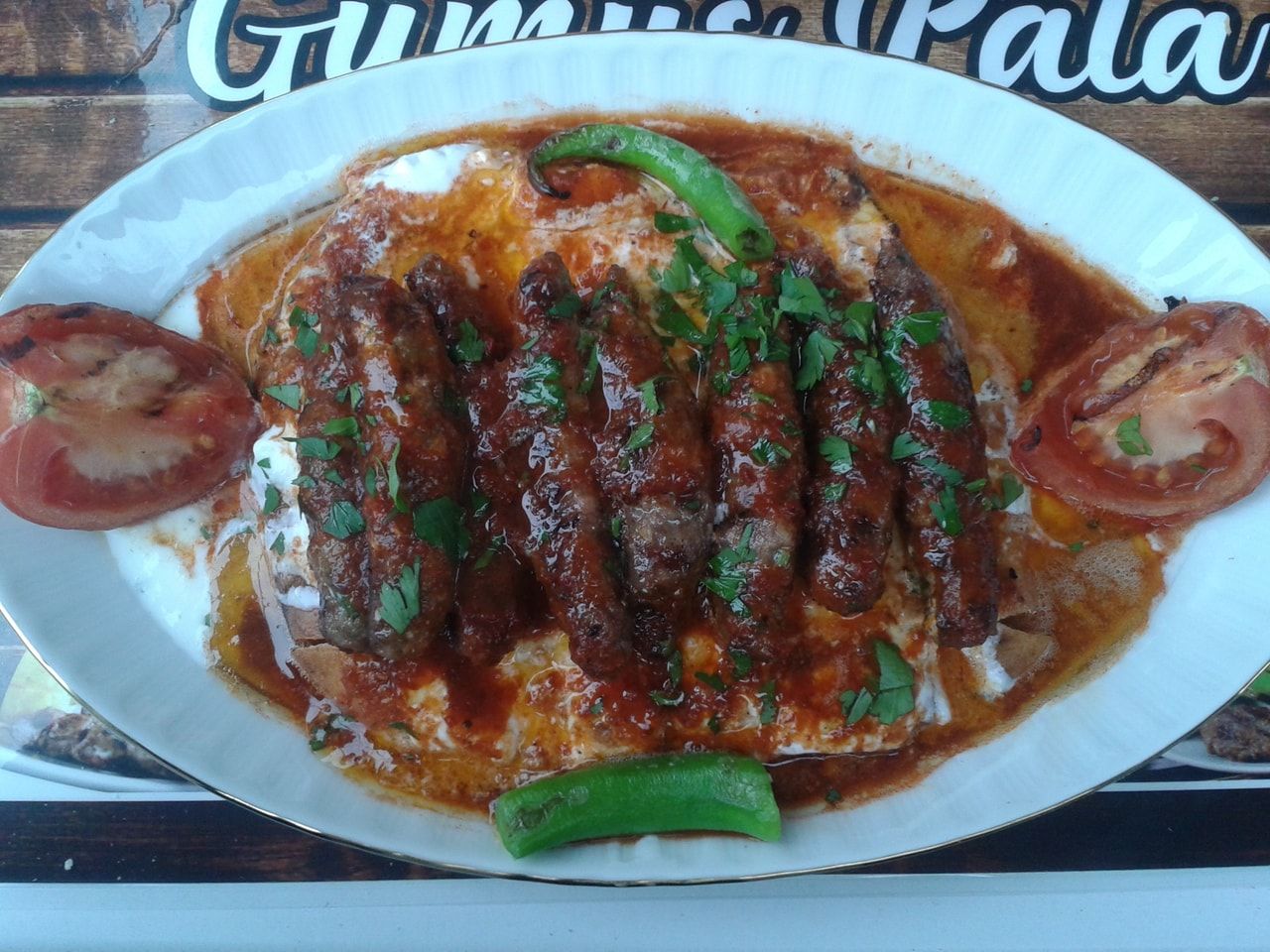
Manisa kebabı
Minced meat grilled on skewers is served on pide with tomato sauce, yoghurt and butter.
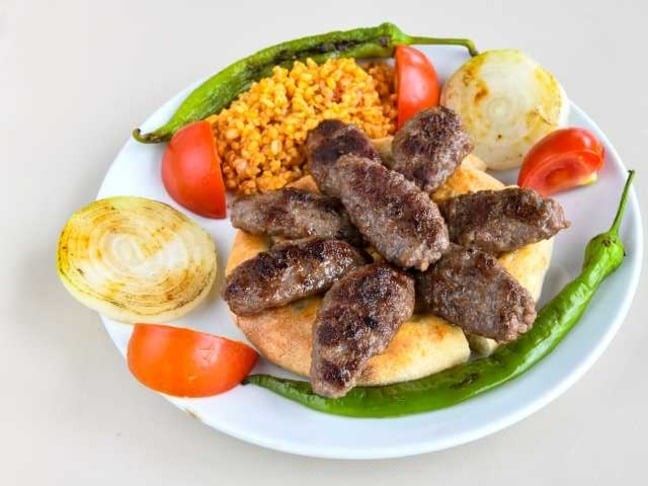
Odun köftesi
Meatballs cooked over an oak-wood fire; they are associated with Salihli.
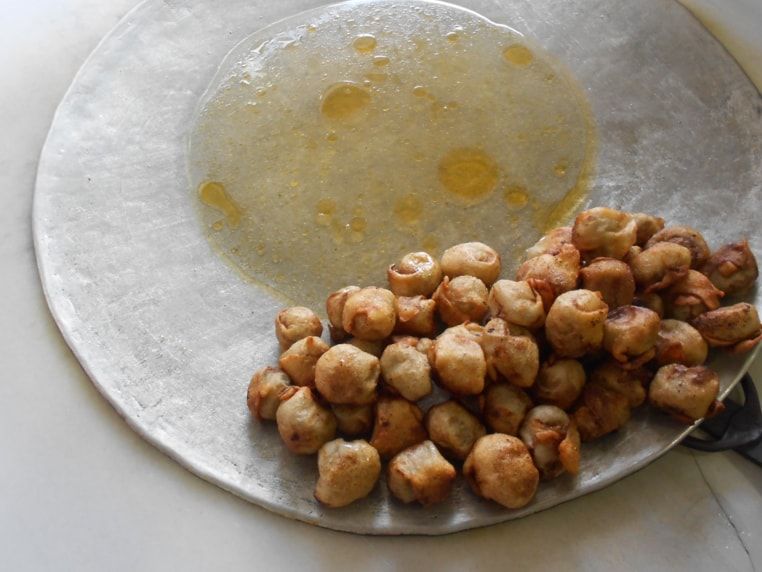
Kapama
A minced-meat filling is wrapped like a bundle in small squares of dough and fried, then soaked in bone broth and served with yoghurt. Alaşehir Kapaması is registered with a geographical indication.
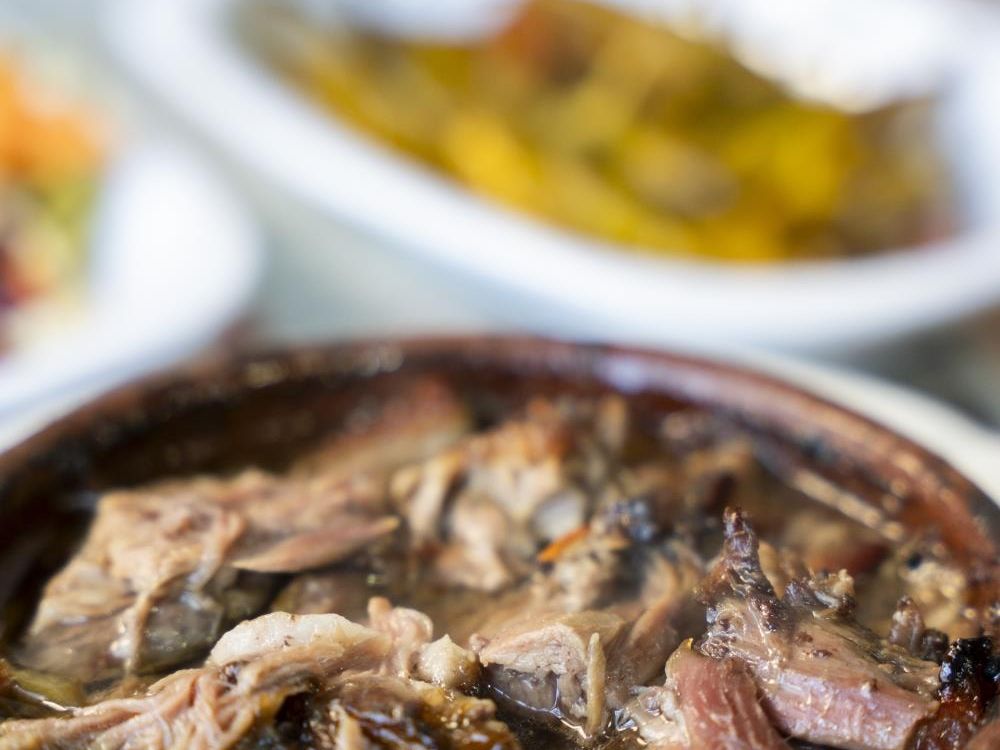
Kula güveci
A meat dish cooked in an earthenware pot, traditionally over a wood fire.
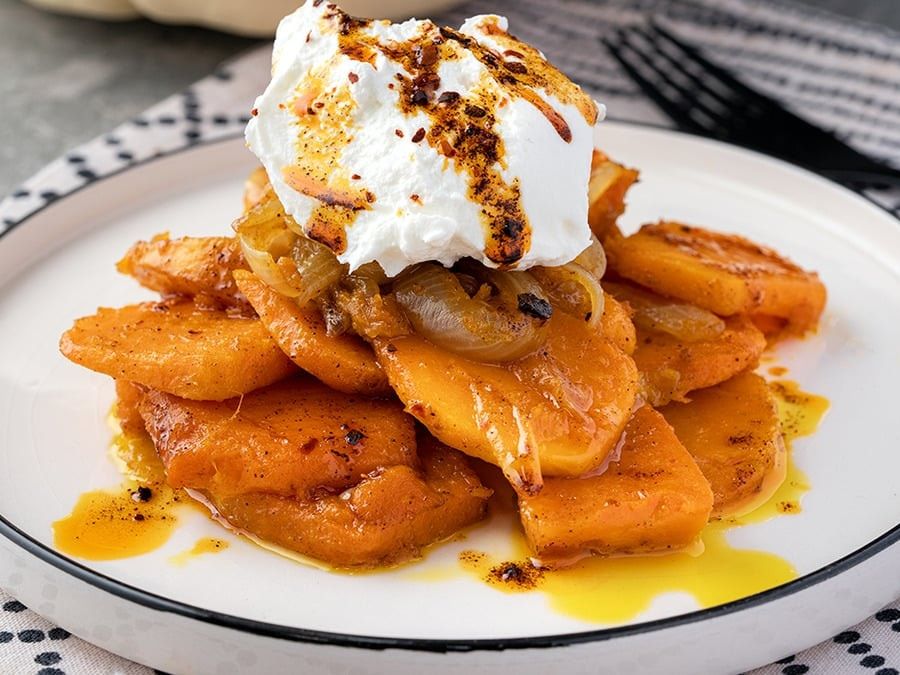
Sinkonta
Pumpkin cooked with onion and garlic and eaten with yoghurt.
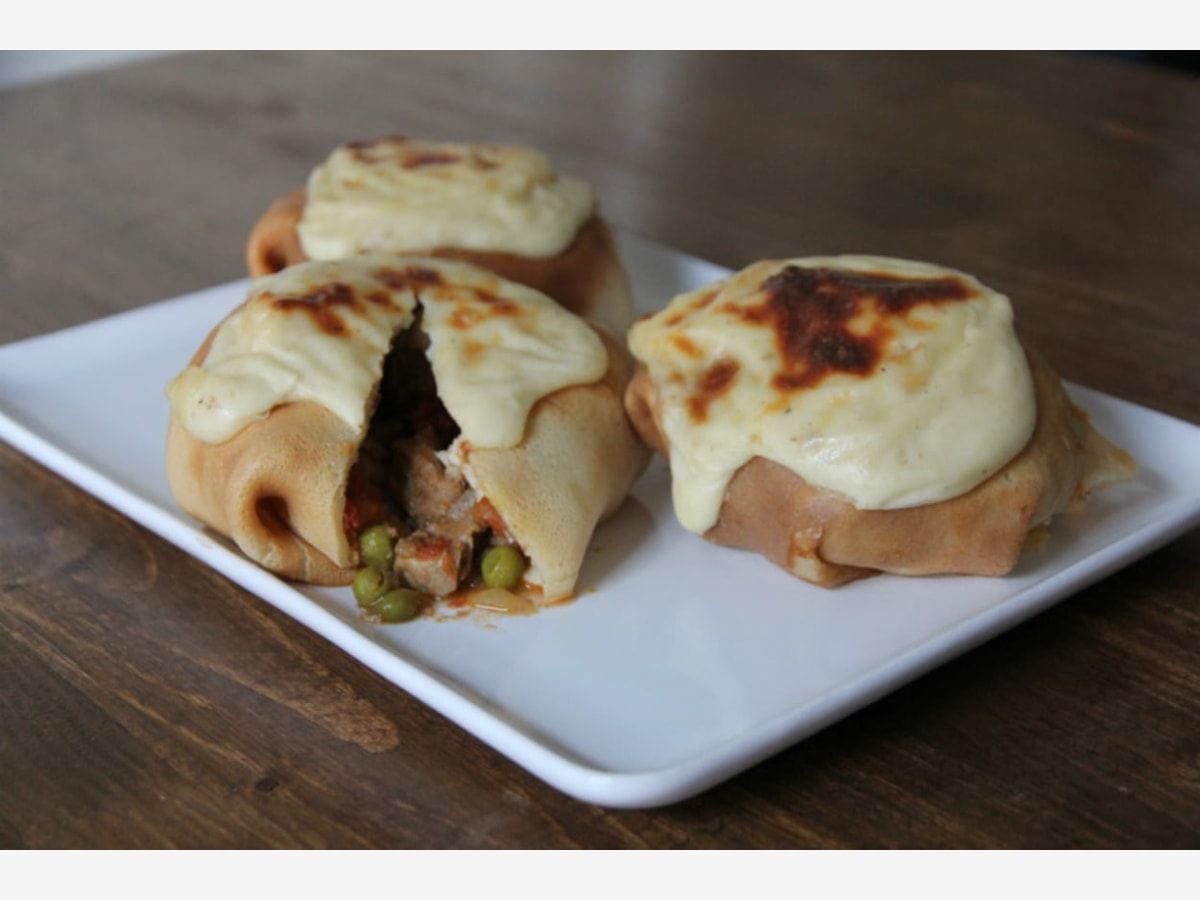
Bohça kebabı
Meat and vegetables are wrapped up like a bundle and cooked.
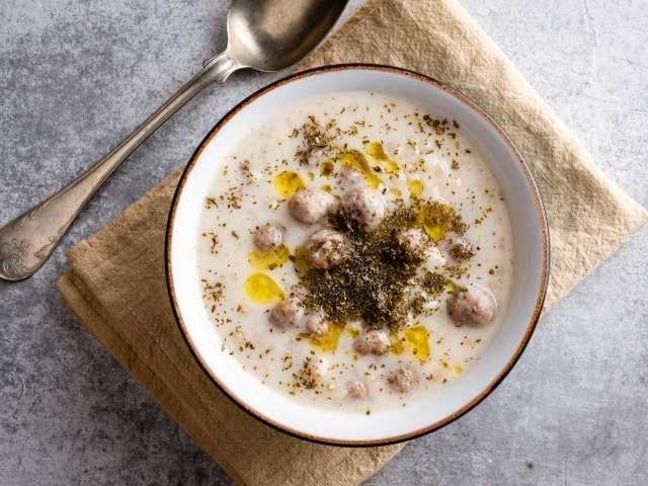
Kulak çorba
A soup made with cut pieces of dough and minced meat.
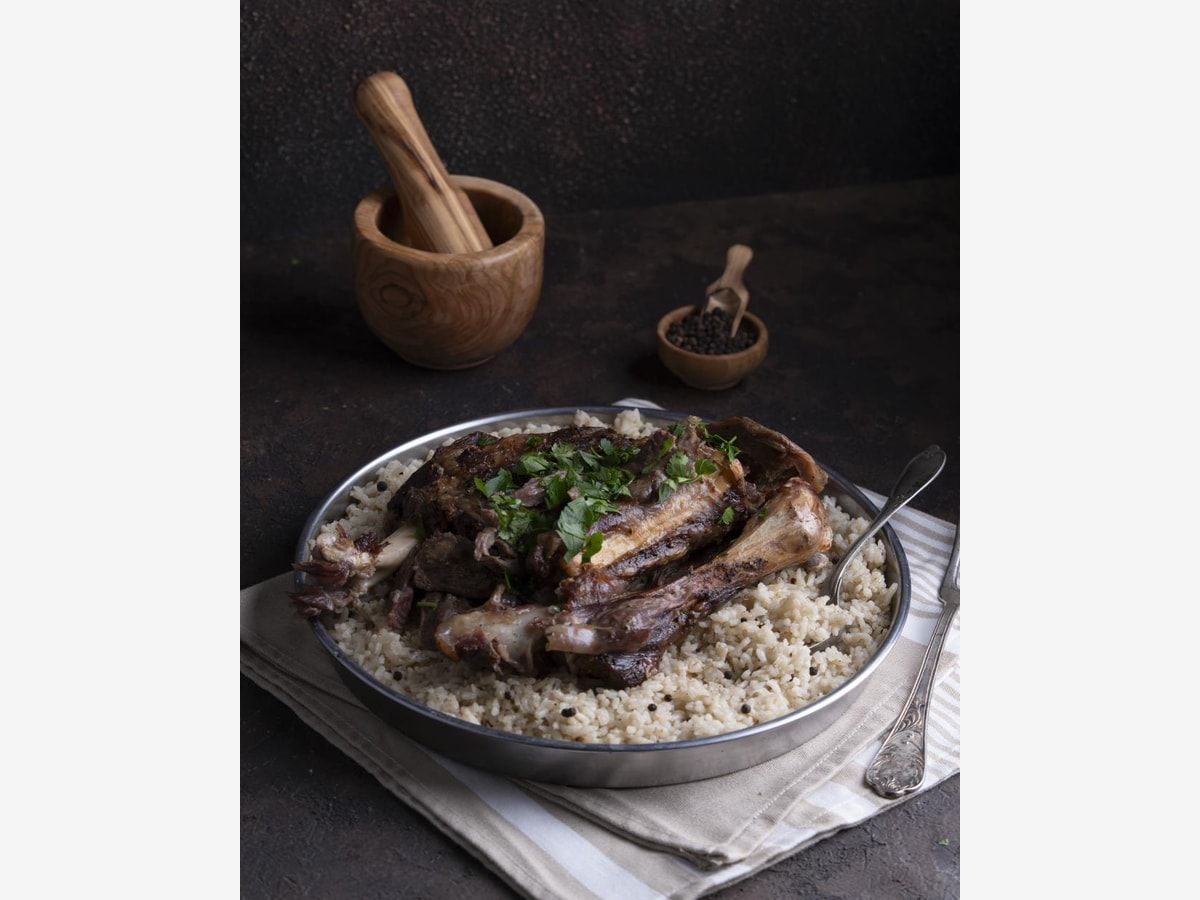
Sura
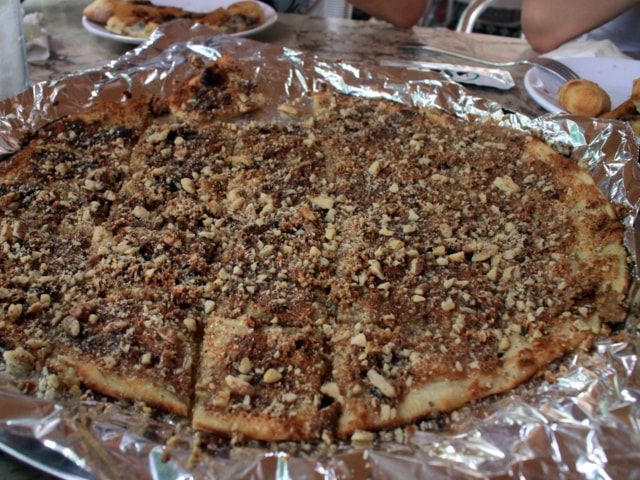
Şekerli pide (sweet pide)
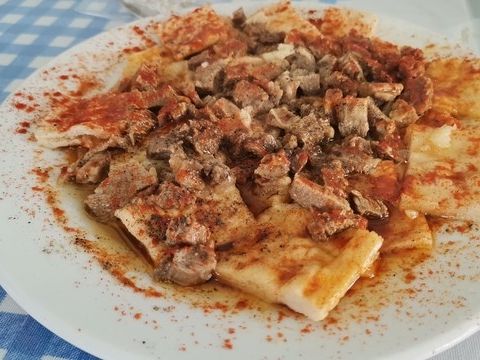
Pideli paça
The head meat and shank bones of cattle are cooked for 8–10 hours and served on pide with garlic vinegar. Kırkağaç Çakal Pideli Paça is registered with a geographical indication.


Mantar tatlısı (mushroom dessert)
An unusual dessert made by boiling cultivated mushrooms with fruit and sweetening them with cloves and sugar.
Places to visit in Manisa
Muradiye Mosque, Manisa
The Muradiye Mosque, in the Sultaniye neighbourhood of central Manisa, is counted among the works of Mimar Sinan.
Mimar Sinan drew up the design in his nineties. Construction was begun by the architect Mahmut Ağa, one of the great Sinan's students, but after Mahmut Ağa's sudden death the architect Mehmet Ağa carried on with the work. Because of his age, Mimar Sinan, who only drew the design, never saw the mosque.
The mosque has the general features of Ottoman architecture. Part of the complex built in the name of Murad III, it has two minarets. Beside it are the other parts of the complex, the imaret (soup kitchen) and the madrasa.
Urganlı Hot Springs
The Urganlı hot springs, among Manisa's thermal areas, offer a peaceful holiday with the thermal hotels around them and their natural beauty. Urganlı is visited by many tourists during the year.
One of the main reasons people choose the area is its thermal waters. The Urganlı springs are 17 kilometres from Turgutlu and 54 kilometres from the provincial centre. Their water contains bicarbonate, sodium and carbon dioxide, and is used to treat fractures and dislocations, rheumatism, osteoarthritis, sciatica, eczema, haemorrhoids and intestinal diseases. You can reach them easily by continuing on to the Urganlı road from the İzmir–Ankara highway. İzmir Adnan Menderes Airport is 70 kilometres from the springs, so you can fly in. Besides the Urganlı springs, the province also has the Kurşunlu springs. The Urganlı springs are among the places you can choose for a pleasant, healthy holiday.
Kurşunlu Hot Springs
The Kurşunlu hot springs, in Manisa's Salihli district, are 6 kilometres from the district centre. Set in a magnificent valley, the springs offer both their healing waters and nature at its best…
You can holiday at the Kurşunlu springs in any season you like; they are 65 kilometres from the provincial centre and 6 kilometres from the district centre. The thermal water contains sulphate, bicarbonate and hydrogen sulphide. Good for joint problems, osteoarthritis, rheumatism, skin and nervous complaints and women's illnesses, the Kurşunlu springs range in temperature from 52 to 96 degrees.
If you want to holiday at Kurşunlu in Manisa, you need to book early at one of the Kurşunlu thermal hotels. While enjoying the springs, you can start seeing the city's sights from Salihli. The Bintepe tumuli are among the first places you should see in the Salihli district.
Bintepe Tumuli
The Bintepe tumuli, the largest tumuli in Anatolia, are within the Salihli district of Manisa.
The spellbinding tumuli of the Lydian kingdom are among the area's most important sights. The largest of the Bintepe tumuli is the tomb of Alyattes, 35 metres in diameter, 1,115 metres in circumference and 69 metres high; this information was given by the ancient historian Herodotus. You can reach it by a 2-hour drive along the road to the ancient city of Sardis. Be sure to visit these magnificent tumuli of the Lydian kingdom on your Manisa holiday. The ancient city of Sidas, Manisa Castle and the Weeping Rock (Ağlayan Kaya) are among the city's other sights.
Ancient city of Sidas
The ancient city of Sidas, which holds Manisa's history within it, is also known as Saittai. Not yet excavated in detail, Sidas belonged to the Lydians.
The Turks gave the name Sidas to this ancient city, which played important roles in its history. It is in the Demirci district, and although no detailed excavation has been carried out, there are many architectural fragments within the city. The name means beautiful, blessed forest. A stream runs through the middle of the ancient city, and Roman and Lydian remains lie around it.
This city will thrill you on your Manisa trip and give you plenty of chances to explore. The entrance gate, the government building and the open-air theatre are among the buildings that will catch your eye. The ancient city of Sidas awaits you with all its mystery. After this ancient city, you can also visit Manisa Castle, Mount Spil National Park, the Weeping Rock and Manisa Museum to discover historic and natural sites.
Manisa Castle
Manisa Castle, among Manisa's historic remains, stands at the foot of Mount Spil and still catches the eye of everyone who sees it.
You will not be bored for a moment on your Manisa holiday. Touring its natural beauty and historic sites, you will have fun and an informative trip. Manisa Castle is on Sandık Tepe.
Its construction date is not known for certain, nor is there clear information about who built it, though there are views that it was founded by the Magnetes. Alexander of Macedon is also known to have kept important supplies in this castle.
Manisa Castle, made up of two parts, will also enchant you with its view. You can add the Weeping Rock, Manisa Museum, the Bintepe tumuli, the ancient city of Sart and the İvaz Pasha Mosque to your holiday for a time full of enjoyment and discovery.
Mount Spil National Park
Mount Spil National Park in Manisa is 23 kilometres from the provincial centre. Rising from 60 metres to 1,517 metres, it is also 10–15 degrees cooler than the city.
It is very rich both in mythology and in flora. According to mythology, it takes its name from Cybele Sipylene, wife of the god Kronos. Cybele, by the way, is the goddess of plants, animals and fertility. The caves in Mount Spil National Park and Sülüklü Göl (Leech Lake), full of leeches, are among the details that will catch your attention as you explore.
Also rich in wildlife, the national park is home to bears, roe deer, wolves, jackals, vultures, badgers, wild boar, foxes, wild goats, martens and many other species. What will interest you most, though, is the grave of the “Tarzan of Manisa”. You can also add the İvaz Pasha Mosque, the Weeping Rock, Manisa Museum, the ancient city of Sart and the ancient city of Sardis to your Manisa trip.
İvaz Pasha Mosque
Built in 1484 by İvaz Pasha, son of Abdülmüin, the İvaz Pasha Mosque is in Manisa's Mutlu neighbourhood.
The İvaz Pasha Mosque is also a small version of the Üç Şerefeli Mosque in Edirne. Built especially with cut stone and brickwork, it has İvaz Pasha's grave to its east.
It is rich in detail and an example of early Ottoman architecture. The tiles inside Manisa's İvaz Pasha Mosque and the geometric decoration of its wooden minbar are very striking, and it has an atmosphere that will impress you greatly when you visit. After the İvaz Pasha Mosque, you can visit Manisa's other beauties, the Weeping Rock, Manisa Museum and the ancient city of Sart, and discover new places.
Weeping Rock (Ağlayan Kaya)
The Weeping Rock in Manisa's Çaybaşı neighbourhood is internationally famous. It has one more feature: a legend of its own.
According to the legend, Niobe, daughter of Tantalus, who lived near Mount Spil, had 12 children. Niobe boasted about this all the time and, because Leto, Zeus's consort, had only two children, took every opportunity to say how many children she had. This made the goddess Leto very angry, and she called her children Artemis and Apollo and told them to punish Niobe. Apollo and Artemis killed all of Niobe's children with their arrows. After her children's deaths Niobe wept for days; the god Zeus took pity on her and turned her to stone at the foot of Mount Spil. That is the legend of the Weeping Rock.
Tears are said to flow mostly from the rock's eye socket, and no tears flow when children are playing beside it. The Weeping Rock at Çaybaşı has a great many visitors and is definitely a place you should visit. On your Manisa trip, don't forget to visit the Bintepe tumuli, Manisa Museum and the ancient city of Sart.
Manisa Museum
The first museum work in Manisa, the City of Princes, was planned in 1934.
At that time, through the efforts of the people of Manisa, teachers and the People's House (Halkevi), artefacts began to be collected, and in 1935 the madrasa of the Muradiye Complex in Manisa was restored and the finds were moved there. The madrasa, which at first could be called a storeroom, opened its doors to visitors in 1943. Closed from 1958 to 1962, Manisa Museum underwent a thorough repair.
The museum has two sections, archaeological and ethnographic. Remains from ancient cities in the Lycian region such as Attila, Daldis, Apollonis, Tabala and Thyatira make up most of the exhibition. A tomb fresco with peacocks, a silver Gospel case and oil lamps are among its other important works.
Manisa Museum, where you can also see remains bearing the traces of the Roman and Byzantine periods, continues to offer its visitors a visual show with its wide-ranging collection. Visit it whenever you get the chance.
Ancient city of Sart
Archaeological excavations continue at the ancient city of Sart, part of Manisa's historic sites, with its history full of secrets.
The ancient city, capital of the Lydian kingdom, is where the first gold coins in history were struck.
Excavations have been carried out at Sart, within the Salihli district, since 1854. Of the works recovered in more than a century of digging, 0.06 have been brought out. The ancient city, where the Royal Road ended, gained a scientific footing in 1858. It is a place to go for those who plan to spend most of their holiday sightseeing. You can set out to explore Sart amid the scents of history. On this very enjoyable trip, you will learn as you wander through hidden corners of history.
Ancient city of Sardis
The remains of Sardis, capital of the Lydian civilisation, which was founded at the end of the Bronze Age and ruled until the 6th century BC, are near the town of Sart in Manisa's Salihli district.
Sardis is also where coins were first struck in history. Sardis became a rich city through livestock, farming, trade and gold mining, and kept its commercial and administrative importance for many years.
The city has one of the Seven Churches important in Christianity, which also gives it an important place in religious terms. Sardis, in Manisa's Salihli district, draws many tourists with the remains that have survived to the present day.
Culture and arts in Manisa
Handicrafts
With industrialisation, some of our traditional handicrafts have declined and some have begun to disappear. Even so, Manisa still has handicrafts that are kept alive, carpet weaving above all. Weaving such as carpets, kilims, cicim, sili and çarpana, as well as güveç pottery, wooden horse-cart making, felt making, packsaddle making and coppersmithing, still survive in the area.
The Turkish tribes who began settling in the area from the 13th century kept many habits of their old way of life even after settling down. Living mainly from livestock, these tribes dyed the wool of their own animals with natural dyes and made carpets, kilims and similar weavings for their own needs, with traditional patterns made up of symbolic motifs. Carpet weaving, which spread further after settlement,
became famous from the 17th century, and the Yunt Dağı villages of central Manisa and the districts of Gördes, Kula and Demirci became important carpet-weaving centres.
In the 19th century, growing demand for these carpets in Western countries, and orders from carpet-trading companies and merchants for mass production suited to European taste, led to the abandonment of the double-knot technique particular to the Turks and of natural dyes, and to the degeneration of patterns; in short, quality was lowered for commercial reasons and the area's carpet weaving declined. This went on until years of work by the relevant institutions, in cooperation with universities, brought about a return to traditional features in the area's carpet weaving.
The carpets are named after the area where they are woven: Gördes, Kula, Demirci and Yunt Dağı carpets. Other important handicrafts in the area are kilim weaving in the villages of Yunt Dağı, Kula, Sarıgöl and Selendi; felt making and the production of functional or decorative miniature sprung horse carts and ox carts (kağnı) in Akhisar; güveç pottery in the town of Gökeyüp in Salihli; and coppersmithing in Kula.
Gördes carpets
Gördes, famous more for its prayer rugs than for floor carpets, was an important carpet-weaving centre of western Anatolia in the 17th and 18th centuries. In Western countries the name Gördes came to be used to mean a prayer rug, and the weaving technique particular to the Turks called the “double knot” became so famous that it is known as the “Gördes knot”.
In the carpet-weaving centres founded in our country in the 19th century, such as Istanbul, Bursa, Bandırma, Hereke and Kayseri, Gördes prayer rugs were used as models, with various local changes and additions to their patterns.
Classic Gördes prayer rugs, with wool weft and warp woven in the double-knot technique, are dominated by dark red, blue, camel and cream. One of their most distinctive features is a stepped inverted “V” or horseshoe-shaped mihrab (prayer niche). The mihrab arches are connected to the inner border and colonnettes, and the inside of the arch is decorated with symbolic motifs or stylised plant motifs. The spandrels between the mihrab arch and the border are decorated with motifs of small flowers, leaves and branches. The same elegance and finesse can be sensed in the spandrels of 17th-century Gördes prayer rugs, which were strongly influenced by 16th-century palace prayer rugs.
The field and inscription panels have panel designs made up of stylised motifs. The borders consist of stylised plant motifs resembling flowers, apples and pomegranates, or of striped borders decorated with tiny plant motifs. Gördes prayer rugs are given different names according to their design or borders. The type with large red rosettes that resemble apples, the result of stylised flower motifs, is called Elmalı (Apple) Gördes; the type with schematic serrated leaf motifs, Taraklı (Comb) Gördes; the type with colonnettes, Sütunlu (Column) Gördes; and the type with tiny flower motifs on the field, Sinekli (Fly) Gördes. Because Sinekli Gördes was usually woven for a girl's trousseau, it is also known as Kız (Maiden) Gördes.
Kilim weaving
In the Yunt Dağı villages of central Manisa; the villages of Güneydamları and Şeyhdavutlar in the Sarıgöl district; and the villages of Karakozan, Eskin, Kazıklı, Dumanlar, Kürkçü, Karabeyler, Zıraman, Kınık, Mıdıklı, Yukarı Güllüce, Aşağı Güllüce, Karaselendi, Avlaşa, Çinan and Kabaklar in the Selendi district, kilims with traditional motifs are woven in different qualities, both for people's own needs and for trade. There is also a cooperative in the village of Tavaklar in Selendi.
Felt making
Felt making, which we have carried on since Central Asia as a legacy of nomadic life, was until recently an essential part of daily life in the form of floor coverings, shepherds' cloaks (kepenek) and parts of harness, but it is gradually sinking into the past.
Workshops in central Manisa, Akhisar, Alaşehir, Demirci and Kula were active until recently, but as use declined they closed, except for a few still working in central Akhisar and in Kula. The remaining felt makers try to survive on orders from nearby villages and tourist souvenir sellers.
Horse-cart making
Before motor vehicles and asphalt roads became widespread, there were various workshops in the Manisa area that made and repaired sprung horse carts and ox carts. The wooden sprung carts were brightly painted, decorated with pictures of flowers, plants and landscapes, and used for travel and transport.
There are still workshops doing this work in the Akhisar district. But as living conditions changed, production almost disappeared, and the workshops survived by making carts identical to the originals but smaller. The sprung horse carts made in Akhisar are now used as garden and interior ornaments by people seeking nostalgia.
Güveç pottery
In the town of Gökeyüp in Salihli, reached by the Salihli–Köprübaşı road, güveç (earthenware cooking pots) are widely made at home, mostly by women. Clay suitable for the work, brought by the men from nearby, is pounded fine and kneaded, then shaped into various cooking vessels, dried and fired on fires lit in gardens to make them ready for sale.
Packsaddle making
In the past all kinds of goods were carried in the city by “donkeys” or “horse carts”. Today, now that transport is by motor vehicle, that is, goods reach the city by tractor, animals such as horses and donkeys have lost their importance, and the craft of packsaddle making has almost been abandoned. The packsaddle, made on a wooden frame and stuffed with reeds between leather and felt, then wrapped and sewn so that the load does not hurt the back of horses, donkeys and mules used as pack and riding animals, is a craft that demands great care. Packsaddles are now also made in miniature for tourists.
Coppersmithing
In the centre of the Kula district, coppersmiths survive despite advancing technology by making copper vessels to be used as gifts and ornaments.
Dyeing
There was dyeing in almost every centre of weaving in Anatolia. The “dyers' guild”, which dyed both weaving yarn and cloth, performed an important function. In Manisa in the 17th century, all those working as dyers are said to have been Turks. The dyers shared out the cloth and yarn among themselves to dye.
Madder, which gives red, could be grown almost anywhere in Anatolia, but the best and most famous came from the town of Bakır near Kırkağaç. The madder of Manisa, Akhisar and Gelenbe was also among the best. Banners were made from Alaşehir's “kızıl ivadi” (red cloth). Madder, the basis of “Turkish red”, was practically driven out of Turkish agriculture towards the end of the 19th century, defeated by the chemical industry.
Source: http://www.manisakulturturizm.gov.tr
History of Manisa
Ancient sources trace Manisa's founders to the Magnetes who lived around Mount Pelion in Thessaly. Nearby Sardis was the capital of the Lydians, who were the first to strike and use coins; today it is within Salihli. In 546 BC Lydia was defeated by the Achaemenid Empire, and in 133 BC the region passed to Rome together with the Kingdom of Pergamon.
In 1313 Saruhan Bey took the city and made it his capital, and in 1412 Manisa came under Ottoman rule. Between 1437 and 1595, 16 princes served as sanjak governors here.
The city was occupied by Greece in 1919 and retaken on 8 September 1922. Most of its buildings were destroyed in the great fire of 5–8 September 1922. A metropolitan municipality was established in 2012.
Getting to Manisa
Manisa can be reached by air, rail or road. The nearest airport is İzmir Adnan Menderes Airport, 39 kilometres away. From there you can rent a car, or go to the bus station and take a coach to Manisa. For those travelling by coach, many companies run services to Manisa from large cities such as Istanbul, Ankara, Antalya and İzmir. Istanbul–Manisa is 442 kilometres (about 6 hours), Ankara–Manisa 563 kilometres (about 7 hours) and Antalya–Manisa 430 kilometres (about 6 hours). For those who prefer rail, there are connections to Bandırma, Balıkesir, İzmir, Uşak, Aydın and Denizli.
Districts of Manisa
- Ahmetli
- Akhisar
- Alaşehir
- Demirci
- Gölmarmara
- Gördes
- Kırkağaç
- Köprübaşı
- Kula
- Merkez (central district)
- Salihli
- Sarıgöl
- Saruhanlı
- Selendi
- Soma
- Turgutlu
Economy of Manisa
Manisa is considered the second largest industrial and trading centre in the Aegean after İzmir. It has a well-developed organised industrial zone; brands such as Vestel, Indesit, Bosch, Ülker and Ferrero have set up their Turkish production plants here. In 2005 the city was chosen by the Financial Times as the world's best city for investment.
Farming is also an important source of income. Grapes, above all sultana grapes, come first, and olive production has a place of its own.


Comments
Loading comments…