
Osmaniye
- Mediterranean Region
About Osmaniye
Osmaniye is a province in the Mediterranean region, east of the Çukurova plain. Its land runs from the foothills of the Amanus (Nur) Mountains down to the plain and holds important sites such as Karatepe-Aslantaş, a fortress from the Late Hittite period.
The area became a province under the name Cebelibereket in the early years of the Republic and was attached to Adana in 1933. Osmaniye became a province again on 26 October 1996.
Besides the central district, it has the districts of Bahçe, Düziçi, Hasanbeyli, Kadirli, Sumbas and Toprakkale. According to TÜİK (the Turkish Statistical Institute), the province had 564,123 inhabitants in 2025.
Regional food of Osmaniye
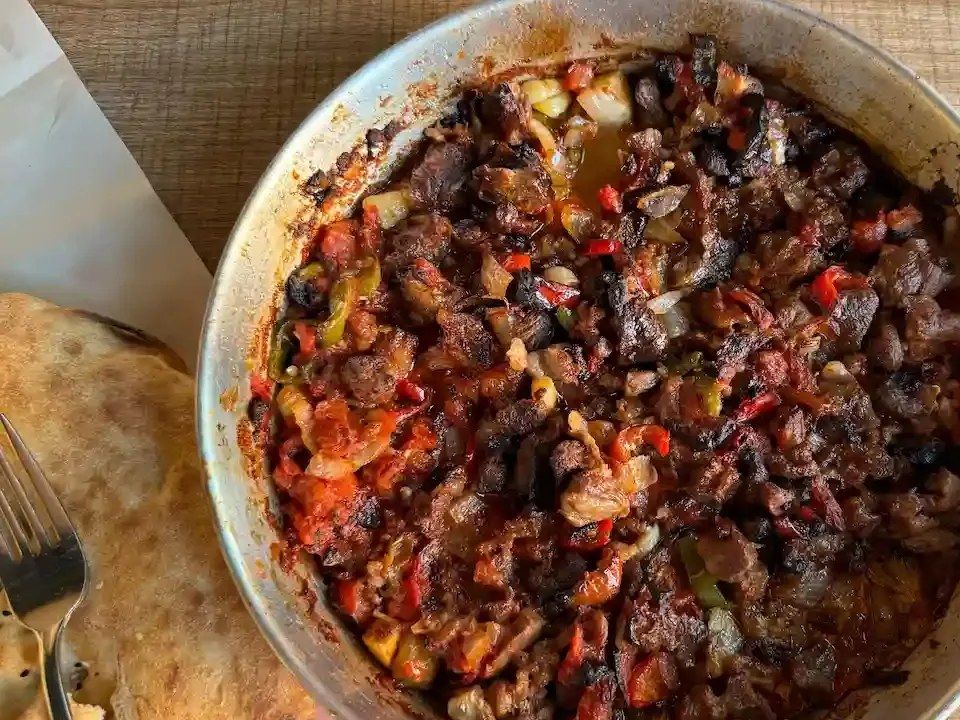
Osmaniye Zorkun Tava
A pan dish of lamb cooked with tomatoes, red onions and peppers, without added oil or tomato paste, as it is made on the Zorkun plateau. Osmaniye Zorkun Tava is a registered geographical indication.
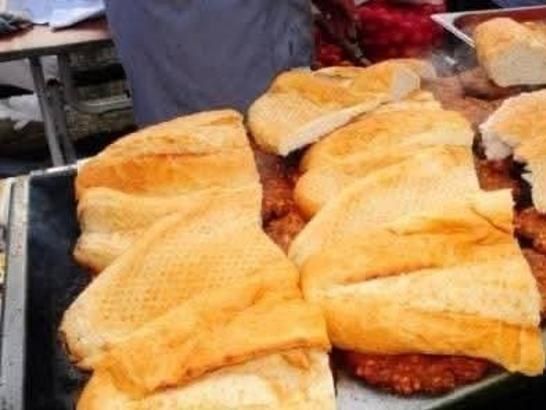
Kadirli Sucuk Ekmek
Beef kneaded with garlic and suet is shaped into rounds instead of being stuffed into a casing, grilled over charcoal and served in bread, a kind of sausage sandwich unique to Kadirli. Kadirli Sucuk Ekmek is a registered geographical indication.
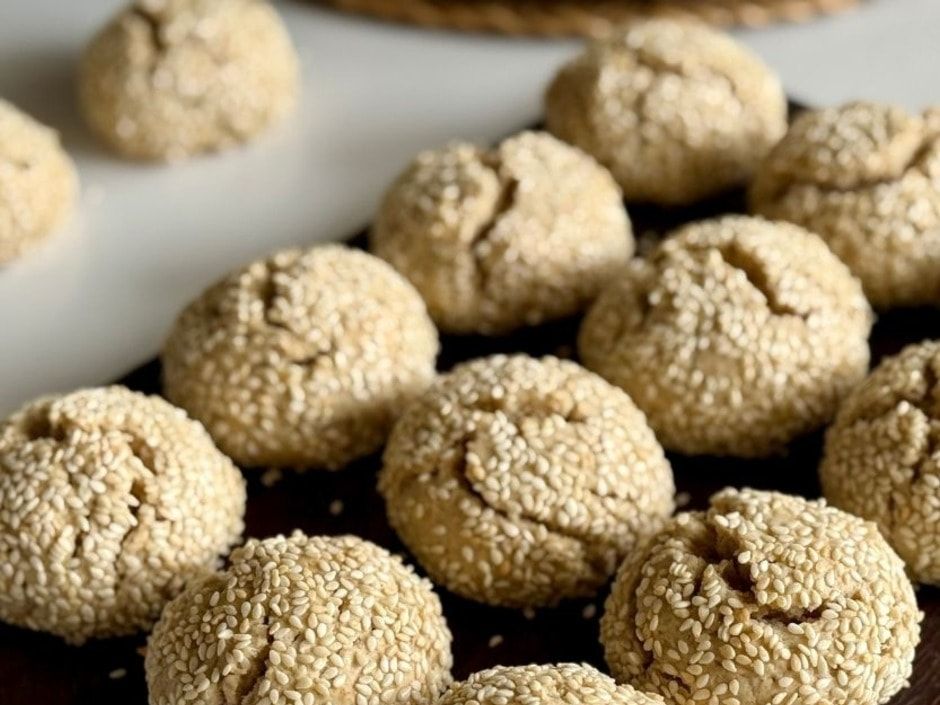
Osmaniye Bayram Kömbesi
A flat holiday biscuit baked for the religious festivals (bayram), flavoured with spices such as cinnamon, mahlab and mastic and topped with sesame seeds. Osmaniye Bayram Kömbesi is a registered geographical indication.
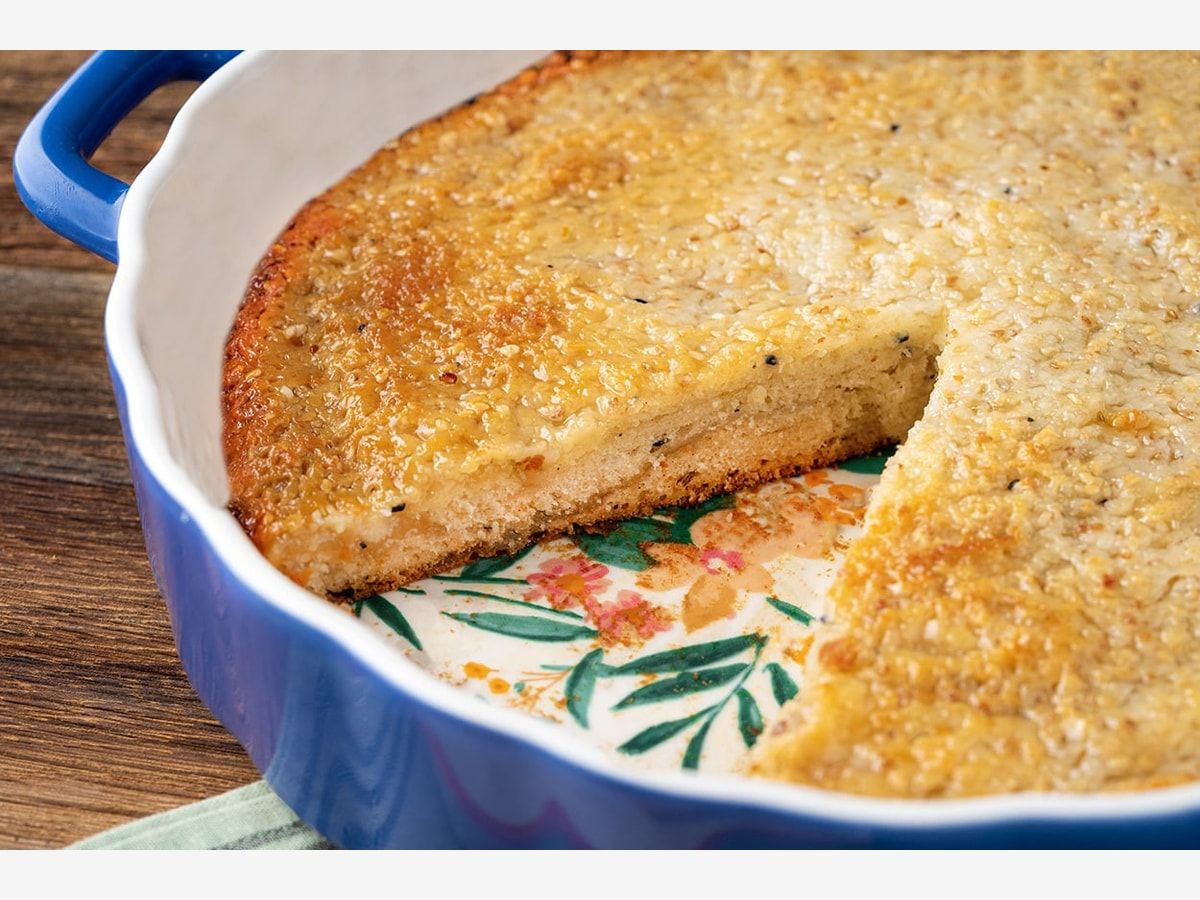
Osmaniye Yoğurtlu Kömbesi
A dough made with grape molasses and yoghurt is topped with a yoghurt filling and baked on a griddle (sac) or in a stone oven. Osmaniye Yoğurtlu Kömbesi is a registered geographical indication.


Places to visit in Osmaniye
The Karatepe-Aslantaş Open-Air Museum lies about 23 kilometres from Kadirli, inside Karatepe-Aslantaş National Park on the banks of the Ceyhan River. It is a Late Hittite fortress founded by King Azatiwada in the 8th century BC.
Karatepe's bilingual inscriptions, written in Phoenician and Luwian hieroglyphs, played a key role in deciphering Luwian hieroglyphs. Excavations began in 1947 under Helmuth Theodor Bossert, and Halet Çambel led the work at the site for many years.
The ancient city of Hierapolis-Kastabala, Toprakkale Castle, Harun Reşit Castle in Düziçi and the Ala Mosque in Kadirli are also worth seeing.
Culture and arts in Osmaniye
Karakucak wrestling, a traditional style of wrestling held in Kadirli, is one of the province's best-known events. Karatepe kilims and Kadirli prayer beads carved from juniper (andız) wood are handicrafts registered as geographical indications.
History of Osmaniye
Under the Ottomans the area was governed as the Sanjak of Cebel-i Bereket. Its seat moved first from Payas to Yarpuz and then, in 1908, to Osmaniye.
Atatürk visited the town on 16 January 1925. Cebelibereket, a province since 1924, was turned into a district of Adana on 1 June 1933, and Osmaniye regained provincial status in 1996.
Districts of Osmaniye
- Central district
- Bahçe
- Düziçi
- Hasanbeyli
- Kadirli
- Sumbas
- Toprakkale
Economy of Osmaniye
The first product people think of with Osmaniye is the peanut; Osmaniye peanuts were registered as a designation of origin in 2003. Kadirli radishes and Osmaniye olive oil are also among the province's registered products.
Factories in the organised industrial zone work in metal, textiles, chemicals, food, plastics and other sectors.


Comments
Loading comments…