
Siirt
- Southeastern Anatolia Region
About Siirt
Siirt lies in Türkiye's Southeastern Anatolia Region at 41°57′ east longitude and 37°55′ north latitude. It is bordered by the provinces of Şırnak and Van to the east, Batman and Bitlis to the north, Batman to the west, and Mardin and Şırnak to the south.
After its borders changed in 1990, the area of Siirt Province fell to 6,186 km². According to the 2007 census, its population of 291,528 made up 4.13‰ (per mille) of Türkiye's total population. According to TÜİK (the Turkish Statistical Institute) data for 2025, the province has a population of 332,369.
The land of the province took on its present form in the Tertiary period. Heavily folded and faulted, the area stayed above sea level through the Upper Eocene and Oligocene, was worn down and became a peneplain. In the Upper Miocene, as Eastern Anatolia rose as a whole, the province's area was lifted as a block and the Southeastern Taurus Mountains formed. During these uplifts, deep subsidence zones appeared, including in the southwest of the province. Troughs that formed in the stiffened, hardened parts of the Southeastern Taurus were eroded by rivers into valleys running west, southwest and south. As the valleys formed, plains built up from various deposits during the Quaternary, especially on valley floors that widened quickly in the subsidence zones.
Siirt's famous dishes and desserts
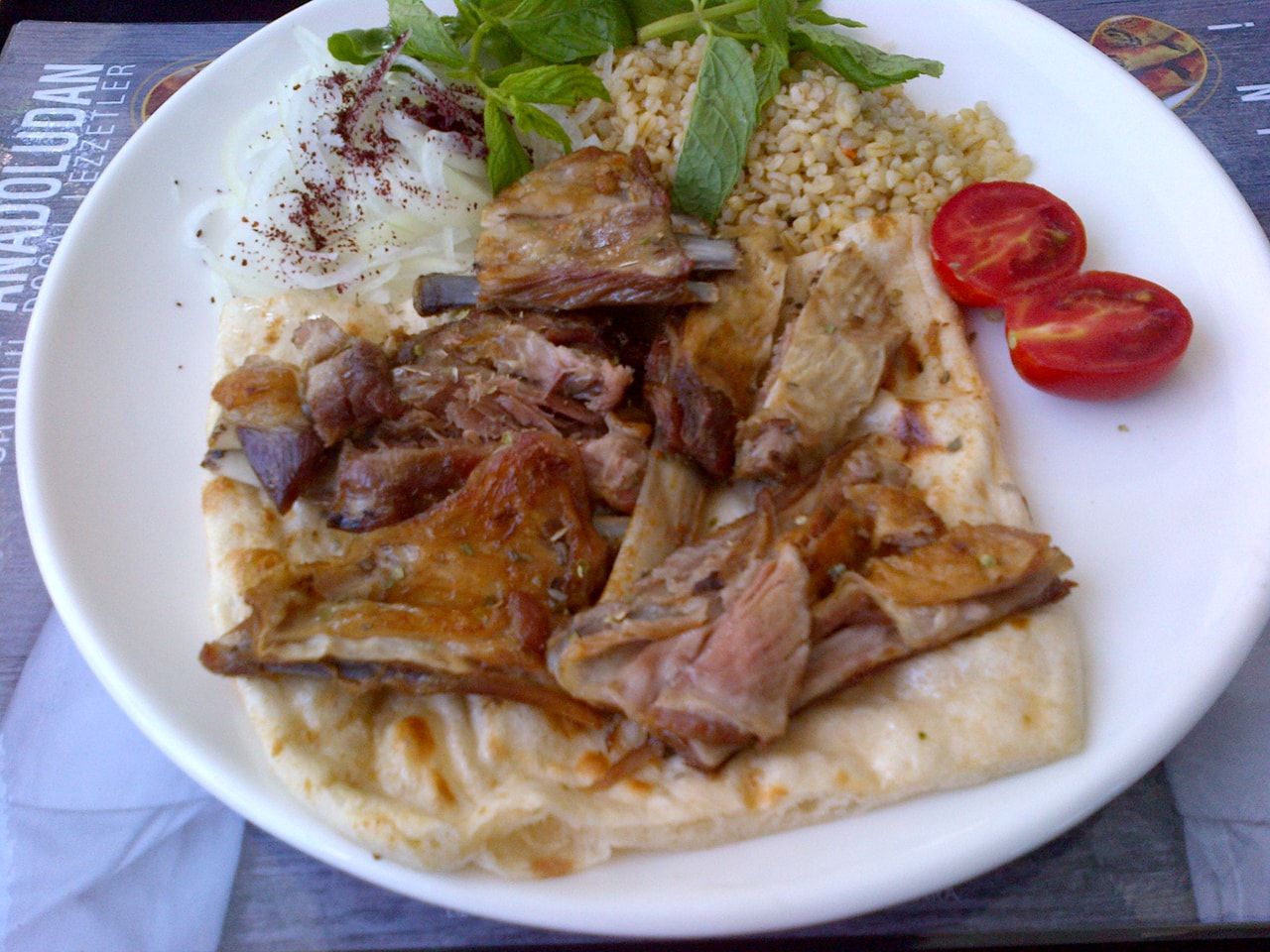
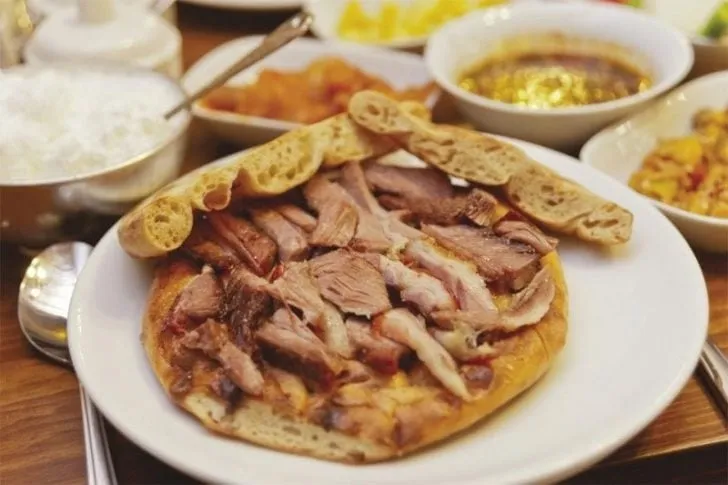
Büryan kebabı
Lamb or goat is cooked slowly over wood embers in a deep pit, without smoke. Siirt Büryan Kebabı is protected by a geographical indication.
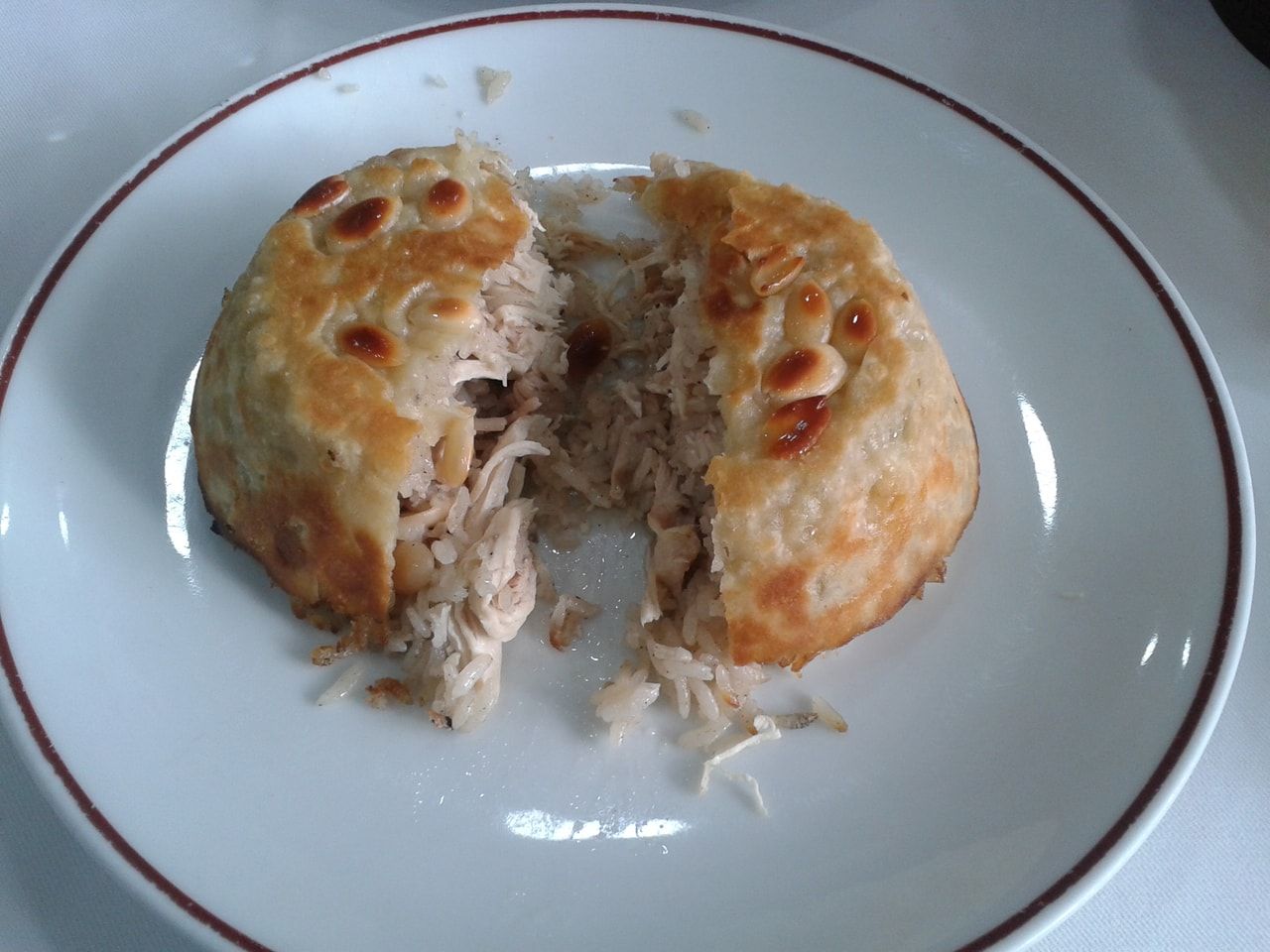
Perde pilavı (veiled pilaf)
Pilaf with chicken, rice and almonds is wrapped in a thin pastry shell and baked in the oven.
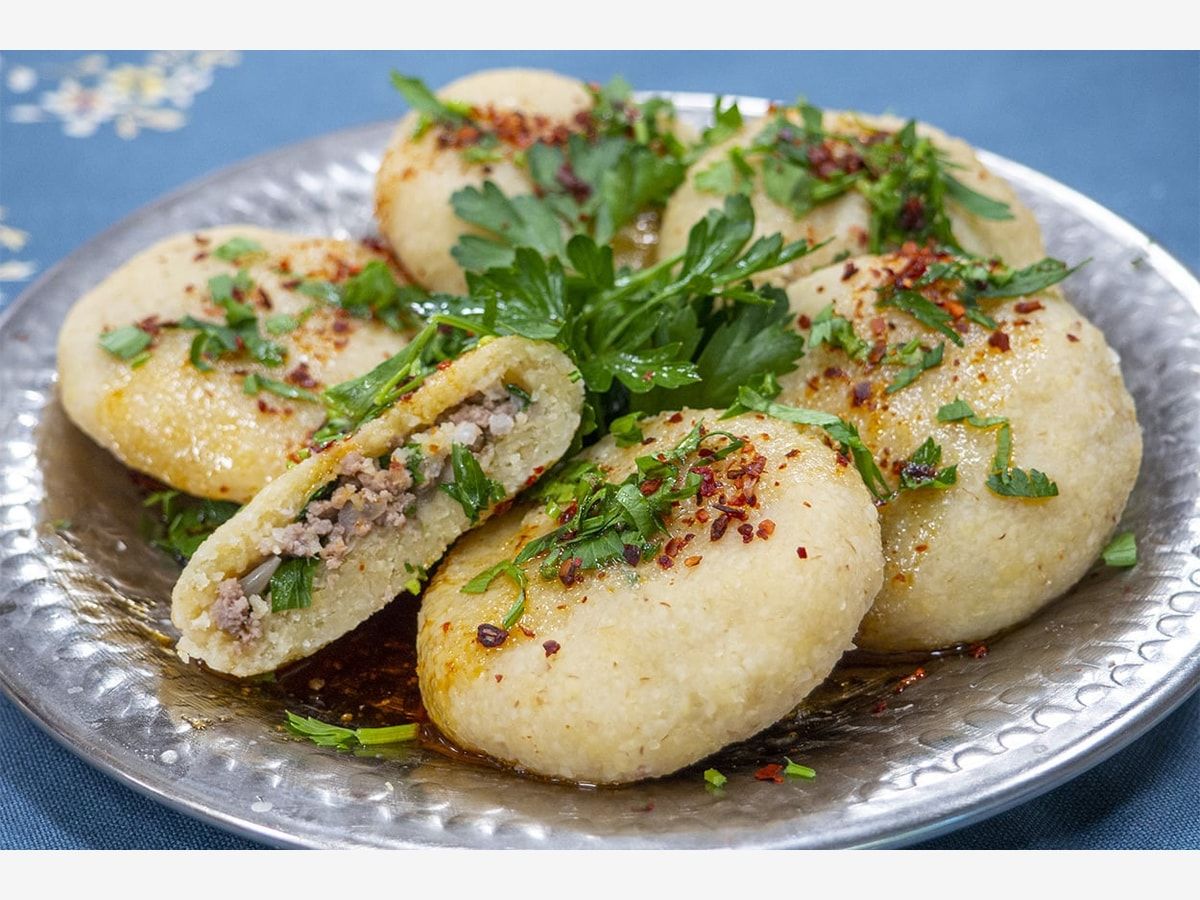
Kitel
A dome-shaped shell of fine bulgur dough is filled with minced lamb, boiled rice and basil, then boiled and served with a pepper sauce. Siirt Kiteli is protected by a geographical indication.
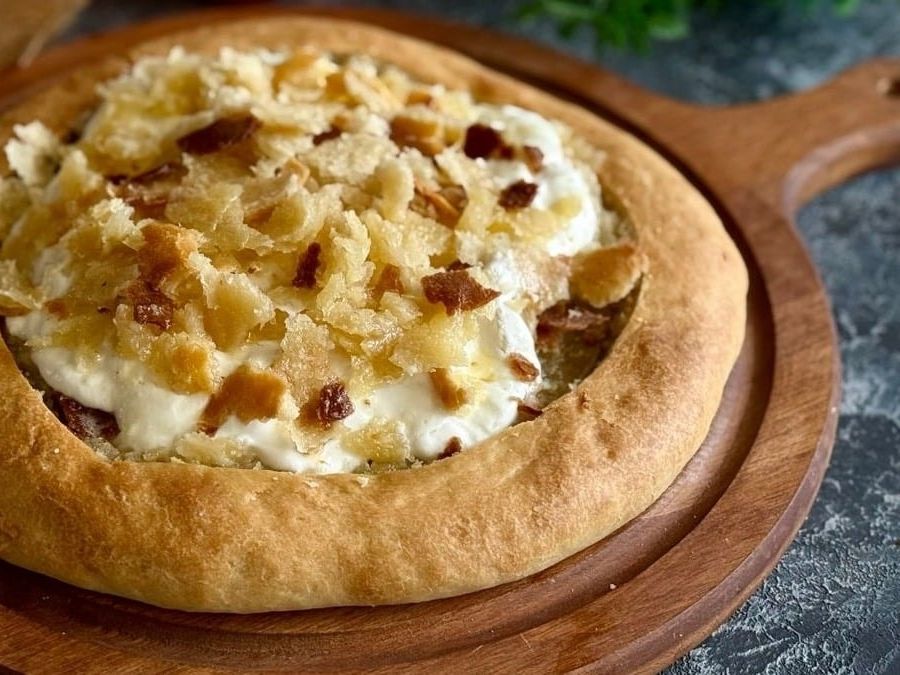
Zerfet
A dough made with flour, fat, yeast and sugar, eaten with garlic yogurt.
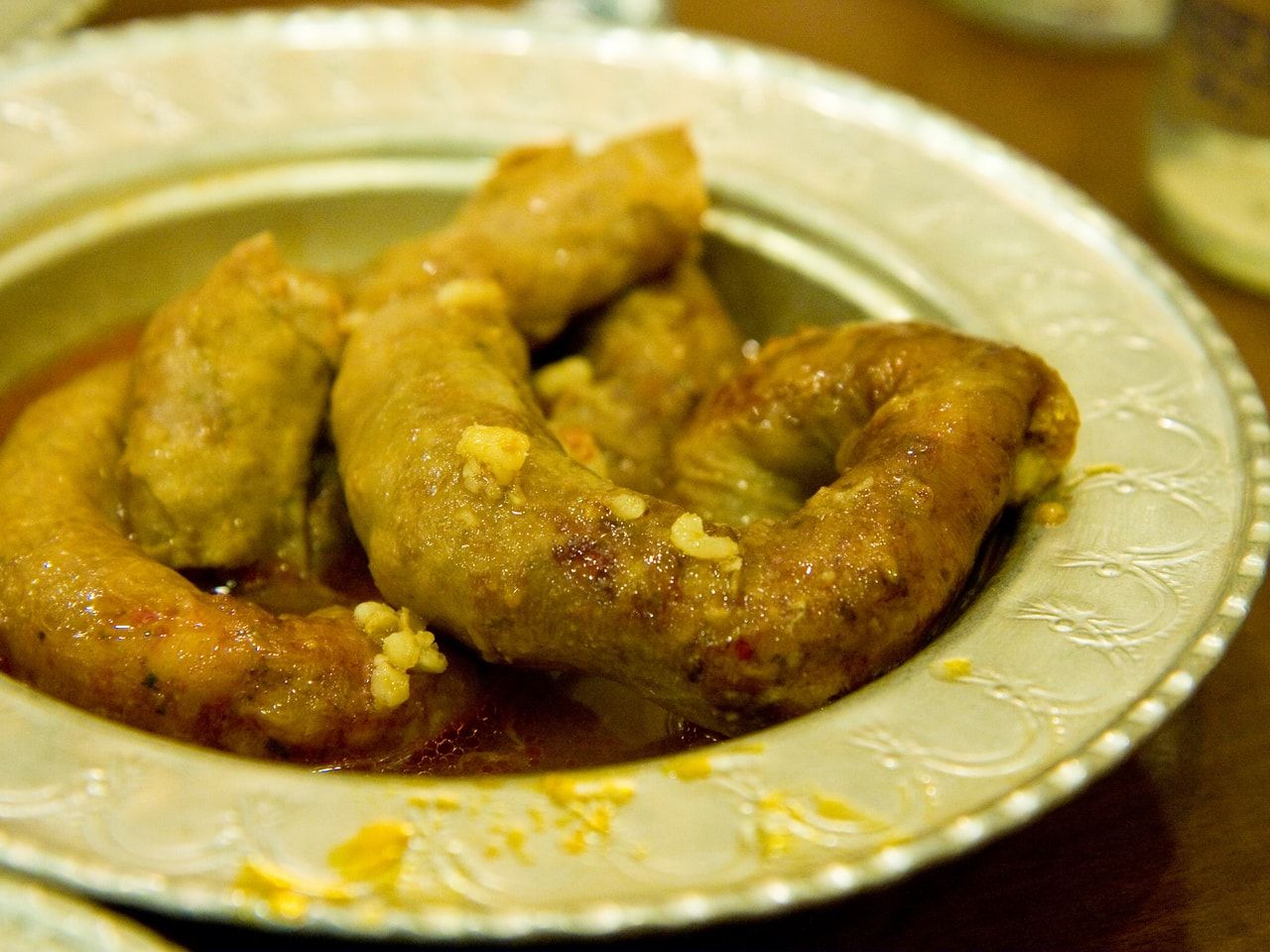
Bumbar
Intestine stuffed with a filling of rice and minced meat; it is also called mumbar dolması.
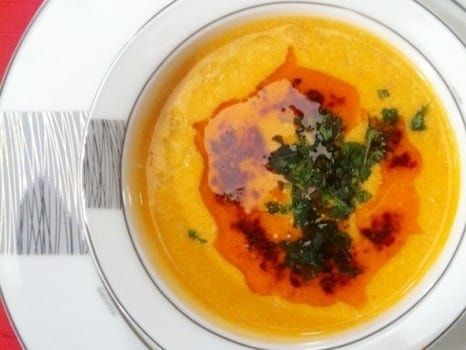
Mihr çorbası (mihr soup)
A soup made with chickpeas, wheat and yogurt.
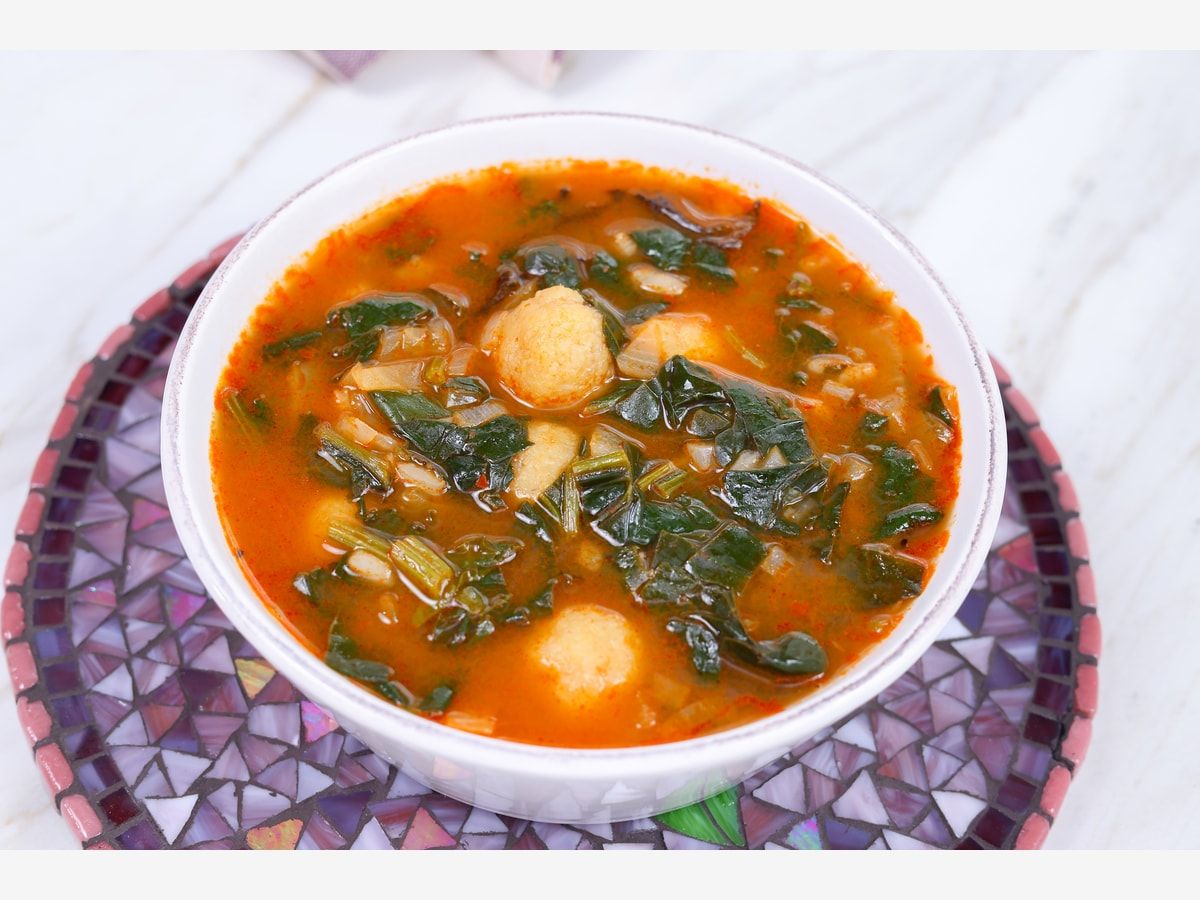
Pırtıke çorbası (pırtıke soup)
A soup of spinach, rice and sumac juice, eaten in winter together with Siirt Kiteli. Siirt Pırtike Çorbası is protected by a geographical indication.
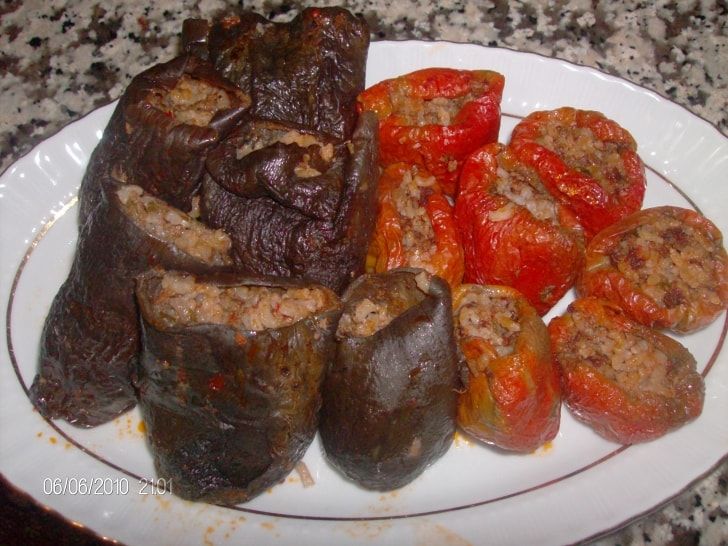
Siirt dolması (Siirt stuffed vegetables)
Dried aubergines and peppers are stuffed with minced meat, or with rice cooked in olive oil.
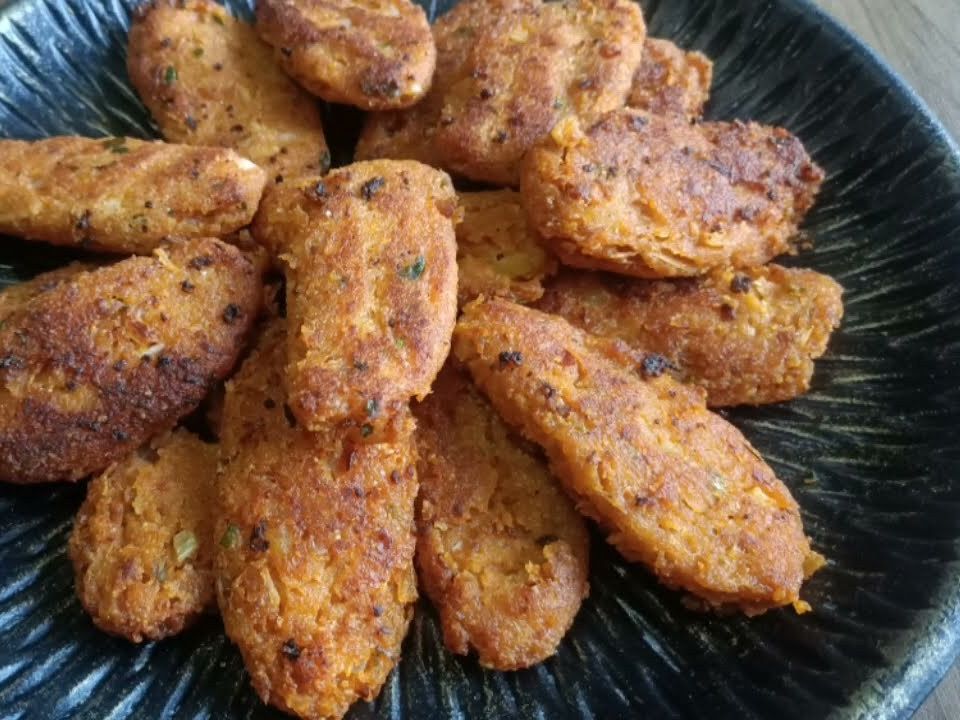
İsmeket köfte made the Siirt way with potato and bulgur
İsmeket köfte
A meatball made with bulgur, boiled potato, lean minced meat, egg and onion.
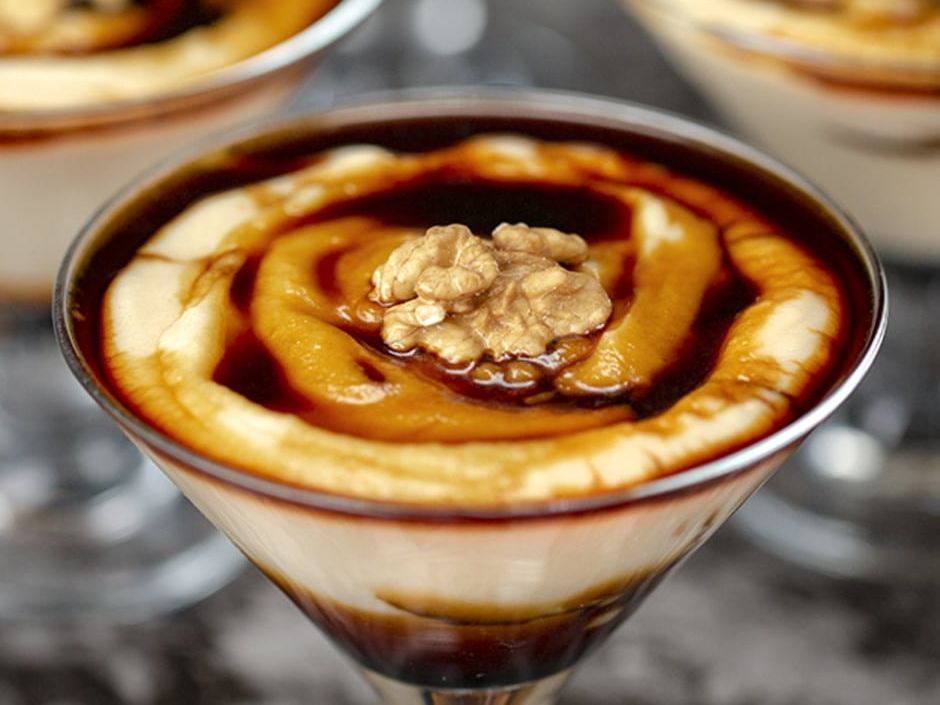
Gebole
A sweet made with flour, sugar and pekmez (grape molasses), cooked to wish for abundance during the “Gebole days” between February and March. Siirt Gebole Tatlısı is protected by a geographical indication.
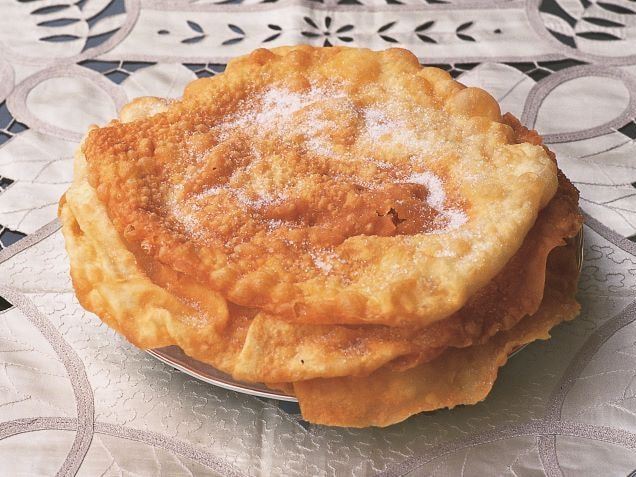
İmçerket
A sweet pastry: the dough is kneaded, cut, fried and dipped in sugar.


Places to visit in Siirt
Great Mosque of Siirt (Ulu Cami)

The exact date the mosque was built is not known. According to the available information, it was repaired by the Seljuk sultan Mugizüddin Mahmut in 523 AH (1129 AD). The mosque's minaret, known as the Çinili Minare (Tiled Minaret), reflects typical Seljuk architecture. It was built by the Seljuk sultan Mugizüddin Mahmut. The minaret, known as the Tiled Minaret, is an example of Seljuk architecture.
Tomb of Veysel Karani

The Tomb of Veysel Karani in the town of Ziyaret, in Siirt's Baykan district, and the Tomb of İbrahim Hakkı in the Aydınlar district are important for faith tourism.
Veysel Karani is a revered figure of Islam, remembered above all for the depth of his love for his mother. His full name was Üveys Bin Amir-i Kareni (Uwais al-Qarani); he lost his father at the age of four and worked as a camel herder. His tomb in the Baykan district draws many visitors.
Sağlarca Hot Spring

It lies 15 km from Siirt on the Eruh road. Its water is known to be good for skin and gynaecological conditions.
Caves of Siirt

Because of Siirt's geology, there are many caves. Throughout history, people have used some of them as homes.
Since limestone formations are widespread, a great many caves have formed. In some of them there are traces showing they were used as dwellings. These natural caves, formed as the weakly water-resistant limestone dissolved, are mostly concentrated along the valleys. The best known are the Botan Caves.
Highland pastures of Siirt

The Çemikari, Cema and Herekol yaylas (highland pastures) in the Pervari district and the Baçova yayla in the Şirvan district are popular with local people. These high plateaus get plenty of rain and snow in summer and winter and are covered with rich meadows.
Source: http://www.gezilebilecekyerler.com/siirtte-gezilecek-yerler/
Culture and arts in Siirt
Folk poetry and poets: Anthologies contain no works by folk poets from the area. The mixed social structure and the features of the local languages are among the main reasons for this.
Manis (folk quatrains): The tradition of singing manis is not as lively and widespread in Siirt as in other provinces. When women mani singers come to weddings, they sing Arabic quatrains resembling manis to the groom and his brothers. These are mostly praises sung in the hope of a tip. As mani singers have grown fewer, and the quatrains have lost their appeal through constant repetition, the tradition has all but disappeared.
Proverbs and sayings used in Siirt: - Do not give a job to the unqualified. - Whoever fears the evening rain takes precautions in the afternoon. - A black dog does not turn white. - Inviting is custom; if they come, we are grateful; if they don't, it is a blessing. - To the poor: where from? To the rich: welcome. - The potter drinks water from a broken bowl. - Whoever keeps a camel keeps a wide door. - The lion the fox has tied, the mouse sets free. - When the ox falls, the knives are sharpened. - Whoever finds no one to consult should consult a stone. - Work Saturday and Sunday, get used to not being in need. - My life ended before I knew who my friend was. - May God not make the ignorant a master. - No trousers on his backside, yet he wants trouser cuffs. - Those who know, know; those who don't take it for a pinch of lentils. - When the valley is empty, the fox becomes governor. - Pity the land whose ruler is a child. - Turn the jug upside down: the daughter takes after her mother. - Some misfortunes make you laugh, some make you cry. - Better than nothing, even a sip of water is good. - For the sake of his desires he ended up in jail. - The father of the winner has gone to Aleppo. - Debt is worse than a sore eye. - The creditor does not strangle the debtor. - Pessimism darkens, happiness brightens. - The ewer became a gentleman, the broom a lady. - He prepared the fodder before the horse arrived. - I am looking for a loyal friend, for hard days. - Were it not for death, hardship would never end. - Ten people together could not kill one mouse. - At the end of every hardship there is relief. - God said, “Get up and I will get up with you,” not “Lie down and I will pour it into your throat.” - Whoever does not value their feet tires their hands. - God gave plums to a mouth with no teeth.
Poems of Siirt: In his poems of the East, Hilmi YAVUZ, who is from Siirt, voices the sorrow and pain of the East. The book, which opens with the legacy of the East, contains its loves, deaths, women, babies, exiles and migrant workers. These poems give the history of the East, its life today and the questions asked in the face of this sad, painful life. In his poem “Doğunun Bebeleri” (Babies of the East), the East is drawn in full with a realistic view: the babies of the East are not stone dolls / they spend pain on trachoma, daytime on labour, / the day on a future / say their mothers are the plain, their fathers the mountain / and their pacifiers rifles. After this poem, which tells of the East in a deep flow, the poet describes Siirt in his poem “Doğudan Bir Kent” (A City from the East). Siirt is a city that symbolises the pain, sorrow, past and present of the East. Siirt, a city of treeless graveyard childhood, natural lime, / there every well knows as much water as a saint / a city of clay for sorrow, sand for anger, / there oleander fills feeling from end to end / Siirt, a city of windy, epileptic youth, a caravanserai for all, / it picks over time like the rice of fear / its beggar, a blind narcissus city, / buries a dead honey in a bee without a comb / Siirt, a city of grapes as mirrors, old age of concrete tulips, / there even autumn withers, along with pain / exiles rot in the bedding cupboards / and death, like a great family, / scatters through its mansions (English rendering of the Turkish poems)
Source: http://www.siirtmanset.com/kultur-sanat/siirt-kulturu-hakkinda-bilmedikleriniz-h24.html
History of Siirt
Surface surveys around Siirt have turned up finds from the Neolithic, Copper, Bronze, Hellenistic, Roman, Byzantine and Islamic periods. The source also notes that the Akabe Road, said to date back 3,500 years, was in this city.
The city came under Islamic rule in the 7th century. In the Anatolian Seljuk period the region was first under Artuqid rule. The Great Mosque, built in 1129, is the city's main monument and was restored in 1965. Siirt joined the Ottoman lands with Yavuz Sultan Selim's (Selim I's) Chaldiran campaign and remained part of the sanjak of Bitlis until the Republic.
During the War of Independence the Müdafaa-i Hukuk Derneği (Society for the Defence of Rights) was active; Cemil Aydın attended the Erzurum Congress and brought its decisions back to the Siirt branch. The population, which declined from the 1890s on, fell from about 60,000 to about 30,000 in 1914.
Getting to Siirt
By road
The east–west road between Diyarbakır and Siirt is the province's most important road link. The bus station is 1 km from the city centre and can be reached by bus company shuttles, municipal buses and city minibuses.
By rail
The railway, which runs parallel to the road via Diyarbakır and Batman, ends at Kurtalan. The station is 28 km from the city centre.
By air
A private airline runs flights to Istanbul via Ankara two days a week (Tuesday and Saturday).
Districts of Siirt
- Aydınlar
- Baykan
- Eruh
- Kurtalan
- Merkez (central district)
- Pervari
- Şirvan
Economy of Siirt
Siirt's economy rests mainly on farming, livestock, handicrafts and, to some extent, industry. Its best-known product is the Siirt pistachio, which is protected by a geographical indication; according to statements by the governor's office, Siirt ranks first in Türkiye for pistachio production.
Pervari honey is another well-known product. Livestock farming includes hair goats, Angora goats, cattle and sheep. Blanket weaving is also part of local production.


Comments
Loading comments…