
Sivas
- Central Anatolia Region
About Sivas
With this Sivas travel guide, we begin to describe the history and natural beauty of Sivas, one of Anatolia's oldest settlements. Sivas, known in Roman times as "Sebastia", is thought to have been built during the Roman Empire. Sivas Castle, which has become a symbol of the city, is estimated to have been built in the early 2000s BC.
Sivas is one of the cities in Central Anatolia with the most works from the Seljuk period. The Şifaiye (Buruciye) Medrese, the Çifte Minareli Medrese, the Gök Medrese and the Great Mosque are Seljuk-period works in Sivas. The city, notable for its historical and natural riches, has many lakes, valleys, yaylas (highland pastures) and picnic areas. The Şuğul Valley in Gürün is one of Sivas's important natural treasures. Lake Tödürge (Demiryurt), where breeding birds such as storks, cranes and redshanks are found, Lake Hafik, also known as "Koçhisar", and Zara's Lake Tödürge, a lake formed by natural processes, are the best-known lakes in Sivas.
The yaylas, which hold an important place among Sivas's natural beauties, stand out for their enchanting scenery that takes on different colours each season. The Eğriçimen Yayla, 20 kilometres from the Koyulhisar district of Sivas, and the Başalağan Yayla, visited by thousands of tourists every year for its unique natural scenery, are examples of Sivas's important yaylas.
Sivas's famous dishes and desserts
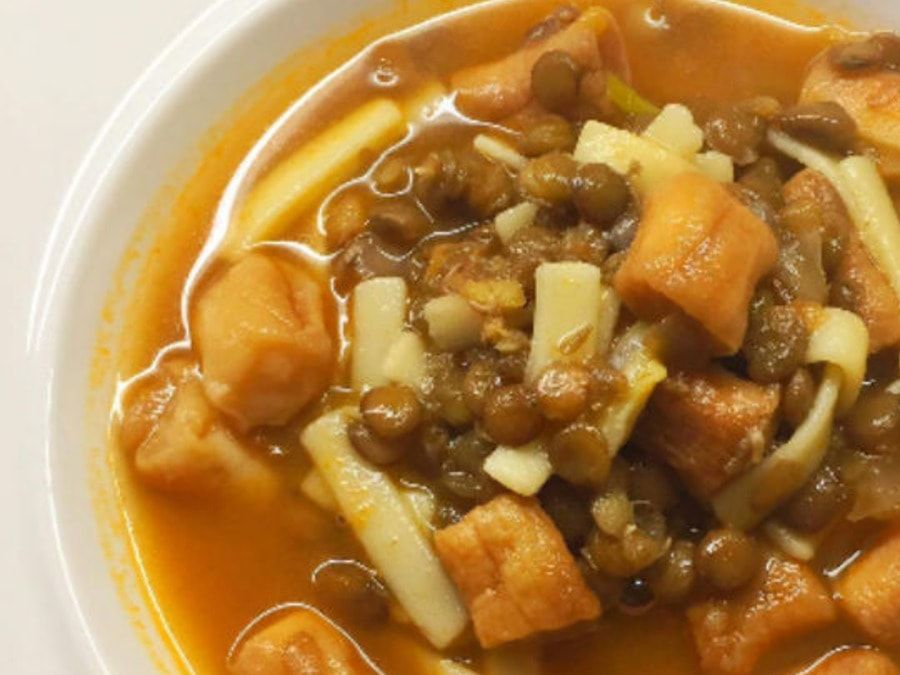
Kesme aşı
Its main ingredient is fragrant home-made dough cut into noodle shapes. The cut dough is then added to cooked lentils. Separately, the "gılik" are made by frying mint and red pepper flakes in oil, which is poured over the dish. The house smells of good food.
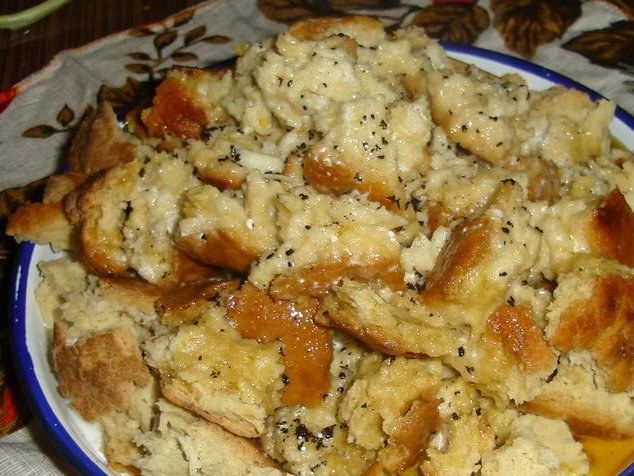
Baviko
If you're hosting a guest, the first thing you start preparing is baviko. You make the dough in advance and let it rest for an hour, then pour garlic ayran over it. Making it takes skill, but once you've eaten it from the hands of a master you'll never forget it.
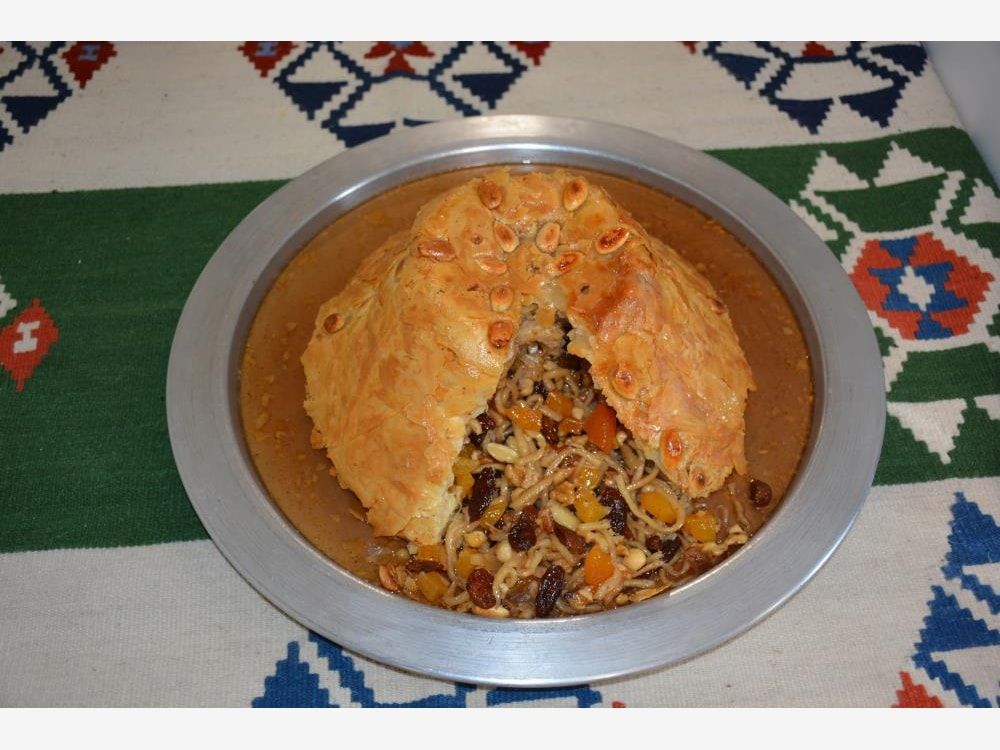
Kelle tatlısı
If you're wondering why a dessert would be called kelle (head), let us tell you right away: this dessert is brought to the table whole, and it is the colour of pomegranate. At first glance it looks like baklava, but inside it resembles kadayıf. We're told that in the old days this dessert was made for special guests or prepared for banquets. It has everything you could want inside: hazelnuts, almonds, walnuts, raisins and cinnamon. The ingredients alone show how special it is.
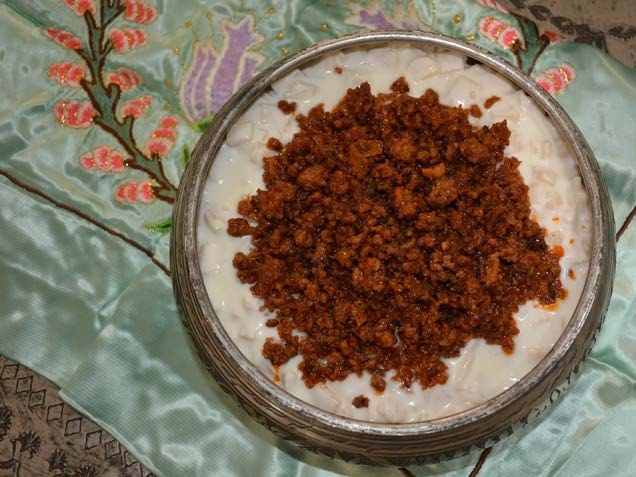
Sirok made the Sivas way, serving photo from the gastronomy inventory
Sirok, gömme
Sirok, also called gömme, is a dough-based food. The dough is baked in the oven until its top is crisp, then the hard top is cut off. The inside of the dough is crumbled and the top is cut into squares. Butter is poured over it and ayran around the edges, and it becomes a festival of flavour.
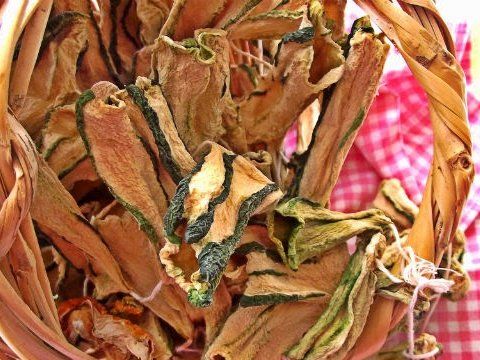
Salata kurutması
To make the stuffed cucumbers unique to Sivas, you need salata kurusu, also called salata kurutması (dried cucumber). Dried cucumber is prepared like dried aubergine: you cut the cucumbers in half, hollow them out, thread them on a string and leave them in a sunny place to dry.
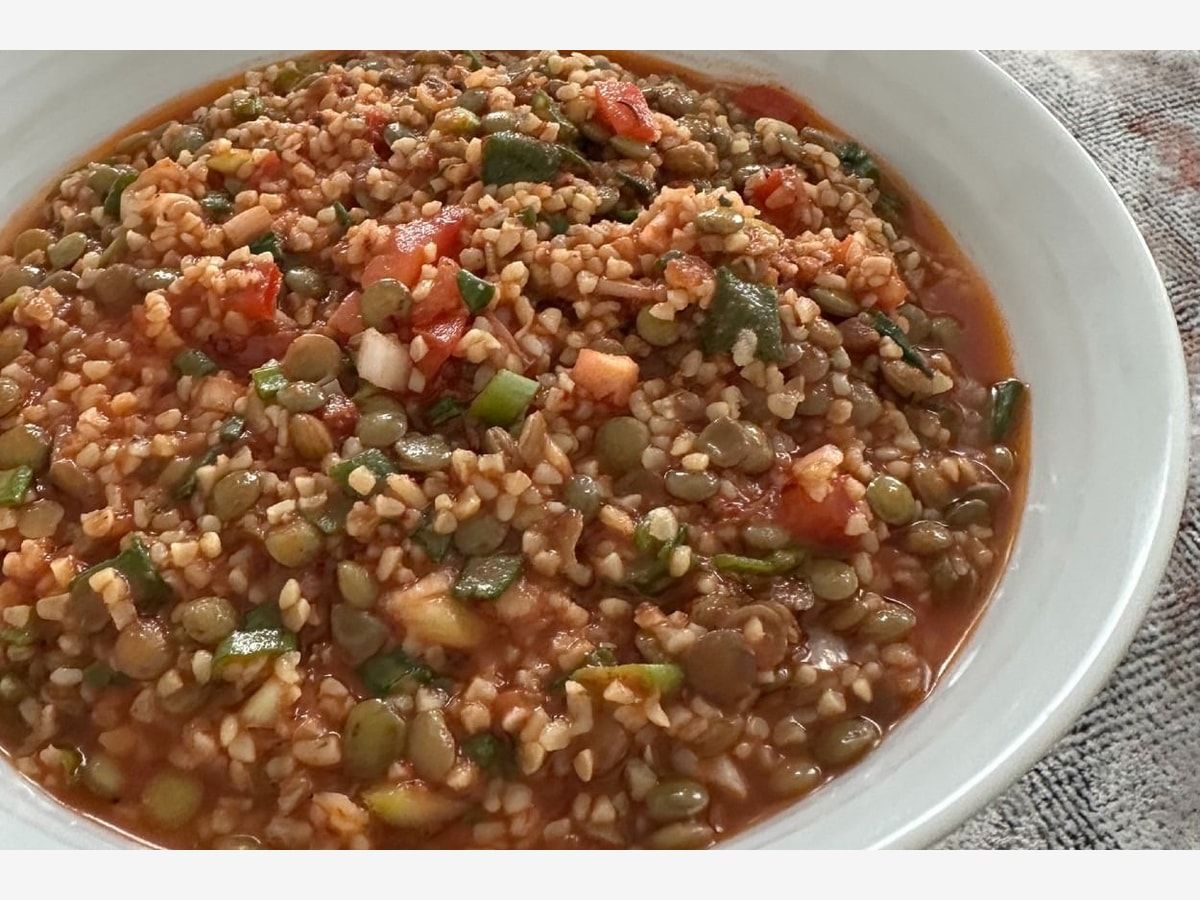
Mercimek badı
Mercimek badı, also known as Sivas badı, is often confused with Tokat badı. But there is a big difference between them. Sivas badı contains lentils, bulgur and tomato, while Tokat badı has walnuts added as well. This dish is a favourite at daytime get-togethers.
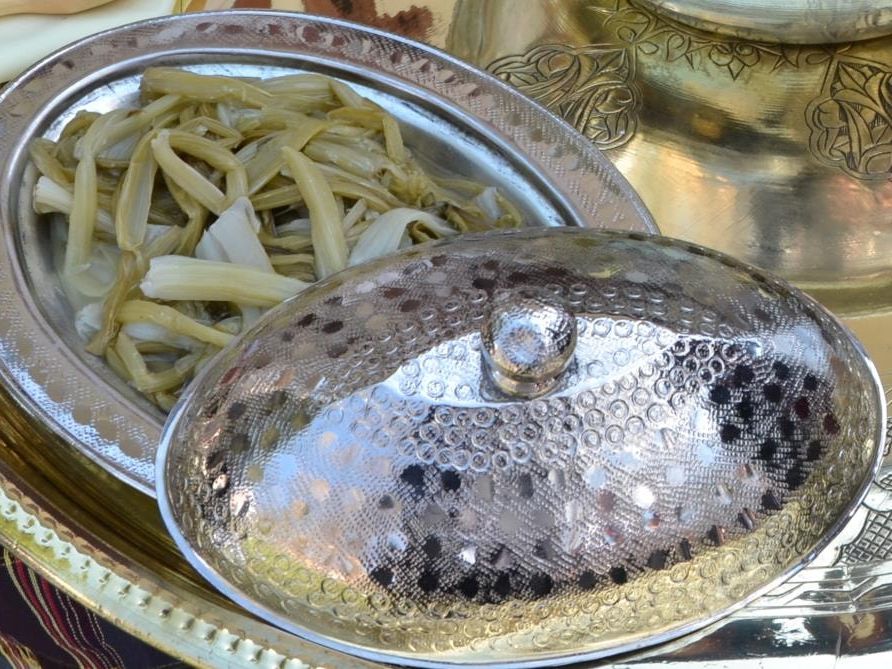
Pezik, dal turşusu
Pezik pickle, or stalk pickle, made with chard stalks and served with every meal, is prepared every year in big drums, but it runs out in two or three months because it's so tasty you want it with every meal.
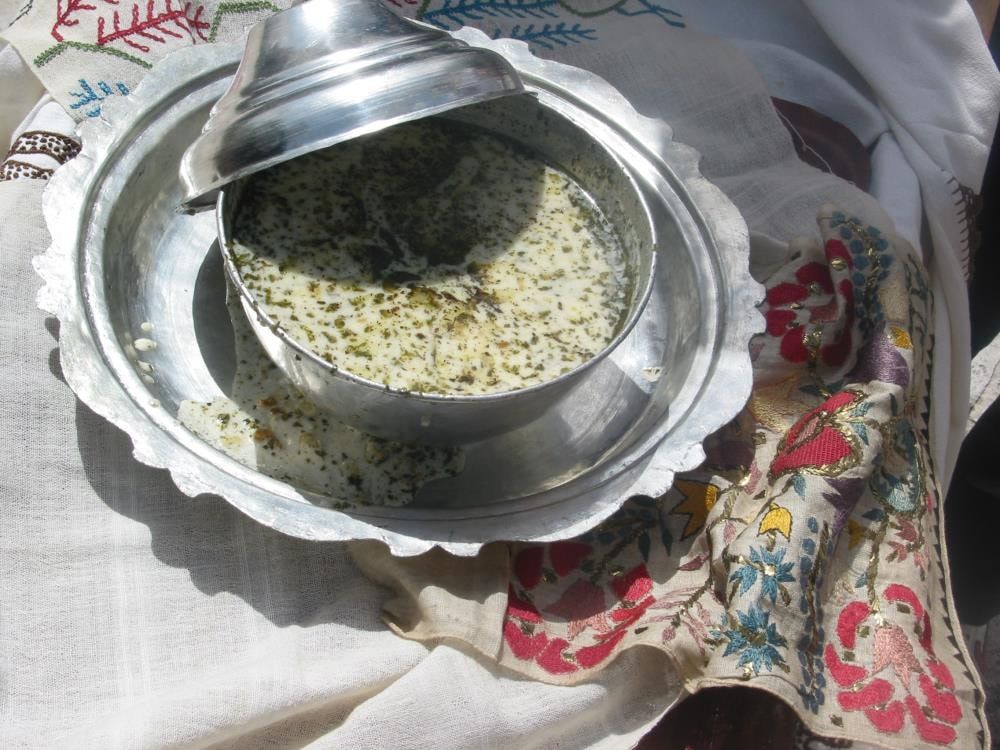
Peskütan çorbası
First you need to know what peskutan, or peskütan, means. Peskütan is a winter staple made by cooking yoghurt and cracked wheat until the liquid is absorbed. So to make peskütan soup you need peskütan. Then you make your soup, sizzle your butter, get your bread ready and start eating.
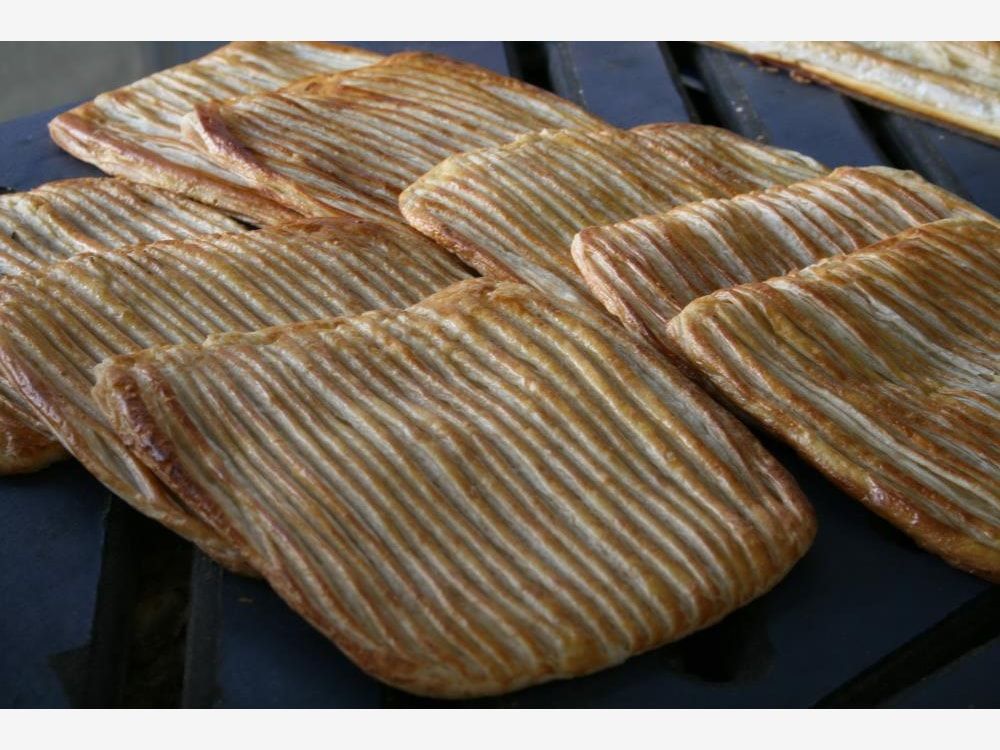
Sivas katmeri
You could say every place has a famous katmer, but Sivas's katmer is something else. Made with plenty of butter, the katmer is soft as can be. The warm steam that rises when you cut it takes you back to your memories. Brew some tea to go with it and life is good.
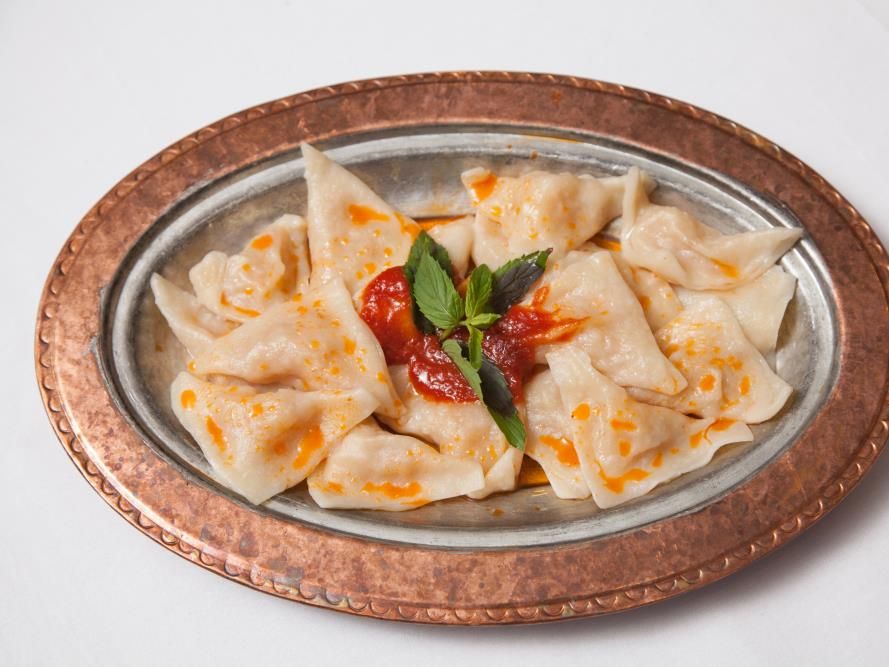
Hingel
The mantı known in Sivas as hingel, similar to the Circassian hıngal, is one of the dishes that make Sivas what it is. It is made with potato or cheese and served with yoghurt poured over it. Soft hingel make a carnival in your mouth.
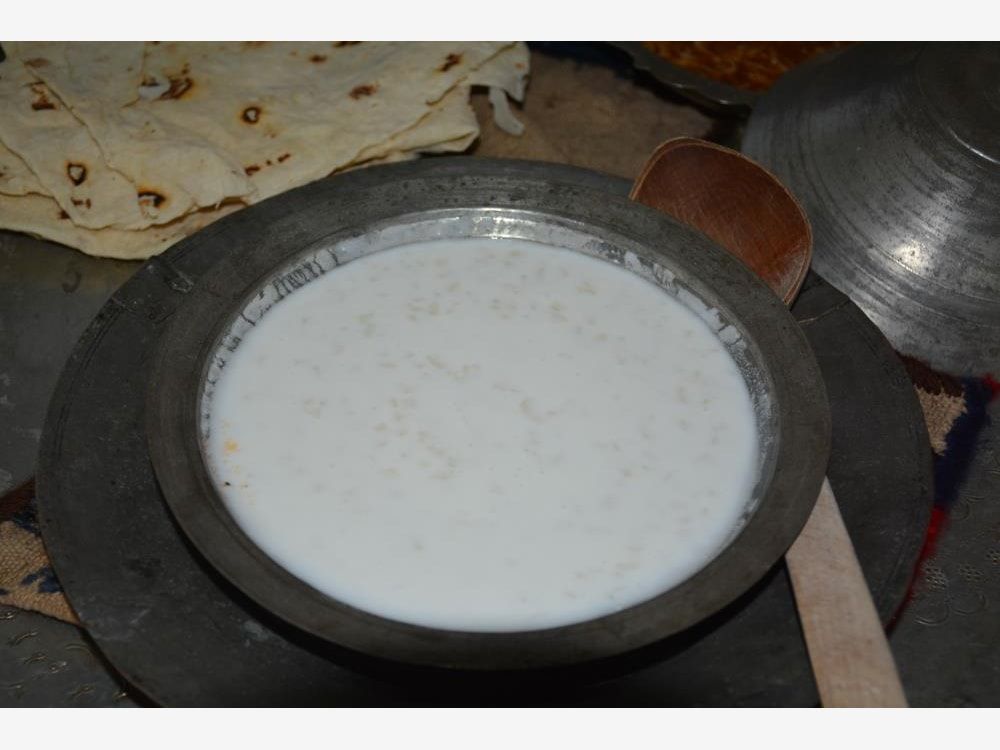
Sübüra
Square or round pieces of dough are made into a soup with yoghurt. The dough inside is called boncuk mantı (bead mantı); prepared with yoghurt it becomes sübüra. Because it is served cold, it is wonderfully refreshing on summer days.
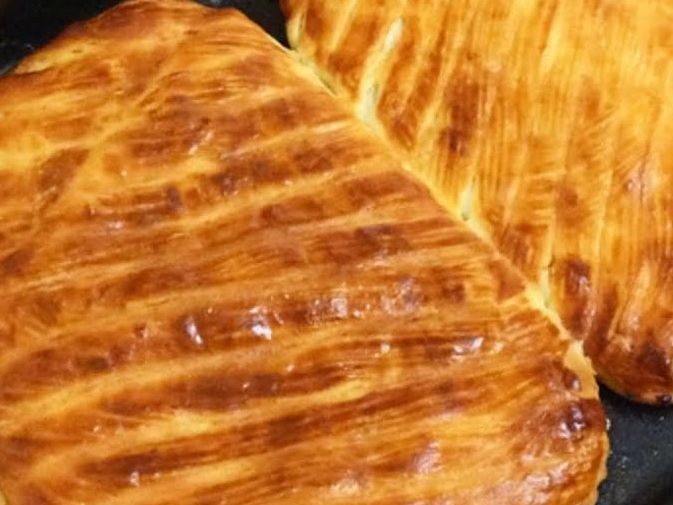
Sivas ketesi
Sivas kete, made with yeast and what we could call a different version of katmer, is the tastiest alternative for those who would rather not have bread with their meals. It is also a must at breakfast and afternoon tea. We don't think we need to tell you how much you'll enjoy it.
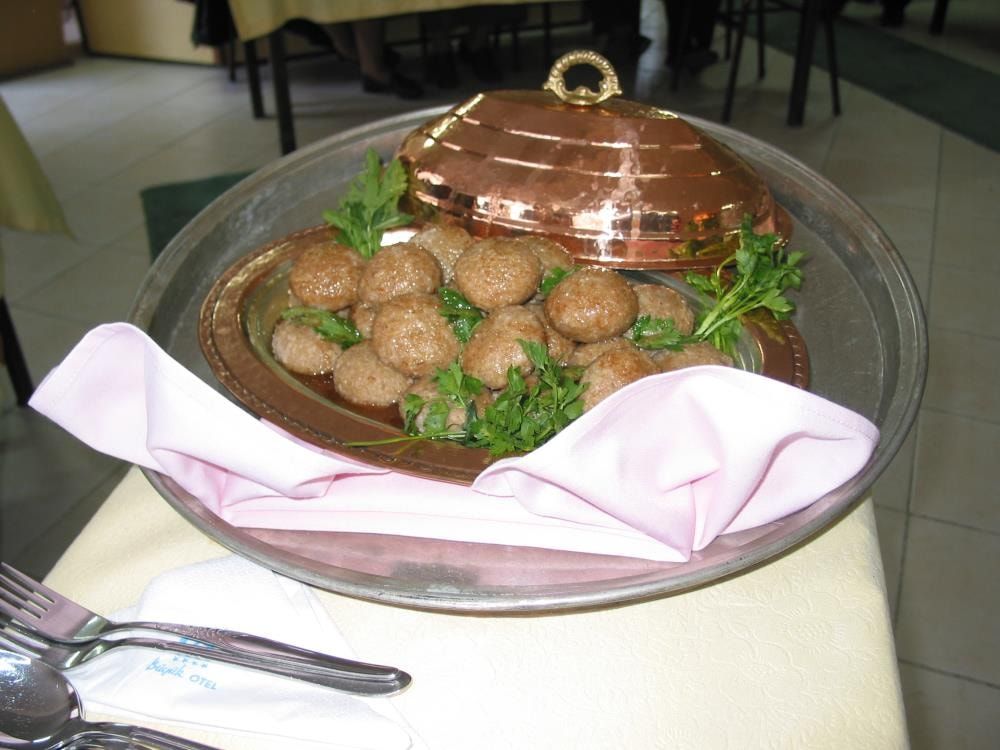
İçli köfte
We may not be able to say that içli köfte originated in Sivas, but Sivas has an içli köfte that sets an example to friend and foe alike. The içli köfte is made round rather than oval, and in some areas yoghurt, in others butter, is poured over it.
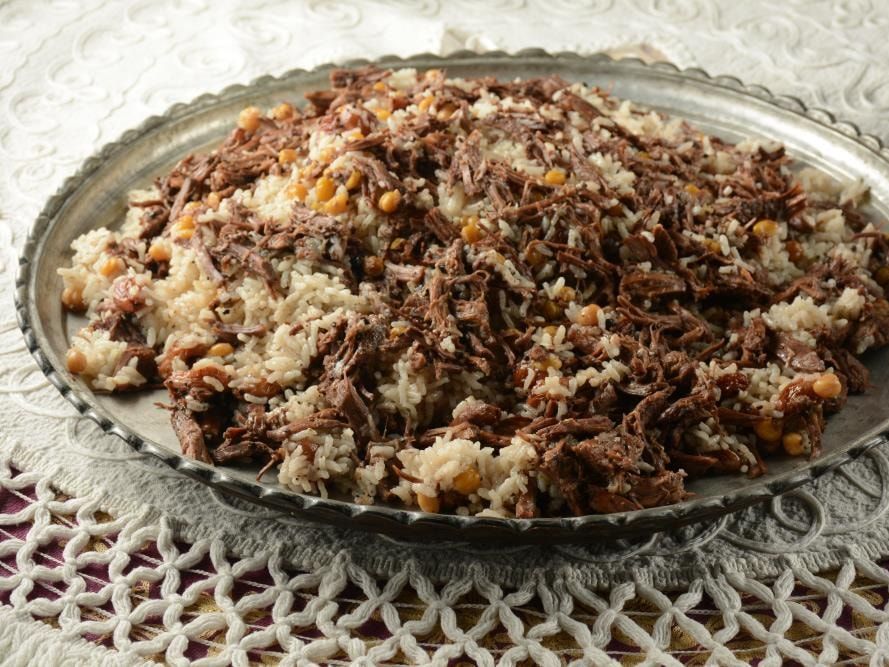
Divriği pilavı
Divriği pilaf comes from Divriği, a district of Sivas, and there is no reason it shouldn't delight all of Türkiye; it wins hearts with how it differs from an ordinary pilaf and with its taste, and anyone who tries it once can't stop eating it. The lamb, chickpeas and currants in it add flavour upon flavour.
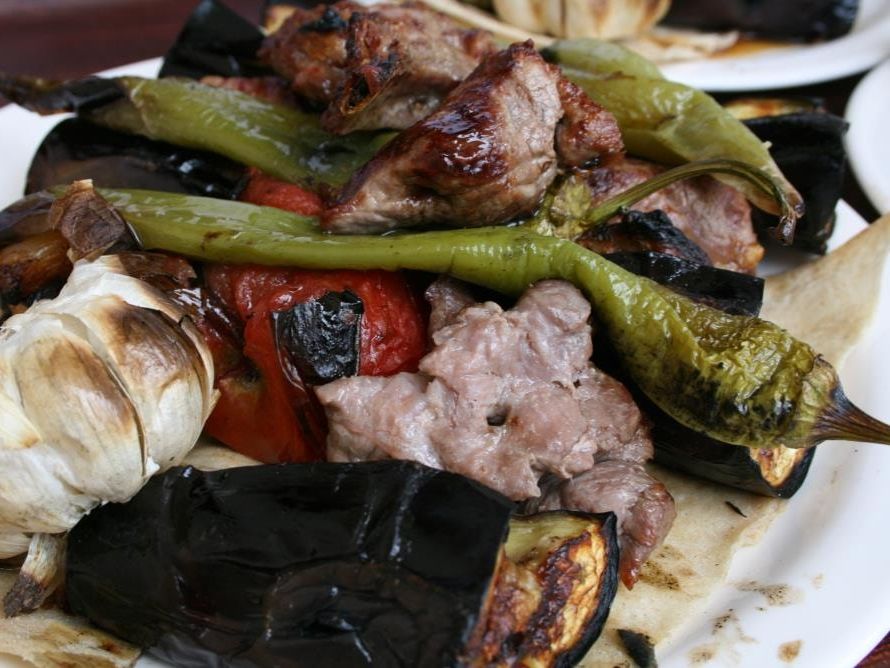
Sivas kebabı
Although it is a kebab based mainly on vegetables, it cooks so nicely and for so long that the flavours of the meat and vegetables become one. After that you can't get enough of it. Made when aubergines are in season, it tastes quite different again. It is likened to Tokat kebab, but Sivas kebab contains no potatoes.
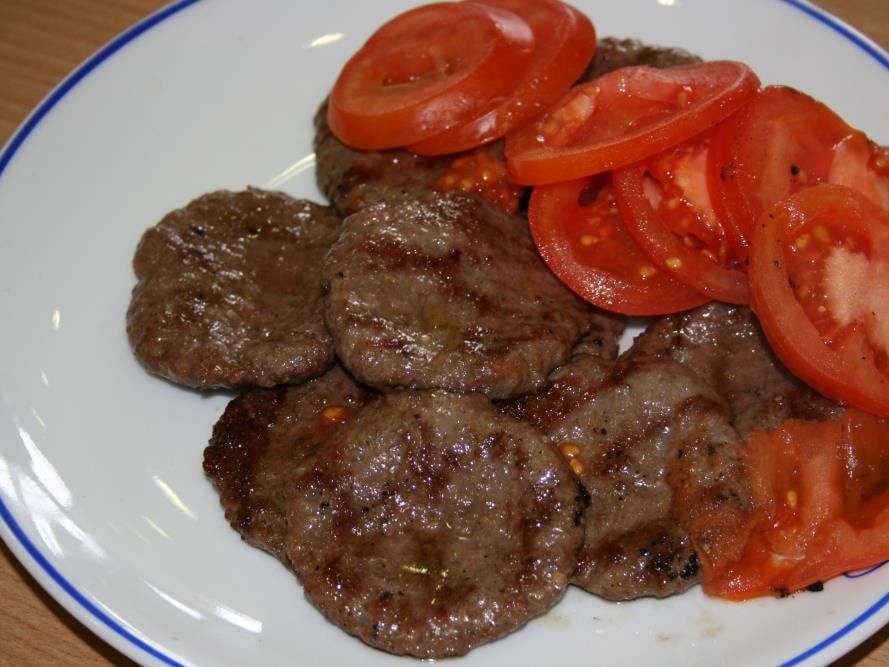
Sivas köftesi
These meatballs are made wider than ordinary ones, and because they contain no spices you can taste the meat. Their real distinction is that they use meat from animals raised in Sivas. There's no need to describe the flavour of meat from animals fed on fresh grass and plants. Wonderful.
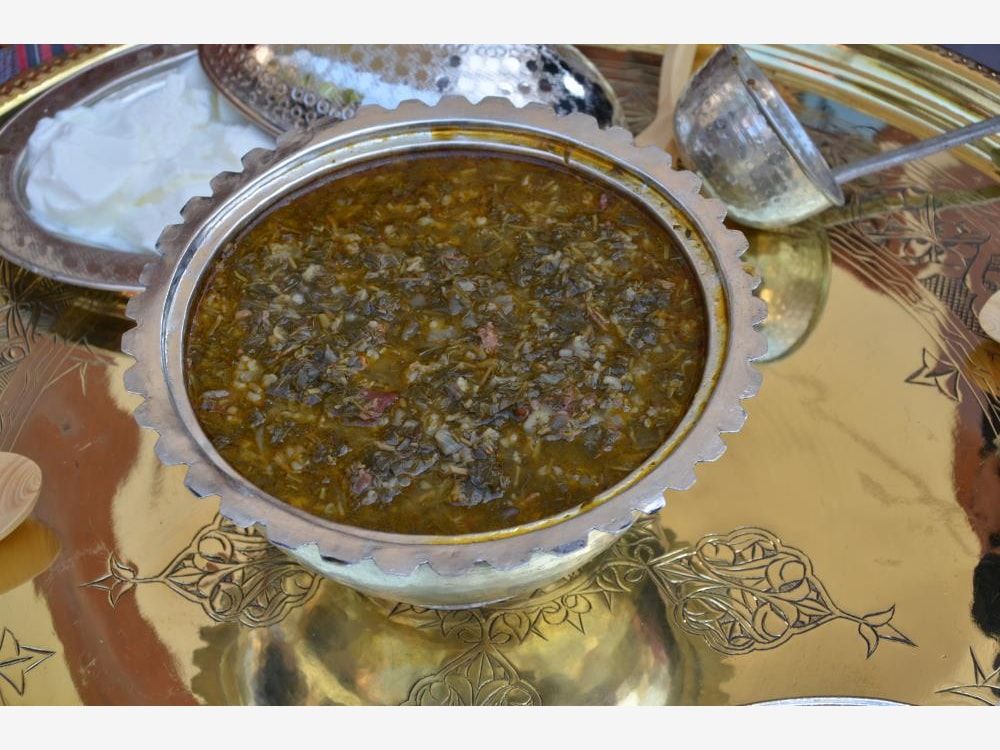
Madımak
Although it looks similar to spinach, its taste is quite different from spinach. The nice thing about madımak, served as a dish with yoghurt, is that this herb is gathered, not grown. So it has no special field; you pick it by hand, leaf by leaf, and add your love to the dish.
Source: https://yemek.com/sivas-yemekleri/


Places to visit in Sivas
Sivas, in the middle of the Anatolian peninsula, was known in Roman times as Sebasteia. Many sources state that its name derives from Sebastia and that the city centre was built in the Roman imperial period.
The city's first site is the castle built by the Roman Emperor Justinian, which grew up on the rise in today's city centre called Topraktepe. Sivas Castle is thought to have been built at the beginning of the 2000s BC.
The Government House, built in 1884 by the then governor Halil Rıfat Pasha, is also among the buildings worth seeing. The first two floors of the building are of cut stone, and the third floor was built of wood in 1913.
The Ahi Emir Ahmet Kümbet, built in 1332–33, has an octagonal body on a square plan with chamfered corners. In this building, one of the town's important religious structures, a grave uncovered in 1960 was also found.
The Ziya Bey Manuscript Library, built in 1908, is in the Neoclassical and Empire style and has two storeys. Repaired again in 2005, the building reflects the city's important cultural heritage.
The Buruciye Madrasa, with its magnificent, well-preserved portal, is among the most famous buildings of Sivas and of Anatolia. Built in 1271, in the reign of the Seljuk Sultan Gıyaseddin Keyhüsrev, the madrasa was founded by Muzaffer Burucerdi, from Borujerd near Iran, for the study of physics, chemistry and astronomy.
The only original part of the Sivas Çifte Minare (Twin Minarets) that survives is its grand front façade, which has the tallest portal in Anatolia. The two minarets rising above the portal have become almost the symbol of Sivas.
One of the most important madrasas of the Seljuk period, where patients were treated and medicine was also taught, is the Şifaiye Madrasa and Hospital (Darüşşifa). The part that survives is the largest hospital in Anatolia.
Sivas 4 September Congress Building
The building where the Sivas Congress was held is now open to visitors as a museum. This building, where we declared our independence in the War of Independence, bears traces of the hard journey of that period. Weapons, clothes and other objects from the period are also displayed in the building.
Koyunkaya Picnic Area
The Koyunkaya picnic area in Sivas's İmranlı district offers every visitor a piece of paradise. It is a little hard to reach, but the moment you see this area you will feel it was worth it.
Although it is only 12 kilometres from the İmranlı district, the road is difficult. It shows the natural beauty it hides only to those who can put up with the road. Along the way, Koyunkaya will show you greenery full of daisies, streams, cascades and water springing from the rocks. The urge to explore this area starts with the very first step. By the time you reach the picnic area, you will already have discovered many beauties. When you reach Koyunkaya, you won't notice how the time passes. This spot, with its wonderful nature, will show you all its beauty. You can also add Lake Hafik, Lake Tödürge and the Eğriçimen yayla in Sivas to your list.
Eğriçimen Yayla
The Eğriçimen yayla (highland pasture) in Koyulhisar, one of the natural beauties of Sivas, continues to welcome many visitors during the year.
The yayla, 20 kilometres from the Koyulhisar district, is one of nature's finest gifts. Every shade of green, rows of yayla houses and the tourists who come to visit… Generously displaying all its beauty, the Eğriçimen yayla is very important for mountain tourism. You can catch trout on the yayla and witness the loveliest colours of spring. In fact, Eğriçimen takes on different colours in every season. You can't get enough of it in autumn or in winter. It enchants people in every season and leaves a piece of its beauty in their memory. You should be sure to visit the Eğriçimen yayla on your Sivas trip. And don't forget to bring your camera. Sivas's other sights include Lake Hafik, Lake Tödürge, the Çifte Minareli Madrasa and the Şifaiye Madrasa.
Başalağan and Ağcabel Yaylas
The Başalağan and Ağcabel yaylas, at an altitude of close to 3,000 within the boundaries of Güzelyurt village in Sivas's Koyulhisar district, enchant people both with their natural wonders and with their air. In recent years we have seen the yayla, where livestock are raised intensively, flooded by Turkish tourists.
If your path takes you to Koyulhisar, don't come back without seeing the Başalağan and Eğriçimen yaylas.
A doctor's recommendation: Güzelyurt, Koyulhisar, Sivas
You should take a break at the lor rock right next to Başalağan and Ağcabel and enjoy the view. Because the Başalağan and Ağcabel yaylas, known as historic yaylas, are sometimes covered in mist, you see the other mountains as little islands. Doctors also recommend Güzelyurt village and its yaylas, which are good for the lungs, to their patients. You should also see the historic picnic area called Delikçe between Başalağan and Ağcabel.
In the Sayderesi and Elmaalan neighbourhoods within Güzelyurt village there are historic remains showing that Greeks (Rum) lived there in the past. It is one of the areas treasure hunters favour most. I strongly recommend it to those who want views and fresh air.
Lake Tödürge
Lake Tödürge, also known as Lake Demiryurt, is among the places to visit in Sivas. Lake Tödürge, which you come to 50 kilometres along the Sivas–Erzurum highway, comes alive especially with the water sports organised by Sivas Cumhuriyet University. The public also takes part, and every year people have a good time with various entertainments. There is a casino (café-restaurant) on the lakeshore. Boat trips can be taken on the lake. It is also one of the best picnic spots in the region.
Breeding birds on this lake include the great crested grebe, red-necked grebe, stork, ruddy shelduck, black kite, reed warbler, sea eagle, crane, tern and redshank.
If your path takes you to Sivas, you should definitely visit Lake Tödürge. Then you can take short journeys into history by visiting the Koyunkaya picnic area, the Eğriçimen yayla, the Şifaiye Madrasa and the Çifte Minareli Madrasa.
Lake Hafik
If one day your path takes you to Sivas, be sure to visit the Koyunkaya picnic area, the Şifaiye Madrasa, the Eğriçimen yayla, the Çifte Minareli Madrasa and its other historic and natural sights important for tourism.
Sivas, one of the important cities of Central Anatolia, welcomes many visitors during the year with Lake Hafik and its surroundings. Lake Hafik, also known as Lake Koçhisar, has many kinds of fish. When you come to this area you can fish freely with a rod. There are also many facilities around the lake. One of them is the Göl Gazinosu (Lake Casino), which belonged to the municipality. The casino was later bought by private companies. While exploring around Lake Hafik and spending time in a natural, warm atmosphere, you can rest comfortably at any of the facilities here. Be among the first to discover Lake Hafik.
Çifte Minareli Madrasa, Sivas
The madrasa in the centre of Sivas is one of the most important works of the Anatolian Seljuk State, the Gök Medrese. The madrasa's twin-minaret portal and the decoration over the door are the most splendid part of the building. The decoration uses 12 kinds of animal heads, stars and tree motifs. The madrasa's walls are of dressed stone and its minarets are 25 metres tall. It was built in 1271 by Şemseddin Cüveyni, vizier of the Ilkhanids. The madrasa draws attention with its decorated portal and its two minarets of patterned brick and tile. The body of the madrasa has collapsed; only its main façade on the east, with the minarets, still stands. According to its inscription, the madrasa was built by the Ilkhanid vizier Sahib Şemseddin Mehmed Cüveyni. If your path takes you to Sivas, you should be sure to visit the madrasa. Today only its two magnificent minarets remain, together with its portal. The portal still attracts attention today with its decoration. Opposite the madrasa is the Şifaiye Madrasa. During your trip you can also visit the Şifaiye Madrasa, an old school of medicine that was also used as a hospital.
Şifaiye Madrasa
The Şifaiye Madrasa, which in its early days both taught medicine and served as a hospital, is in the centre of Sivas.
Opposite it is the Çifte Minareli Madrasa, another monument of great importance for tourism. The Şifaiye Madrasa was built by the Anatolian Seljuk Sultan İzzettin Keykavus I. Built in 1217, the madrasa's rich carving is one of the details that catch the eye. The figures on its portal in particular continue to impress. The Şifaiye Madrasa has one more distinction: it is among the oldest and largest of the Anatolian Seljuk schools of medicine. If your path takes you to Sivas, be sure to visit the Şifaiye Madrasa and its striking beauty.
Sızır Waterfall
Sızır Waterfall in Sivas belongs to the Gemerek district. With its waterfall that flows exuberantly summer and winter and its picnic area set in greenery, it is one of the first places the people of Sivas go to relax. It is a true natural wonder.

This natural wonder is 136 kilometres from Sivas and 102 kilometres from Kayseri.
Sızır Waterfall, one of the foremost places truly worth discovering, releases its waters with great exuberance in every season. It is an area that really must be seen, and people living in Central Anatolia in particular can spend peaceful hours visiting Sızır Waterfall on day trips. This wonderful waterfall is also a second-degree protected site and has begun to become an important spot for tourism. It has been made more attractive with walking paths, a wooden bridge and railings, and steps.
Great Mosque of Divriği
The Great Mosque of Divriği, in the Divriği district of Sivas, has taken its place in the history of world art with its unique structure.

It was built in 1228 by Melike Turan, wife of Ahmet Şah, head of the Mengücek Beylik, which was subject to the Anatolian Seljuk State. The adjoining hospital (darüşşifa) is also among their works. The town where this building stands has a great many Seljuk works. There is no other mosque like it, with its detailed three-dimensional geometric patterns and plant decoration. This is what art historians and architects say.
The mosque and hospital have four doors, named the North Portal, the Hospital Portal, the Shah's Lodge Portal and the Mosque West Portal. The Great Mosque of Divriği, a marvel of architecture and engineering, is one of the most important buildings and just one of the places that must be seen. Don't forget to take plenty of photos while you visit this mosque.
Kangal Fish Spa

This is our spa centre, famous for its healing water and the fish in it. It is known to be good for psoriasis and some rheumatic complaints. As well as the healing properties of the water, the fish in it also cure skin diseases. There are facilities on site.
Tekke Stream

Tekke Stream, within the boundaries of Koyulhisar, is much loved for its natural appearance, its air and its water. We especially recommend stopping at the Tekkederesi fountain, where buses heading to the Sisorta area take a break, and taking a photo there as a souvenir.
Kızılelma Village – Oymalık Park
Kızılelma Village is also home to historical remains and caves. Kızılelma village in Koyulhisar, Sivas, is a place worth visiting. Oymalık Park in Kızılelma village in Koyulhisar, Sivas, is worth a trip. In Kızılelma Village, in the area of Koyulhisar known as Sisorta, the altitude is high, so the air is very clean and cool. Even in summer, stoves are lit in the evenings.
Every year the Kızılelma Village association traditionally organises the Oymalık Park festival. Local artists of the area, people from neighbouring villages and politicians connected with the area take part in the festival.
Source: http://www.gezilebilecekyerler.com/sivasta-gezilecek-yerler/
Culture and arts in Sivas
Folk poets and minstrels (ozan)
No doubt our folk poets, like our other artists, each have their own distinct features. No poet is exactly like another. But because almost all of them come from the same traditions and customs, they are not without similarities either.
All of them play their poems on the saz and sing them. We cannot separate the folk poet from his saz. Is the magic in the saz or in the words? We cannot tell. The âşık (minstrel) looks after his saz like the apple of his eye. Âşık Veysel's saying,
"Ben ölürsem sazım sen kal dünyada, Gizli sırlarımı aşikar etme" (If I die, my saz, you stay in the world; do not reveal my hidden secrets) is surely very meaningful.
Almost all our poets dealt with themes such as love, death, longing, heroism, nature and religion. Love holds the place of honour. Before death our poets are meek and resigned, but deeply grieved. They sing of the devastation death leaves behind and of lost beauty and friendship.
The poets and âşıks of Sivas are:
Şemseddin Sivasi, Pir Sultan Abdal, Ruhsati, Kul Himmet, Suzi, Âşık Veysel, Zaralı Halil Söyler, Mesleki, Âşık Talibi, Recep Kamil, Şeyh Halit.
Our other âşıks are: Sefil Selimi, Âşık Talibi, Gürünlü Âşık Rıza, Ali İzzet Özkan, Veysel Cehdi Kut, Kul Gazi, Feryadi, Belcikli Seyit, Karasarlı Seyit, Âşık İsmeti, Ali Dayı, Şükrani, Nuri Sivasi, Kul Himmet.
The theme of nature, too, has been handled superbly by the poets of Sivas. It is one of the richest sides of our poets. They complete the picture of nature by depicting various animals. Besides the beauties of nature, various disasters have also found a voice in the heart of the poet and minstrel. Then it became poetry, an epic, a türkü. Looking across the Anatolian plateau, one sees that Sivas is a cradle of âşıks. The poets of Sivas are also the great figures of Sivas. All of them sang in the clearest, most essential Turkish. Their türkü and sayings have entered our everyday musical life. The türkü of almost all of them are included in radio and television programmes.
We cannot go on without mentioning Muzaffer Sarısözen, founder of the Yurttan Sesler choir and master collector of folk music. In addition, the master storyteller Eflatun Cem Güney, Tevfik Aksoy Kayabeyzade, Memduh Bey and, among today's poets, Vehbi Cem Aşkun wrote essays in literature; and the radio artists Ömer Altuğ, Emel Sayın and Selahattin Erorhan are singers of Turkish classical and folk music who grew up in Sivas. Some famous sayings of our folk poets that describe their characteristics can be listed as follows.
ÂŞIK VEYSEL
He was born in 1894 in the village of Sivrialan in the Şarkışla district. His father was Karaca Ahmet and his mother Gülüzar Hatun.
When he was 7 he lost one eye to smallpox. A cataract formed over his other eye. Before long he had lost both eyes.
To keep him occupied, his father bought Âşık Veysel a saz. He took lessons from the saz masters Çamşıhlı Ali and Molla Hüseyin. At first he sang the türkü of masters such as Pir Sultan Abdal, Yunus Emre, Âşık Kerem and Âşık Erzurumlu Emrah. In 1933 the publication of the epic he wrote for the 10th anniversary of the Republic and his success at the Sivas Âşıks' Festival drew attention. With the help of Ahmet Kutsi Tecer, Veysel began to produce his own works after the age of forty. He taught saz at various Village Institutes. Âşık Veysel married twice. He was the father of two sons and four daughters. In his poems he dealt with love of country, brotherhood, unity and love of learning. On 21 March 1973 he was embraced by the black earth he called his "Sadık Yarim" (faithful love).
Sivas cuisine
The province's cuisine rests on farm produce. After the threshing (in autumn), preparations of winter food begin. The main ones are grinding flour, pounding and cracking bulgur, and making erişte, kadayıf and tomato paste, drying vegetables and slaughtering animals for meat.
The local dishes are based mainly on flour. Keş, peskütan and çökelek are among the foods made from dairy products. In the countryside, local dishes in summer are usually ayran soup, beet-leaf soup, madımak, evelik and düğücek aşı. In winter, dough-based dishes such as tırhıt, sübüra, kelecoş, tarhana, içli köfte and hingel are eaten. In the city, vegetable dishes are usually made. Sivas kebab is famous.
Kül çöreği baked in the tandır, fotla, kömbe made with potato or cheese, kete and lavaş are among the common breads of the area.
Sivas local dictionary
The Sivas dialect: local words and expressions
Abrası olmak: one trouble coming on top of another
Ağartı: foods such as milk and yoghurt
Ağlenmek: of a cart: to stop, to linger
Aleşmek: to sit somewhere, to settle, to stay
Ahıldane: someone who gives everyone advice, a know-it-all
Ahraz: mute
Aktarmak: to turn and cook yufka on the sac griddle
Alayı: all, the whole lot
Al karısı: a legendary creature believed to visit women who have just given birth
Anışdırmak: to remind someone indirectly so that they understand
Arık: thin
Arlanmak: to be ashamed
Atlı: shameless
Avgun: a hollowed stone where irrigation water is divided
Avkalamak: to shake with the hands
Avuz: colostrum, a mammal's first milk after giving birth
Ayıtlamak: to pick over, to clean
Aynı gelmek: for the reply to a letter to arrive
Ayrıksı: odd, not fitting in
Azınsımak: to find too little, not enough
Babalanmak: to eat, in the sense of 'stuff oneself'
Bacılık: sworn sisterhood
Bad: a meat filling for dolma made with fine bulgur
Bağdaş kurmak: to sit cross-legged
Batal: big, large
Bayah, bayahtan: a moment ago, just now
Bekitmek: to make firm, to fasten
Beslek: servant, foster child in service
Bezirgân pilavı: bulgur pilaf made with onion, fat and minced meat
Bezmek: to get fed up
Belemek: to swaddle a baby
Bıldır: last year
Bibi: paternal aunt
Bir cimcik: a pinch of salt; also said of a very small person
Bir goşam: two handfuls
Bişgel: food that cooks quickly, or well-cooked food
Bişirim: enough for one cooking
Bun: distress, oppression
Burunlamak: to look down on
Büngüldemek: to boil
Cambaz: livestock dealer
Camuz: water buffalo
Can leğeni: the large basin in which food for a funeral is cooked
Cazı: a sullen, quarrelsome, spiteful woman
Ceht: determination to do something
Cingan: Roma (Gypsy)
Ciyiş: an elderly woman who is a close relative or neighbour
Cıbır: poor, penniless
Culuk: turkey
Cücük: chick
Çalınmak: to hunt around hastily for something
Çeç: the heap of wheat separated from winnowed chaff
Çecik: a way of tying a headscarf round the head
Çemkürmek: to scold, to talk back; the yapping of a small dog
Çemrenmek: to roll up one's trousers
Çepük: applause
Çelpeşük: sloppy, muddled, tangled
Çevrüntü: the weed seeds, chaff and soil that collect in the middle of a sieve
Çığırmak: to call; to sing a türkü
Çığrık: spinning wheel, once used to spin wool
Çıngı: spark
Çıtlatmak: to hint at something
Çimmek: to bathe
Çir: dried sour apricot
Çor: illness, trouble
Çöçelenmek: to be unable to speak or get anything done
Çöğlenmek: to tilt to one side and topple
Çördük: small wild pear
Çullu: well-off
Çulsuz: poor, down-and-out
Dadanmak: to get used to, to keep coming back to
Dalamuk: slender, delicate
Darazımak: of clothes: to wear thin and split at the seams
Darıkmak: to be in a tight spot
Dartılmak: to be haughty. Dartıla dartıla iş görmek: to work slowly and lazily
Dayak: prop, support
Deli depek: an unbalanced person
Dene: grain, wheat
Depme: large flour sack woven from wool
Devlik görmek: to make winter preparations
Devrisi gün: the next day
Dındıklamak: to over-scrutinise
Dilmek: to chop finely
Dinelmek: to stand up
Dingildemek: to wobble, to move about
Dirliksiz: quarrelsome
Dolak: a long woollen band wound round the head or knee
Donak: clothing, dress, finery
Donanmak: to get dressed
Döşürmek: to gather
Döşürüksüz: untidy; a woman who doesn't know how to keep house
Dulda: a place sheltered from sun and wind
Duluk: cheek
Düğülcek: the finest part of bulgur, used for soup
Düremeç: a snack made by putting cheese or the like inside bread
Düve: a one-year-old heifer
Düven: threshing sledge: a wooden board studded underneath with flints, pulled by oxen over cut crops
Düzayak: a single-storey house with no stairs
Eccük: a little
Eğin: back
Eke toka: knowing, grown-up
Ekis nükte yapmak: to speak mockingly and hurtfully
Eksük görmek: to buy what the household, or a girl about to marry, needs
Ekti oğlak: a young animal whose mother has died, raised by another animal
Elçim: a handful of wool taken up for one carding
Elleşmek: to meddle, to touch
Em: ointment, medicine
Eme: father's sister
Emiceklik vermek: to give hope, to reassure
Evme: to hurry
Erinmek: to be too lazy to do something
Farfara: chatterbox
Fing atmak: to keep dashing from place to place
Firik: wheat grains roasted on the stalk
Farımak: to grow old
Fetil: thick yufka bread made to be eaten fresh
Gabala: wholesale, in bulk
Gadinge: sister-in-law; the wives of uncles or close relatives
Gamga: piece of firewood
Garametli: unlucky, ill-fated
Geçmiş: aged, grown old; of halva: over-roasted
Gelberi: an iron tool for raking ash out of the tandır
Gejgere: a small two-handled stretcher
Gevşemek: to chew the cud
Gicişmek: to itch
Gıdik: kid (young goat)
Gılik: bread with a hole in the middle
Görümcağız: little sister-in-law (husband's sister)
Gursaklı: proud, with self-respect
Gübür: rubbish, dirt
Gümen: doubt, the unknown
Gümenli: pregnant
Güvermek: of plants: to turn green; of the body: to bruise after a knock
Güvertme: a small boil on young children
Harar: sack woven from wool
Hasput: ox-cart wheel
Hasuda: aside: a light dessert made with flour, fat, sugar and water
Havflenmek: to be afraid
Hayvah: alas
Hedik: boiled wheat. Diş hediği: wheat boiled for a baby's first tooth
Helki: water bucket
Herslenmek: to get angry
Hırtlak: throat
Hızan: poor
Horam: a handful of grass
Hozan: stubble left in the field after harvest
Ihmak: to collapse
Ismarıç: something bought for someone else, an order
İki tek: a little
İleğen: basin
İndiriş etmemek: to not condescend
İskemi: chair
İşkillenmek: to become suspicious
İşmar: a wink, a sign
İt dirseği: stye
Ivga vermek: to incite
İyeşmek: to rub up against, to clash
Kanatlı: a double street door opening both ways
Kanayak: woman
Kanlı: murderer
Karış: curse
Karmak: to talk behind someone's back
Kârınsıma: to count as profit
Katık: ayran
Kavramak: to pull up crops by hand
Kavum hısım: relatives
Kavurma herlesi: soup made by lightly frying flour in fat and adding salt and water
Kaygana: a dish of thick beaten egg fried in fat
Keçe delen: very heavy, steady rain
Kehle: louse
Kelecoş: a kind of thick soup made with peskütan
Kelik: old shoe
Kemçük: toothless
Kenger: a plant whose sap is made into chewing gum
Kesek: a large hard clod of earth in a field
Kesmük: chaff mixed with the wheat during winnowing
Keşik: turn
Kete: a rich pastry filled with roasted flour
Kıyımsız: stingy
Kızıllanmak: to be jealous
Kızı olacağı: stepdaughter
Kivra: kirve, circumcision sponsor
Kor (Kör): pit, grave
Kömbe: a thick, rich bun once baked in the ashes
Köp: the part of an ox-cart that comes under the oxen's tails
Köremez: a food made from a mix of milk and yoghurt
Kötülemek: to fall ill
Közlemek: to roast over embers
Kurcalamak: to stir, to poke about
Kuşhana: a large lidded copper dish
Küflet: household, family
Kürük: young donkey
Mahana: excuse
Malamat: to be disgraced before everyone
Mısmıl: good, clean
Mundar: filthy, unclean
Mundar etmek: to waste or spoil something
Müzevir: troublemaker
Nâlet: curse
Natır: female attendant at the women's hamam
Nekes: stingy
Nemârek: what's it to me
Nemrut: sullen, glum
Nörüyon: What are you up to? What are you doing?
Onmak: to see good days, to be happy and prosperous
Ovmaç: a buttery dish made from crumbled yufka bread
Oynaş: friend
Öcbelemek: to insist, to keep at
Öndüç: loan
Özelemek: to mash yoghurt by stirring
Partalcı: braggart
Pehli: an aubergine dish with fried meat
Pepe: stammerer
Peskütan: a winter food made by cooking yoghurt with a little flour Pıskırık: sneeze
Pin: henhouse
Puhari: chimney
Rapata: a pad used to stick dough to the wall of the tandır
Sâbi: small child
Seğirtmek: to run
Seyip: stray, untended
Sınamak: to try out
Sınıkçı: bonesetter
Sınmak: to break
Sille: slap
Sitil: bucket
Soharıç: onion, fat and minced meat fried together
Sohum: mouthful; a piece of bread put into the mouth
Sokranmak: to grumble
Sorutmak: to stand
Sünmek: to stretch
Süyem: the span between thumb and index finger
Şeremet: quick with the hands
Şire: syrup poured over desserts
Şişek: a ewe of a certain age
Şişmek: to be spoilt
Taze gelin: new bride
Tirit: the fatty juice of a dish
Tohma: food that bloats and upsets the stomach
Tokaç: a wooden paddle, flat at one end, used for washing wool, carpets and kilims Toklu: a ram of a certain age
Tökezimek: to trip over something
Tummak: to sink into water
Tutam: as much as one hand can hold
Tutmaç: a soup made with cut dough, lentils and yoghurt
Ucun ucun: little by little
Uğmaç: a food made by rubbing bread into crumbs
Uğundurma tutturmak: to leave someone hungry
Umma: swelling of the breasts after childbirth
Urum: Anatolia
Uruplağ: an old grain measure (about 13 kg for barley, 16 kg for wheat
Üğürlenmek: to sway coquettishly, muttering to oneself
Üleş: carcass
Ürümek: to bark
Variyetli: rich, well-off
Vergili: a girl promised in marriage
Yağarnı: back
Yahşi: good, nice
Yal: dog food
Yarımağız: unwilling
Yarımlağ: half an uruplağ
Yaşmak çalmak: to tie a headscarf so that it covers the mouth
Yavan: without fat, tasteless, unsalted
Yayan: on foot
Yeğnik: light
Yekinmek: to get up suddenly
Yemeni: light leather shoe
Yeygü: animal fodder
Yoğşumak: for dough to reach the right consistency for rolling
Yumak: to wash
Yumuş: errand, order
Yük kemeri: bedding cupboard for mattresses and quilts
Yüz yavuncusu: someone who smiles to your face
Zelve: a curved peg fitted so the ox's yoke doesn't come off Zerze: a ringed door knocker
Zilingir: someone who hasn't had enough sleep
Zürriyet: offspring, lineage.
Local expressions of Sivas
This part covers oaths, prayers, curses, proverbs, riddles and idioms from the Sivas area.
Oaths
1. To convince someone:
- Ekmek çarpsın ki (may the bread strike me)
- Işığa kör bakayım ki (may I look at the light blind)
- İki gözüm çıksın (may both my eyes come out)
- Kur’an’a el basayım (I'll put my hand on the Quran)
- İki gözün önüme aksın (may your two eyes pour out before me)
- Mus’ab çarpsınki (may the Mushaf strike me)
- Yavrumun hayrını görmeyeyim (may I never see good from my child)
- Falanca ile zina edeyim (may I commit adultery with so-and-so)
- Eve gitmek nasip olmasın (may I never make it home)
2. To get a secret out of someone:
- Allahını seversen (if you love your God)
- Allah aşkına (for God's sake)
- Peygamberin hakkına (by the Prophet's due)
- Allah lillah aşkına (for the love of God)
- Allahını seversen söyle (tell me, if you love your God)
- Sevdiğinin başı için (on the head of the one you love)
- Sevdiklerine kavuşmayasın (may you never be reunited with your loved ones)
- Babanın canı ananın başı için (on your father's life and your mother's head)
- Benim hatırım için (for my sake)
3. To make someone keep a secret:
- Çocuklarının ölüsünü öpesin (may you kiss your children's corpses)
- Oğlunun kızının ölüsünü öpesin (may you kiss the corpses of your son and daughter)
- Ölmüşlerinin etini yiyesin (may you eat the flesh of your dead)
- Kıldığın tuttuğun elin olsun (may your prayers and fasting go to others)
Prayers and curses
Our blessings:
- Allah seni yüzseksenbeş yaşına kadar kocaltsın. (may God let you grow old to the age of 185) (Moses is believed to have died at the age of 185.)
- Son beşiğim altın eşiğim. (my last cradle, my golden threshold)
- Allah İmandan kur’an’dan ayırmasın (may God never part you from faith and the Quran)
- Allah ne muradın varsa onu versin. (may God grant whatever you wish)
- Allah görünmez kazalardan esirgesin. (may God protect you from unforeseen accidents)
- Allah tuttuğunu altın etsin. (may God turn everything you touch to gold)
- Sofrana Halil İbrahim bereketi dolsun. (may your table be filled with the abundance of Abraham)
- Yerin durağın cennet olsun. (may your resting place be paradise)
- Kötü talih kapını çalmasın inşallah. (may bad luck never knock at your door)
- Hızır yoldaşın olsun. (may Hızır be your companion)
Our curses:
- Allah seni yok eder inşallah (may God destroy you)
- Allah seni yerin dibine sokar inşallah (may God sink you into the ground)
- Allah karaltını kaldırır inşallah (may God wipe out your shadow)
- Allah cızırtını vere (may God give you grief)
- Atlar kuyruğunda gidesin inşallah (may you be dragged off at horses' tails)
- Ölmeyesinde sürüm sürüm sürünesin (may you not die but drag yourself along in misery)
- Babasının gözünü yılanlar vura (may snakes bite his father's eyes)
- Boynu altında kalsın (may his neck be broken under him)
- Anan baban derine gide (may your mother and father go deep under)
- Boyu devrilesica (may his stature be felled)
- Çatında budunda kala inşallah (may you be stuck where you are)
- Doğmaz olaydın (if only you had never been born)
- Eskin eskine kalmaz inşallah (may your old things not stay with you)
- Karaltın kalkar inşallah (may your shadow vanish)
- Gidişin ola da dönüşün olmaya (may you go and never come back)
- Son gittiğin olur inşallah (may this be your last journey)
- Ömrün kesilasıca (may your life be cut short)
- Yerde yaşayasıca (may you live on the floor)
- Yerde oturasıca (may you sit on the floor)
- Oyunun ola koyunun olmaya (may you have fun but no sheep)
- Koyunun ola konun (ağıl) olmaya (may you have sheep but no fold)
- Konun ola da koyunun olmaya (may you have a fold but no sheep)
- Allah tavuğumu çalının çırnağı gözüne batsın, tüyü yüzünde bitsin (may the thorn of whoever stole my chicken pierce his eye and its feathers grow on his face)
- Allah belanı versin (God damn you)
- Allah canın alsın (may God take your life)
- Ocağın sönsün (may your hearth go out)
- Adı bilinmedik derde düşesin (may you fall to a nameless illness)
- Gidişin olsunda gelişin olmasın (may you go and never return)
- Her nefesde döşünden sızı gelsin (may your chest ache with every breath)
- Aşından ekmek çıksın (may your food lose its bread)
- İyi nimetlere perhiz tutasın (may you have to abstain from good food)
- Yavrunu bağrına bastığın zaman kuçağında taş göresin (when you hug your child, may you find a stone in your arms)
- Damı çökesice (may his roof cave in)
- Ocağı batasıca (may his hearth be ruined)
- Bugünler de mazarını kazsınlar (may they dig your grave one of these days)
- Döşekte uzanıp ölmeyesin (may you lie in bed and be unable to die)
- Kazancın ilaçlara yetmesin (may your earnings not cover your medicine)
- Ömrün uzun olsun dert ile yaşa (may you live long, in sorrow)
There are also sayings that look like curses but are not.
These are called reverse curses. For example:
- Çekilsin damarın kanın kurusun (said fondly, literally: may your veins shrink and your blood dry up)
- Yastık yoldaşınla ihtiyar olma (literally: may you not grow old with your spouse)
- Davulu önünde gidasıca (literally: may you go with a drum before you, i.e. to your own wedding)
- Cuma günü ölesıce (literally: may you die on a Friday, a blessed day)
- Allah cezanı alsın (literally: may God take your punishment)
- Ölü kargalar gözünü oysun (literally: may dead crows peck your eyes)
- Göçmüş duvar üstüne yıkılsın (literally: may a fallen wall collapse on you)
- Susuz, derelerde boğulasın (literally: may you drown in dry streams)
Idioms
Acısını çıkarmak (to make up for a loss)
Adamlığı öğrenmek. (to learn how to behave)
Ağırdan almak (to drag one's feet)
Ağzını toplamak. (to watch one's words)
Aklına koymak (to set one's mind on something)
Ayakkabı dar olunca, dünya geniş olmuş, ne fayda? (when your shoe is tight, what use is a wide world?)
Bit yeniği (something fishy)
Burnu sürtülmek (to be taken down a peg)
Cereme çekmek. (to pay for someone else's fault)
Çırasını yakmak. (to light someone's torch, i.e. to set them up)
Çizme rafa çıkmış ama, ne muştalar yemiş. (the boot made it to the shelf, but after taking many blows)
Dâvâ çalmak (to bear a grudge)
Değirmen sele gitmiş sen şakşağını arıyorsun. (the mill was swept away by the flood and you're looking for its clapper)
Eliyle etmek (to bring something on oneself)
Eşeğe gücü yetmez, palanını (semerini) döver. (he can't handle the donkey, so he beats its saddle)
Ezel yemez idim bal ile kaymak şimdi tablalardan keşkapan oldum. (once I wouldn't eat honey and cream, now I scrape the leftovers from the trays)
Gafil avlanmak (to be caught off guard)
Gelin oyunu sever, düğün mahana (bahane). (the bride loves to dance; the wedding is just the excuse)
Gelin de severdi gülüp oynamayı bahtından güvey de çalgıcı çıktı. (the bride loved laughing and dancing, and as luck would have it the groom turned out to be a musician)
Gönlü olmak (to be willing)
Günahını almak (to wrong someone by suspecting them)
Hatır yıkmak (to offend someone)
İçi açılmak (to cheer up)
İflahı kesilmek (to be worn out)
İnadım inat, kör Murat. (stubborn as blind Murat)
İssisi (sahibi) veriyor da tellalı vermiyor. (the owner is willing to sell, but the broker isn't)
Karış vermek: (Beddua etmek) (to curse someone)
Kirli çıkı (dirty bundle, i.e. a dark secret)
Küsen yatağını ayrı sersin. (whoever sulks can make their bed elsewhere)
Lokman Hekim gelse çare bulunmaz. (not even Lokman the physician could cure it)
Mescidin içi dururken dışı haramdır. (while the inside of the mosque is free, praying outside is forbidden)
Nefis körlemek (to take the edge off one's hunger)
Nuh der peygamber demez. (he says Noah but never prophet, i.e. he won't budge)
Ocağı kül olmak (for one's hearth to turn to ash, i.e. to be ruined)
Ölür müsün, öldürür müsün ? (would you die or kill? said of something maddening)
Para delisi (money-mad)
Püsküllü belâ (a real nuisance)
Sarmısağı gelin etmişler kırk gün kokusu çıkmamış (they made the garlic a bride and for forty days its smell didn't go)
Sulu göz (crybaby)
Surat etmek (to sulk)
Şafak attı (dawn broke, i.e. one's time is nearly up)
Şeytan kulağına kurşun (touch wood)
Taşa tutmak (to pelt with stones)
Un ufak etmek (to smash to pieces)
Üst başa geçmek (to get above oneself)
Vergili el (a generous hand)
Verip veriştirmek (to give someone a piece of one's mind)
Vursan ölür, vurmasan kısmetini elinden alır. (hit him and he dies, don't and he takes your share)
Yağlı ballı olmak (to be very close friends)
Yan çizmek (to shirk)
Yedi canlı (having seven lives)
Yüze gülmek (to smile to someone's face)
Riddles
Alaca karga, bulaca karga, içi dolu kavurga ? (nar) (a speckled crow, full of roasted grain inside? (pomegranate))
Altı odunluk, üstü unluk ? (iğde) (wood below, flour on top? (oleaster))
Anası su, babası taş, yedi âleme baş ? (tuz) (its mother is water, its father stone, it rules seven worlds? (salt))
Avcuma sığar, ambara sığmaz ? (övendire) (fits in my hand but not in a barn? (ox goad))
Bahası büyük, yükü yeğnik ? (altın) (high in price, light in weight? (gold))
Bir küçücük fıçım var, iki türlü su yutar ? (yumurta) (I have a tiny barrel that holds two kinds of liquid? (egg))
Bir tencerem var kapaklı, etrafı saçaklı ? (göz) (I have a pot with a lid and a fringe around it? (eye))
Bir yorganım var, toprağı tutar denizi tutmaz ? (kar) (I have a quilt that covers the land but not the sea? (snow))
Burdan attım kılıcı, halep’te oynar bir ucu ? (şimşek) (I threw a sword from here and its tip dances in Aleppo? (lightning))
Çalı dibinde mum yanar ? (tavşan) (a candle burns under the bush? (hare))
Çıt demeden çalıya geçti ? (güneş ışığı) (it crossed into the bush without a sound? (sunlight))
Dağ başında kara papak. (keçi) (a black fur cap on the mountaintop (goat))
Elemez melemez, ocak başına gelemez, gelse de duramaz ? (yağ) (it can't come near the hearth, and if it does it can't stay? (butter))
Etten kantar, altın tartar ? (kulak-küpe) (a scale of flesh that weighs gold? (ear and earring))
Ey milidi milidi, dış kapının kilidi, yatsıdan sonra bize gelen kim idi ? (uyku) (lock of the outer door, who was it that came to us after the night prayer? (sleep))
Ey yurtlar yüce yurtlar, yusuf’u yiyen kurtlar, tırnağından su içer, tepesinden yumurtlar ? (buğday) (high lands, wolves that ate Joseph, it drinks water from its toes and lays eggs from its top? (wheat))
İki küçük mil taşı, dolanır dağı taşı ? (göz) (two little millstones that roam mountains and rocks? (eyes))
Kabuğu var içi yok, sopa yer suçu yok ? (davul) (it has a shell but no inside, it gets beaten through no fault of its own? (drum))
Kat kattır ama katmer değil, kırmızıdır ama elma değil, yenir ama meyva değil? (soğan) (layered but not a pastry, red but not an apple, eaten but not a fruit? (onion))
Kokusu var gül değil, toz gibi ama kül değil, dağı taşı devirir dev değil ? (barut) (it has a smell but isn't a rose, it's like dust but isn't ash, it topples mountains but isn't a giant? (gunpowder))
Oniki oğlu, dört kızı var ? (yıl) (it has twelve sons and four daughters? (the year))
Uçar kuş değil, karadır taş değil ? (tıstan böceği) (it flies but isn't a bird, it's black but isn't a stone? (dung beetle))
Dağda tapılar
suda çıpılar
arşın ayaklı
burma bıyıklı ? (balta, balık, leylek, tavşan) (it thuds on the mountain, splashes in the water, has yard-long legs and a curled moustache? (axe, fish, stork, hare))
Kuyu, kuyunun içinde suyu
suyunun içinde yılan
yılanın ağzında mercan ? (gazlambası, gazyağı, fitil, ateş) (a well, water in the well, a snake in the water, coral in the snake's mouth? (oil lamp, paraffin, wick, flame))
Keser sapı
kol, el, parmak, tırnaklar.) (an adze handle? (arm, hand, fingers, nails))
Gara dağ
Gara dağın altında kalem dağ
Kalem dağın altında ışıldar
Işıldarın altında mışıldar
Mışıldarın altında bir torba kıl ?
(saç, baş, göz, burun, bıyık, sakal) (a black mountain, below it a pen-shaped mountain, below that something that shines, below that something that snores, below that a bag of hair? (hair, head, eyes, nose, moustache, beard))
Proverbs
Acı (yiti) sirke küpüne zarar verir. (sharp vinegar harms its own jar)
Bakan göze yasak olmaz. (there's no ban on a looking eye)
Çıkacak cana ceza olmaz. (a departing soul can't be punished)
Dağ dağ üstünde olur, ev ev üstünde olmaz. (iki aile bir arada barınamaz) (mountains can sit on mountains, but houses can't sit on houses: two families can't share a home)
Deli dağdan, aşık sudan, akıllı yeşillikten hoşlanır. (the madman likes mountains, the lover water, the wise man greenery)
Eken biçer, konan göçer, cennetin kapısını cömertler açar. (who sows reaps, who settles moves on, the generous open heaven's door)
El karnı ağrıyınca kara donu giydirir. (when a stranger's stomach aches, he dresses you in black)
El yumruğunu bilmeyen kendi yumruğunu değirmen taşı sanır. (one who hasn't felt another's fist thinks his own is a millstone)
En kötü koca bir dağdan iyi gölge verir. (even the worst husband gives better shade than a mountain)
Gavur içinde din artmaz, yoksul içinde mal artmaz. (religion doesn't grow among unbelievers, wealth doesn't grow among the poor)
Gönül halden bilmez, Erciyes’ten kar ister. (the heart doesn't understand circumstances, it asks for snow from Erciyes)
Gurbette öğünmekle hamamda türkü söylemek kolaydır. (boasting abroad and singing in the bathhouse are easy)
Hak doğrunun yardımcısıdır, arşa çıkıncaya kadar. (God helps the honest, all the way to heaven)
Hançer yarası geçer de dil yarası geçmez. (a dagger wound heals, a wound from the tongue doesn't)
Huylu huyundan vazgeçmez, ya öle, ya gebere. (a creature of habit never changes, until he dies)
İşine (sanatına) hor bakan, boğazına torba takar. (who looks down on his trade ends up with a nosebag round his neck)
İtinen (itle) yatan bitle kalkar. (who lies down with dogs gets up with lice)
Kadındır adamı deli eder, kadındır deliyi adam eder. (a woman can drive a man mad, and a woman can make a madman a man)
Kadının yüklendiği göç şuraya varmaz. (a move loaded by a woman doesn't get far)
Kaynanalı gelin hatun gelin, kaynanasız gelin natır gelin (dir). (a bride with a mother-in-law is a lady, a bride without one is a bath attendant)
Kel ölür sırma saçlı, kör ölür badem gözlü (olur). (the bald man dies golden-haired, the blind man almond-eyed)
Kılıç kınını kesmez. (a sword doesn't cut its own sheath)
Leyleğin ömrü lak lakla geçer. (the stork's life passes in clattering)
Mal biter malamatlık bitmez. (wealth runs out, disgrace doesn't)
Mart ayı dert ayı (dır). (March is the month of trouble)
Meyvalı ağacı taşlarlar. (people throw stones at the tree that bears fruit)
Nasibi kesilen itin kurban bayramı arifesinde ayağı kırılır. (the unlucky dog breaks its leg on the eve of the Feast of Sacrifice)
Ne ekersen onu biçersin (you reap what you sow)
Nerde kazan kaynar orda maymun oynar. (where the cauldron boils, the monkey dances)
Oğlan anasını, inek danasını bilir. (a boy knows his mother, a cow its calf)
Olan dört bağlar, olmayan dert bağlar. (the haves tie four knots, the have-nots tie troubles)
Paralı adamdan dağlar da korkar. (even mountains fear a rich man)
Rahat koyun yerinden oynamaz. (a contented sheep doesn't stray)
Rüzgâr eken fırtına biçer. (who sows wind reaps a storm)
Saç sefadan, tırnak cefadan uzar. (hair grows from pleasure, nails from hardship)
Sağırın oğlu ağlamaz. (the deaf man's son doesn't cry)
Su aktığı yere yine akar (water flows where it flowed before)
Şalgam suya düşünce yağ oldum sanır. (the turnip falls in water and thinks it has become butter)
Toprağı işleyen, ekmeği dişler. (who works the soil gets to bite the bread)
Yenenle yanana dağ bile dayanmaz. (not even a mountain can withstand those who eat and burn)
Zülm ile âbâd olanın, ömrü berbat olur. (whoever prospers through cruelty has a ruined life)
Ağustostan sonra ekilen darıdan
Bal vermeyen arıdan
Kocasından sonra kalkan karıdan
Haram kazanılan paradan
Kimseye hayır gelmez (millet sown after August, a bee that gives no honey, a wife who gets up after her husband, money earned unlawfully: no good comes to anyone from these)
Allahümme ferden
Sakın kelden körden
İlle topaldan ille topaldan (Lord, protect us from the bald and the blind, and above all from the lame)
Altundan kupa olsa, susuz çeşmeden dolmaz (even a golden cup can't be filled from a dry fountain)
Yiğit ne kadar mert olsa, düşenin dostu olmaz (however brave a man is, the fallen have no friends)
Ananın ilki olmaktansa dağlarda tilki ol. (better to be a fox in the mountains than a mother's firstborn)
Aslı paktan kemlik gelmez şek
Katıra güvenme babası eşek (no doubt no harm comes from good stock; don't trust the mule, its father is a donkey)
Ayağını sıcak tut başını serin
Kendine bir iş tut düşünme derin. (keep your feet warm and your head cool; find yourself work and don't brood)
Deh demeden giden at
Buyurmadan gören evlat
Eve girince gülen avrat
Gir oyna çok oyna. (a horse that goes without urging, a child who helps without being told, a wife who smiles when you come home: go in and dance to your heart's content)
Deh demeden gitmeyen at
Buyurmadan görmeyen evlat
Eve girince gülmeyen avrat
Gir ağla, çık ağla. (a horse that won't go without urging, a child who won't help unless told, a wife who doesn't smile when you come home: you'll weep going in and coming out)
Dostun sofrasında ben yemem deme, elin gitsin gelsin yemesen de. (at a friend's table never say you won't eat; keep your hand moving even if you don't)
Dur dur durmuşa var
Askerden gelmişe var
Karısı ölene var
Kıymetini bilene var (Kıymetini bilenle evlen) (marry a settled man, marry one back from the army, marry a widower, marry the one who knows your worth)
El oğlu hilebazdır kimse bilmez fendini
Her kime iyilik edersen sakın ondan kendini. (strangers are tricksters and no one knows their ploys; guard yourself against whoever you do a favour for)
Ev yapayım dersen himinden (temelinden) başla
Zengin olayım dersen durmadan işle
Fakir olayım dersen uykuya başla
Uyku seni bir kenara götürür. (if you want to build a house, start from the foundations; if you want to be rich, work without stopping; if you want to be poor, take to sleeping; sleep will leave you by the wayside)
Geçme muhannet köprüsünden koy aparsın su seni
Yatma tilki gölgesinde koy yesin aslan seni. (don't cross a coward's bridge, let the water carry you instead; don't lie in a fox's shade, let the lion eat you instead)
Irmak kenarında ev yapma sel için
Dağ başında harman yapma yel için
Kocalıkta genç karı alma el için. (don't build a house by the river because of floods, don't thresh on a mountaintop because of the wind, don't take a young wife in old age because of other men)
Önce deveni bağla, sonra tevekkül et. (first tie up your camel, then trust in God)
Sev seni seveni, yer ile yeksân ise
Sevme seni sevmeyeni Mısır’a sultan ise (love the one who loves you, even if they are lowly; don't love the one who doesn't, even if they are sultan of Egypt)
Söz bilirsen söyle ibret alsınlar
Söz bilmezsen sus ki adam sansınlar. (if you know what to say, speak so others may learn; if you don't, keep quiet so they think you wise)
Tarlada ekinim var deme ambara girmeyince
Hayırlı evladım var deme el koynuna girmeyince
Sadık dostum var deme başına bir hal gelmeyince
Vefakâr karım var deme yok gününü görmeyince (don't boast of crops in the field until they are in the barn, of a good child until they have married, of a loyal friend until trouble strikes, of a faithful wife until you have seen hard times together)
Unu eleyene, kızı dileyene vermeli (give the flour to the one who sifts it and the daughter to the one who asks for her)
Üzümünü ye, bağını sorma (eat the grapes and don't ask about the vineyard)
Yolcu isen er (erken) git
Borçlu isen ver git
Rençber isen herk et (toprak işle) (if you're a traveller, set off early; if you're in debt, pay it; if you're a farmer, till the soil)
Atalar sözü yerde kalmaz (the sayings of our ancestors never fall to the ground)
Ata dostu oğula mirastır (a father's friend is his son's inheritance)
Alışveriş güldür, çabuk solar (trade is a rose; it soon fades)
Başın (canın) sağlığı, dünya varlığı (good health is worth the world)
Büyük evin nimeti, küçük evin ziyneti (the bounty of the big house, the ornament of the small)
Ev sahibinin aşına değil, kaşına bakılır (you look at the host's brow, not his food)
Ustasız zenaat haramdır (a craft without a master is forbidden)
Her adam bir olmaz, her çiçek gül olmaz (not every man is the same, not every flower is a rose)
İyiliğe iyilik her kişinin kârı, kötülüğe iyilik er kişinin kârı (anyone can repay good with good; only a true man repays bad with good)
İnsanı bir gemi
Akıl dümeni
Fikir yelkeni
Kullan kendini (a person is a ship, reason the rudder, thought the sail: steer yourself)
Göreyim
Kanma kötü sözüne bilse
İyisini söyler (let me see; don't be fooled by bad words, one who knows speaks well)
Ağarmadık saç, ağrımadık baş olmaz (there's no hair that doesn't turn grey, no head that doesn't ache)
Ağır taş yerinden kalkmaz, yuvarlanan taş yosun tutmaz (a heavy stone doesn't shift, a rolling stone gathers no moss)
Ağızdan burun yakın, kardeşten karın yakın (karın:insanın kendi, nefsi) (the nose is closer than the mouth, one's own belly closer than a brother (belly: one's own self))
Ev sahibinin nefesi eve direktir (the master's breath is the pillar of the house)
Ev dediğin evrendir, ucu dönmez kervandır (a home is a universe, a caravan that never turns back)
Alma mazlumun ahını, gökten indirir şahini (don't bring on yourself the sigh of the wronged; it can bring the falcon down from the sky)
Ana baba ne demek bal ile kaymak yemek (what are mother and father? eating honey and cream)
Kardeş kardeşi atmış, yar başında tutmuş (brother pushed brother off, then caught him at the cliff edge)
Ar gitti Mısır’a, namus da ardı sıra (shame went to Egypt, and honour followed)
Kağnı gider de Kayış ne çeker (the oxcart moves on, but what the strap goes through!)
Araba devrilince yol gösteren çok olur (once the cart overturns, plenty show the way)
Bana benden olur her ne olursa, başım rahat bulur dilim durursa (whatever happens to me comes from me; my head finds peace when my tongue stays still)
Zengin arabasını dağdan aşırır, fakir düz ovada yolunu şaşırır (the rich man drives his cart over mountains, the poor man gets lost on a flat plain)
Source: http://www.sivasbulteni.com/sivasin-kulturu-1810h.htm
History of Sivas
Sivas is one of Anatolia's oldest settlements. The first settlement goes back to the Neolithic (8000–5500 BC); excavations at Maltepe Höyük show that settlement continued without interruption from around 2600 BC to the 2000s BC. Its old names are Sebastea, Sebasteia and Samassia.
The city came successively under the rule of the Hittites, the Medes, the Persians, Macedonia and Rome. It passed under Turkish rule shortly after the victory at Malazgirt (Manzikert) and joined the Seljuk realm in 1174. Ibn Battuta, in the first half of the 14th century, described Sivas as the largest city of the Ilkhanids in Anatolia. In the summer of 1400 Timur took the city and had its walls torn down.
In the Ottoman period it was the centre of an eyalet (province), and the vilayet of Sivas was established in 1863. Mustafa Kemal Pasha convened the Sivas Congress at the Sivas Boys' High School on 4 September 1919; the congress resolved that no country's mandate or protection would be accepted.
Getting to Sivas
For those wondering how to get to Sivas, there are many options. The city can be reached by road, air and rail. Sivas has road connections with every province in Türkiye. Bus companies from almost every province in the country run services to Sivas every other day. Transport from central Sivas to the districts is provided from the district and village bus terminal near the main bus station.
Sivas to Ankara is 441 kilometres, Sivas to Istanbul 892 kilometres, Sivas to Antalya 836 kilometres, Sivas to İzmir 1,023 kilometres, Sivas to Adana 501 kilometres, Sivas to Mersin 518 kilometres, Sivas to Bursa 821 kilometres, Sivas to Malatya 247 kilometres, Sivas to Kars 645 kilometres and Sivas to Diyarbakır 480 kilometres.
Rail access to Sivas is via Sivas railway station.
There are daily train services from Sivas to large cities such as Ankara, Istanbul, Kayseri and Kars. Air access to Sivas is via Sivas Nuri Demirağ Airport. Airlines run flights to Sivas almost every day.
Districts of Sivas
- Akıncılar
- Altınyayla
- Divriği
- Doğanşar
- Gemerek
- Gölova
- Gürün
- Hafik
- İmranlı
- Kangal
- Koyulhisar
- Merkez (central district)
- Suşehri
- Şarkışla
- Ulaş
- Yıldızeli
- Zara
Economy of Sivas
In the economy of Sivas, farming and industry come first, followed by trade and by transport and communications. In production, wheat, barley, rye, sunflower seed, potatoes and sugar beet have the largest share. Türkiye's largest lignite operation is also in Sivas.
The city is an important railway junction. TÜDEMSAŞ, founded in 1939, is its largest and oldest industrial complex; the cement factory, whose foundations were laid in 1938, opened in 1943.
In the Central 1st Organised Industrial Zone, more than 10,000 people work in about 260 factories.


Comments
Loading comments…